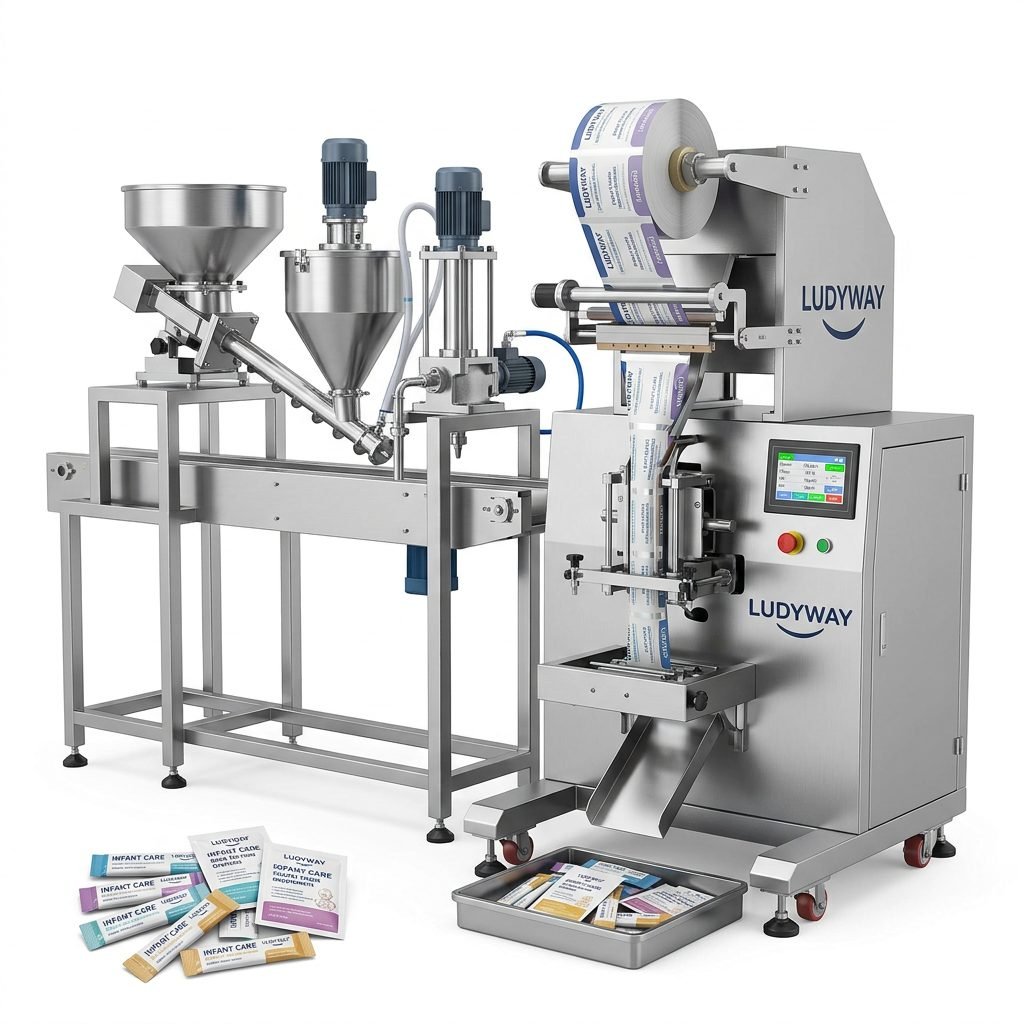
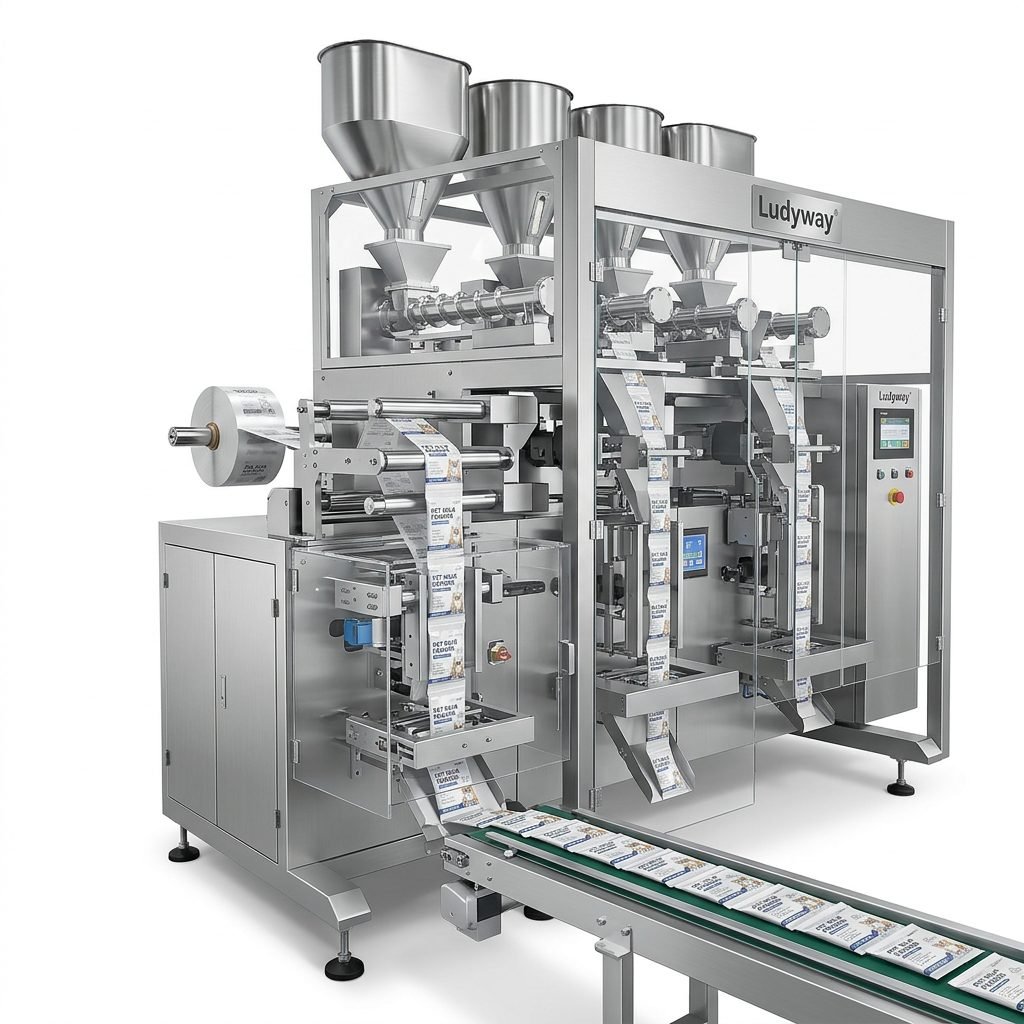
Selecting the right masala packing machine is one of the most important investment decisions a spice manufacturer can make. From free-flowing turmeric powder to sticky curry blends, each masala product demands a specific combination of filling technology, bag format, speed, and hygienic design. This buyer’s guide walks you through the essential technical and commercial considerations so you can choose a solution that matches your production goals.
1. Understand Your Masala Product Characteristics
Start by analyzing the physical properties of your masala. Different spice blends behave very differently during filling and sealing.
- Free-flowing powders (e.g., red chili powder, turmeric, cumin) – suitable for volumetric cup fillers or multi-head weighers.
- Sticky or oily masalas (e.g., ginger-garlic paste powder, wet masala mixes) – require auger fillers with agitation and non-stick contact parts.
- Granule size and consistency – affects dosing accuracy and the choice of filling system.
- Dust generation – needs dust extraction and enclosed filling zones to maintain a clean production environment.
2. Define Your Packaging Format and Bag Type
Masala products are packed in a variety of flexible packaging formats. Your target market and shelf requirements will determine the optimal bag style.
| Bag Type | Typical Capacity | Best Application |
|---|---|---|
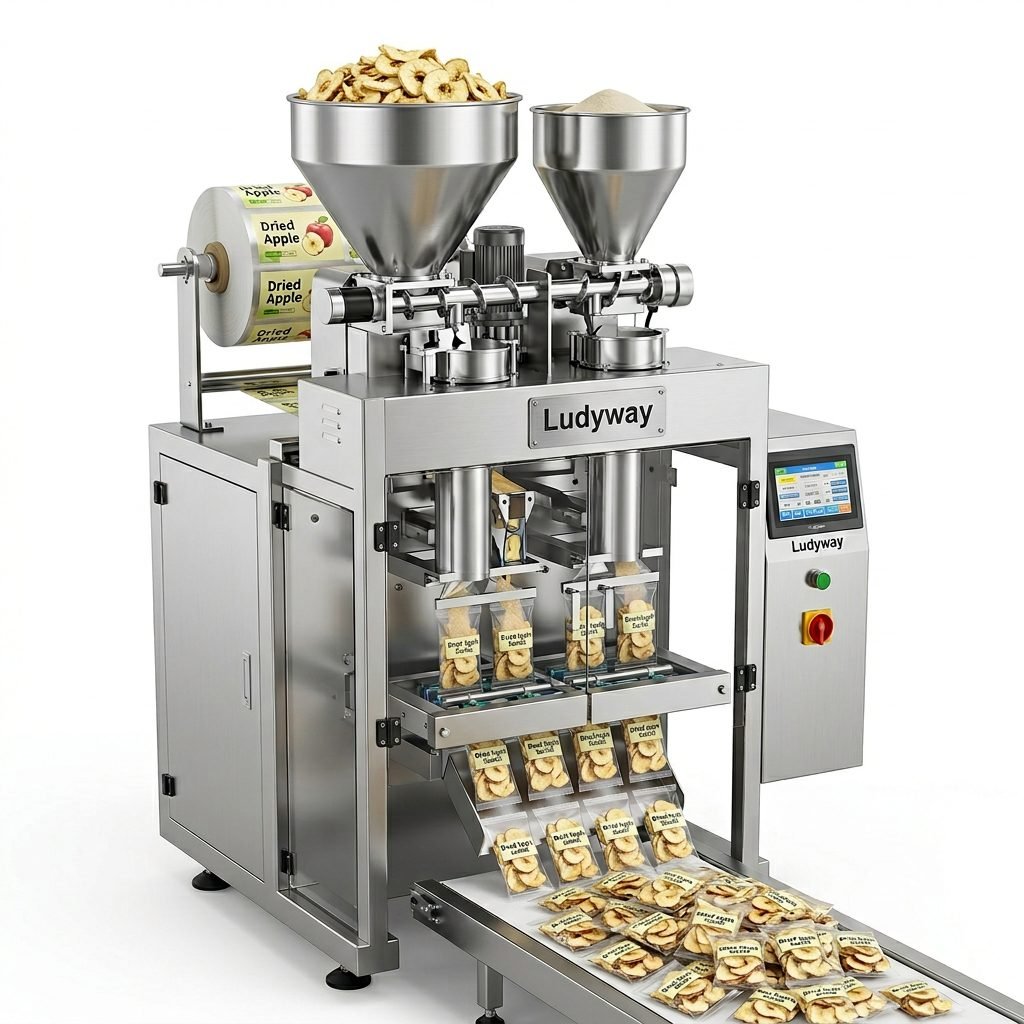
| Pillow Sachet (3-side seal) | 1g – 100g | Single-serve spice sachets, restaurant portions |
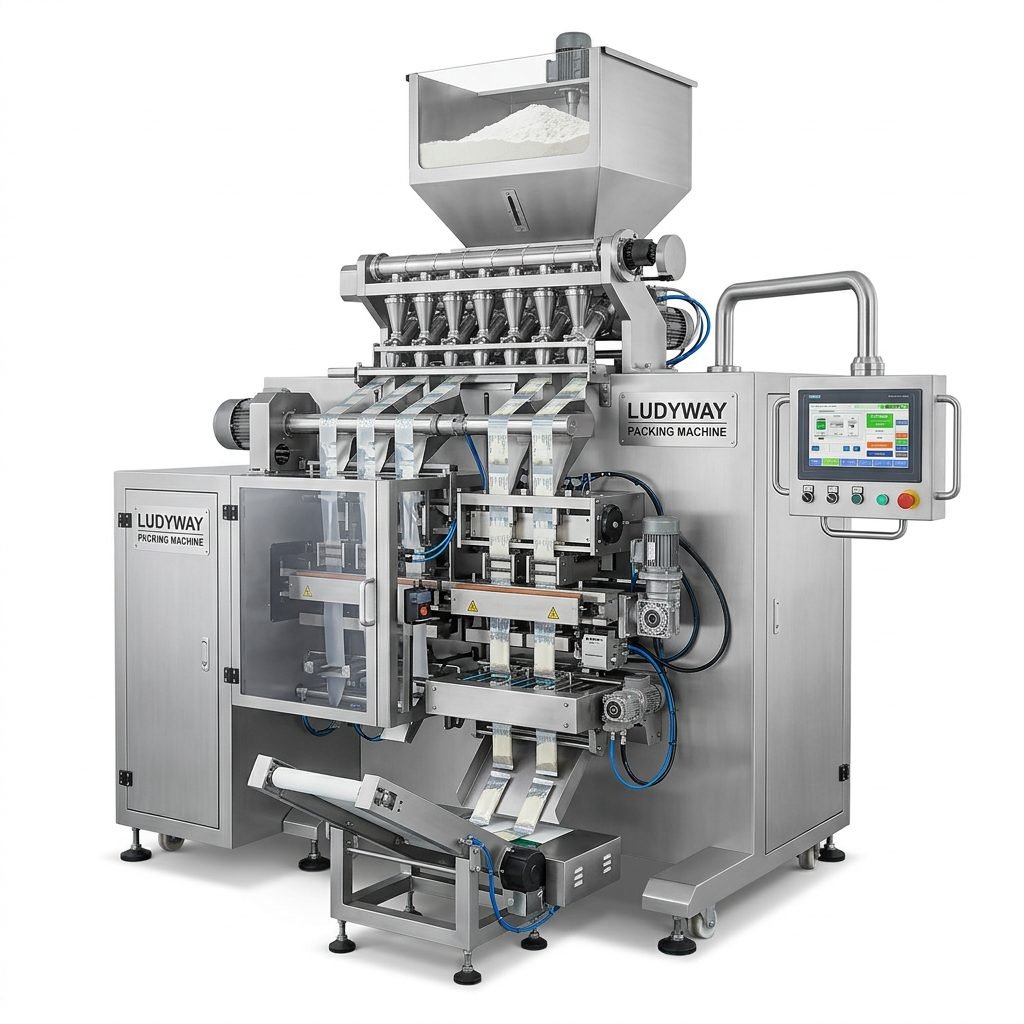
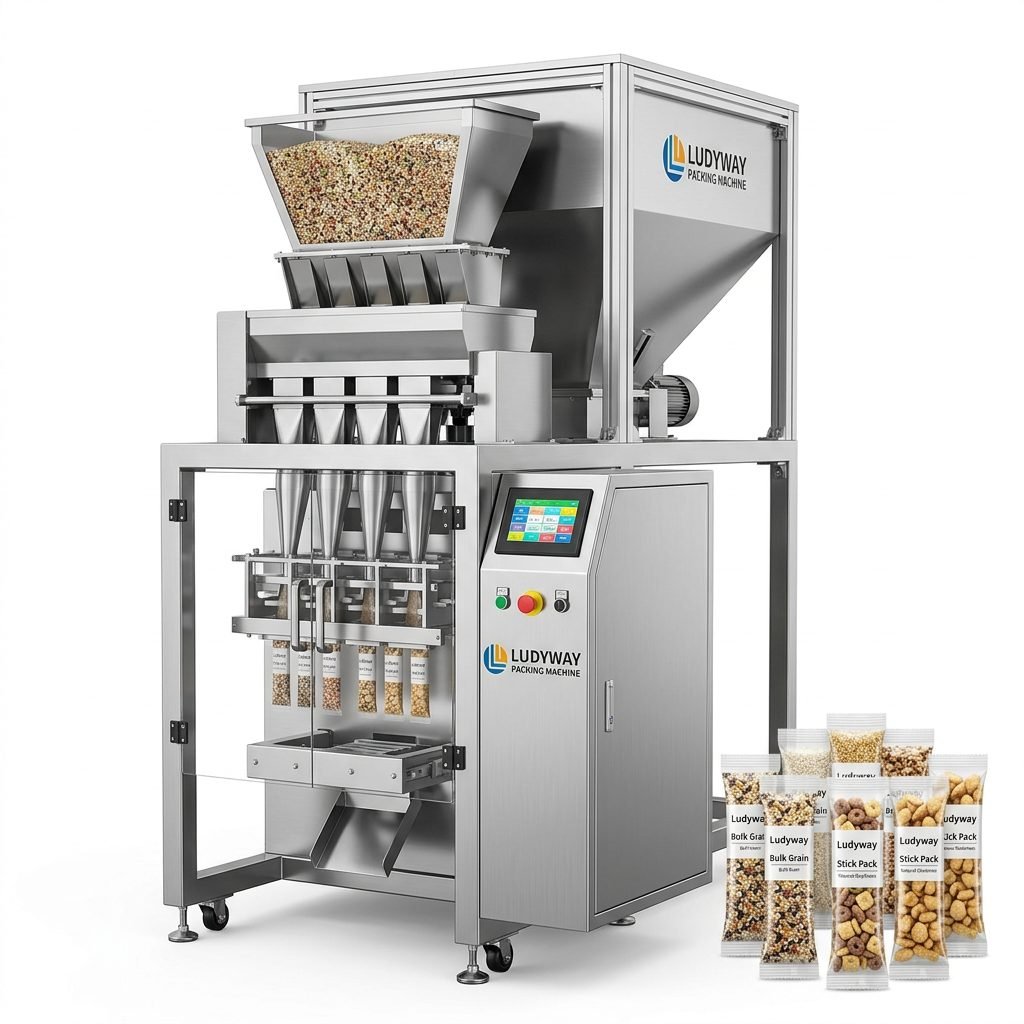
| Stick Pack | 1g – 20g | Instant masala tea premix, seasoning on-the-go |
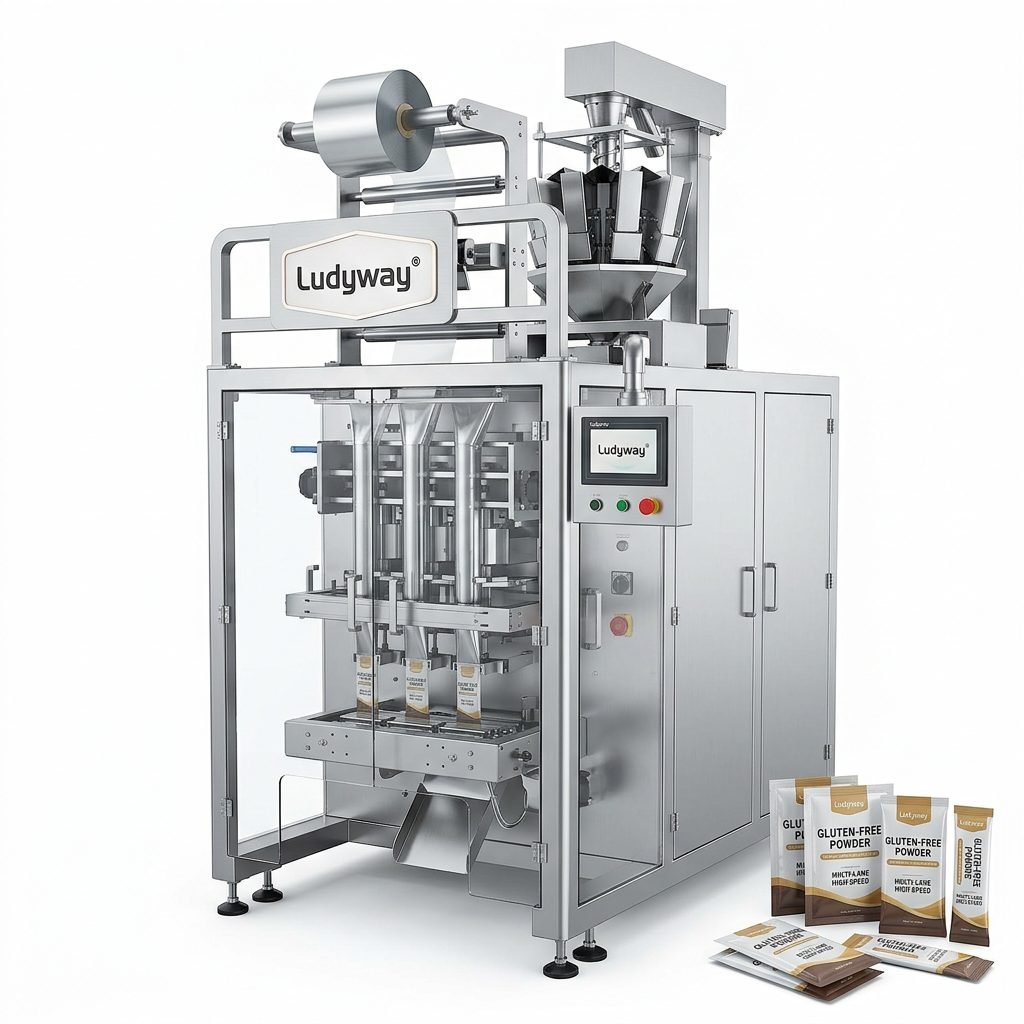
| Stand-Up Pouch (Doypack) | 50g – 2kg | Retail spice pouches, bulk masala for supermarkets |
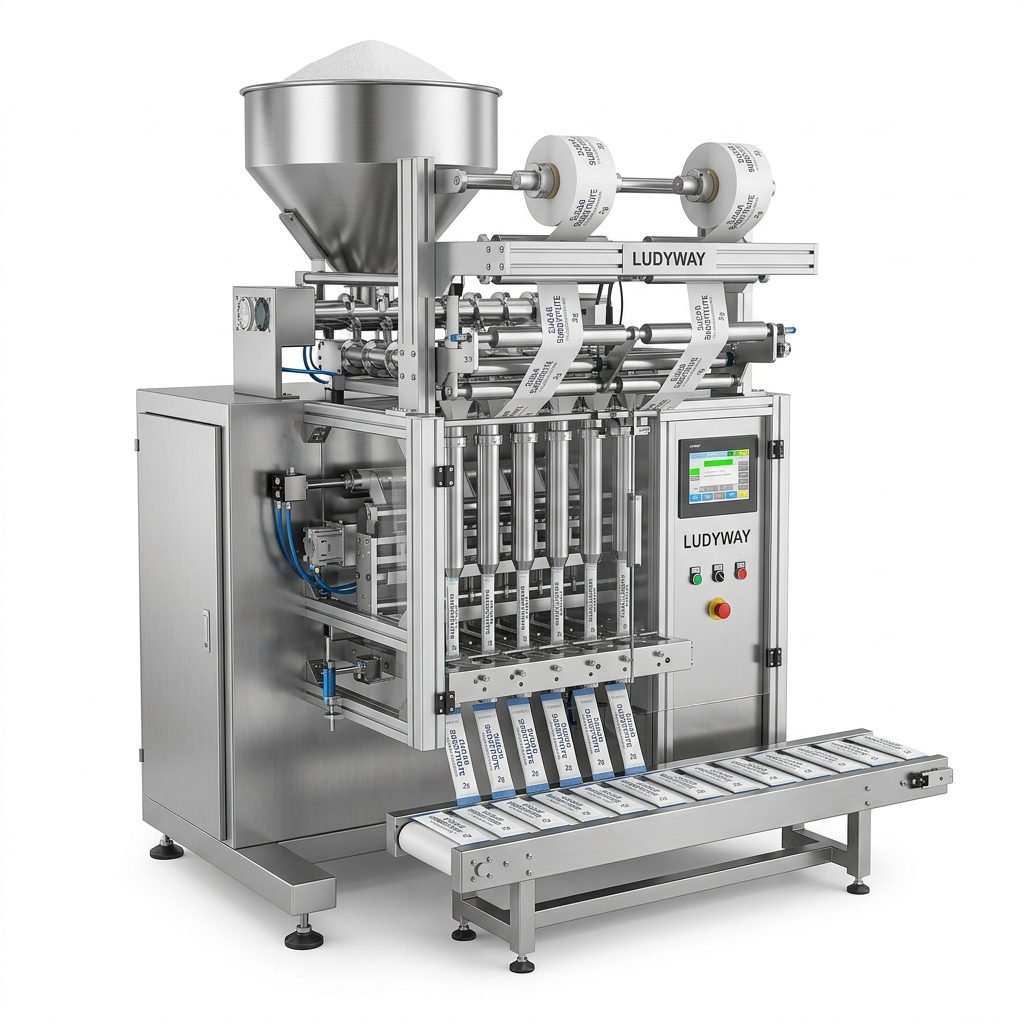
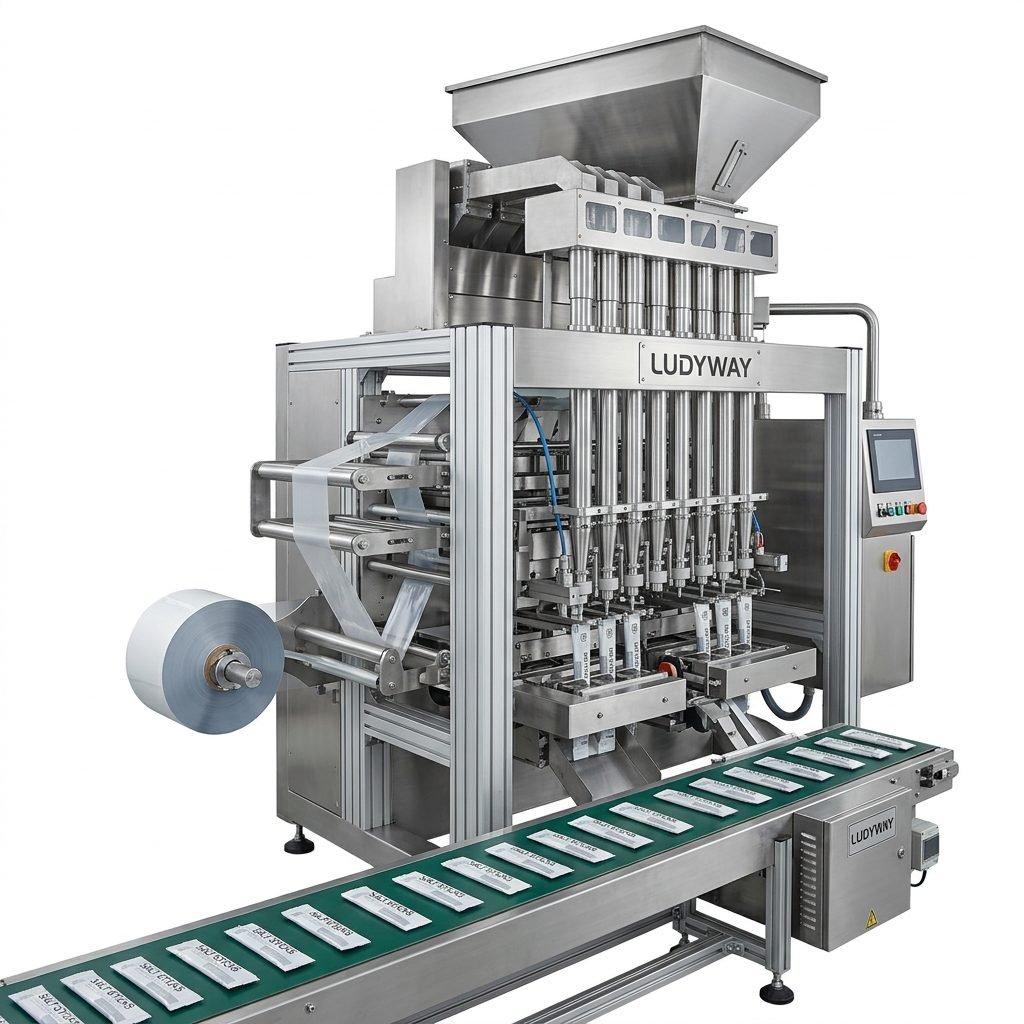
| Multi-Lane Sachet | 1g – 30g x multiple lanes | High-output single-serve spice lines, hotel amenities |
3. Evaluate Production Speed and Automation Level
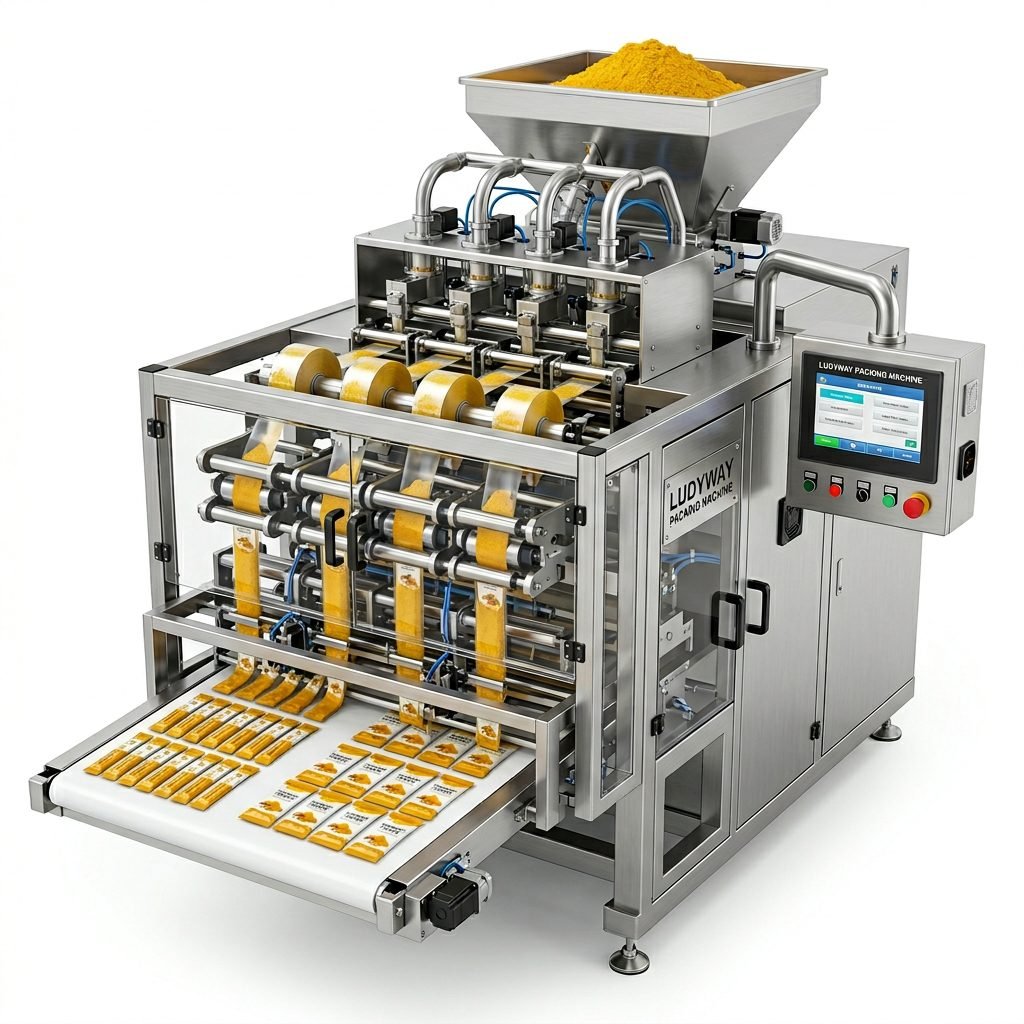
Throughput requirements directly influence whether you need a single-lane or multi-lane system. For small-scale production, a semiautomatic vertical form fill seal machine may suffice, but large masala brands benefit from high-speed multi-lane sachet or stick pack machines capable of 200–400 packs per minute per lane.
- Low-speed (30–60 ppm) – suitable for small batches and contract packing.
- Medium-speed (80–150 ppm) – ideal for mid-sized spice brands entering retail chains.
- High-speed (200–400+ ppm) – required for mass production and export volumes.
Also consider the level of automation: manual feeding vs. automatic auger/multi-head weigher, auto splicing of packaging film, automatic date coding, and integrated reject systems.
4. Consider Weighing Accuracy and Filling Technology
Accurate dosing is critical for masala packing, especially when selling by net weight. Key filling technologies include:
- Auger fillers – best for fine, dusty, and sticky masala powders; offers high precision.
- Volumetric cup fillers – economical for free-flowing granular spices with consistent density.
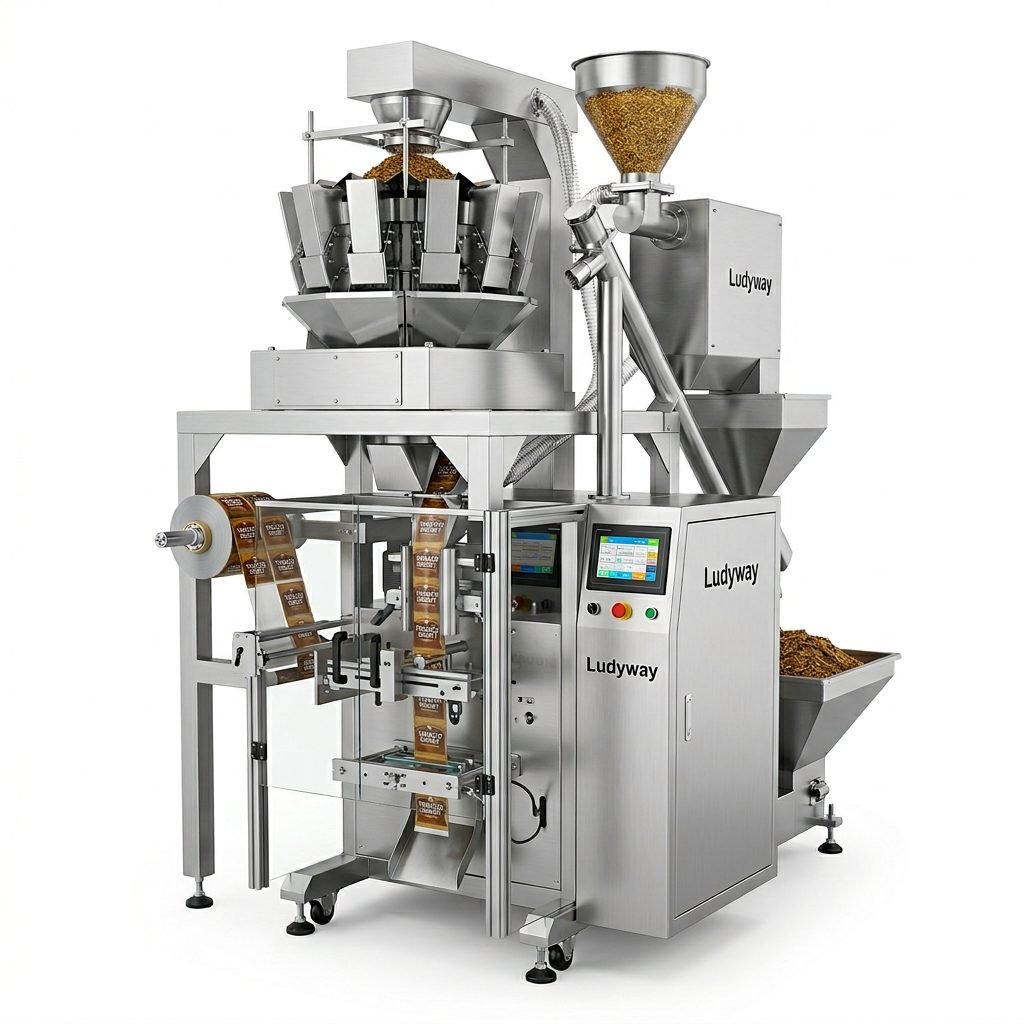
- Multi-head weighers – deliver excellent accuracy and speed for granules and larger pouch weights (above 50g).
For masala that bridges, clumps, or varies in density, auger fillers with servo-driven control typically deliver the most consistent results within ±1% accuracy.
5. Material Compatibility and Build Quality
Spices can be corrosive; therefore, the machine’s contact parts should be made of food-grade stainless steel 304 or 316. Look for:
- Easy disassembly of hopper, auger, and sealing jaws for cleaning.
- Dust-proof electrical enclosures and sealed bearings.
- Film compatibility to run laminates like BOPP/CPP, PET/PE, or aluminum foil for longer shelf life.
6. Regulatory Compliance and Hygiene Standards
For export-oriented masala producers, compliance with international standards is non-negotiable. Machines should be designed to meet FDA food packaging guidelines and, where required, ISO 11607 or GMP principles. According to the 2025 State of the Industry report by PMMI, flexible spice packaging continues to be one of the fastest-growing segments, driving demand for compliant and automated machinery. Additionally, resources from the Flexible Packaging Association highlight the importance of qualified film sealing parameters to avoid spice leakage.
7. After-Sales Support and Customization
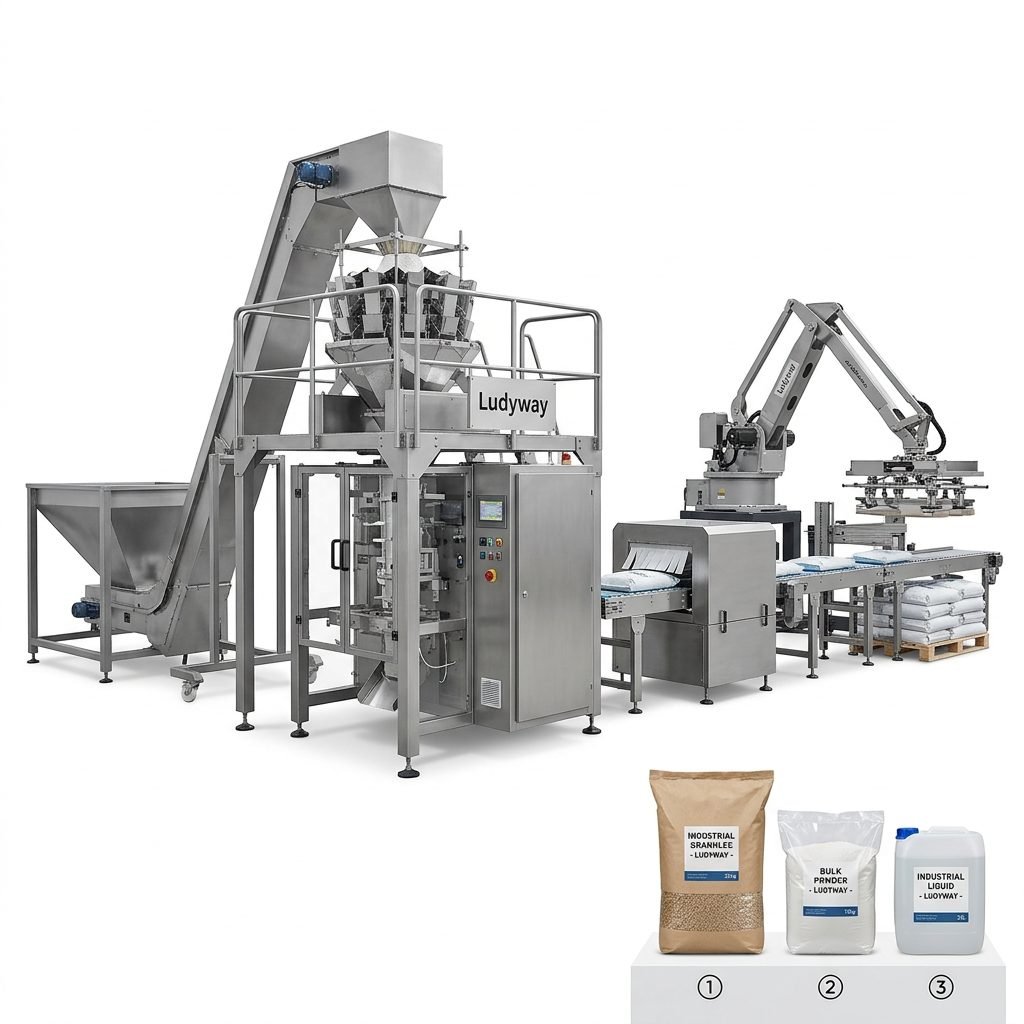
Every masala manufacturer has unique requirements. Whether you need a customized film tension control for thick aromatic powders or a special nitrogen-flushing option for extended shelf life, the machine supplier must offer engineering flexibility. For instance, Ludyway Machinery brings over 30 years of packaging expertise and delivers customized masala packing solutions, from single-lane sachet units to turnkey multi-lane lines with robotic palletizing. A recent article on Ludyway Packaging Machinery Global Growth Trend underscores the rising need for scalable, international-standard packaging equipment in the spice sector.
When evaluating suppliers, prioritize those who offer installation support, operator training, remote diagnostics, and readily available spare parts. A reliable partner ensures your masala packing machine remains productive across multiple shifts.
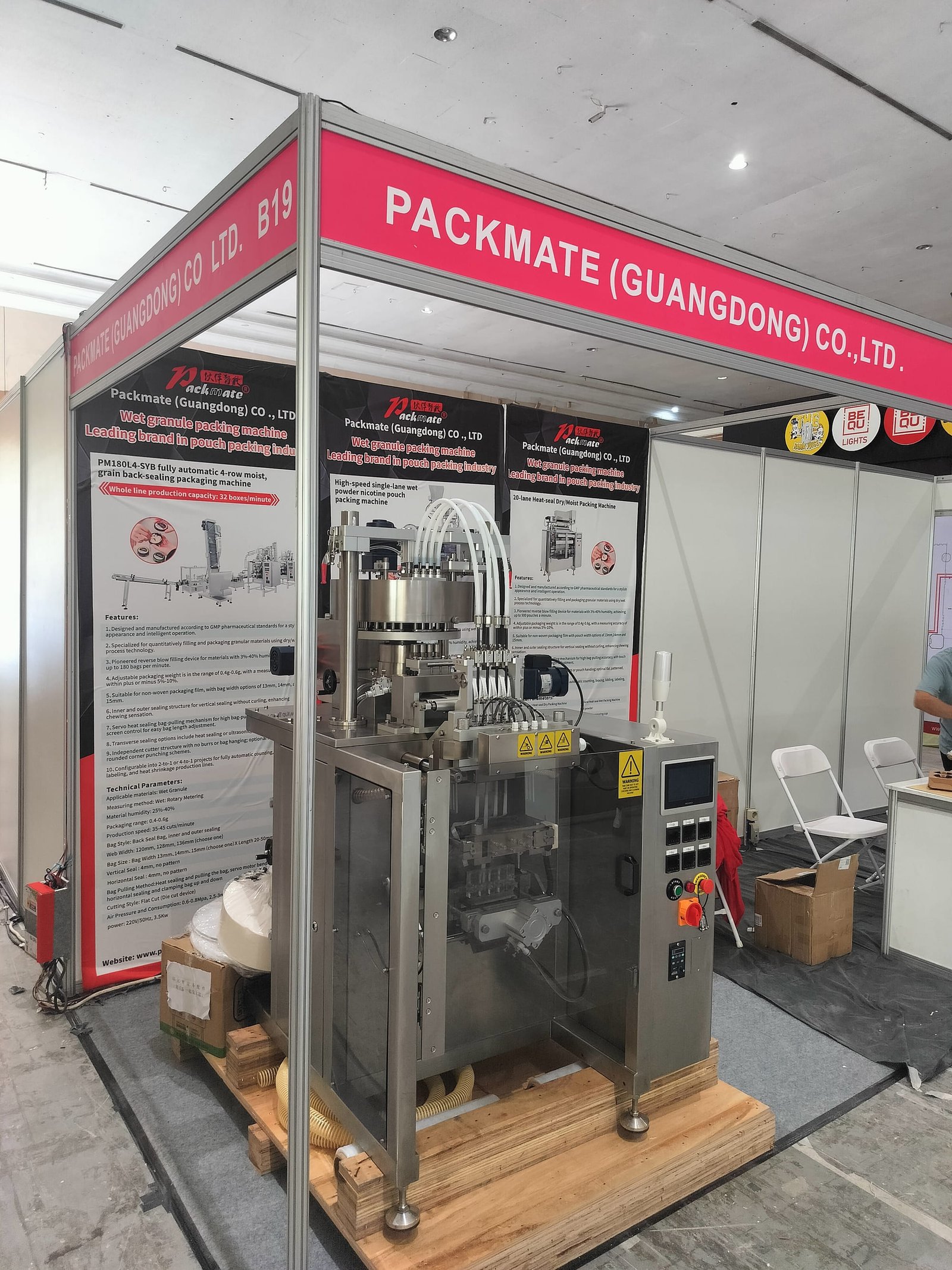
By carefully assessing your masala product characteristics, target bag format, speed requirements, and hygiene standards, you can select a packing machine that will serve your spice business reliably for years. Always ask the manufacturer for a product demonstration or sample run with your actual masala blend before making a final decision.