Investing in a Kurkure packing machine is a significant decision for any snack food manufacturer. The right equipment can boost production efficiency, reduce waste, and ensure consistent product quality, while the wrong choice can lead to costly downtime and packaging inconsistencies. This guide walks you through the critical factors to consider, from product characteristics to automation levels, helping you make an informed purchasing decision.
Whether you are launching a new Kurkure product line or upgrading an existing facility, understanding the nuances of packaging machinery selection is essential. A well-chosen machine integrates seamlessly into your production workflow, handles your specific product properties, and meets your output targets. As a leading packaging machinery manufacturer, Ludyway Machinery provides integrated packaging systems designed to match diverse production requirements across the food industry.
Evaluate Your Product Characteristics and Packaging Requirements
Before comparing machine specifications, start with a thorough analysis of your product. Kurkure snacks have unique physical properties that directly influence the type of packing machine you need.
- Product Dimensions and Shape: Kurkure pieces are irregular, cylindrical, and often curled. The filling system must handle these shapes without crushing or creating excessive breakage.
- Fragility and Breakage Sensitivity: Snack products are prone to damage during handling. Look for machines with gentle product transfer, reduced drop heights, and vibratory feeding systems designed for delicate items.
- Seasoning and Oil Content: Kurkure often has surface oil and seasoning. The machine’s contact parts should resist buildup and be easy to clean to maintain hygiene and prevent cross-contamination.
- Target Bag Formats: Decide whether you need pillow bags, gusseted bags, or block-bottom pouches. The bag former and sealing jaw design must match your desired packaging style and film type.
| Product Attribute | Consideration | Machine Feature Needed |
|---|---|---|
| Fragile, irregular shape | Minimal breakage during filling | Volumetric cup filler or multi-head weigher with gentle handling |
| Oily, seasoned surface | Prevent residue buildup | Stainless steel contact parts, easy-clean design |
| Requires pillow or gusseted bags | Consistent, high-quality seals | Adjustable forming tube and reliable heat-sealing jaws |
Understand the Different Types of Packing Machines
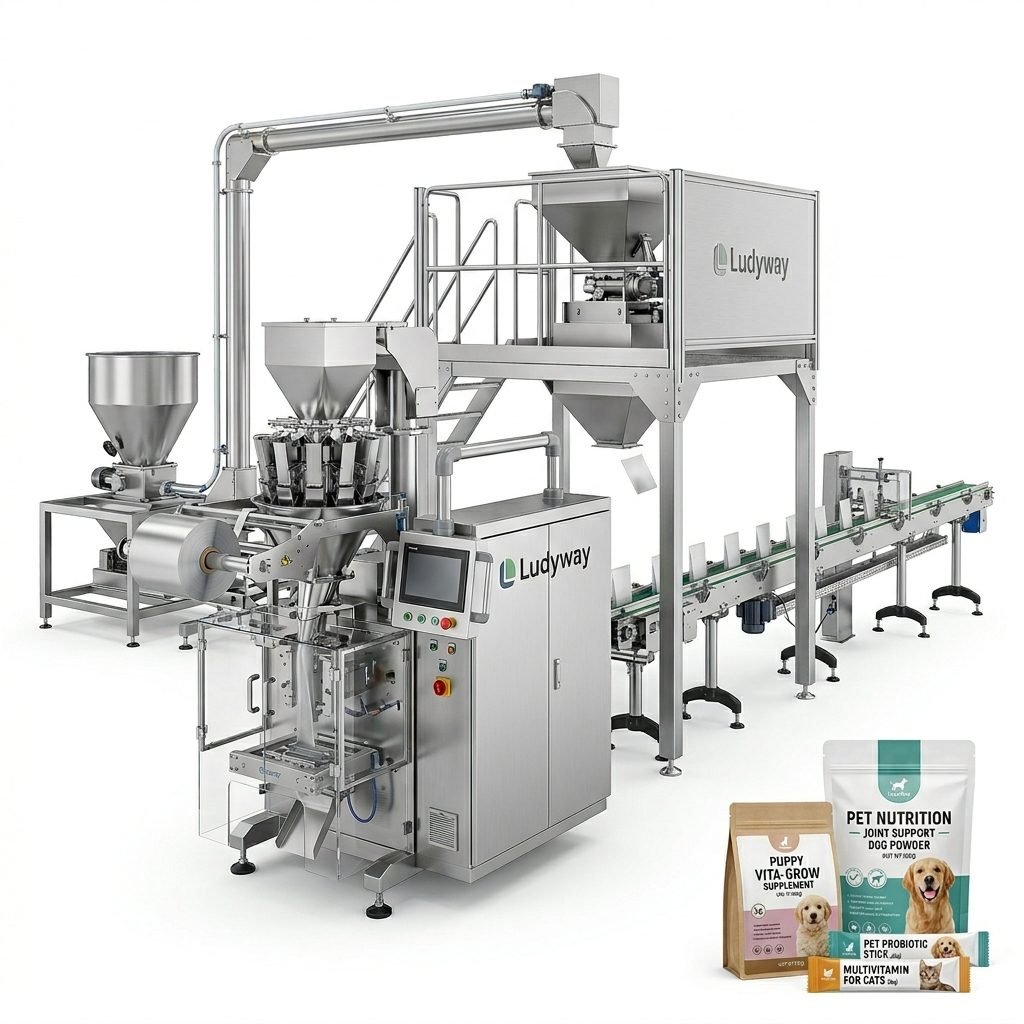
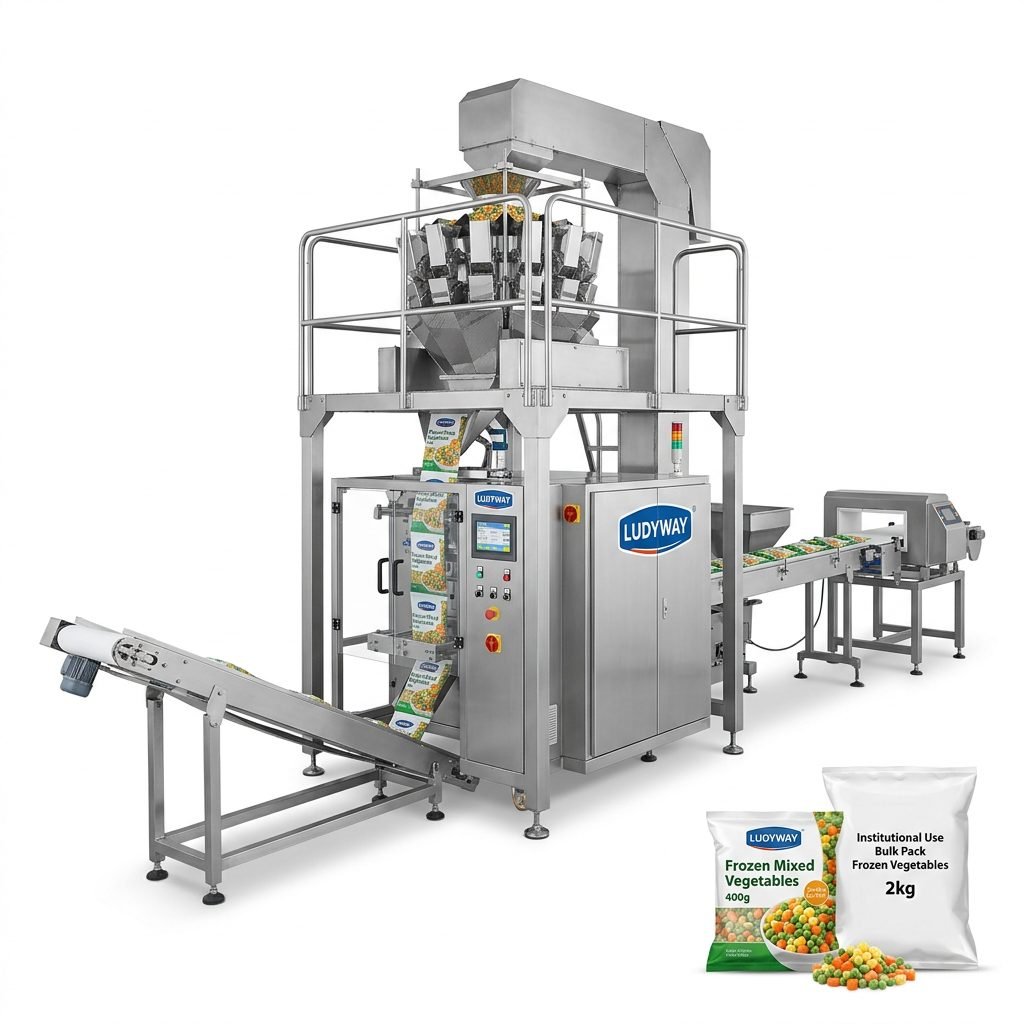
Selecting the right type of packaging machine is fundamental. For Kurkure products, vertical form fill seal (VFFS) machines are the most common choice, but other configurations may suit specific needs.
Vertical Form Fill Seal (VFFS) Machines
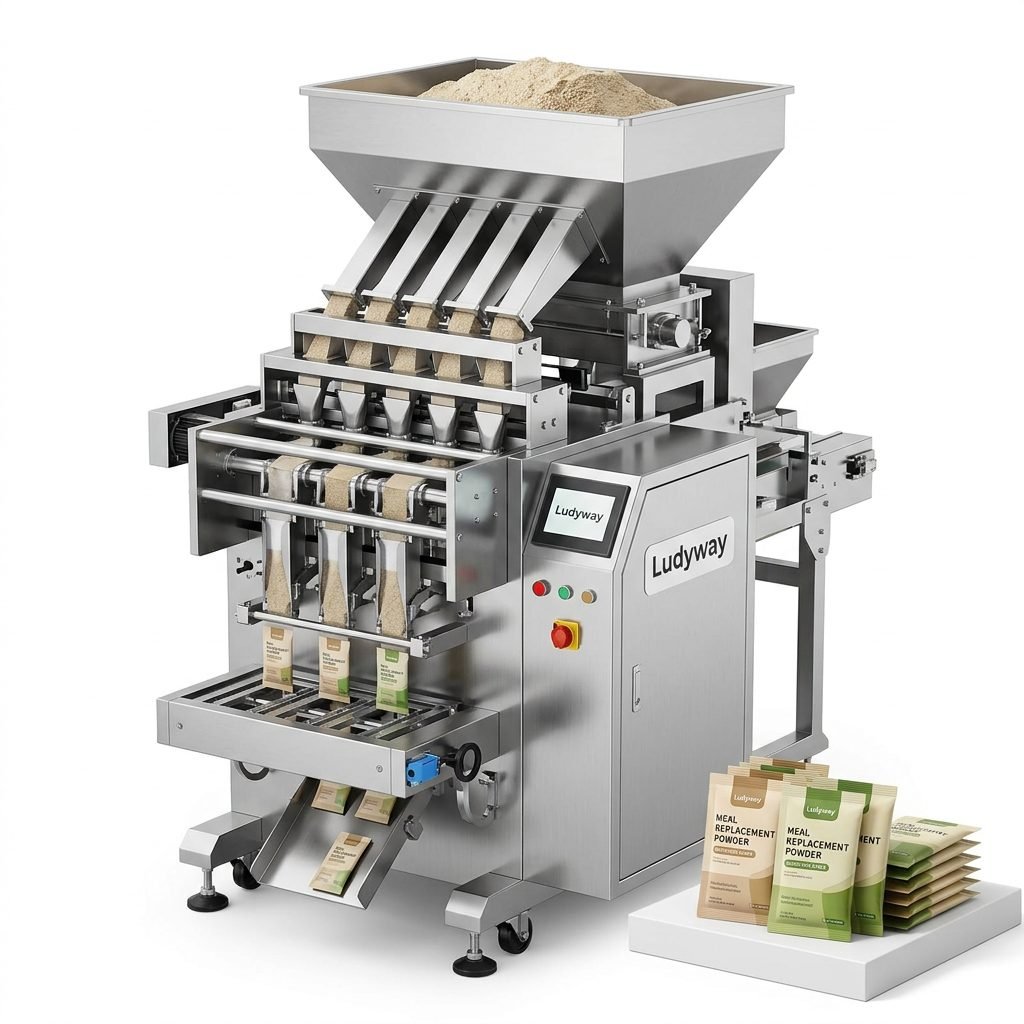
VFFS machines form a bag from a flat roll of film, fill it with product, and seal it in a vertical orientation. They are ideal for high-speed snack packaging and can handle a wide range of bag sizes and styles. These machines offer excellent efficiency for free-flowing products like Kurkure.
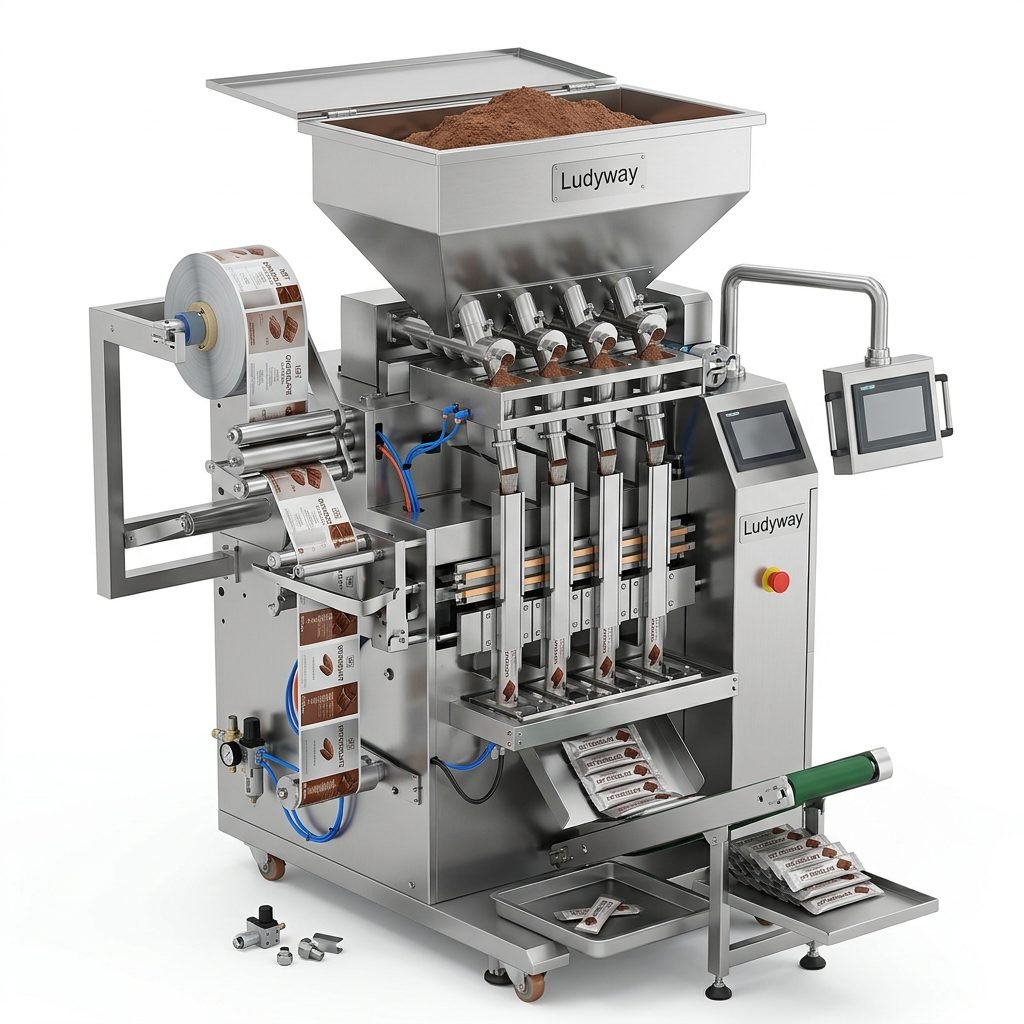
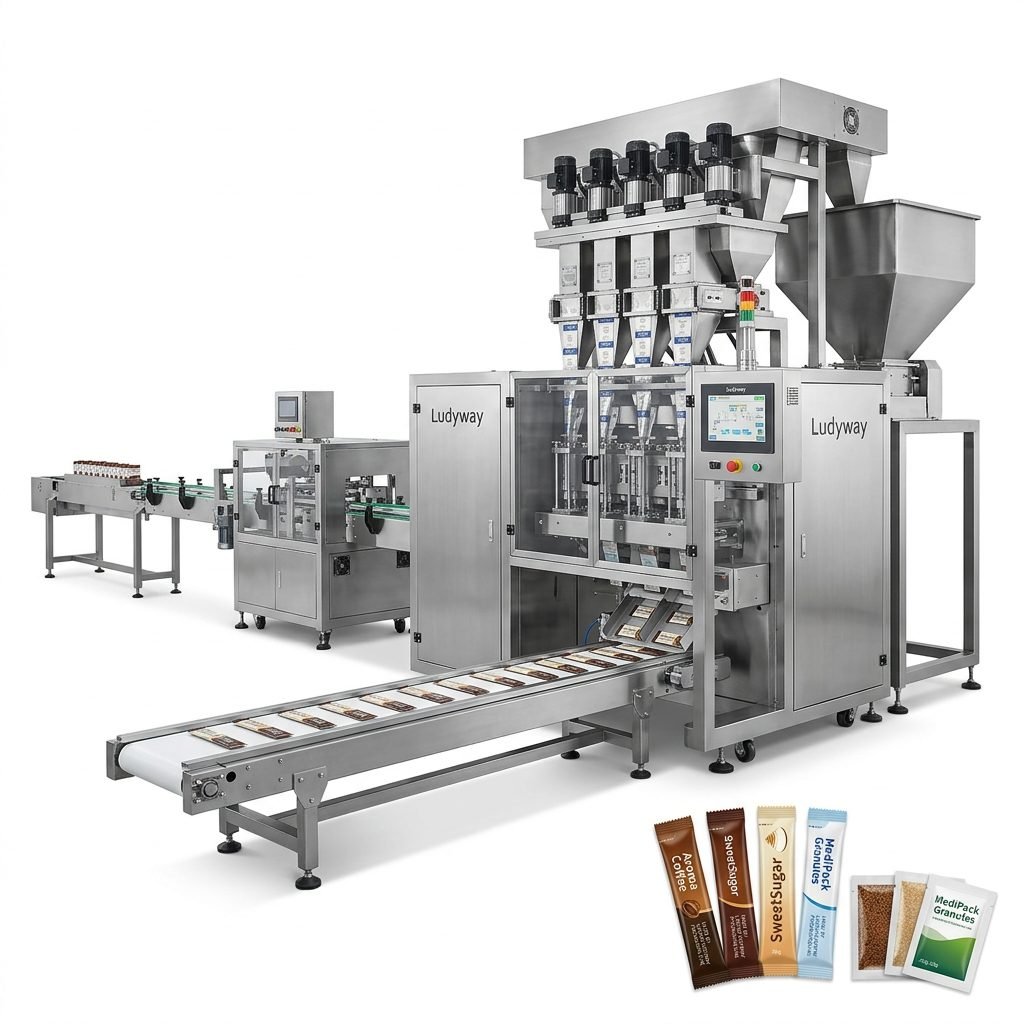
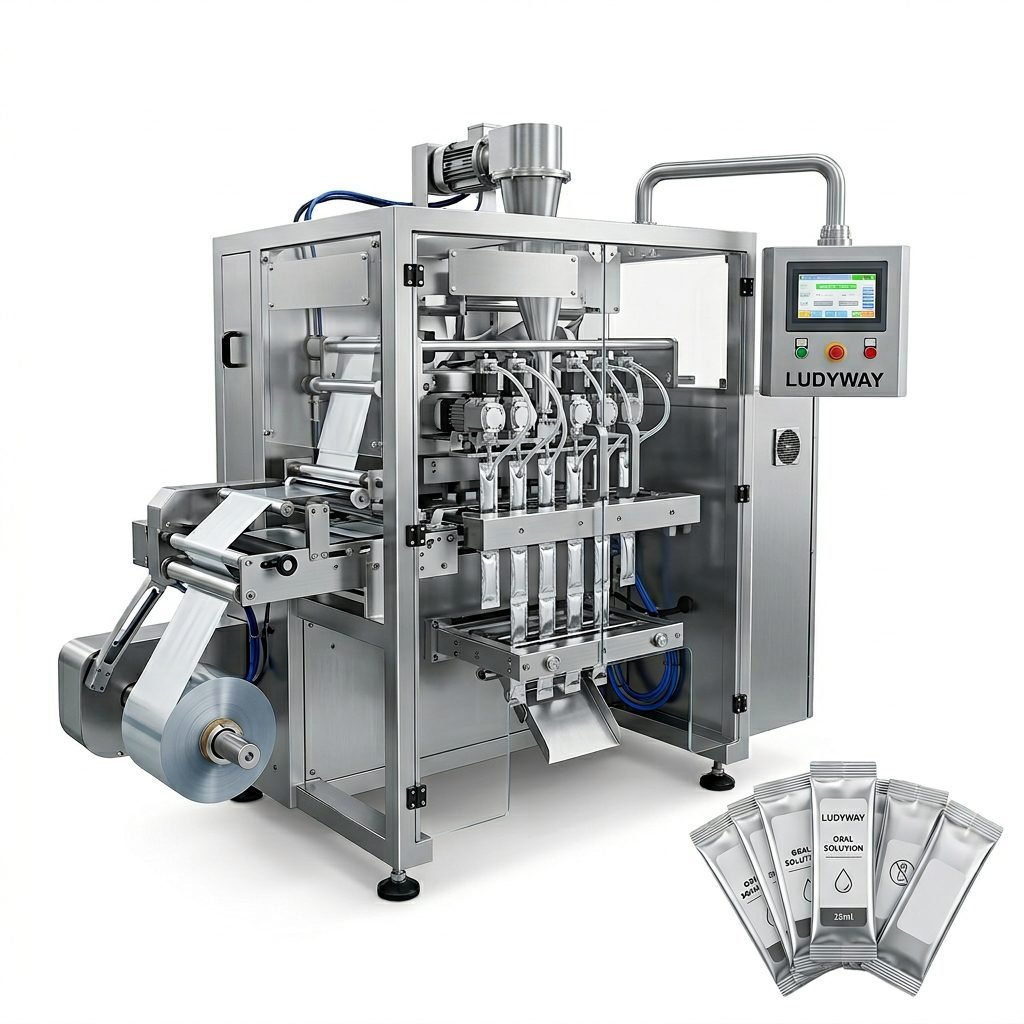
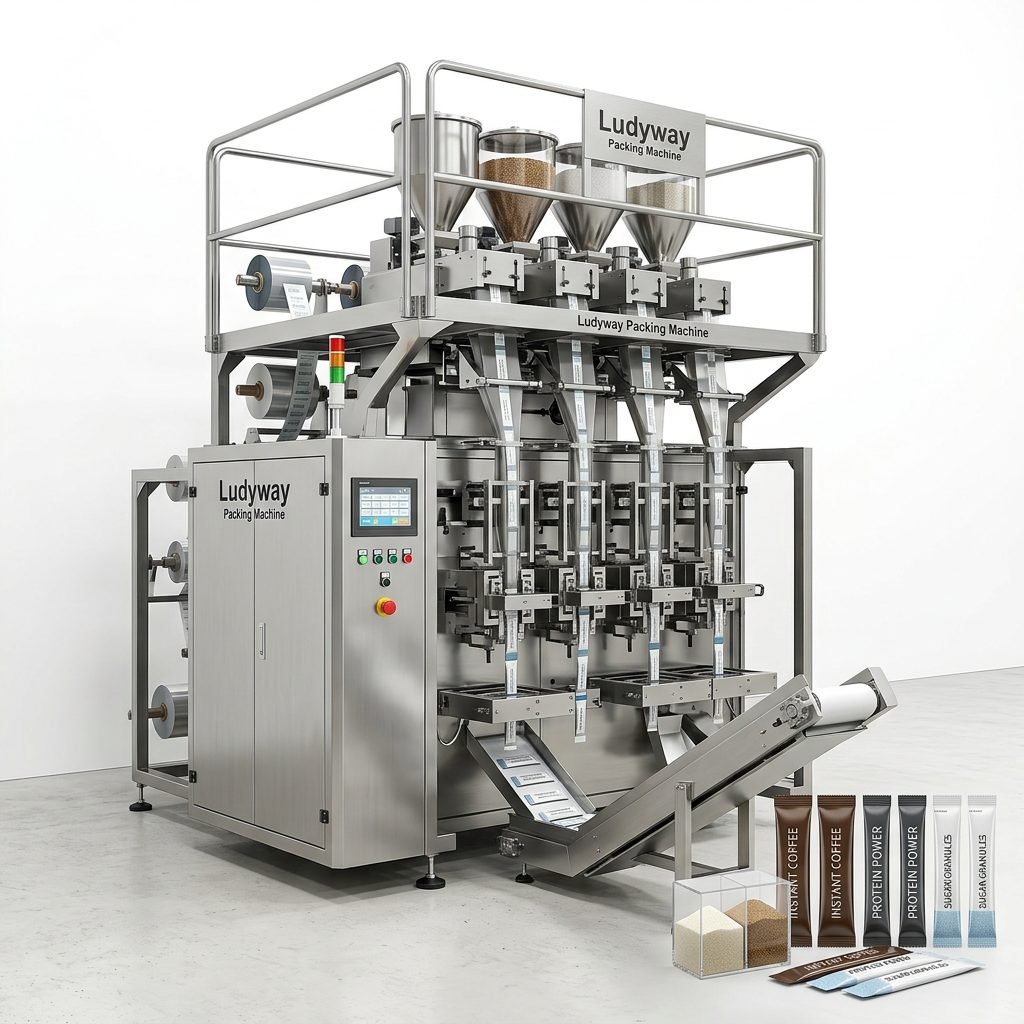
Multi-Lane Stick Pack Machines
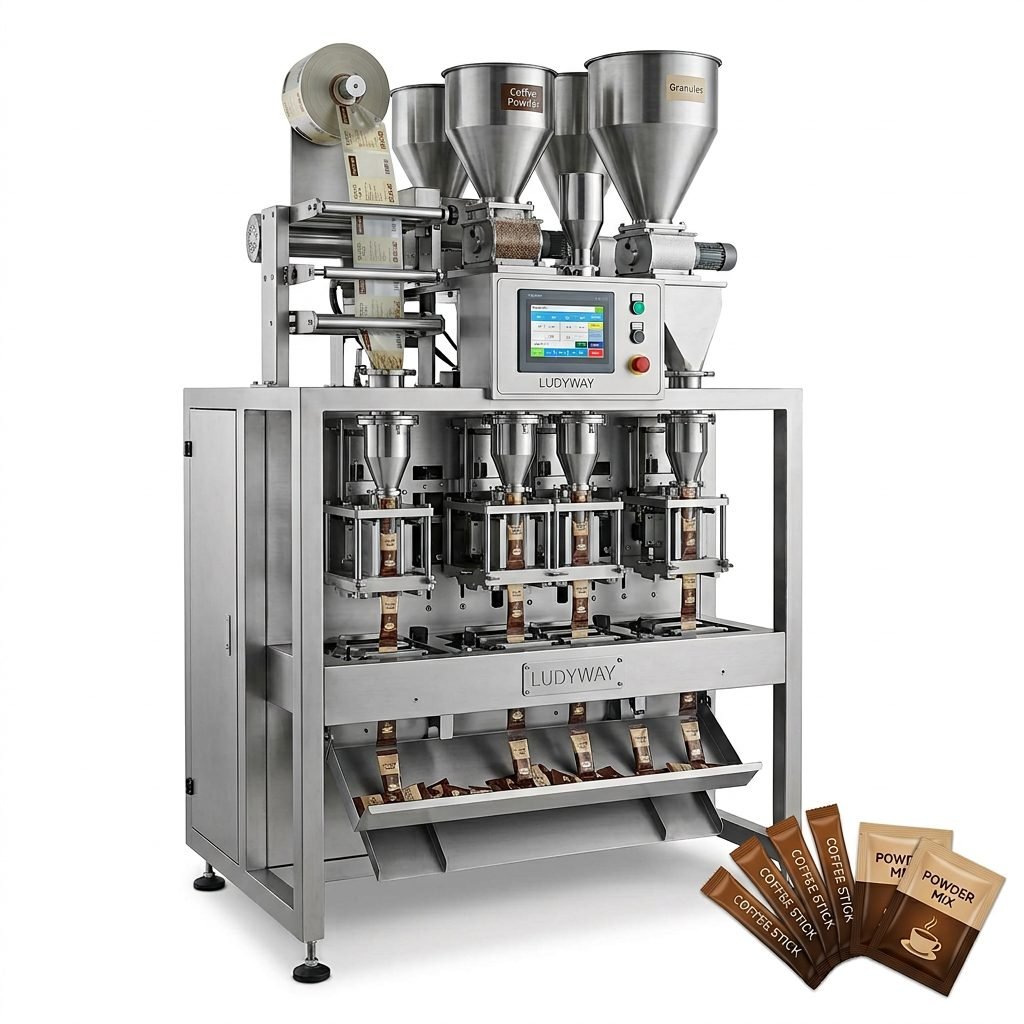
If you are considering single-serve or portion-control formats, multi-lane stick pack machines produce multiple narrow sachets simultaneously. This technology significantly increases output per cycle and is popular for on-the-go snack formats.
Rotary Packing Machines
For operations prioritizing continuous motion and very high speeds, rotary systems offer a solution. Multiple stations work simultaneously on forming, filling, and sealing, making them suitable for large-scale Kurkure production lines.
Assess Build Quality and Material Compliance
The construction materials and build quality of a Kurkure packing machine directly affect its longevity, hygiene, and maintenance requirements. Food-grade standards demand specific materials and finishes.
- Stainless Steel Construction: All product contact surfaces should be 304 or 316 stainless steel to prevent corrosion and resist acidic or salty seasonings.
- Frame and Non-Contact Parts: Even non-contact structural components should ideally be stainless steel or treated carbon steel to withstand washdown environments.
- Compliance with FDA Food Packaging Regulations: Ensure the machine design supports food safety protocols, including smooth welds, minimal crevices, and sanitation-friendly layouts.
- Dust and Moisture Protection: Electrical enclosures should have appropriate IP ratings to protect against dust from seasoning and moisture from cleaning processes.
Evaluate Automation and Production Line Integration
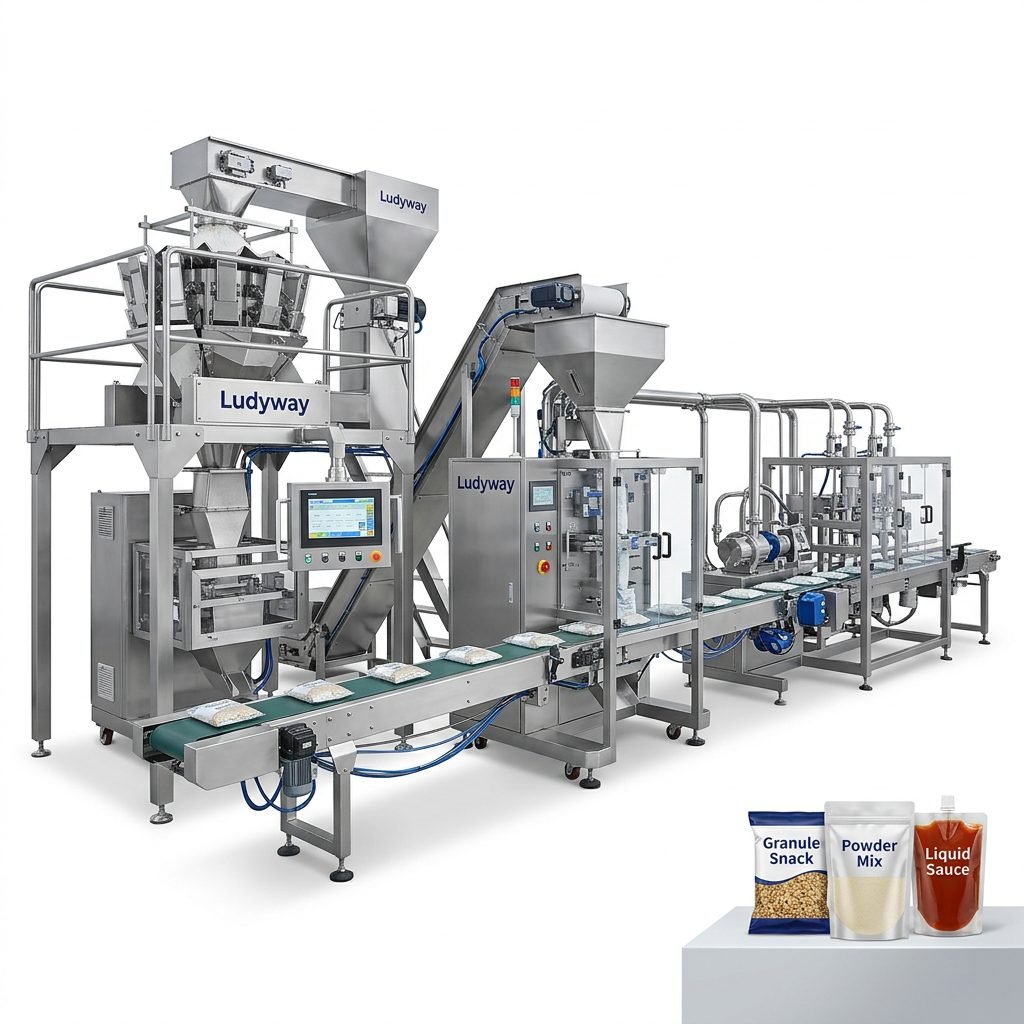
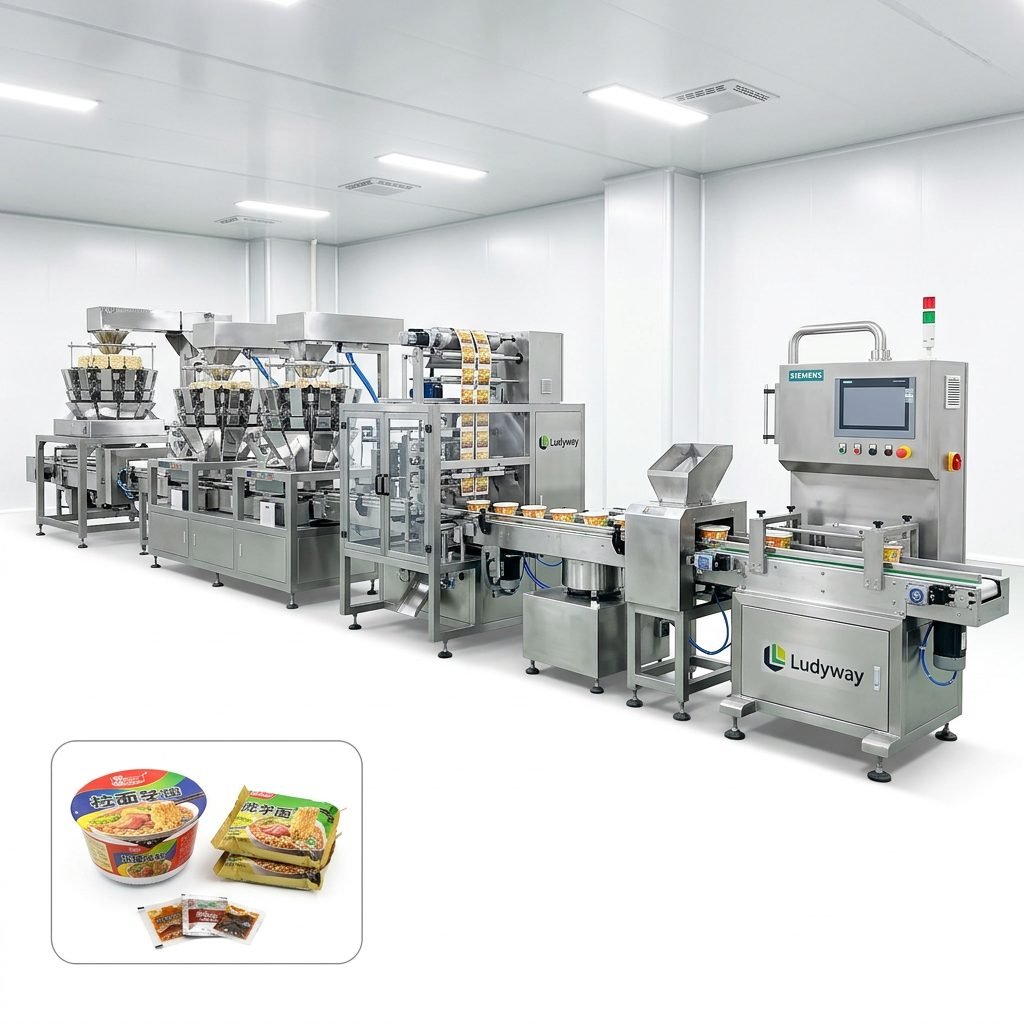
Modern packaging lines often require more than just a standalone machine. Consider how the equipment will connect with upstream and downstream processes for a fully automated workflow.
- Automatic Feeding Systems: Inclined conveyors, bucket elevators, or vibratory feeders keep the product supply consistent and minimize manual handling.
- Checkweighers and Metal Detectors: Inline quality control systems reject underweight packages or products with metallic contaminants, ensuring compliance with food safety standards.
- Date Coding and Labeling: Integrated thermal transfer or inkjet printers apply production dates, batch codes, and other traceability information directly on the package.
- Case Packing and Palletizing: For full turnkey solutions, robotic pick-and-place systems and automated palletizers streamline end-of-line operations, reducing labor and increasing throughput.
According to PMMI business intelligence, the trend toward integrated, automated packaging systems continues to grow as manufacturers seek to reduce downtime and improve overall equipment effectiveness.
Choose the Right Packaging Machinery Partner
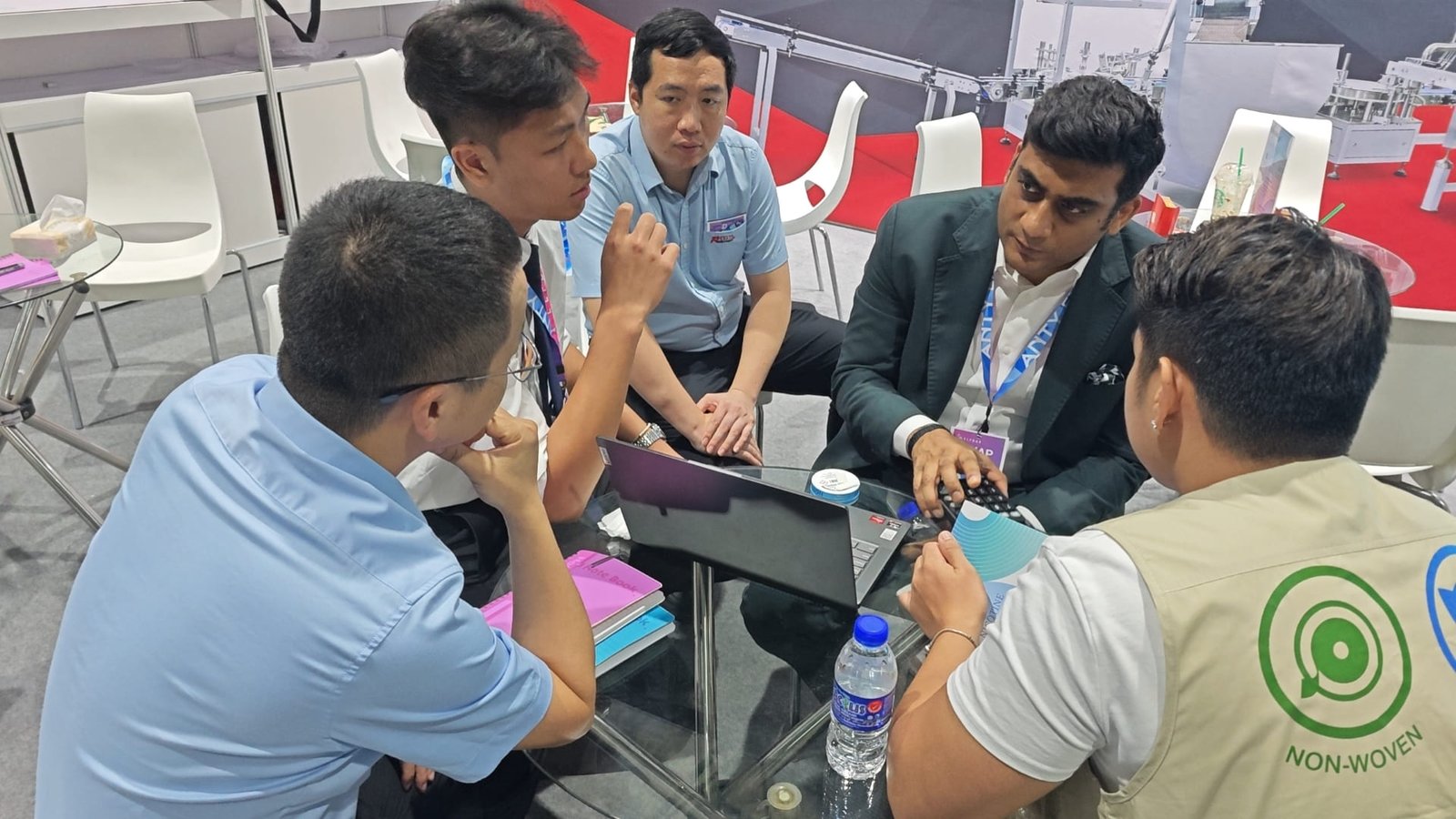
Selecting a reliable machinery supplier is as important as the equipment specifications. A partner with deep application experience can guide you through configuration, installation, and ongoing support.
Look for a supplier that offers custom engineering capabilities, not just catalog models. Your product, factory layout, and production goals are unique, and the right partner will tailor the machine accordingly. Ludyway Machinery, with more than 30 years of experience and a 20,000-square-meter manufacturing facility, provides customized packaging solutions for snack food manufacturers worldwide. The global growth trajectory of packaging machinery highlights the importance of choosing an experienced, export-oriented manufacturer.
Consider Budget, ROI, and After-Sales Support
Your investment in a Kurkure packing machine should be evaluated not just on purchase price, but on total cost of ownership, projected return on investment, and the availability of technical support.
| Cost Element | Description | Impact on ROI |
|---|---|---|
| Initial Investment | Machine cost, installation, commissioning | Capital expenditure, depreciated over time |
| Operational Costs | Film consumption, energy, labor, maintenance | Ongoing expenses that affect profitability |
| Film Waste | Material wasted during startups, adjustments, and rejects | Directly reduces packaging material costs |
| Service and Spare Parts | Availability of technical support, training, and critical components | Minimizes downtime and lost production |
Consult industry resources such as Flexible Packaging Association data to benchmark your packaging costs and set realistic performance expectations. A well-supported machine from an established manufacturer will deliver consistent output and quick resolution of technical issues, protecting your production schedule and profitability.
Selecting the right Kurkure packing machine requires careful consideration of your product, packaging format, speed requirements, and long-term support. By focusing on these key factors and partnering with an experienced manufacturer, you can build a reliable, efficient packaging line that supports your brand’s growth in the competitive snack food market.