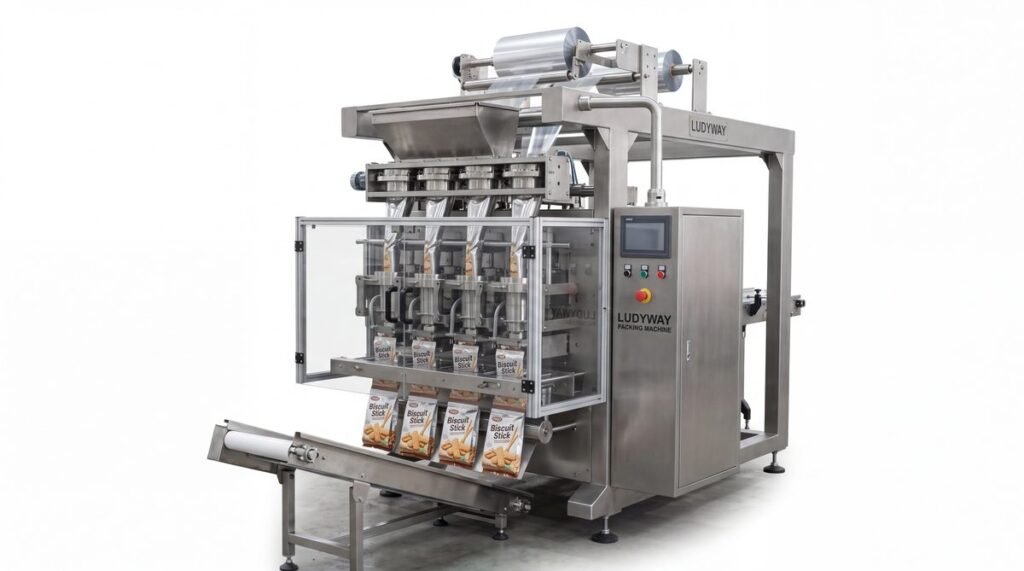
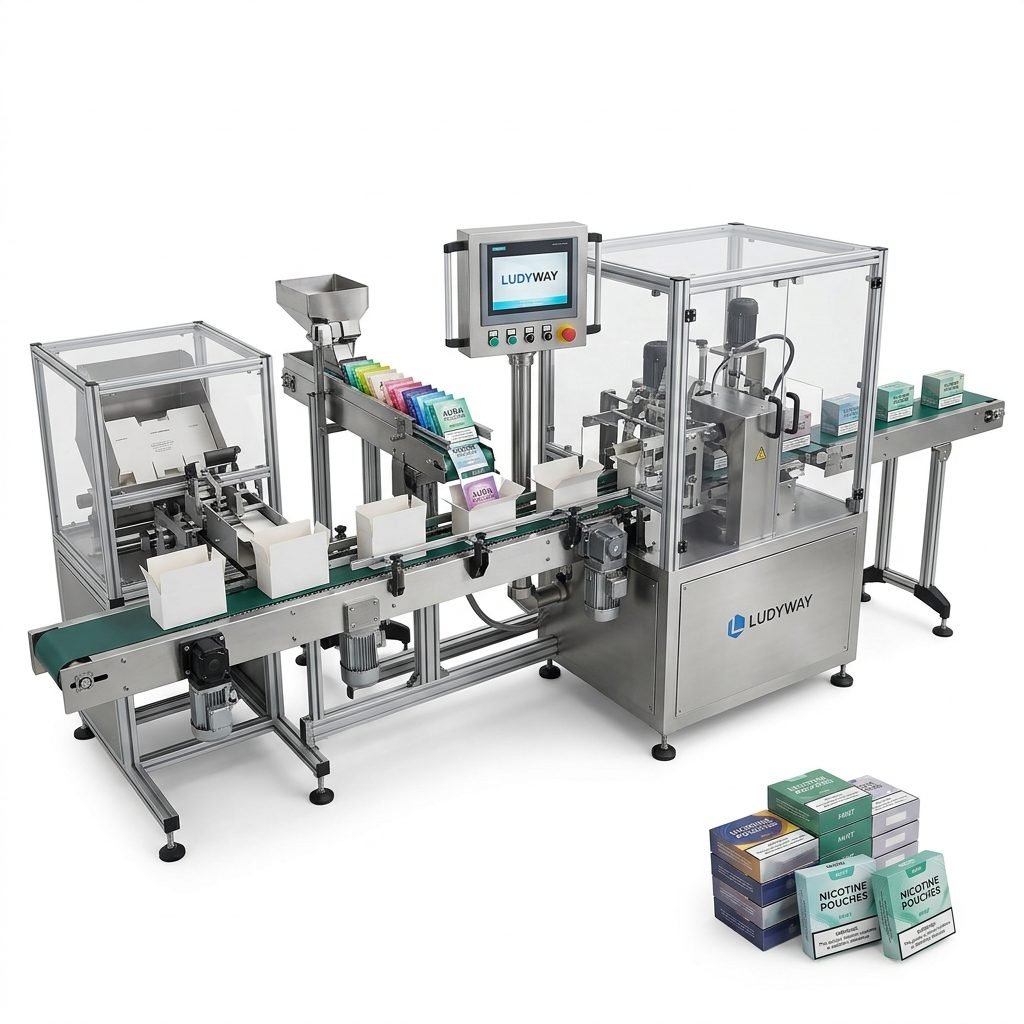
Selecting the right cosmetics packaging machine is one of the most critical decisions a beauty brand or contract manufacturer will make. Whether you are filling sachets for face creams, stick packs for serums, or multi-lane pouches for lotions, the equipment you choose directly impacts product quality, production efficiency, and long-term profitability. With the global cosmetics packaging market evolving rapidly and consumer demand shifting toward single-dose, travel-friendly, and sample-sized formats, investing in the correct packaging machinery has never been more important.
According to industry data from the PMMI packaging intelligence reports, flexible packaging formats — including sachets and stick packs — are experiencing some of the fastest growth rates across the personal care sector. This guide will walk you through every key factor you need to evaluate before purchasing a cosmetics packaging machine.
Understanding Your Cosmetic Packaging Requirements
Before comparing machine specifications, you need to clearly define your own production requirements. Cosmetic products vary widely in their physical characteristics, and each formulation places different demands on packaging equipment. Key product variables include:
- Viscosity and flow characteristics — Thin serums, thick creams, gels, and pastes each require different filling systems
- Product sensitivity — Active ingredients like retinol, vitamin C, and peptides may require light-protected or oxygen-free packaging environments
- Fill volume range — Sample sachets (1-3ml), standard single-use packs (5-15ml), or larger multi-use pouches (20-50ml+)
- Production batch sizes — Frequent product changeovers demand machines with quick-clean and rapid-reconfiguration features
- Target packaging format — Sachets, stick packs, pouches, tubes, or multi-lane configurations
If your product line includes both liquids and creams, you will need a machine capable of handling a wide viscosity range, or you may need to invest in separate dedicated lines. The FDA packaging regulations also apply to many cosmetic products, particularly those that border on pharmaceutical claims, so regulatory compliance should be considered from the beginning.
Types of Cosmetic Packaging Machines
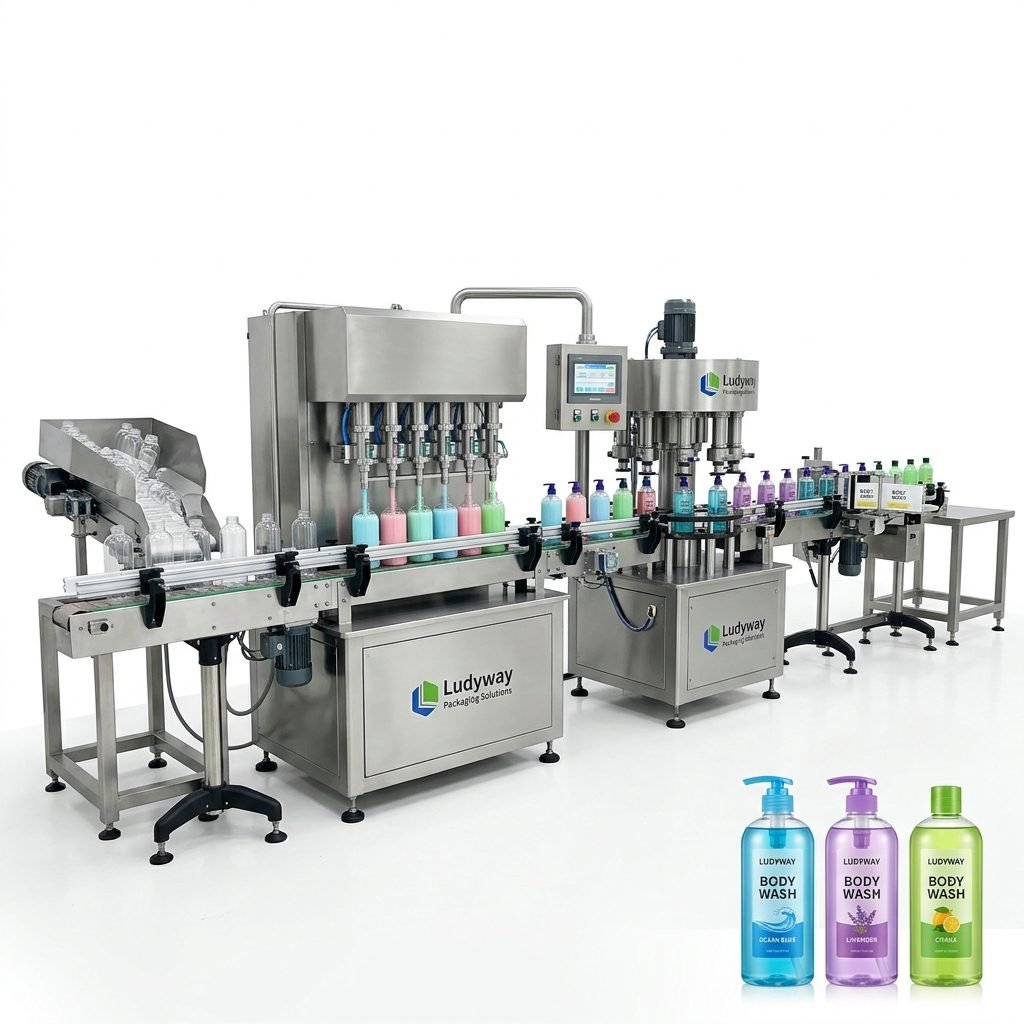
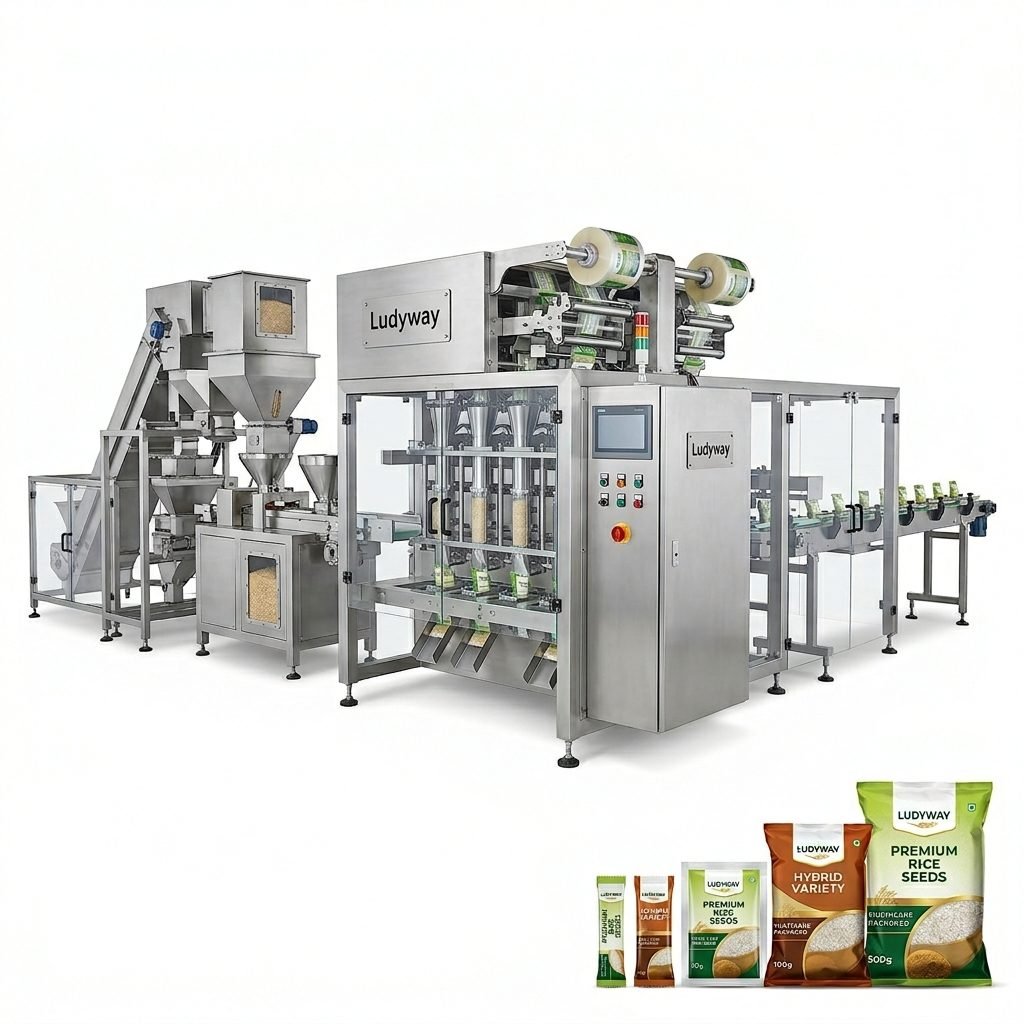
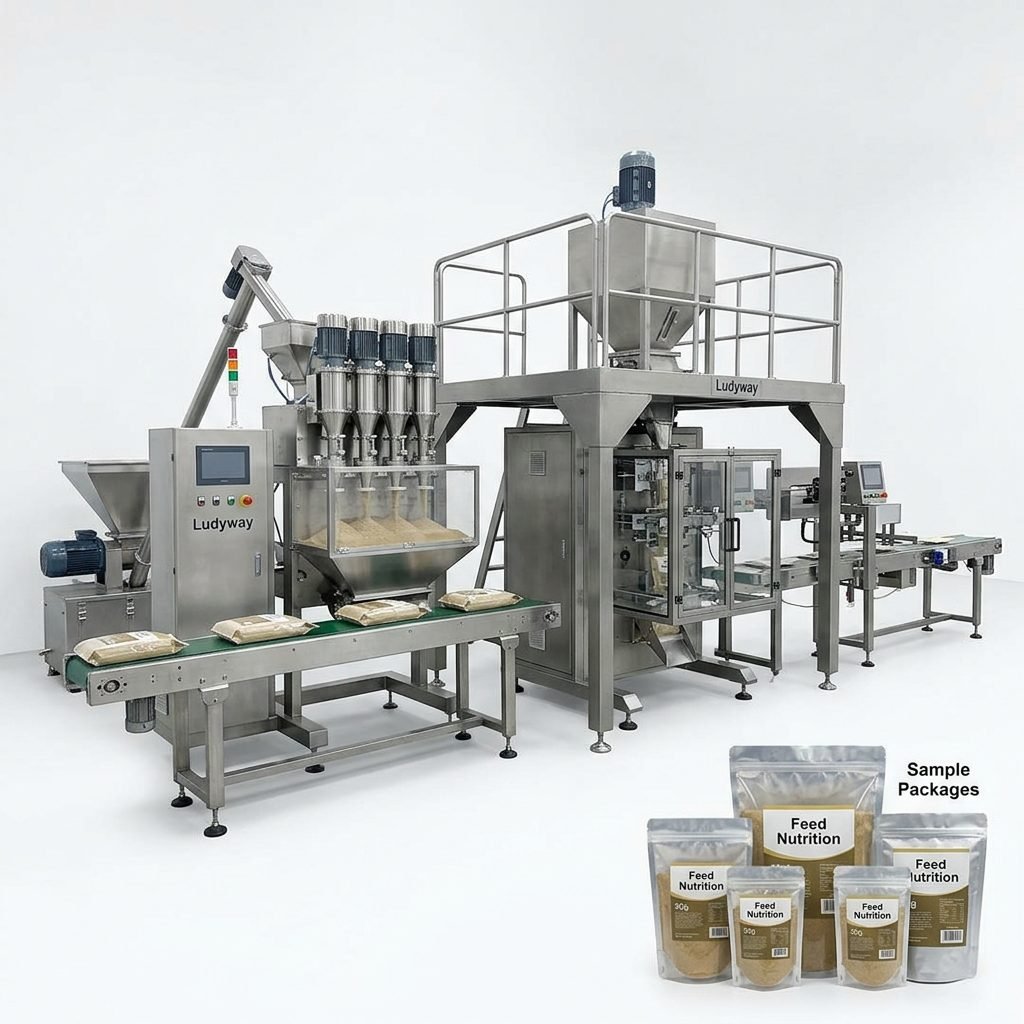
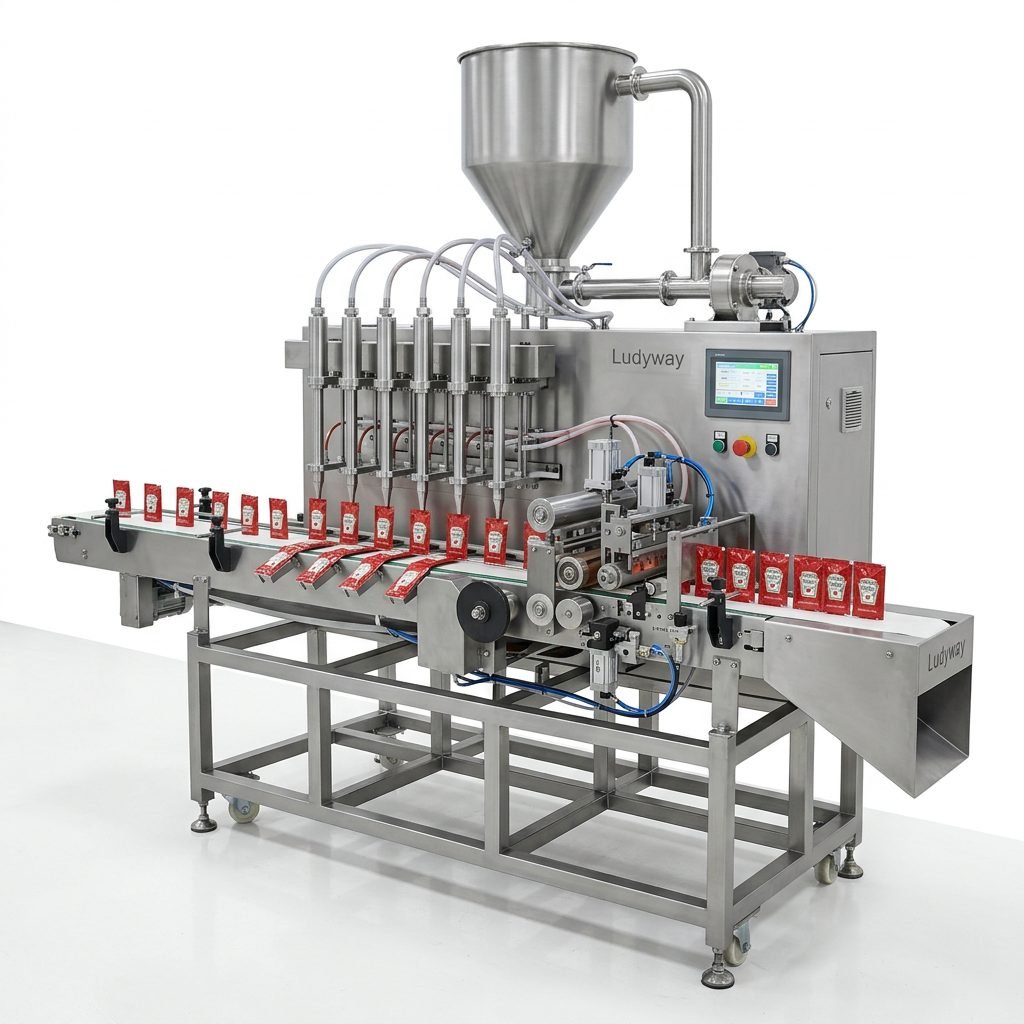
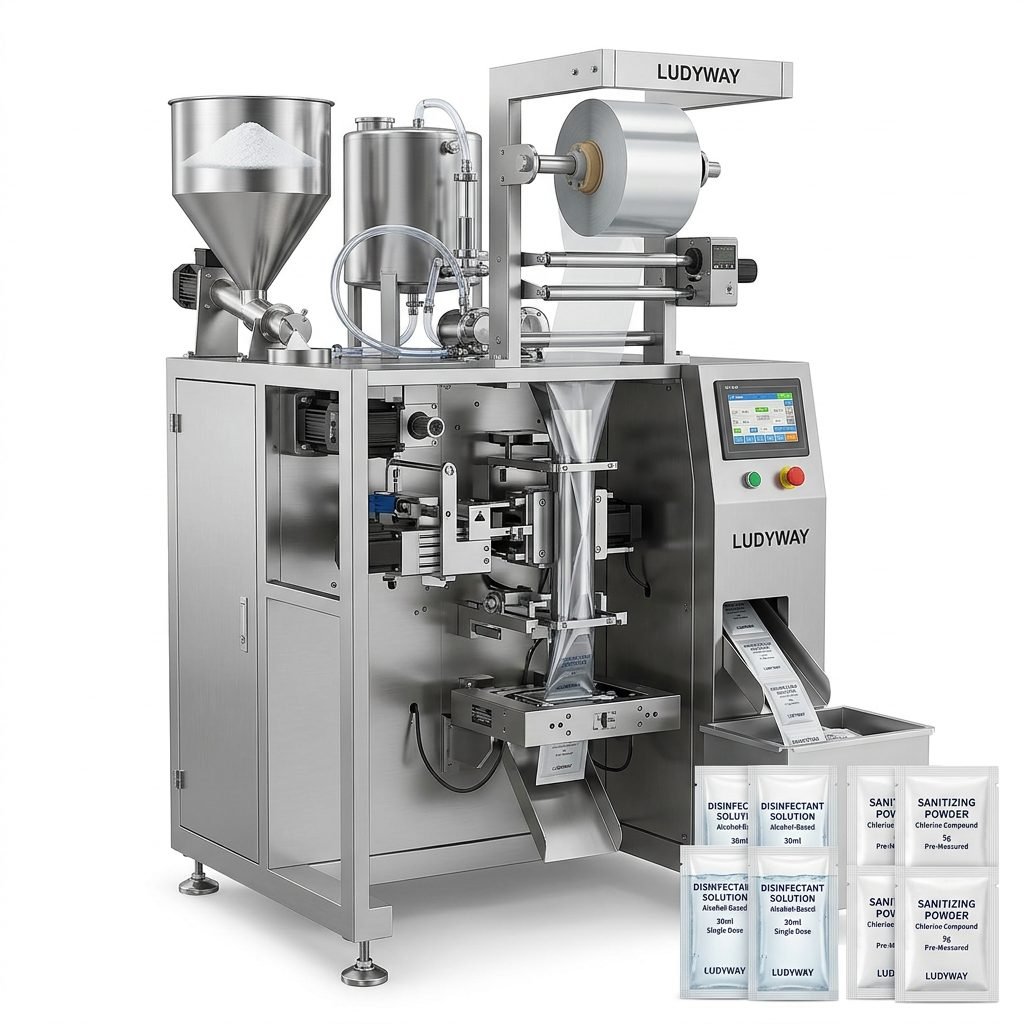
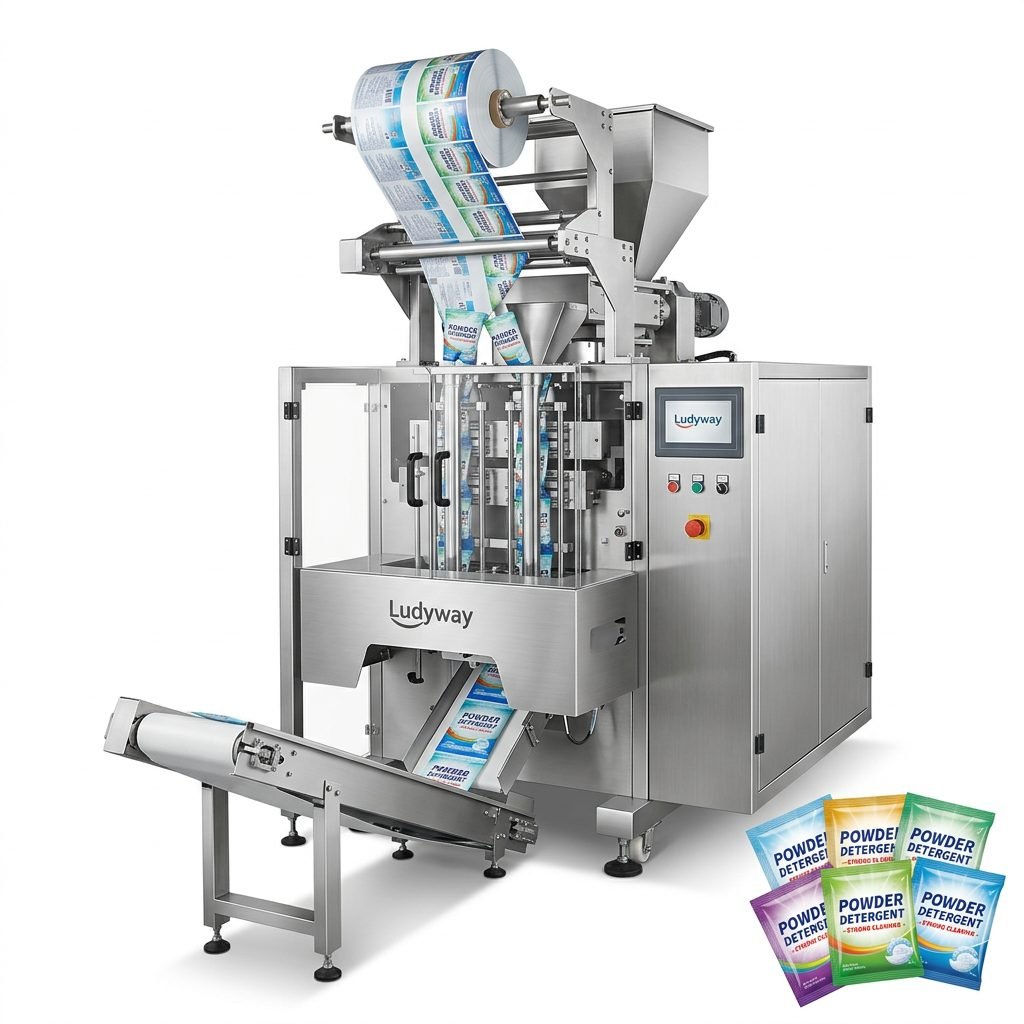
Modern cosmetics packaging equipment comes in several configurations. Understanding the differences will help you narrow your options quickly. Below is a comparison of the most common machine types used in beauty and personal care manufacturing:
| Machine Type | Best For | Key Advantage | Typical Output |
|---|---|---|---|
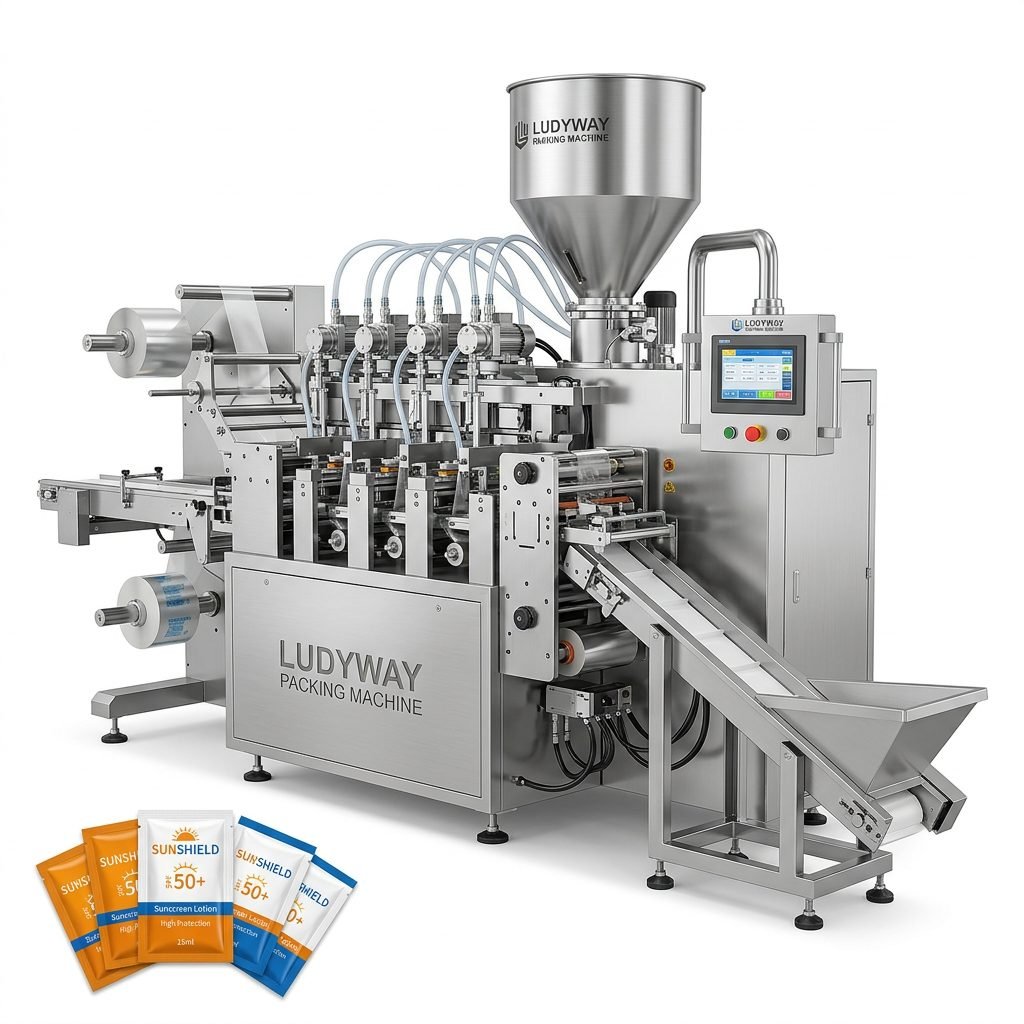
| Single-Lane Sachet Machine | Small to medium batches, sample production | Lower investment cost, easy to operate | 30-80 packs/min |
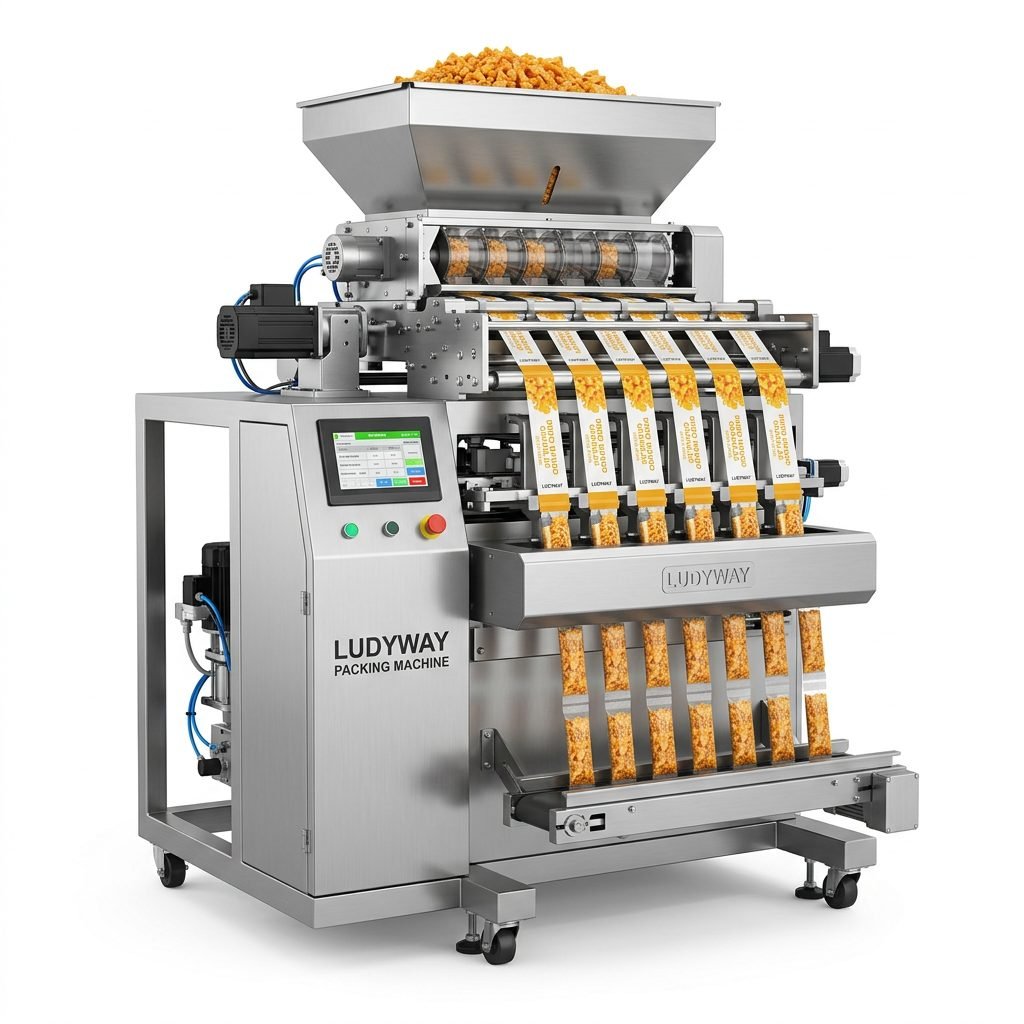
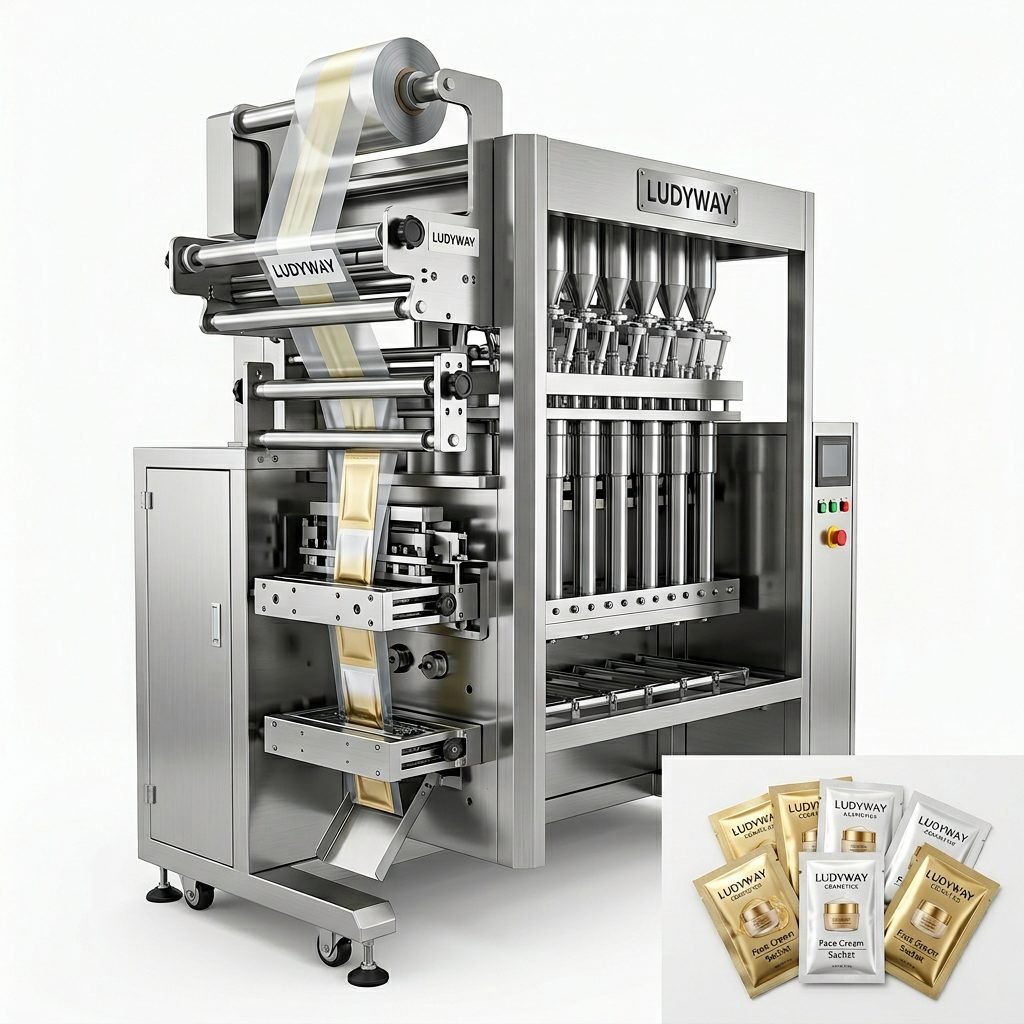
| Multi-Lane Stick Pack Machine | High-volume serum, cream, and lotion samples | High output with compact footprint | 200-600+ packs/min |
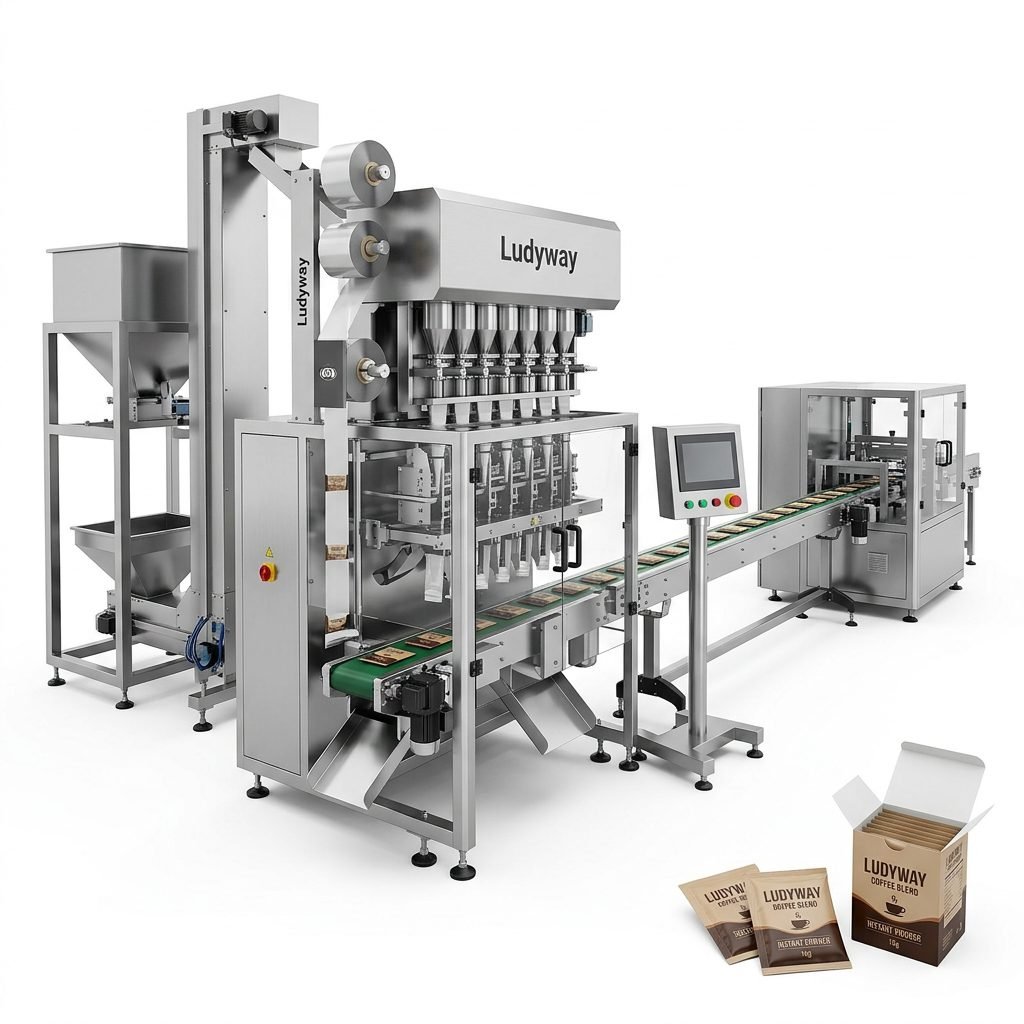
| Multi-Lane Sachet Packaging System | Large-scale cosmetic contract manufacturing | Maximum throughput, customizable lane count | 400-1,000+ packs/min |
| Tube Filling and Sealing Machine | Creams, gels, ointments in tubes | Versatile format, premium presentation | 40-120 tubes/min |
| Pouch Packaging Machine | Stand-up pouches, refill packs | Multiple format flexibility | 30-80 pouches/min |
Key Technical Specifications to Evaluate
Once you have identified the right machine type, evaluating technical specifications becomes essential. These are the parameters that will determine whether a machine can handle your product consistently over time. Pay close attention to the following:
- Filling accuracy and precision — For expensive cosmetic actives, even a 0.5% fill variation can significantly impact your margins. Look for machines with ±0.5% or better filling accuracy, especially for high-value serums and creams.
- Sealing integrity and quality — Leaking sachets or stick packs lead to returns, waste, and brand damage. Evaluate sealing temperature control, dwell time adjustment, and seal width consistency.
- Changeover speed and complexity — If you package multiple SKUs, tool-free changeover systems and recipe-based machine settings can dramatically reduce downtime between product runs.
- Clean-in-place (CIP) capability — For manufacturers switching between different cosmetic formulations, CIP systems reduce cleaning time and cross-contamination risk.
- Automation and control systems — PLC-based controls with touchscreen interfaces, data logging, and remote diagnostics capabilities improve operational visibility and reduce troubleshooting time.
Additionally, verify that the machine can accommodate your current and future packaging material specifications. The Flexible Packaging Association provides valuable resources on material compatibility and industry trends that can inform your decision-making process.
Material Compatibility and Product Safety
Cosmetic formulations often contain ingredients that can react with certain packaging materials. Alpha hydroxy acids, benzoyl peroxide, essential oils, and certain preservatives may interact with packaging films, sealants, or machine contact surfaces. When selecting a packaging machine, consider:
- Product-contact materials — Stainless steel (316L grade is preferred for acidic formulations), PTFE, and certified food-grade elastomers should be standard for all product-contact parts
- Packaging film compatibility — The machine should be tested with your specific film structure, whether it is aluminum foil laminate, PET/AL/PE, or other multi-layer barrier materials
- Temperature sensitivity — Some cosmetic actives degrade at elevated temperatures, making cold-fill or ambient-fill capabilities important
- Oxygen and light protection — Nitrogen flushing systems and UV-blocking film options help protect sensitive formulations during filling and throughout shelf life
Compliance with ISO packaging standards is another important consideration, particularly for manufacturers exporting to multiple international markets with different regulatory frameworks.
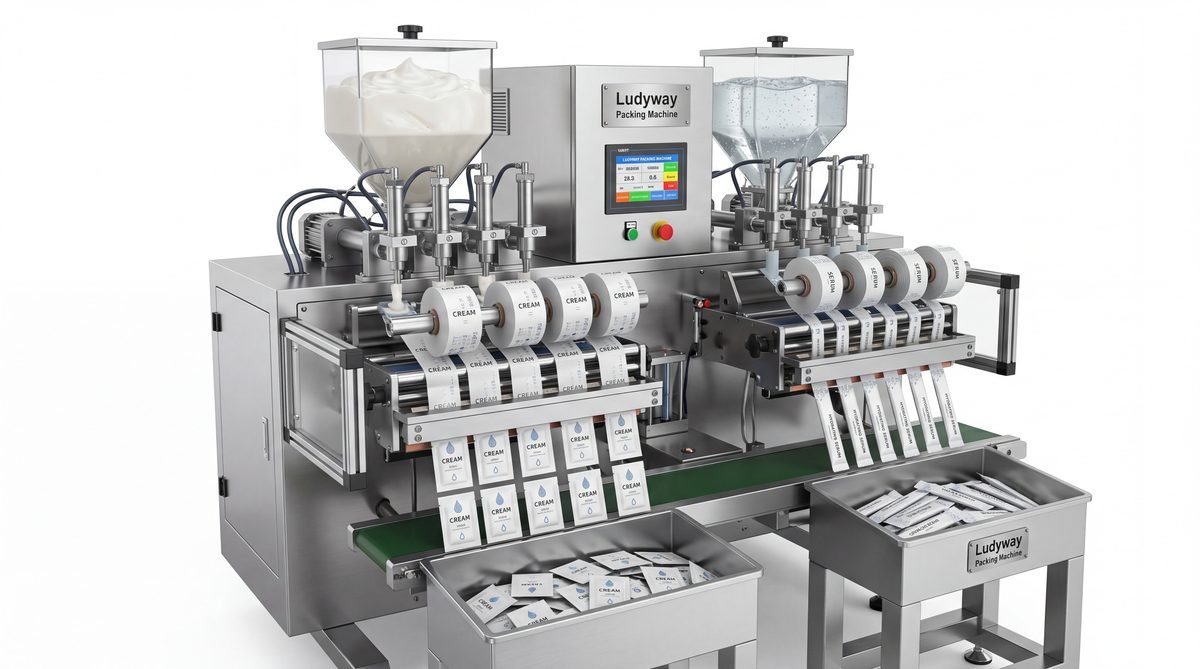
Production Speed and Automation Levels
Your current and projected production volumes should drive your throughput requirements. However, speed should not come at the expense of fill accuracy or seal quality. When evaluating machine speed, consider these operational factors:
- Realistic throughput — Manufacturer-quoted speeds often represent ideal conditions. Factor in downtime for film changes, cleaning, and minor adjustments when calculating real-world output
- Automation integration — Machines that integrate with upstream filling systems and downstream cartoning, coding, and case packing equipment reduce labor costs and improve line efficiency
- Semi-automatic vs. fully automatic — Semi-automatic machines have lower upfront costs but require more operator involvement, while fully automatic systems offer higher throughput with fewer personnel
- Multi-lane configurations — A 4-lane, 6-lane, or 8-lane machine multiplies output without proportionally increasing floor space or operator requirements
Budget Considerations and ROI
Investing in a cosmetics packaging machine involves balancing initial capital expenditure against long-term operational benefits. A thorough ROI analysis should include the following cost elements:
| Cost Category | What to Consider | Estimated Share of TCO |
|---|---|---|
| Equipment Purchase | Base machine price, options, tooling, and freight | 60-70% |
| Installation and Commissioning | Site preparation, electrical/air connections, training | 5-10% |
| Ongoing Maintenance | Spare parts, scheduled service, wear components | 10-15% |
| Consumables | Packaging film, lubricants, cleaning agents | 5-10% |
Beyond direct costs, consider the value of increased production capacity, reduced labor requirements, improved fill accuracy (less product giveaway), and the ability to take on new business. Many manufacturers find that a well-specified packaging machine pays for itself through efficiency gains within 18 to 36 months.
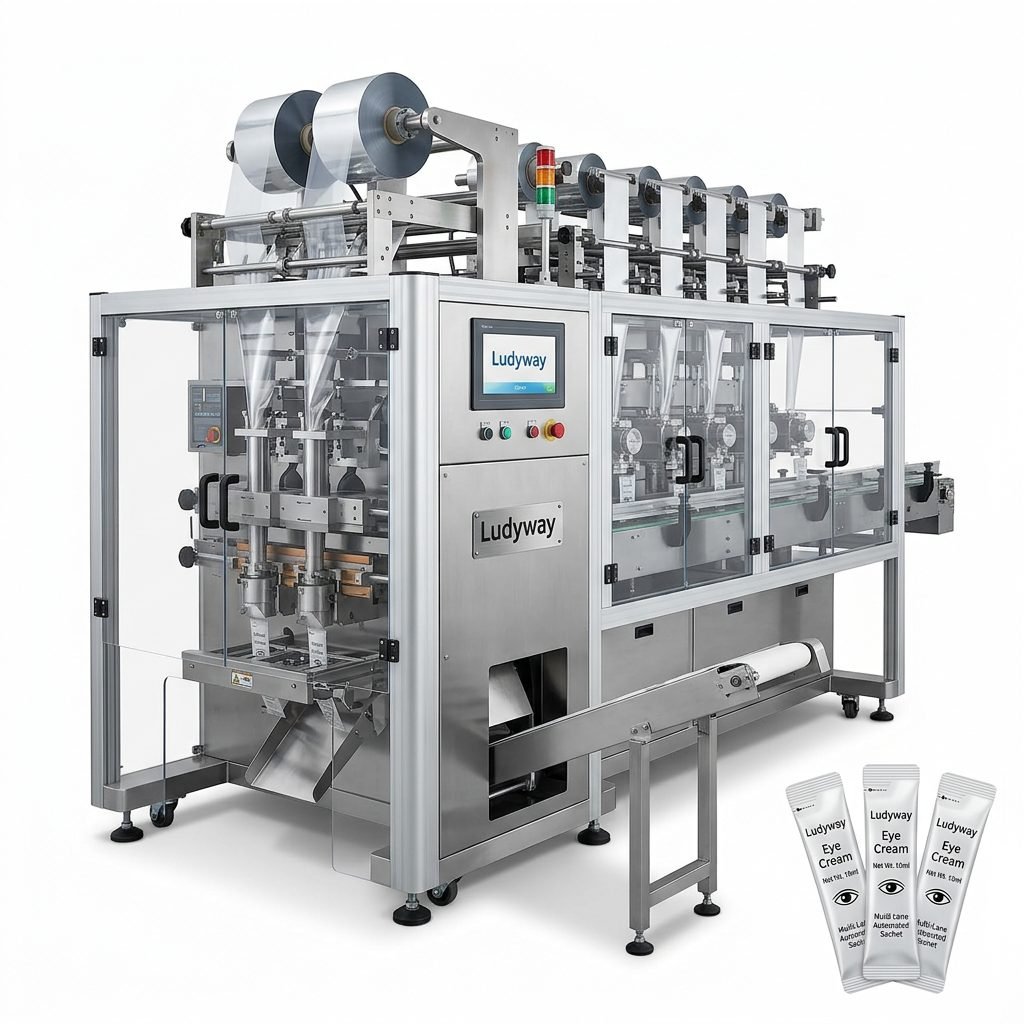
Choosing the Right Packaging Machine Partner
Even the best machine specifications mean little without a reliable manufacturing partner behind the equipment. Your packaging machine supplier should offer more than just hardware — they should provide engineering expertise, responsive support, and a long-term commitment to your success. When evaluating potential suppliers, consider their manufacturing experience, engineering capabilities, global service network, and willingness to customize solutions to your specific product requirements.
For manufacturers seeking a proven partner, Ludyway Machinery — a China-based packaging machinery manufacturer with more than 30 years of experience and a 20,000-square-meter manufacturing facility — offers a broad portfolio of automatic packaging equipment including multi-lane sachet and stick pack machines designed specifically for cosmetics, skincare, and personal care products. With over 50 packaging machine models and customers in more than 100 countries, the company provides customized configurations, turnkey line integration, installation, commissioning, and ongoing technical support from a single source.
Questions to Ask Potential Suppliers
- Can you provide references from cosmetics manufacturers with similar product types to ours?
- Do you offer factory acceptance testing (FAT) before shipment?
- What is the typical lead time for spare parts and technical support in our region?
- Does the machine support remote diagnostics and troubleshooting?
- Can you accommodate custom tooling for unique sachet or stick pack dimensions?
- What training programs do you provide for our operators and maintenance staff?
Conclusion
Choosing the right cosmetics packaging machine requires a thorough evaluation of your product characteristics, production goals, packaging formats, budget, and the long-term support capabilities of your equipment partner. By systematically assessing machine types, technical specifications, material compatibility, automation levels, and total cost of ownership, you can make an informed decision that positions your cosmetics brand or contract manufacturing operation for sustained growth and operational excellence.
For further reading, explore the 2025 State of the Industry report from PMMI, review flexible packaging industry resources, or consult the latest international packaging standards to ensure your equipment selection aligns with best practices and regulatory expectations.