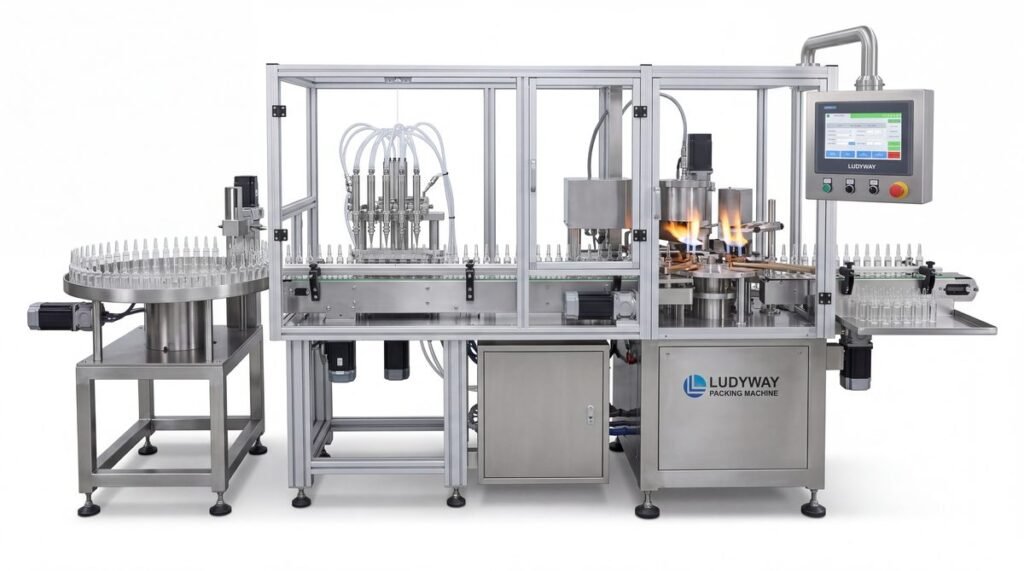
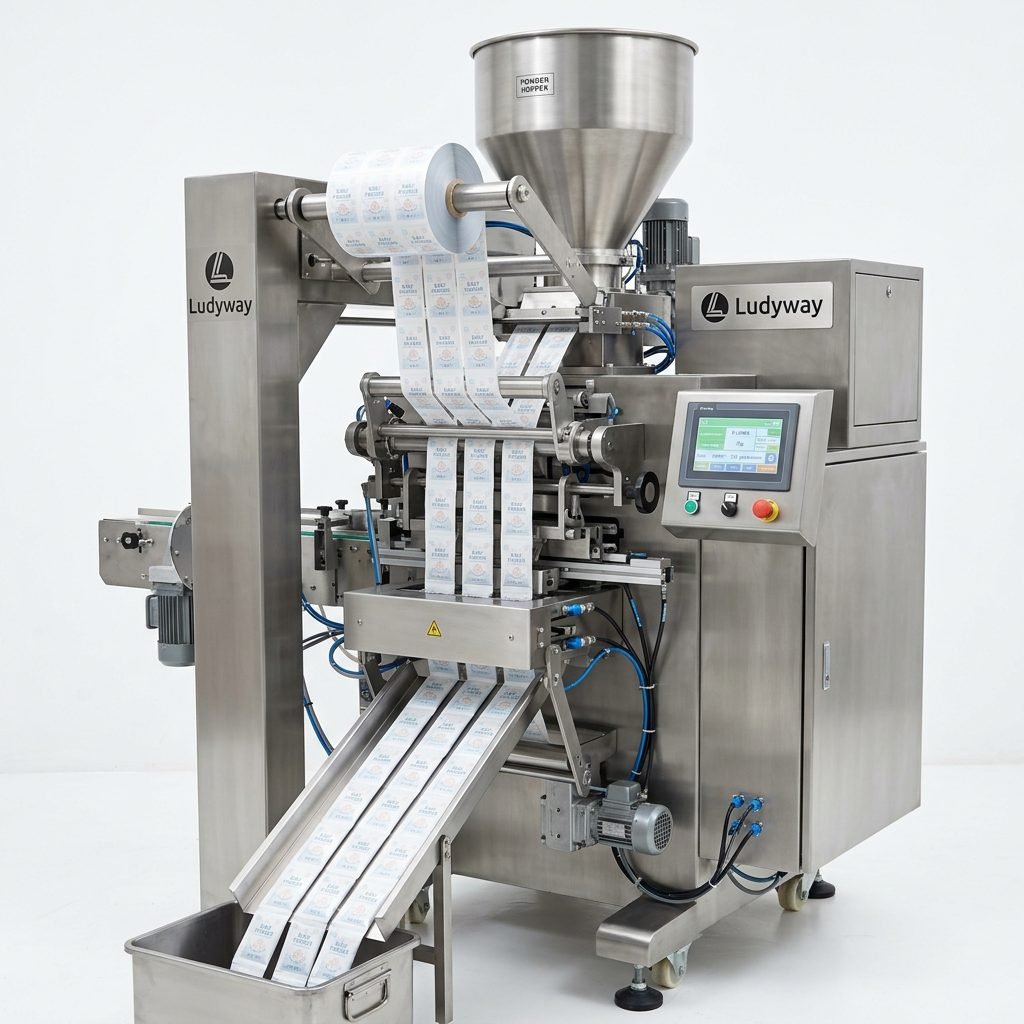
Selecting the right Yamato packing machine is a critical decision that directly impacts your production efficiency, product quality, and long-term operational costs. Whether you are packaging powders, granules, liquids, or solid products, the diversity of multi-lane stick pack machines and automatic sachet packaging systems available today requires a structured evaluation process. This guide walks you through the essential criteria to consider before investing in a packaging solution.
1. Understand Your Product Characteristics
The physical properties of your product are the foundation for choosing the right Yamato packing machine. Not all machines handle all materials equally well. Before comparing specifications, you need to thoroughly analyze the following aspects of your product:
- Flowability: Does your product flow freely like granulated sugar, or is it a cohesive powder? Products with poor flowability often require auger fillers or specialized agitation systems to maintain dosing accuracy.
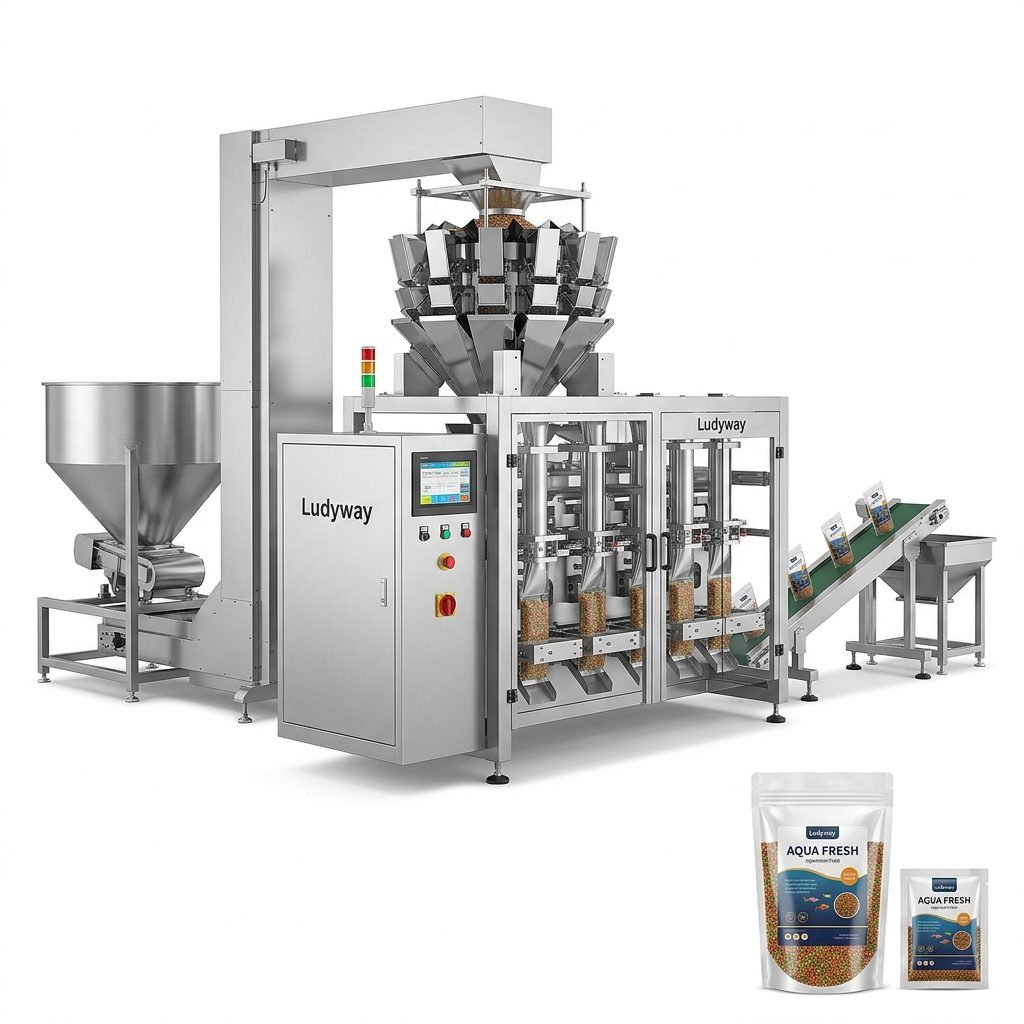
- Density: Bulk density variations directly influence the choice of the filling mechanism. Volumetric cup fillers work well for consistent-density granular products, while multi-head weighers deliver superior accuracy for high-value items like nut packaging or protein powders.
- Particle Size and Shape: The geometry of your product impacts sealing integrity. Dusty powders can contaminate the sealing area, causing leaks or weak seals. For such applications, machines with dust extraction systems are essential.
- Sensitivity: Hygroscopic or oxygen-sensitive products require nitrogen flushing systems or specialized environmental controls within the packaging chamber.
2. Define Your Packaging Format and Speed Requirements
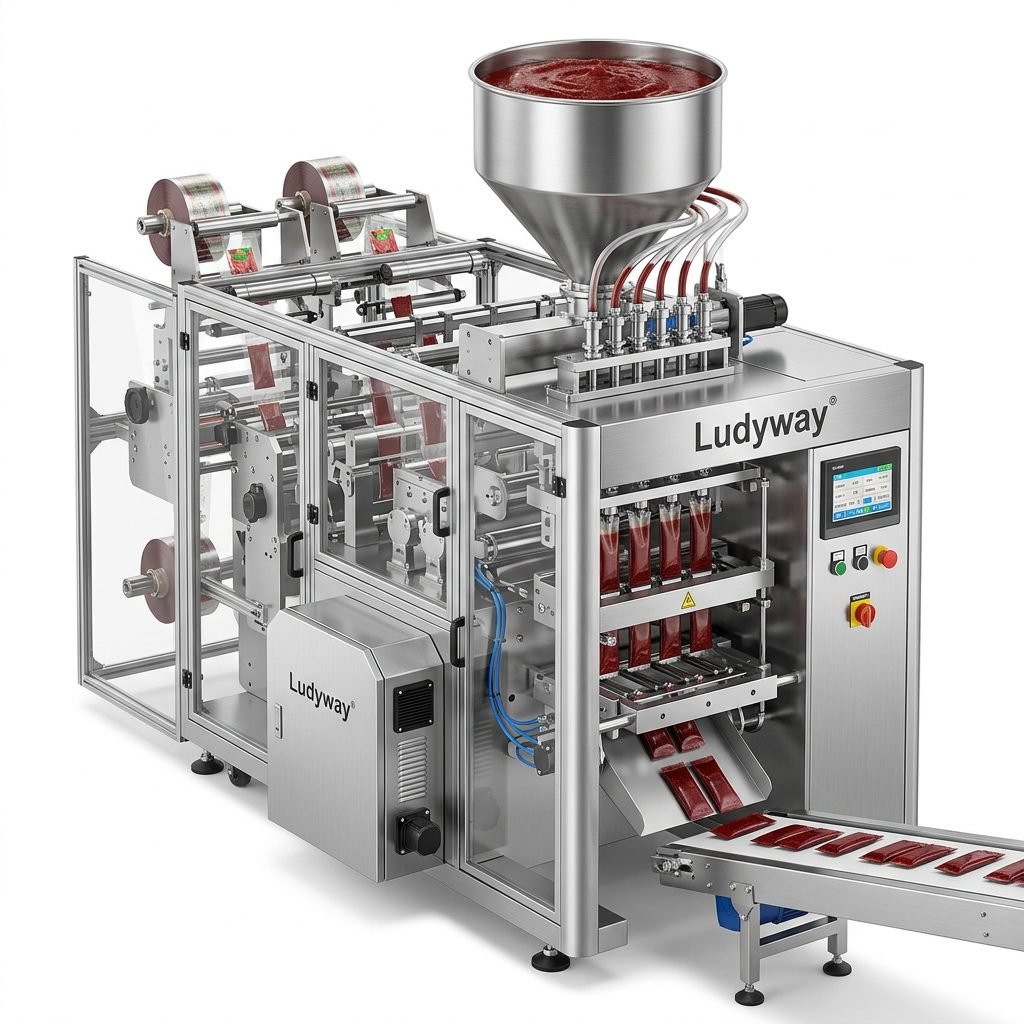
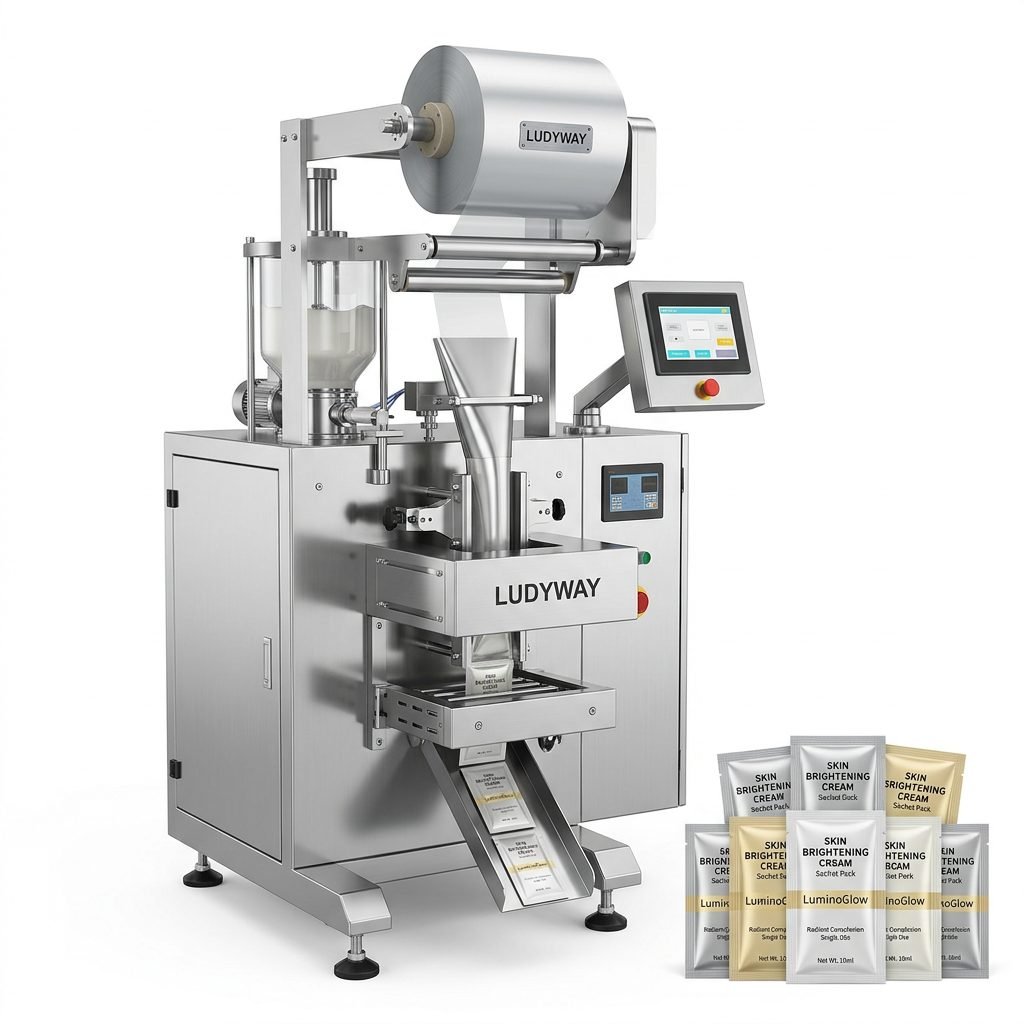
The type of packaging you need determines the core technology of the machine. Are you looking for stick packs, sachets, or pouches? The format dictates the bag former, sealing jaws, and cutting mechanisms.
| Packaging Format | Best Application | Typical Speed (Strips/min) |
|---|---|---|
| Stick Packs | Powder supplements, instant coffee, sugar, pharmaceutical powders | 300 – 1200 |
| 3-Side Seal Sachets | Ketchup, shampoo, cream, sauces, wet wipes | 200 – 600 |
| 4-Side Seal Sachets | High-barrier products, medical devices, aggressive chemical products | 150 – 400 |
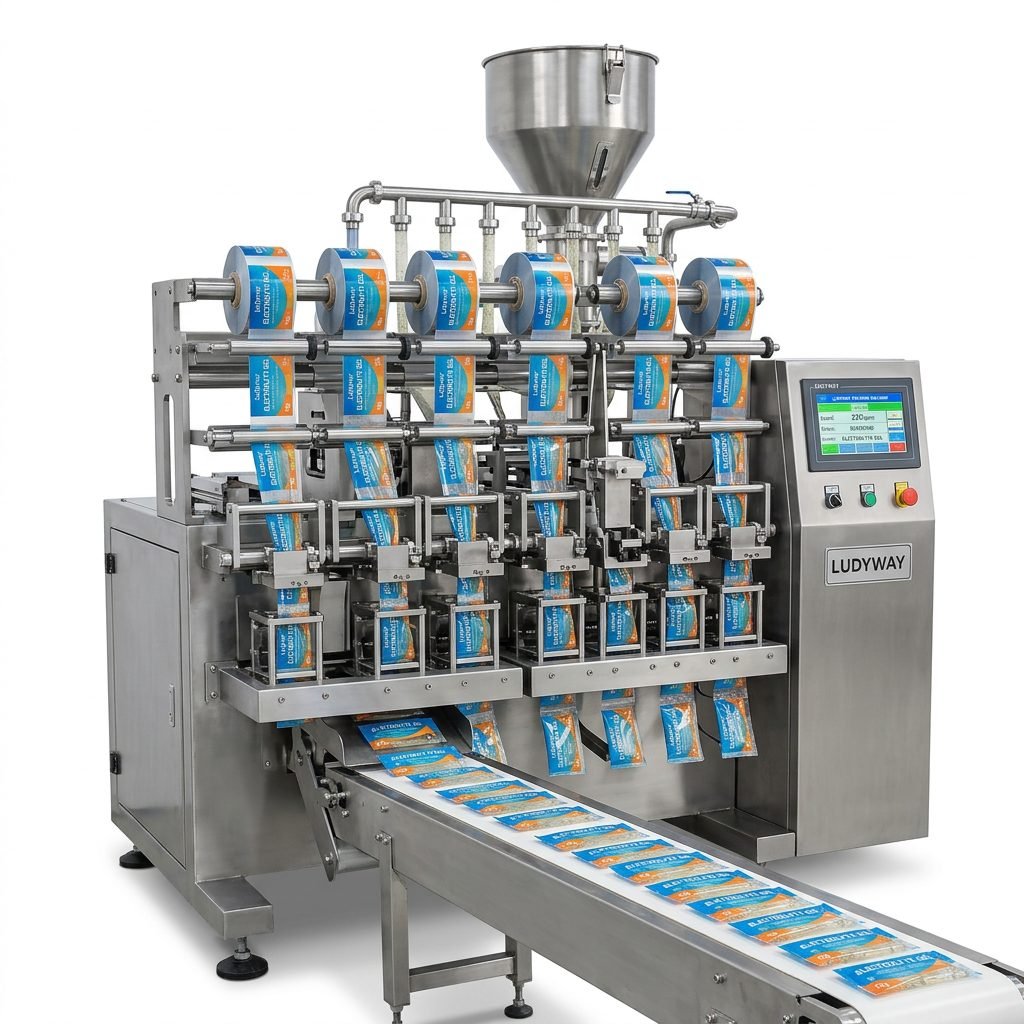
Production speed is measured in strips per minute. A high-speed multi-lane packaging machine can combine multiple lanes simultaneously—commonly 4, 6, 8, or 12 lanes—to multiply the output without increasing the mechanical speed of each individual lane. This modular approach not only increases throughput but also reduces wear and tear on the machine’s moving parts.
3. Evaluate Filling and Dosing Accuracy
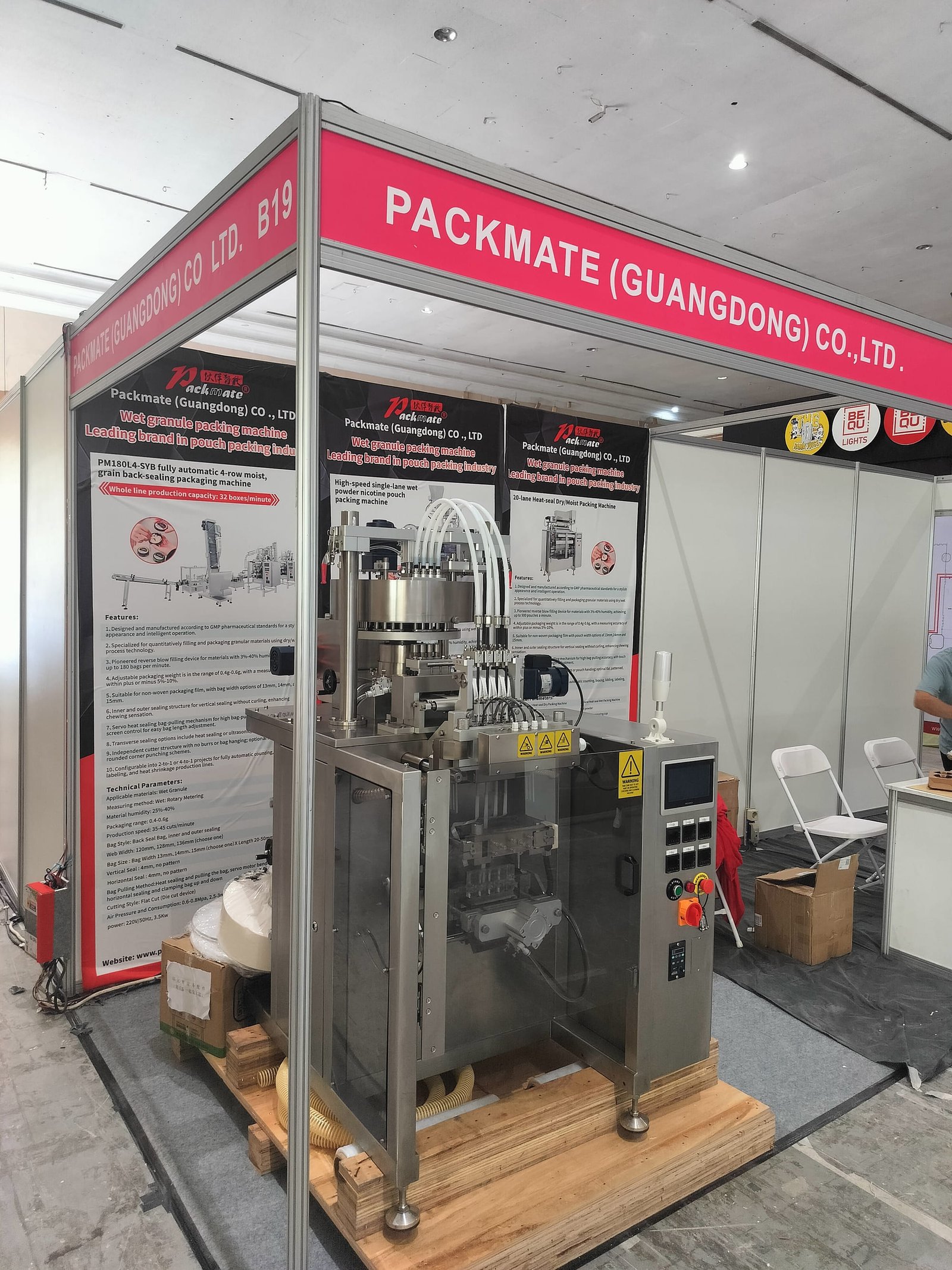
Inconsistent filling leads to product giveaway, customer complaints, and non-compliance with packaging standards. The choice of the filling system is therefore one of the most important decisions. There are primarily three dosing technologies used in modern Yamato packing machines:
- Auger Filling System: A screw-based mechanism ideal for fine powders and sticky products. Precision is high, but speed is moderate. Commonly seen in pharmaceutical powder packaging.
- Volumetric Cup Filling: Best for free-flowing granules with uniform density. It is cost-effective and fast, making it suitable for products like instant coffee granules or dried beans.
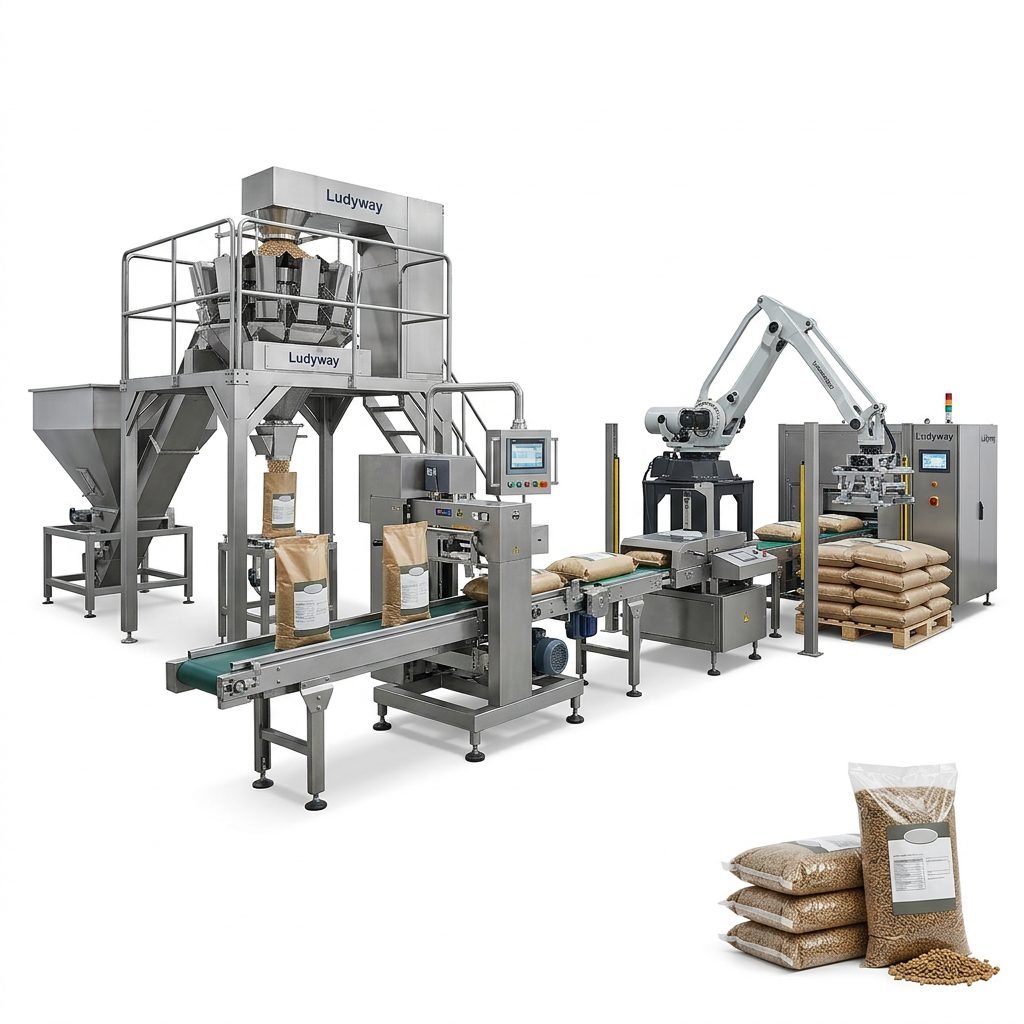
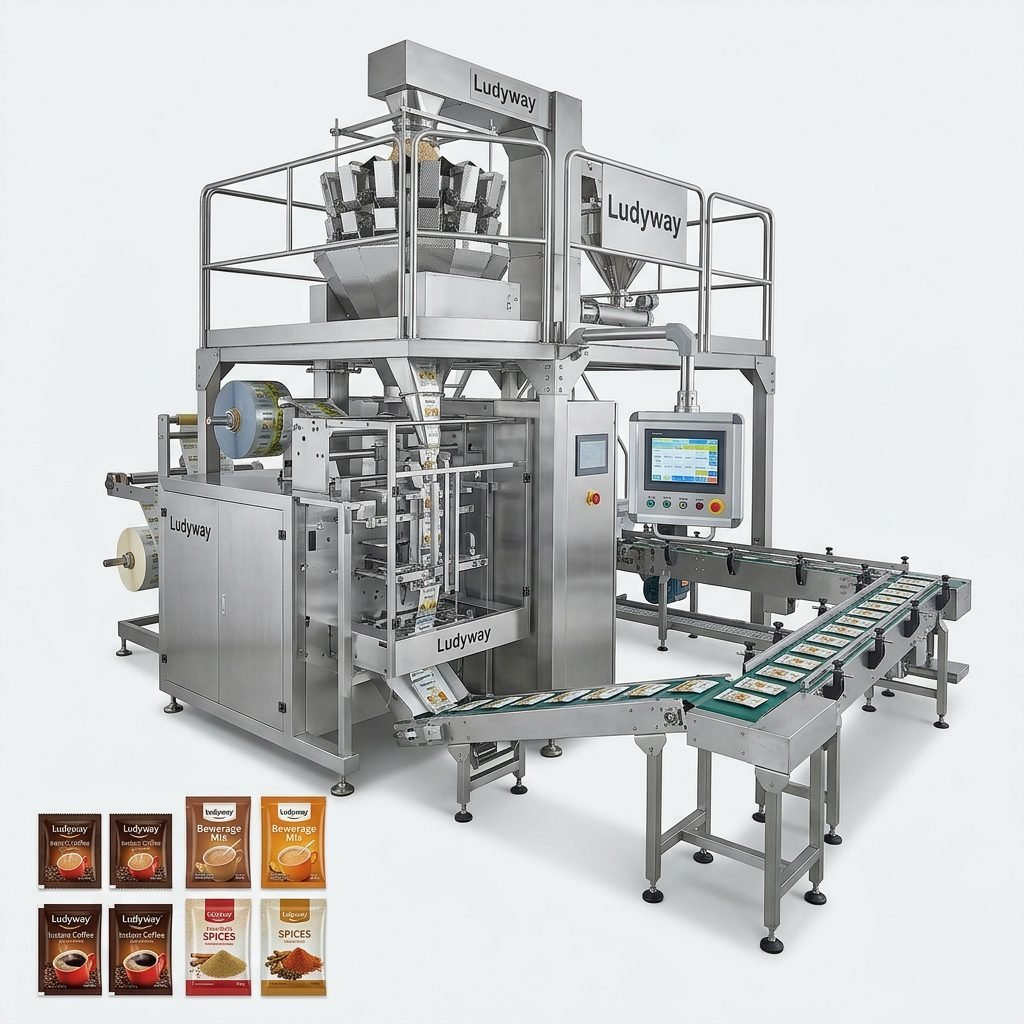
- Multi-Head Weigher (Combination Scale): The most accurate solution for solid, durable products, typically used for snacks, nuts, or large-grain granules. This is often the technology of choice for high-value granular products.
- Piston Filling: Designed for liquid and paste products. The volume is adjusted by modifying the stroke length of the piston cylinder.
For many integrated packaging systems, a combination of these technologies may be used to achieve the required target weight accuracy within the allowable giveaway margins. The material of construction—specifically 304 or 316 stainless steel—is non-negotiable for food and pharmaceutical sectors to prevent contamination and facilitate easy cleaning.
4. Material Compatibility and Sealing Technology
The packaging film you plan to use dictates the sealing technology required. Heat-sealable films such as polyethylene (PE), polypropylene (PP), and laminates are standard. However, you must ensure the machine’s temperature control system can handle the specific melting point of your film without burning or sealing weakly.
Key considerations include:
- Temperature Control: Modern machines use PID temperature controllers for precision heating elements on the vertical and horizontal sealing jaws.
- Pressure Adjustment: The pressure applied by the sealing jaws must be adjustable to accommodate different film thicknesses.
- Dwell Time: This is the duration the jaws are closed. High-speed machines balance minimum dwell time with adequate heat transfer to ensure a hermetic seal.
- Easy Tear Notches and Tear Serrations: If your packaging requires an easy-open feature, the sealing jaw design should incorporate serration or laser scoring options.
For applications requiring extended shelf life, the integration of gas flushing (Modified Atmosphere Packaging) is a crucial feature. This involves injecting nitrogen (N₂) or carbon dioxide (CO₂) into the package to displace oxygen before sealing. ISO standards for packaging often serve as a reference point for these types of performance criteria.
5. Machine Construction, Cleanability, and Compliance
A Yamato packing machine intended for regulated industries must meet strict hygiene standards. The design philosophy of the machine should follow Good Manufacturing Practices (GMP). This means:
- Open-frame design with minimal exposed threads or crevices where product residue can accumulate.
- Sloped surfaces to prevent standing water and product buildup during washdown.
- Tool-free disassembly of product contact parts for quick cleaning during batch changes.
- Dust-proof electrical cabinets to prevent ignition risks in dusty environments.
Validation documentation for Installation Qualification (IQ), Operational Qualification (OQ), and Performance Qualification (PQ) is often required in pharmaceutical settings. Always discuss your validation needs with the manufacturer to ensure they can provide the necessary compliance documentation.
6. Automation and Line Integration Capabilities
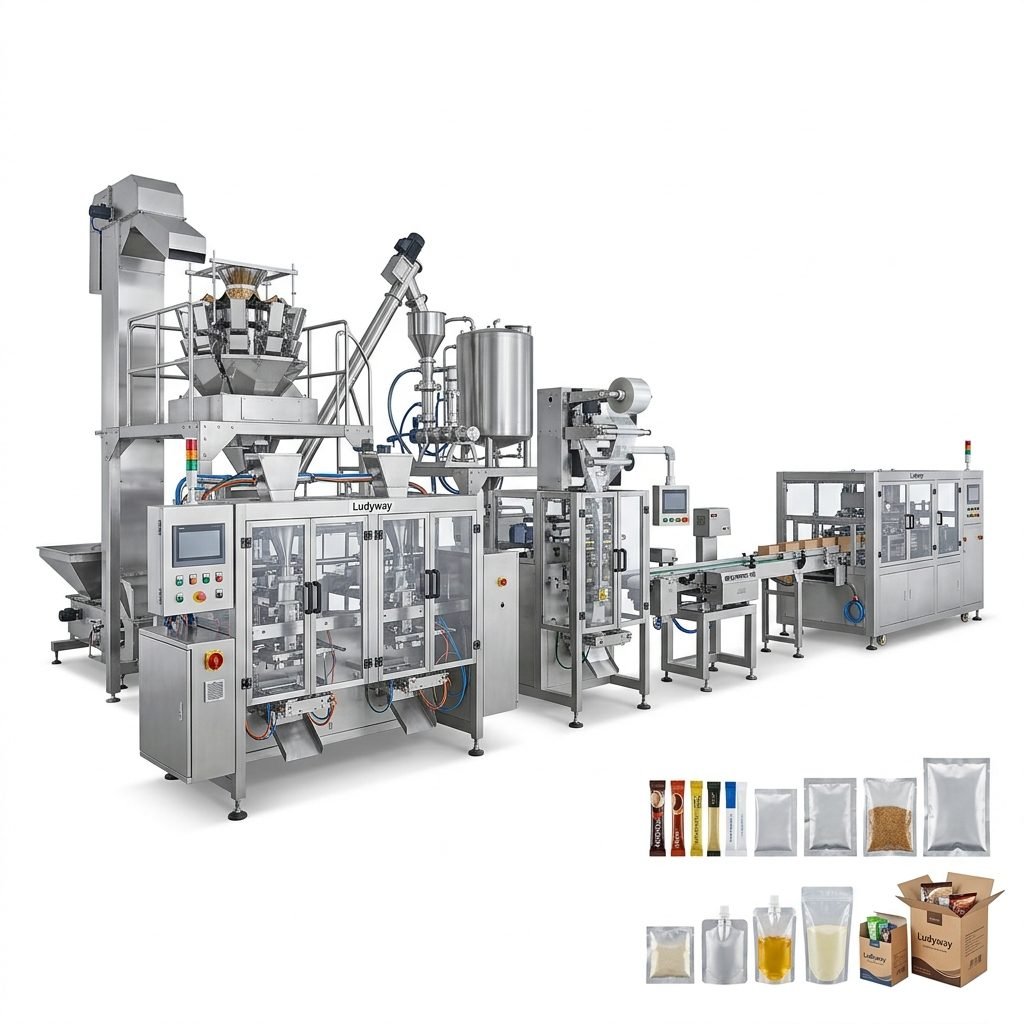
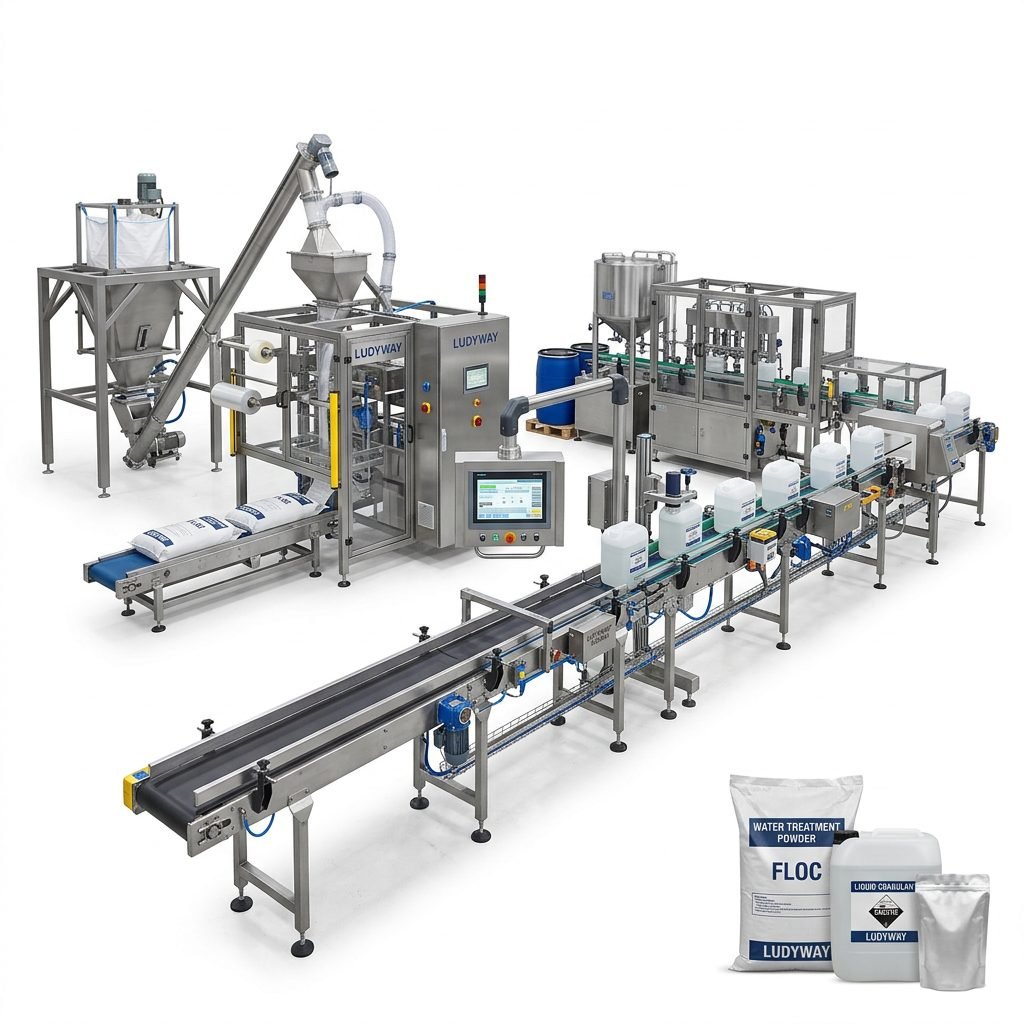
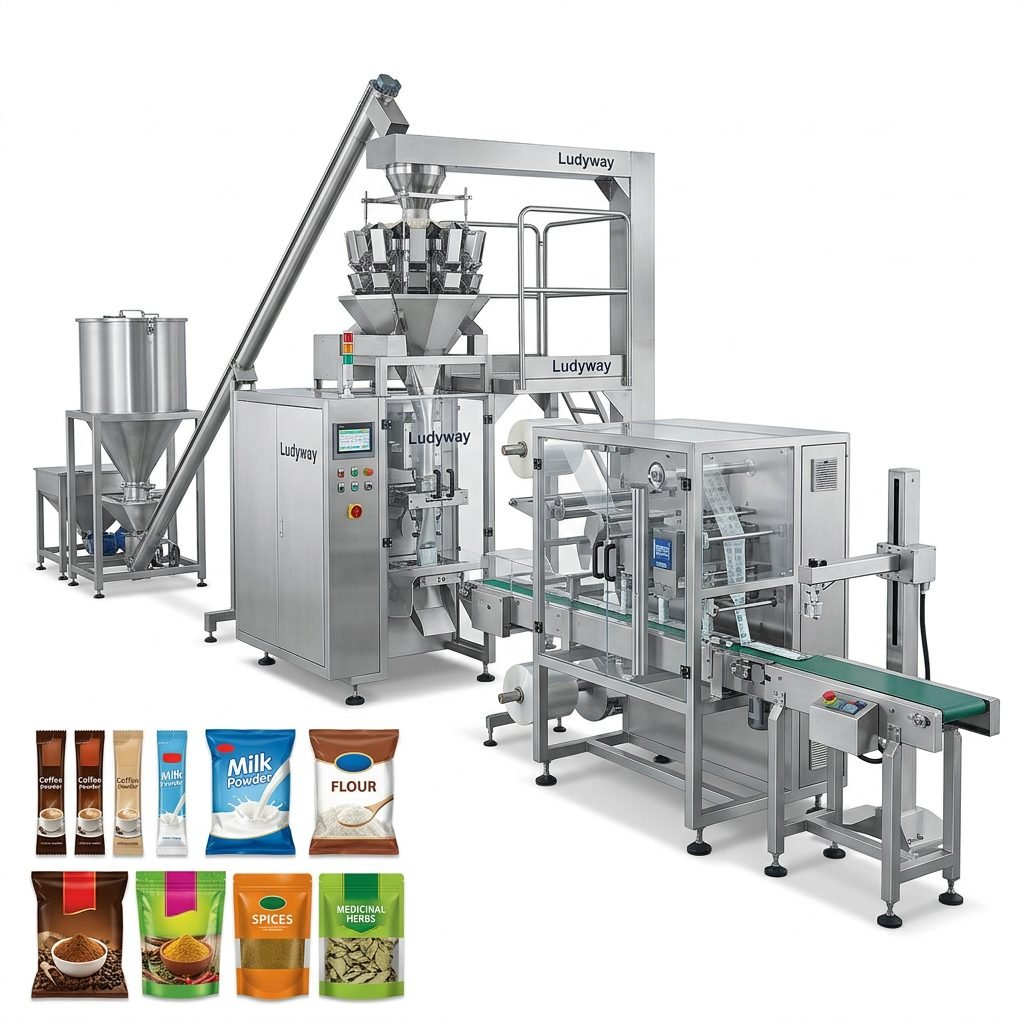
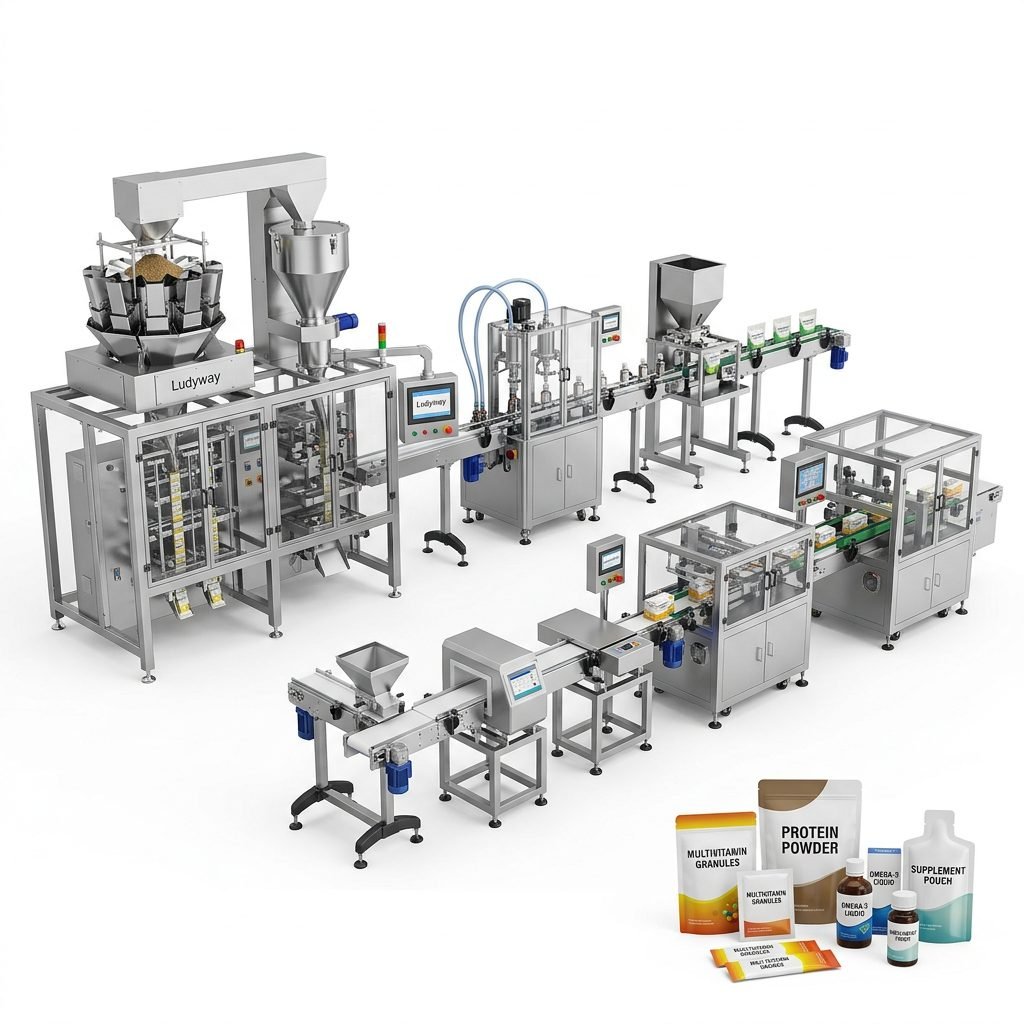
Is the machine intended to be a standalone work station, or will it be integrated into a complete turnkey packaging line? The answer determines the level of upstream and downstream automation needed. A fully automated packaging system typically includes:
| Line Component | Function |
|---|---|
| Product Feeding System | Bucket elevators, vacuum feeders, or inclined conveyors to supply the raw product from the hopper to the filler. |
| Primary Packing Machine | The filling and sealing unit (the core packer). |
| Inspection & Checkweighing | Automatic checkweighers rejecting under/over-weight packs, metal detectors, and X-ray systems. |
| Secondary Packaging | Auto cartoning machines, case packers, and palletizers to consolidate the primary sachets or stick packs. |
Modern lines use a centralized control architecture where one operator can monitor and control the entire line from a single Human-Machine Interface (HMI), typically a touch-screen panel. Communication protocols such as EtherCAT or Modbus TCP/IP are essential for seamless data exchange between the different modules. Engineering teams, such as those at Ludyway Machinery, often integrate third-party auxiliary equipment like vision inspection systems or printers to ensure every sachet is coded and verified, creating a comprehensive control loop.
7. After-Sales Support, Spare Parts, and Global Service
Evaluating a machine’s technical specifications is only half the battle. The long-term reliability of your operation depends heavily on the support structure provided by the manufacturer. Key questions to ask potential partners include:
- Spare Parts Availability: Do they maintain a local or regional spare parts warehouse? What is the typical lead time for critical components like sealing jaws, pull belts, and PLC controllers?
- Technical Support: Is remote assistance available via VPN or video calls? This is crucial for troubleshooting software-related issues. The global growth trends in packaging machinery show that remote support is now a standard offering from leading companies.
- Operator Training: Does the purchase include on-site training for your maintenance team and machine operators? Comprehensive training reduces unplanned downtime due to human error.
Understanding the warranty terms and the availability of extended service contracts is also vital. A global footprint with service partners ensures you can scale production into new markets without worrying about local technical support gaps.
8. Budgetary Considerations and Return on Investment
While the initial capital expenditure is a clear metric, the total cost of ownership is more revealing. A cheaper packing machine that runs at lower speeds, wastes film on every cycle, and requires constant re-calibration can cost more over five years than a high-quality, efficient machine. Key financial drivers include:
- Film Utilization: Machines with precise draw lengths and registration controls minimize wasted film between packages.
- Labor Reduction: A fully automated line that previously required four workers to manually fill and seal sachets usually justifies a higher initial investment quickly through labor cost savings.
- Reduced Product Giveaway: High-accuracy dosing ensures you are not giving away product for free. Even a 1% saving on product giveaway in a high-volume supplement facility translates to significant annual savings.
The packaging industry is highly dynamic, and staying informed through resources like the Flexible Packaging Association’s data hub or PMMI’s business intelligence reports can help you benchmark equipment costs and performance metrics against industry averages, ensuring your investment remains competitive.
Key Takeaways for Your Selection
Choosing the right Yamato packing machine requires a holistic analysis of your product specifications, production goals, and the technical capabilities of the equipment. To summarize the selection factors:
| Decision Factor | Why It Matters |
|---|---|
| Product State | Determines powder, granule, liquid, or paste handling needs, directly influencing the filler type. |
| Target Output | Defines the number of lanes and cutoff speed required to meet daily production schedules. |
| Packaging Design | Affects sealing jaw design, knife configuration, and tear-notch options for consumer convenience. |
| Industry Compliance | Dictates construction materials and validation requirements necessary for regulatory approval. |
For manufacturers looking to future-proof their operations, it is advisable to look for a packaging machinery partner that offers not just standard equipment, but customized engineering solutions tailored to specific factory layouts and automation goals. By following this buyer’s guide and thoroughly vetting suppliers based on their engineering expertise and global service infrastructure—qualities demonstrated by established providers with deep manufacturing experience and a commitment to international standards—you can secure a packaging system that delivers consistent performance, scalability, and a rapid return on investment.