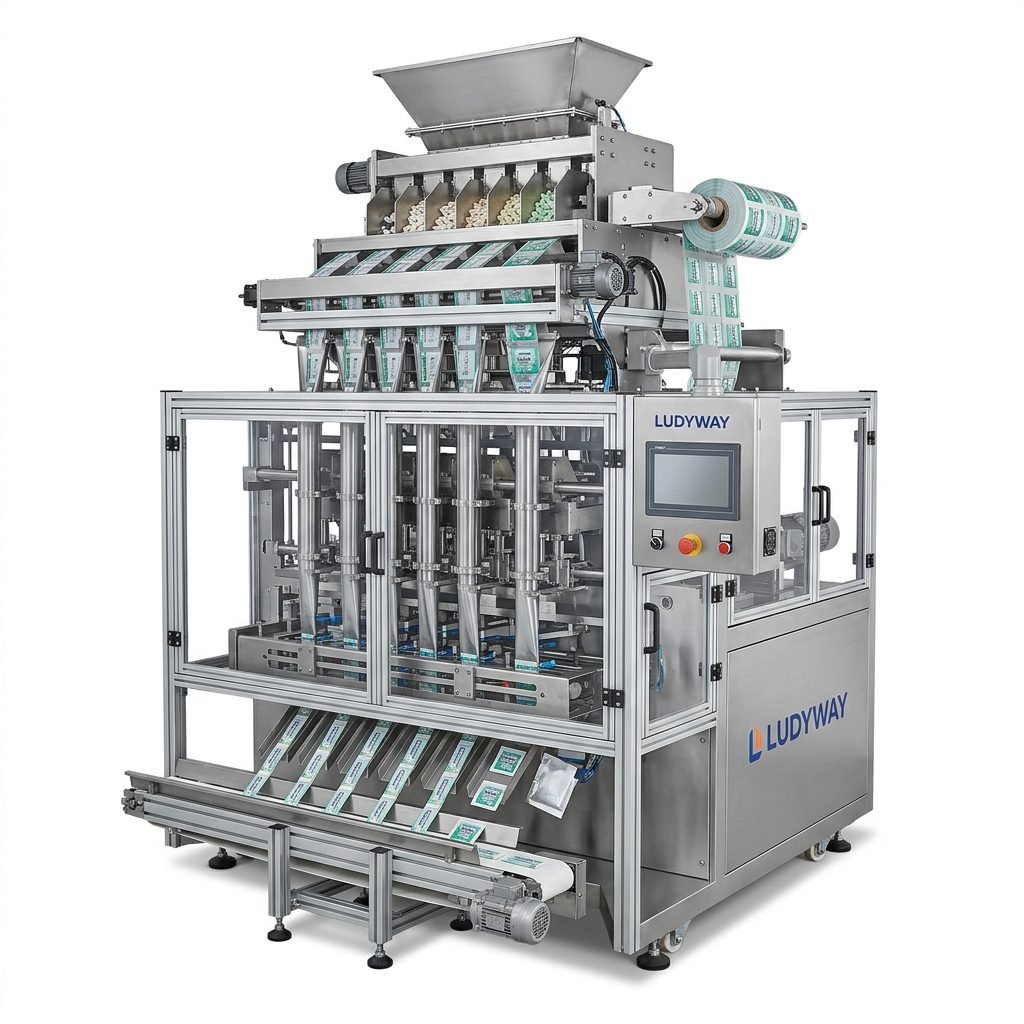
Investing in a continuous packaging machine is a significant decision for any manufacturer. Unlike intermittent systems, continuous motion equipment keeps products moving through the filling, sealing, and cutting stages without stopping, enabling higher throughput and consistent output. Selecting the right model requires a thorough evaluation of your product, production goals, and operational environment. This guide walks you through the essential factors to consider before making a purchase.
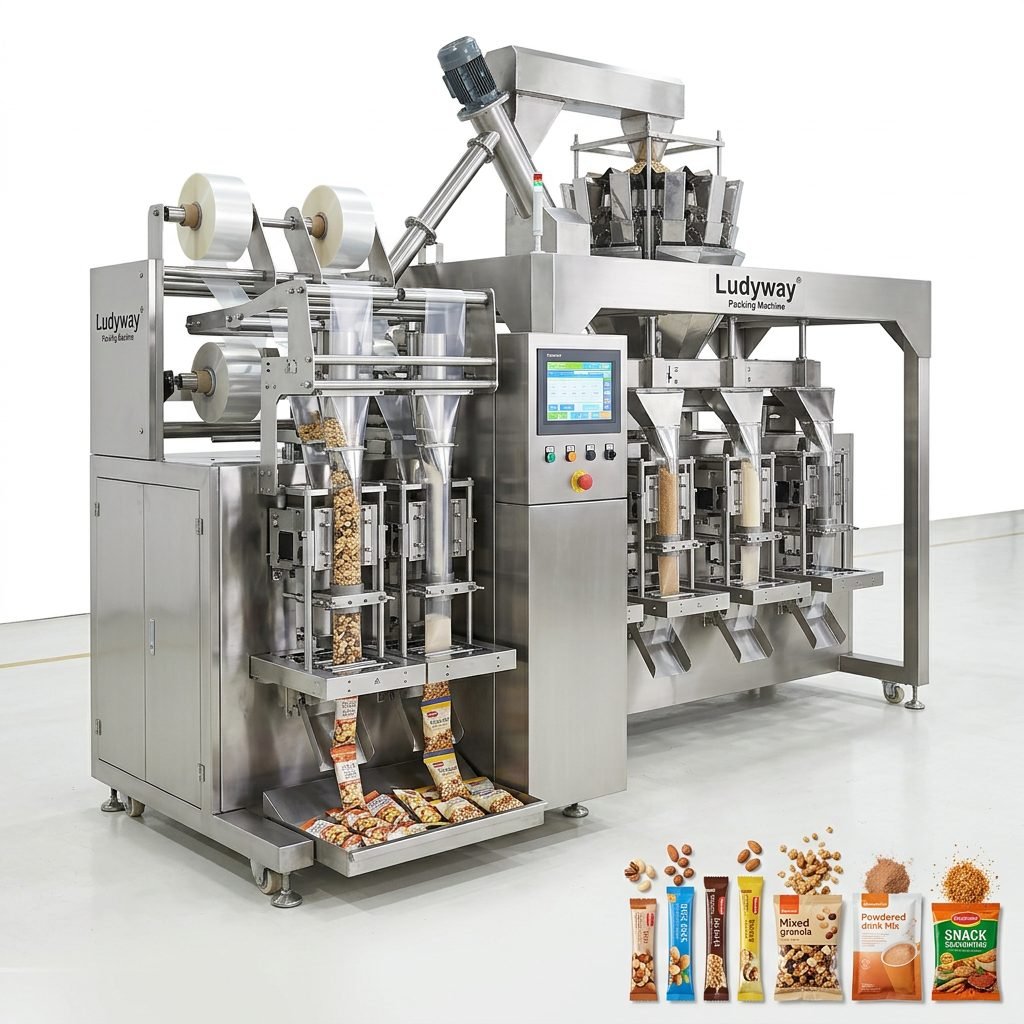
Understanding Continuous Packaging Machine Types
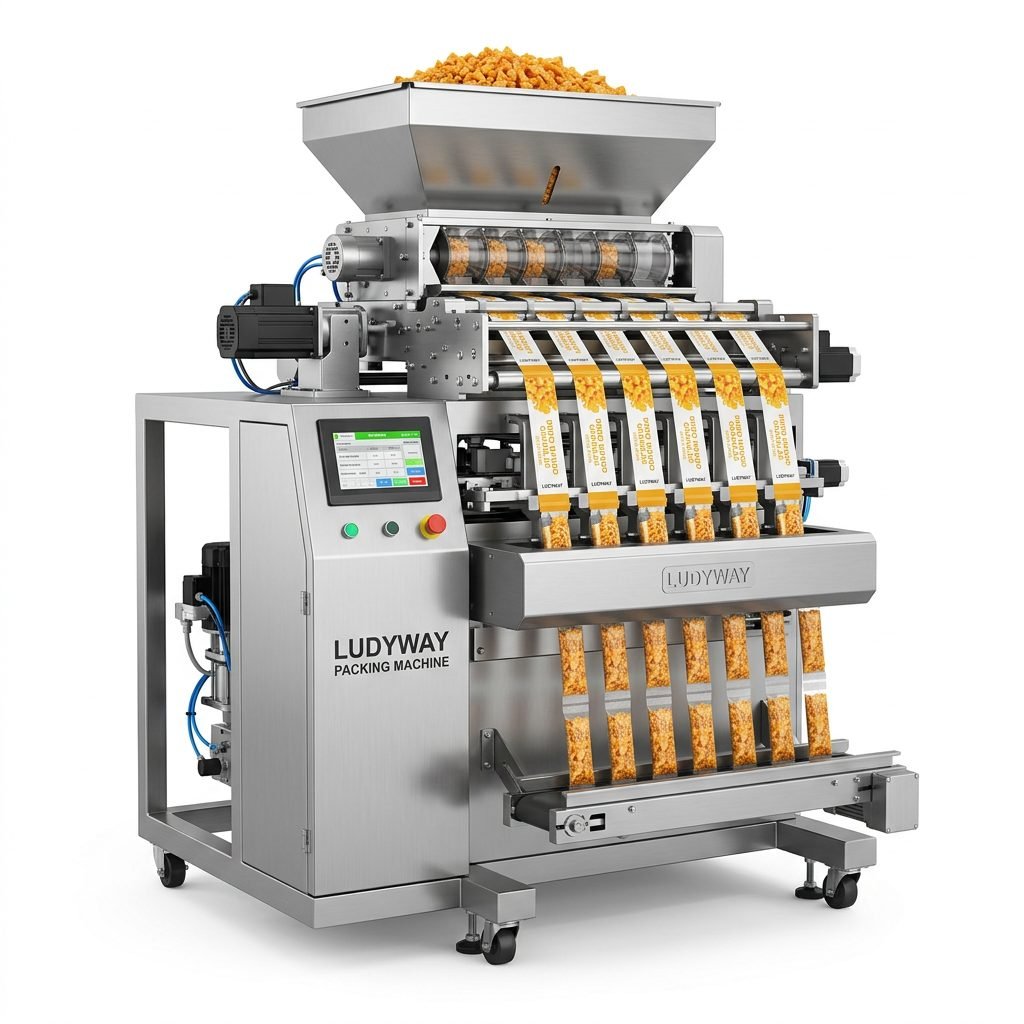
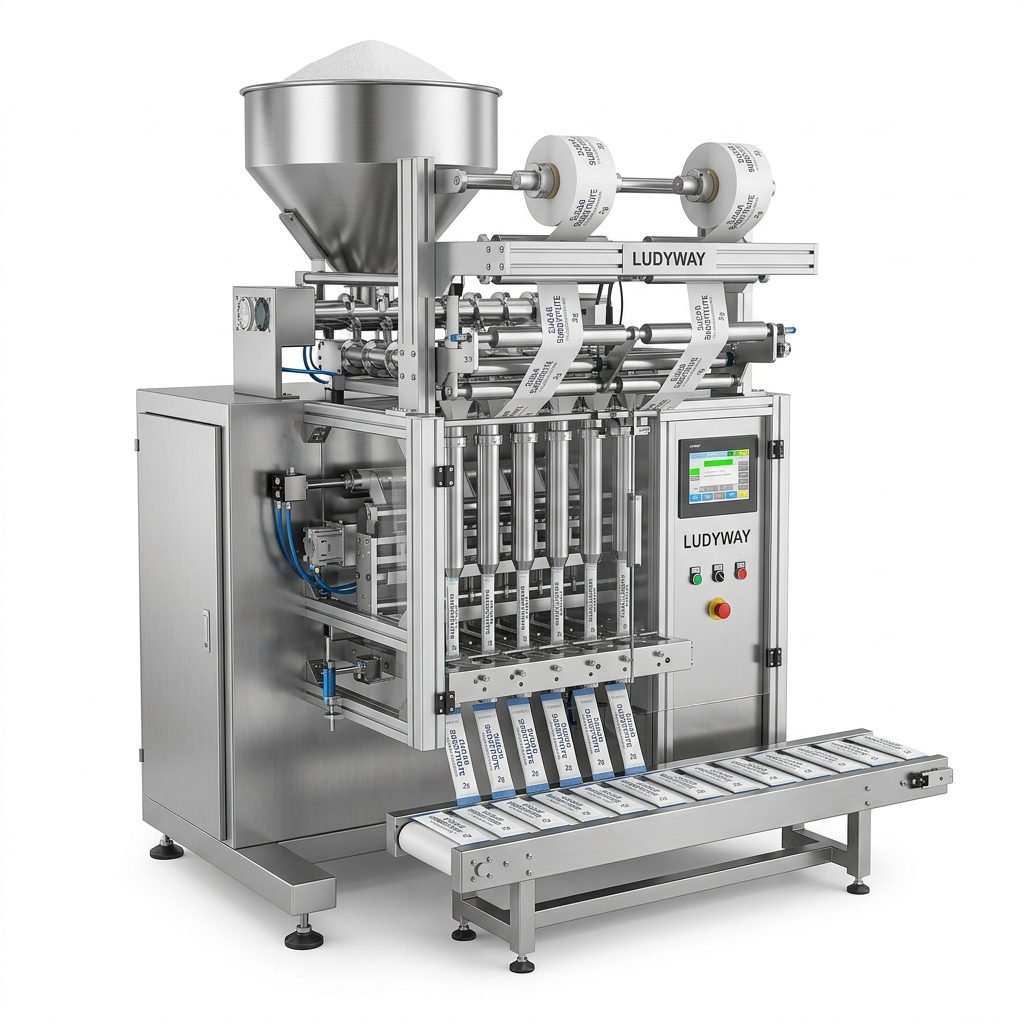
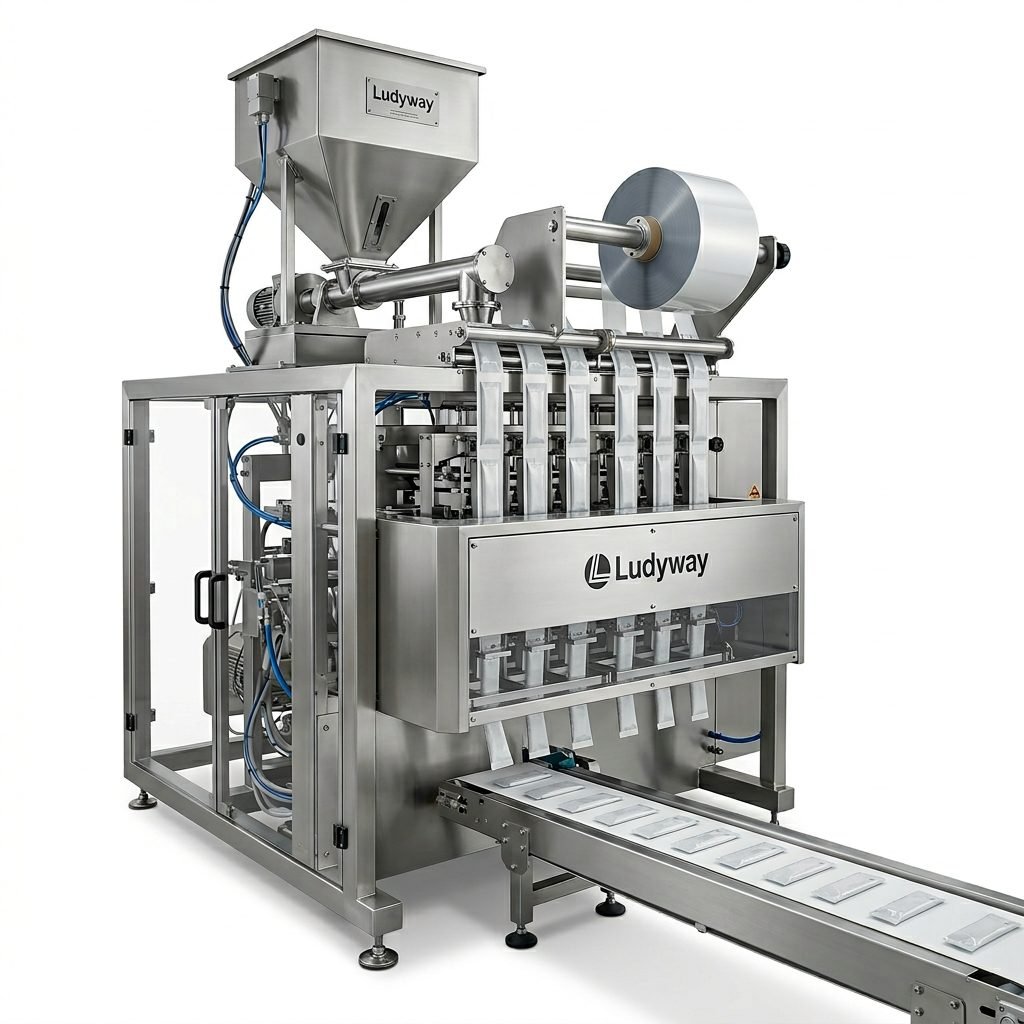
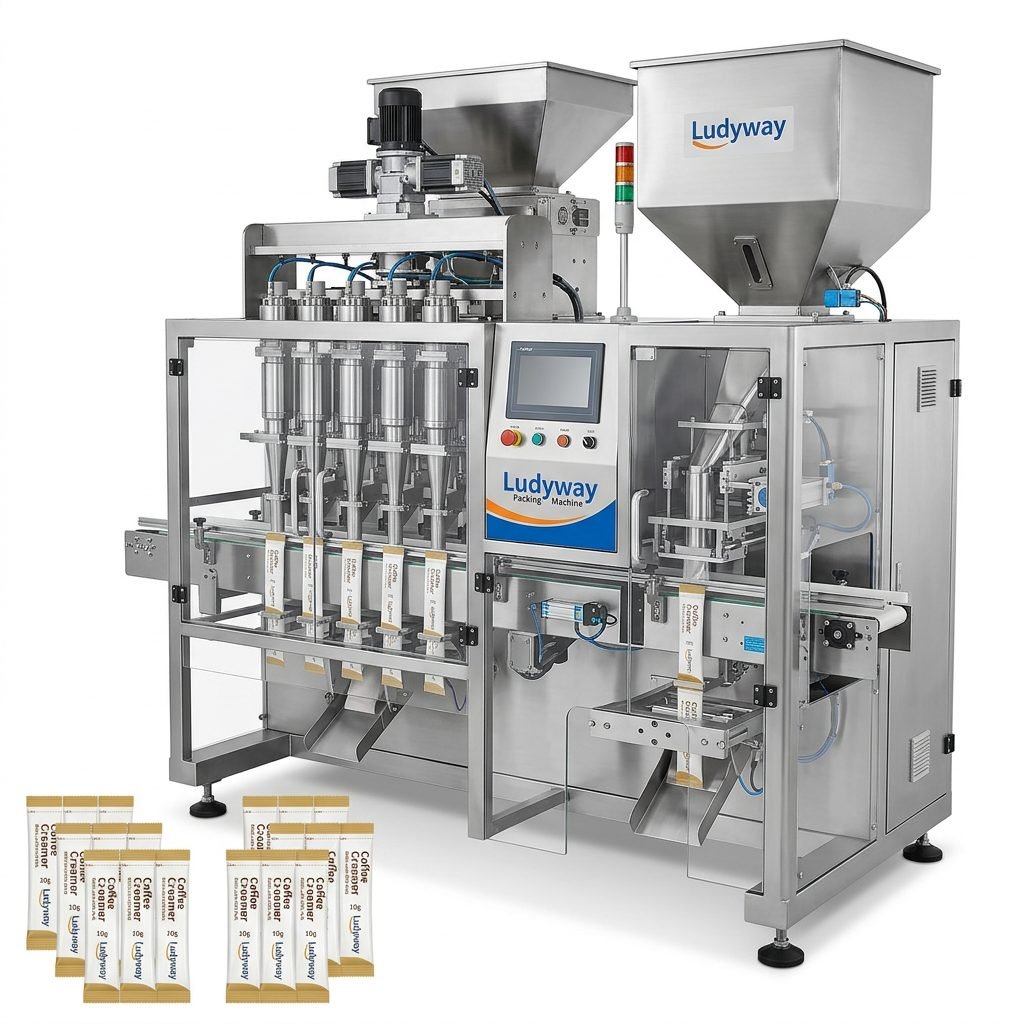
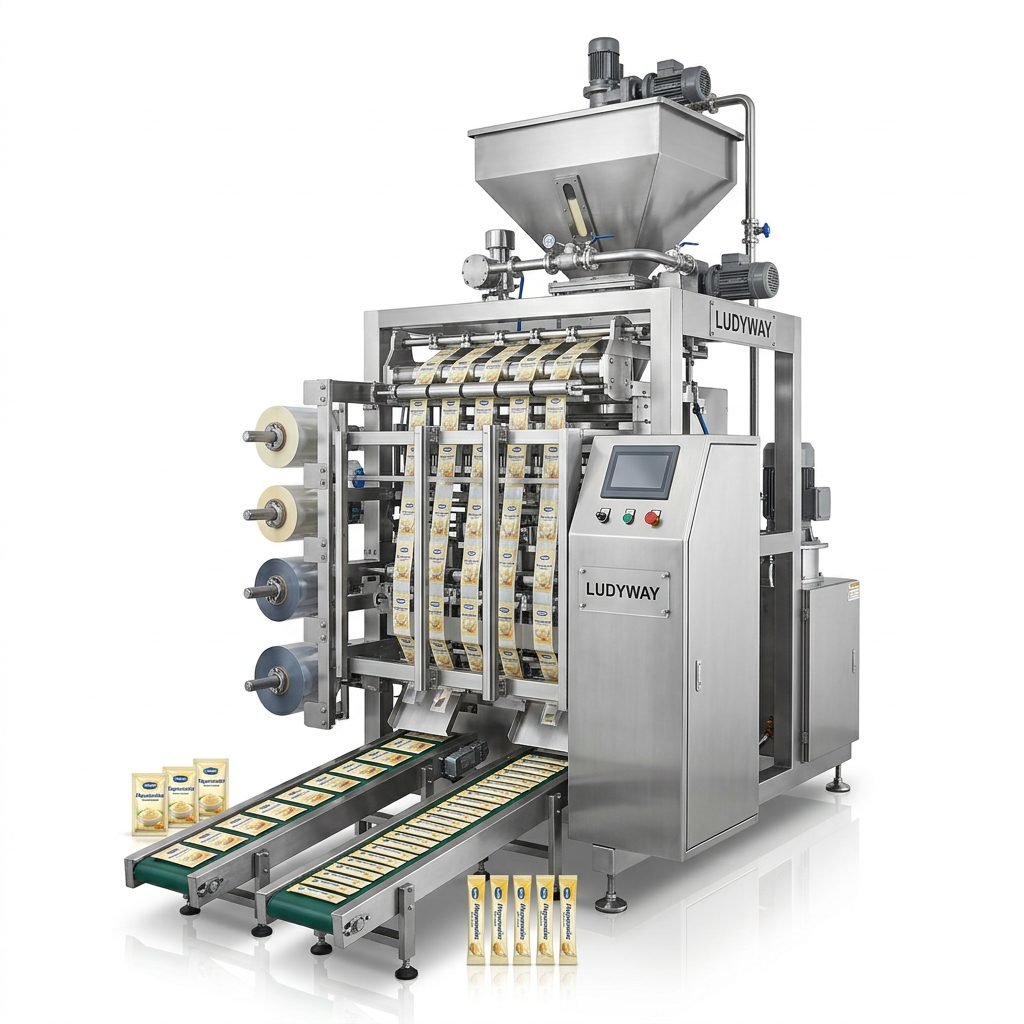
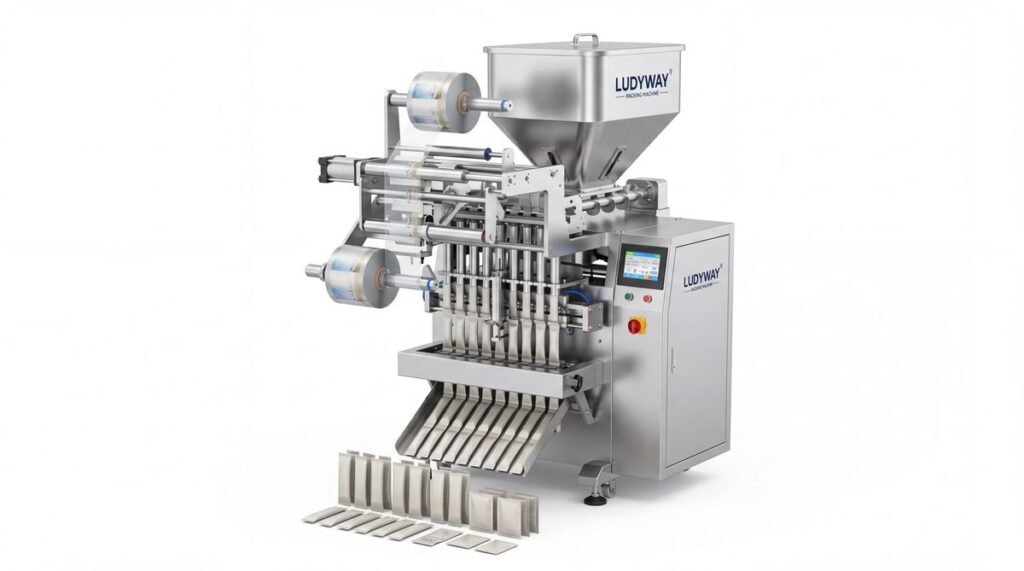
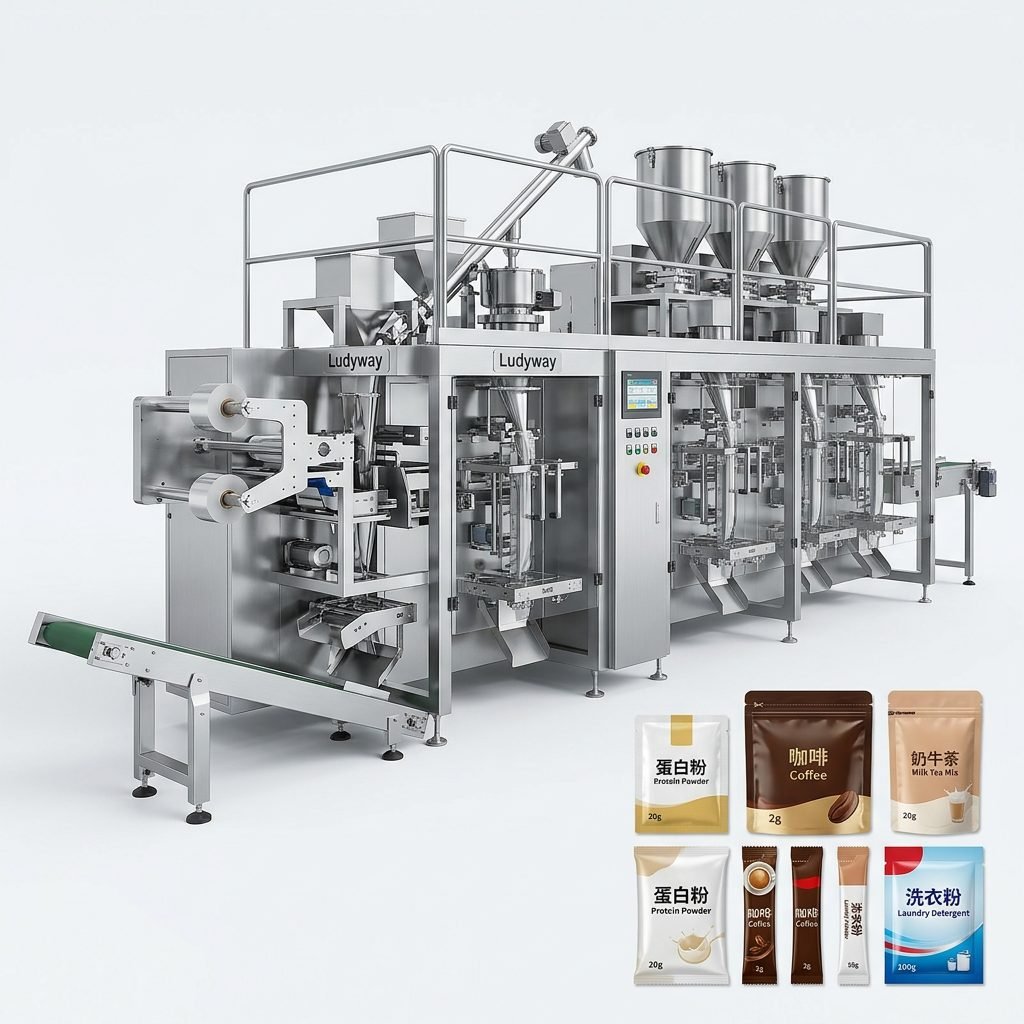
Continuous packaging machines come in several configurations, each suited to different products and packaging formats. The most common types include vertical form-fill-seal (VFFS) machines, horizontal form-fill-seal (HFFS) systems, multi-lane stick pack machines, and sachet packaging lines. VFFS machines are widely used for granules, powders, and free-flowing products, forming bags from a flat roll of film while simultaneously filling and sealing. Multi-lane configurations allow multiple lanes to run in parallel, dramatically increasing output for small-format packages such as stick packs and sachets.
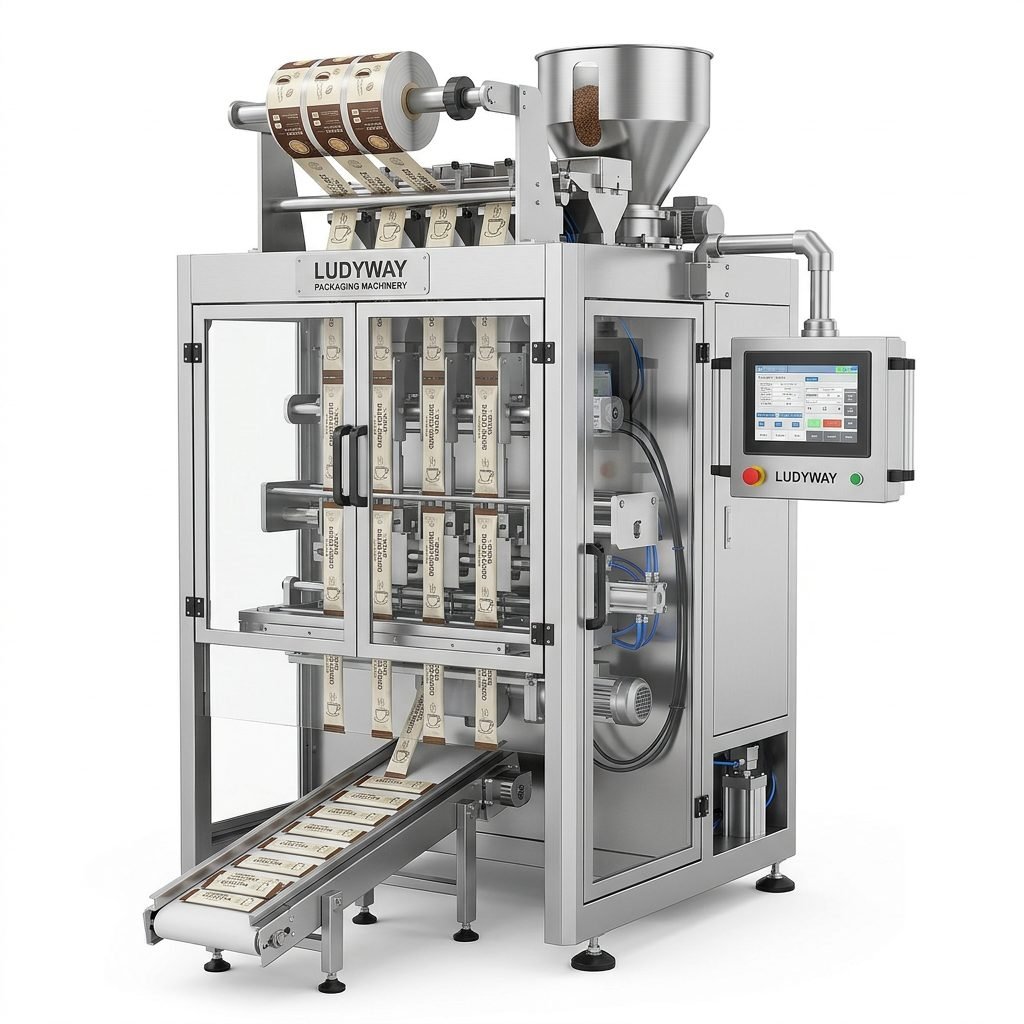
Before narrowing down machine types, it helps to consult authoritative resources on packaging machinery standards and industry best practices to understand the current technology landscape.
Key Factors to Consider When Selecting a Continuous Packaging Machine
Every production line has unique requirements. Evaluating the following factors will help you identify the most suitable continuous packaging equipment for your operation.
Product Characteristics and Flow Properties
Your product’s physical properties directly influence machine configuration. Granules, powders, liquids, pastes, and irregular solids each require specific dosing and filling mechanisms. For example, free-flowing granules like sugar or coffee can use volumetric cup fillers or multi-head weighers, while cohesive powders such as protein supplements or flour may need auger fillers with agitation to ensure consistent dosing. Liquid products require piston pumps, peristaltic pumps, or flow meters depending on viscosity and fill volume. Understanding how your product behaves—its bulk density, particle size distribution, moisture content, and flowability—is essential for selecting the right filling technology.
Packaging Format and Bag Style
Continuous packaging machines can produce a wide variety of bag styles, including pillow bags, gusseted pouches, stick packs, three-side-seal sachets, and four-side-seal formats. Stick packs have gained popularity in the food, pharmaceutical, and nutraceutical industries for single-serve convenience. Sachets remain the dominant format for liquid and powder samples in the cosmetics and personal care sectors. Your choice of packaging format should align with consumer expectations, retail shelf requirements, and your brand’s marketing strategy. The flexible packaging industry continues to evolve, with innovations in resealable features and sustainable materials influencing machine design.
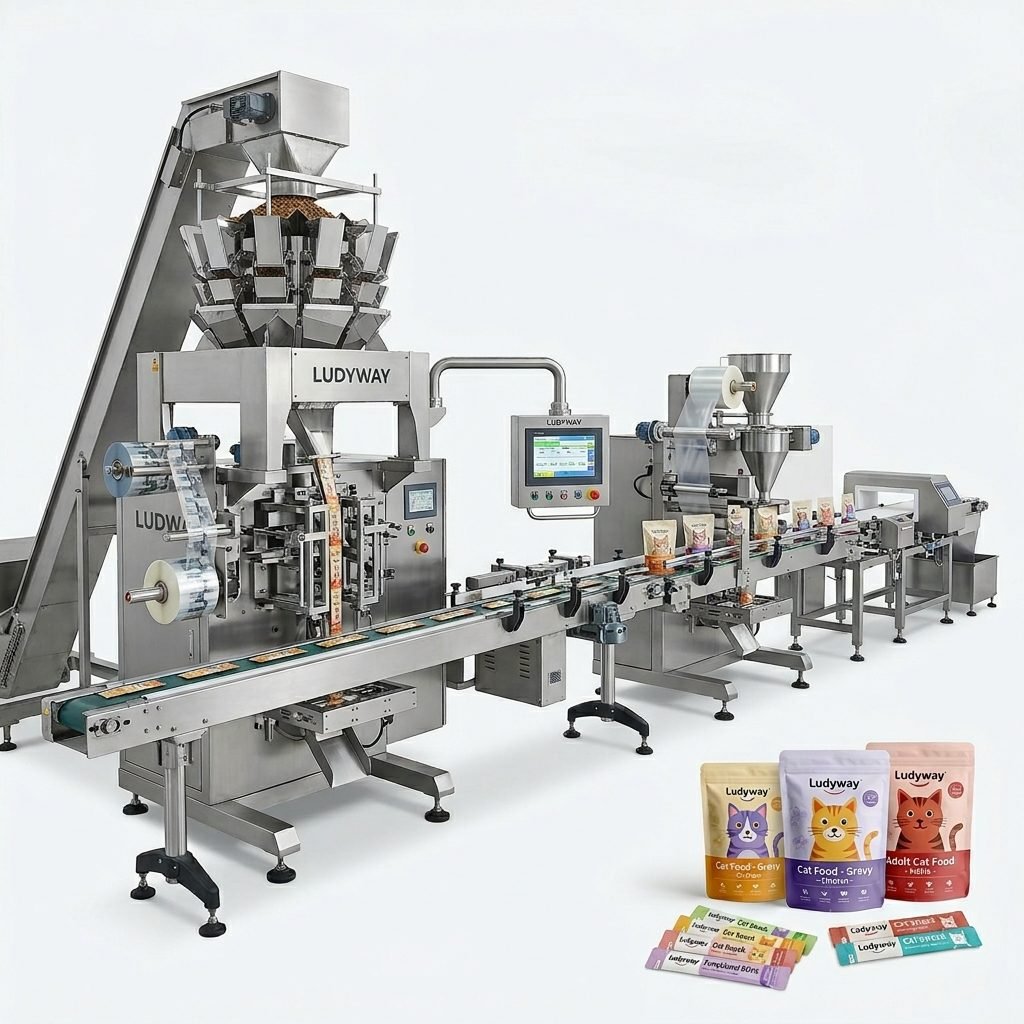
Production Speed Requirements
Continuous machines are designed for high-volume production, but actual output depends on several variables: the number of lanes, film advance speed, filling time, sealing dwell time, and product characteristics. A single-lane machine might produce 30 to 80 packs per minute, while multi-lane configurations can achieve 200 to over 1,000 packs per minute. When evaluating speed, consider not just the machine’s maximum rated output but its sustainable speed with your specific product. Factor in film changeover time, cleaning cycles, and maintenance downtime to calculate realistic overall equipment effectiveness (OEE).
Packaging Material Compatibility
Not all continuous packaging machines handle every film type equally. Common packaging materials include laminated films (PET/AL/PE, PET/VMPET/PE), mono-materials for recyclability, paper-based laminates, and biodegradable films. Sealing parameters—temperature, pressure, and dwell time—must be precisely controllable to accommodate different material thicknesses and heat-seal characteristics. Machines equipped with servo-driven sealing jaws offer greater flexibility and repeatability compared to pneumatic systems. Verify that the machine you select is compatible with your preferred packaging materials and any future material changes you may be considering as part of sustainability initiatives.
| Machine Type | Best Suited Products | Typical Speed Range | Common Bag Formats |
|---|---|---|---|
| Multi-Lane Stick Pack | Powders, granules, liquids (coffee, sugar, supplements) | 200–1,000+ packs/min | Stick packs, narrow sachets |
| VFFS Continuous | Granules, snacks, frozen foods, pet food | 30–120 packs/min per lane | Pillow bags, gusseted pouches |
| Sachet Packaging Line | Liquids, creams, gels, powders (cosmetics, pharma) | 100–600 packs/min (multi-lane) | 3-side seal, 4-side seal sachets |
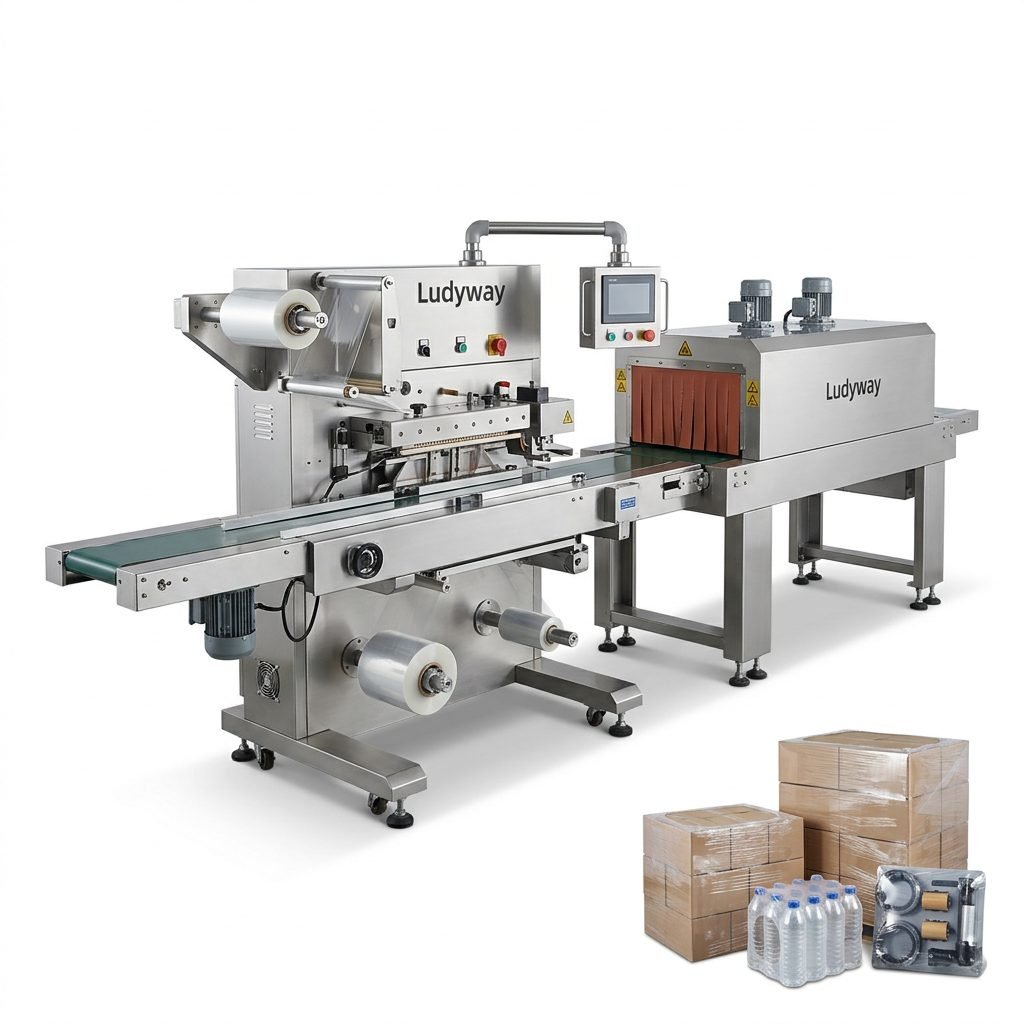
| HFFS Continuous | Solid products, baked goods, medical devices | 30–80 packs/min | Flow wrap, fin seal pouches |
Automation Level and Line Integration
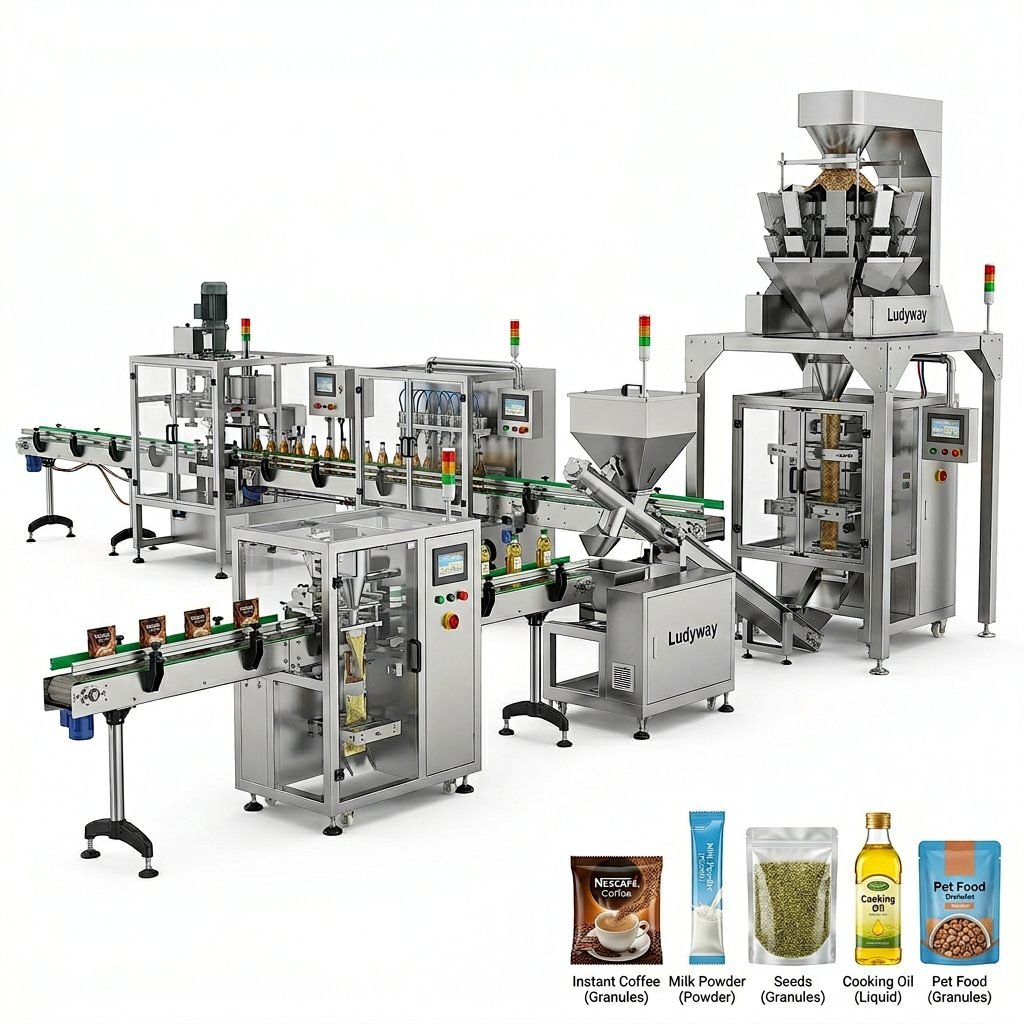
Modern continuous packaging machines can be integrated into fully automated production lines. Consider whether you need a standalone machine or a complete packaging system that includes upstream feeding, multi-head weighing, checkweighing, metal detection, coding and marking, cartoning, and palletizing. ISO packaging standards provide guidance on system integration, safety requirements, and validation protocols. A well-integrated line reduces manual handling, minimizes product waste, and improves traceability. When evaluating automation options, think about your long-term scalability needs—a modular system that allows for future upgrades may offer better return on investment.
Industry-Specific Requirements
Different industries impose different regulatory and operational demands on packaging equipment. In the food and beverage sector, hygiene and cleanability are paramount—machines should feature stainless steel construction, sloped surfaces to prevent product accumulation, and tool-free disassembly for sanitation. The pharmaceutical industry requires strict adherence to FDA food packaging and food contact substance regulations, along with validation documentation, audit trails, and serialization capabilities. Cosmetics and personal care manufacturers prioritize quick changeover between product variants and gentle handling of sensitive formulations. Chemical and industrial product packagers need robust construction resistant to corrosive substances and dust-tight sealing systems.
Control Systems and User Interface
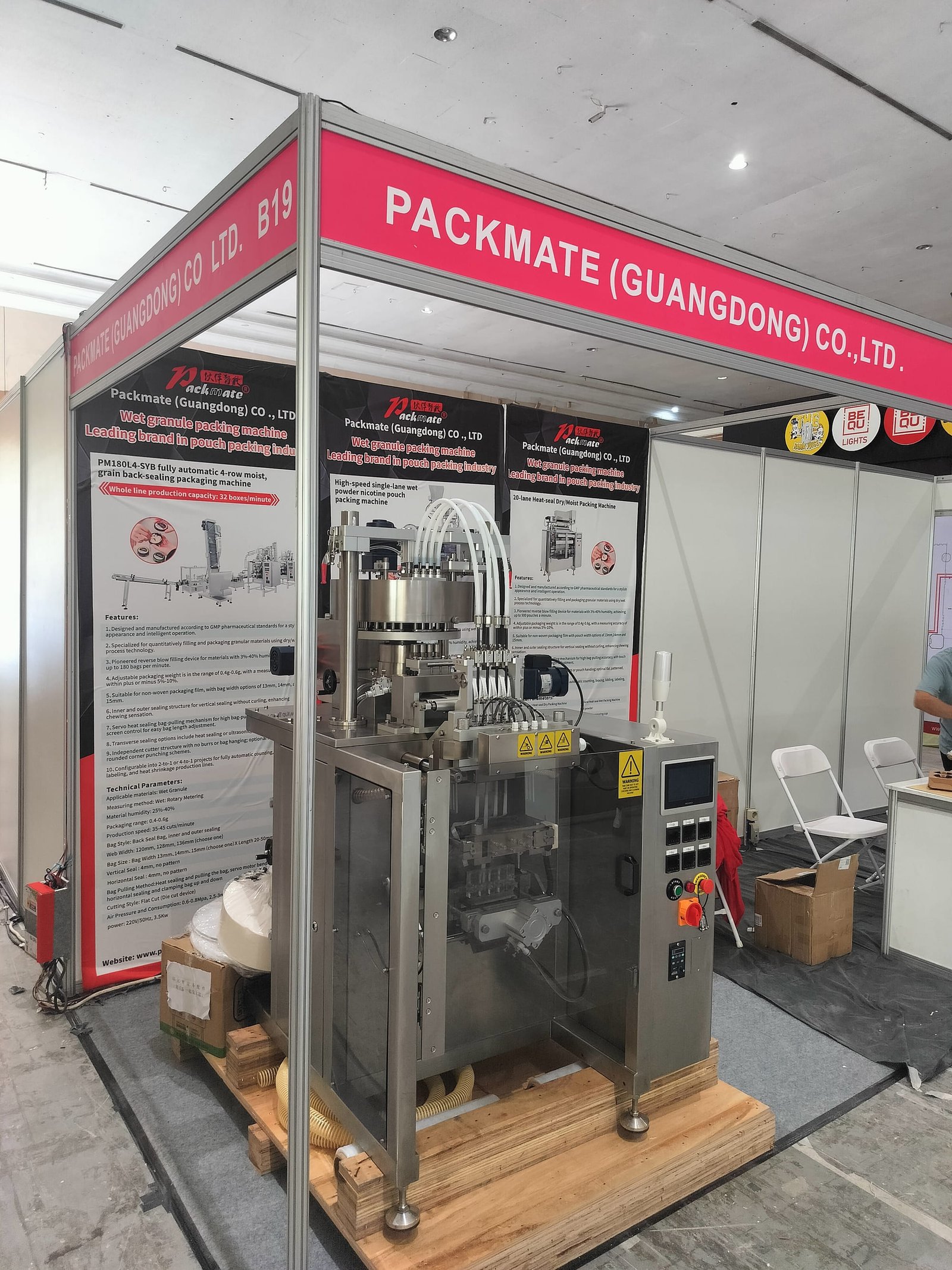
The PLC and HMI systems on a continuous packaging machine determine how easily operators can manage settings, troubleshoot issues, and maintain production records. Look for machines with intuitive touchscreen interfaces, recipe management for multiple products, and remote diagnostic capabilities. Servo-driven axes provide precise control over film tension, sealing temperature, and cut-off length, resulting in higher pack quality and less material waste. Machines with data logging and connectivity features support Industry 4.0 initiatives, enabling real-time monitoring of OEE and predictive maintenance scheduling.
The Importance of After-Sales Support and Service
A continuous packaging machine represents a substantial capital investment, and its long-term performance depends heavily on the quality of after-sales support. Evaluate potential suppliers based on their service infrastructure: availability of spare parts, response time for technical inquiries, remote troubleshooting capabilities, and on-site service options. Training programs for operators and maintenance personnel are equally important—well-trained staff can significantly extend machine life and reduce unplanned downtime. Warranty terms, preventive maintenance contracts, and upgrade paths should be clearly understood before finalizing a purchase.
Evaluating Total Cost of Ownership
Purchase price alone does not reflect the true cost of a packaging machine. A comprehensive total cost of ownership (TCO) analysis should account for installation and commissioning, operator training, spare parts inventory, energy consumption, film waste rates, cleaning and changeover time, maintenance labor, and expected service life. Machines with higher energy efficiency, lower film waste, and faster changeover often justify a higher initial price through reduced operating costs over time. Request detailed specifications on power consumption, compressed air usage, and expected film yield from potential suppliers to make an informed comparison.
Why Choose Ludyway as Your Packaging Machinery Partner
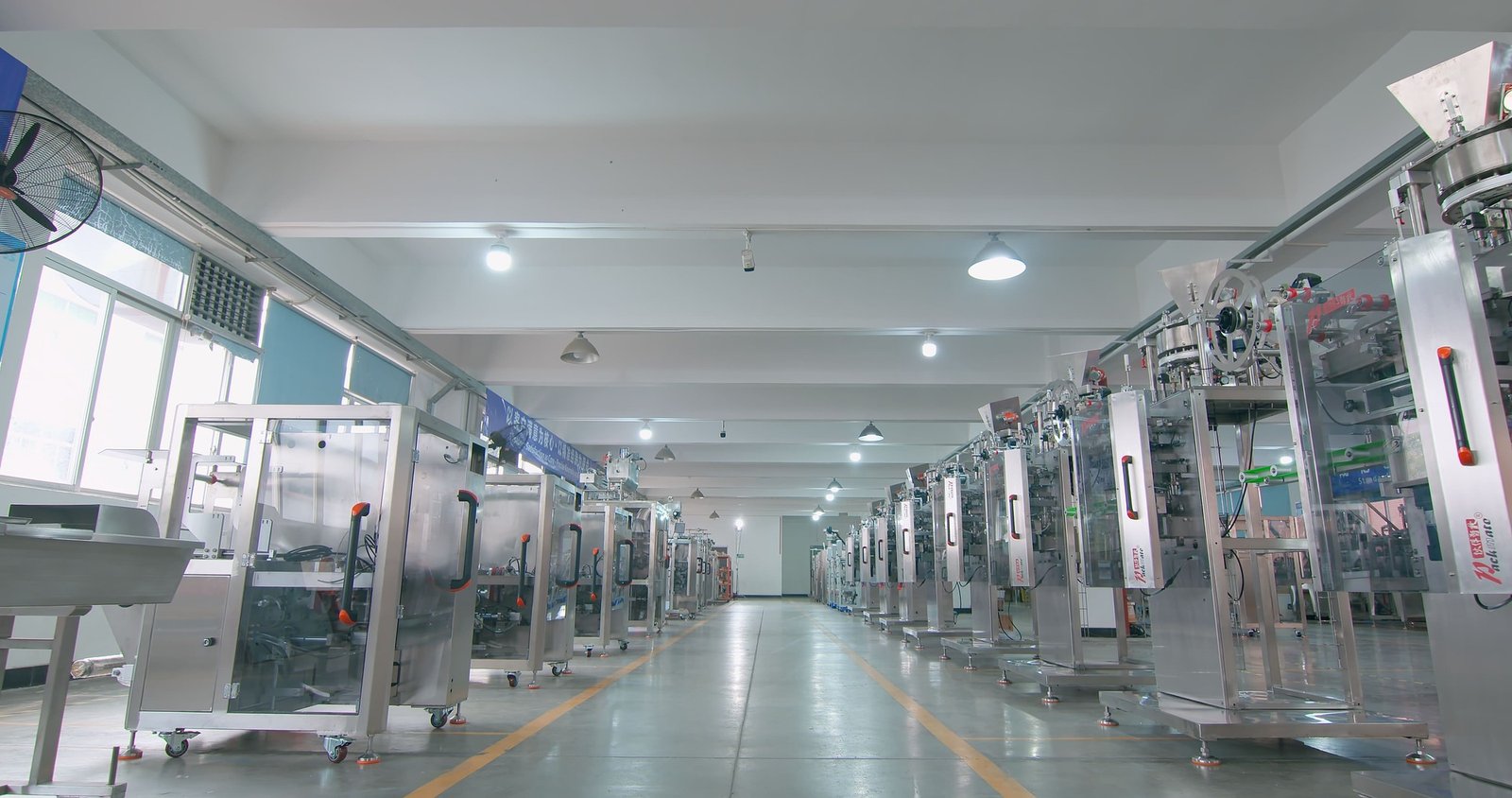
When sourcing a reliable continuous packaging machine, partnering with an experienced manufacturer can make all the difference. Ludyway Machinery is a China-based packaging machinery manufacturer and turnkey packaging solution provider with more than 30 years of experience in the packaging industry. Operating from a 20,000-square-meter manufacturing facility with over 130 professionals and more than 50 packaging machine models, Ludyway combines manufacturing expertise, engineering capabilities, and automation technology to serve manufacturers across food and beverage, pharmaceuticals, health and nutraceutical products, cosmetics, chemicals, animal feed, and other industries.
Ludyway’s portfolio covers powder, granule, liquid, stick pack, sachet, pouch, and other flexible packaging applications. The company provides integrated packaging systems and turnkey production line solutions that can connect multiple stages of the packaging process—from feeding and dosing to filling, sealing, coding, inspection, cartoning, and palletizing. This approach enables customers to work with a single packaging machinery partner for equipment selection, system integration, customization, installation, commissioning, and technical support. Ludyway serves customers in more than 100 countries and regions, and according to recent industry reports, the company is expected to achieve export revenue of more than RMB 500 million (approximately US$69 million) in 2025, with plans to surpass RMB 1 billion (approximately US$138 million) in export revenue by 2026.
Customization for Unique Production Requirements
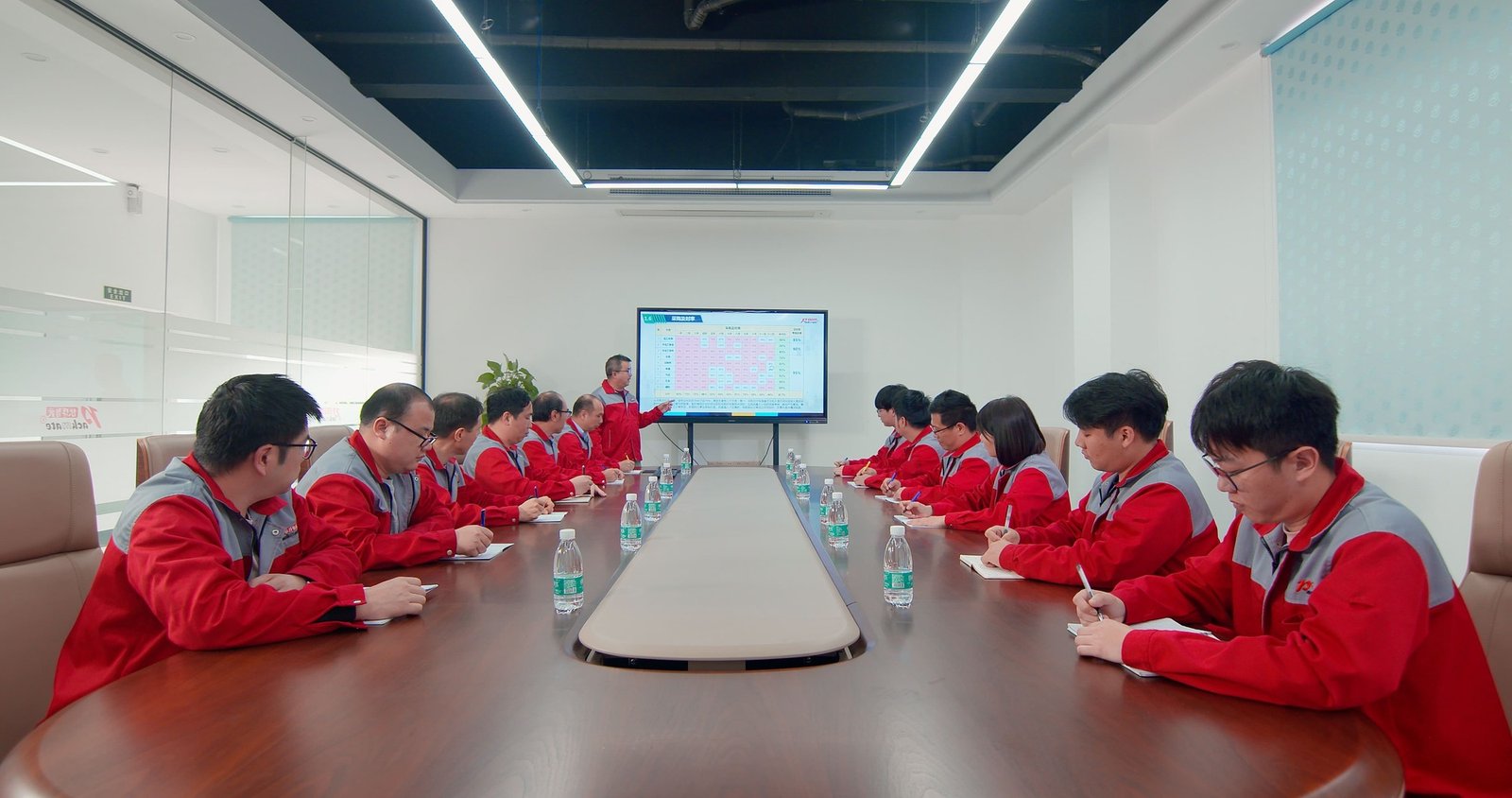
Standard machines do not fit every application. Customization may be necessary for products with unusual flow characteristics, special packaging materials, unique bag sizes, or specific factory layout constraints. Ludyway’s technical team evaluates each customer’s product and packaging requirements to recommend an appropriate machine configuration or complete packaging line. Customized solutions can include multi-lane configurations, automated feeding systems, nitrogen flushing for extended shelf life, integrated coding and inspection, and specialized sealing technologies. This tailored approach is particularly valuable for manufacturers looking to increase production capacity, automate manual packaging processes, or introduce new packaging formats into existing production lines.
Quality, Compliance, and International Standards
For manufacturers operating in regulated markets or exporting to multiple regions, compliance with international standards is non-negotiable. Ludyway’s packaging machinery can be designed and configured to meet applicable international standards and customer requirements, with certifications and compliance documentation available for relevant equipment and markets. The company works with established industrial automation and component suppliers for selected machine configurations, ensuring reliable control, pneumatic, electrical, and automation systems. This commitment to quality and compliance supports manufacturers in maintaining consistent product quality and meeting regulatory obligations in their target markets.
Making the Final Decision
Selecting the right continuous packaging machine requires balancing technical specifications, budget constraints, and long-term production goals. Start by clearly defining your product requirements, desired output, packaging format, and automation needs. Request detailed proposals from multiple suppliers, but look beyond the specification sheet—visit manufacturing facilities if possible, request references from customers with similar applications, and test your product on the proposed equipment before committing. A machine that performs well in a demonstration with your actual product provides the most reliable indication of real-world performance. Remember that the lowest upfront price rarely translates to the lowest total cost of ownership. Prioritize build quality, manufacturer reputation, after-sales support, and the flexibility to adapt to your future production needs.