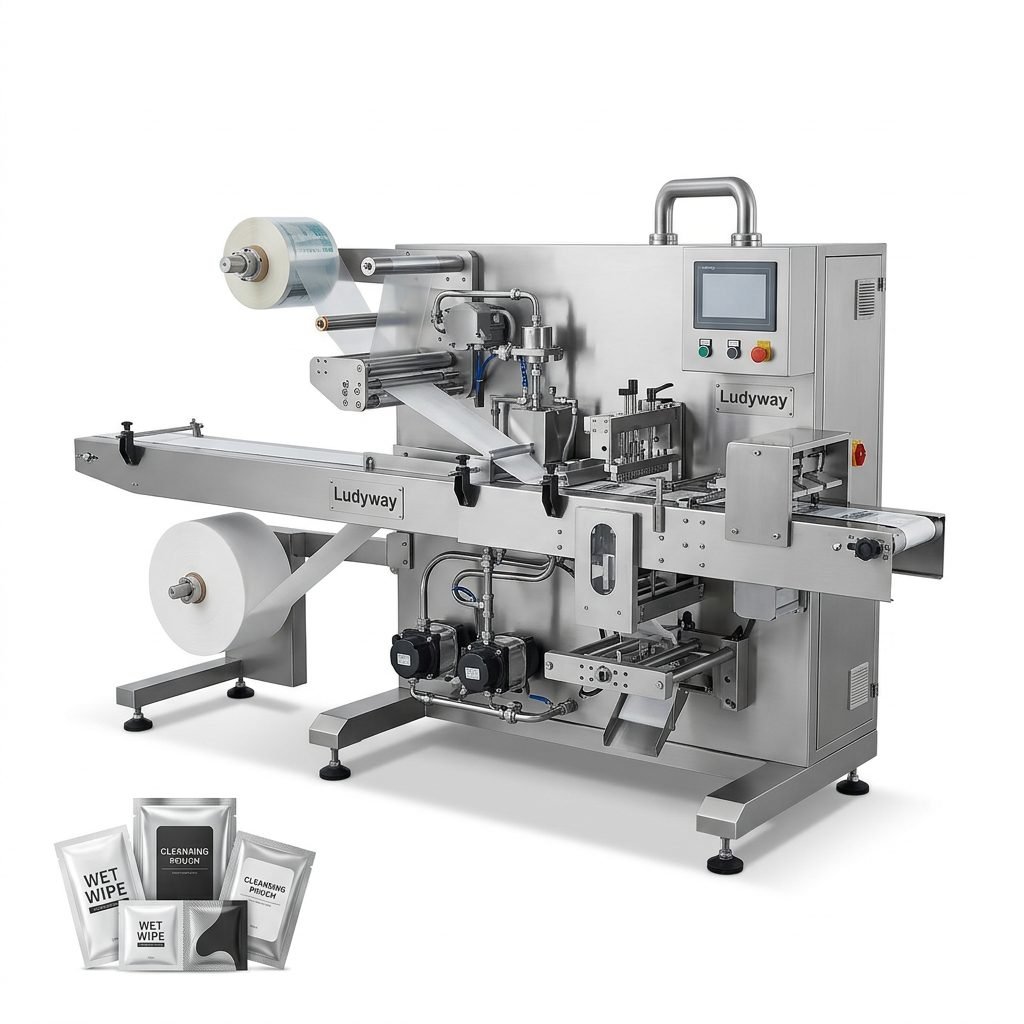
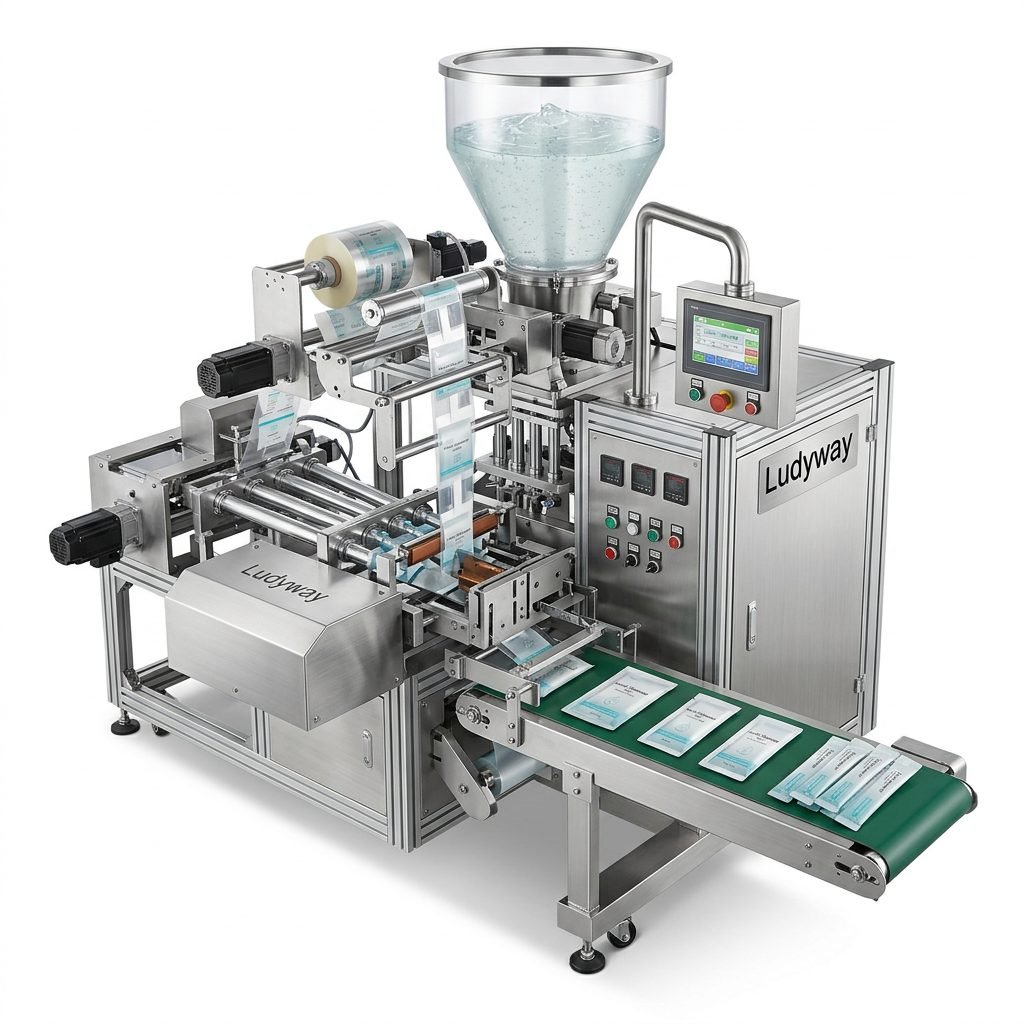
Investing in a tobacco packing machine is a strategic decision that directly affects your production efficiency, product consistency, and long-term operational costs. Whether you are packaging loose tobacco, smokeless tobacco pouches, snus, or nicotine sachets, the right equipment ensures precise filling, reliable sealing, and compliance with industry regulations. This guide walks you through the essential factors to consider before making your purchase.
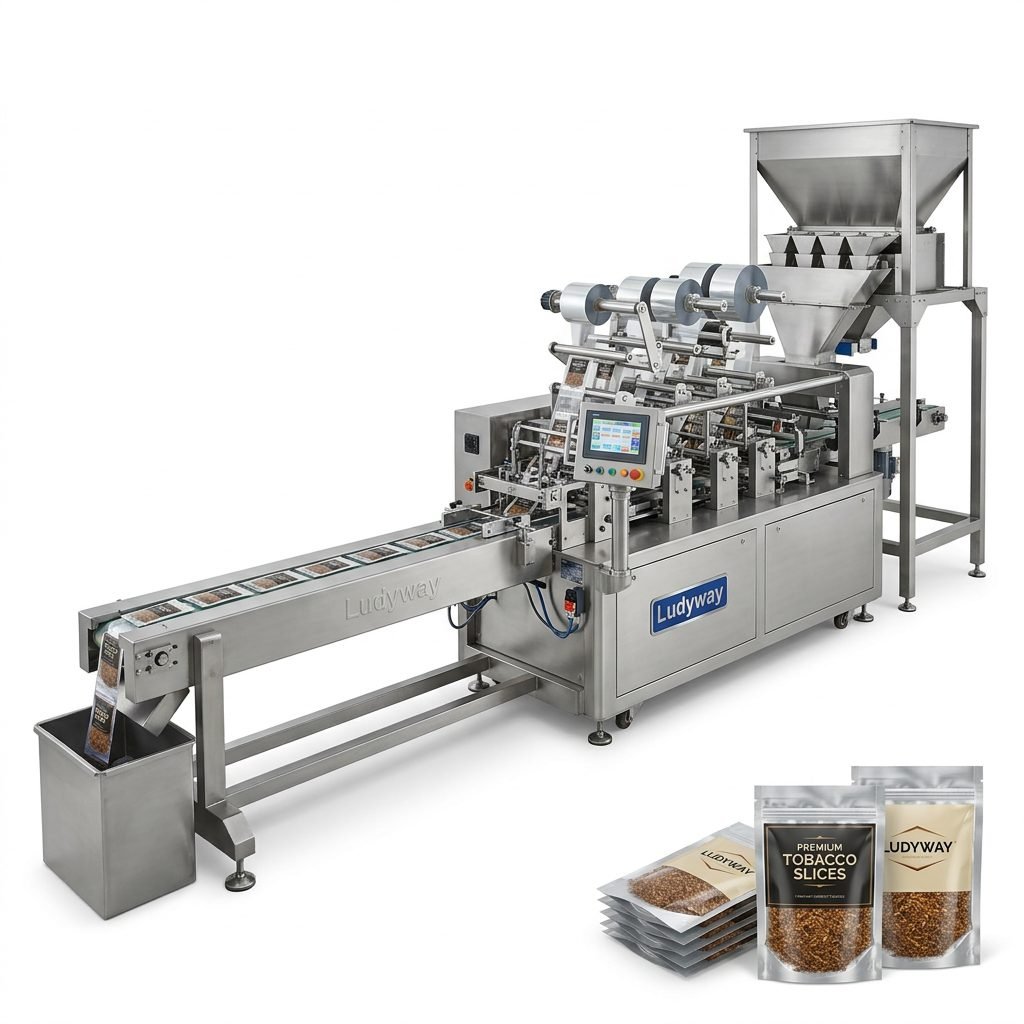
Understanding Tobacco Packaging Machine Types
Not all tobacco packaging equipment is built the same. Different product formats require different machine configurations. The most common types include:
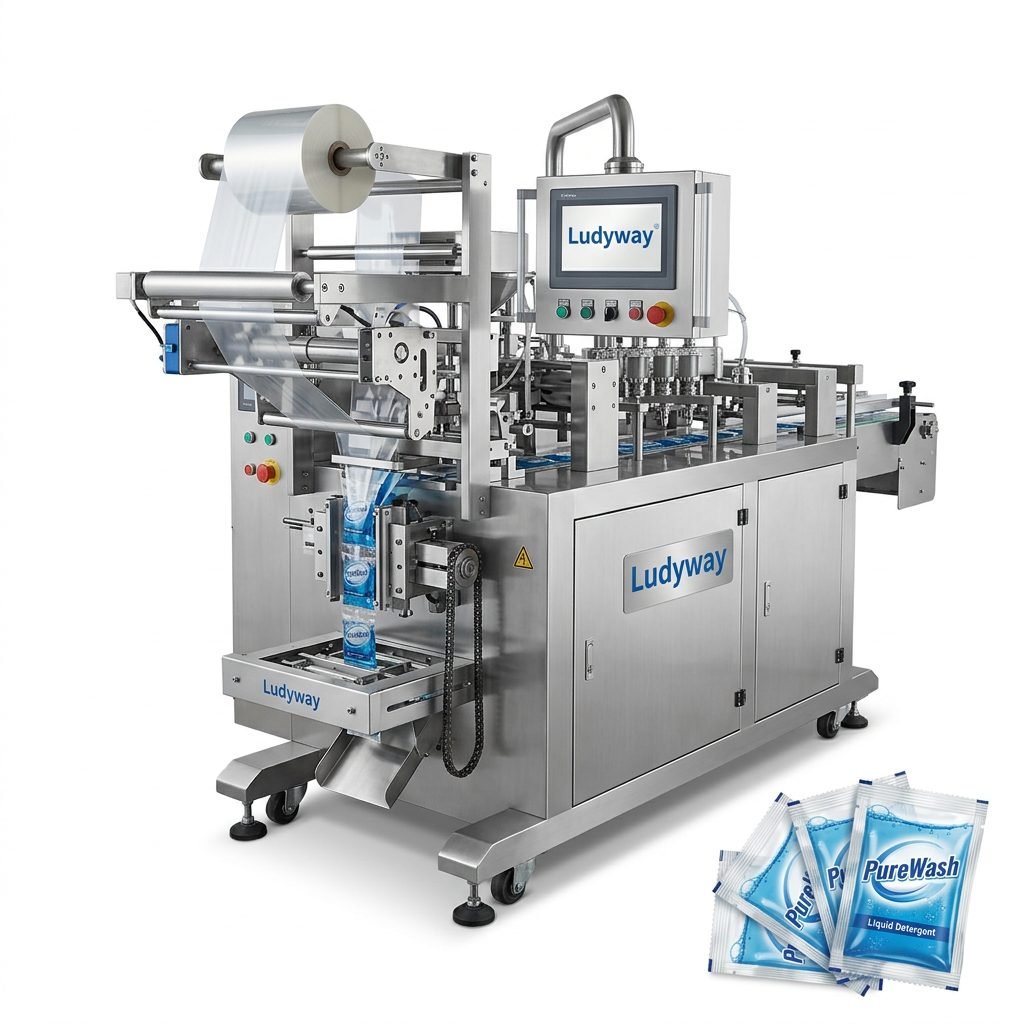
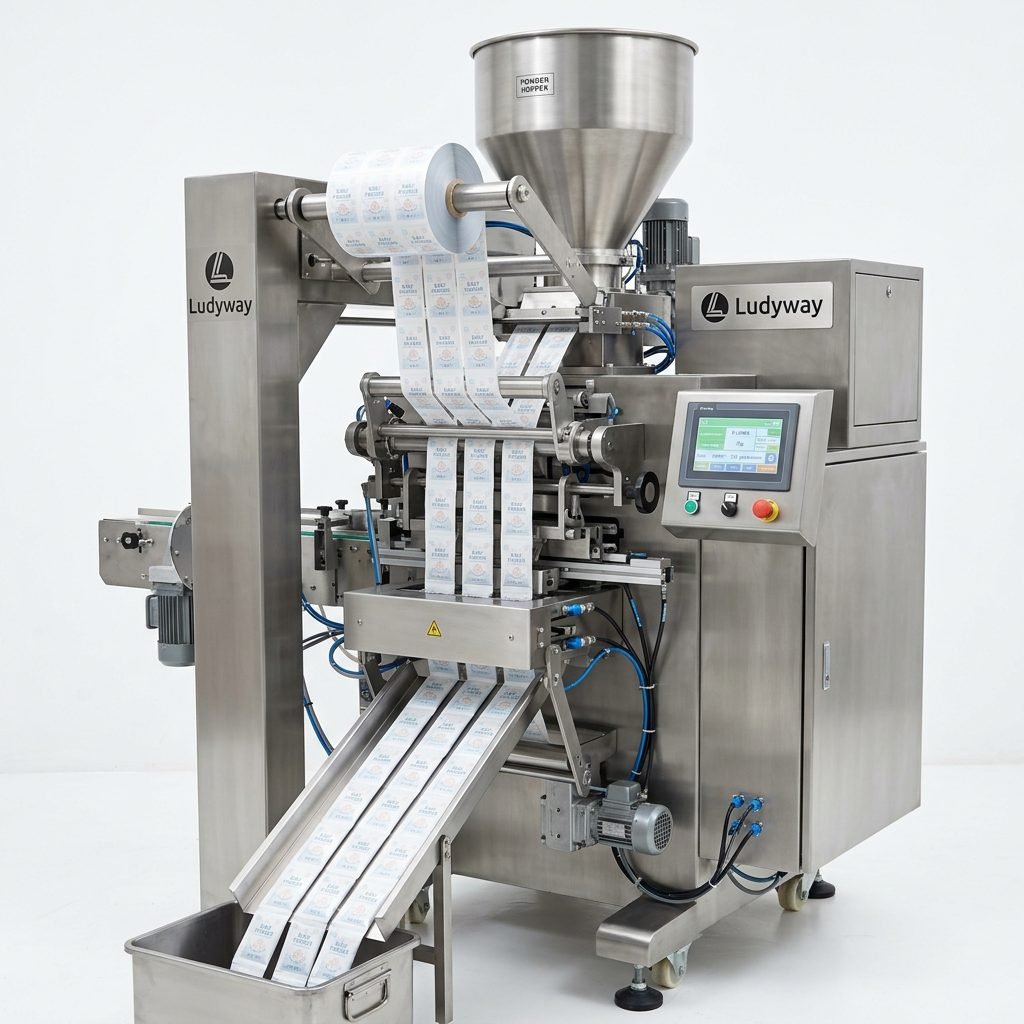
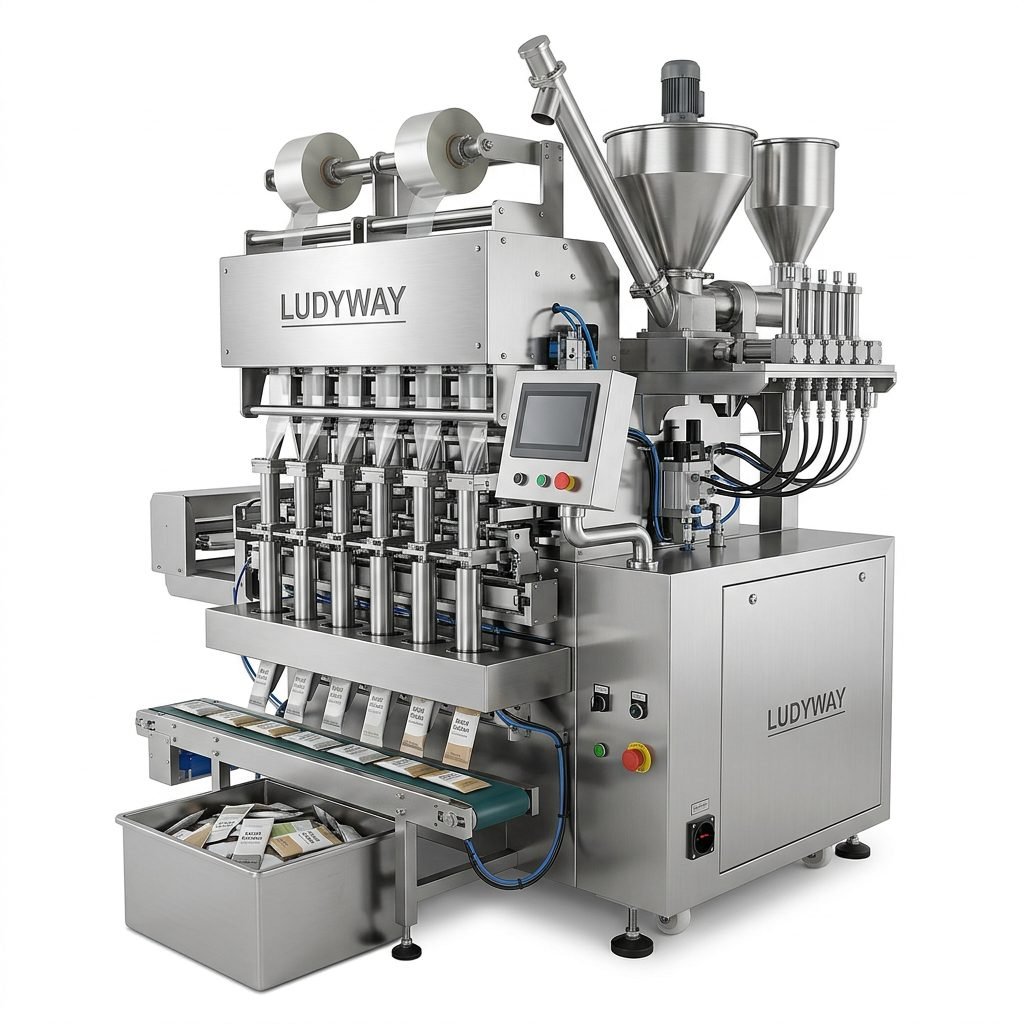
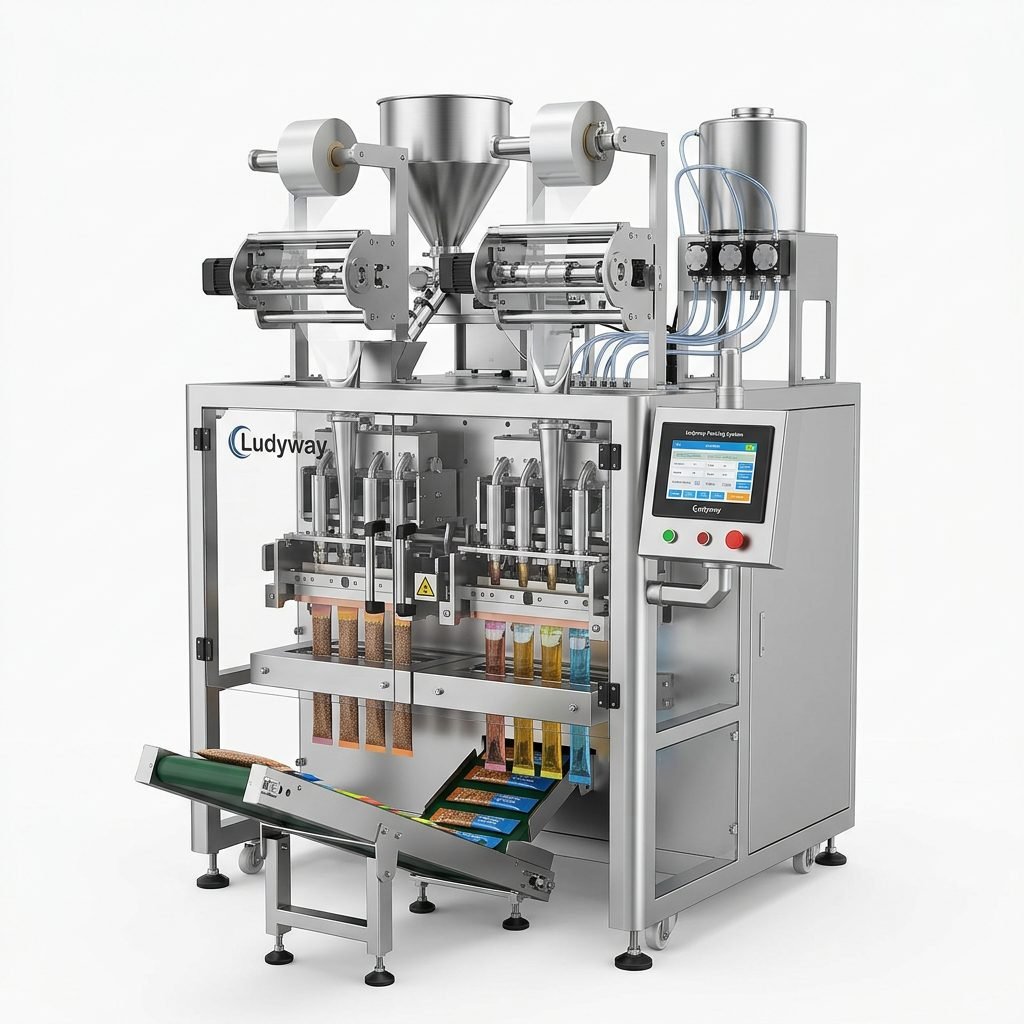
- Multi-lane stick pack machines – Ideal for nicotine pouches and snus, offering high-speed production with individual portion control.
- Sachet packaging machines – Suitable for loose tobacco, rolling tobacco, and herbal blends in flat or pillow-style sachets.
- Premade pouch packaging machines – Designed for larger tobacco pouches with zipper closures or resealable features.
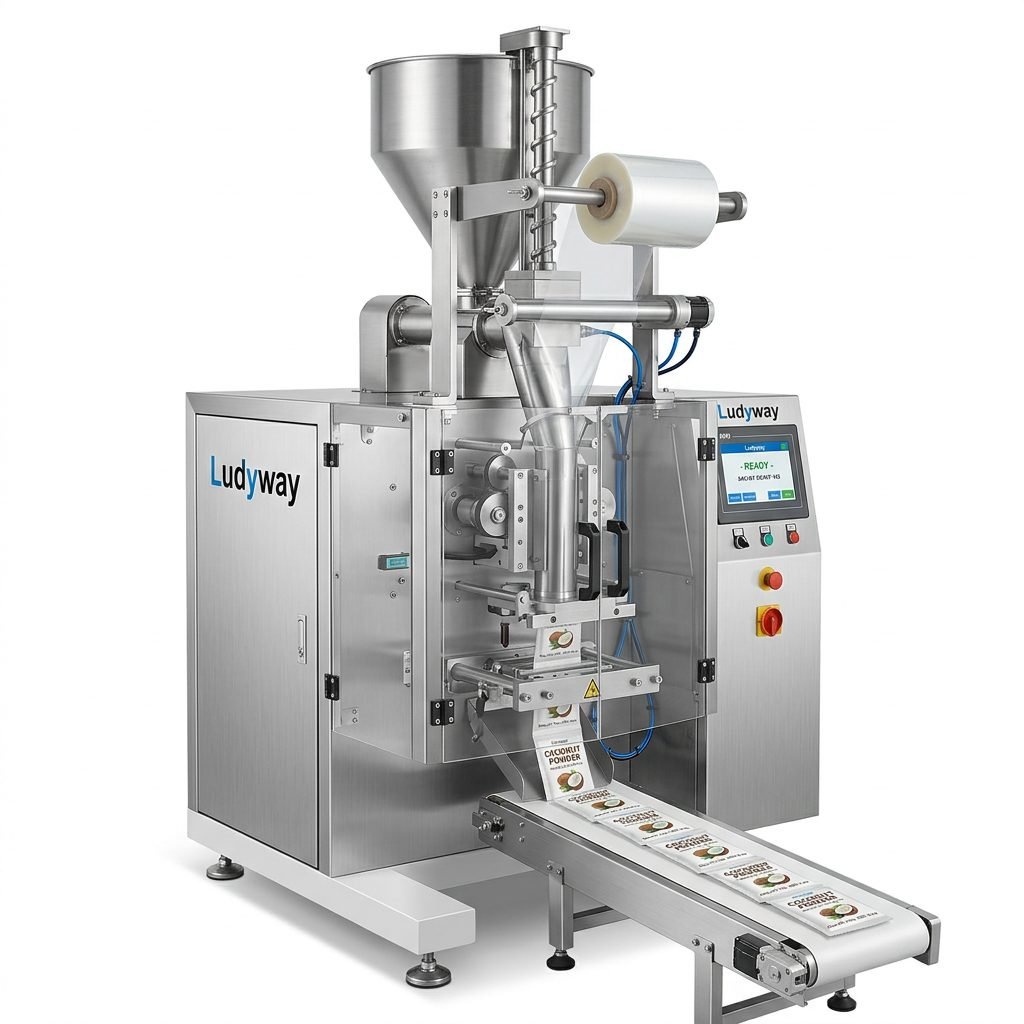
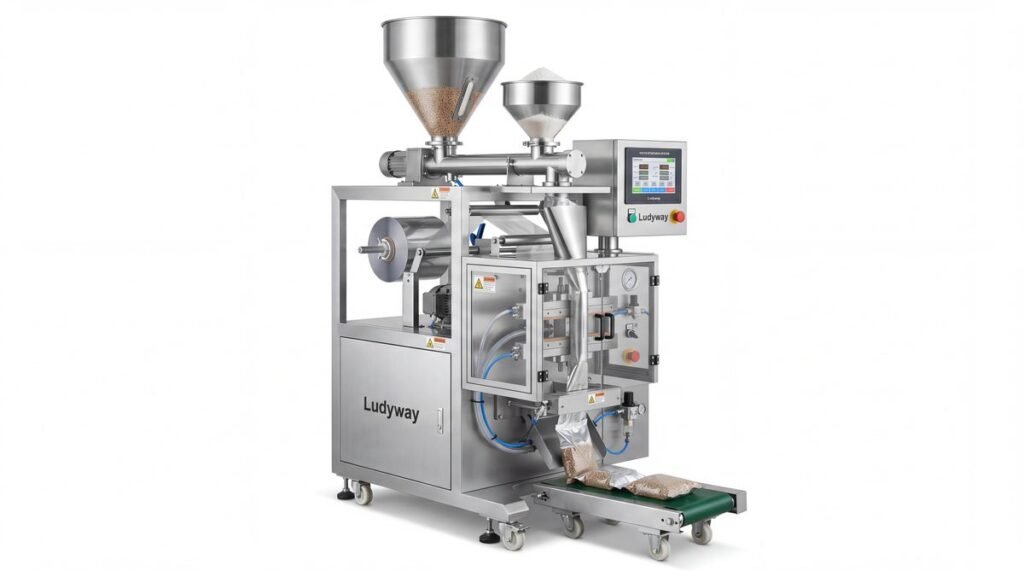
- Vertical form-fill-seal (VFFS) machines – Versatile systems that form bags from roll stock, fill with tobacco products, and seal in one continuous operation.
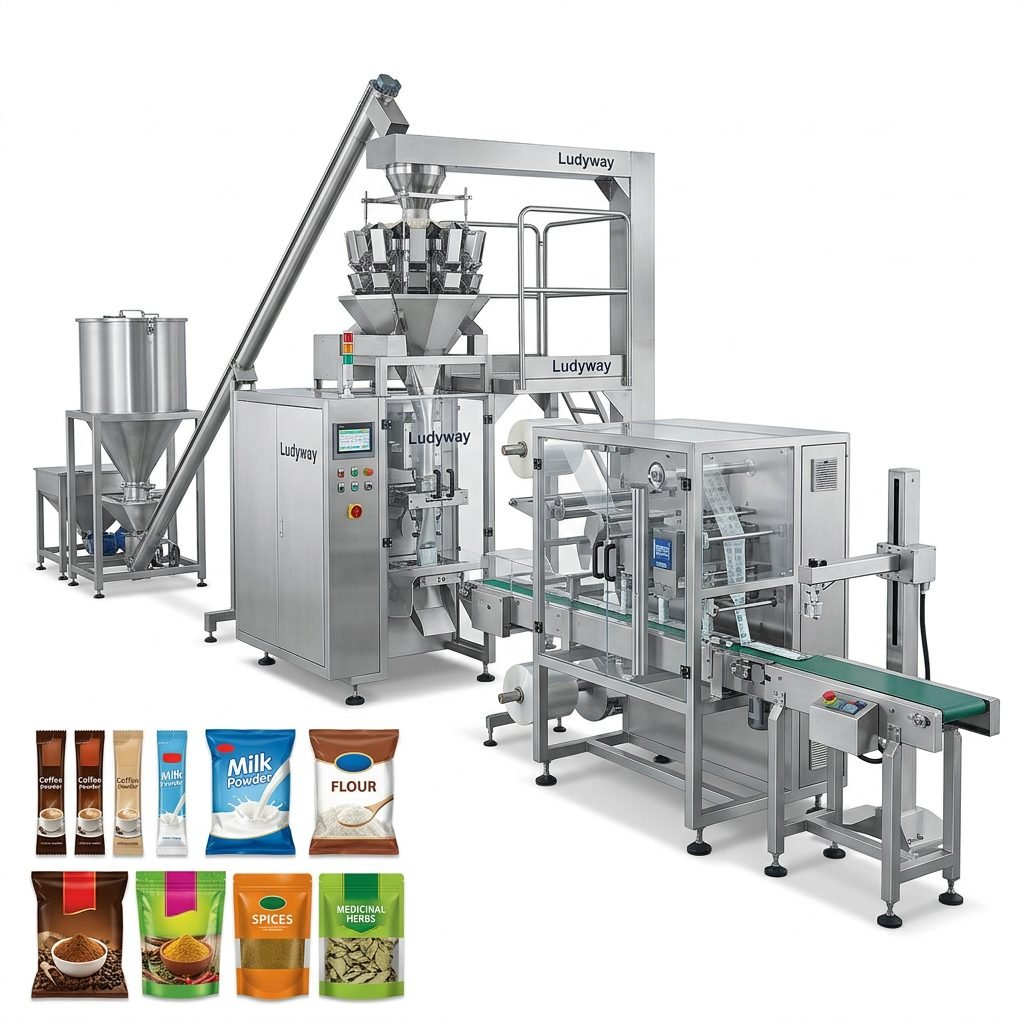
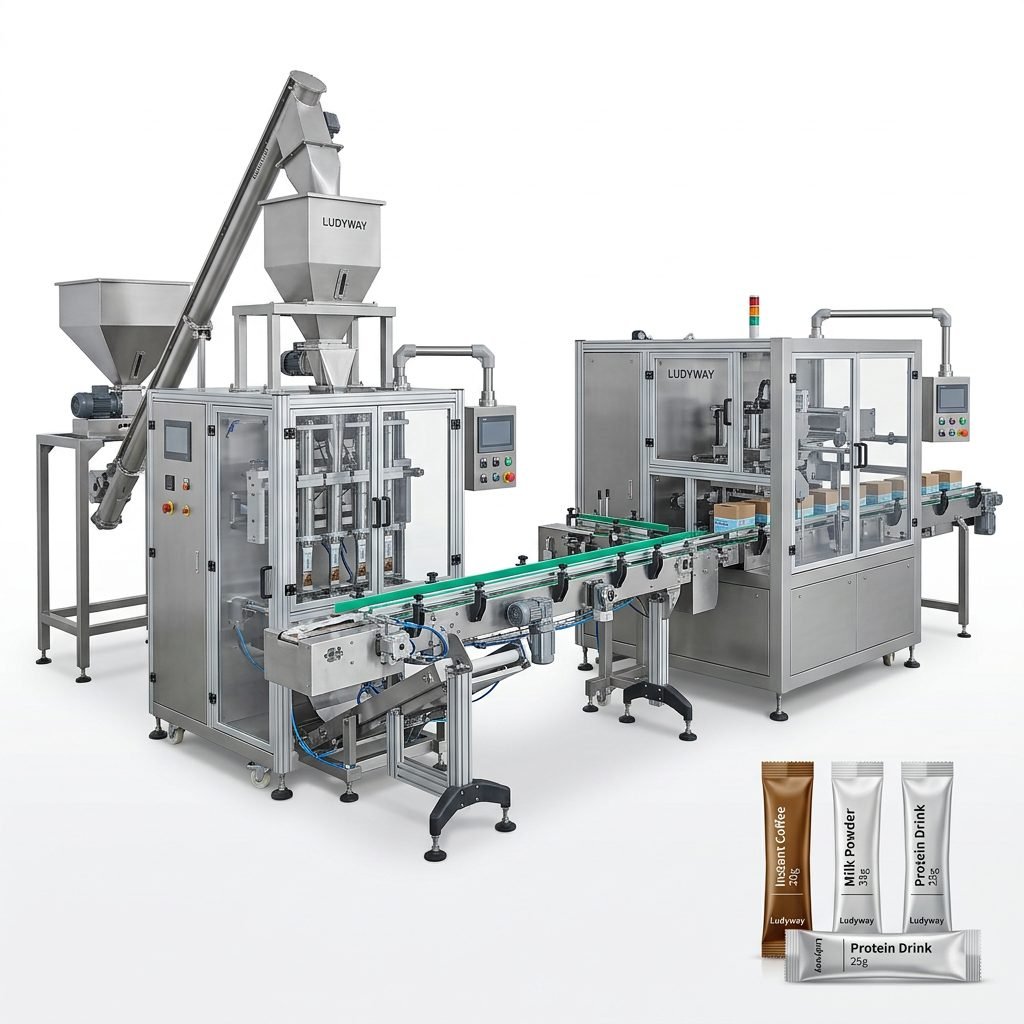
- Integrated packaging lines – Combine weighing, filling, sealing, coding, inspection, and cartoning into a single automated workflow.
Understanding which format matches your product is the first step. For guidance on packaging industry standards, refer to the Association for Packaging and Processing Technologies (PMMI).
Key Factors to Evaluate Before Purchasing
Selecting the right machine goes beyond comparing specifications. Evaluate these critical areas carefully.
1. Product Characteristics and Flowability
Tobacco products vary significantly in moisture content, particle size, density, and stickiness. These properties directly affect how the material flows through dosing and filling systems. A machine configured for dry, free-flowing granules may not perform well with moist, sticky tobacco blends. Always test your specific product on the machine before finalizing your decision.
2. Production Speed and Capacity Requirements
Define your target output per minute or per shift. Multi-lane machines can significantly increase throughput by running several lanes simultaneously. Consider not just current demand but projected growth over the next 3-5 years. The PMMI 2026 State of the Industry Report provides valuable insights into packaging machinery market trends and capacity benchmarks.
3. Packaging Material Compatibility
Your machine must handle the specific film materials, laminates, or preformed pouches you intend to use. Factors such as heat sealability, barrier properties, and material thickness influence sealing temperature, dwell time, and jaw design. Verify compatibility with your chosen packaging materials to avoid sealing failures or material waste.
| Evaluation Criteria | Key Considerations | Impact on Selection |
|---|---|---|
| Product Type | Loose leaf, fine cut, powder, pouch portions | Determines dosing mechanism and machine type |
| Target Speed | Packs per minute, shifts per day | Influences lane count and automation level |
| Bag Dimensions | Width, length, gusset requirements | Affects former size and sealing jaw configuration |
| Filling Accuracy | Target weight tolerance, regulatory compliance | Determines weighing and dosing system selection |
| Regulatory Standards | GMP, ISO, local market requirements | Affects material selection, documentation, and design |

Automation Level and Line Integration
Modern tobacco packaging operations benefit greatly from automation. Consider whether you need a standalone machine or a fully integrated packaging line that includes:
- Automatic feeding and dosing systems
- Multi-head weighers or auger fillers
- Inline inspection and metal detection
- Date coding and batch printing
- Cartoning and case packing
- Palletizing and end-of-line automation
Higher automation levels reduce labor costs, minimize human error, and improve overall equipment effectiveness (OEE). Many manufacturers are moving toward turnkey solutions that handle the complete process from raw product to finished case.
Compliance with International Standards
Tobacco packaging machinery must meet stringent quality, safety, and hygiene standards, especially for products destined for regulated markets. Ensure your equipment can be configured to comply with relevant standards, including:
- ISO packaging standards – Refer to the ISO packaging standards directory for applicable requirements.
- FDA food contact substance regulations – For tobacco products with food-grade packaging requirements, consult FDA packaging and food contact substances guidelines.
- GMP (Good Manufacturing Practices) – Essential for pharmaceutical-grade or nutraceutical tobacco alternative products.
- CE marking and regional certifications – Required for machines sold in European and other regulated markets.
Working with a manufacturer that understands international compliance requirements simplifies market entry and reduces regulatory risk.
Customization and Engineering Support
Off-the-shelf machines rarely meet every requirement perfectly. Look for manufacturers that offer customized engineering solutions tailored to your specific product, packaging format, and production environment. Customization options may include:
- Specialized dosing mechanisms for sticky or fibrous tobacco blends
- Custom bag formats and dimensions
- Modified sealing systems for specific film laminates
- Integration with existing factory systems and conveyors
- Multi-lane configurations for high-volume production
One provider with extensive experience in customized packaging machinery is Ludyway Machinery, a China-based manufacturer with over 30 years of industry experience, a 20,000-square-meter facility, and more than 50 packaging machine models designed for powder, granule, liquid, and sachet applications across industries including tobacco, food, pharmaceuticals, and chemicals.

After-Sales Service and Technical Support
Packaging machinery is a long-term investment. Reliable after-sales support is essential for maintaining uptime and protecting your investment. Evaluate potential suppliers on:
- Installation and commissioning support – On-site or remote assistance to get your line running efficiently.
- Operator training programs – Comprehensive training reduces operational errors and improves productivity.
- Spare parts availability – Quick access to genuine replacement parts minimizes downtime.
- Remote technical assistance – Enables fast troubleshooting without waiting for an on-site visit.
- Warranty terms and service agreements – Understand what is covered and for how long.
For additional industry resources on packaging machinery trends, explore the Flexible Packaging Association industry resources.
Calculating Total Cost of Ownership
The purchase price is only one component of the total investment. Consider the full lifecycle cost, including:
| Cost Category | Details |
|---|---|
| Initial Purchase | Machine cost, shipping, import duties, installation |
| Operating Costs | Energy consumption, compressed air, labor, packaging materials |
| Maintenance | Routine servicing, wear parts replacement, unexpected repairs |
| Downtime Risk | Lost production due to breakdowns or changeover delays |
| Changeover Efficiency | Time and labor required to switch between product formats |
A machine with higher upfront cost but lower operating expenses and greater reliability often delivers better return on investment over its service life.
Testing and Validation Before Commitment
Before finalizing your purchase, insist on product trials and factory acceptance testing (FAT). This allows you to:
- Verify that the machine handles your specific tobacco product correctly.
- Confirm filling accuracy and seal integrity under production conditions.
- Evaluate machine speed and output against your requirements.
- Assess changeover procedures and operator-friendliness.
- Identify any potential issues before the machine ships.
Many experienced manufacturers offer testing facilities or can arrange video demonstrations for international buyers who cannot visit in person.
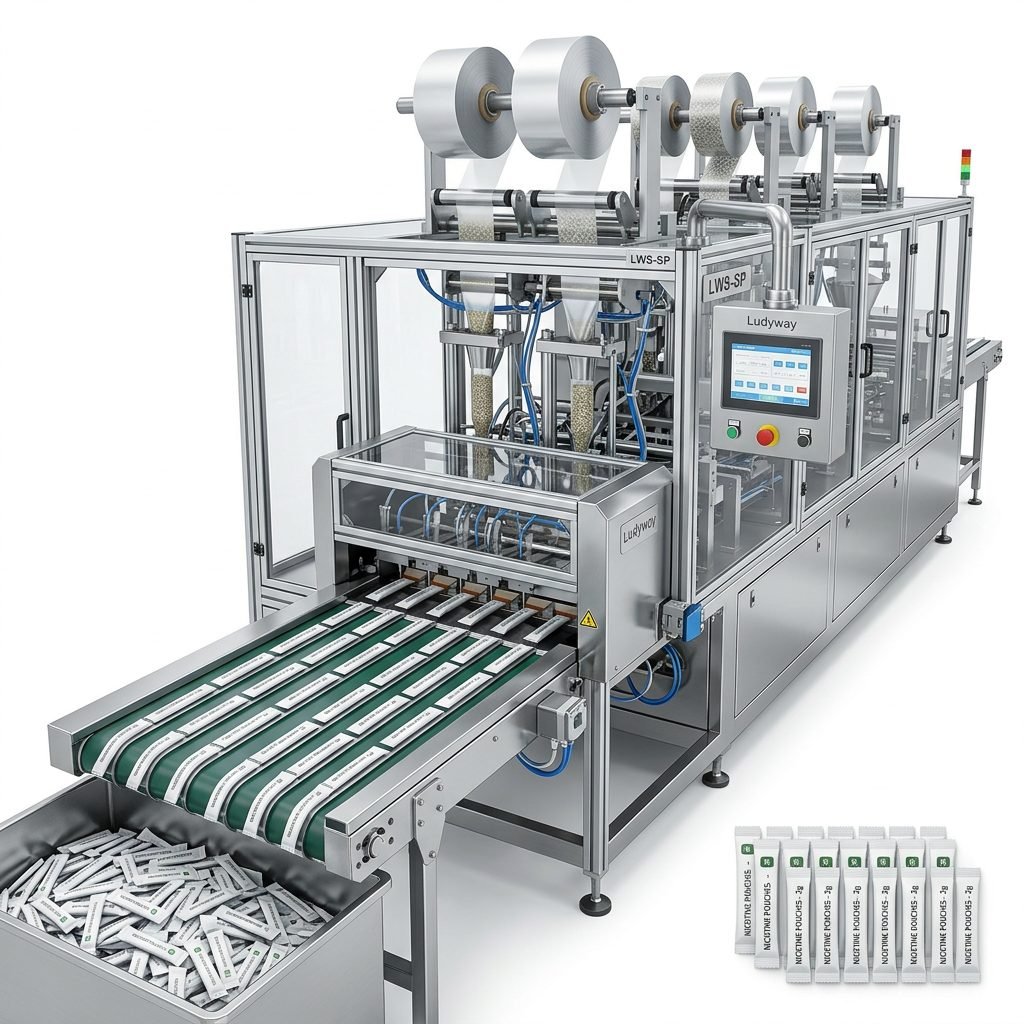
Final Checklist for Tobacco Packing Machine Buyers
Use this summary checklist to guide your evaluation process:
- Define your product specifications – Type, consistency, moisture level, and flow characteristics.
- Determine required output – Current and future production volumes.
- Verify material compatibility – Films, laminates, and pouch formats.
- Assess automation needs – Standalone machine or integrated line.
- Check compliance capabilities – ISO, FDA, GMP, and regional requirements.
- Evaluate customization options – Can the manufacturer adapt the machine to your needs?
- Review after-sales support – Training, spare parts, remote assistance, and warranty.
- Calculate total cost of ownership – Beyond the purchase price.
- Conduct product trials – Validate performance with your actual product.
- Check references and track record – Speak with existing customers in similar applications.
For additional industry data and packaging machinery market research, visit the PMMI Business Intelligence Library. For flexible packaging insights, the Flexible Packaging Association Knowledge Hub is another valuable resource.
Choosing the right tobacco packing machine requires careful evaluation of your product, production goals, compliance needs, and long-term operational requirements. By focusing on these key areas and working with experienced packaging machinery partners, you can make a confident investment that supports efficient, reliable, and scalable production for years to come.