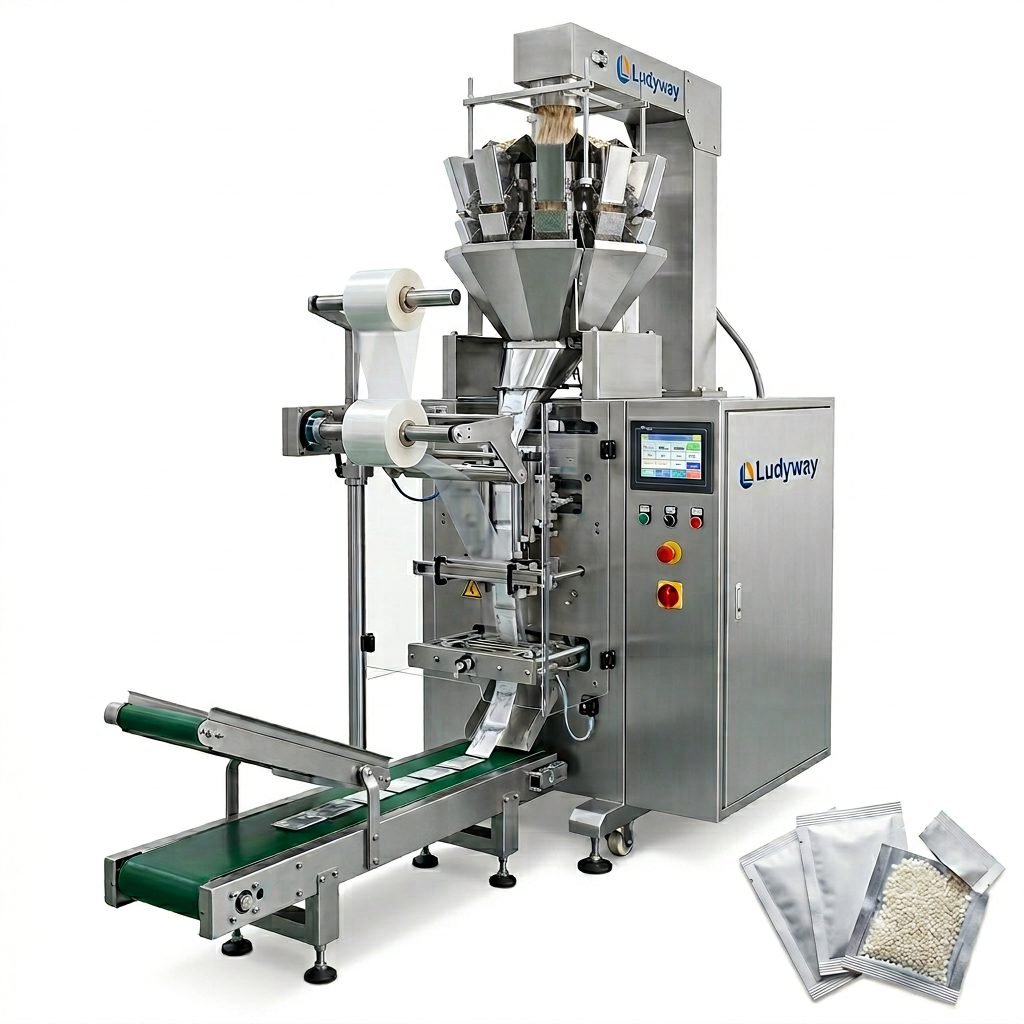
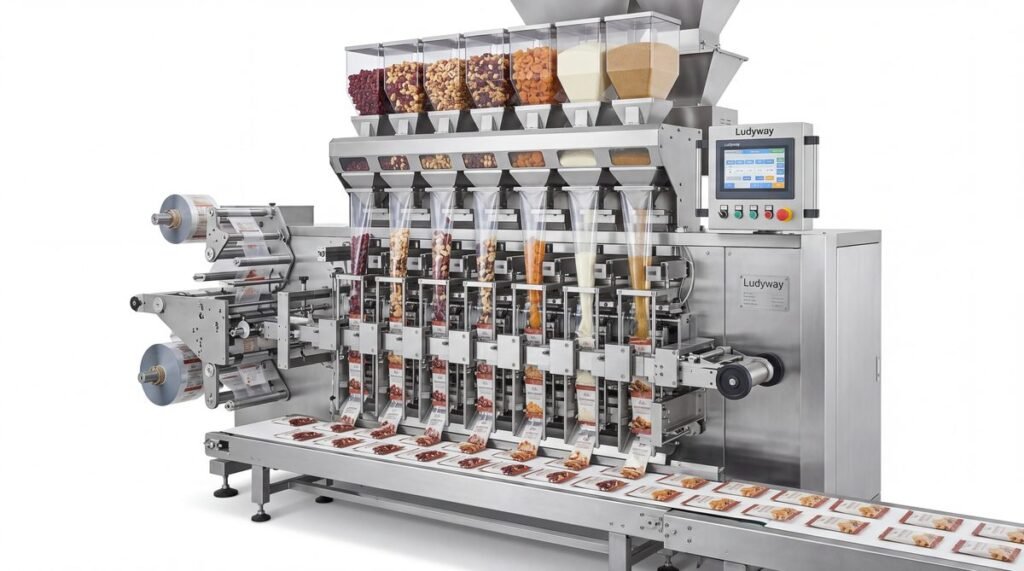
Investing in a thermal shrink packaging machine is a critical decision for manufacturers looking to improve packaging efficiency, product protection, and shelf appeal. Whether you are packaging food, pharmaceuticals, cosmetics, or industrial goods, the right shrink wrapping equipment can significantly impact your production line’s performance and bottom line. This comprehensive buyer’s guide walks you through everything you need to know before making a purchase.
Understanding Thermal Shrink Packaging Technology
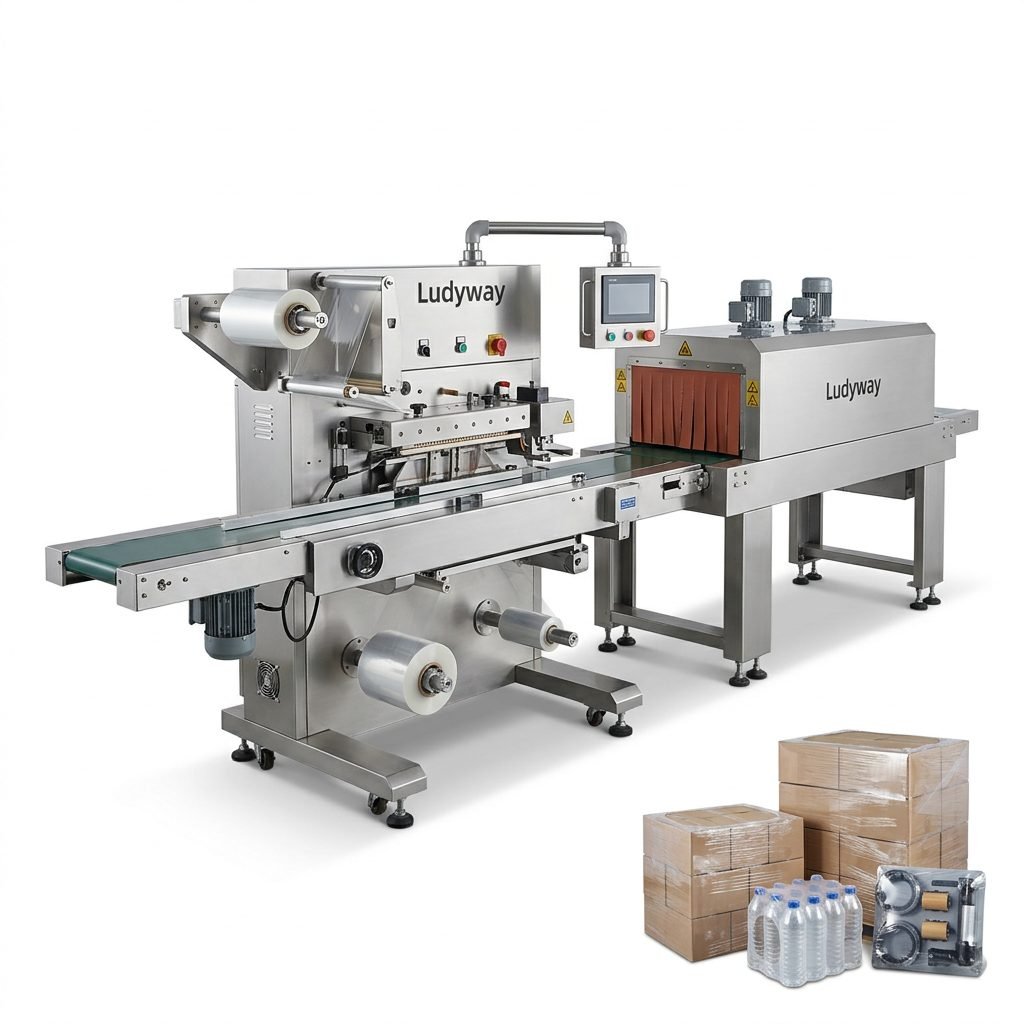
Thermal shrink packaging uses heat to tightly wrap a product in a protective plastic film. The process involves placing a product in a loose sleeve or wrap of shrink film, then applying heat through a shrink tunnel or heat gun. The film shrinks uniformly around the product, creating a tight, tamper-evident seal that protects against dust, moisture, and damage while enhancing visual presentation.
According to industry data from the PMMI Business Intelligence Library, the global packaging machinery market continues to expand as manufacturers across sectors seek automation solutions that improve throughput and consistency. Shrink packaging remains one of the most versatile and widely adopted packaging methods.
Key Types of Thermal Shrink Packaging Machines
Before evaluating specific models, it’s essential to understand the main categories of shrink packaging equipment available on the market. Each type serves different production volumes and application requirements.
Manual and Semi-Automatic Shrink Wrappers
Manual and semi-automatic machines are ideal for low to medium production volumes. Operators manually place products into the film, and a heat sealer closes the package before it enters the shrink tunnel. These systems offer flexibility and lower upfront costs, making them suitable for small businesses, seasonal operations, or facilities with diverse product lines that require frequent changeovers.
Fully Automatic Shrink Wrapping Systems
Fully automatic machines handle the entire process—from product feeding and film wrapping to sealing and shrinking—without operator intervention. These systems are designed for high-speed, high-volume production environments and can be integrated directly into existing packaging lines. Automatic shrink wrappers significantly reduce labor costs and improve packaging consistency across large production runs.
L-Bar Sealers and Shrink Tunnels
L-bar sealers are widely used for packaging flat or regularly shaped products. The L-shaped sealing bar simultaneously creates the end seal and side seal, after which the package moves into a shrink tunnel. This configuration is popular for packaging items like boxes, trays, printed materials, and consumer goods. Many manufacturers offer L-bar sealers with integrated shrink tunnels as a complete solution.
Sleeve Wrapping Machines
Sleeve wrappers use a continuous roll of center-folded film to wrap products. These machines are particularly effective for bundling multiple items together, such as beverage multi-packs, canned goods, and promotional bundles. Sleeve wrapping is also commonly used for larger items that require full coverage protection during shipping and storage.
Critical Factors to Consider When Choosing a Shrink Packaging Machine
Selecting the right equipment requires a thorough evaluation of your specific production needs. Here are the most important factors to assess before making a decision.
Production Volume and Speed Requirements
Your peak production capacity should be the starting point for equipment selection. Calculate your current and projected output requirements, measured in packages per minute or per hour. A machine that cannot keep pace with your production line creates bottlenecks, while an oversized machine represents unnecessary capital expenditure. Refer to resources like the PMMI State of the Industry Report for benchmarking production trends in your sector.
Product Dimensions and Characteristics
The size, shape, weight, and surface characteristics of your products directly influence machine selection. Irregularly shaped products may require specialized film handling or customized conveyor systems. Products with sharp edges may need thicker gauge films. Measure your largest and smallest products to ensure the machine’s film width, seal bar dimensions, and tunnel opening accommodate your full product range with appropriate clearance.
Film Compatibility and Material Options
Shrink films come in various materials, including polyolefin, PVC, and polyethylene, each with distinct properties. Polyolefin is the most versatile and widely used, offering excellent clarity and strength. PVC provides good shrink characteristics at lower temperatures but has environmental considerations. Polyethylene is preferred for heavier products and pallet wrapping. Your machine must be compatible with your chosen film type and thickness range. The Flexible Packaging Association provides extensive resources on film materials and industry standards.
Heat Tunnel Design and Temperature Control
The shrink tunnel is the heart of any thermal shrink system. Look for machines with precise temperature control, adjustable airflow, and even heat distribution. Recirculating air tunnels provide more uniform heating and better energy efficiency. Digital temperature controllers with multi-zone capability allow fine-tuning for different products and films, reducing waste from overheating or incomplete shrinking.
Comparing Shrink Packaging Machine Specifications
The table below summarizes key specifications to evaluate when comparing different thermal shrink packaging machine models and configurations.
| Specification | Manual/Semi-Auto | Fully Automatic | Sleeve Wrapper |
|---|---|---|---|
| Speed (packages/min) | 5-15 | 20-100+ | 15-60 |
| Operator Involvement | High | Minimal | Low to Moderate |
| Changeover Time | Quick | Moderate to Long | Moderate |
| Film Width Range | Up to 600mm | Up to 800mm+ | Up to 1000mm+ |
| Capital Investment | Low | High | Medium to High |
| Best For | Small batches, diverse products | High-volume, consistent products | Multi-packs, large items |
Industry-Specific Considerations
Different industries impose unique requirements on shrink packaging equipment. Understanding your sector’s standards is crucial for selecting compliant and effective machinery.
Food and Beverage Packaging
Food-grade shrink packaging machines must meet stringent hygiene and safety standards. Stainless steel construction, washdown capabilities, and compliance with FDA regulations for food contact substances are essential. Machines used in food environments should feature sanitary design elements that prevent contamination and facilitate cleaning. Temperature control is particularly critical for heat-sensitive food products.
Pharmaceutical and Medical Device Packaging
Pharmaceutical applications demand the highest levels of precision and validation. Shrink packaging machines for this sector must comply with ISO 11607 standards for terminally sterilized medical devices. Validation documentation, traceability features, and cleanroom compatibility are often mandatory. Machines should provide consistent seal integrity and tamper-evidence to meet regulatory requirements from agencies like the FDA and European Commission.
Cosmetics and Personal Care
Aesthetic presentation is paramount in cosmetics packaging. Shrink wrapping machines for this industry must deliver flawless, crystal-clear wraps that enhance product appeal. Multi-lane configurations are common for high-volume production of items like sachets, sample packs, and travel-sized products. The film must be free of wrinkles, haze, or distortion to maintain premium brand perception on retail shelves.
Industrial and Chemical Products
Heavy-duty shrink wrapping machines for industrial applications must handle larger, heavier products and often require thicker film gauges. Chemical compatibility between the film and the packaged product must be verified to prevent degradation. Machines in this category often feature robust conveyor systems, higher-capacity shrink tunnels, and durable construction for demanding production environments.

Evaluating Machine Build Quality and Reliability
Long-term reliability depends on the quality of materials, components, and manufacturing standards. When evaluating potential machines, consider the following quality indicators:
- Frame Construction: Heavy-gauge steel frames provide stability and vibration resistance during high-speed operation. Stainless steel frames are preferred for washdown environments.
- Sealing System: Look for precision-machined sealing bars with consistent temperature distribution and adjustable pressure settings. Teflon-coated sealing surfaces reduce film sticking and maintenance requirements.
- Control Systems: Modern machines should feature PLC-based controls with touchscreen interfaces, allowing recipe storage, diagnostic monitoring, and integration with upstream and downstream equipment.
- Component Sourcing: Machines built with recognized-brand components—such as Siemens, Schneider, or Omron for electrical systems—tend to offer better reliability and global parts availability.
- Safety Features: Emergency stop systems, guarding, thermal overload protection, and compliance with relevant ISO packaging standards are non-negotiable.
Integration with Existing Packaging Lines
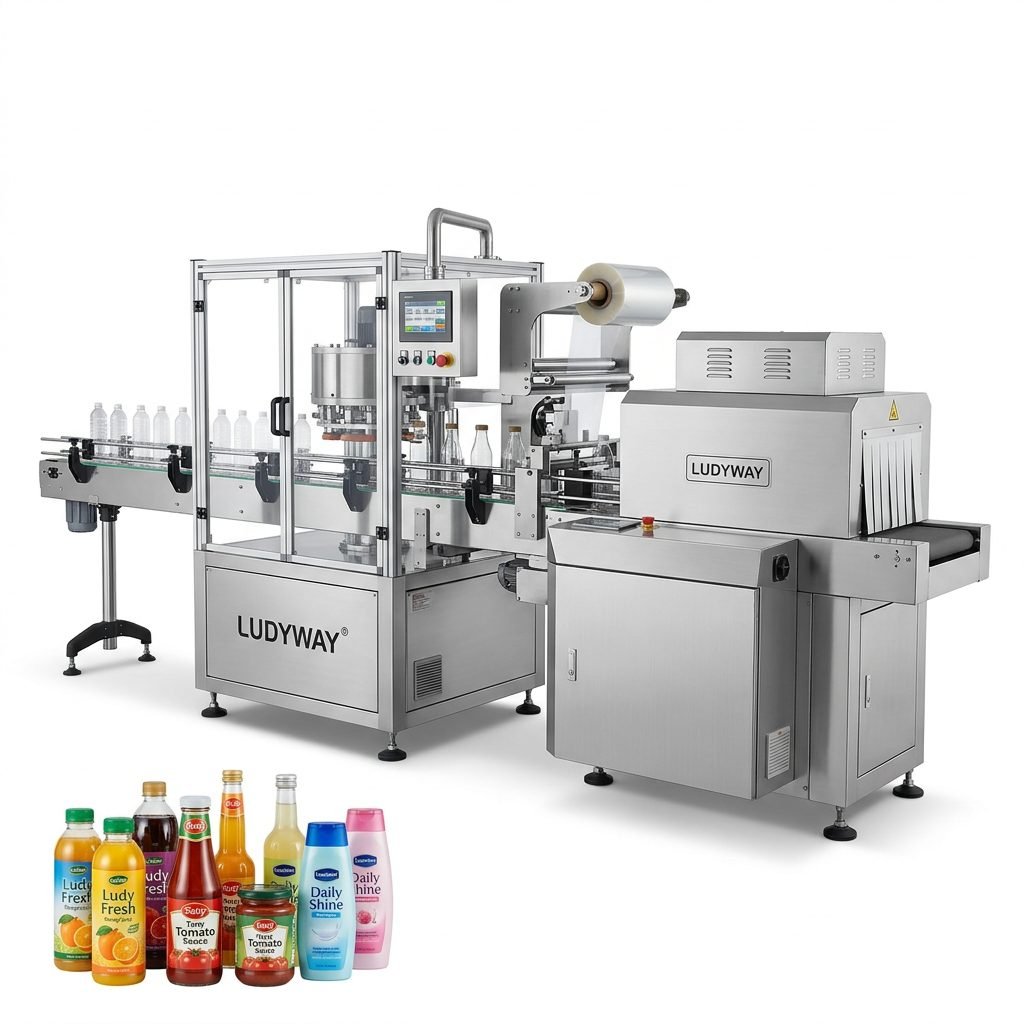
A shrink packaging machine rarely operates in isolation. It must integrate seamlessly with upstream equipment—such as filling machines, conveyors, and cartoners—and downstream processes like case packing and palletizing. Before purchasing, map out your complete production line layout and confirm that the shrink wrapper’s dimensions, conveyor height, speed, and control interface are compatible with your existing infrastructure.
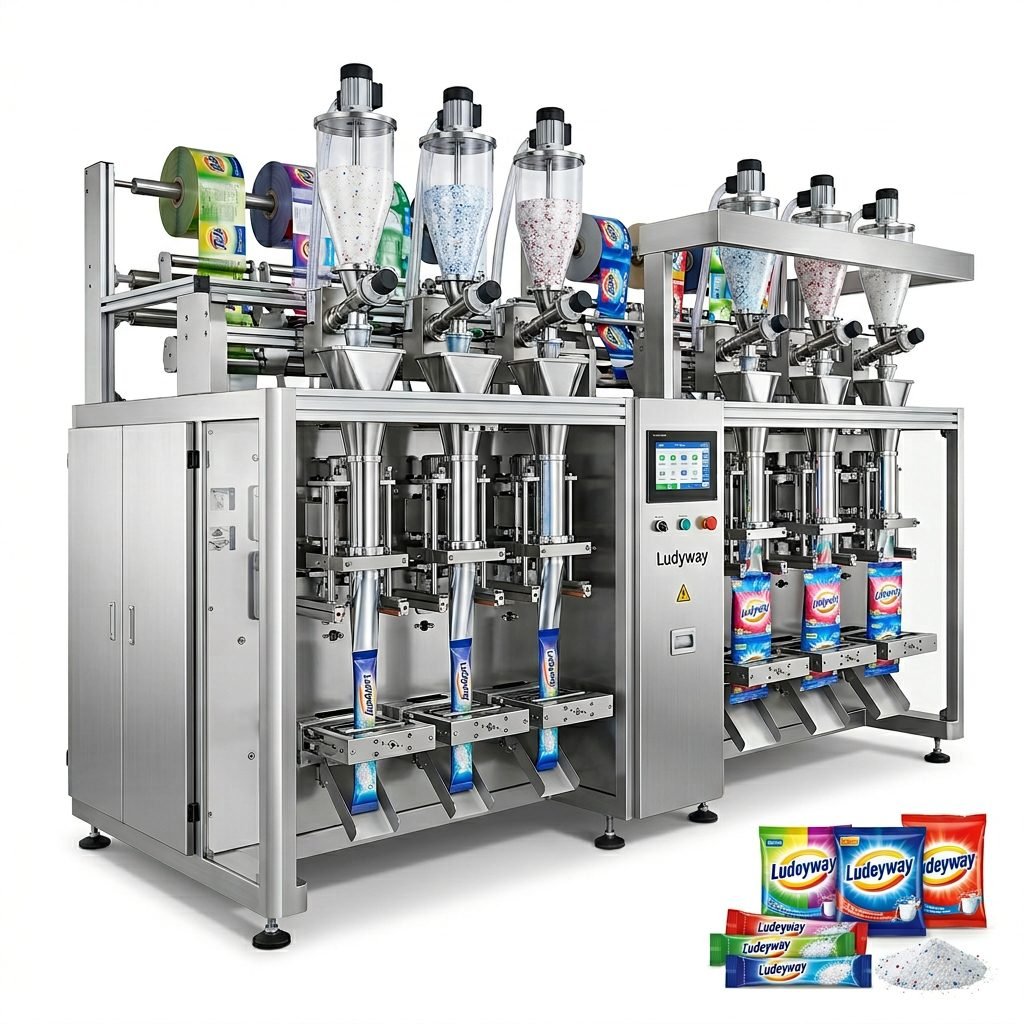
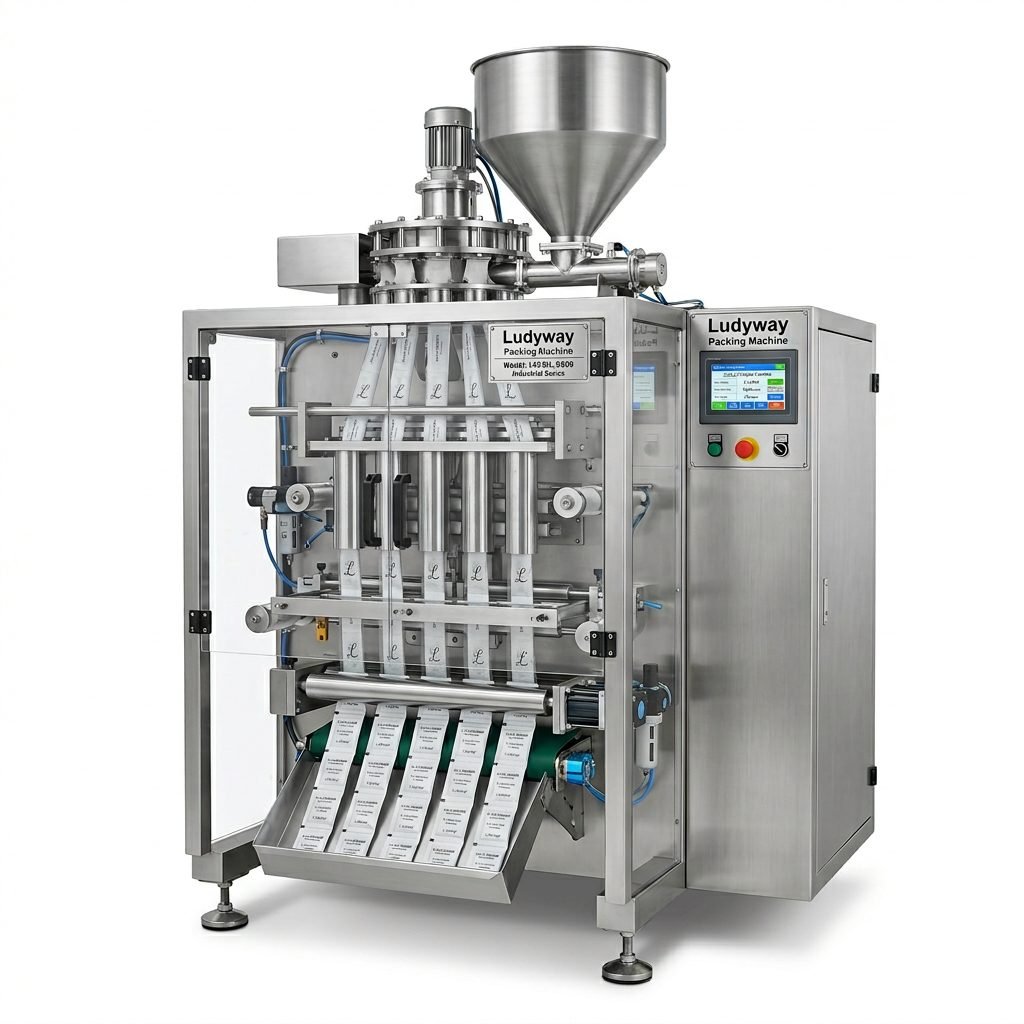
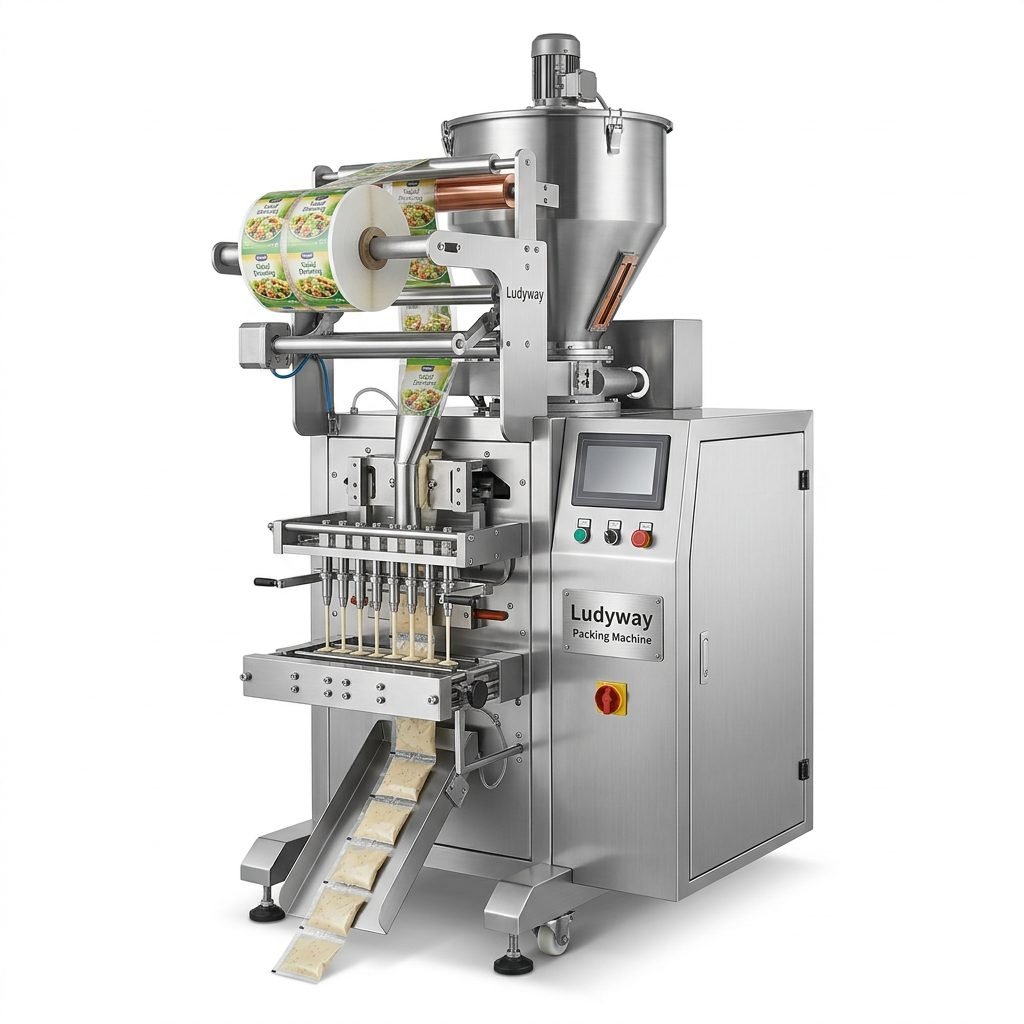
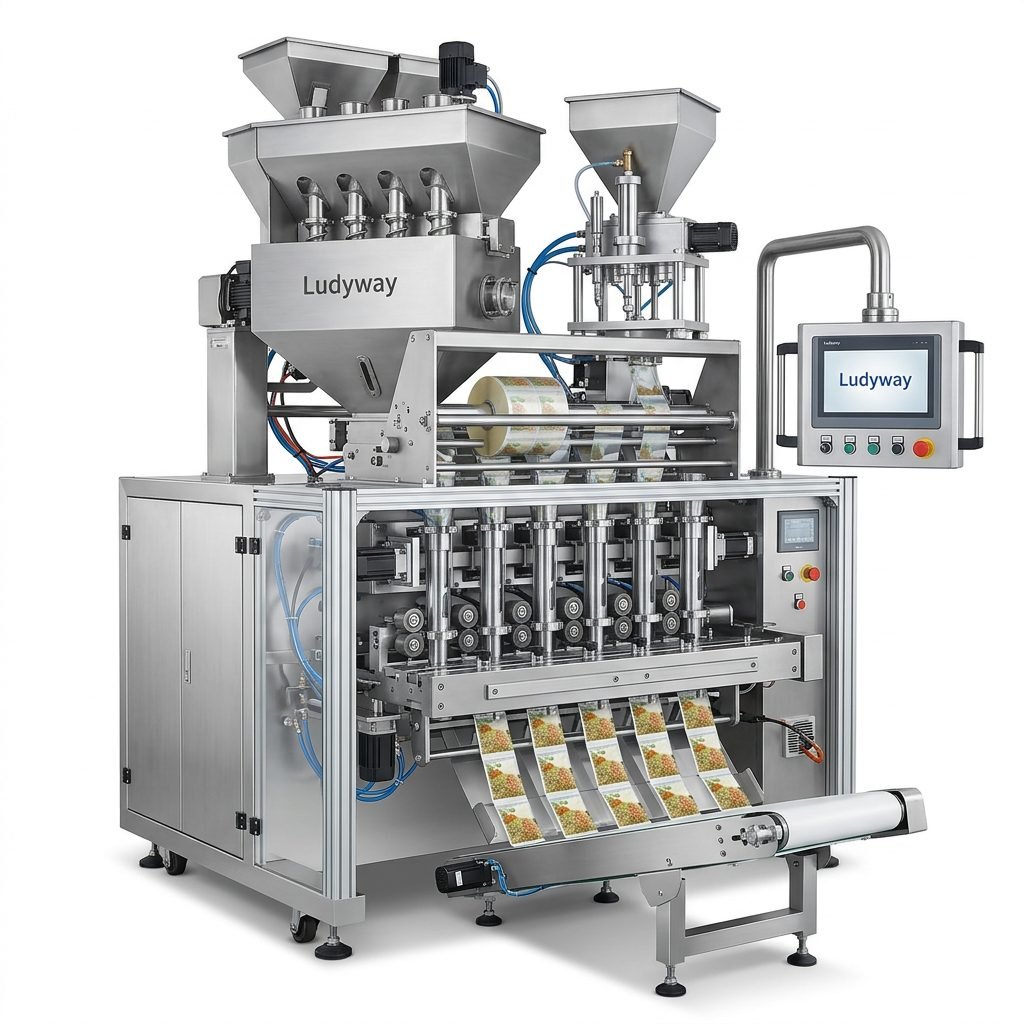
For manufacturers seeking a comprehensive packaging partner, Ludyway Machinery provides integrated packaging machinery solutions including automated shrink wrapping systems that can be configured within complete turnkey production lines. With over 30 years of industry experience and a 20,000-square-meter manufacturing facility, Ludyway combines engineering expertise with application knowledge to help customers achieve efficient, automated packaging operations across food, pharmaceutical, cosmetic, and industrial sectors.
Total Cost of Ownership Analysis
The purchase price is only one component of a machine’s total cost. A thorough total cost of ownership (TCO) analysis should account for the following elements over the expected service life:
- Initial Capital Cost: Machine purchase, shipping, installation, and commissioning.
- Operating Costs: Electricity consumption, compressed air usage, and film material costs per package.
- Labor Costs: Operator requirements per shift, including training time.
- Maintenance and Spare Parts: Routine maintenance schedules, expected component replacement intervals, and spare parts availability.
- Downtime Costs: Lost production capacity during repairs or changeovers.
Machines with higher energy efficiency ratings and modular designs that simplify maintenance can significantly reduce long-term operating expenses. Industry reports from the 2026 PMMI State of the Industry highlight that energy-efficient packaging equipment is increasingly prioritized by manufacturers seeking sustainability improvements alongside cost reductions.
Vendor Evaluation and Support Services
Your relationship with the equipment manufacturer extends well beyond the initial purchase. Evaluate potential vendors on the following criteria:
- Industry Experience: How long has the manufacturer been producing shrink packaging machines? Do they have specific experience in your industry?
- Technical Support: Is remote diagnostic support available? What are the response times for technical inquiries?
- Installation and Commissioning: Does the vendor provide on-site installation, commissioning, and operator training?
- Spare Parts Availability: Are critical spare parts stocked regionally for quick delivery? What is the typical lead time for replacement components?
- Warranty and Service Agreements: Understand warranty coverage, exclusions, and options for extended service contracts.

Energy Efficiency and Sustainability Considerations
Modern thermal shrink packaging machines incorporate several features that reduce environmental impact and operating costs. Energy-efficient shrink tunnels with improved insulation, recirculating air systems, and smart temperature management consume significantly less electricity than older designs. Some machines offer standby modes that reduce power consumption during idle periods.
Film consumption optimization is another important factor. Machines that minimize film waste through precise cutting, reduced trim, and efficient material handling contribute to both cost savings and sustainability goals. The Flexible Packaging Association’s sustainability resources provide guidance on reducing packaging material usage while maintaining performance.
Questions to Ask Before Purchasing
Before finalizing your decision, ask potential suppliers these critical questions:
- What is the maximum and minimum product size the machine can accommodate?
- What is the guaranteed production speed with our specific product dimensions and film type?
- Can the machine handle multiple film types and thicknesses?
- What are the utility requirements—electrical, compressed air, and ventilation?
- Is the machine modular and upgradeable for future production needs?
- What documentation and certifications are provided (CE, UL, ISO compliance)?
- Can you provide references from customers in our specific industry?
- What is the typical lead time from order to delivery and installation?
Making the Final Decision
Selecting the right thermal shrink packaging machine requires balancing multiple factors: your current production needs, future growth projections, product characteristics, budget constraints, and the reliability of the equipment supplier. Take time to visit manufacturer facilities when possible, request product demonstrations with your actual packaging materials, and speak with existing customers about their long-term experience with the equipment.
A well-chosen shrink packaging machine will deliver years of reliable service, improving your packaging quality, operational efficiency, and ultimately your competitive position in the market. For manufacturers seeking to stay informed about packaging technology trends, events like PACK EXPO International offer valuable opportunities to see the latest equipment in action and connect with industry experts.