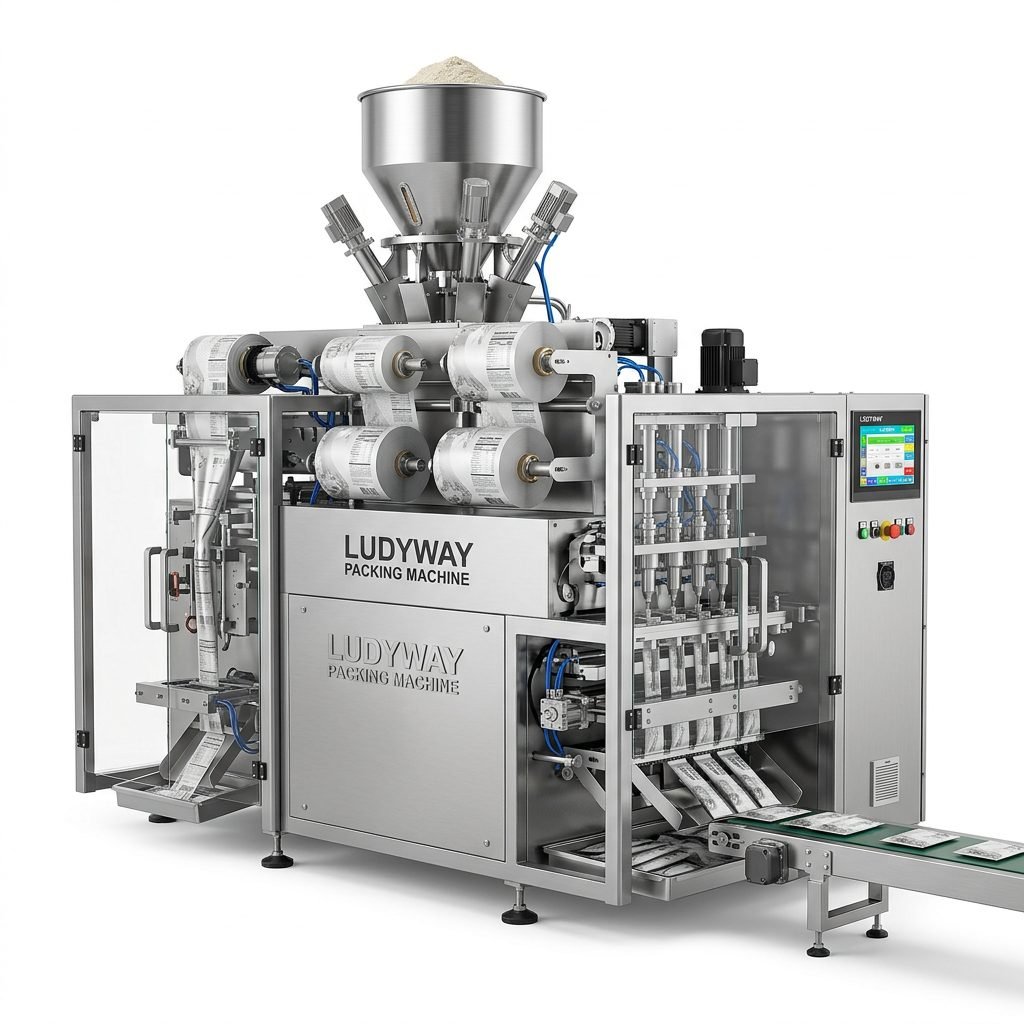
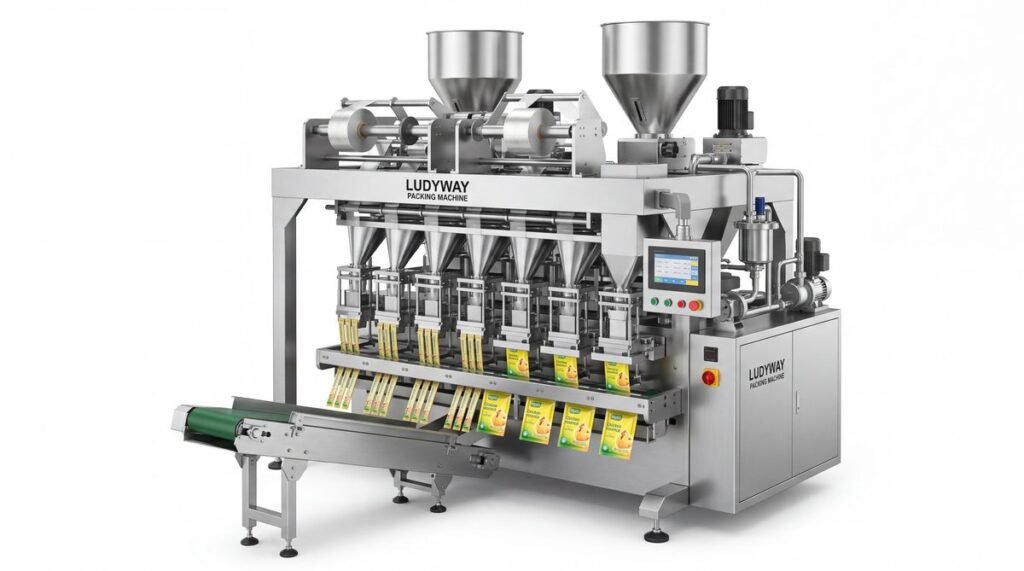
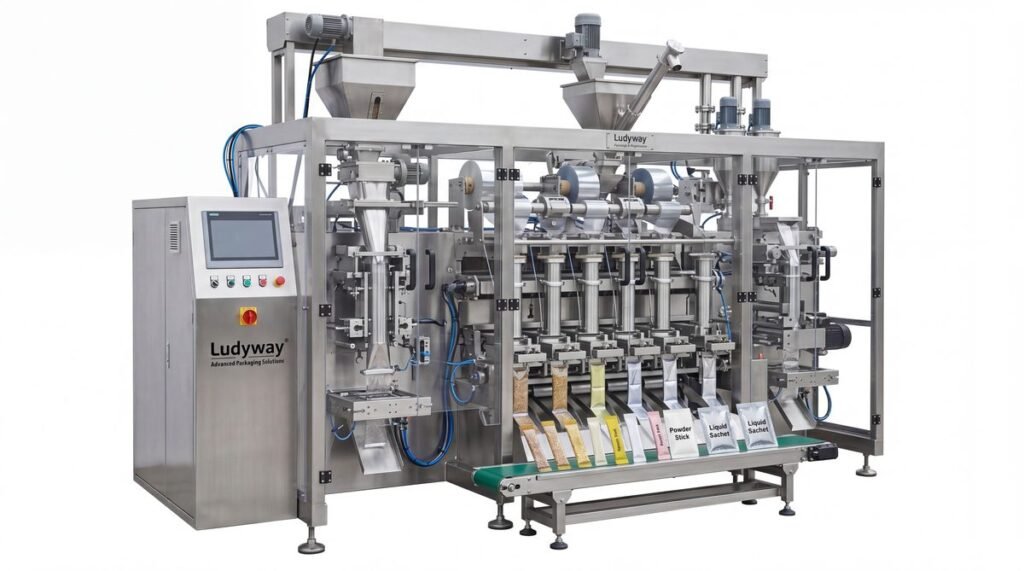
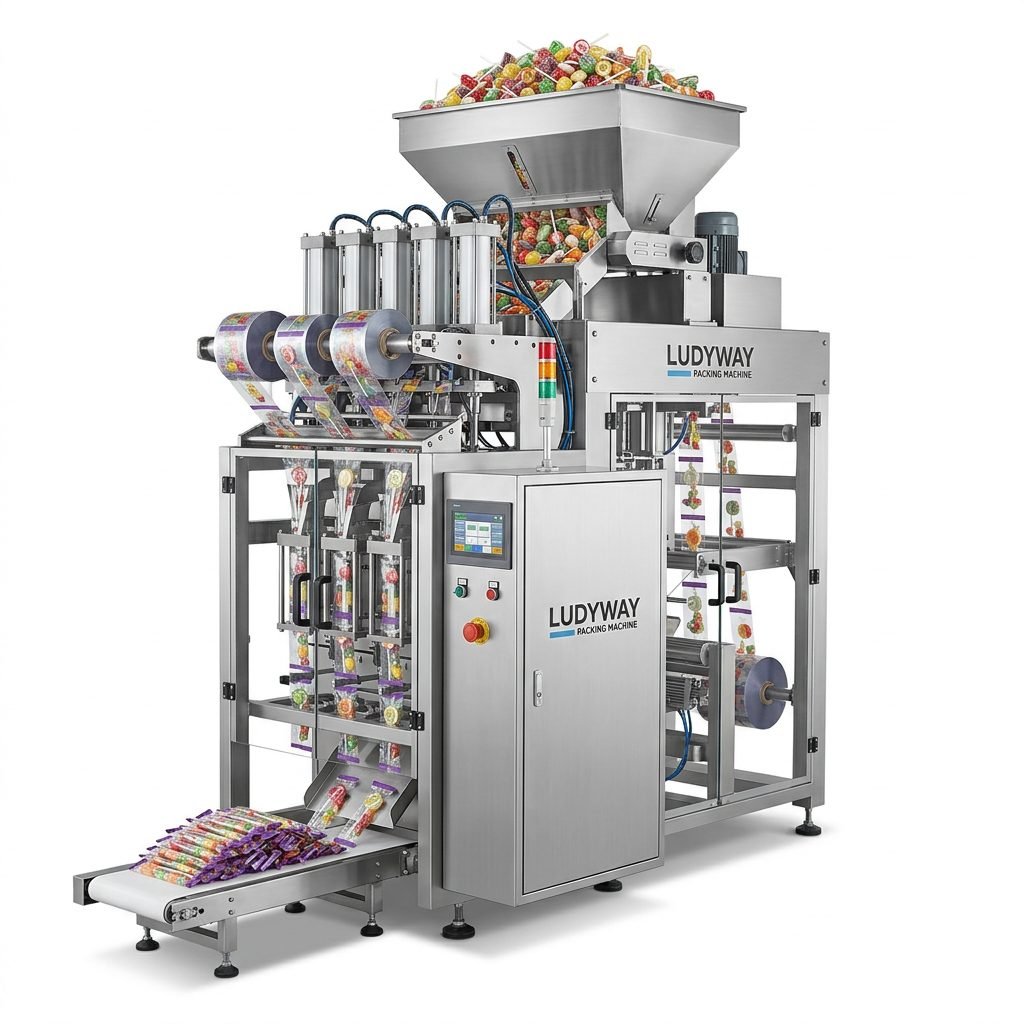
Investing in a tea sabji packing machine is a significant step for any food business looking to scale production, improve hygiene standards, and extend product shelf life. Whether you are packaging ready-to-eat tea sabji (a spiced tea-based snack mix) or dry instant tea mixes, the cost of the machinery varies widely. This comprehensive guide breaks down the complete cost structure, key specifications, and factors that influence pricing.
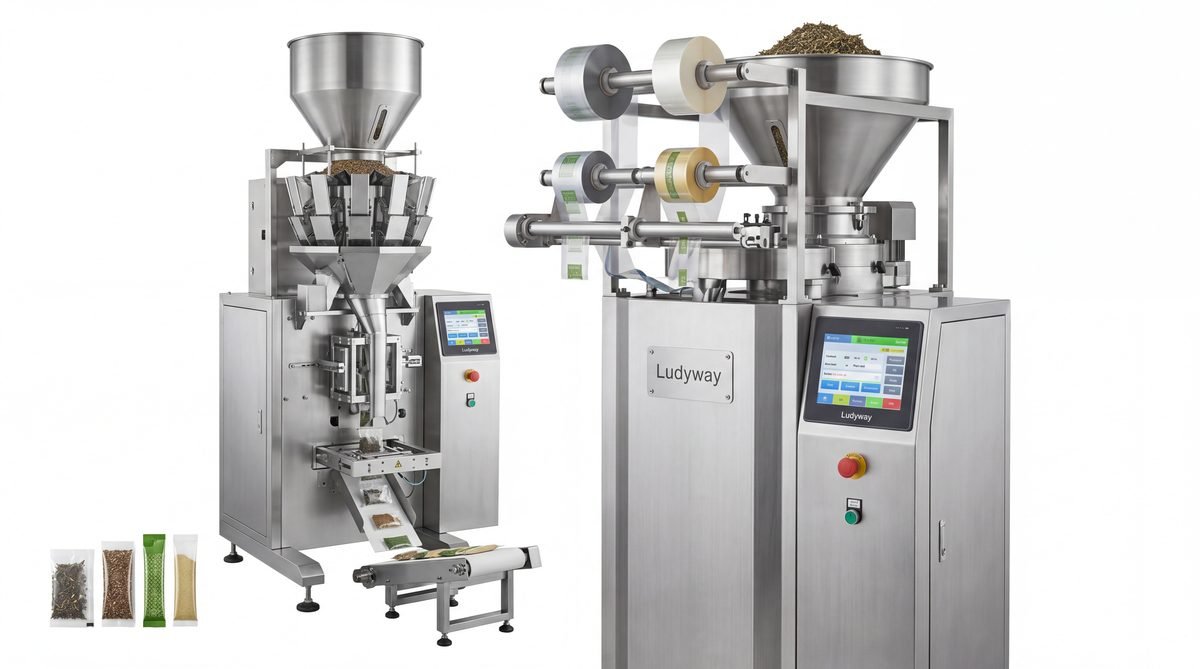
Average Price Range of Tea Sabji Packing Machines
The price of a tea sabji packing machine is not fixed. It depends heavily on the level of automation, speed, and packaging format. Below is a general market overview for new equipment.
| Machine Type | Degree of Automation | Estimated Price Range (USD) |
|---|---|---|
| Semi-Automatic Granule Filler | Manual bag placing | $3,000 – $8,000 |
| Single-Lane Sachet Machine | Fully automatic | $10,000 – $25,000 |
| Multi-Lane Stick Pack Machine | High-speed automatic | $30,000 – $80,000 |
| Complete Turnkey Packaging Line | Fully automated with cartoning | $100,000 – $300,000+ |
Key Factors Influencing the Cost
Why is there such a broad price spectrum? Several technical and operational factors add to the final investment. Understanding these helps you avoid overpaying for features you don’t need.
1. Level of Automation and Speed
Entry-level machines require significant manual intervention. In contrast, high-speed multi-lane stick pack machines can produce up to 400-600 packs per minute. The servo-driven technology and PLC control systems in high-speed models significantly increase the packaging machine cost.
2. Packaging Format and Material
Tea sabji is often a granule or powder mix, typically packed in sachets, stick packs, or pillow pouches. Machines capable of handling multiple formats or specialized laminates (like aluminum foil for moisture protection) cost more.
3. Weighing and Filling Accuracy
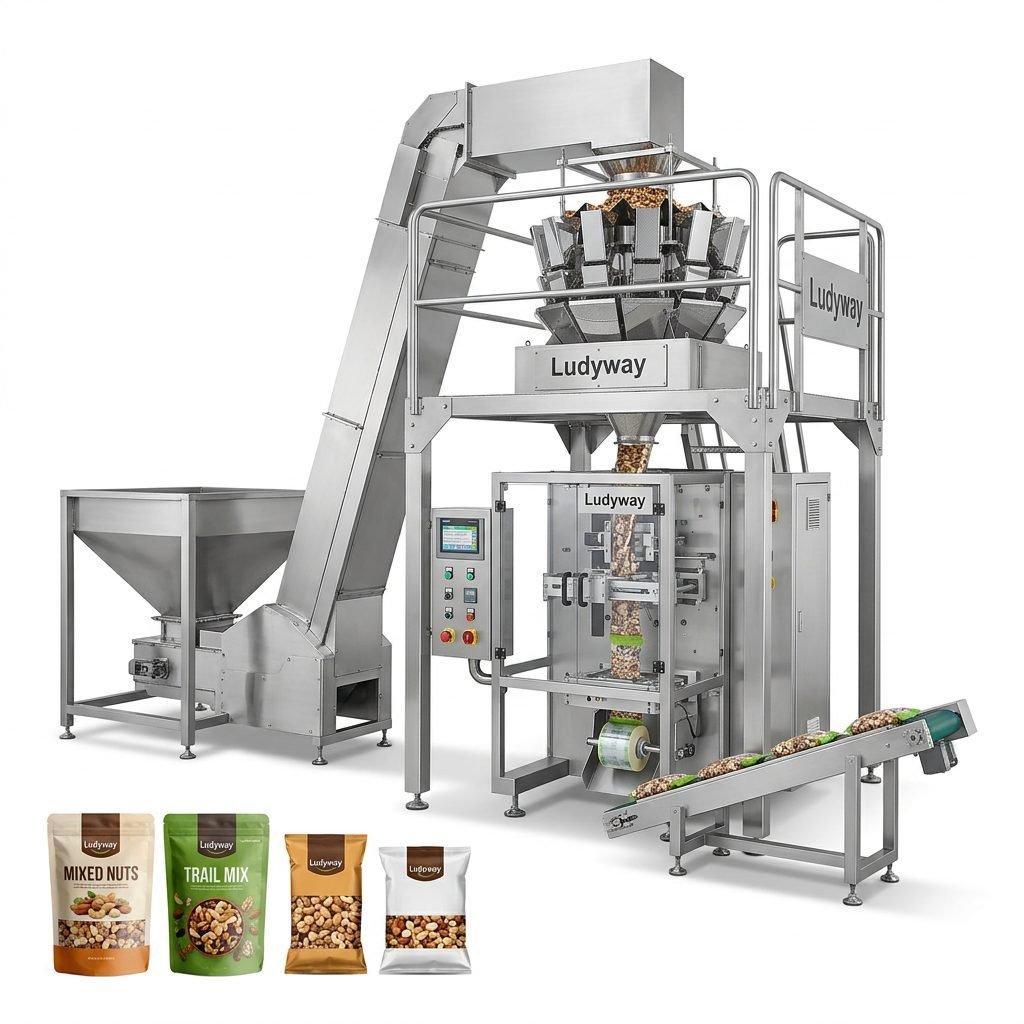
Products like tea sabji mixes require precise filling to maintain weight consistency. Machines equipped with multi-head weighers or auger fillers are more expensive than volumetric cup fillers but drastically reduce product giveaway.
4. Additional Auxiliary Equipment
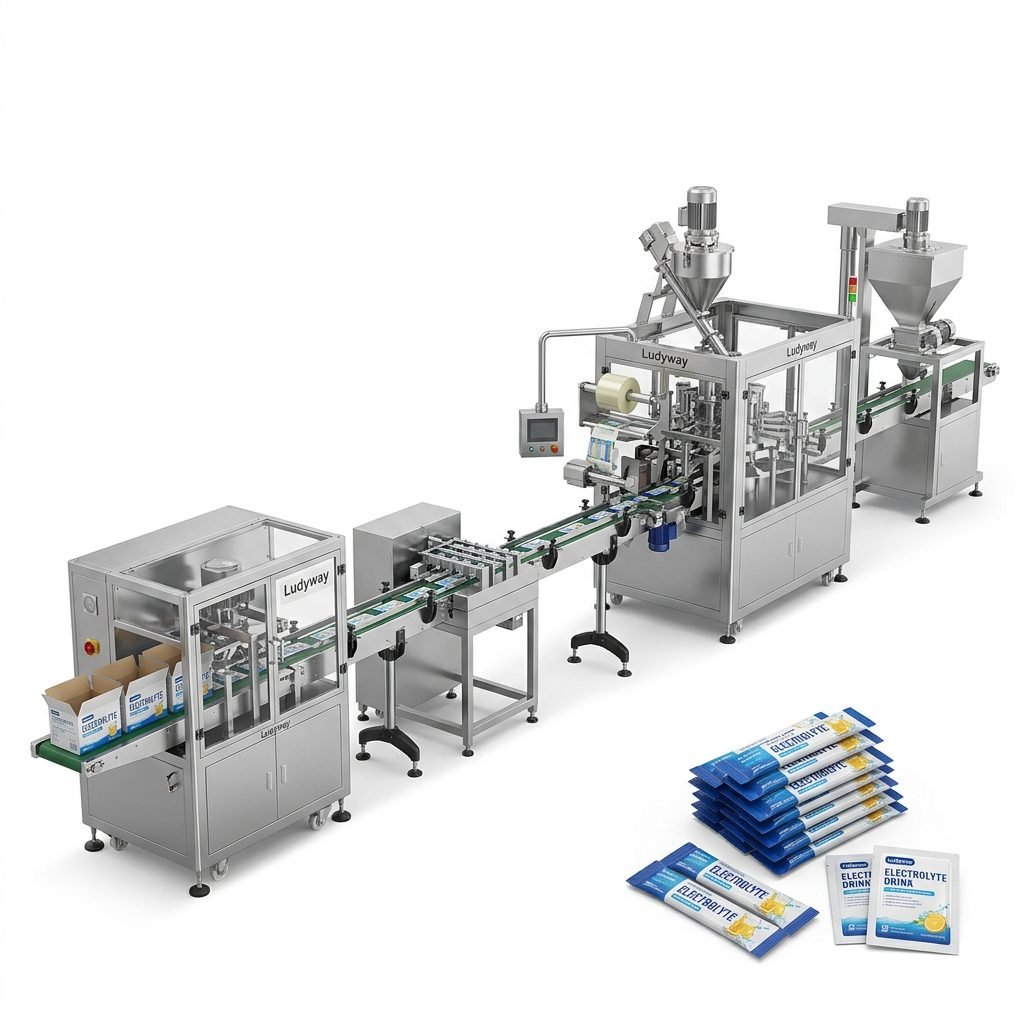
A single standalone machine might be affordable, but a full line includes conveyors, checkweighers, date coders, and cartoning machines. Integration with upstream cooking or mixing systems adds engineering costs.
Price Analysis by Machine Configuration
Let’s look deeper into specific configurations suitable for tea sabji production.
Semi-Automatic Powder & Granule Machines
These are ideal for startups. They require operators to manually position pouches. While labor-intensive, they offer a low entry price point, typically between $2,500 and $6,000. You sacrifice speed for affordability.
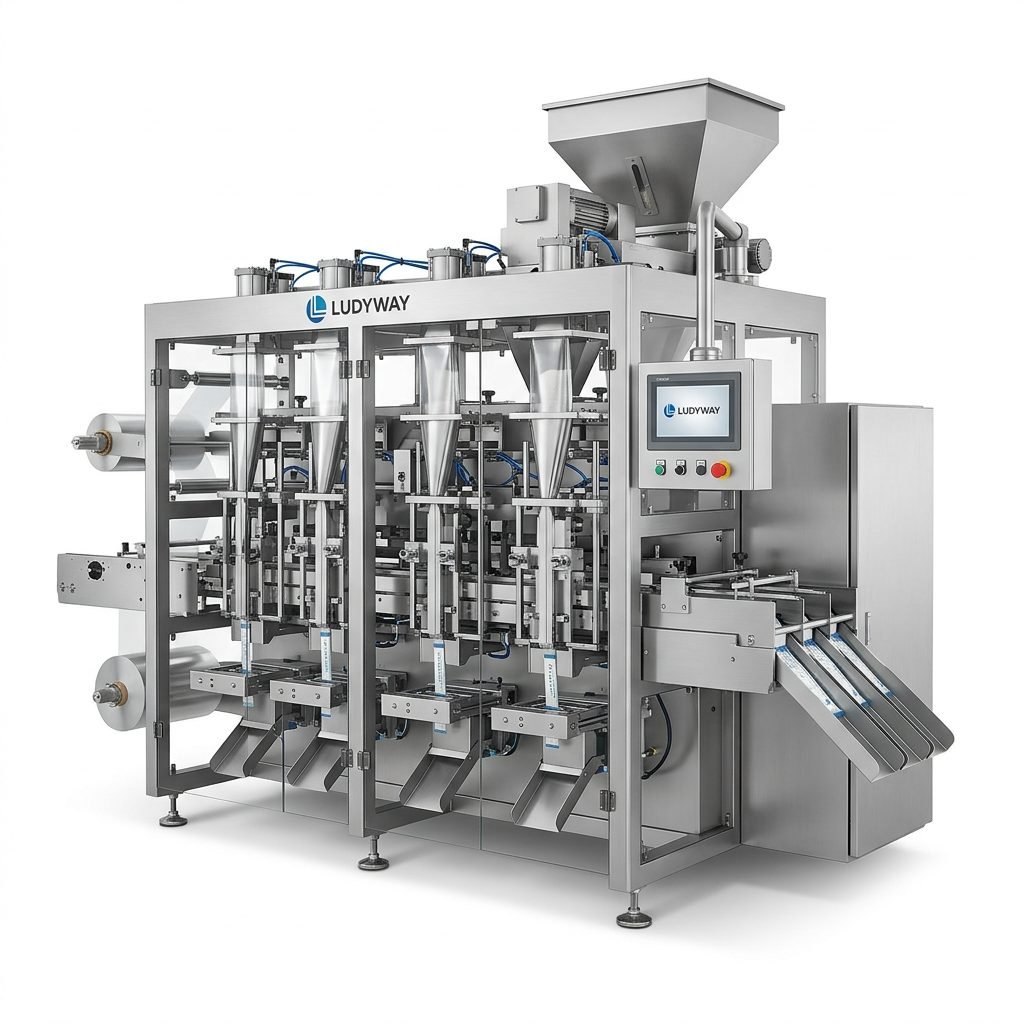
Multi-Lane Stick Pack Solutions
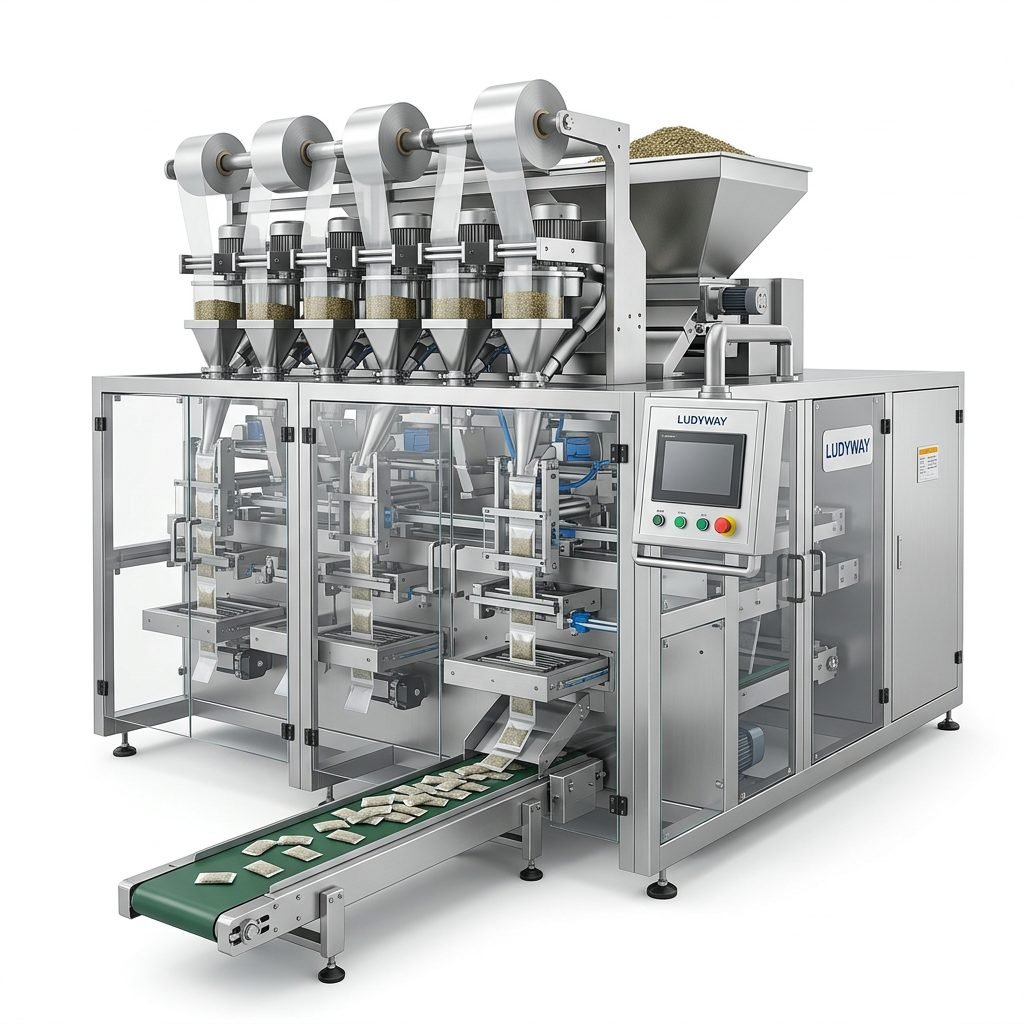
This is the industry standard for premium tea sabji brands. By running multiple lanes (4, 6, 8, or 10 lanes) simultaneously, output multiplies. For a reputable stick pack machine manufacturer, expect to invest $35,000 to $70,000. The return on investment (ROI) is rapid due to high throughput and sleek packaging.
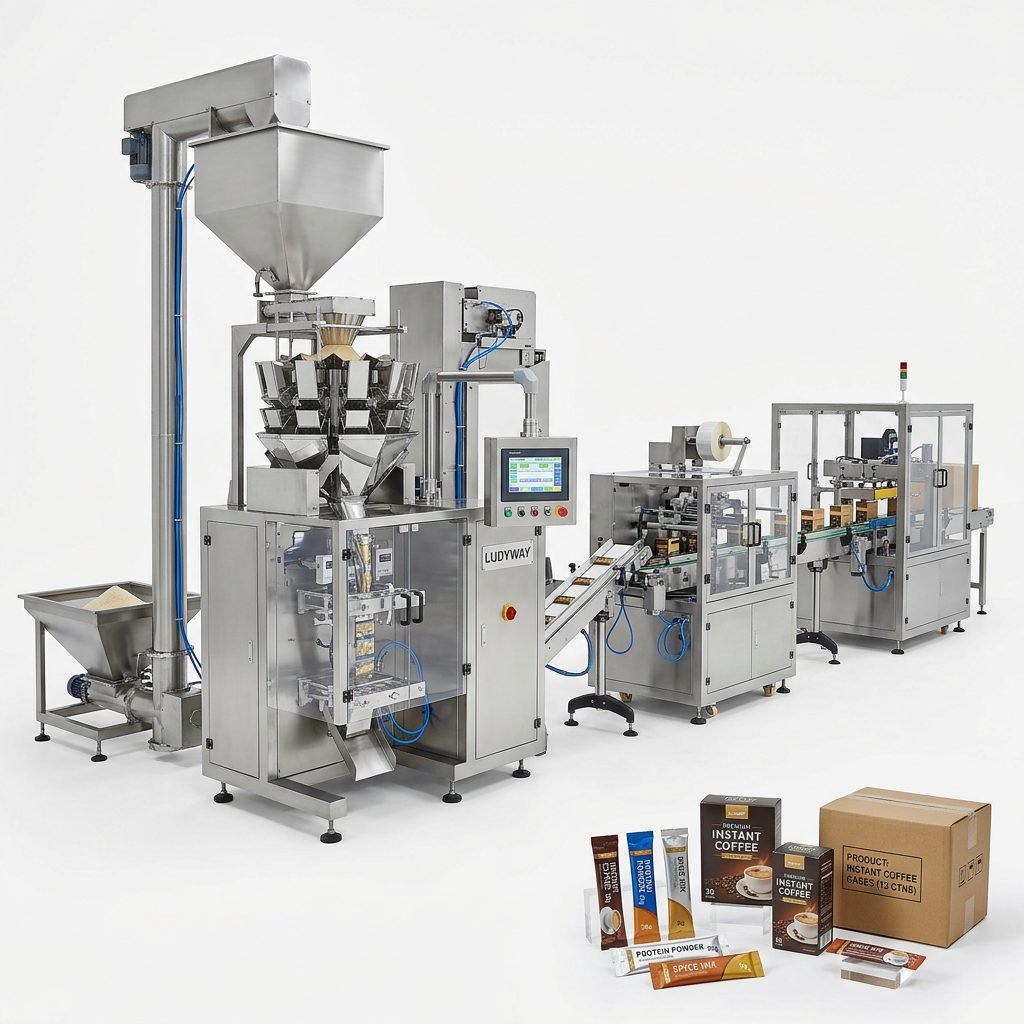
Turnkey Production Lines
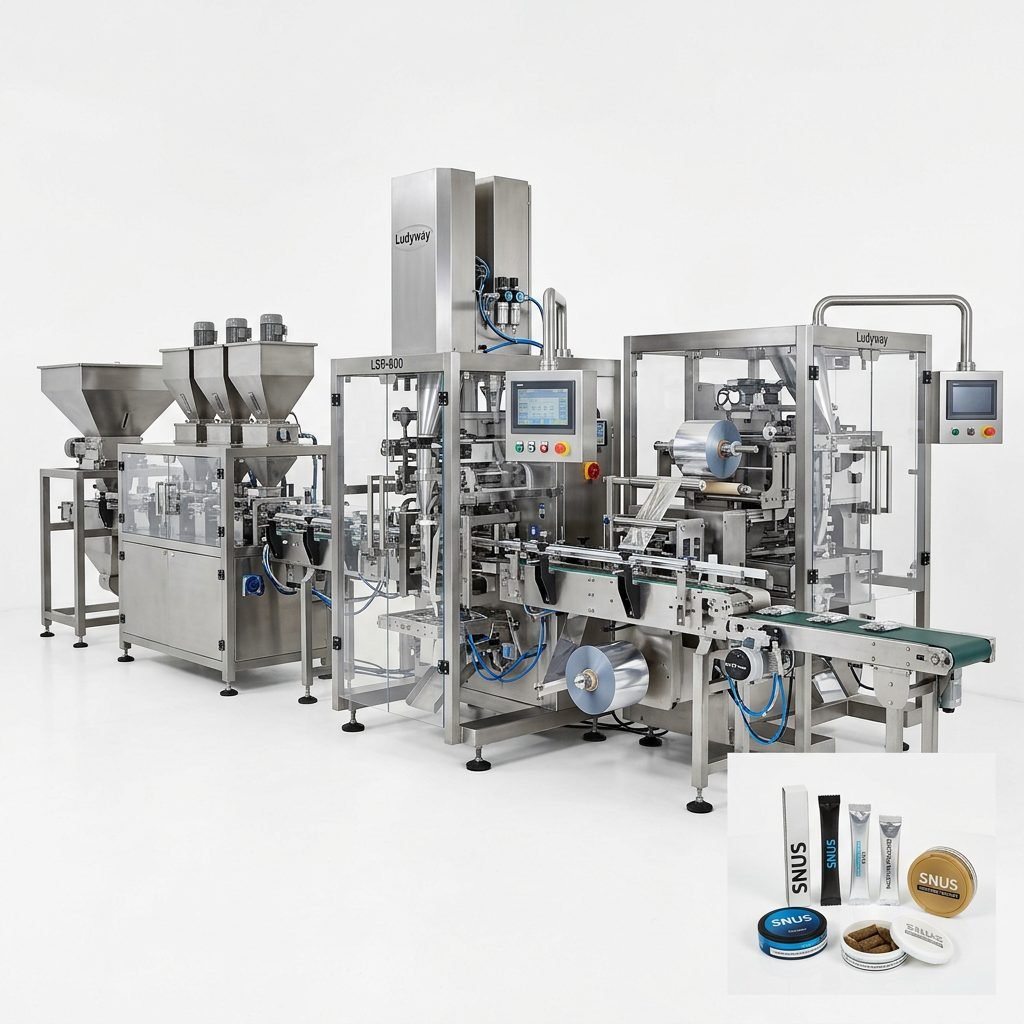
For large-scale manufacturers, a turnkey line includes feeding, filling, sealing, coding, and cartoning. These custom-engineered systems for tea sabji are priced from $120,000 and above, depending on integration complexity.
Associated Operational Costs to Consider
The purchase price is just the beginning. Budgeting for ongoing costs ensures smooth operations.
- Roll Film Expenses: Packaging material is a recurring cost. Specialized barrier films cost more than standard laminates.
- Spare Parts Inventory: Budget approximately 2-3% of the machine value annually for wear-and-tear items like sealing jaws, cutters, and belts.
- Maintenance & Technical Support: While manufacturing facilities like Ludyway offer robust support, factoring in an annual maintenance contract ensures longevity.
- Utility Consumption: High-speed machines consume more compressed air and electricity. Assess the kW rates in your region.
New vs. Used Machinery Pricing
A used tea sabji packing machine can cost 40-60% less than a new one. However, the risks include missing documentation, worn-out electronic sensors, and lack of warranty. For food-grade packaging requiring high hygiene standards, a new machine with CE or ISO certification is usually a safer bet.
How to Get the Best Price-to-Value Ratio
To secure the best deal without compromising on quality, consider these proven strategies.
- Specify Requirements Precisely: Clarity on bag size, pack style, and output speed prevents paying for unnecessary features.
- Supplier Comparison: Not all “factory prices” include essential components—compare like-for-like configurations.
- Factory Acceptance Test (FAT): Ensure the supplier validates the machine with your actual product to identify adjustments before shipping.
- Warranty and After-Sales: A lower upfront price means little if technical support is unreachable during production hours.
Final Cost Summary
Depending on your production scale, you can expect the following investment breakdowns:
| Business Scale | Recommended Machine Capacity | Approximate Budget (Ex-works) |
|---|---|---|
| Small Shop / Startup | 30-50 packs/min | $4,000 – $9,000 |
| Medium Enterprise | 150-250 packs/min (4-6 lanes) | $35,000 – $60,000 |
| Industrial High-Volume | 400+ packs/min (10+ lanes) | $70,000 – $150,000+ |
Ultimately, the exact price depends on complex engineering variables and order-specific customization. For a detailed quotation tailored to your specific tea sabji product, it is recommended to consult with professional packaging machinery manufacturers who can provide turnkey packaging solutions alongside deep industry expertise.
Related Resource Links
- PMMI State of the Industry Report – Latest packaging machinery market insights.
- Flexible Packaging Association Resources – Trends in packaging materials and regulations.
- FDA Food Packaging Guidelines – Food safety requirements for packaging machinery.