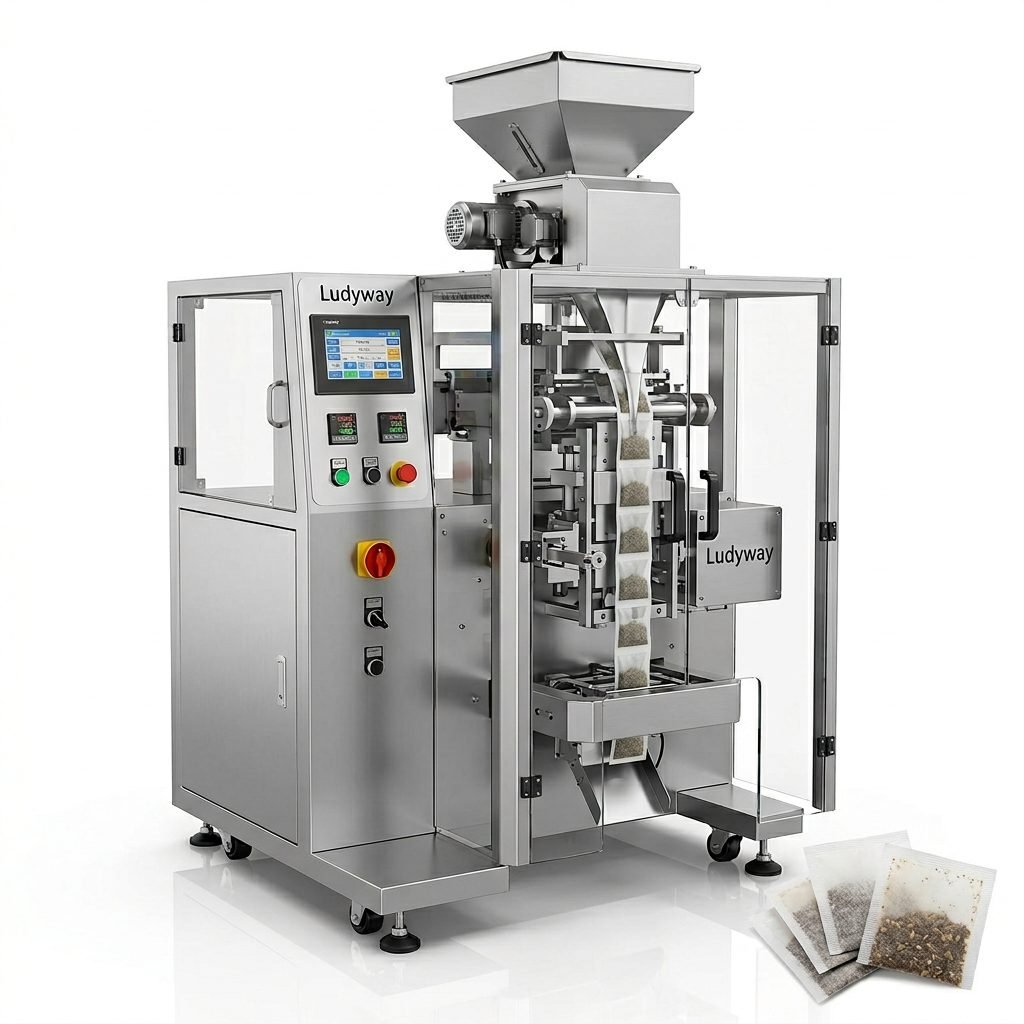
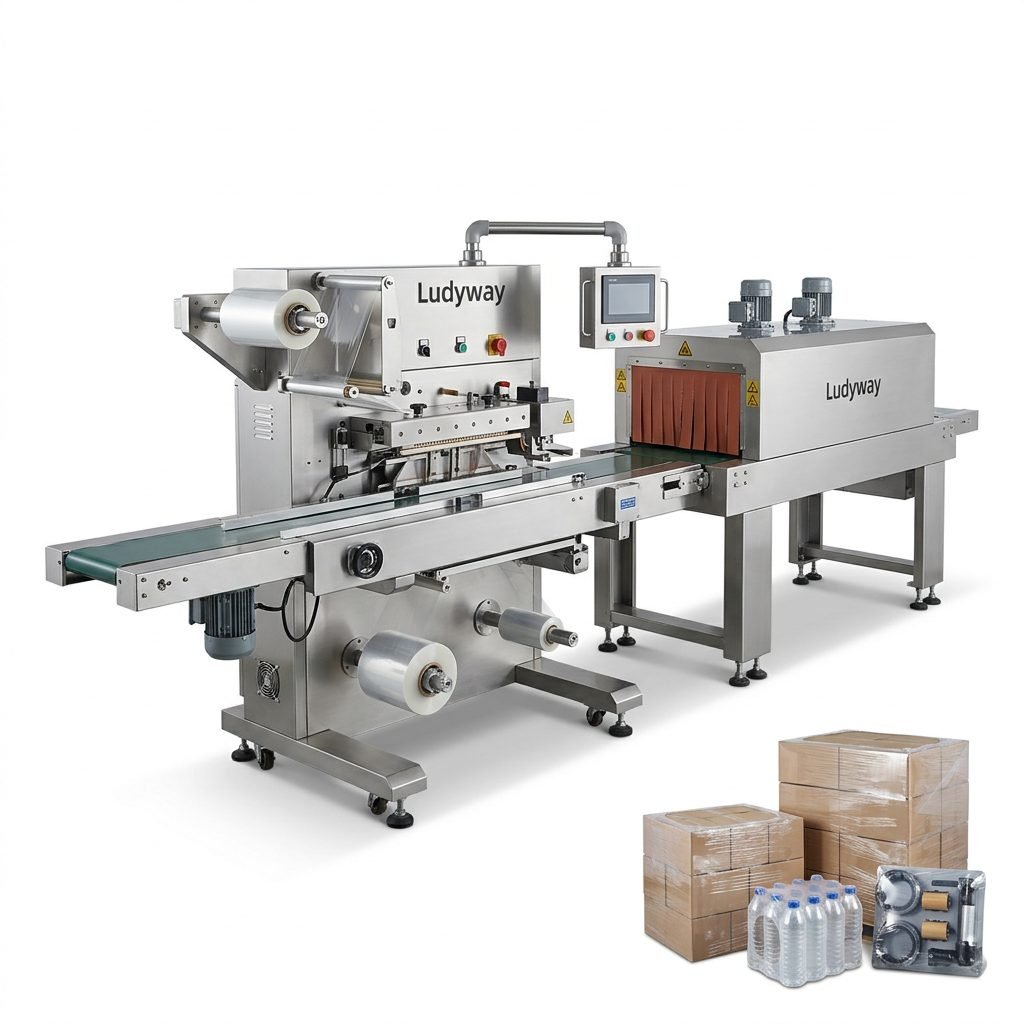
Selecting the right FFS packaging machine (Form Fill Seal) is one of the most critical decisions a manufacturer can make. The correct machine can significantly boost production efficiency, reduce waste, and ensure consistent product quality across every single package. Whether you are packaging powders, granules, liquids, or solid products, understanding how to evaluate an FFS machine against your operational needs is essential before making a capital investment.
Understanding FFS Packaging Machine Types
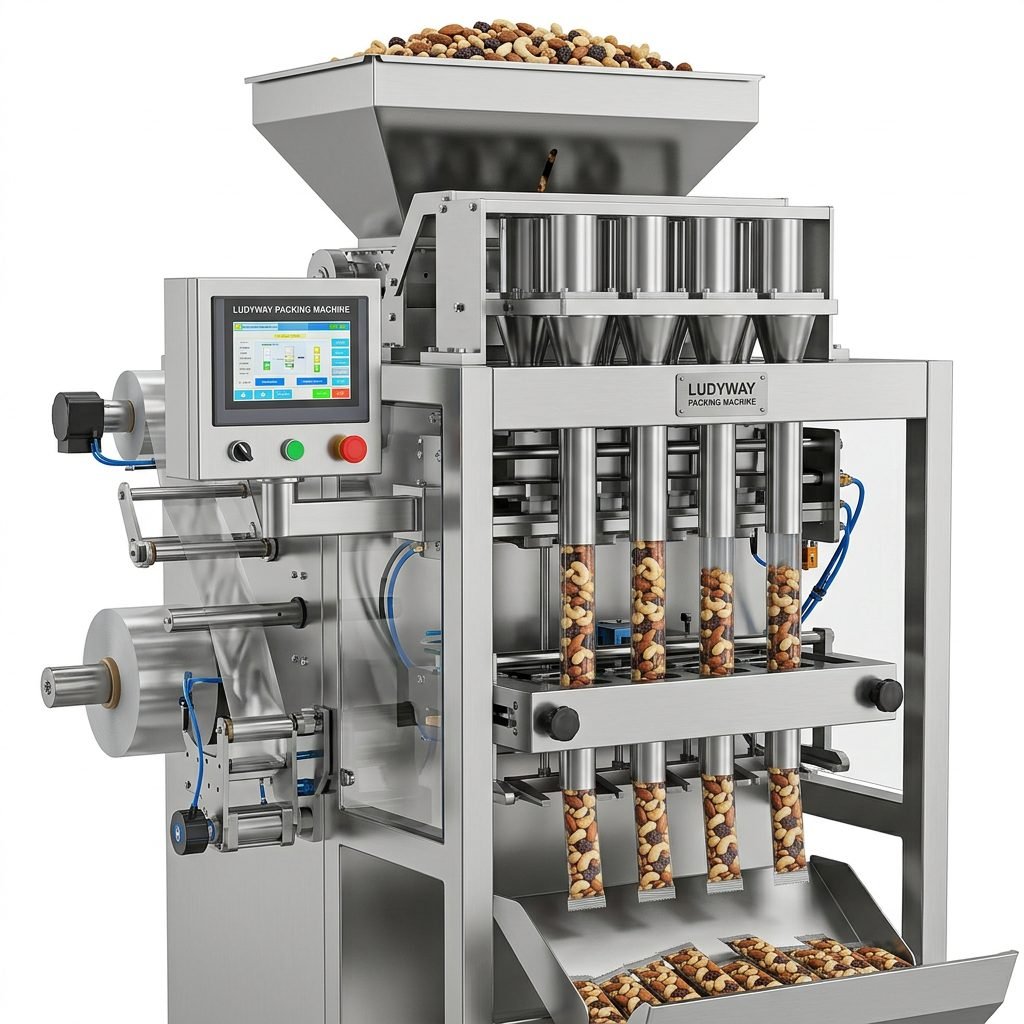
FFS machines are categorized primarily by their orientation and the type of packaging they produce. The two dominant categories are Vertical Form Fill Seal (VFFS) and Horizontal Form Fill Seal (HFFS) machines. VFFS machines are ideal for free-flowing products such as powders, granules, and small solid items, forming bags from a flat roll of film while simultaneously filling and sealing them in a vertical motion. HFFS machines, on the other hand, are better suited for larger, solid, or fragile products that require a horizontal conveying approach.
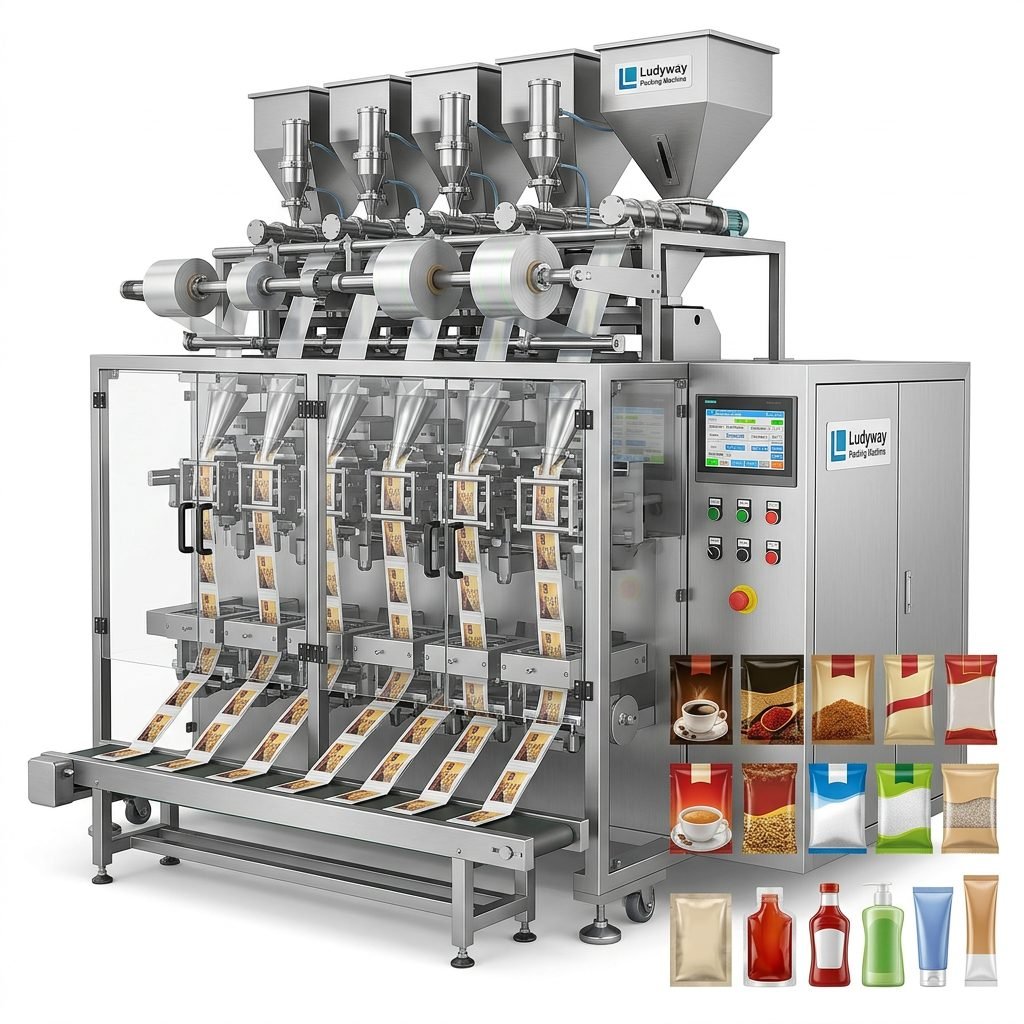
According to PMMI – The Association for Packaging and Processing Technologies, market demand for flexible packaging machinery continues to grow as manufacturers across industries shift toward more sustainable and efficient packaging formats. Within FFS technology, you will also encounter stick pack machines, sachet packaging machines, and multi-lane systems, each designed for specific product profiles and output requirements. Leading FFS packaging machine manufacturers offer a wide portfolio of equipment that can be configured for different bag styles, including pillow bags, gusseted bags, stick packs, and sachets.
VFFS vs. HFFS: A Quick Comparison
| Feature | VFFS Machine | HFFS Machine |
|---|---|---|
| Product Type | Powders, granules, grains, snacks | Solid items, baked goods, medical devices |
| Bag Formats | Pillow bags, gusseted bags, stick packs | Pouches, doypacks, vacuum packs |
| Speed Range | Up to 120+ bags/min per lane | Typically 30–80 packs/min |
| Footprint | Compact, vertical orientation | Larger, requires more floor space |
Key Factors to Evaluate Before Buying an FFS Machine
Investing in an FFS packaging machine requires a thorough assessment of several operational and technical factors. Making the right choice depends on how well the machine aligns with your product characteristics, production goals, and facility constraints. The PMMI State of the Industry Report highlights that automation and flexibility are top priorities for manufacturers upgrading their packaging lines, and selecting the right FFS system is central to achieving both.
1. Product Characteristics and Flow Properties
The physical properties of your product directly influence filling system design and overall machine configuration. Key considerations include:
- Particle size and uniformity: Free-flowing granules require different dosing mechanisms compared to cohesive powders or sticky products.
- Bulk density: Affects the volume-based or weight-based filling method selection and hopper capacity.
- Moisture sensitivity: Products sensitive to humidity may require nitrogen flushing or enhanced sealing systems.
- Hygiene requirements: Food and pharmaceutical applications demand sanitary construction, easy cleanability, and compliance with standards referenced by the FDA Food Packaging Regulations.
2. Production Speed and Output Requirements
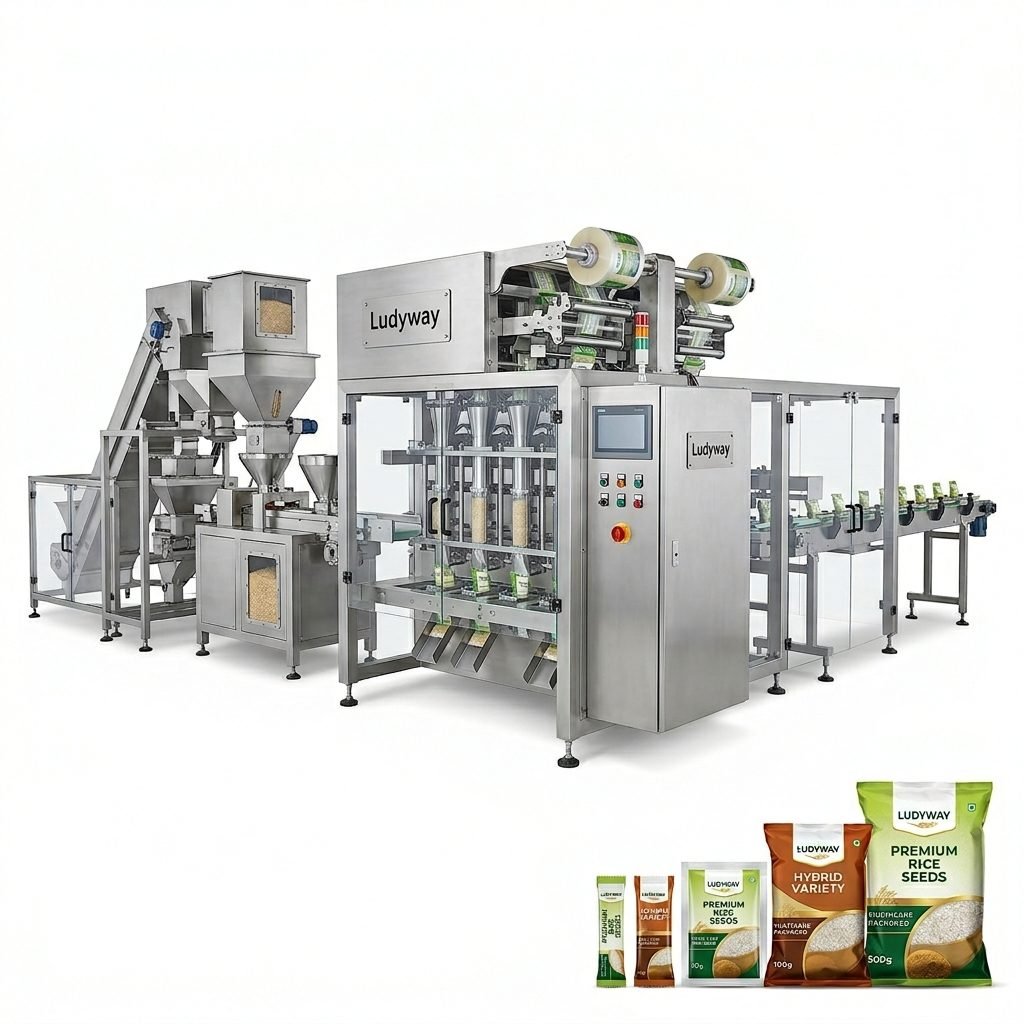
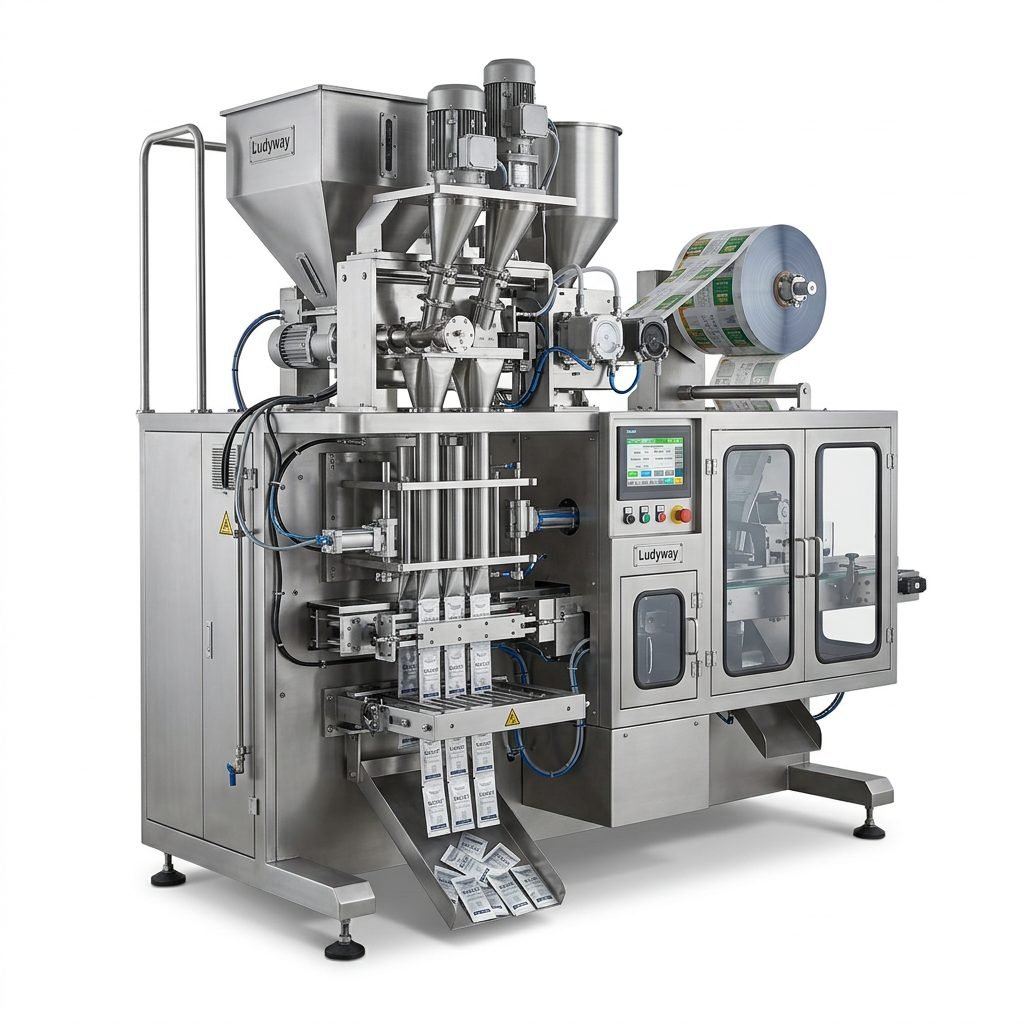
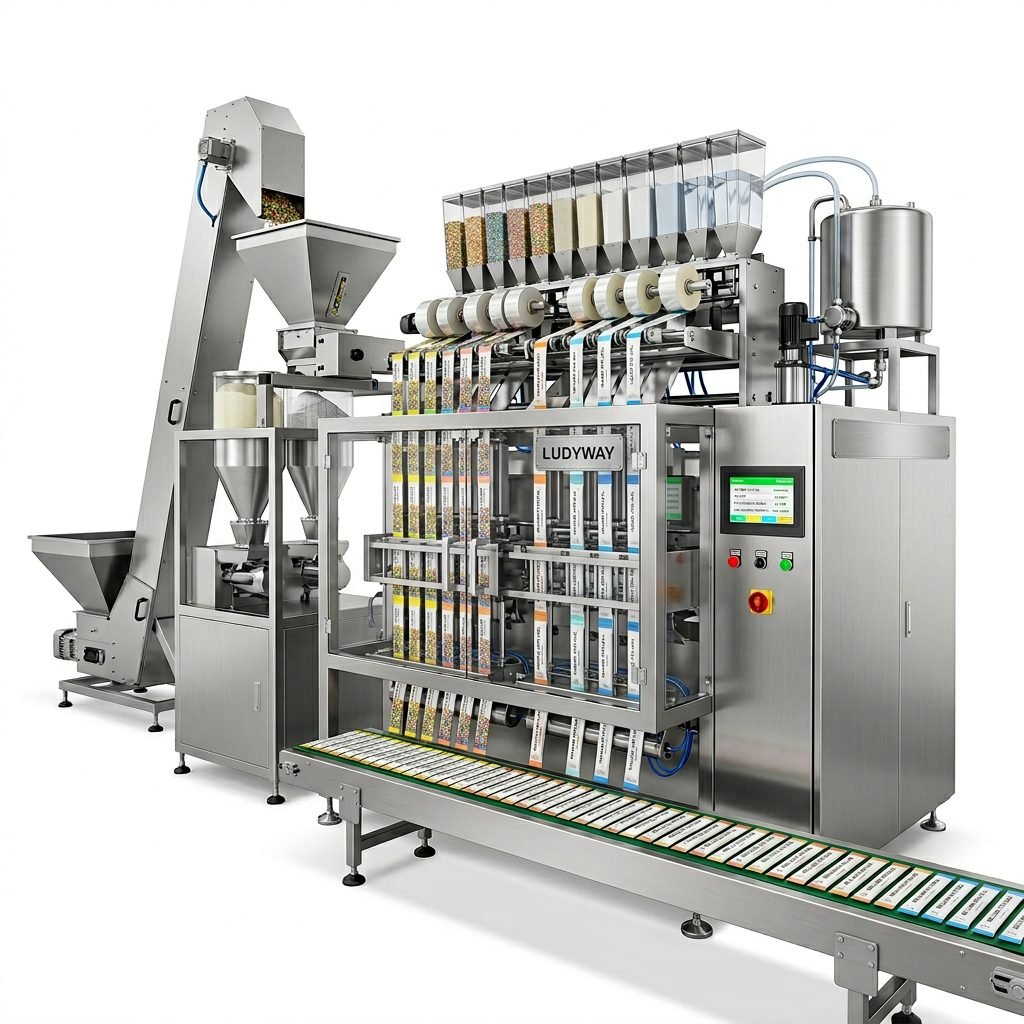
One of the most important specifications to define is your target throughput. FFS machines range from single-lane systems producing 30–60 bags per minute to high-speed multi-lane FFS packaging lines capable of exceeding 400 bags per minute. Multi-lane configurations multiply output without proportionally increasing floor space, making them a popular choice for high-volume manufacturers in the food, pharmaceutical, and nutraceutical sectors. When evaluating speed, also consider changeover time between product runs, as frequent format changes can significantly impact overall equipment effectiveness.
3. Packaging Material Compatibility
Your FFS machine must be compatible with the packaging films you intend to use. Common materials include laminated films, polyethylene, polypropylene, aluminum foil laminates, and biodegradable substrates. The sealing system—whether heat seal, ultrasonic seal, or impulse seal—must be matched to the film’s thermal properties. The Flexible Packaging Association provides extensive data on material trends, noting that manufacturers increasingly seek machines capable of running recyclable and mono-material films without sacrificing seal integrity or speed.
4. Bag Size, Format, and Flexibility
Consider the range of bag dimensions and styles your operation requires. Some FFS machines are designed for a narrow size range, while others offer quick-adjust features for broader flexibility. Common bag formats include:
- Pillow bags
- Gusseted bags (side or bottom gusset)
- Stick packs
- Four-side-seal sachets
- Three-side-seal pouches
- Stand-up pouches (with zipper option)
Dosing and Filling System Selection
The dosing system is the heart of any FFS machine, determining fill accuracy and consistency. Selecting the right system depends on your product’s flow characteristics and the required precision level. Common dosing technologies include:
| Dosing System | Best For | Accuracy Level |
|---|---|---|
| Auger Filler | Powders (milk powder, protein powder, spices) | ±0.5%–1% |
| Volumetric Cup Filler | Free-flowing granules (sugar, salt, grains) | ±1%–2% |
| Multi-Head Weigher | Snacks, nuts, irregular solid pieces | ±0.2%–0.5% |
| Piston Filler | Liquids, pastes, creams | ±0.5% |
| Net Weight Filler | High-value products requiring precise dosing | ±0.1%–0.3% |
Automation and Integration Capabilities
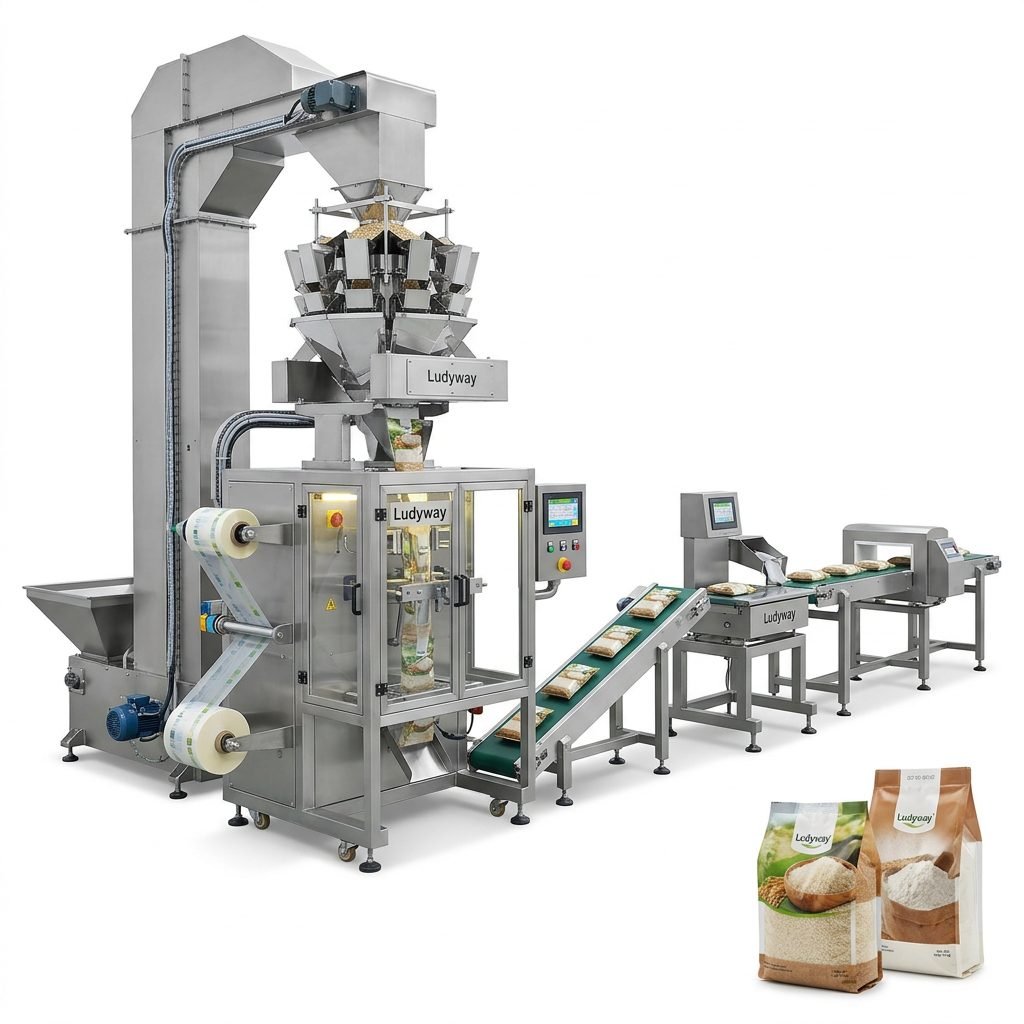
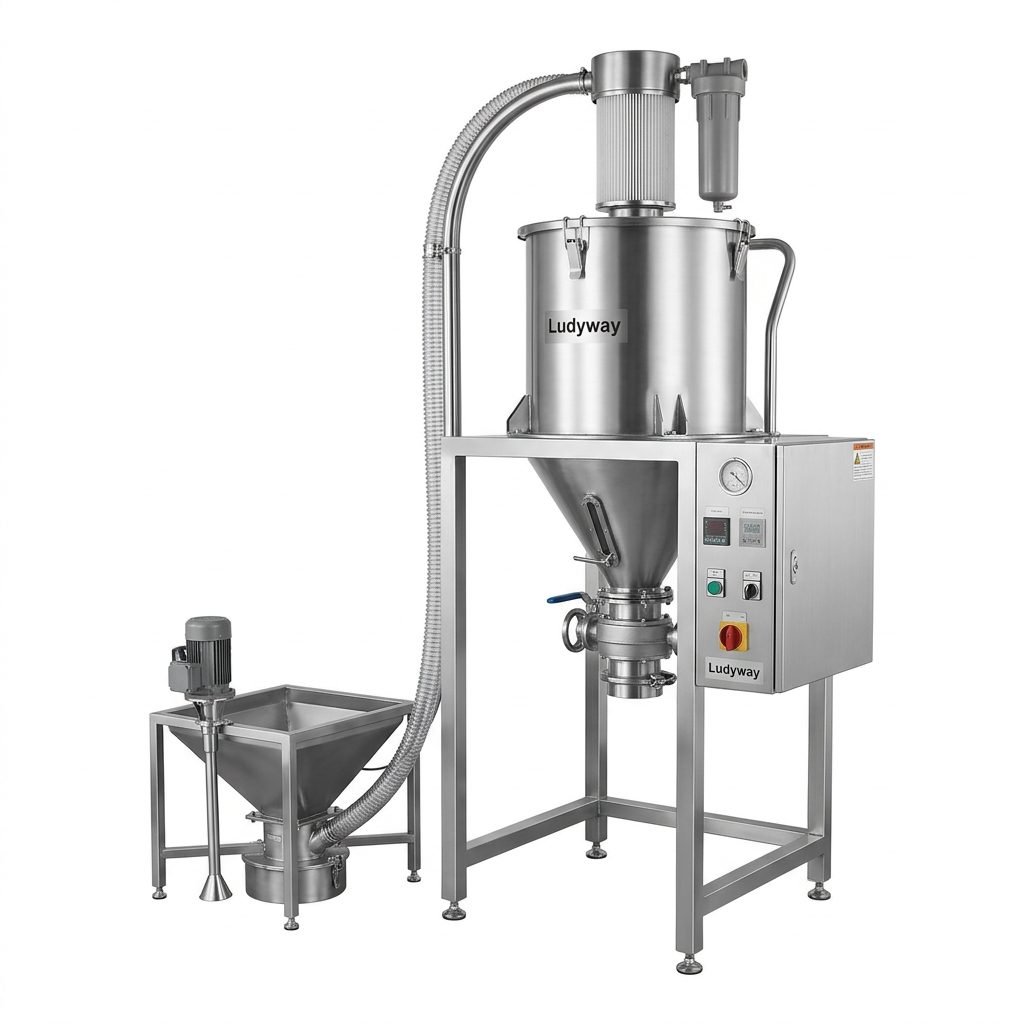
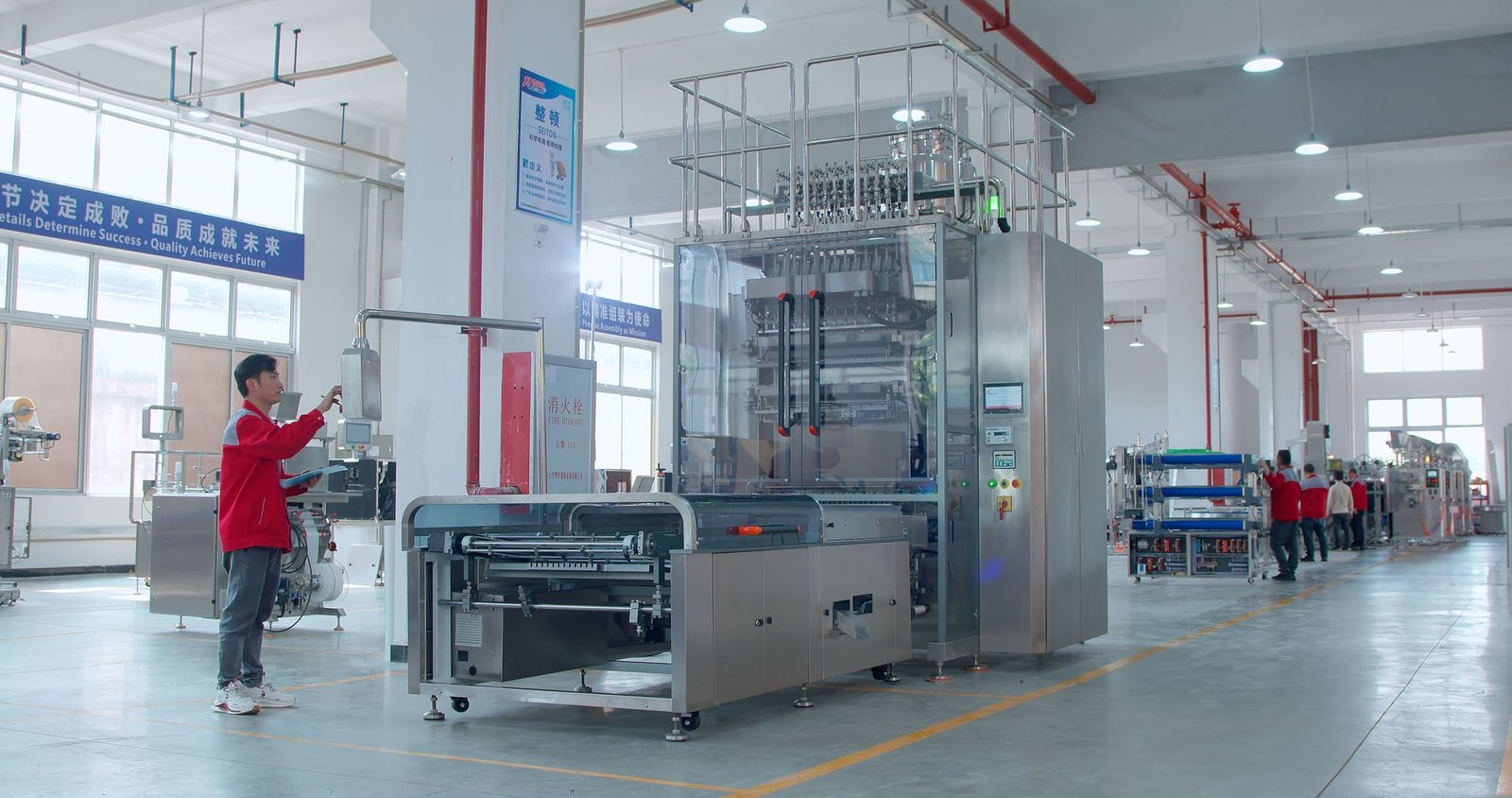
A modern FFS packaging machine should integrate seamlessly into your existing production ecosystem. Key automation features to evaluate include PLC control systems with HMI touchscreens, recipe storage for quick changeovers, automatic film tracking and tension control, and integration with upstream feeding systems and downstream checkweighers, metal detectors, and cartoning machines. The ISO Packaging Standards provide guidance on automation interfaces and safety requirements that reputable manufacturers follow.
Many manufacturers today seek turnkey FFS packaging line solutions that include everything from product feeding to final case packing. This approach reduces integration risk and ensures all components are designed to work together at the targeted production speed.
Key Automation Features Checklist
- Servo-driven sealing and film transport for precision and repeatability
- Automatic film splicing for continuous production
- Integrated gas flushing (MAP) for shelf-life extension
- Remote access for diagnostics and troubleshooting
- Date coding and batch printing integration
- Reject systems linked to checkweigher or metal detector signals
Industry-Specific Considerations
Different industries impose unique requirements on FFS packaging equipment. Understanding these sector-specific demands helps narrow down suitable machine configurations.
Food and Beverage
Food-grade FFS machines must comply with hygienic design standards, often featuring stainless steel construction, washdown capability, and easy disassembly for cleaning. Products ranging from snack foods and coffee to sauces and dairy powders require different filling and sealing technologies. The FDA Food Contact Substances regulations must be considered for any food-grade film and machine component materials.
Pharmaceutical and Nutraceutical
Pharmaceutical FFS applications demand the highest levels of accuracy, cleanliness, and documentation. Machines must support validated processes, typically with 21 CFR Part 11 compliant controls, audit trail capabilities, and serialization-ready printing systems. ISO 11607 standards for packaging terminally sterilized medical devices are particularly relevant for certain pharmaceutical packaging applications.
Cosmetics and Personal Care
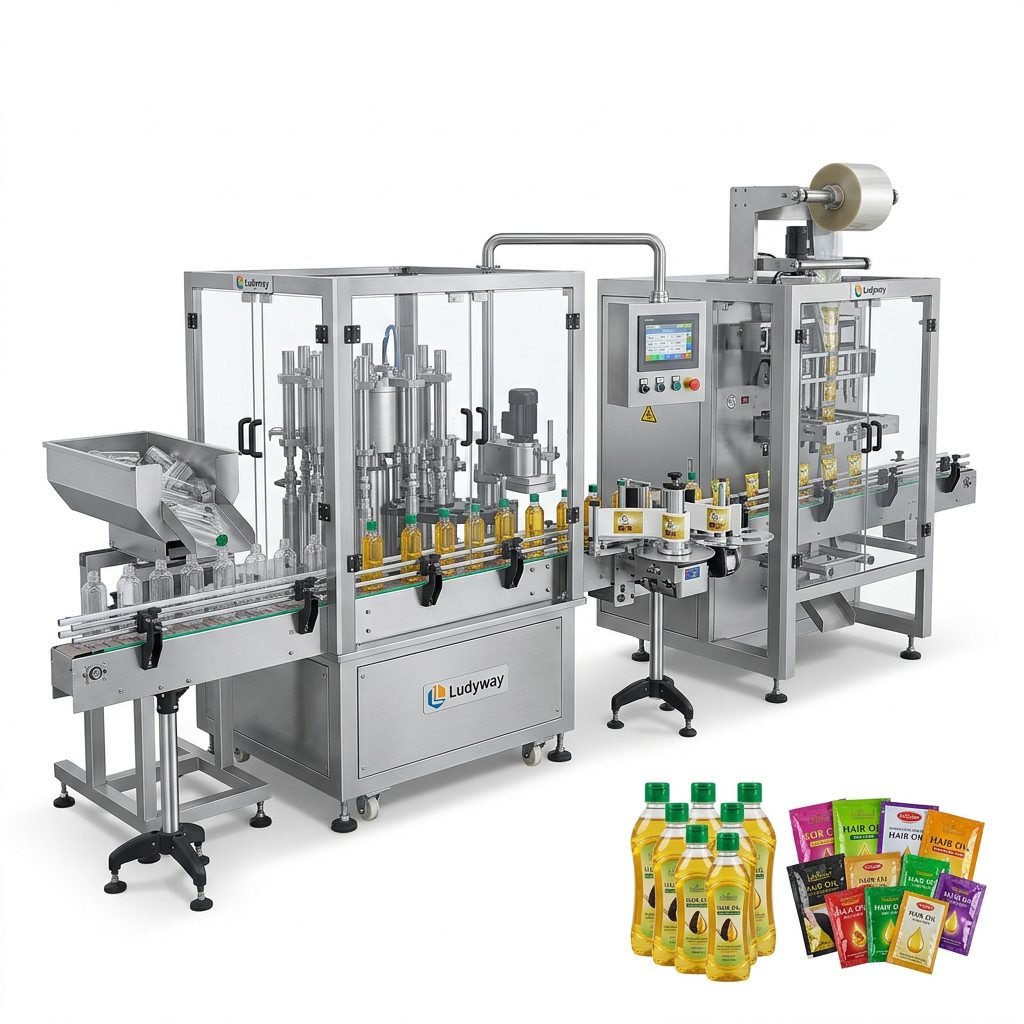
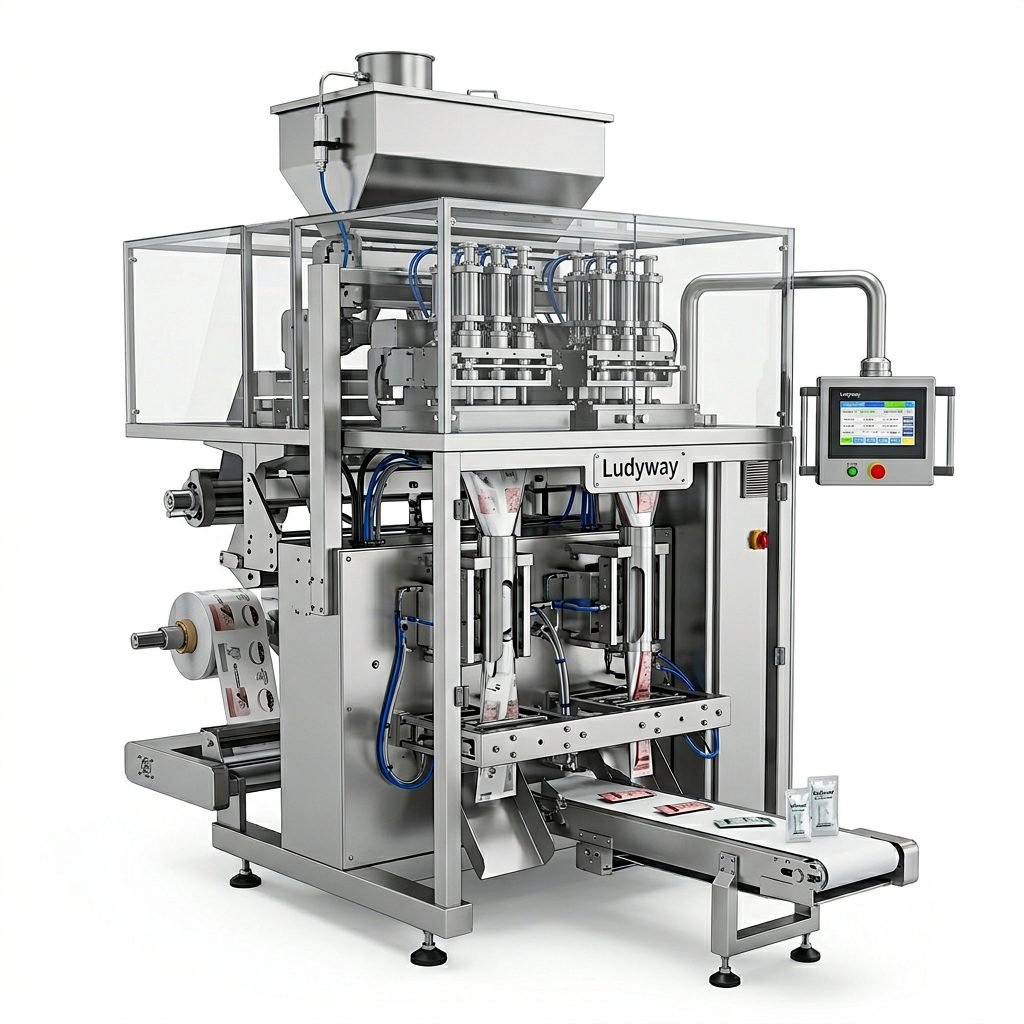
Sample sachets, stick packs for serums, and portion packs for creams require precise liquid or paste dosing with clean, attractive seal finishes. Multi-lane FFS machines are widely used in this sector to produce high volumes of single-use sample packaging for marketing and retail channels.
Budget and Total Cost of Ownership
When evaluating the cost of an FFS packaging machine, look beyond the initial purchase price. A comprehensive total cost of ownership (TCO) analysis should include installation, operator training, spare parts inventory, maintenance contracts, energy consumption, film waste rates, and expected service life. A machine with a higher upfront cost may deliver significantly lower TCO over a 10-year operating life due to reduced waste, faster changeovers, and lower maintenance requirements.
Cost Components to Evaluate
- Capital equipment cost and financing options
- Installation and commissioning fees
- Operator training and learning curve impact
- Preventive maintenance and spare parts availability
- Film waste percentage and material efficiency
- Energy and compressed air consumption
- Downtime costs during repairs or changeovers
Supplier Evaluation and After-Sales Support
Choosing the right packaging machinery partner is as important as selecting the right machine specifications. A reliable supplier should offer comprehensive pre-sales consultation, including product testing and packaging trials using your actual materials. Post-installation, the supplier’s technical support infrastructure—including remote diagnostics, spare parts logistics, and field service availability—directly impacts your long-term operational success.
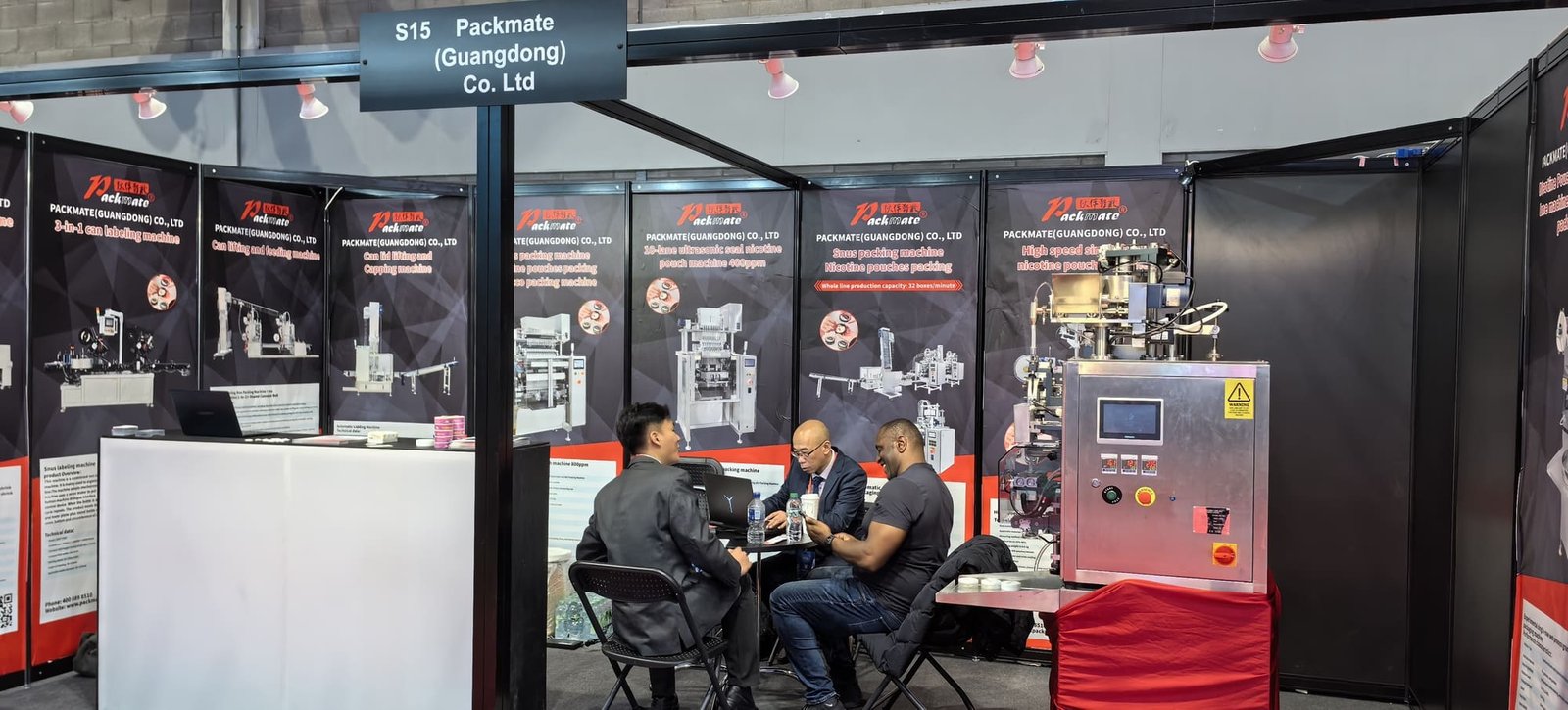
Companies like Ludyway Machinery, a China-based packaging machinery manufacturer with more than 30 years of experience and a 20,000-square-meter manufacturing facility, exemplify the kind of comprehensive partner that can provide customized FFS packaging machinery solutions from individual machines to complete turnkey production lines. With over 50 packaging machine models and service coverage in more than 100 countries, manufacturers can work with a single partner for equipment selection, system integration, and ongoing technical support throughout the project lifecycle. According to industry reports on packaging machinery global growth trends, demand for automated FFS systems continues to accelerate across international markets.
Final Checklist Before Purchase
Use this checklist to ensure you have covered all critical aspects before finalizing your FFS packaging machine investment:
- Product testing completed with your actual product and preferred film material
- Production speed requirement confirmed with margin for future growth
- Bag format and size range clearly defined
- Dosing system validated for accuracy with your product
- Facility requirements assessed (power, compressed air, floor space, ceiling height)
- Regulatory compliance confirmed for your target markets
- Supplier service capabilities verified in your region
- Total cost of ownership calculated over expected machine life
- Integration plan for upstream and downstream equipment
- Operator training program included in the supplier’s scope
Conclusion: Making the Right FFS Machine Investment
Choosing the right FFS packaging machine requires balancing technical specifications, production requirements, budget constraints, and long-term serviceability. By systematically evaluating product characteristics, machine configurations, dosing technologies, automation features, and supplier capabilities, manufacturers can select equipment that delivers consistent packaging quality, optimal production efficiency, and strong return on investment over many years of operation.
Whether you are upgrading an existing line or building a new production facility, investing time in detailed requirements analysis and supplier evaluation will pay dividends in operational performance. The flexible packaging market continues to evolve with new materials and sustainability requirements, making it essential to select an FFS machine that can adapt to both current and future packaging needs. For further guidance, resources from the PMMI packaging industry resource library and the Flexible Packaging Association knowledge hub provide valuable benchmarks and market intelligence to support your equipment selection process.