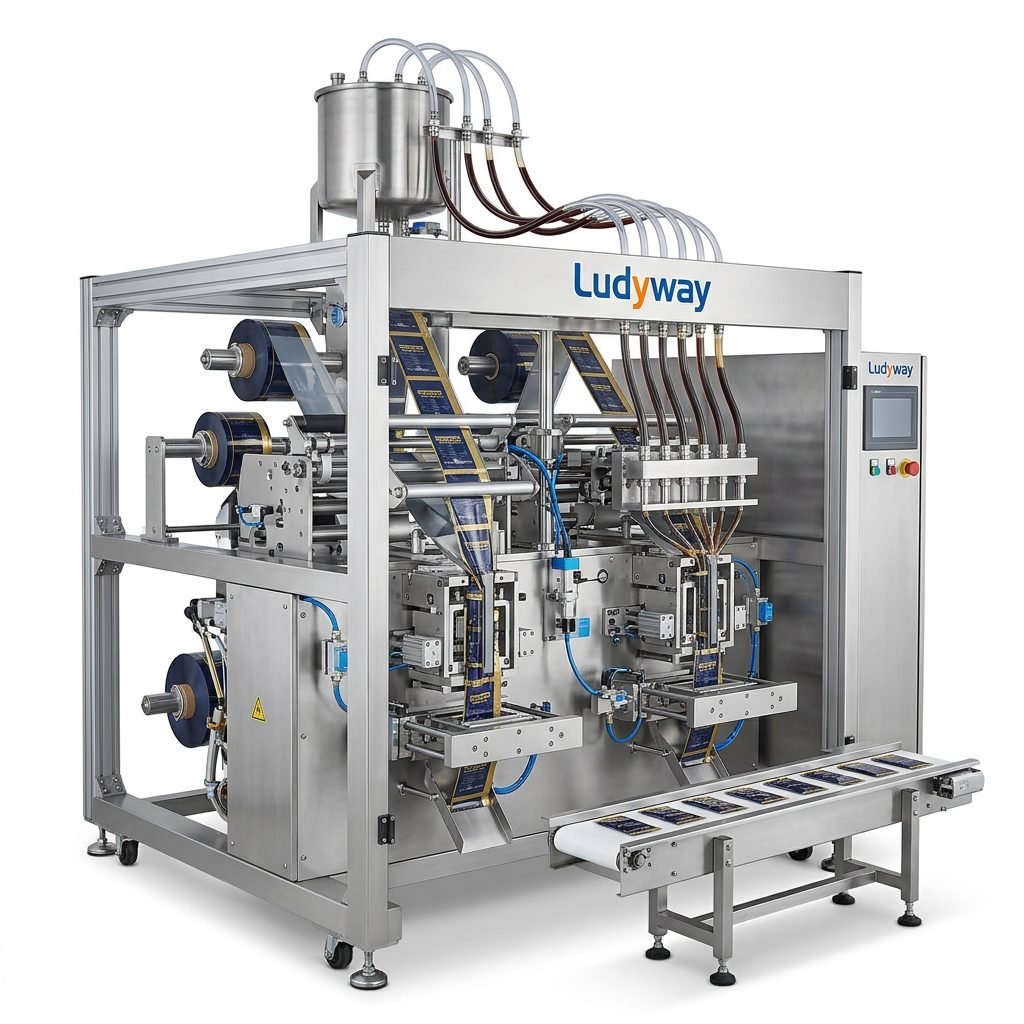
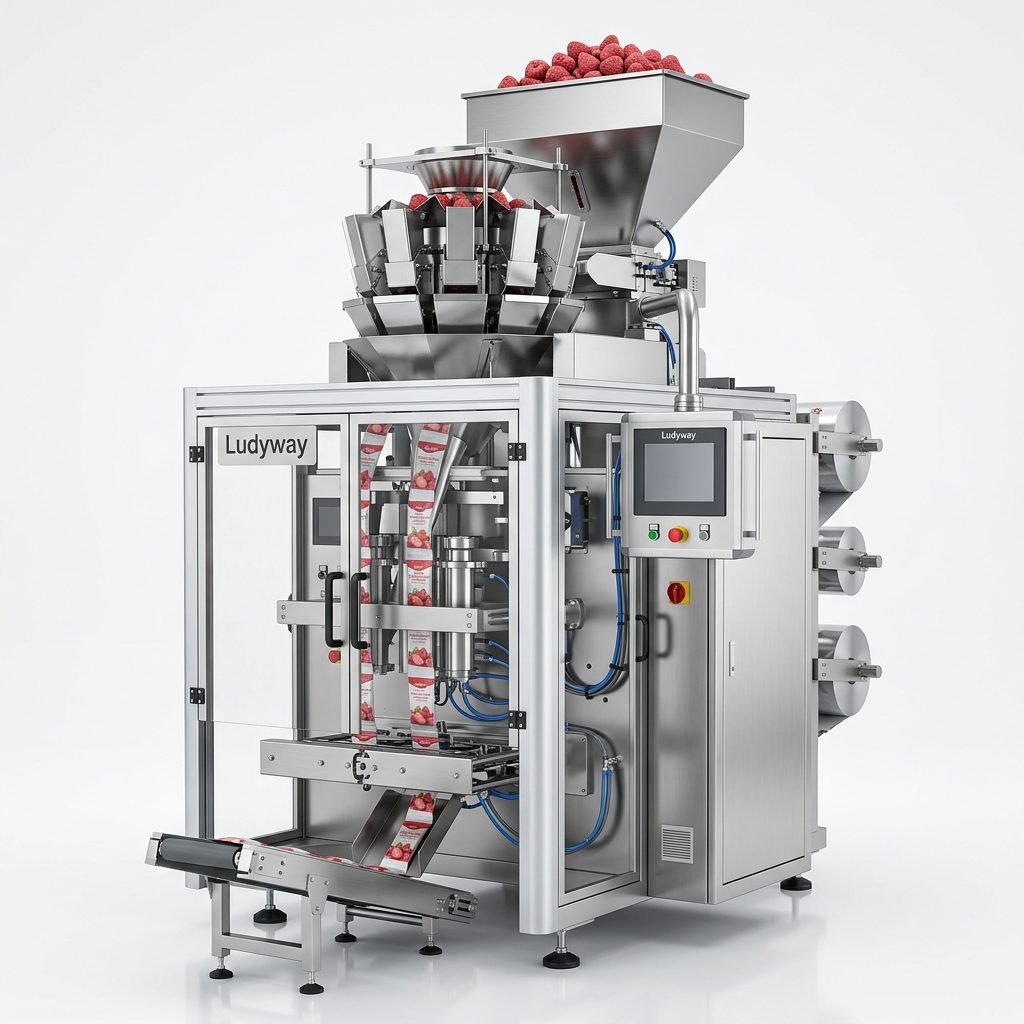
Investing in a retail packaging machine is a strategic decision that affects production efficiency, product quality, and long-term operational costs. Whether you are packaging powders, granules, liquids, or solid products, choosing the right equipment requires a clear understanding of your product characteristics, packaging format, speed requirements, and automation goals. This guide walks you through the essential factors to evaluate before making a purchase.

Understanding Your Product Characteristics
Every packaging machine is designed around specific product properties. The first step is to define your product’s physical and chemical characteristics. Key considerations include:
- Product type: Powder, granule, liquid, paste, gel, tablet, capsule, or solid piece
- Flowability: Free-flowing powders behave differently than cohesive or sticky materials
- Density and particle size: These affect dosing accuracy and filling system selection
- Moisture sensitivity: Hygroscopic products may require humidity-controlled sealing environments
- Temperature sensitivity: Heat-sensitive products need careful sealing temperature control
- Abrasiveness: Some granular products can wear down contact parts over time
Understanding these properties helps determine the appropriate dosing mechanism, material contact parts, and machine configuration. According to the PMMI packaging industry resources, product compatibility is one of the most frequently overlooked factors in packaging machinery selection.
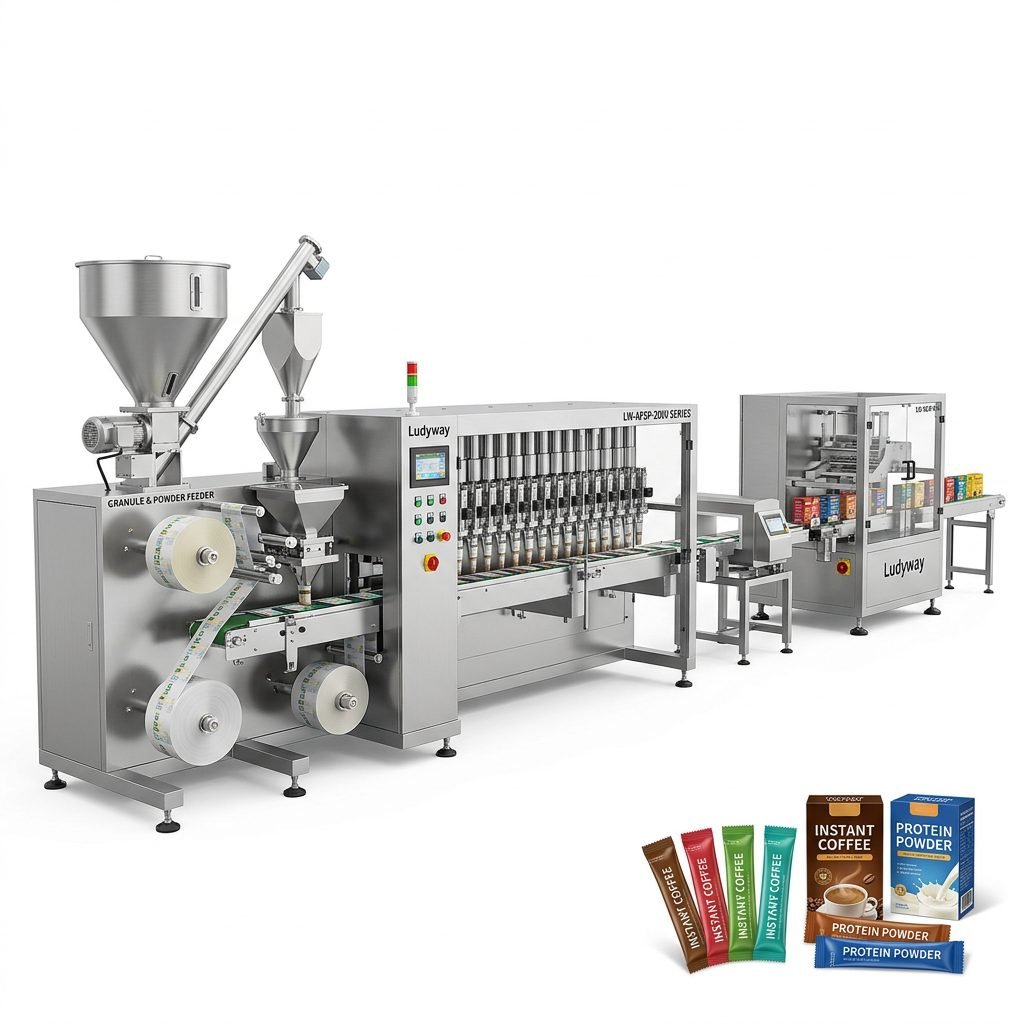
Defining Your Packaging Format
Packaging format directly determines the type of machine and tooling you will need. Common retail packaging formats include:
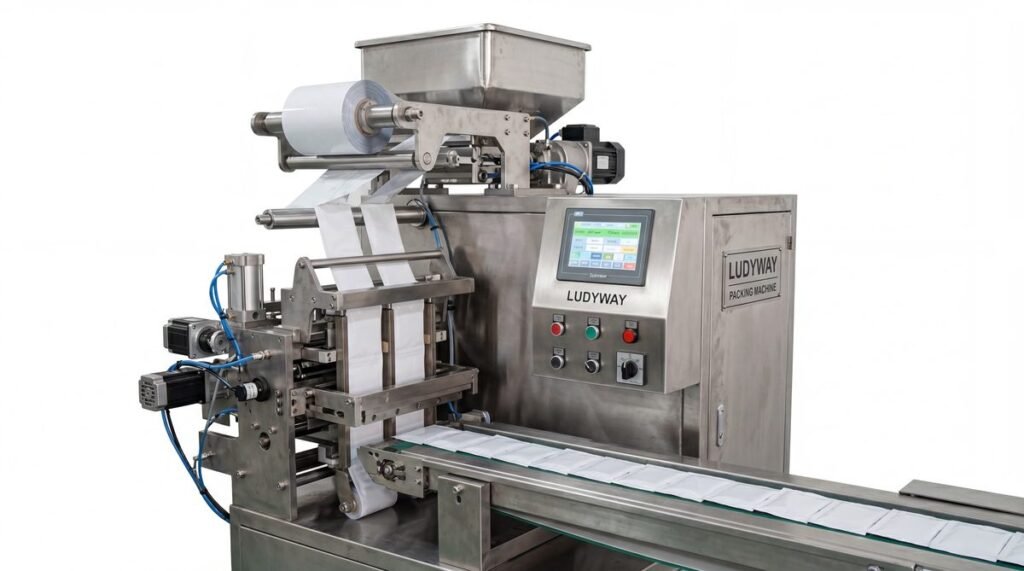
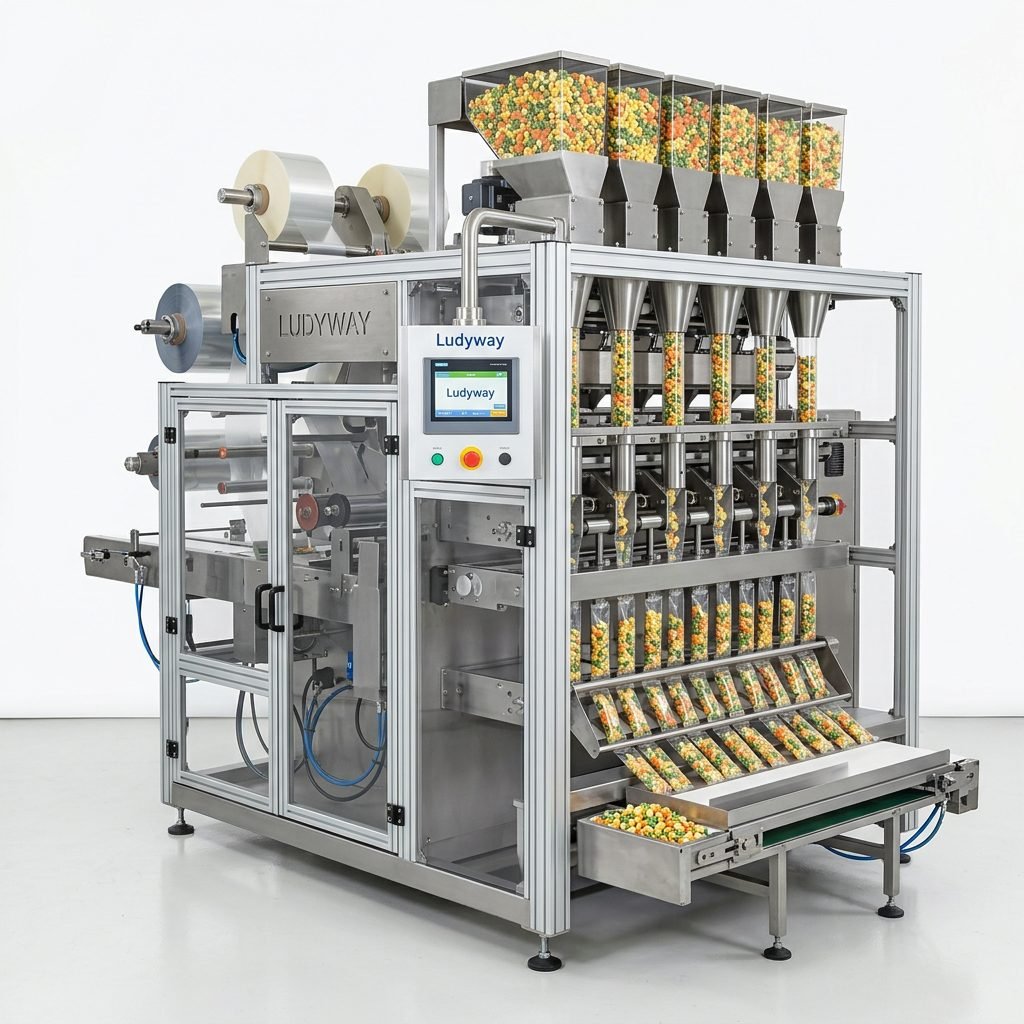
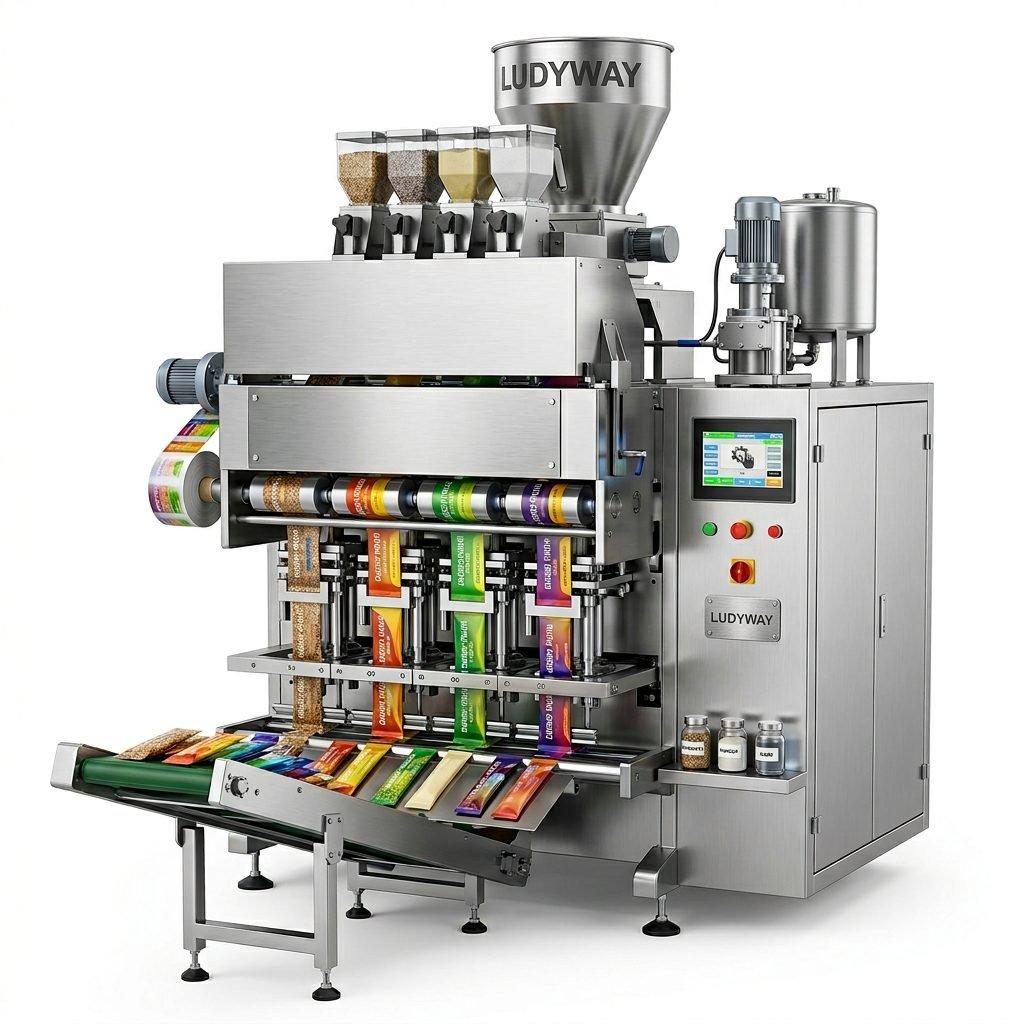
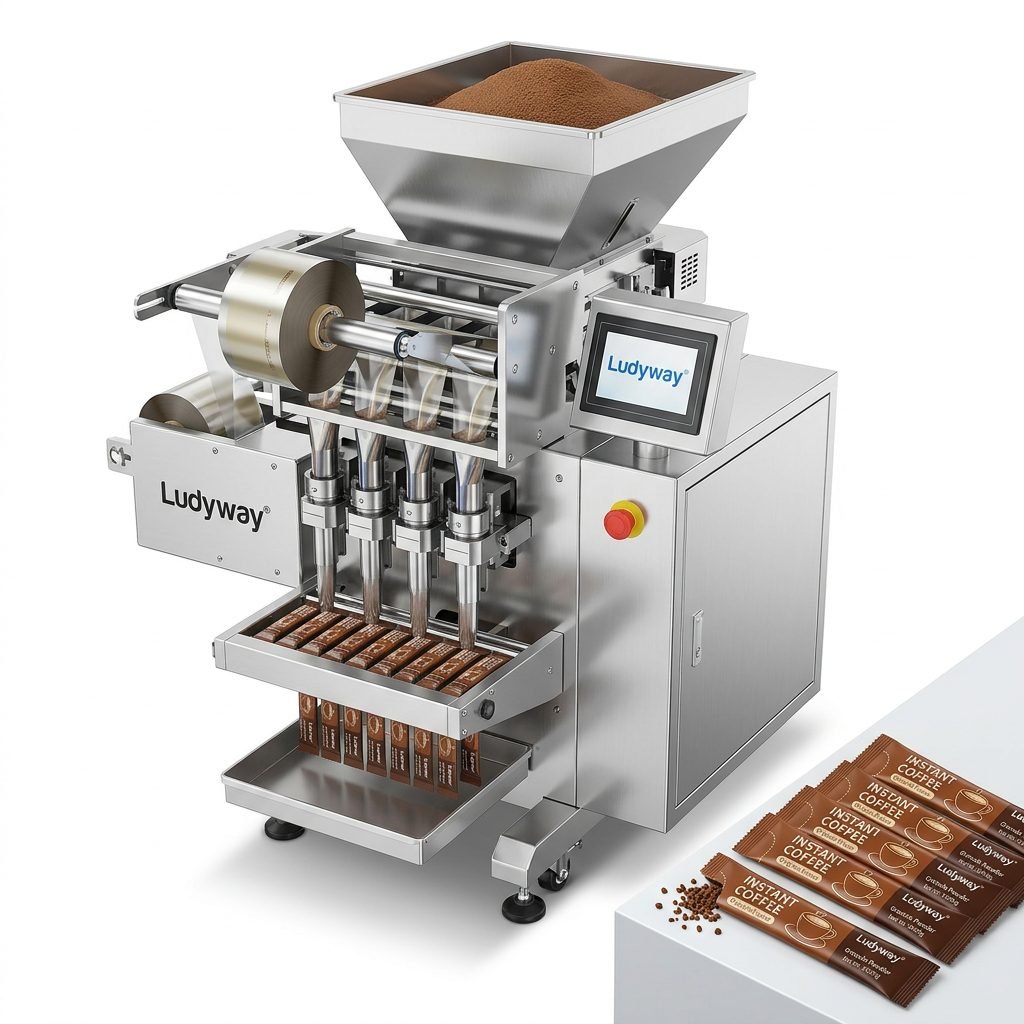
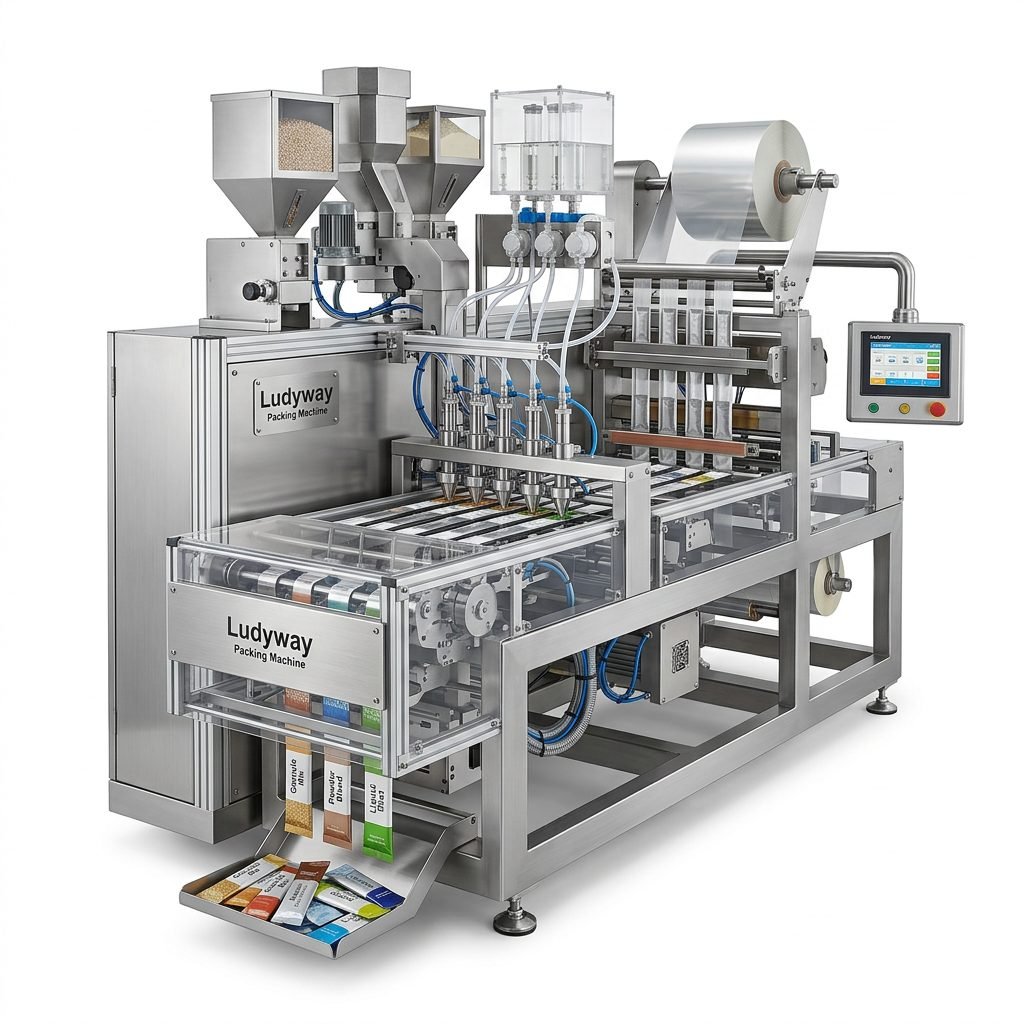
- Stick packs: Narrow, elongated single-serve pouches ideal for powders, granules, and liquids
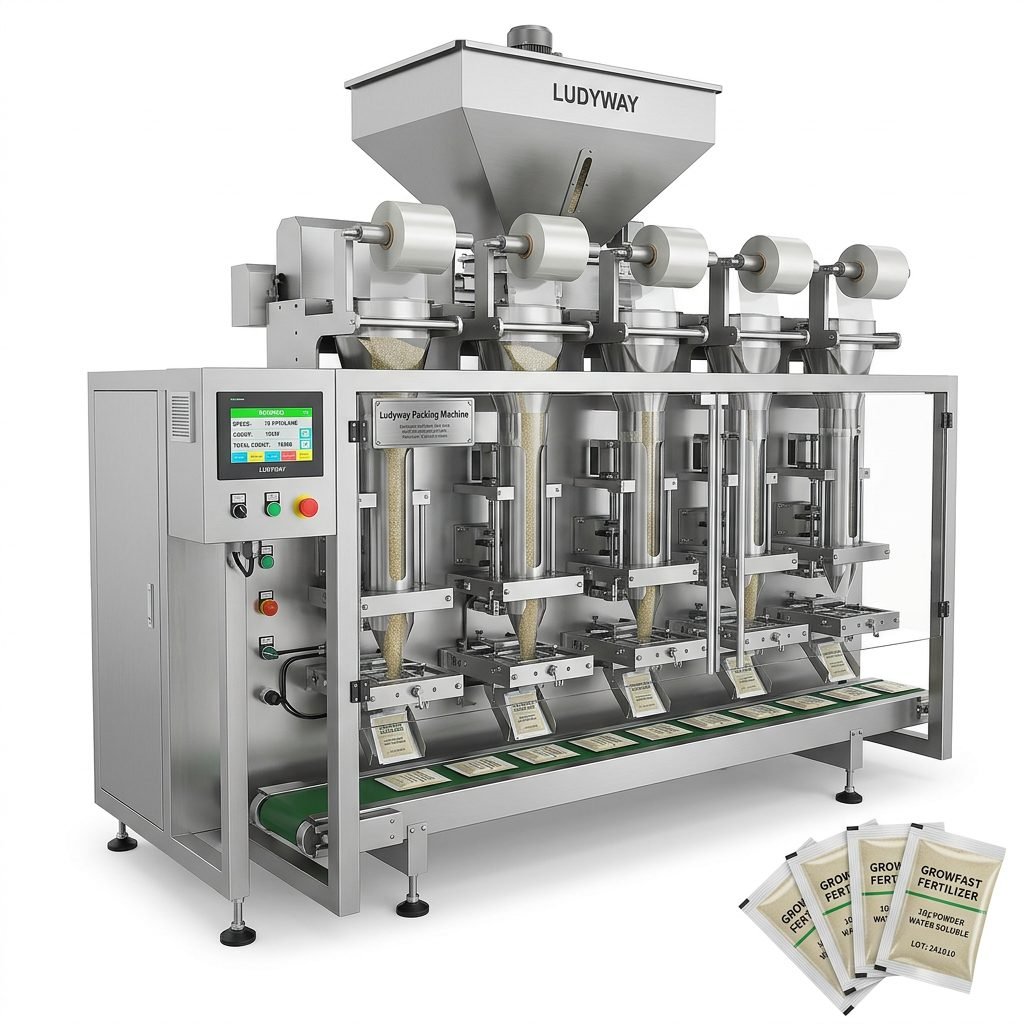
- Sachets: Flat, rectangular pouches widely used for single-use products
- Pillow pouches: Three-side or four-side sealed bags for various product types
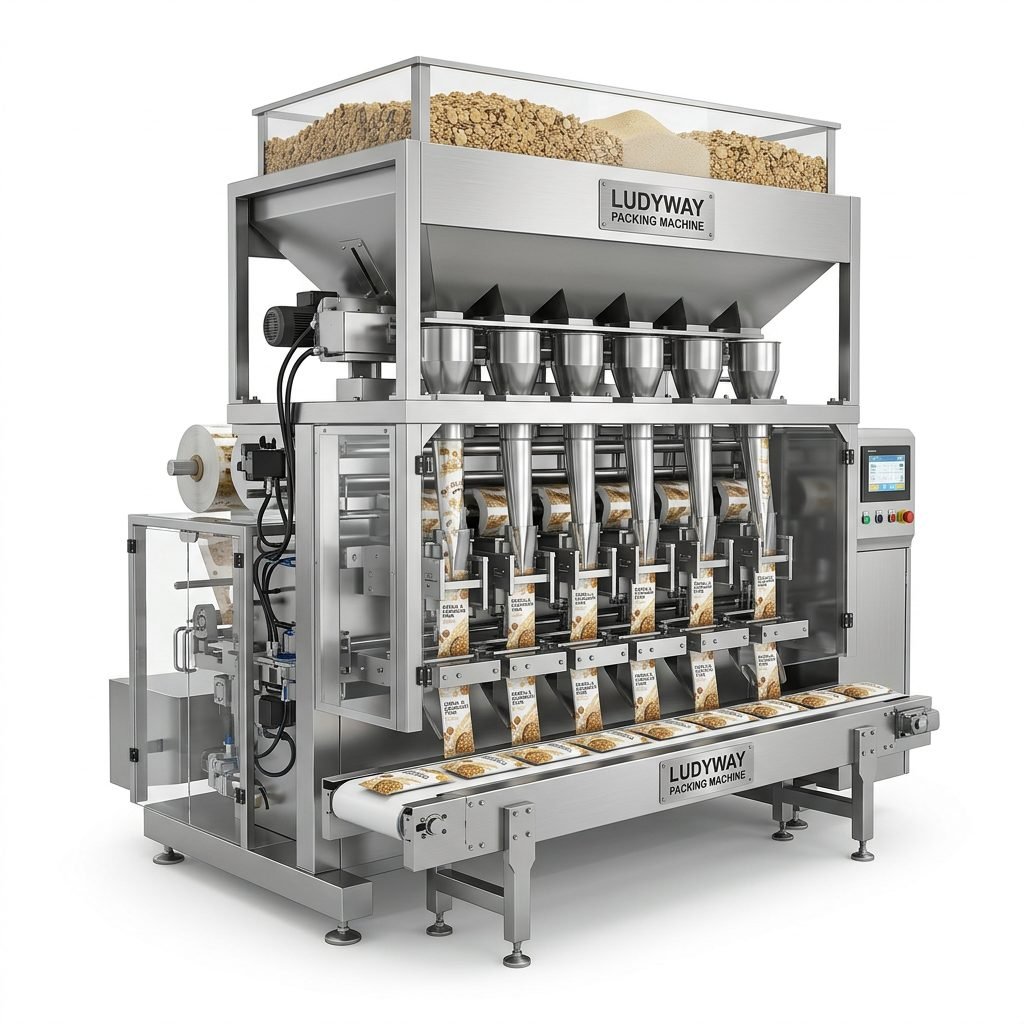
- Multi-lane configurations: Parallel packaging lanes that multiply output without increasing floor space proportionally
- Premade pouches: Pre-formed bags filled and sealed on dedicated rotary or inline machines
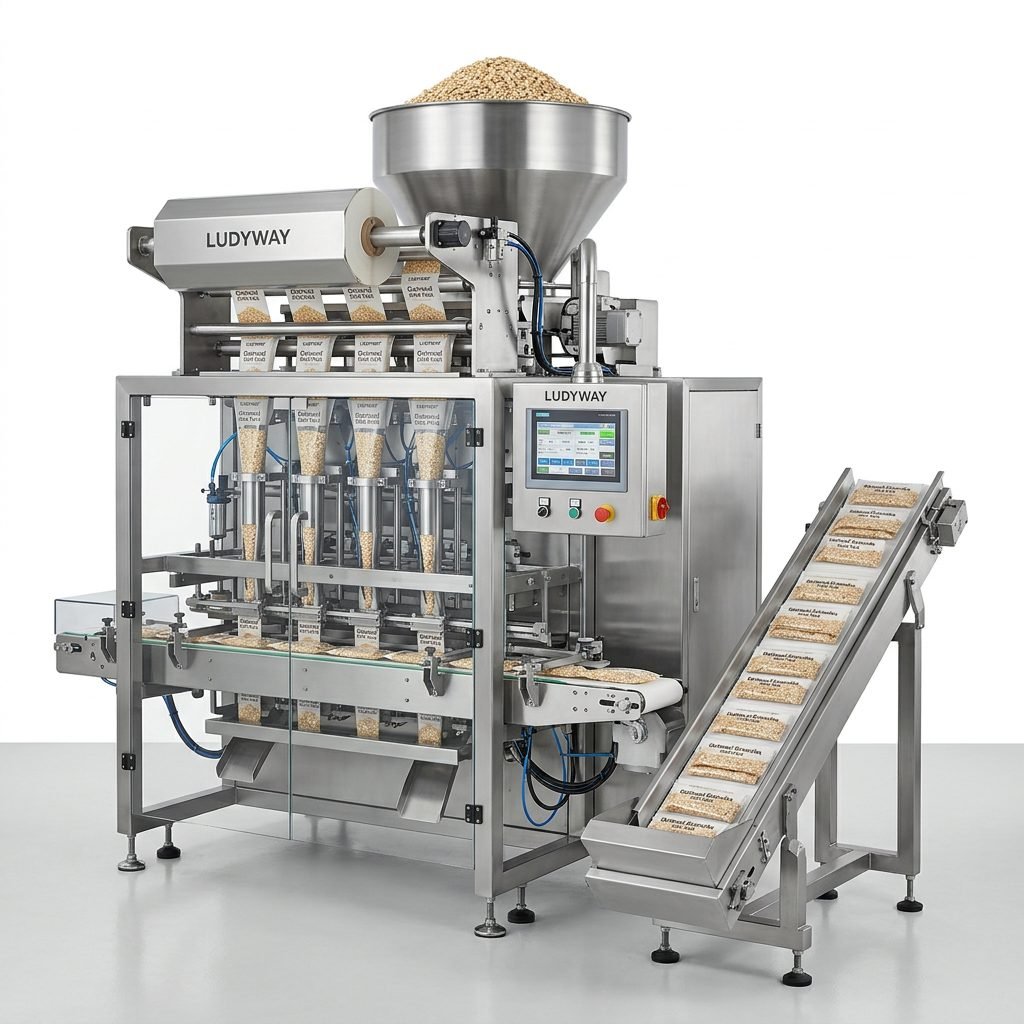
Consider whether you need single-lane or multi-lane systems. Multi-lane machines can run 4, 6, 8, or even 12 lanes simultaneously, dramatically increasing throughput. The Flexible Packaging Association notes that stick packs and sachets continue to gain market share in retail due to portion control and convenience trends.
Bag Size and Material Compatibility
Your packaging machine must accommodate the range of bag sizes you plan to produce. Key specifications include:
- Minimum and maximum bag width and length
- Seal width and seal integrity requirements
- Compatible film materials: polyethylene, polypropylene, laminates, aluminum foil, paper-based, biodegradable films
- Film thickness range and reel diameter capacity
Determining Production Speed Requirements
Production speed is one of the primary drivers of machine selection and cost. Different machine categories deliver different output levels:
| Speed Category | Typical Output (Packs/Minute) | Best For |
|---|---|---|
| Low Speed | 30 – 80 | Pilot production, small batches, specialty products |
| Medium Speed | 80 – 200 | Mid-volume contract packaging, regional brands |
| High Speed | 200 – 600+ | Large-scale production, multi-lane multi-shift operations |
| Ultra-High Speed | 600 – 1,200+ | Global brands, high-volume single-SKU lines |
When evaluating speed, think beyond the machine’s maximum rated output. Real-world production speed depends on product flow characteristics, film quality, operator skill, and line integration. Always account for OEE (Overall Equipment Effectiveness) with realistic efficiency factors of 75–85% for most packaging lines.

Key Machine Features to Evaluate
Modern retail packaging machines offer a wide range of features that affect performance, flexibility, and total cost of ownership. Prioritize the following:
Filling and Dosing Technology
The filling system must match your product precisely. Options include:
- Auger fillers: Best for powders with varying densities
- Volumetric cup fillers: Suitable for free-flowing granules
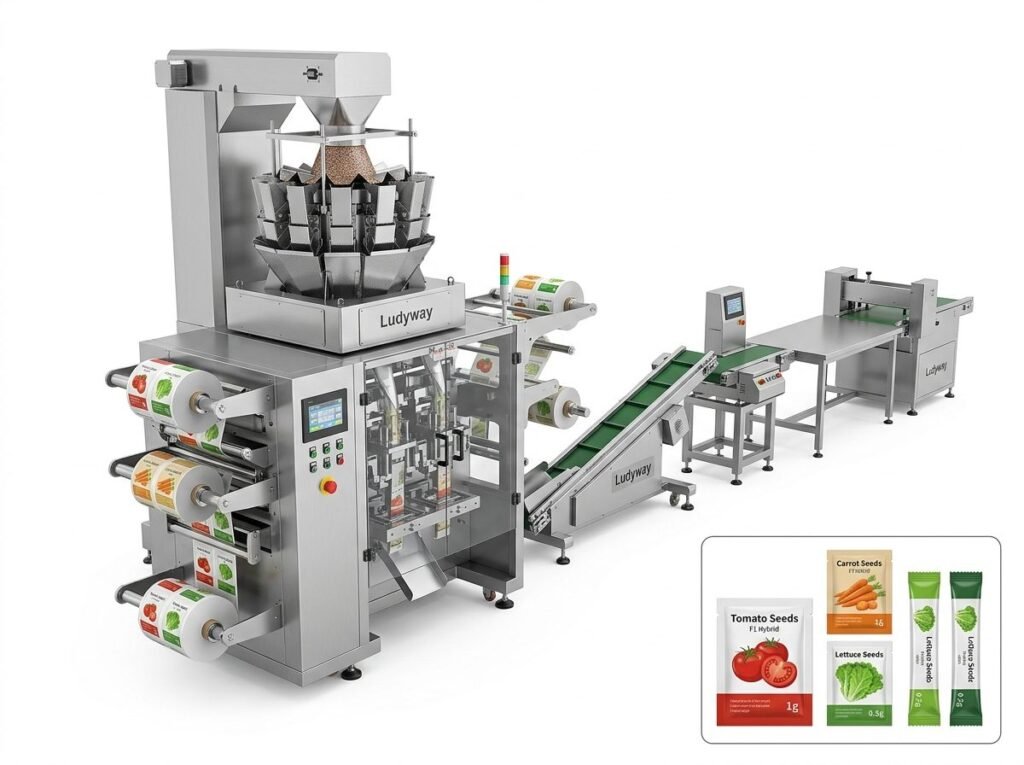
- Multi-head weighers: High accuracy for solid pieces and snacks
- Piston fillers: Ideal for liquids, pastes, and creams
- Liquid pumps: Gear, peristaltic, or servo-driven pumps for precise liquid dosing
Sealing Technology
Seal integrity is critical for product protection, shelf life, and consumer safety. Look for machines with:
- Independent temperature control zones for longitudinal and cross seals
- Adjustable sealing pressure and dwell time
- Serrated or flat seal jaw options depending on film type
- Gas flushing capability for modified atmosphere packaging (MAP)
Automation and Control Systems
Modern packaging machines increasingly feature PLC-based controls with touchscreen HMI interfaces. Important automation capabilities include:
- Recipe storage for quick product changeovers
- Automatic film tension and tracking control
- Servo-driven movements for precision and repeatability
- Integration with upstream and downstream equipment
- Remote diagnostics and data collection for Industry 4.0 compatibility
Industry-Specific Considerations
Different industries impose unique requirements on packaging machinery. Understanding these upfront helps narrow your options:
| Industry | Key Requirements |
|---|---|
| Food & Beverage | Food-grade contact parts, easy cleaning, washdown capability, compliance with food safety standards |
| Pharmaceuticals | Validated processes, strict contamination control, serialization, 21 CFR Part 11 compliance, cleanroom compatibility |
| Cosmetics & Personal Care | Aesthetic package quality, precise filling of creams and liquids, rapid format changes, premium presentation |
| Chemicals & Industrial | Corrosion-resistant materials, hazardous product handling, robust construction for abrasive products |
| Pet Food & Animal Feed | High-capacity filling, durable sealing for heavy bags, multi-head weighing accuracy |
Regulatory compliance is essential across all sectors. Refer to ISO packaging standards and relevant regional requirements for your target markets. Machines designed to meet international certifications provide greater flexibility as your business expands.
Evaluating Total Cost of Ownership
The purchase price is only one component of total cost of ownership (TCO). A complete TCO analysis includes:
- Initial investment: Machine cost, shipping, installation, and commissioning
- Operating costs: Energy consumption, compressed air, operator labor, film waste percentage
- Maintenance costs: Preventive maintenance, spare parts inventory, wear component replacement frequency
- Changeover time: Downtime between product or format changes directly impacts productive capacity
- Film and material utilization: Machines with better tension control and accurate registration reduce material waste
- Service and support: Availability of technical support, training, and spare parts in your region
A machine with a higher initial price but lower operating costs often delivers better long-term value than a budget-priced alternative with higher waste and downtime rates.
Choosing the Right Packaging Machinery Partner
Selecting a reliable equipment manufacturer is as important as choosing the right machine. Look for a partner with:
- Proven industry experience: A track record in your specific product category
- Manufacturing capability: In-house engineering, assembly, and testing facilities
- Customization ability: Willingness to configure machines to your exact requirements rather than offering only standard models
- Technical support: Installation, commissioning, training, and responsive after-sales service
- Global presence: Experience serving customers in your region with understanding of local standards
- Spare parts availability: Quick access to genuine replacement parts to minimize downtime
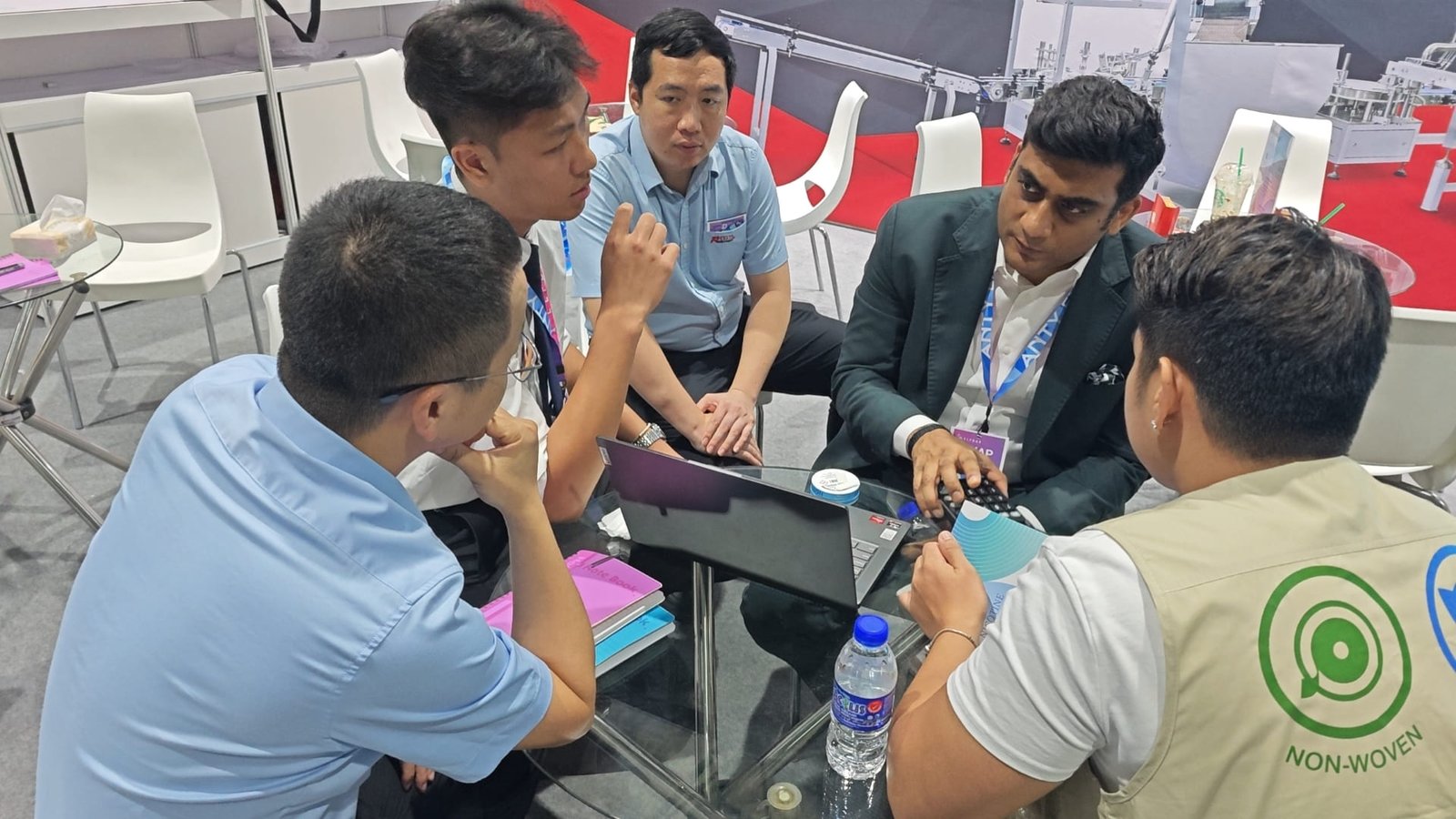
One example of a manufacturer that combines these capabilities is Ludyway Machinery, a China-based packaging machinery manufacturer with more than 30 years of experience. With a 20,000-square-meter manufacturing facility, over 130 professionals, and more than 50 packaging machine models, Ludyway provides automated packaging equipment and turnkey solutions for manufacturers in over 100 countries. The company’s approach to customized machine configurations and integrated packaging systems allows customers to work with a single partner for equipment selection, system integration, and technical support throughout the project lifecycle.
Questions to Ask Before Purchasing
Use this checklist when evaluating potential machines and suppliers:
- Has the machine been demonstrated with your actual product (not a proxy)?
- What are the realistic changeover times between different bag sizes or products?
- What is the expected film waste rate during startup and steady-state operation?
- Are training, installation, and commissioning included in the quoted price?
- What is the recommended spare parts list, and what are the lead times?
- Can the machine be integrated with your existing upstream and downstream equipment?
- What certifications and compliance documentation are available for your target markets?
- What is the warranty coverage, and how is remote technical support handled?
- Can the machine be upgraded or reconfigured for future product lines?
- What are the typical maintenance intervals and estimated annual maintenance costs?
Making the Final Decision
Choosing the right retail packaging machine requires balancing technical specifications, commercial considerations, and long-term partnership potential. Start with a thorough understanding of your product and production requirements, evaluate machines based on demonstrated performance with real products, and select a supplier with the engineering capability and service infrastructure to support your growth. A well-chosen packaging machine becomes a productive asset for years; a poorly matched one creates ongoing operational challenges.
Take the time to visit manufacturing facilities, run product trials, and speak with existing customers. The effort invested in the selection process pays dividends in reliable production, consistent package quality, and lower total cost of ownership over the machine’s service life.