Turmeric’s surge in global popularity — from health supplements and herbal teas to spice blends and functional beverages — has placed unique demands on manufacturers. Its fine, dusty, and highly staining nature makes it one of the more challenging powders to package efficiently. Selecting the right turmeric packaging machine isn’t just about speed; it’s about accuracy, cleanliness, and maintaining product integrity from hopper to sealed sachet.
Understanding the Unique Challenges of Turmeric Packaging
Before evaluating machinery options, it’s crucial to recognize what makes turmeric different from other free-flowing powders:
- Dust generation: Turmeric powder creates significant airborne dust, which can interfere with seal integrity and sensor performance.
- Staining and corrosion: The curcumin content aggressively stains contact surfaces and may require stainless steel construction throughout.
- Hygroscopic tendencies: Turmeric absorbs moisture readily, making humidity control and hermetic sealing essential.
- Settling and compaction: The powder settles quickly after filling, which can affect weight accuracy and bag appearance.
These characteristics mean a standard powder packaging machine may deliver poor results unless specifically configured for turmeric’s properties.
Key Machine Types for Turmeric Powder Applications
Different market segments demand different packaging formats. Understanding available machine categories helps narrow your options:
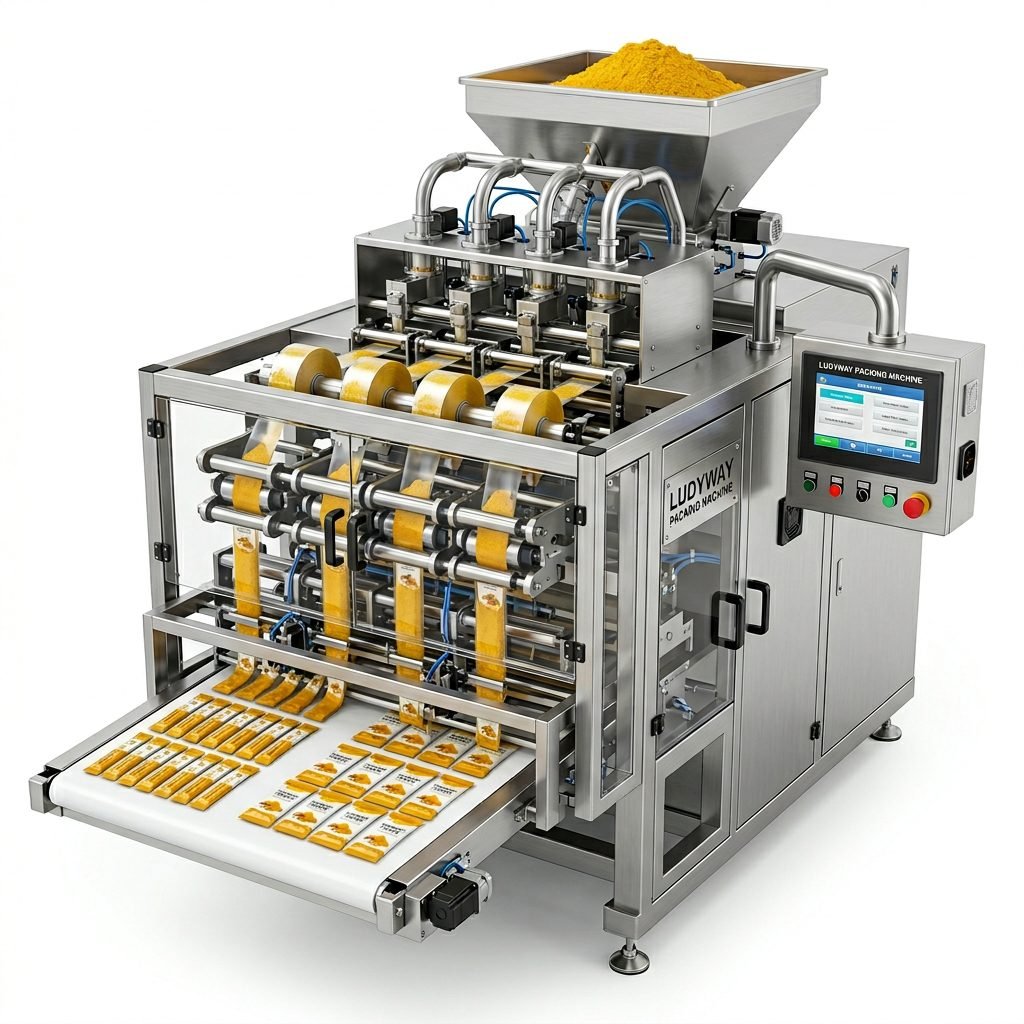
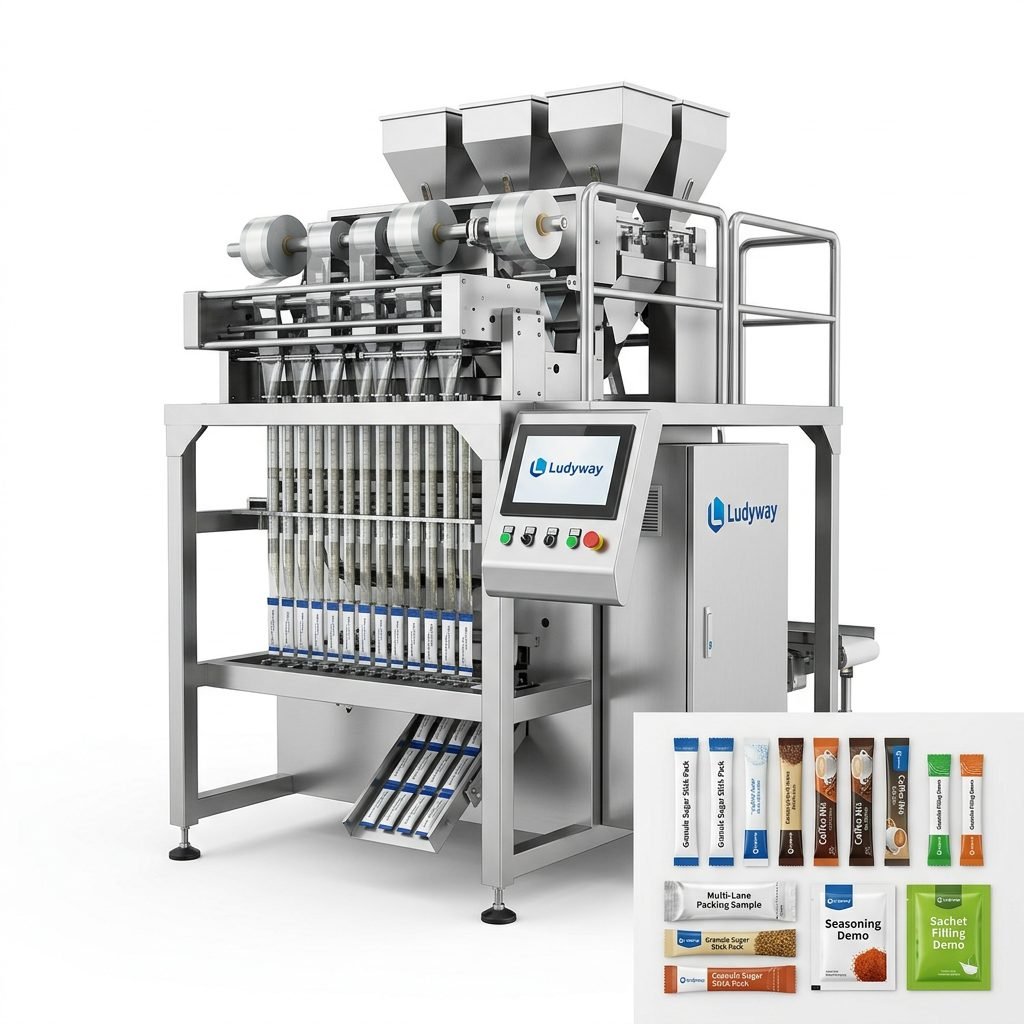
Multi-Lane Stick Pack Machines
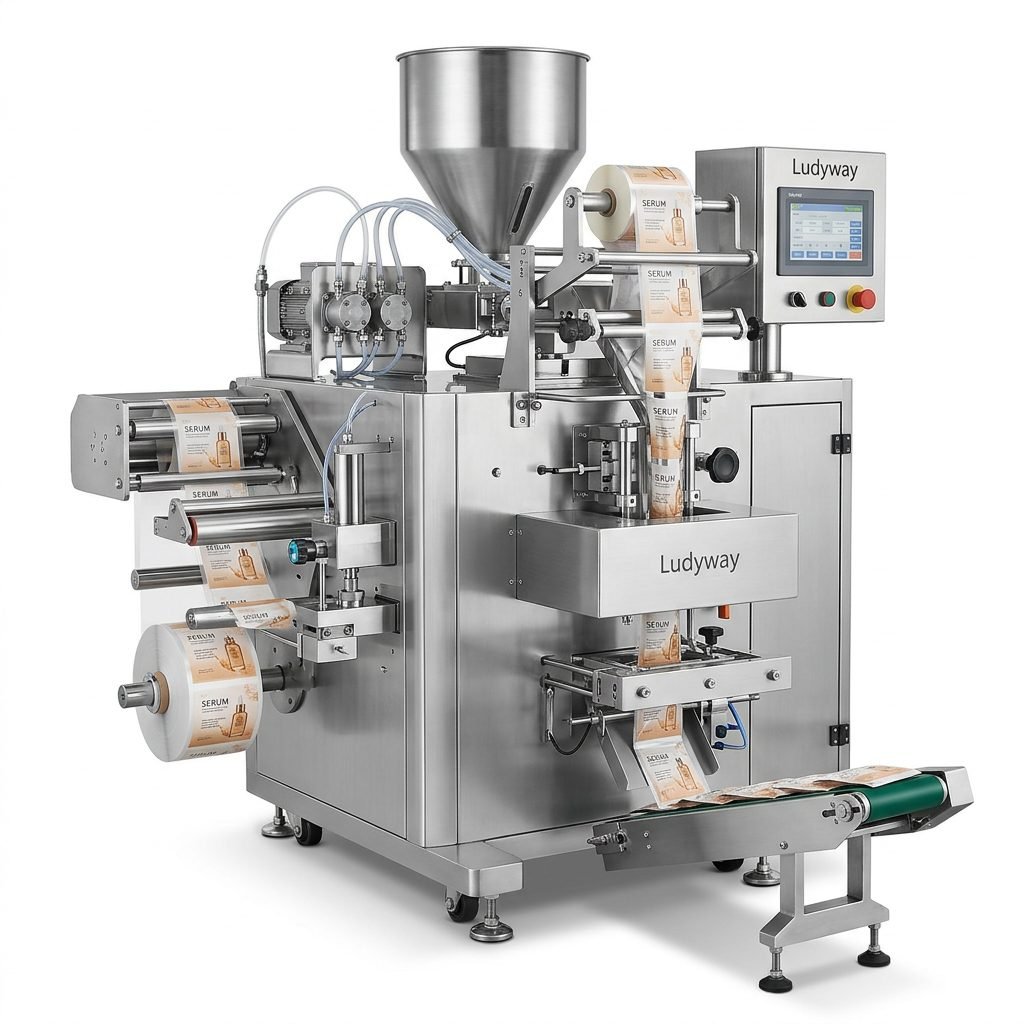
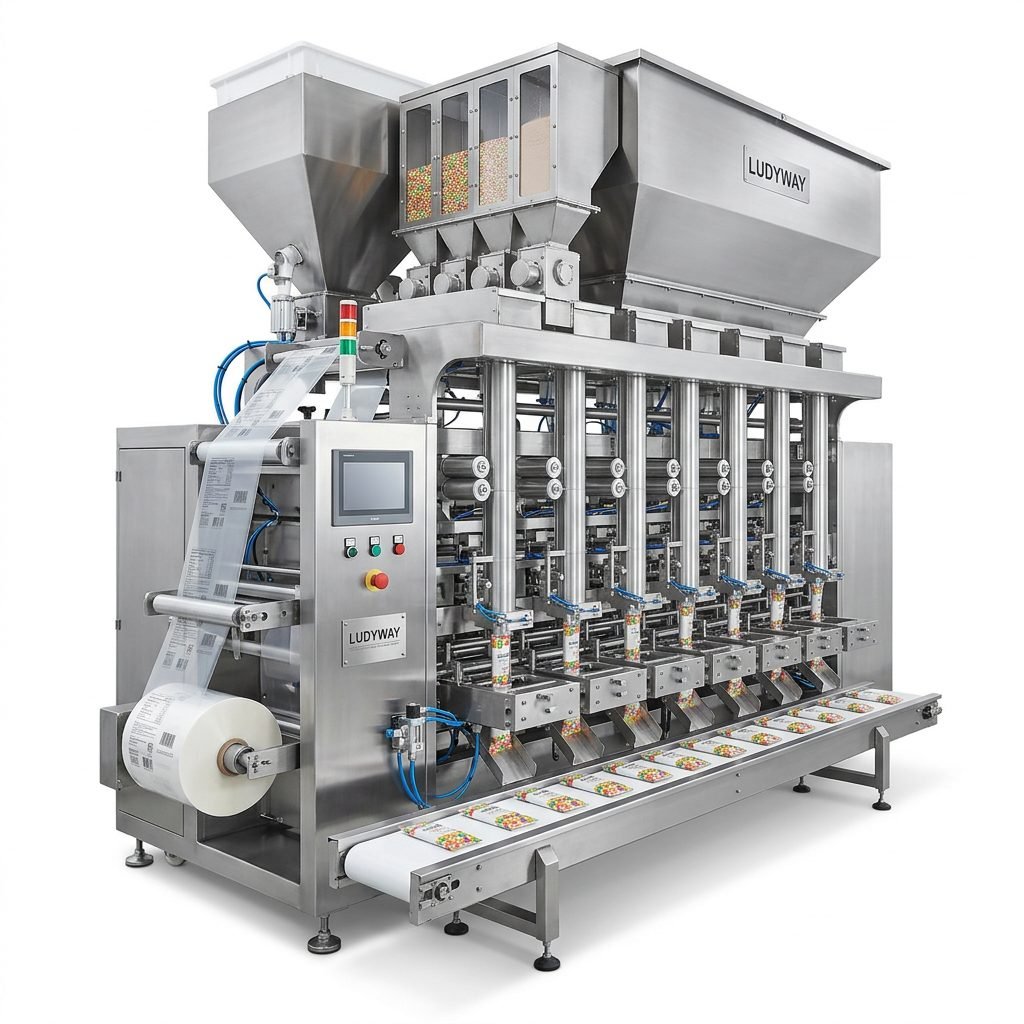
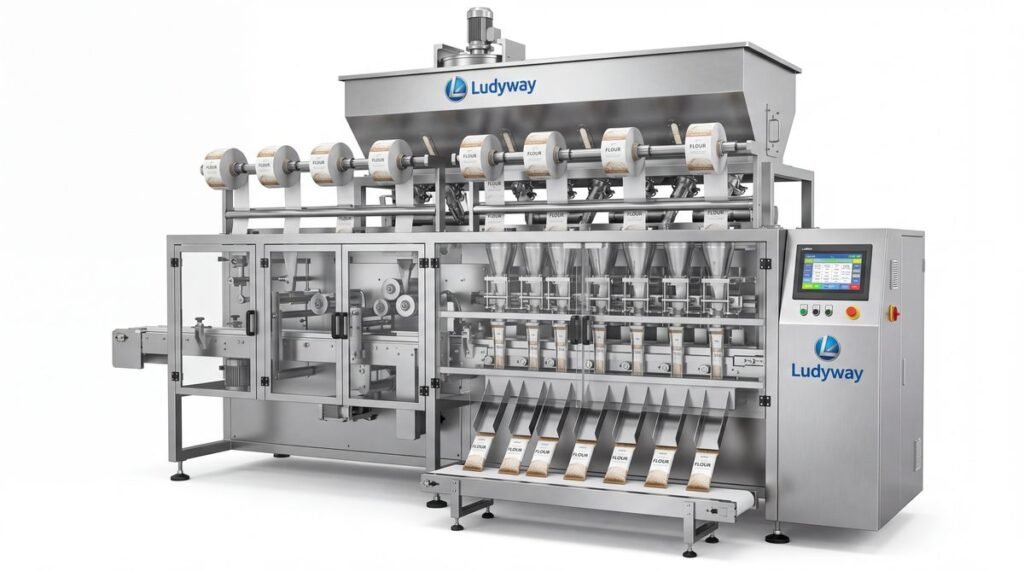
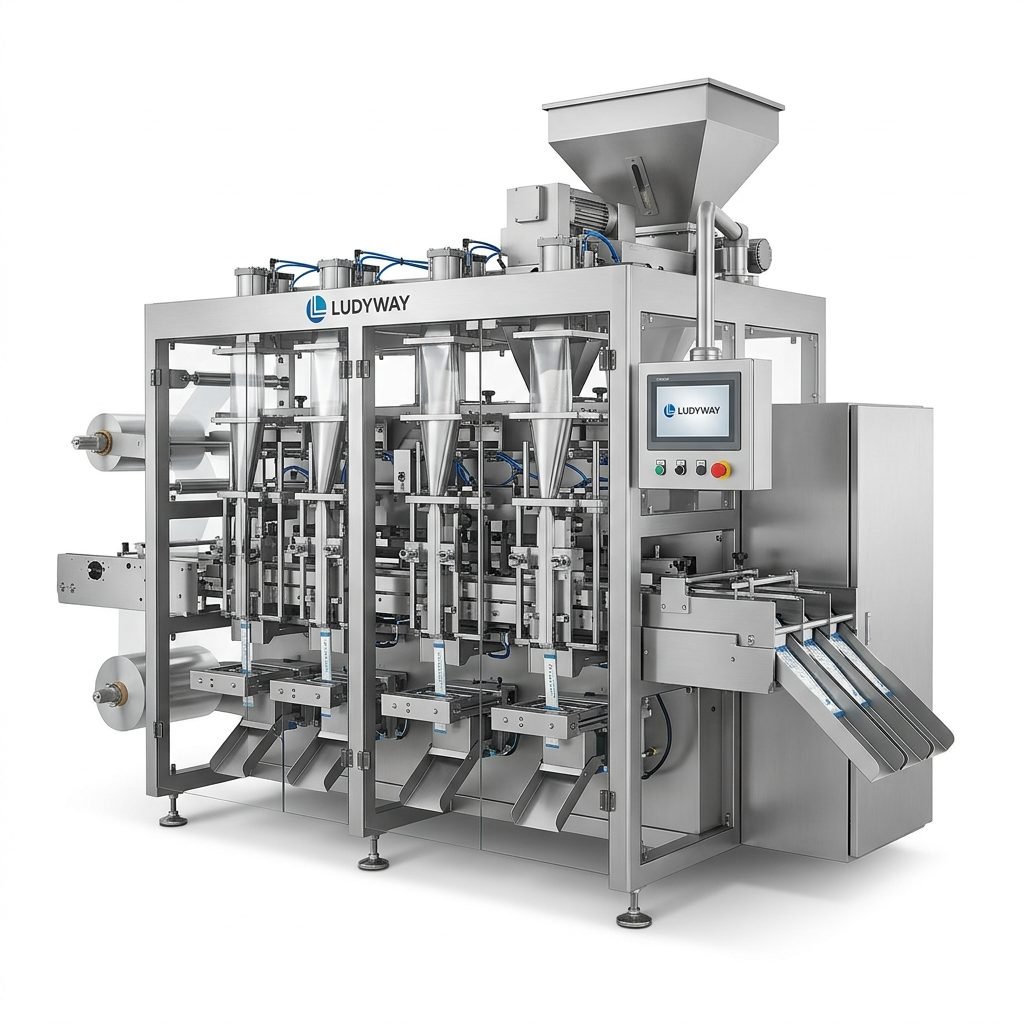
Ideal for single-serve turmeric latte mixes, supplement doses, and travel sachets. These systems run 4 to 20 lanes simultaneously, achieving high output while maintaining precise fill weights per lane. Look for models with servo-driven sealing jaws that can compensate for powder contamination in the seal area.
Vertical Form Fill Seal (VFFS) Machines
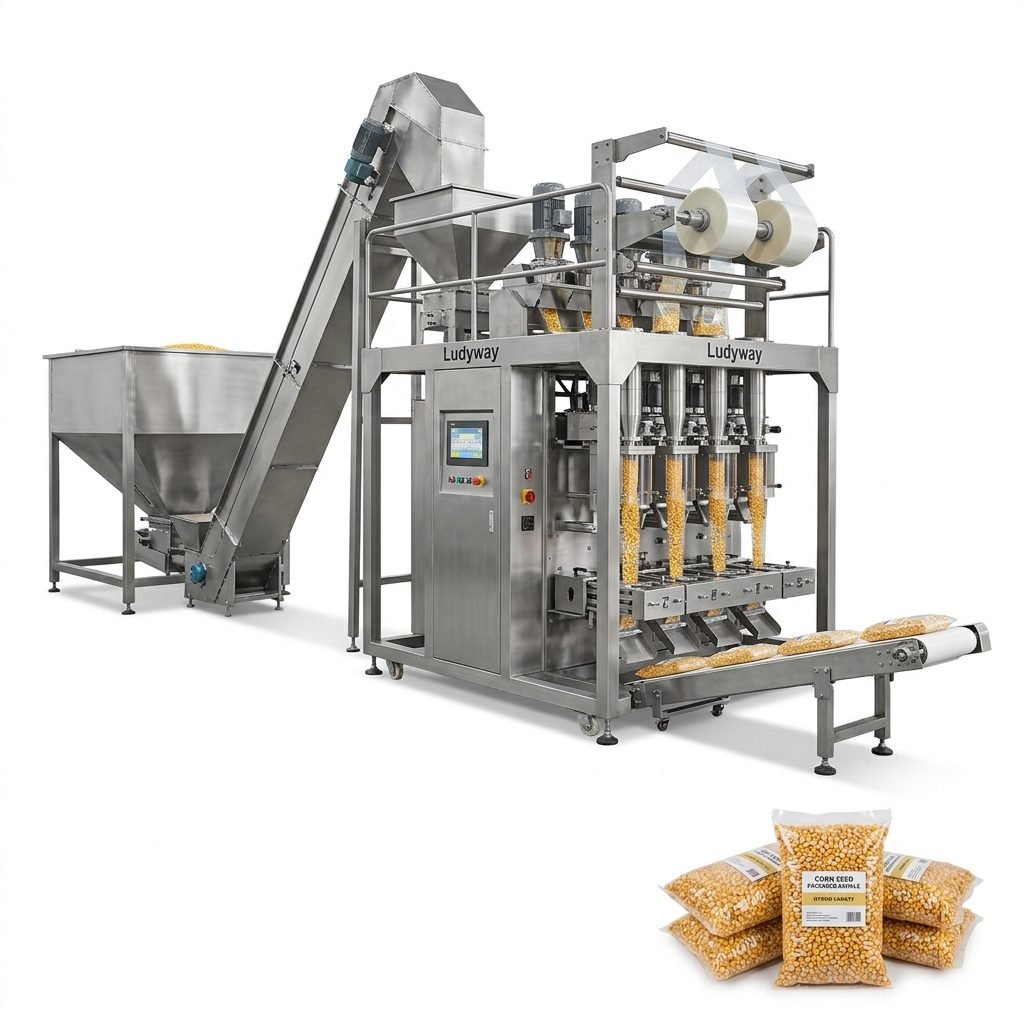
For larger formats — from 50g sachets to 1kg pillow bags — vertical machines offer flexibility in bag sizes and film materials. Auger filling systems specifically designed for non-free-flowing powders are critical here, paired with dust extraction units positioned near the filling station.
Premade Pouch Rotary Fillers
When marketing turmeric in stand-up pouches with zippers, these systems pick, open, fill, and seal premade bags. The advantage lies in premium presentation and strong seal integrity across multiple pouch styles.
Critical Technical Specifications to Evaluate
Beyond machine type, specific technical features determine operational success. The table below summarizes key parameters to assess during equipment selection:
| Parameter | Why It Matters for Turmeric | Recommended Specification |
|---|---|---|
| Filling System | Turmeric’s poor flow requires positive displacement dosing | Servo-driven auger filler with agitator |
| Dust Management | Prevents seal contamination and sensor blockage | Integrated vacuum extraction at filling zone |
| Contact Parts Material | Resists curcumin staining and acidic corrosion | 316L stainless steel, food-grade seals |
| Sealing Technology | Must function despite fine powder in seal area | Serrated or knurled sealing jaws, temperature-controlled |
| Weighing Accuracy | Compensates for powder density variations | ±0.5% to ±1% with feedback loop |
| Clean-in-Place (CIP) | Reduces downtime between product changeovers | Tool-free disassembly, washdown-capable |
Production Capacity and Speed Considerations
Turmeric packaging demands vary widely by business model. A co-packer serving multiple brands may need high-speed multi-lane systems producing 400+ packs per minute, while a specialty spice company might prioritize flexibility with a flexible packaging solution running 30 to 60 packs per minute across different formats.
Key questions to assess speed requirements:
- What are your current and projected monthly order volumes?
- How many SKU variations in pouch sizes and formats do you run?
- What is the acceptable changeover time between production runs?
- Do you require in-line checkweighing and rejection systems?
Automation Level and System Integration
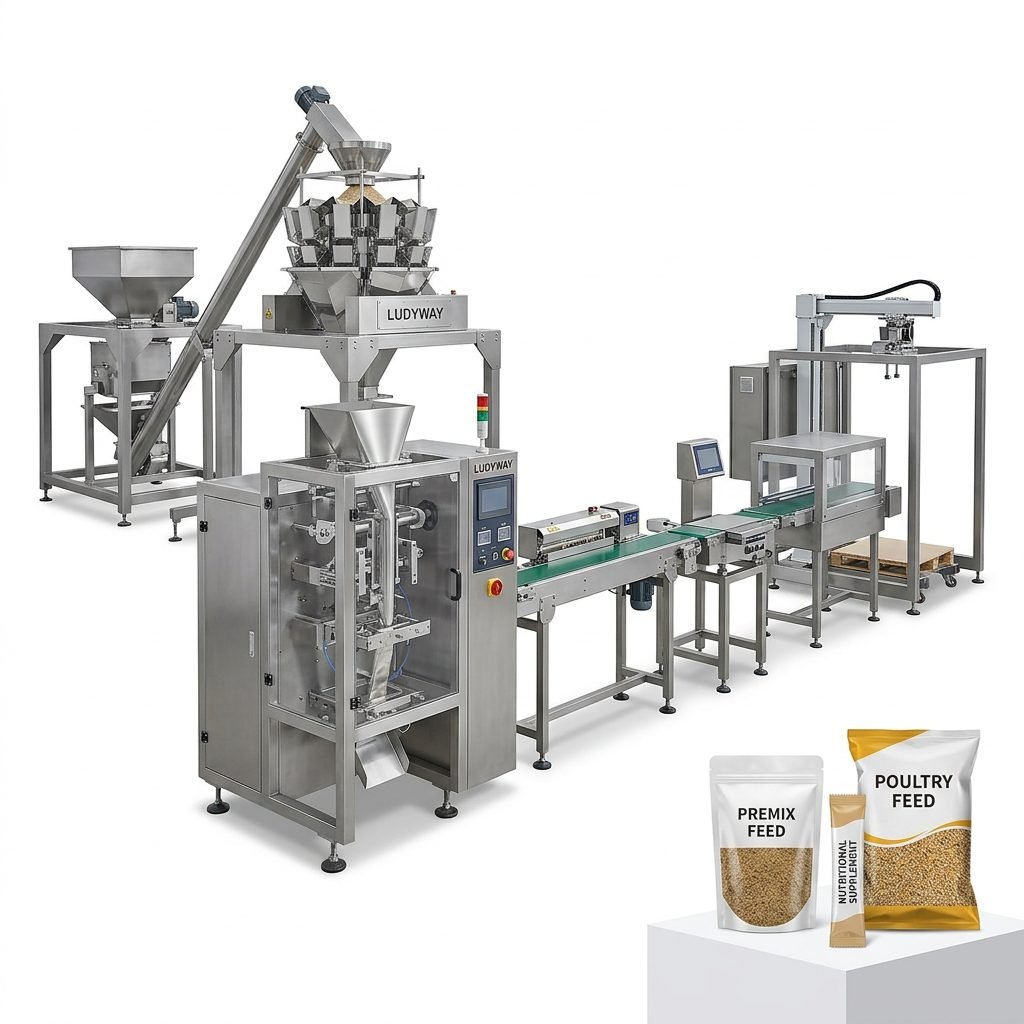
Modern turmeric packaging lines extend well beyond the primary filling-and-sealing unit. A fully integrated system may include:
- Automated feeding systems — Screw conveyors or vacuum conveyors that transfer turmeric from bulk storage to the filler hopper with minimal dust escape.
- Checkweighers and metal detectors — In-line quality control ensuring every pack meets weight specifications and is free of contaminants.
- Cartoning and case packing — Direct connection to secondary packaging equipment for shelf-ready cartons.
- Coding and printing — Laser or thermal transfer printing for batch codes, expiry dates, and traceability data.
When evaluating a turmeric packaging machine, consider whether the supplier can provide the full line or if you’ll need to integrate equipment from multiple vendors.
Sanitation and Maintenance Requirements
Turmeric’s staining properties make ease of cleaning a top priority. Machines designed with quick-release hoppers, removable forming tubes, and sealed electrical enclosures significantly reduce sanitation labor hours. Look for companies that can also provide packaging standards documentation and compliance certifications for food packaging safety in your target markets. Key design elements include:
- Flat, smooth surfaces that don’t trap powder
- IP65 or higher rated electrical components for washdown environments
- Tool-free access to fill path components
- Separation between drive mechanisms and product contact zones
Film Compatibility and Packaging Material Selection
Turmeric’s sensitivity to light and oxygen demands careful film selection. Most applications use laminated structures with an aluminum foil barrier layer. Verify that the machine’s sealing system — temperature range, dwell time, and jaw pressure — is compatible with your chosen flexible packaging materials. The machine should handle:
- PET/Alu/PE laminates for extended shelf life
- Kraft paper-based structures for organic product positioning
- Recyclable mono-material films where sustainability is a priority
Selecting a Reliable Packaging Machinery Partner
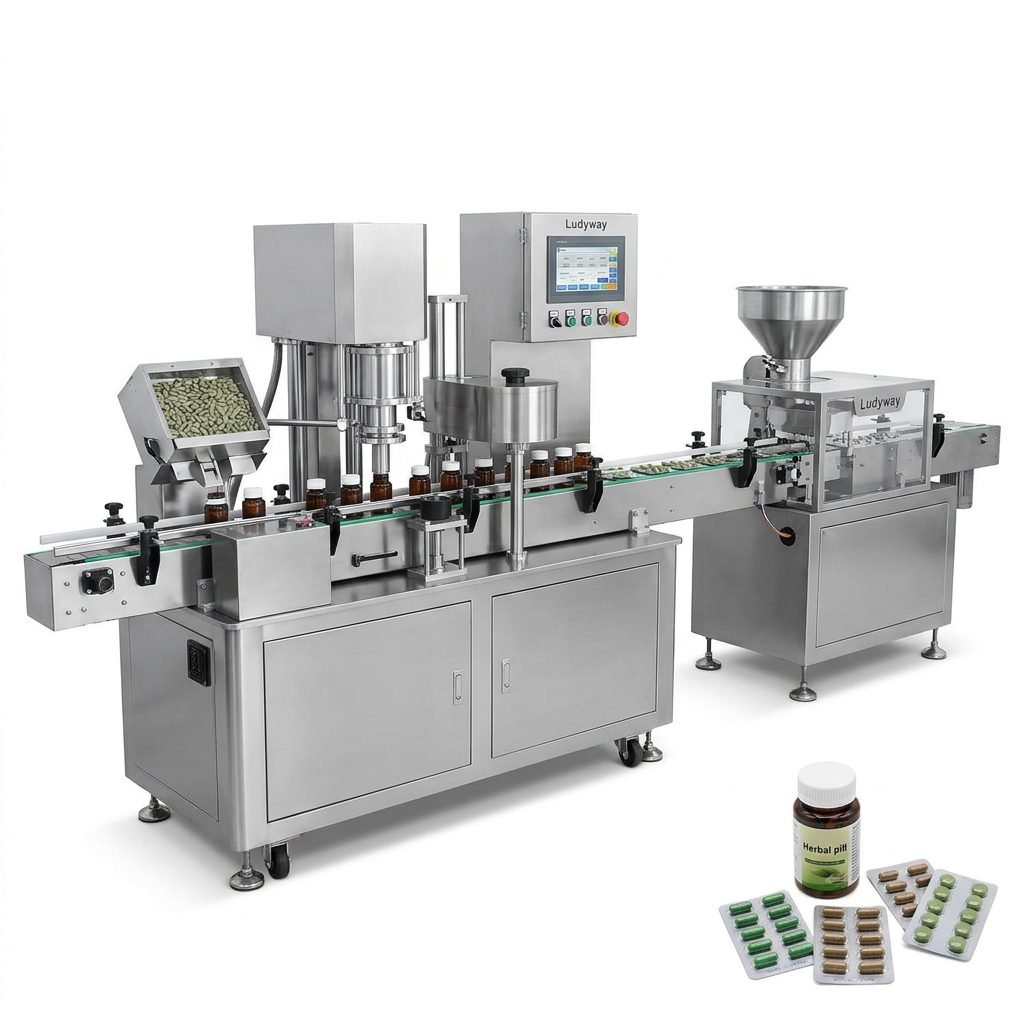
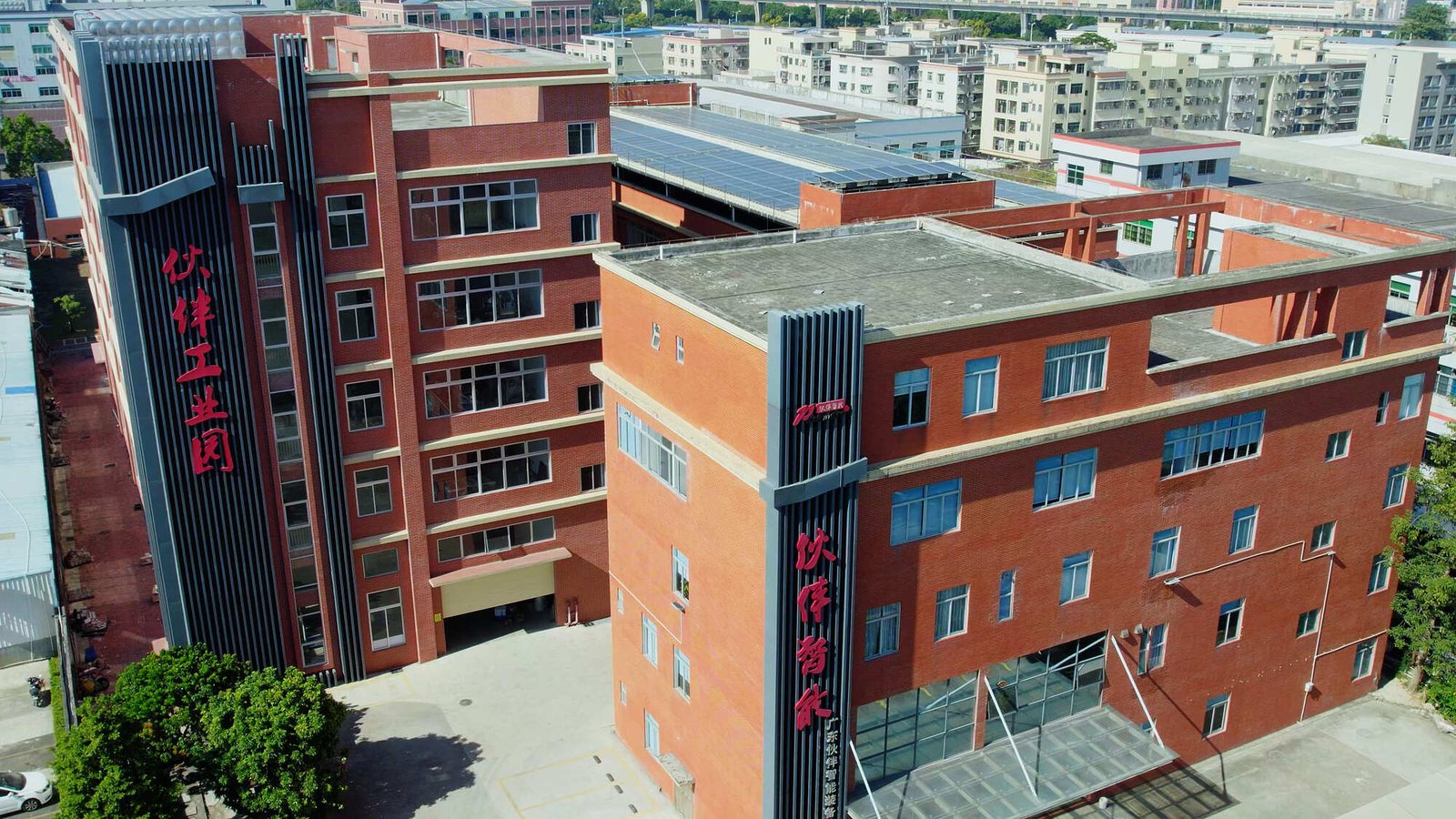
Choosing the right equipment supplier is as important as the machine specifications. A qualified partner should demonstrate experience with powder applications, provide sample testing with your actual product, and offer comprehensive after-sales support. Ludyway Machinery is a China-based packaging machinery manufacturer with more than 30 years of experience and a 20,000-square-meter manufacturing facility. With over 50 packaging machine models and a portfolio covering powder, granule, liquid, stick pack, sachet, and pouch applications, the company works with manufacturers across food, pharmaceutical, nutraceutical, and chemical sectors to configure equipment according to specific product characteristics. The company serves customers in more than 100 countries, and Ludyway is expected to achieve export revenue of more than RMB 500 million (approximately US$69 million) in 2025, with plans to surpass RMB 1 billion (approximately US$138 million) in 2026.
When evaluating any supplier, request:
- Video proof of similar turmeric or comparable powder packaging projects
- Sample packs produced during packaging trade show demonstrations or factory acceptance tests
- Detailed specifications on warranty coverage and spare parts availability
- References from manufacturers producing similar products
Cost Considerations Beyond the Initial Quote
The sticker price of a turmeric packaging machine tells only part of the story. Build a total cost of ownership model that accounts for:
- Installation and commissioning: Including any facility modifications required.
- Operator training: Time to achieve full production speed and consistency.
- Spare parts inventory: Recommended critical spares to minimize downtime.
- Film waste rates: Poorly tuned machines can waste 3-5% of packaging film during startups.
- Maintenance labor: Hours per week required for cleaning and preventive maintenance.
A slightly higher upfront investment in a machine engineered for turmeric often pays for itself quickly through reduced waste, higher uptime, and consistent fill accuracy.
Making the Final Decision
Selecting the right turmeric packaging machine requires balancing technical specifications, production volumes, packaging formats, and supplier capabilities. Start with a clear definition of your current and future needs, run sample trials with your actual product, and choose a partner who understands powder packaging nuances beyond just machine sales. For insights on broader industry trends affecting packaging equipment demand, refer to the 2026 Packaging State of the Industry report and related packaging machinery market research.
With the right equipment configuration and a knowledgeable supplier, your turmeric packaging line can deliver the precision, cleanliness, and throughput needed to compete effectively in the growing global market for turmeric-based products.