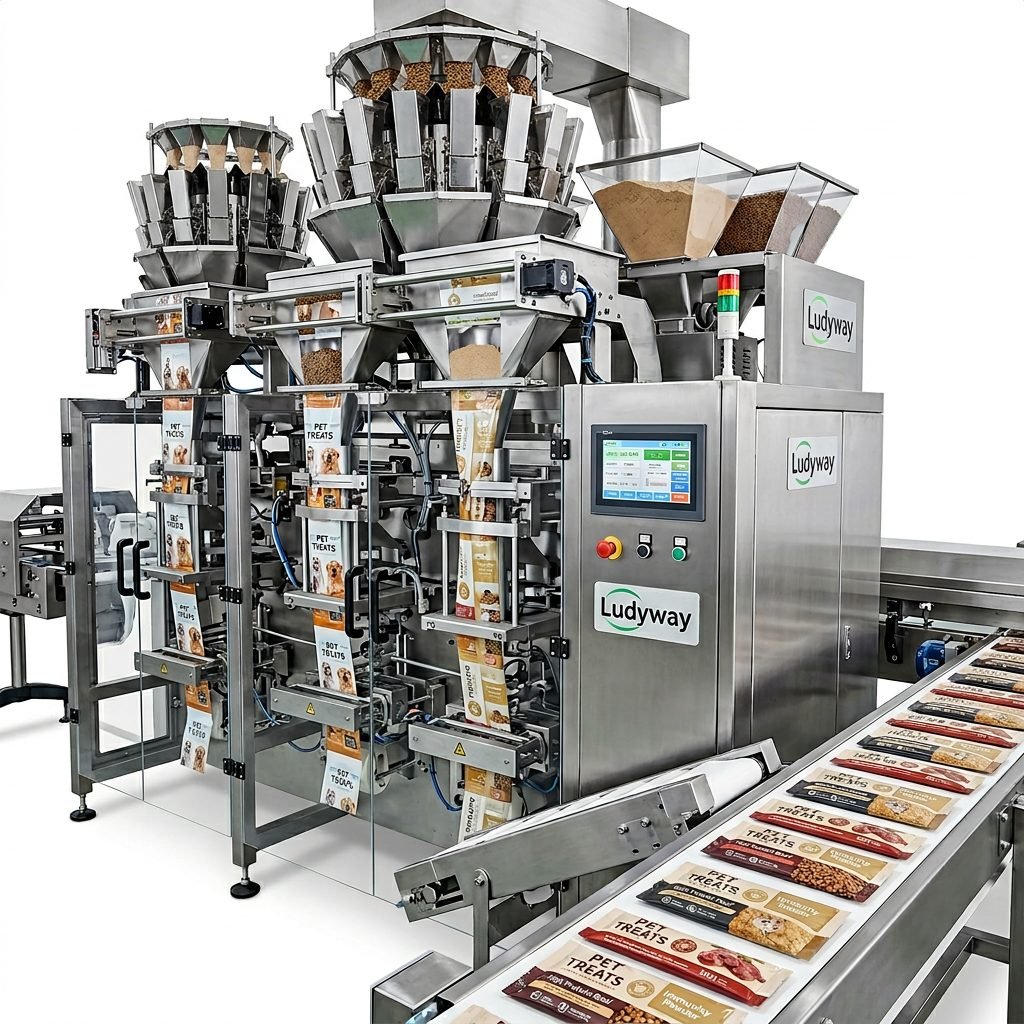
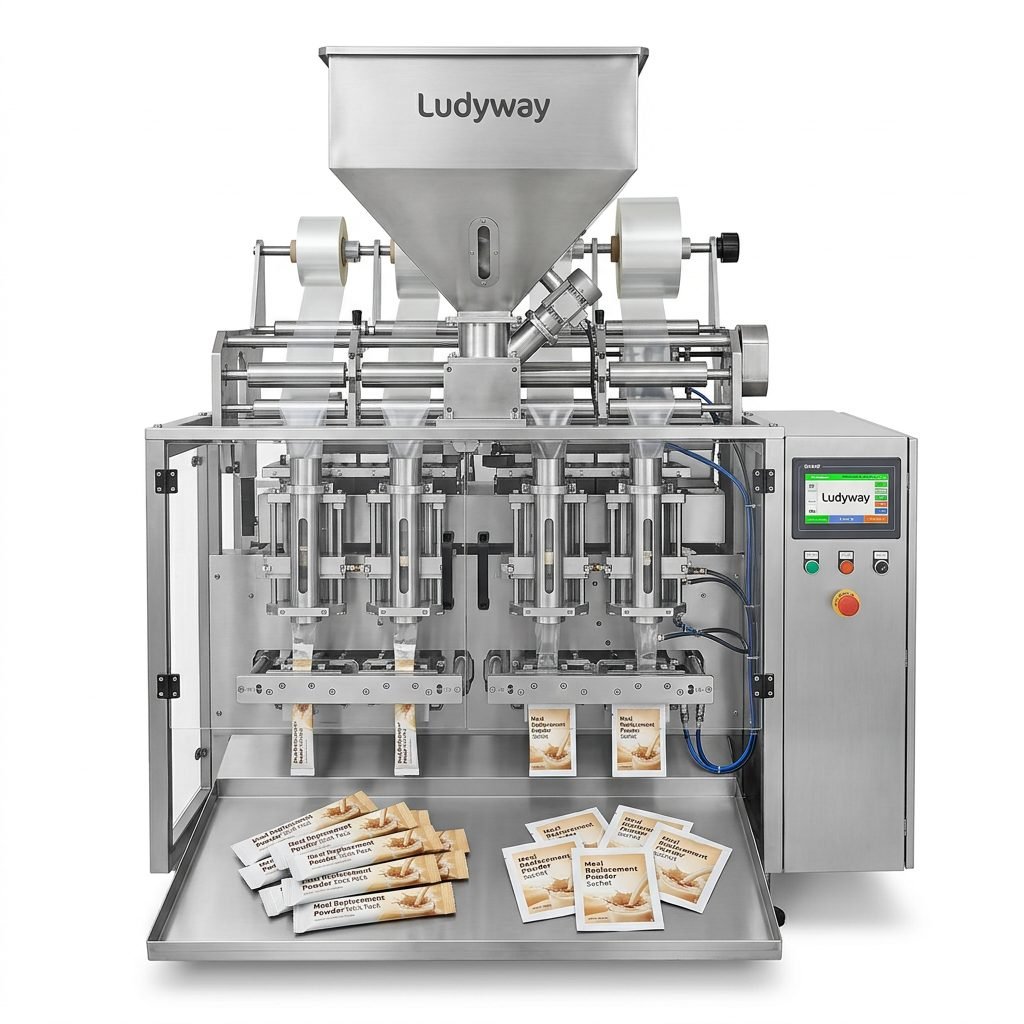
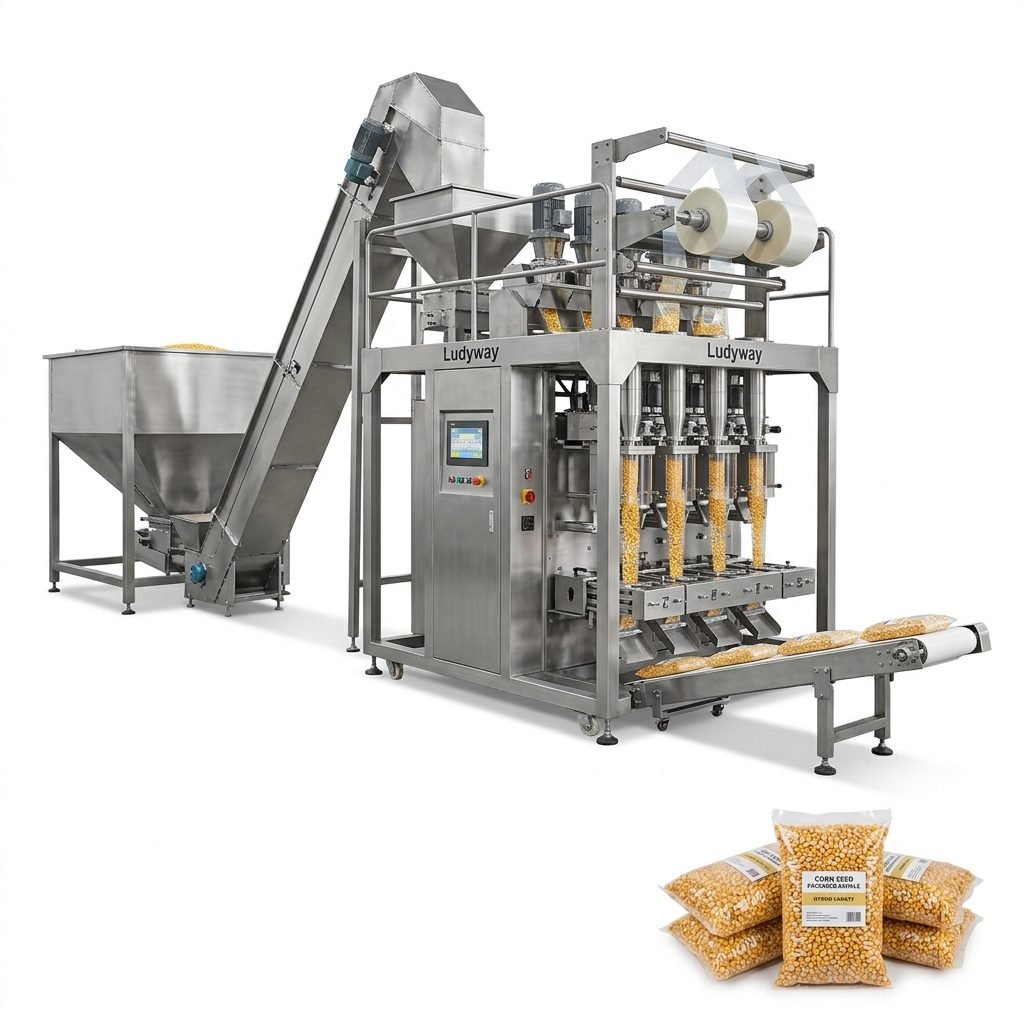
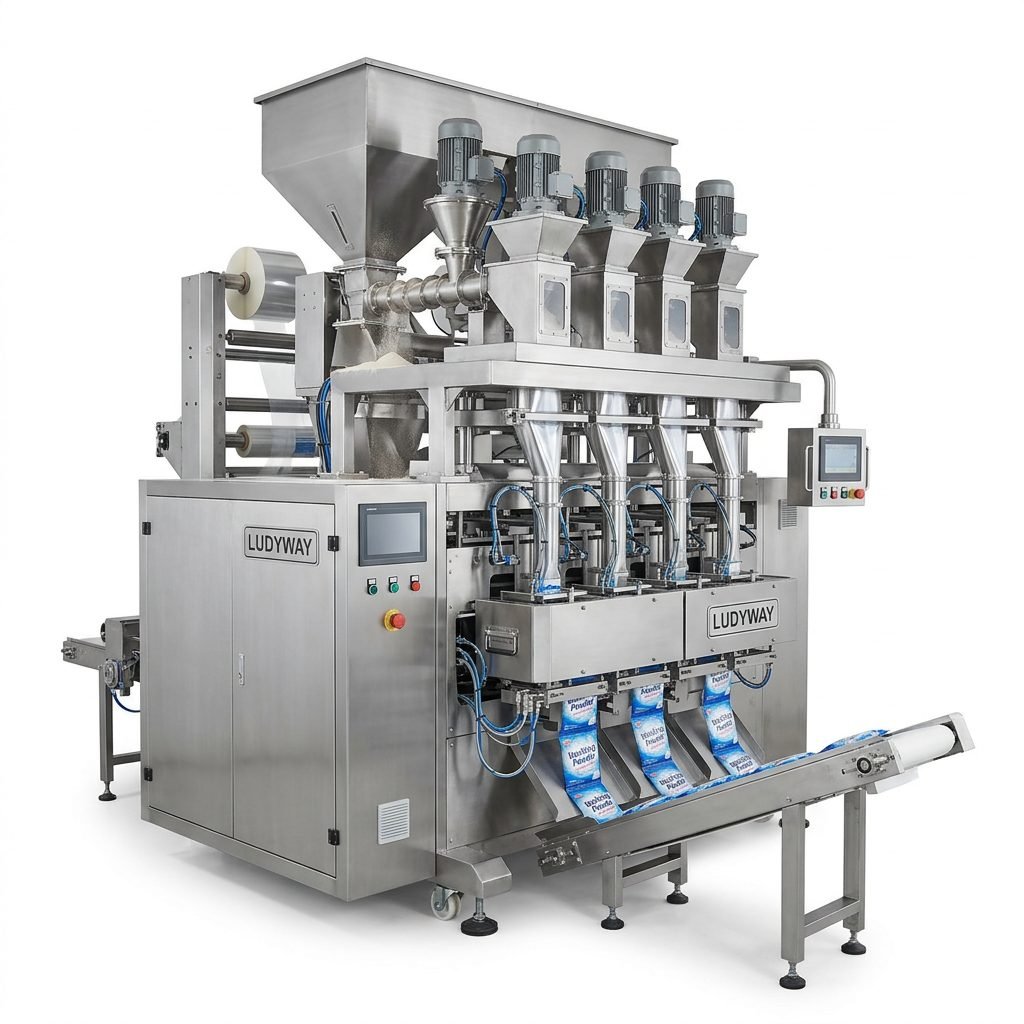
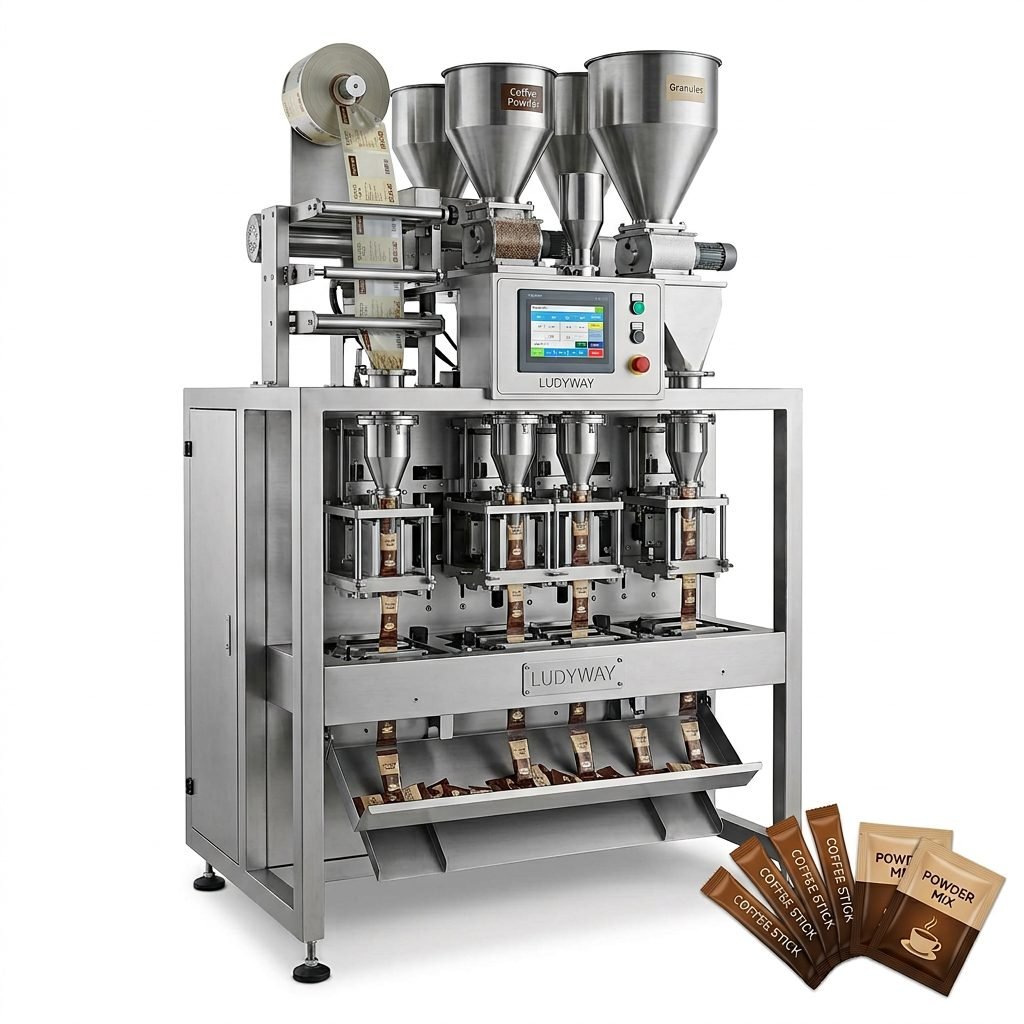
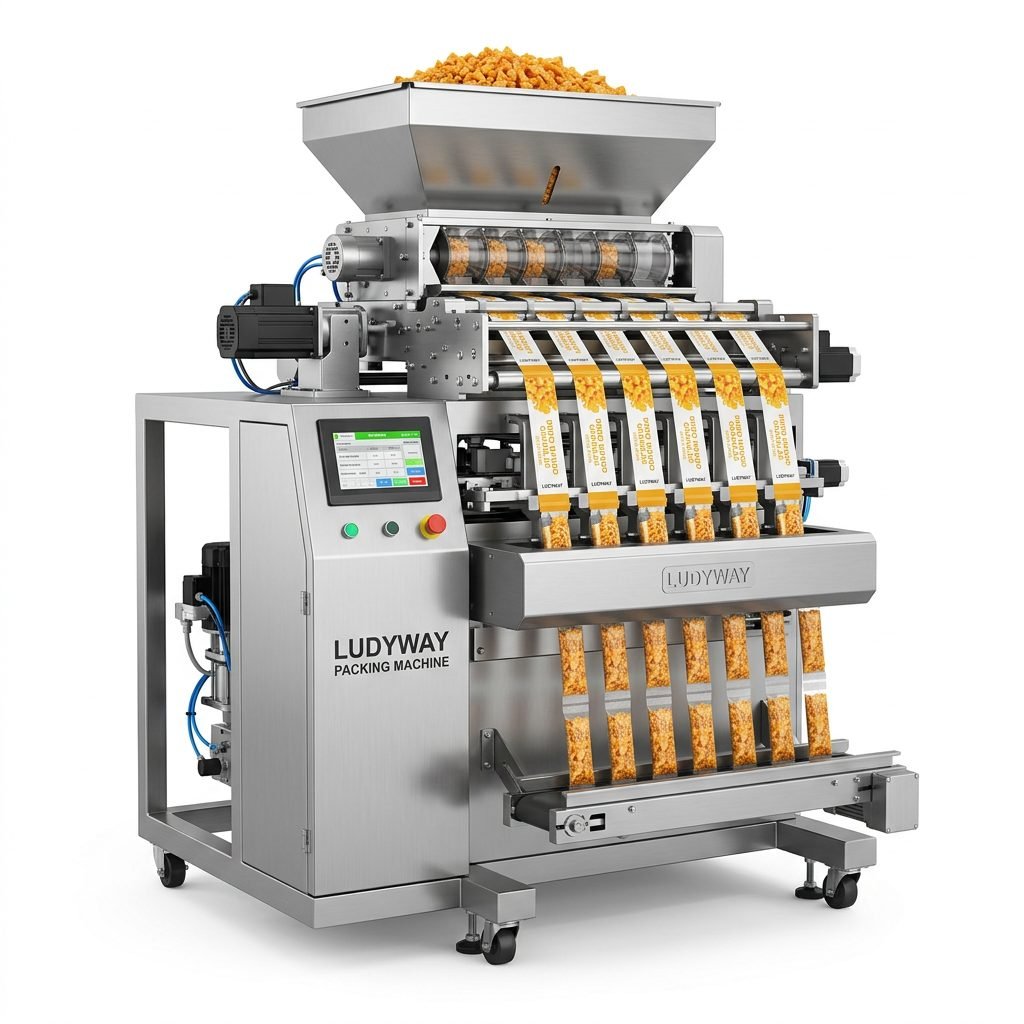
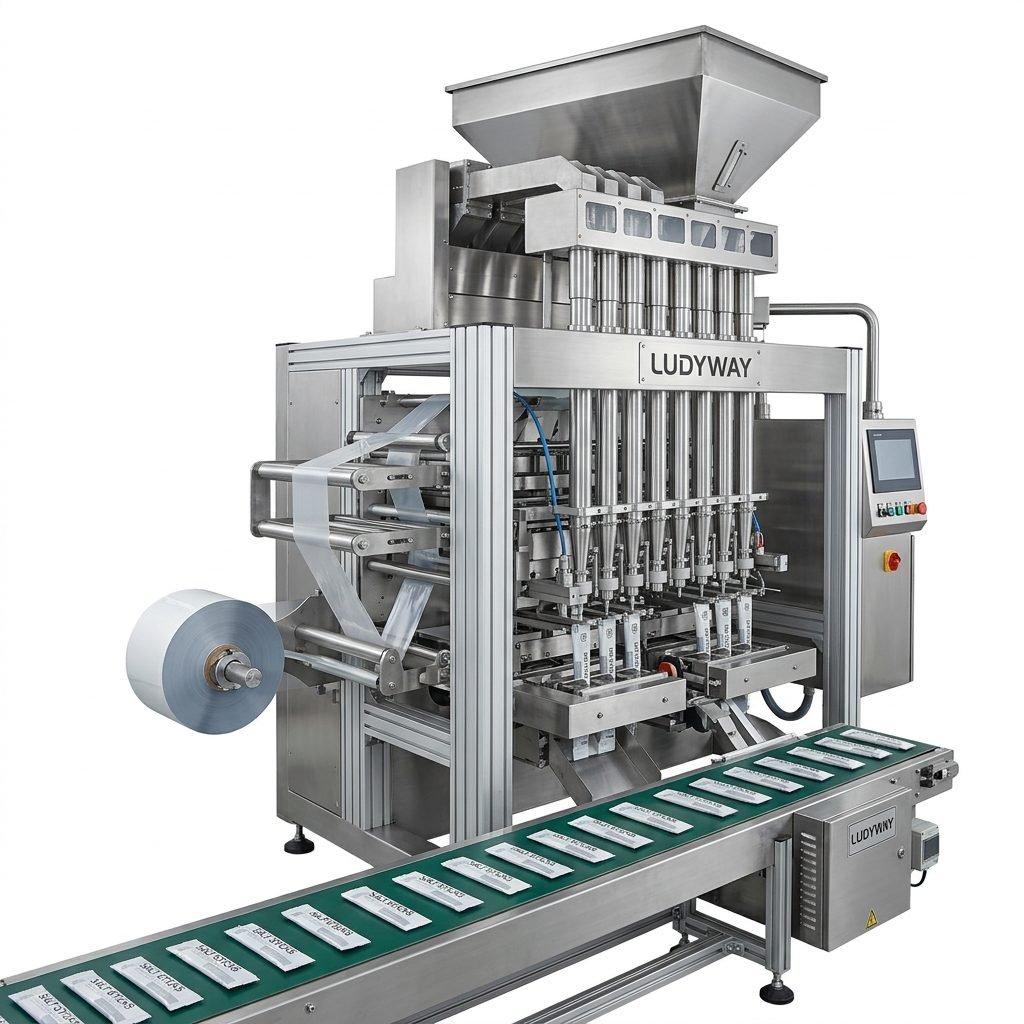
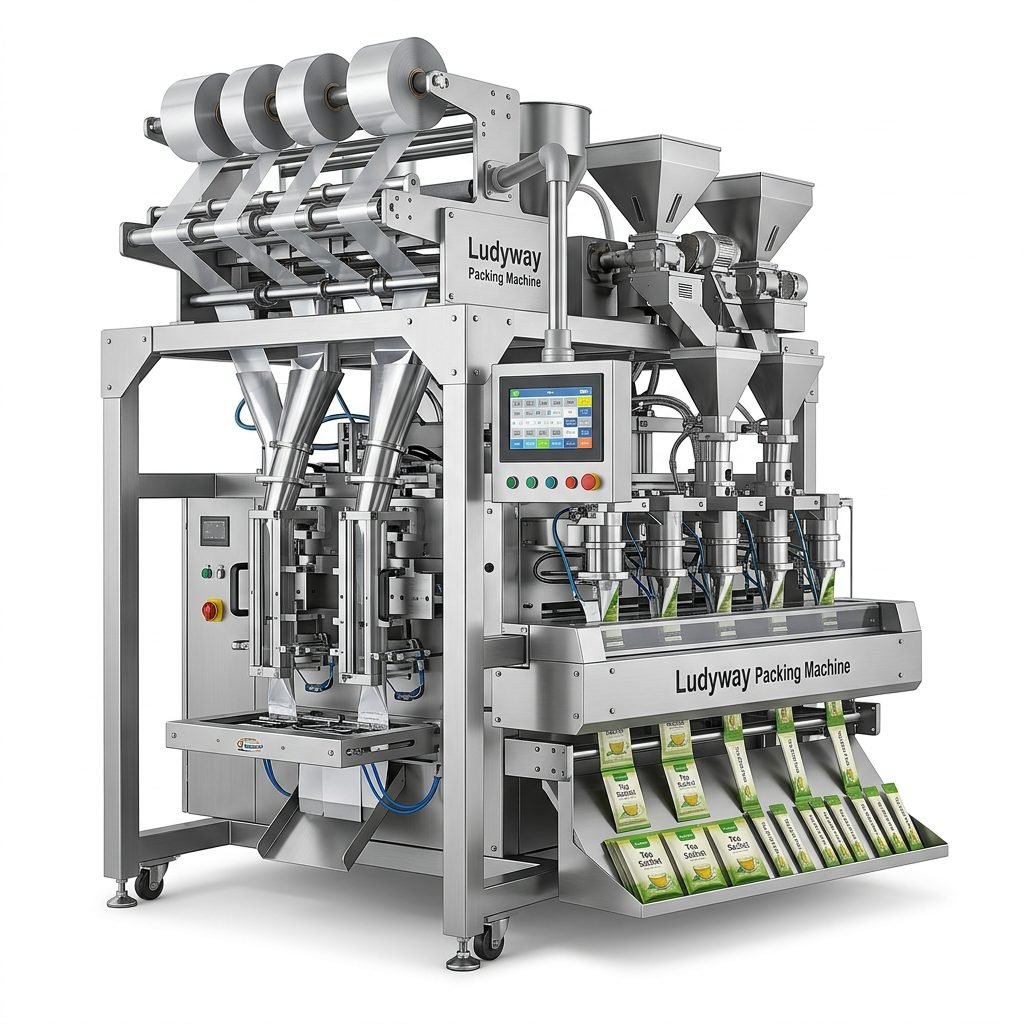
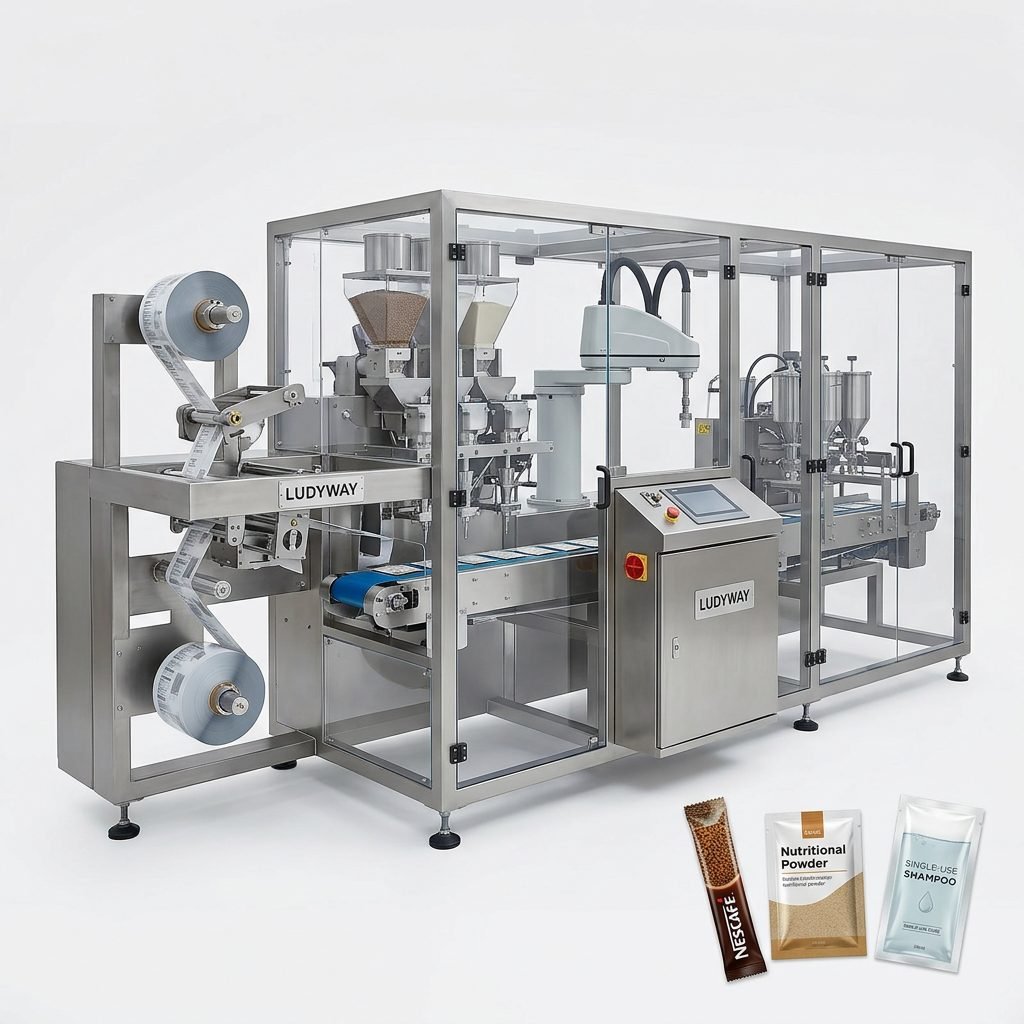
Selecting the right auger filler packing machine is one of the most critical equipment decisions for manufacturers handling powders, granules, and fine particulate products. Whether you are packaging protein powder, spices, pharmaceuticals, or chemical additives, the accuracy, speed, and reliability of your filling system directly impact product quality, production efficiency, and bottom-line profitability. This comprehensive buyer’s guide walks you through every essential factor to consider before investing in an auger filling solution.
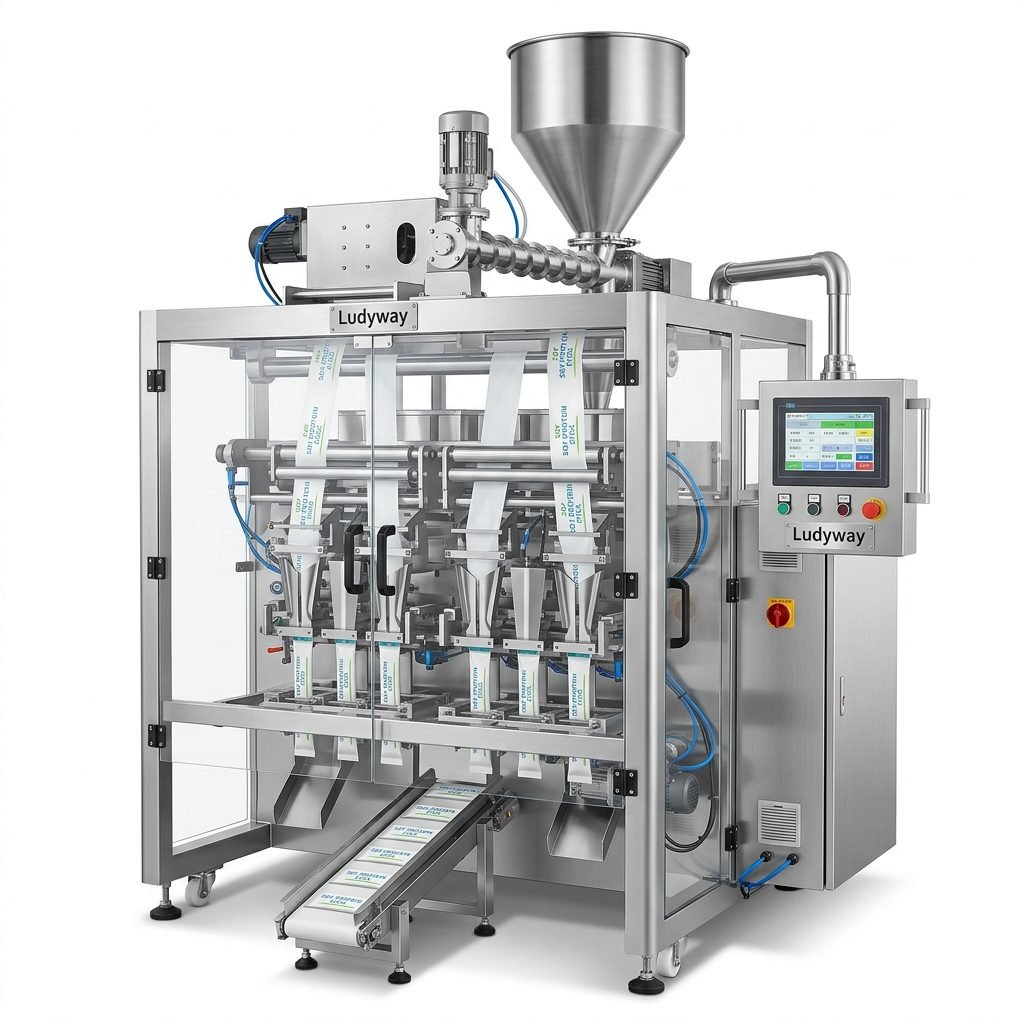
What Is an Auger Filler Packing Machine?
An auger filler is a volumetric filling machine that uses a rotating screw (auger) inside a hopper to dispense precise amounts of dry or semi-dry products into bags, pouches, bottles, or containers. Unlike gravity or vibratory feeders, auger fillers excel at handling non-free-flowing powders, cohesive materials, and products with inconsistent bulk density. The technology is widely adopted across food, pharmaceutical, chemical, cosmetic, and nutraceutical industries for its dosing accuracy and versatility.
Key Factors to Consider When Choosing an Auger Filler
Before evaluating specific machine models, you must first define your product characteristics and production requirements. The following factors will determine the optimal auger filler configuration for your operation.
1. Product Characteristics and Flow Properties
The physical properties of your product are the single most important factor in auger filler selection. Powder density, particle size distribution, moisture content, and flowability all influence auger design, hopper configuration, and filling accuracy. Products can generally be categorized as:
- Free-flowing powders: Granulated sugar, salt, instant coffee crystals — require standard auger tooling and minimal agitation.
- Non-free-flowing powders: Whey protein, cocoa powder, flour, titanium dioxide — prone to bridging and rat-holing; require mechanical agitation, bridge-breaking devices, or vibratory hoppers.
- Cohesive and sticky powders: Brown sugar, certain herbal extracts, hygroscopic materials — may require specialized auger coatings, temperature control, or enclosed feeding systems.
- Granules and pellets: Pet food kibble, fertilizer granules, plastic resin — typically easier to fill but may require larger auger diameters and different flight pitches.
- Fragile or friable products: Freeze-dried fruit pieces, certain breakfast cereals — gentle handling auger designs to minimize product breakage.
Understanding your product’s bulk density variation is essential. Products with inconsistent density from batch to batch may benefit from gravimetric (weighing) feedback systems integrated with the auger filler to maintain target fill weights. For more information on powder handling standards, refer to resources from the Association for Packaging and Processing Technologies (PMMI).
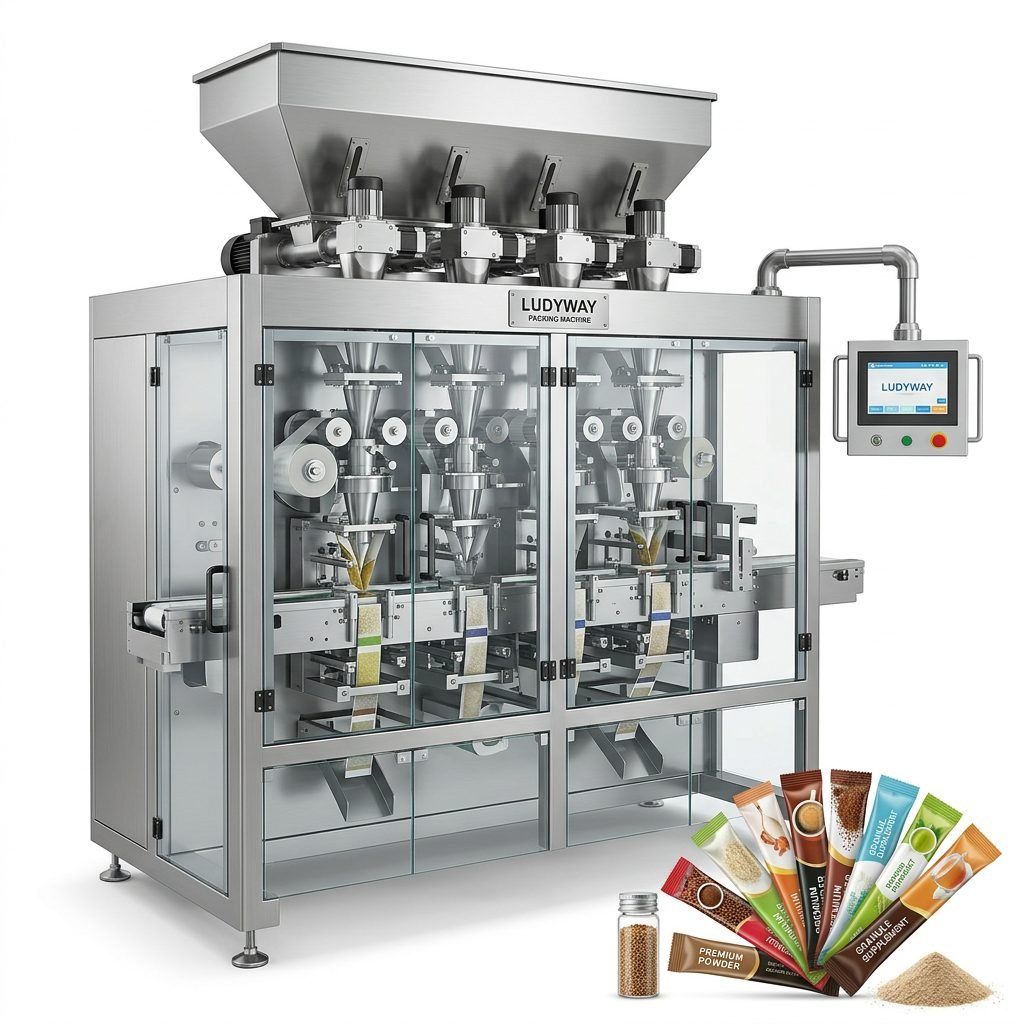
2. Filling Accuracy and Weight Control
Filling accuracy requirements vary significantly by industry and product value. High-value products such as pharmaceutical APIs, nutritional supplements, and premium cosmetics demand tighter tolerances (±0.5% to ±1%), while commodity products may accept broader ranges (±2% to ±5%). Auger fillers can achieve excellent accuracy through:
- Servo-driven auger control: Precise motor control enables programmable acceleration, deceleration, and rotation profiles for consistent dosing.
- Closed-loop feedback systems: Integration with checkweighers that automatically adjust auger revolutions to compensate for density changes.
- Dual-auger configurations: Coarse and fine filling stages — a larger auger handles the bulk of the fill quickly, while a smaller auger tops off to target weight with precision.
- Agitator and bridge-breaker design: Consistent product delivery to the auger flighting reduces fill weight variability.
According to PMMI’s State of the Industry reports, increasing demand for precision dosing in nutraceutical and pharmaceutical packaging is driving innovation in auger filler control systems.
3. Production Speed and Throughput Requirements
Your required packages per minute (PPM) or bags per minute (BPM) directly influences machine configuration. Auger fillers range from semi-automatic single-head units producing 10–30 fills per minute to fully automated multi-lane systems capable of 400+ stick packs per minute. Key speed considerations include:
- Single-lane vs. multi-lane: Multi-lane auger fillers multiply throughput by running several filling lanes simultaneously on a single machine frame.
- Auger diameter and pitch: Larger diameters and coarser pitches move more product per revolution but may compromise accuracy at small fill weights.
- Fill volume range: Machines optimized for small fills (1–5g) have different speed characteristics than those designed for bulk fills (500g–5kg).
- Integration with downstream equipment: The filler must match the speed of pouch-making, sealing, coding, and cartoning operations in a complete packaging line.
4. Packaging Format and Bag Style Compatibility
Auger fillers must be compatible with your intended packaging format. Common configurations include:
| Packaging Format | Typical Applications | Machine Configuration |
|---|---|---|
| Stick packs (narrow sachets) | Instant coffee, sugar, protein powder, drink mixes | Multi-lane auger filler with vertical form-fill-seal (VFFS) integration |
| Flat sachets and pouches | Spices, sauce mixes, pharmaceutical powders, cosmetic samples | Single or multi-lane auger filler with horizontal or vertical sachet machine |
| Pre-made pouches (Doypack, stand-up) | Pet food, protein supplements, bulk ingredients | Auger filler integrated with rotary or inline pouch filling-sealing machine |
| Bottles, jars, and rigid containers | Nutritional powders, spices, chemicals, pharmaceutical granules | Inline auger filler with conveyor and capping station |
| Bulk bags (10kg–50kg) | Industrial chemicals, food ingredients, agricultural products | Heavy-duty auger filler with bulk bag grippers and weighing platform |
5. Construction Materials and Hygiene Requirements
Material selection for product-contact parts is critical for product safety, equipment longevity, and regulatory compliance. The FDA’s Food Contact Substances regulations and ISO packaging standards provide guidance on appropriate materials. Common options include:
- 304 or 316L stainless steel: Standard for food-grade and pharmaceutical applications; 316L offers superior corrosion resistance for acidic or saline products.
- Tool steel with specialized coatings: For abrasive products, augers may feature hardened surfaces or ceramic coatings to extend service life.
- FDA-approved plastics and seals: PTFE, UHMW-PE, and food-grade silicone for gaskets, seals, and hopper liners.
- Washdown-ready designs: Machines intended for frequent cleaning and sanitation should feature sloped surfaces, minimal crevices, IP65+ rated electrical enclosures, and quick-release components for tool-free disassembly.
For pharmaceutical manufacturers, compliance with GMP (Good Manufacturing Practices), 21 CFR Part 11 for electronic records, and validation protocols (IQ/OQ/PQ) is often required. The ISO 11607 standard for terminally sterilized medical device packaging may also apply in certain applications.

Auger Filler vs. Other Filling Technologies
To make an informed decision, it helps to understand how auger fillers compare to alternative filling methods. The table below summarizes key differences:
| Filling Technology | Best For | Accuracy | Speed Range | Limitations |
|---|---|---|---|---|
| Auger filler | Non-free-flowing powders, cohesive materials, fine particulates | ±0.5–2% | 10–400+ ppm | Higher cost than gravity fillers; auger wear with abrasive products |
| Gravity / vibratory filler | Free-flowing granules, seeds, pellets | ±1–3% | 20–200 ppm | Poor performance with cohesive or dusty powders |
| Net weigh / multi-head weigher | High-value products, large fill weights, mixed products | ±0.1–0.5% | 10–120 ppm | Higher equipment cost; slower than volumetric systems |
| Cup / volumetric filler | Consistent-density free-flowing products | ±1–3% | 30–300 ppm | Limited adjustability; density-dependent accuracy |
| Liquid piston / pump filler | Liquids, pastes, creams, gels | ±0.5–1% | 20–200 ppm | Not suitable for dry products |
Automation Levels and Integration Capabilities
Auger filling machines are available across a wide spectrum of automation levels, from manually assisted benchtop units to fully automated turnkey packaging lines. Your choice should align with current production volumes, labor availability, and future scalability plans.
Semi-Automatic Auger Fillers
Ideal for startups, R&D labs, pilot production, and low-volume manufacturers. Operators manually position containers or bags under the filling nozzle and trigger each fill cycle. These machines offer low capital investment, quick changeover, and flexibility for multiple products and package sizes.
Fully Automatic Inline Auger Fillers
Designed for medium to high-volume production, these systems integrate with conveyors, bag-forming machines, sealers, and coders. Automatic container indexing, product feeding, and discharge minimize operator intervention. Many automatic models feature servo-driven controls, recipe storage for multiple products, and data export capabilities.
Turnkey Auger Filling and Packaging Lines
For high-volume manufacturers and those seeking a single-source solution, complete packaging lines combine auger filling with multi-lane stick pack or sachet machinery, checkweighing, metal detection, coding, cartoning, and palletizing. This integrated approach simplifies project management and ensures all line components communicate seamlessly.

Industry-Specific Considerations
Different industries impose unique requirements on auger filler equipment. Understanding your sector’s standards will help you ask the right questions when evaluating machines.
Food and Beverage
Food-grade construction, easy sanitation, and compliance with FSMA (Food Safety Modernization Act) requirements are essential. Machines should be designed for quick disassembly and CIP (clean-in-place) compatibility where applicable. Common applications include spice blending and packaging, protein powder stick packs, instant beverage mixes, and baking ingredient portioning.
Pharmaceuticals and Nutraceuticals
Dosing accuracy and documentation are paramount. Auger fillers for pharmaceutical applications often require validated cleaning processes, 21 CFR Part 11 compliant controls, audit trail capabilities, and dust containment systems for potent compounds. The FDA food and drug packaging regulations provide comprehensive guidance.
Chemicals and Industrial Products
Corrosion resistance, explosion-proof configurations for combustible dusts, and compatibility with aggressive cleaning agents are common requirements. Machines may need to handle abrasive materials, hygroscopic powders, or hazardous substances with appropriate safety interlocks and seals.
Cosmetics and Personal Care
Gentle product handling to preserve texture and appearance, frequent product changeovers, and compatibility with premium packaging formats characterize this sector. Auger fillers should accommodate small batch sizes with minimal product loss during changeover.
Evaluating Total Cost of Ownership (TCO)
The purchase price of an auger filler is only one component of its total cost. A comprehensive TCO analysis should include:
- Initial capital expenditure: Machine cost, tooling, installation, and commissioning.
- Operational costs: Labor requirements, energy consumption, compressed air usage.
- Maintenance and spare parts: Auger replacement intervals, seal and bearing life, availability of critical spares.
- Product give-away: Overfilling represents direct profit loss; improved accuracy reduces product give-away.
- Changeover time: For multi-product operations, quick-change tooling and recipe management minimize downtime.
- Training and technical support: Availability of operator training, documentation, and after-sales service.
Questions to Ask Auger Filler Suppliers
Before engaging with equipment manufacturers, prepare a detailed specification sheet and ask these critical questions:
- Can you provide test results using our actual product? — A reputable supplier should offer product testing and video documentation of your material running on their equipment.
- What is the expected accuracy range for our fill weight and product type? — Request guaranteed performance specifications in writing.
- What tooling options and changeover procedures are available? — Evaluate how quickly you can switch between products and package sizes.
- How does the machine handle product dust and spillage? — Dust extraction ports, enclosed filling zones, and easy-clean surfaces reduce housekeeping burden.
- What control system does the machine use, and what data can be exported? — PLC brands, HMI capabilities, recipe storage capacity, and OEE tracking features.
- What are your standard warranty terms and after-sales support options? — Remote diagnostics, preventive maintenance programs, and spare parts availability.
- Can the machine be integrated with our existing or planned upstream/downstream equipment? — Communication protocols, mechanical interfaces, and line synchronization capabilities.
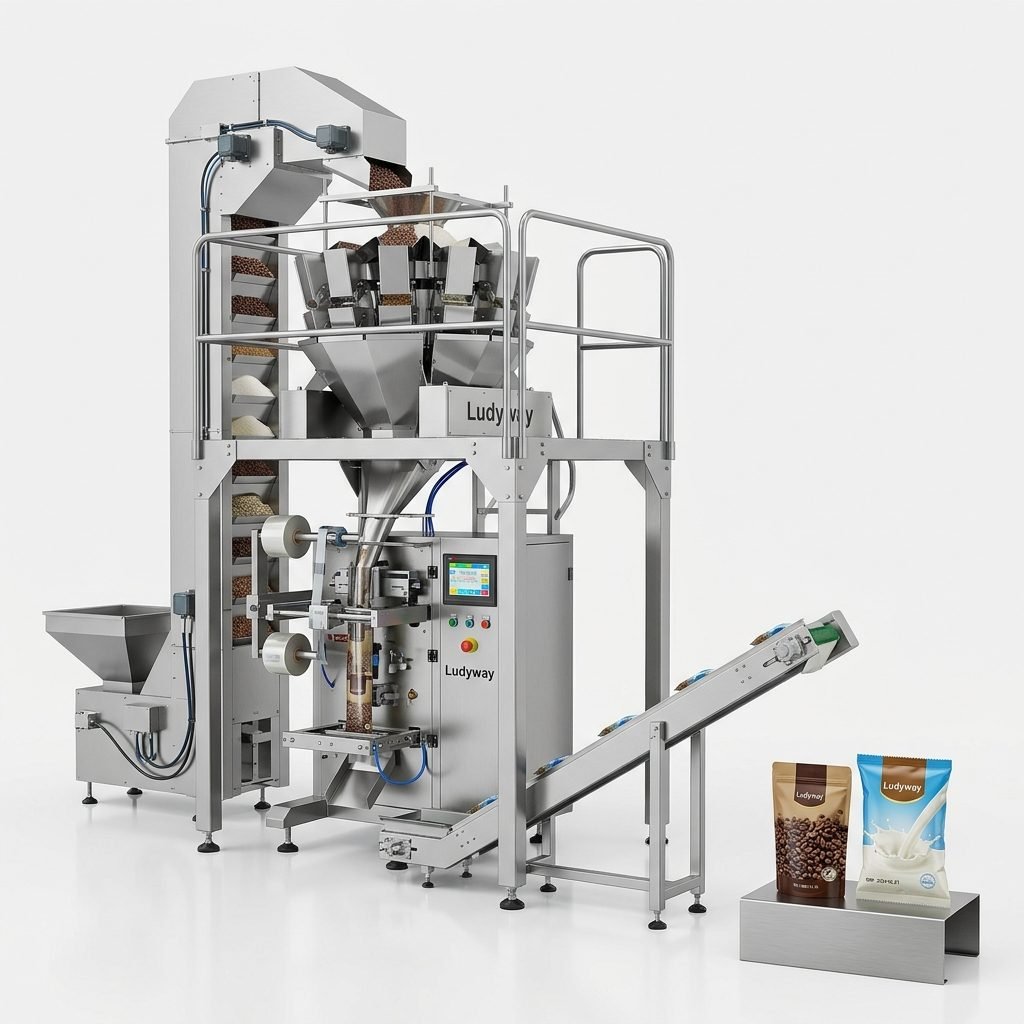
The Importance of a Reliable Packaging Machinery Partner
Selecting the right equipment supplier is as important as choosing the right machine. A manufacturer with proven engineering capabilities, application experience, and global service infrastructure can dramatically reduce project risk and accelerate time-to-market. For companies looking for a single-source partner that can provide everything from individual auger filling machines to complete turnkey packaging lines, working with an experienced manufacturer ensures consistent equipment quality, compatibility across line components, and coordinated technical support.
Ludyway Machinery is a China-based packaging machinery manufacturer with over 30 years of experience, operating a 20,000-square-meter facility and offering more than 50 packaging machine models designed for powders, granules, liquids, and flexible packaging applications. The company provides customized auger filling solutions and integrated packaging systems with engineering support from selection through commissioning and after-sales service. For more insights into global packaging industry trends, refer to resources from the Flexible Packaging Association and PMMI’s business intelligence library.
Future-Proofing Your Investment
As your business grows, your auger filler should accommodate evolving production needs. Look for machines with modular design that allows you to add lanes, upgrade controls, or integrate additional automation modules without replacing the entire system. Features like servo-driven motion control, recipe-based operation, and Industry 4.0 connectivity (Ethernet/IP, OPC UA, MQTT protocols) ensure your equipment remains compatible with smart factory initiatives. The flexible packaging industry continues to evolve, and your filling equipment should be capable of adapting to new packaging formats, sustainable materials, and changing market demands.
Checklist Summary for Auger Filler Selection
| Selection Criteria | Key Questions to Address |
|---|---|
| Product characteristics | Flowability, bulk density, particle size, moisture content, abrasiveness, temperature sensitivity |
| Fill weight range | Minimum and maximum target fill weights, required accuracy tolerance |
| Production speed | Current and projected packages per minute, single-shift or multi-shift operation |
| Packaging format | Stick pack, sachet, pouch, bottle, bulk bag — one format or multiple |
| Regulatory compliance | FDA, GMP, ISO, ATEX, CE — which standards apply to your market |
| Integration needs | Standalone or integrated into a complete line with upstream/downstream equipment |
| Budget and TCO | Capital budget, expected maintenance costs, product give-away value, ROI timeline |
| Supplier capability | Testing availability, engineering support, after-sales service, global presence |
Choosing the right auger filler packing machine is a strategic decision that affects product quality, operational efficiency, and market competitiveness. By thoroughly evaluating your product characteristics, accuracy requirements, production goals, and supplier capabilities, you can select a filling solution that delivers reliable performance and supports your long-term growth objectives. For more detailed industry data on packaging machinery trends and technology developments, visit the PACK EXPO International resource hub and the European Commission’s packaging and packaging waste regulation page for sustainability compliance information.