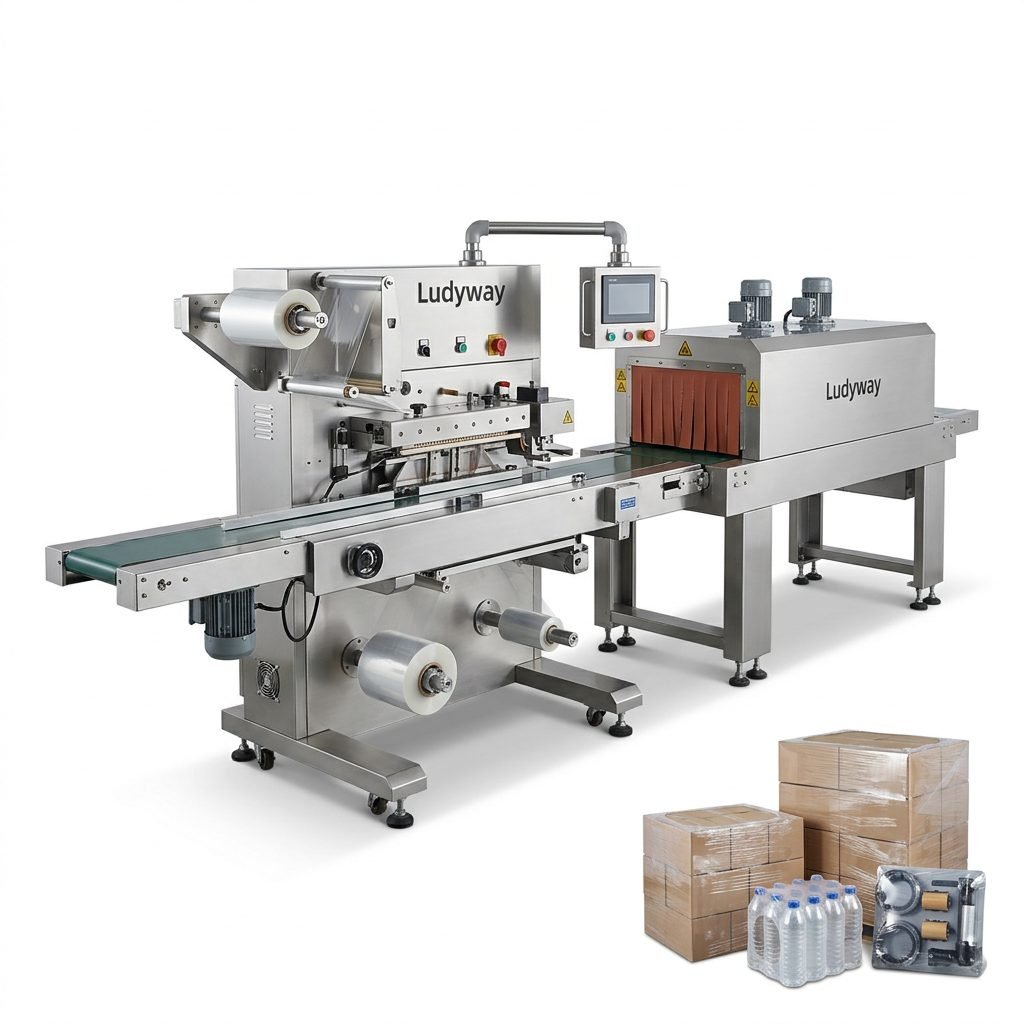
Establishing a produce packaging machine production line in the United States requires careful coordination of regulatory compliance, equipment selection, facility layout, and workforce training. As consumer demand for fresh and processed produce continues to rise, an efficiently designed packaging line can significantly reduce waste, improve throughput, and maintain product integrity from farm to shelf.
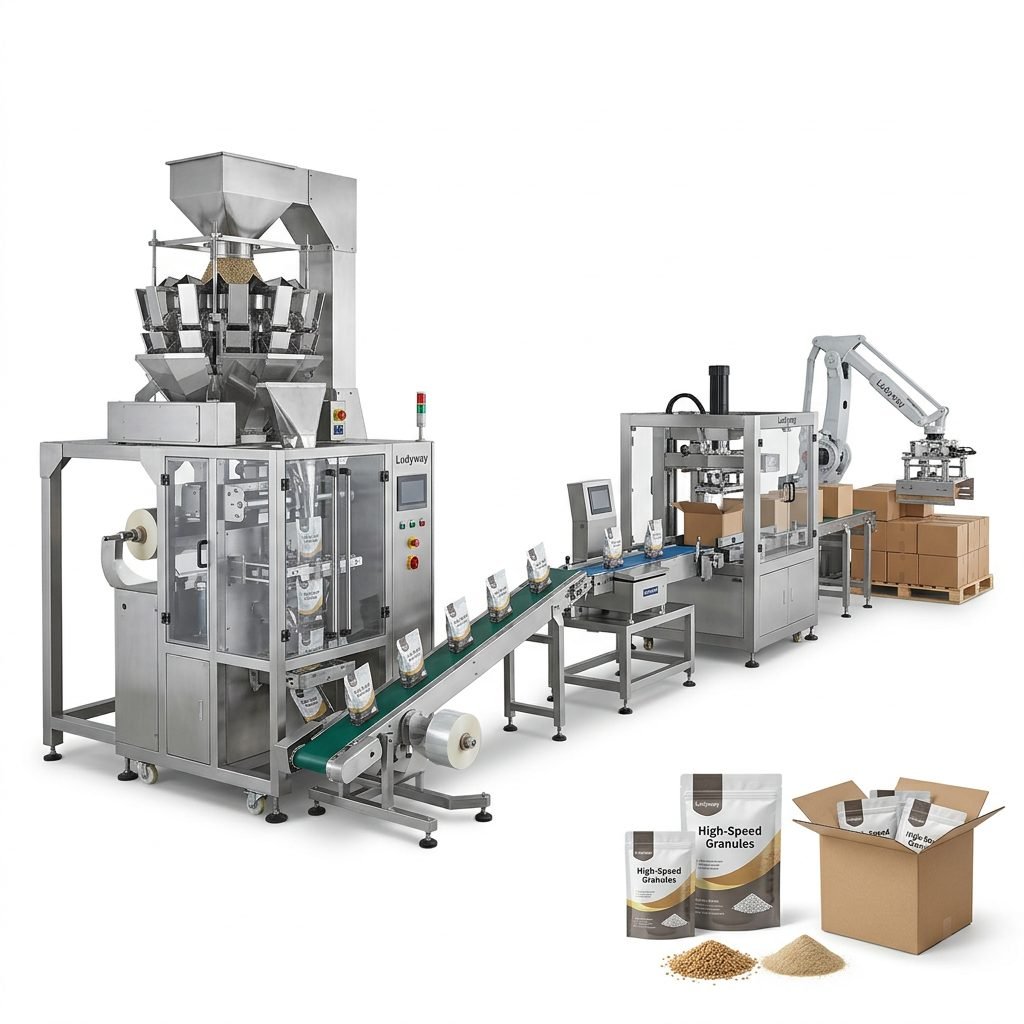
Key Considerations Before Installation
Before purchasing equipment, it is essential to evaluate several foundational factors that will influence the success of your packaging operation:
- Target production volume and expected peak capacity requirements
- Types of packaging formats required — stick packs, sachets, pouches, or bulk bags
- Product characteristics such as moisture content, density, and flowability
- Available floor space and ceiling height in the facility
- Integration with existing upstream and downstream equipment
Understanding U.S. Regulatory Requirements
Operating a packaging line in the United States means navigating a framework of federal and state-level regulations. Non-compliance can result in costly delays, product recalls, or legal penalties. Below is a summary of the primary regulatory bodies and standards that govern packaging operations in the U.S.:
| Regulatory Body / Standard | Focus Area | Key Requirement |
|---|---|---|
| FDA | Food contact substances | 21 CFR compliance for food-grade materials |
| FSMA | Preventive controls | Hazard analysis and risk-based preventive controls |
| PMMI Standards | Machinery safety | ANSI/PMMI B155.1 for packaging machinery |
| OSHA | Workplace safety | Machine guarding and lockout/tagout protocols |
For detailed packaging industry data, you can refer to the PMMI State of the Industry reports which offer valuable benchmarks and market trend analysis.
Selecting the Right Packaging Equipment
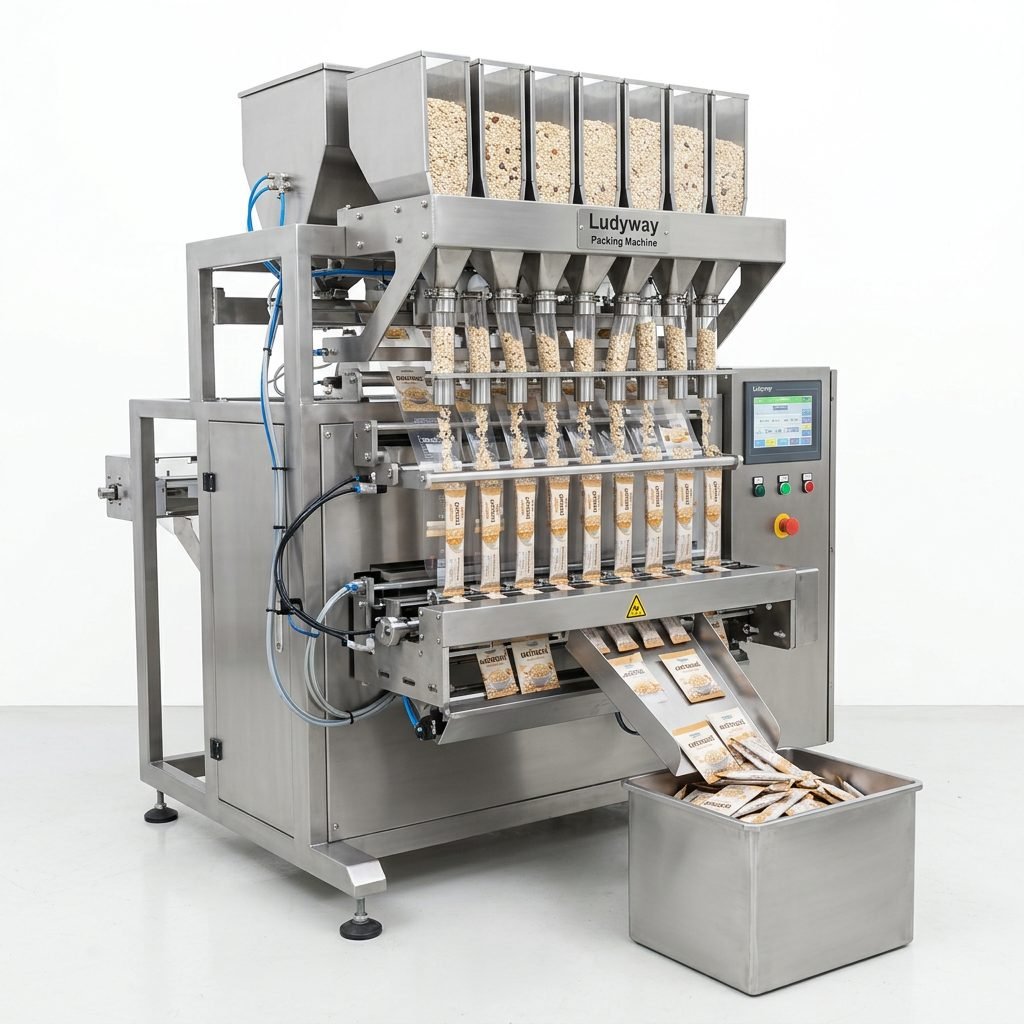
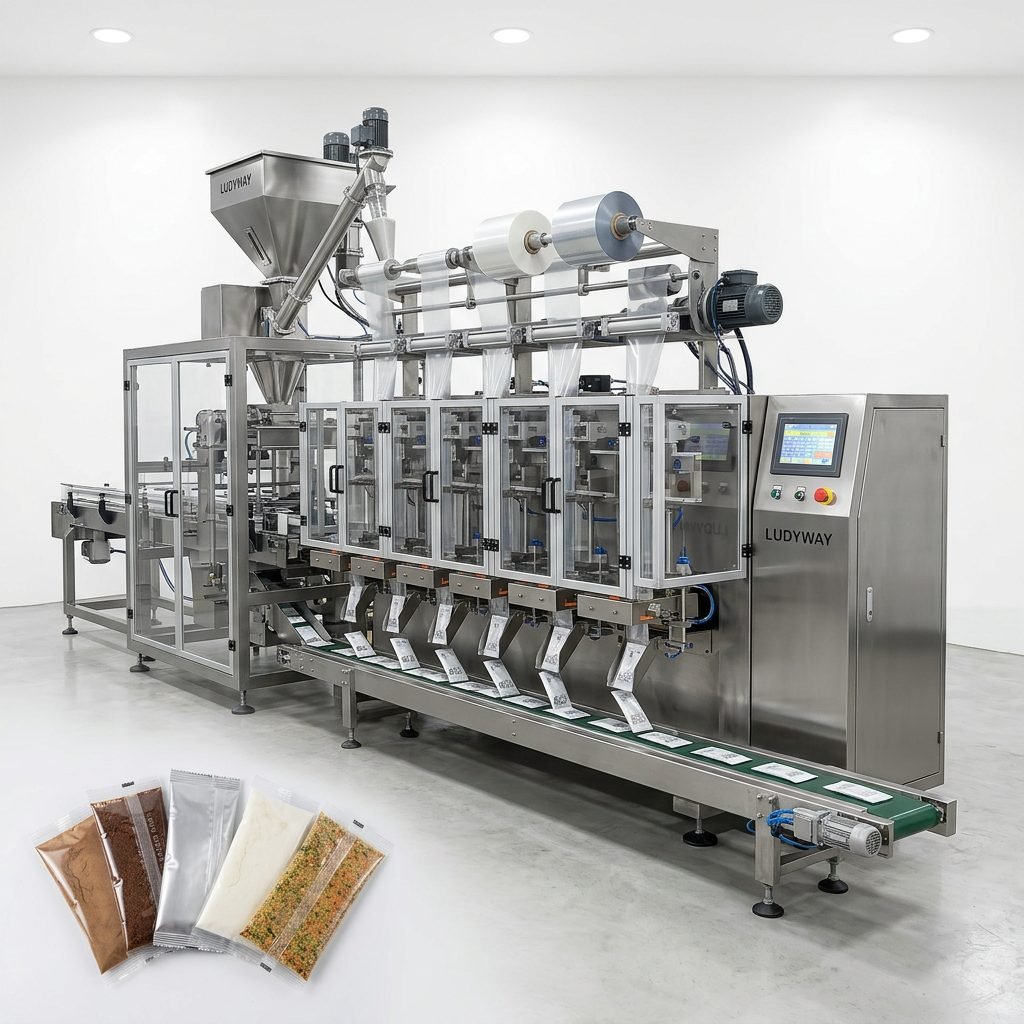
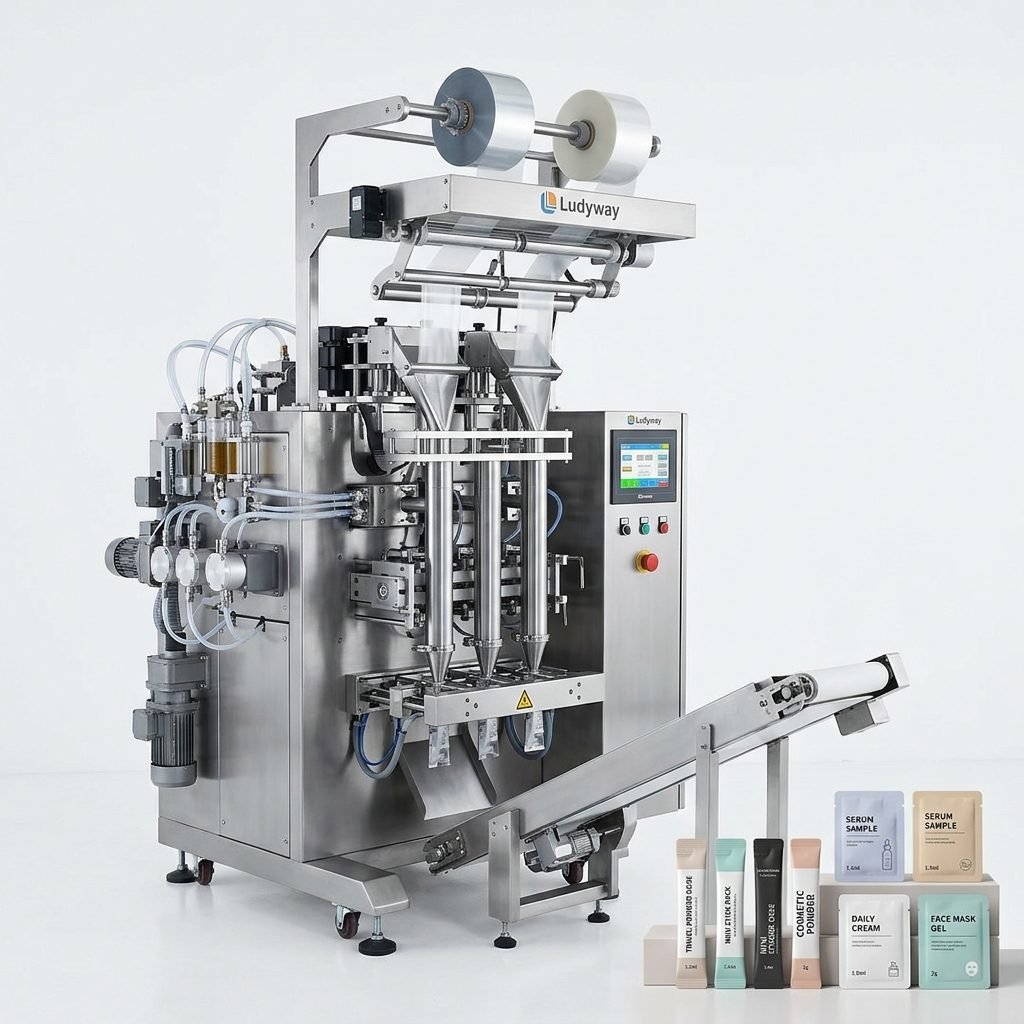
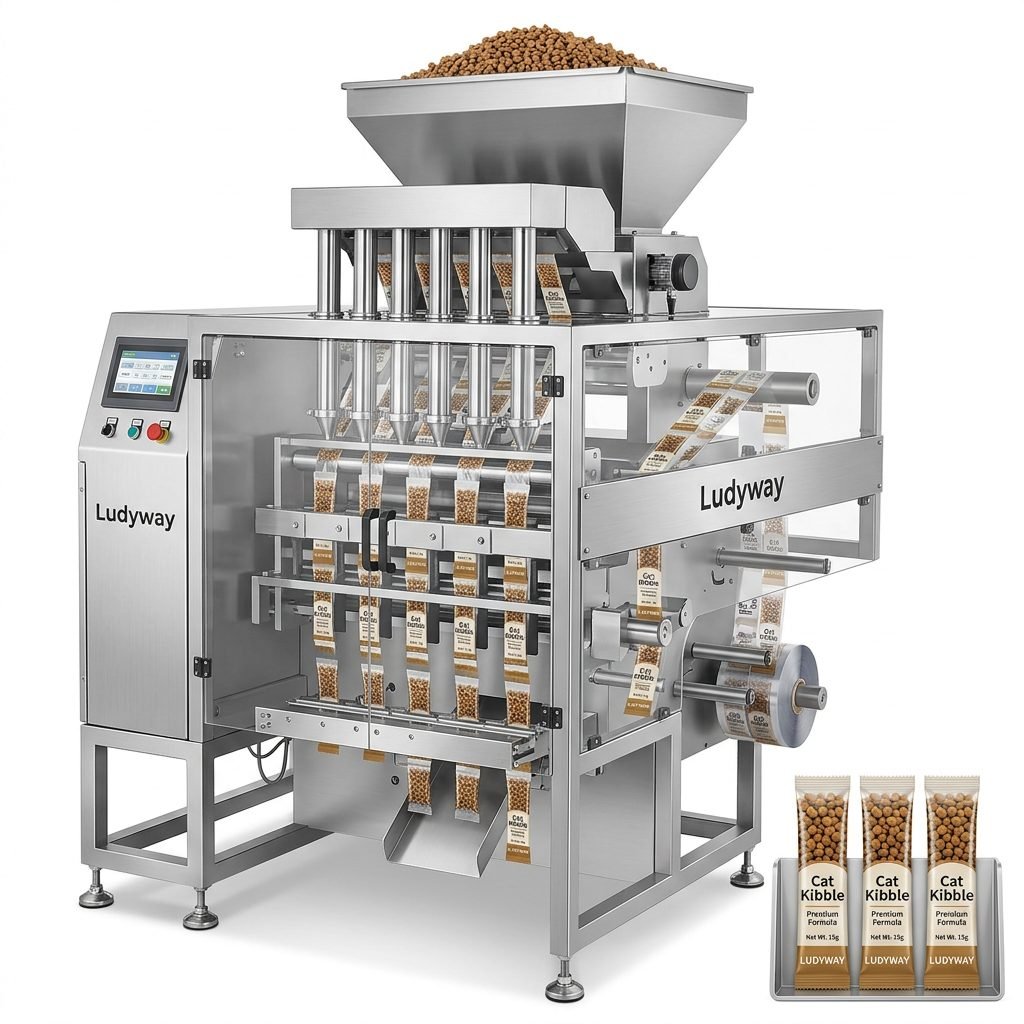
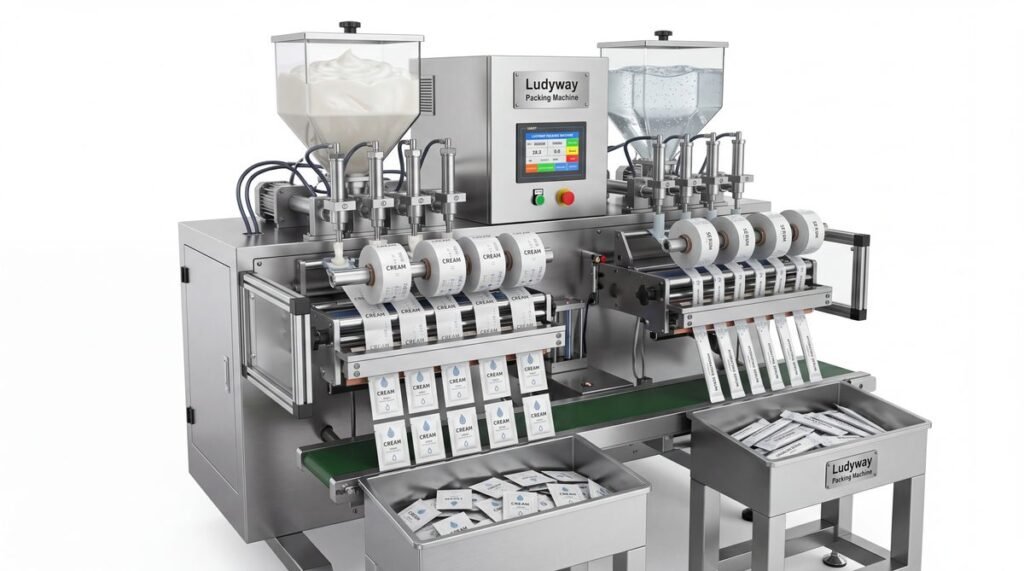
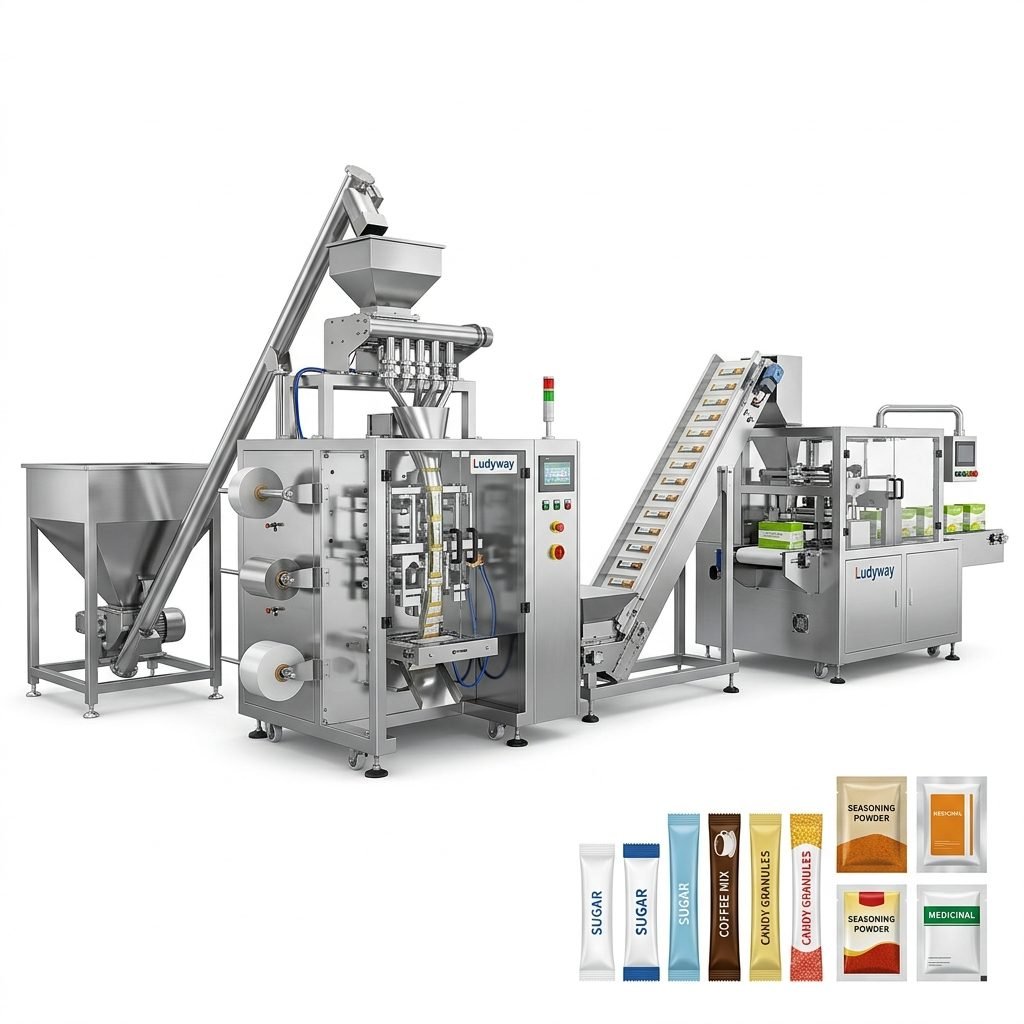
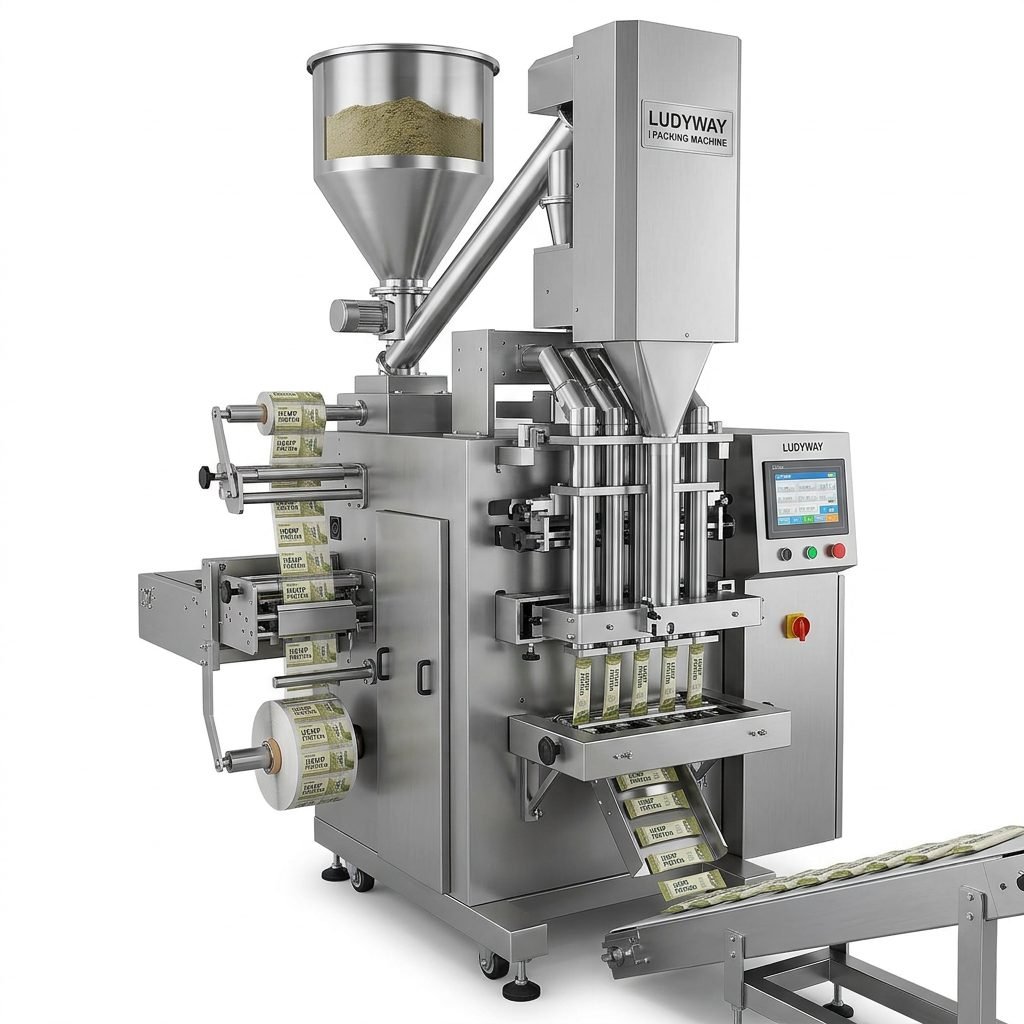
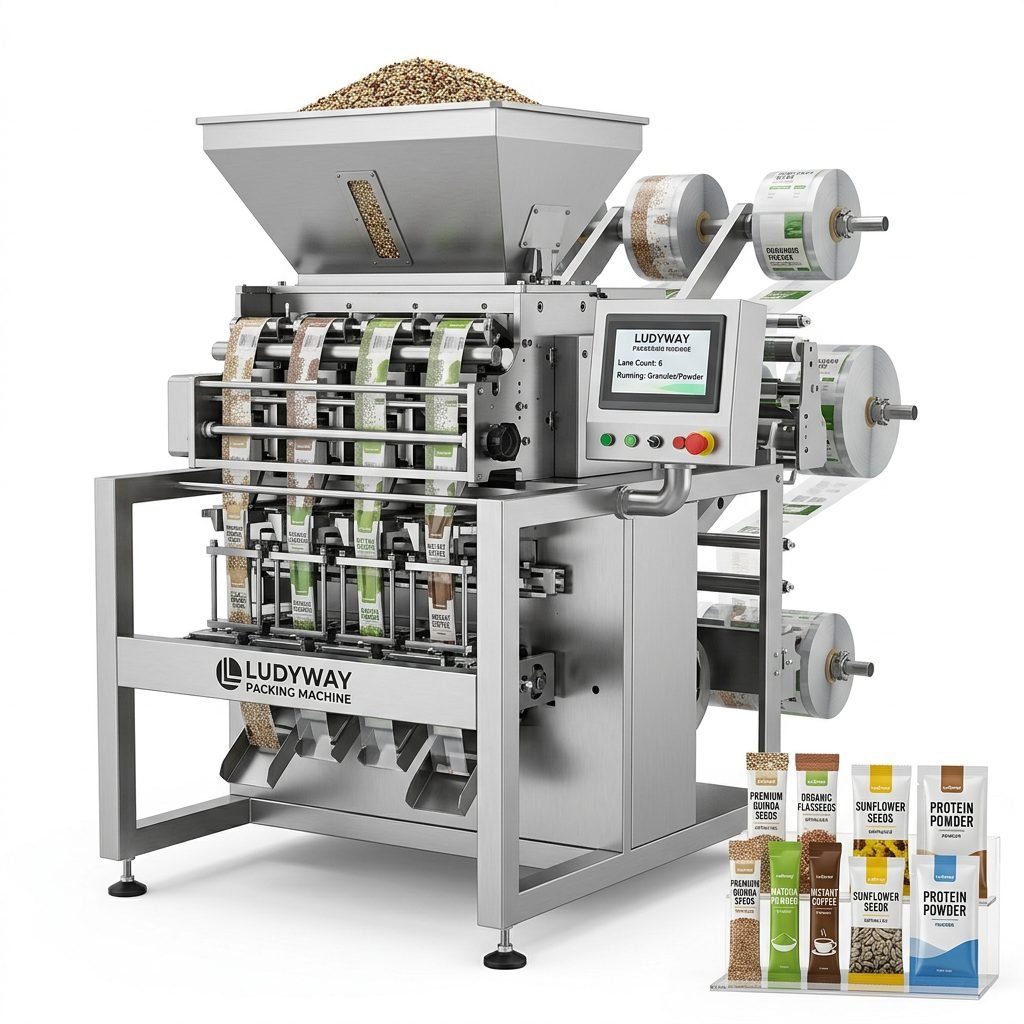
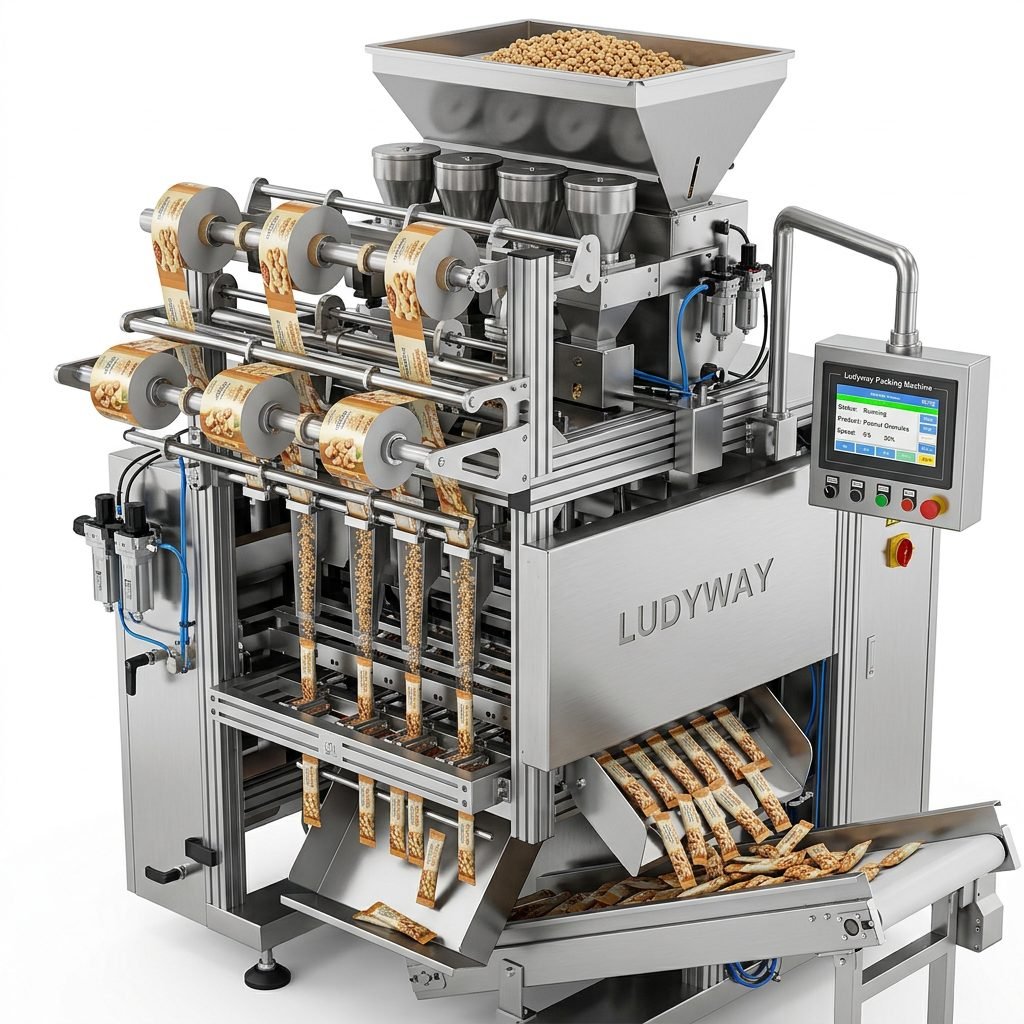
The equipment you choose will determine the speed, accuracy, and flexibility of your entire production line. For produce applications, multi-lane stick pack machines, sachet fillers, and automated pouch systems are among the most commonly deployed solutions. Key equipment categories include:
- Multi-head weighers for precise portioning of granular produce items like seeds, nuts, and dried fruits
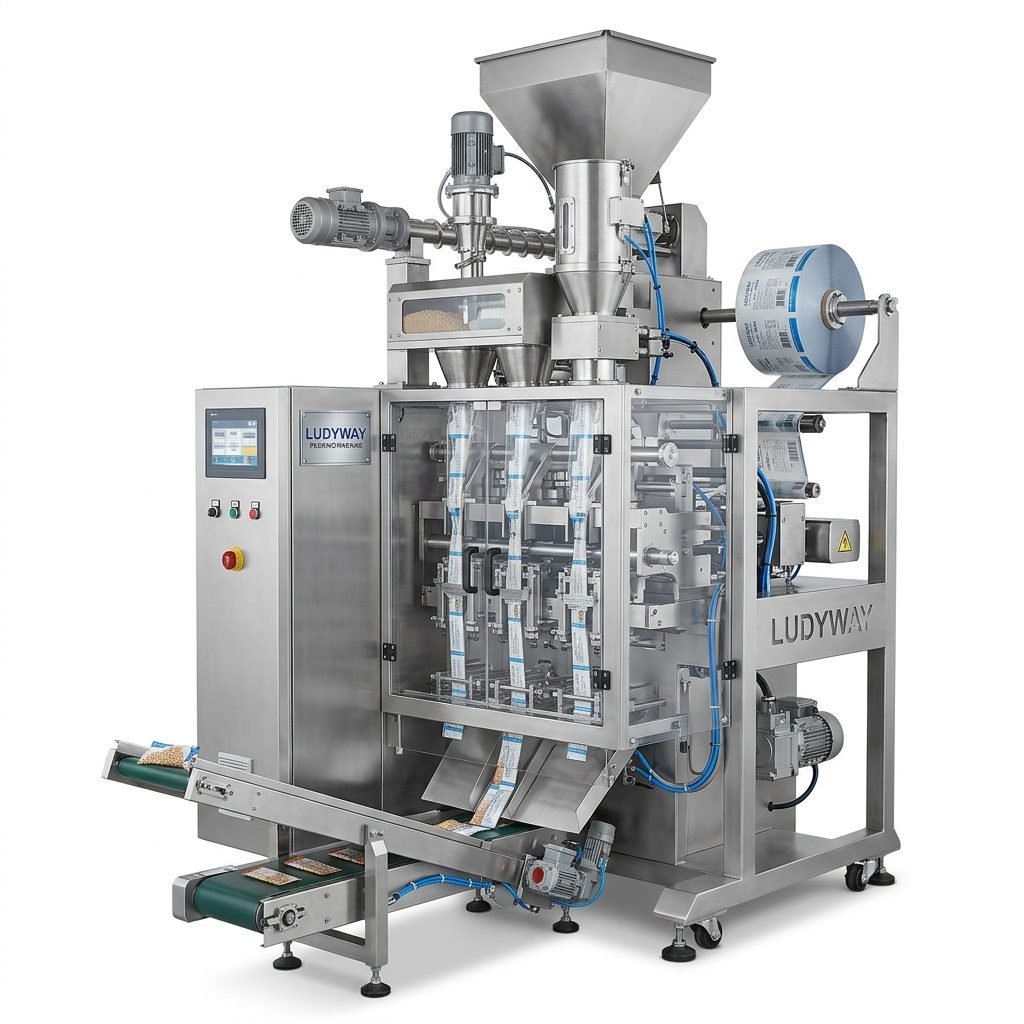
- Vertical form-fill-seal (VFFS) machines for high-speed sachet and stick pack production
- Auger fillers for powder-based produce products such as spice blends and protein powders
- Premade pouch packaging systems for flexible retail-ready formats
- Checkweighers and metal detectors for inline quality assurance
When evaluating suppliers, it is important to partner with manufacturers that offer turnkey production line solutions and have demonstrated experience in global markets. Ludyway is one of the largest packaging machine manufacturers in China, specializing in advanced packaging equipment and turnkey production solutions for the food, pharmaceutical, and health industries, with over 30 years of industry expertise and a modern 20,000㎡ manufacturing facility.
Facility Layout and Workflow Design
A well-planned layout is essential to achieving smooth material flow and minimizing cross-contamination risks. The layout should be organized into clearly defined zones:
- Raw material receiving area — equipped with inspection stations and temporary storage
- Processing and preparation zone — where product is conditioned before packaging
- Main packaging hall — housing the primary packaging machinery
- Secondary packaging area — for cartoning, case packing, and palletizing
- Finished goods warehouse — with FIFO inventory management systems

Installation, Commissioning, and Staff Training
Proper installation is a phased process that should be managed by experienced technicians. The typical timeline for a turnkey packaging line installation spans several weeks and includes the following stages:
| Phase | Activities | Key Deliverables |
|---|---|---|
| Site Preparation | Utility connections, floor leveling, ventilation checks | Ready-for-installation confirmation |
| Mechanical Assembly | Machine positioning, conveyor alignment, hopper setup | Fully assembled production line |
| Electrical & Controls | PLC programming, sensor calibration, HMI configuration | Operational control system |
| Trial Runs | Dry runs with inert materials, gradual ramp-up | Validated performance data |
| Operator Training | Hands-on operation, troubleshooting, maintenance basics | Certified operating personnel |
Quality Control and Food Safety Integration
In the U.S. market, integrating quality control checkpoints directly into the packaging line is not optional — it is a regulatory expectation. Critical control points should be established at key stages throughout the process to ensure product safety and consistency:
- Metal detection and X-ray inspection for foreign object detection
- Seal integrity testing to prevent oxygen ingress and microbial contamination
- Inline weighing to verify package net weight compliance with NIST Handbook 133
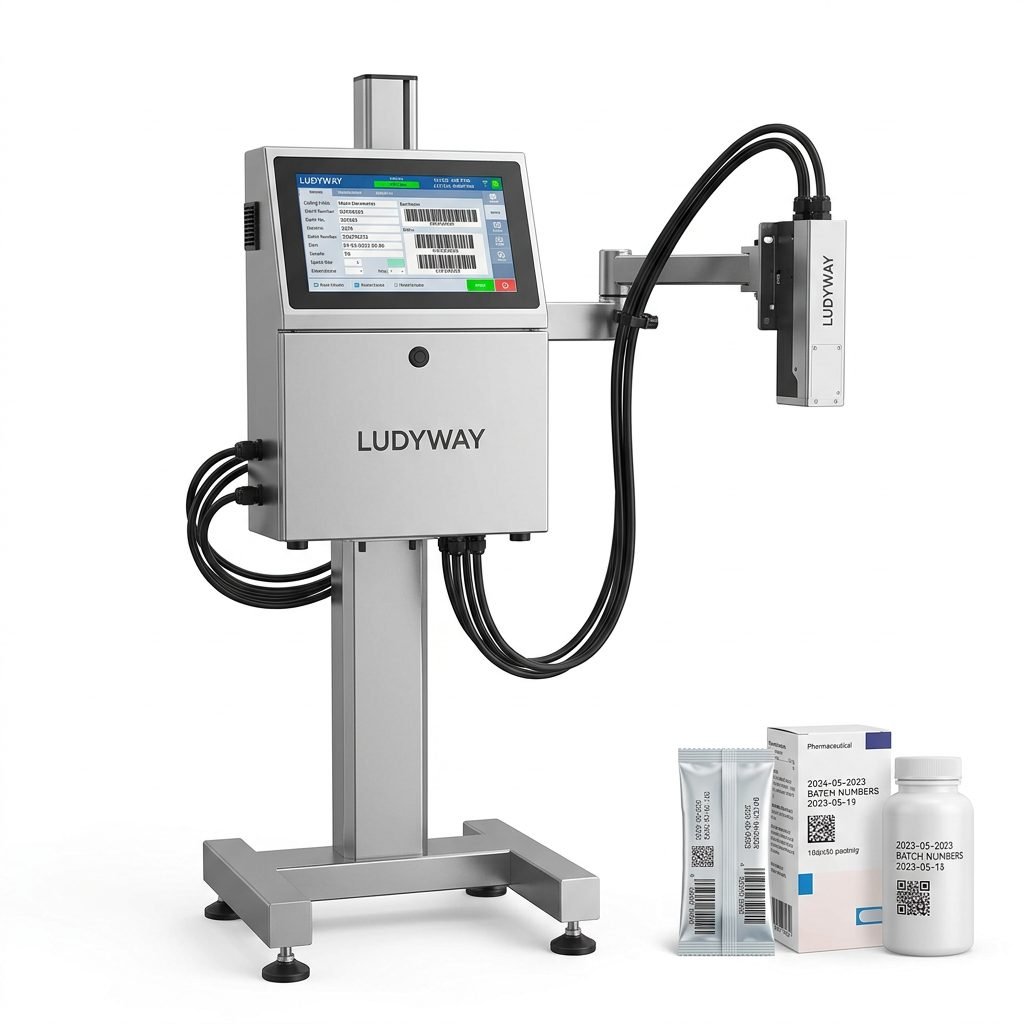
- Vision inspection systems for label placement, date code accuracy, and print quality
Maintenance Schedules and Spare Parts Strategy
To avoid unplanned downtime, a structured maintenance program should be implemented from day one. The following tiers of maintenance are recommended:
- Daily: Visual inspections, cleaning of product contact surfaces, lubricant level checks
- Weekly: Belt tension adjustments, sensor cleaning, sealing jaw inspections
- Monthly: Calibration verification, motor and drive checks, software backups
- Quarterly: Comprehensive mechanical inspection, replacement of wear parts, full system audit
Maintaining a well-stocked spare parts inventory is equally important. Critical spare parts such as sealing jaws, belts, sensors, and fuses should be kept on-site to enable rapid repairs and minimize production interruptions.
Useful Industry Resources and Reference Links
Staying informed about the latest packaging standards, market data, and regulatory changes is essential for long-term success. Below are several authoritative resources that can support your packaging line operations:
| Resource | Description | Link |
|---|---|---|
| PMMI | Association for Packaging and Processing Technologies | pmmi.org |
| Flexible Packaging Association | Industry resources and flexible packaging data | flexpack.org |
| FDA Food Packaging | Official guidance on food contact substances | fda.gov |
| U.S. EPA | Sustainable materials management and packaging waste | epa.gov |
| ISO Packaging Standards | International packaging and distribution standards | iso.org |
Final Thoughts on Setting Up a U.S. Packaging Line
Launching a produce packaging machine production line on American soil is a significant undertaking — but when executed with the right planning, equipment, and compliance framework, it can deliver substantial returns in operational efficiency, food safety, and market competitiveness. Focus on building a line that is modular, scalable, and backed by reliable after-sales support. By aligning your operations with industry standards and staying connected to resources like the PMMI Business Intelligence Library and the Flexible Packaging Association Knowledge Hub, you position your business to adapt quickly to evolving regulations and market demands in the dynamic U.S. food packaging landscape.