Investing in a small tea bag packing machine is a strategic decision for tea producers, startups, and established brands looking to scale production without compromising quality. With a wide range of equipment available, understanding which features truly matter can help you avoid costly mistakes and select a system that aligns with your operational goals. This guide breaks down the essential factors to evaluate before making a purchase.
Understanding Your Production Requirements
The first step in choosing a small tea bag packing machine is defining your current and projected output. Machines vary significantly in speed, ranging from 30 to over 300 bags per minute. Consider whether your operation requires a single-lane system for lower volumes or a multi-lane configuration for high-speed filling. According to industry data from PMMI’s Business Intelligence, flexible packaging equipment demand continues to grow as manufacturers seek faster changeover times and greater format versatility. Matching machine capacity to your production targets prevents bottlenecks and ensures a strong return on investment.
Key Specifications to Evaluate
Before contacting suppliers, familiarize yourself with the core technical parameters that differentiate tea packaging machinery. The table below outlines the primary specifications you should compare across different models:
| Specification | Why It Matters |
|---|---|
| Bag Width & Length Range | Determines the variety of bag sizes you can produce |
| Filling Volume Accuracy | Ensures product consistency and reduces material waste |
| Sealing Temperature Control | Prevents heat damage to delicate tea leaves |
| Material Compatibility | Affects seal integrity for filter paper, non-woven fabric, or foil laminates |
| Power & Air Consumption | Impacts long-term operational costs |
Machine Type: Vertical vs. Horizontal Form Fill Seal
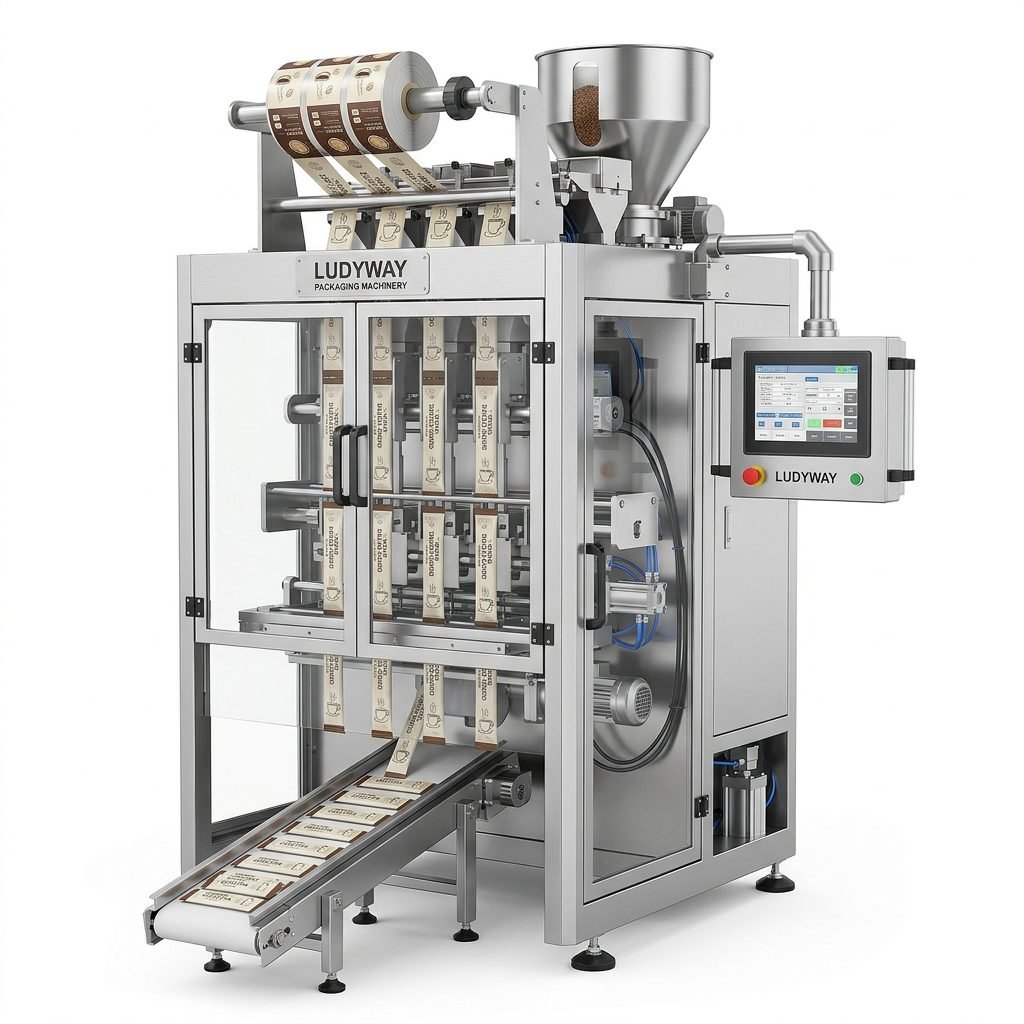
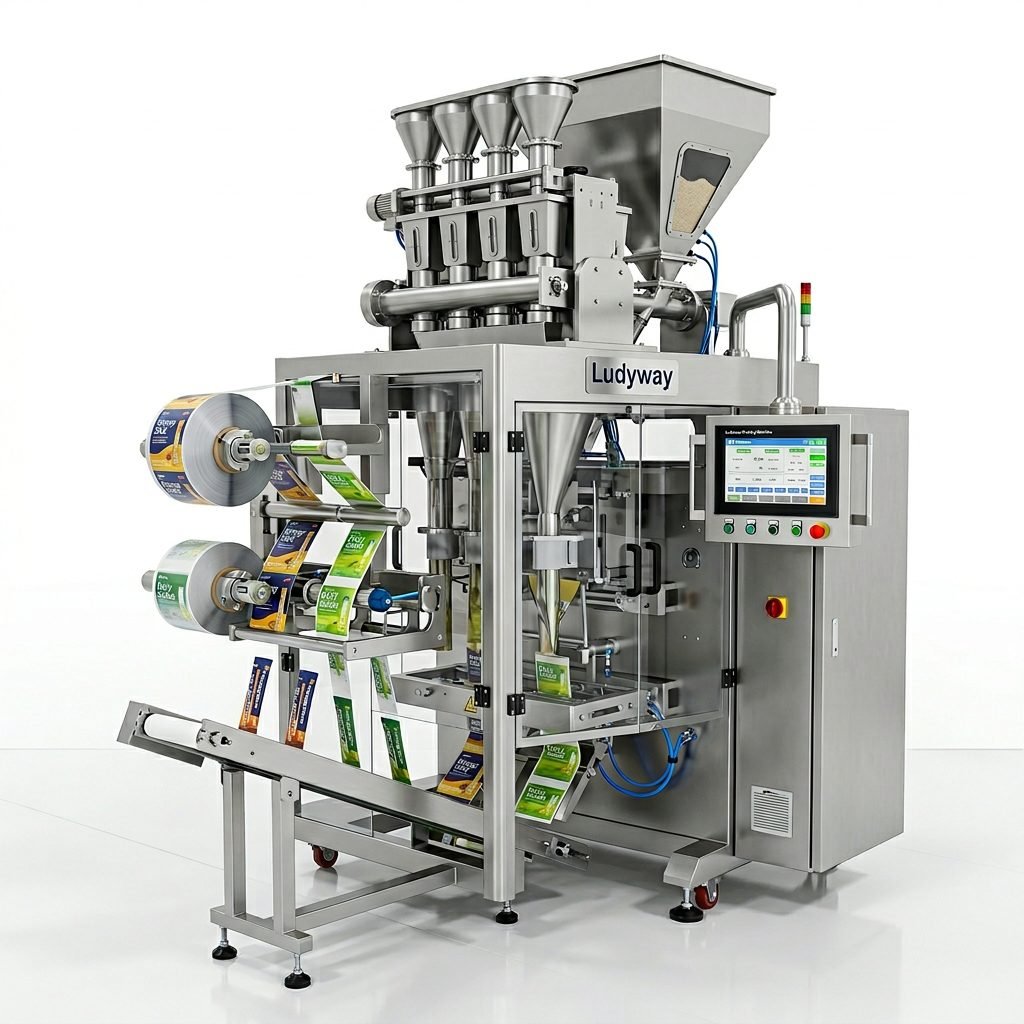
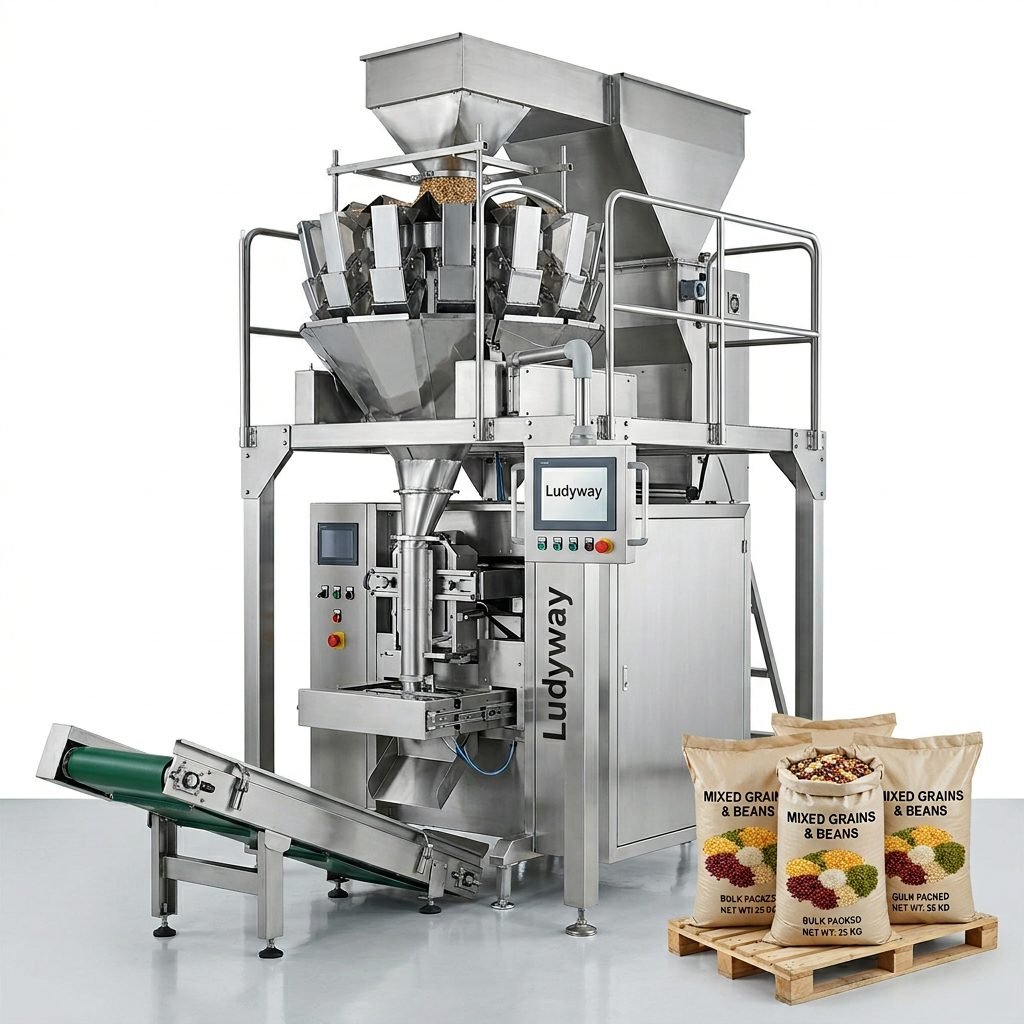
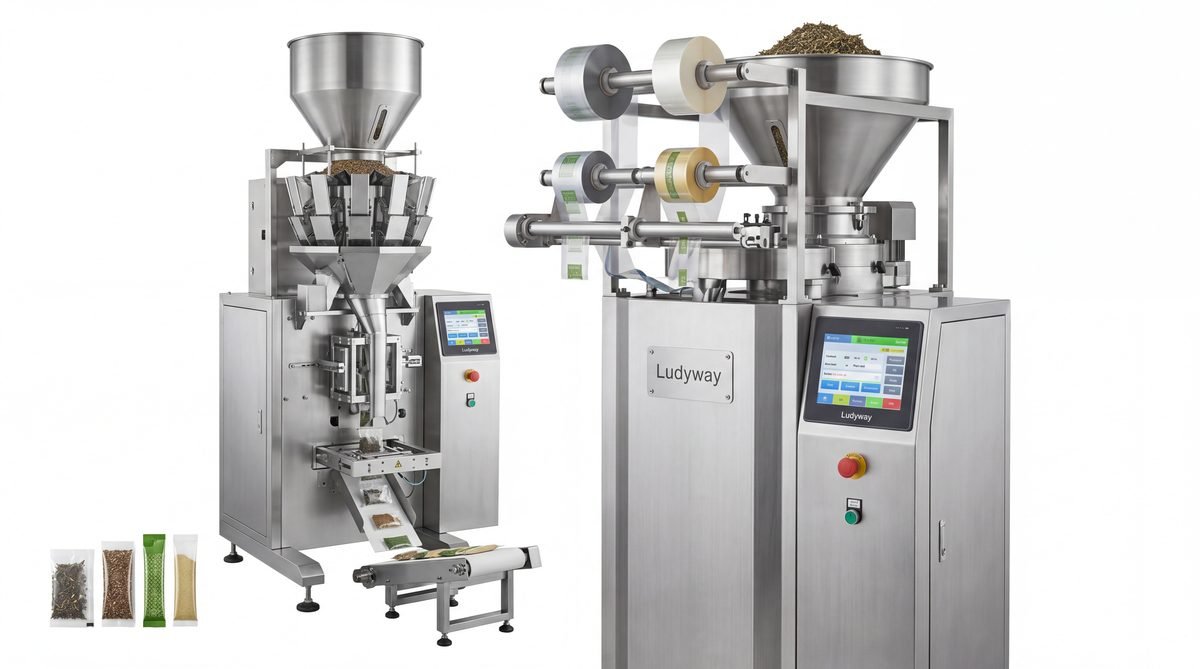
Small tea bag machines generally fall into two categories: vertical form fill seal (VFFS) and horizontal systems. VFFS machines are popular for loose-leaf tea packaging because they handle gravity-fed products efficiently and occupy less floor space. Horizontal machines excel in string-and-tag tea bag applications, where precise tag placement and envelope wrapping are required. The Flexible Packaging Association notes that material innovation continues to drive new capabilities in both formats, allowing producers to switch between film types without extensive retooling.
Advantages of Multi-Lane Systems
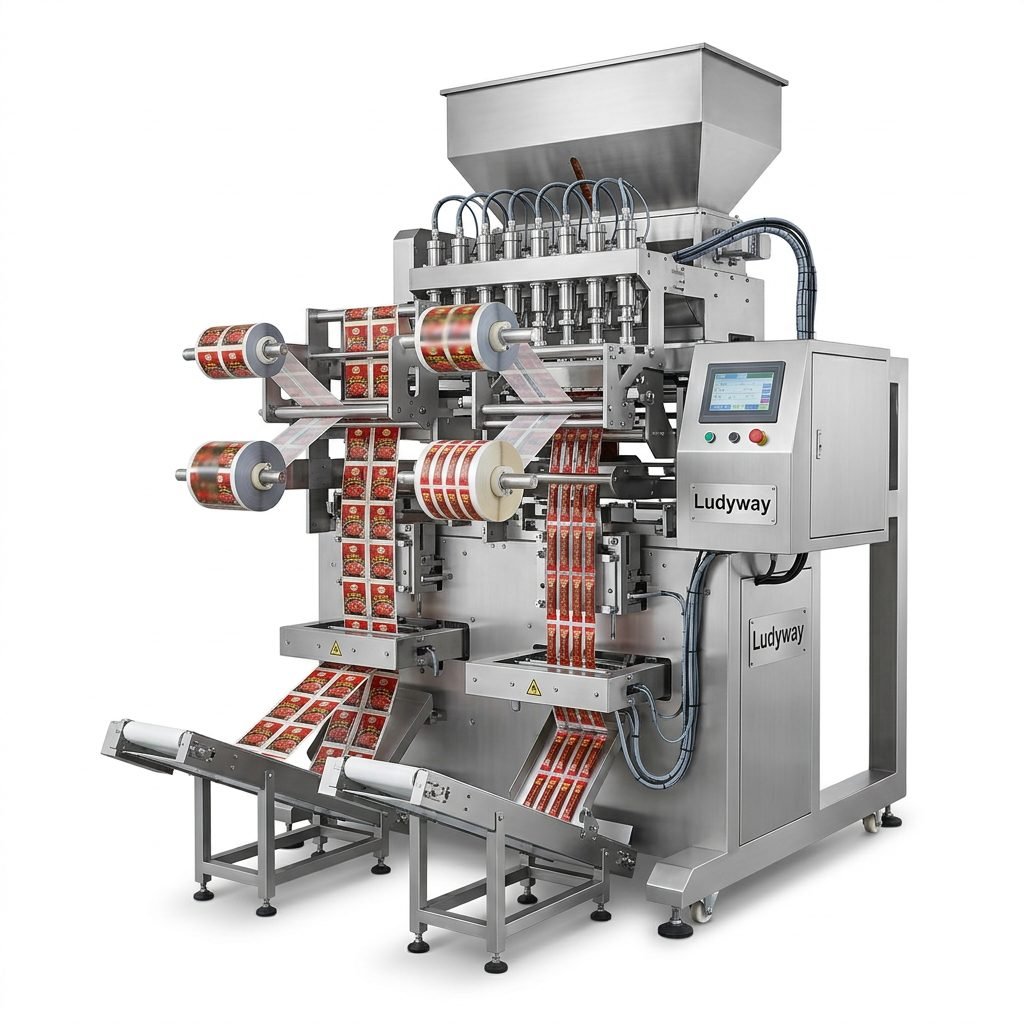
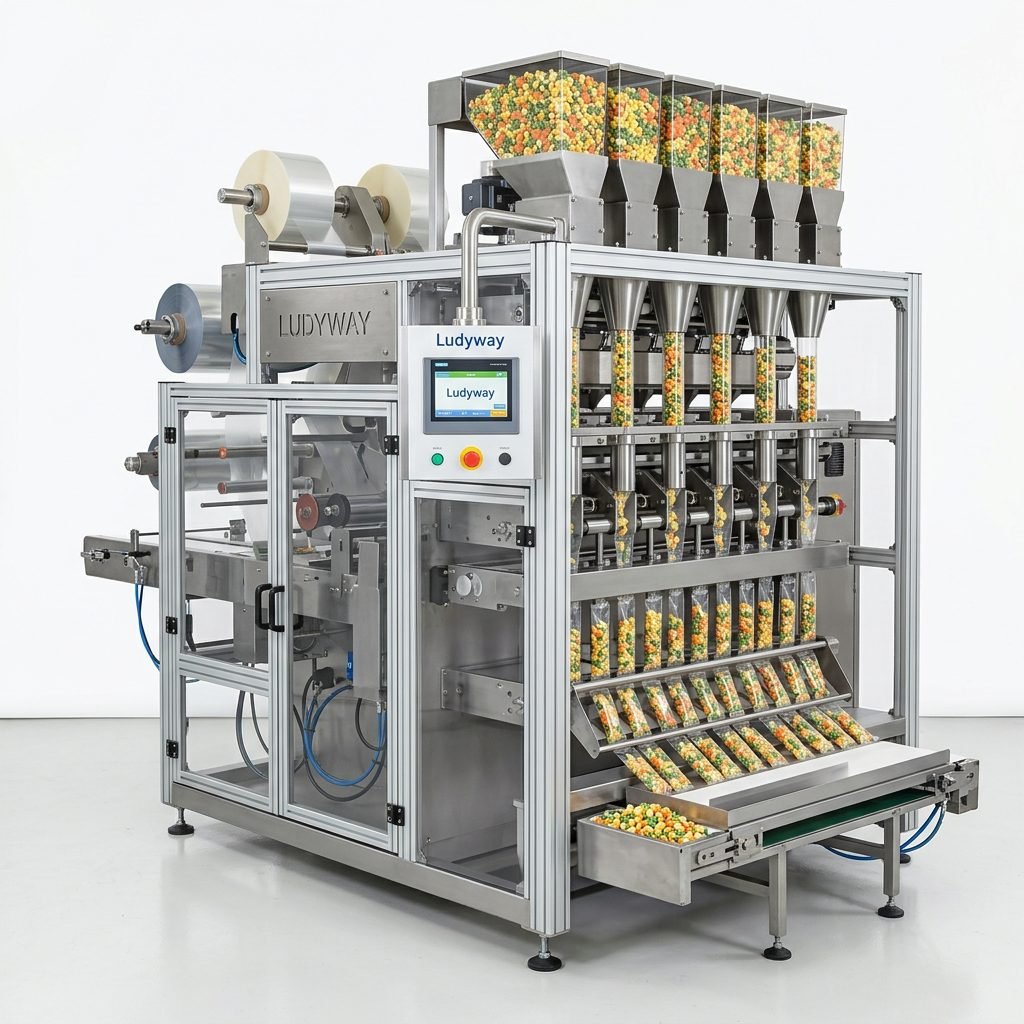
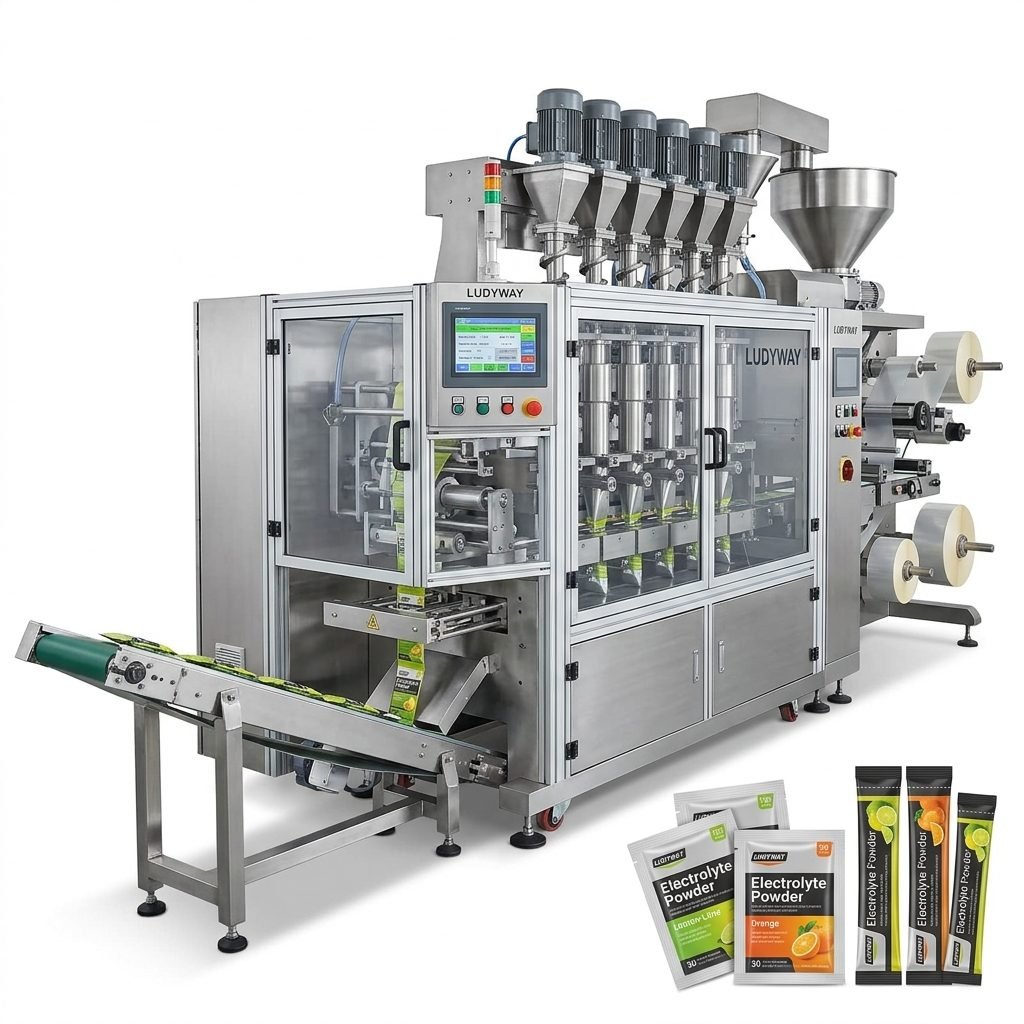
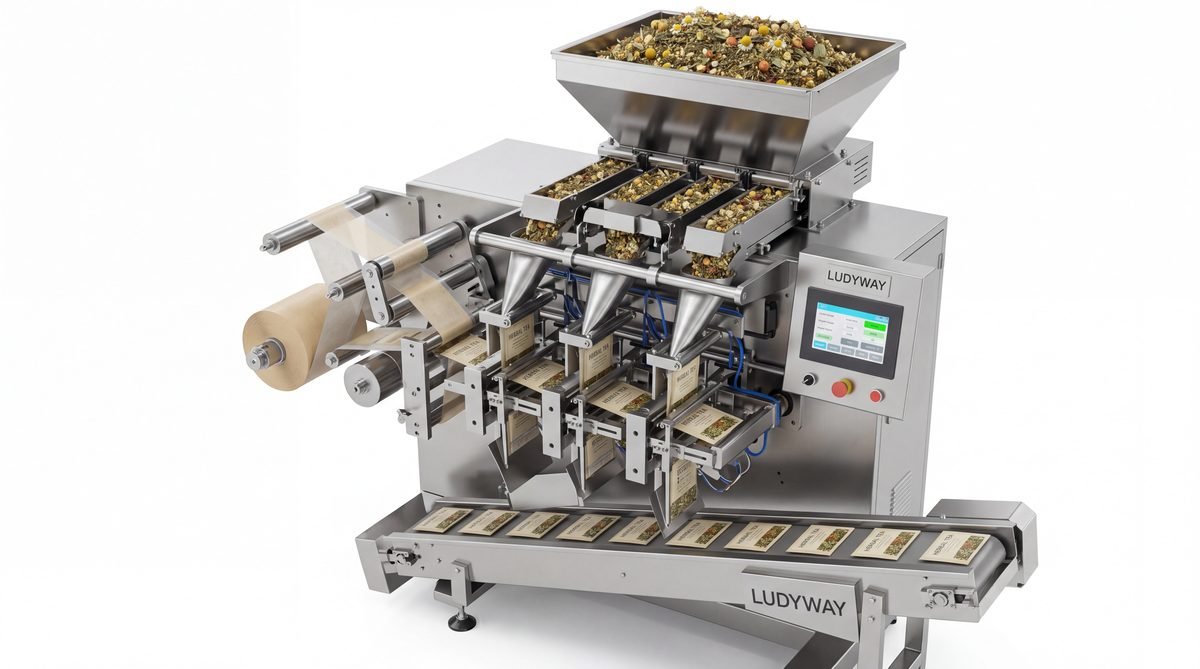
For producers aiming to maximize throughput, multi-lane tea sachet packaging machines offer compelling benefits. These systems run several lanes simultaneously, effectively multiplying output without proportionally increasing labor or floor space. Key advantages include:
- Higher output per square meter of factory space
- Reduced per-unit labor costs
- Consistent fill weights across all lanes
- Flexibility to run different flavors or blends on separate lanes
Material and Film Handling Capabilities
Tea packaging materials range from traditional filter paper to biodegradable PLA mesh and aluminum foil laminates. Each material behaves differently during unwinding, sealing, and cutting. A robust tea packing machine should offer adjustable sealing temperature, dwell time, and pressure controls to accommodate these variations. Poor seal integrity leads to product spoilage and customer complaints, making this a critical evaluation point. Check whether the machine includes features like registered film tracking for printed materials and automatic splice detection for uninterrupted runs.
Automation Features and Smart Controls
Modern small tea bag packing equipment increasingly incorporates intelligent controls. PLC systems with touchscreen interfaces simplify recipe management, allowing operators to switch between bag sizes and fill weights in minutes. Look for machines with integrated quality assurance functions such as:
- Automatic reject systems for underweight or improperly sealed bags
- Data logging capabilities for traceability and compliance
- Remote diagnostic access for faster technical support
- Compatibility with Industry 4.0 and smart factory initiatives
Compliance with Food Safety Standards
If you export tea to regulated markets, machine construction must align with food-grade requirements. Stainless steel contact parts, easy-clean surfaces, and IP65-rated electrical enclosures are standard expectations. Relevant guidelines can be found through FDA food packaging regulations and ISO standards for packaging and distribution. Machines designed for pharmaceutical-grade production often exceed these requirements, offering an extra margin of safety for premium tea products.

After-Sales Support and Spare Parts Availability
A machine’s long-term value depends heavily on the manufacturer’s support infrastructure. When evaluating suppliers, assess the availability of spare parts, technical documentation, and remote assistance capabilities. Experienced manufacturers like Ludyway Machinery offer comprehensive technical support throughout the equipment lifecycle, from installation and commissioning to operator training and ongoing maintenance. Confirm that the supplier can provide timely service in your region, as extended downtime during peak production periods can severely impact business performance.
Comparing Investment Costs and ROI
The initial purchase price of a tea bag packing machine represents only one component of total cost of ownership. A thorough financial analysis should account for:
- Energy consumption and operating costs
- Expected maintenance intervals and consumable parts
- Labor savings versus manual or semi-automatic alternatives
- Product waste reduction through improved accuracy
- Scalability for future capacity expansion
Finding the Right Equipment Partner
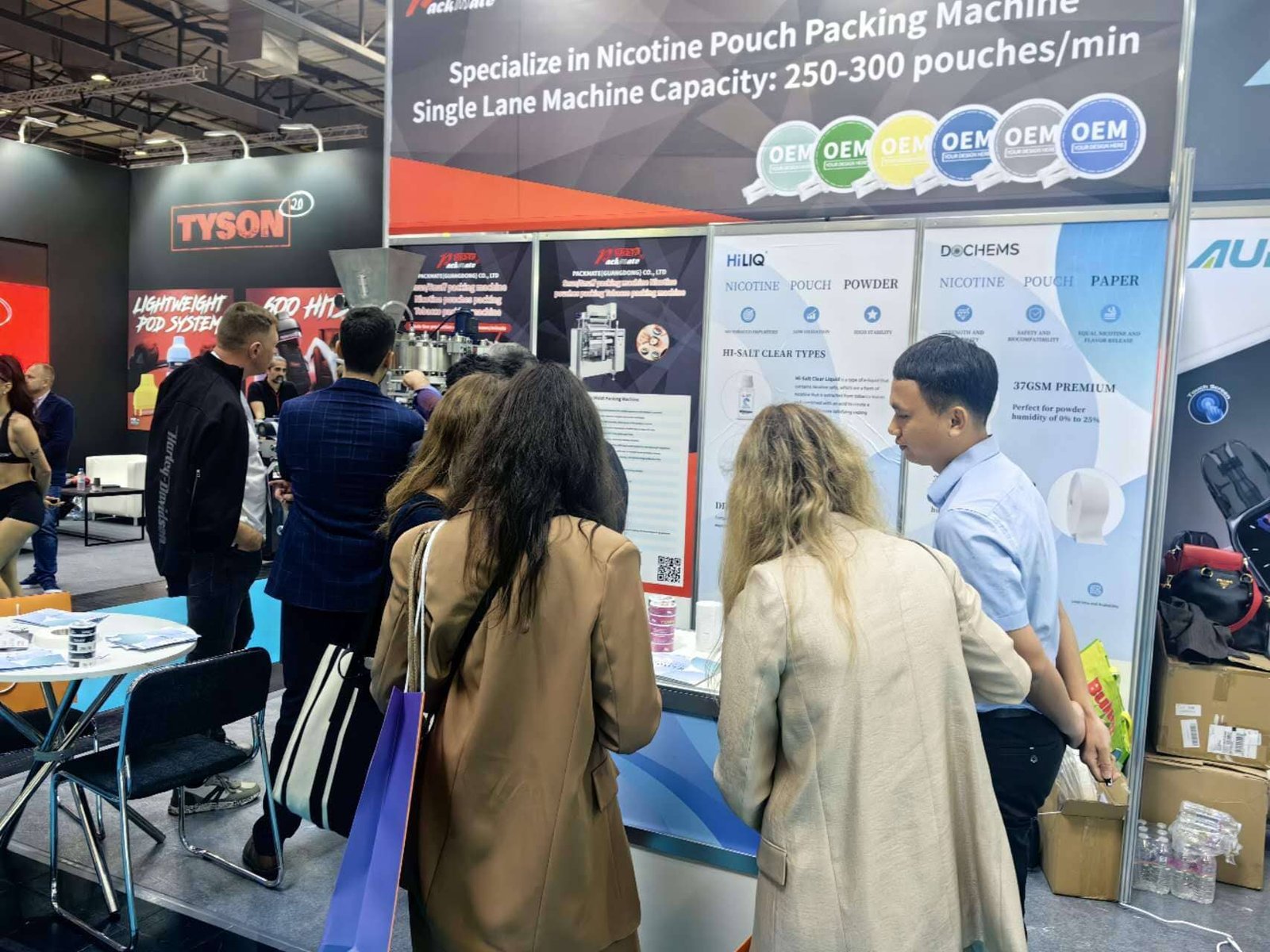
Selecting a small tea bag packing machine is as much about the supplier relationship as the equipment itself. Look for manufacturers with demonstrated experience in tea packaging applications, a portfolio of installed systems, and the engineering capability to customize solutions. Request sample runs with your actual product and packaging material to validate machine performance before finalizing your decision. A methodical evaluation process—grounded in your specific production requirements and growth plans—will guide you toward a machine that delivers consistent, high-quality tea packaging for years to come.
For further reading on packaging industry trends and machinery standards, visit resources from the Association for Packaging and Processing Technologies (PMMI) and review market analysis on the state of the packaging industry.