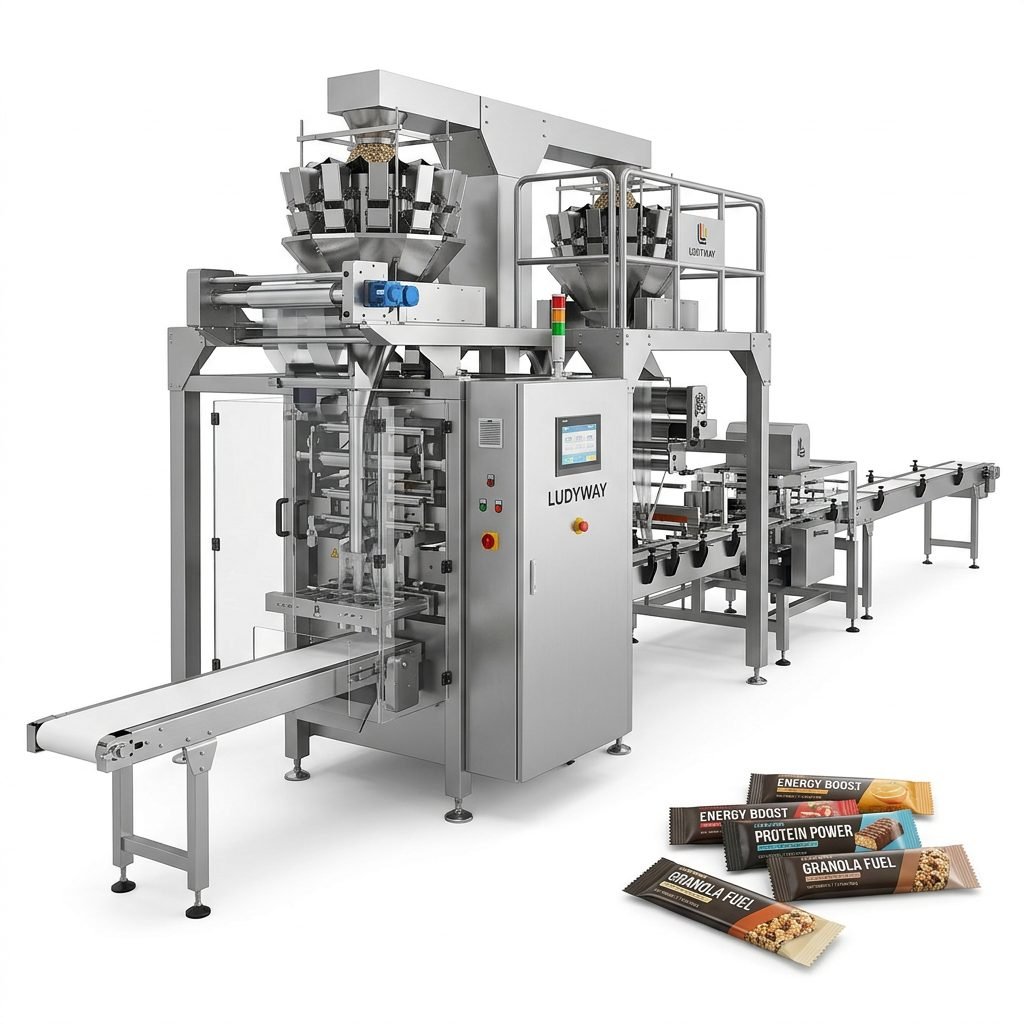
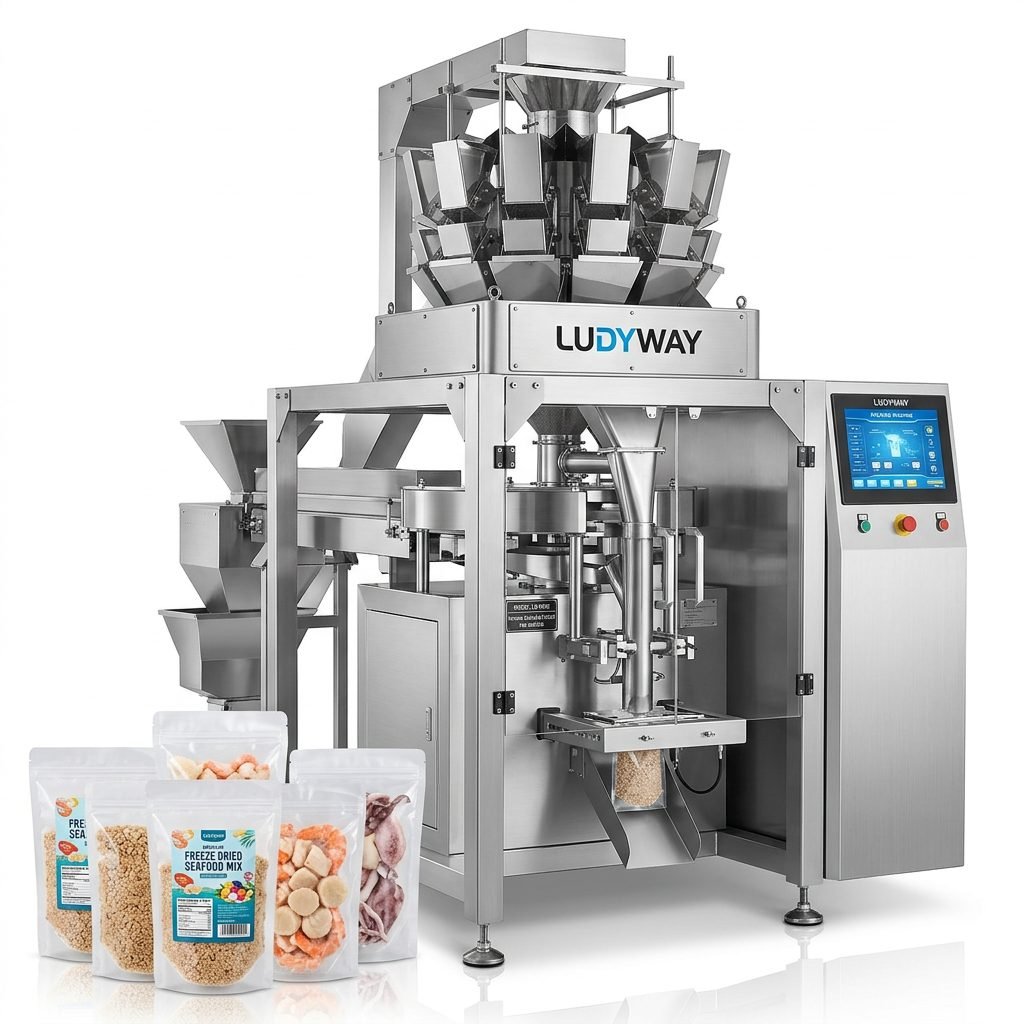
Investing in a palm oil packing machine is a critical decision for manufacturers in the food, cosmetics, and biofuel industries. The right equipment can dramatically improve production efficiency, reduce product waste, and ensure consistent packaging quality. However, with so many configurations, filling technologies, and automation levels available, making an informed choice requires a clear understanding of your product characteristics and production goals.
Understanding Palm Oil Product Characteristics
Before evaluating machinery, you must first analyze the physical properties of your palm oil product. Refined palm olein, crude palm oil, and palm stearin each behave differently during filling. Key factors include:
- Viscosity variation — Palm oil viscosity changes significantly with temperature, affecting flow rates and filling accuracy.
- Solidification point — Palm stearin solidifies at room temperature in cooler climates, requiring heated filling systems.
- Foaming tendency — Certain refined palm oils foam during high-speed filling, necessitating anti-foam nozzles or bottom-up filling mechanisms.
- Oxidation sensitivity — Exposure to air during packaging can degrade oil quality, making nitrogen flushing or vacuum sealing desirable.
For detailed technical guidance on packaging machinery standards, the PMMI Business Intelligence Library offers extensive industry reports on filling technologies and equipment selection criteria.
Types of Palm Oil Packing Machines
Different production scales and packaging formats demand different machine configurations. Below are the most common categories available on the market today.
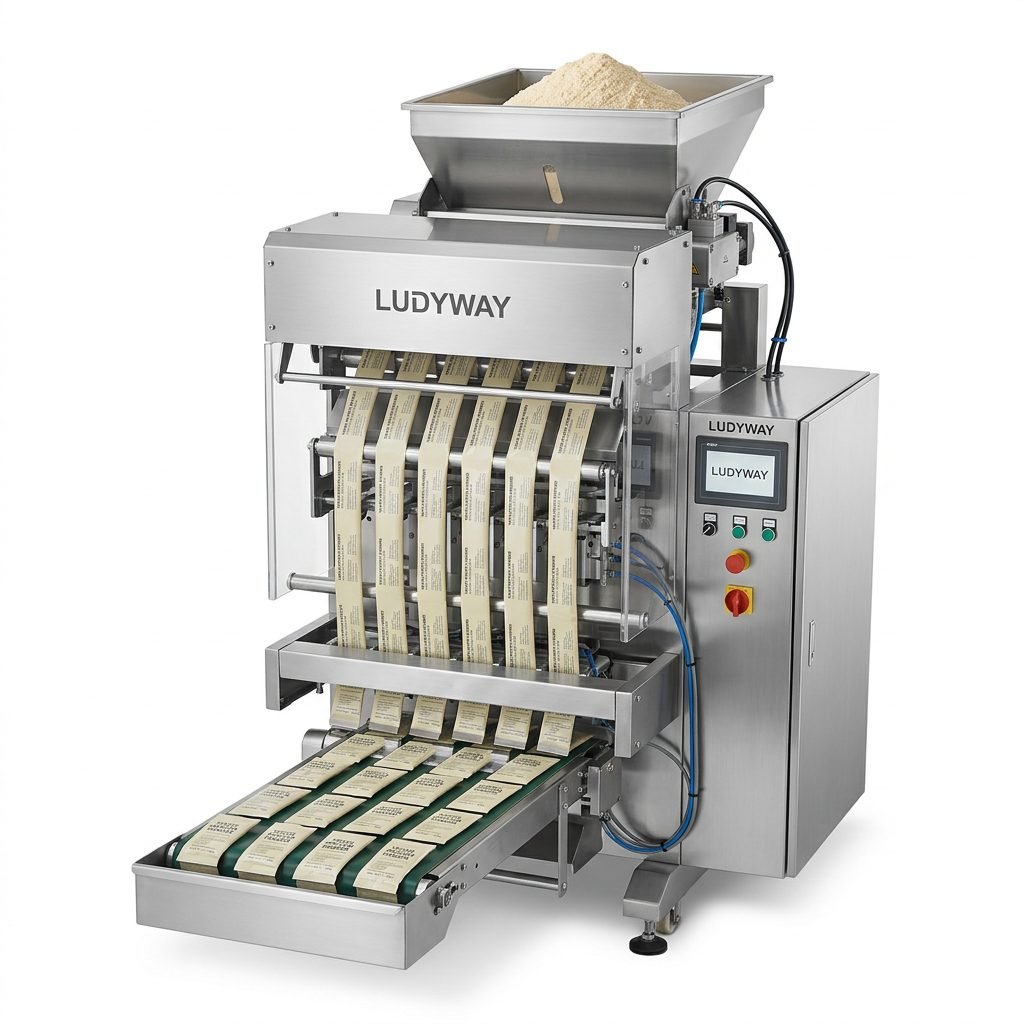
Sachet and Stick Pack Machines
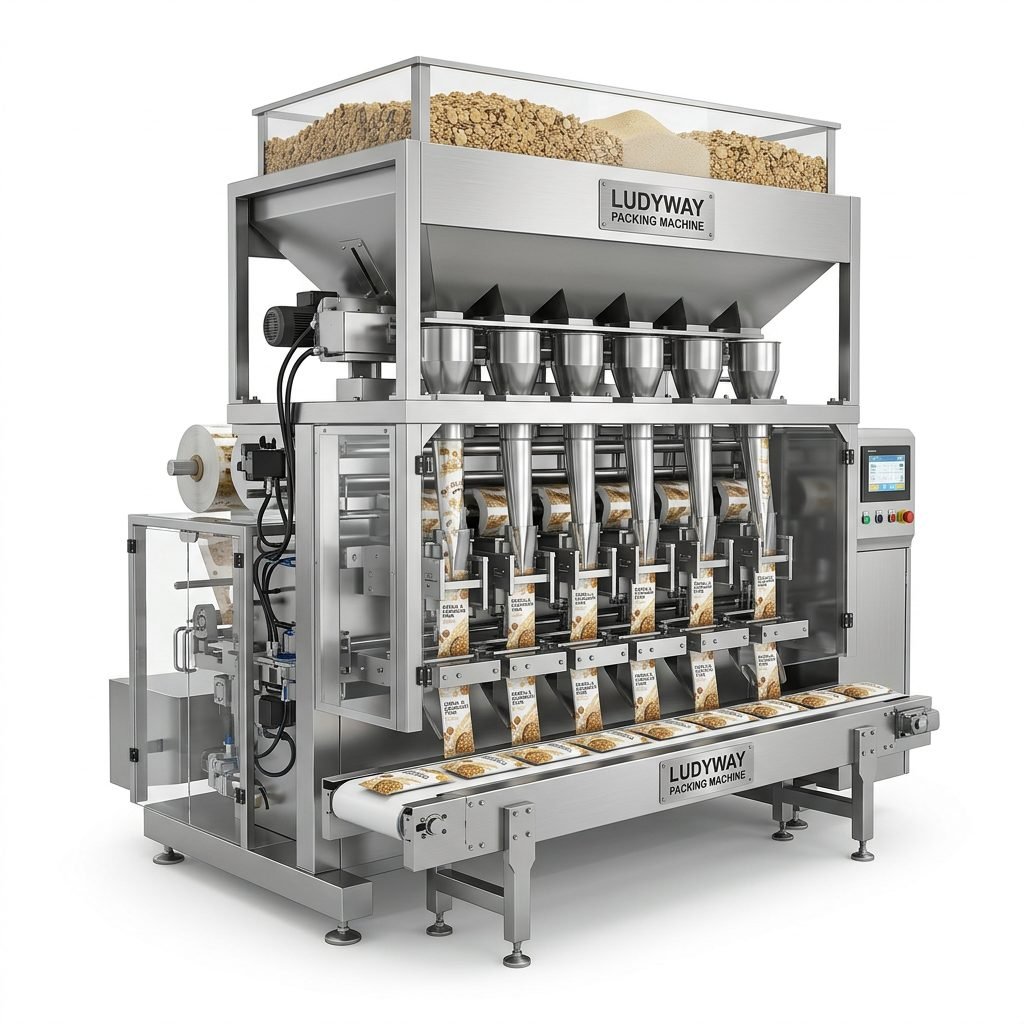
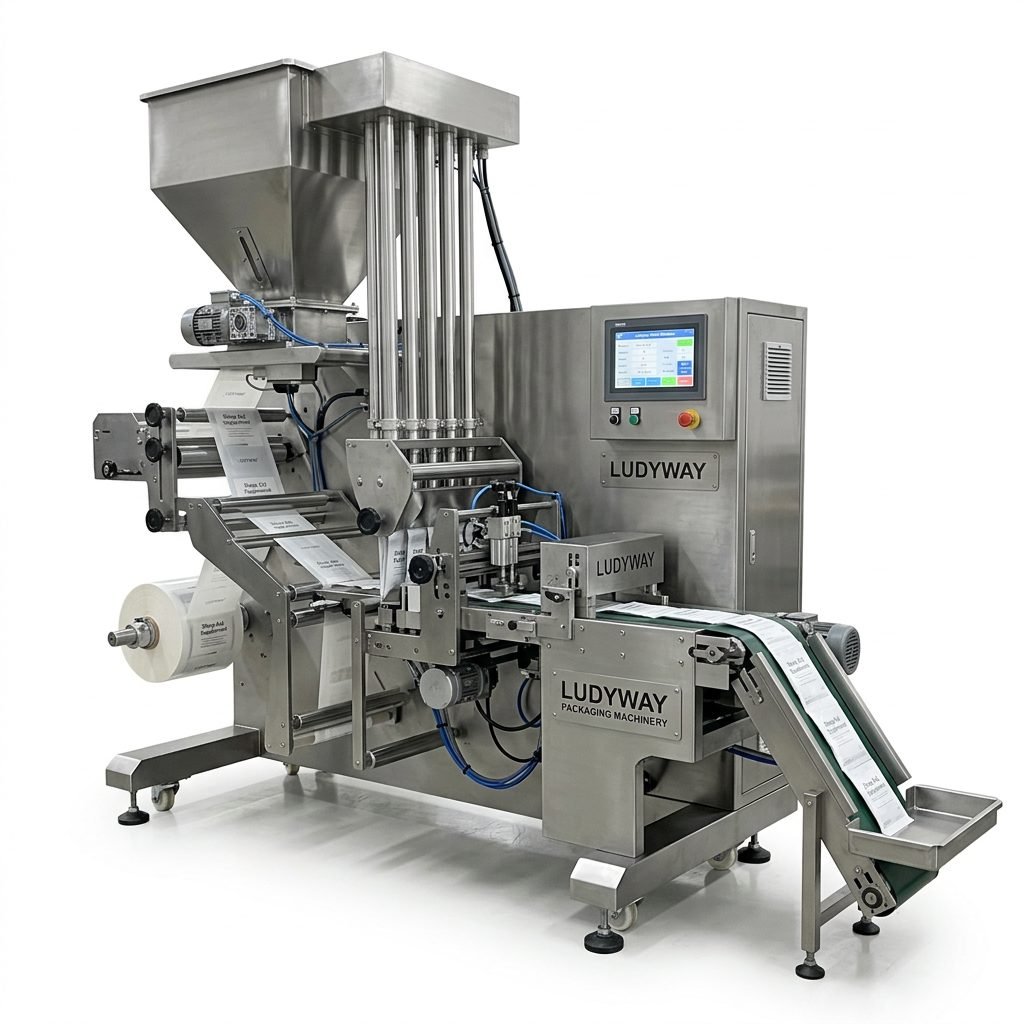
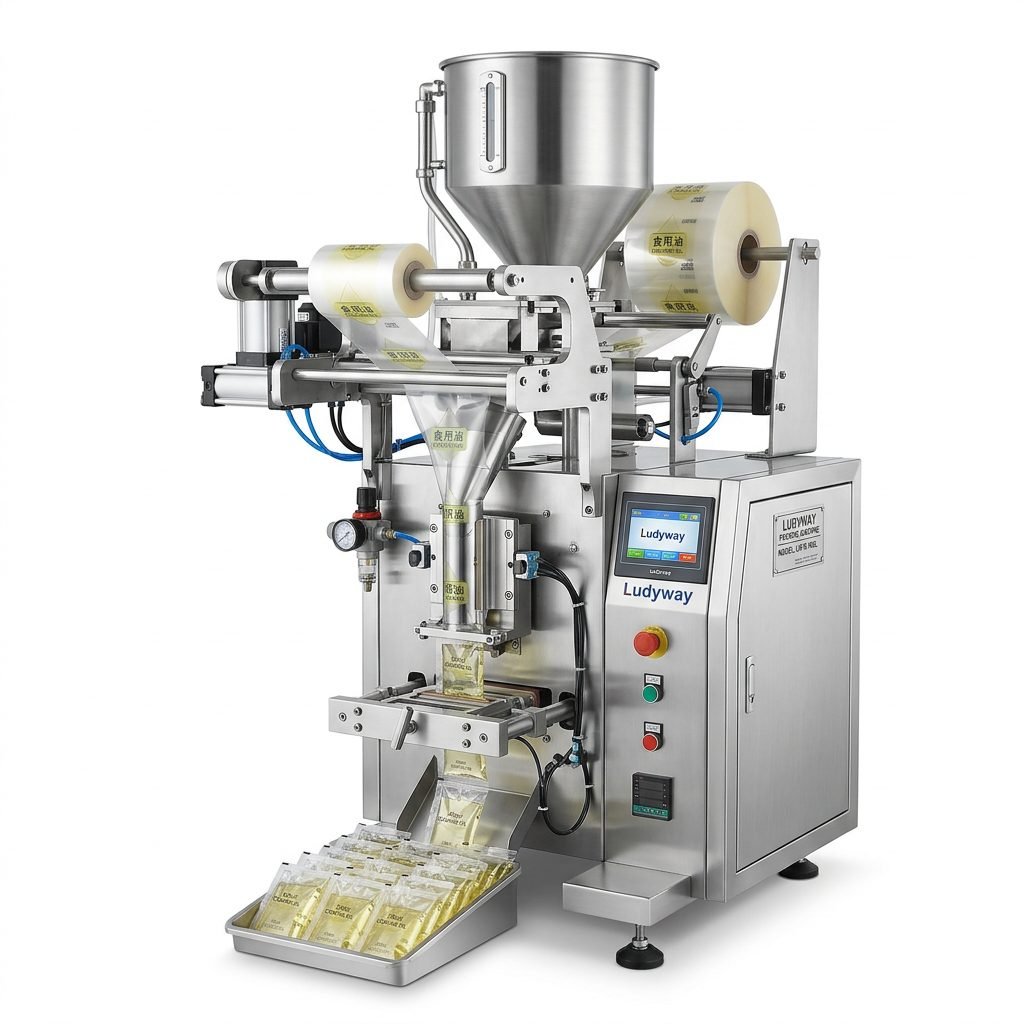
For single-serve portions commonly sold in developing markets, multi-lane sachet packing machines offer high output in compact footprints. These machines can produce 40-60 sachets per lane per minute, making them ideal for high-volume, low-margin operations. Modern systems often integrate volumetric piston fillers or flow meters to handle palm oil’s varying viscosity.
Pouch and Bag-in-Box Systems
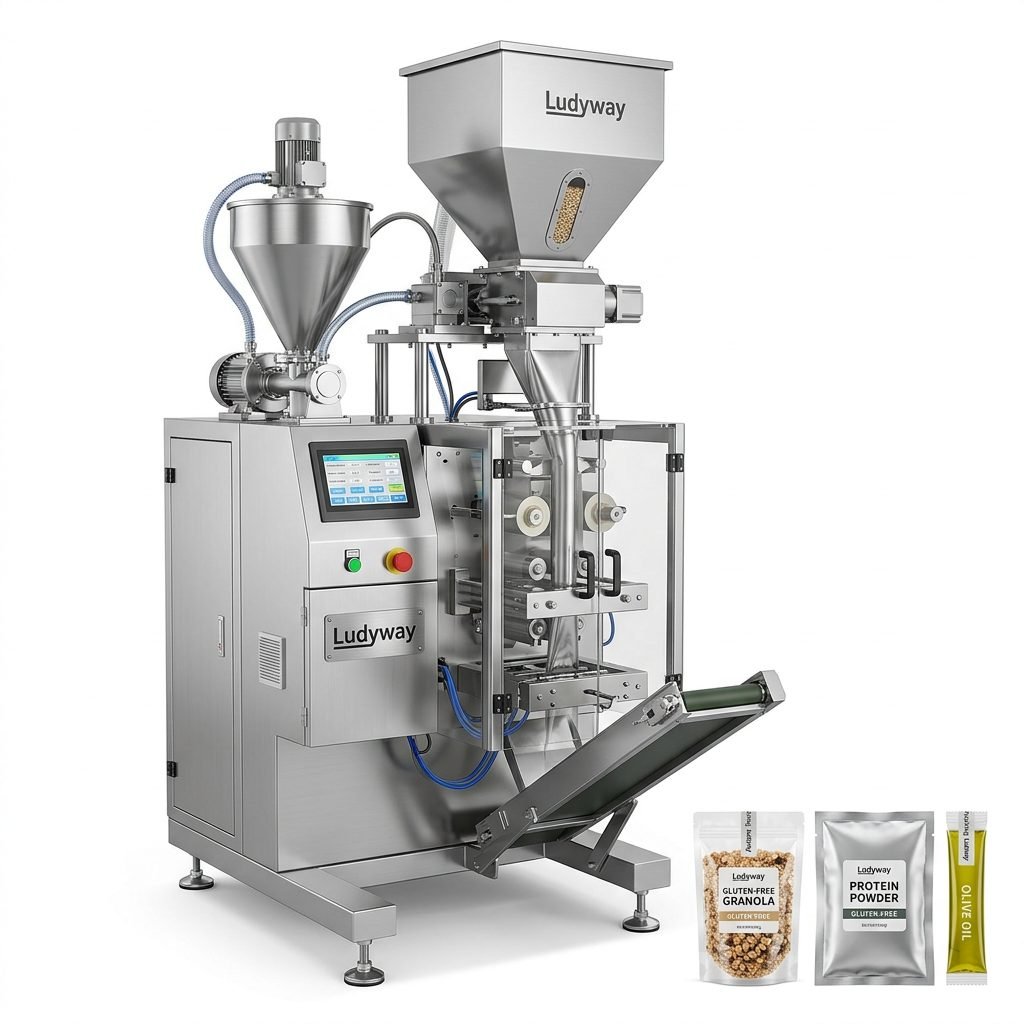
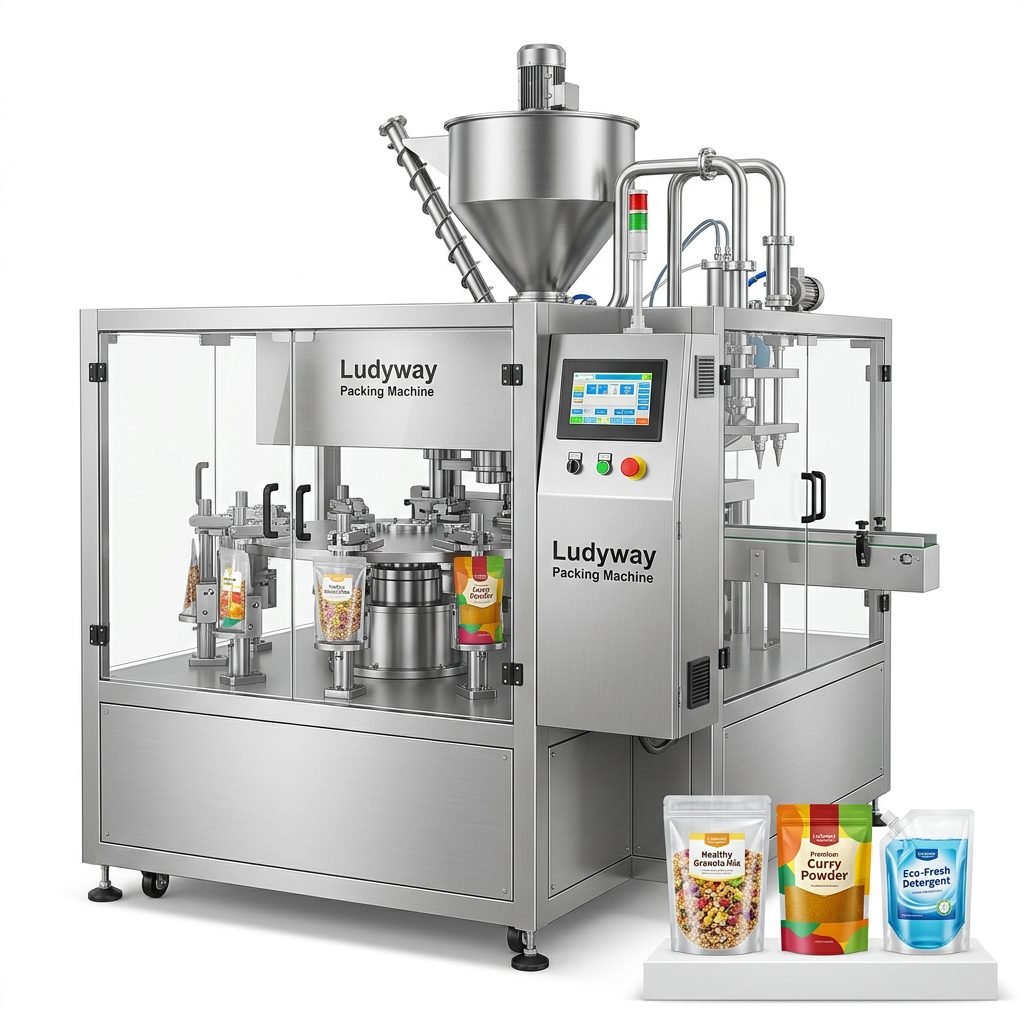
For larger retail and food-service formats, premade pouch filling and sealing machines provide flexibility across bag sizes ranging from 250ml to 5 liters. These systems typically include automated pouch opening, filling, and sealing stations. For industrial buyers, Flexible Packaging Association industry data provides useful benchmarks on pouch material compatibility and market trends.
Bottle Filling Lines
Bottle-based packaging remains dominant for branded cooking oils worldwide. Automatic rotary or inline filling machines equipped with servo-driven pistons or mass flow meters deliver high accuracy at speeds exceeding 200 bottles per minute. Integrated capping, labeling, and shrink-sleeve modules create complete turnkey solutions.
Key Selection Factors at a Glance
The following table summarizes the critical parameters you should evaluate when comparing different palm oil packing machine options.
| Factor | Why It Matters | Recommended Approach |
|---|---|---|
| Filling Accuracy | Directly affects product giveaway and profitability | Aim for ±0.5% to ±1% accuracy; use mass flow meters for highest precision |
| Temperature Control | Prevents solidification and ensures consistent flow | Jacketed tanks and heated filling nozzles; maintain oil at 40-50°C |
| Packaging Material Compatibility | Different films and laminates seal at different temperatures | Verify seal integrity with PET/MET-PE, BOPP, or nylon laminates |
| Production Speed | Must match current and projected demand | Select a machine capable of 120% of current peak demand |
| Cleanability and Hygiene | Food safety compliance and product changeover efficiency | Look for CIP-compatible designs and stainless steel contact parts |
| Automation Integration | Reduces labor costs and human error | Evaluate PLC controls, remote monitoring, and upstream/downstream connectivity |
Packaging Format and Material Selection
Your choice of packaging format impacts both consumer appeal and machine requirements. Palm oil is particularly demanding because it can interact with certain packaging materials over time.
- Sachets (10ml-50ml): Require high-barrier films to prevent oxidation; typically use 3-ply or 4-ply laminates with aluminum foil layers.
- Pouches (250ml-5L): Stand-up pouches with spouts are growing in popularity; ensure the sealing layer is compatible with palm oil’s fatty acid profile.
- Bottles (250ml-2L): PET and HDPE bottles dominate; inline filling lines with cappers are the standard equipment choice.
- Bag-in-Box (3L-20L): Ideal for food service and industrial kitchens; requires specialized aseptic or hot-fill compatible machines.
Regulatory compliance is equally important. Review the FDA Food Packaging and Food Contact Substances guidelines if you export to North American markets, and consult ISO Packaging Standards for international quality benchmarks.
Heated vs. Ambient Filling Systems
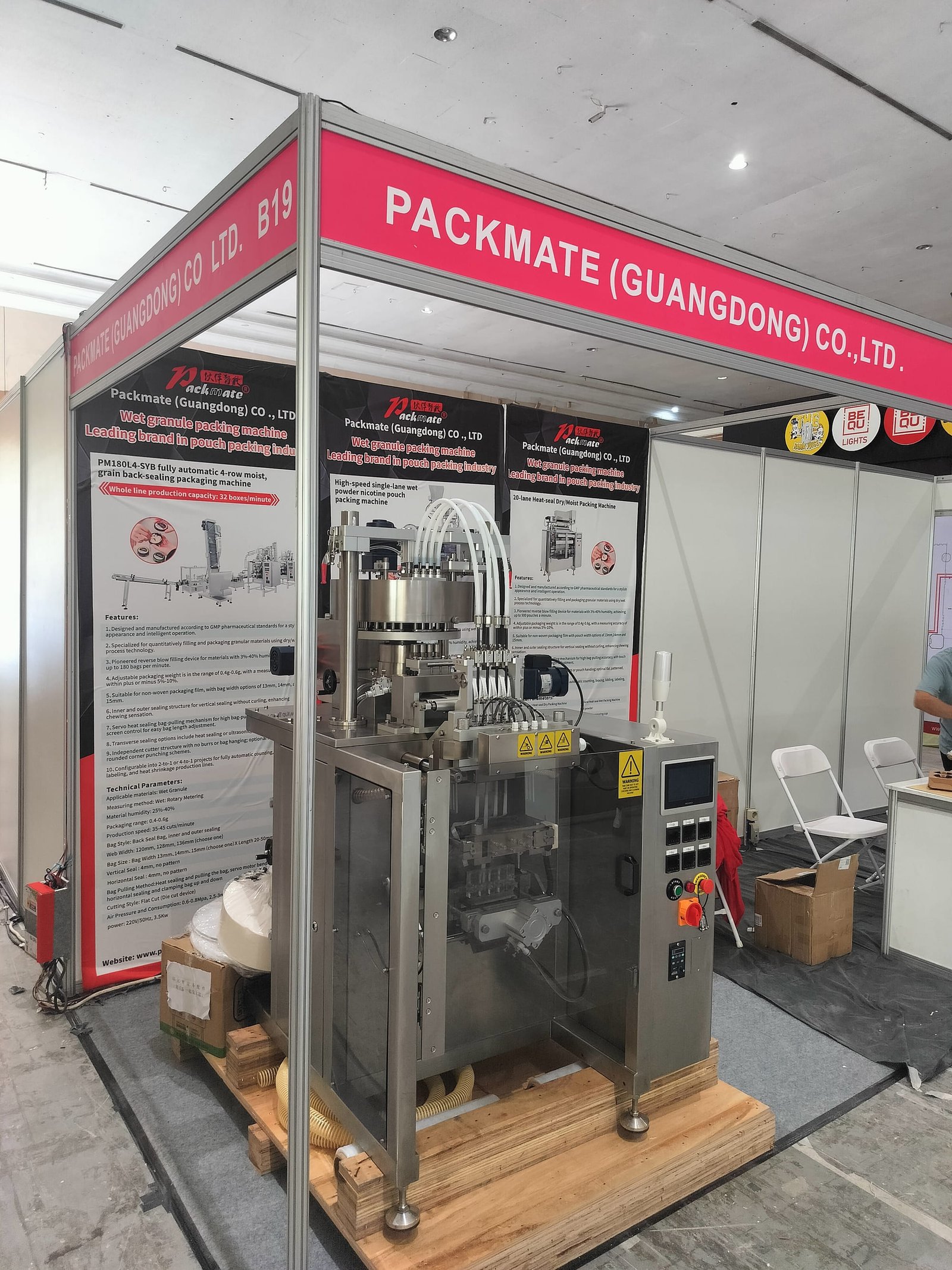
One of the most common mistakes buyers make is underestimating the importance of temperature management. Palm oil that is liquid at 35°C in tropical climates may partially solidify at 20°C in air-conditioned production facilities. Heated filling systems maintain the product at optimal temperatures throughout the process, from holding tanks to filling nozzles. When evaluating machines, confirm the temperature range supported and whether the heating system is integrated or requires external equipment.
Automation and Smart Features
Modern palm oil packing machines increasingly incorporate intelligent automation features that go beyond basic filling and sealing.
- Servo-driven dosing systems provide real-time fill volume adjustment without mechanical changes.
- Integrated checkweighers reject underfilled or overfilled packages automatically.
- Remote diagnostics and IoT connectivity enable predictive maintenance and production monitoring from anywhere.
- Automatic film splicing and web alignment reduce downtime on vertical form-fill-seal machines.
- Vision inspection systems verify seal integrity, date codes, and label placement at line speed.
For manufacturers planning to scale, choosing a machine with modular automation capabilities allows incremental upgrades without replacing the entire line. Industry research from PMMI’s State of the Industry 2025 report confirms that automation investment in packaging machinery continues to accelerate across all food sectors.
Maintenance, Spare Parts, and After-Sales Support
Even the most robust palm oil packaging equipment requires regular maintenance to perform reliably over years of operation. When evaluating suppliers, consider:
- Availability of critical spare parts — Common wear items like seals, heating elements, and cutting blades should be stocked locally or shippable within days.
- Technical support responsiveness — Does the supplier offer remote video assistance or on-site service engineers?
- Operator training programs — Comprehensive training reduces operational errors and extends machine life.
- Documentation quality — Clear manuals, electrical schematics, and troubleshooting guides save hours of downtime.
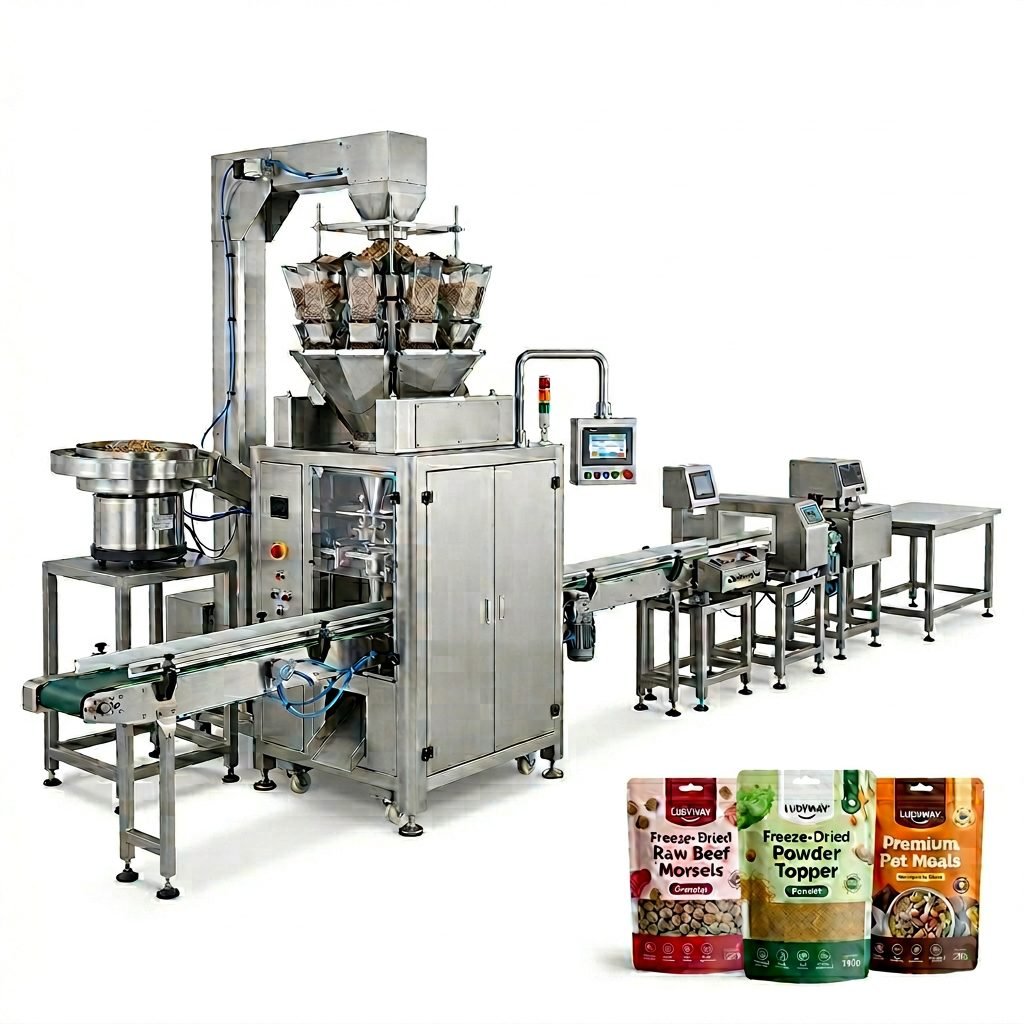
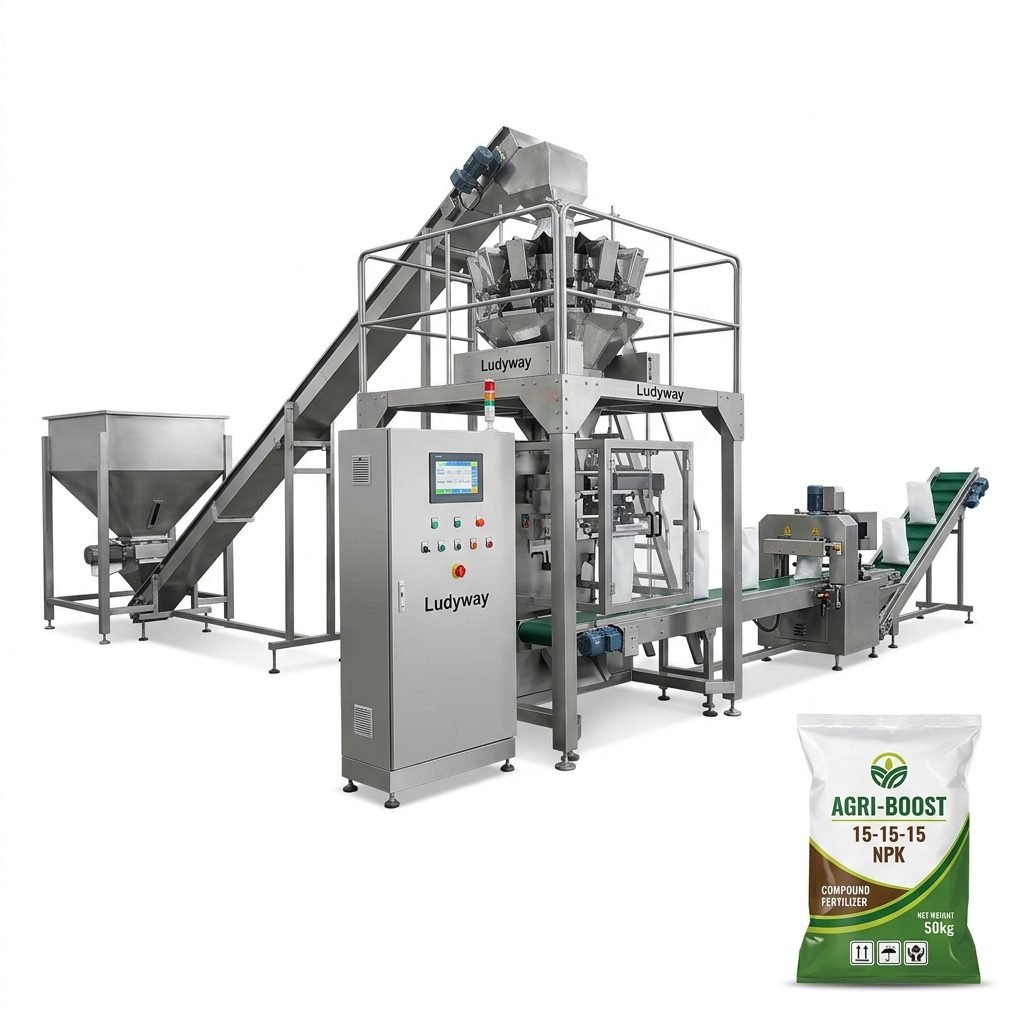
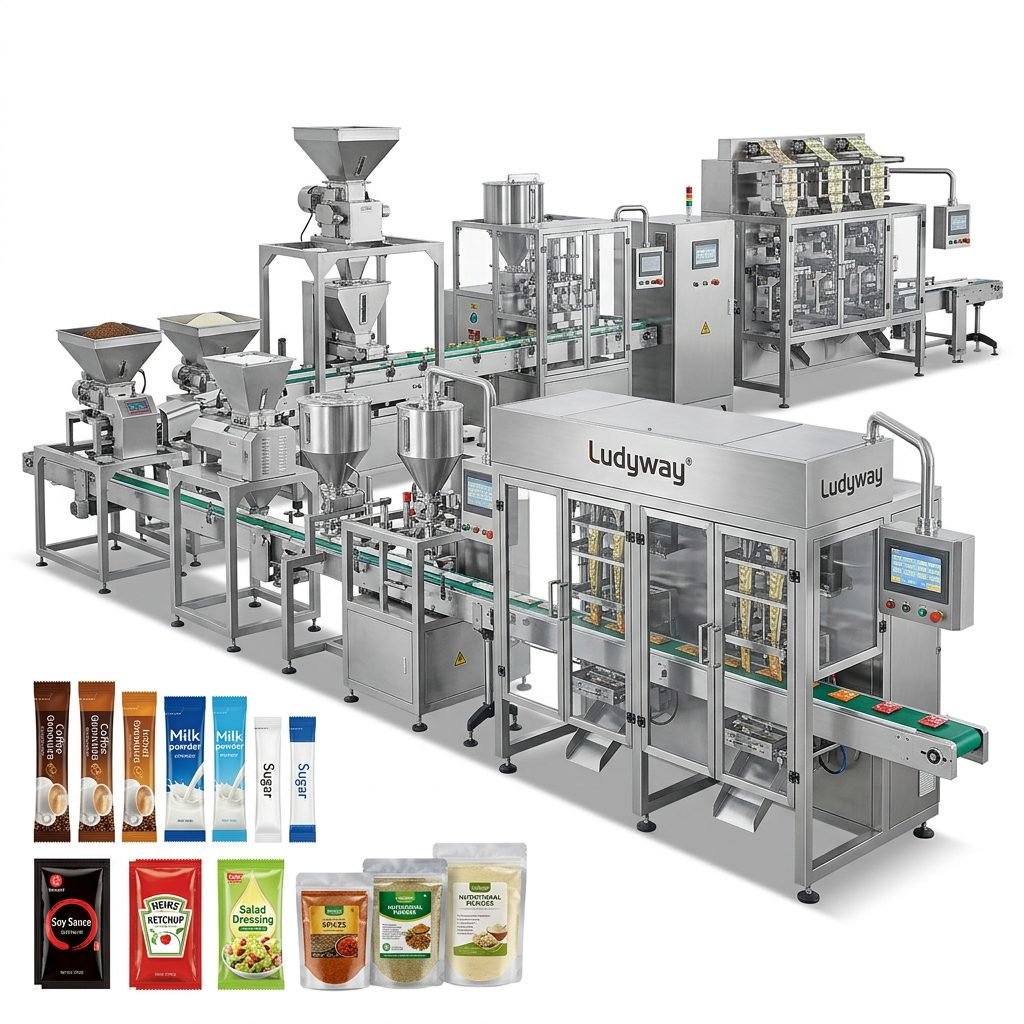
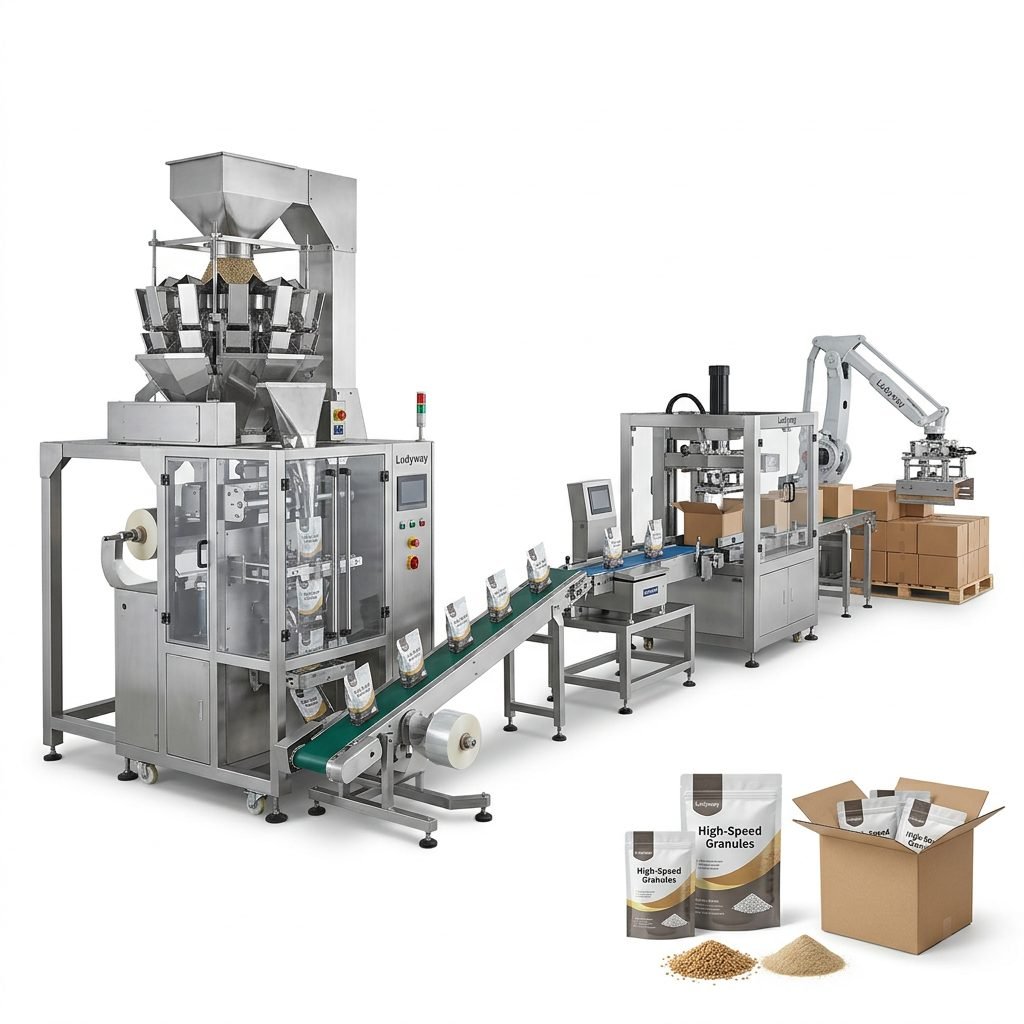
These support elements often differentiate long-term partnerships from transactional equipment purchases. One established manufacturer in this space is Ludyway Machinery, a China-based packaging machinery company with over 30 years of experience, a 20,000-square-meter manufacturing facility, and a portfolio of more than 50 packaging machine models serving customers in over 100 countries. Their approach combines customized engineering, in-house manufacturing, and global technical support to help manufacturers develop efficient and scalable packaging systems.
Frequently Asked Questions
What is the typical filling accuracy for a palm oil sachet machine?
Modern piston-filler and mass flow meter systems achieve ±0.5% to ±1% accuracy on volumes as small as 5ml. Accuracy depends on consistent product temperature, proper nozzle design, and regular calibration.
Can one machine handle both palm olein and palm stearin?
Yes, but only if the machine is equipped with heated tanks and temperature-controlled filling paths. Palm stearin requires higher temperatures to remain liquid, and switching between products may require adjustments to filling parameters and temperature setpoints.
How do I determine the right number of filling lanes?
Calculate your required output in packs per minute, then divide by the realistic speed per lane (typically 40-60 cycles per minute for sachet machines). Always factor in 15-20% headroom above current maximum demand to accommodate growth.
What packaging materials work best with palm oil?
Multi-layer laminates with aluminum foil barriers provide the best oxygen and light protection. Common structures include PET/Aluminum/PE and BOPP/MET-PET/PE. The inner sealant layer must be food-grade and resistant to palm oil’s fatty acid composition.
Making the Final Decision
Selecting the right palm oil packing machine ultimately comes down to aligning equipment capabilities with your specific product characteristics, target packaging formats, production volumes, and budget. Take time to test your actual product on candidate machines, request detailed specifications including utility requirements and floor space, and verify the supplier’s track record in your region. A well-chosen machine becomes a competitive advantage; a poorly matched one becomes an ongoing operational burden.
For further reading on packaging machinery trends and standards, visit the PMMI Packaging Industry Resources hub or explore the Flexible Packaging Association website for material and sustainability insights. Additionally, recent industry reports highlight the growing global demand for automated packaging solutions across emerging markets.