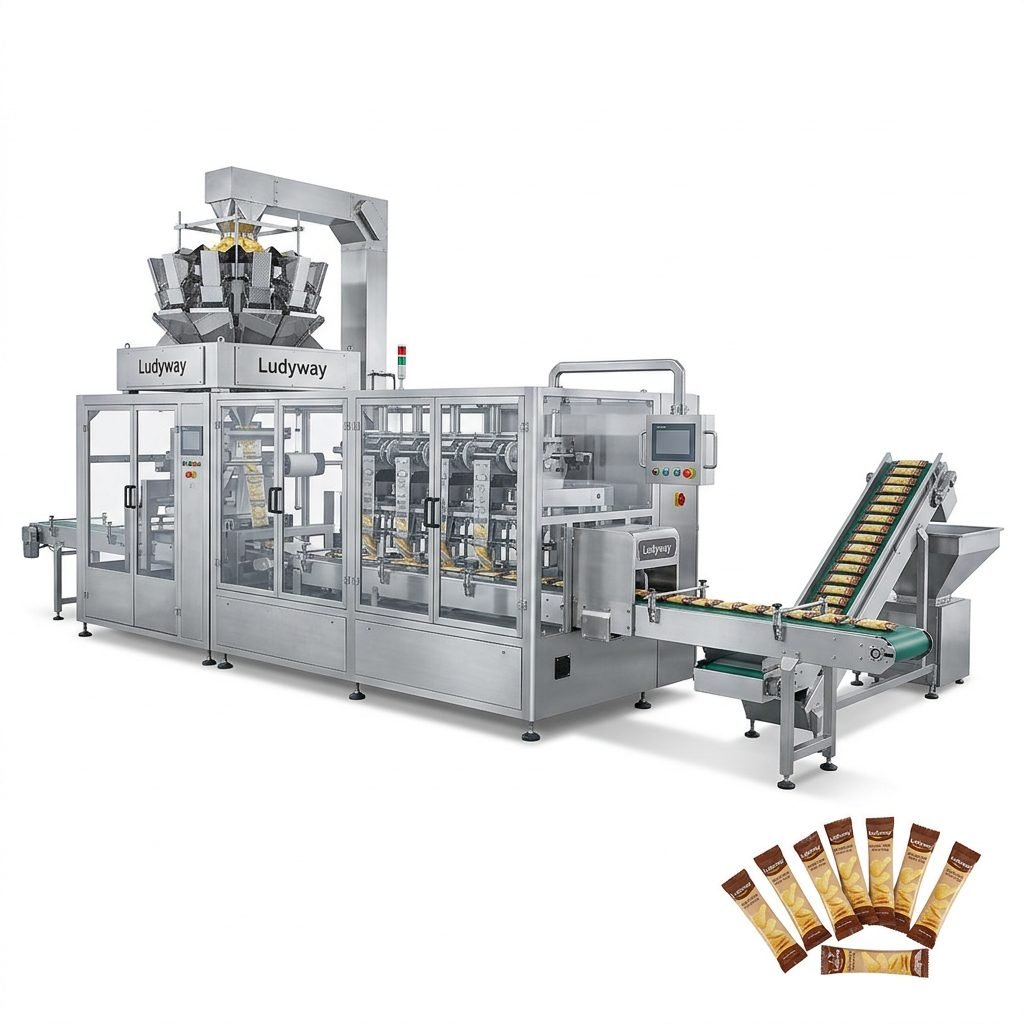
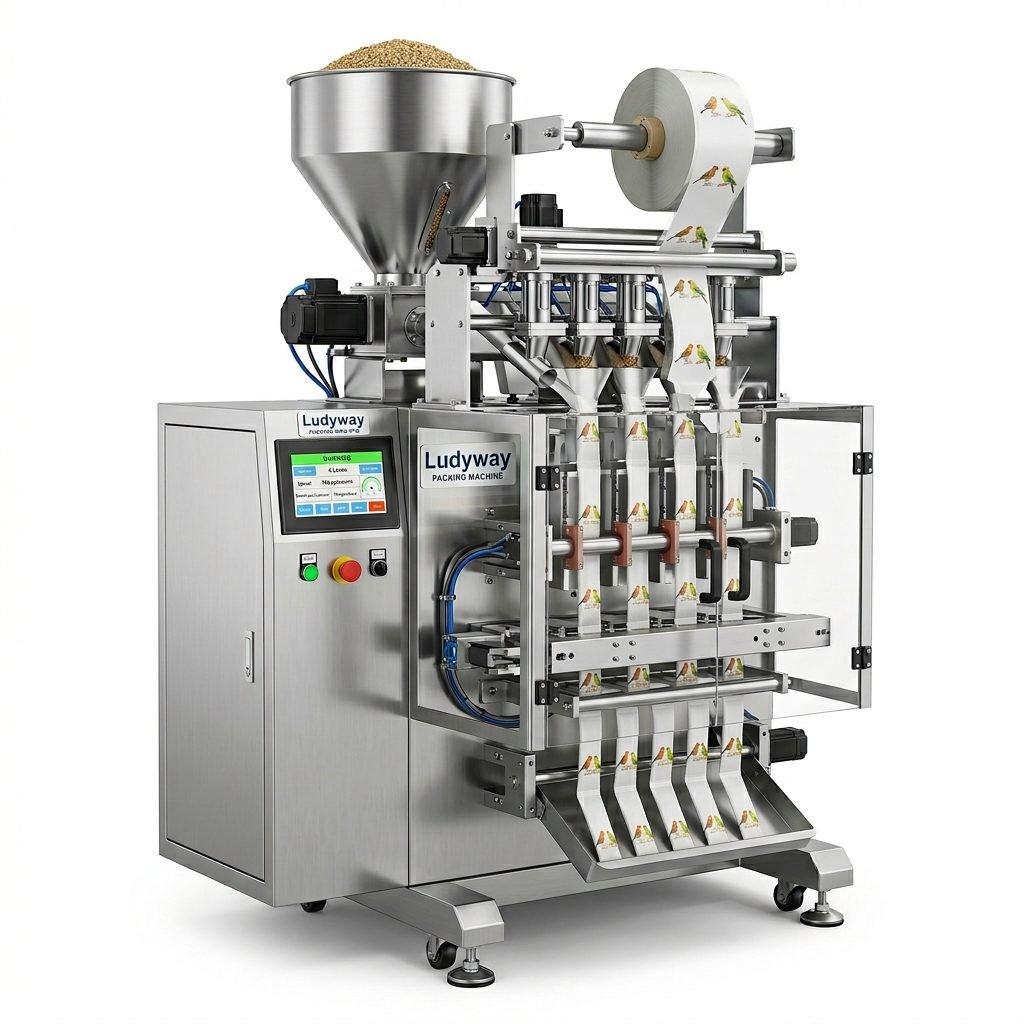
Investing in a sweet packaging machine is a critical decision for any confectionery manufacturer, food producer, or co-packer. Whether you are packaging hard candies, gummies, chocolates, marshmallows, toffees, or powdered drink mixes, the right equipment directly impacts production efficiency, product freshness, and shelf appeal. With so many machine types, configurations, and suppliers available, making an informed choice requires a structured evaluation of your product, production goals, and long-term business needs.
This comprehensive guide walks you through the essential factors to consider when selecting a sweet packaging machine, helping you avoid costly mistakes and choose equipment that delivers consistent results for years to come. For manufacturers exploring automatic packaging equipment options, understanding these fundamentals is the first step toward a successful investment.
1. Understand Your Sweet Product Characteristics
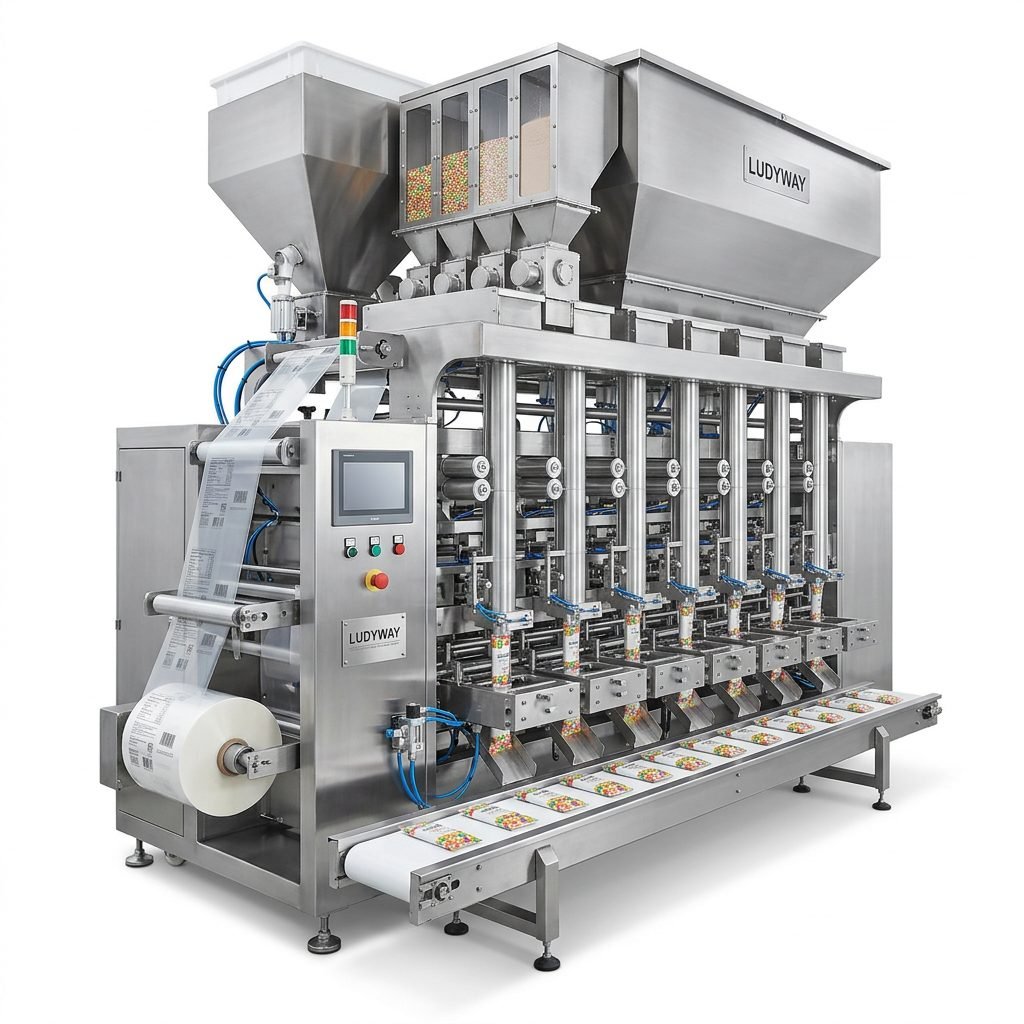
Before evaluating any packaging machinery, you must thoroughly analyze the physical properties of your sweet products. Different confectionery items present unique handling challenges that directly determine which machine type is suitable.
Key Product Attributes to Evaluate
- Product form: Is your sweet product a solid piece (hard candy, lollipop, chocolate bar), a granule (sugar crystals, sprinkles), a powder (drink mix, powdered sugar, cocoa), a paste or gel (honey, jam, caramel), or a liquid (syrup, liquid sweetener)? Each form requires a fundamentally different filling and dosing system.
- Flowability: Granules and powders can be free-flowing (sugar, salt) or cohesive/non-free-flowing (brown sugar, glucose powder, sticky candy powders). Non-free-flowing products may require auger fillers, vibratory feeding systems, or specialized hopper designs with mechanical agitation to ensure consistent dosing.
- Hygroscopicity: Many sweet products readily absorb moisture from the air. Candies with high sugar content, powdered drink mixes, and dehydrated fruit snacks can become sticky, clump together, or degrade in quality if exposed to humidity during packaging. This may necessitate nitrogen flushing, dehumidified packaging environments, or high-barrier packaging films.
- Fragility: Delicate products like chocolate-coated candies, wafer-based sweets, or intricately shaped confections may be damaged by excessive mechanical handling. Machines with gentle product handling features, such as low-drop filling heads or cushioned transfer points, are essential for maintaining product integrity and appearance.
- Temperature sensitivity: Chocolate and certain fat-based confections soften or melt at elevated temperatures. Packaging equipment operating in warm production environments may require cooling systems or temperature-controlled zones to prevent product deformation and sticking during the filling and sealing process.
- Dustiness: Powdered sugar, cocoa powder, and fine-milled sweetener blends can generate airborne dust that contaminates seal areas, clogs machine components, and creates hygiene issues. Machines designed for dusty products incorporate dust extraction systems, sealed electrical cabinets, and easy-clean surfaces to maintain reliable operation.
2. Define Your Required Packaging Format
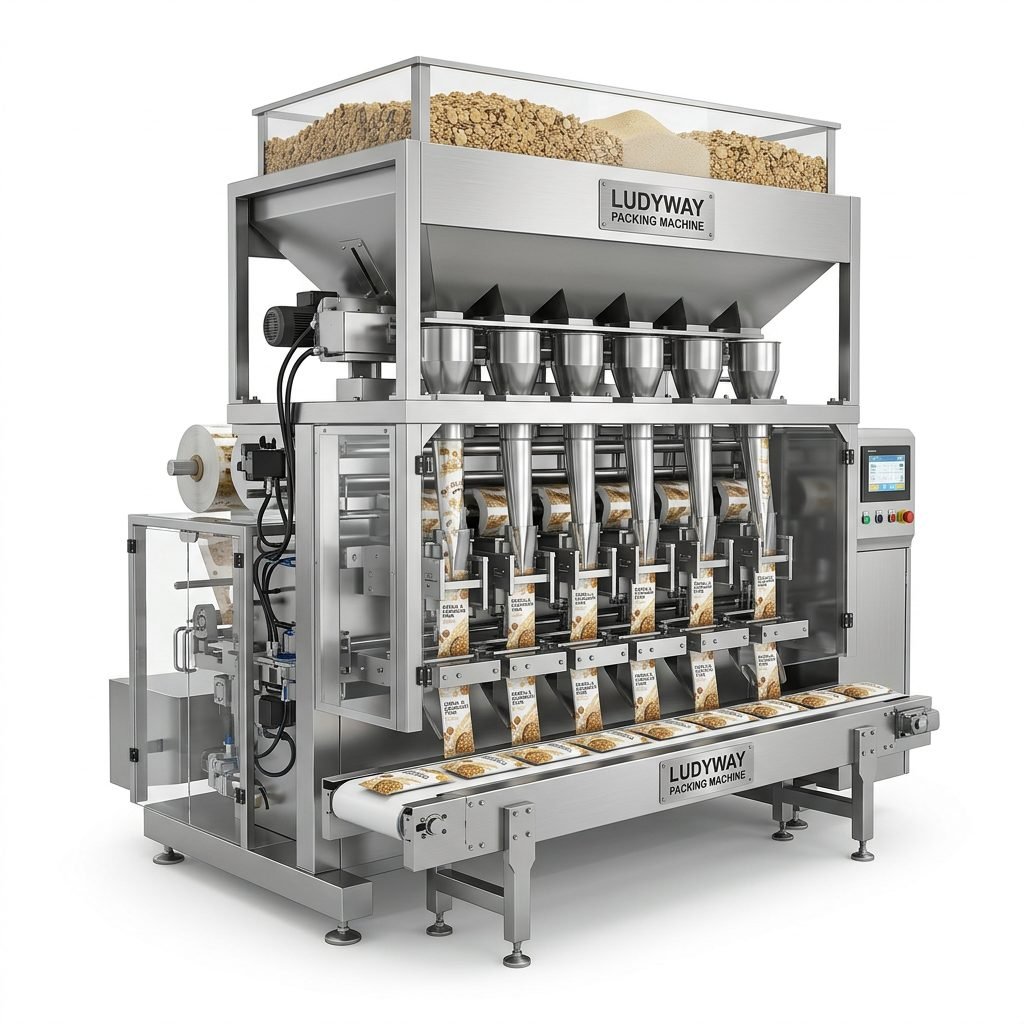
The packaging format you choose affects everything from consumer convenience to shelf presence and production line configuration. Sweet products are packaged in a wide variety of formats, each with specific equipment requirements.
Common Sweet Packaging Formats
| Packaging Format | Best For | Common Sweet Products |
|---|---|---|
| Stick Packs | Single-serve, on-the-go portions | Powdered drink mixes, sugar, honey, instant coffee, flavored creamers |
| Sachets / Flat Pouches | Small-volume, cost-effective packaging | Hard candies, gummies, chocolate pieces, powdered beverages, sauce condiments |
| Stand-Up Pouches | Premium shelf appeal, resealable options | Gummy bears, chocolate-covered nuts, dried fruit snacks, granola clusters |
| Pillow Bags | High-speed flow wrapping | Chocolate bars, candy bars, wrapped toffees, biscuit-based sweets |
| Bulk Bags / Jumbo Bags | Industrial quantities, B2B supply | Bulk sugar, glucose syrup, cocoa powder, starch-based sweeteners |
Your choice of packaging format should align with your target market segment, distribution channel, and brand positioning. Single-serve stick packs and sachets are growing rapidly in the convenience and foodservice sectors, while resealable stand-up pouches command premium positioning in retail environments. For a deeper understanding of packaging trends, refer to the Flexible Packaging Association’s industry resources.
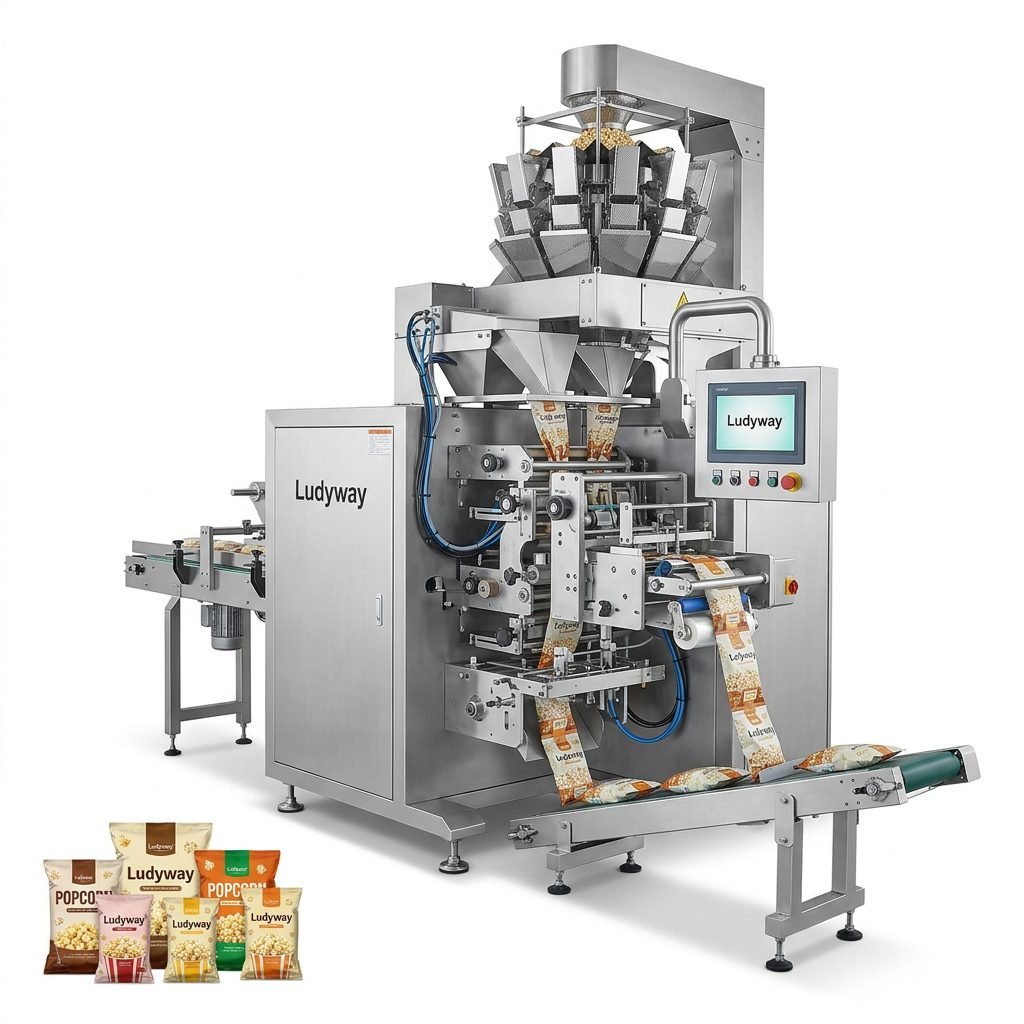
3. Determine Your Production Speed and Capacity Requirements
Production speed is one of the most important specification parameters when selecting a sweet packaging machine. Underestimating your throughput needs can create bottlenecks, while over-specifying speed leads to unnecessary capital expenditure.
Calculating Required Machine Speed
To determine the appropriate machine speed, consider both your current production volume and your projected growth over the next 3–5 years. A common mistake is purchasing equipment that meets today’s demand but cannot accommodate future expansion. Factor in:
- Current daily or shift-based output in units, kilograms, or packs per minute
- Peak seasonal demand — many confectionery businesses experience significant volume spikes around holidays (Christmas, Easter, Valentine’s Day, Diwali, Lunar New Year)
- Expected business growth — a machine that runs at 70–80% of its maximum rated speed typically offers the best balance of throughput and long-term reliability
- Line efficiency and downtime — factor in planned maintenance, changeover time between products or flavors, and unplanned stoppages
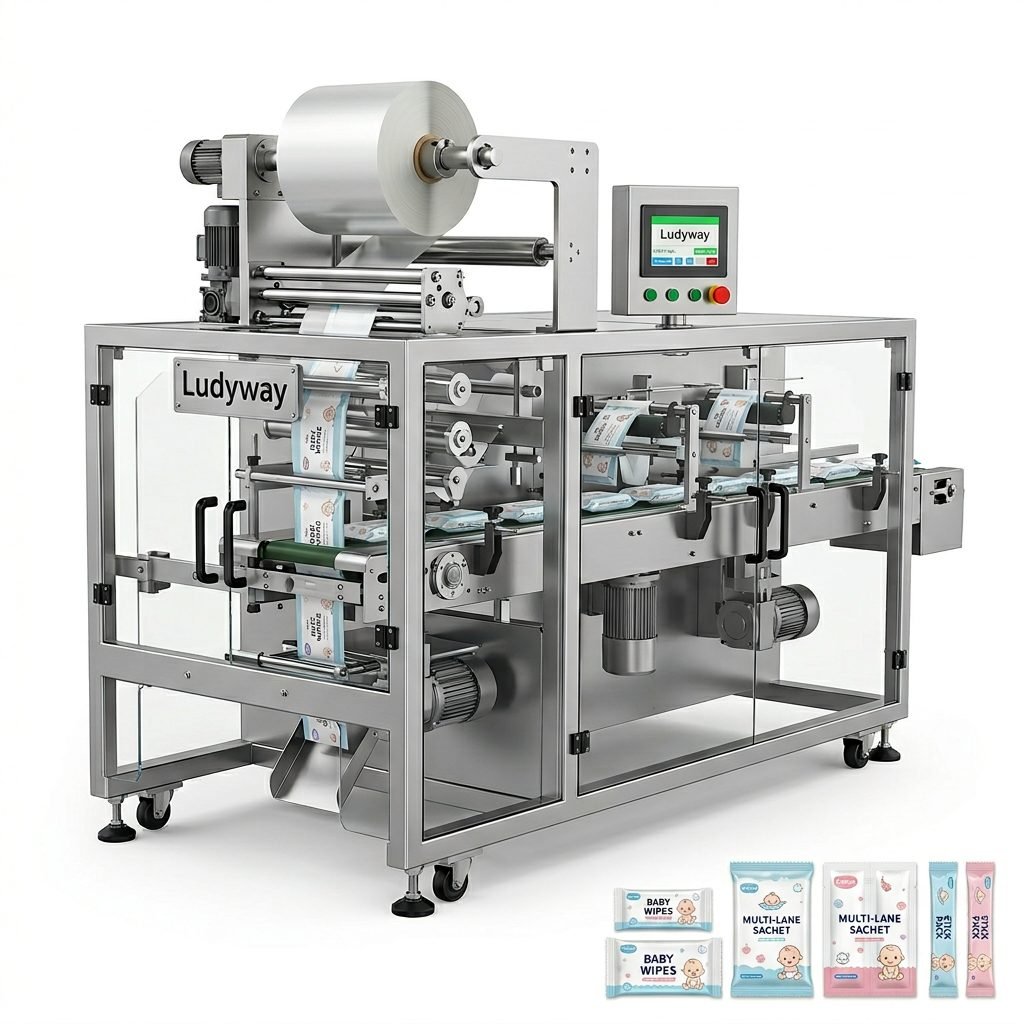
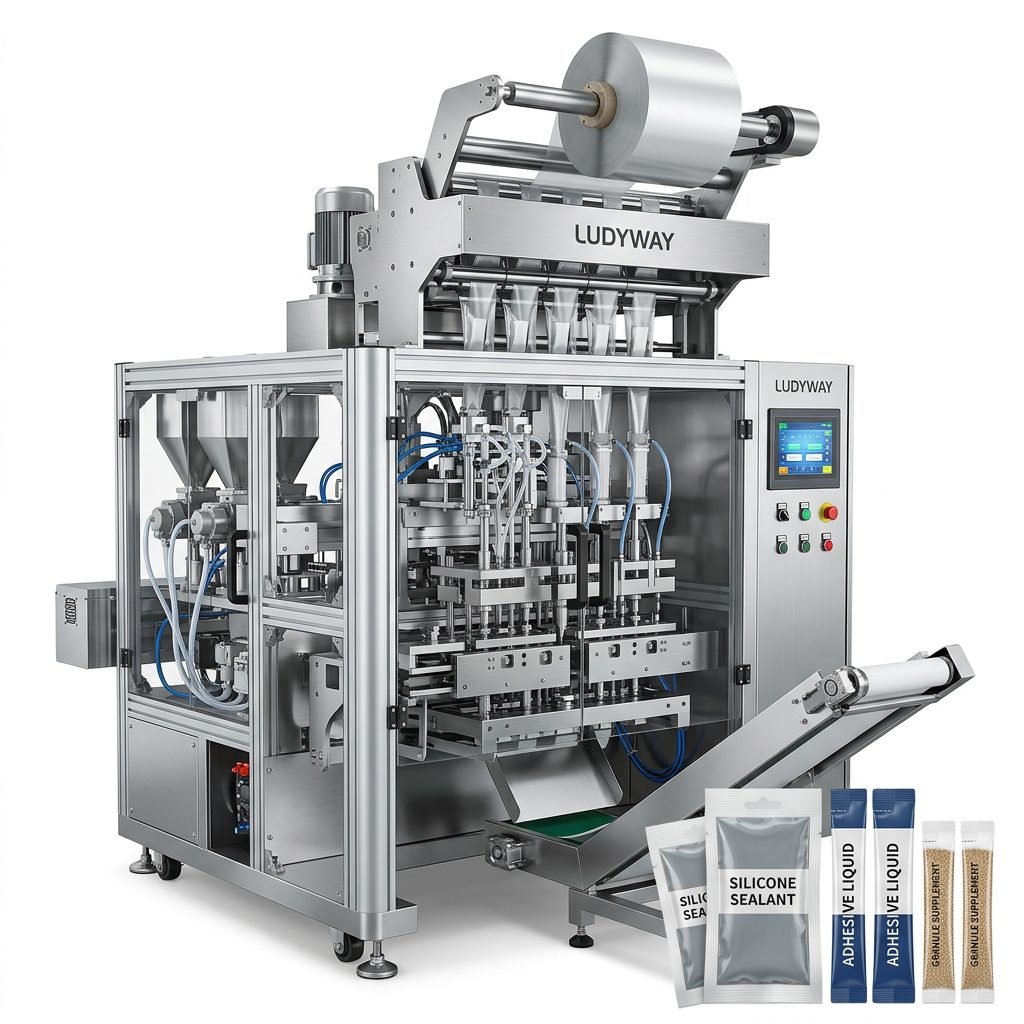
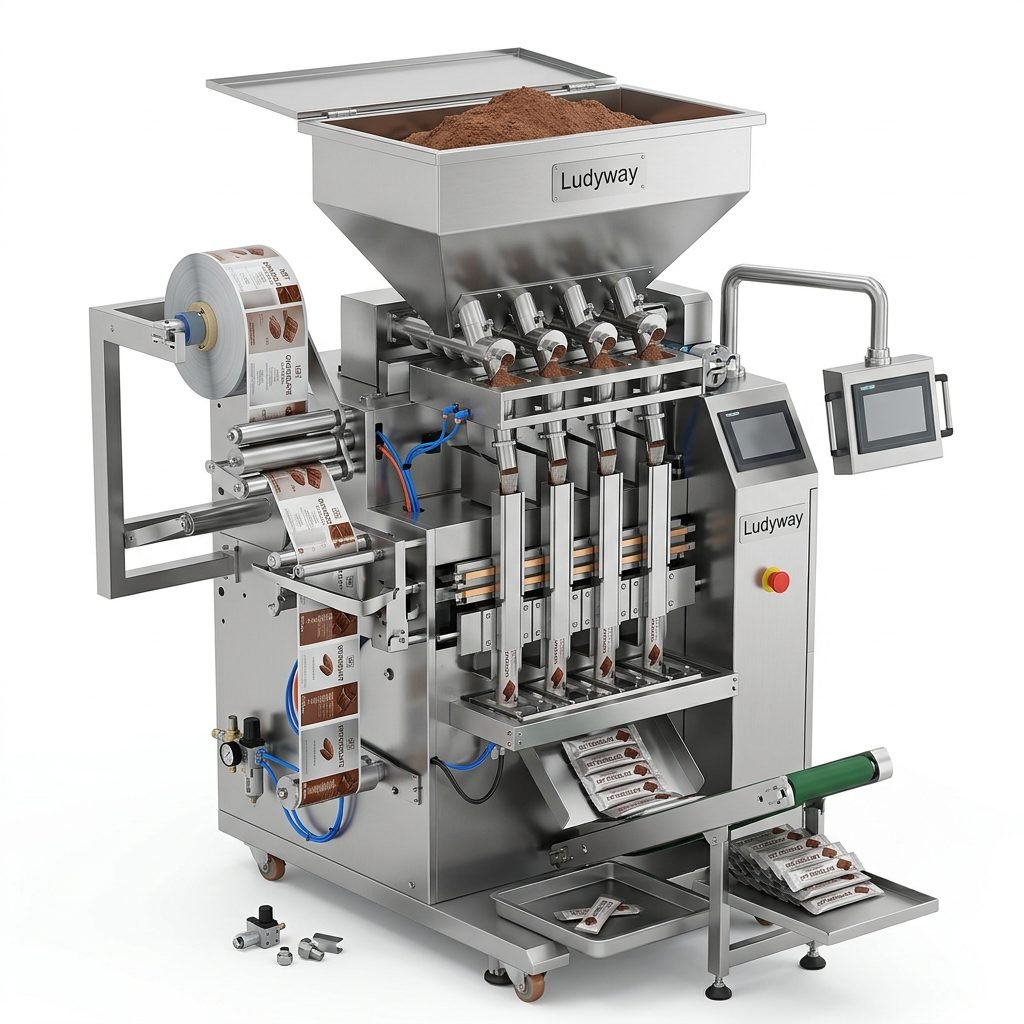
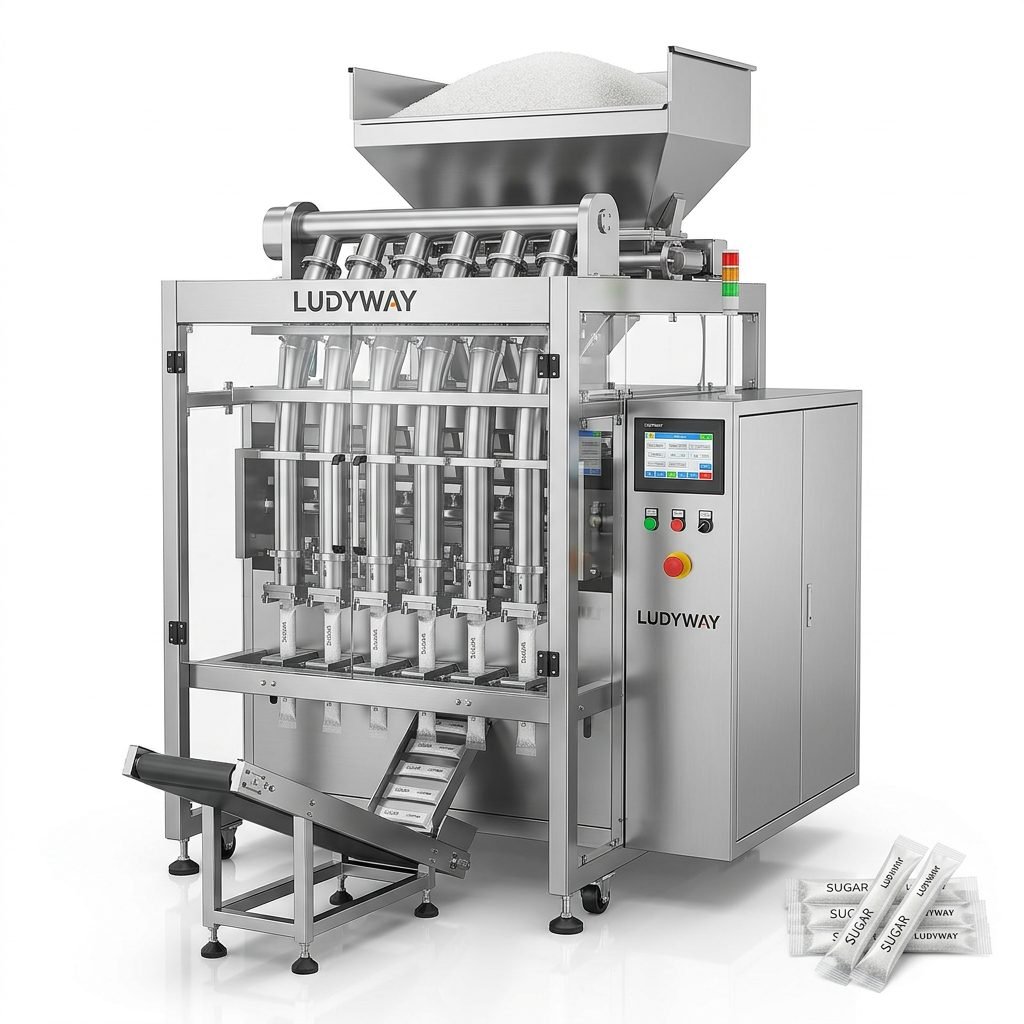
- Multi-lane configurations — for high-volume stick pack and sachet production, multi-lane machines (4-lane, 6-lane, 8-lane, 10-lane, or even 12-lane) multiply output without proportionally increasing floor space or operator requirements
| Production Scale | Typical Speed Range | Recommended Machine Type |
|---|---|---|
| Small / Startup | 20–50 packs/min | Single-lane vertical form-fill-seal (VFFS) or semi-automatic machines |
| Medium / Growing | 50–150 packs/min | Multi-lane (4–6 lane) stick pack or sachet machines |
| High-Volume Industrial | 150–400+ packs/min | High-speed multi-lane (8–12 lane) systems with automated feeding and cartoning |
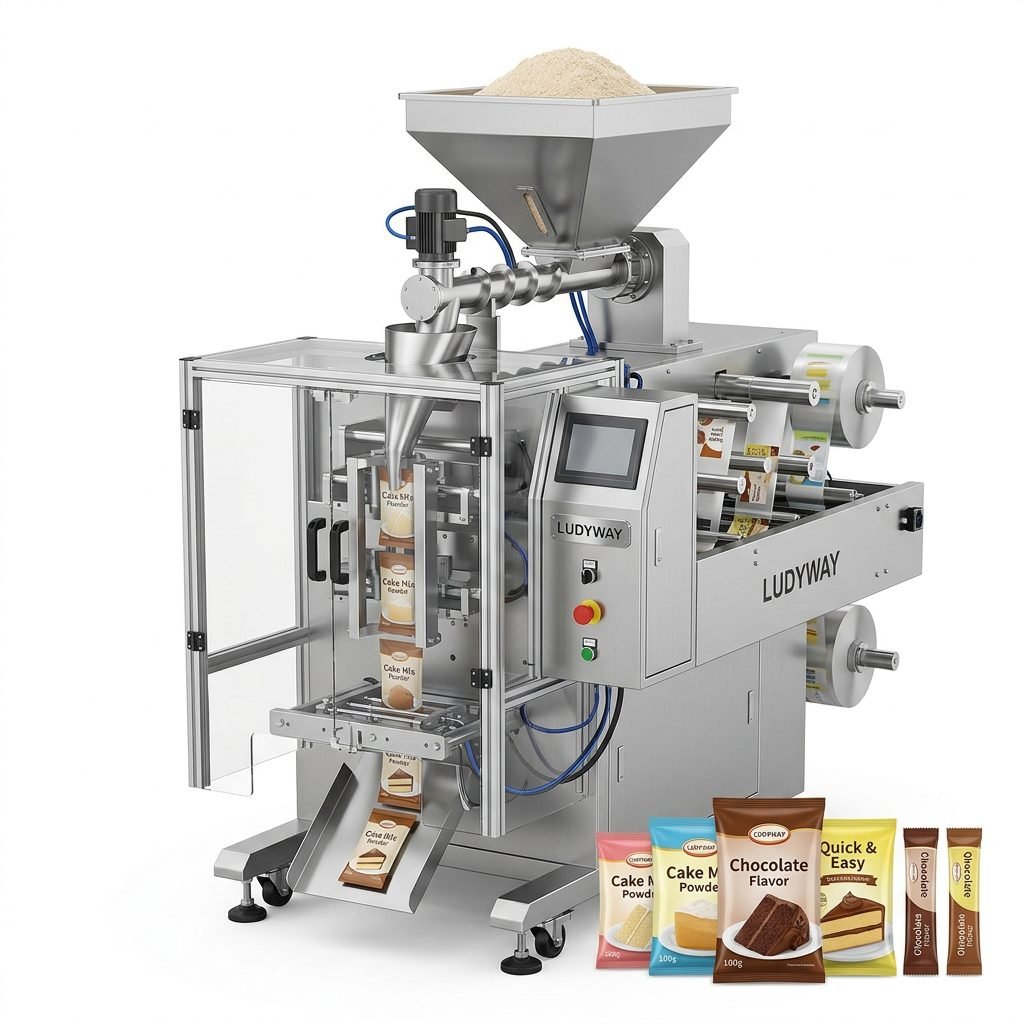
4. Evaluate Filling and Dosing Accuracy
Inconsistent fill weights directly impact profitability, regulatory compliance, and customer satisfaction. Overfilling by even 1–2 grams per pack can result in significant product loss at scale, while underfilling risks consumer complaints and regulatory penalties. The filling and dosing system you select must match your product’s physical characteristics and your target fill accuracy.
Common Filling Technologies for Sweet Products
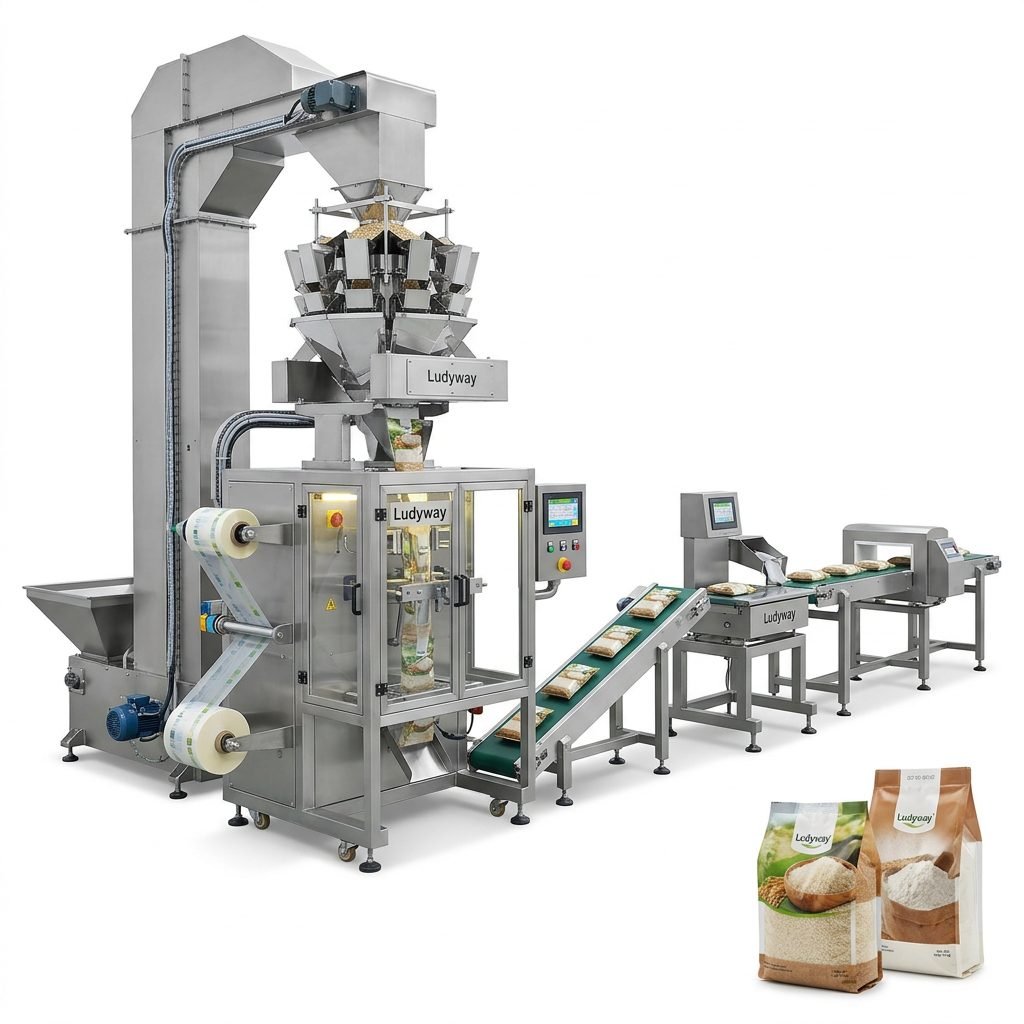
- Multi-head weighers (combination weighers): Ideal for solid pieces such as hard candies, gummies, chocolate drops, and wrapped confections. These systems use multiple weigh heads that combine portions to achieve precise target weights at high speeds. Modern multi-head weighers achieve ±0.5–1.0 gram accuracy depending on piece weight and product characteristics.
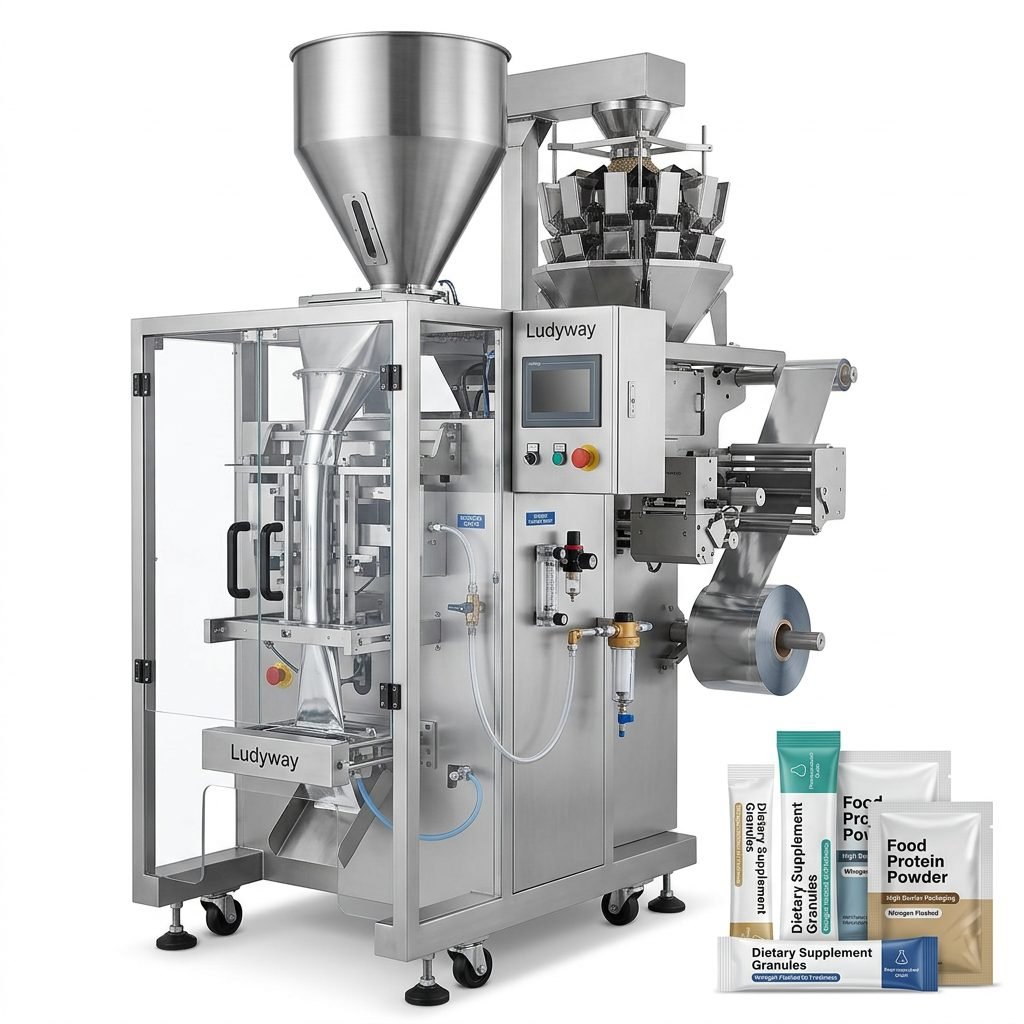
- Auger fillers: Designed for powders and fine granules including powdered sugar, cocoa powder, drink mixes, and starch-based sweeteners. Auger-based volumetric or gravimetric dosing provides consistent fill weights for free-flowing and semi-free-flowing powders. Servo-driven augers offer superior accuracy and programmability compared to mechanically driven alternatives.
- Volumetric cup fillers: A cost-effective solution for free-flowing granules such as crystal sugar, sprinkles, and uniformly sized candy pieces. While generally less precise than gravimetric systems, volumetric fillers can be very consistent when product density remains stable.
- Piston fillers: Used for viscous liquids and pastes such as honey, caramel, chocolate syrup, fruit jam, and liquid sweeteners. Piston fillers deliver excellent volumetric accuracy for products with consistent viscosity.
- Net weight fillers: For high-value products or applications requiring the highest accuracy, net weight fillers weigh each fill in real time and adjust dosing dynamically, minimizing giveaway.
According to industry data from PMMI’s packaging machinery market research, filling accuracy and dosing technology remain top considerations for food manufacturers when specifying new packaging equipment.
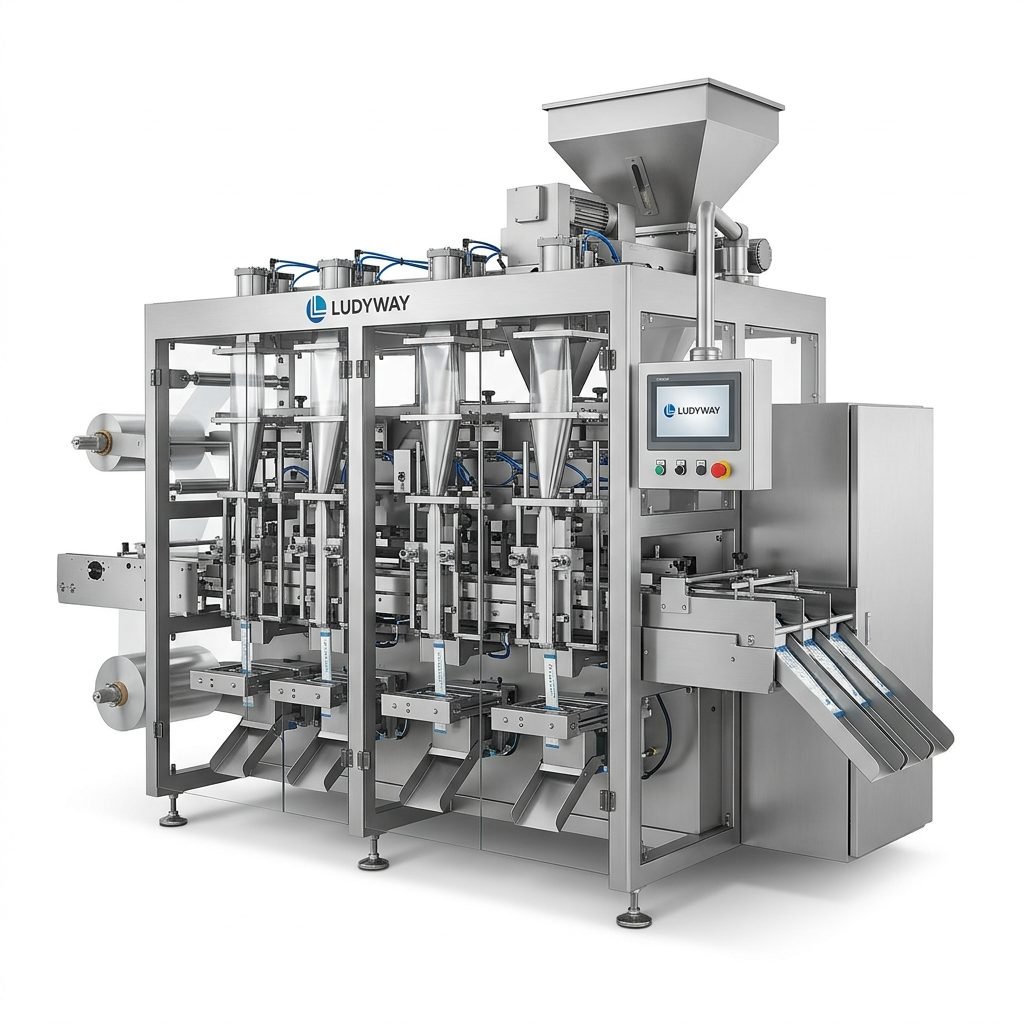
5. Assess Packaging Material Compatibility
Your packaging machine must be compatible with the packaging materials you intend to use. Different films, laminates, and materials have distinct sealing characteristics, barrier properties, and mechanical behaviors that affect machine performance and package quality.
Key Material Considerations
- Film structure: Common sweet packaging materials include BOPP/CPP laminates, PET/Al/PE (metallized for high barrier), paper/PE/foil/PE, and biodegradable films. Each laminate structure has different heat-seal characteristics, stiffness, and coefficient of friction that affect how the film runs through the machine’s forming, filling, and sealing stations.
- Sealability: The machine’s sealing system (heat-seal jaws, ultrasonic sealing, or impulse sealing) must be compatible with your film’s sealant layer. Polyethylene (PE) and cast polypropylene (CPP) are the most common sealant layers for sweet product packaging, each requiring different sealing temperature profiles and dwell times.
- Barrier requirements: Many sweet products are sensitive to moisture, oxygen, light, or aroma loss. High-barrier films with aluminum foil or metallized layers provide excellent protection but may require machines with gentler film handling to prevent micro-cracking of the barrier layer. Flexible packaging industry data shows that barrier performance requirements continue to increase as shelf-life expectations extend.
- Material thickness and stiffness: Thicker films and stiff laminates require machines with robust film transport systems, adequate tension control, and sufficient sealing force. Machines designed only for thin, flexible films may struggle with heavier structures.
- Sustainable materials: The shift toward recyclable mono-material films, compostable bio-plastics, and paper-based packaging introduces new processing challenges. These materials often have narrower sealing windows and different mechanical properties than traditional multi-layer laminates. Verify that any machine you are considering can process sustainable materials if that aligns with your brand’s sustainability commitments. The European Commission’s packaging and packaging waste regulation is driving significant change in packaging material choices globally.
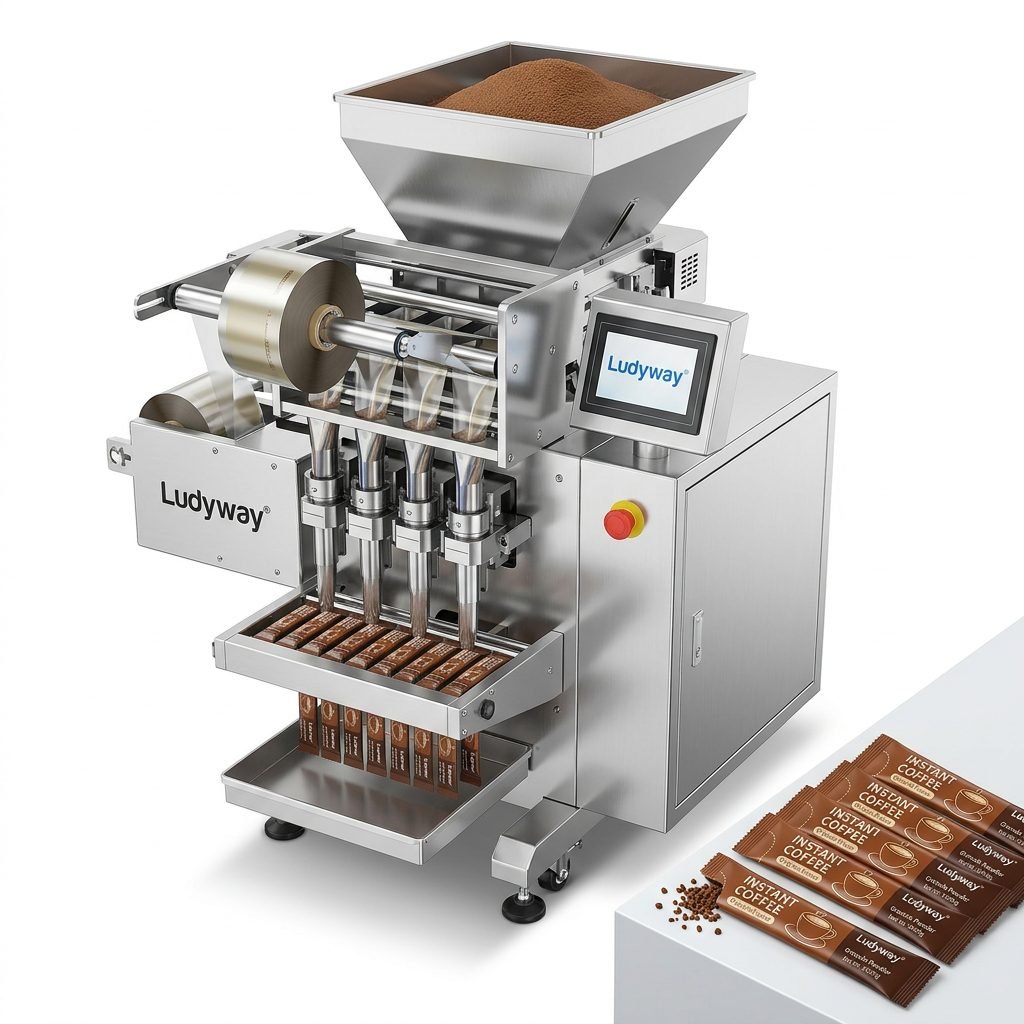
6. Consider Automation Level and Line Integration
The level of automation you require depends on your labor costs, production volume, quality consistency goals, and existing factory infrastructure. Sweet packaging machines range from semi-automatic models requiring significant operator involvement to fully integrated, automated packaging lines with minimal human intervention.
Automation Options
- Semi-automatic machines: Suitable for startups and small-scale producers. Operators manually feed products or position packaging materials, and the machine performs specific functions like filling or sealing. These systems have lower upfront costs but higher ongoing labor requirements and more variability in output quality.
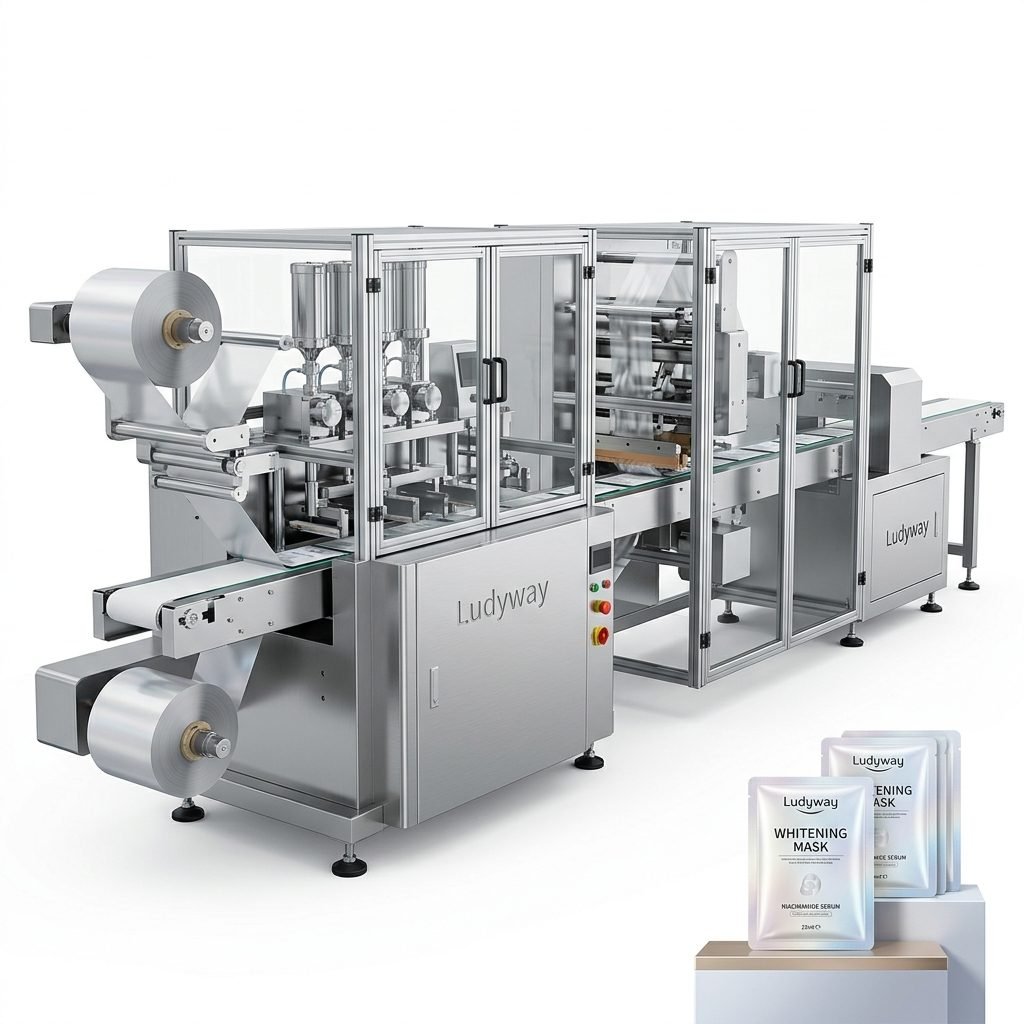
- Fully automatic standalone machines: These handle the complete form-fill-seal cycle with automated film feeding, product dosing, sealing, cutting, and discharge. One operator can typically manage one or two machines, monitoring performance and replenishing consumables.
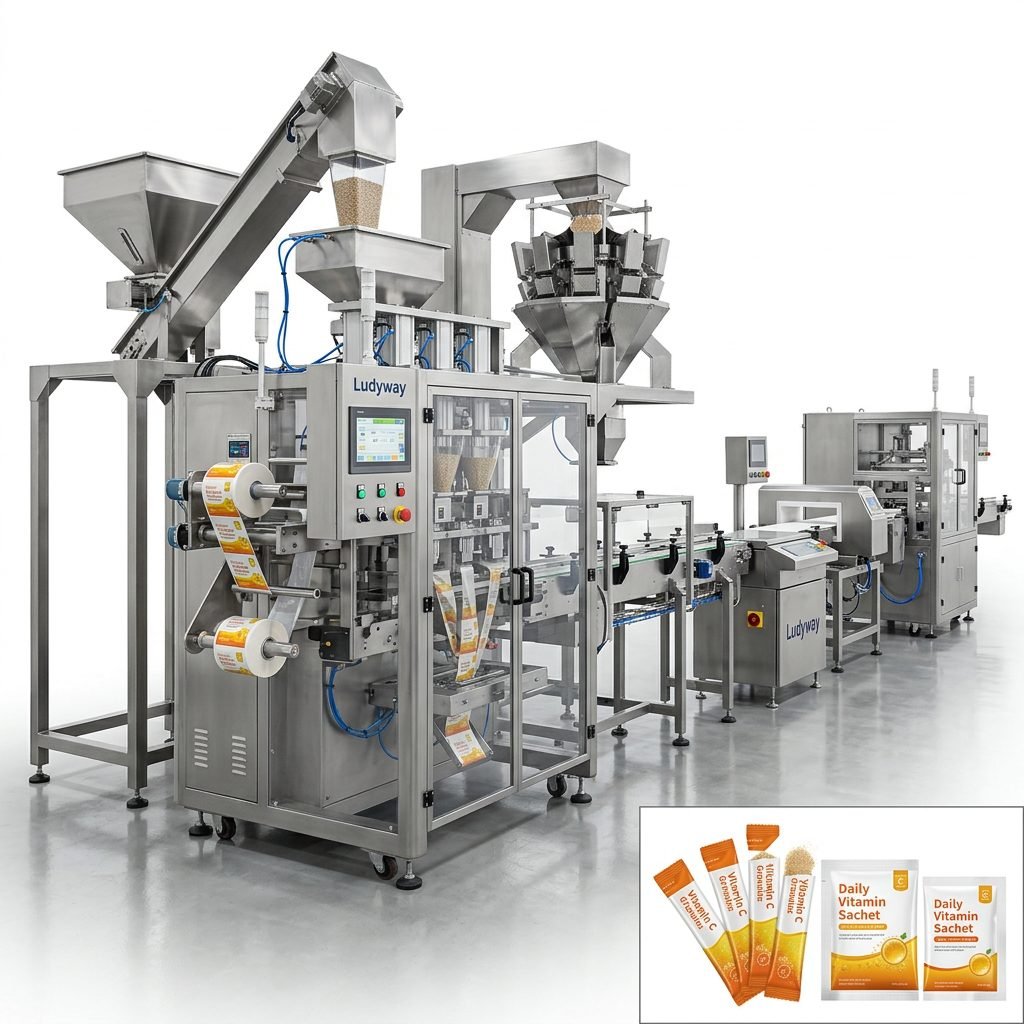
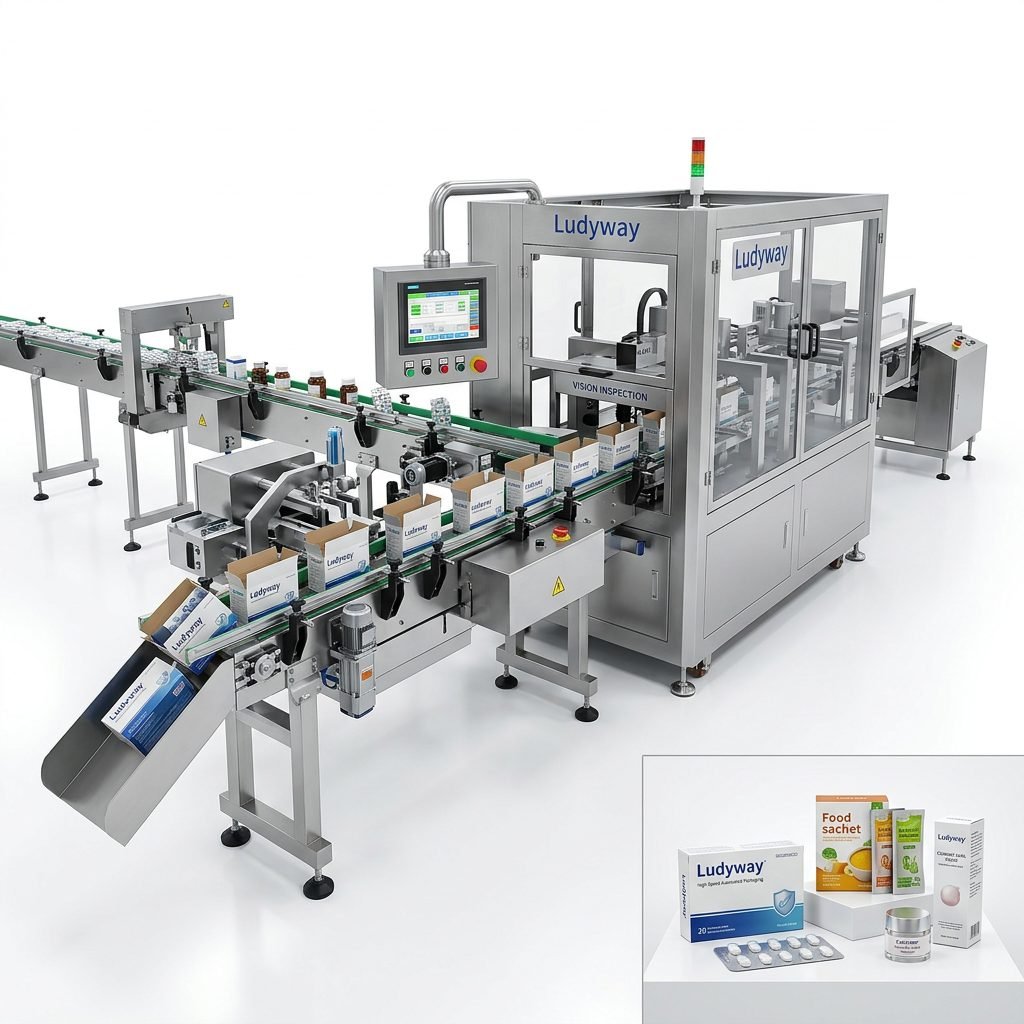
- Integrated packaging lines: For high-volume sweet production, individual machines connect through conveyor systems, product handling equipment, and centralized control systems to create a continuous packaging line. Integration may include upstream product feeding systems, multi-head weighers, metal detectors, checkweighers, coding and marking systems, and downstream cartoning or case packing equipment.
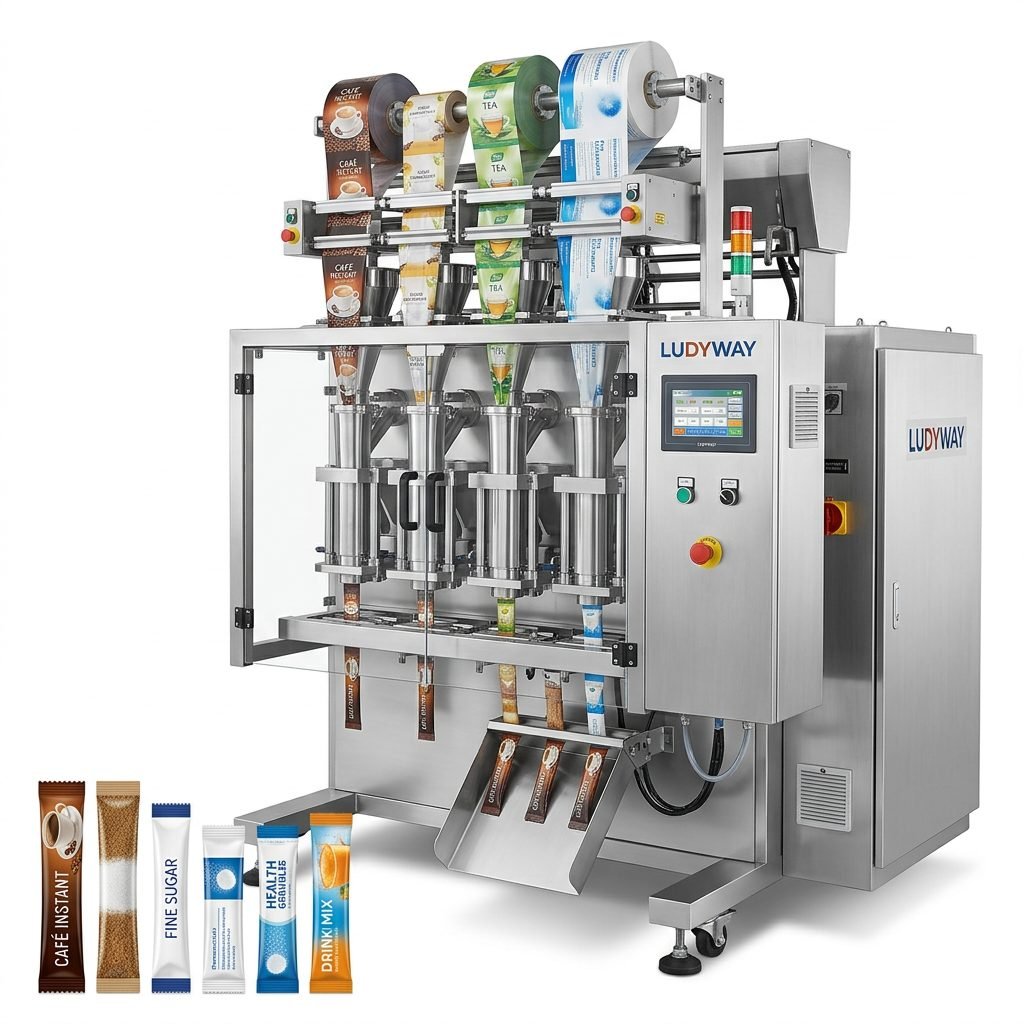
- Turnkey packaging solutions: Some manufacturers, including Ludyway Machinery, provide complete turnkey packaging lines that connect multiple stages of the packaging process within a single engineered system. This approach simplifies project management, ensures component compatibility, and provides a single point of contact for service and support.
| Automation Level | Operator Requirement | Best For |
|---|---|---|
| Semi-Automatic | 2–4 operators per machine | Startups, low-volume specialty sweets, frequent product changeovers |
| Fully Automatic Standalone | 1 operator per 1–2 machines | Medium-volume production, consistent product runs |
| Integrated Packaging Line | 1–2 operators for the entire line | High-volume confectionery, 24/7 operation, minimal changeovers |
| Turnkey Automated System | Minimal operator oversight | Large-scale manufacturers seeking single-source responsibility |
7. Prioritize Hygiene, Cleanability, and Compliance
Sweet products, particularly those containing sugar, dairy, or fat, create specific hygiene and food safety challenges in packaging operations. Sugar residues attract pests, support microbial growth, and can caramelize on hot surfaces, creating difficult-to-clean deposits. Equipment designed with hygienic principles reduces contamination risk, simplifies cleaning procedures, and supports regulatory compliance.
Hygiene-Focused Design Features
- Stainless steel construction: All product contact surfaces should be 304 or 316L stainless steel with appropriate surface finish (typically Ra ≤ 0.8 μm for food contact). Stainless steel resists corrosion, withstands frequent washdowns, and does not react with acidic sweet ingredients.
- Tool-free disassembly: Components that require regular cleaning — filling nozzles, hoppers, augers, forming tubes, sealing jaws — should be removable without specialized tools. Quick-release fasteners and modular designs significantly reduce cleaning downtime between product runs.
- Sloped surfaces and drainage: Horizontal surfaces collect product dust, condensation, and cleaning solution. Machines designed with sloped top surfaces and integrated drainage channels prevent liquid pooling and facilitate complete drying after washdowns.
- IP-rated electrical enclosures: In environments where wet cleaning is required, electrical cabinets, motors, and sensors must carry appropriate IP65, IP66, or IP67 ratings to prevent water ingress and electrical failures.
- Sealed bearings and greaseless components: Food-grade lubrication and sealed bearing designs prevent lubricant contamination of sweet products while maintaining mechanical reliability.
For sweet products destined for regulated markets, verify that the packaging machinery can be configured to meet applicable FDA, EU food contact material regulations, GMP, HACCP, or other relevant standards. Machines supplied with full documentation packages — including material certificates, surface finish reports, and component traceability — simplify the compliance verification process for manufacturers exporting to multiple markets.
8. Evaluate Total Cost of Ownership (TCO)
The purchase price of a sweet packaging machine is only one component of its total cost of ownership. A comprehensive TCO analysis considers all costs incurred over the machine’s expected service life, typically 10–15 years for well-maintained industrial packaging equipment.
TCO Components to Calculate
- Capital expenditure (CAPEX): Machine purchase price, freight, import duties, installation, commissioning, and initial operator training
- Packaging material waste: Machines with precise film tension control, accurate sealing, and minimal mis-registration produce less film scrap. Even a 1–2% reduction in material waste can translate to substantial annual savings at high production volumes
- Product giveaway: As discussed in the filling accuracy section, overfilling by small margins accumulates into significant costs. A machine that achieves ±0.5% fill accuracy versus one with ±2% accuracy can save tens of thousands of dollars annually in product giveaway for high-value sweet products
- Energy consumption: Compare power ratings, compressed air requirements, and heating system efficiency across machine options. Energy-efficient servo drives and optimized heating systems reduce ongoing utility costs
- Maintenance and spare parts: Understand recommended preventive maintenance schedules, expected wear-part replacement intervals, and spare parts availability. Machines using widely available industrial components (bearings, belts, sensors from established brands) are generally less expensive to maintain over the long term
- Downtime costs: Unplanned downtime in confectionery production can be extremely costly, particularly during seasonal peaks. Machines with proven reliability, accessible technical support, and rapid spare parts availability minimize production interruptions
- Operator training and labor: More automated machines reduce direct labor requirements but may require higher-skilled operators or technicians. Factor training costs and labor market availability into your TCO model
A lower upfront purchase price can be misleading if the machine generates higher material waste, consumes more energy, requires frequent maintenance interventions, or lacks the speed to meet growing demand. Evaluate multiple quotes with a consistent TCO framework to make truly comparable assessments.
9. Verify Supplier Capabilities and After-Sales Support
The supplier you choose is as important as the machine itself. A packaging machine represents a long-term investment, and the quality of technical support, spare parts availability, and engineering expertise from your supplier directly affects your ongoing operational success.
Supplier Evaluation Criteria
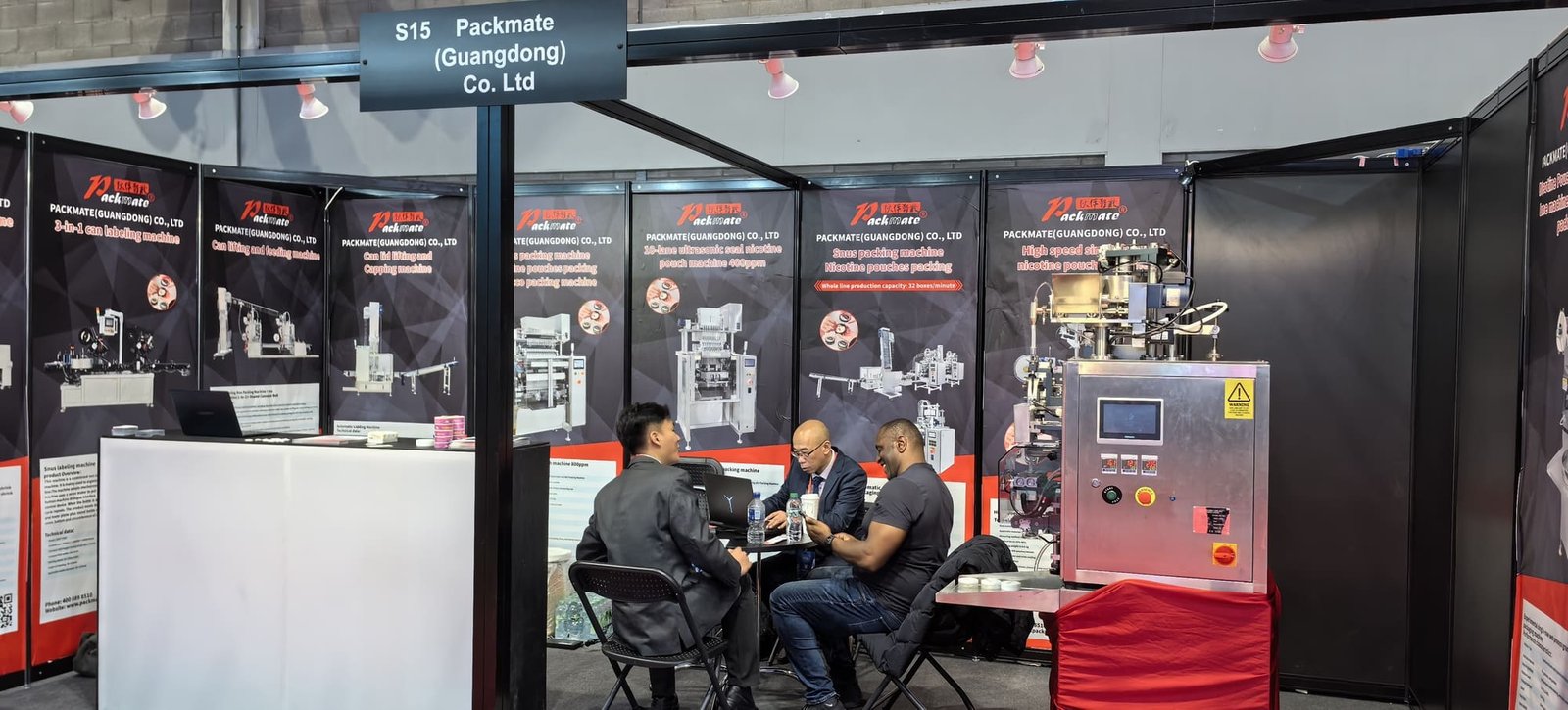
- Industry experience and track record: How long has the supplier been manufacturing sweet packaging or food packaging machinery? Can they provide references from confectionery manufacturers with similar products and production scales? Established manufacturers with decades of experience bring deeper application knowledge and more refined machine designs.
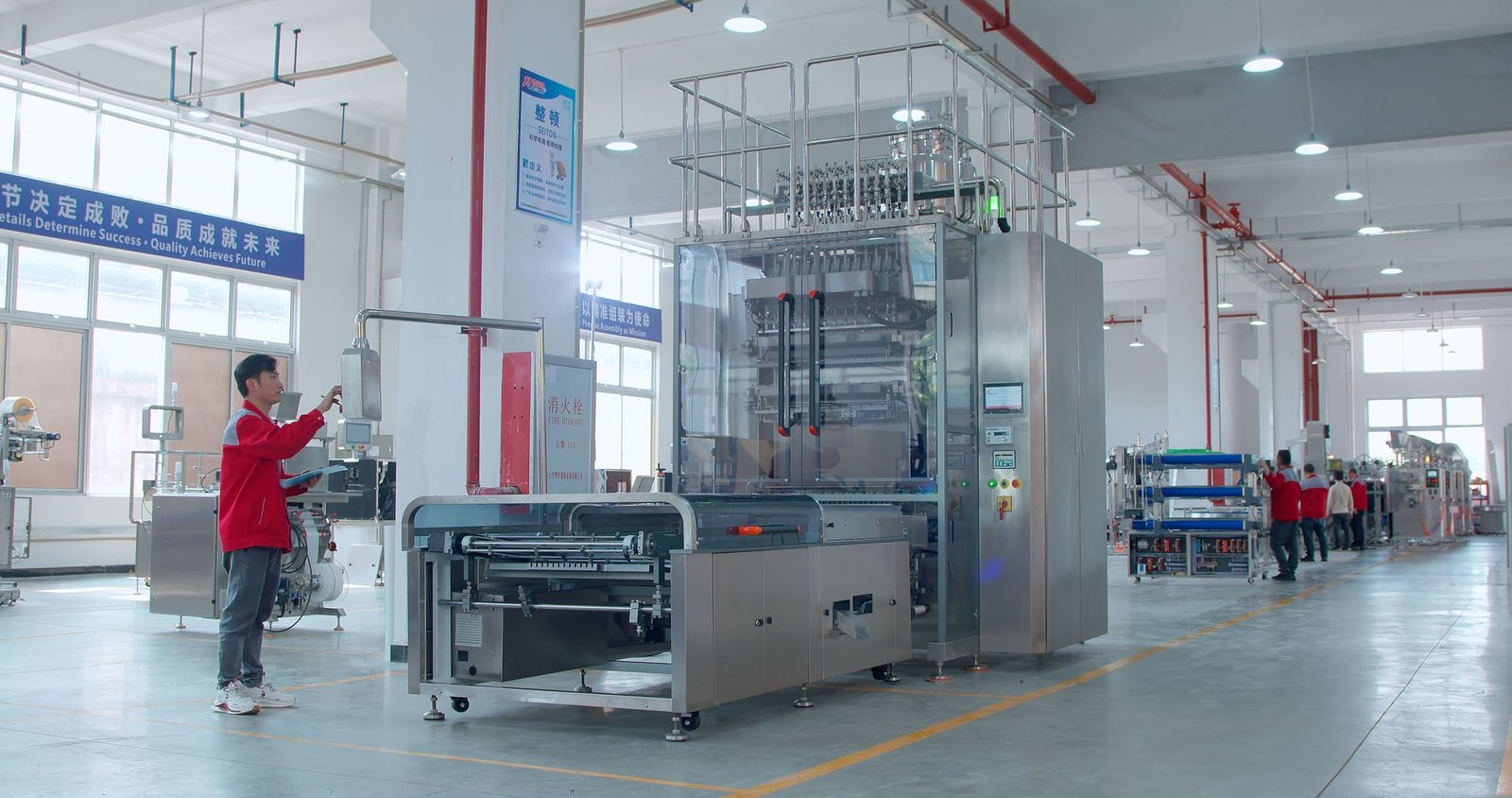
- Manufacturing capabilities: Does the supplier manufacture their own machines in-house, or do they outsource production? In-house manufacturing generally provides better quality control, faster customization, and more responsive after-sales support. Verify the supplier’s manufacturing facility size, engineering team, and quality management systems.
- Customization and engineering support: Sweet products vary widely, and standardized machines may not perfectly match your requirements. A supplier with strong engineering capabilities can customize filling systems, sealing configurations, machine layouts, and automation integration to suit your specific products and production environment.
- Installation, commissioning, and training: Professional installation and commissioning ensure the machine operates correctly from day one. Comprehensive operator and maintenance training reduces the learning curve and helps your team achieve rated production speeds more quickly.
- Spare parts availability and logistics: Confirm that critical spare parts are stocked or can be dispatched rapidly to your location. For international equipment purchases, clarify shipping methods, typical delivery times, and whether the supplier maintains regional spare parts inventory or partnerships.
- Remote and on-site technical support: Modern packaging machines increasingly support remote diagnostics and tele-service capabilities. Suppliers offering remote technical assistance can often resolve issues within hours rather than days, minimizing production interruptions.
- Machine warranty and service agreements: Review warranty terms carefully, including coverage duration, exclusions, and conditions. Extended service agreements or preventive maintenance contracts may be worth considering for critical production equipment.
10. Plan for Future Flexibility and Scalability
The confectionery market evolves continuously — new product launches, changing packaging formats, sustainability initiatives, and fluctuating demand patterns all affect your packaging requirements over time. A packaging machine purchased today should accommodate reasonable future changes without requiring complete replacement.
Future-Proofing Strategies
- Modular machine design: Machines built on modular platforms can be upgraded or reconfigured more easily. Adding lanes to increase capacity, changing filling systems to accommodate new products, or integrating new automation modules is more feasible with modular equipment architecture.
- Format flexibility: Some machines can produce multiple packaging formats — switching between stick packs, sachets, and different bag sizes — with relatively quick changeover procedures. If your product portfolio is likely to expand into different packaging formats, a more flexible machine may be a better long-term investment.
- Material flexibility: As the packaging industry transitions toward sustainable materials, machines capable of processing a broad range of film types — including recyclable mono-materials, paper-based structures, and bio-based films — provide greater adaptability to future material choices.
- Expandable control systems: Machines with PLC-based controls and industrial communication protocols (Ethernet/IP, Profinet, Modbus TCP) can be more easily integrated into future factory automation systems, MES platforms, and Industry 4.0 initiatives.
- Capacity headroom: Purchasing a machine with 20–30% speed headroom above your current requirements provides capacity to absorb growth without immediately investing in additional equipment. The PMMI 2026 State of the Industry report highlights that forward-looking capacity planning remains a key factor in packaging machinery purchasing decisions across the food sector.
Making Your Final Decision
Selecting the right sweet packaging machine requires balancing technical requirements, commercial considerations, and long-term strategic fit. Through systematic evaluation of your product characteristics, packaging format, speed requirements, filling accuracy, material compatibility, automation needs, hygiene standards, total cost of ownership, supplier capabilities, and future flexibility, you can narrow the field to equipment that genuinely matches your operational and business objectives.
To summarize the key decision factors, the table below provides a consolidated reference for your evaluation process. Use it as a checklist when comparing different machine options and suppliers.
| Decision Factor | Key Questions to Ask | Priority Level |
|---|---|---|
| Product Compatibility | Can the machine handle your product’s form, flowability, fragility, and moisture sensitivity? | Critical |
| Packaging Format | Does the machine produce the exact bag style, size range, and seal type you need? | Critical |
| Speed and Capacity | Does the rated speed meet current and projected volume with adequate headroom? | High |
| Filling Accuracy | What fill accuracy can the machine consistently achieve with your specific product? | High |
| Material Flexibility | Can the machine run your preferred films, including sustainable materials if needed? | Medium-High |
| Hygiene and Compliance | Does the machine design support your cleaning protocols and regulatory requirements? | High |
| Total Cost of Ownership | Have you calculated CAPEX, material waste, product giveaway, energy, maintenance, and downtime? | High |
| Supplier Reliability | Does the supplier have relevant experience, strong references, and responsive support? | Critical |
| Future Scalability | Can the machine accommodate new products, formats, materials, or higher volumes later? | Medium |
Take time to visit supplier facilities where possible, request product trials on your actual sweet products and packaging materials, and speak directly with existing customers about their real-world experience. The time invested in thorough evaluation pays dividends through higher production efficiency, fewer operational problems, and better return on investment over the life of your sweet packaging machine.
For additional guidance on packaging machinery selection, industry standards, and market trends, explore resources from PMMI’s packaging industry knowledge library and Flexible Packaging Association industry data. These organizations provide valuable benchmarking information and technical resources for packaging professionals across the food and confectionery sectors.