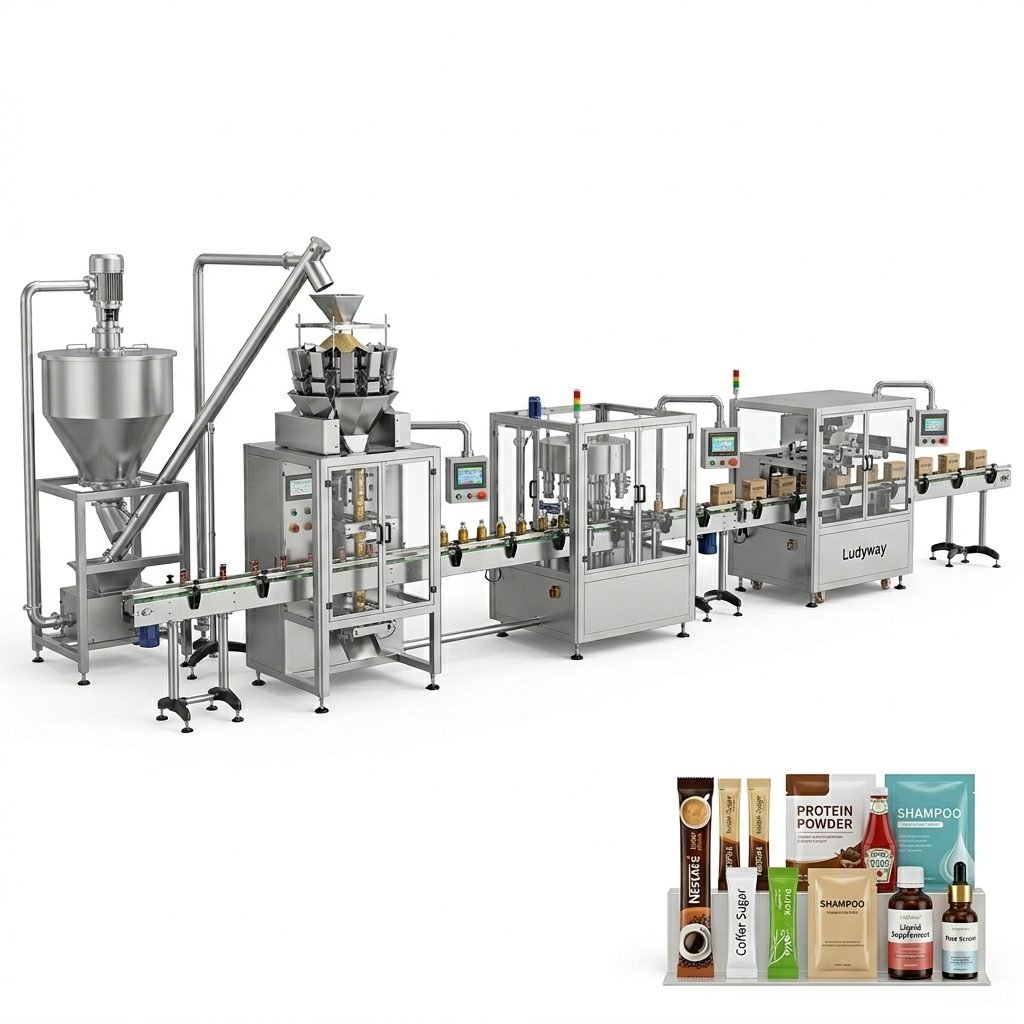
Investing in a potato packing machine is a significant decision for any food processing business. Whether you are packaging fresh whole potatoes, potato chips, French fries, or dehydrated potato flakes, the right equipment directly impacts your production efficiency, product shelf life, and overall profitability. With so many configurations, automation levels, and technical specifications available, choosing the best solution requires a systematic evaluation of your operational needs.
Understanding Your Potato Product and Packaging Format
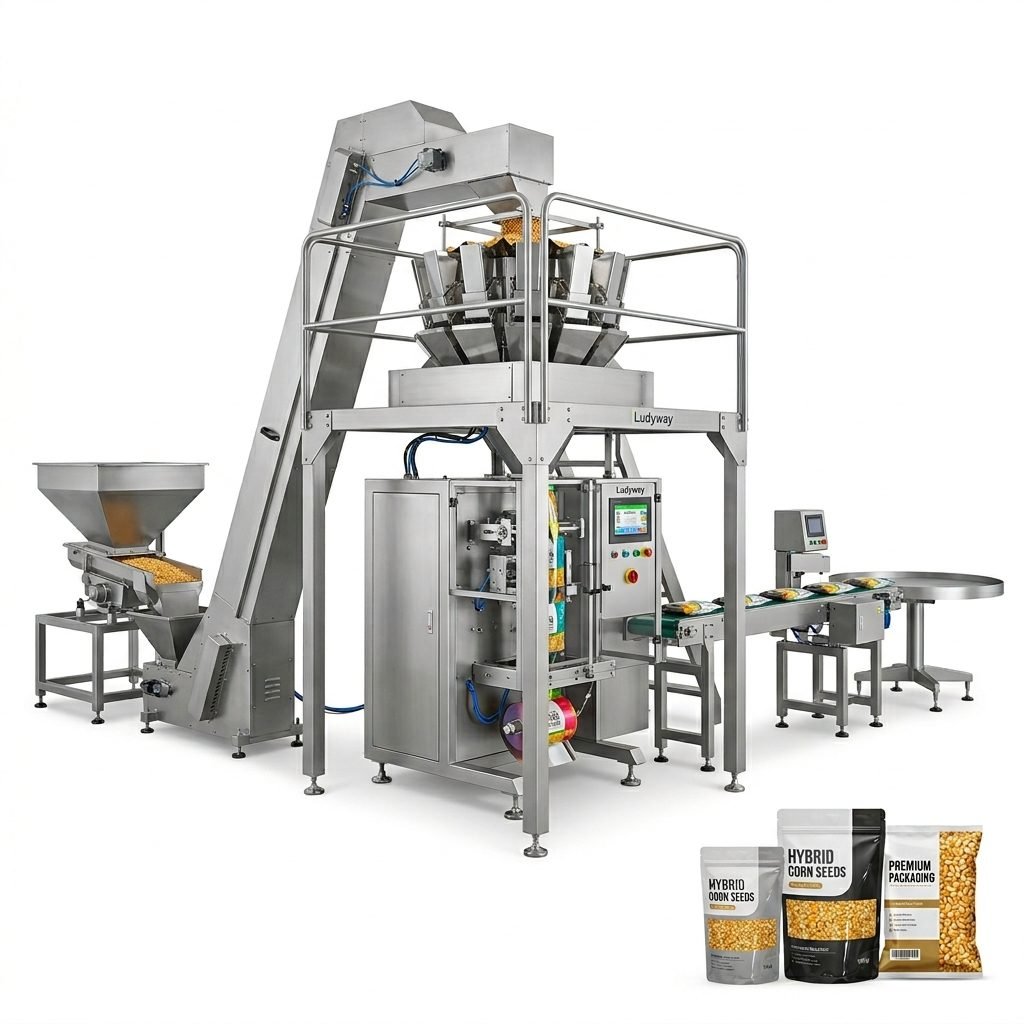
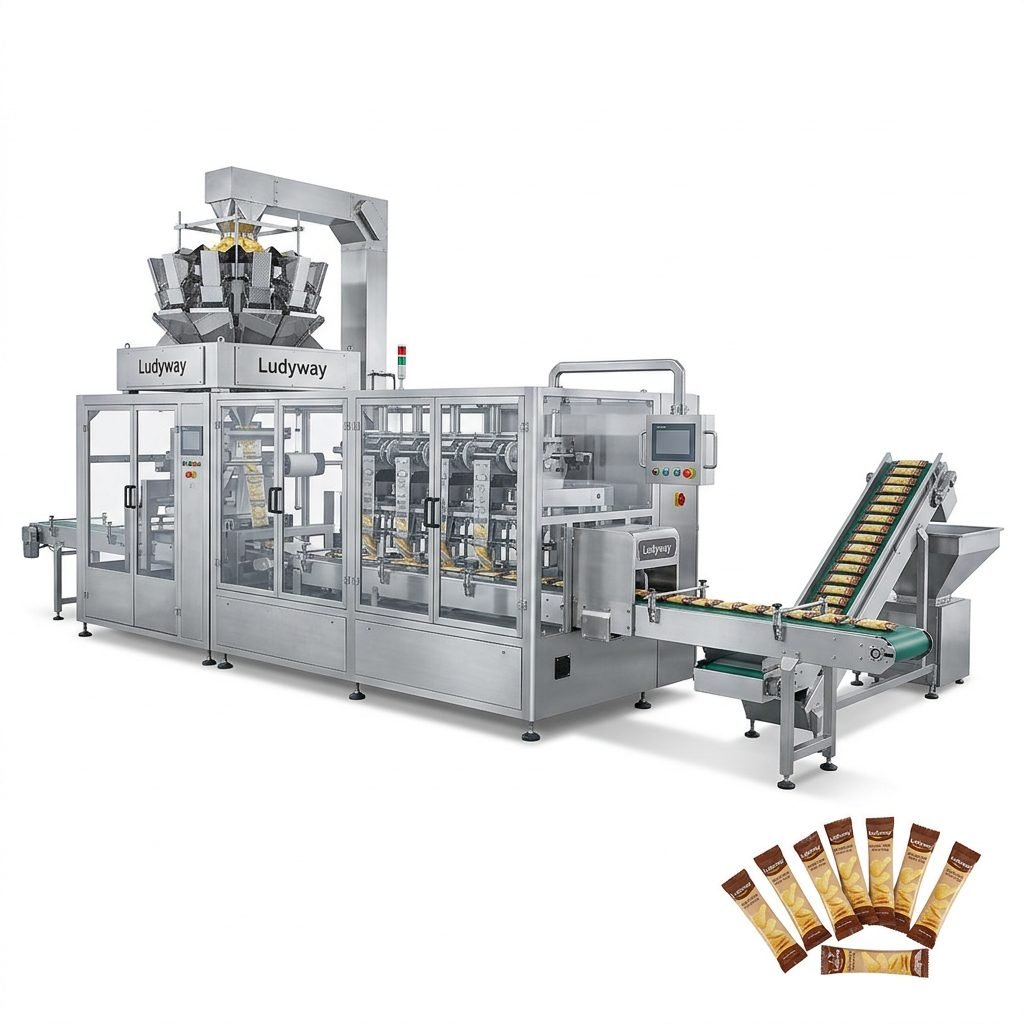
The first step in selecting a potato packing machine is defining your product characteristics. Potatoes are processed into vastly different forms, and each requires specific handling and packaging technology. Fresh whole potatoes demand gentle handling and larger bag formats, often using net bags or ventilated packaging. Frozen French fries and potato wedges need equipment capable of operating in cold environments with moisture-resistant sealing. Potato chips and crisps are fragile and require careful filling to minimize breakage, often utilizing multi-head weighers for precise portioning. Dehydrated potato powder or flakes present challenges with dust control and require auger fillers or volumetric cup fillers for accurate dosing.
Clearly identifying your product’s physical state, fragility, flow characteristics, and desired package format is the foundation of making the right choice. You can learn more about general packaging machinery standards from the PMMI packaging industry association.
Types of Potato Packing Machines
There are several machine categories designed for different scales and packaging styles. Understanding these differences will help you narrow down your options significantly.
| Machine Type | Best For | Key Feature |
|---|---|---|
| Vertical Form Fill Seal (VFFS) | Chips, fries, dehydrated powder | High-speed, versatile bag styles |
| Premade Pouch Rotary Machines | Fresh cut potatoes, premium snacks | Excellent seal integrity, stand-up pouches |
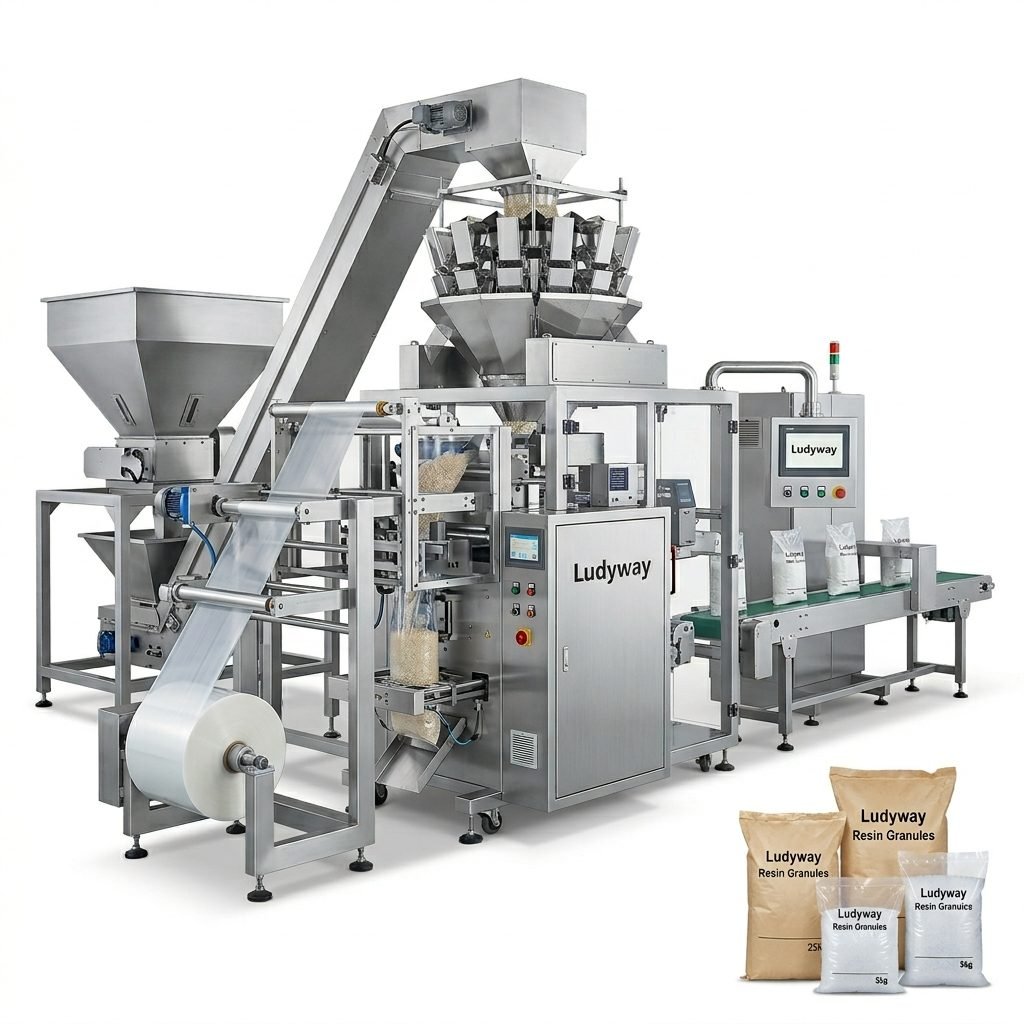
| Net Weighing & Bagging Lines | Fresh whole potatoes, bulk packs | High capacity, gentle handling |
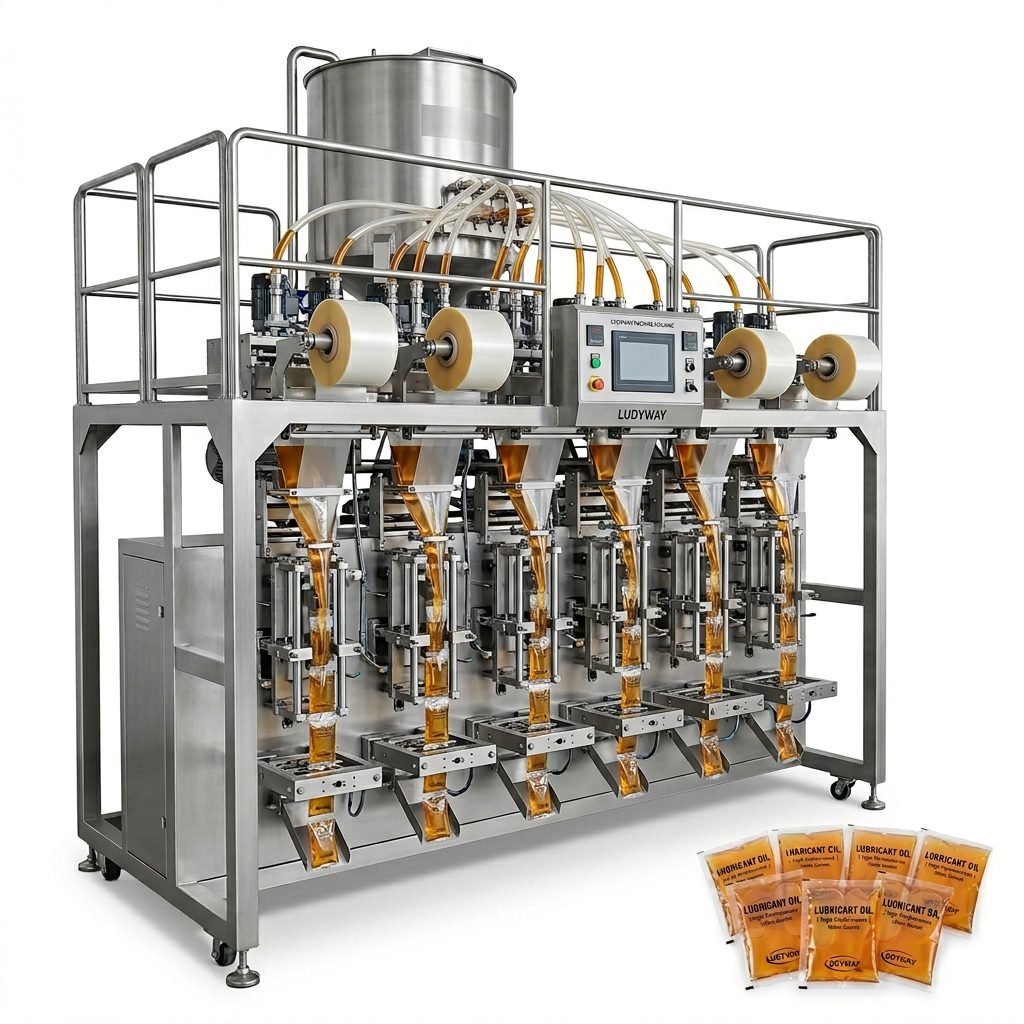
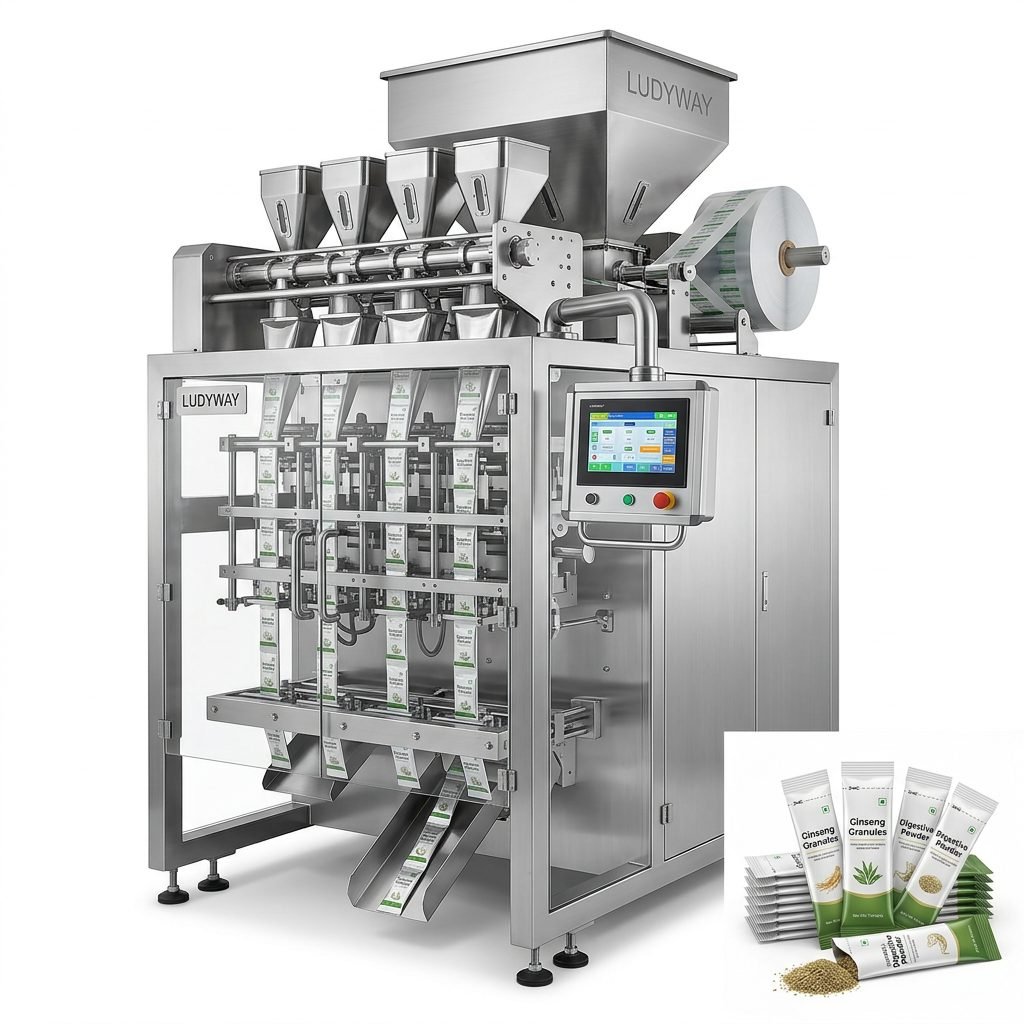
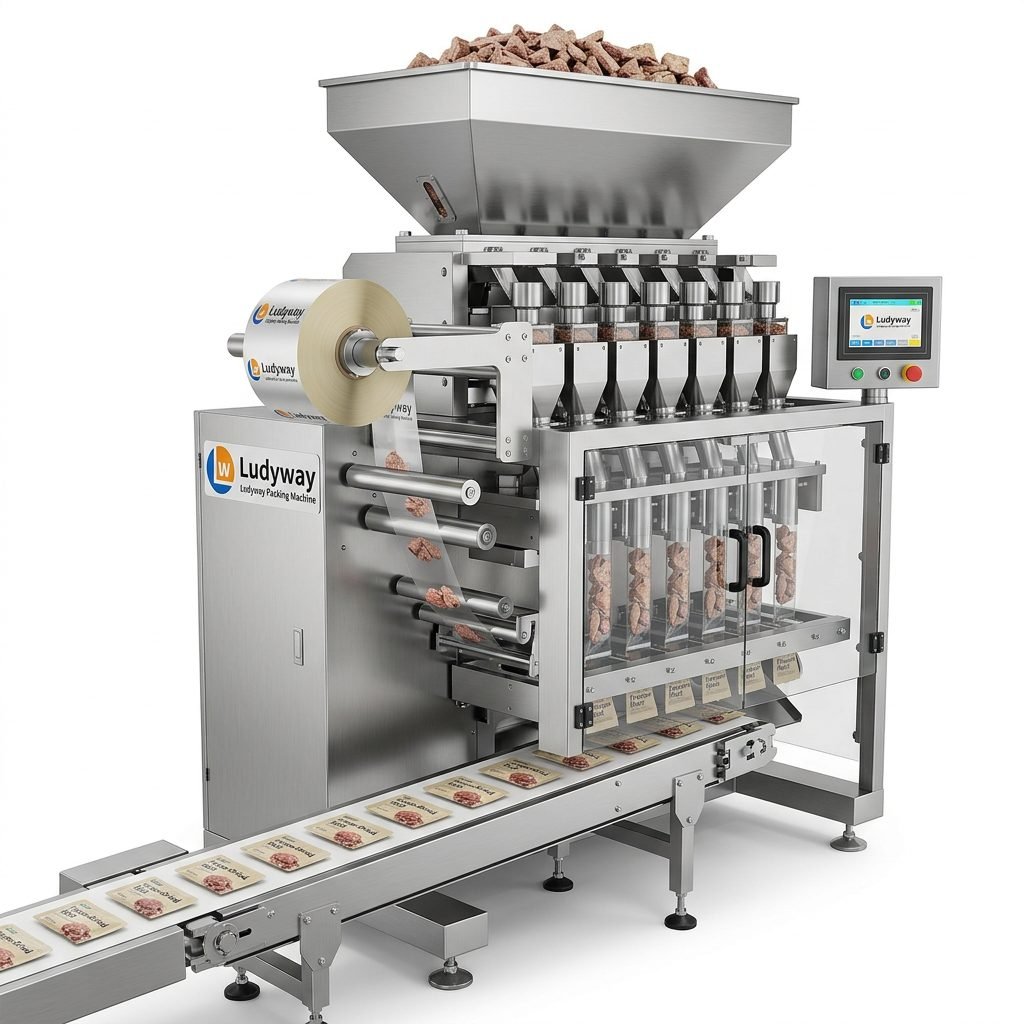
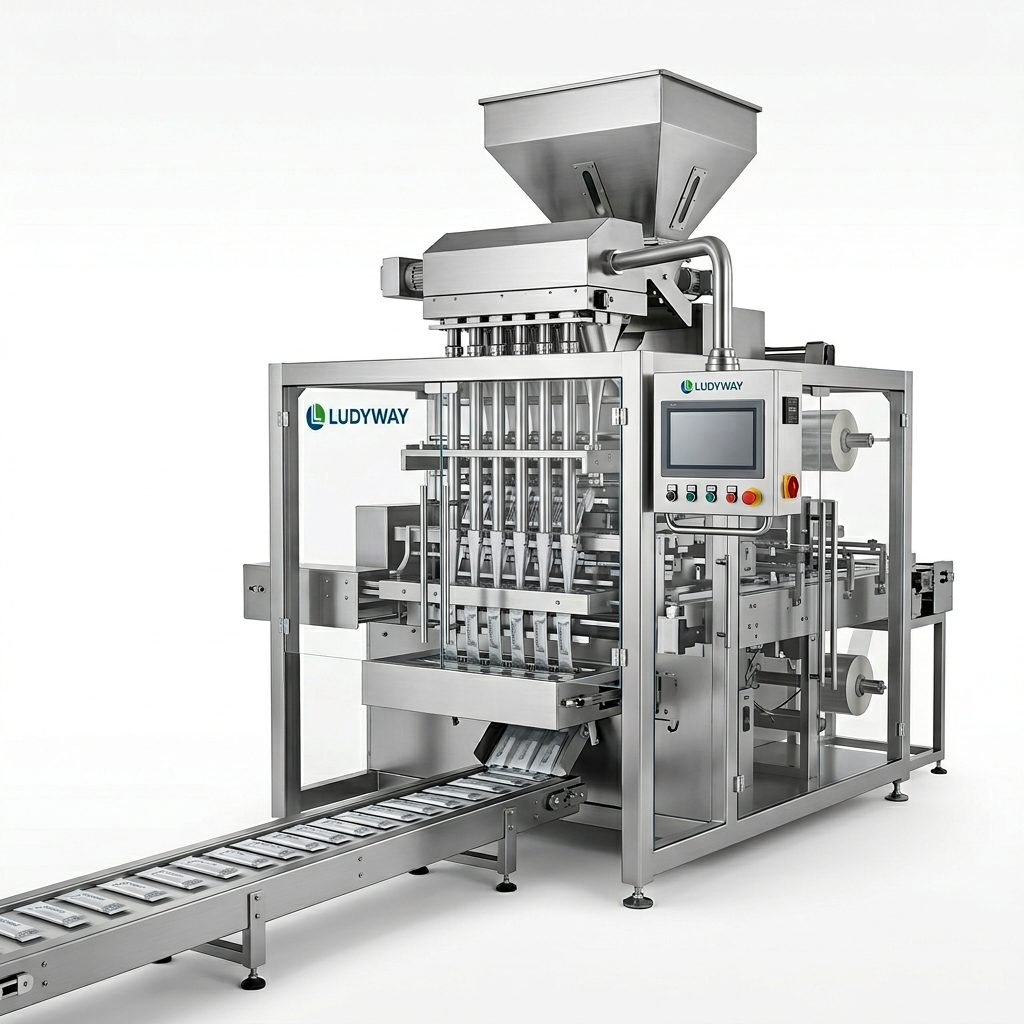
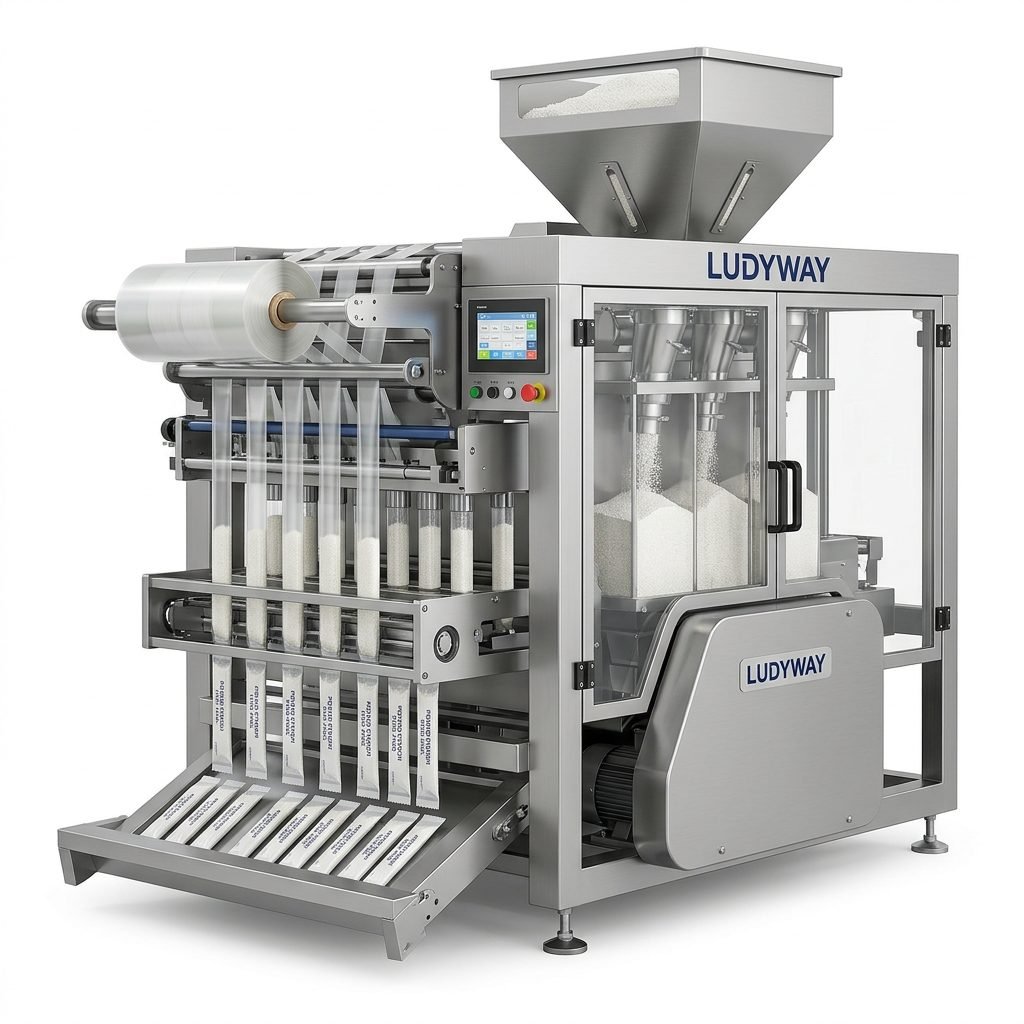
| Stick Pack Multi-Lane Systems | Single-serve potato snacks, powder sachets | Ultra-high output, compact format |
Key Technical Specifications to Evaluate
Once you have identified the suitable machine type, technical specifications become the differentiating factor. Production speed, measured in bags per minute, must align with your current and projected capacity. It is wise to select a machine that operates comfortably at your target speed rather than consistently at its maximum rated output. Filling accuracy is critical for regulatory compliance and cost control, especially when packaging potato products by weight. The choice of weighing system—whether multi-head weigher, linear weigher, or auger filler—depends heavily on your product type and target accuracy.
Other crucial technical aspects include:
- Bag size range and quick-changeover capabilities for production flexibility
- Sealing temperature and pressure control for consistent hermetic seals
- Material compatibility with various film structures including laminates and biodegradable options
- Gas flushing or vacuum capability for modified atmosphere packaging to extend shelf life
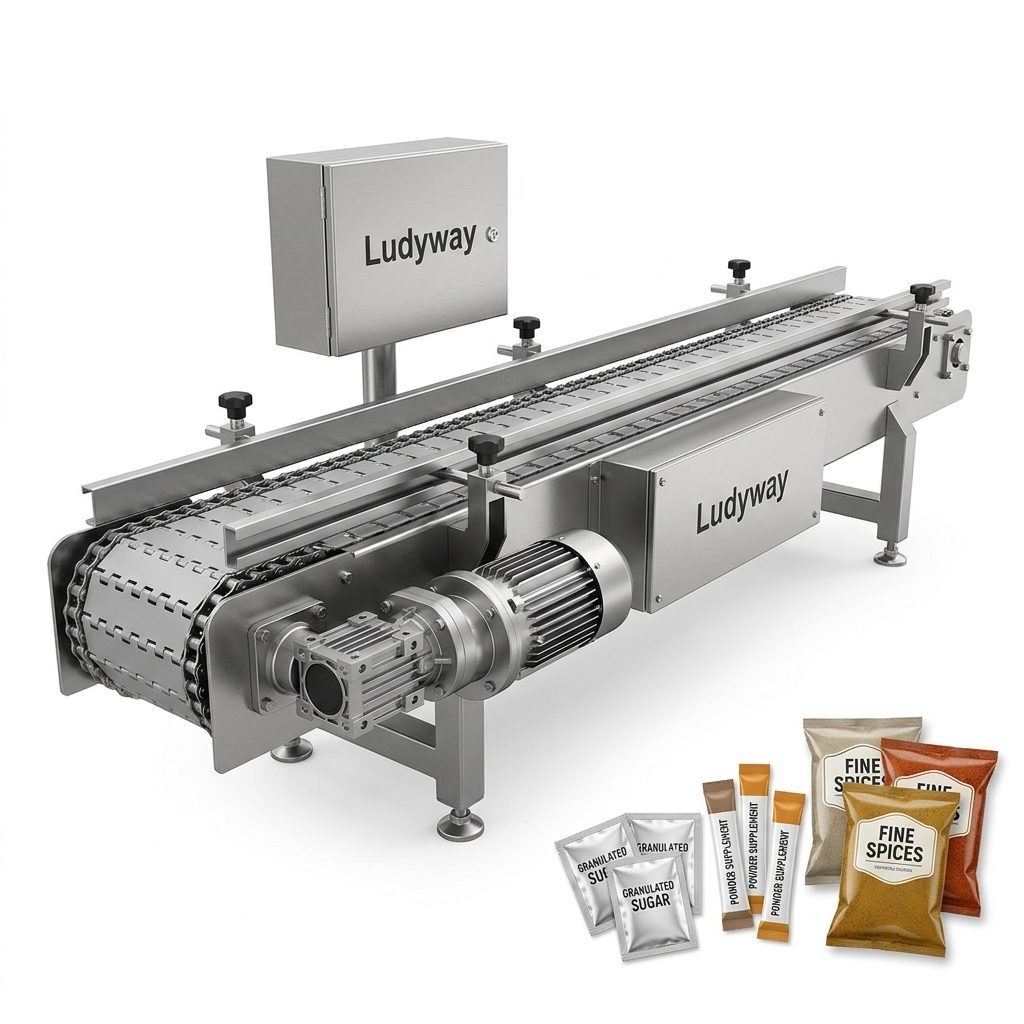
- Integration potential with upstream and downstream equipment like checkweighers, metal detectors, and case packers
Automation Level and Labor Considerations
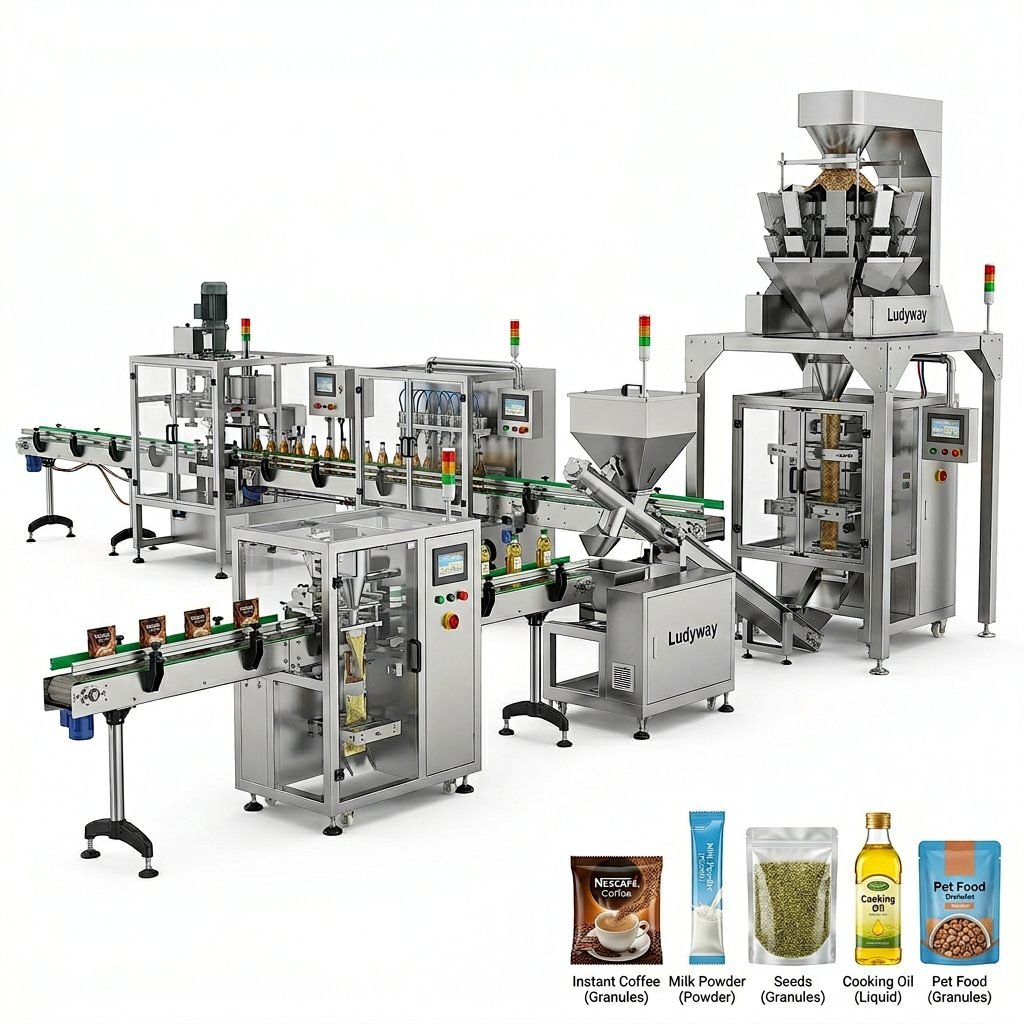
The degree of automation you choose directly affects your labor costs and operational consistency. Semi-automatic potato packing machines require operators to manually place bags or initiate cycles, suitable for smaller operations with flexible production schedules. Fully automatic systems handle the entire process from product feeding to sealed bag discharge with minimal human intervention. For high-volume processors, integrating the packing machine into a complete automated line with flexible packaging materials and robotic palletizing significantly reduces per-unit packaging costs.
Budget and Total Cost of Ownership
Beyond the initial purchase price, a comprehensive cost analysis should factor in installation, operator training, maintenance contracts, spare parts availability, and energy consumption. A seemingly affordable machine can become costly if it suffers frequent downtime or requires specialized technicians who are difficult to source in your region. Build a strong relationship with a manufacturer that offers responsive after-sales technical support and readily available spare parts.
For a deeper understanding of packaging machinery investment trends and industry benchmarks, you can review resources like the PMMI business intelligence reports.
Supplier Evaluation and Quality Standards
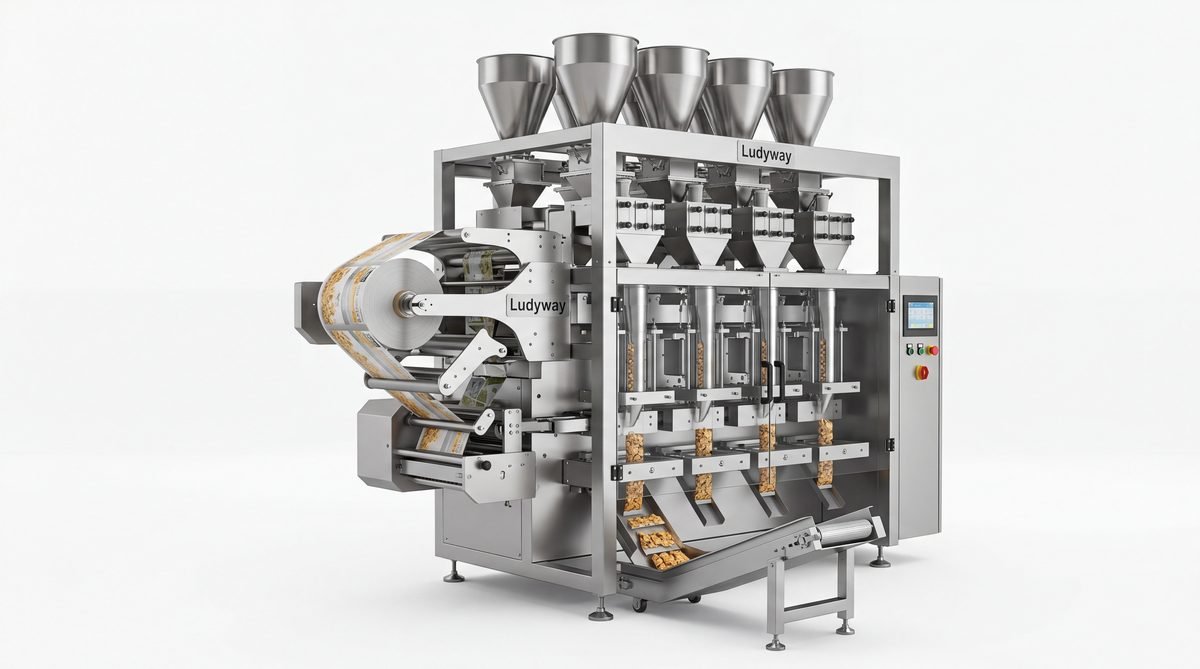
According to the ISO packaging standards, machinery should meet applicable international quality and safety requirements. When evaluating a potato packing machine manufacturer, consider their industry experience, technical engineering capabilities, and track record in food-grade equipment manufacturing. Request references, inspect machine build quality if possible, and confirm that the equipment meets relevant certifications for your target markets. A manufacturer with a dedicated engineering team can also provide customized configurations tailored to your specific potato product rather than offering only standardized models.
In this context, Ludyway Machinery, a China-based packaging machinery manufacturer with over 30 years of experience, offers a broad portfolio of automatic packaging equipment suitable for various potato products across different production scales.
Making Your Final Decision
Choose a potato packing machine that balances your current needs with future growth potential. Request sample packaging tests using your actual product to verify machine performance before committing. Clarify warranty terms, service response times, and operator training provisions. By thoroughly evaluating your product requirements, technical specifications, automation needs, and supplier capabilities, you will be well-positioned to invest in packaging equipment that delivers long-term value for your potato processing operation.
Explore further regulatory information on food contact packaging through the FDA food packaging guidelines or the Flexible Packaging Association regulatory resources.