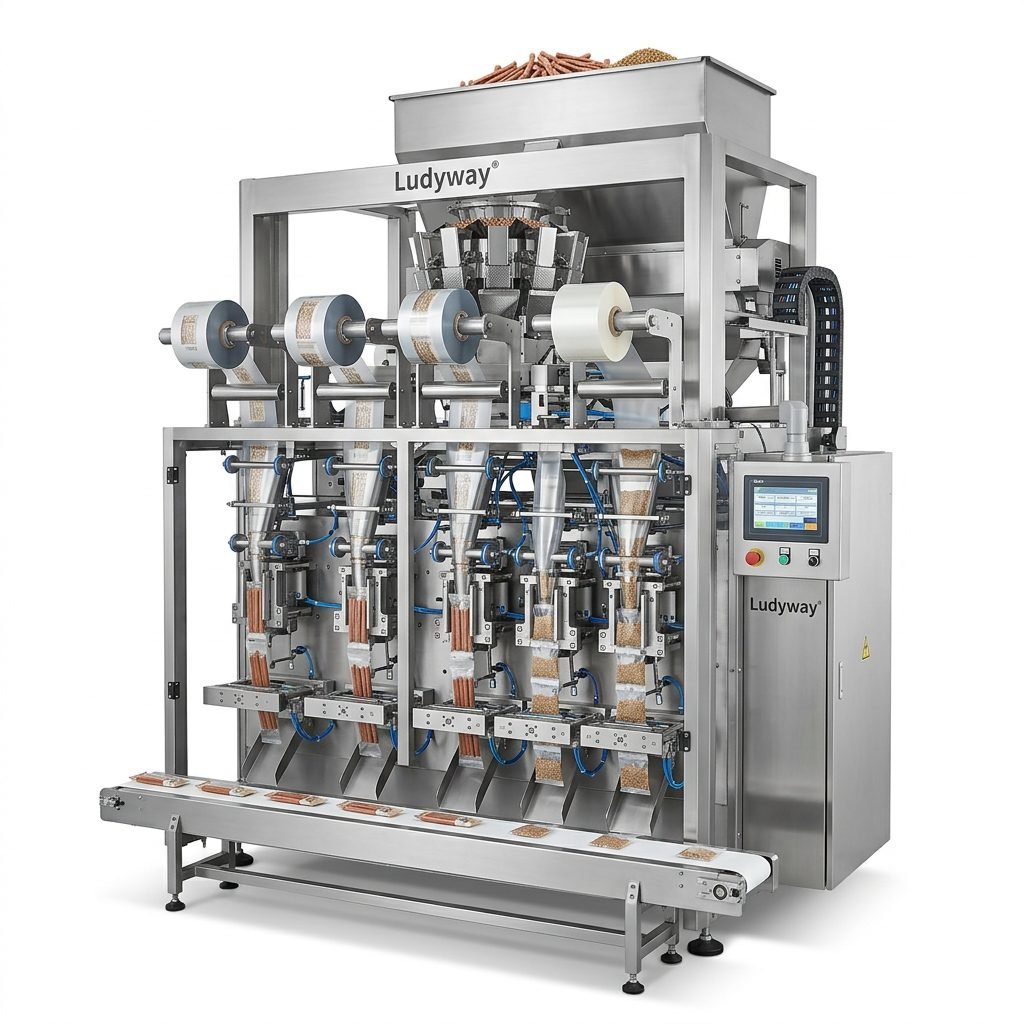
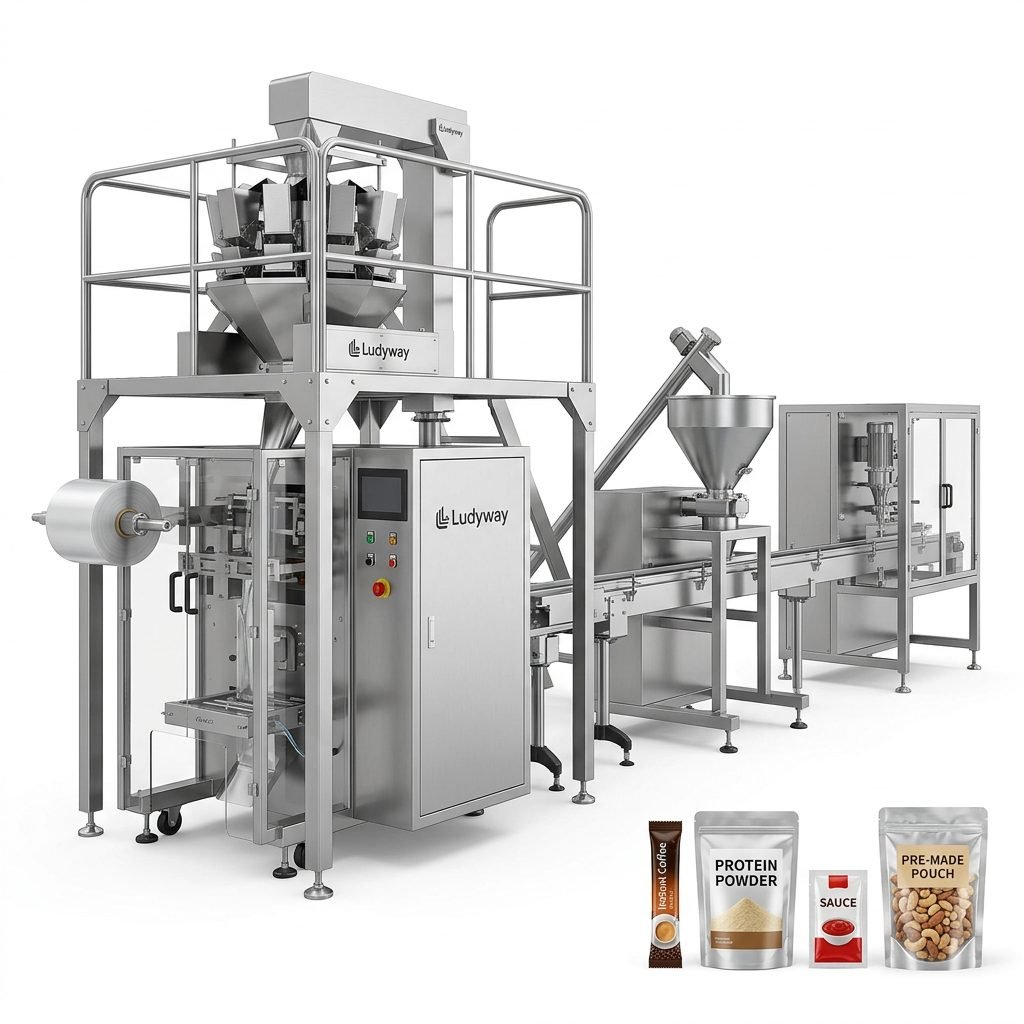
Investing in a strip packaging machine is a strategic decision that directly impacts your production efficiency, product quality, and bottom line. Whether you are packaging pharmaceutical powders, food granules, or cosmetic liquids, the right equipment can streamline your operations and open doors to new market opportunities. However, with a vast range of technologies, configurations, and suppliers available, the selection process can feel overwhelming. This guide walks you through every critical factor to consider, helping you make a confident, informed purchase.
Understanding Your Production Requirements
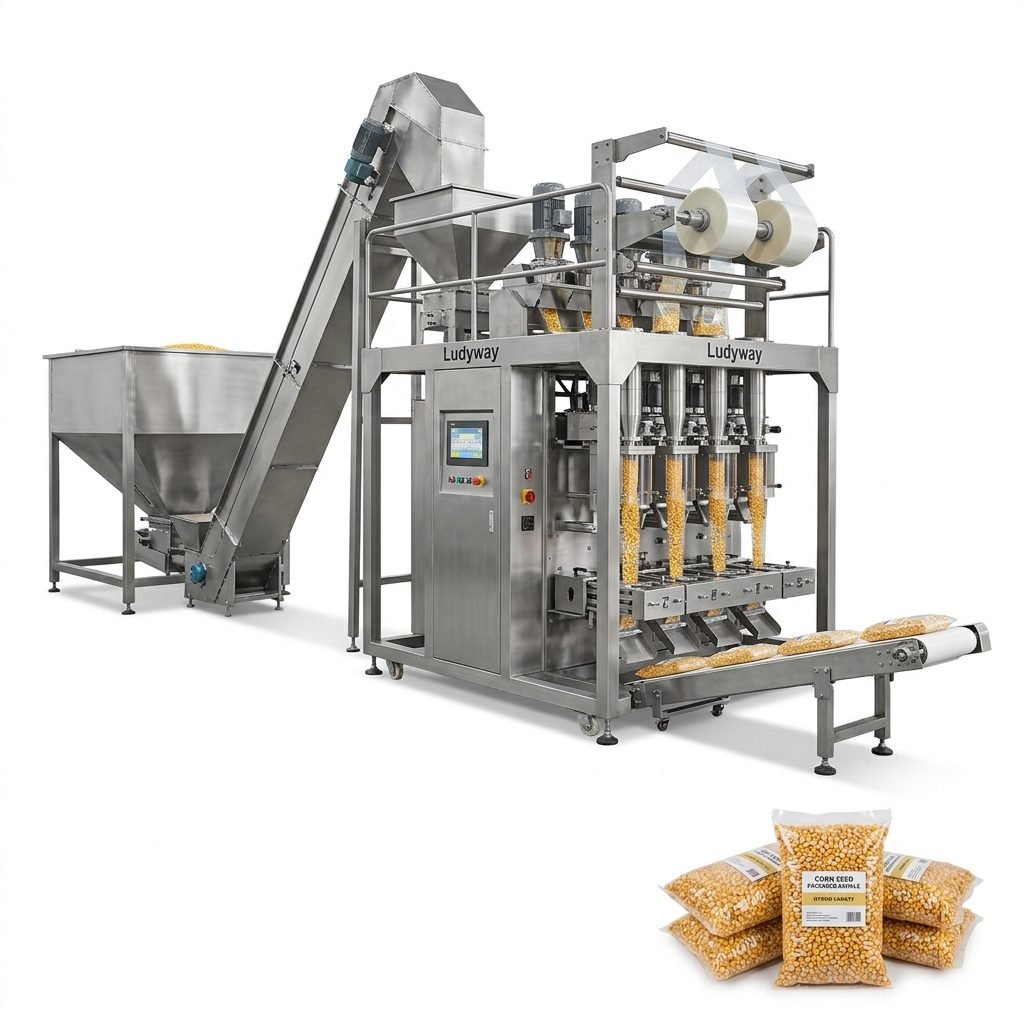
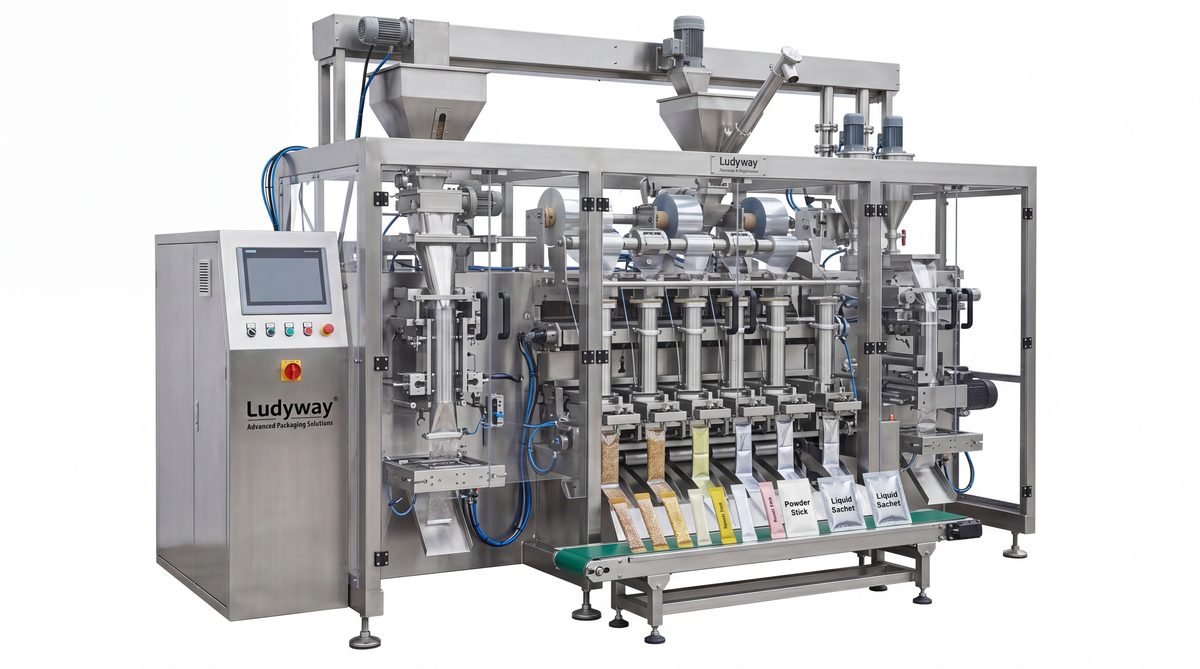
Before evaluating machine specifications, you must clearly define your operational needs. Start by analyzing the characteristics of your product. Is it a free-flowing granule, a fine cohesive powder, a viscous liquid, or a combination? The physical properties—such as density, flowability, and particle size—dictate the type of dosing and filling system required. Auger fillers excel with powders, while volumetric cup fillers or multi-head weighers are ideal for granules. For liquids, piston pumps or peristaltic pumping systems ensure accuracy.
Next, determine your target production speed and output volume. Are you a startup needing 30 packs per minute, or a large-scale manufacturer requiring over 400 packs per minute? This will guide you towards a single-lane, multi-lane, or continuous motion machine. A common mistake is underestimating future growth; selecting a modular packaging system that allows for lane addition can save significant capital later. Also, define your packaging material. Common laminates include PET/AL/PE, paper/PE, and various high-barrier films. The machine’s sealing and feeding mechanisms must be compatible with your chosen material’s heat-seal properties and friction coefficient.
Types of Strip Packaging Machines
Strip packaging machinery is not a one-size-fits-all category. Understanding the distinct classifications is crucial. The table below summarizes the primary machine types based on configuration and application.
| Machine Type | Best For | Key Advantage | Typical Speed |
|---|---|---|---|
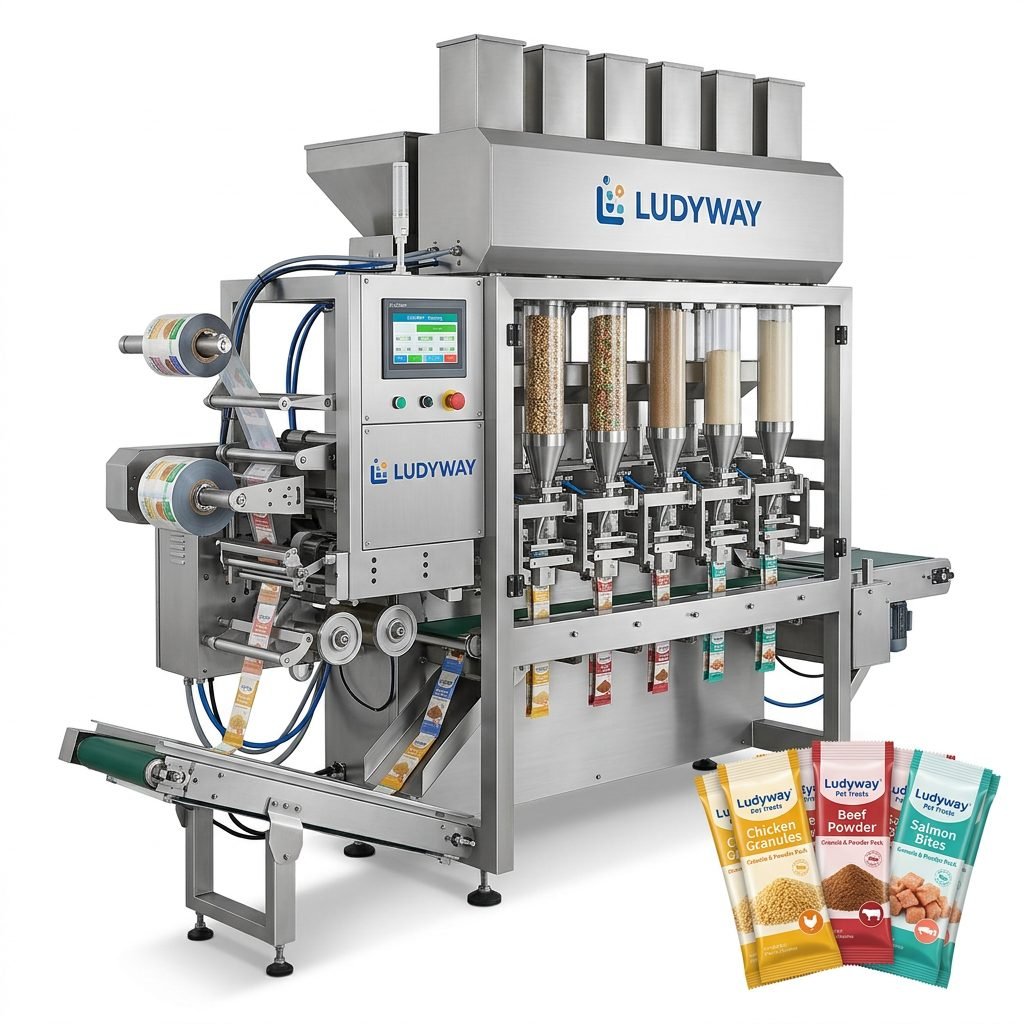
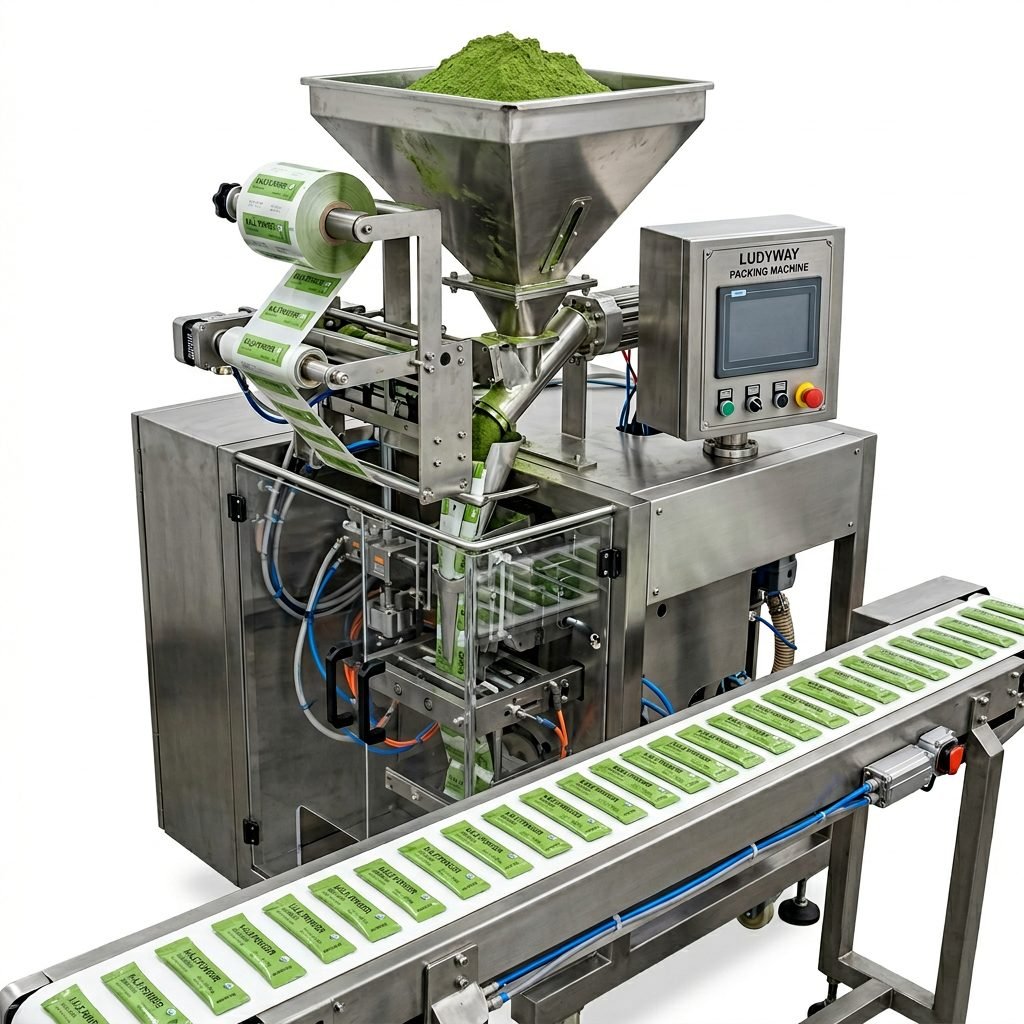
| Single-Lane Stick Pack | Small batches, startups, frequent changeovers | Flexibility and low initial investment | 30-80 packs/min |
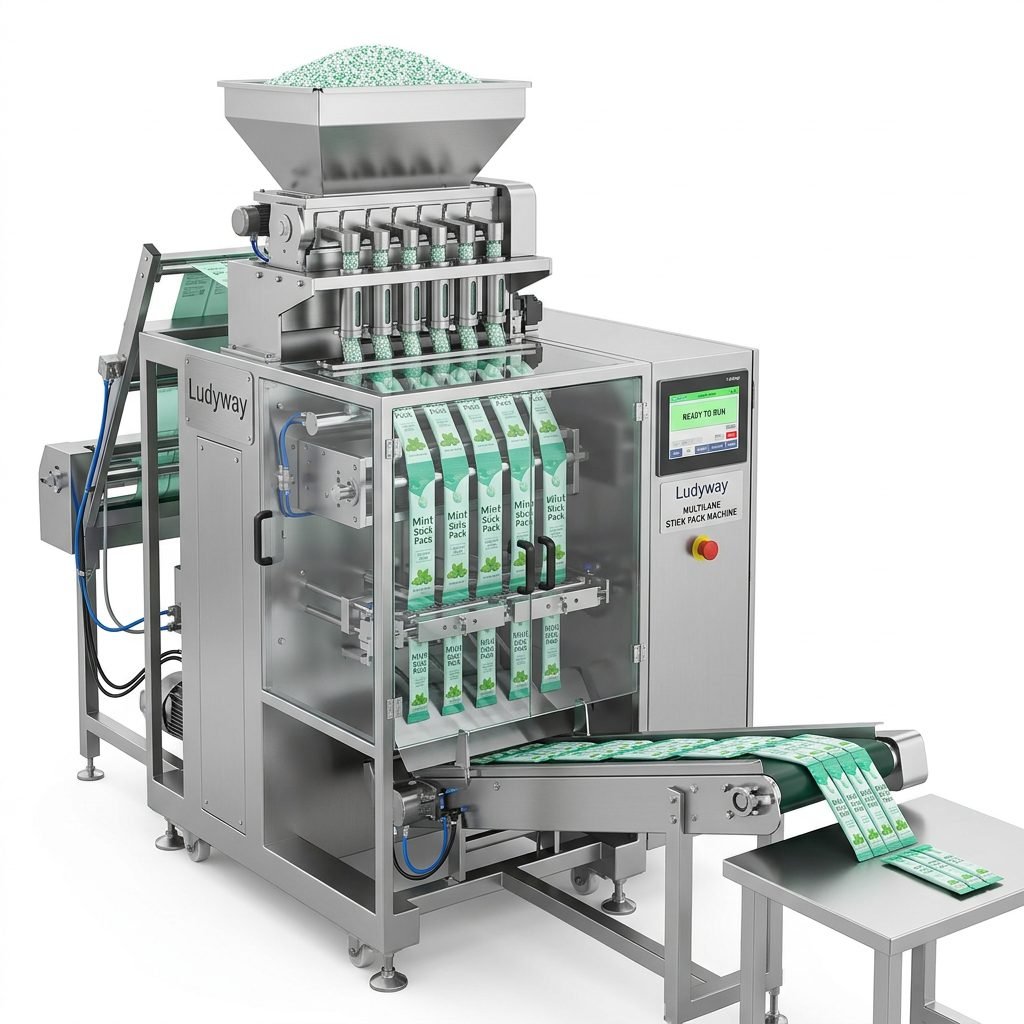
| Multi-Lane Stick Pack (4-20 Lanes) | High-volume pharmaceuticals, nutraceuticals, and food condiments | Exceptional output in a compact footprint | 200-1000+ packs/min |
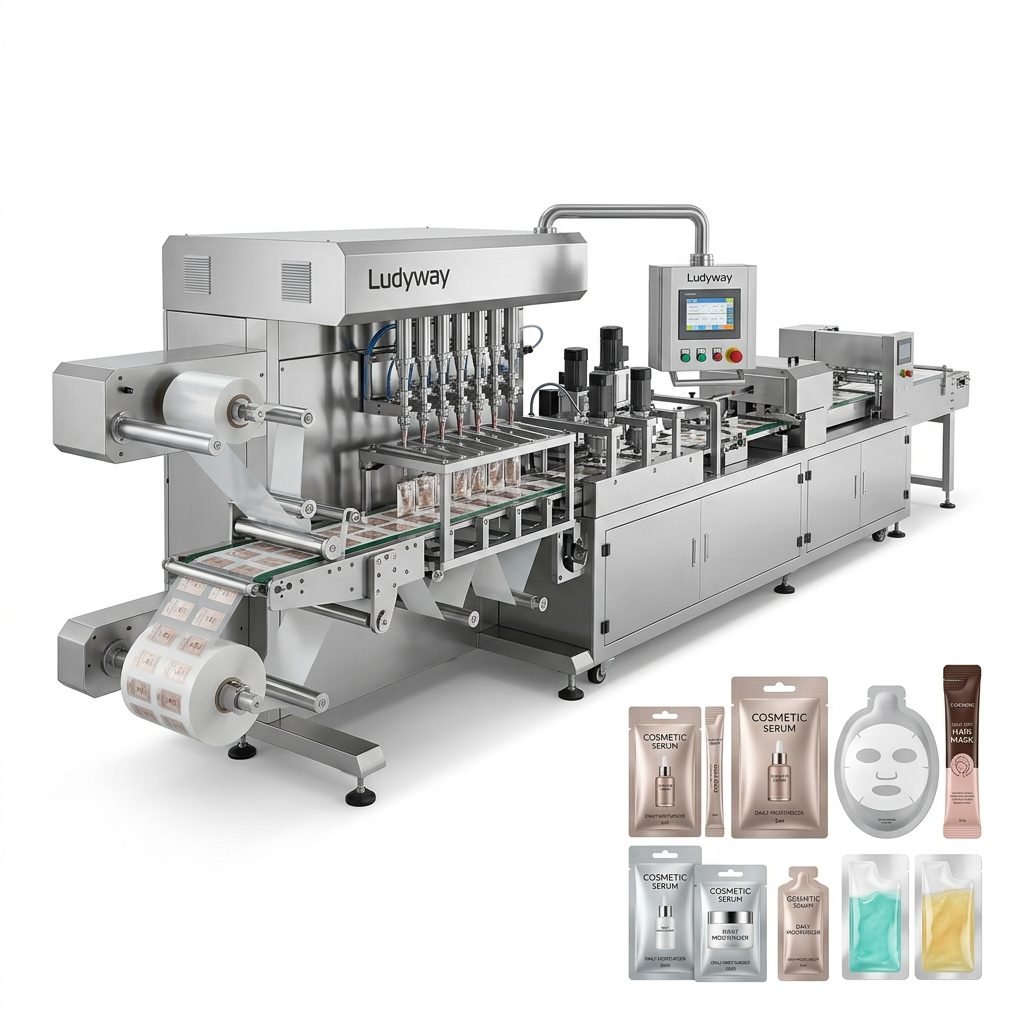
| Sachet Packaging Machine | Shampoos, sauces, creams, and larger portion packs | Versatile formats (3-side seal, 4-side seal) | 40-400 packs/min |
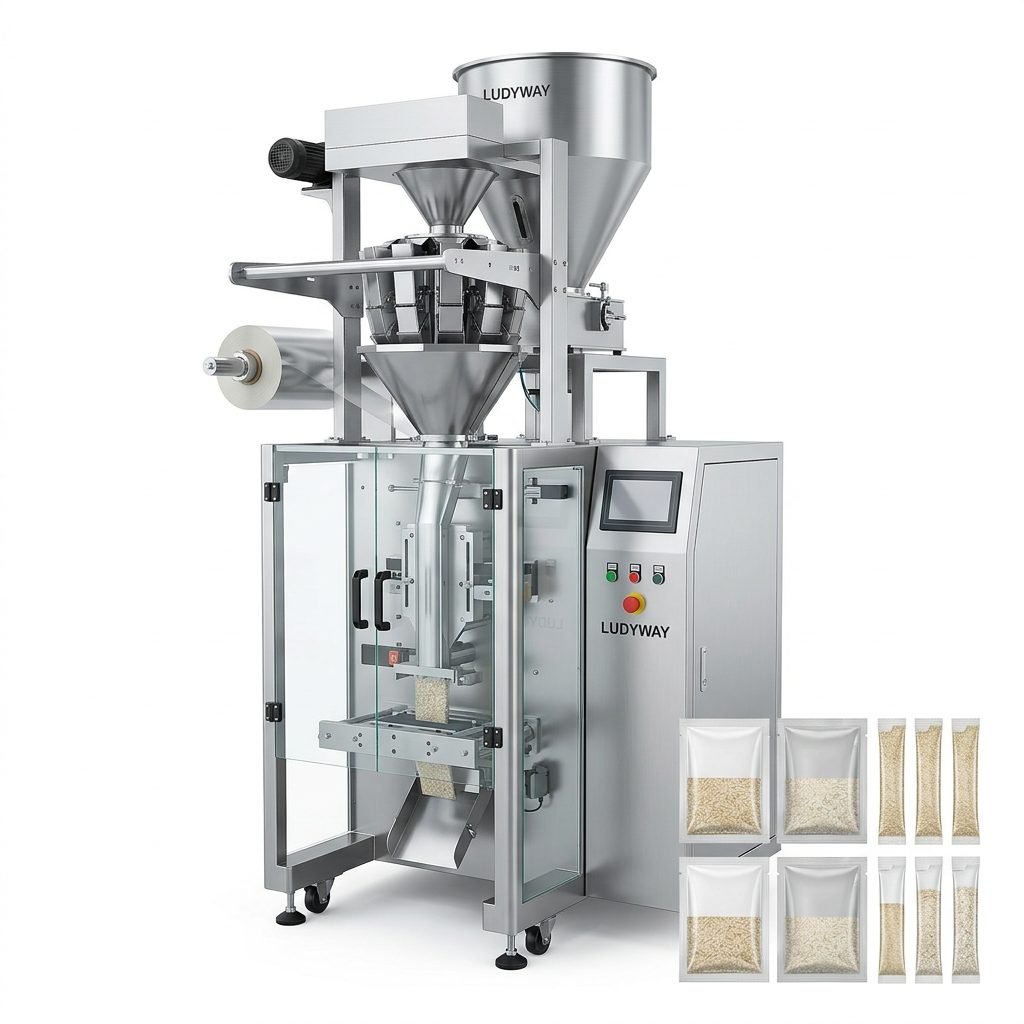
| Continuous Motion Vertical FFS | Very high-speed single-serve operations | Uninterrupted film movement, maximum throughput | 100-500+ packs/min |
Critical Technical Specifications to Evaluate
When comparing machines, delve deep into the technical details. The dosing accuracy is paramount, especially in the pharmaceutical industry where stringent regulations apply. A precision of ±1% or better is often expected. Sealing integrity is non-negotiable to ensure product freshness, safety, and shelf life. Look for machines with precise temperature control, adjustable sealing pressure, and features like embossing or embossed coding. The machine’s construction and material are also vital. Food-grade 304 or 316L stainless steel construction is essential for wash-down environments and corrosive products. Furthermore, evaluate the user interface; a modern PLC control system with a touchscreen HMI simplifies operation, recipe management, and troubleshooting.
Integration: From Standalone to Turnkey Lines
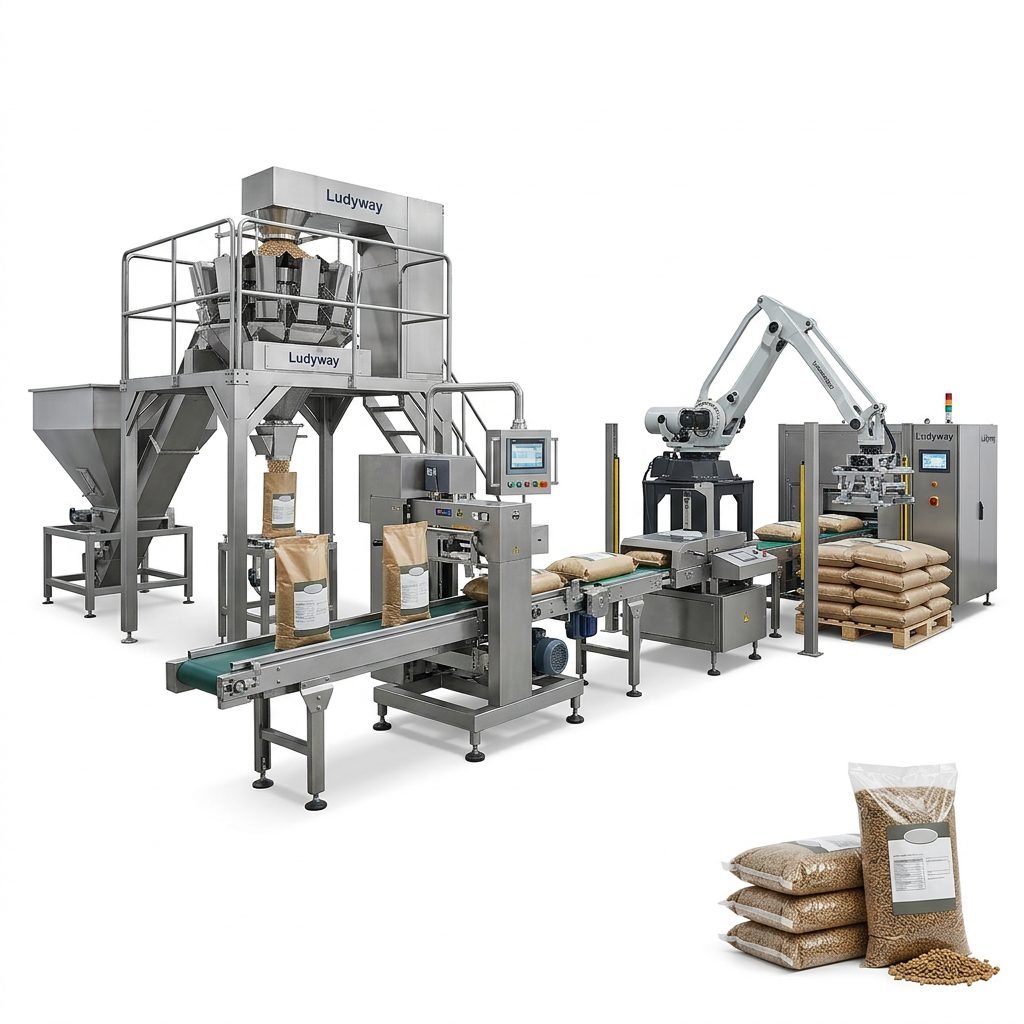
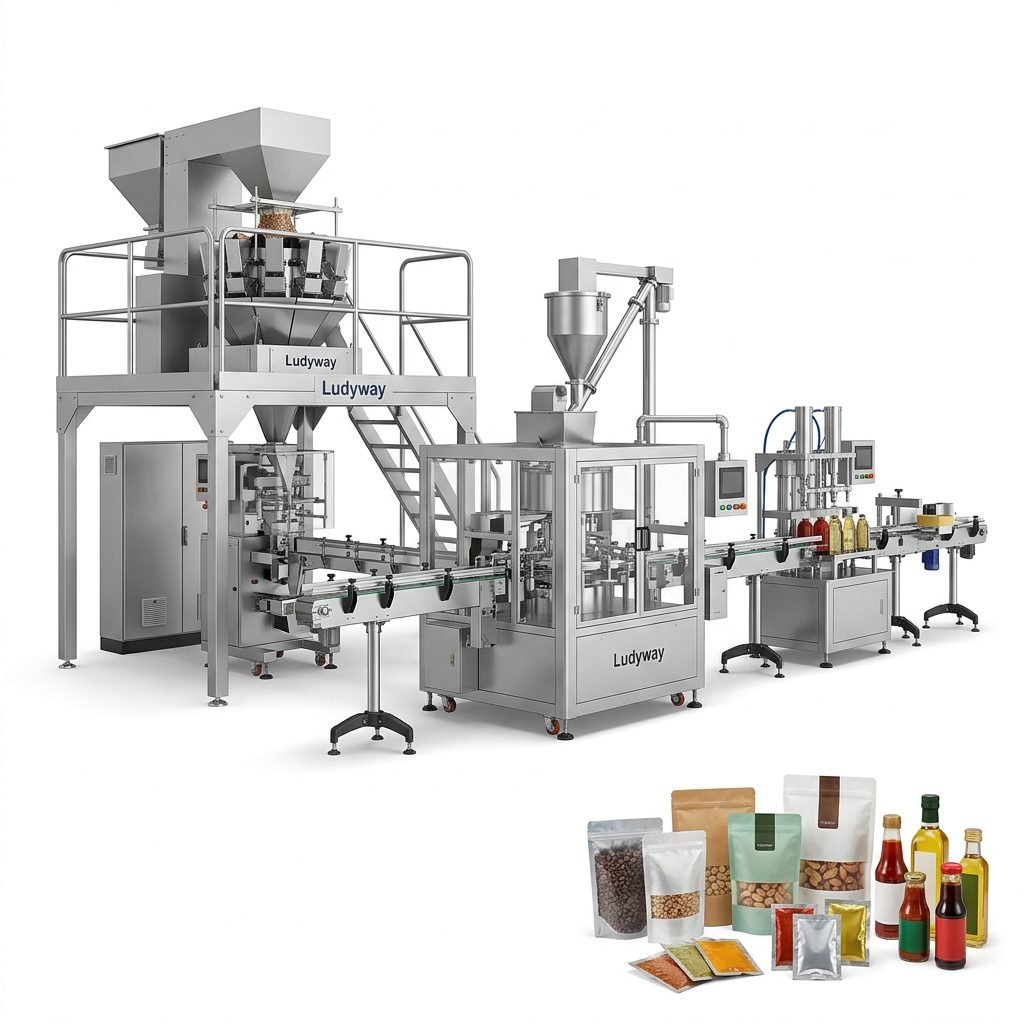
A strip packaging machine rarely functions in isolation. Its true potential is realized when integrated into a complete production ecosystem. This includes upstream feeding systems like Z-type bucket elevators, vacuum feeders, or robotic pick-and-place systems. Downstream, you might need checkweighers, metal detectors, and X-ray inspection systems for quality assurance. Automated cartoning machines, case packers, and palletizers complete the end-of-line process. According to the PMMI State of the Industry report, manufacturers are increasingly adopting fully integrated lines to reduce manual handling errors and increase overall equipment effectiveness (OEE). A partner that supplies turnkey packaging solutions can ensure seamless connectivity between all stages, from raw product feeding to final palletizing.
Industry-Specific Compliance and Standards
Your industry dictates the regulatory framework your machinery must satisfy. For pharmaceutical packaging, adherence to FDA 21 CFR Part 11 (electronic records) and current Good Manufacturing Practices (cGMP) is mandatory. Validation protocols (IQ/OQ/PQ) must be supported. Machines should be designed to meet ISO 11607 requirements for terminally sterilized medical devices if applicable. In the food and beverage sector, compliance with FDA food packaging regulations and easy-clean design are critical to prevent contamination. For chemical or cosmetic products, robust sealing to prevent leakage and material compatibility testing are key. Certifications such as CE, UL, and regional electrical standards confirm that the machine meets international safety and performance benchmarks.
Evaluating the Machine Builder and Supplier
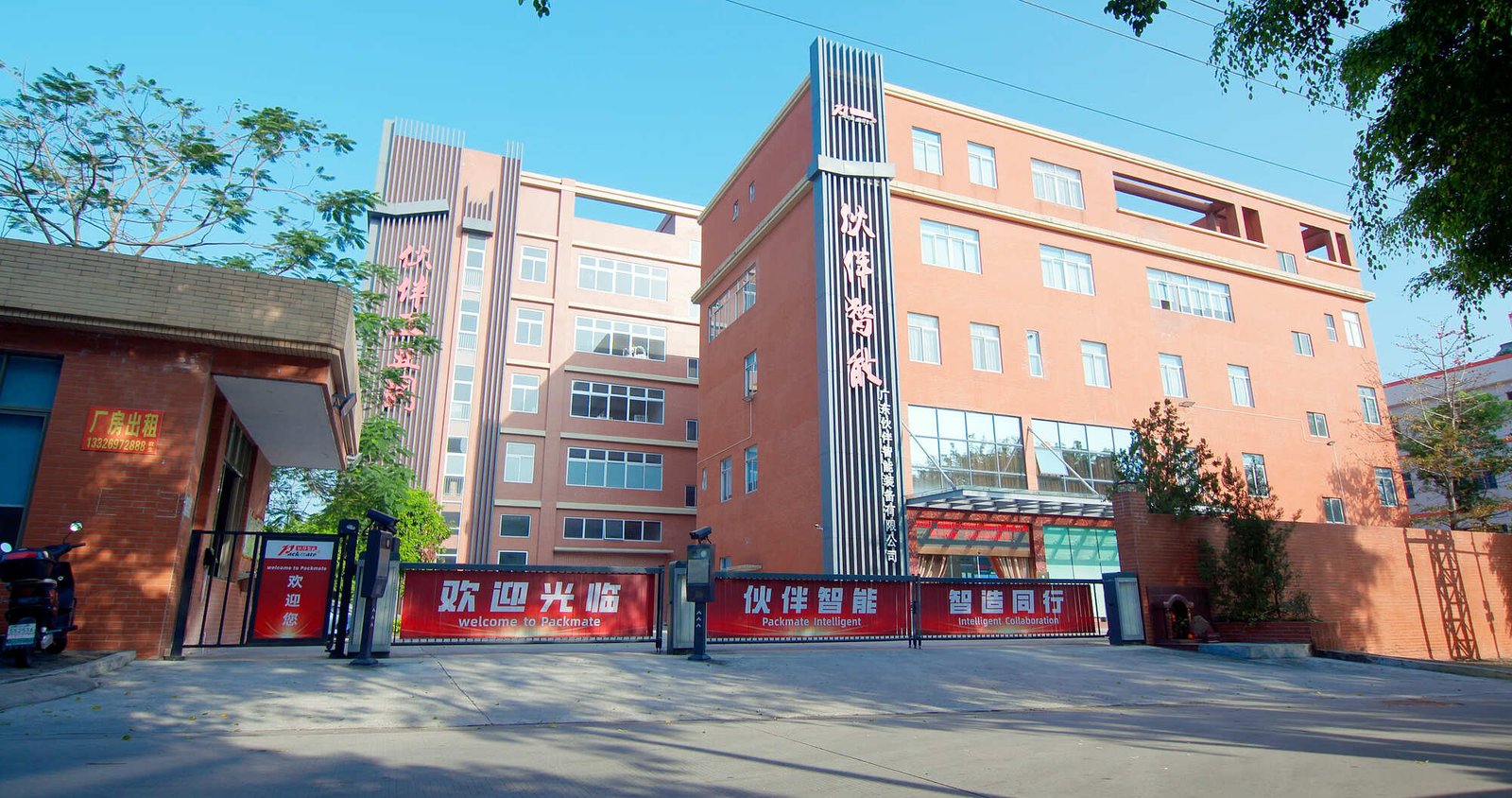
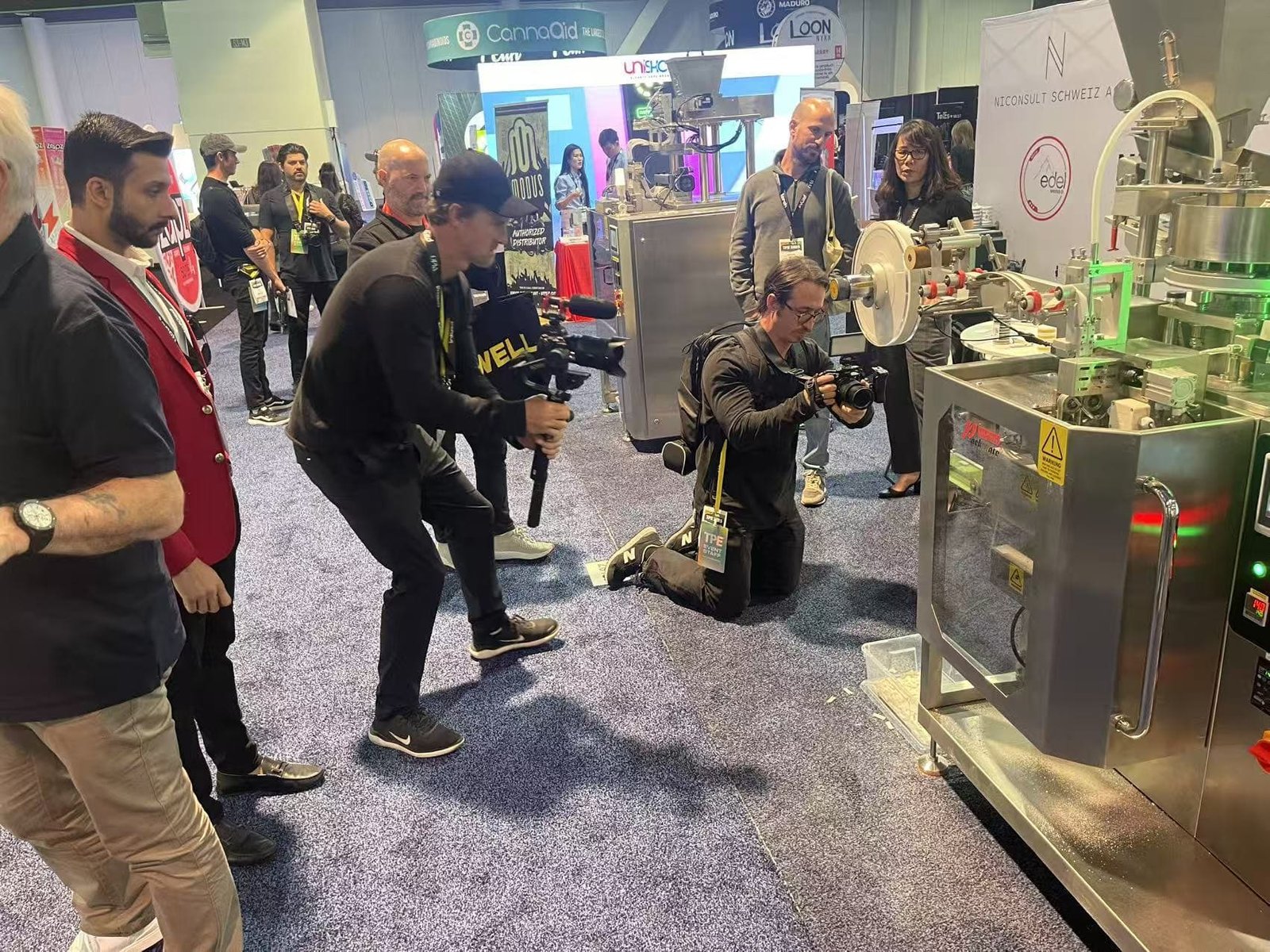
The expertise and reliability of the manufacturer are as crucial as the machine itself. A supplier with extensive engineering capability can customize a machine to your exact product specifications, factory layout, and automation level, rather than forcing you to adapt to a standard model. Ludyway Machinery, a China-based packaging machinery manufacturer with over 30 years of experience and a 20,000-square-meter facility, provides this level of customized engineering and integrated packaging systems. When assessing partners, prioritize those with a proven track record, robust global technical support, and readily available spare parts. Check their presence at major trade shows, review their installations, and ask for detailed references. A strong partnership extends beyond the sale, encompassing installation, commissioning, training, and responsive after-sales service.
- Factory Acceptance Testing (FAT): Always conduct a FAT to verify machine performance with your actual products and materials before shipment.
- Remote Support Capabilities: Inquire about secure remote access for diagnostics and troubleshooting, which minimizes downtime.
- Training Programs: Comprehensive operator and maintenance training ensures your team can safely and efficiently manage the new equipment.
- Spare Parts Availability: A localized or quickly-shipped spare parts inventory is vital for long-term operational stability.
Total Cost of Ownership and ROI Analysis
Looking beyond the initial purchase price reveals the true cost of a strip packaging machine. Factor in installation and commissioning costs, ongoing operator training, and the price and availability of consumable spare parts like sealing jaws, knives, and brushes. Energy efficiency and film waste rates significantly impact operational expenses. A machine with advanced tension control and precision film registration may have a higher upfront cost but generates substantial savings by minimizing wasted packaging material. Calculate the return on investment (ROI) by projecting labor savings, increased throughput, reduced product giveaway from accurate dosing, and decreased packaging waste. A reliable global packaging machinery trend analysis can provide context on long-term value.
Key Decision-Making Checklist
Before finalizing your purchase, use this checklist to ensure you have covered every base.
- ✓ Product: Have you tested the machine’s dosing system with your specific product’s flow characteristics?
- ✓ Film: Is the film path and sealing technology fully compatible with your chosen packaging material’s structure?
- ✓ Speed: Does the rated speed meet your requirements at the required fill weight, with documented headroom?
- ✓ Footprint: Will the machine and any ancillary equipment comfortably fit in your designated production space?
- ✓ Validation: Can the supplier provide full documentation packages (FDS, HDS, SDS, FAT protocol) to support your regulatory needs?
- ✓ Integration: Is the communication protocol (Profinet, EtherNet/IP) compatible with your factory’s SCADA or MES?
Making the Final Decision
Selecting the right strip packaging machine is a convergence of engineering, commercial consideration, and strategic partnership. The ideal solution is specific to your product and long-term vision. By systematically defining your material, speed, and format requirements, and then rigorously evaluating machine builders on their expertise and support infrastructure, you secure not just a piece of equipment, but a catalyst for growth. For manufacturers seeking a customized, high-speed, and integrated packaging line, partnering with an experienced manufacturer that offers comprehensive application knowledge and global service ensures your investment delivers consistent quality and maximum value for years to come.