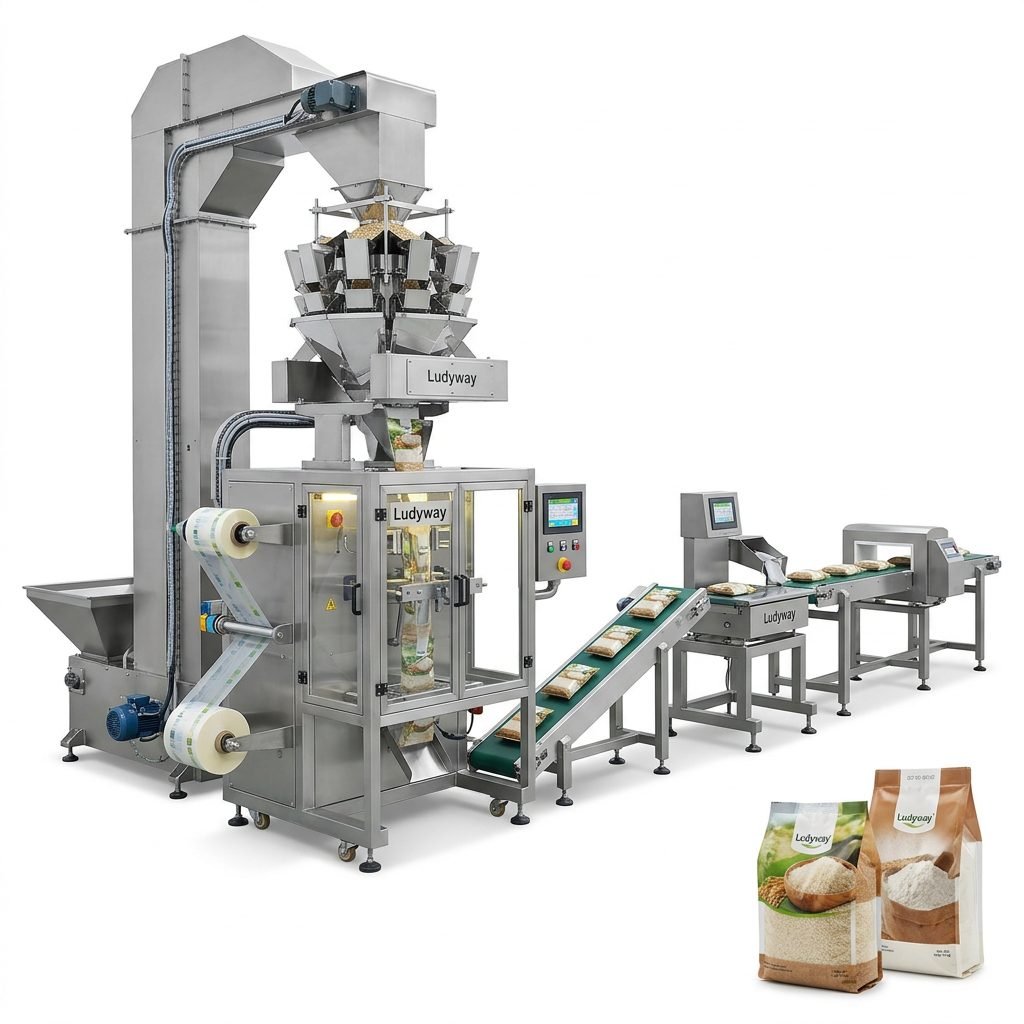
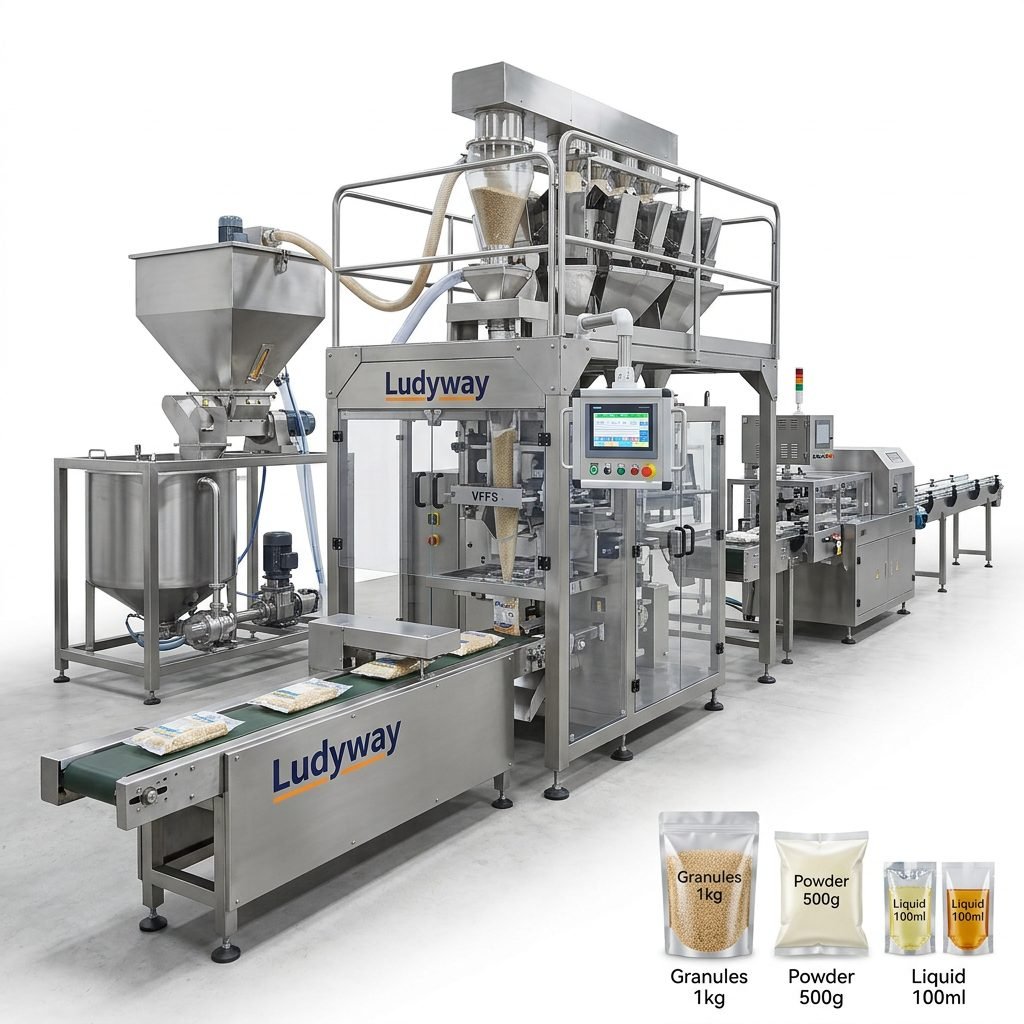
Investing in an automatic packaging machine is a critical decision that directly impacts your production efficiency, product quality, and long-term operational costs. Whether you are packing powders, granules, liquids, or solid products, selecting the right iPack packaging machine requires a systematic evaluation of your current needs and future growth plans. This guide walks you through the essential factors to consider before making a purchase.
1. Define Your Product Characteristics First
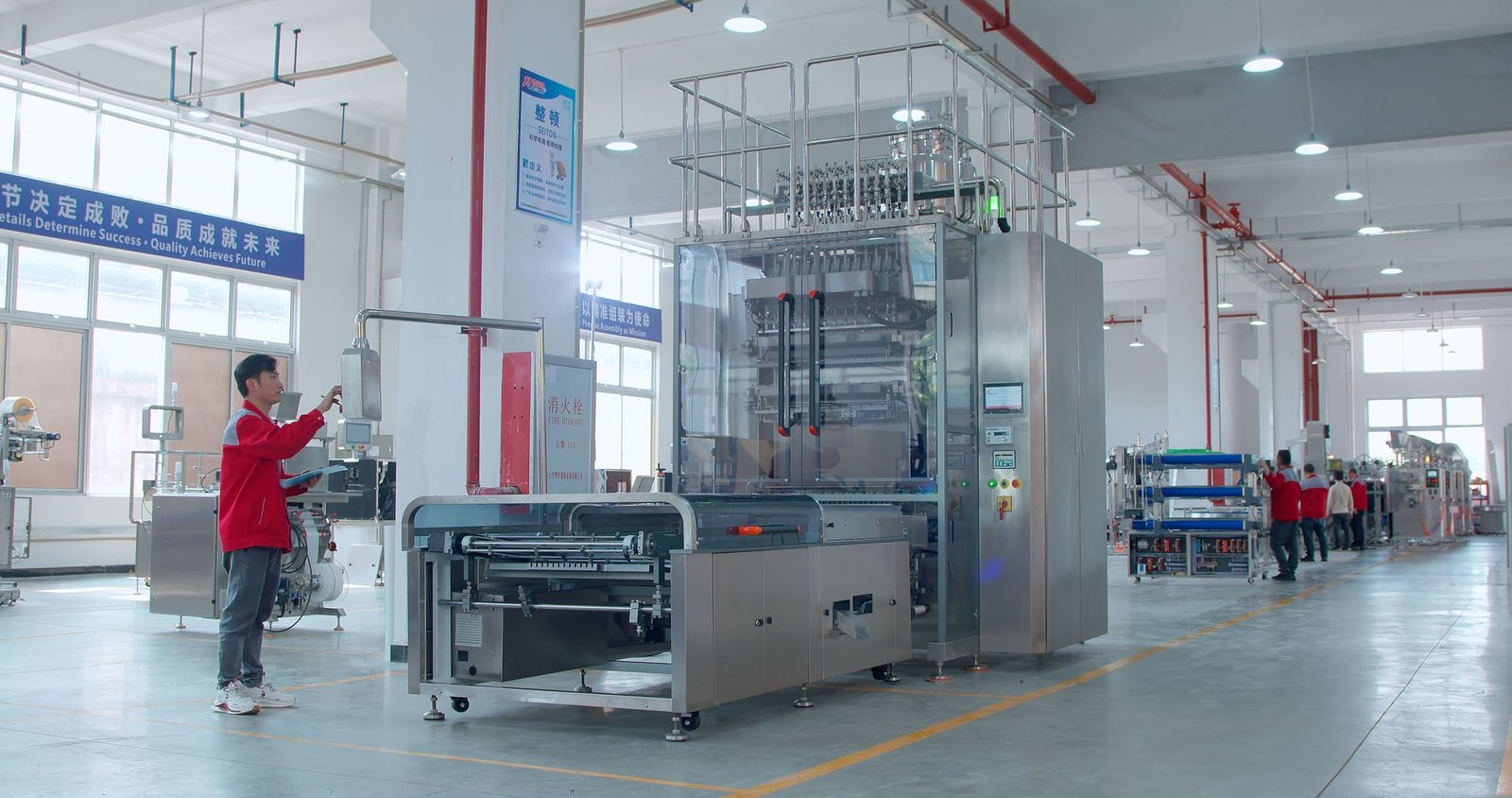
Every packaging project starts with the product itself. The physical properties of your material determine the type of dosing system, filling mechanism, and sealing technology required. Before comparing machine specifications, answer these fundamental questions:
- Product form: Is it a free-flowing powder, sticky granule, paste, liquid, or solid piece?
- Particle size and density: Fine powders like milk powder behave differently from coarse granules like sugar.
- Flow characteristics: Does the product bridge, clump, or stick to surfaces? Hygroscopic materials require special handling.
- Sensitivity: Is the product sensitive to heat, moisture, or oxygen? This affects sealing and barrier requirements.
- Hygiene requirements: Food, pharmaceutical, and cosmetic products demand different levels of cleanroom compatibility and material certification.
According to FDA food packaging guidelines, direct food contact materials must meet strict safety standards, which directly influences machine material selection and design.
2. Determine Your Target Packaging Format
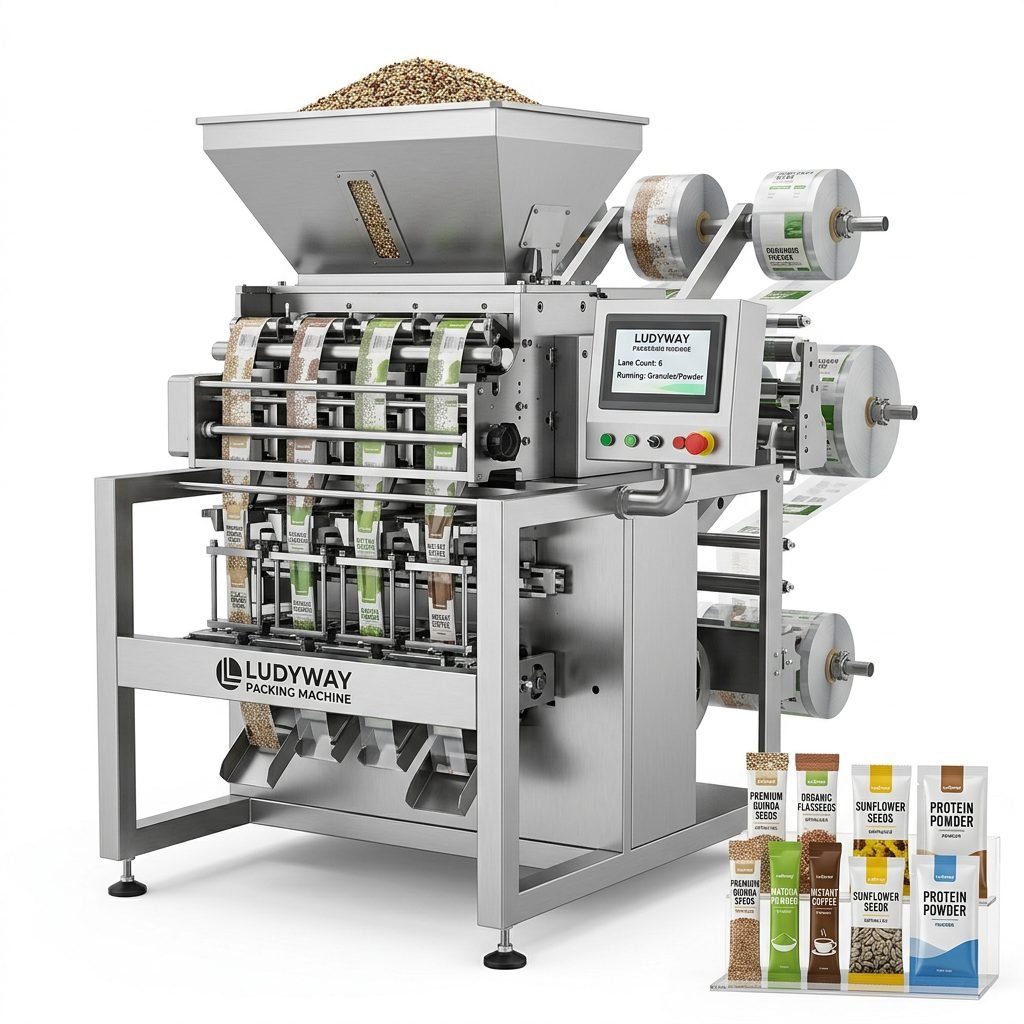
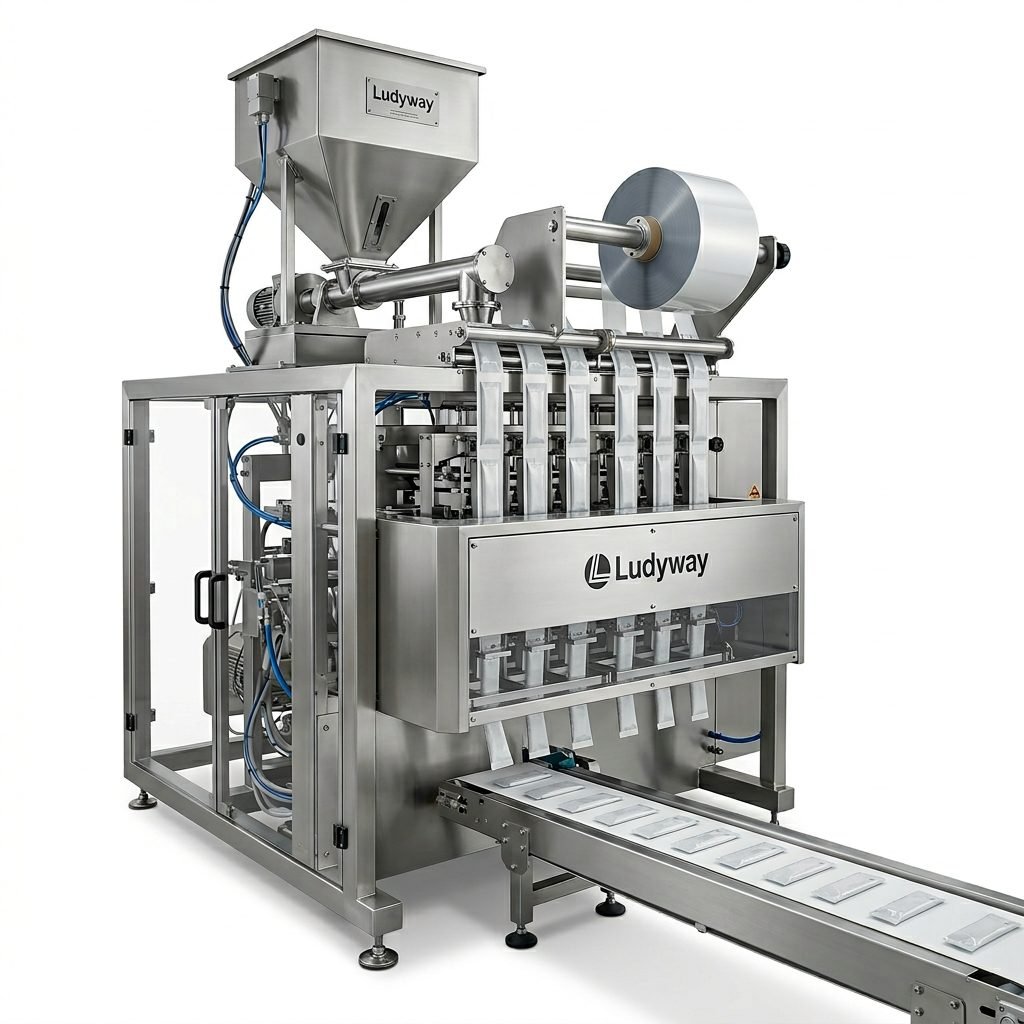
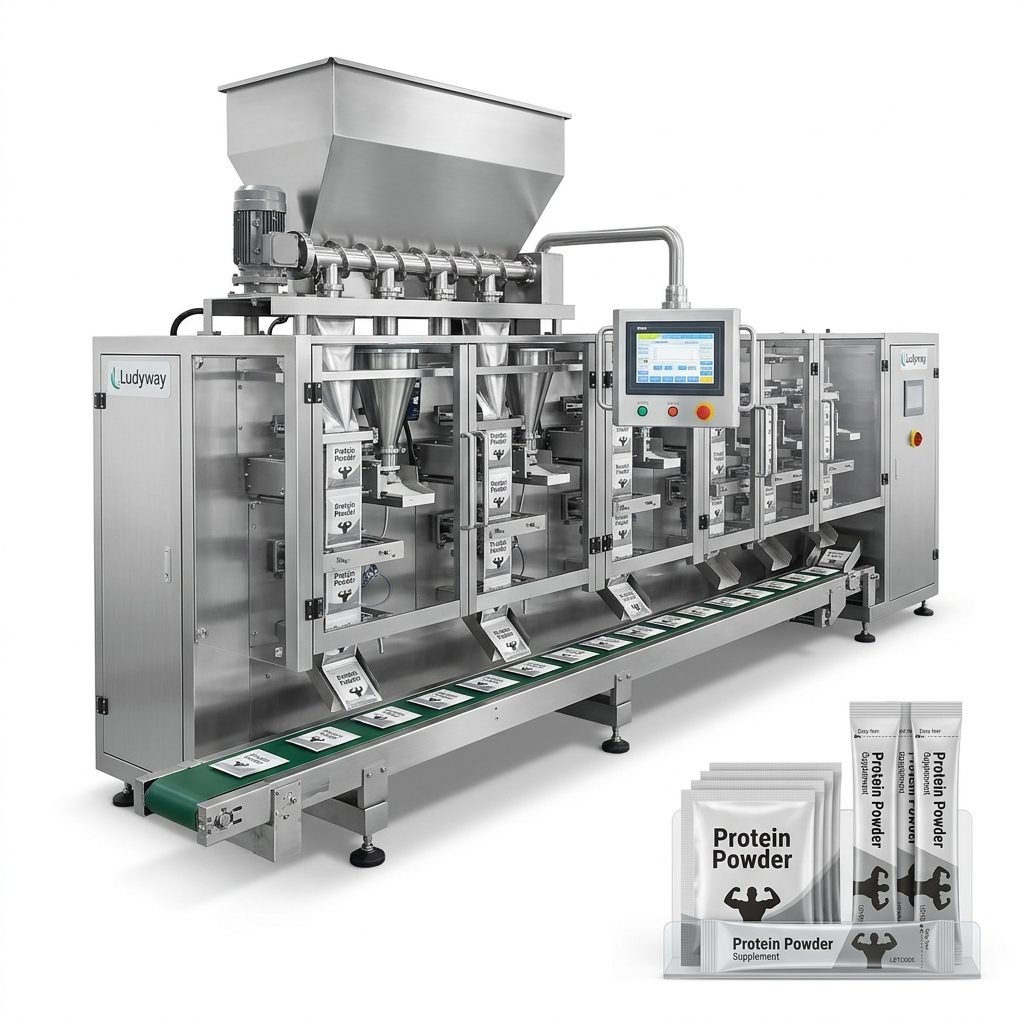
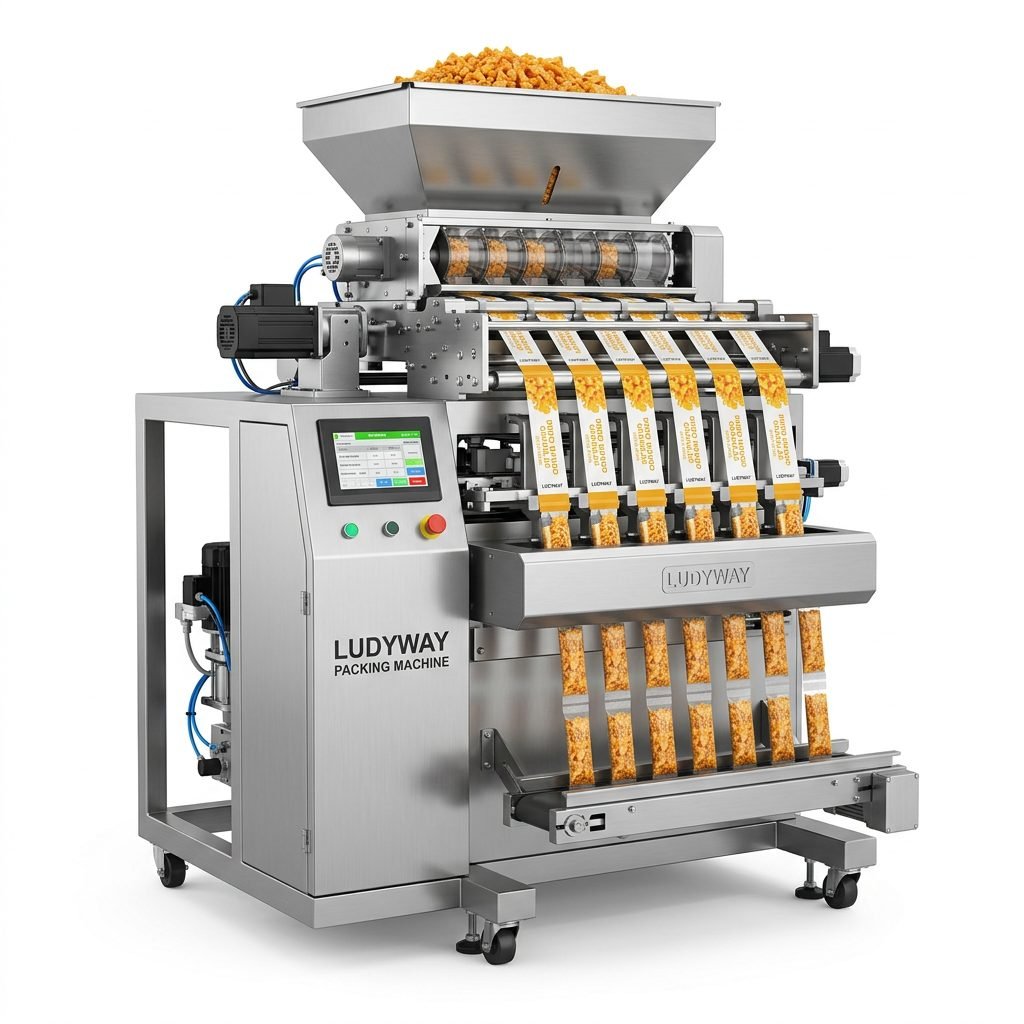
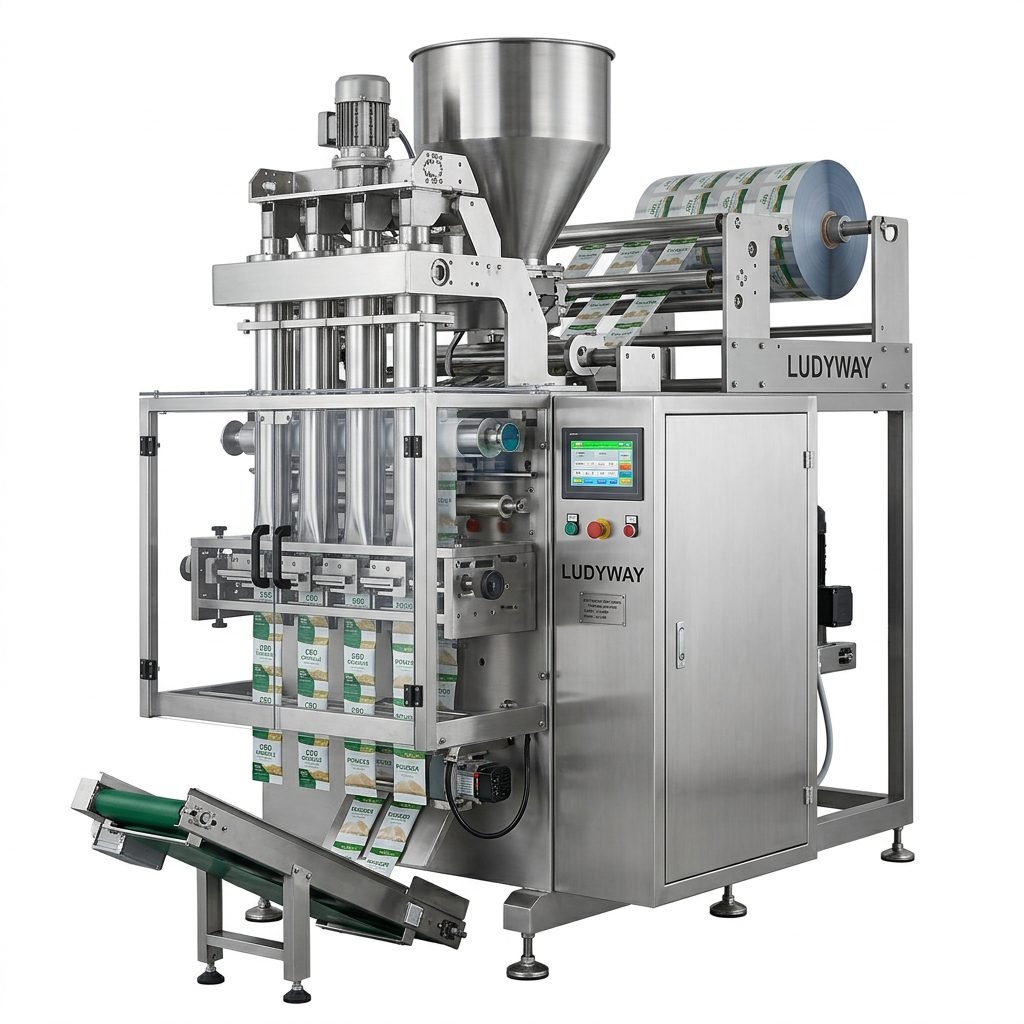
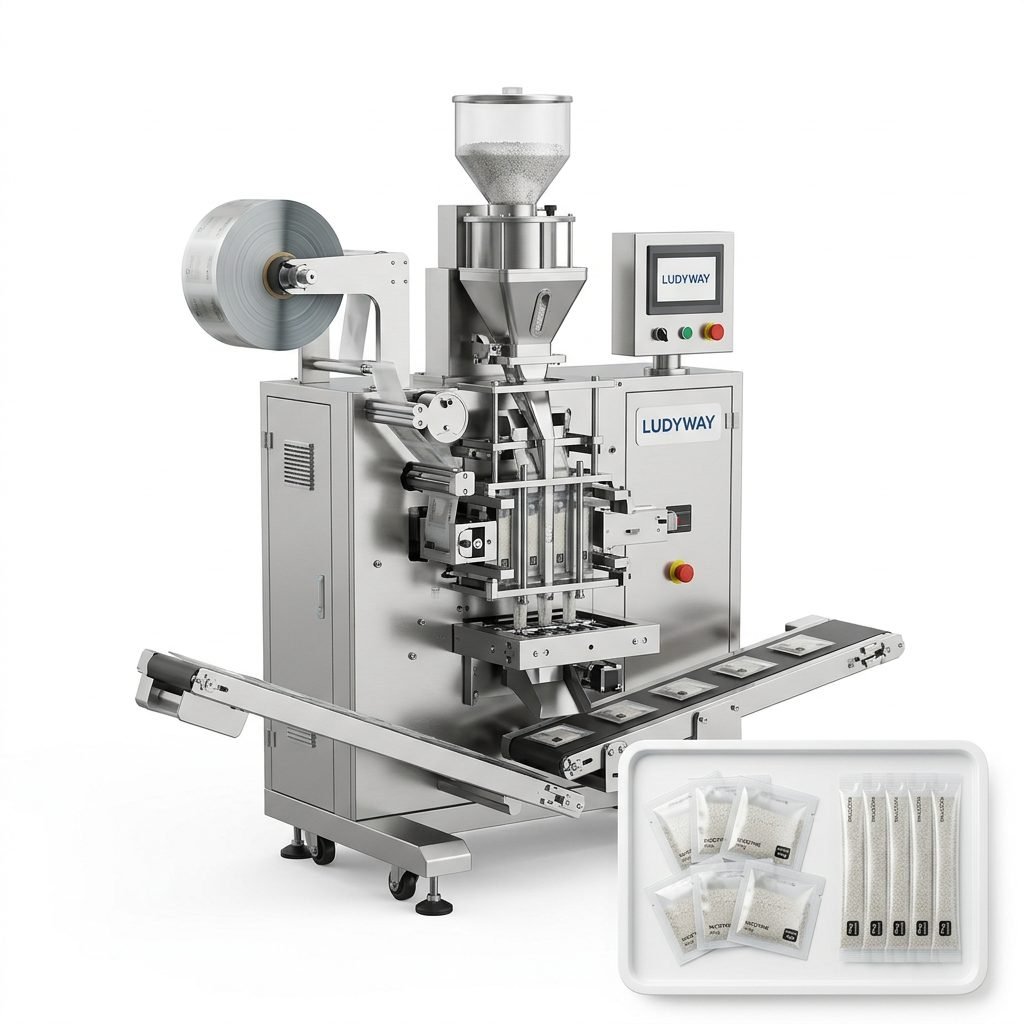
The iPack packaging machine family supports multiple packaging formats, and choosing the right one depends on your market requirements. Common formats include:
| Packaging Format | Best For | Typical Applications |
|---|---|---|
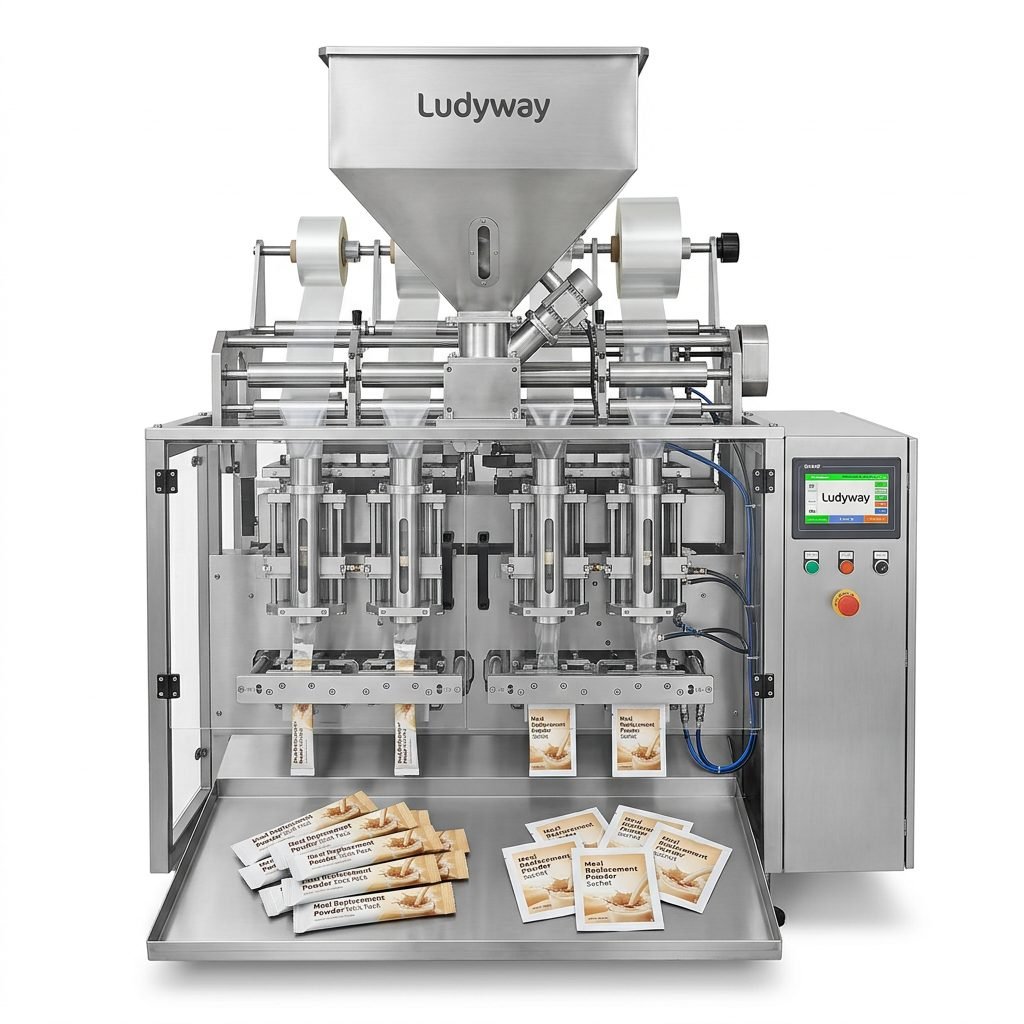
| Stick Packs | Single-serve portions, portability | Coffee, sugar, protein powder, pharmaceutical granules |
| Sachets / Flat Pouches | Sample sizes, multi-serve, cost-effective | Shampoo, sauces, spices, cosmetic creams |
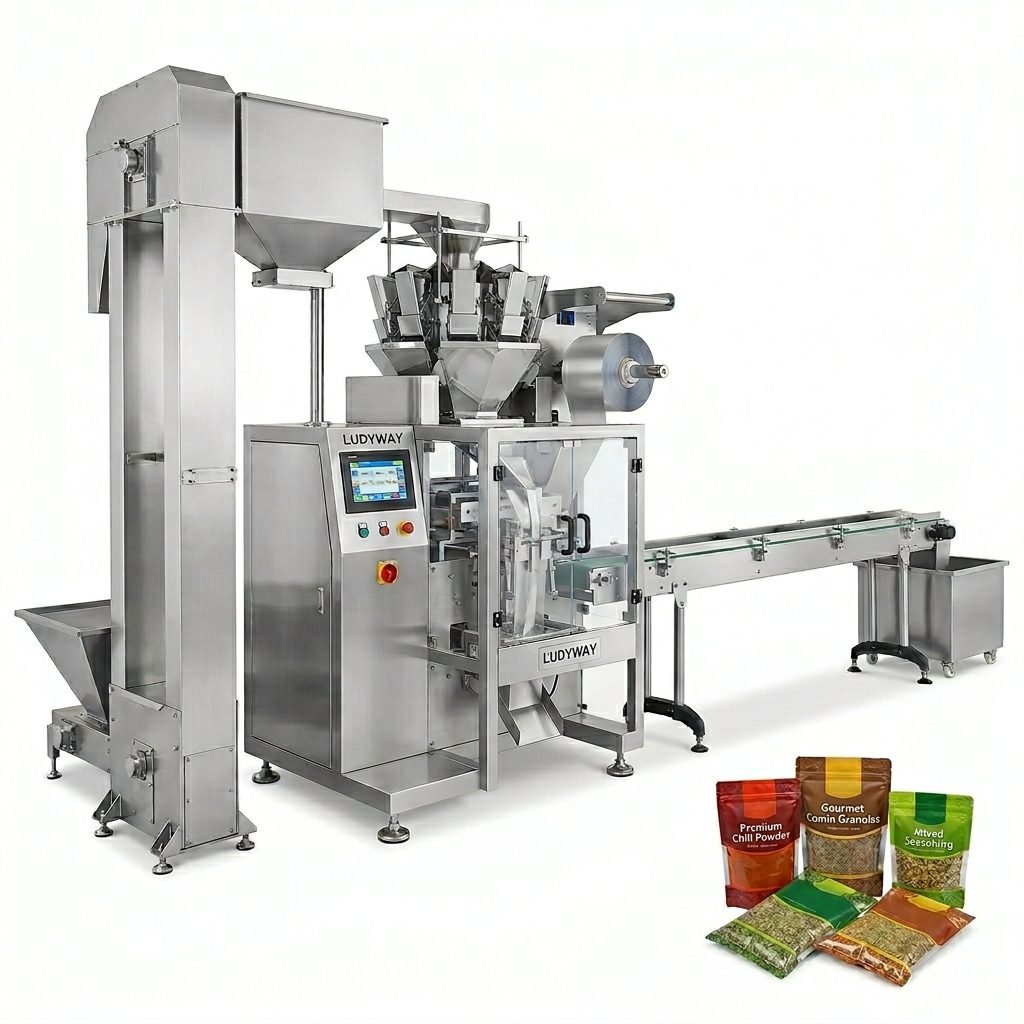
| Stand-Up Pouches | Shelf appeal, resealable features | Snacks, pet food, liquid detergents, bulk powders |
The Flexible Packaging Association reports consistent growth in stick pack and sachet formats, driven by convenience and portion control trends across global markets.
3. Calculate Your Required Production Speed
Production speed is measured in packs per minute (ppm) and directly influences machine configuration. Multi-lane machines multiply output by running several packaging lanes simultaneously. When calculating required speed, consider not just current demand but projected growth over the next 3-5 years.
Key speed considerations include:
- Single-lane vs. multi-lane: A single-lane machine may produce 40-80 ppm, while a multi-lane iPack system can achieve 200-600+ ppm depending on lane count.
- Filling accuracy at speed: High-speed operation must not compromise dosing precision, especially for pharmaceutical and high-value products.
- Changeover frequency: Frequent product or size changes require quick-change features, which may affect maximum sustained speed.
4. Evaluate Filling and Dosing Technology
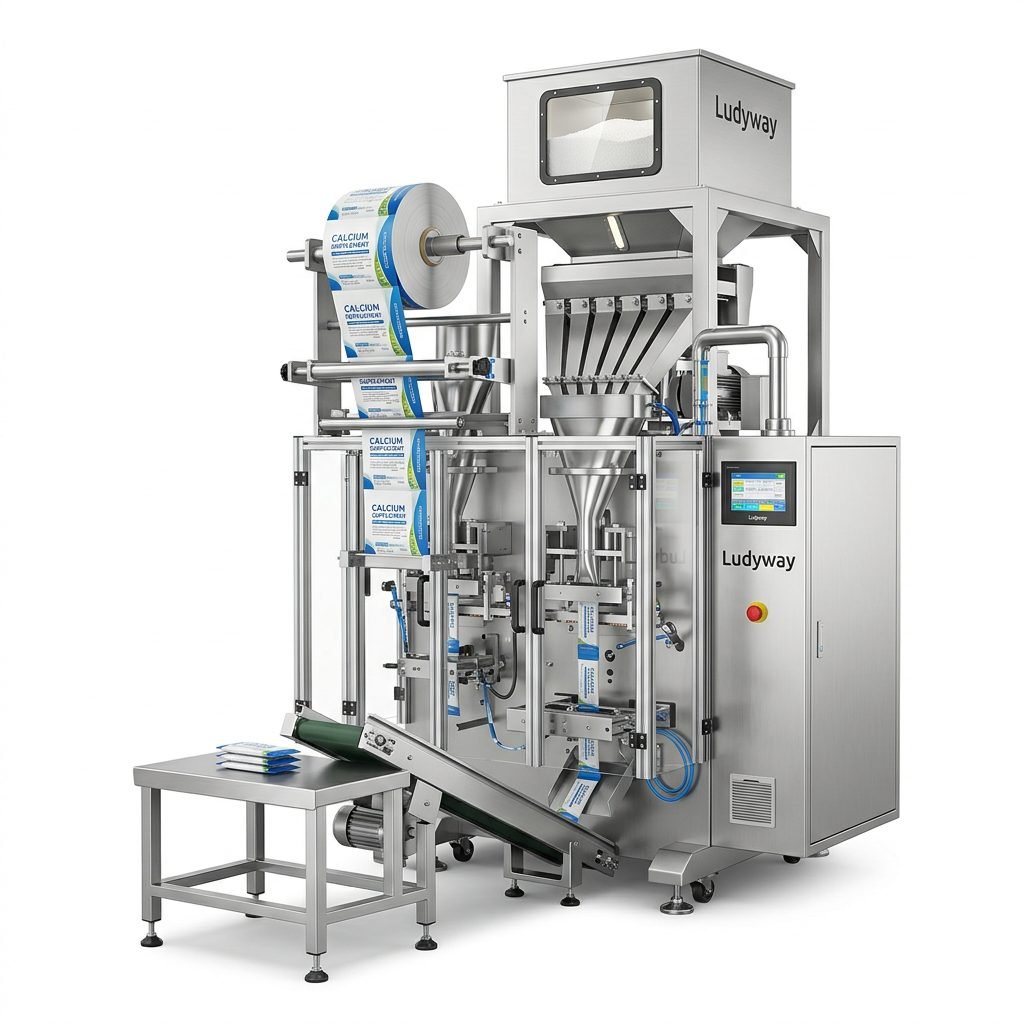
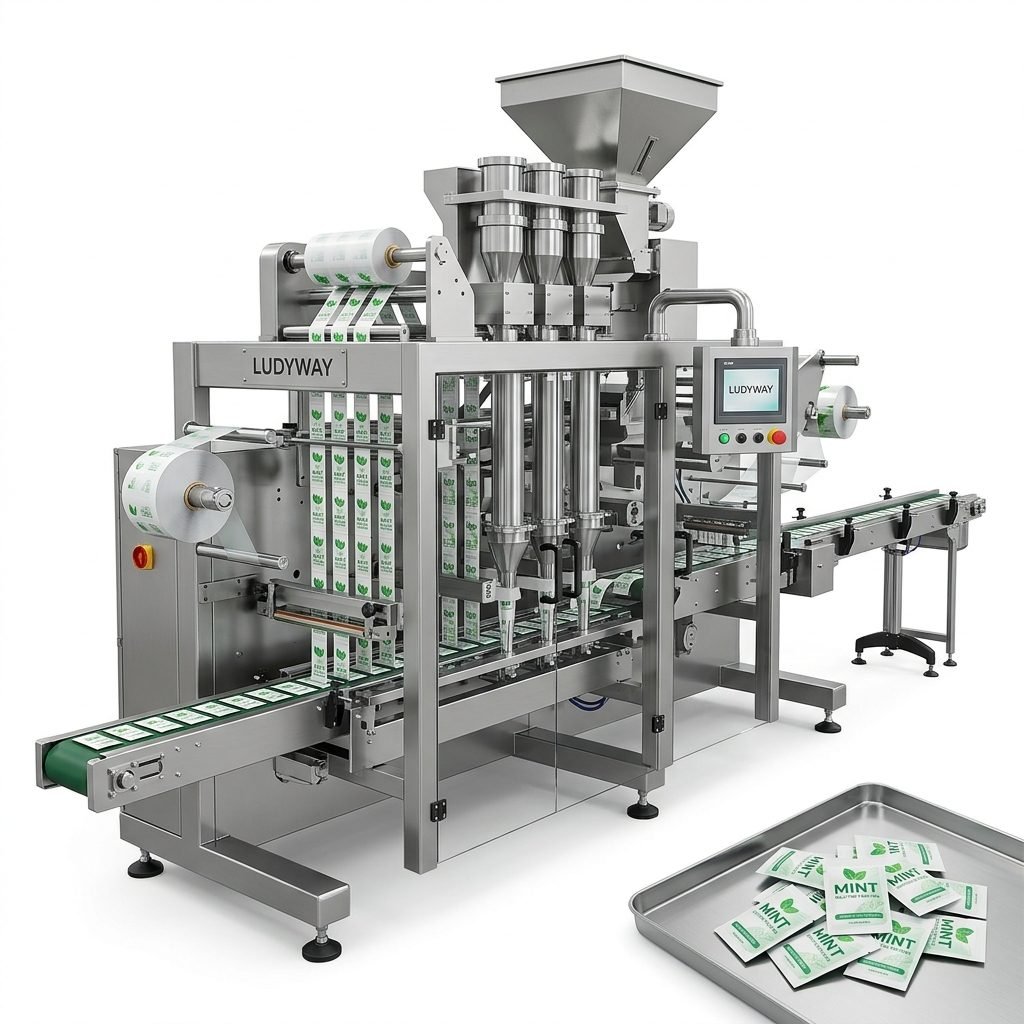
The dosing system is the heart of any packaging machine. Selecting the right filling technology ensures accuracy, minimizes product waste, and maintains consistent pack weights. Common dosing methods compatible with iPack machines include:
- Auger fillers: Ideal for fine powders like flour, milk powder, and pharmaceutical actives. Offers high precision with servo-driven control.
- Volumetric cup fillers: Suitable for free-flowing granules such as sugar, salt, and seeds. Cost-effective for moderate accuracy requirements.
- Multi-head weighers: Provide the highest accuracy for granules, snacks, and solid pieces. Typically used for pouch and larger bag formats.
- Piston and pump fillers: Designed for liquids, pastes, and creams ranging from low-viscosity beverages to thick gels.
For pharmaceutical applications, dosing accuracy and validation are critical. Refer to ISO packaging standards for guidance on compliance requirements in regulated industries.
5. Consider Material and Film Compatibility
Packaging machines must work seamlessly with your chosen packaging film or laminate. The sealing system — whether heat seal, ultrasonic, or impulse — must be compatible with materials such as:
- Aluminum foil laminates for high-barrier applications
- Polyethylene (PE) and polypropylene (PP) for cost-effective packaging
- Biodegradable and compostable films for sustainable packaging initiatives
- Paper-based laminates for eco-friendly branding
Sustainability is increasingly important. The European Commission’s Packaging Waste Regulation is driving demand for machines capable of running recyclable and thinner-gauge materials without sacrificing seal integrity.
6. Assess Automation Level and Integration Capabilities
Modern iPack packaging machines range from semi-automatic standalone units to fully integrated packaging lines. Higher automation levels reduce labor dependency, improve consistency, and enable real-time data collection. Consider these automation features:
| Automation Feature | Benefit |
|---|---|
| Servo-driven motion control | Precision adjustment, faster changeovers, reduced mechanical wear |
| Automatic film splicing | Continuous operation without stopping for roll changes |
| Online checkweighing | Real-time weight verification, automatic rejection of out-of-spec packs |
| Vision inspection systems | Seal integrity check, print registration verification, contamination detection |
| IoT and data connectivity | Remote monitoring, predictive maintenance, production analytics |
Integration with upstream and downstream equipment — such as feeding systems, cartoners, case packers, and palletizers — is essential for turnkey packaging lines. The PMMI Business Intelligence reports highlight that manufacturers increasingly prefer single-source integrators who can deliver complete packaging line solutions.
7. Verify Manufacturer Capabilities and Support
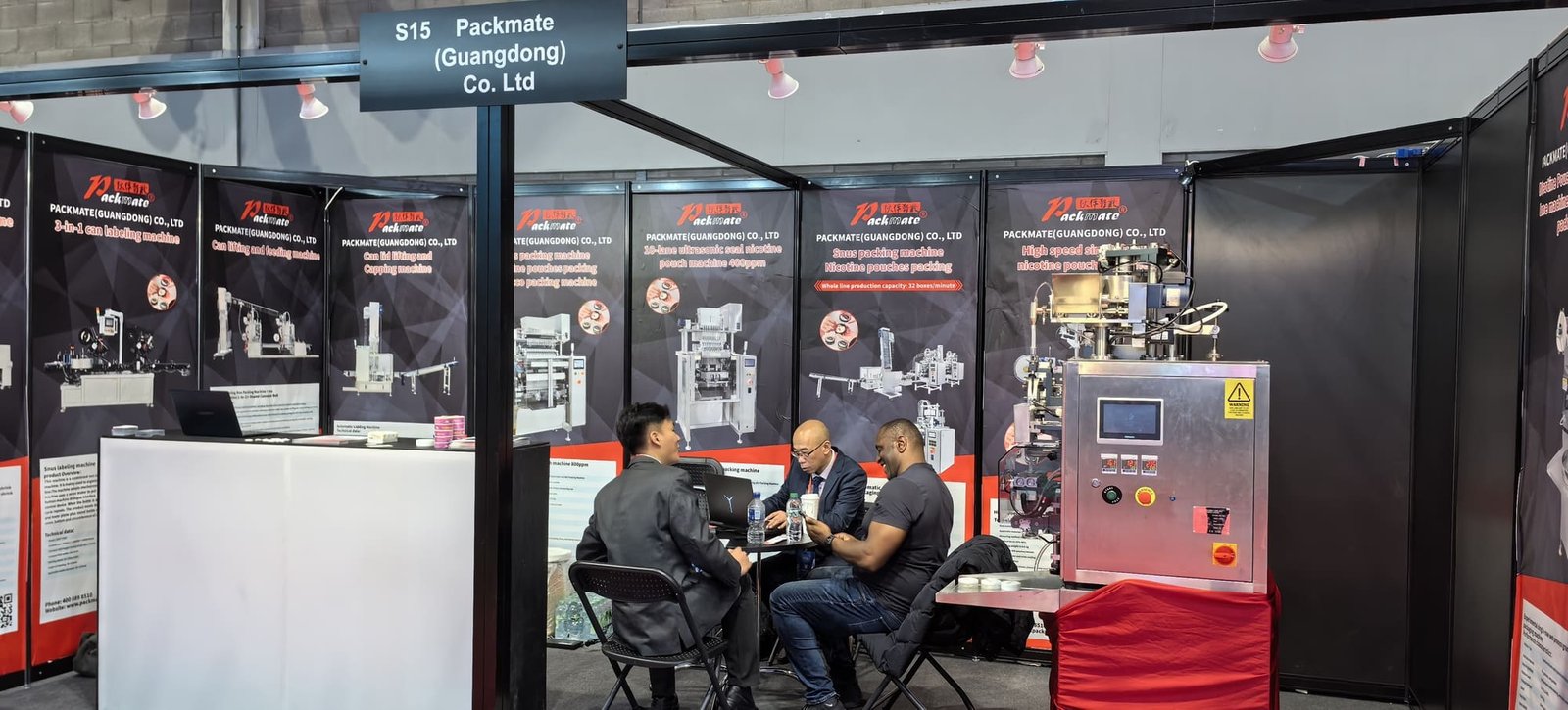
Choosing the right machine is only half the equation — selecting the right packaging machinery partner is equally important. As a packaging machinery manufacturer with over 30 years of experience, Ludyway Machinery demonstrates the importance of evaluating a supplier’s manufacturing depth, engineering capabilities, and global service network. Key evaluation criteria include:
- Engineering and customization: Can the manufacturer modify machine configurations to meet your specific product, speed, and layout requirements?
- Manufacturing quality: Look for in-house manufacturing capabilities, quality management systems, and compliance with international standards.
- Installation and commissioning: Does the supplier provide on-site support, or is the machine shipped without technical assistance?
- After-sales service: Evaluate spare parts availability, remote support capabilities, and response times for technical issues.
- Industry experience: A supplier with proven experience in your specific industry — such as pharmaceuticals, food, or chemicals — brings valuable application knowledge.
8. Budget and Total Cost of Ownership
The purchase price of an iPack packaging machine is only the starting point. A comprehensive cost analysis should include:
- Initial capital expenditure: Machine cost, shipping, installation, and training.
- Operational costs: Film consumption, energy usage, labor requirements, and maintenance expenses.
- Downtime costs: The financial impact of production interruptions due to machine failures or slow changeovers.
- Scalability: Can the machine be upgraded or reconfigured as your production needs evolve?
A lower upfront price may lead to higher long-term costs if the machine lacks reliability, precision, or manufacturer support. The 2025 PMMI State of the Industry report emphasizes that packaging machinery buyers are increasingly prioritizing total cost of ownership and operational efficiency over lowest initial price.
9. Testing and Validation Before Purchase
Before committing to a machine, conduct thorough testing with your actual product and packaging materials. This process, often called factory acceptance testing (FAT), verifies:
- Filling accuracy and consistency at target speeds
- Seal integrity and leak testing results
- Pack appearance and print quality
- Material waste rates and machine efficiency
- Changeover time between different formats
For pharmaceutical and medical device packaging, validation documentation according to ISO 11607 standards is often required to demonstrate process capability and sterility maintenance.
10. Regulatory Compliance and Certification Requirements
Depending on your industry and target markets, your packaging machine may need to comply with specific regulations. Consider the following:
| Market / Industry | Key Standards |
|---|---|
| Food (Global) | FDA 21 CFR, EU Regulation 1935/2004, GFSI-recognized schemes |
| Pharmaceutical | GMP, 21 CFR Part 211, ISO 15378, validation protocols |
| Medical Devices | ISO 11607, ISO 13485, sterile barrier system requirements |
| CE Marking (EU) | Machinery Directive 2006/42/EC, EMC, Low Voltage Directive |
Consult Flexible Packaging Association regulatory resources for guidance on packaging material compliance, and the FDA Recognized Consensus Standards database for applicable equipment requirements.
Key Takeaways for iPack Machine Selection
- Start with your product: The physical and chemical properties of your material drive every technical decision in machine configuration.
- Define packaging format and speed needs based on both current production volumes and 3-5 year growth projections.
- Prioritize dosing accuracy and seal integrity — these directly impact product quality and customer satisfaction.
- Evaluate automation and integration to reduce labor costs and improve production consistency over the long term.
- Choose a manufacturing partner with demonstrated experience in your industry, supported by global service capabilities and technical engineering resources.
- Conduct thorough factory testing with your actual products and materials before finalizing the purchase decision.
- Consider total cost of ownership rather than focusing solely on the initial machine price.
Selecting the right iPack packaging machine is a strategic investment that affects your production capability for years to come. By systematically evaluating product characteristics, packaging requirements, machine technology, manufacturer support, and regulatory needs, you can make an informed decision that drives efficiency and supports business growth.