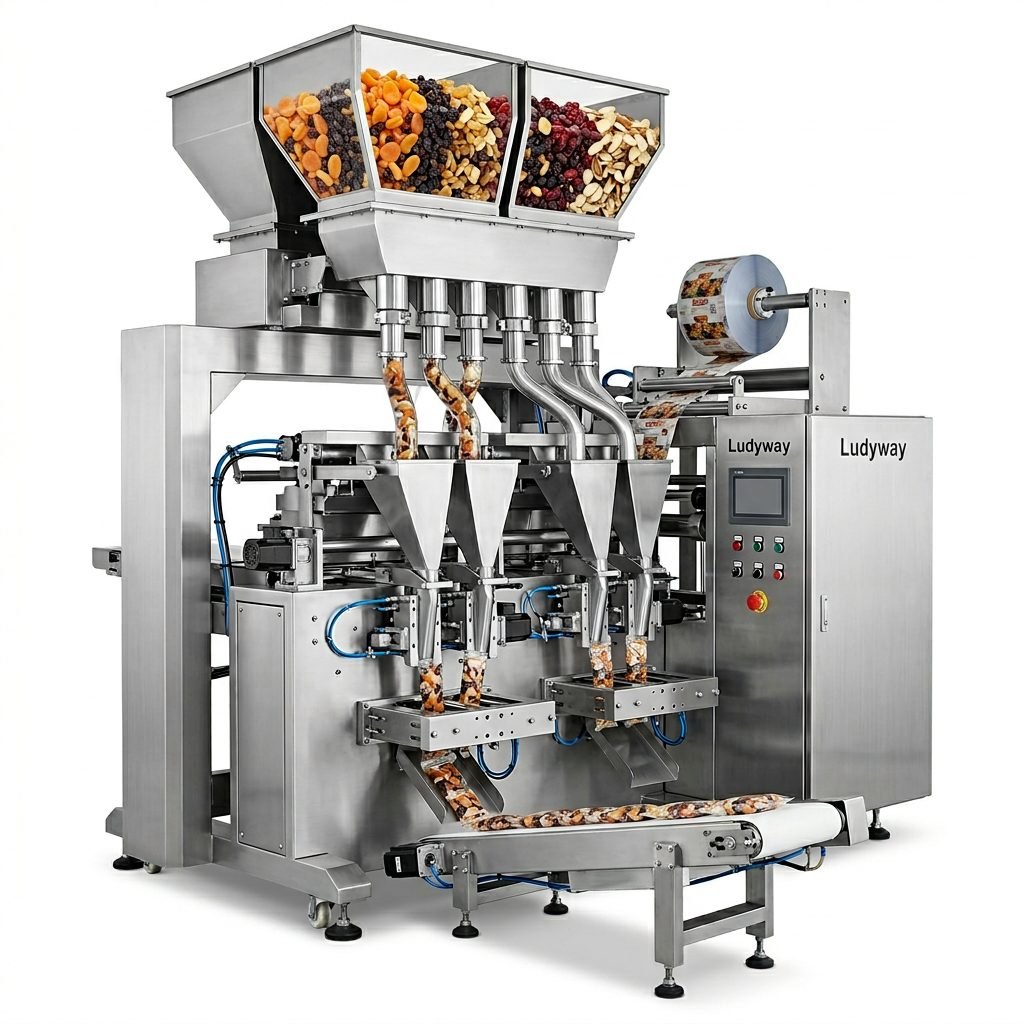
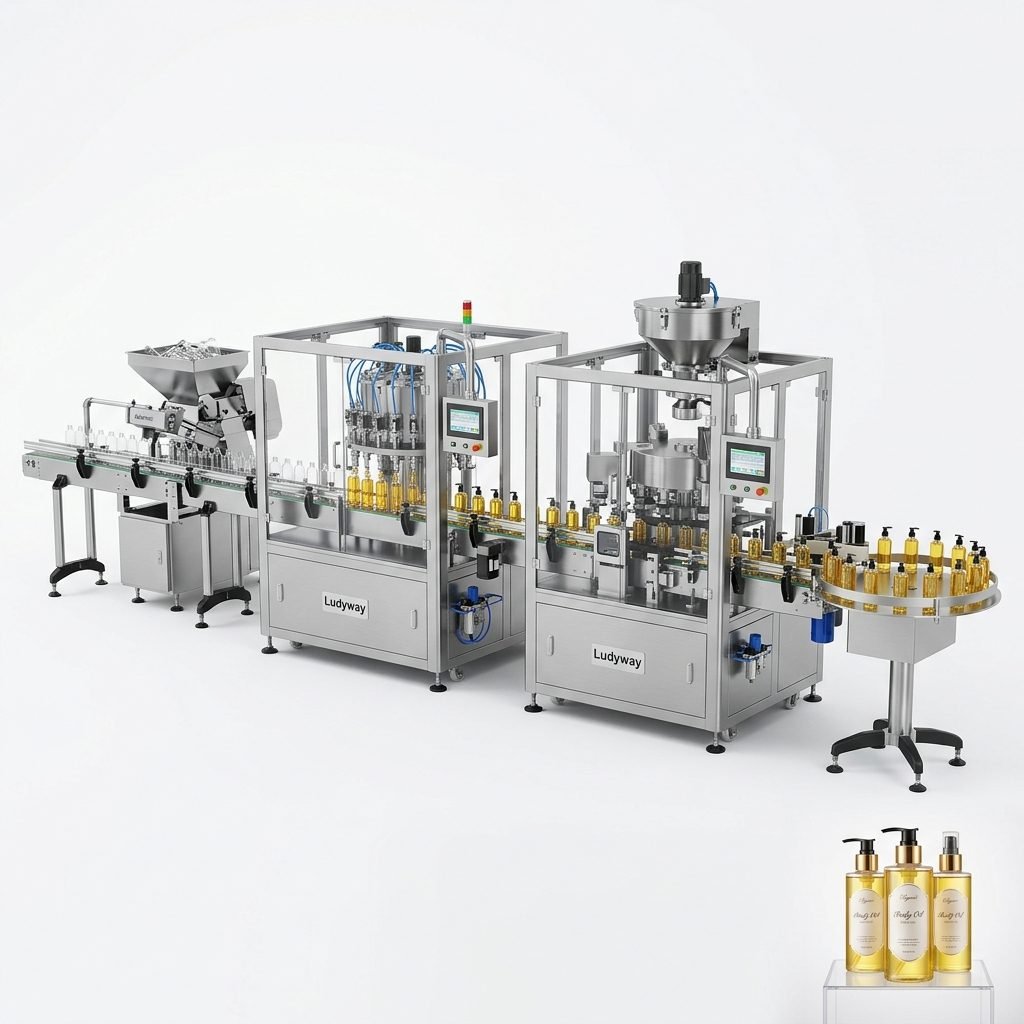
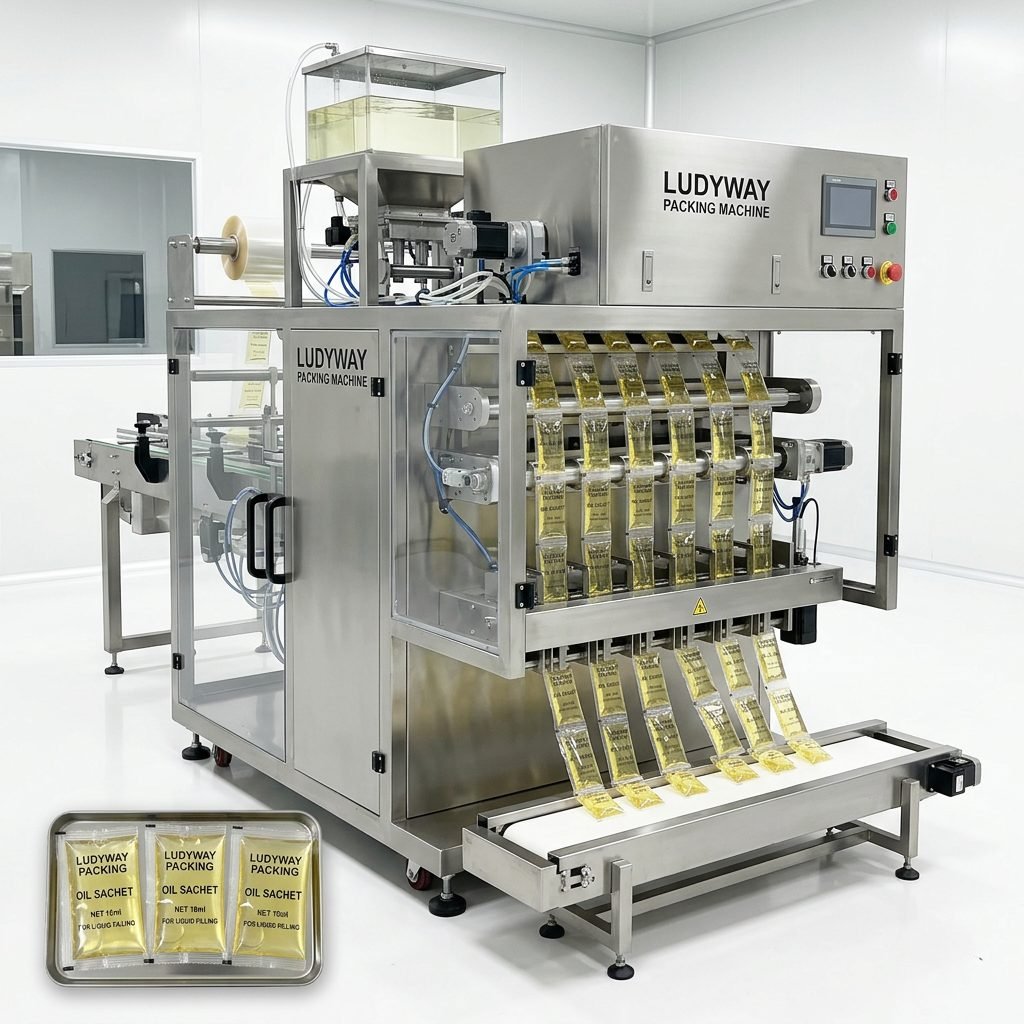
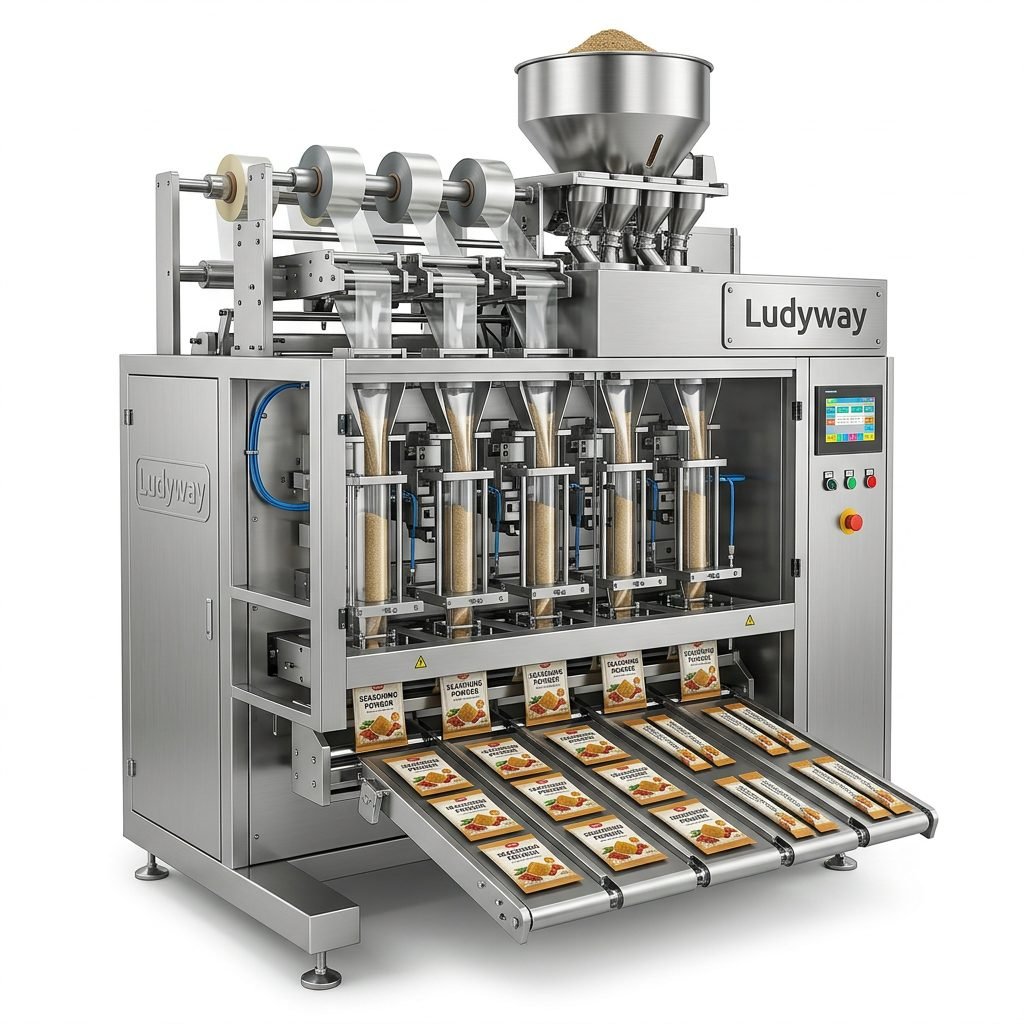
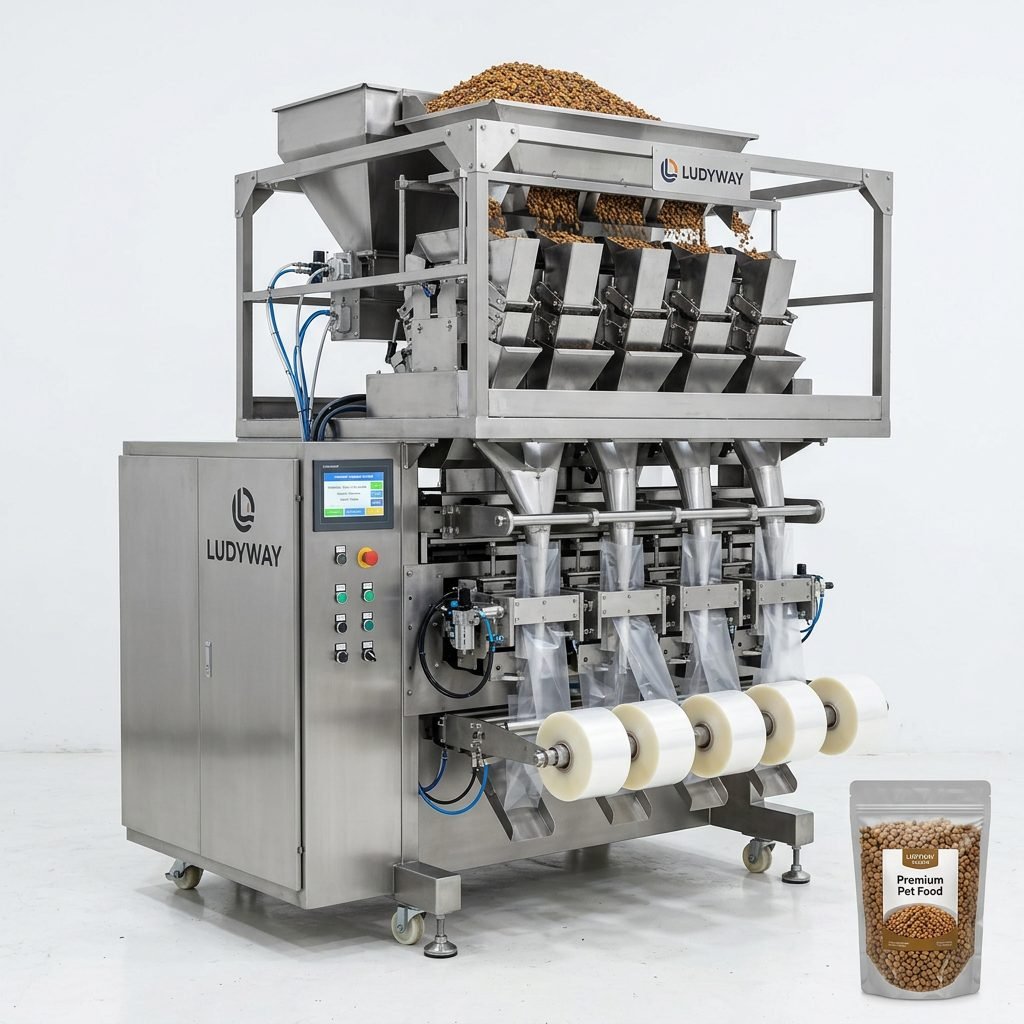
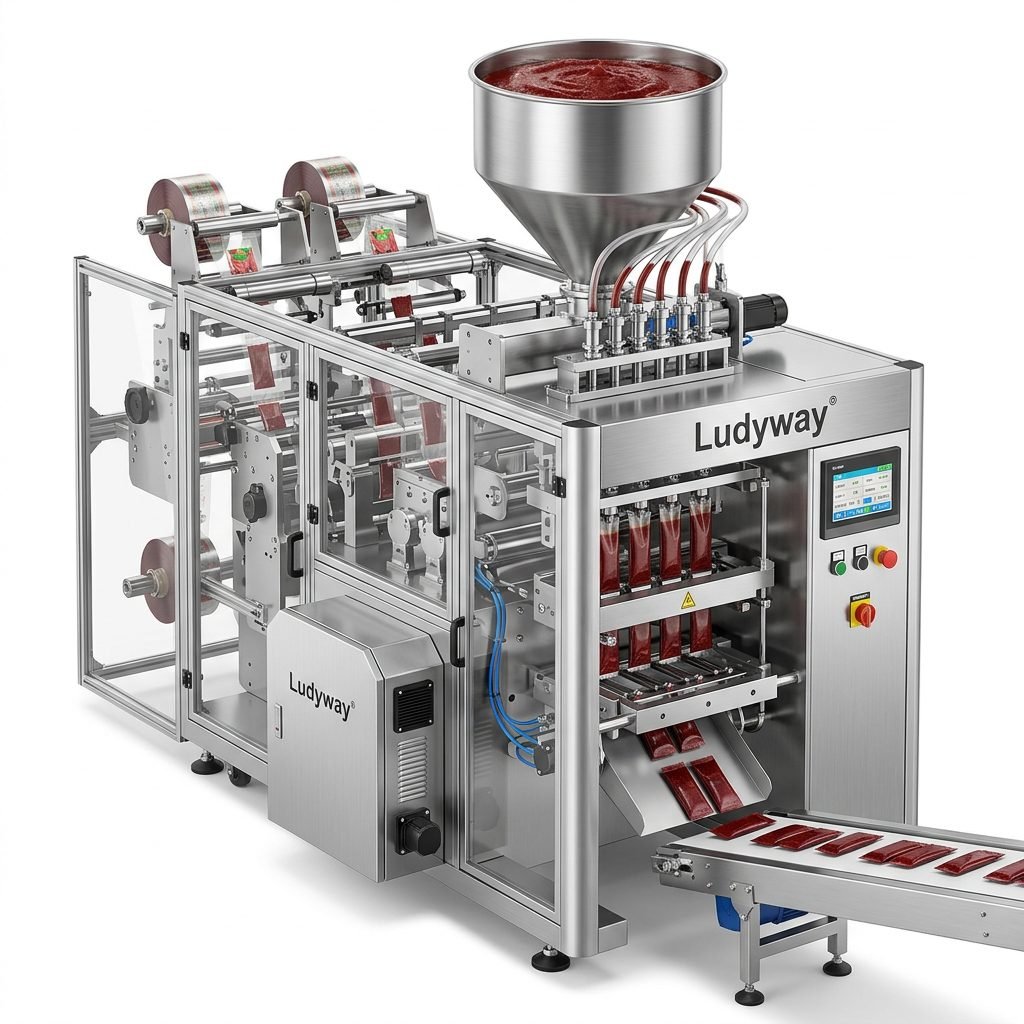
Investing in a food container packing machine is a strategic decision that directly affects your production efficiency, packaging quality, and overall operational cost. With so many configurations, technologies, and suppliers on the market, making the right choice can be challenging. This complete buyer’s guide walks you through the essential factors to evaluate, helping you select equipment that matches your product, production goals, and long-term business strategy.
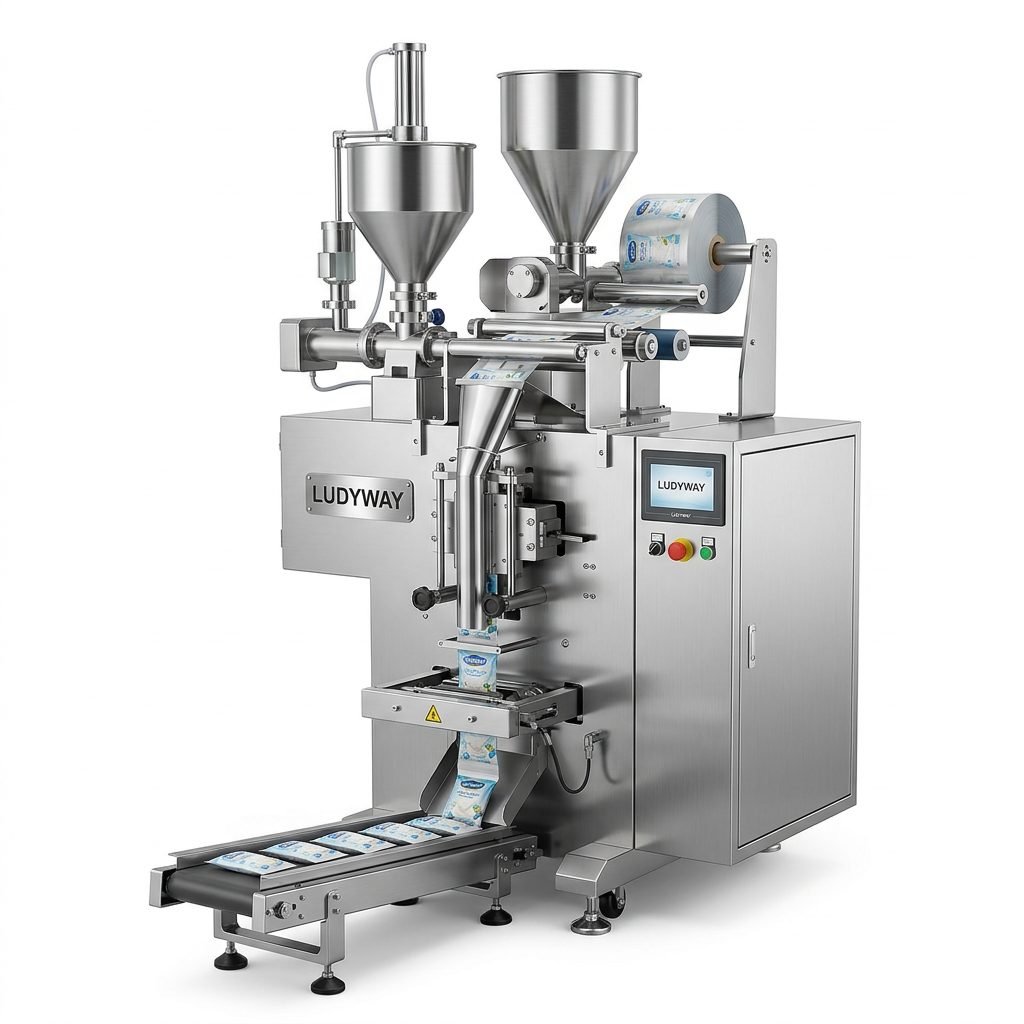
1. Why Choosing the Right Food Container Packing Machine Matters
Food packaging is not just about putting products into containers. It directly influences shelf life, food safety, brand perception, and distribution logistics. An optimized food container packing machine delivers consistent fill rates, reduces product waste, maintains hygiene standards, and adapts to different packaging formats. According to the PMMI Business Intelligence reports, packaging machinery demand continues to grow as food manufacturers seek automation to address labor challenges and improve throughput. Selecting the wrong equipment, however, can lead to downtime, product recalls, and costly retrofitting.
2. Key Factors to Consider Before Buying
Not all food container packing machines are built for the same purpose. The following parameters help you narrow down machine types and configurations effectively.
2.1 Product Characteristics and Physical Properties
The nature of your food product determines the dosing, filling, and sealing technology required. Consider these product categories and their typical machine requirements:
| Product Type | Examples | Recommended Dosing System | Common Container Formats |
|---|---|---|---|
| Free-flowing granules | Sugar, salt, rice | Volumetric cup filler, multi-head weigher | Sachets, stick packs, pouches |
| Fine powders | Flour, milk powder, spices | Auger filler, vacuum dosing | Stick packs, sachets, composite cans |
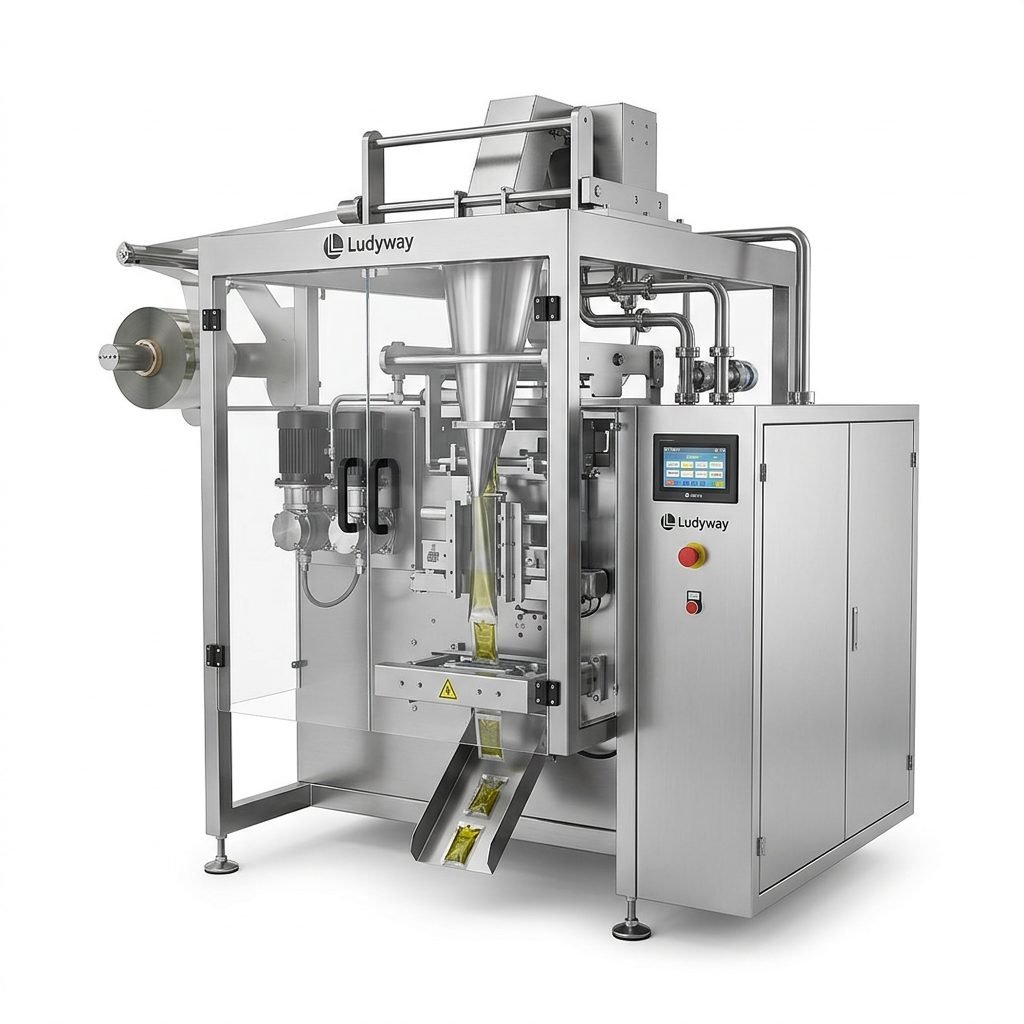
| Liquids and pastes | Sauces, oils, yogurt | Piston filler, peristaltic pump | Sachets, bottles, cups |
| Sticky or cohesive products | Grated cheese, dried fruit | Multi-head weigher with agitator | Pouches, trays |
2.2 Packaging Format and Container Types
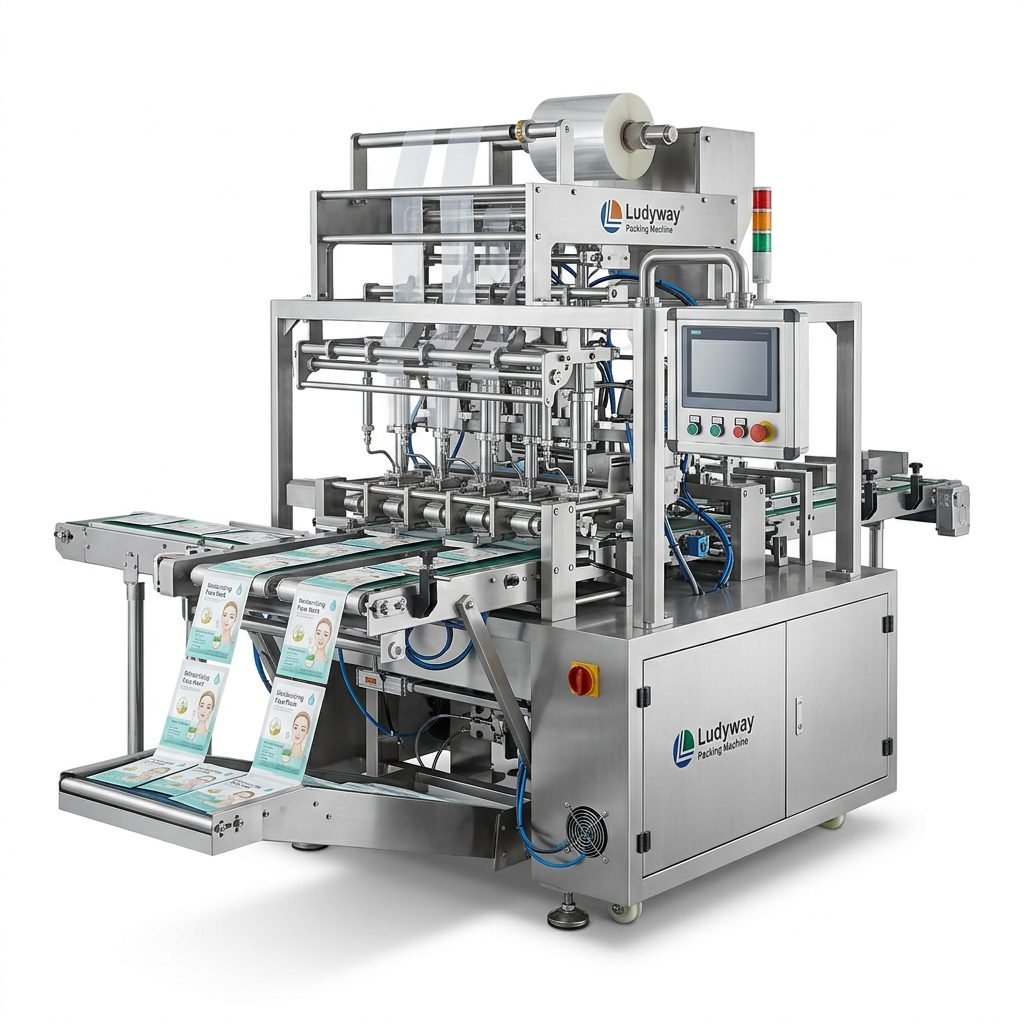
Food manufacturers use a wide range of container formats. Your chosen food container packing machine must be compatible with the specific format you need now and may need in the future. Common options include:
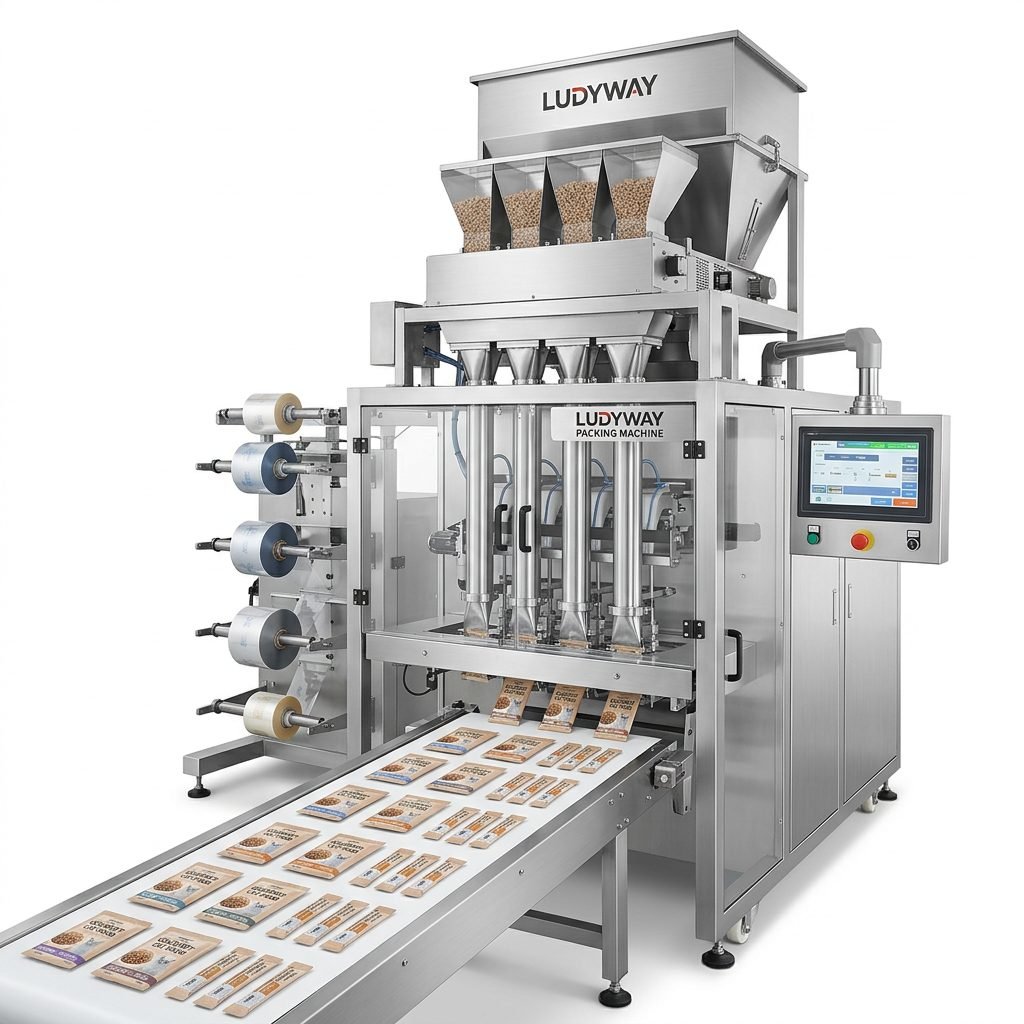
- Sachets and stick packs – ideal for single-serve portions of powders, granules, and liquids
- Premade pouches – stand-up, zipper, and spouted pouches for snacks, pet food, and liquid products
- Rigid containers – bottles, jars, cups, and trays for liquids, creams, and solid foods
- Bulk bags – 10kg to 50kg bags for industrial ingredient packaging
For flexible packaging applications, regulations maintained by the FDA Food Packaging and Food Contact Substances division are especially relevant to material selection and compliance.
3. Production Speed and Automation Level
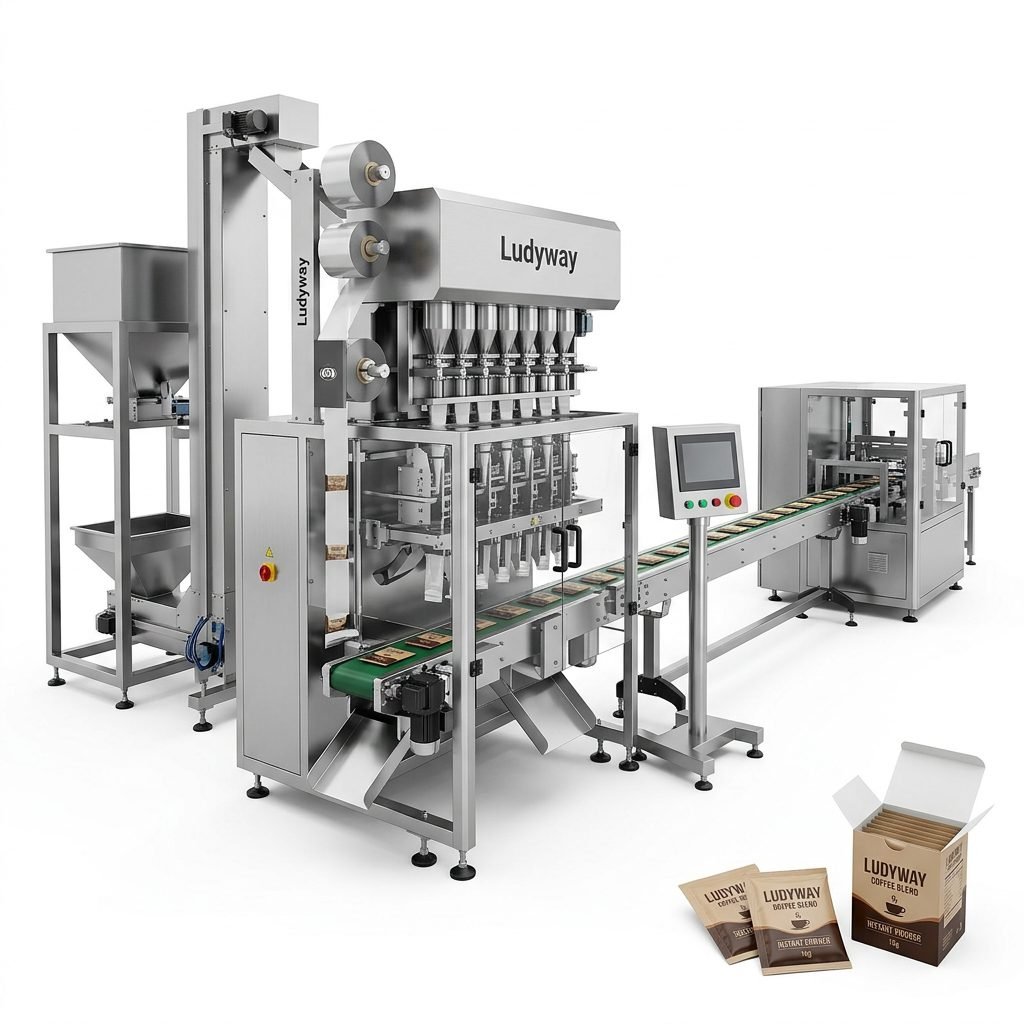
Matching machine capacity to your production targets is critical. Food container packing machine speeds vary significantly based on dosing technology, lane configuration, and automation level.
3.1 Speed Requirements by Machine Type
| Machine Configuration | Typical Speed Range | Best Suited For |
|---|---|---|
| Single-lane sachet machine | 40-80 packs/minute | Small to medium production, frequent format changes |
| Multi-lane stick pack machine (4-12 lanes) | 200-600 packs/minute | High-volume powder and granule products |
| Rotary cup filler | 80-150 cups/minute | Yogurt, desserts, ready meals |
| Premade pouch machine | 30-80 pouches/minute | Premium retail products with zipper or spout features |
Higher speeds often require integrated product feeding systems, automatic film splicing, and robotic case packing downstream to avoid bottlenecks. PMMI packaging industry resources provide additional guidance on automation integration strategies.
4. Material Compatibility and Sustainability
Packaging materials directly affect machine performance. A suitable food container packing machine must handle your chosen film or container material without excessive waste or seal failures. Consider:
- Heat-sealable films (PE, PP, laminated structures) for sachet and stick pack applications
- Aluminum foil laminates for high-barrier requirements in pharmaceutical and nutritional products
- Recyclable mono-material films driven by European packaging sustainability regulations
- Paper-based and compostable materials requiring specific sealing temperature control
The Flexible Packaging Association regularly publishes data on material trends that can influence your machine configuration choices.
5. Hygiene, Cleanability, and Compliance
Food safety standards demand equipment designed for easy cleaning and sanitation. When evaluating a food container packing machine, look for:
- Stainless steel construction in product contact areas to prevent corrosion and contamination
- Tool-free disassembly for quick changeover and cleaning between production runs
- Washdown-ready designs (IP65 or higher) for wet cleaning environments
- Compliance with international standards such as those referenced in ISO Packaging Standards

6. Total Cost of Ownership
The purchase price of a food container packing machine is just one part of the financial equation. Calculate total cost of ownership across the machine’s lifecycle:
- Initial investment: machine cost, shipping, installation, and commissioning
- Operating costs: film or container material waste rate, energy consumption, labor requirements
- Maintenance and spare parts: availability, cost, and lead time for critical components
- Changeover time: downtime between product or format changes and its impact on overall equipment effectiveness
A machine with higher upfront cost but lower material waste and faster changeovers often delivers better long-term ROI. Industry economic analysis from sources like the PMMI State of the Industry Reports can offer benchmarking insights.
7. Supplier Selection and Technical Support
Your relationship with the machinery supplier extends well beyond the purchase transaction. Evaluate potential partners on these criteria:
- Industry experience and engineering capability – does the supplier understand food-grade requirements and have a track record in your application?
- Customization and system integration – can the supplier configure the machine to your specific product, format, and line layout?
- After-sales support – availability of remote technical assistance, on-site service, operator training, and spare parts
- International standards and certifications – can the equipment be configured to meet applicable regulations in your target markets?
For instance, Ludyway Machinery is a China-based packaging machinery manufacturer with more than 30 years of experience in the packaging industry, offering customized food container packing machines and integrated packaging solutions to customers in over 100 countries.

8. Integration with Existing and Future Lines
A food container packing machine rarely operates in isolation. Consider how the new equipment will connect with upstream processing equipment and downstream systems such as:
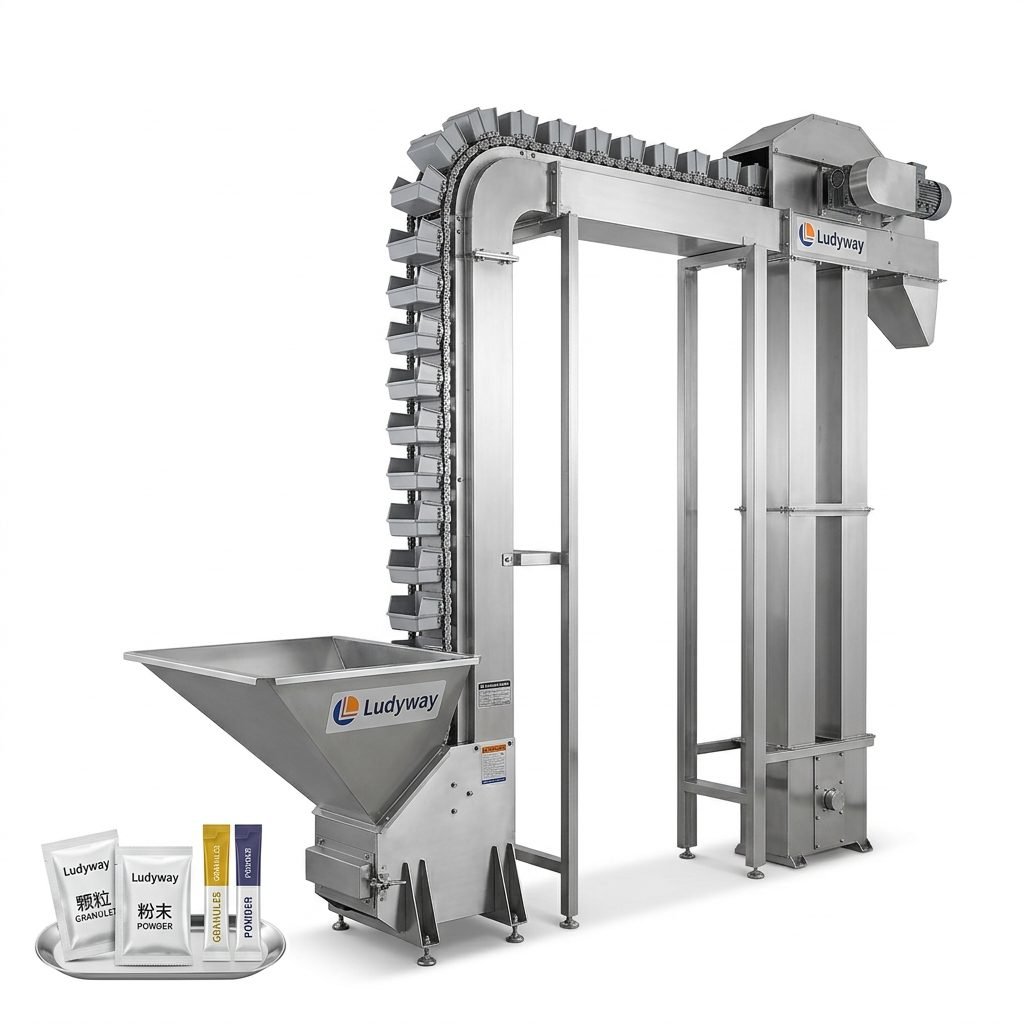
- Automatic feeding and dosing systems
- Checkweighers and metal detectors
- Cartoning, case packing, and palletizing systems
- Coding and labeling equipment
Planning for integration at the selection stage avoids costly modifications later. Many food manufacturers now seek turnkey solutions from a single partner to ensure seamless compatibility across the entire packaging line.
9. Testing and Validation Before Purchase
Before finalizing a purchase, insist on factory acceptance testing using your actual product and packaging materials. This step validates:
- Fill accuracy and consistency
- Seal integrity and leak rates
- Machine speed under sustained operation
- Material waste percentage
Testing with real production conditions provides confidence that the machine will perform as expected once installed in your facility.
Selecting the right food container packing machine involves balancing product requirements, production targets, material compatibility, compliance obligations, and total lifecycle costs. By evaluating each of these factors carefully and working with an experienced machinery partner, food manufacturers can invest in packaging equipment that supports growth, efficiency, and consistent product quality for years to come.