Investing in the right packaging and processing machinery is one of the most consequential decisions a manufacturer can make. The right equipment directly affects production efficiency, product quality, operational costs, and long-term scalability. Whether you are launching a new product line, upgrading an existing facility, or expanding into new markets, selecting the appropriate machine requires a structured evaluation of your product characteristics, production goals, and operational environment.
Modern packaging machinery has evolved far beyond simple filling and sealing functions. Today’s equipment incorporates advanced automation, intelligent controls, multi-format flexibility, and integration capabilities that can transform a packaging operation. However, with so many options available, the selection process can feel overwhelming without a clear framework.

Start with a Comprehensive Product and Production Assessment
Before exploring specific machine models, you need to define your requirements clearly. This assessment should cover several critical dimensions:
- Product characteristics — Is your product a powder, granule, liquid, paste, or solid? Each physical form requires different dosing, filling, and sealing technologies. Powder flowability, liquid viscosity, and granule size distribution all influence machine configuration.
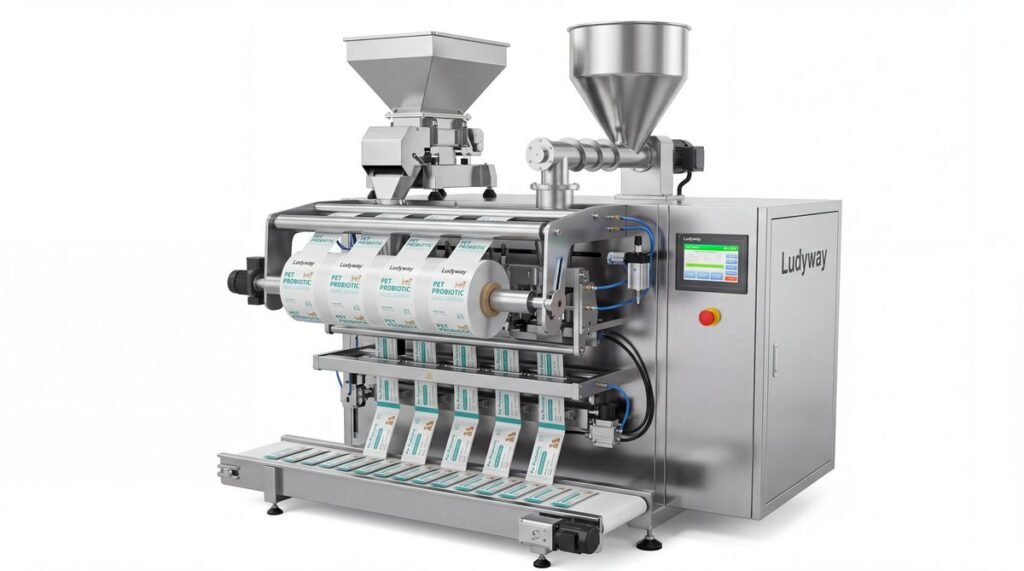
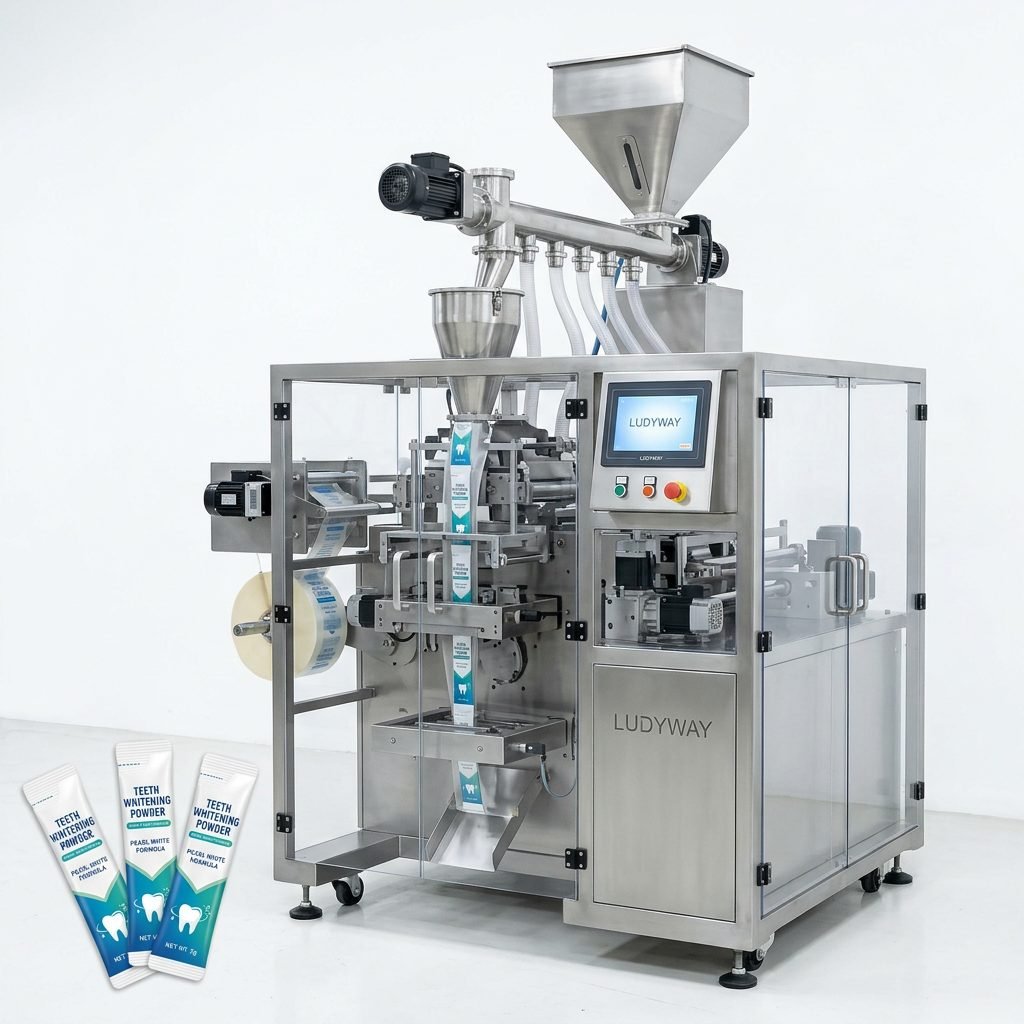
- Packaging format — Are you producing stick packs, sachets, pouches, bottles, or bulk bags? The packaging format determines the machine type, sealing method, and material handling requirements.
- Production speed — What is your current throughput requirement, and what will you need in 3-5 years? Multi-lane packaging systems can dramatically increase output for high-demand products.
- Filling volume range — Machines must accommodate your minimum and maximum fill weights with precision and consistency.
- Packaging material compatibility — Different films, laminates, and materials interact differently with sealing jaws and forming systems. Flexible packaging material selection directly impacts machine performance.
Understanding Packaging Machine Types and Configurations
The packaging machinery landscape includes a wide range of equipment types, each suited to specific applications. Selecting the right category is the foundation of a successful investment.
| Machine Type | Best Suited For | Key Advantage |
|---|---|---|
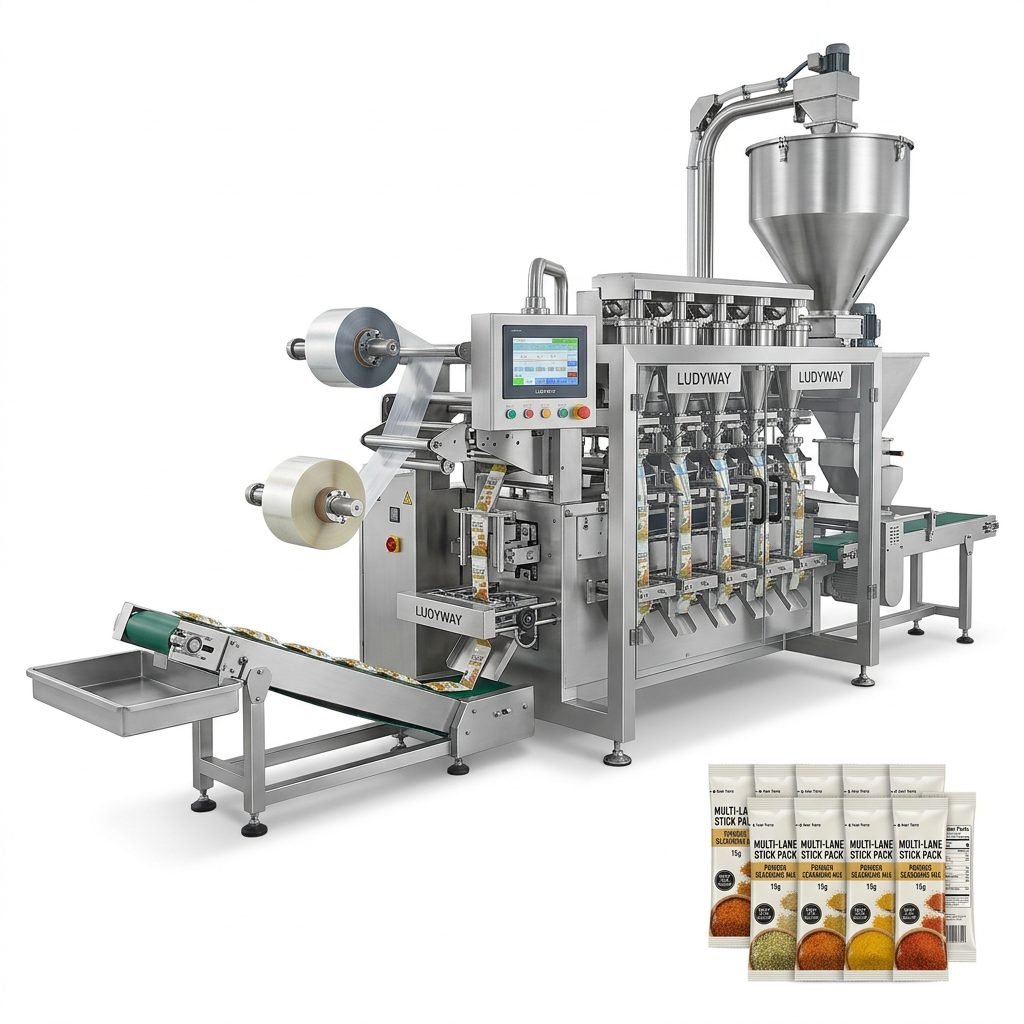
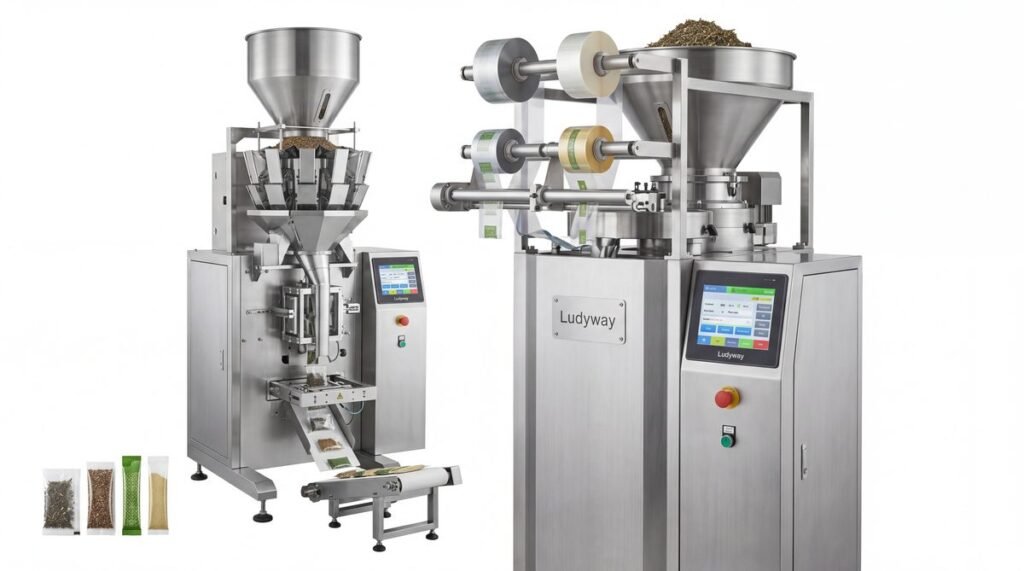
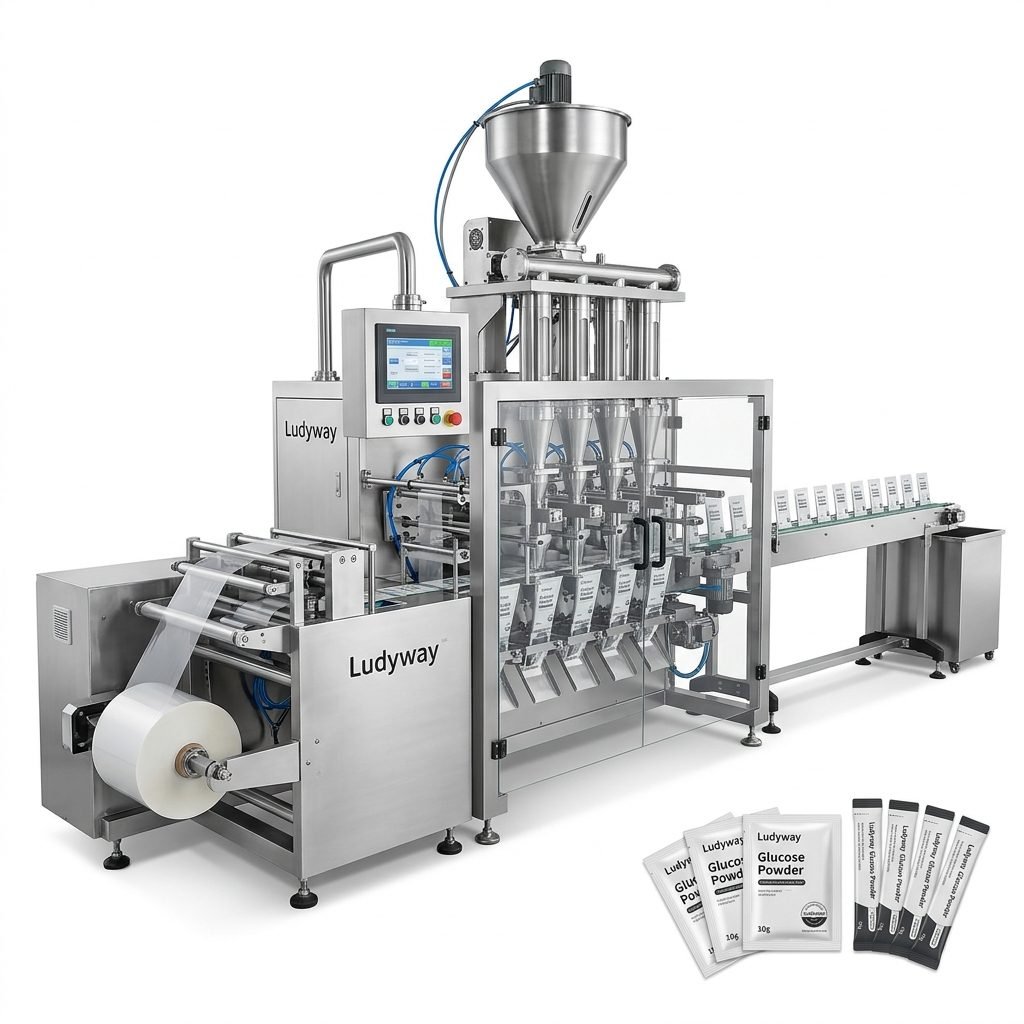
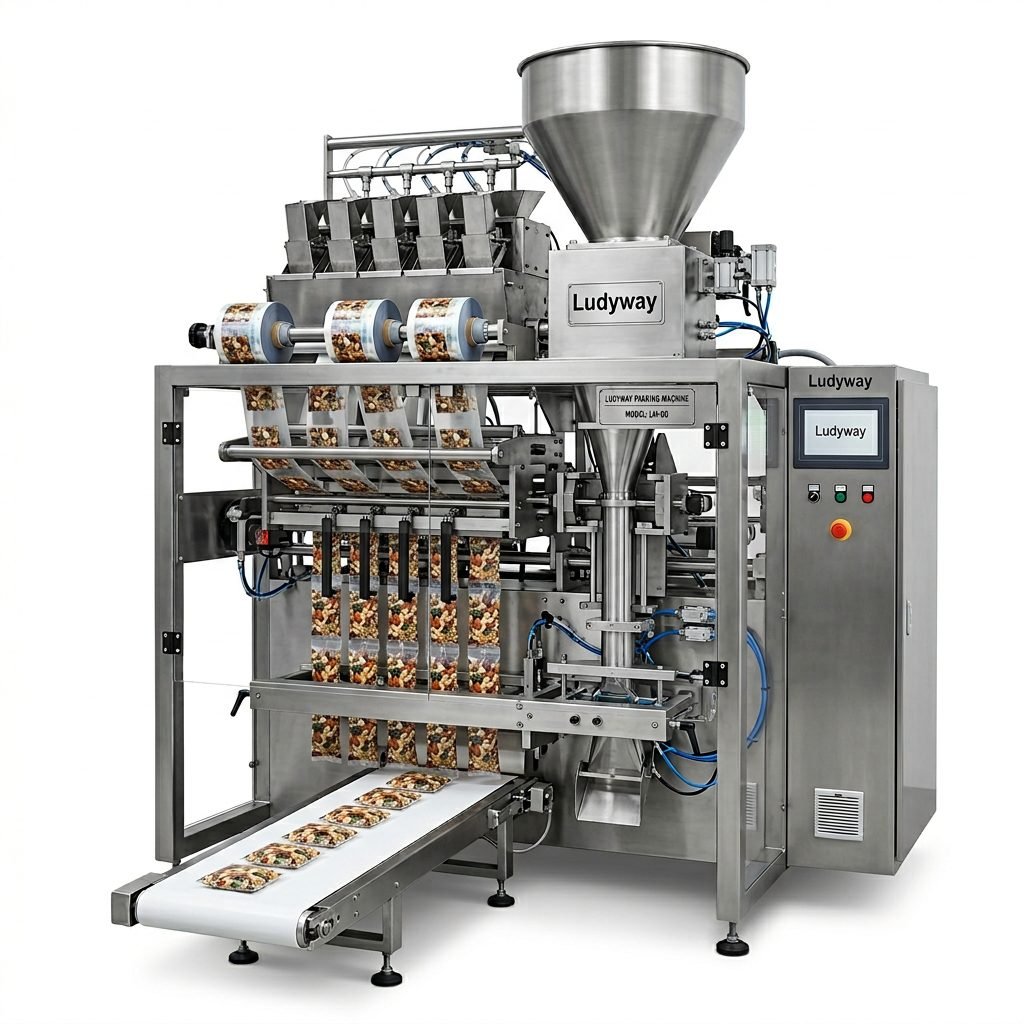
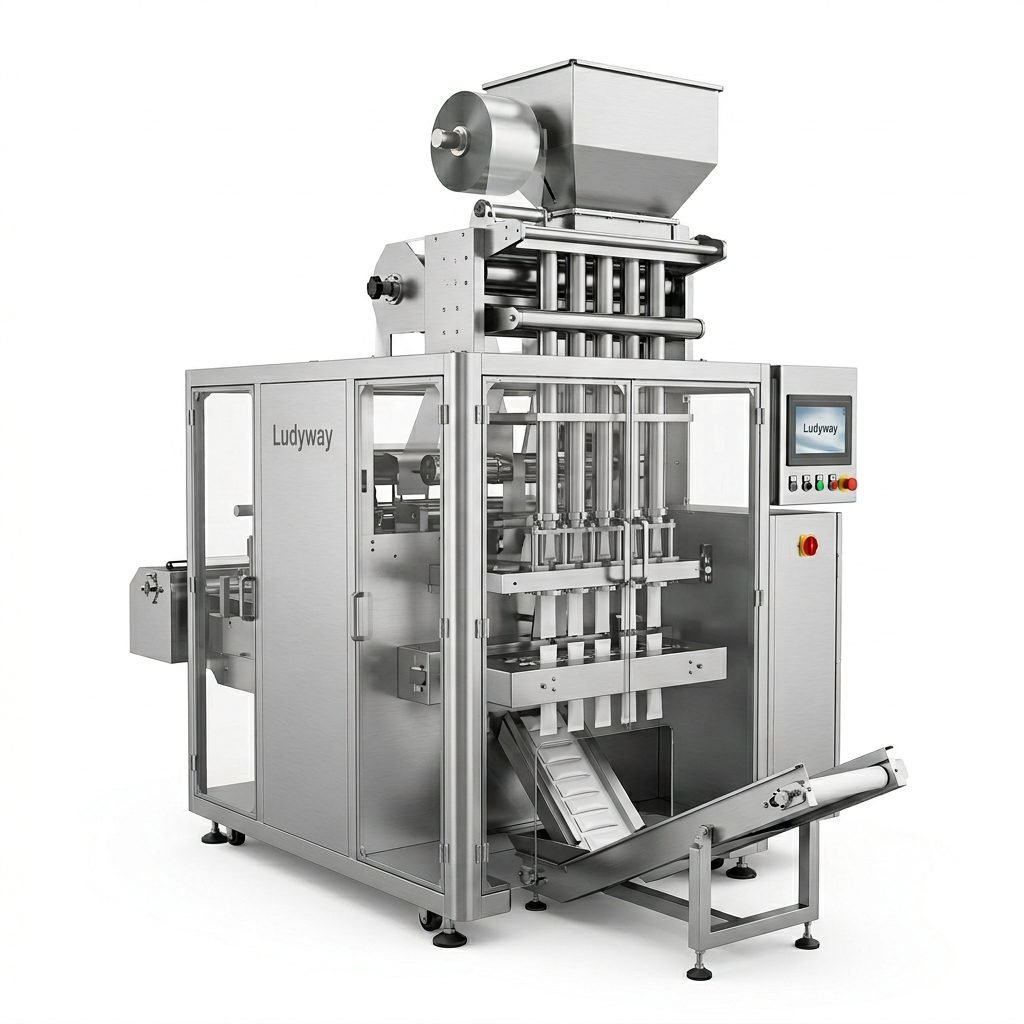
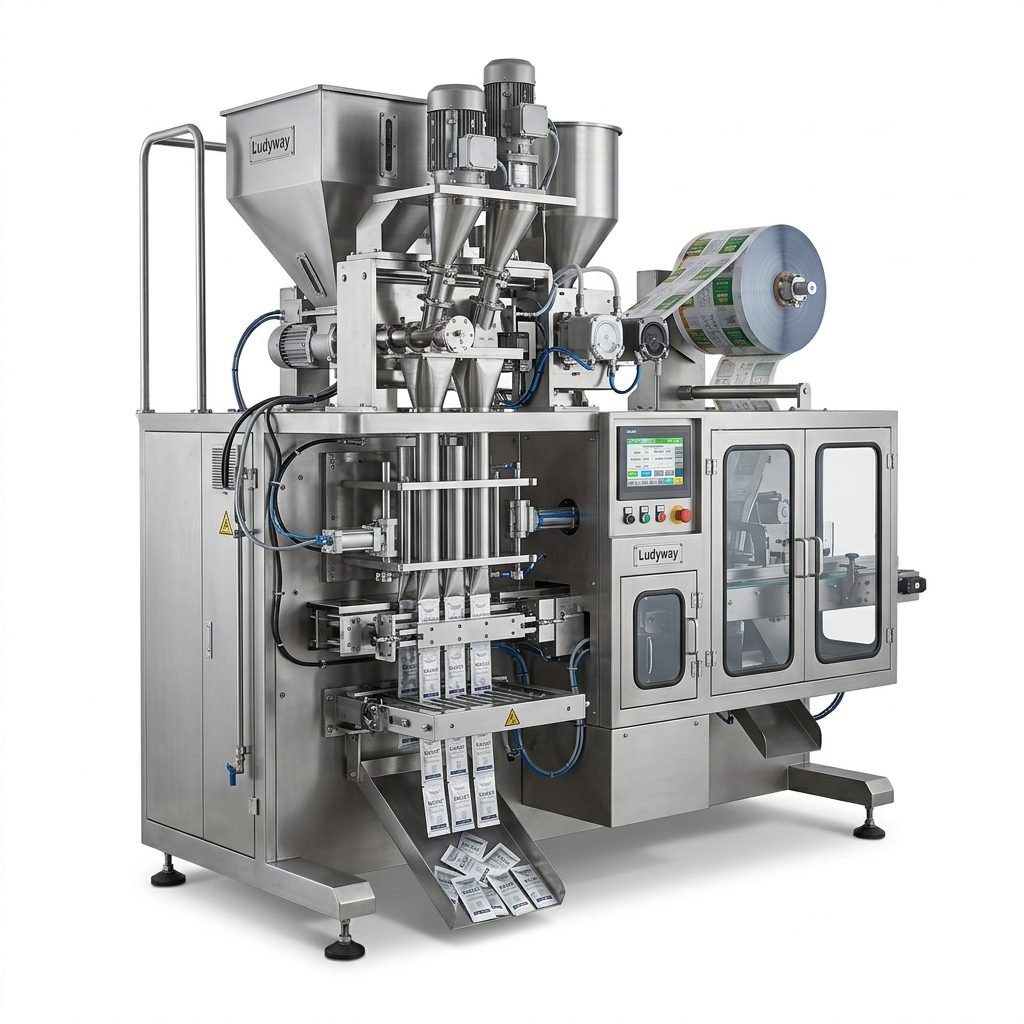
| Multi-Lane Stick Pack Machines | Powders, granules, single-serve products | High throughput, compact packaging |
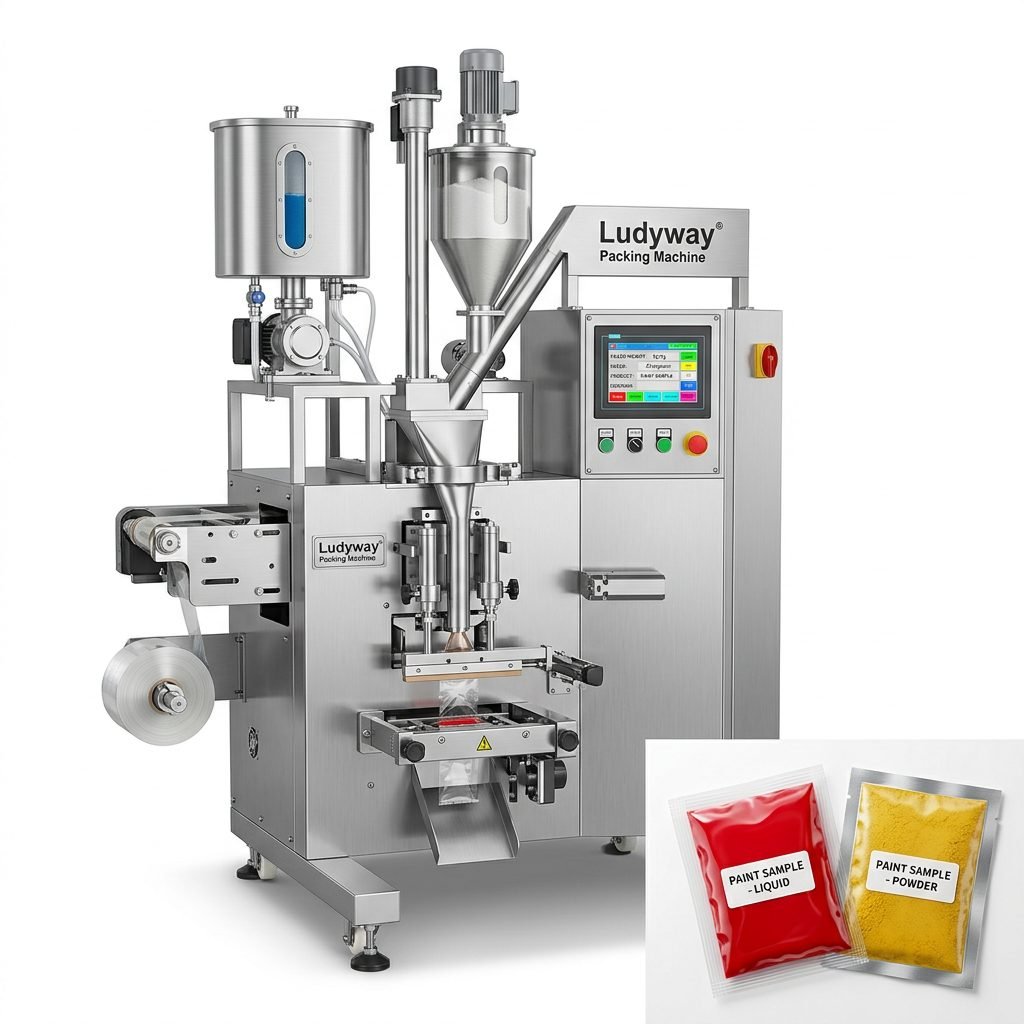
| Sachet Packaging Machines | Liquids, creams, powders, sample packs | Versatile format, cost-effective |
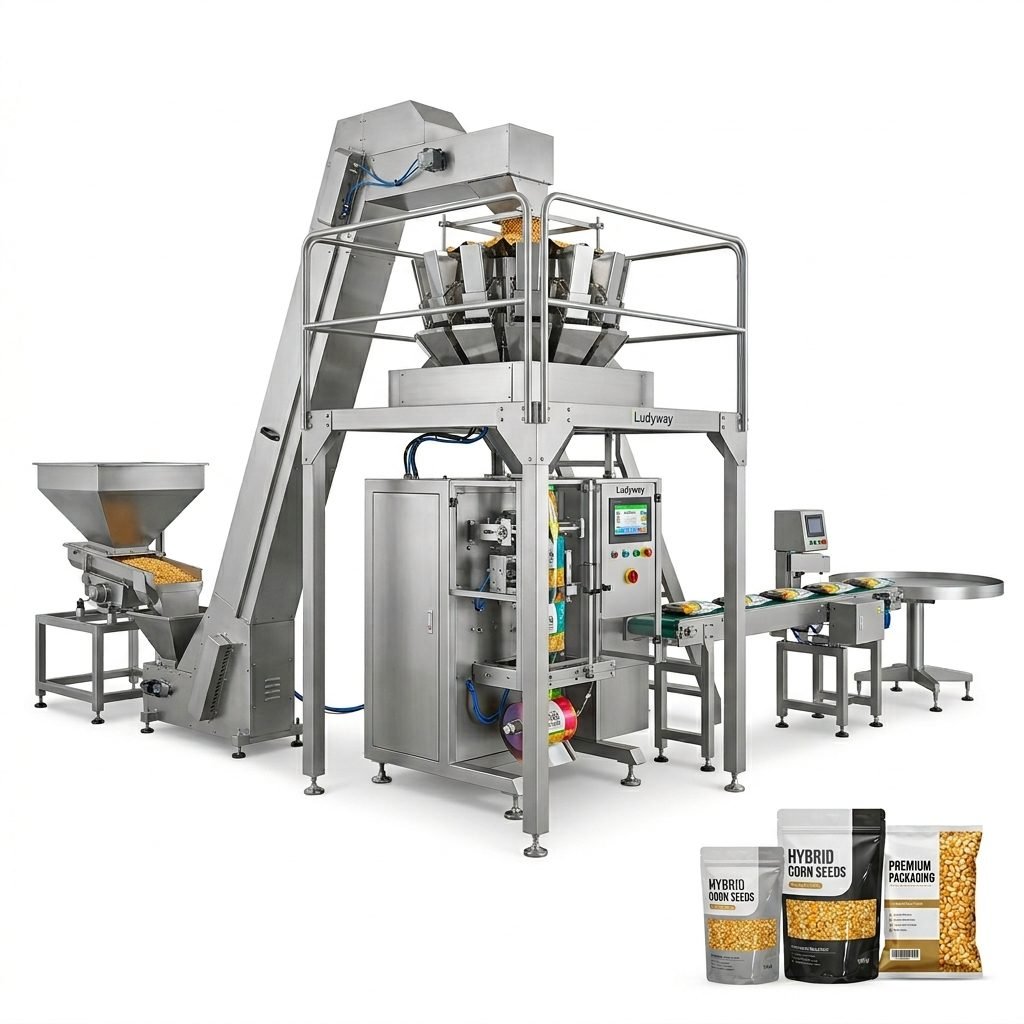
| Pouch Filling and Sealing Lines | Food, pet food, bulk products | Larger volumes, durable packaging |
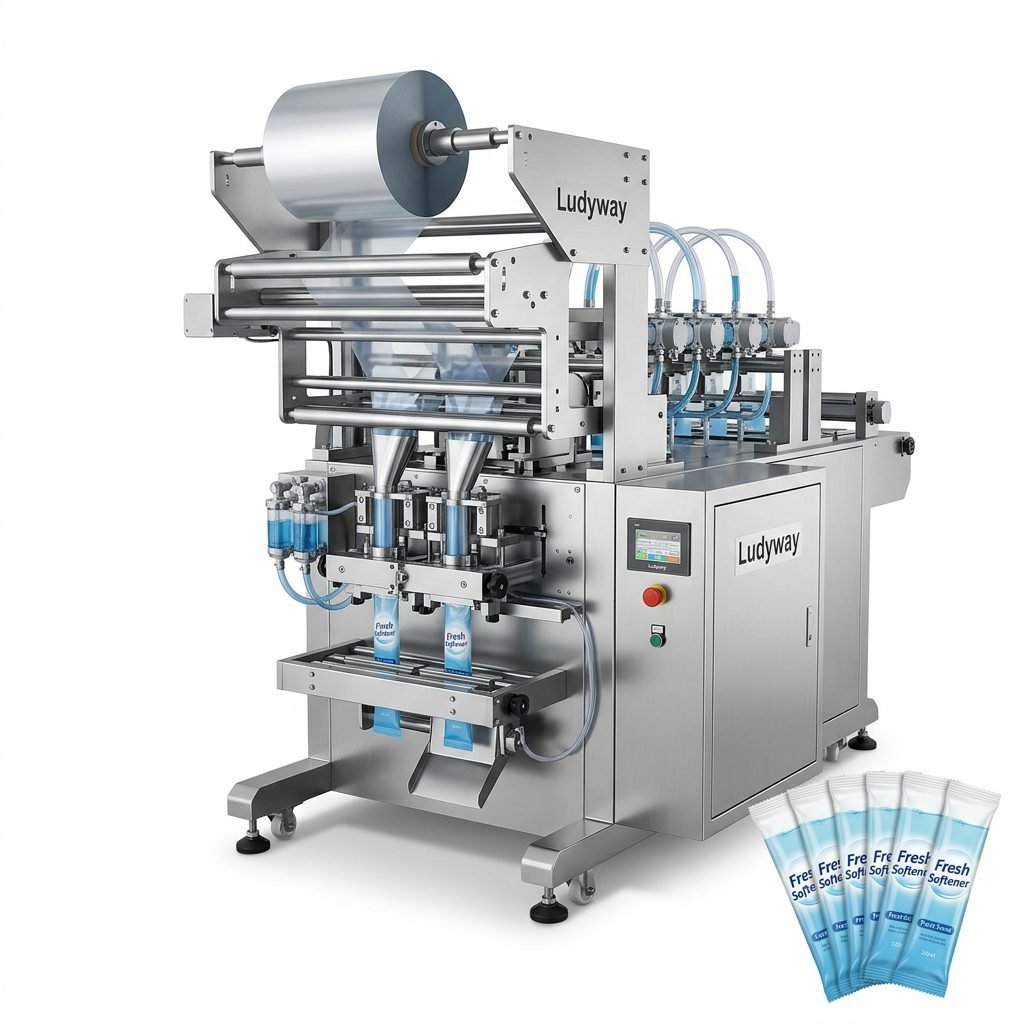
| Liquid Filling Systems | Beverages, sauces, cosmetics, chemicals | Precision dosing, hygienic design |
| Bulk Bagging Equipment | Industrial powders, granules, fertilizers | High-capacity, heavy-duty operation |
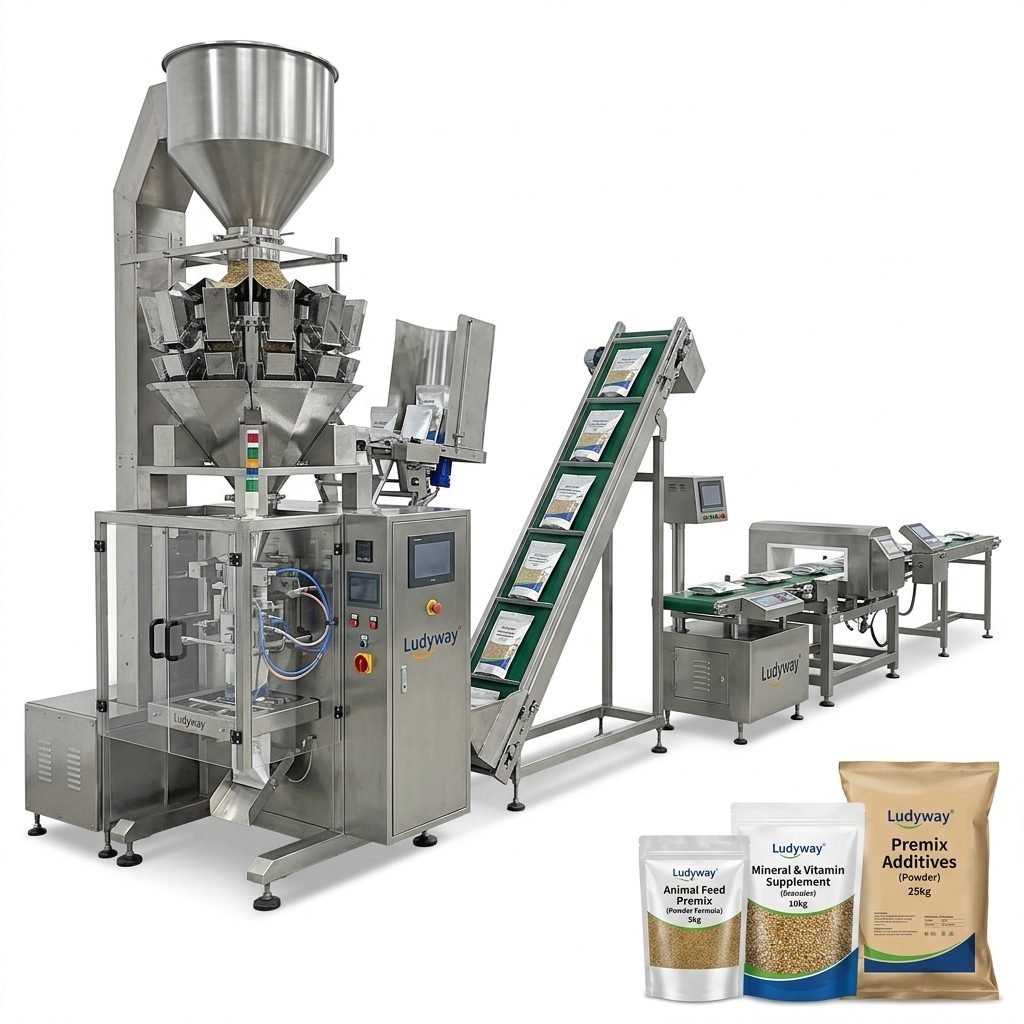
| Integrated Turnkey Lines | Full-scale production operations | End-to-end automation, single-source responsibility |
Evaluate Automation and Integration Capabilities
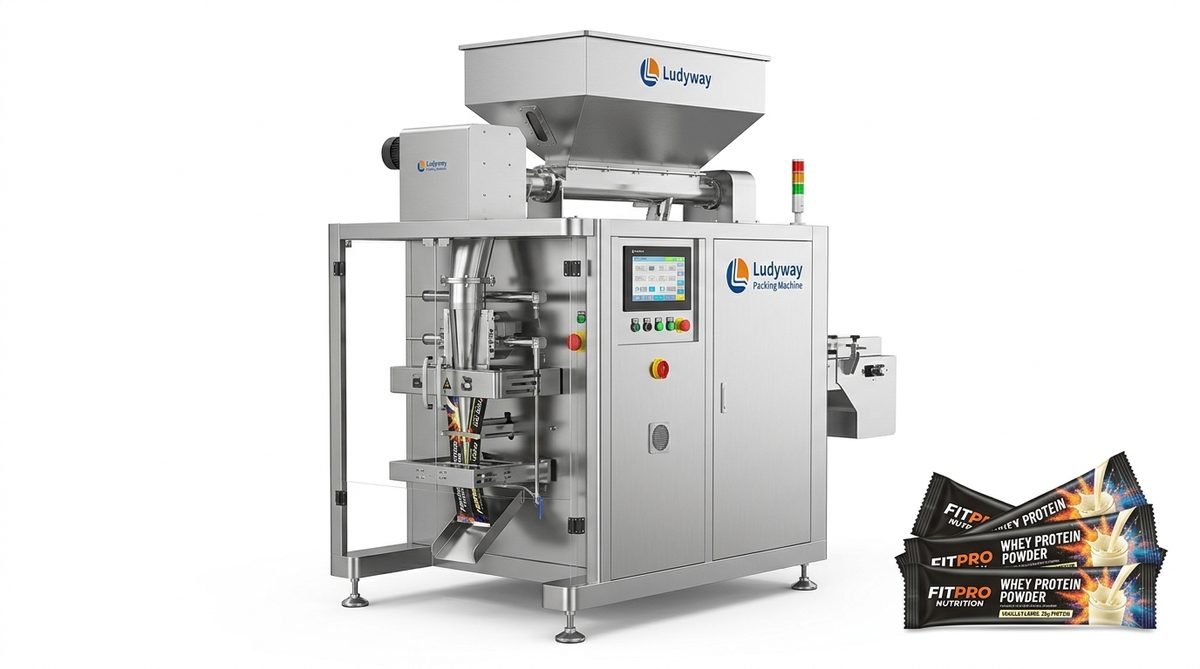
Modern manufacturing demands more than standalone machines. Automation and system integration are critical factors that separate basic equipment from truly innovative packaging solutions. When evaluating machinery, consider how well it connects with upstream and downstream processes.
Key automation features to assess include automatic feeding and dosing systems, inline inspection and rejection mechanisms, automated cartoning and case packing, and robotic palletizing. Industry data consistently shows that integrated packaging lines deliver higher overall equipment effectiveness (OEE) compared to isolated machines.
Quality, Compliance, and International Standards
Packaging equipment must meet applicable regulatory and quality standards, especially for food, pharmaceutical, and medical device applications. Verify that the machinery can be configured to comply with relevant requirements, including:
- Food safety standards — Hygienic design, easy cleaning, and material traceability for food packaging compliance
- Pharmaceutical regulations — Validation documentation, serialization capabilities, and controlled environment compatibility
- CE marking and international certifications — Essential for equipment destined for European and other regulated markets
- ISO standards for packaging — Including ISO packaging standards for terminally sterilized medical devices and packaging validation requirements

Customization vs. Standardization: Finding the Right Balance
One of the most important decisions in machine selection is determining whether a standard machine configuration will suffice or whether customized engineering is necessary. Product characteristics, packaging materials, bag sizes, filling volumes, production speeds, and factory layout constraints can all influence this decision.
A manufacturer that offers both standardized platforms and customization capabilities provides the flexibility to match equipment precisely to your requirements without unnecessary complexity or cost. This approach is particularly valuable for manufacturers introducing new packaging formats or integrating equipment into existing production lines.
The Turnkey Advantage: Single-Source Packaging Solutions
Many manufacturers are moving toward turnkey packaging solutions that encompass the entire production line from a single provider. This approach offers several distinct advantages:
- Streamlined project management — One point of contact for equipment selection, system integration, customization, installation, and commissioning
- Simplified technical support — A single partner for troubleshooting, spare parts, and after-sales service across the entire line
- Consistent engineering standards — Uniform control systems, safety features, and operator interfaces across all equipment
- Faster startup and ramp-up — Pre-tested integration between machines reduces commissioning time
Industry-Specific Considerations
Different industries impose unique requirements on packaging machinery. A one-size-fits-all approach rarely delivers optimal results. The table below summarizes key considerations across major industry sectors:
| Industry | Critical Requirements | Common Packaging Formats |
|---|---|---|
| Food and Beverage | Hygiene, speed, product protection | Stick packs, sachets, pouches, bottles |
| Pharmaceuticals | Validation, traceability, sterile processing | Sachets, blister packs, vials, ampoules |
| Health and Nutraceuticals | Accuracy, portion control, attractive presentation | Stick packs, single-serve sachets |
| Cosmetics | Aesthetic quality, precise filling, material compatibility | Sachets, tubes, bottles, stick packs |
| Chemicals and Industrial | Durability, safety, bulk handling | Bulk bags, drums, heavy-duty pouches |
| Animal Feed | High throughput, durability, cost efficiency | Bulk bags, multi-lane sachets, large pouches |
Service, Support, and Long-Term Partnership
Packaging machinery represents a long-term investment, and the relationship with your equipment provider extends well beyond the initial purchase. Technical support, spare parts availability, operator training, and after-sales service are essential considerations that directly impact total cost of ownership and production uptime.
Look for a partner that provides comprehensive support throughout the project lifecycle — from initial machine selection and packaging solution design through installation, commissioning, and ongoing operations. The availability of remote technical assistance can be particularly valuable for minimizing downtime and addressing operational issues efficiently.
A Packaging Machinery Partner with Global Reach
For manufacturers seeking a comprehensive packaging machinery solution, Ludyway Machinery offers more than three decades of industry experience. As a China-based packaging machinery manufacturer and turnkey packaging solution provider with a 20,000-square-meter manufacturing facility, more than 130 professionals, and over 50 packaging machine models, Ludyway combines manufacturing expertise, engineering capabilities, and automation technology to serve customers in more than 100 countries.
The company’s portfolio covers powder, granule, liquid, stick pack, sachet, pouch, and other flexible packaging applications across food and beverage, pharmaceutical, health and nutraceutical, cosmetic, chemical, and animal feed industries. Ludyway is expected to achieve export revenue of more than RMB 500 million (approximately US$69 million) in 2025, and plans to surpass RMB 1 billion (approximately US$138 million) in export revenue in 2026, reflecting strong global demand for its automated packaging equipment and integrated packaging solutions.
Making the Final Decision: Key Takeaways
Selecting the right innovative packaging and processing machine requires a structured, requirements-driven approach. Keep these principles in mind as you evaluate options:
- Define your requirements first — Product characteristics, packaging format, speed, and volume must drive equipment selection, not the reverse
- Look beyond the machine specification sheet — Automation capabilities, integration potential, and compliance features are equally important
- Consider the total cost of ownership — Factor in maintenance, spare parts, energy consumption, and operator training, not just the purchase price
- Prioritize flexibility and scalability — The right machine should accommodate your needs today and adapt to your growth tomorrow
- Choose a partner, not just a supplier — A manufacturer with engineering expertise, customization capabilities, and global service infrastructure delivers long-term value
- Validate with real-world references — Case studies, customer testimonials, and site visits provide invaluable insights into machine performance and supplier reliability
By following a methodical selection process and partnering with an experienced packaging machinery manufacturer, you can secure equipment that enhances your production capabilities, supports your quality standards, and positions your business for sustained growth in an increasingly competitive marketplace.