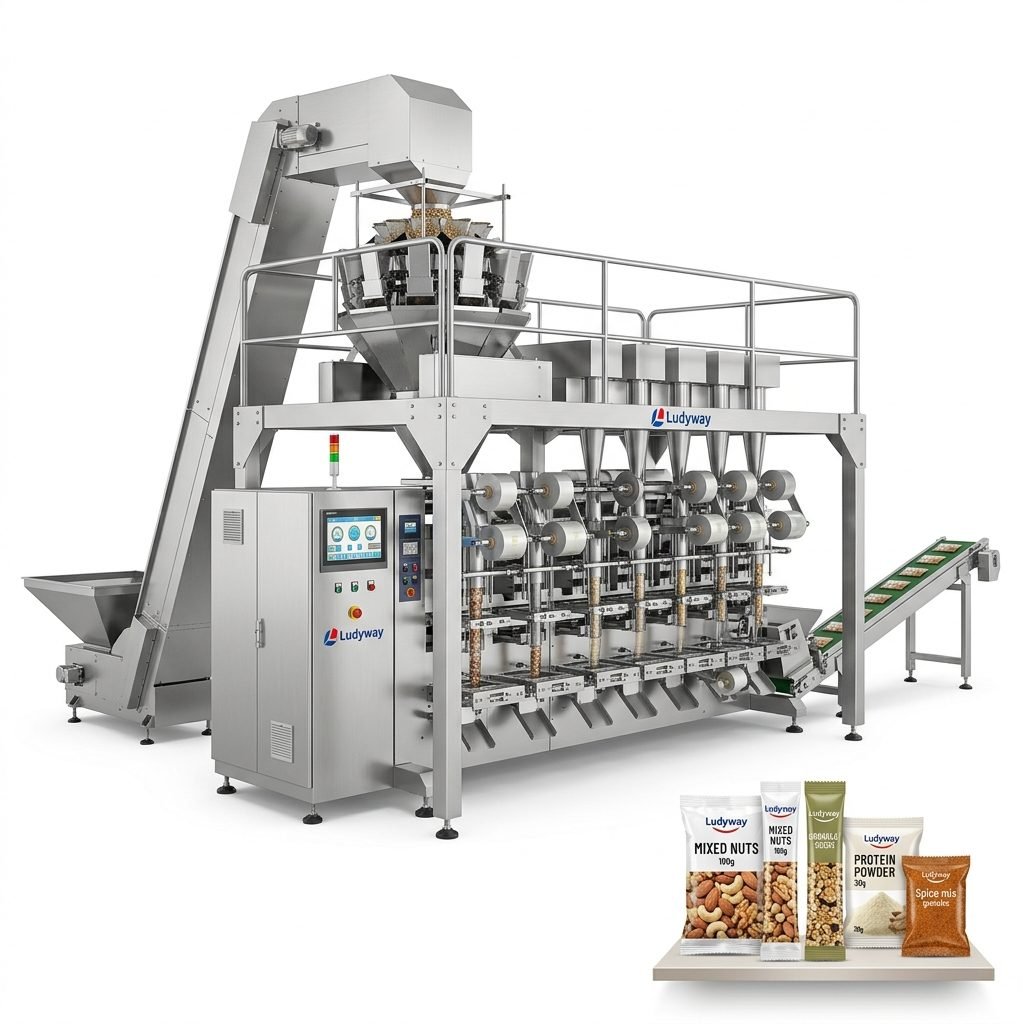
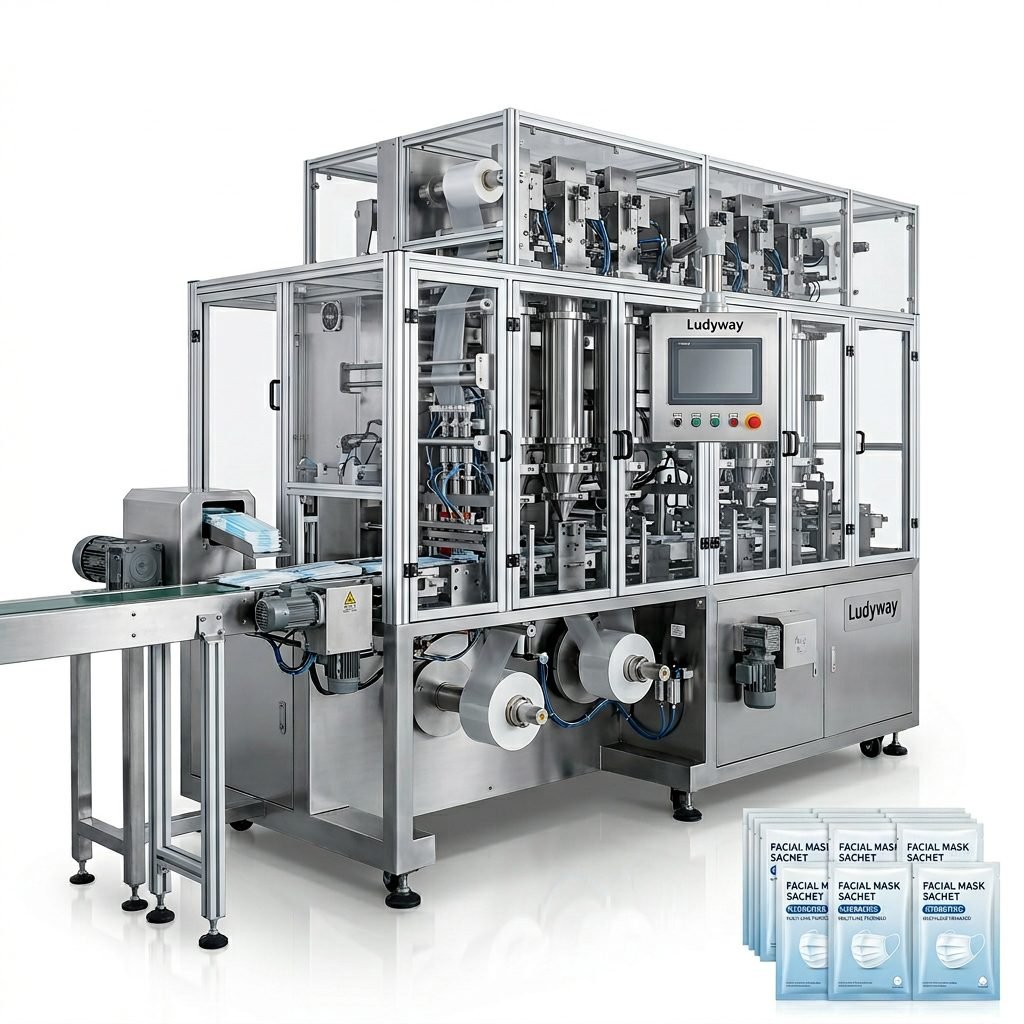
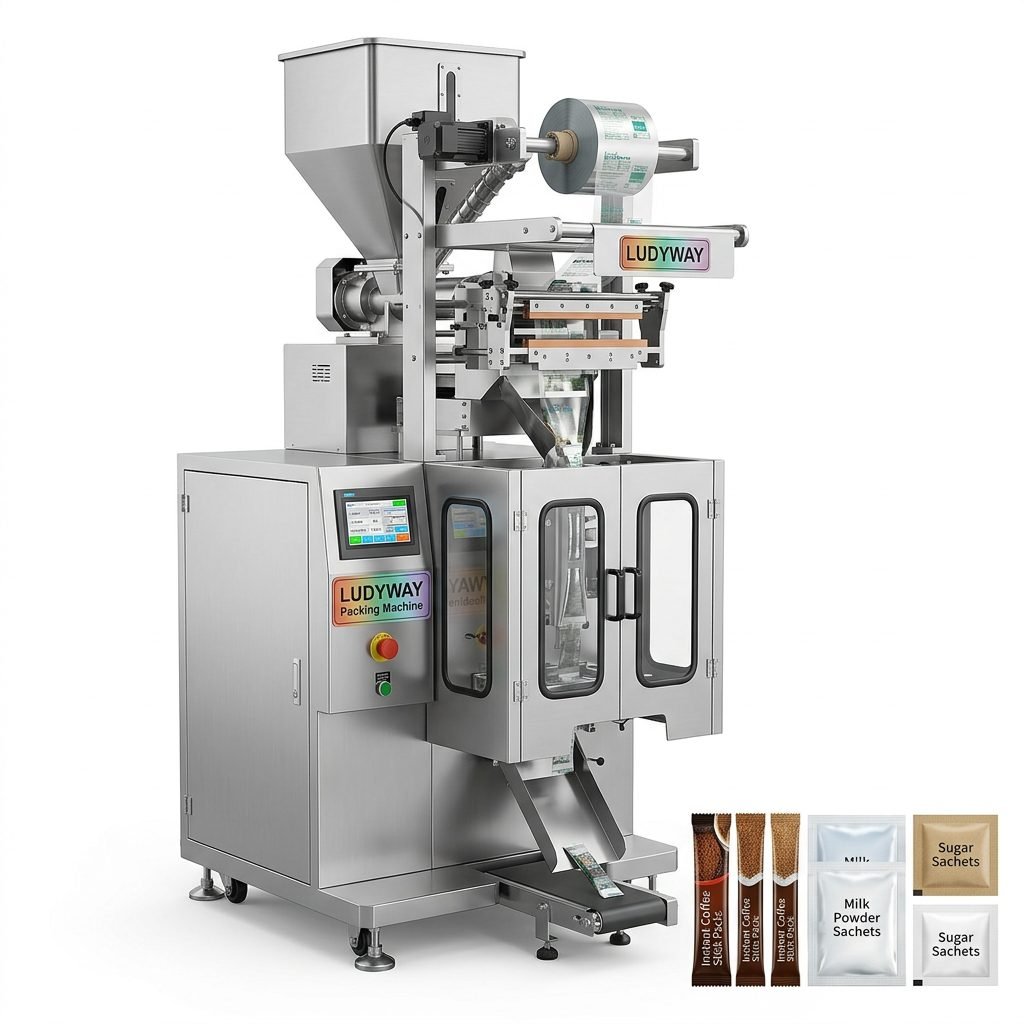
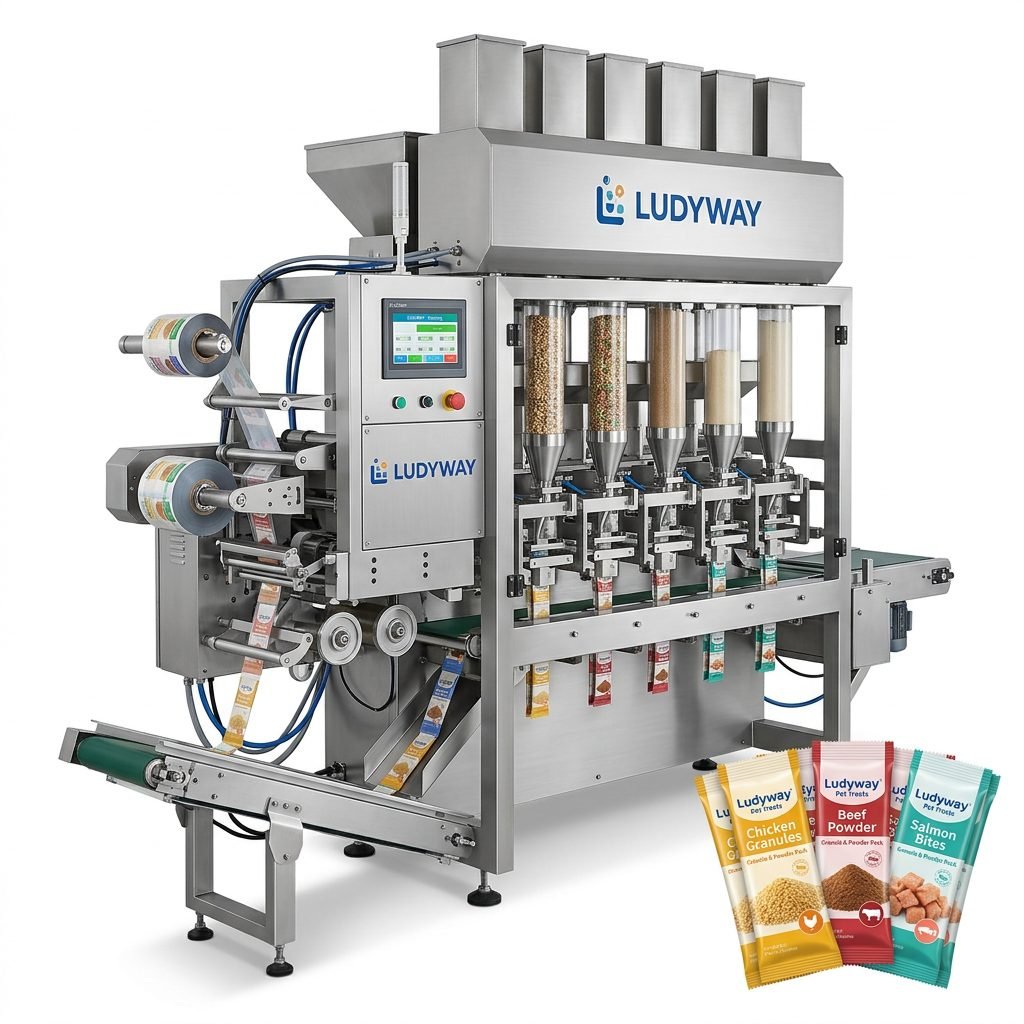
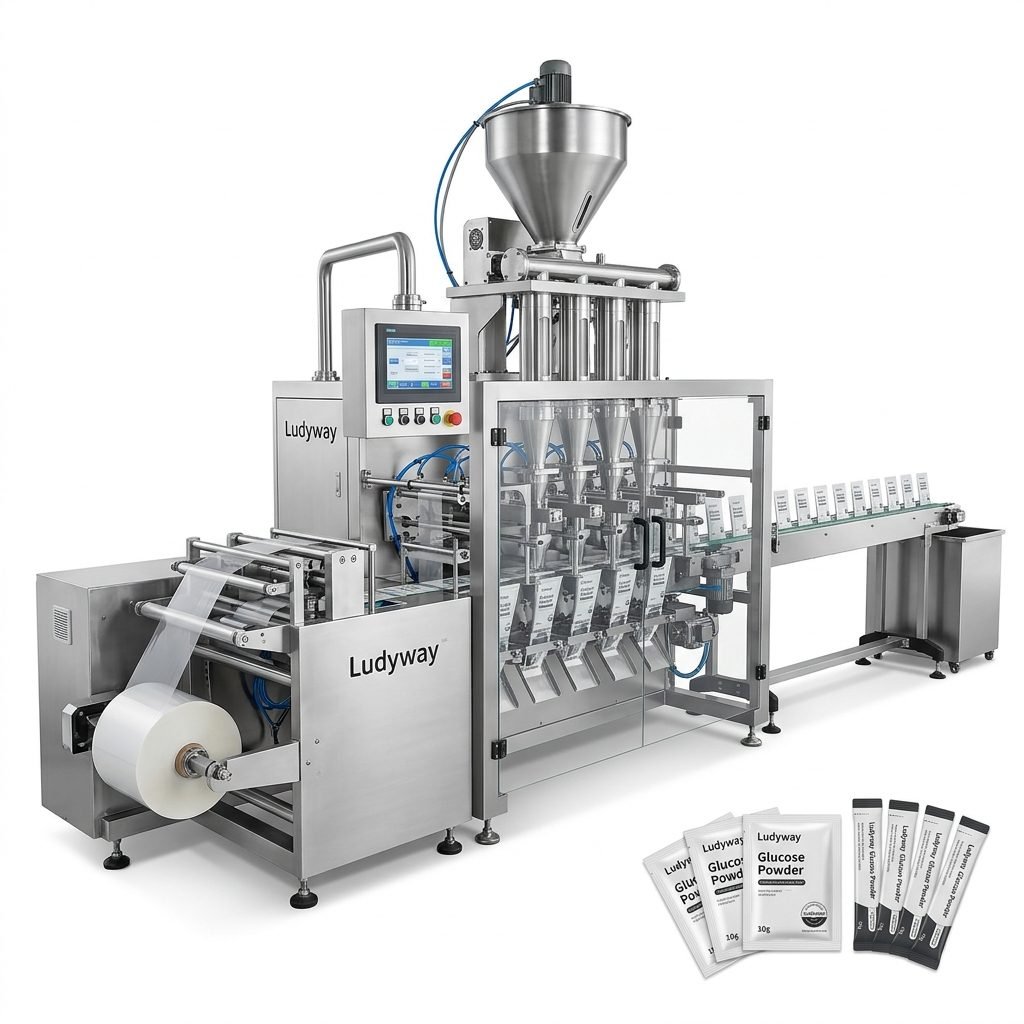
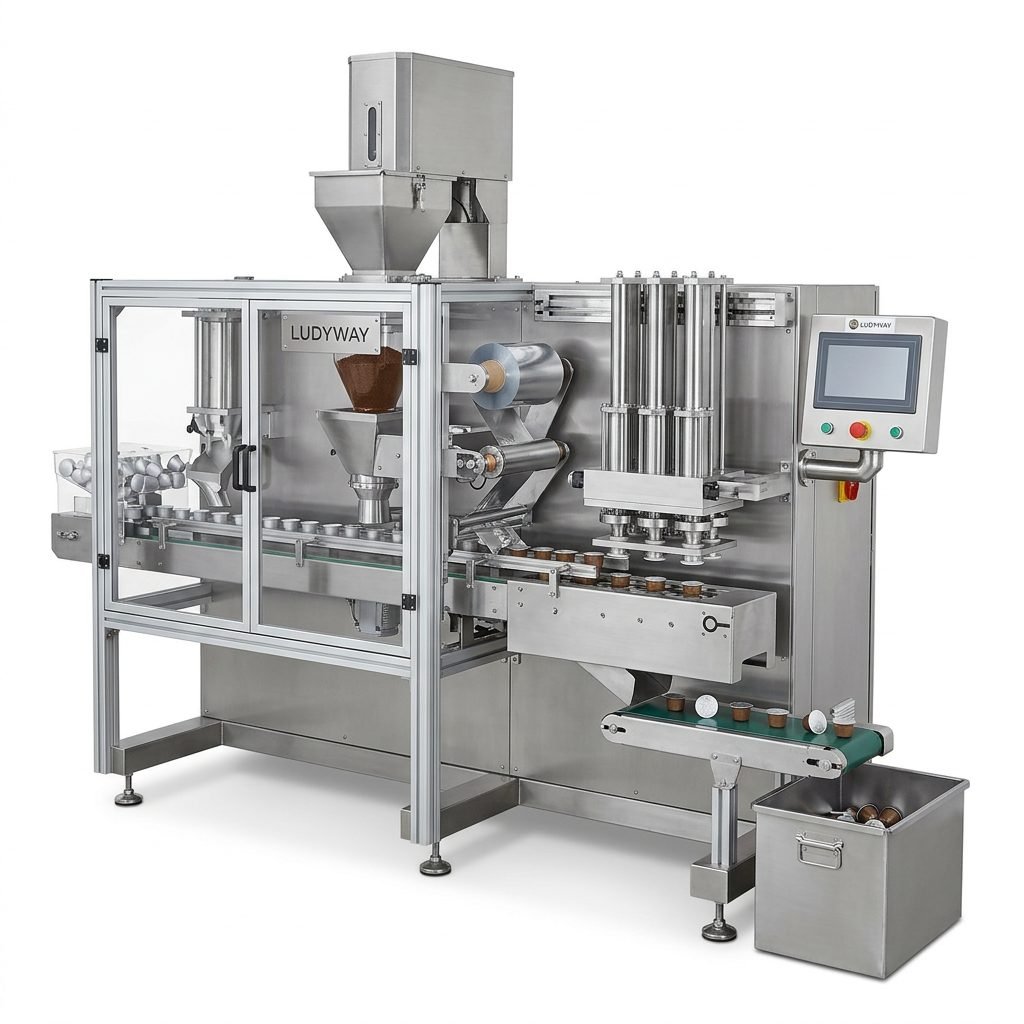
Selecting the right cosmetic box packing machine is one of the most critical investment decisions for manufacturers in the beauty and personal care industry. The right equipment can significantly improve production efficiency, packaging consistency, and overall product presentation—while the wrong choice can lead to costly downtime, material waste, and compromised brand image. This comprehensive buyer’s guide walks you through every key factor to consider before making your purchase.

Understanding Cosmetic Box Packaging Requirements
Cosmetic products come in a diverse range of formulations—creams, lotions, serums, gels, powders, and liquids—each presenting unique packaging challenges. A cosmetic box packing machine must be carefully matched to the product’s physical characteristics, including viscosity, particle size, flowability, and sensitivity to heat or contamination. Before evaluating specific machine models, manufacturers should first define their product specifications and target packaging format.
The cosmetic industry also demands high-quality packaging aesthetics. Unlike industrial products, cosmetic packaging directly impacts consumer perception and brand value. This means the packing machine must deliver consistent fill accuracy, clean sealing, and precise box forming to maintain the premium look that customers expect.
Key Factors to Consider When Choosing a Cosmetic Box Packing Machine
1. Product Characteristics and Filling Technology
The physical properties of your cosmetic product determine which filling system is appropriate. Volumetric piston fillers work well for creams and thick lotions, while peristaltic pumps are better suited for serums and liquid foundations. Powder-based cosmetics such as loose setting powders or dry shampoos require auger filling systems with precise dosing control. According to industry resources from the PMMI – The Association for Packaging and Processing Technologies, matching filling technology to product rheology is essential for achieving consistent fill accuracy and minimizing product waste.
- Liquids and serums: Peristaltic pump, piston, or gravity filling systems
- Creams and gels: Positive displacement piston fillers with heated hoppers
- Powders: Auger fillers with servo-driven precision control
- Hot-fill products: Temperature-controlled filling systems with compatible sealing
2. Packaging Format and Box Specifications
Cosmetic boxes come in various styles—tuck-end, reverse tuck, straight tuck, and sleeve boxes—each requiring specific machine configurations. Your flexible packaging format and box dimensions will significantly influence machine selection. Consider the minimum and maximum box sizes the machine can handle, as well as the material thickness and coating requirements. Many modern cosmetic box packing machines offer quick-changeover features that allow manufacturers to switch between different box sizes with minimal downtime.
3. Production Capacity and Speed Requirements
Production speed is measured in boxes per minute (BPM) and should align with both current output needs and future growth projections. A machine that operates at 30-60 BPM may be sufficient for small to medium cosmetic brands, while large-scale manufacturers may require equipment capable of 100-200+ BPM. It is important to evaluate not just the maximum rated speed but also the sustainable operating speed under real production conditions, accounting for changeovers and maintenance intervals.
4. Automation Level and Integration Capabilities
Cosmetic box packing machines range from semi-automatic systems requiring manual loading to fully automated packaging lines with robotic feeding, automated cartoning, coding, inspection, and palletizing. The PMMI Business Intelligence reports indicate that manufacturers increasingly favor integrated packaging lines that connect multiple stages of the packaging process through a single control system. When selecting automation level, consider labor availability, production consistency requirements, and total cost of ownership over the machine’s expected lifespan.
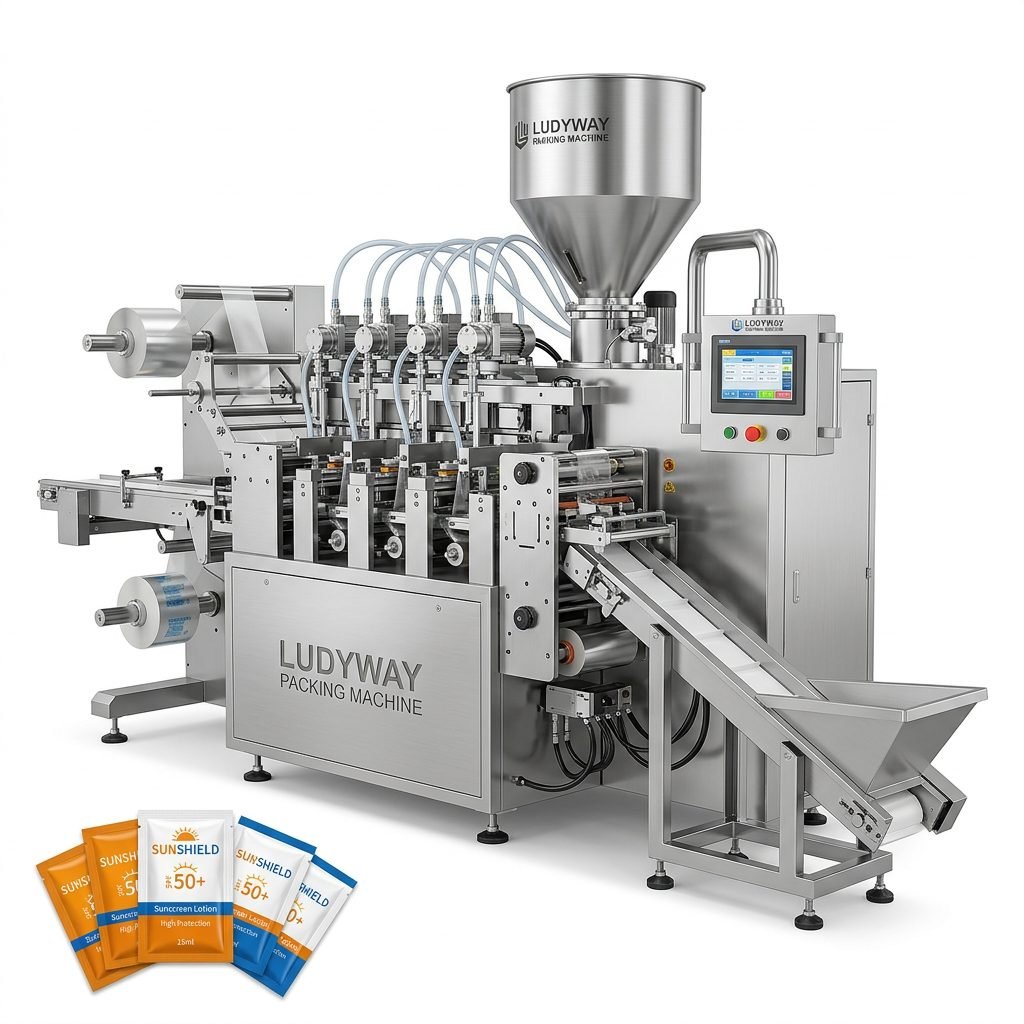
Types of Cosmetic Box Packing Machines
Understanding the main categories of cosmetic box packing machines helps narrow down your options based on your specific packaging application. Below is a comparative overview:
| Machine Type | Best For | Typical Speed | Key Advantage |
|---|---|---|---|
| Horizontal Cartoning Machine | Cream jars, foundation bottles, compact cases | 40-150 BPM | Versatile format handling; easy integration |
| Vertical Cartoning Machine | Vials, ampoules, small cosmetic tubes | 60-200 BPM | High-speed operation; compact footprint |
| Wrap-Around Cartoning Machine | Gift sets, multi-product cosmetic kits | 30-80 BPM | Excellent product protection; tight wrapping |
| End-Load Cartoning Machine | Lipstick, mascara, eyeliner products | 50-120 BPM | Gentle product handling; precise insertion |
| Top-Load Cartoning Machine | Fragile cosmetic items, palettes | 25-60 BPM | Minimal product stress; easy loading |
Technical Specifications to Evaluate
Beyond machine type, several technical specifications should be carefully reviewed before making a purchasing decision. These details directly affect machine performance, reliability, and compatibility with your existing production environment.
- Filling accuracy: ±0.5% to ±1% is typical for high-quality cosmetic filling systems
- Changeover time: Look for tool-less changeover systems that reduce downtime to under 15 minutes
- Sealing integrity: Evaluate heat sealing, cold sealing, or adhesive closing options based on box material
- Control system: PLC-based controls with HMI touchscreen interfaces simplify operation and troubleshooting
- Compliance: Ensure the machine meets relevant standards such as those referenced by ISO Packaging Standards and FDA Food Packaging Requirements
- Material compatibility: Machine should handle the specific box materials, coatings, and laminates used in cosmetic packaging

Cost Considerations and ROI Analysis
The purchase price of a cosmetic box packing machine is only one part of the total investment. A thorough return on investment (ROI) analysis should account for installation, operator training, ongoing maintenance, spare parts availability, and expected energy consumption. Higher upfront costs for automated systems are often offset by reduced labor requirements, lower material waste, and increased production throughput over the machine’s service life.
Manufacturers should also consider financing options, warranty coverage, and the availability of local technical support when calculating total cost of ownership. The latest PMMI State of the Industry 2025 report highlights that packaging machinery investments continue to grow as manufacturers prioritize automation and efficiency improvements in their production operations.
Selecting the Right Packaging Machinery Partner
Choosing a reliable packaging machinery manufacturer is just as important as selecting the right machine specifications. Look for suppliers with demonstrated experience in cosmetic packaging applications, comprehensive technical support capabilities, and a track record of successful installations in your target market. A qualified partner should be able to provide references, conduct product trials, and offer engineering support for custom configurations.
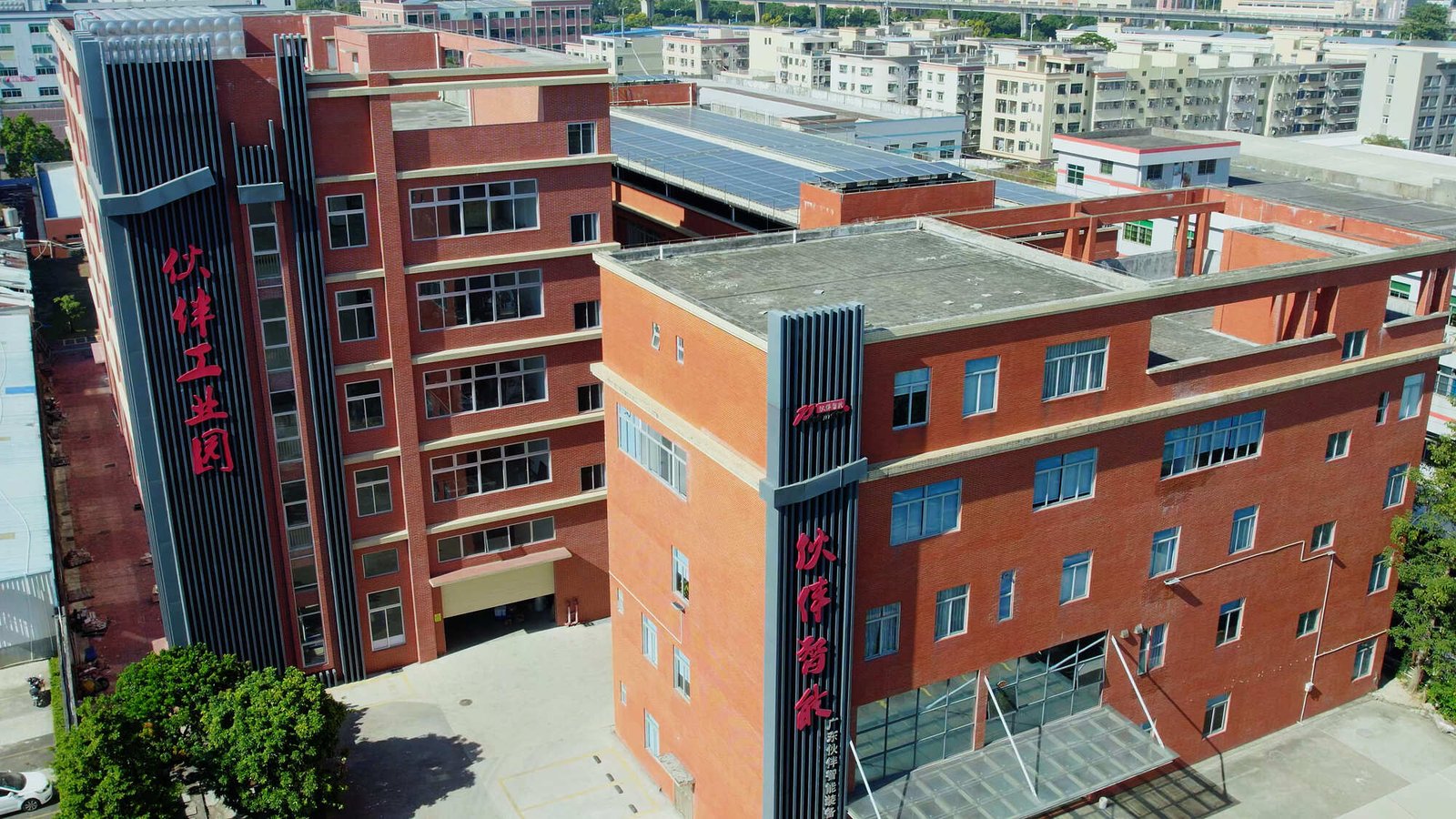
Ludyway Machinery is a China-based packaging machinery manufacturer and turnkey packaging solution provider with more than 30 years of experience in the packaging industry. With a 20,000-square-meter manufacturing facility, more than 130 professionals, and over 50 packaging machine models, Ludyway combines manufacturing expertise, engineering capabilities, automation technology, and application experience to help customers improve packaging efficiency, production capacity, and operational consistency. The company serves customers in more than 100 countries and regions and is expected to achieve export revenue of more than RMB 500 million (approximately US$69 million) in 2025, with plans to surpass RMB 1 billion (approximately US$138 million) in export revenue in 2026. For more details on the company’s global growth trajectory, see Ludyway Packaging Machinery Global Growth Trend.
Installation, Training, and After-Sales Support
The relationship with your equipment supplier should extend well beyond the initial purchase. Comprehensive after-sales support—including installation, commissioning, operator training, preventive maintenance, and spare parts availability—is essential for maximizing machine uptime and long-term productivity. Before finalizing a purchase, clarify the scope of technical support provided and verify the availability of remote assistance options for troubleshooting and operational guidance.
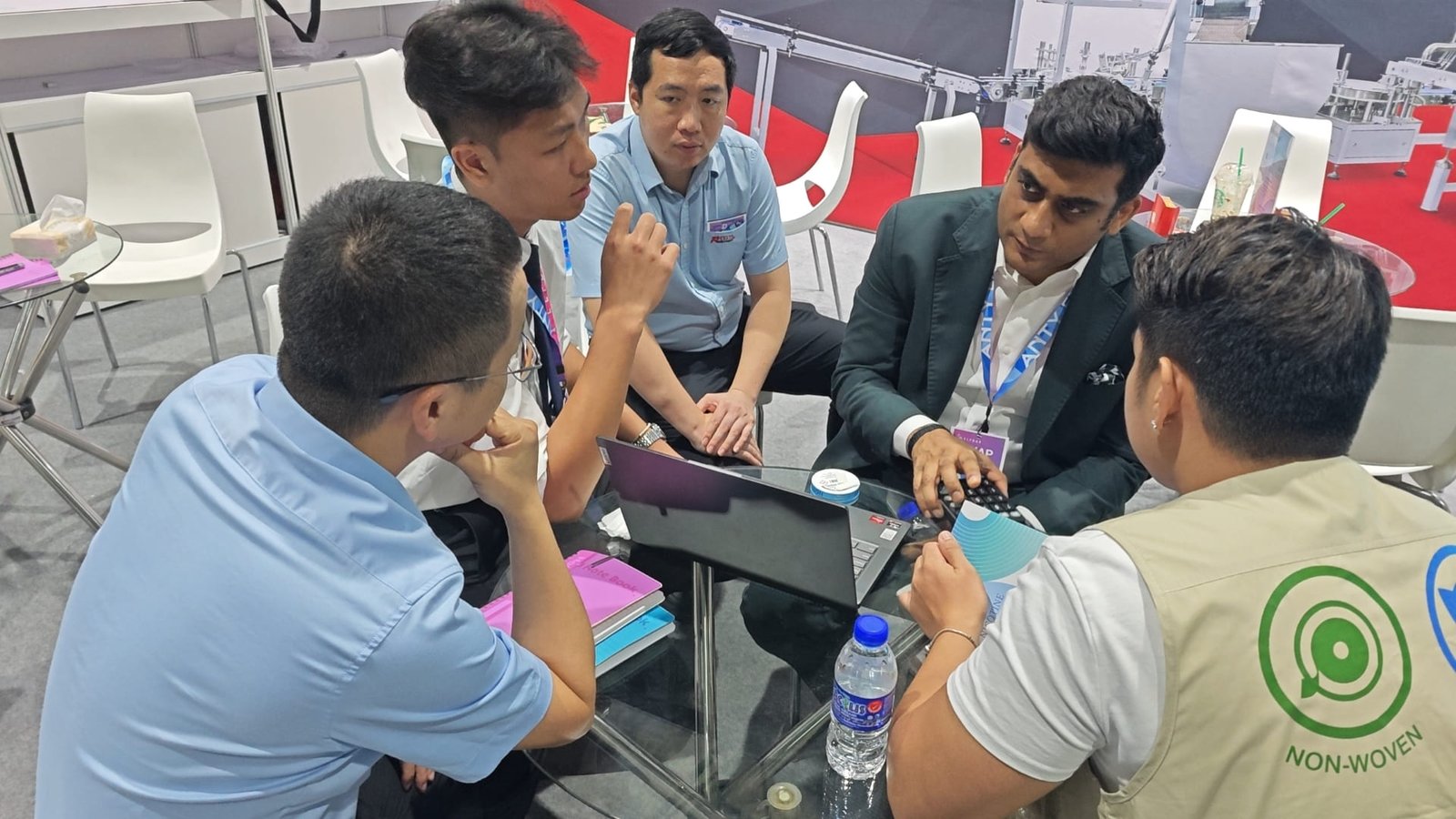
Industry events such as PACK EXPO International offer excellent opportunities to see cosmetic box packing machines in operation, meet multiple suppliers, and compare equipment firsthand before making a decision.
Future-Proofing Your Cosmetic Packaging Investment
The cosmetic industry evolves rapidly, with new packaging trends, sustainable material requirements, and changing consumer preferences influencing packaging design. When selecting a cosmetic box packing machine, consider equipment that offers modular design and upgradeable features to accommodate future packaging format changes. Machines with servo-driven controls and programmable recipes provide greater flexibility to adapt to new products without requiring complete equipment replacement.
Sustainability considerations are also increasingly important. The Flexible Packaging Association Industry Resources and the European Commission Packaging and Packaging Waste Regulation provide guidance on evolving packaging material requirements that may impact future machine specifications and material compatibility.
Conclusion: Making an Informed Decision
Choosing the right cosmetic box packing machine requires careful evaluation of your product characteristics, production requirements, budget constraints, and long-term growth plans. By thoroughly assessing the factors outlined in this guide—from filling technology and automation level to supplier qualifications and after-sales support—manufacturers can select equipment that delivers consistent performance, strong ROI, and scalable production capacity for years to come.
Take the time to conduct product trials, visit supplier facilities when possible, and consult with multiple potential partners before making your final decision. The right machine, backed by a reliable manufacturer, forms the foundation of an efficient and profitable cosmetic packaging operation.