Investing in a firewood packing machine is a significant decision for any biomass fuel supplier, firewood distributor, or wood processing operation. The right equipment can dramatically improve packaging efficiency, reduce labor costs, and ensure consistent product presentation. However, with numerous configurations, automation levels, and technical specifications available on the market, making the wrong choice can lead to production bottlenecks, excessive maintenance costs, and poor return on investment. This guide walks you through every critical factor to evaluate before purchasing a firewood packing machine, helping you match equipment capabilities to your specific operational requirements.
Understanding Firewood Packing Machine Types and Applications
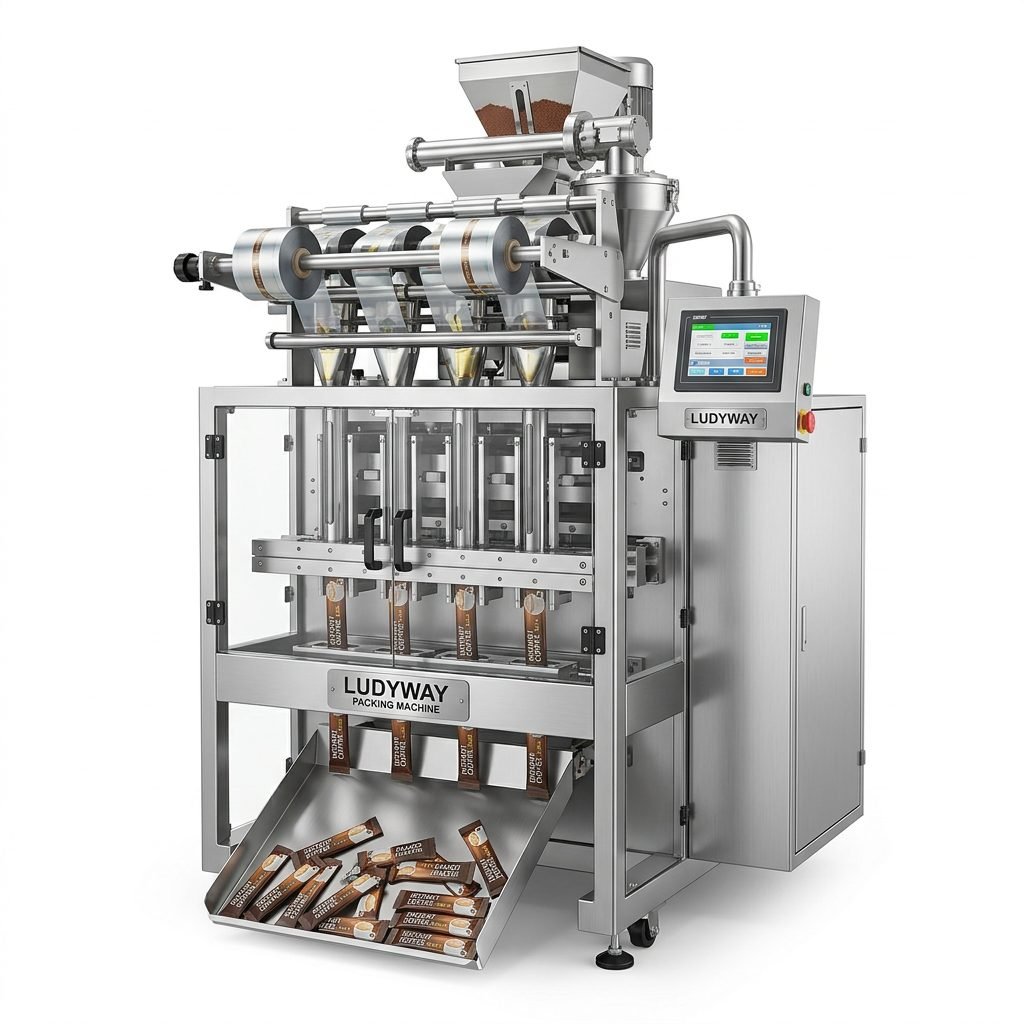
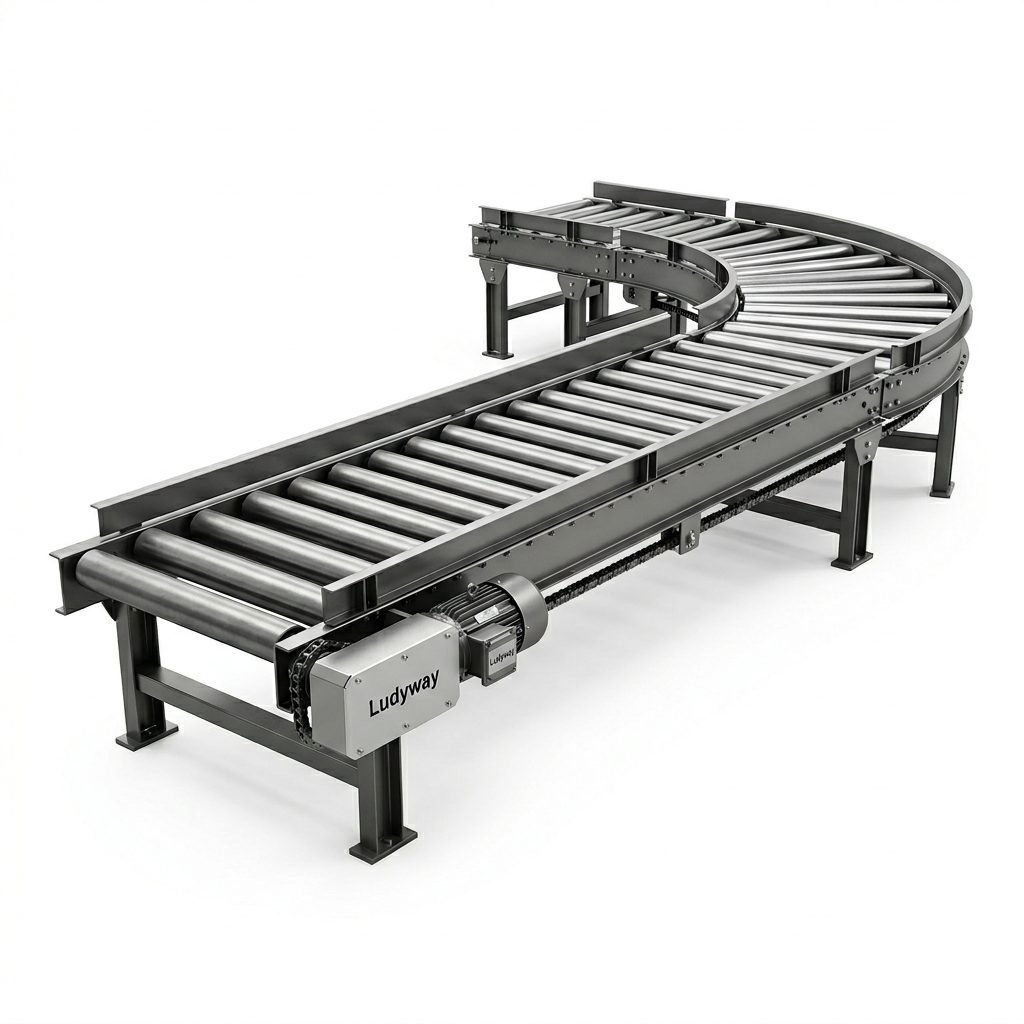
Before diving into specifications, it is essential to understand the different types of firewood packaging equipment available. Firewood packing machines generally fall into several categories based on the packaging format they produce. The most common types include bagging machines for net bags and woven sacks, shrink-wrapping systems for bundled firewood, and flexible packaging solutions for smaller retail-ready packs. Each type serves different market segments — from bulk delivery to retail shelf display.
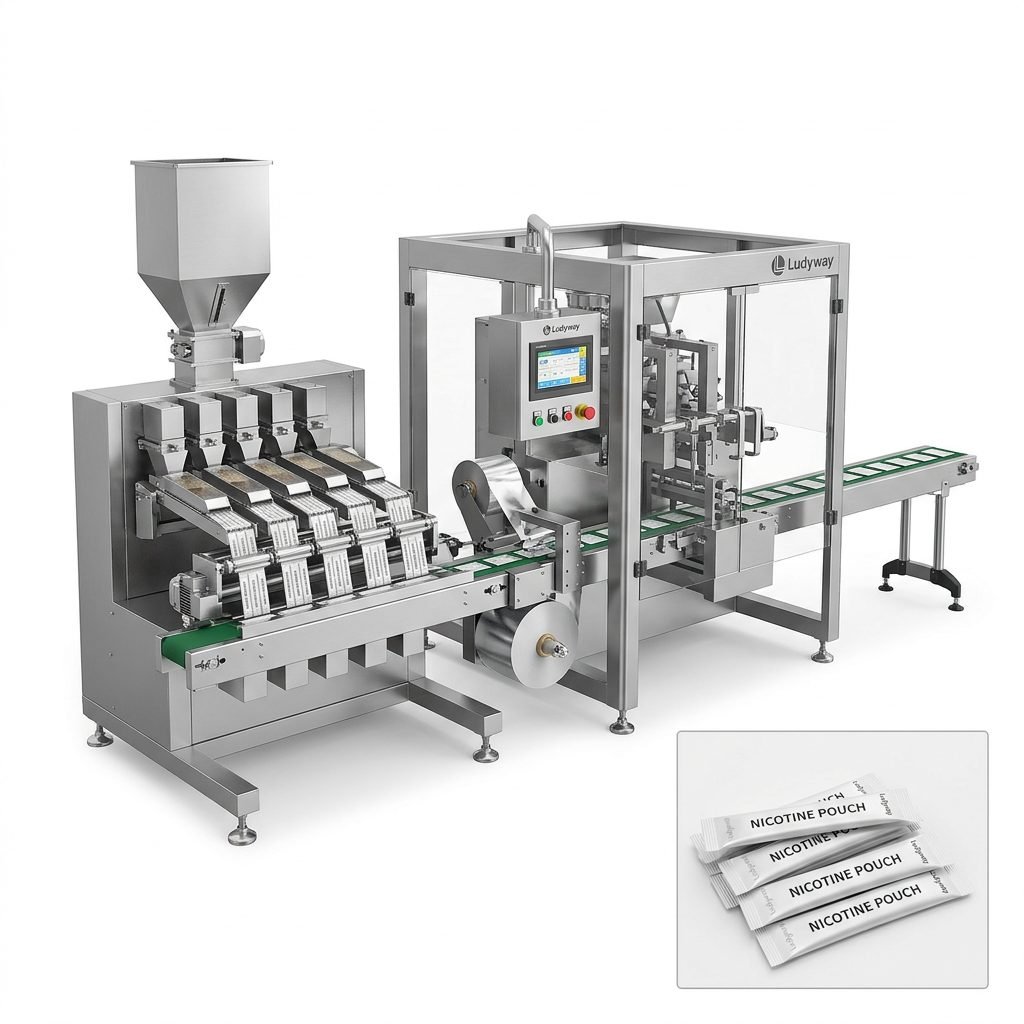
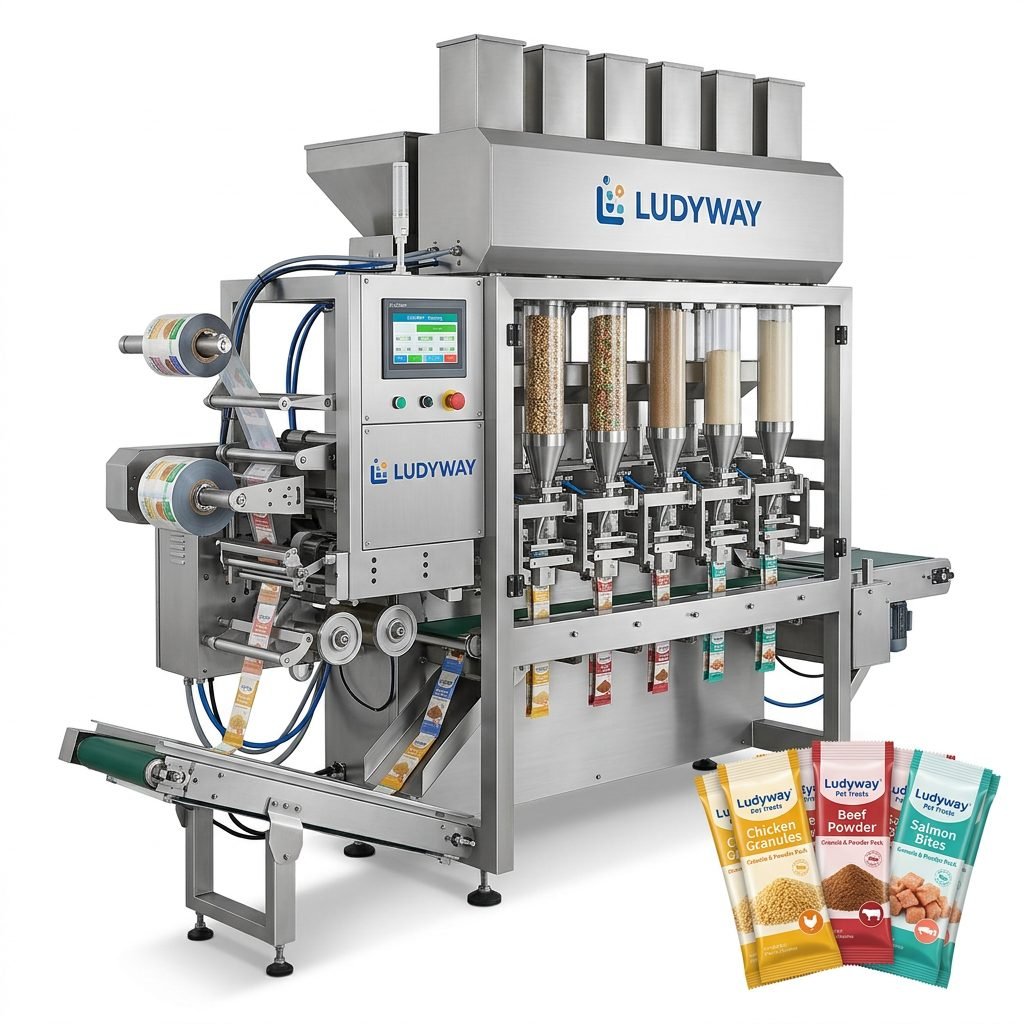
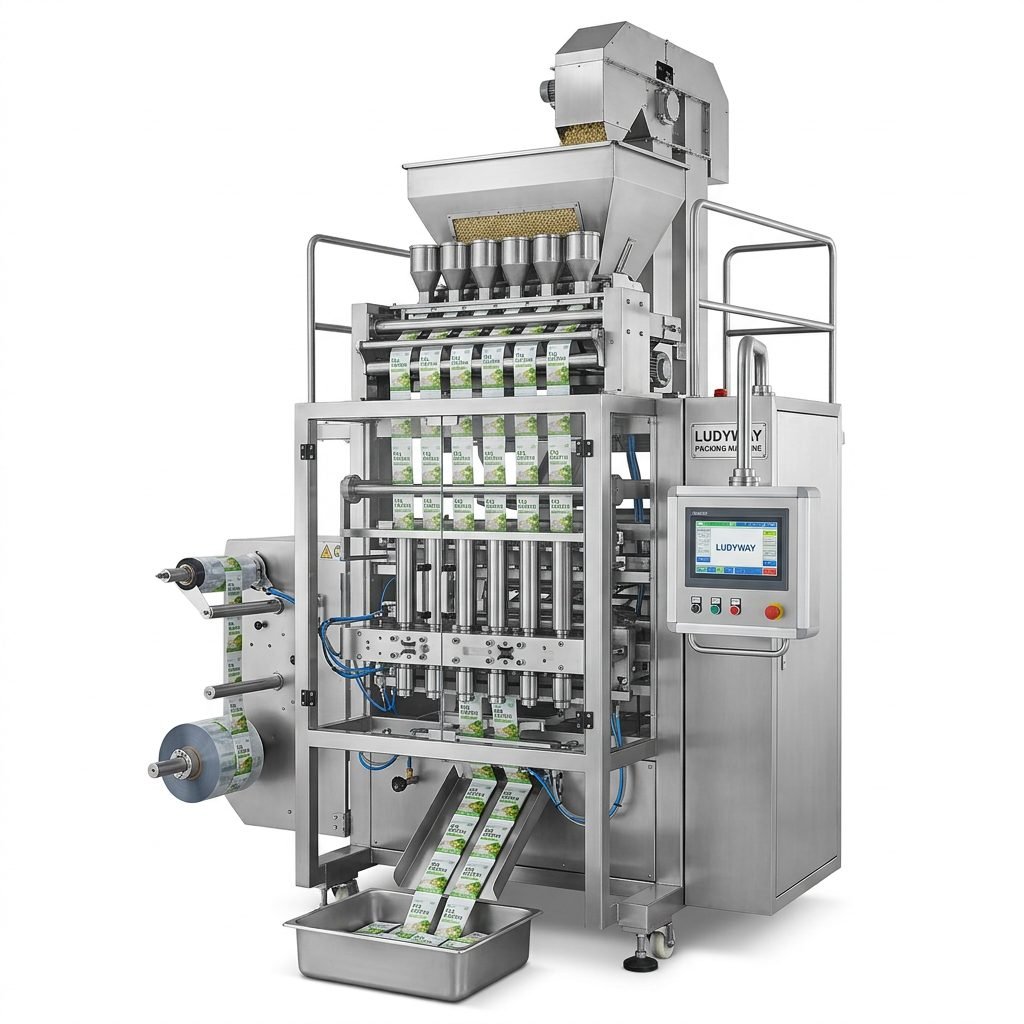
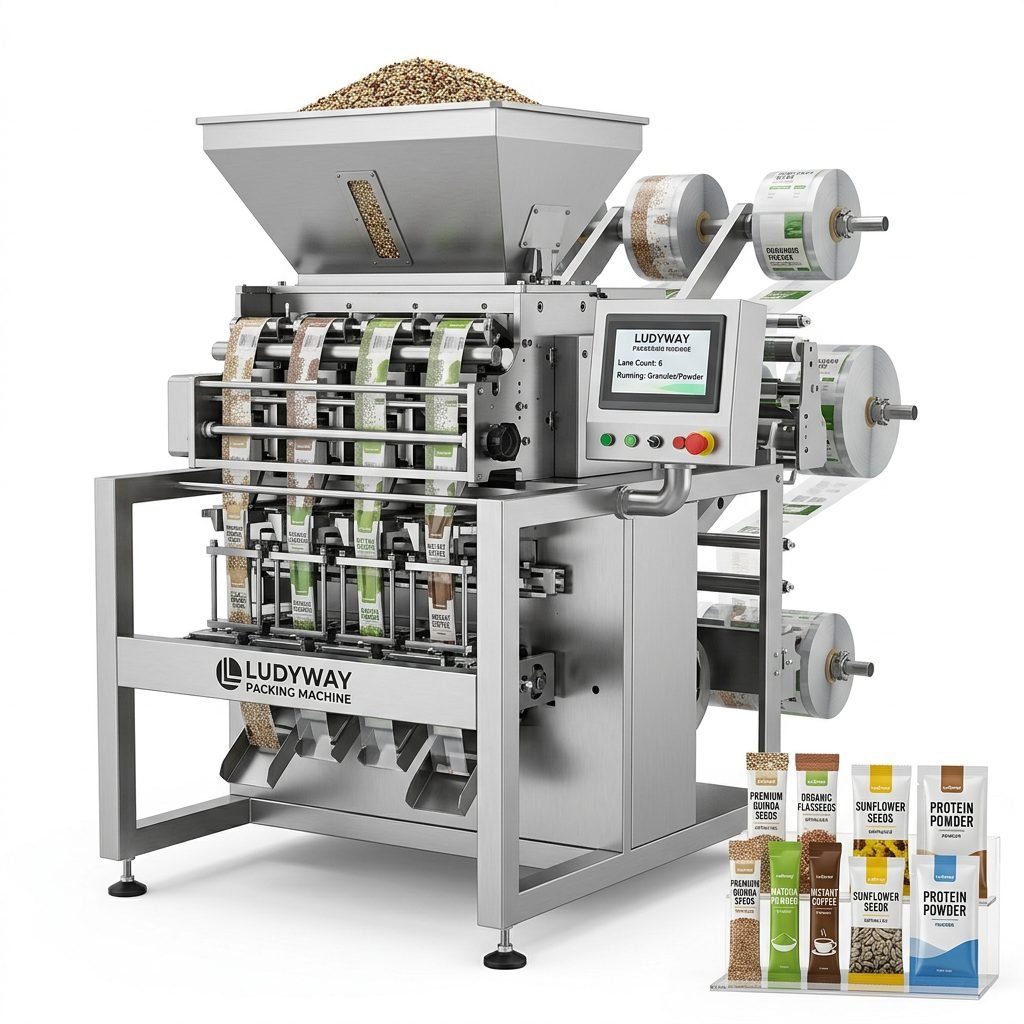
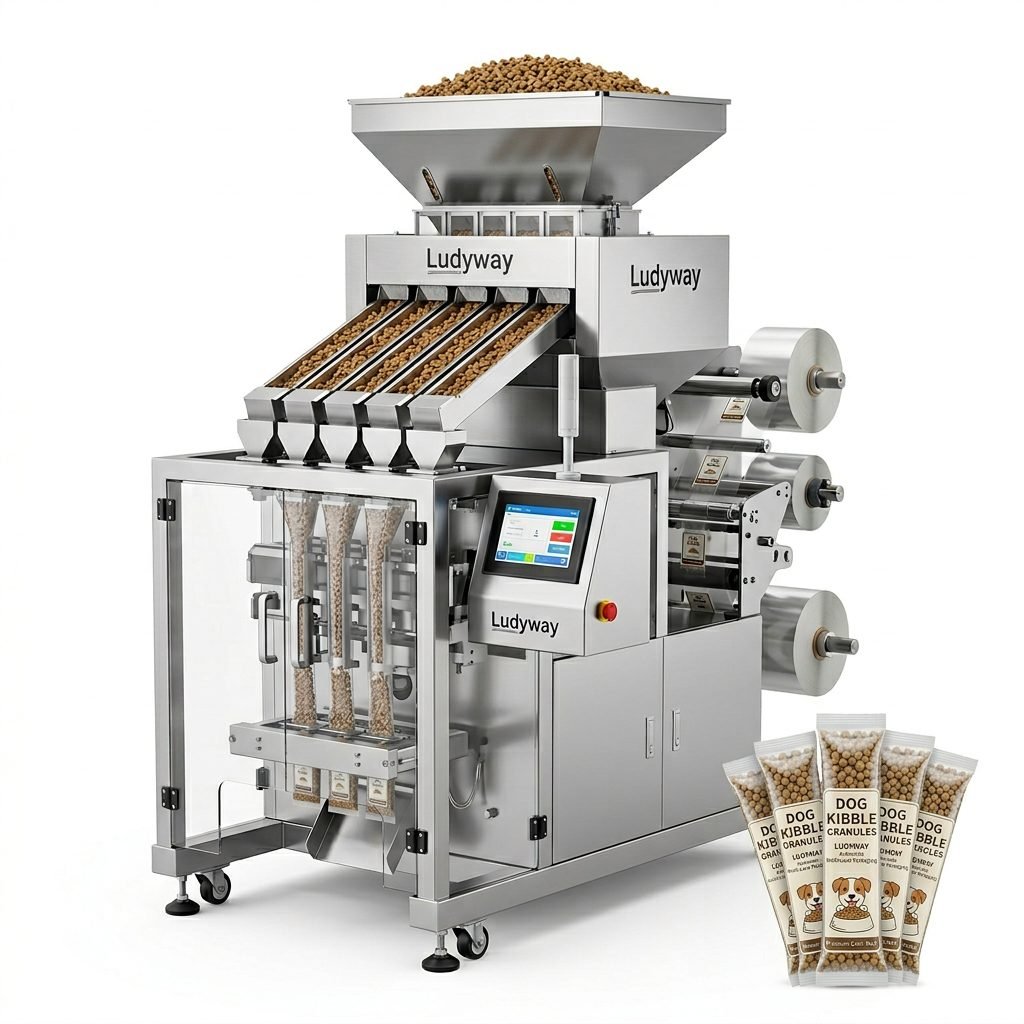
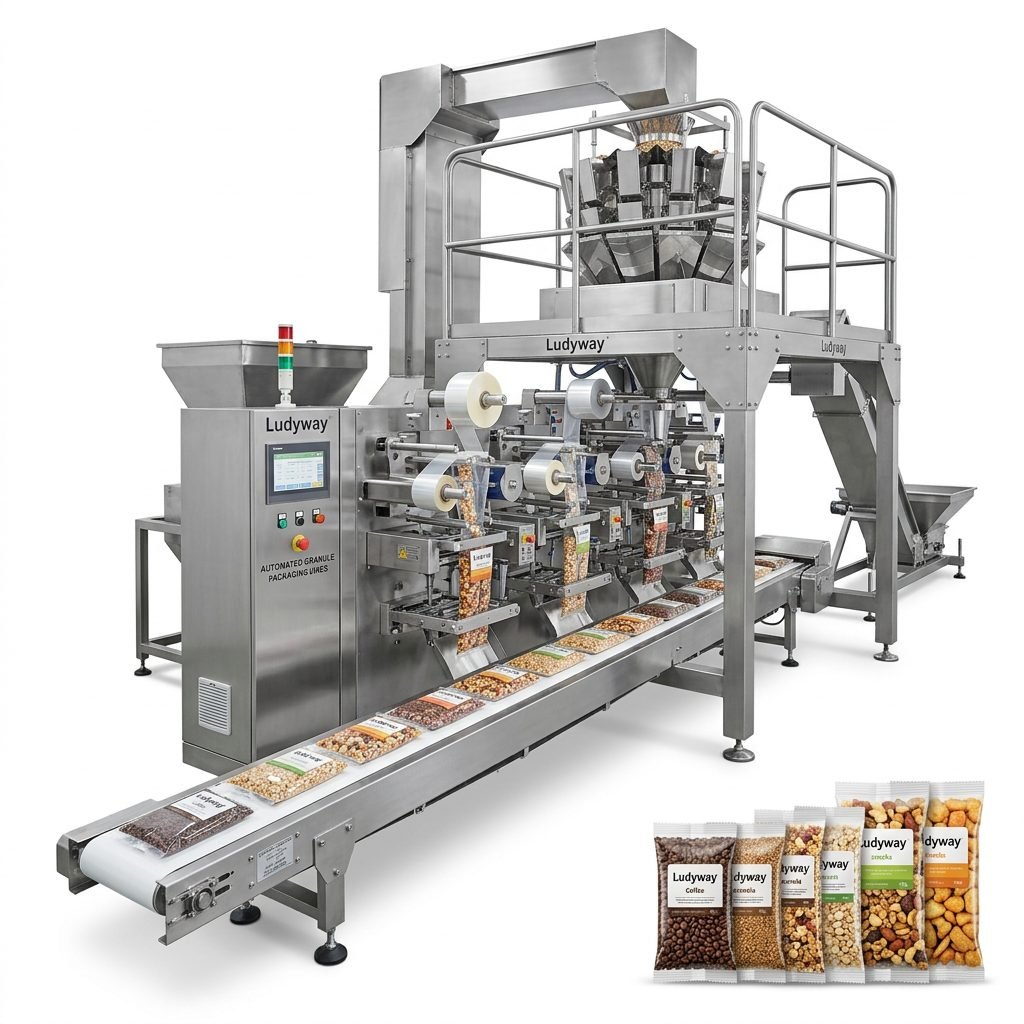
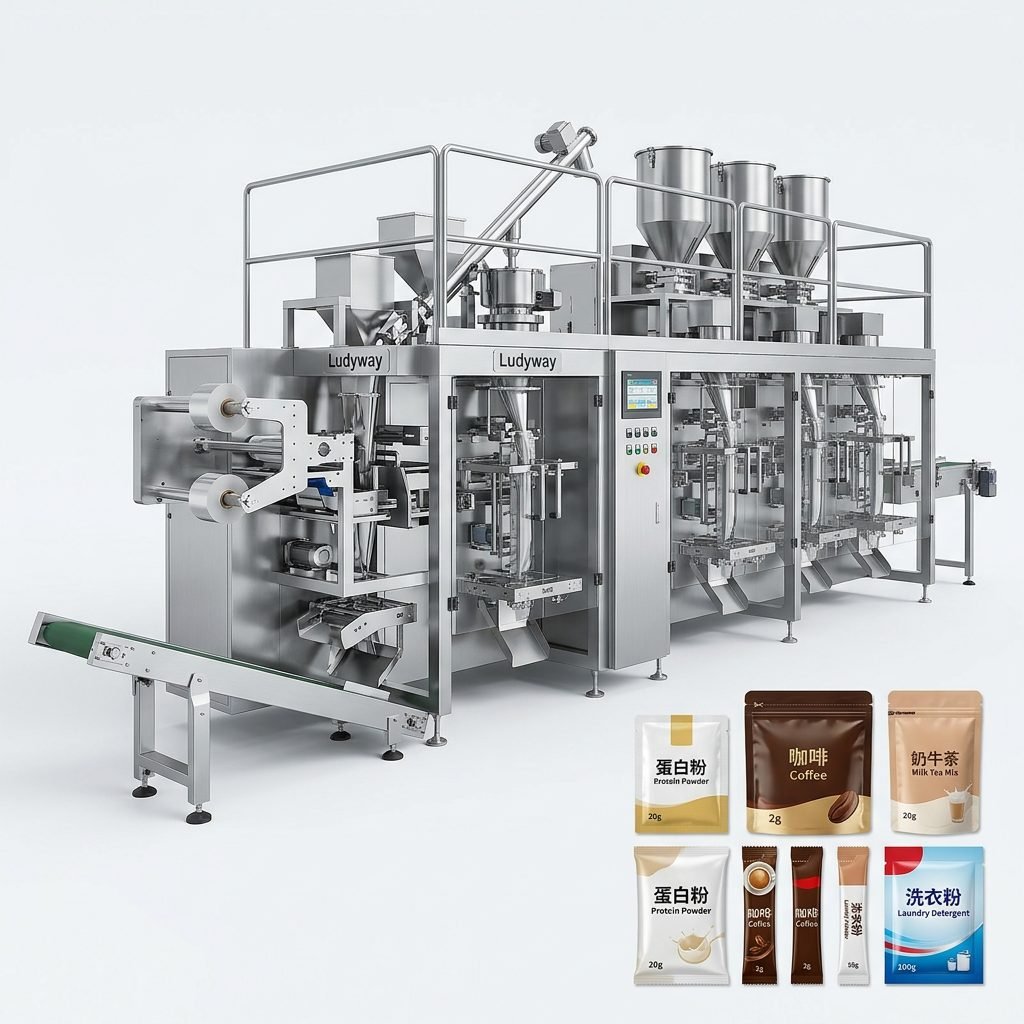
For operations handling wood pellets or biomass granules, granule packing machines with multi-lane configurations can achieve significantly higher throughput compared to single-lane systems. These machines are particularly relevant for producers of compressed wood pellets, which have grown substantially in demand across European and North American heating markets.
Key Factors to Evaluate Before Purchasing
Production Capacity and Speed Requirements
Your target output volume is the single most important factor in selecting a firewood packing machine. Small-scale operations may only require 5-10 bags per minute, while industrial biomass producers often need 30-60 bags per minute or more. Overestimating capacity leads to unnecessary capital expenditure, while underestimating creates immediate production constraints. Calculate your current daily output needs and factor in projected growth over the next 3-5 years before finalizing your machine specifications.
Packaging Format and Bag Type Compatibility
Different markets demand different packaging formats. Retail firewood is typically sold in mesh bags, plastic bundles, or shrink-wrapped packages, while bulk biomass pellets are commonly packed in woven polypropylene bags or paper sacks. The machine you select must be compatible with your intended bag materials, sizes, and closure methods. Some advanced models offer quick-change capabilities that allow switching between bag formats with minimal downtime — a valuable feature for operations serving multiple customer segments.
Material Compatibility and Machine Durability
Firewood and biomass materials can be abrasive and demanding on equipment. Machines constructed with heavy-duty components, wear-resistant materials, and robust sealing mechanisms will deliver longer service life and lower total cost of ownership. Pay close attention to the frame construction, contact surface materials, and the quality of pneumatic or mechanical components. Equipment designed for industrial packaging applications typically undergoes more rigorous durability testing than light-commercial alternatives.
Automation Level and Labor Considerations
Modern firewood packing machines range from semi-automatic systems requiring manual feeding to fully automated packaging lines with integrated weighing, filling, sealing, and palletizing functions. While higher automation reduces labor dependency and improves consistency, it also requires a larger upfront investment and more sophisticated maintenance capabilities. Evaluate your local labor market conditions, wage trends, and available technical expertise when deciding on the appropriate automation level for your operation.
Technical Specifications Comparison
The following table summarizes key specifications to compare when evaluating different firewood packing machine models. Use this as a reference framework during supplier discussions and equipment demonstrations.
| Specification | Entry-Level | Mid-Range | High-End Industrial |
|---|---|---|---|
| Speed Range | 3-8 bags/min | 10-25 bags/min | 30-60+ bags/min |
| Automation Level | Semi-automatic | Fully automatic | Fully automatic with integrated line |
| Bag Formats | 1-2 types | 3-5 types | Customizable, 5+ types |
| Weighing Accuracy | ±2-3% | ±0.5-1% | ±0.1-0.5% |
| Changeover Time | 30-60 min | 15-30 min | 5-15 min |
| Typical Investment | $15,000-$40,000 | $50,000-$150,000 | $200,000-$500,000+ |
| Service Life Expectancy | 5-8 years | 10-15 years | 15-20+ years |
Industry Standards and Regulatory Compliance
When sourcing a firewood packing machine, compliance with relevant industry standards and safety regulations should be non-negotiable. Equipment should meet applicable ISO packaging standards and local machinery safety directives. For operations exporting to the European market, CE marking and compliance with EU machinery directives are essential. In North America, adherence to PMMI packaging machinery standards and OSHA workplace safety requirements should be verified. Additionally, if your firewood products come into contact with food-grade materials, ensure packaging components meet FDA food contact substance regulations where applicable.
Evaluating Suppliers: What to Look For
Manufacturing Experience and Track Record
A supplier with proven experience in packaging machinery manufacturing brings valuable engineering insights to your project. Look for companies with a documented history of delivering equipment for biomass, wood product, or similar bulk material applications. Ask for case studies, client references, and examples of installed equipment in operations comparable to yours. Longevity in the industry often correlates with reliable after-sales support and parts availability.
Customization and Engineering Capabilities
Standard firewood packing machines may not perfectly fit your unique production environment. Leading manufacturers offer customized engineering solutions tailored to specific product characteristics, packaging materials, bag sizes, filling volumes, production speeds, factory layouts, and automation requirements. This customized approach is particularly valuable for manufacturers looking to increase production capacity, automate manual packaging processes, or integrate packaging equipment into an existing production line.
After-Sales Support and Spare Parts Availability
The relationship with your equipment supplier extends well beyond the initial purchase. Comprehensive after-sales support — including installation, commissioning, operator training, troubleshooting, spare parts supply, and remote technical assistance — is critical for maintaining long-term equipment performance. Before committing, clarify warranty terms, typical response times for technical support, spare parts inventory policies, and whether the supplier offers preventive maintenance programs or service contracts.
Common Mistakes to Avoid
- Focusing solely on purchase price — Total cost of ownership including maintenance, energy consumption, spare parts, and downtime costs should guide your decision, not just the initial machine price.
- Ignoring future scalability — A machine that barely meets current needs may become a constraint within two years. Build in reasonable capacity headroom.
- Overlooking installation requirements — Verify power supply, compressed air requirements, floor space, ceiling height, and environmental conditions before the machine arrives.
- Neglecting operator training — Even the best equipment underperforms without properly trained operators. Factor training time and resources into your implementation plan.
- Skipping factory acceptance testing — Whenever possible, conduct or witness factory acceptance tests before shipment to verify performance against agreed specifications.
Return on Investment Considerations
Calculating the return on investment for a firewood packing machine requires looking beyond simple labor savings. While reducing manual packing labor is often the primary driver, additional ROI factors include reduced product waste, improved bag weight consistency, lower packaging material consumption, increased throughput capacity, reduced overtime costs, and enhanced product presentation that can command higher retail pricing. A comprehensive ROI analysis should model these variables over a 3-5 year period, accounting for anticipated production growth and maintenance costs.
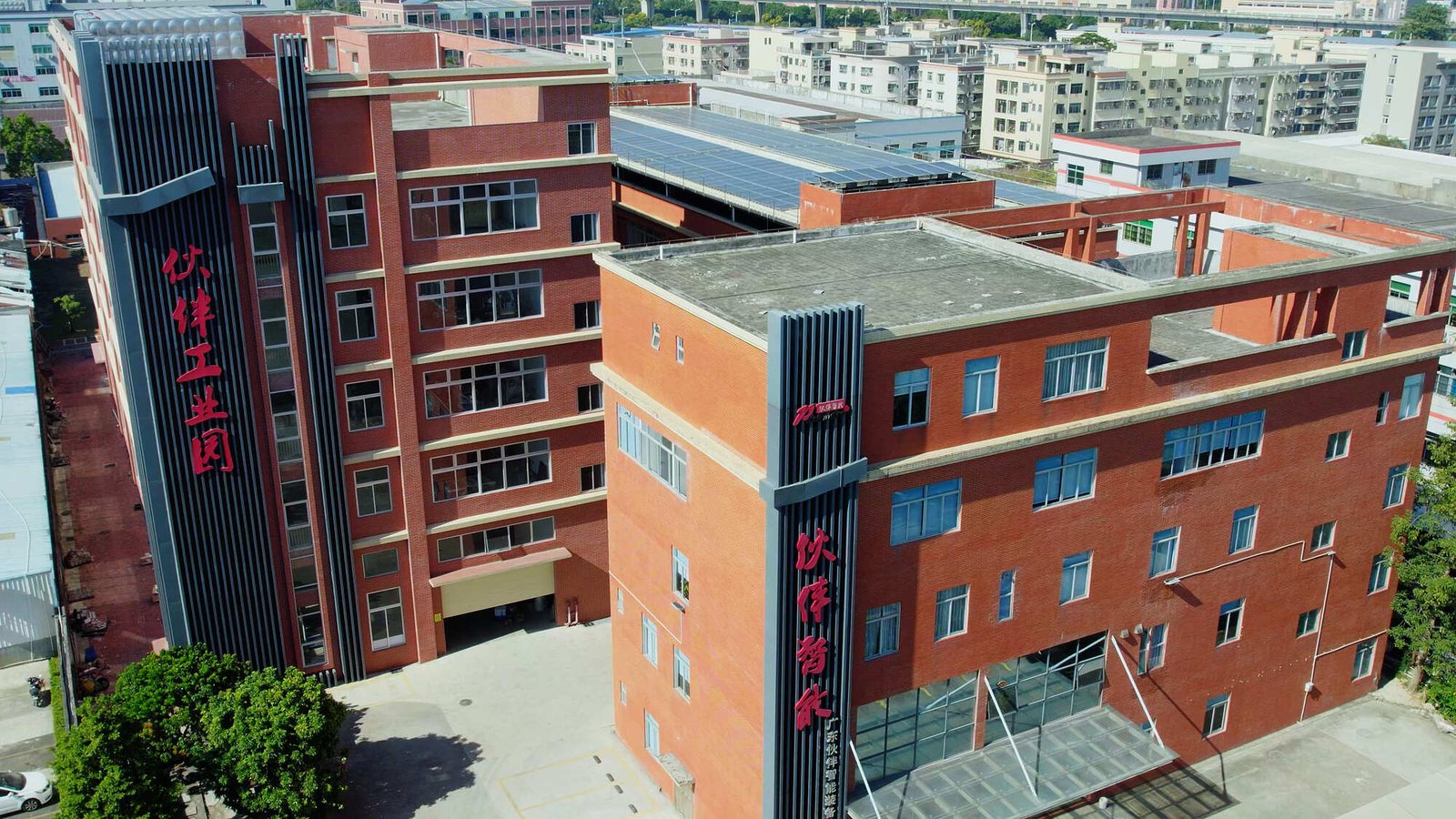
For manufacturers evaluating suppliers, companies like Ludyway Machinery — with more than 30 years of experience, a 20,000-square-meter manufacturing facility, and packaging machinery serving customers in over 100 countries — represent the type of established partner that can provide both the equipment quality and the engineering support necessary for long-term packaging success. When evaluating any supplier, prioritize those with demonstrated manufacturing expertise, customization capabilities, and global service infrastructure.
Final Decision Checklist
Before finalizing your firewood packing machine purchase, use this checklist to verify that all critical factors have been addressed:
- Confirmed production speed requirements match machine specifications with appropriate headroom
- Verified compatibility with all required bag types, sizes, and materials
- Validated weighing accuracy meets your product specifications and regulatory requirements
- Assessed machine construction quality and component durability for your operating environment
- Reviewed supplier track record, client references, and after-sales support policies
- Confirmed compliance with applicable safety, regulatory, and industry standards
- Calculated total cost of ownership and ROI projections over a 3-5 year horizon
- Planned for installation, operator training, and ongoing maintenance requirements
Selecting the right firewood packing machine is a strategic decision that impacts your operational efficiency, product quality, and competitive position for years to come. By systematically evaluating each of the factors outlined in this guide — from production capacity and packaging formats to supplier qualifications and after-sales support — you can confidently choose equipment that aligns with your business goals and delivers sustainable value. Take the time to engage with multiple suppliers, request detailed proposals, and where possible, visit existing installations to see equipment performance firsthand before making your final decision.