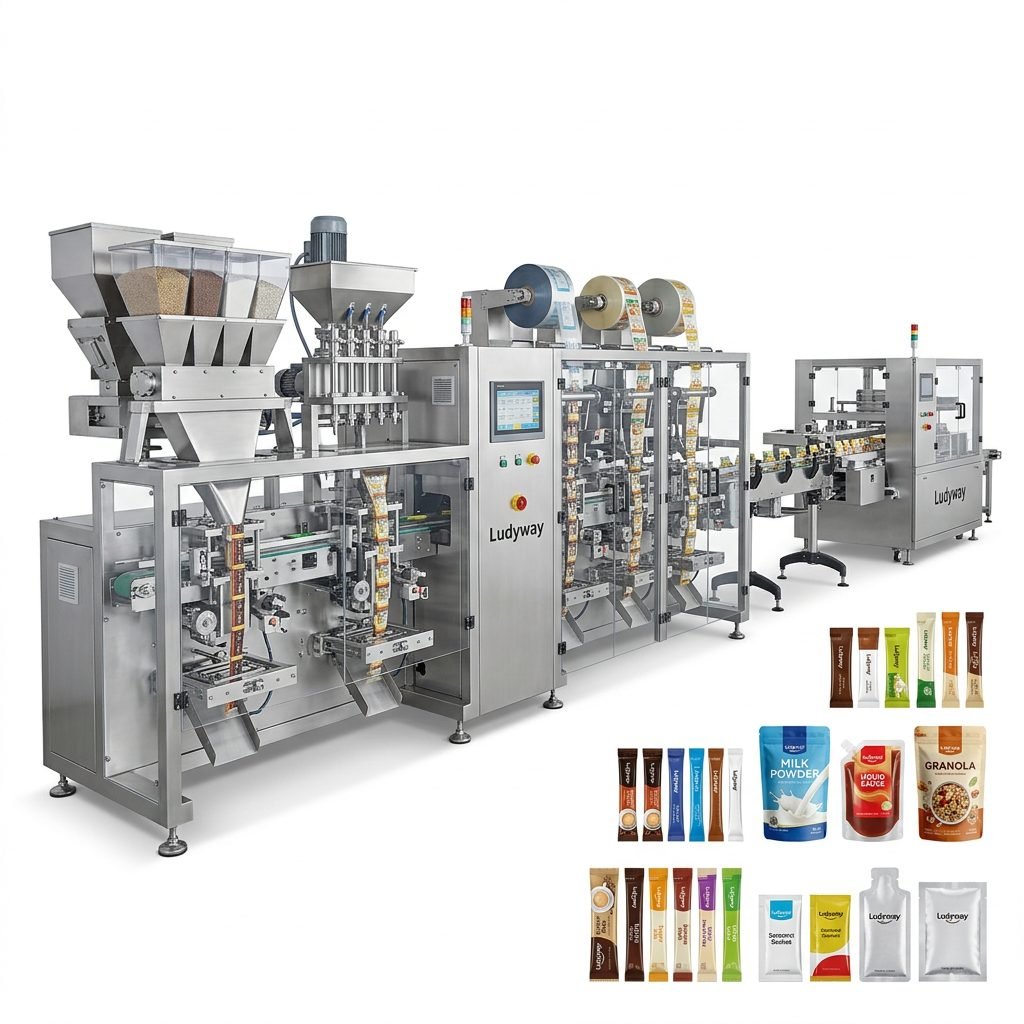
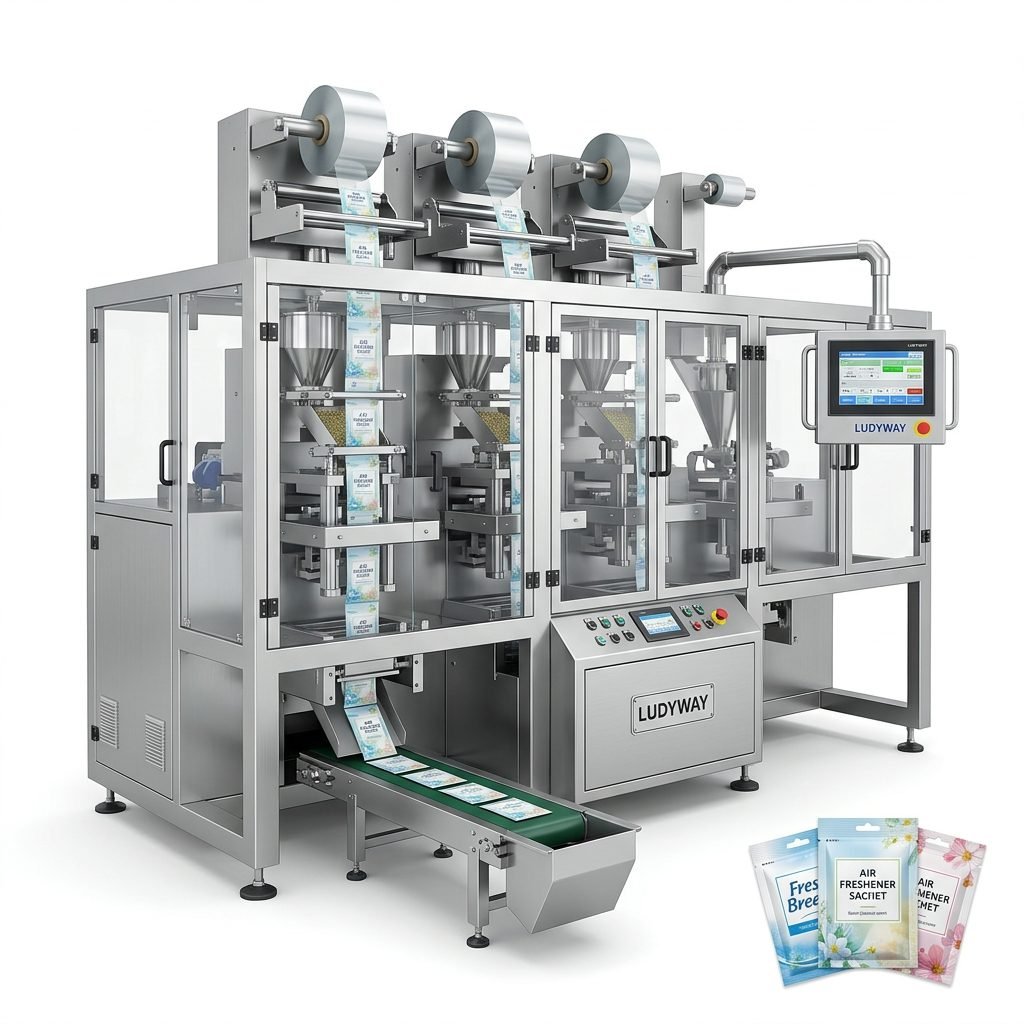
Investing in a meal packing machine is a critical decision for food manufacturers, catering businesses, and central kitchens. Whether you are automating the packaging of ready-to-eat meals, frozen foods, or fresh produce, the right machinery directly impacts your production efficiency, product shelf life, and bottom line. This guide walks you through the essential factors to consider before purchasing a meal packing machine, ensuring you select a solution that matches your operational goals.

1. Understand Your Product Characteristics
The physical properties of your meals dictate the type of dosing and filling system you need. Packaging machinery is not one-size-fits-all. A machine configured for solid chicken pieces will fail if you try to run liquid soups without changing the filling mechanism. Evaluate the following product attributes carefully:
- Product State: Is your meal solid, granular, paste-like, or liquid? Mixed meals containing both solids and liquids require specialized filling heads.
- Particle Size and Shape: Large chunks (like bone-in pieces) require volumetric fillers with deep pockets, whereas granular products (like rice) can use auger fillers.
- Viscosity and Flowability: High-viscosity sauces (curries, gravies) demand positive displacement pumps, while free-flowing liquids can utilize gravity fillers.
- Temperature at Filling: Hot-fill or frozen products require machines made from specific materials and seals to handle thermal stress and condensation.
2. Defining Packaging Formats and Material Compatibility
Meal packing machines handle a variety of packaging formats, from premade pouches to rollstock films. The choice between these formats influences the machine’s footprint, sealing technology, and output speed. Furthermore, the compatibility of the machine with modern, sustainable packaging materials is increasingly vital for regulatory compliance.
According to industry resources from the Flexible Packaging Association, the shift toward recyclable and mono-material films is reshaping machine requirements, as new structures often require different heat-sealing parameters.
| Format Type | Best For | Key Consideration |
|---|---|---|
| Premade Pouches | Frozen meals, premium ready-meals | Requires opening, filling, and sealing stations; ideal for irregular shapes. |
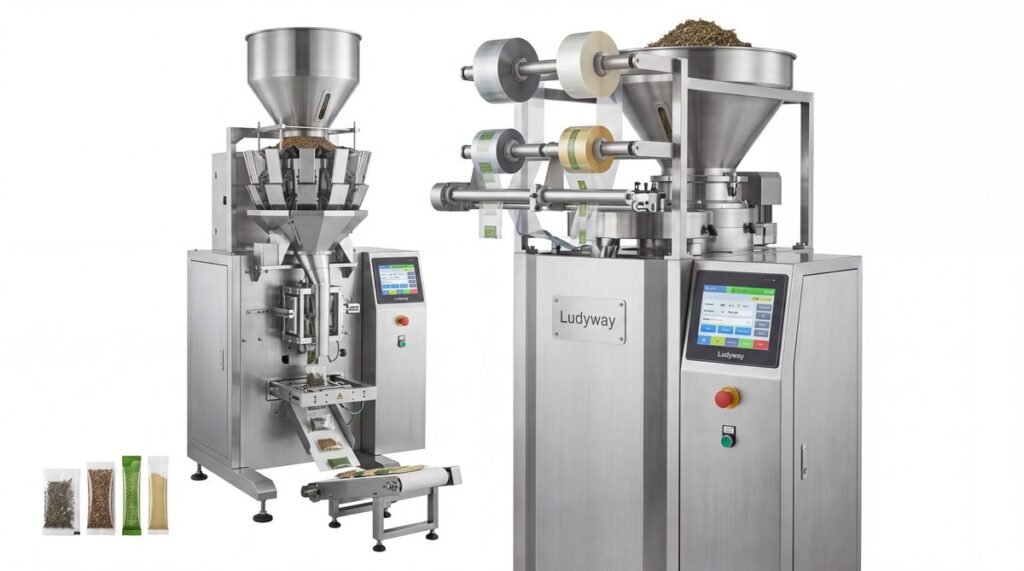
| Vertical Form Fill Seal (VFFS) | Dry grains, frozen vegetables, snack packs | High-speed production; uses rollstock film to form bags. |
| Tray Sealing (MAP) | Fresh meal kits, chilled prepared foods | Enables Modified Atmosphere Packaging for extended shelf life. |
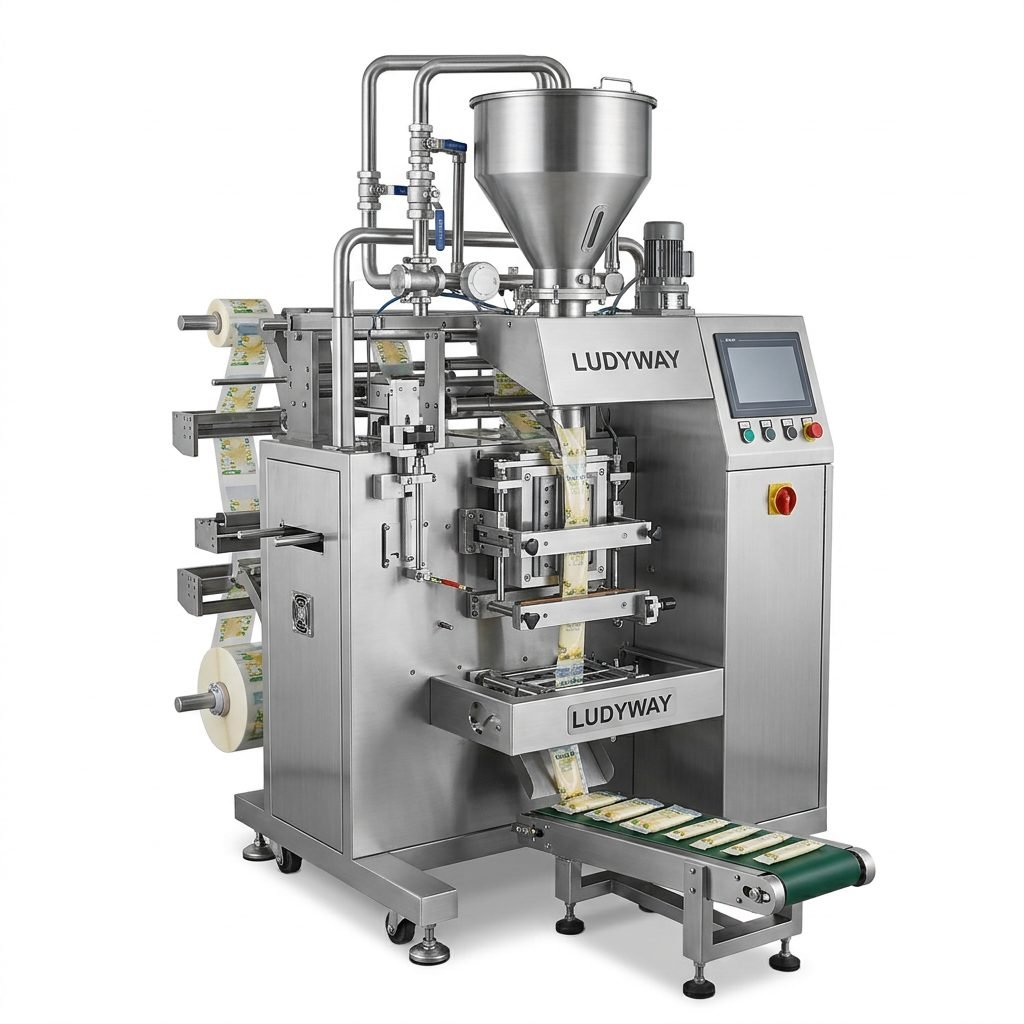
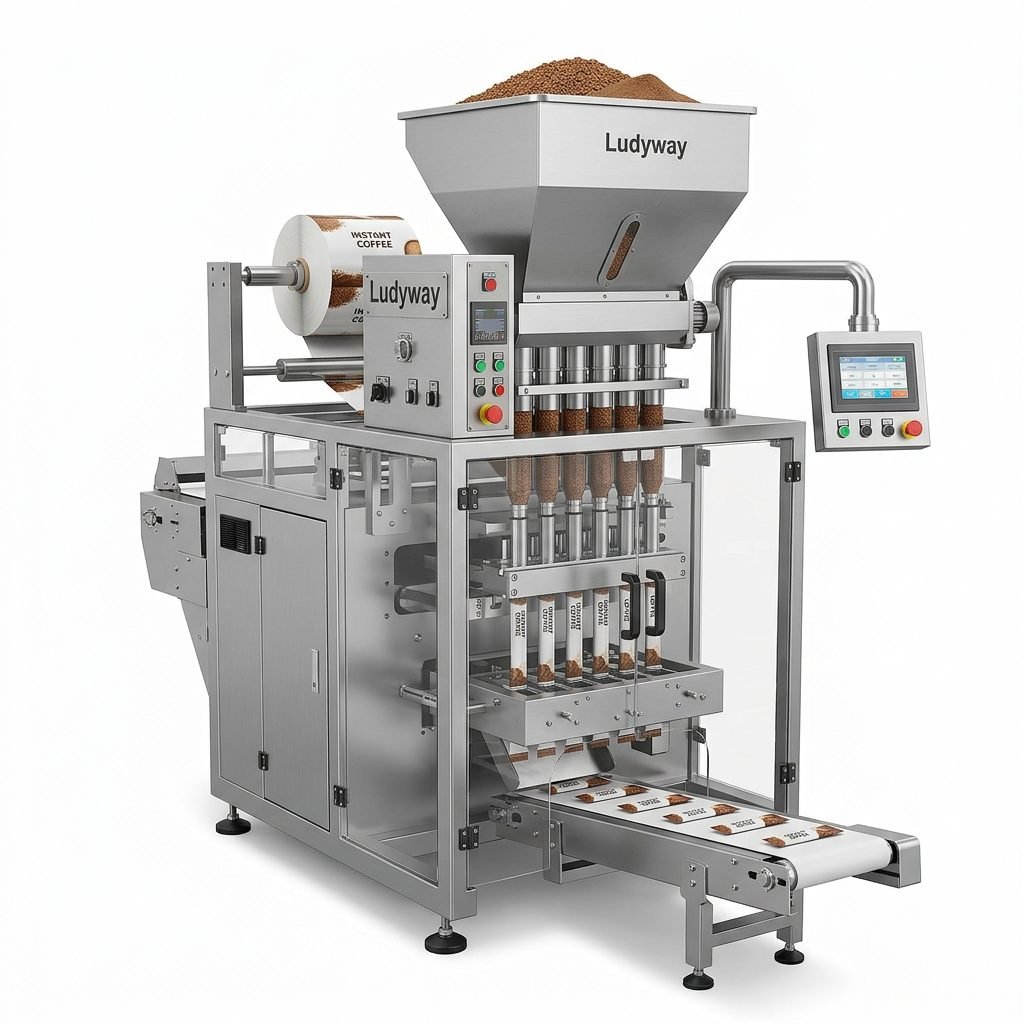
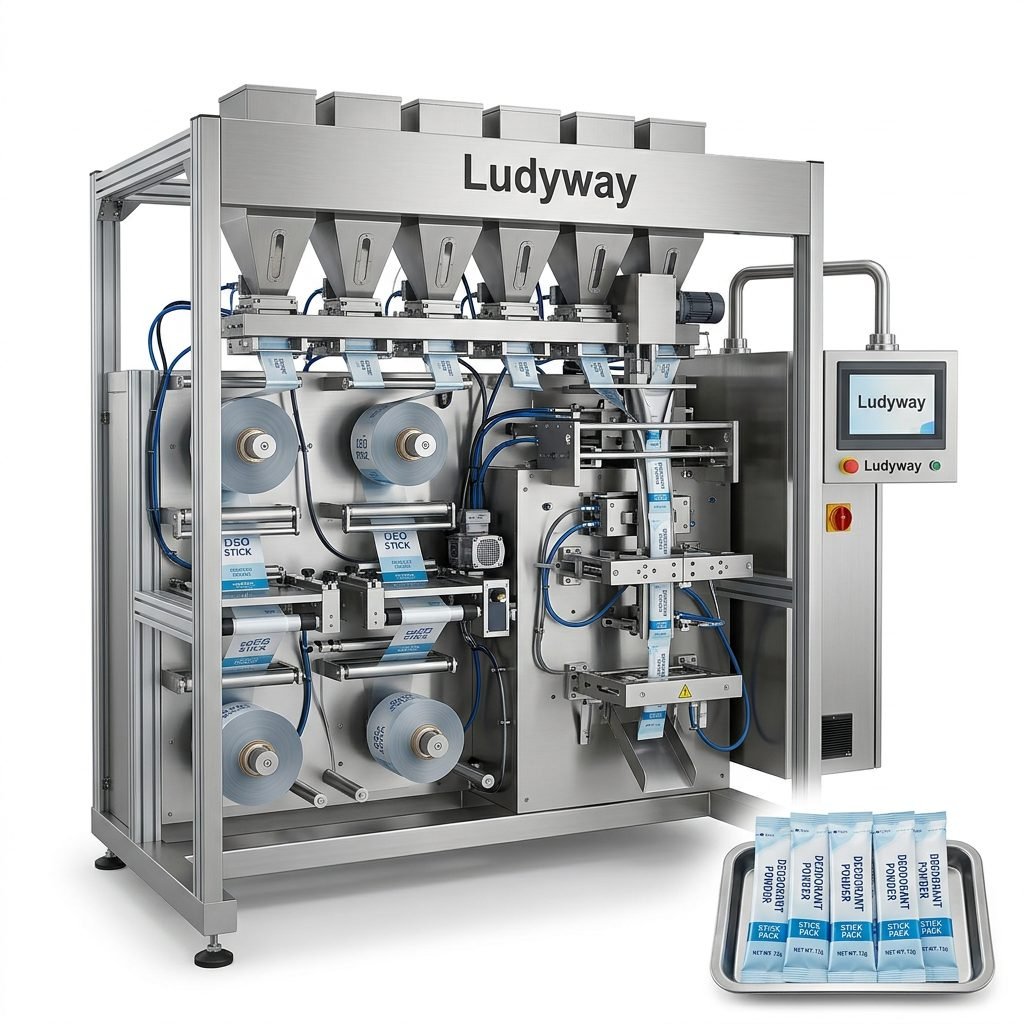
| Stick Pack / Sachet | Single-serve condiments, supplements, energy gels | Compact format; often multi-lane for very high throughput. |
3. Production Speed and Scalability Requirements
The throughput capacity of a meal packing machine is measured in bags per minute (BPM). Aligning machine speed with your current—and future—production demand prevents costly bottlenecks. You should consider:
- Current Daily Output: Calculate the average number of meals packed per shift.
If you pack 10,000 meals daily over an 8-hour shift, you need a machine that can comfortably handle at least 25-30 BPM to account for changeovers and breaks. - Peak Season Fluctuations: Buffer capacity is crucial for seasonal demand spikes (e.g., holiday catering).
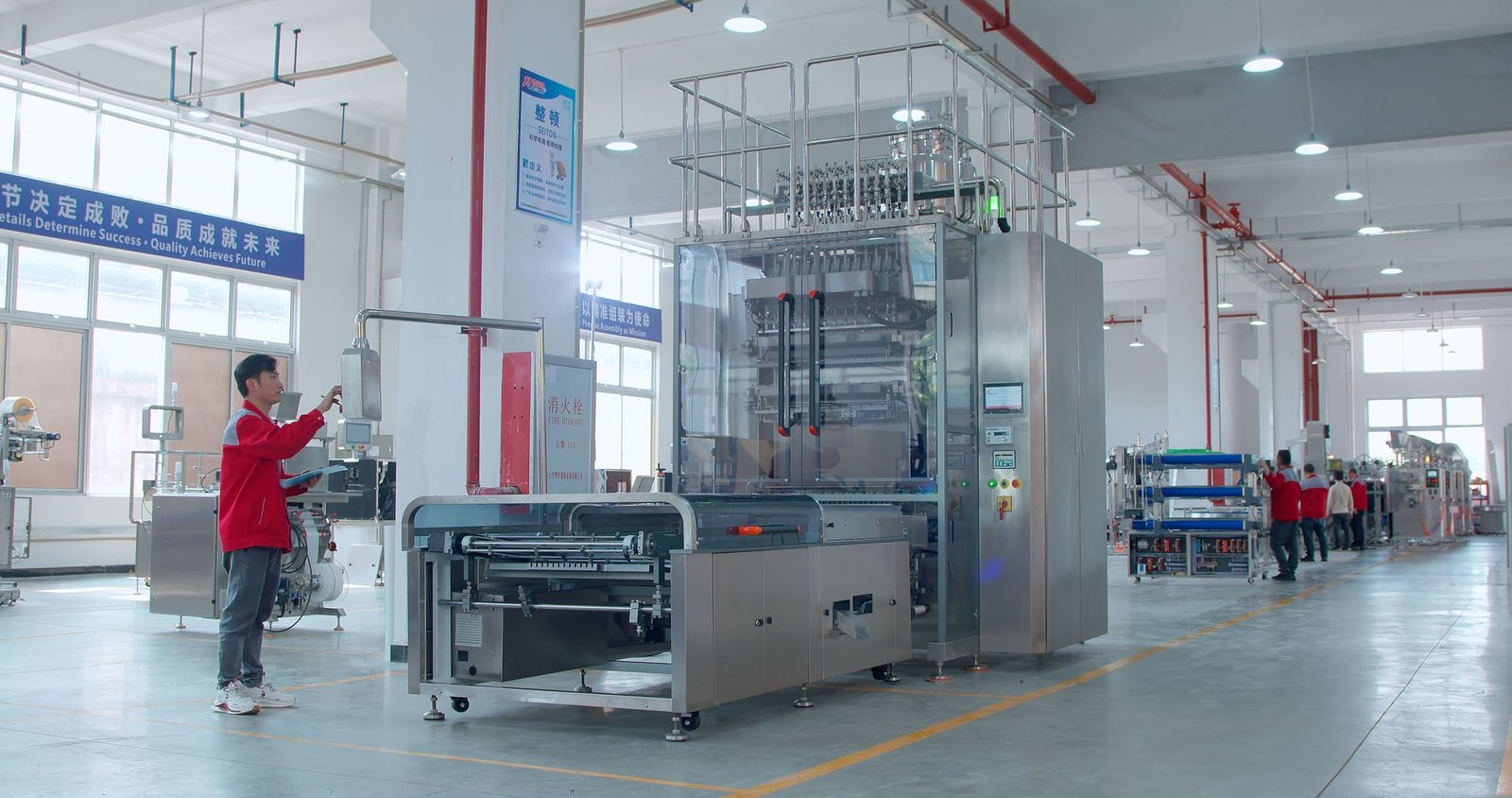
- Multi-Lane Technology: For high-speed requirements, multi-lane stick pack or sachet machines can dramatically multiply output without increasing factory floor space proportionally.
4. Automation Level and Integration Capabilities
Modern meal packing machines range from semi-automatic units to fully integrated, turnkey production lines. The PMMI Business Intelligence reports consistently highlight that the demand for automation in food packaging is driven by labor shortages and the need for consistent quality. When evaluating automation, look beyond the filling station:
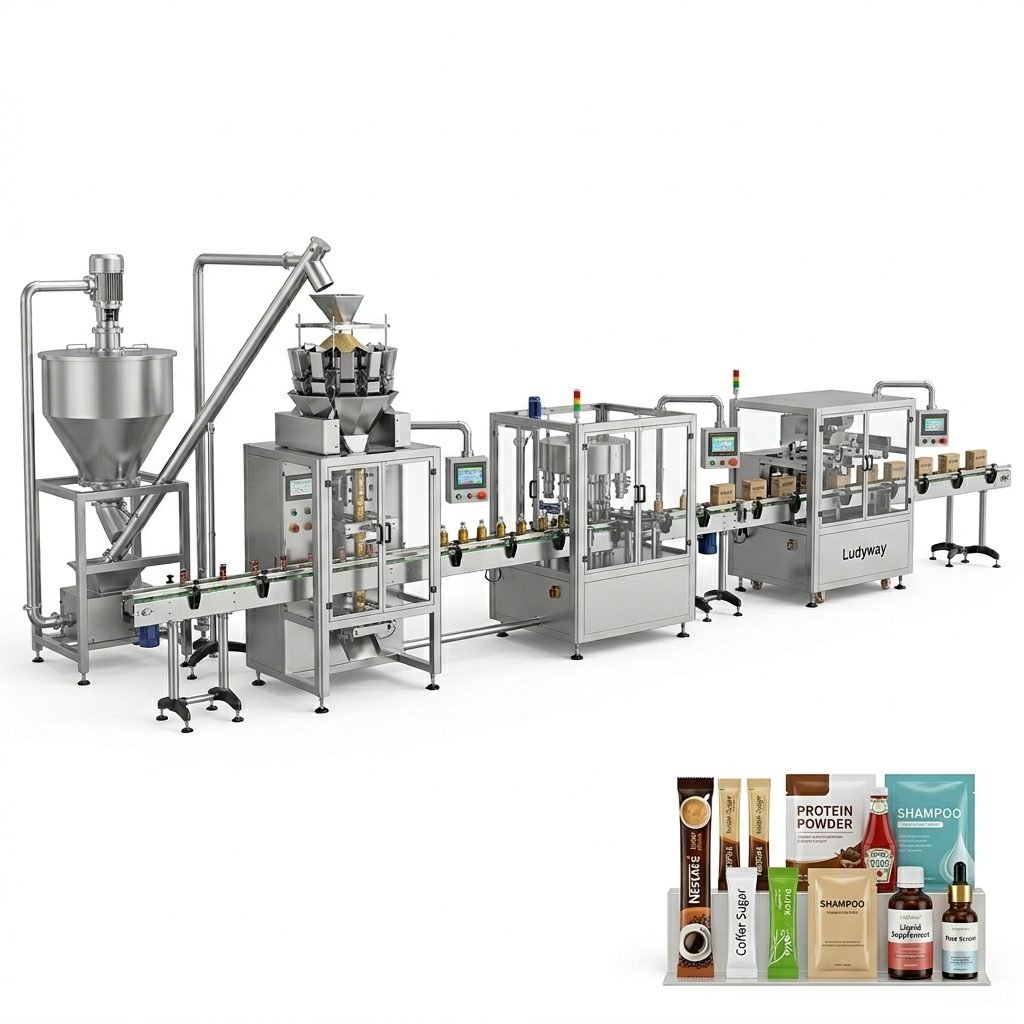
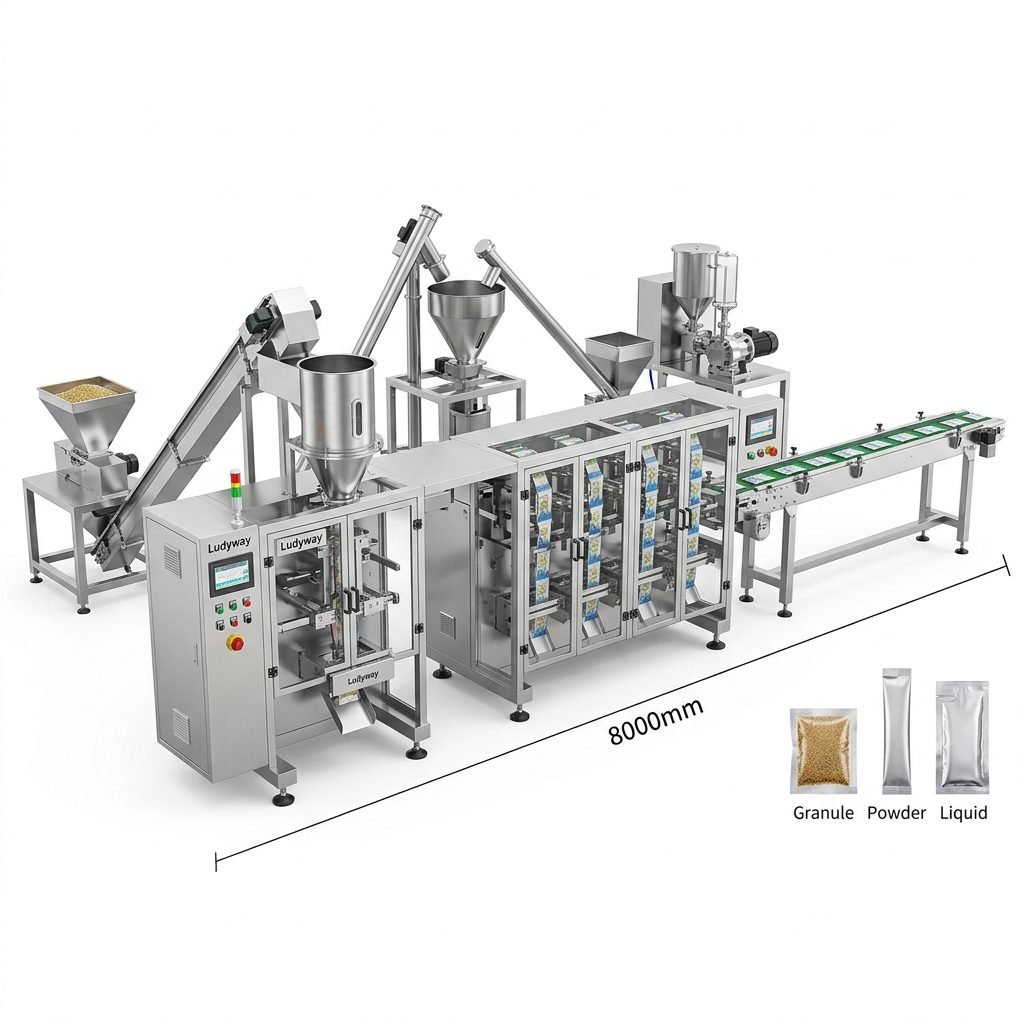
- Inline Integration: Can the machine interface with upstream equipment (cookers, conveyors) and downstream equipment (checkweighers, carton sealers, palletizers)?
- Inspection Systems: Integrated metal detectors, X-ray inspection, and vision systems ensure safety and prevent recalls—a critical requirement outlined in FDA Recognized Consensus Standards.
- Clean-in-Place (CIP) Systems: Essential for meal packing involving liquids or sticky sauces, CIP technology minimizes downtime during product changeovers.
5. Hygiene, Cleanability, and Regulatory Compliance
Sanitary design is non-negotiable in meal packing. Machines must adhere to strict food safety standards to prevent bacterial growth and cross-contamination. Look for these features:
- Sloped Surfaces: Prevents pooling of liquids.
- Stainless Steel Construction: Especially AISI 304 or 316L for food contact parts.
- Tool-Free Disassembly: Allows operators to quickly disassemble and clean filling parts without specialized tools.
- IP Rating: Ensure electrical cabinets and components are rated (e.g., IP65 or IP69K) to withstand high-pressure washdown environments required in meat and ready-meal processing. Refer to general ISO packaging standards for guidance on machinery safety and hygiene.
6. Key Machine Configurations for Different Applications
The table below provides a quick reference for matching machine configurations with specific meal types. Choosing the right configuration is as crucial as selecting the machine type itself.
| Meal Type | Recommended Machine Type | Critical Feature |
|---|---|---|
| Frozen Ready Meals | Vertical Form Fill Seal (VFFS) | Durable seal jaws for cold film, anti-frost controls. |
| Fresh Chilled Salads | Tray Sealer with MAP | Precise gas flushing ratio to maintain crispness. |
| Soups and Sauces | Premade Pouch Rotary Filler | Hot-fill capability, anti-drip nozzles. |
| Bulk Grain and Pasta Meals | VFFS with Auger Filler | Dust extraction system to prevent seal contamination. |
| Single-Serve Condiments | Multi-Lane Stick Pack Machine | High-speed precision dosing for minimal waste. |
7. Partnering with a Reliable Manufacturer
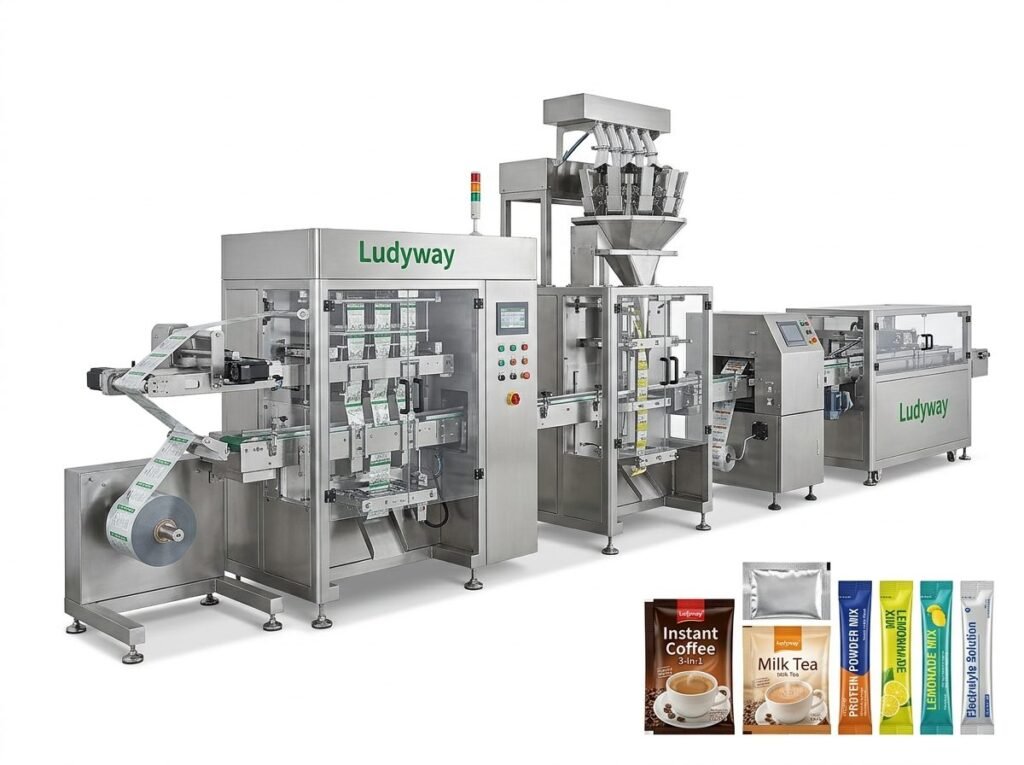
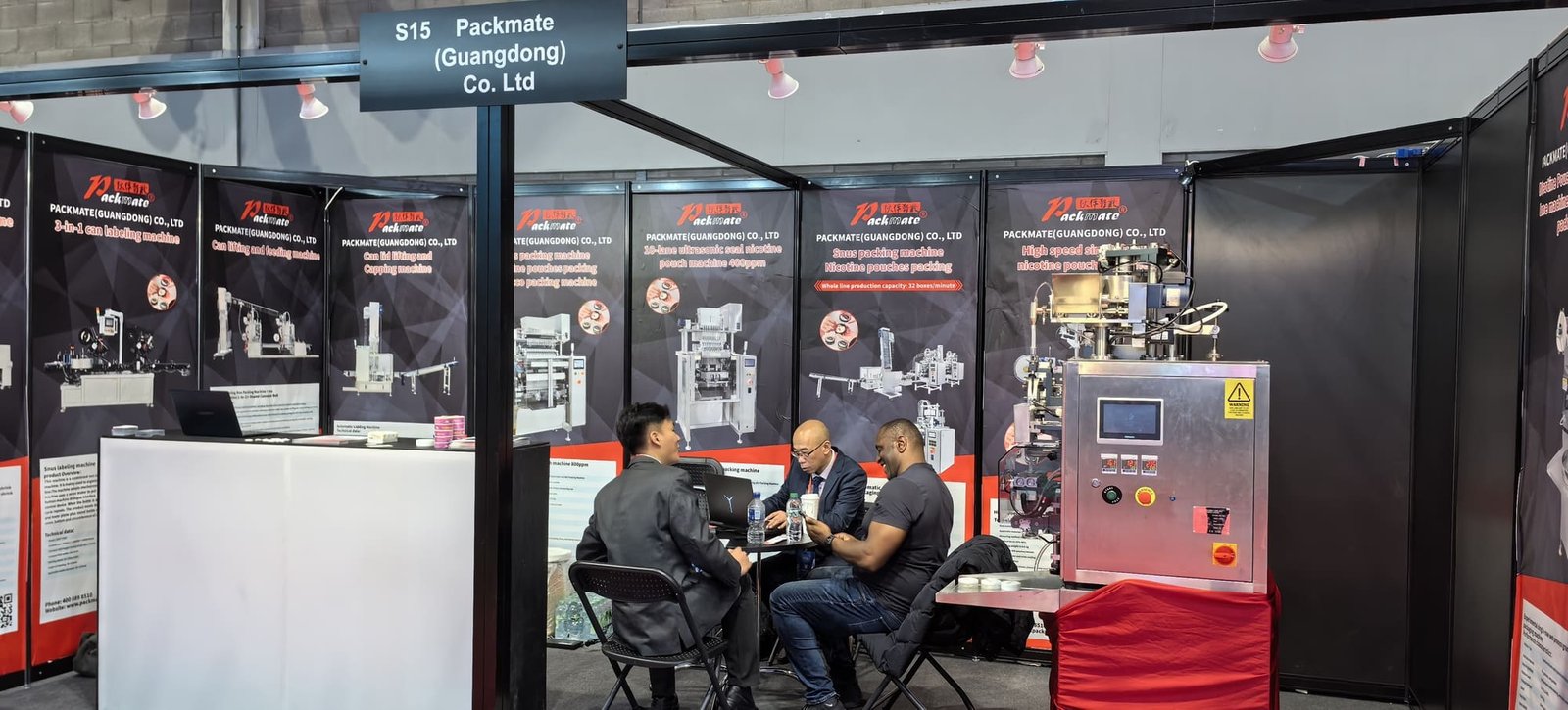
Selecting a machine is only half the equation; selecting the right engineering partner determines your long-term success. A capable manufacturer provides more than just equipment—they offer process knowledge, turnkey solutions, and global technical support. For instance, Ludyway Machinery, with over 30 years of experience, emphasizes a customized approach, tailoring equipment configurations to the specific product characteristics and factory layouts of meal producers across more than 100 countries. When assessing vendors, prioritize those offering in-house manufacturing, installation commissioning, and responsive after-sales service to maximize your return on investment and operational uptime.
8. Total Cost of Ownership and ROI Calculation
A meal packing machine is a capital investment, and the purchase price is merely the starting point. A comprehensive Total Cost of Ownership (TCO) analysis includes energy consumption, spare parts availability, film material waste rates, and labor requirements. Machines with precise servo-driven controls often have a higher upfront cost but offer significantly lower film waste and faster changeover times, often paying for themselves within the first year of high-volume operation. Consult market analyses like the PMMI State of the Industry report to benchmark your efficiency targets against industry averages.
9. Future-Proofing Your Packaging Line
Consumer trends in the meal sector evolve rapidly—from the rise of portion-controlled snack meals to the demand for sustainable packaging. Your chosen machine should be flexible enough to accommodate new bag sizes, film types, and product consistencies without requiring a complete overhaul. Modular designed machines allow you to upgrade specific modules—such as adding a nitrogen flushing system for longer shelf life or converting from single-lane to multi-lane—as your brand grows, ensuring your production line remains competitive in this dynamic market.