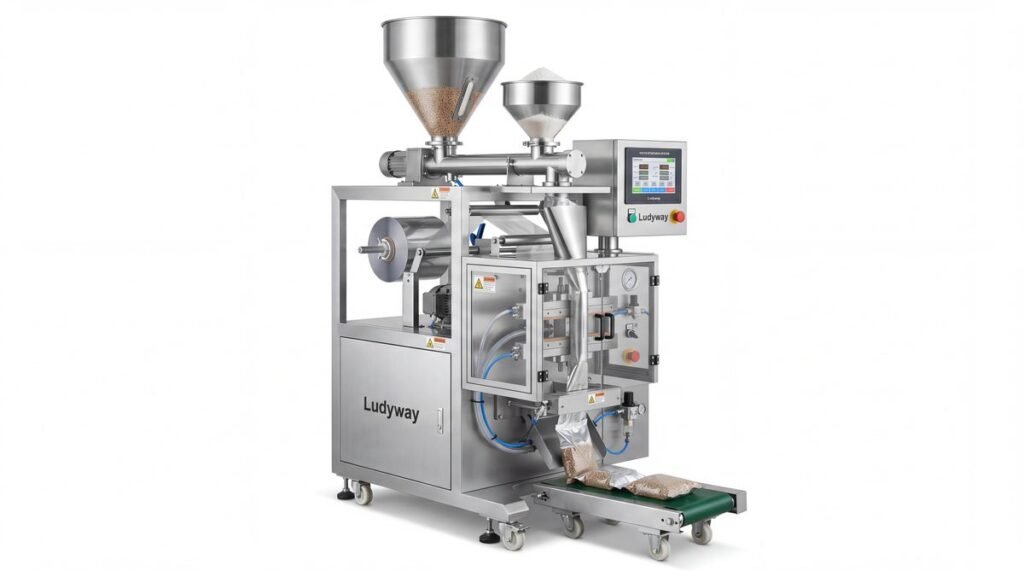
Selecting the right peanut butter packaging machine is a critical decision that directly impacts your production efficiency, product quality, and long-term operational costs. With dozens of machine types, configurations, and automation levels available on the market, the selection process can feel overwhelming. This comprehensive buyer’s guide walks you through the essential factors to evaluate — from product viscosity and filling technology to regulatory compliance and total cost of ownership — so you can make a confident, informed investment.
Peanut butter presents unique packaging challenges that standard liquid or dry product machines cannot handle effectively. Its semi-solid consistency, oil separation tendency, and temperature sensitivity demand specialized filling systems and careful machine configuration. Before diving into machine specifications, you need a clear understanding of how your product behaves under production conditions.
Understanding Your Peanut Butter Product Characteristics
Not all peanut butter is created equal. Your specific formulation will heavily influence which filling system and machine configuration is appropriate. Consider these critical product variables:
- Viscosity and flow behavior: Smooth peanut butter ranges from semi-pumpable to highly viscous. Crunchy varieties add particulate challenges. Your machine’s filling mechanism — whether piston, gear pump, or progressive cavity — must match your product’s rheology.
- Oil separation potential: Natural peanut butters separate during storage. Agitation systems integrated into the hopper prevent inconsistent fill weights and texture variations across production runs.
- Temperature processing requirements: Hot-fill, cold-fill, or ambient filling all affect sealing integrity and shelf life. The packaging machine must be compatible with your thermal processing parameters.
- Particulate size distribution: Crunchy peanut butter with large nut pieces requires filler nozzles and valve systems designed to handle particulates without clogging or damaging the product.
Types of Peanut Butter Packaging Machines
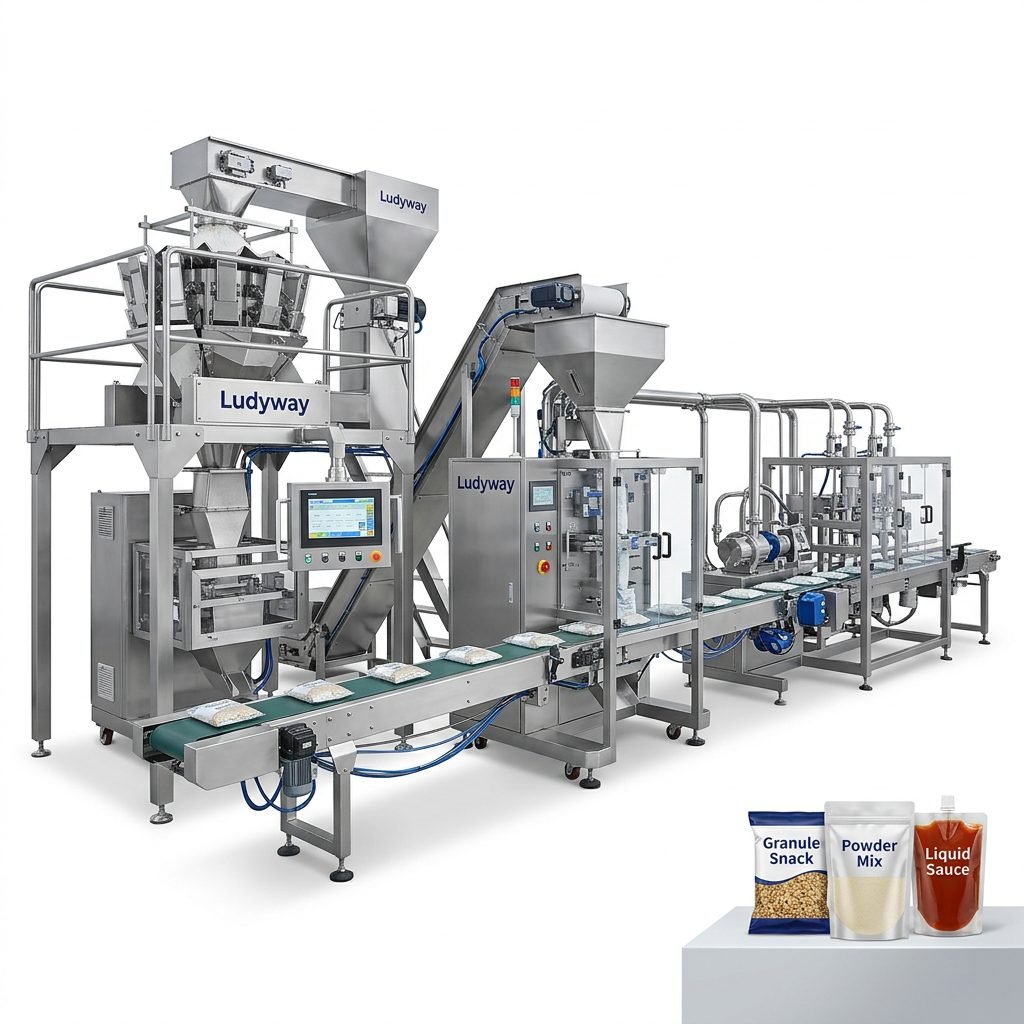
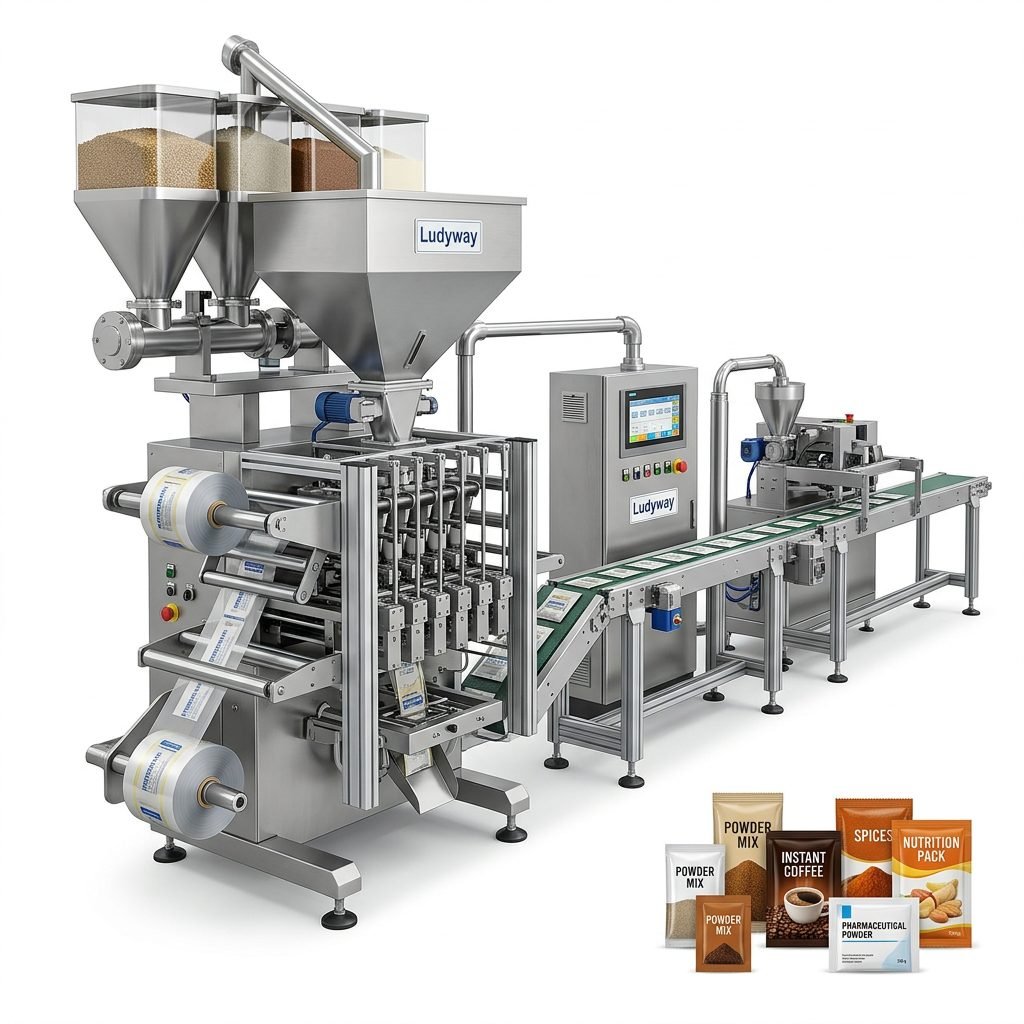
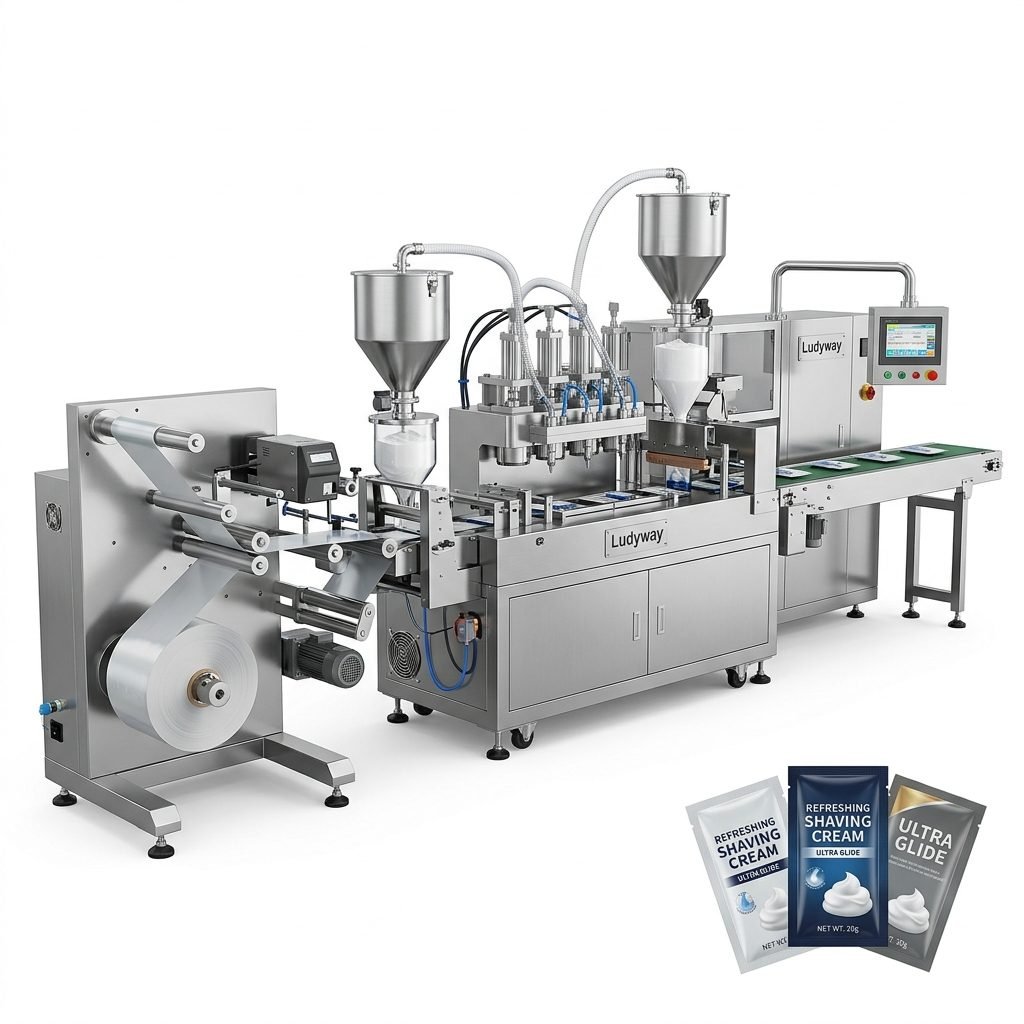
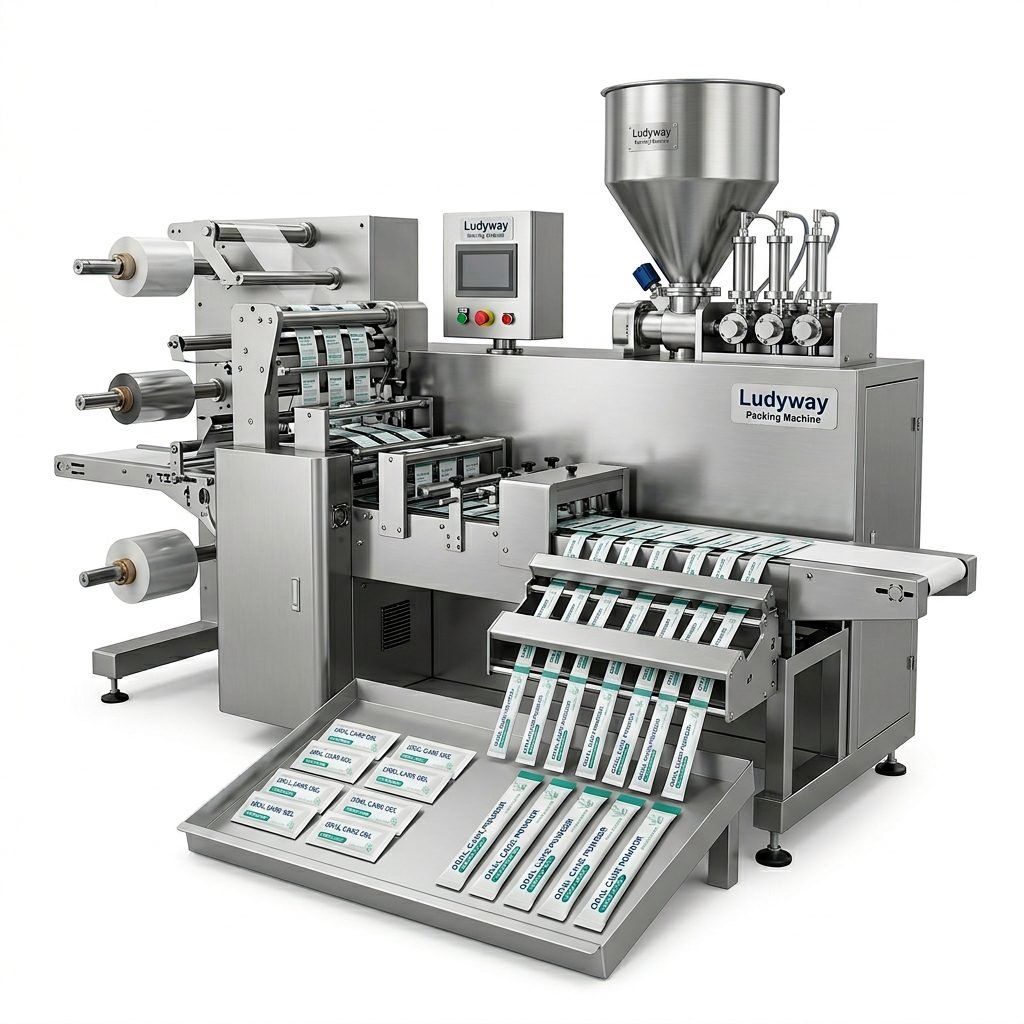
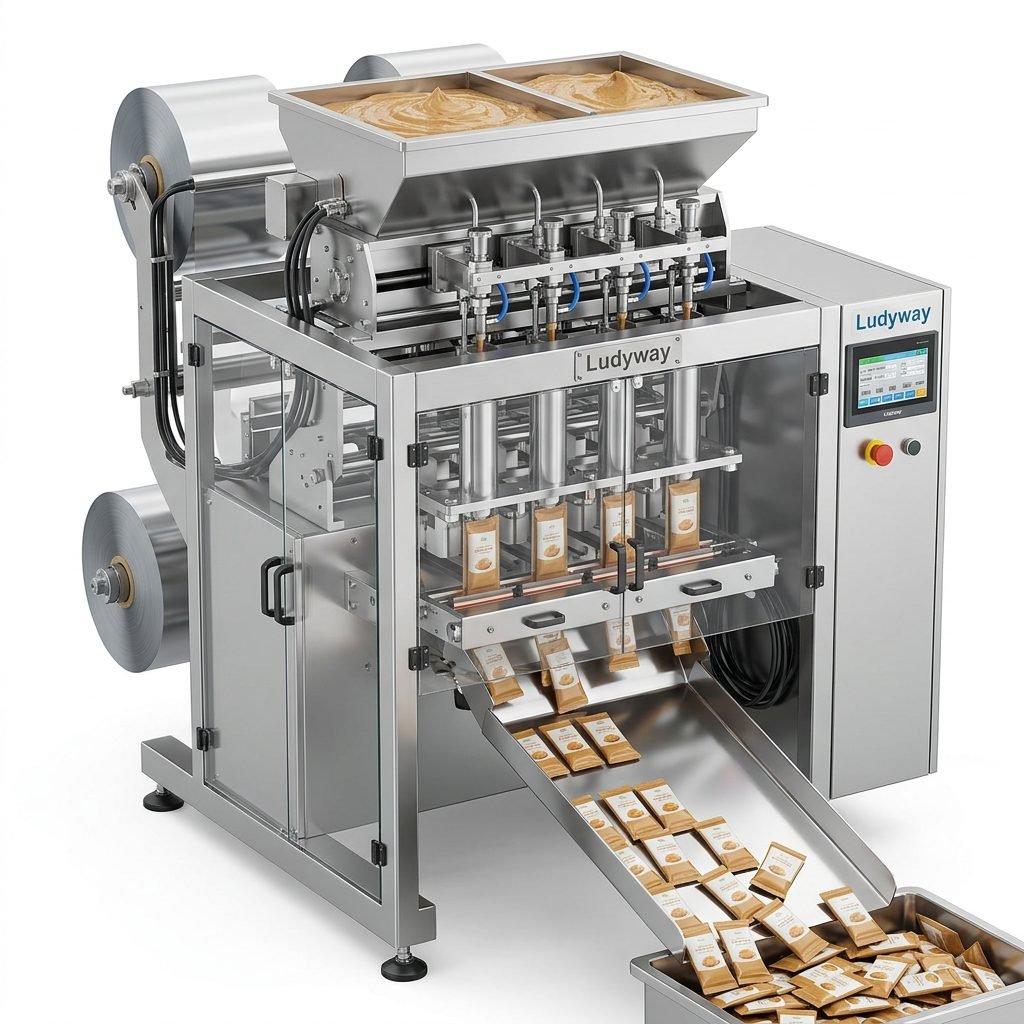
The packaging format you choose — jars, sachets, stick packs, pouches, or bulk containers — determines which machine category you need. Below is a comparison of common machine types used across the peanut butter industry:
| Machine Type | Best For | Filling Principle | Typical Speed Range |
|---|---|---|---|
| Piston Filler (Jar/Bottle) | Glass or plastic jars, retail containers | Positive displacement piston with diving nozzle | 30–120 containers/min |
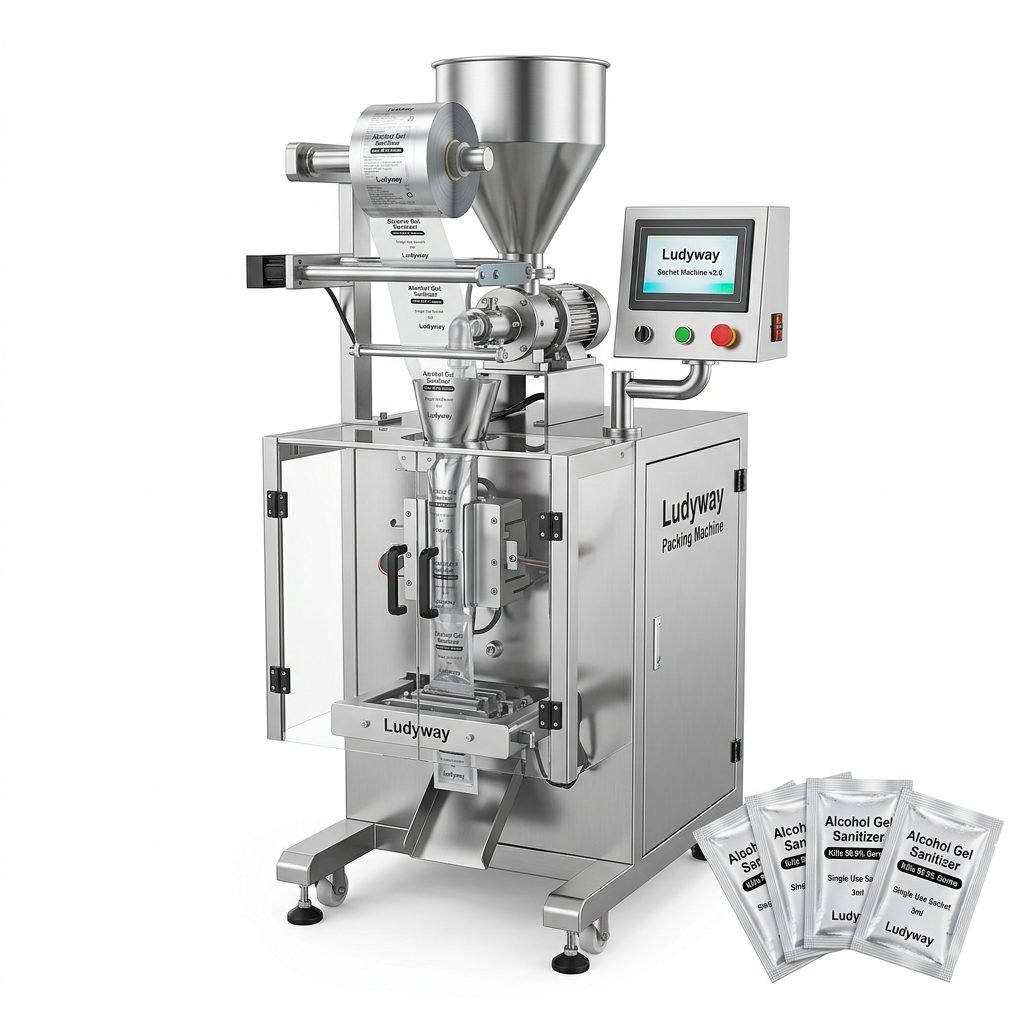
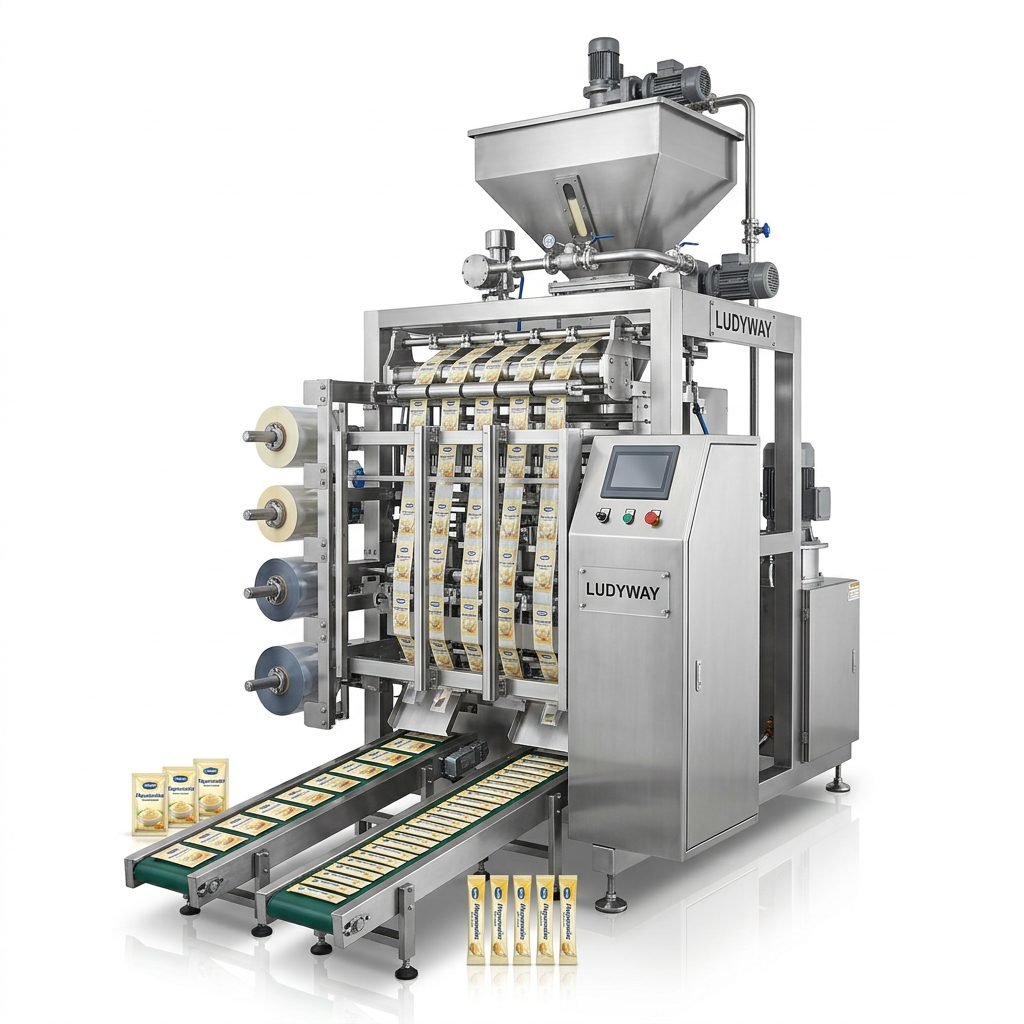
| Multi-Lane Sachet/Stick Pack | Single-serve portions, travel packs | Gear pump or servo-driven auger for pastes | 200–600 sachets/min (multi-lane) |
| Pre-Made Pouch Filler | Stand-up pouches, spouted pouches | Volumetric piston or net weight filling | 15–80 pouches/min |
| Bulk/IBC Filling System | Industrial buckets, pails, drums | High-flow pump with weight-based control | 5–30 containers/min |
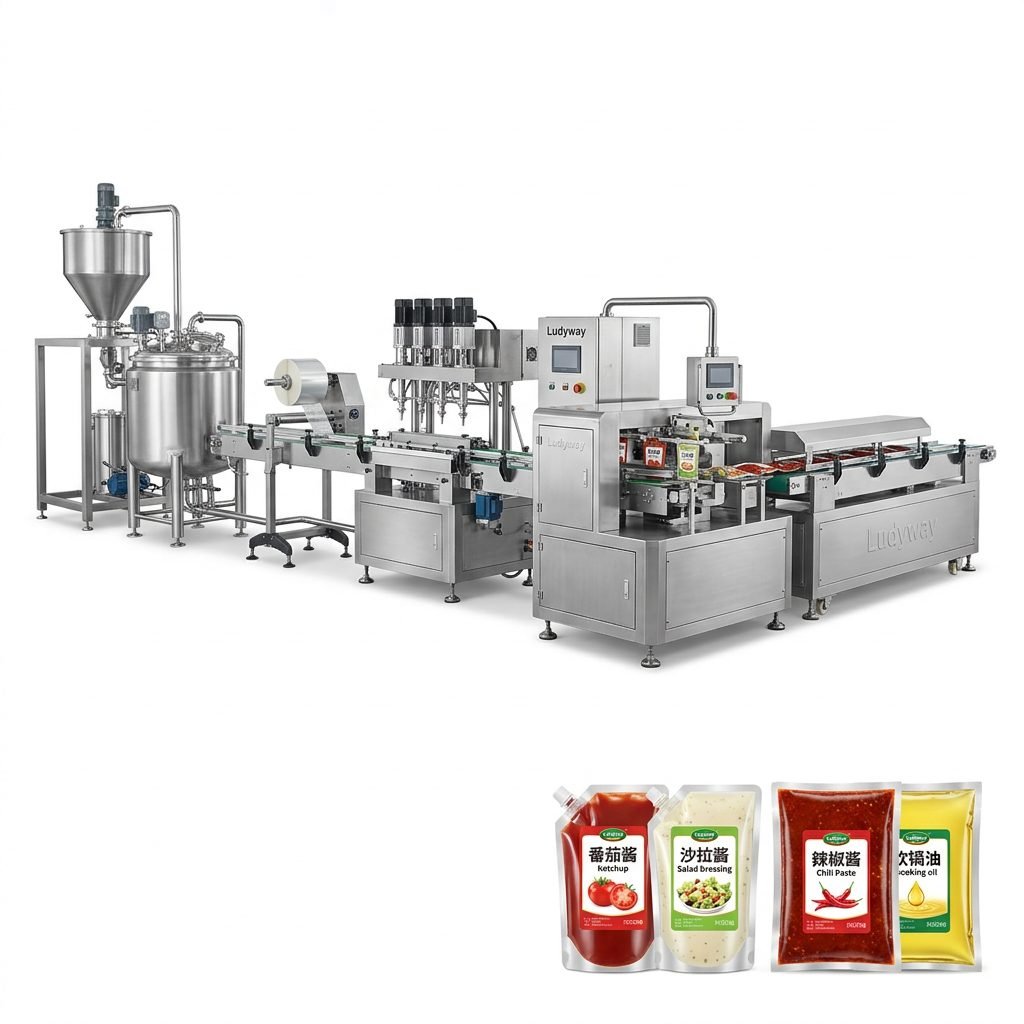
Each machine type requires different supporting equipment — from agitated hoppers and product pumps to nitrogen flushing systems for extended shelf life. When evaluating options, consider whether the manufacturer can provide an integrated solution rather than standalone machines.
Key Factors to Evaluate When Choosing a Machine
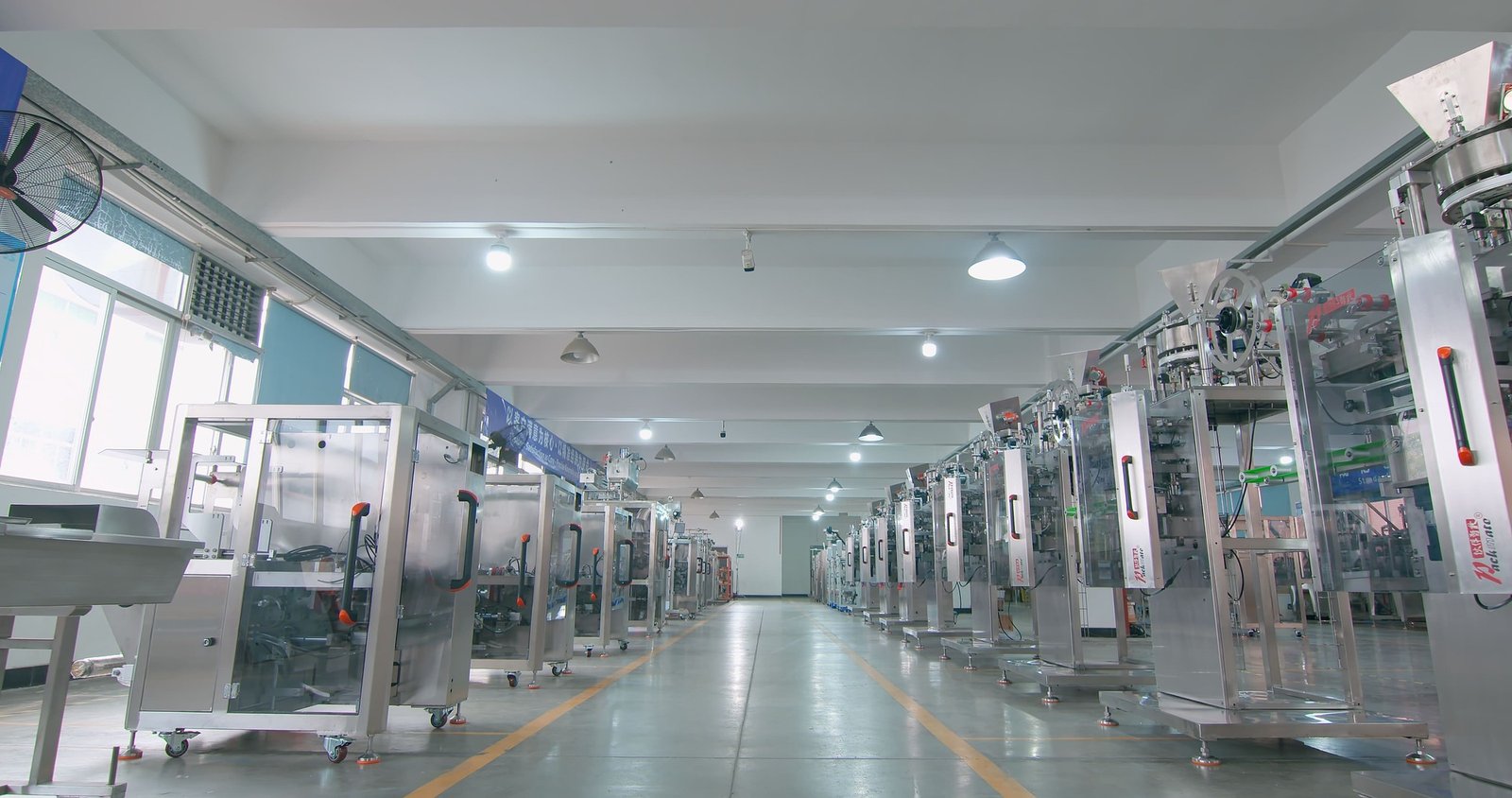
Beyond the basic machine type, several operational and technical factors determine whether a packaging system will perform reliably over years of continuous production. Evaluate each of these areas carefully:
Production Capacity and Automation Levels
Your current and projected output requirements should drive capacity decisions. A machine running at maximum rated speed continuously will experience more wear and downtime than one operating at 70–80% of its rated capacity. Consider:
- Peak shift output requirements versus average daily production volumes
- Changeover time between SKUs: If you produce multiple peanut butter variants or pack sizes, quick-change features significantly impact overall equipment effectiveness
- Integration with upstream processes: The filler must match the output of your grinding, mixing, and deaeration equipment
- Automation compatibility: Look for machines that support Industry 4.0 connectivity, remote diagnostics, and automated data collection
Packaging Material Compatibility
Peanut butter’s high oil content demands careful attention to packaging material selection. The machine must handle your chosen packaging substrate without compromising seal integrity. Key considerations include:
- Barrier film requirements: Oxygen and moisture barrier properties affect shelf life. Multi-layer laminates with aluminum foil or EVOH barriers require precise heat-sealing control
- Seal integrity: Oil contamination on seal areas is a leading cause of package failure. Machines should include seal area cleaning mechanisms or diving nozzle designs that prevent product contact with seal zones
- Sustainable packaging trends: Recyclable mono-material films and paper-based packaging may require different sealing parameters than traditional multi-layer films
Quality Standards and Regulatory Compliance
Food safety regulations impose strict requirements on equipment design and materials of construction. Your machine should comply with relevant standards for your target markets:
- FDA food contact compliance: All product contact surfaces must meet FDA requirements for food contact substances
- Sanitary design principles: Stainless steel construction, sloped surfaces, and tool-free disassembly for cleaning and sanitation
- HACCP compatibility: The machine design should facilitate critical control point monitoring and prevent contamination risks
- International certifications: CE marking, UL listing, or other certifications may be required depending on the installation location
Budget Considerations and Total Cost of Ownership
The purchase price of a peanut butter packaging machine is only one component of its total cost. A comprehensive financial analysis should account for:
- Installation and commissioning costs including facility modifications and utility connections
- Spare parts inventory: Critical wear components like seals, gaskets, and filling nozzles require periodic replacement
- Operator training requirements and ongoing labor costs for operation and changeover
- Energy consumption and compressed air requirements
- Expected service life and manufacturer warranty coverage
- Technical support availability: Responsive after-sales service minimizes downtime costs
Many manufacturers underestimate maintenance and operational costs. A robust packaging machine built with high-quality components and international-standard engineering typically delivers lower lifecycle costs despite a higher initial investment.
Making Your Final Decision
After evaluating product compatibility, machine types, capacity requirements, quality standards, and total cost, you should shortlist suppliers who demonstrate:
- Proven experience with high-viscosity, oil-based food products similar to peanut butter
- Ability to provide customized configurations rather than only standardized machines
- Comprehensive pre-sales engineering support and application testing capabilities
- Established global service network for ongoing technical support
- Documented compliance with international food safety and machinery standards
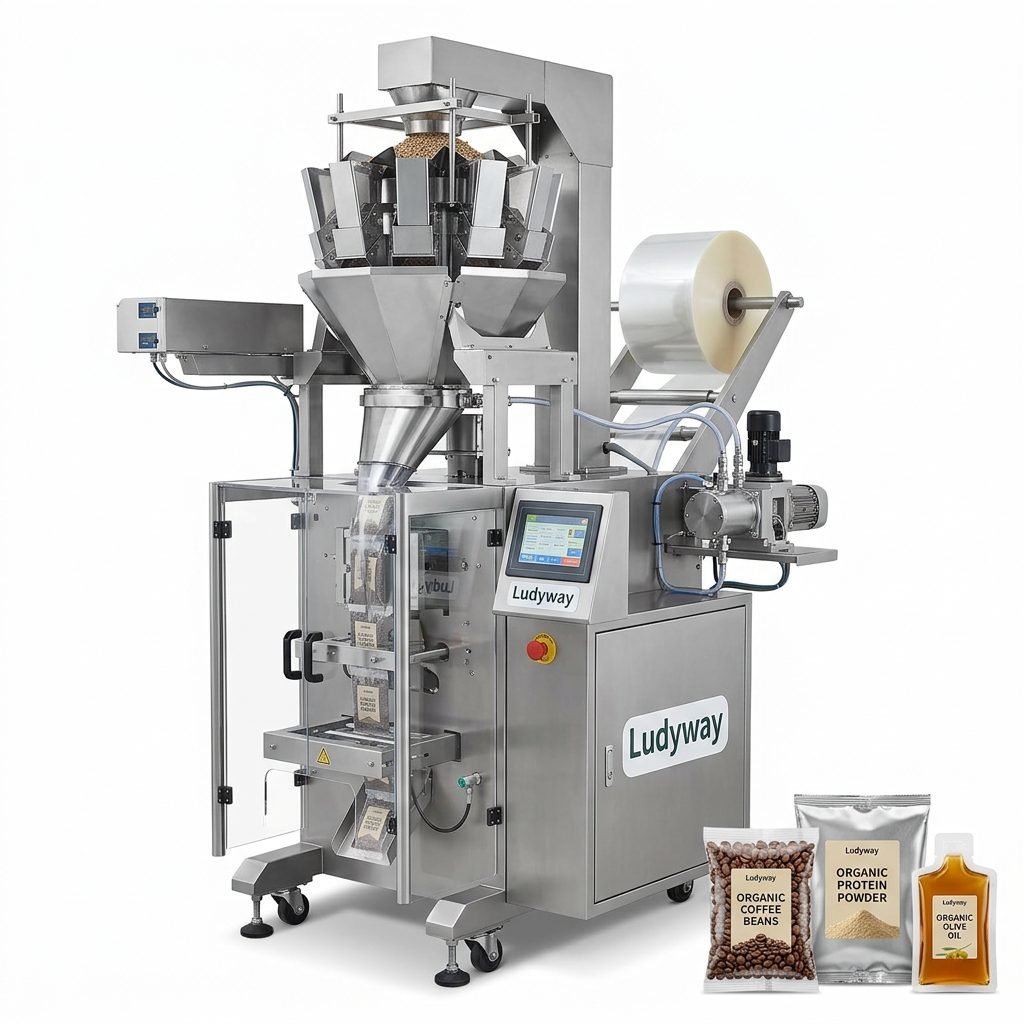
For manufacturers seeking a single packaging machinery partner, Ludyway Machinery offers integrated solutions spanning individual filling machines to complete turnkey packaging lines, with configurations tailored to specific product characteristics, production speeds, packaging formats, and regulatory requirements across more than 100 countries.
Final Recommendations
Choosing the right peanut butter packaging machine is a strategic decision that affects product quality, production efficiency, and market competitiveness. Prioritize product compatibility and build quality over the lowest purchase price. Request factory acceptance testing with your actual product, verify after-sales support capabilities, and ensure the machine can accommodate future packaging format changes. A well-chosen machine provides reliable performance for a decade or more, making thorough evaluation well worth the time invested.