Investing in a tissue packing machine represents a significant operational and financial commitment for manufacturers in the hygiene, personal care, and medical sectors. Whether you are automating a manual production line, expanding capacity, or entering a new product category, selecting the right equipment directly influences production efficiency, product quality, packaging consistency, and long-term return on investment.
This comprehensive buyer’s guide walks you through the critical factors to evaluate when choosing a tissue packing machine, from understanding your production environment and packaging formats to assessing machine configurations, automation levels, and after-sales support structures.

1. Define Your Tissue Packaging Requirements
Before comparing machine models or contacting suppliers, establish a clear specification of your packaging needs. This foundational step ensures every subsequent technical decision aligns with your operational goals.
Identify Your Tissue Product Type
Tissue products vary widely in dimensions, fold patterns, material thickness, and compressibility. Common categories include facial tissues, pocket tissues, hand towels, napkins, toilet paper rolls, and medical-grade tissue wipes. Each product type requires specific feeding, folding, counting, and wrapping mechanisms. A machine designed for flat pack facial tissues may not handle interfolded hand towels effectively without significant modifications. Clarify your primary product, any secondary variants, and the expected range of sheet counts per pack.
Determine Packaging Formats and Materials
The outer packaging format significantly influences machine selection. Options include polyethylene (PE) film overwrap, polypropylene (PP) film wrap, paper band wrapping, carton packaging, and pre-made pouch insertion. Each format serves different market segments and retail channels. For example, pocket tissues commonly use adhesive-sealed PE film, while premium facial tissue boxes require carton erecting and loading stations. Evaluate your target packaging material, seal type, print registration requirements, and any flexible packaging sustainability considerations that may influence material choice.
2. Evaluate Machine Speed and Production Capacity
Production speed is often the first specification buyers consider, but it must be evaluated in context with line efficiency, changeover frequency, and downstream handling capabilities.
Match Speed to Real Output Requirements
Tissue packing machines span a wide speed range, from 30 to 80 packs per minute for entry-level and mid-range models, to 100 to over 200 packs per minute for high-speed multi-lane systems. Rather than selecting the highest available speed, calculate your target daily or shift output, factor in typical downtime for changeovers and maintenance, and apply an 80–85% overall equipment effectiveness (OEE) estimate. This provides a realistic speed target that avoids overinvestment while ensuring sufficient capacity with room for growth.
Understand Multi-Lane Configuration Impact
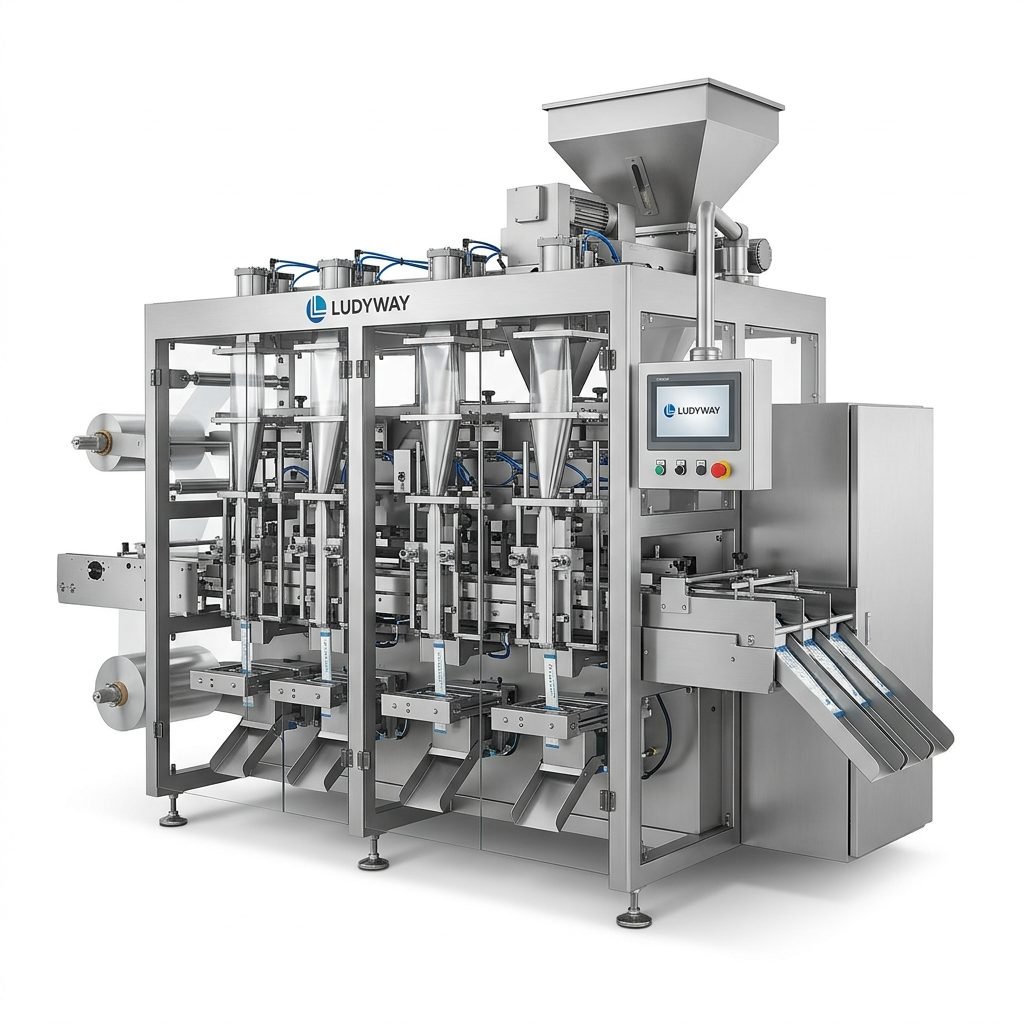
Many modern tissue packing machines offer multi-lane configurations, where multiple packaging lanes operate simultaneously. A four-lane machine running at a moderate per-lane speed can often match or exceed the output of a single-lane machine running at maximum mechanical speed, while operating with less stress, lower wear, and better film handling characteristics. Multi-lane designs also provide redundancy; if one lane stops for a minor issue, the remaining lanes continue production.
3. Assess Automation Level and Integration Needs
The degree of automation you require depends on labor availability, consistency expectations, and how the tissue packing machine fits into the broader production environment.
Semi-Automatic vs. Fully Automatic Systems
| Feature | Semi-Automatic | Fully Automatic |
|---|---|---|
| Product Feeding | Manual loading by operator | Automated feeding via conveyors or servos |
| Bag/In-Feed Handling | Manual tissue placement | Automated stacking and positioning |
| Operator Dependency | High, 1–3 operators per line | Low, often 1 operator oversees multiple lines |
| Typical Speed Range | 10–40 packs/min | 60–200+ packs/min |
| Best For | Small batch production, startups, niche products | High-volume manufacturing, 24/7 operations |
Integration with Upstream and Downstream Equipment
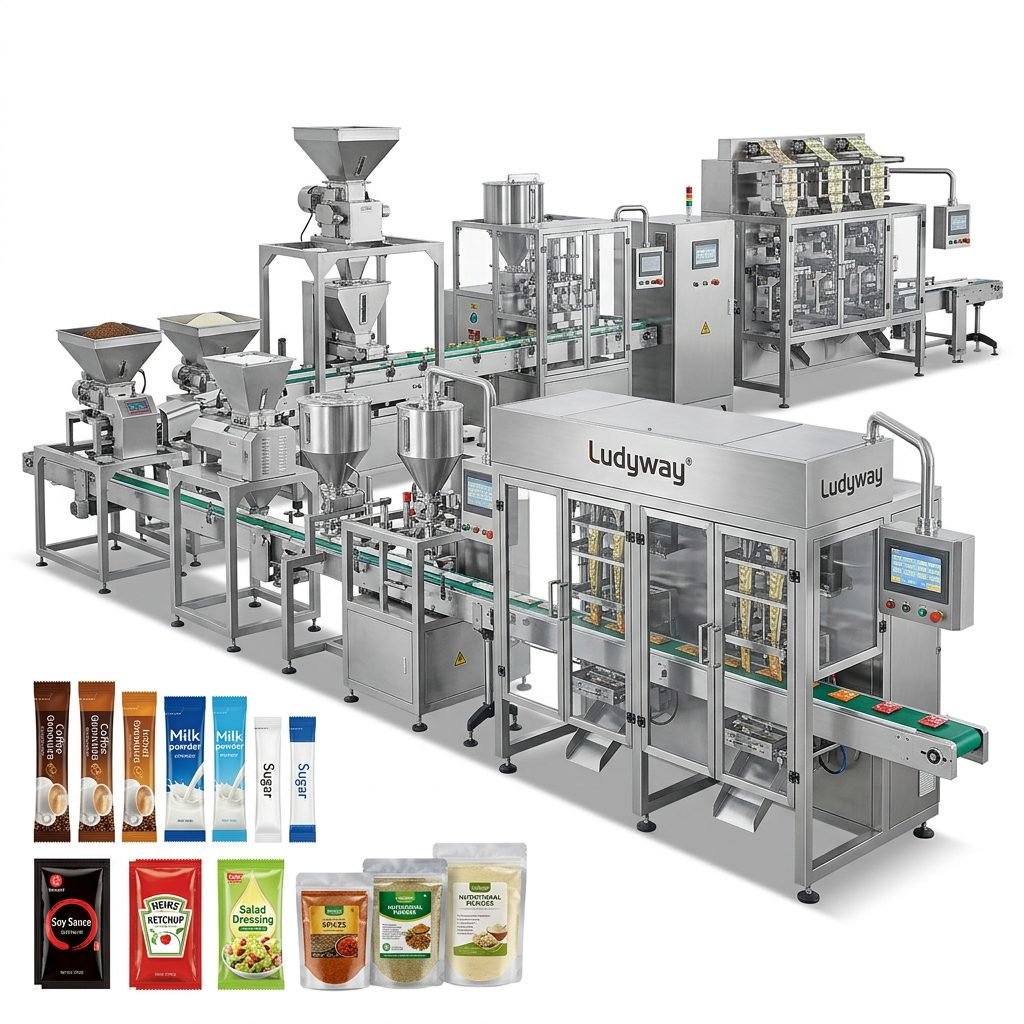
A tissue packing machine rarely operates in isolation. It typically connects to upstream tissue converting and folding equipment, and downstream packaging line components such as case packers, cartoners, checkweighers, coding and marking systems, and palletizers. When evaluating a machine, confirm the communication protocols it supports, the availability of physical interface points, and the supplier’s experience integrating complete production lines. A packaging line integrator approach ensures all equipment operates cohesively, reducing bottlenecks and minimizing the risk of incompatible components.
4. Examine Machine Construction and Technical Specifications
The physical construction, component selection, and control architecture of a tissue packing machine determine its durability, precision, and maintainability over years of operation.
Frame and Materials of Construction
Look for machines built on a rigid, welded steel frame that provides vibration damping and long-term dimensional stability. For hygiene-critical applications such as medical or food-contact tissue packaging, stainless steel construction with appropriate surface finishing is essential to meet washdown and cleanliness requirements. Frame rigidity directly impacts the consistency of sealing alignment, cutting accuracy, and overall packaging quality at high speeds. Verify that components contacting the tissue product or primary packaging material are constructed from food-grade or medical-grade materials as applicable.
Control System and Human-Machine Interface (HMI)
Modern tissue packing machines rely on PLC-based control systems with touchscreen HMIs for parameter setting, recipe management, and diagnostic display. Evaluate the control system for ease of use, recipe storage capacity, multi-language support, and remote access capabilities. A well-designed HMI allows operators to quickly switch between product formats, adjust sealing temperatures and dwell times, and troubleshoot issues through clear alarm messaging and guided recovery procedures. Compatibility with Industry 4.0 standards and production monitoring software can provide valuable operational insights as your digital transformation strategy evolves.
5. Consider Changeover Flexibility and Format Range
Production agility is increasingly important as brands introduce more SKUs, limited editions, and regional packaging variations. A tissue packing machine that offers fast, repeatable changeovers between different pack sizes and formats provides a significant operational advantage.
Changeover Time and Complexity
Evaluate the mechanical design features that facilitate quick changeovers, including handwheel adjustments with digital position indicators, quick-release mechanisms, tool-less change parts, and servo-driven format changes that recall parameters from the recipe database. Servo-driven machines can often complete a full format changeover in under 15 minutes, while mechanically adjusted machines may require 30 to 60 minutes or longer depending on the number of adjustment points and operator experience. For operations with frequent product changes, this time difference accumulates into significant production hours over the course of a year.
Pack Size and Format Flexibility
Consider the range of tissue pack sizes, sheet counts, fold patterns, and wrapping formats the machine can accommodate. Some machines are purpose-built for a narrow range of standard pocket tissue formats, while others offer broader flexibility across multiple product families. If your product portfolio is likely to expand, or if you undertake contract packaging for multiple brands, a more flexible platform may provide better long-term value even if the initial investment is moderately higher. Confirm with the supplier which format changes require change parts and which can be accomplished through parameter adjustments alone.
6. Evaluate Sealing Technology and Packaging Quality
The sealing system is the heart of any tissue packing machine. Seal integrity directly affects product protection, shelf appeal, and consumer perception of quality.
Heat Sealing vs. Cold Sealing Technologies
- Heat Sealing: The most common method for tissue overwrap. Heated sealing jaws or bars apply controlled temperature and pressure to bond the film layers. Look for PID temperature controllers that maintain precise, stable temperatures, and independently adjustable sealing zones that allow fine-tuning for different film types and thicknesses.
- Cold Sealing / Adhesive Sealing: Used for certain paper-based wraps or specialty films where heat may damage the tissue product. Cold seal films have pre-applied adhesive patterns that bond under pressure. This method can be gentler on heat-sensitive products but typically requires specific film materials and may have slower line speed capabilities.
Seal Quality Verification and Process Control
Consistent high-quality seals require more than just appropriate temperature settings. Evaluate whether the machine includes features such as seal pressure monitoring, temperature deviation alarms, missed seal detection, or integrated vision inspection systems that verify seal integrity and print registration. For applications requiring validated packaging processes, such as medical tissue products governed by ISO 11607 packaging standards, these process monitoring and documentation capabilities become essential rather than optional.
7. Analyze Total Cost of Ownership (TCO)
The purchase price of a tissue packing machine represents only a fraction of the total cost over its service life. A thorough TCO analysis includes energy consumption, film waste rates, spare parts costs, maintenance labor, and expected service life.
Film and Material Efficiency
Packaging film is one of the largest recurring costs in tissue packaging operations. Machines with precise film tension control, accurate cut-off registration, and minimized sealing margins can significantly reduce film consumption per pack. Even a 2–3% reduction in film usage on a high-speed line can translate into substantial annual savings. Ask suppliers to provide film waste percentage estimates and request references from customers running similar products to verify real-world material efficiency.
Maintenance Requirements and Spare Parts
| Cost Factor | Consideration | Impact on TCO |
|---|---|---|
| Energy Consumption | Motor efficiency, heating system design, standby modes | Recurring annual operating cost |
| Film Waste | Registration accuracy, sealing margin design, splice waste | Major recurring material cost |
| Wear Parts | Sealing elements, cutting blades, belts, bearings | Predictable replacement cycle cost |
| Downtime Cost | Reliability track record, diagnostic capability, spare parts availability | Lost production value per hour of downtime |
| Service Life | Build quality, component brands, operating environment | Depreciation period and long-term ROI |
8. Verify Supplier Experience and Technical Support Capabilities
The relationship with your equipment supplier extends far beyond the initial sale. Technical support quality, responsiveness, and global reach directly influence your machine’s long-term performance and productivity.
Industry Experience and Application Knowledge
Evaluate the supplier’s specific experience in tissue and hygiene product packaging, not just general packaging machinery. A supplier that understands the unique handling characteristics of tissue products—including product compressibility, dust generation, static electricity challenges, and surface sensitivity—can provide more relevant machine recommendations and troubleshoot issues more effectively than a generalist supplier. Review case studies, ask for customer references in your specific product category, and, if possible, visit existing installations to observe machines running in real production environments.
After-Sales Service and Spare Parts Availability
Confirm the supplier’s service infrastructure in your region, including the availability of field service engineers, remote technical support response times, spare parts inventory locations, and typical lead times for critical components. For manufacturers operating in multiple countries, a supplier with global service capabilities can provide consistent support across different production sites. Ludyway Machinery, a China-based packaging machinery manufacturer with more than 30 years of experience and a 20,000-square-meter manufacturing facility, provides turnkey packaging solutions and technical support to customers in over 100 countries and regions, offering machine selection, system integration, installation, commissioning, operator training, and after-sales service throughout the project lifecycle.
9. Review Machine Certification and Regulatory Compliance
Depending on your target markets and product category, the tissue packing machine may need to meet specific regulatory and safety standards.
Machinery Safety and Electrical Standards
Verify that the machine is designed and built in accordance with applicable machinery directives and safety standards for your region, such as CE marking requirements for the European market, or equivalent local standards. Key safety features should include interlocked guarding, emergency stop circuits, overload protection, and comprehensive safety-related control system design. Review the supplier’s ability to provide the necessary technical documentation, risk assessments, and declarations of conformity required for import and operation in your country.
Industry-Specific Compliance Requirements
For tissue products intended for food contact, medical use, or pharmaceutical handling, the packaging process may need to comply with additional requirements related to material compatibility, cleanliness, and process validation. FDA food packaging and food contact substances regulations and relevant ISO packaging standards may apply depending on your product classification and intended market. Discuss these requirements with potential suppliers early in the evaluation process to ensure their equipment can be configured and documented appropriately for your compliance needs.
10. Plan for Installation, Commissioning, and Operator Training
Even the best-designed tissue packing machine will underperform if not properly installed, commissioned, and operated. A structured installation and training plan lays the foundation for long-term operational success.
Site Preparation and Installation Support
Work with the supplier to define all utility requirements (electrical power, compressed air, exhaust if applicable), floor space and access clearances, and foundation or anchoring specifications well in advance of the machine delivery. Clarify whether the supplier provides on-site installation supervision, and understand the division of responsibilities between your facility team and the supplier’s technicians. Thorough pre-installation planning reduces the risk of delays and ensures the machine is operational as quickly as possible after arrival.
Operator Training and Documentation
Effective operator training goes beyond basic machine operation. It should cover daily startup and shutdown procedures, product changeover sequences, common troubleshooting, cleaning and sanitation procedures, and preventive maintenance tasks. Request comprehensive machine manuals, spare parts lists, and maintenance schedules in a language your team can fully understand. Some suppliers also offer train-the-trainer programs, which enable your senior operators to cascade knowledge throughout the production team, building internal capability and reducing dependence on external support for routine matters.
Making the Final Decision
Selecting the right tissue packing machine requires balancing technical specifications, commercial considerations, and long-term partnership factors. Beyond comparing speed and price, successful buyers evaluate the complete package: machine construction quality, automation level, changeover flexibility, sealing performance, total cost of ownership, regulatory compliance, and supplier support infrastructure. By applying the structured evaluation approach outlined in this guide, you can make a well-informed decision that supports efficient tissue packaging operations and positions your business for confident, sustainable growth.