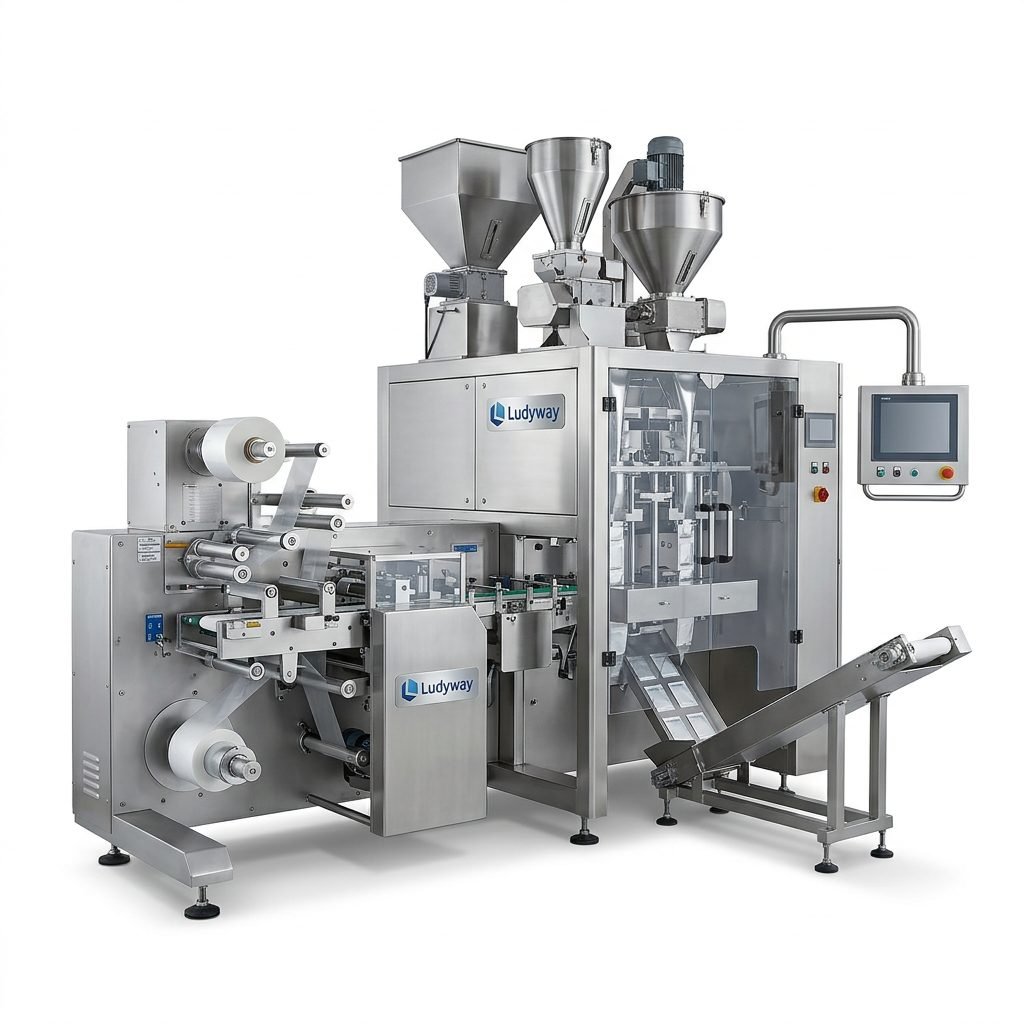
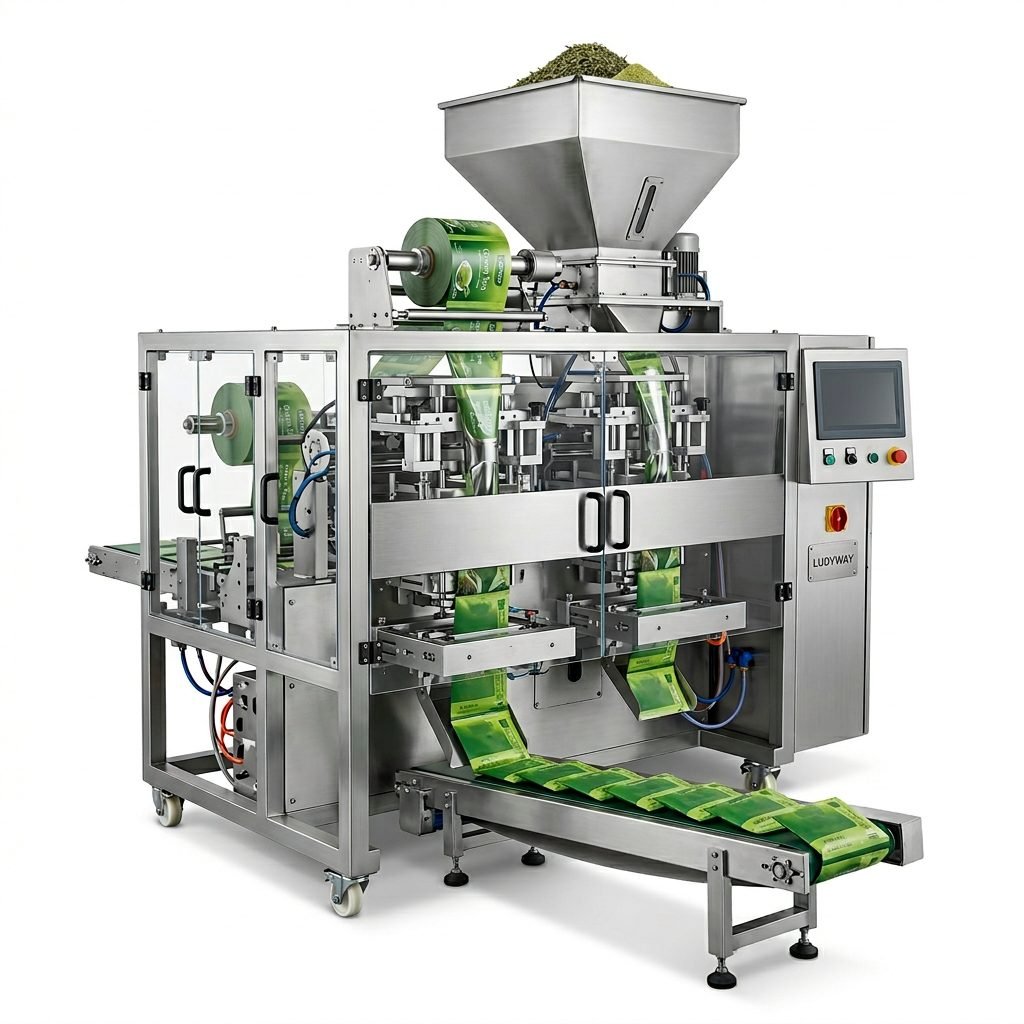
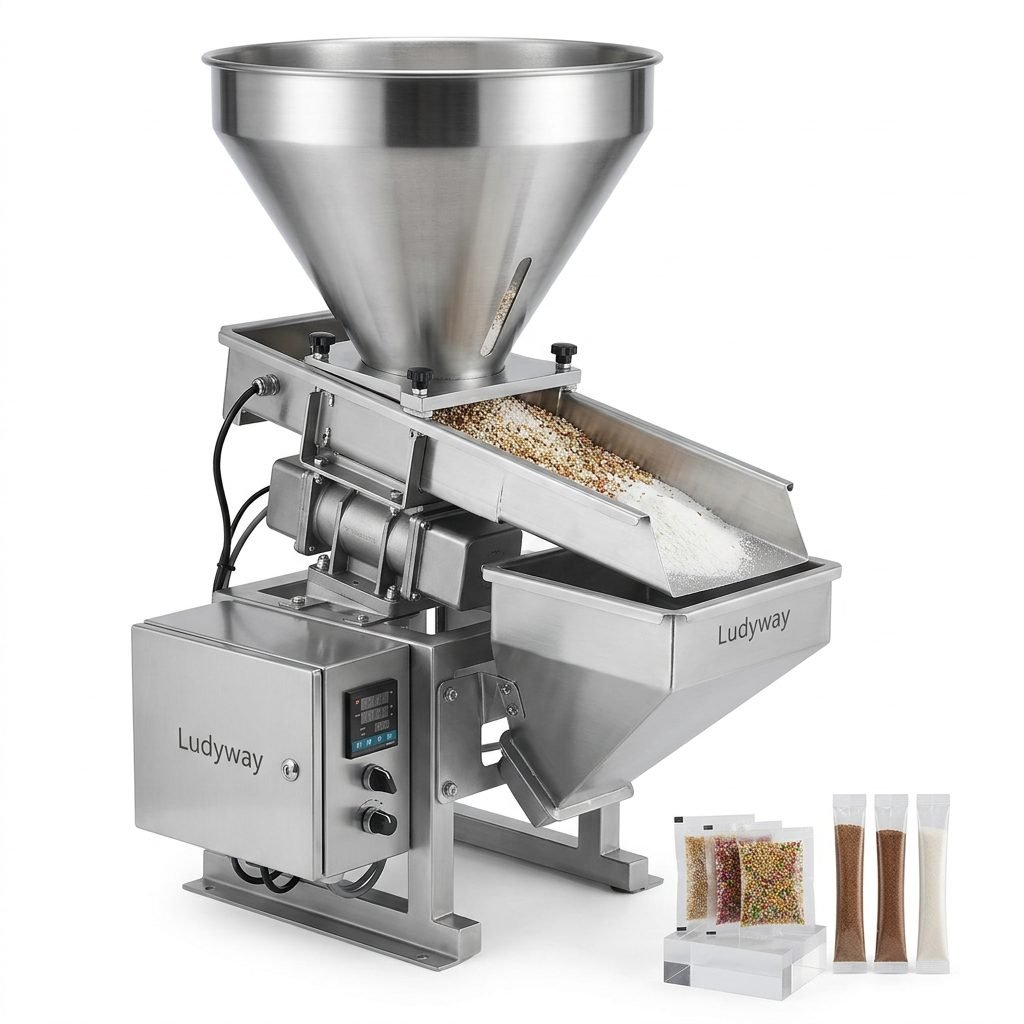
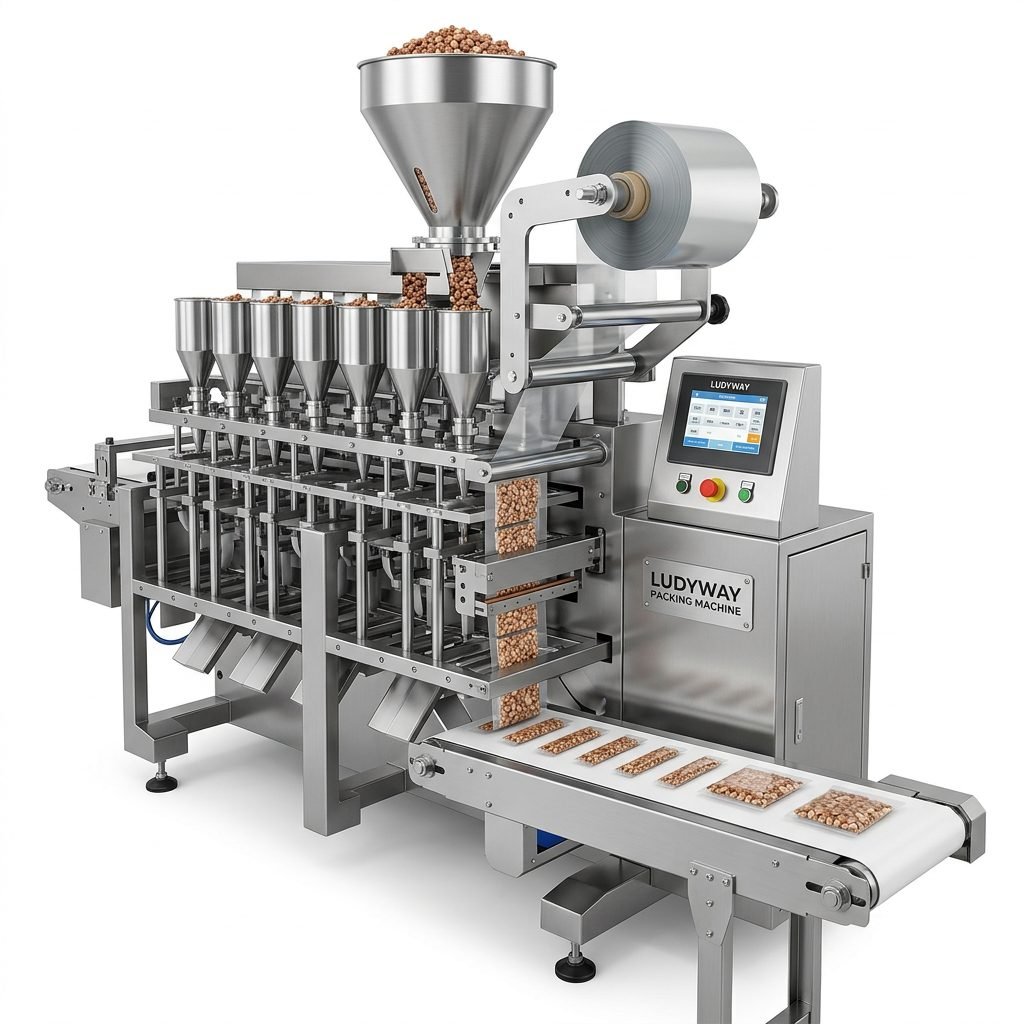
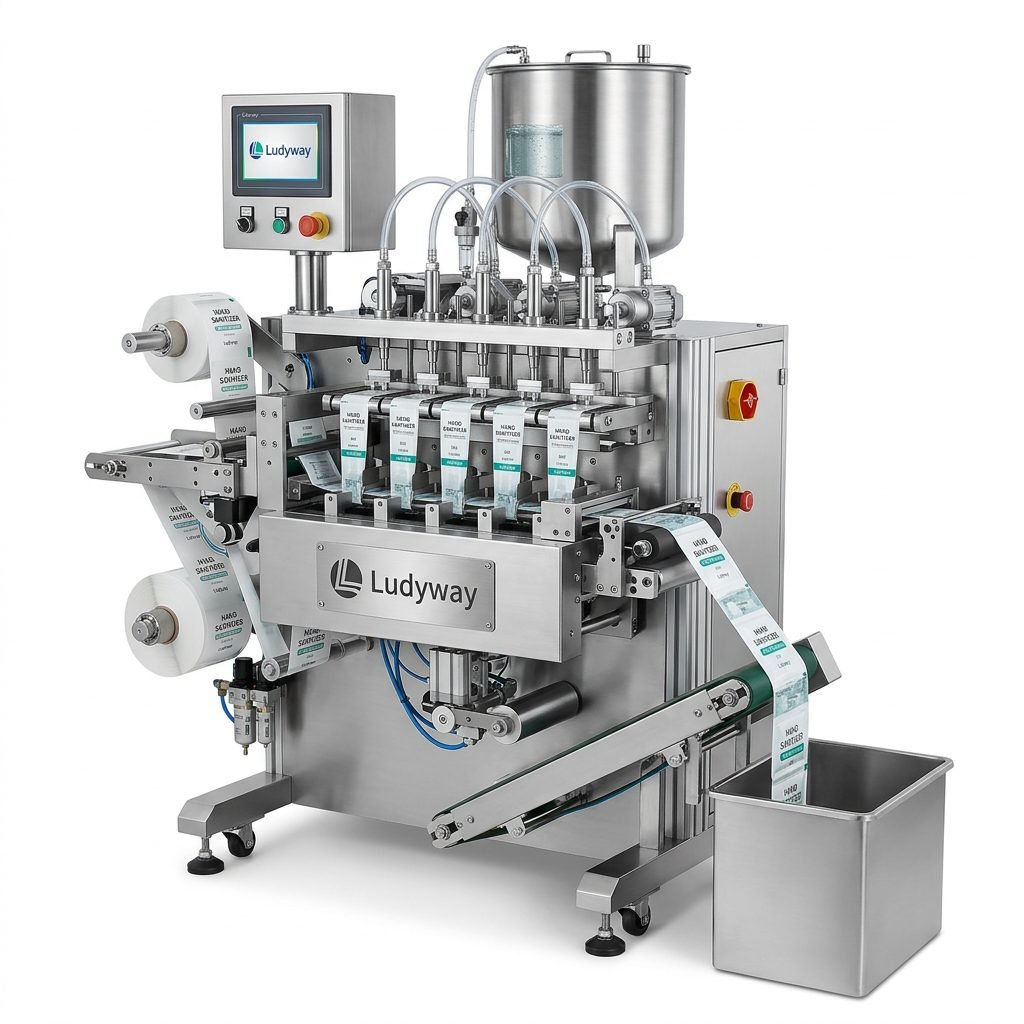
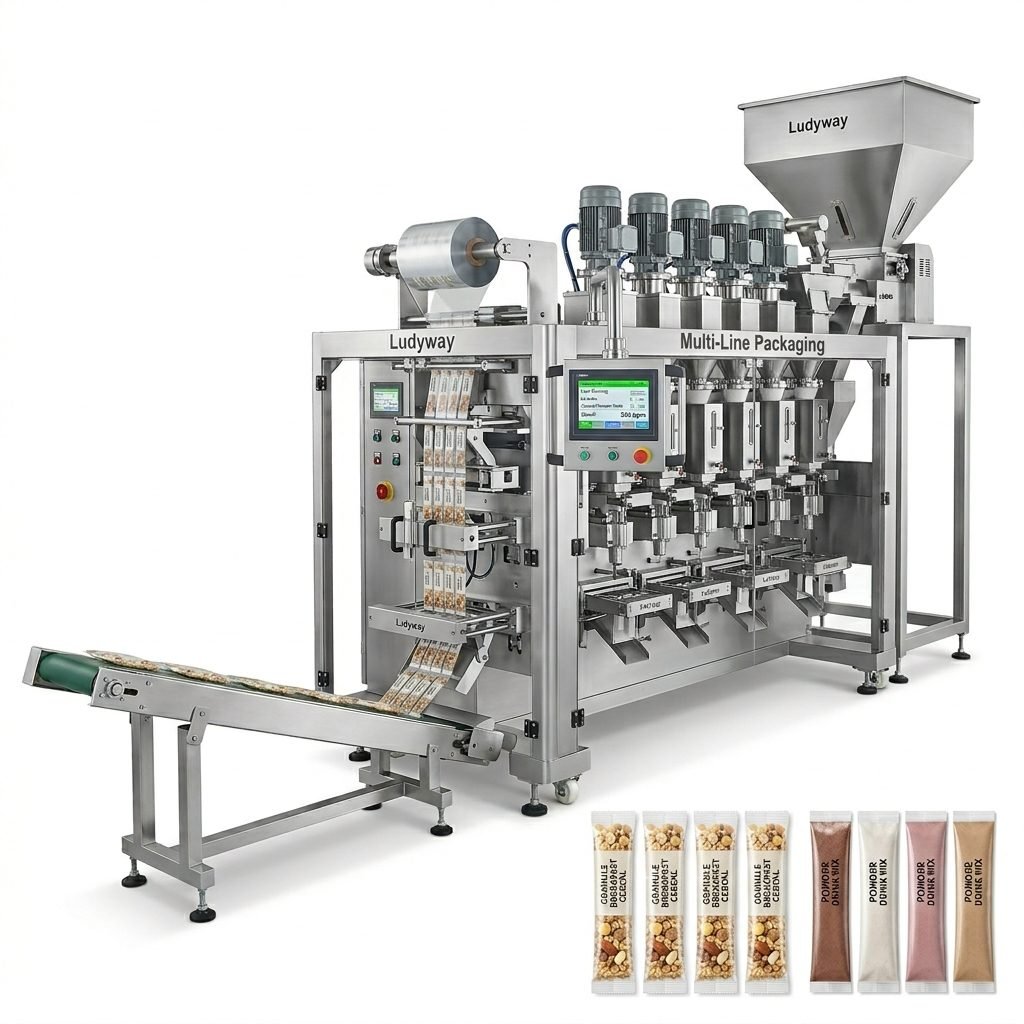
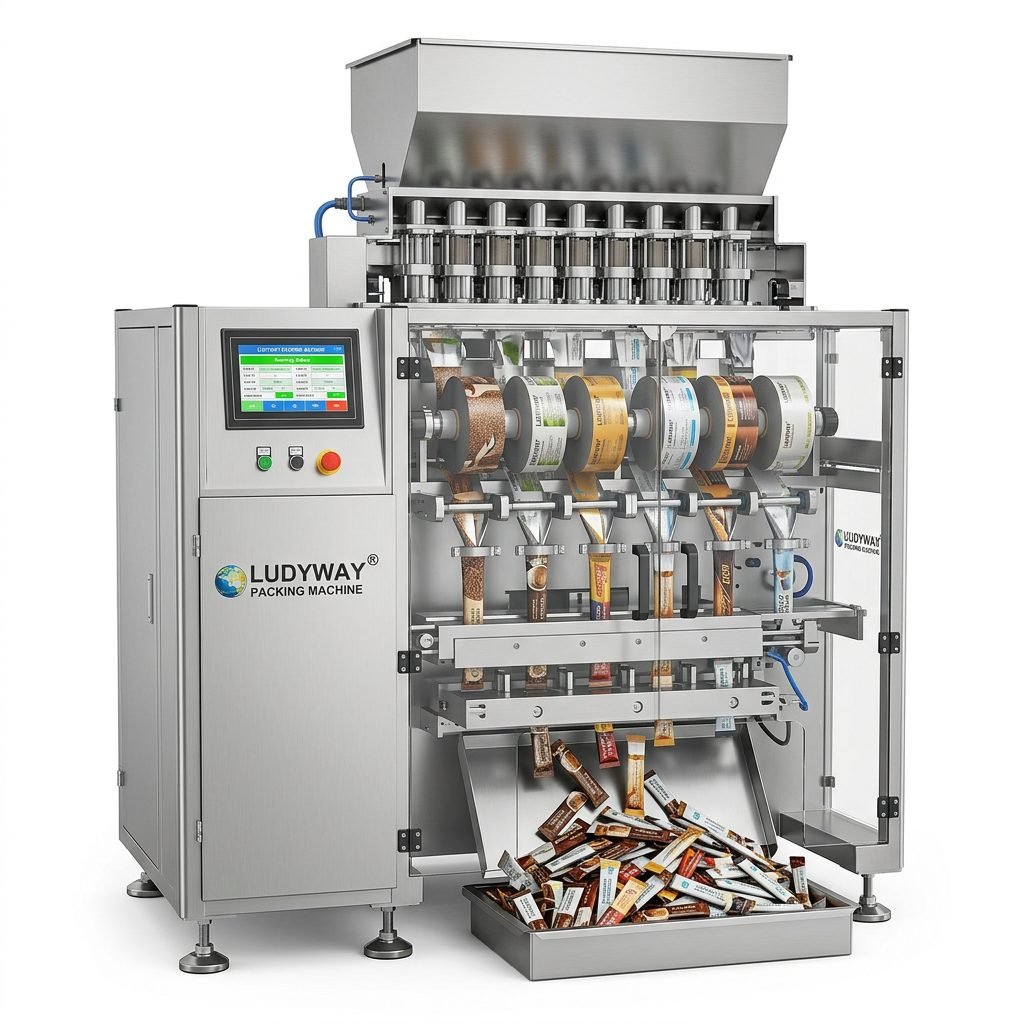
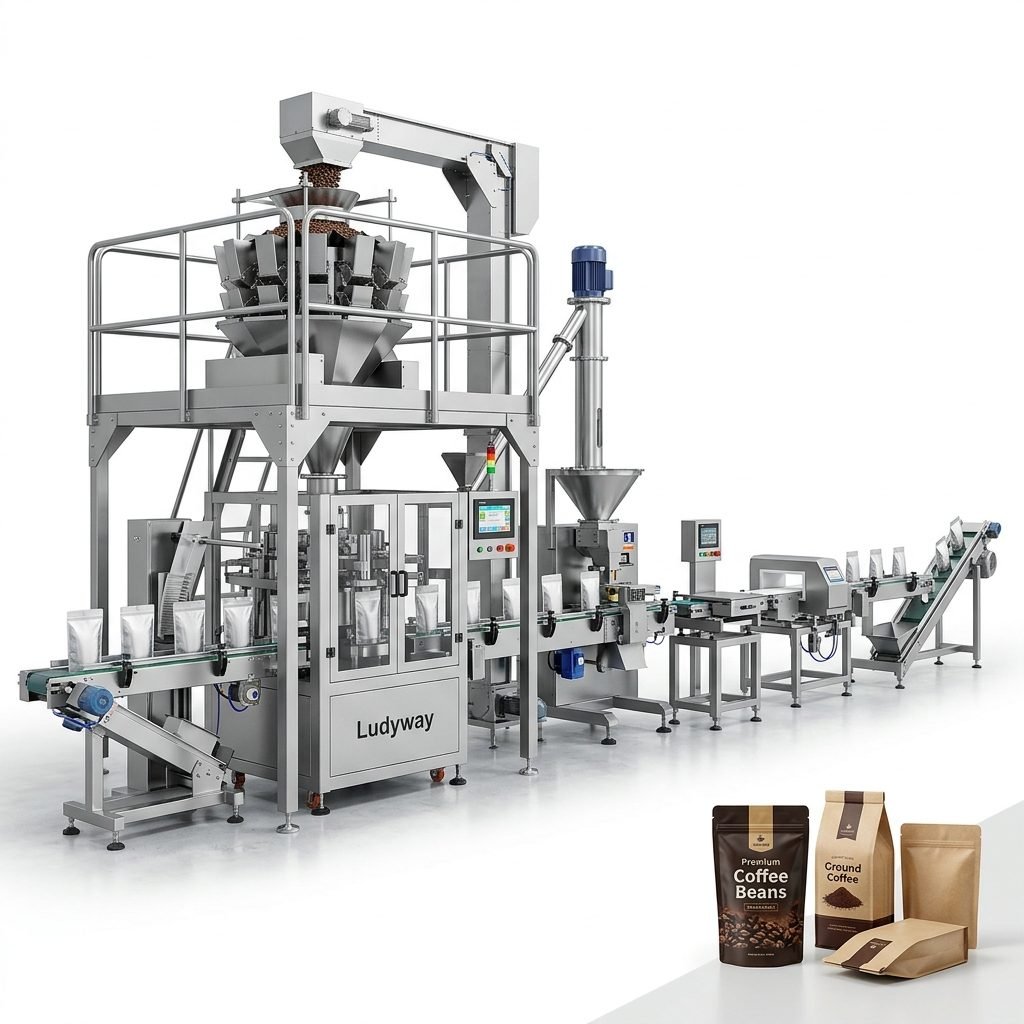
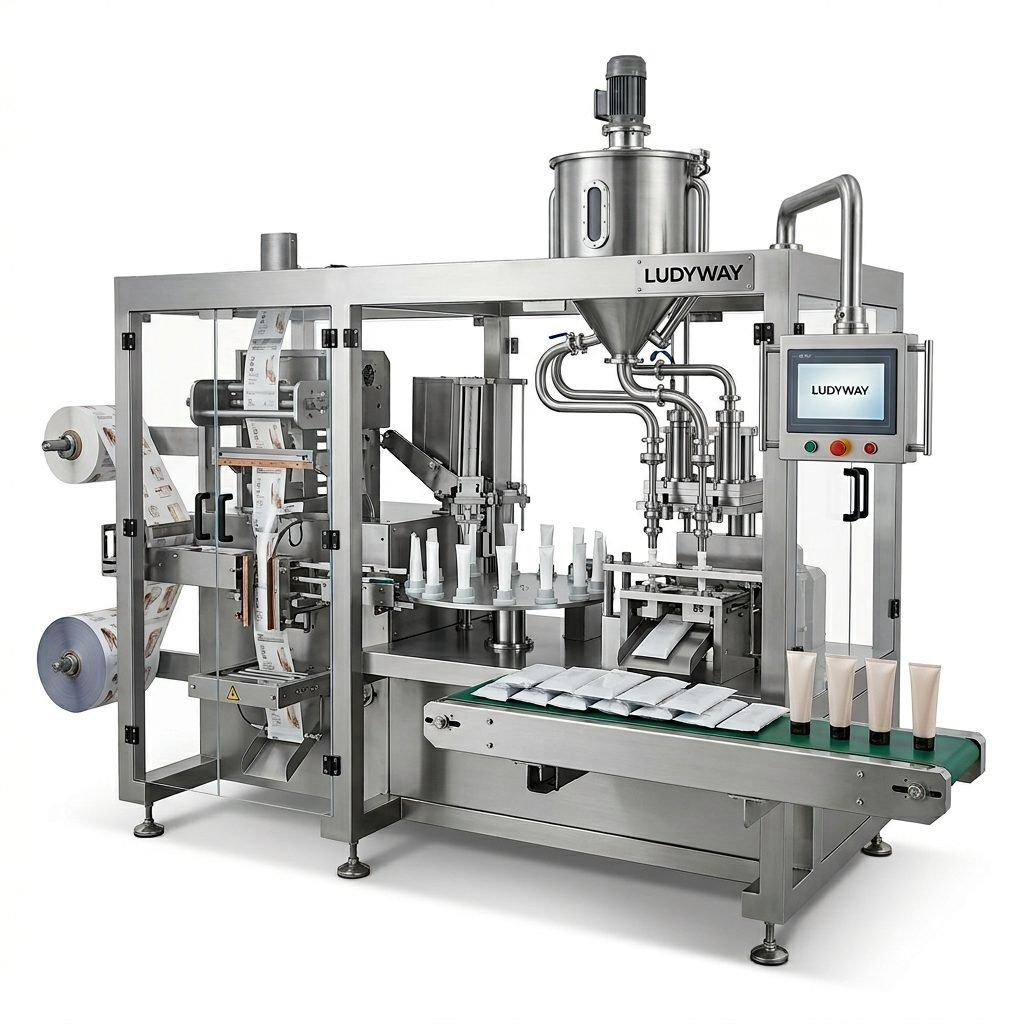
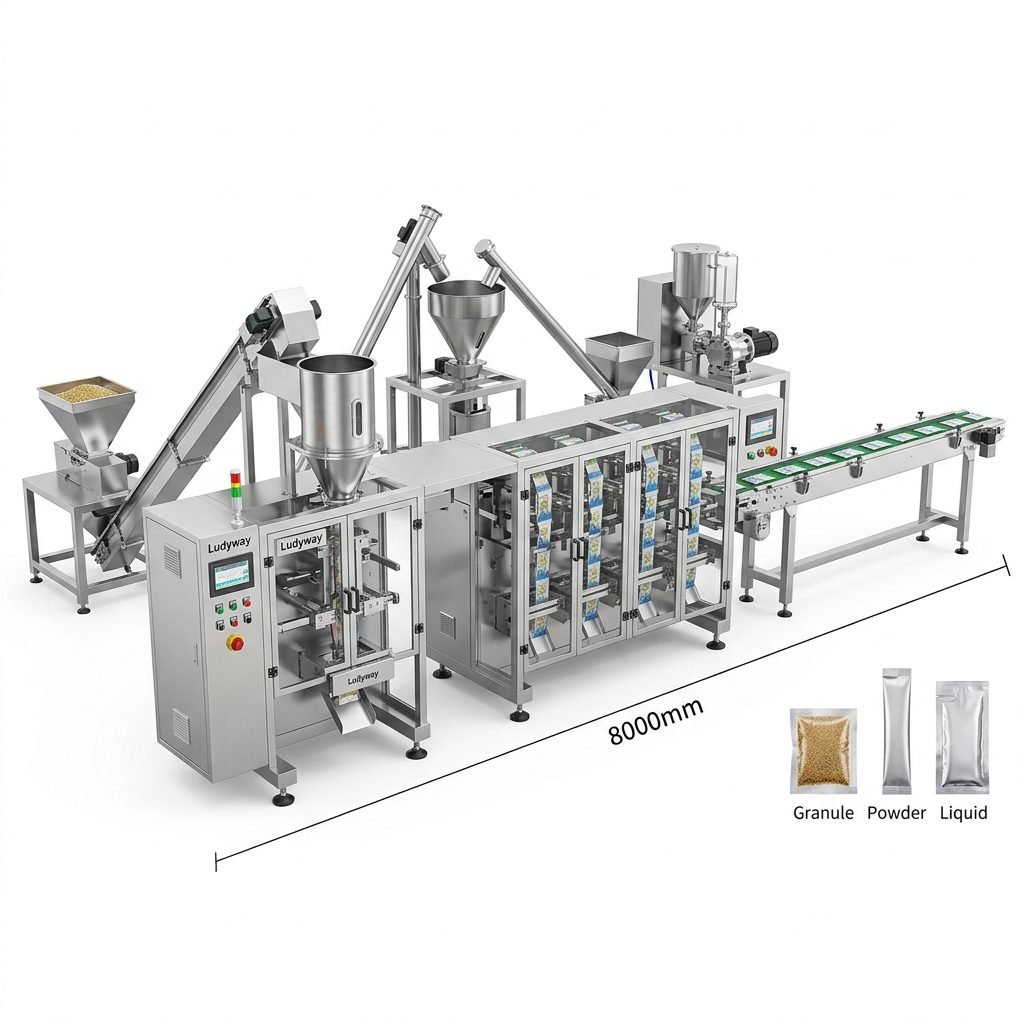
Investing in a table top packaging machine is a strategic decision that can significantly improve your production efficiency, product consistency, and overall operational workflow. Unlike large-scale fully automated lines, table top machines offer a compact, cost-effective, and flexible solution for manufacturers who need reliable packaging without massive floor space requirements. However, selecting the right model requires careful evaluation of your product, packaging format, and long-term production goals.
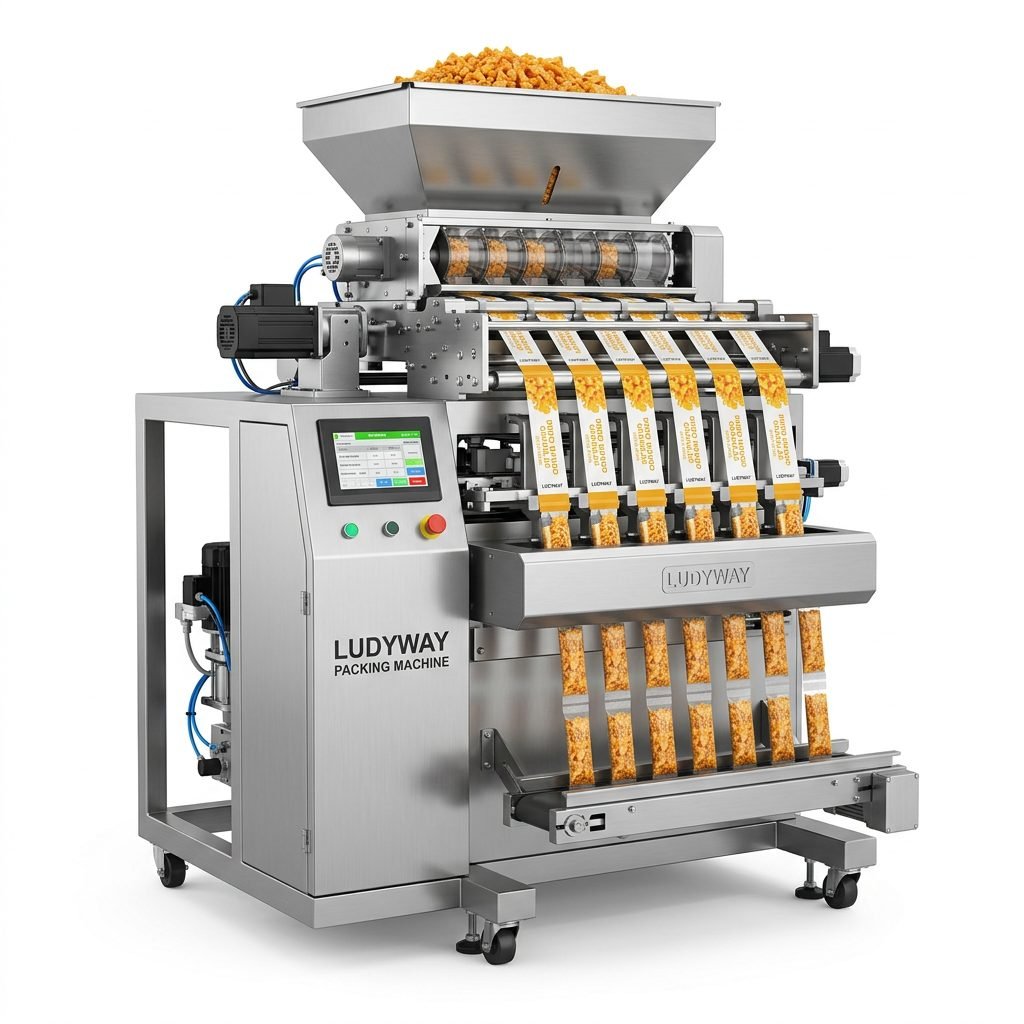
Understanding Your Product and Material Compatibility
The first and most critical step in choosing a table top packaging machine is understanding the physical characteristics of your product. Is it a free-flowing powder, a sticky granule, a viscous liquid, or a combination of materials? Different machines are designed to handle specific product types, and mismatching can lead to inaccurate fills, material waste, and machine downtime.
Consider the following product attributes when evaluating your options:
- Flowability: Does your product flow freely, or does it require mechanical agitation?
- Particle size and density: Fine powders require different dosing mechanisms than coarse granules.
- Moisture sensitivity: Hygroscopic products may need sealed hoppers or nitrogen flushing capabilities.
- Temperature sensitivity: Heat-sensitive materials require sealing systems that do not compromise product integrity.
- Abrasiveness: Hard or abrasive materials can wear down machine components over time.
Before finalizing your selection, consult the Flexible Packaging Association’s industry resources to better understand material compatibility standards and best practices for your specific packaging film requirements.
Packaging Format and Bag Style Selection
Table top packaging machines can produce a variety of bag formats, including stick packs, sachets, three-side-seal pouches, four-side-seal pouches, and gusseted bags. Your choice of packaging format should align with your branding strategy, retail requirements, and consumer convenience expectations.
Common Packaging Formats
| Format Type | Best Suited For | Key Advantage |
|---|---|---|
| Stick Pack | Powders, granules, single-serve liquids | Portion control, portability |
| Sachet | Sample sizes, condiments, cosmetics | Cost-effective, high-speed filling |
| Three-Side Seal Pouch | Dry foods, supplements, chemicals | Versatile, reliable seal integrity |
| Four-Side Seal Pouch | Pharmaceuticals, premium products | Enhanced barrier protection |
Production Speed and Output Capacity
Your production volume requirements directly influence the type of table top machine you should consider. Entry-level compact models may produce 30 to 50 packs per minute, while multi-lane table top systems can reach outputs of 200 to 400 packs per minute or more. When assessing speed requirements, factor in not just current demand but also projected growth over the next 3 to 5 years.
Key speed-related considerations include:
- Number of filling lanes required (single-lane vs. multi-lane configuration)
- Dosing speed and accuracy at higher throughput rates
- Film unwinding and sealing speed compatibility
- Changeover time between different product runs or bag sizes
Industry data from PMMI’s Business Intelligence Library consistently shows that manufacturers who invest in scalable equipment reduce long-term capital expenditure by avoiding premature machine replacement.
Filling Accuracy and Dosing Precision
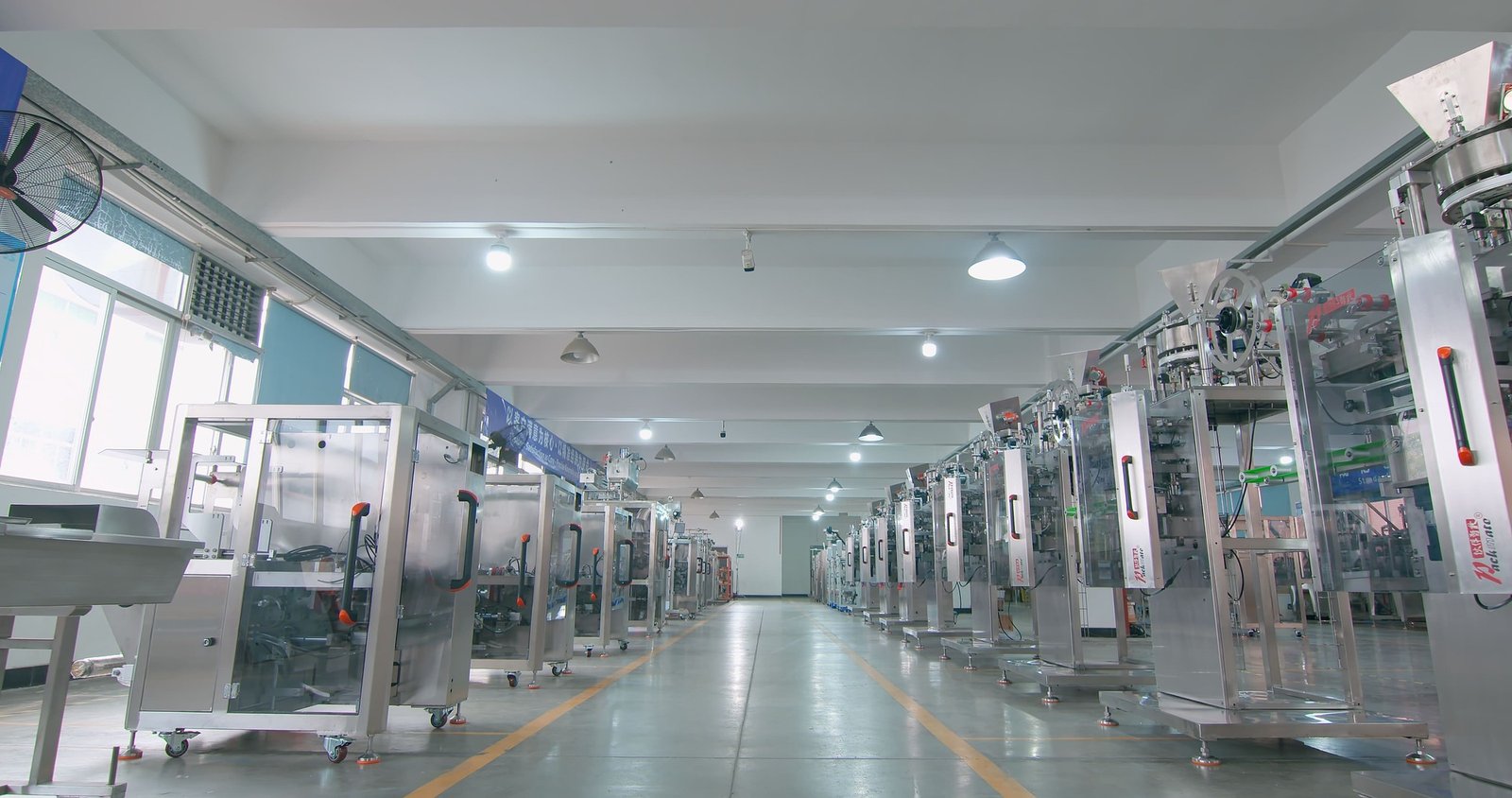
Filling accuracy is non-negotiable in industries such as pharmaceuticals, nutraceuticals, and high-value food products. Even small deviations in fill weight can lead to regulatory non-compliance, product giveaway, or customer dissatisfaction. Table top packaging machines can be equipped with different dosing technologies depending on your precision requirements.
Common Dosing Technologies
- Auger filler: Ideal for fine powders, offers high precision and repeatability
- Volumetric cup filler: Suitable for free-flowing granules, cost-effective solution
- Piston filler: Designed for liquids, pastes, and viscous products
- Multi-head weigher: Provides the highest accuracy for granules and irregular pieces
- Peristaltic pump: Clean and precise liquid dosing for pharmaceutical applications
For manufacturers in regulated sectors, compliance with FDA food packaging and food contact substance regulations is mandatory, and machine documentation should support validation requirements.
Machine Footprint and Workspace Integration
One of the primary advantages of a table top packaging machine is its compact footprint, but you still need to carefully measure your available workspace. Consider not just the machine dimensions, but also the clearance needed for film roll loading, hopper access, maintenance access, and operator movement. A typical table top machine may occupy as little as 1 to 2 square meters of bench space, making it suitable for laboratories, small production rooms, and pilot-scale operations.
Automation Level and Integration Capabilities
While table top machines are often semi-automatic by design, many modern models offer advanced automation features that bridge the gap between manual packaging and fully automated lines. Evaluate your need for:
- Automatic film tracking and tension control
- Programmable recipe storage for multiple products
- Integration with upstream feeding systems and downstream equipment
- Data logging and connectivity for Industry 4.0 environments
- Automatic reject systems for quality assurance
The Association for Packaging and Processing Technologies (PMMI) provides valuable guidance on automation trends and equipment integration standards that can help you plan your production line effectively.
Changeover Flexibility and Multi-Product Capability
If your production environment requires frequent product changeovers, prioritize a table top packaging machine with tool-free adjustments, quick-change forming tubes, and intuitive control interfaces. Machines designed for rapid changeover can switch between different bag sizes, fill volumes, and product types in minutes rather than hours, dramatically improving overall equipment effectiveness.
Sealing Integrity and Packaging Quality
The quality of your package seal directly impacts product shelf life, consumer safety, and brand reputation. Table top machines should offer consistent temperature control, adjustable sealing pressure, and dwell time settings. For products requiring extended shelf life, look for machines that support modified atmosphere packaging or nitrogen flushing capabilities. Seal integrity testing should be part of your regular quality control procedure regardless of the machine you choose.
Budget Considerations and Total Cost of Ownership
The purchase price of a table top packaging machine is only one component of total cost. When comparing options, also account for:
- Installation and commissioning costs
- Operator training time and learning curve
- Spare parts availability and typical lead times
- Energy consumption and utility requirements
- Expected service life and maintenance intervals
- Packaging material waste rates at normal operating speeds
A slightly higher upfront investment in a well-built machine often translates to lower per-pack costs over the equipment lifecycle.
After-Sales Support and Technical Service
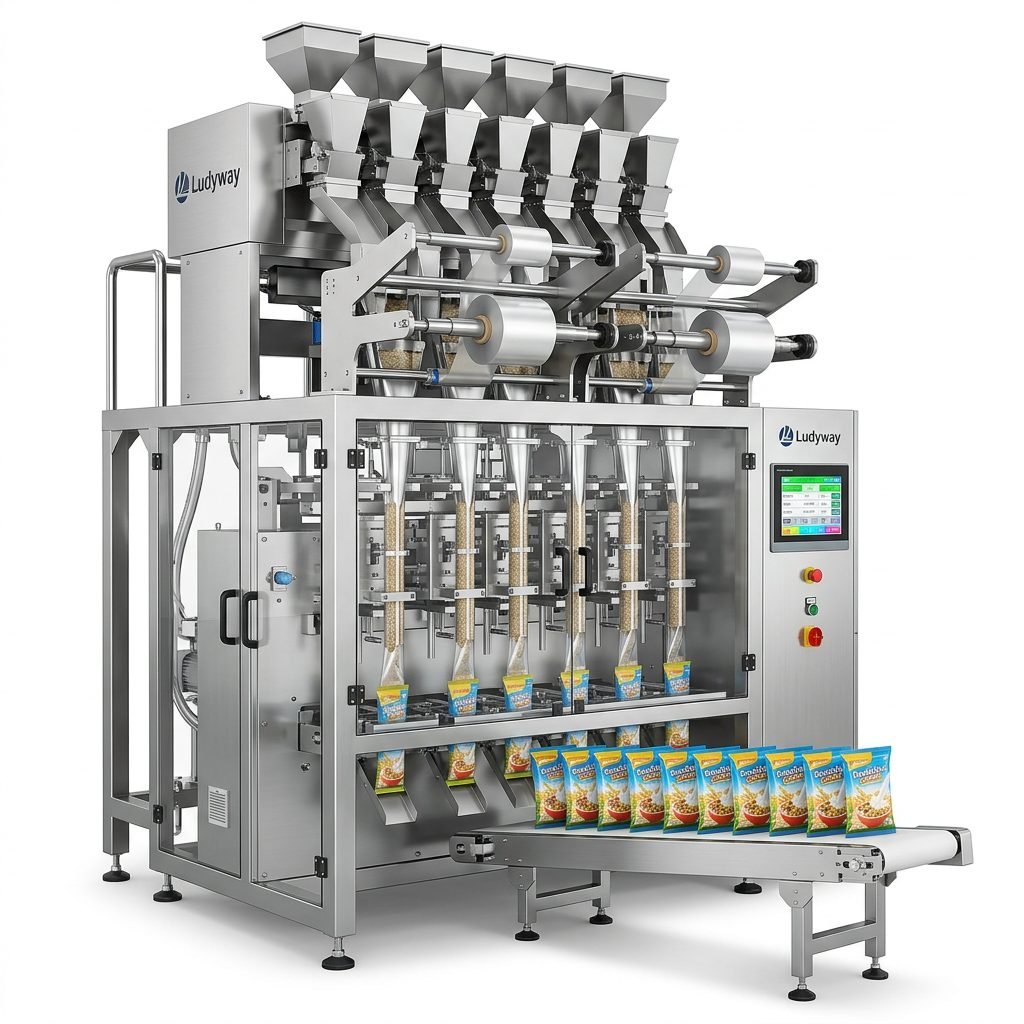
Reliable after-sales support can make a significant difference in machine uptime and long-term performance. When evaluating suppliers, ask about their global service network, remote troubleshooting capabilities, and spare parts distribution. Manufacturers serving more than 100 countries with dedicated engineering and technical support teams can provide timely assistance regardless of your location. For example, Ludyway Machinery has demonstrated consistent global growth and service expansion, reflecting the increasing demand for reliable packaging equipment backed by responsive support.
Industry-Specific Requirements
Different industries impose unique requirements on packaging equipment. The table below summarizes key considerations for several major sectors.
| Industry | Key Requirements | Recommended Features |
|---|---|---|
| Food and Beverage | Hygiene, washdown capability, food-grade materials | Stainless steel construction, easy cleaning design |
| Pharmaceuticals | Validation, traceability, contamination control | GMP-compliant design, audit trail, data logging |
| Cosmetics | Aesthetic packaging, multi-format flexibility | Quick changeover, high-quality seal appearance |
| Chemicals | Corrosion resistance, safety features | Chemical-resistant seals, explosion-proof options |
Making the Final Decision
Choosing the right table top packaging machine is a multifaceted decision that balances product characteristics, production capacity, packaging quality, budget, and long-term scalability. Begin by thoroughly documenting your product specifications and production requirements, then evaluate machines against those criteria rather than selecting based on price alone. Request machine demonstrations or sample runs with your actual product and packaging materials whenever possible. A well-chosen table top packaging machine will serve as a reliable production asset for years, supporting your business growth and maintaining consistent product quality in every pack.