Investing in a hay packing machine is a significant decision for farms, feed processors, and agricultural businesses. The right equipment can reduce labor costs by up to 40% and increase operational efficiency. But with so many models, configurations, and manufacturers on the market, how do you make the best choice? This guide walks you through every critical factor to consider before purchasing.
Understanding Hay Packing Machine Types
Before evaluating specific models, it is essential to understand the different categories of hay packing equipment. Each type serves distinct operational scales and end-product requirements.
- Square Balers: Produce compact rectangular bales ideal for stacking, storage, and long-distance transportation. These are widely used in commercial hay operations.
- Round Balers: Create cylindrical bales that shed water more effectively when left outdoors. Popular among livestock farmers who feed hay directly in the field.
- Large Square Balers: Designed for high-volume commercial production, capable of processing over 30 tons per hour. These machines require significant tractor horsepower.
- Mini Balers: Suitable for small farms, hobbyists, and specialty hay products. Lower throughput but more affordable and easier to operate.
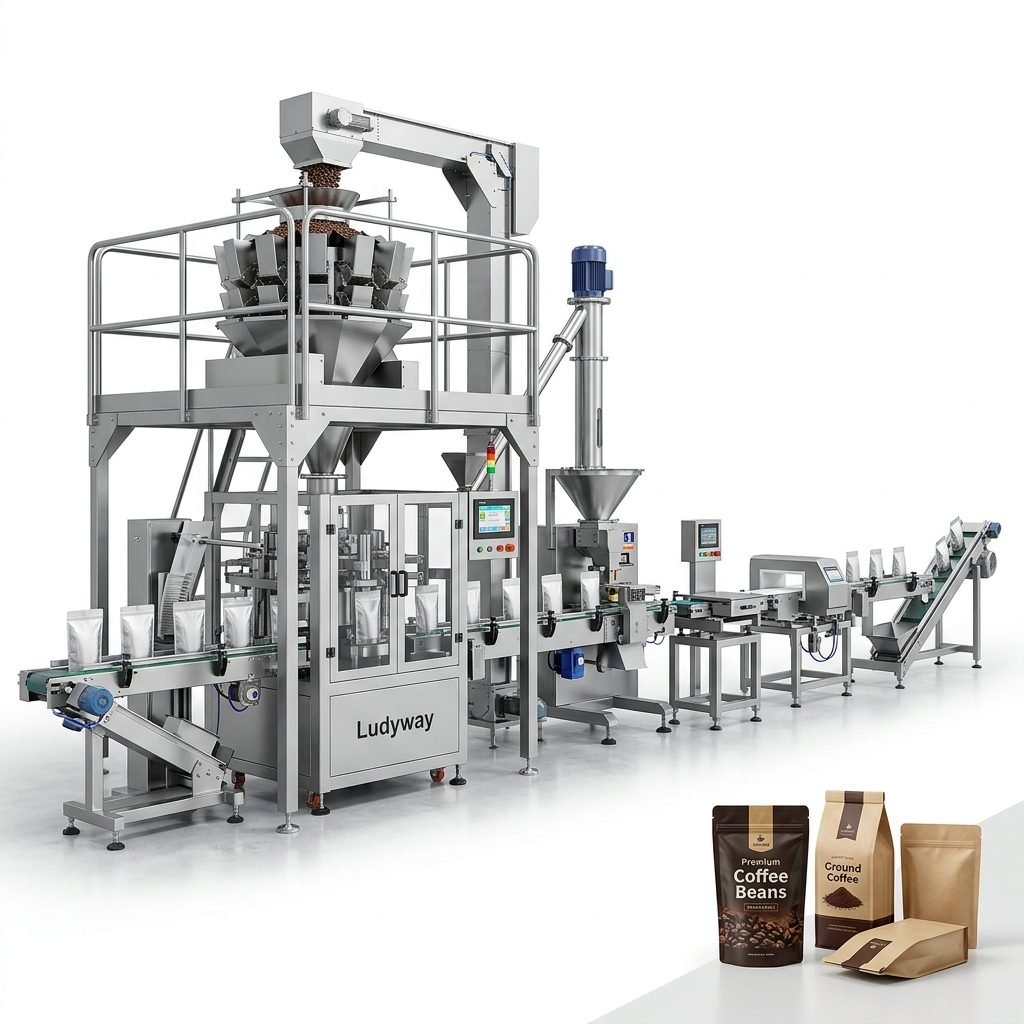
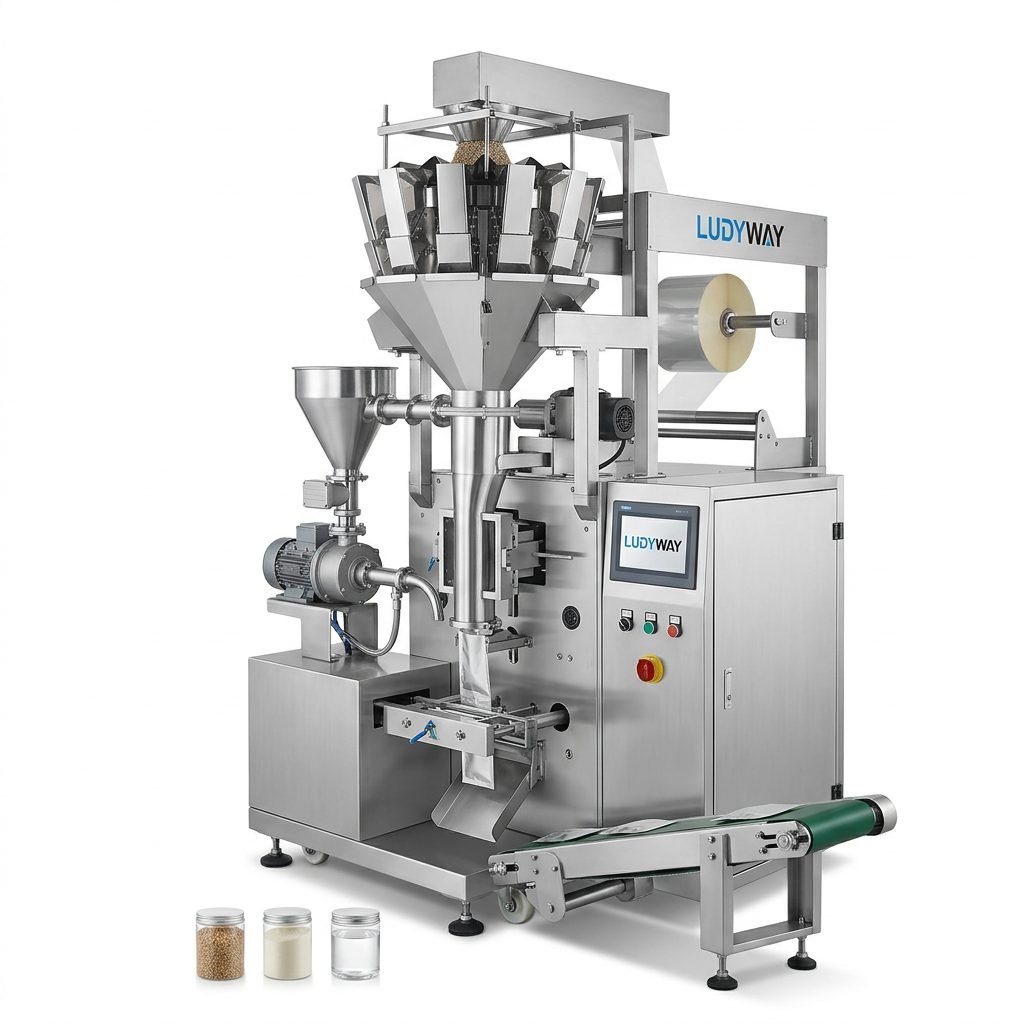
- Automated Packaging Lines: For operations that further process hay into flexible packaging formats such as small bales, compressed blocks, or feed mixes, integrated packaging systems combine baling with bagging and sealing.
Key Factors to Evaluate Before Buying
Selecting the right hay packing machine requires a systematic evaluation of your operational needs. The following factors should guide your decision-making process.
1. Production Capacity and Throughput
Your daily or seasonal hay volume determines the machine capacity you need. Undersized equipment creates bottlenecks, while oversized machines waste capital. Calculate your peak-season daily throughput in tons or bales, then add a 15-20% buffer for growth and unexpected demand. For reference, small square balers typically produce 30-100 bales per hour, while large square balers can exceed 150 bales per hour under optimal conditions.
2. Bale Dimensions and Weight
Bale size affects everything from storage density to transportation logistics. Standard small square bales measure approximately 14″×18″×36″ and weigh 40-70 lbs. Large square bales can reach 3’×3’×8′ and weigh over 1,000 lbs. Match bale dimensions to your customers’ requirements — horse owners typically prefer small square bales, while dairy operations often accept larger formats.
3. Moisture Content Handling
Hay moisture levels critically impact bale quality and storage safety. Baling hay with moisture content above 20% risks mold growth and spontaneous combustion. Look for machines with adjustable compression settings that can accommodate varying moisture conditions. Some advanced models include integrated moisture sensors that alert operators when conditions are unsuitable.
4. Power Requirements and Tractor Compatibility
Hay balers demand substantial power. Mini balers may operate with 25-40 HP tractors, while large square balers require 120-200+ HP. Verify that your existing tractor fleet can support the machine. Also consider PTO shaft specifications, hydraulic flow requirements, and electrical connections for electronic controls.
5. Terrain and Field Conditions
Your field topography influences machine selection. Uneven or sloped terrain requires equipment with better stability and pickup adaptability. Round balers generally handle rough ground more effectively than large square balers. Consider pickup width and flotation capabilities if you operate on varied terrain.
Comparing Manual, Semi-Automatic, and Fully Automatic Systems
The level of automation you choose directly impacts labor requirements, operational speed, and upfront investment. Understanding these trade-offs is essential for making a cost-effective decision.
| Feature | Manual / Semi-Auto | Fully Automatic |
|---|---|---|
| Initial Investment | $8,000 – $25,000 | $35,000 – $120,000+ |
| Labor Required | 2-4 operators | 1 operator (supervision) |
| Bales per Hour | 20-60 | 80-200+ |
| Maintenance Complexity | Low to moderate | Moderate to high |
| Best For | Small to medium farms | Commercial, high-volume operations |
| ROI Timeline | 1-3 years | 2-5 years |
Evaluating Build Quality and Durability
A hay packing machine represents a long-term capital investment. Build quality directly correlates with operational lifespan and total cost of ownership. When inspecting equipment, pay close attention to these critical components.
- Frame Construction: Look for heavy-gauge steel frames with reinforced stress points. Welded joints should be continuous and smooth. Inferior machines often use lighter materials that crack under sustained vibration.
- Pickup Mechanism: The pickup tines and reel assembly endure the most wear. Teeth should be made of hardened spring steel with easy replaceability. Check the number of tine bars — more bars generally provide smoother crop flow.
- Knotter System: For square balers, the knotter is the heart of the machine. Quality knotters from established manufacturers like Rasspe or compatible designs significantly reduce missed ties and downtime.
- Bearing and Driveline Quality: Sealed bearings and heavy-duty PTO shafts with shear bolt or slip clutch protection are indicators of quality engineering. Ask about bearing service intervals and replacement accessibility.
Maintenance and After-Sales Support
Even the most robust equipment requires regular maintenance. Before committing to a purchase, evaluate the manufacturer’s support infrastructure. Access to genuine spare parts can make the difference between a one-day repair and a week-long shutdown during critical harvest windows.
Questions to Ask Potential Suppliers
- What is the typical delivery time for major replacement parts in our region?
- Do you offer on-site service or only depot-level repairs?
- Is operator training included in the purchase price?
- What warranty coverage is provided, and what does it specifically exclude?
- Can you provide contact information for three current customers with similar operational profiles?
- How do you handle emergency breakdown support during peak season?
Integration with Downstream Packaging Processes
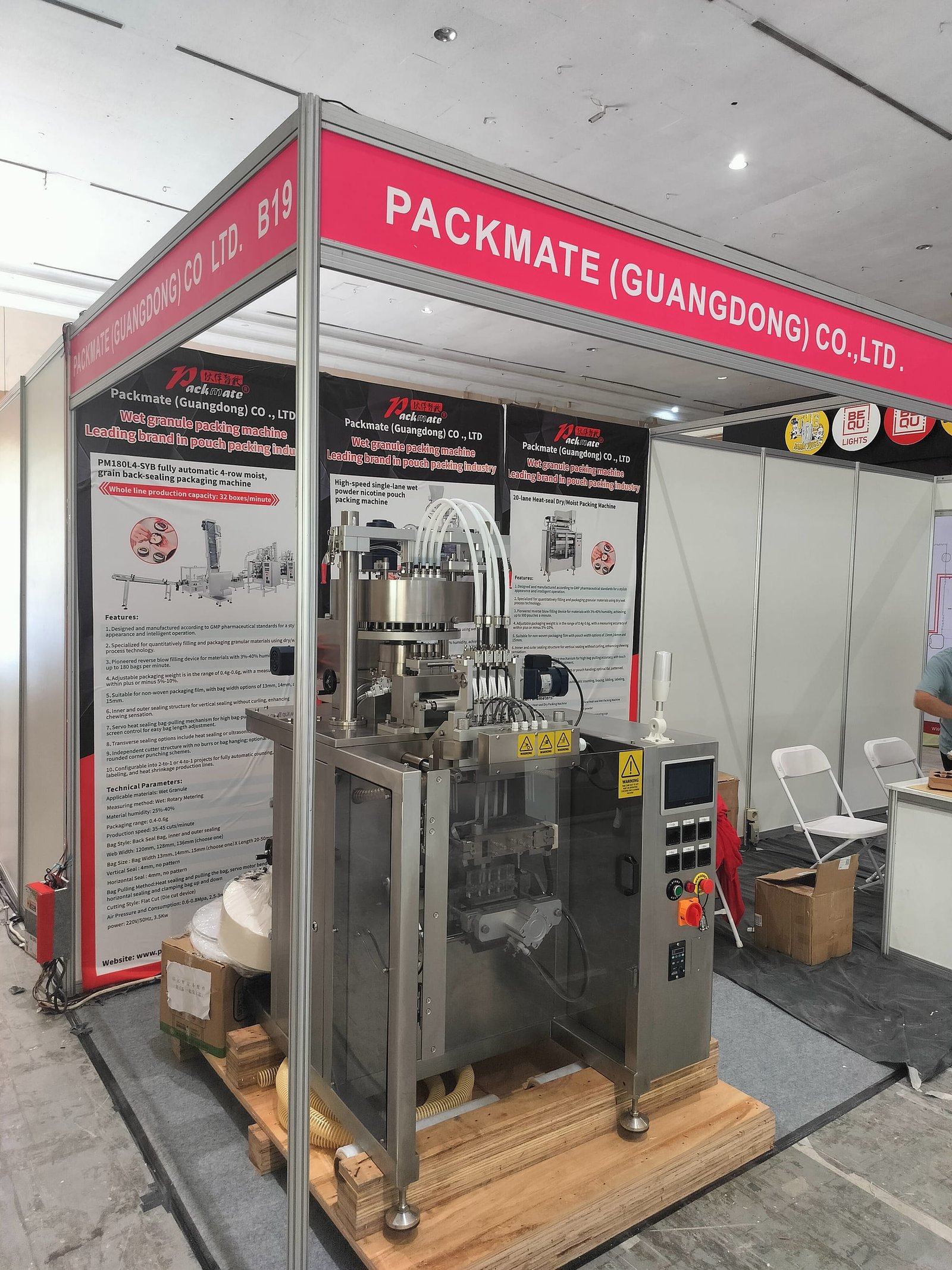
For operations that go beyond field baling — such as producing retail-ready small bales, compressed hay blocks, or bagged feed mixes — integration with automated packaging systems becomes a critical consideration. Modern agricultural processors increasingly adopt packaging industry technologies to streamline their operations from field to final packaged product. This is where specialized packaging machinery manufacturers play a vital role in the agricultural supply chain.
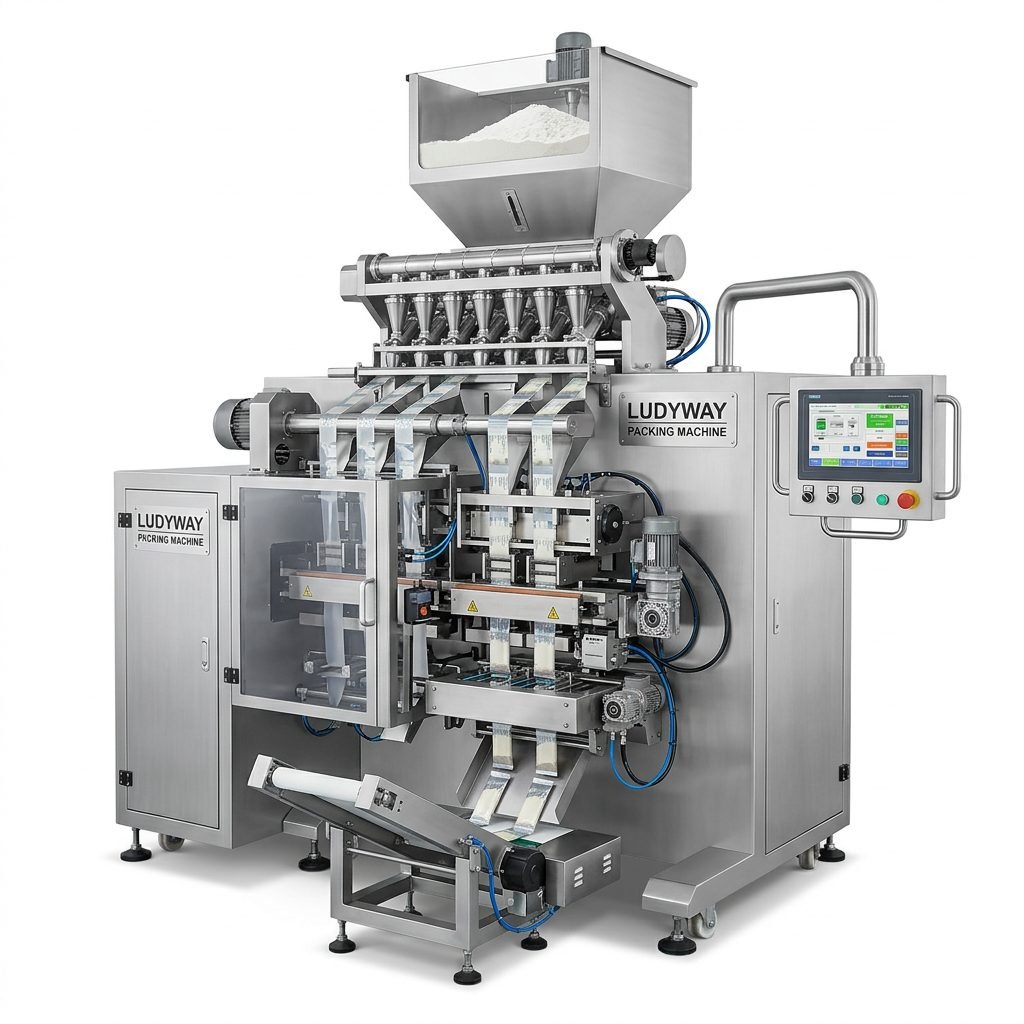
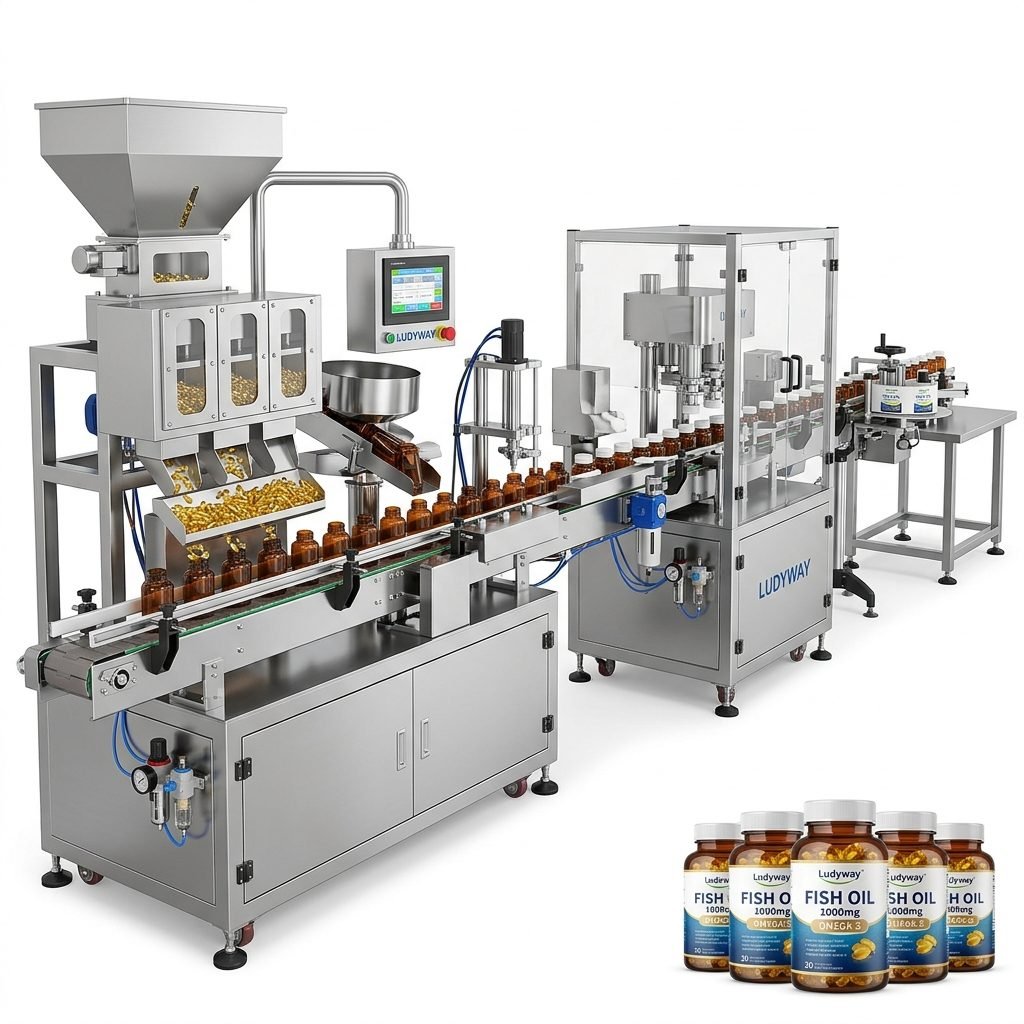
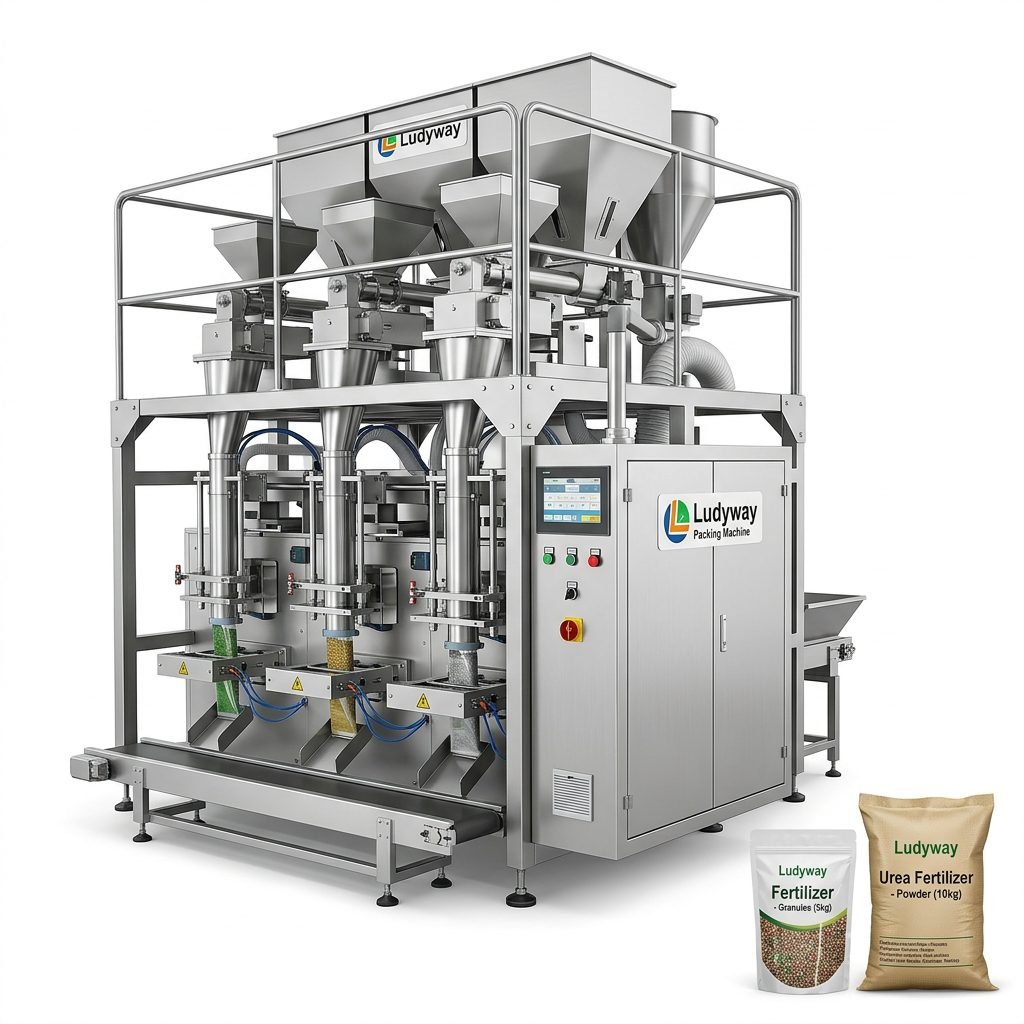
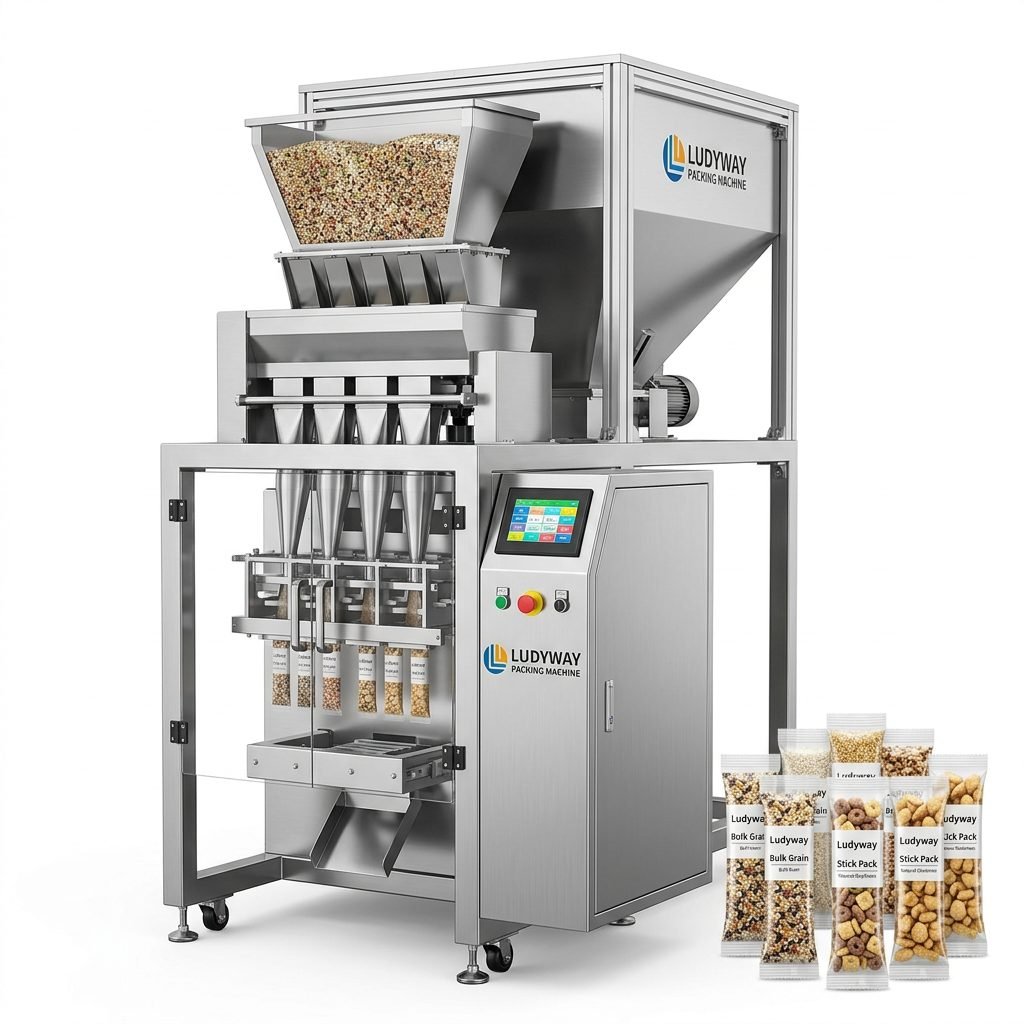
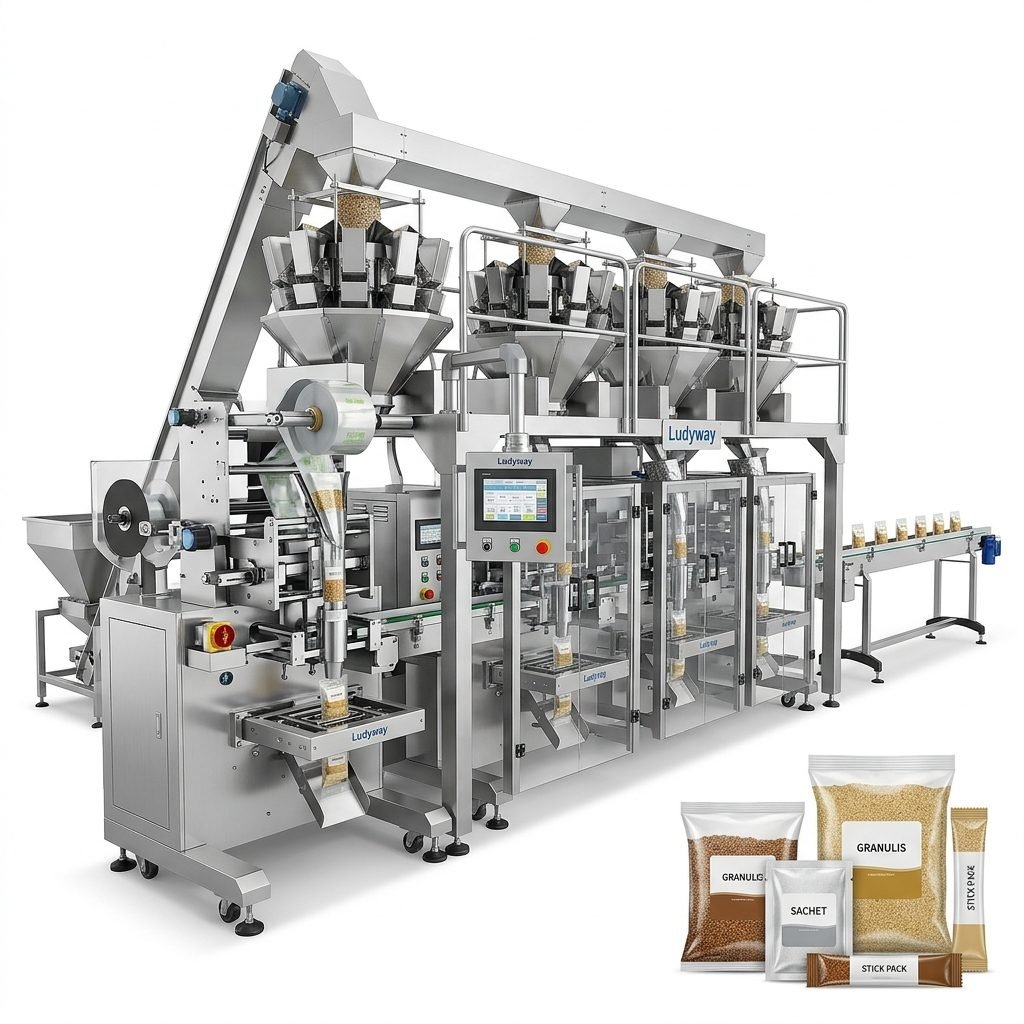
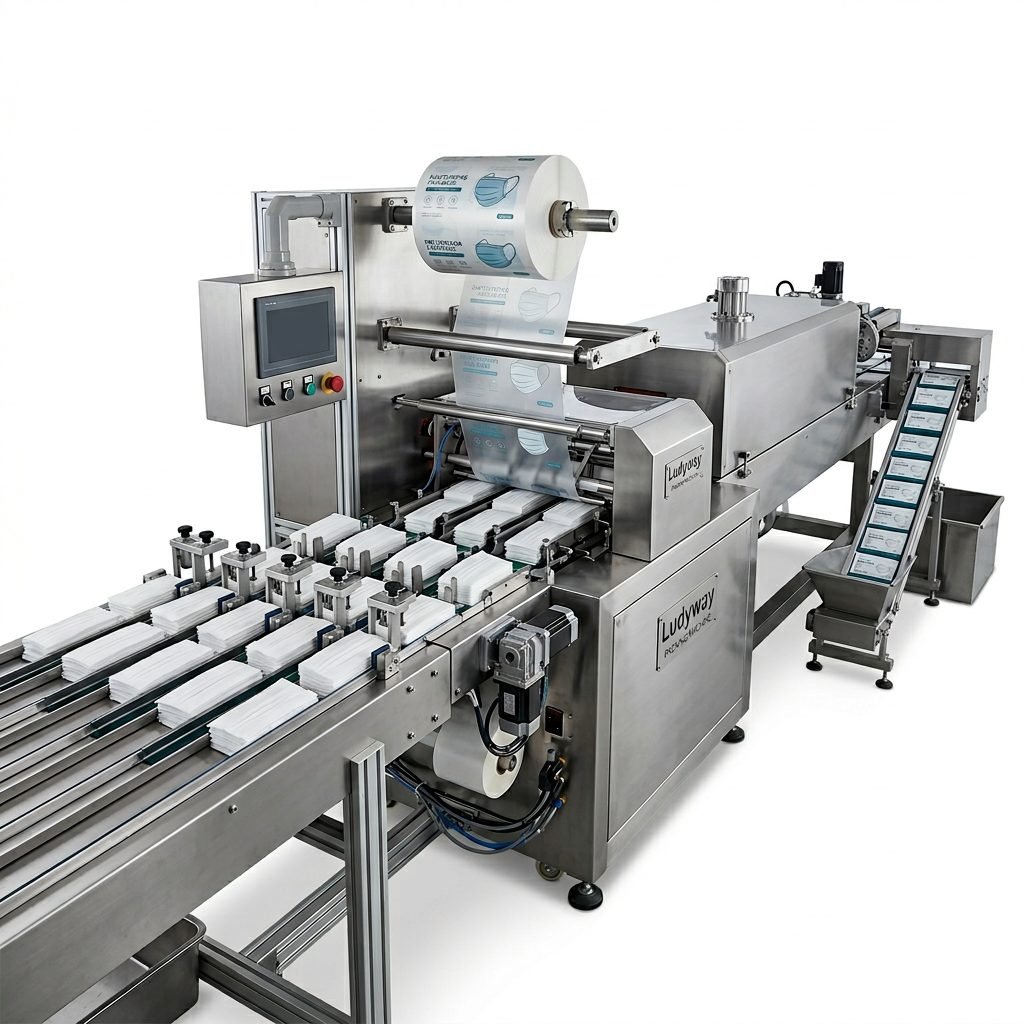
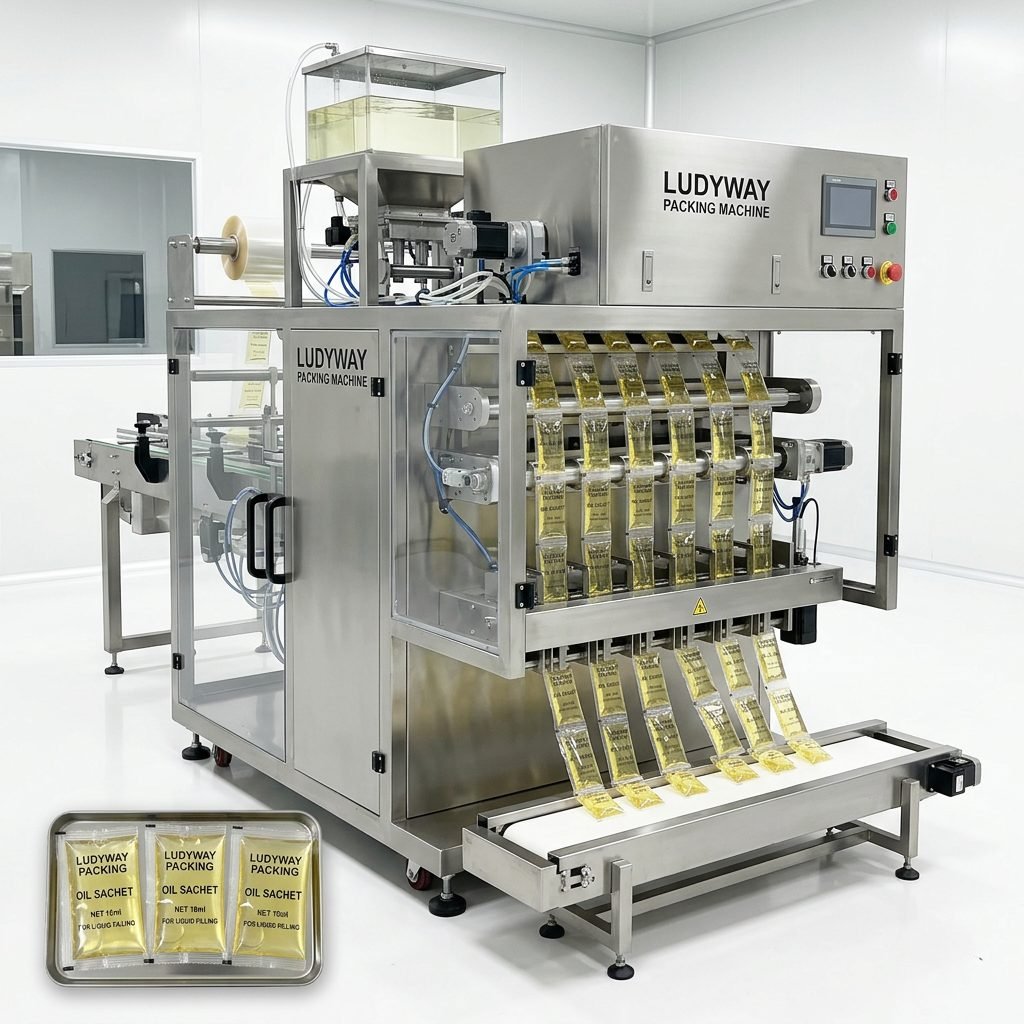
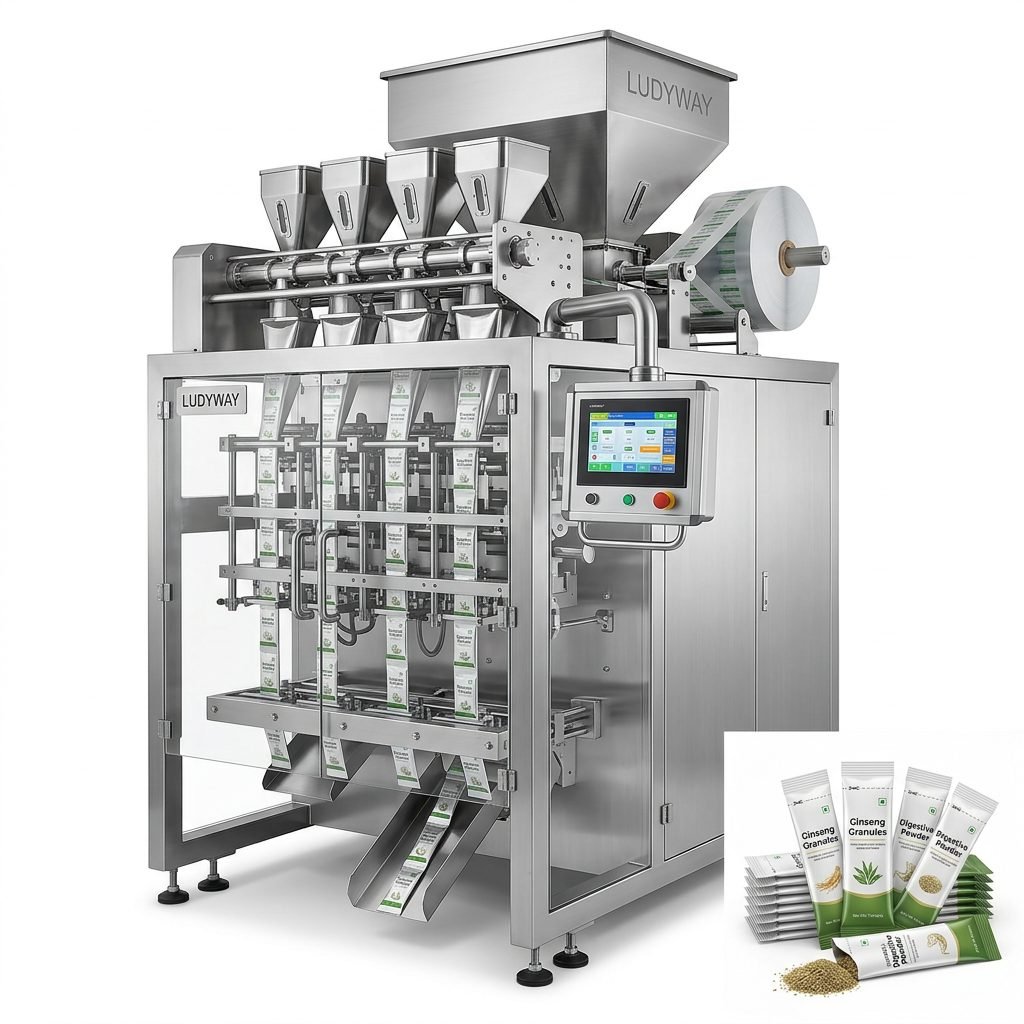
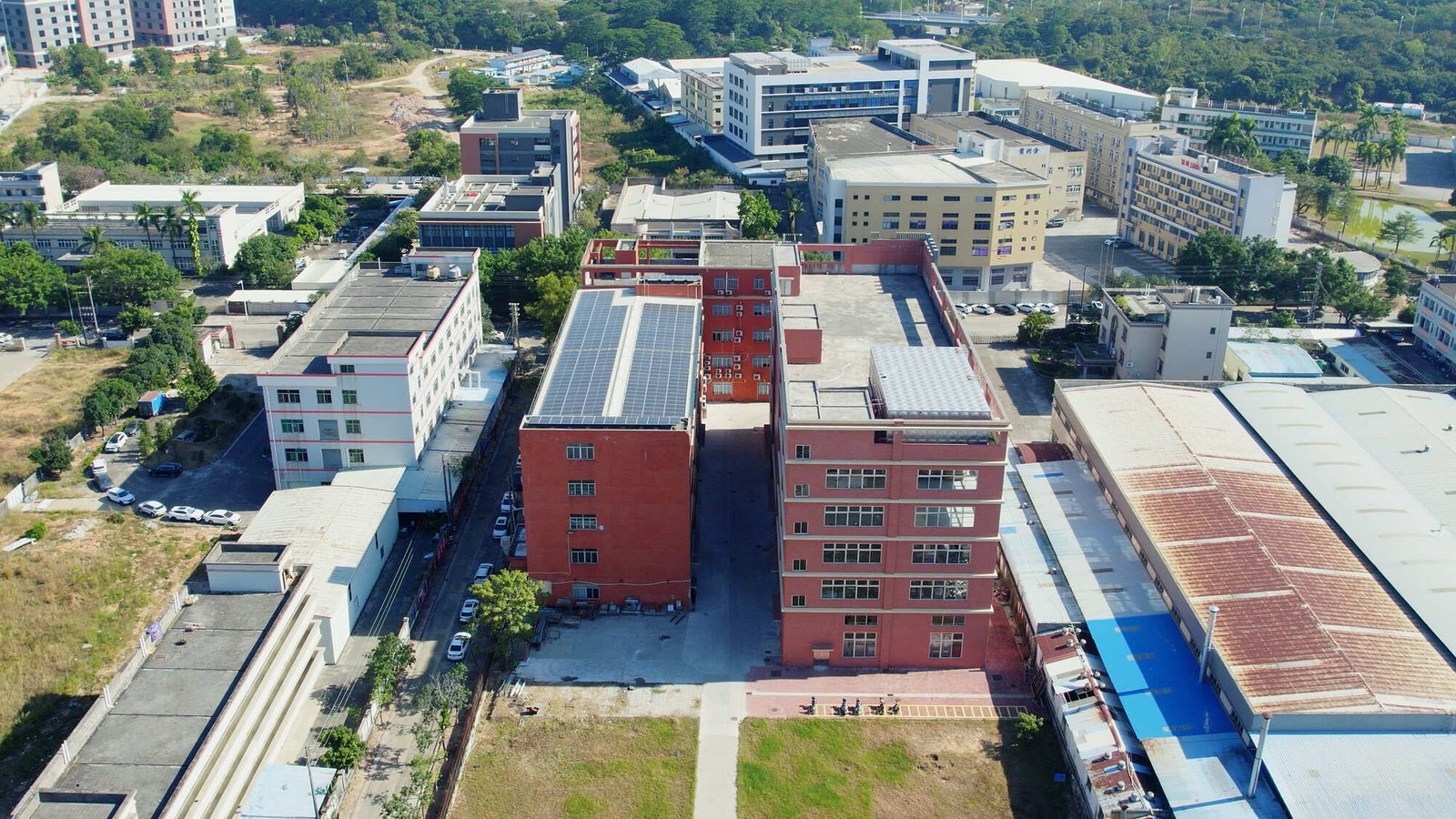
Companies like Ludyway Machinery, with over 30 years of packaging industry experience and a 20,000-square-meter manufacturing facility, provide integrated packaging solutions that can handle various agricultural products — from granular feed additives and powdered supplements to small-bale hay packaging and multi-lane sachet systems for seed products. When your operation requires transitioning from basic field baling to sophisticated packaging lines, working with an experienced packaging machinery partner becomes essential for achieving production consistency and scalability.
Cost Analysis: Beyond the Purchase Price
The sticker price tells only part of the story. A comprehensive total cost of ownership (TCO) analysis should factor in these often-overlooked elements over a 5-10 year period.
- Fuel Consumption: Larger balers can consume 8-15 gallons of diesel per hour. Over a 500-hour season, this adds $12,000-$22,500 to operating costs at current fuel prices.
- Twine and Net Wrap: Consumables for tying bales represent an ongoing expense. Large square balers may use $500-$1,500 of twine per 100 tons of hay processed.
- Preventive Maintenance: Budget 2-4% of the machine’s value annually for routine service, lubricants, filters, and wear-part replacement.
- Depreciation: Quality hay packing machines typically retain 50-60% of their value after 5 years, making resale an important consideration.
- Downtime Cost: During peak harvest, a day of downtime can cost thousands in lost production. Factor reliability into your purchasing decision.
Technology and Smart Features
Modern hay packing equipment increasingly incorporates precision agriculture technologies that improve efficiency and data collection. While these features add upfront cost, they often deliver significant returns through reduced waste and improved decision-making.
- Yield Monitoring: Real-time sensors measure hay volume and moisture, providing field-by-field productivity data.
- GPS Mapping: Track bale locations, yields, and field performance for better crop management.
- Automatic Bale Density Control: Maintains consistent compression regardless of windrow variations, improving bale quality and storage characteristics.
- Telematics and Remote Diagnostics: Enables dealers to troubleshoot issues remotely, potentially reducing service calls and downtime.
- ISOBUS Compatibility: Standardized communication between tractor and implement for seamless control through a single terminal.
Final Decision Checklist
Before signing a purchase order, verify that you have addressed each of these critical points. A systematic approach reduces the risk of costly oversights.
- Production volume validated against machine capacity specifications
- Bale size and weight requirements confirmed with end customers
- Tractor compatibility verified for PTO, hydraulic, and electrical connections
- Parts availability assessed for your geographic location
- Total cost of ownership calculated including fuel, consumables, and maintenance
- Operator training plan established with the supplier
- Warranty terms reviewed and understood in detail
- Reference checks completed with current machine owners
- Future scalability considered for business growth projections
- Integration requirements mapped if downstream packaging is needed
Choosing the right hay packing machine is a decision that affects your operation for years to come. By systematically evaluating machine types, build quality, automation levels, maintenance infrastructure, and total cost of ownership, you position your business for improved efficiency and profitability. For operations requiring integrated packaging solutions beyond field baling — whether for retail-ready hay products, feed supplements, or granulated agricultural materials — consulting with experienced packaging equipment specialists ensures your entire production line operates cohesively from field to finished package.