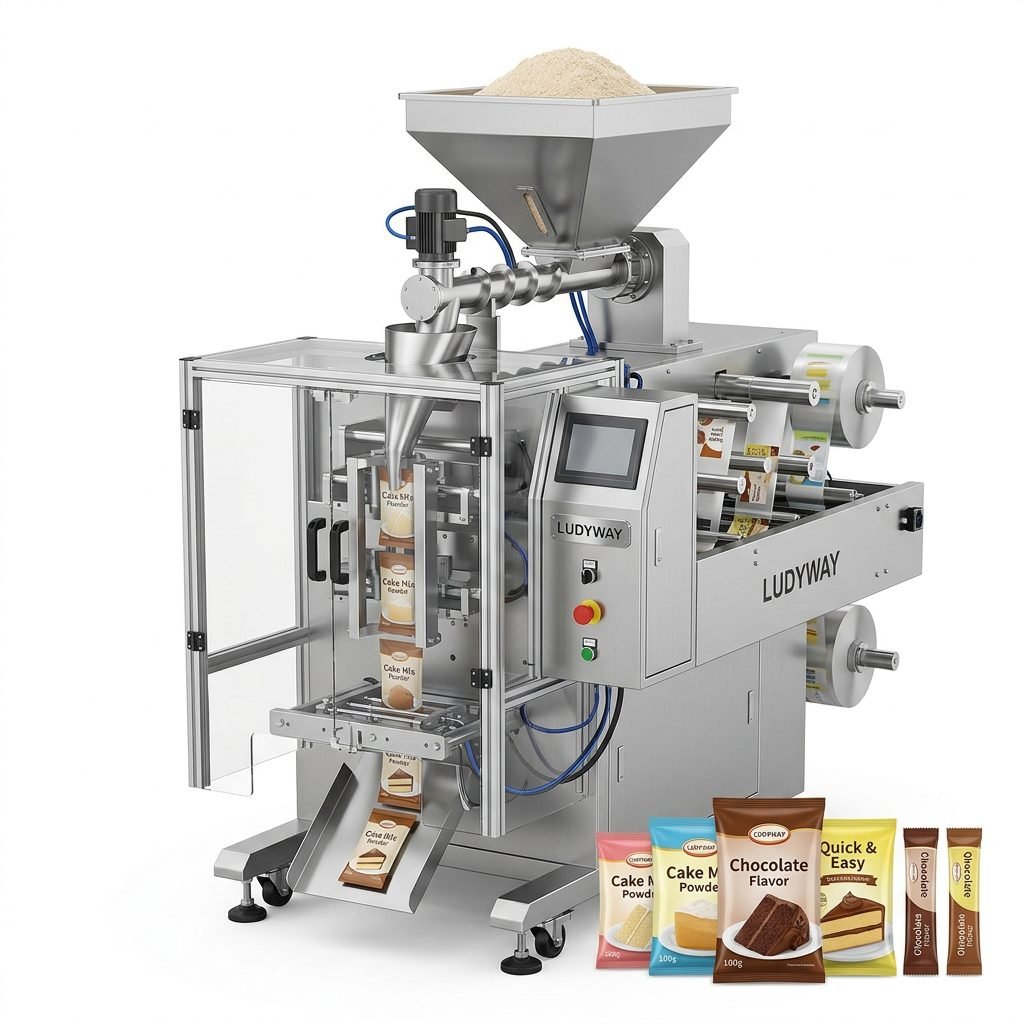
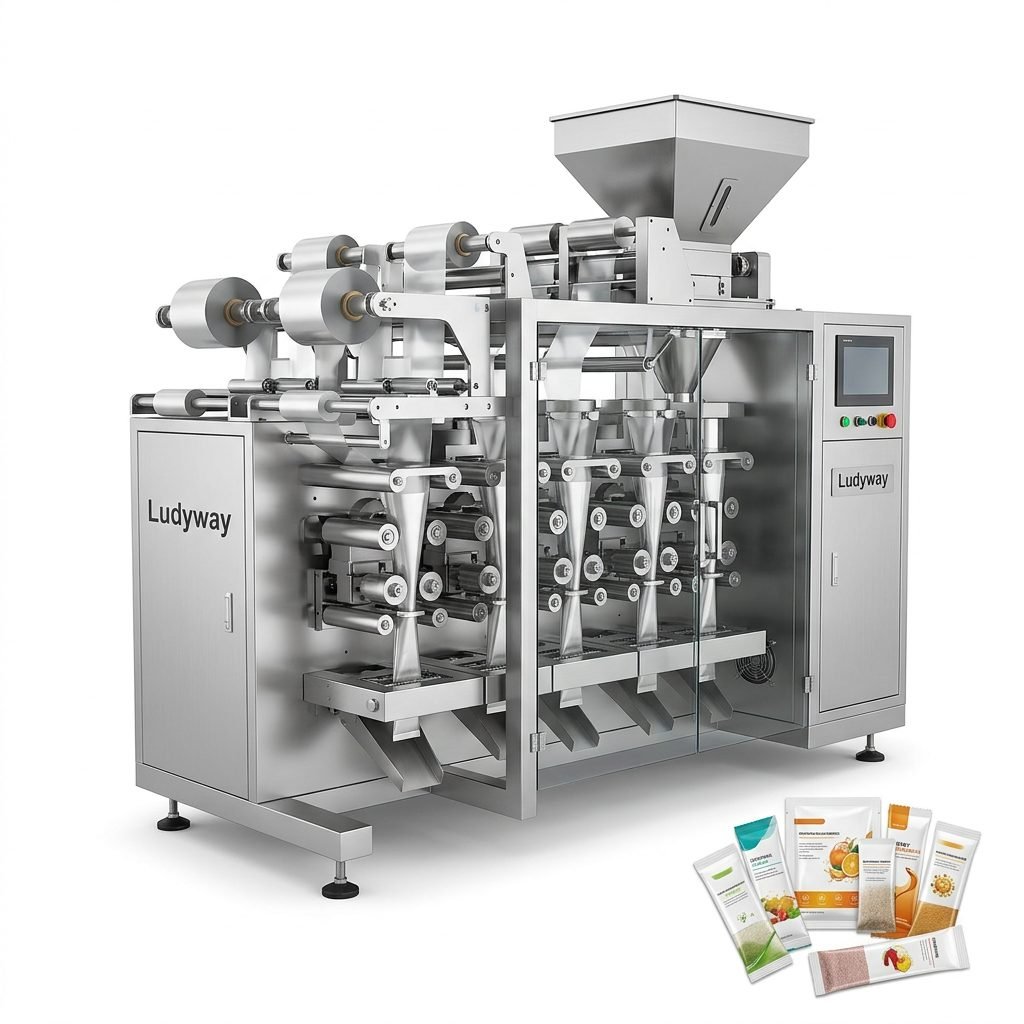
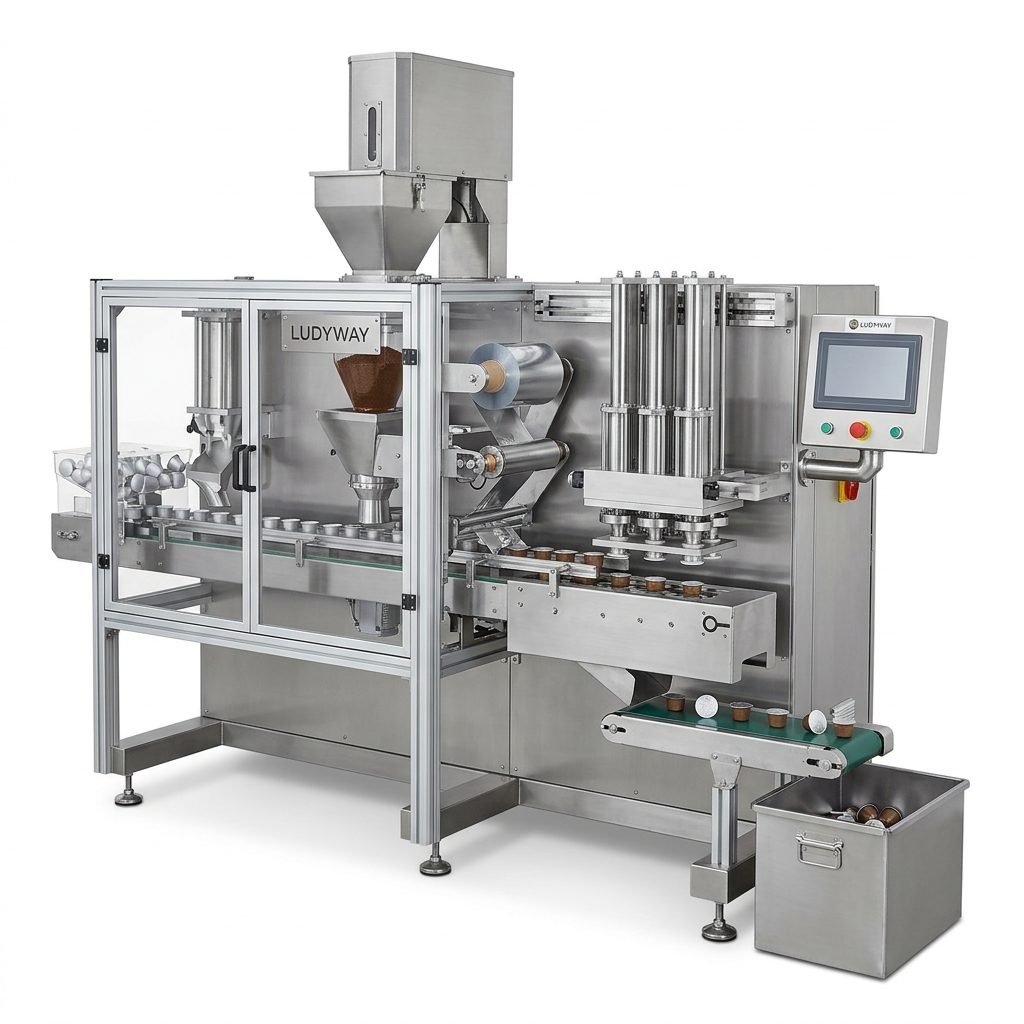
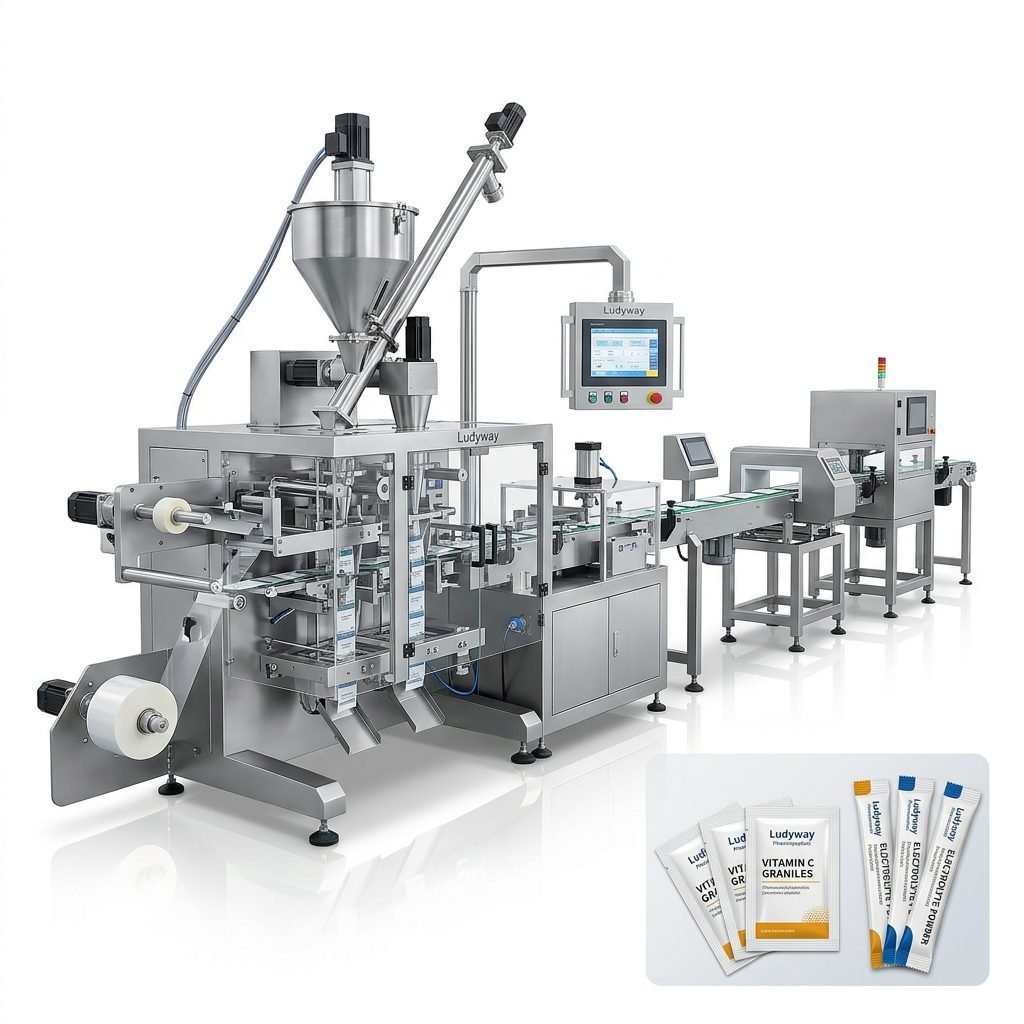
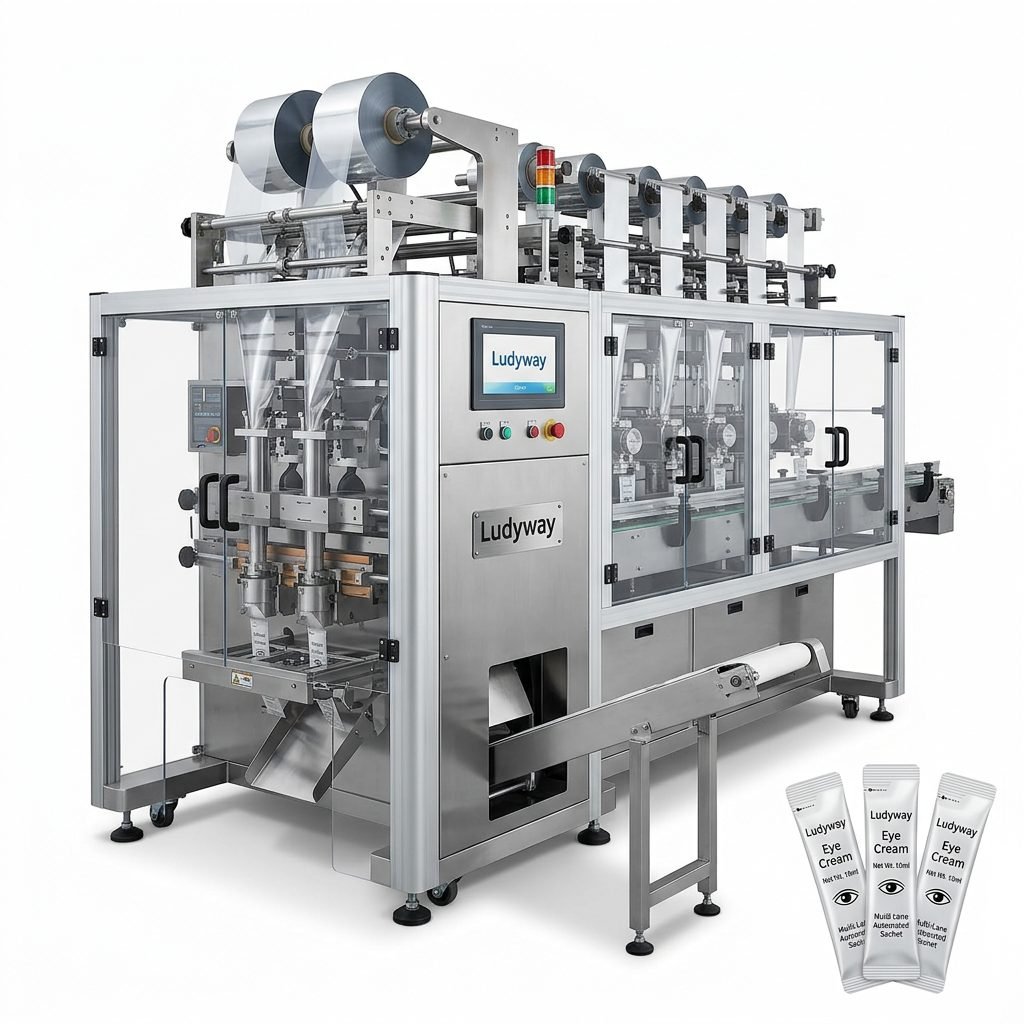
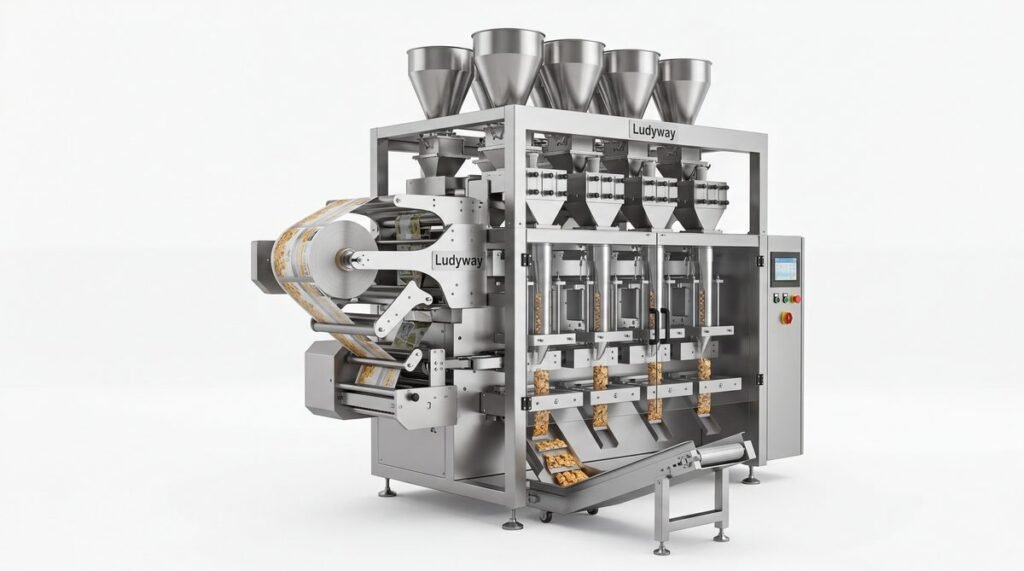
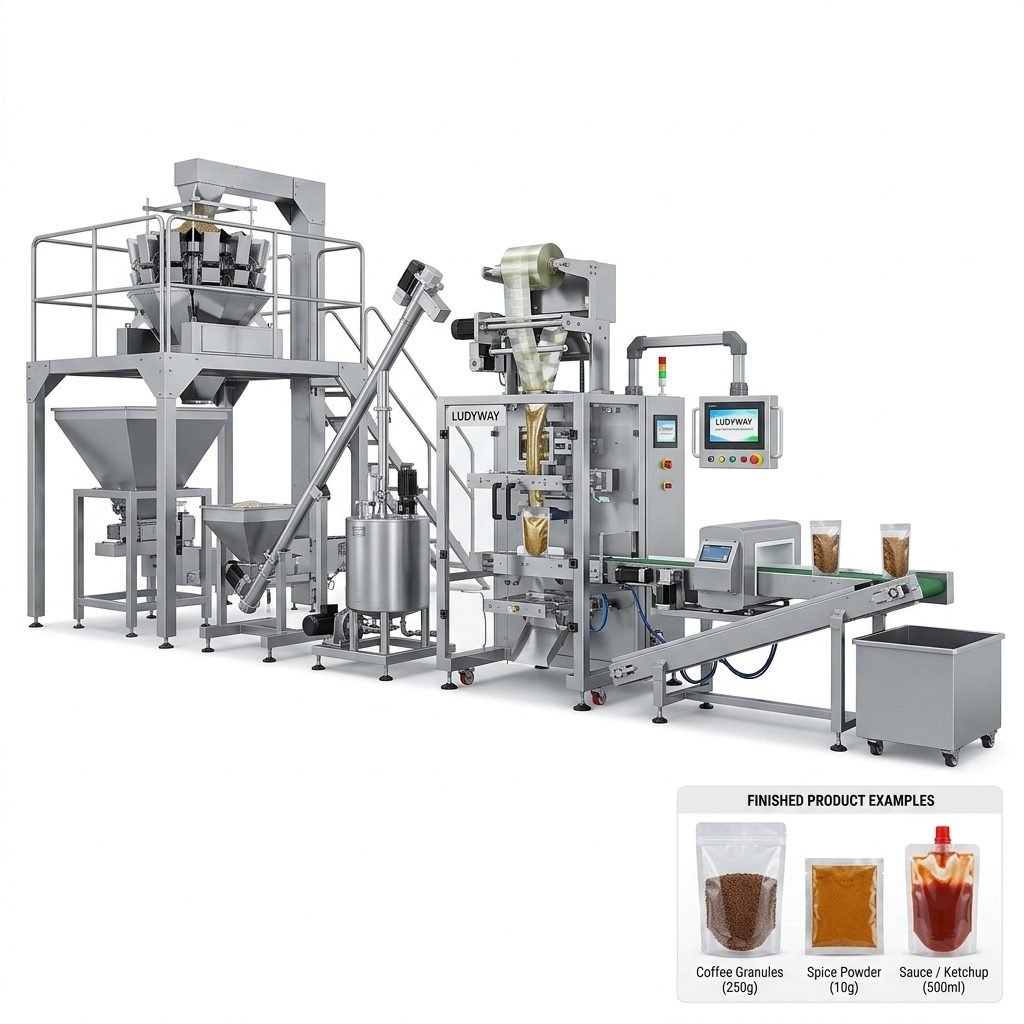
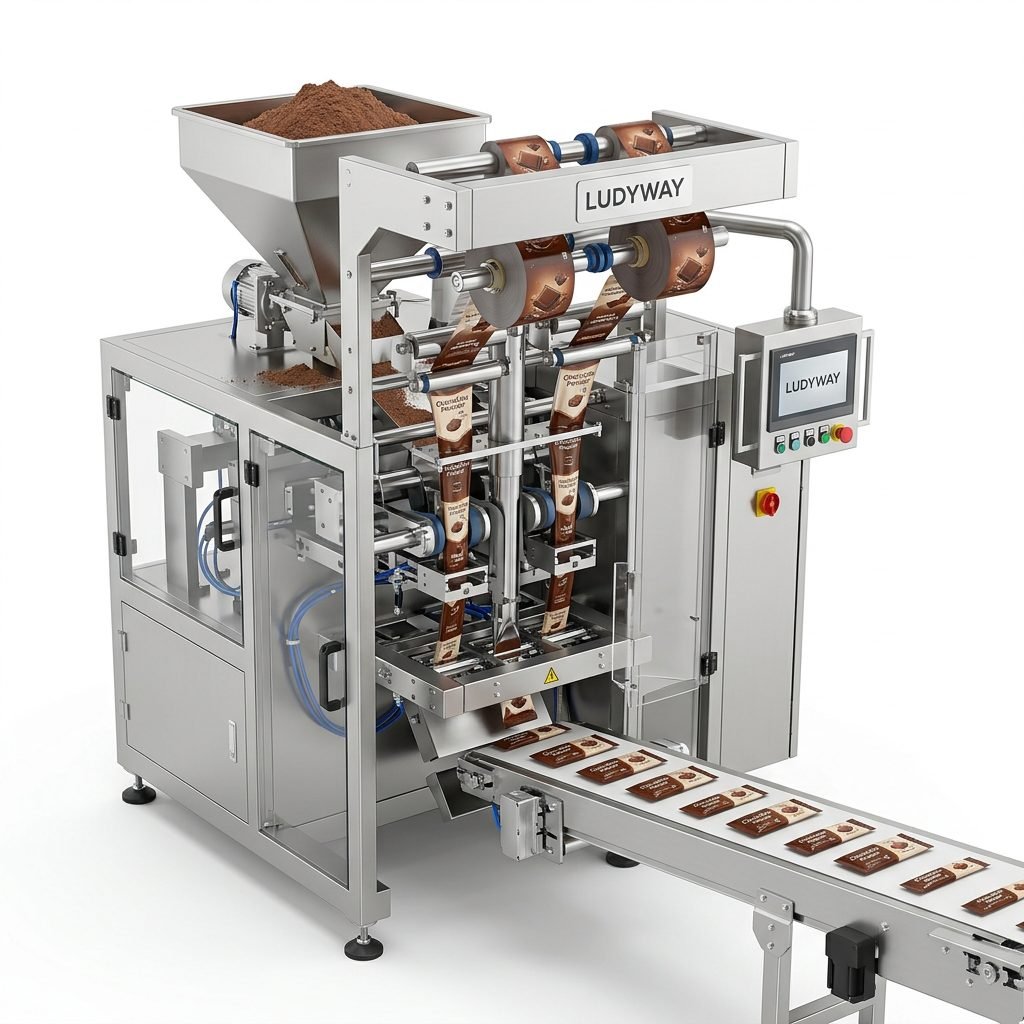
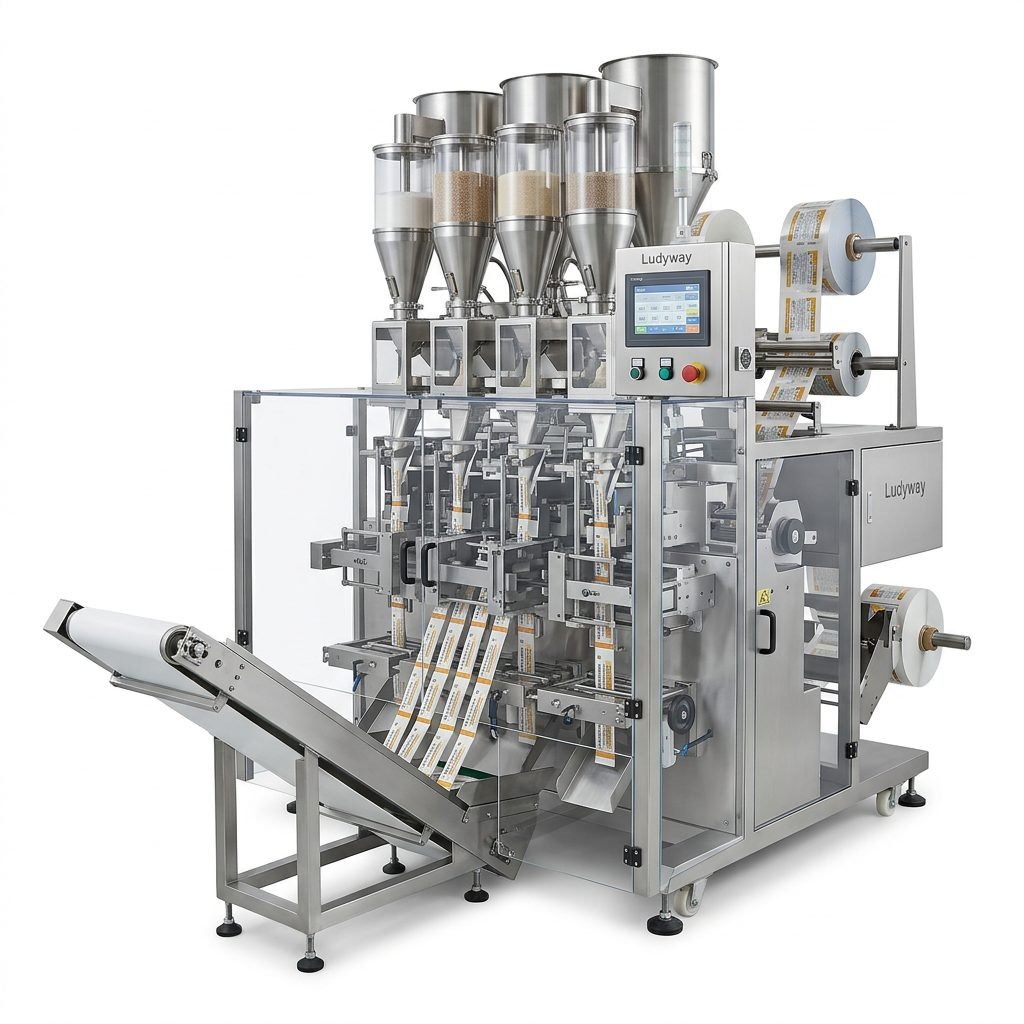
A horizontal flow packing machine, often called a flow wrapper or HFFS machine, is designed to create sealed packs from a continuous roll of film while products move horizontally through the packaging process. It is widely used in modern manufacturing because it supports fast output, stable sealing quality, and attractive retail-ready packaging for single items or grouped products.
For manufacturers that need high throughput and reliable package consistency, this type of equipment has become an important part of automated packaging operations across food, medical, personal care, household, and industrial sectors.
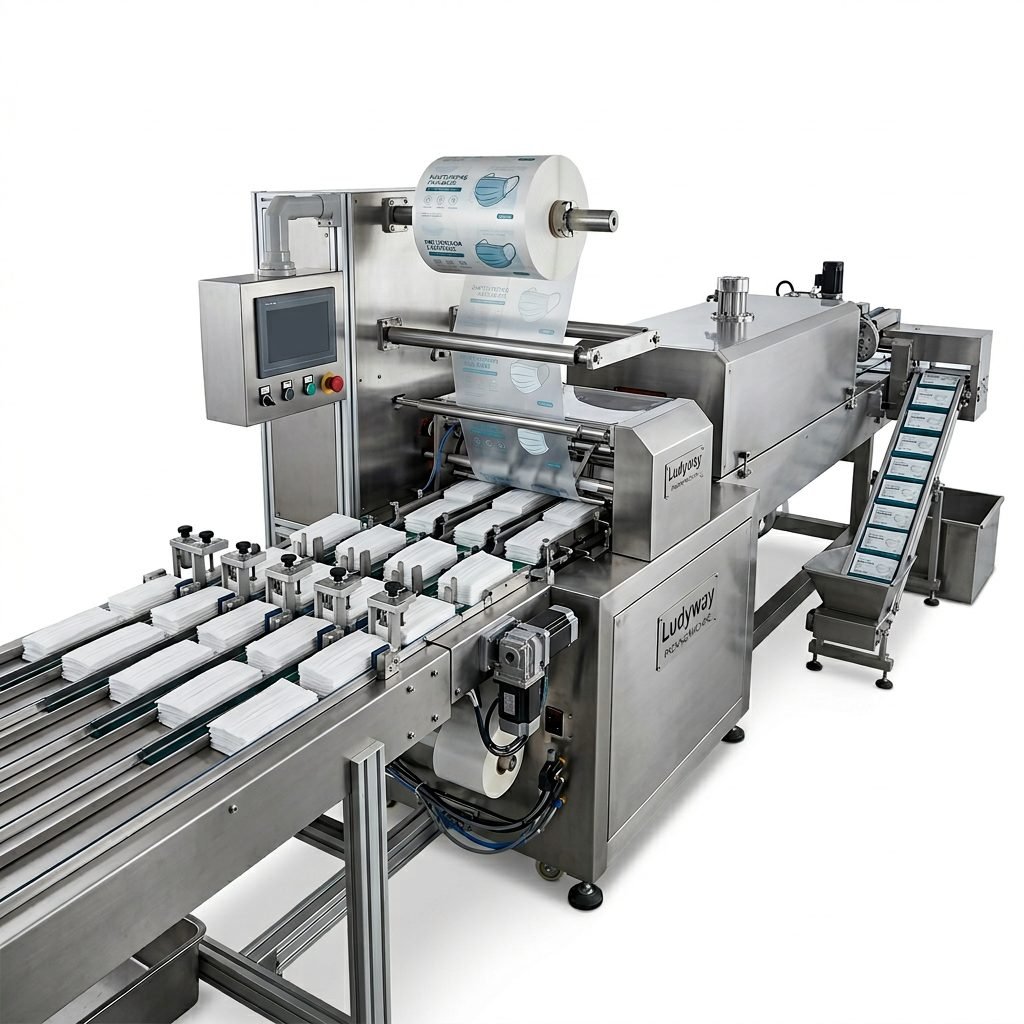
What Is a Horizontal Flow Packing Machine?
A horizontal flow packing machine forms a package around the product as it travels on an infeed conveyor. Packaging film is shaped into a tube, sealed along the length, and then cross-sealed at both ends to create individual packs. This method is ideal for products with a regular shape, products placed in trays, or items that require neat, pillow-style, fin-seal, or gusseted packs.
Compared with manual packaging or less integrated systems, horizontal flow wrappers help companies improve line speed, sealing repeatability, labor efficiency, and product presentation.
Core working process
- Product feeding and spacing
- Film unwinding and forming
- Longitudinal sealing
- End sealing and cutting
- Date coding, inspection, and discharge
Key Benefits of Horizontal Flow Packing Machines
The biggest reason manufacturers choose this equipment is simple: it combines automation with packaging consistency. Below are the most valuable operational advantages.
1. Higher packaging speed
Horizontal flow wrappers can run much faster than manual or semi-automatic methods. This allows manufacturers to handle larger production volumes without adding proportional labor. For high-demand products, this means shorter lead times and improved delivery performance.
2. Better packaging consistency
Uniform seals, repeatable bag length, and consistent pack appearance help reduce quality complaints and create a more professional brand image. This is especially important in retail and regulated industries.
3. Reduced labor dependency
Automated feeding, wrapping, sealing, and discharge reduce the need for manual handling. This supports labor savings, lowers repetitive task intensity, and helps factories maintain output even when staffing is difficult.
4. Improved product protection
A well-configured machine can help protect products from dust, moisture, contamination, tampering, and damage during transport. Depending on the film and sealing setup, it can also support shelf-life goals for certain products.
5. Attractive shelf presentation
Flow-wrapped products usually look clean and professional. The packs can support transparent windows, branded printed film, barcode areas, tear notches, and promotional designs that strengthen retail visibility.
6. Compatibility with automated lines
Horizontal flow packing machines can be integrated with feeders, cartoners, checkweighers, metal detectors, labeling units, coding devices, and case packing systems, making them a strong fit for full-line automation.
| Benefit | How It Improves Operations |
|---|---|
| High speed | Increases throughput and supports mass production |
| Stable sealing | Reduces leakage, rejects, and packaging defects |
| Automation | Cuts labor intensity and improves line efficiency |
| Pack appearance | Enhances product display and brand value |
| Line integration | Supports turnkey packaging systems and future expansion |
Common Applications Across Industries
Horizontal flow packing machines are highly versatile. They are used for products that need efficient wrapping, good visual presentation, and repeatable sealing quality.
Food industry
- Biscuits, cookies, cakes, and bakery items
- Chocolate bars, candy, and confectionery
- Instant noodles, seasoning sachets, and snack items
- Frozen food portions and prepared meal components
- Fresh produce trays and convenience food packs
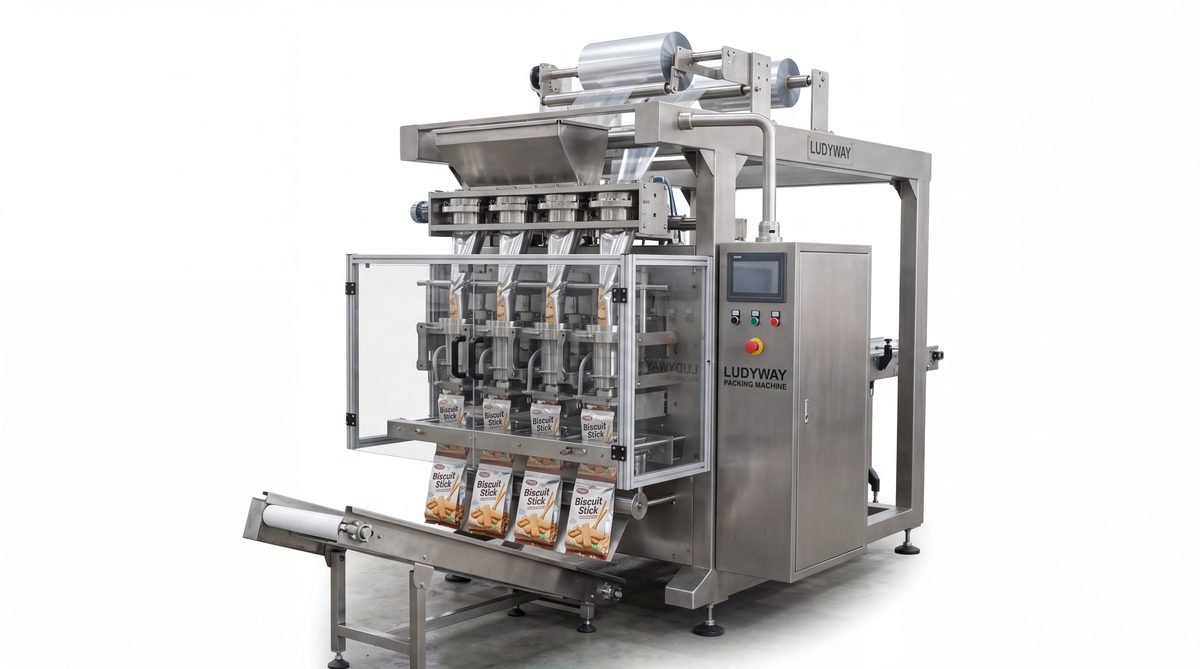
Medical and pharmaceutical products
- Medical dressings and sterile soft goods
- Diagnostic kits and medical consumables
- Blister-packed products grouped for secondary wrapping
- Health products and nutraceutical single units
Cosmetics and personal care
- Face masks and beauty sheet products
- Soap bars and personal hygiene products
- Sample packs and promotional bundles
- Travel-size product kits
Household and industrial products
- Cleaning sponges and wipes
- Small hardware kits and accessories
- Disposable items and maintenance products
- Grouped components for automated packing lines
How It Improves Packaging Efficiency
Packaging efficiency is not only about speed. It also includes uptime, changeover time, material waste, labor use, reject rate, and the smooth flow of products from one station to another. A horizontal flow packing machine improves efficiency in several practical ways.
Faster continuous operation
The machine is designed for continuous or servo-controlled intermittent motion, allowing products to move through wrapping with minimal interruption. This reduces bottlenecks and helps upstream production stay balanced with downstream packing.
Reduced packaging material waste
Accurate film tracking and controlled sealing help minimize film loss. Better control over pack length and cutting position also reduces waste caused by misfeeds or off-center seals.
Lower product damage rate
With correct infeed design and seal timing, delicate products can be wrapped more gently than with manual packing. This matters for fragile food products, medical supplies, and neatly arranged retail items.
Shorter changeovers
Modern machines often include digital parameter storage, servo adjustment, and user-friendly HMI control. Operators can switch between pack sizes or product formats more efficiently, reducing downtime between SKUs.
Better production visibility
Advanced control systems can display alarms, output rates, seal temperature, fault history, and batch data. This helps maintenance and production teams respond faster and make better line decisions.
| Efficiency Factor | Impact of Horizontal Flow Packing |
|---|---|
| Throughput | Higher packs per minute with stable performance |
| Labor use | Fewer manual packing steps and easier supervision |
| Material consumption | More precise film usage and fewer packaging errors |
| Downtime | Reduced through automation and easier adjustment |
| Quality control | More consistent sealing and pack appearance |
Important Features to Look For
Not every machine is the same. Buyers should evaluate technical details based on product type, speed target, packaging film, and integration needs.
Recommended machine features
- Servo-driven control for accurate movement and better flexibility
- Automatic film tracking for precise print registration
- Adjustable sealing temperature for different materials
- No-product-no-bag function to reduce waste
- Easy-clean design for hygiene-sensitive applications
- Tool-free or simplified changeover structure
- Compatible coding, labeling, and inspection options
- Integration capability with feeders, cartoners, and conveyors
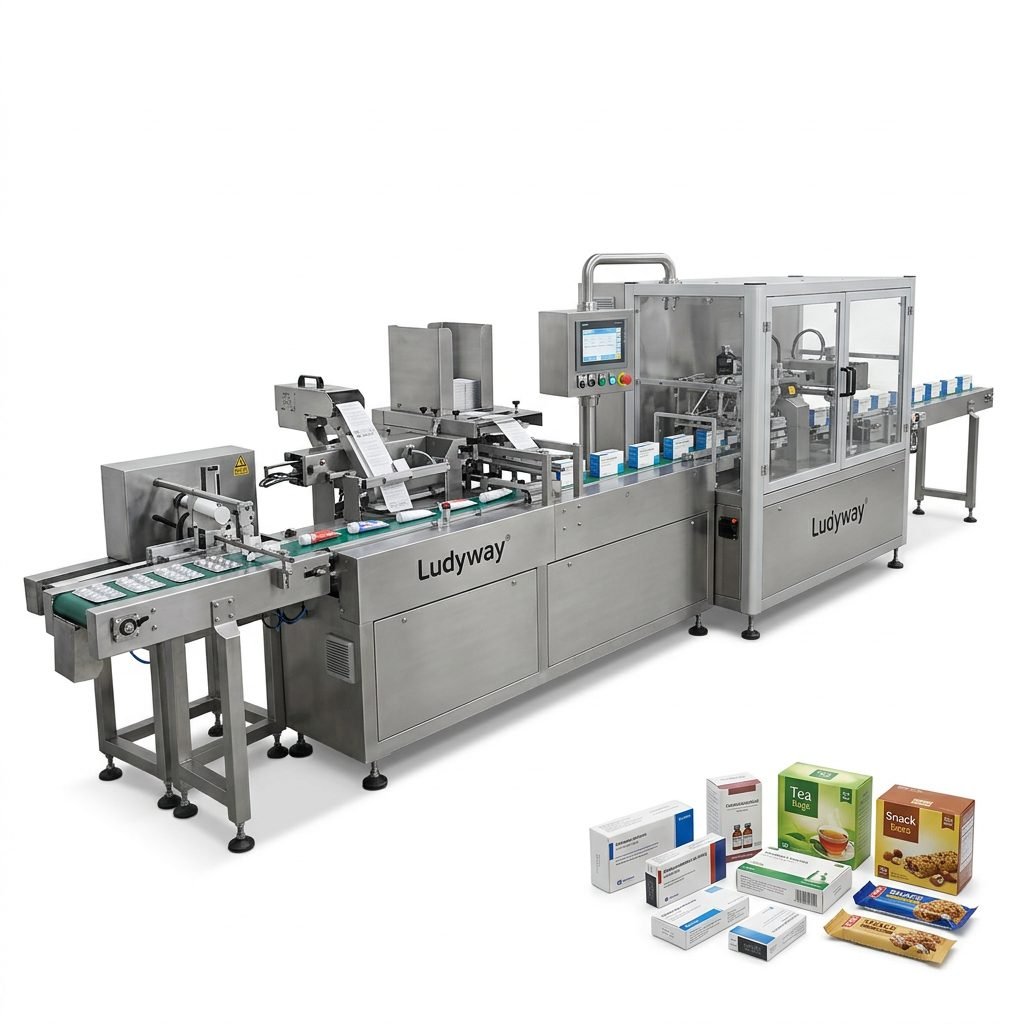
Horizontal Flow Packing Machine vs Other Packaging Systems
Choosing the right machine depends on product characteristics and target package format. Horizontal flow wrapping is especially suitable for solid, discrete, or tray-supported products, while other solutions may be better for loose powders, liquids, or bulk filling.
| Packaging System | Best For | Typical Advantage |
|---|---|---|
| Horizontal flow packing machine | Solid items, trays, grouped products | Fast wrapping and attractive pillow packs |
| Vertical form fill seal machine | Granules, powders, small solids | Efficient bag making from roll film |
| Premade pouch machine | Stand-up pouches and premium pouch formats | Strong shelf appeal and format flexibility |
| Blister packaging machine | Tablets, capsules, medical devices | Unit-dose protection and traceability |
How to Choose the Right Machine for Your Factory
A good buying decision starts with understanding your actual production requirements. Instead of choosing only by speed, it is better to match the machine to your product, plant layout, and long-term business goals.
Questions to ask before buying
- What product shape, size, and fragility level must be handled?
- What packaging film and pack style will be used?
- What output speed is required now and in the future?
- Will the machine work standalone or as part of an automated line?
- Do you need coding, inspection, cartoning, or case packing integration?
- How often will product or size changeovers happen?
- What hygiene, compliance, or cleanability standards apply?
For many buyers, it is valuable to work with an experienced manufacturer that can provide both standalone machines and complete line integration. horizontal flow packing machine solutions from Ludyway can be considered by companies that need scalable packaging equipment, application-focused customization, and turnkey packaging line support across food, pharmaceutical, health supplement, and related industries.
Maintenance Tips for Long-Term Performance
Even a high-quality machine needs proper maintenance to deliver stable output. Consistent servicing can reduce downtime and extend equipment life.
- Inspect sealing jaws and cutting components regularly
- Keep film path, rollers, and sensors clean
- Check conveyor alignment and infeed timing
- Monitor temperature control and electrical connections
- Lubricate moving parts according to the manufacturer schedule
- Train operators on alarms, adjustments, and sanitation procedures
Why Horizontal Flow Packing Machines Matter in Modern Manufacturing
As factories pursue automation, labor optimization, and more professional packaging, horizontal flow wrapping equipment continues to play a central role. It helps manufacturers deliver faster packaging cycles, cleaner pack appearance, lower waste, and better product protection while supporting integration with broader packaging systems.
Whether used for food, medical supplies, personal care items, or industrial goods, the right machine can make a measurable difference in production efficiency and final package quality. For companies aiming to improve output without sacrificing consistency, a horizontal flow packing machine is often a practical and scalable investment.