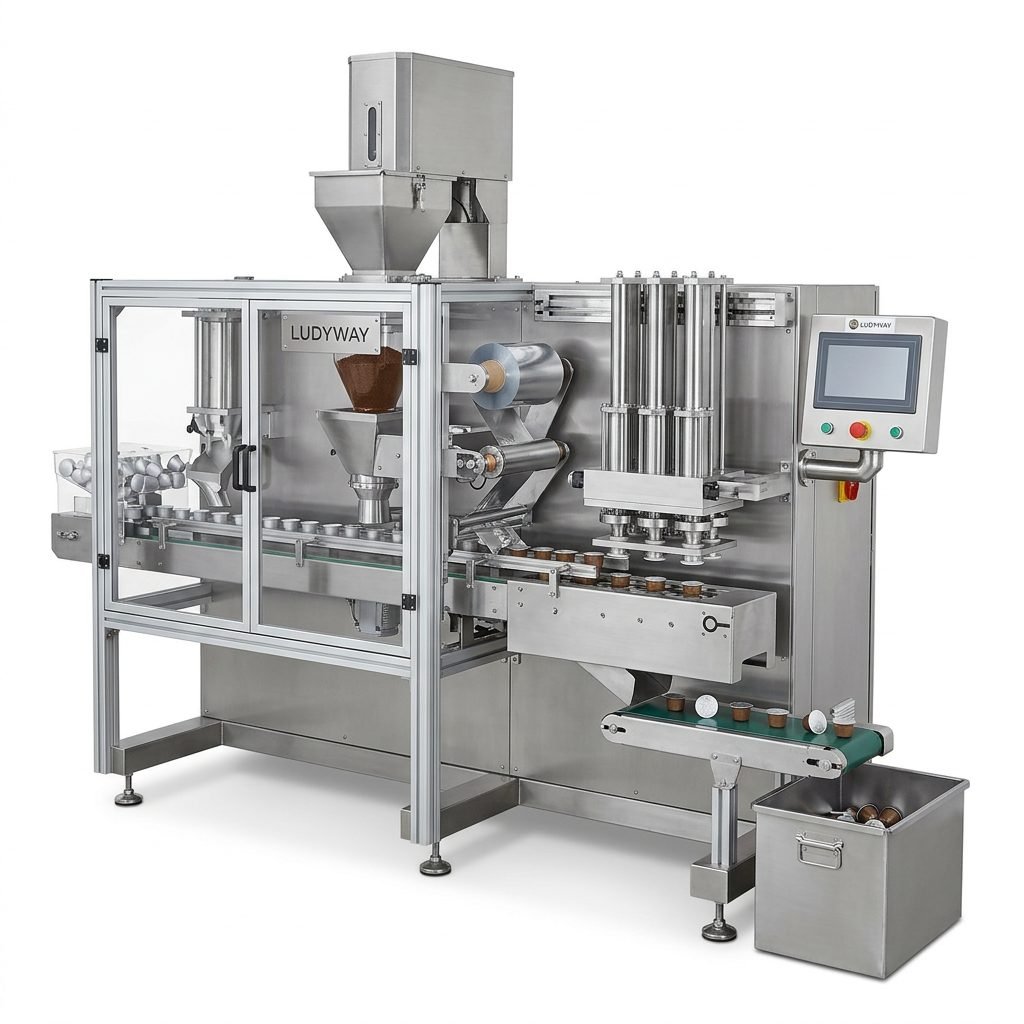
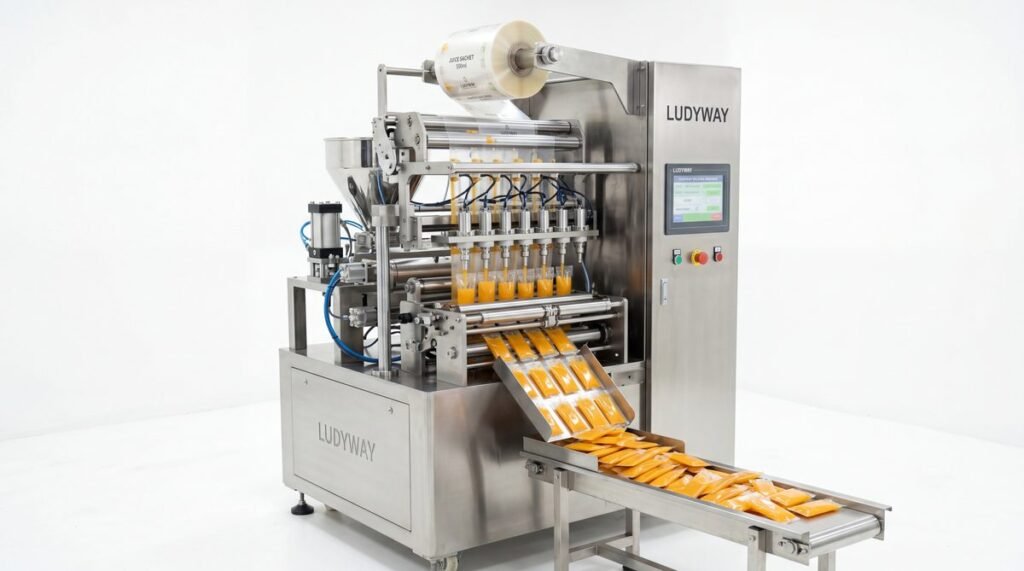
Selecting a tablet bottle packing machine is one of the most important equipment decisions a pharmaceutical, nutraceutical, or supplement manufacturer will make. The right machine improves production efficiency, ensures dosage accuracy, and maintains product integrity from the filling line to the pharmacy shelf. Making the wrong choice can result in costly downtime, regulatory non-compliance, and inconsistent packaging quality. This guide walks you through every factor to consider before you invest.
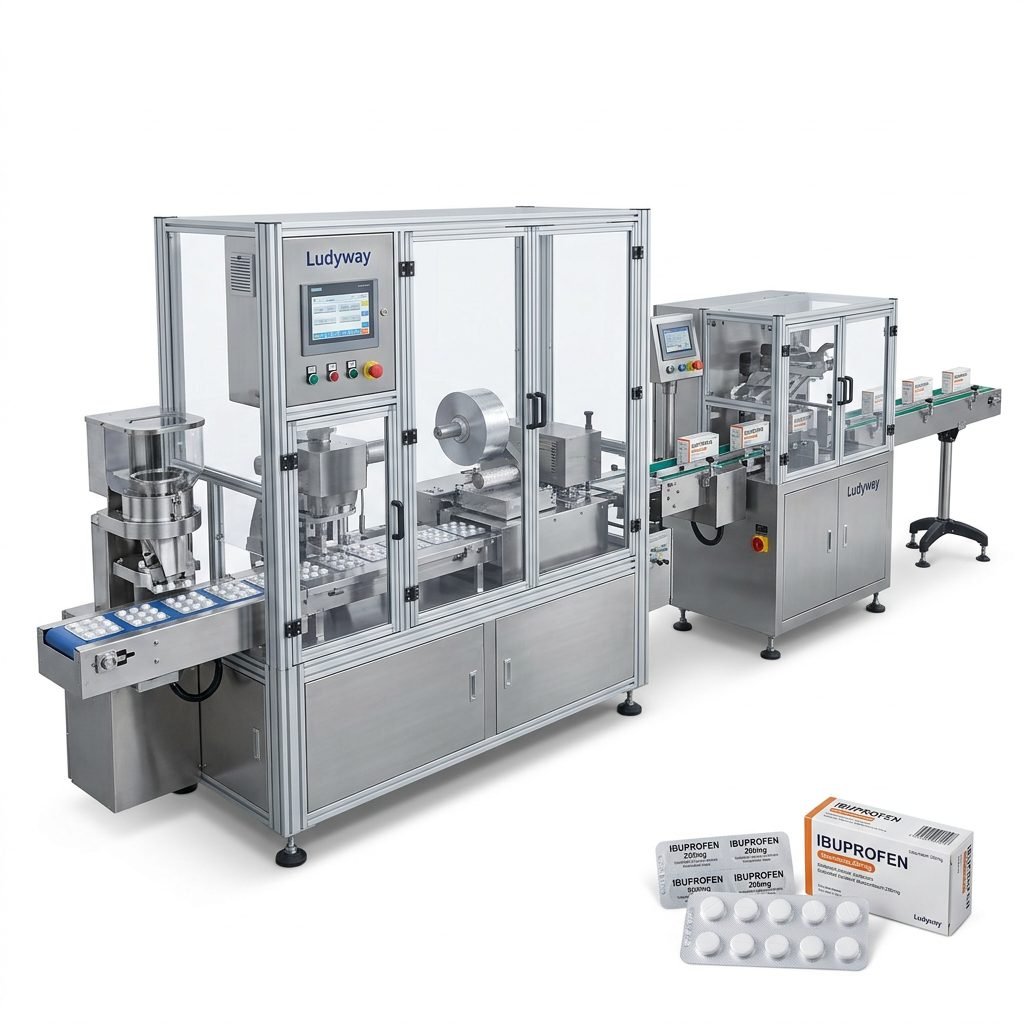
Understanding Your Tablet Packaging Requirements
Before evaluating specific models, you need to define your operational parameters clearly. Start by analyzing your production volume — are you running small batches of 500 bottles per hour, or do you need a high-speed line capable of handling 5,000+ bottles per hour? Your answer will determine whether a semi-automatic or fully automatic packaging machinery solution is appropriate.
Next, consider your tablet characteristics. Different shapes, sizes, coatings, and friability levels affect how tablets are counted and filled. Oblong tablets, soft gels, and effervescent tablets each require specific handling mechanisms to prevent breakage. Also evaluate your bottle specifications — neck diameter, bottle height, and material type all influence the filling and capping process.
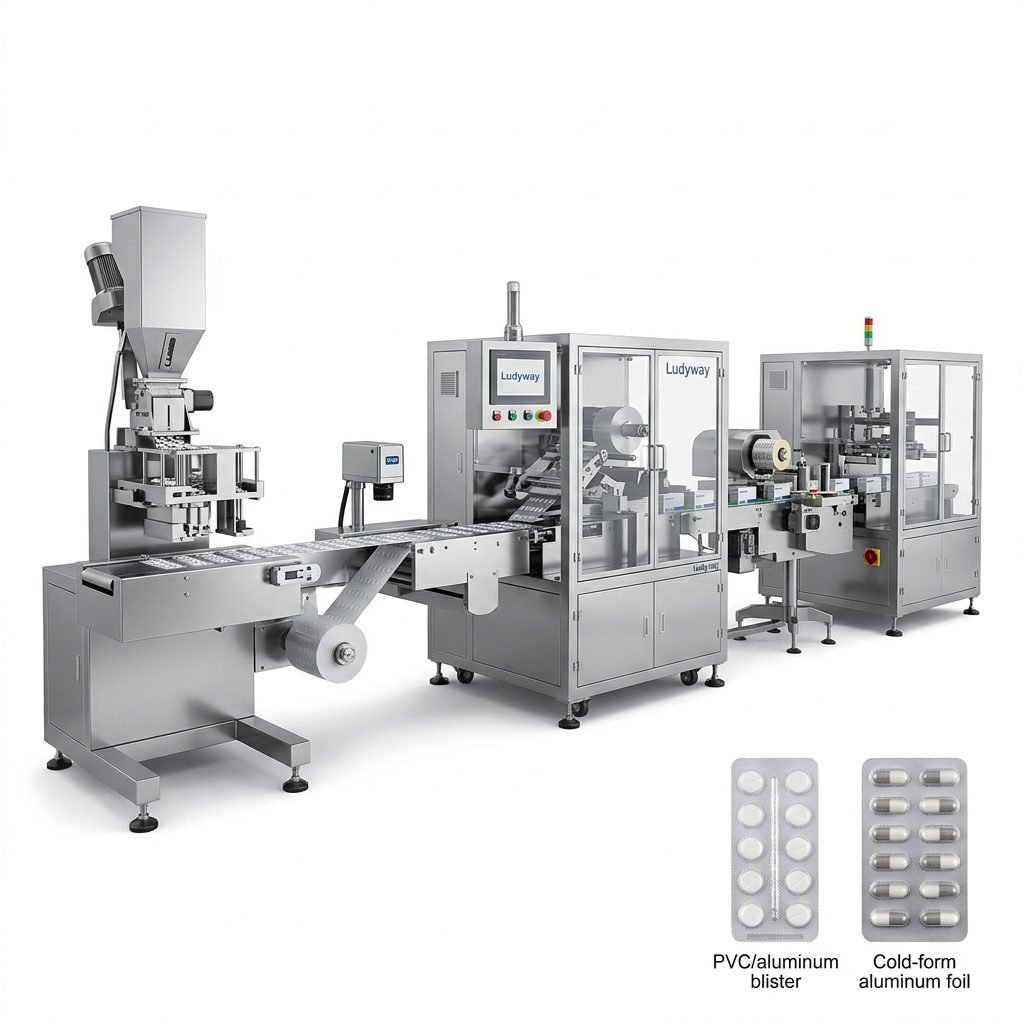
Key Features to Evaluate in a Tablet Bottle Packing Machine
Modern tablet packing machines offer a wide range of features that directly impact productivity and product quality. The following are critical areas to examine during your evaluation.
Counting Accuracy and Technology
The heart of any tablet bottle packing machine is its counting system. Electronic counting technology using infrared sensors, vibration channels, and multi-channel counting heads delivers significantly higher accuracy than mechanical alternatives. Look for systems with real-time count verification, automatic rejection of miscounted bottles, and the ability to maintain accuracy at high speeds. A counting accuracy of ±1 tablet per bottle is the minimum standard for pharmaceutical-grade equipment.
Filling Speed and Throughput
Production speed requirements vary dramatically by manufacturer size. Entry-level semi-automatic machines may process 15-30 bottles per minute, while high-speed fully automatic lines with multi-lane packaging systems can exceed 200 bottles per minute. When assessing speed claims, always confirm the rate with your specific tablet type and bottle size, as actual throughput depends on these variables.
Changeover Flexibility
If your facility packages multiple SKUs with different tablet sizes and bottle formats, prioritize machines with quick-changeover capabilities. Tool-free adjustments, recipe-based settings stored in the PLC, and modular design all help reduce downtime between production runs. A well-designed changeover should take less than 15 minutes for a trained operator.
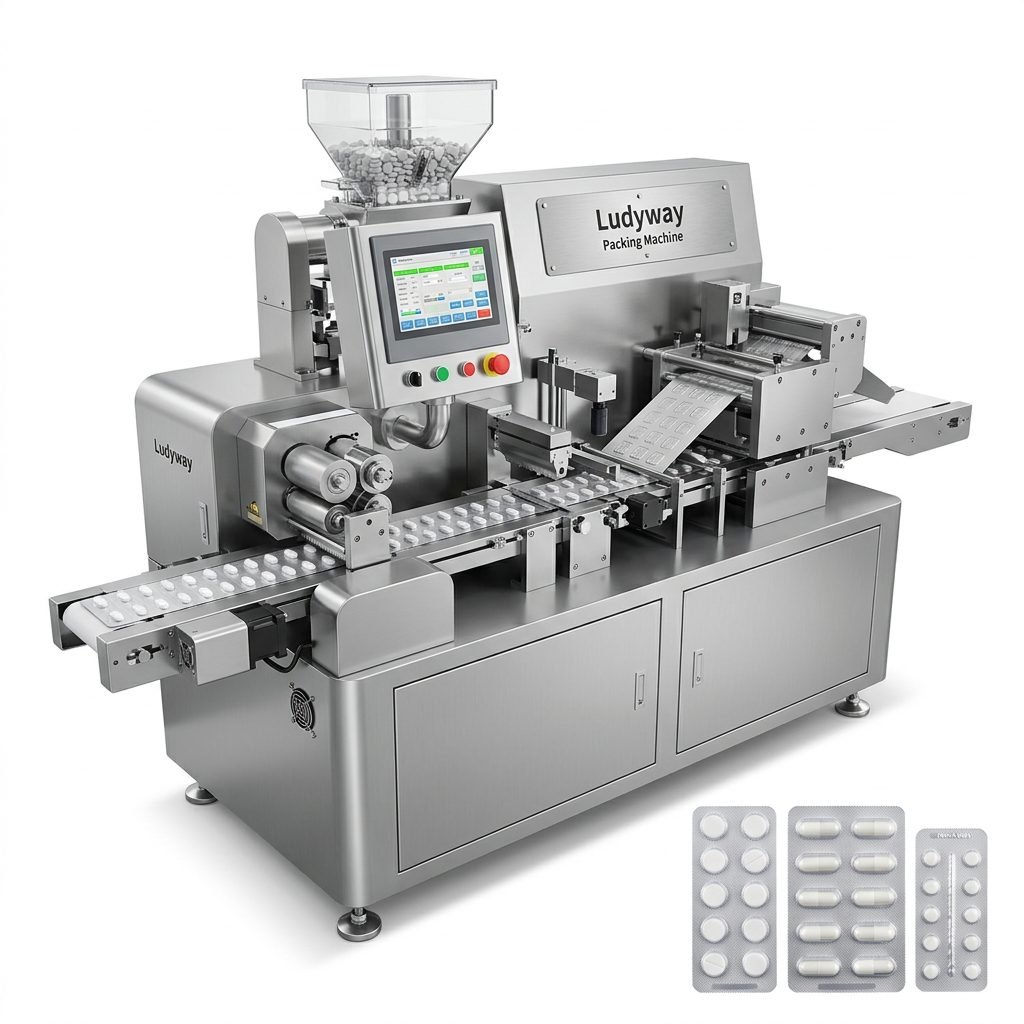
Comparing Types of Tablet Bottle Packing Machines
Different machine configurations suit different production scales and facility layouts. Understanding the fundamental types helps narrow your search.
| Machine Type | Best For | Typical Speed | Automation Level |
|---|---|---|---|
| Semi-Automatic Counter | Small batches, startups | 15-30 bottles/min | Manual loading, automatic counting |
| Inline Automatic Filler | Medium production, consistent SKUs | 40-80 bottles/min | Fully automatic counting, capping |
| Rotary Counting Machine | High-volume production | 100-200+ bottles/min | Continuous motion, full integration |
| Monobloc Tablet Line | Complete packaging in one footprint | 60-150 bottles/min | Filling, capping, labeling integrated |
Integration With Existing Packaging Lines
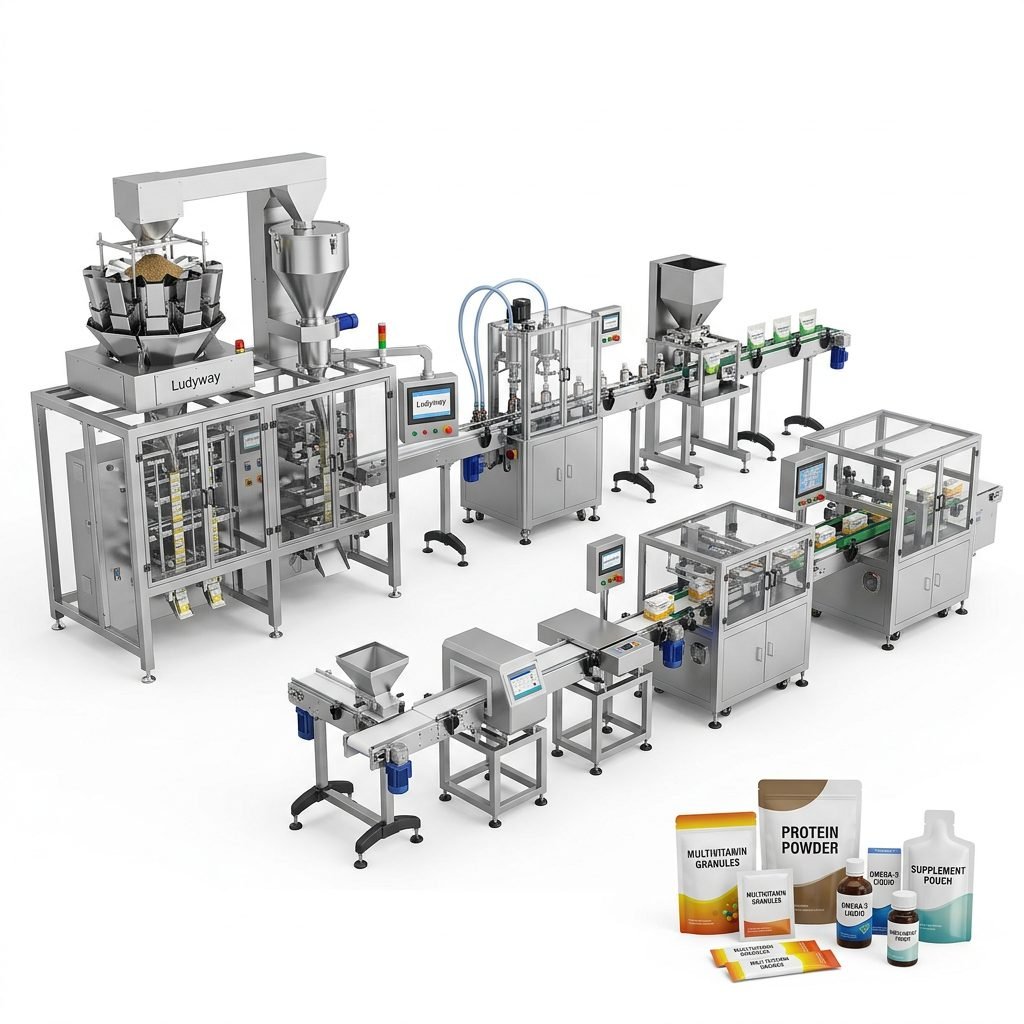
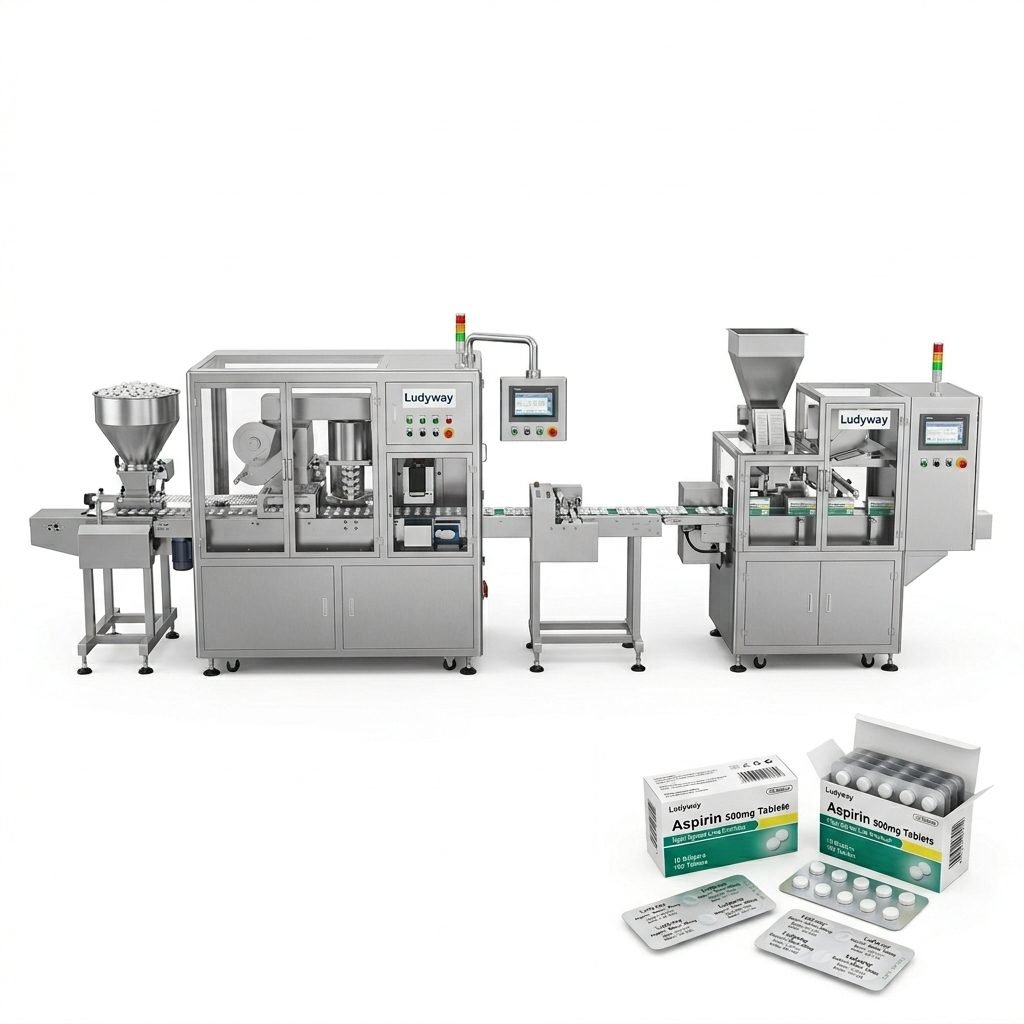
Your tablet bottle packing machine rarely operates in isolation. Consider how the equipment will connect with upstream and downstream processes including bottle unscrambling, desiccant insertion, cotton insertion, capping, induction sealing, labeling, cartoning, and case packing. Choosing equipment that integrates seamlessly with your current or planned turnkey packaging solutions prevents bottlenecks and simplifies line management.
A supplier that offers multiple packaging machine types and can provide integrated packaging systems — from bottle handling through final palletizing — often delivers better overall line performance than mixing equipment from disparate manufacturers.

Regulatory Compliance and Quality Standards
For pharmaceutical applications, regulatory compliance is non-negotiable. Your tablet packing machine must meet the requirements of the markets where your products are sold.
Key Certifications to Look For
- cGMP compliance — The machine design should facilitate current Good Manufacturing Practice requirements, including cleanable surfaces, accessible components, and documented validation protocols.
- FDA 21 CFR Part 11 — If your operation requires electronic records, the machine’s control system must support audit trails, user authentication, and data integrity features.
- CE marking — For equipment sold or operated in European markets, CE compliance confirms conformity with applicable EU directives for safety, health, and environmental protection.
- ISO 9001 certification — The manufacturer should hold this quality management system certification as evidence of consistent production standards.
For sterile products, refer to ISO 11607 standards for packaging validation requirements. The FDA packaging regulations provide additional guidance for manufacturers shipping to U.S. markets.
Material Compatibility and Construction Quality
Tablet bottle packing machines should be constructed with pharmaceutical-grade materials. All product-contact surfaces must be made of 316L stainless steel or FDA-approved materials that resist corrosion and facilitate cleaning. The frame should use 304 stainless steel at minimum. Watch for potential contamination points — exposed threads, non-sealed bearings, and painted surfaces near the product path can all introduce risks.
Machine longevity is directly tied to build quality. Inspect the quality of pneumatic components, servo motors, PLC brands, and electrical enclosures. Established suppliers partner with recognized industrial automation brands such as Siemens, Allen-Bradley, Festo, and SMC to ensure reliable long-term operation and global spare parts availability.

Evaluating the Packaging Machinery Supplier
The manufacturer behind the machine matters as much as the equipment specifications. A thorough supplier evaluation should cover the following points.
Industry Experience and Track Record
Look for a packaging machinery manufacturer with demonstrated experience in the pharmaceutical sector. Ludyway Machinery, for example, brings over 30 years of packaging industry experience, with a 20,000-square-meter manufacturing facility and more than 50 packaging machine models serving customers across more than 100 countries. A manufacturer with this depth of experience can better anticipate application challenges and recommend proven configurations.
After-Sales Support and Service
Ask detailed questions about technical support availability: How quickly can a technician be on-site? Is remote diagnostic support available? What is the spare parts supply chain like for your region? A manufacturer that provides installation, commissioning, operator training, troubleshooting, and ongoing spare parts support reduces long-term operational risk significantly.
Customization Capabilities
Standard machines rarely fit every application perfectly. The right partner should offer customization and engineering services to adapt the equipment to your specific product characteristics, bottle sizes, factory layout, and automation requirements. Customized solutions are especially valuable for manufacturers introducing new tablet formats or scaling up from manual to automated processes.
Cost Considerations Beyond the Purchase Price
The initial equipment cost represents only part of the total investment. Evaluate the total cost of ownership over the machine’s expected lifespan, typically 10-15 years for well-maintained pharmaceutical equipment. Key cost factors include:
- Spare parts consumption — High-wear items like counting disc brushes, conveyor belts, and sealing elements
- Energy consumption — Servo-driven machines generally use less power than pneumatic-intensive designs
- Operator training — More intuitive interfaces reduce training time and operator errors
- Maintenance requirements — Machines with accessible design and modular construction reduce maintenance hours
- Downtime risk — A reliable machine with strong support infrastructure minimizes costly production interruptions
Validation and Documentation Support
Pharmaceutical manufacturers must validate packaging equipment as part of their quality system. Your equipment supplier should provide comprehensive validation documentation packages including:
- Factory Acceptance Test (FAT) protocols
- Site Acceptance Test (SAT) documentation
- Installation Qualification (IQ) support
- Operational Qualification (OQ) guidance
- Performance Qualification (PQ) frameworks
- Equipment design specifications and drawings
Manufacturers that can provide this documentation reduce the validation burden on your quality team and accelerate time-to-production.
Industry Trends Affecting Tablet Packaging Decisions
Several trends are reshaping tablet packaging requirements. The PMMI State of the Industry reports consistently highlight growing demand for flexible packaging systems that can handle smaller batch sizes, serialization requirements, and sustainable packaging materials. When selecting equipment, consider whether the machine can accommodate these evolving needs.
Serialization and track-and-trace requirements continue to expand globally. Your tablet packing line should either include integrated coding and serialization capabilities or allow seamless integration with third-party serialization systems. Similarly, anti-counterfeiting measures such as tamper-evident seals and unique identifier printing are becoming standard expectations.
Making the Final Decision
After evaluating technical specifications, supplier qualifications, and total cost factors, the final decision often comes down to a few practical considerations. Visit the manufacturer’s facility if possible — seeing equipment in operation and meeting the engineering team provides insights that specifications alone cannot convey. Request references from customers with similar applications and production scales. If feasible, conduct a factory acceptance test with your actual products to verify counting accuracy and overall performance before shipment.
Investing in the right tablet bottle packing machine is a strategic decision that affects production efficiency, regulatory compliance, and product quality for years to come. By systematically evaluating your requirements against machine capabilities, supplier qualifications, and long-term support infrastructure, you can make a confident choice that supports your manufacturing goals.
For more information on pharmaceutical packaging equipment and industry standards, explore resources from PMMI – The Association for Packaging and Processing Technologies, consult FDA packaging and food contact substances guidelines, or review Flexible Packaging Association industry resources for broader packaging trends affecting pharmaceutical manufacturers.
For the latest insights on packaging machinery industry growth and export trends, read about the Ludyway Packaging Machinery Global Growth Trend and projections for 2026 and beyond.