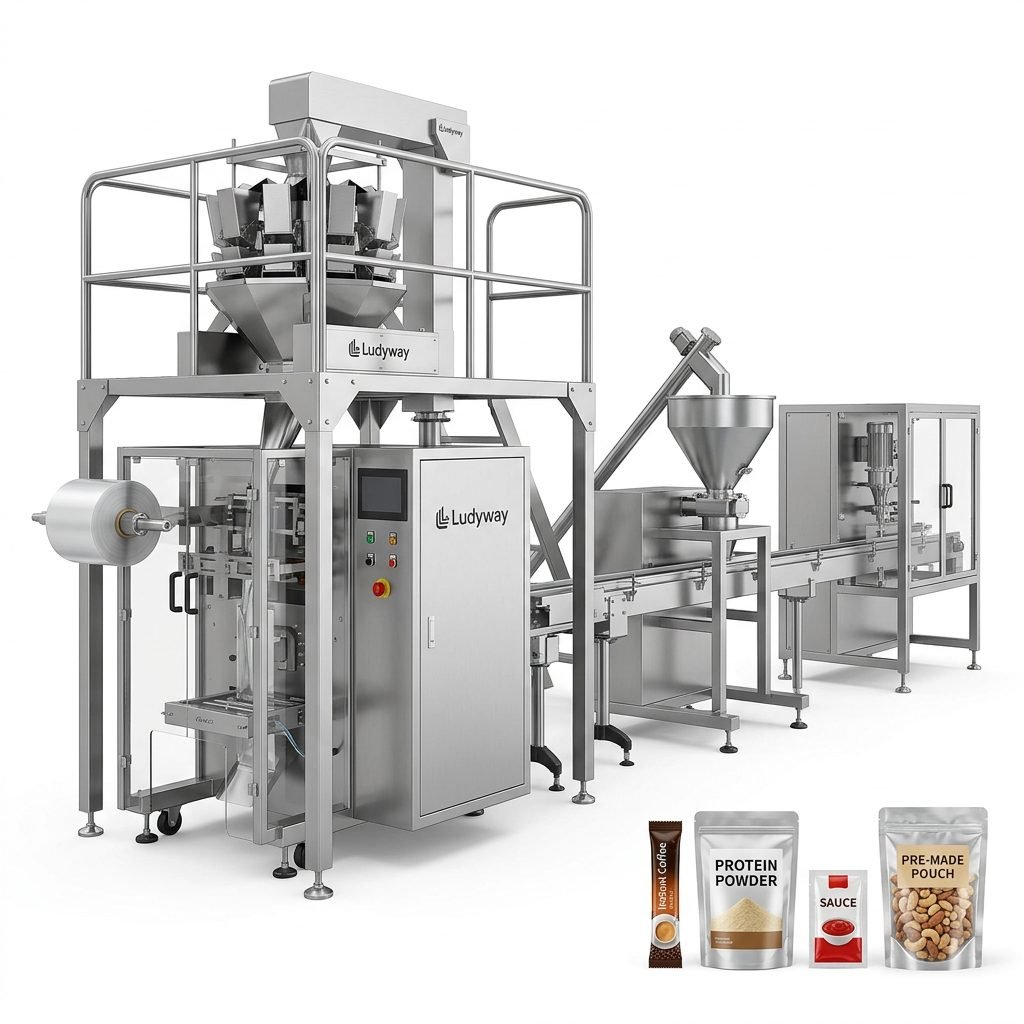
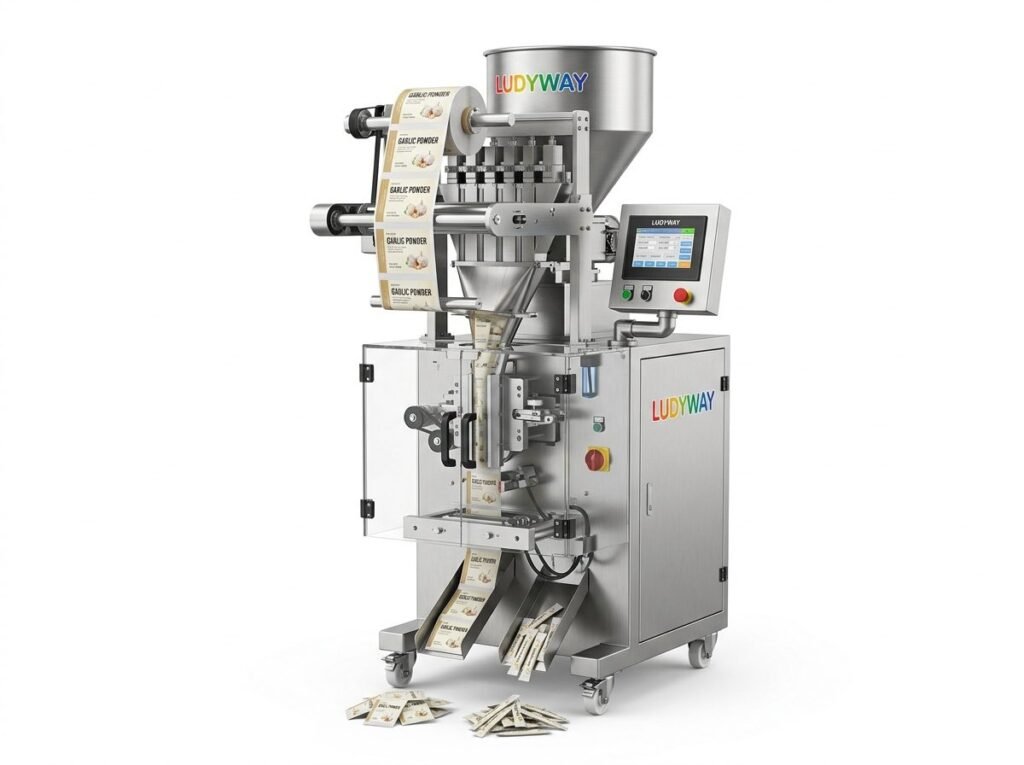
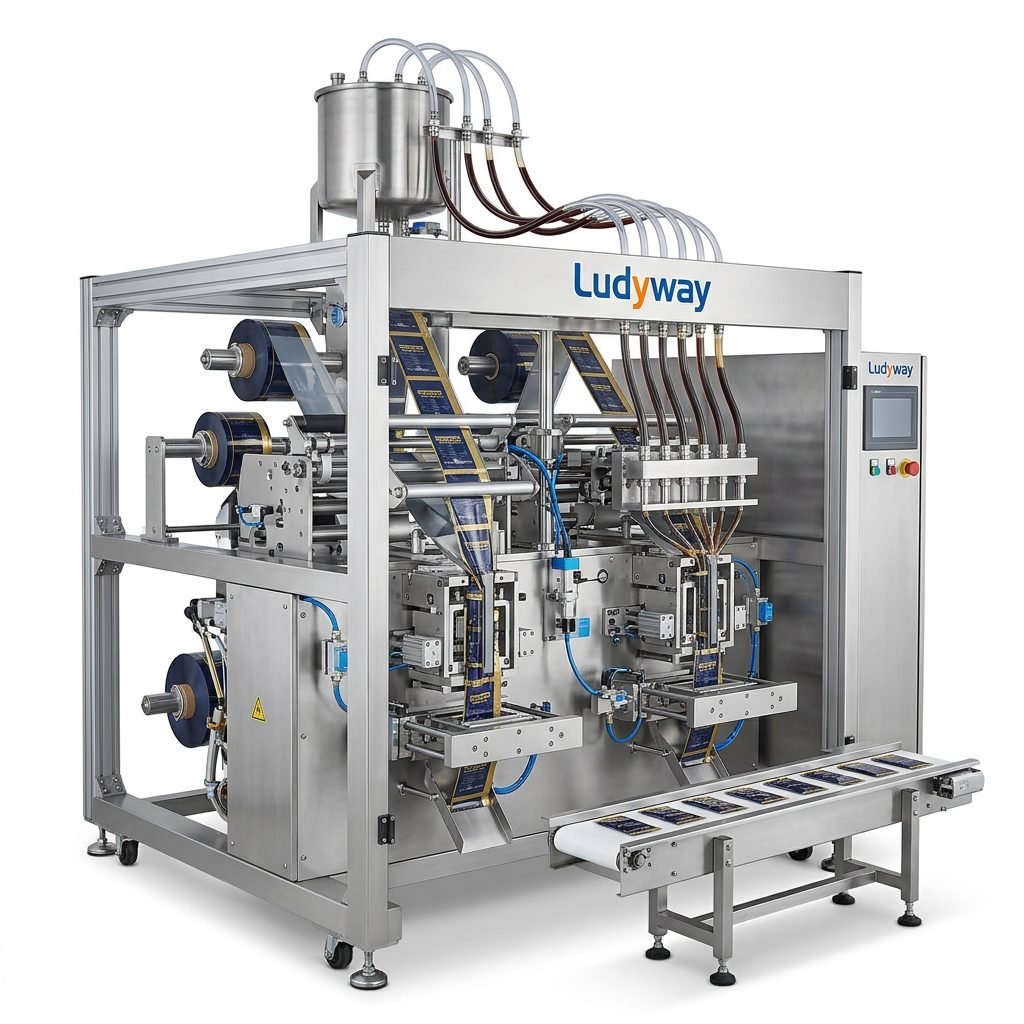
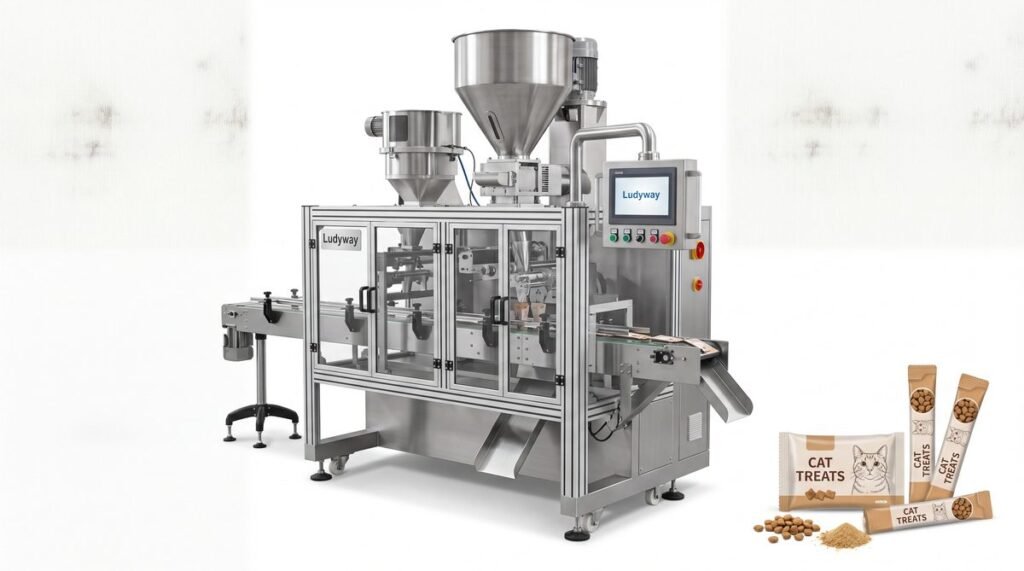
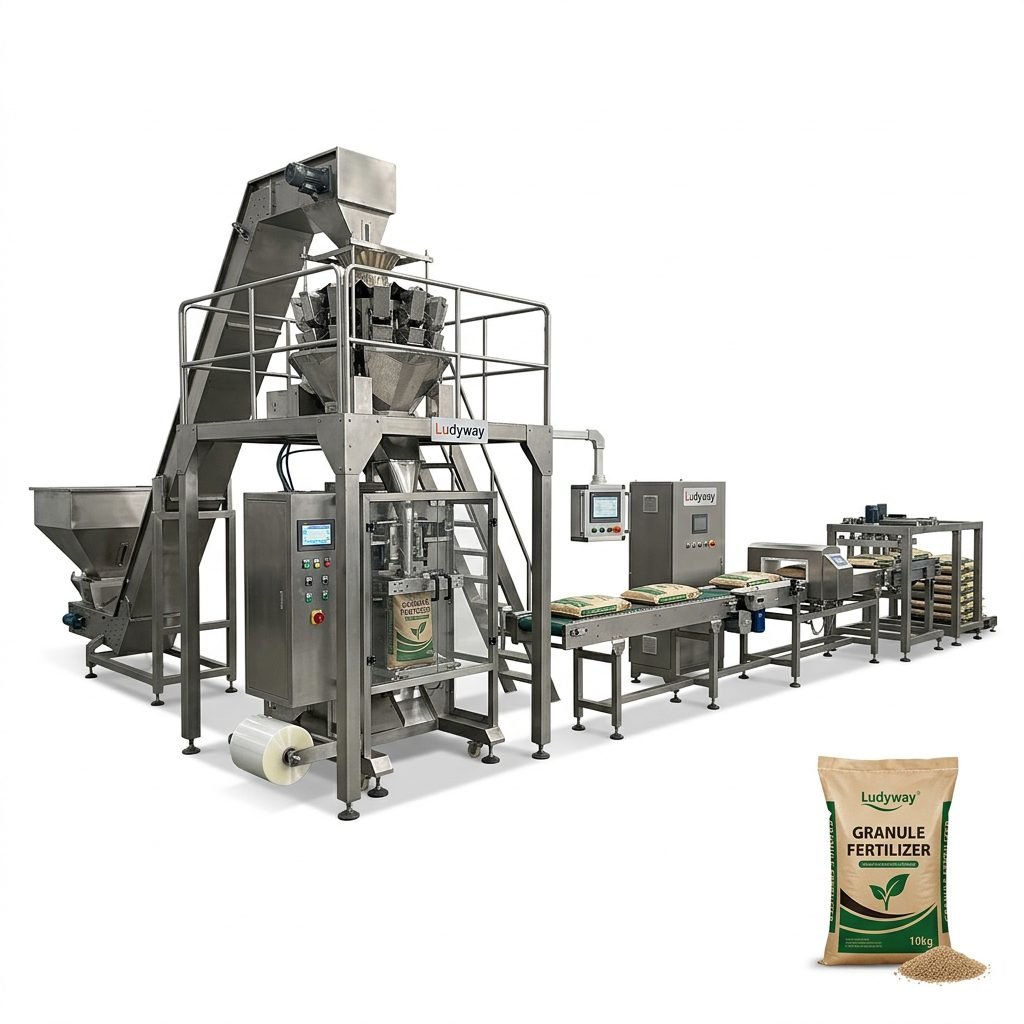
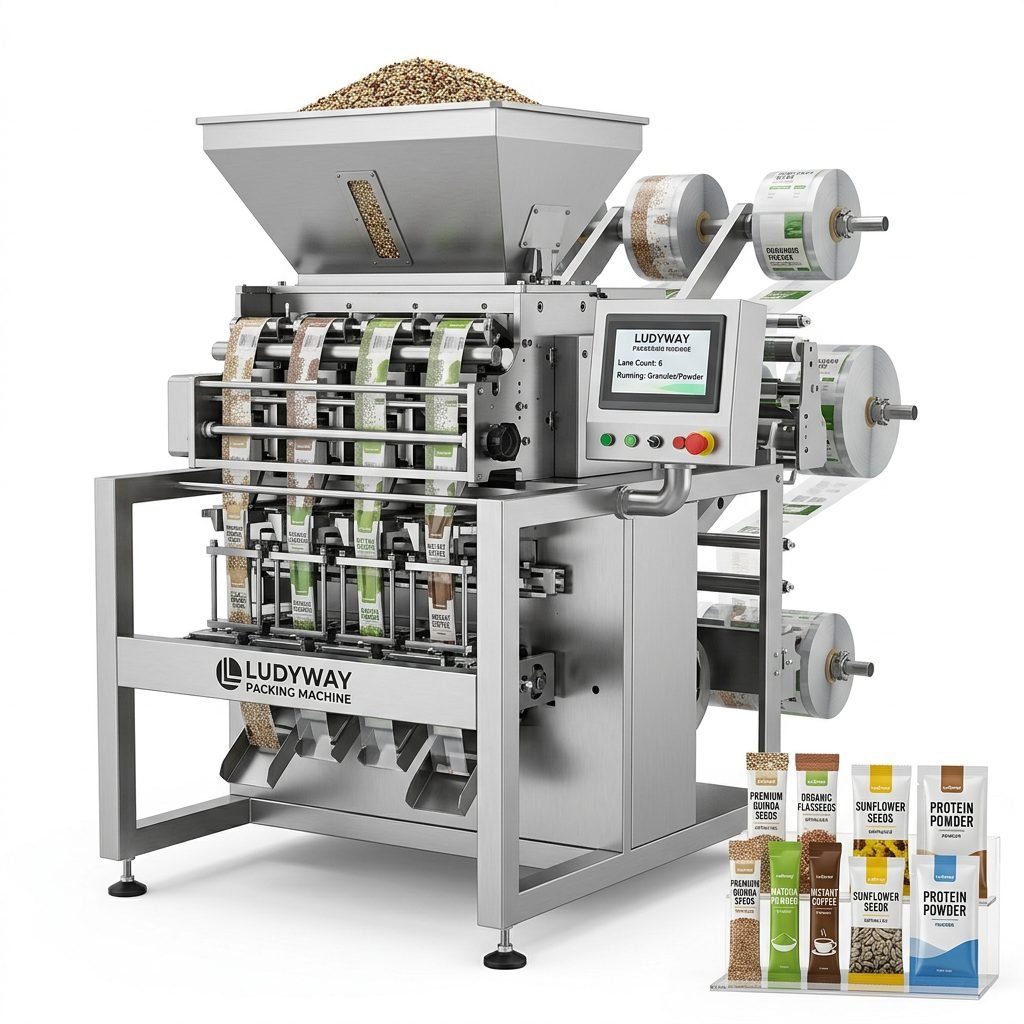
Gulal, the vibrant colored powder central to celebrations like Holi and other cultural festivals, presents unique packaging challenges for manufacturers. The fine particle size, multiple color variants, and need for dust-free, hygienic packaging make selecting the right gulal packing machine a critical business decision. This comprehensive buyer’s guide walks you through every factor to consider before investing in packaging equipment for color powders, helping you make an informed choice that balances production efficiency, product quality, and long-term reliability.
Understanding the Challenges of Gulal Powder Packaging
Gulal powder is typically composed of cornstarch, natural or synthetic dyes, and sometimes mica or talc for shimmer effects. Its ultra-fine consistency — often finer than 100 mesh — creates specific packaging demands that standard powder filling equipment may not adequately address. Dust generation during filling can lead to product loss, cross-contamination between color batches, and potential respiratory hazards for operators.
Key packaging challenges specific to gulal include:
- Fine particle dust control — requiring enclosed filling zones and dust extraction systems
- Color cross-contamination prevention — demanding thorough cleaning protocols between production runs
- Moisture protection — since many gulal formulations are hygroscopic and degrade when exposed to humidity
- Static electricity management — fine powders generate static charges that affect filling accuracy
- Multiple packaging formats — from small sachets (10-50g) to larger pouches (100g-1kg) and bulk bags
Addressing these challenges requires a packaging machine specifically configured for fine powder handling, with features like dust-tight seals, servo-driven auger fillers, and effective static elimination. Consulting resources from organizations like the Flexible Packaging Association can provide additional insights into flexible packaging best practices for powder products.
Types of Gulal Packing Machines Available
Different production scales and packaging formats call for different machine configurations. Understanding the main categories of gulal packing equipment helps narrow down options based on your specific requirements. The following table summarizes the most common machine types used in color powder packaging:
| Machine Type | Best For | Typical Speed Range | Key Advantages |
|---|---|---|---|
| Vertical Form Fill Seal (VFFS) | Sachets, stick packs, pillows | 40-120 packs/min | Versatile, compact footprint, cost-effective |
| Multi-Lane Stick Pack Machines | High-volume small sachets | 200-800 packs/min | Maximum output, efficient material usage |
| Auger Filler Machines | Precise dosing for fine powders | 30-80 fills/min | High accuracy, handles cohesive powders |
| Premade Pouch Fill & Seal | Stand-up pouches, large formats | 20-60 pouches/min | Premium packaging, flexible sizes |
| Volumetric Cup Fillers | Free-flowing powder, budget-conscious | 50-100 fills/min | Simple operation, lower investment |
Vertical Form Fill Seal (VFFS) for Gulal Packaging
VFFS machines are among the most popular choices for gulal powder packaging, especially for manufacturers producing single-color sachets in the 20g to 200g range. These machines form bags from roll stock film, fill product, and seal — all in one continuous vertical operation. For gulal applications, VFFS machines should be equipped with auger filling systems for accurate dosing and dust extraction ports to maintain a clean working environment.
Multi-Lane Stick Pack Solutions
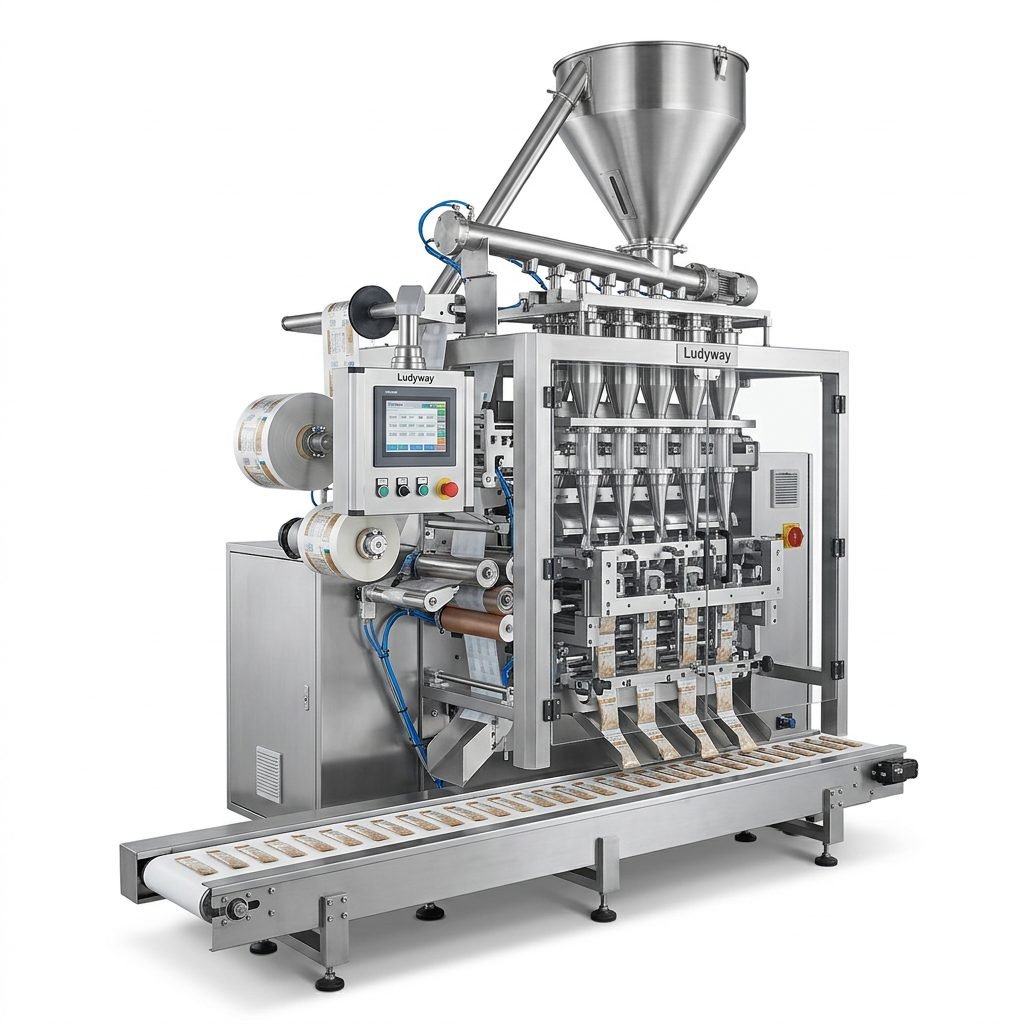
For high-volume gulal producers serving festival markets where demand spikes dramatically, multi-lane stick pack machines offer unparalleled throughput. These machines run multiple lanes simultaneously — typically 4 to 12 lanes — each producing individual stick packs at high speed. A 10-lane machine running at 50 cycles per minute can produce 500 stick packs per minute, making it ideal for manufacturers who need to build inventory ahead of peak Holi season.
Critical Factors to Evaluate Before Purchase
Investing in a gulal packing machine requires careful evaluation of multiple technical and operational factors. Rushing this decision often leads to costly retrofits, production bottlenecks, or compromised product quality. Below are the essential criteria every buyer should assess:
1. Production Speed and Capacity Requirements
Calculate your current and projected daily output in units or kilograms. Gulal demand is highly seasonal, with Holi and Diwali creating massive spikes. Your machine should handle peak production without running 24/7. Consider whether you need surge capacity of 30-50% above your baseline requirement to accommodate seasonal demand. The PMMI Business Intelligence Library offers useful industry benchmarks for packaging machinery throughput across different powder applications.
2. Filling Accuracy and Dosing Precision
Gulal packaging demands consistent fill weights for regulatory compliance and cost control. Auger-based filling systems typically achieve ±0.5% to ±1% accuracy for fine powders, while volumetric cup fillers may vary by ±2% to ±3%. For premium gulal products sold at higher price points, the tighter tolerance of auger systems often justifies the additional equipment cost through reduced product giveaway.
3. Packaging Material Compatibility
Gulal requires moisture-barrier packaging to prevent clumping and color degradation. Common materials include metallized PET/PE laminates, aluminum foil composites, and BOPP/CPP structures. Verify that your chosen machine can handle the specific film thickness, heat-seal characteristics, and barrier properties required for your target shelf life. Refer to ISO Packaging Standards for guidance on material specifications and testing protocols.
4. Color Changeover Efficiency
For manufacturers producing multiple gulal colors on the same line, rapid changeover capability directly impacts profitability. Look for machines with tool-less disassembly, smooth interior surfaces, and minimal product-contact crevices. Some advanced models feature quick-release hoppers and washable components that reduce cleaning time between color batches from hours to minutes.
5. Dust Management and Operator Safety
Given the respiratory hazards associated with fine powder inhalation, enclosed filling zones and integrated dust extraction are non-negotiable features. Machines should incorporate HEPA-filtered dust collection, sealed product pathways, and minimal open transfer points. Compliance with occupational health standards protects your workforce and demonstrates responsible manufacturing practices.
Automation Level and Production Line Integration
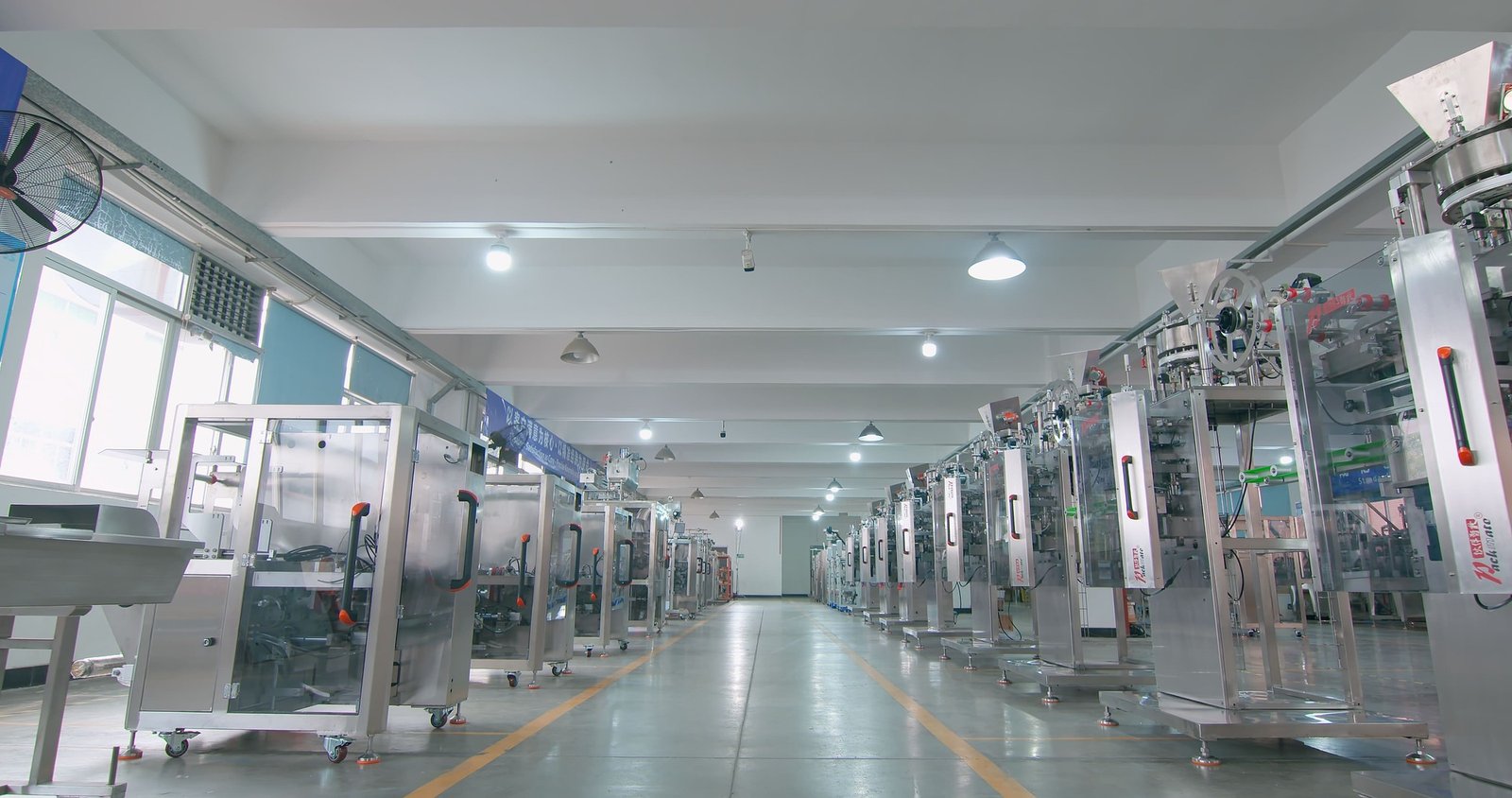
Gulal packaging operations range from semi-automatic standalone machines suitable for startups to fully integrated turnkey lines for established manufacturers. Your choice of automation level impacts not only initial investment but also labor requirements, output consistency, and scalability. Consider the following automation tiers:
- Manual loading with semi-automatic filling — lowest investment, highest labor, suitable for production below 500 kg/day
- Automatic feeding with single-lane packaging — moderate investment, balanced labor-output ratio, suitable for 500-2,000 kg/day
- Fully automated multi-lane systems with inline coding and inspection — highest investment, minimal labor, suitable for 2,000+ kg/day
- Turnkey integrated lines with cartoning and palletizing — complete end-to-end automation for large-scale operations
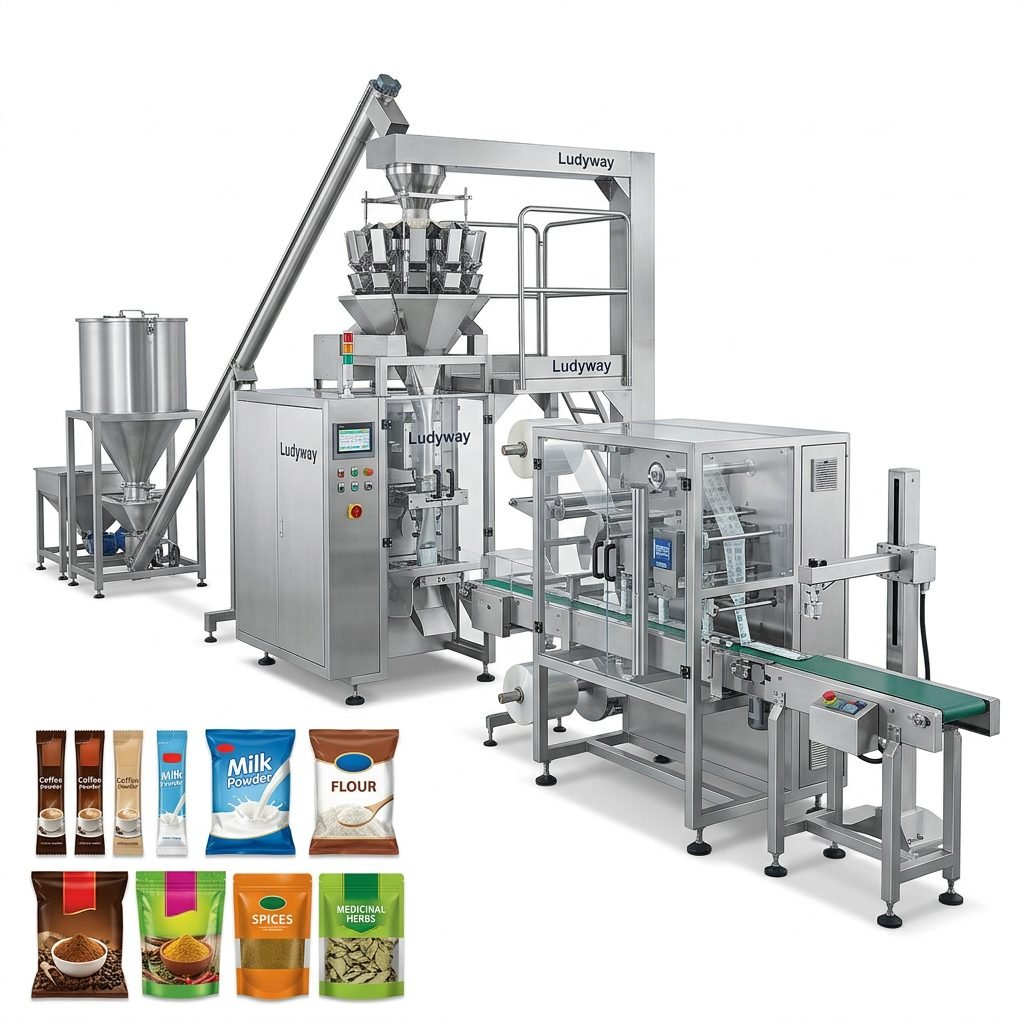
When evaluating automation options, factor in auxiliary equipment such as conveyors, elevators, checkweighers, metal detectors, and coding systems. A well-integrated line reduces material handling losses and improves overall equipment effectiveness. The PMMI 2025 State of the Industry report highlights the growing trend toward integrated packaging systems in the powder processing sector.
Budget Considerations and ROI Analysis
Gulal packing machine prices vary widely based on configuration, capacity, and automation level. A clear understanding of total cost of ownership (TCO) — including installation, training, maintenance, spare parts, and energy consumption — provides a more accurate picture than focusing solely on the purchase price. The table below outlines approximate investment ranges for different machine categories:
| Machine Configuration | Approximate Investment (USD) | Typical Payback Period | Best Suited For |
|---|---|---|---|
| Semi-automatic single-lane VFFS | $15,000 – $35,000 | 12-18 months | Small-scale producers, startups |
| Automatic single-lane with auger filler | $35,000 – $70,000 | 18-24 months | Mid-size manufacturers |
| Multi-lane stick pack (4-8 lanes) | $70,000 – $150,000 | 24-36 months | High-volume producers |
| Fully integrated turnkey line | $150,000 – $500,000+ | 36-48 months | Large-scale industrial operations |
Calculate ROI by considering labor savings, reduced product waste, increased throughput, and quality consistency. Many manufacturers find that upgrading from manual or semi-automatic packaging to automated equipment pays for itself within two years through efficiency gains alone.
Choosing the Right Gulal Packing Machine Manufacturer
The reputation and capabilities of your equipment supplier matter as much as the machine specifications themselves. An experienced manufacturer brings application knowledge, customization capability, and reliable after-sales support that directly impact long-term operational success. Look for suppliers with demonstrated experience in fine powder packaging and a track record of installations in markets similar to yours.
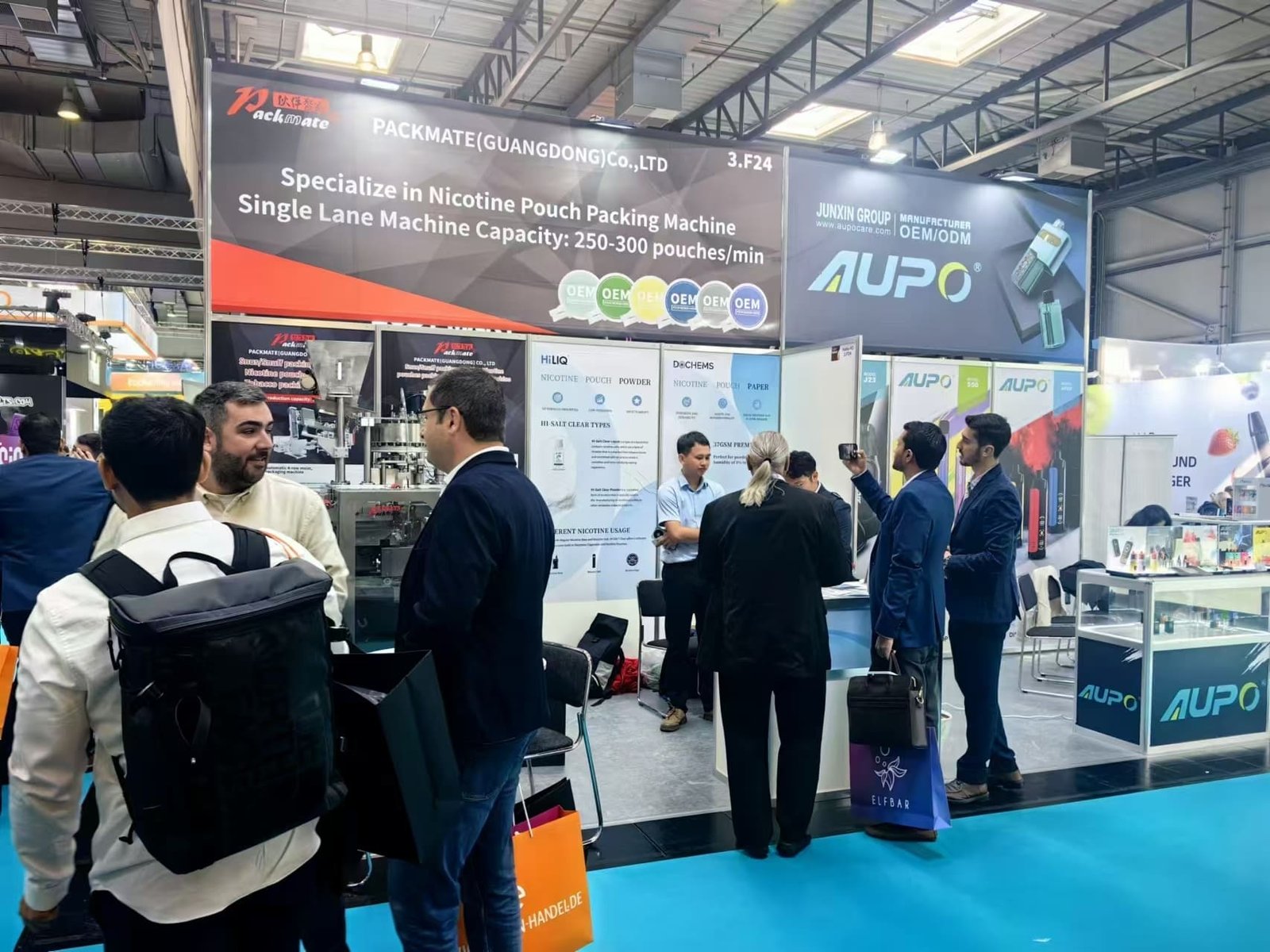
Key manufacturer evaluation criteria include: years of industry experience, manufacturing facility size and capabilities, availability of spare parts, technical support responsiveness, and willingness to provide customer references. Additionally, verify whether the manufacturer can supply complementary equipment — such as dust collection systems, conveyors, and inspection devices — to simplify procurement and integration. For example, Ludyway Machinery, a China-based packaging machinery manufacturer with more than 30 years of experience and a 20,000-square-meter manufacturing facility, serves customers in more than 100 countries and regions. The company is expected to achieve export revenue of more than RMB 500 million (approximately US$69 million) in 2025, and plans to surpass RMB 1 billion (approximately US$138 million) in 2026, reflecting the caliber of supplier that combines engineering depth with global service capabilities. Organizations like the PMMI and Flexible Packaging Association provide directories and resources to help verify supplier credentials.
After-Sales Support and Maintenance Planning
A gulal packing machine represents a long-term investment, and ongoing maintenance and support determine its productive lifespan. Before finalizing a purchase, clarify the following with your prospective supplier:
- Warranty terms and duration — what components are covered, and for how long?
- Spare parts availability — does the manufacturer maintain regional parts inventory, and what are typical lead times?
- Technical support channels — is remote diagnostic support available, and what are response time guarantees?
- Installation and commissioning — does the supplier provide on-site setup and operator training?
- Preventive maintenance schedules — are recommended service intervals and procedures clearly documented?
Developing a preventive maintenance program from day one reduces unplanned downtime and extends machine life. Train operators not only on machine operation but also on daily cleaning protocols — especially important for gulal packaging where color residues must be thoroughly removed between batches to prevent cross-contamination.
Regulatory Compliance and Quality Standards
Gulal products intended for international markets must comply with applicable food-grade packaging standards, labeling regulations, and safety requirements. Machines should be constructed from materials suitable for the intended product contact and designed to facilitate cleaning and sanitation. Relevant standards include FDA food contact substance regulations for the U.S. market, European packaging directives, and various regional cosmetic product safety standards depending on whether the gulal is classified as a cosmetic or consumer product. Confirm that your chosen machine configuration can meet the compliance documentation requirements for your target markets.
Making the Final Decision
Selecting the right gulal packing machine requires balancing technical specifications, production needs, budget constraints, and supplier reliability. Start by clearly defining your current and future packaging requirements — including target output, packaging format, fill weight range, and required accuracy. Then evaluate machine options against these criteria while considering total cost of ownership rather than purchase price alone.
Request sample runs using your actual gulal product whenever possible. A machine that performs well with free-flowing granular material may struggle with cohesive fine powder. Video demonstrations, factory acceptance tests, and reference visits to existing installations provide additional confidence before committing to a significant capital investment. With thorough evaluation and the right manufacturing partner, your gulal packaging operation can achieve the efficiency, consistency, and quality needed to compete effectively in both domestic and international markets.