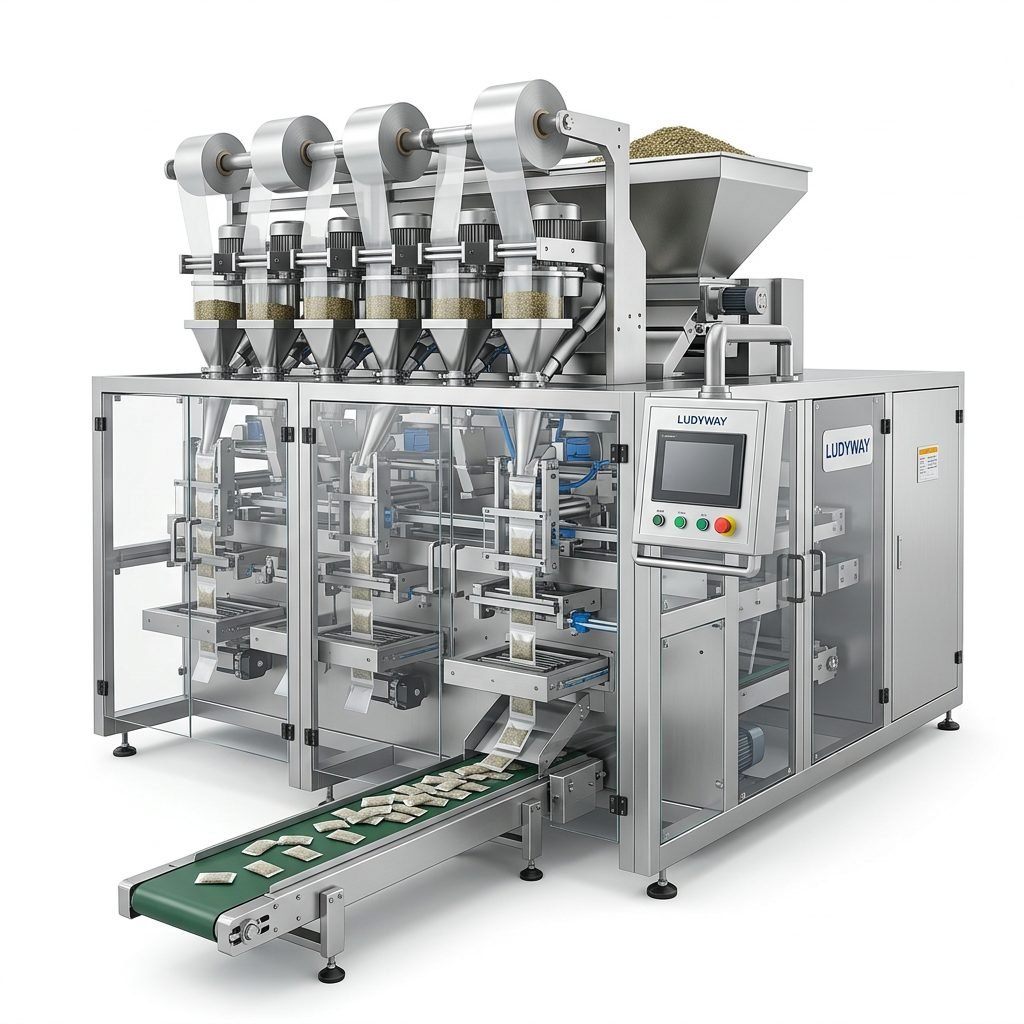
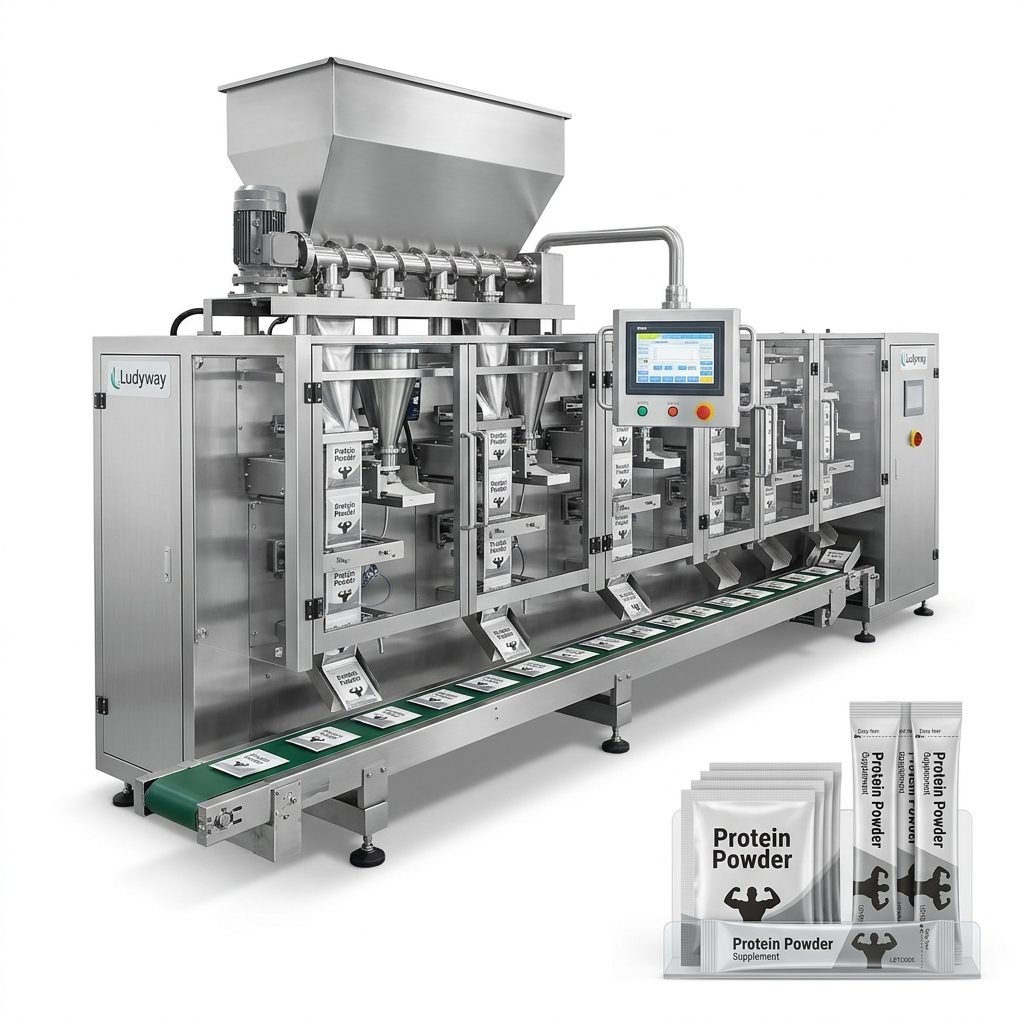
Selecting the right pharmacy blister packaging machine is a critical decision that impacts product safety, regulatory compliance, and long-term operational efficiency. In the pharmaceutical industry, packaging is more than just containing the product; it is about ensuring sterility, protection from moisture and oxygen, and providing tamper-evidence. This guide walks you through the key factors to consider, from machine mechanics to regulatory standards, helping you make an informed investment.
1. Understanding Blister Packaging Technology
In blister packaging, pharmaceutical tablets, capsules, or syringes are sealed between a thermoformed plastic cavity and a flat lidding foil or plastic backing. There are two primary machine types:
- Flat-Plate (Platen) Machines: Ideal for larger volumes, offering greater card sizes and often more versatility. They form the blister and seal the lidding material in separate stations.
- Rotary Drum Machines: Continuous motion systems that run at extremely high speeds, suitable for standard tablet shapes and sizes. They integrate forming, filling, and sealing into a rotating drum.
Your choice between these technologies often depends on the product sensitivity and required output speed.
2. Critical Product Characteristics and Material Compatibility
Pharmacy products vary significantly. Volatile drugs may require Aclar laminates or cold-formed aluminum, while standard pills might only need PVC/Alu. Review your drug stability data carefully:
- Moisture-sensitive products demand Alu-Alu (cold-form) packaging for optimal protection.
- Oxygen-sensitive products often require barrier plastics or nitrogen flushing capabilities.
Ensure the machine you choose can handle your target packaging materials without damage or deformation, especially for complex multi-layer laminates.
Building Your Specification Checklist
| Specification Criteria | Why It Matters | Recommended Machine Feature |
|---|---|---|
| Forming Area | Determines blister card size and units per stroke. | Servo-driven, adjustable platen |
| Sealing Pressure | Ensures hermetic seal integrity without leaks or cracks. | Precise digital control with data logging |
| Punching Mechanism | Affects the final quality of the card separation and tool life. | Servo-driven, quick-change tooling |
| Control System | Integrates with production line automation and meets regulatory compliance (21 CFR Part 11). | PLC with audit trail and user access control |
3. Production Speed, Size, and OEE
Define your throughput. Machines range from low-speed manual feed units to high-speed rotary systems running thousands of cycles per minute. Consider the Overall Equipment Effectiveness (OEE):
- Check the quick-change capabilities to minimize downtime between different batches or products.
- Evaluate the machine footprint to ensure it integrates into your cleanroom or production hall layout without disrupting material flow.
4. Regulatory and Quality Compliance
Pharmaceutical packaging must adhere to U.S. FDA regulations and ISO standards. Look for machines that support validation protocols (IQ/OQ/PQ):
- 21 CFR Part 211: Current Good Manufacturing Practice for Finished Pharmaceuticals.
- ISO 11607: Packaging for terminally sterilized medical devices (often applicable for pharma co-packing).
- Serialization & Track and Trace: Modern machines must integrate with serialization systems to meet global anti-counterfeiting mandates.
5. Evaluating Supplier Expertise and After-Sales Support
The machine is only half the solution. Evaluate the manufacturer’s experience, technical support network, and ability to supply spare parts quickly. Working with a manufacturer that offers turnkey solutions can significantly streamline project management.
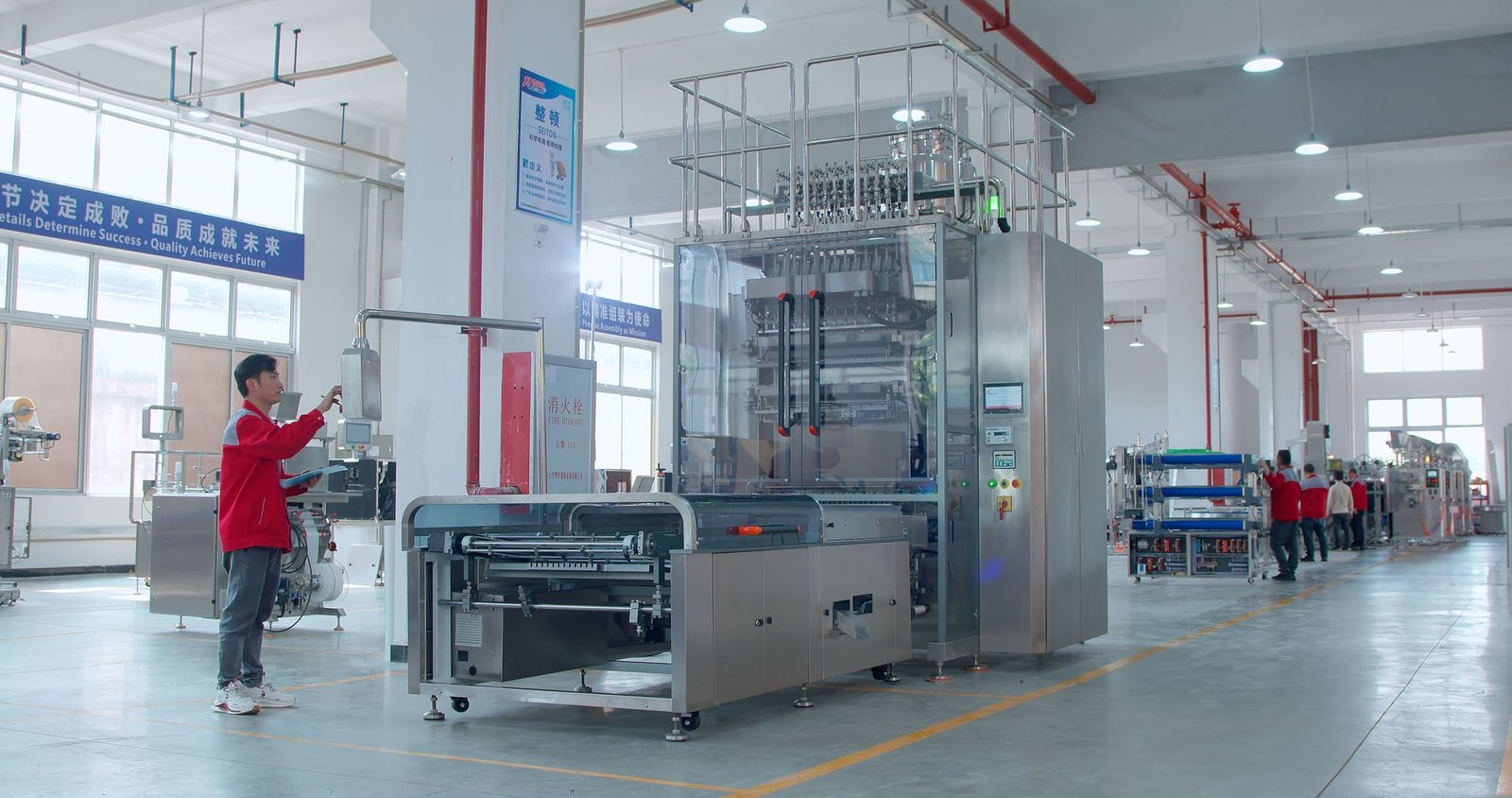
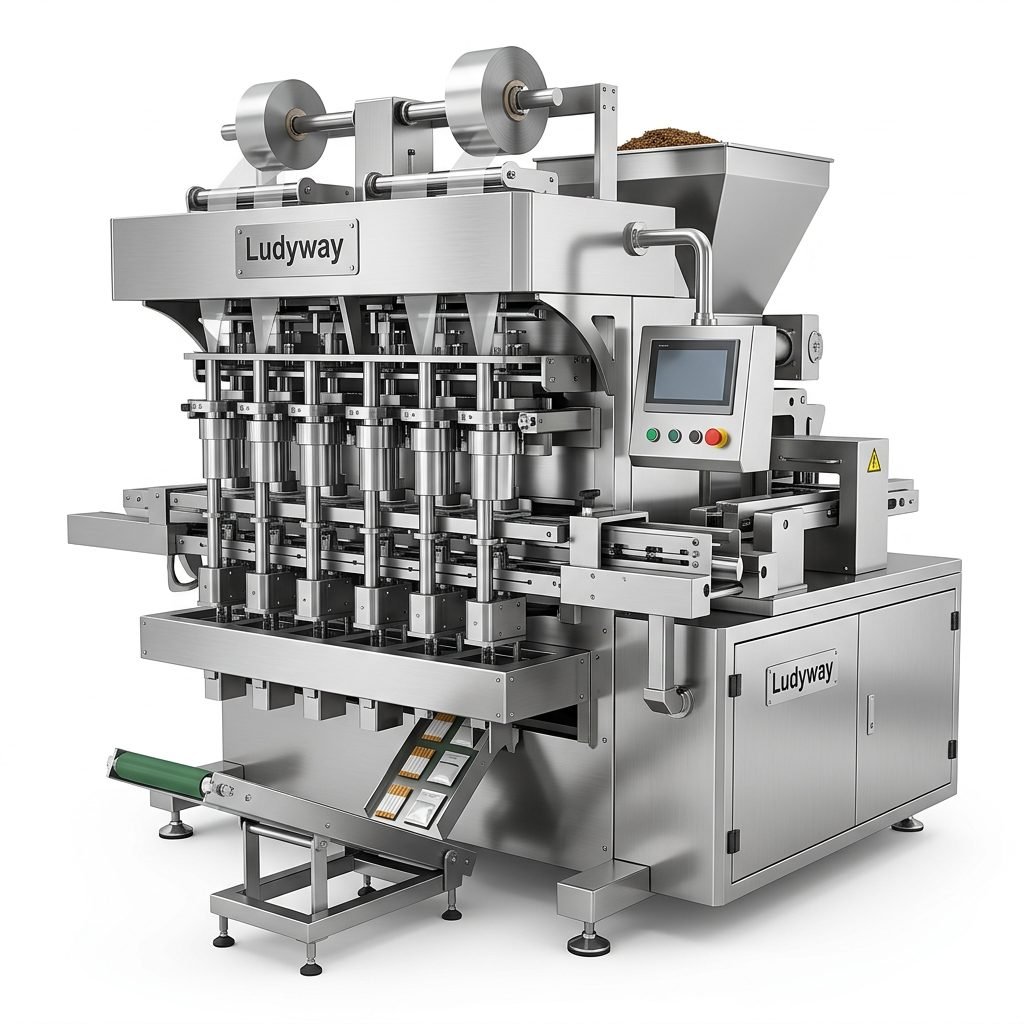
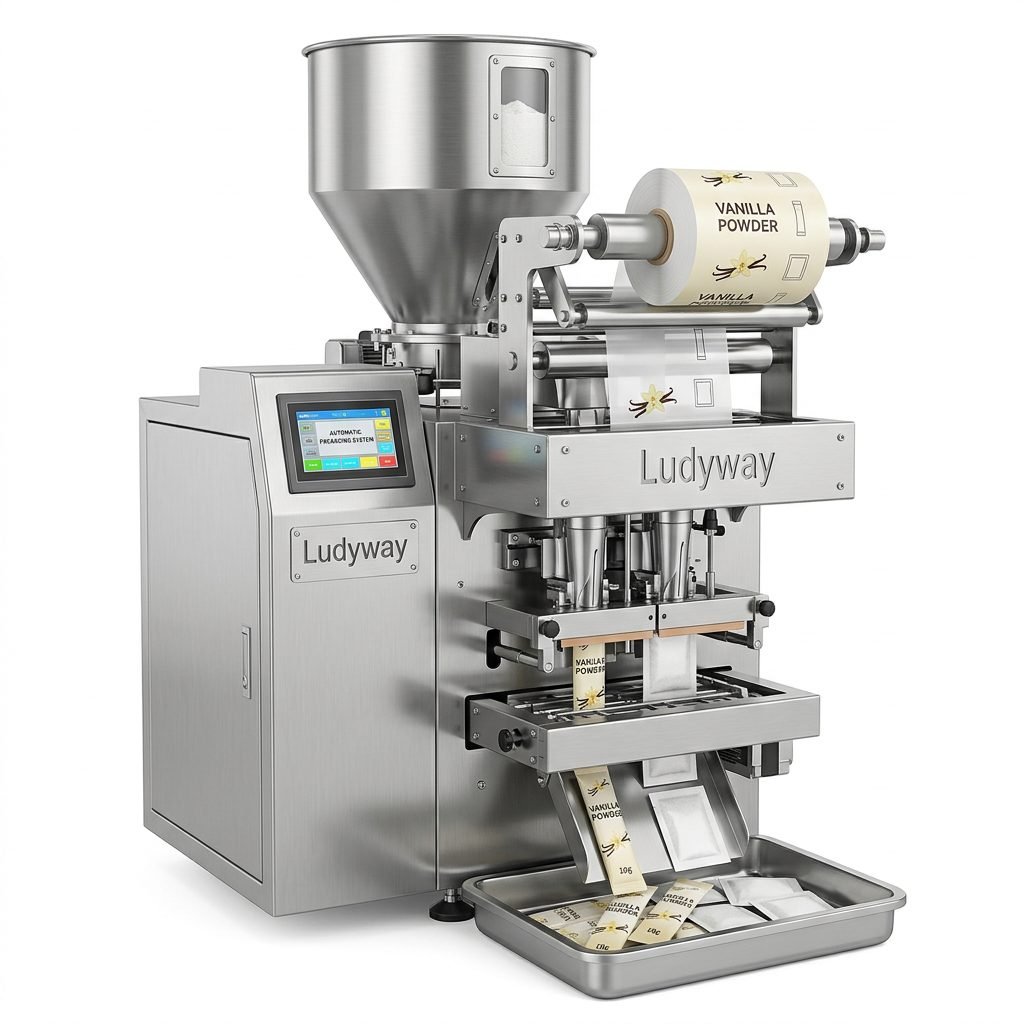
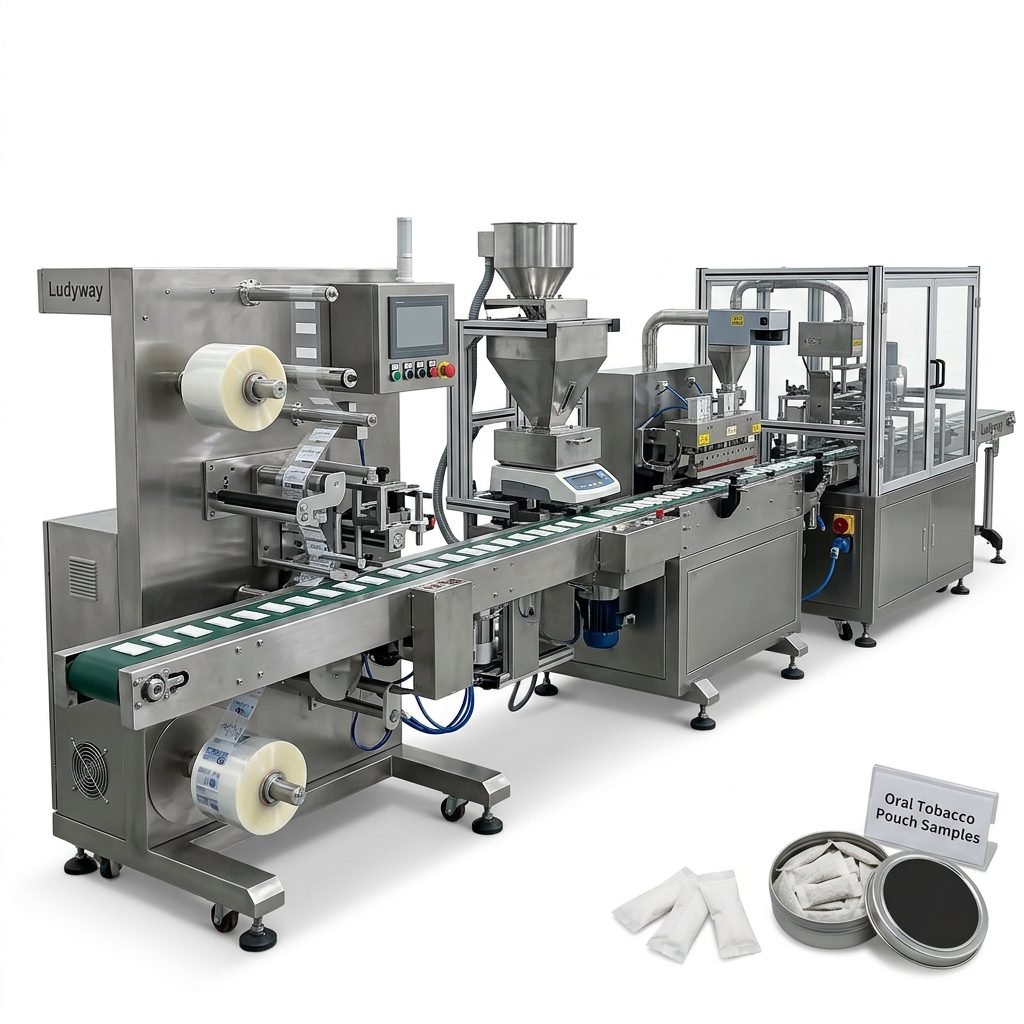
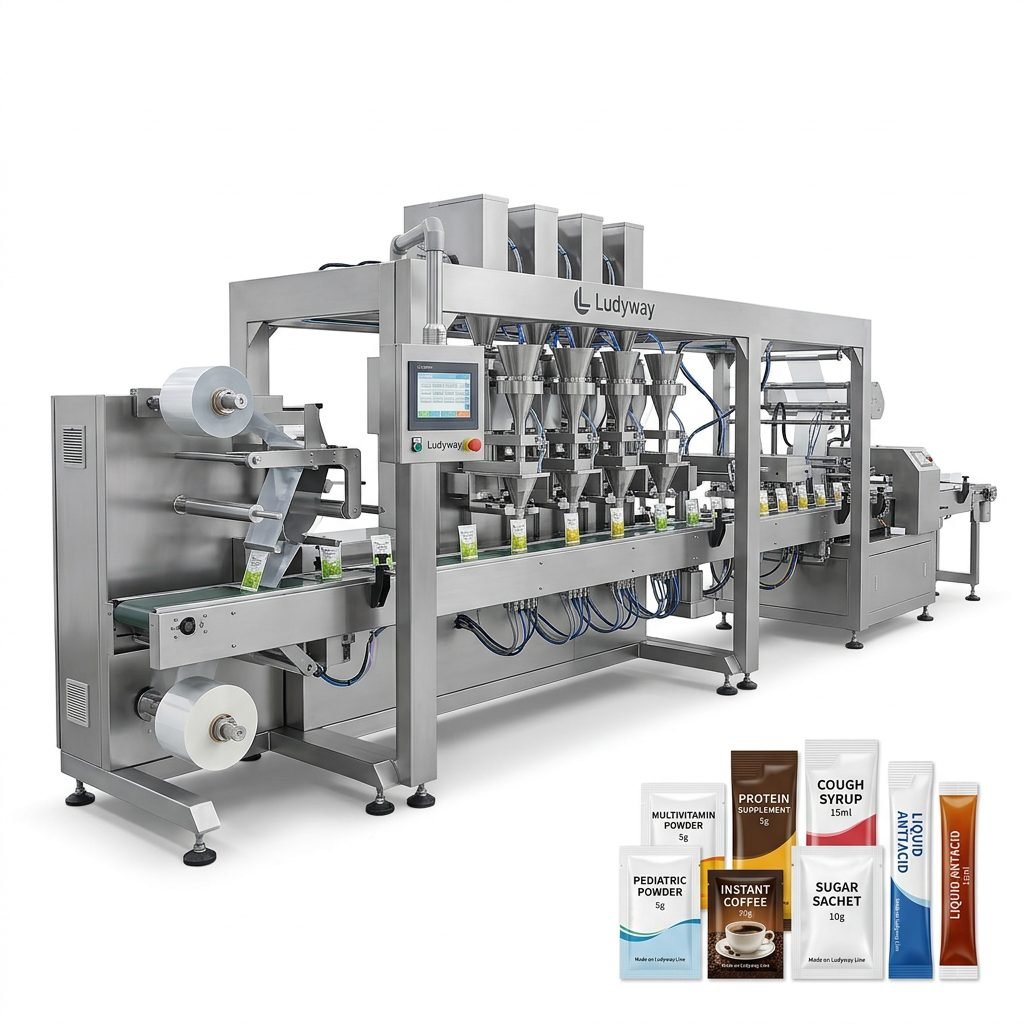
For example, manufacturers like Ludyway Machinery provide a broad portfolio of automatic packaging equipment designed to meet diverse production requirements, backed by a strong global after-sales network. Experience in robotics and system integration can drastically reduce your time-to-market.
6. Total Cost of Ownership (TCO)
While the upfront price is important, smart buyers evaluate the total cost of ownership. This includes tooling costs, maintenance agreements, energy consumption, and expected lifespan. A well-designed GMP-compliant machine often delivers better long-term value due to its reliability and reduced waste rates.
Conclusion
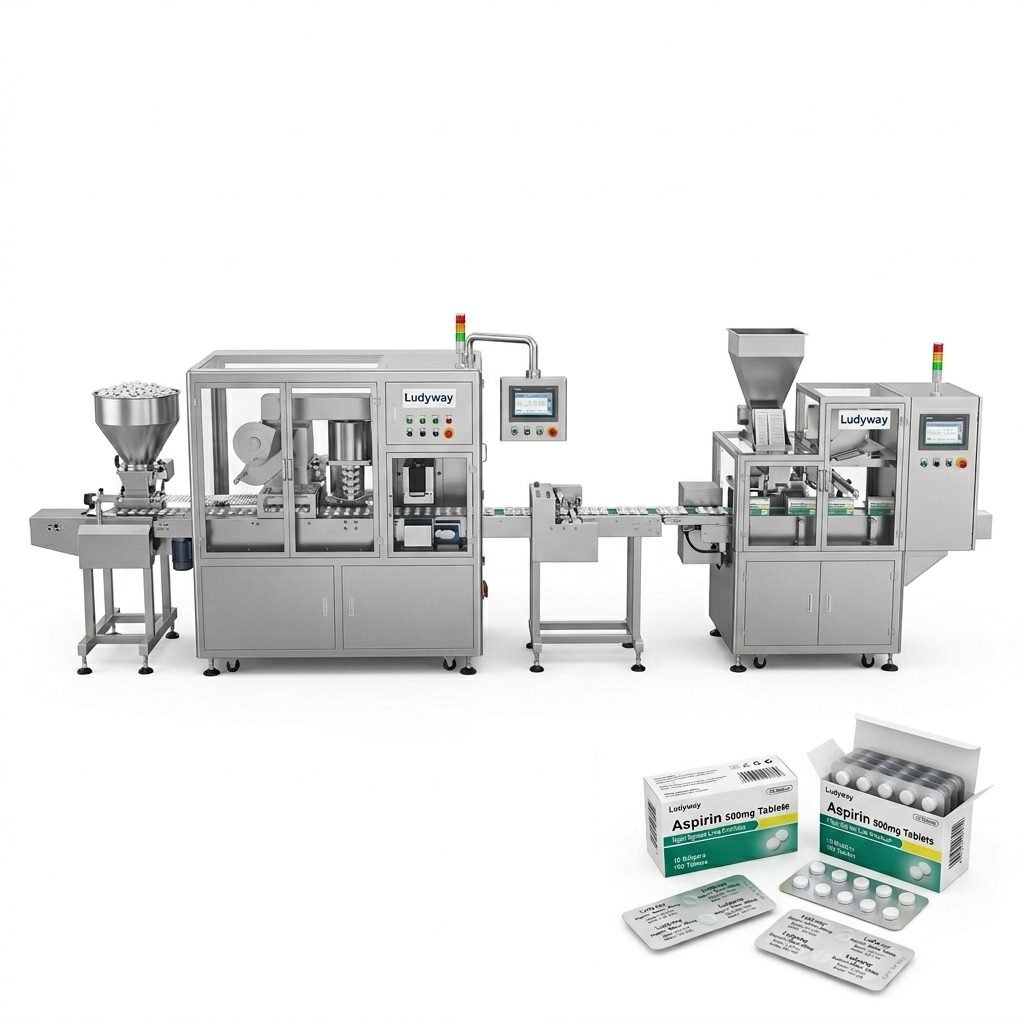
Choosing the right pharmacy blister packaging machine requires a thorough assessment of your current and future production needs, material handling capabilities, and regulatory requirements. By prioritizing quality, compliance, and future-proof automation, pharmacies can ensure product protection and operational resilience.
For more research on industry standards and trends, explore the following resources:
- PMMI – Association for Packaging and Processing Technologies for industry benchmarks and trends.
- ISO 11607: Packaging for Terminally Sterilized Medical Devices for detailed regulatory standards.
- Flexible Packaging Association – Industry Resources for material and technology insights.