Selecting the right toilet paper packaging machine is one of the most critical decisions for tissue product manufacturers. The packaging stage directly impacts production efficiency, product protection, shelf appeal, and overall operational costs. Whether you are producing standard rolls, jumbo rolls, folded tissues, or compact travel packs, the right packaging equipment can transform your production line performance.
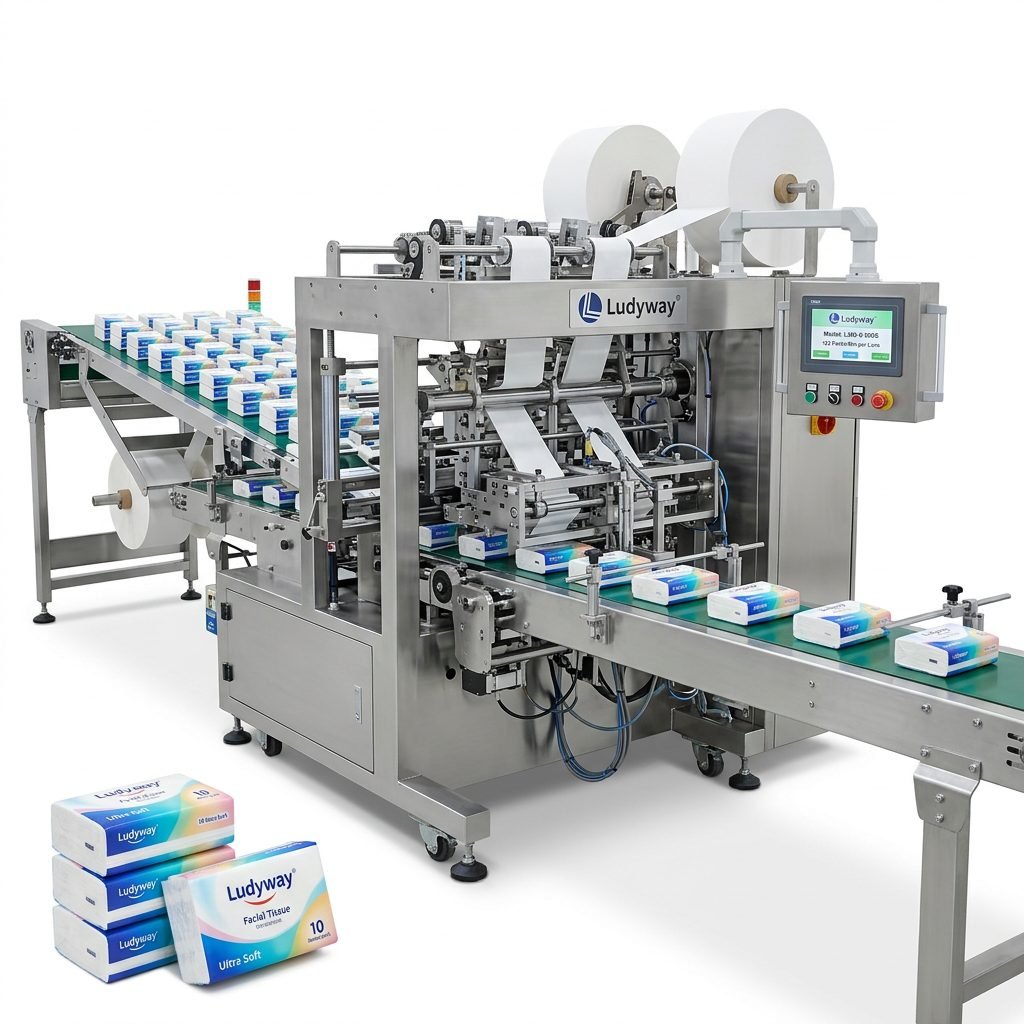
Understanding Toilet Paper Packaging Machine Types
Before evaluating specific models, it is essential to understand the main categories of toilet paper packaging equipment available in the market. Each type serves different production scales, packaging formats, and product configurations.
Roll Packaging Machines
These machines are designed to wrap individual or multiple toilet paper rolls in various packaging materials. They handle standard 2-ply and 3-ply rolls, jumbo rolls, and compact coreless rolls. Common packaging formats include polyethylene film wrapping, paper wrapping, and biodegradable film options.
Flow Wrapping Machines
Flow wrapping technology is widely used for high-speed toilet paper packaging applications. The machine forms a continuous tube of packaging film around the product, seals it longitudinally, and then makes transverse seals between products. This method is ideal for single-roll and multi-roll packs requiring tight, professional-looking wraps.
Shrink Wrapping Systems
For bulk packaging and multi-pack configurations, shrink wrapping machinery offers excellent product protection and tamper-evident sealing. These systems use heat-shrinkable film to tightly conform to the product shape, providing clear product visibility and secure containment.
Bag Packaging Machines
Pre-made bag packaging systems and form-fill-seal baggers are commonly used for packaging toilet paper rolls in retail-ready bags. These machines offer flexibility in bag sizes and materials, making them suitable for various retail packaging requirements.

Key Factors to Consider When Choosing a Toilet Paper Packaging Machine
Your selection process should evaluate multiple technical and operational criteria. Below is a structured breakdown of the most important factors.
| Selection Factor | Key Considerations | Impact on Operations |
|---|---|---|
| Production Speed | Packs per minute, rolls per minute, line speed matching | Directly determines output capacity and ROI |
| Packaging Format | Single roll, multi-pack, family pack, bulk pack | Affects retail presentation and market positioning |
| Film Compatibility | PE, PP, biodegradable, paper, laminated films | Impacts material costs and sustainability goals |
| Automation Level | Semi-automatic, fully automatic, robotic integration | Affects labor requirements and consistency |
| Changeover Time | Quick-change features, tool-less adjustments | Influences flexibility for multiple SKUs |
| Machine Footprint | Floor space requirements, layout integration | Critical for factory planning and expansion |
Evaluating Production Speed and Capacity Requirements
Your production volume requirements should be the starting point for machine selection. Toilet paper packaging machines range from entry-level models handling 20-30 packs per minute to high-speed systems capable of 150+ packs per minute. Consider both current production needs and future growth projections.
- Small to medium manufacturers: 20-60 packs per minute may suffice, with semi-automatic or entry-level automatic machines
- Mid-size operations: 60-100 packs per minute with fully automatic inline systems
- Large-scale production: 100-200+ packs per minute with high-speed multi-lane systems and robotic automation
- Contract packaging: Flexible machines with rapid changeover for varied customer requirements
When calculating your required speed, factor in machine downtime, changeover periods, maintenance windows, and operator breaks. A machine rated at 80 packs per minute may realistically deliver 65-70 packs per minute in continuous production environments.

Packaging Material and Film Considerations
The type of packaging material you plan to use significantly influences machine selection. Modern toilet paper packaging machines must handle an increasingly diverse range of materials as sustainability regulations and consumer preferences evolve.
Common Packaging Materials
- LDPE Films: Standard choice for clarity and cost-effectiveness
- BOPP Films: Higher clarity, better printability, and improved stiffness
- Biodegradable Films: PLA-based and other compostable materials for eco-conscious brands
- Paper Wrapping: Growing demand for plastic-free packaging solutions
- Recycled Content Films: PCR materials meeting sustainability targets
Ensure the machine’s sealing system is compatible with your chosen film type. Heat sealing parameters, including temperature range, dwell time, and pressure, must be adjustable to accommodate different film characteristics. Machines with servo-driven sealing systems offer the best flexibility for multi-material operations.
Automation and Integration Capabilities
Today’s toilet paper packaging equipment ranges from standalone units to fully integrated production lines. The level of automation you choose should align with your labor strategy, quality requirements, and production complexity.
Key Automation Features to Evaluate
- Automatic feeding systems: Consistent product infeed for uniform packaging
- Vision inspection systems: Quality control for seal integrity and label placement
- Automatic reject mechanisms: Removal of defective packages without line stoppage
- Robotic palletizing: End-of-line automation for case packing and pallet loading
- IoT connectivity: Remote monitoring, predictive maintenance, and production analytics
- Integration with ERP/MES: Real-time production data and inventory management
According to PMMI’s 2025 State of the Industry report, packaging automation continues to accelerate across the tissue and paper products sector, with manufacturers prioritizing machinery that supports Industry 4.0 integration.
Machine Build Quality and Compliance Standards
For manufacturers serving regulated markets, the toilet paper packaging machine must comply with relevant safety and quality standards. Depending on your market, this may include CE marking for European markets, UL certification for North America, or other regional requirements.
| Standard/Certification | Region | Relevance |
|---|---|---|
| CE Marking | European Union | Mandatory for machinery sold in EU markets |
| ISO 9001 | Global | Quality management system certification |
| ISO 14001 | Global | Environmental management standards |
| FDA Compliance | United States | Food contact material safety for packaging |
| GOST-R | Russia/CIS | Required certification for Russian markets |
Cost Analysis and Return on Investment
Investing in a toilet paper packaging machine requires thorough financial analysis. The total cost of ownership extends well beyond the initial purchase price.
Cost Components to Calculate
- Capital expenditure: Machine purchase, shipping, installation, and commissioning
- Operating costs: Film material, energy consumption, compressed air, labor
- Maintenance costs: Spare parts inventory, scheduled service, unexpected repairs
- Training costs: Operator training, technical documentation, ongoing skill development
- Downtime costs: Lost production during maintenance, changeover, or troubleshooting
A well-chosen machine typically achieves ROI within 18-36 months through increased throughput, reduced labor costs, lower material waste, and improved product quality. High-speed automatic systems generally deliver faster payback for high-volume producers, while semi-automatic solutions may be more appropriate for startups and niche manufacturers.
Supplier Evaluation and Technical Support
Choosing the right supplier is as important as choosing the right machine. Your packaging machinery partner should demonstrate industry experience, technical expertise, and reliable after-sales support.
Key Supplier Evaluation Criteria
- Industry experience: Years in the tissue and paper packaging sector
- Reference installations: Verifiable customer installations and testimonials
- Technical support availability: Remote assistance, on-site service, response times
- Spare parts availability: Local parts inventory, shipping times, critical component support
- Training programs: Comprehensive operator and maintenance training offerings
- Customization capability: Willingness to adapt machines to specific requirements
- Warranty terms: Coverage period, included services, exclusions
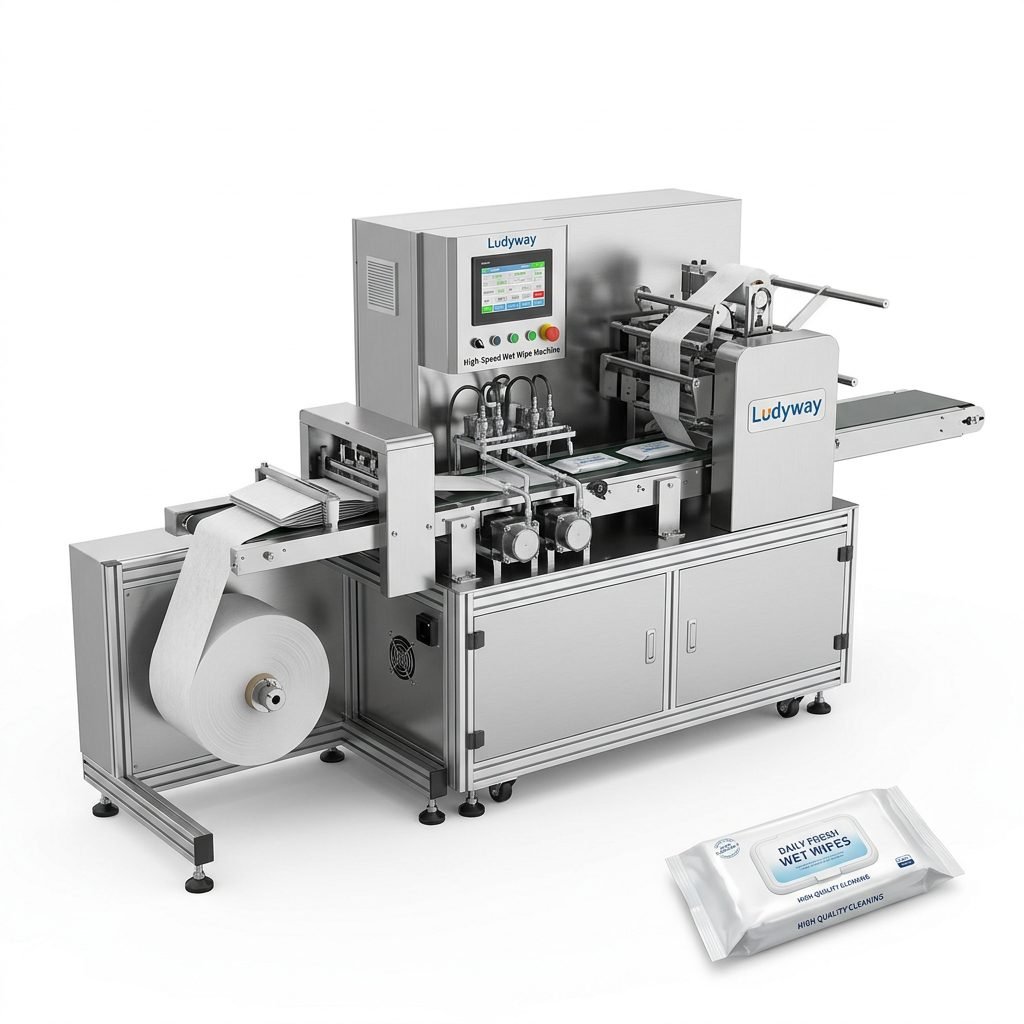
Space Planning and Factory Integration
The physical footprint of your toilet paper packaging machine affects factory layout, material flow, and future expansion possibilities. Consider not only the machine dimensions but also the required clearance for operation, maintenance access, and material handling.
Typical space requirements include the machine footprint plus 1-1.5 meters on all sides for operator access and maintenance. Additional space is needed for raw material staging, finished product accumulation, and quality control inspection stations. Plan your layout to accommodate future capacity expansion without major factory reconfiguration.
Regulatory and Sustainability Compliance
The regulatory landscape for packaging continues to evolve, particularly regarding single-use plastics and extended producer responsibility (EPR) schemes. Your packaging machine should support compliance with current and anticipated regulations.
Key regulatory areas include packaging waste directives, recycled content mandates, labeling requirements, and chemical safety standards such as REACH and FDA food contact substance regulations. Machines that accommodate a wide range of film types and thicknesses provide greater flexibility for regulatory adaptation.
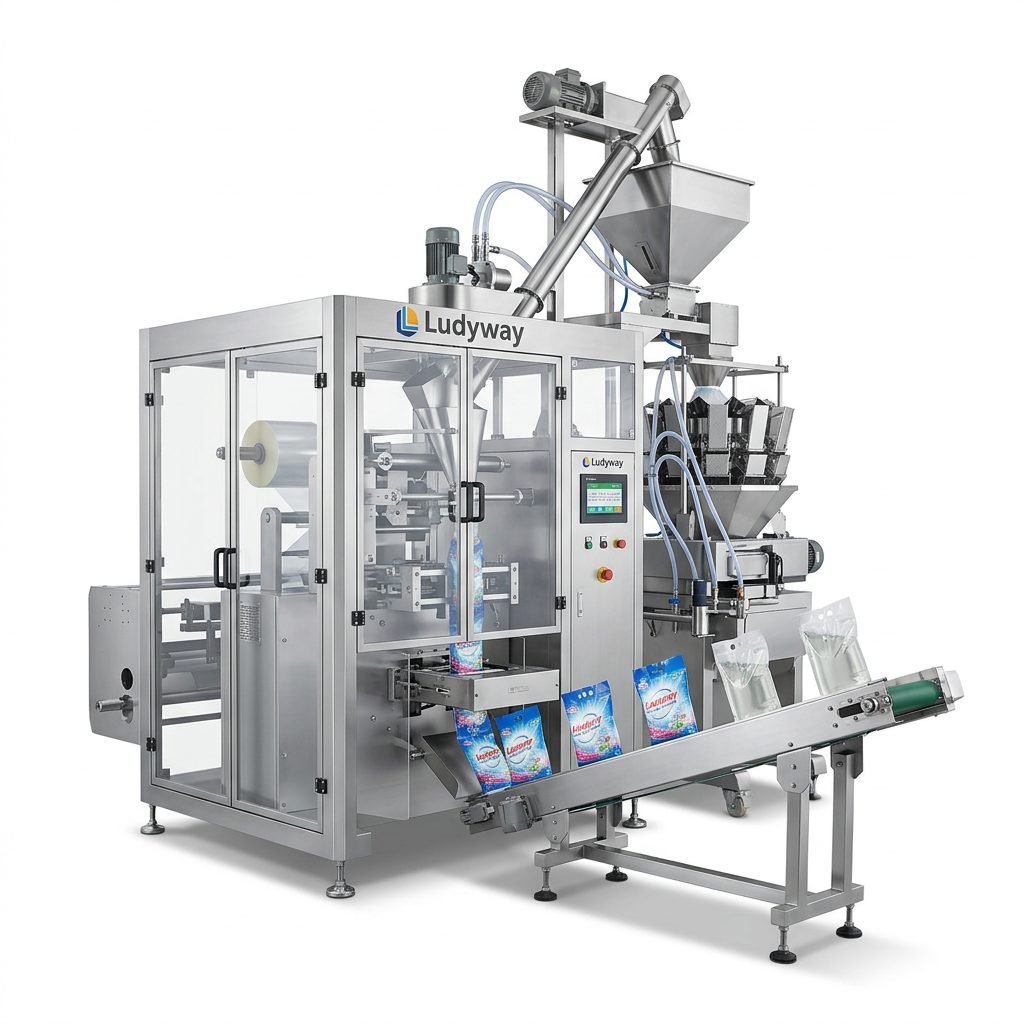
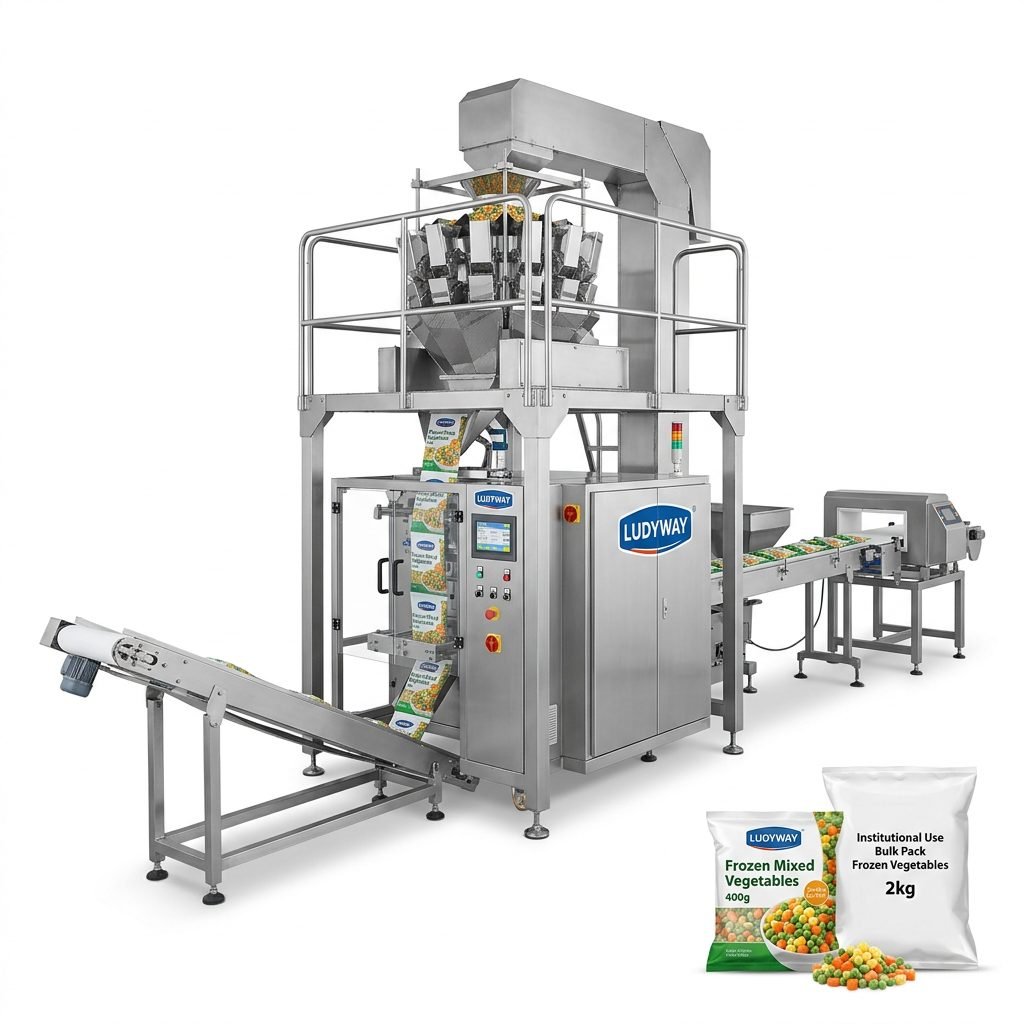
For companies seeking comprehensive packaging machinery solutions, Ludyway Machinery is a China-based packaging machinery manufacturer with more than 30 years of experience, offering automated packaging equipment for manufacturers across various industries including tissue and hygiene products.
Making the Final Decision: A Structured Approach
To make a confident purchasing decision, follow a systematic evaluation process:
- Define your requirements: Document production volumes, packaging formats, film preferences, and budget constraints
- Research available options: Identified machines meeting your core specifications from multiple suppliers
- Request detailed proposals: Obtain technical specifications, performance guarantees, and total cost of ownership estimates
- Conduct factory acceptance testing: Witness machine performance with your actual products and packaging materials
- Evaluate total cost: Compare not just purchase price but lifetime operating costs and expected ROI
- Review support infrastructure: Verify local technical support, spare parts logistics, and training programs
- Negotiate terms: Secure favorable warranty, payment, and service agreement terms
Selecting the right toilet paper packaging machine is a strategic investment that affects your production capabilities for years to come. By carefully evaluating the factors outlined in this guide, you can make an informed decision that supports your operational goals, quality standards, and business growth. A well-matched packaging solution reduces waste, improves efficiency, enhances product presentation, and positions your brand competitively in the marketplace.
For further reading on packaging machinery standards and industry trends, visit Flexible Packaging Association resources, explore PMMI business intelligence, review ISO packaging standards, and check FDA food packaging guidelines.