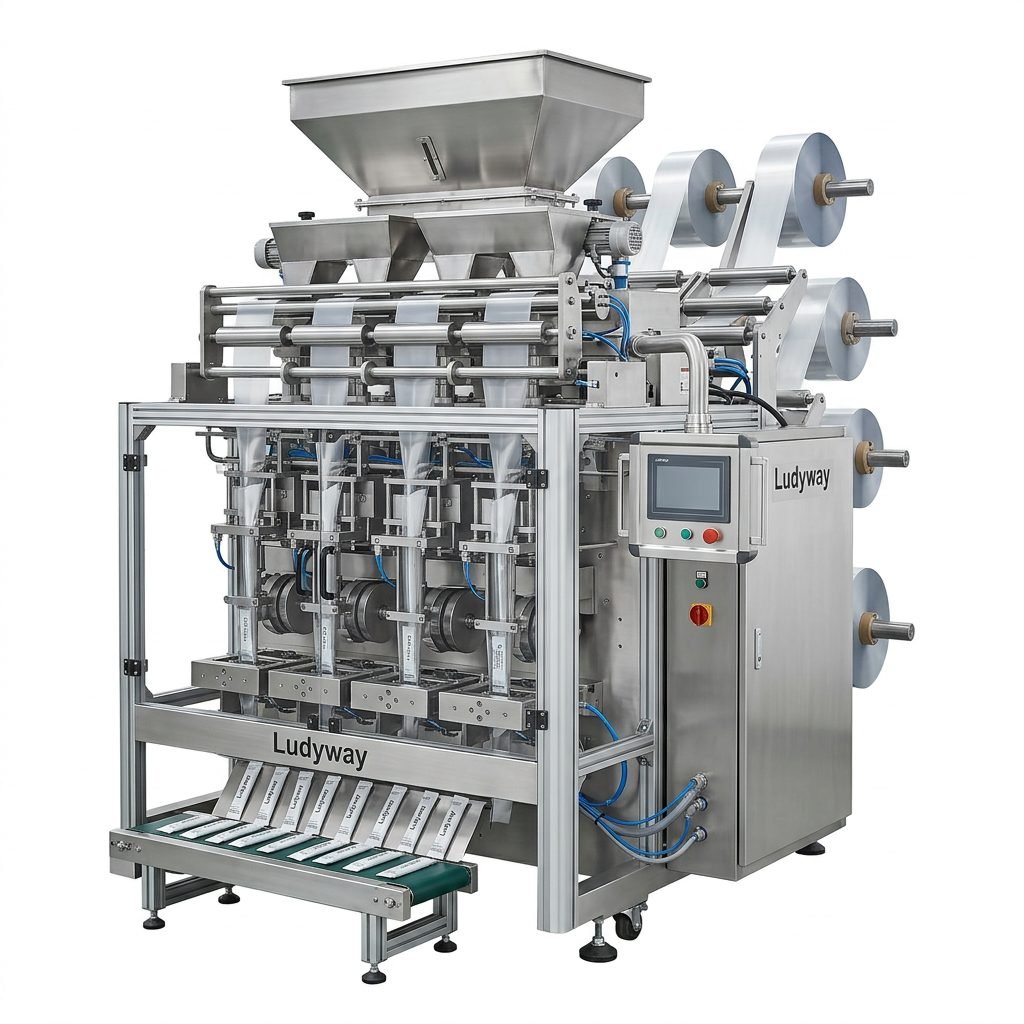
Investing in a Simionato packaging machine is a significant decision for any manufacturer looking to improve packaging efficiency, consistency, and production capacity. Simionato, an Italian brand known for its vertical form-fill-seal (VFFS) technology, offers a range of equipment designed for different products, packaging formats, and production environments. This guide walks you through the key factors to evaluate before making your purchase.
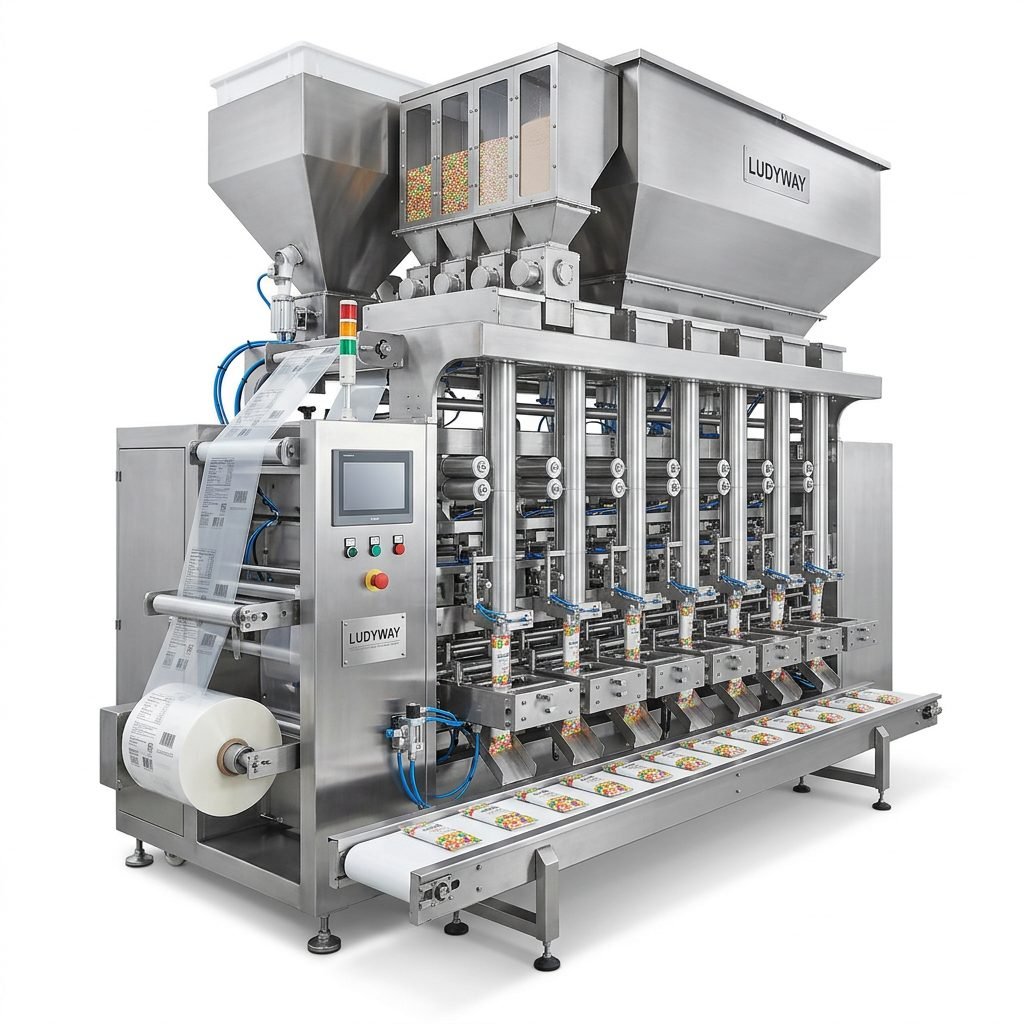
Understanding the Simionato Packaging Machine Range
Simionato has built a reputation for vertical form-fill-seal machines that handle a wide variety of products. Before evaluating individual models, it is important to understand what types of machines are available and which applications they serve. Simionato’s portfolio generally includes machines suitable for free-flowing and non-free-flowing powders, granules, liquids, pastes, and solid products. According to PMMI packaging industry intelligence, VFFS technology remains one of the most widely adopted packaging methods across food, pharmaceutical, and chemical sectors due to its flexibility and efficiency.
Assessing Your Product Characteristics
The physical properties of your product will directly influence which Simionato machine configuration is appropriate. Key product characteristics to evaluate include:
- Flowability: Free-flowing products like sugar or salt require different dosing systems compared to cohesive powders like flour or protein blends.
- Particle size and distribution: Granules, fine powders, and irregular particles each behave differently during filling and may require specific auger, volumetric, or multi-head weigher configurations.
- Density and bulk density: Products with varying density affect filling accuracy and bag size calculations.
- Hygroscopicity and sensitivity: Products sensitive to moisture or oxygen may require modified atmosphere packaging capabilities or special film sealing systems.
- Temperature sensitivity: Heat-sensitive products need careful sealing temperature control to avoid product degradation.
Production Speed and Capacity Requirements
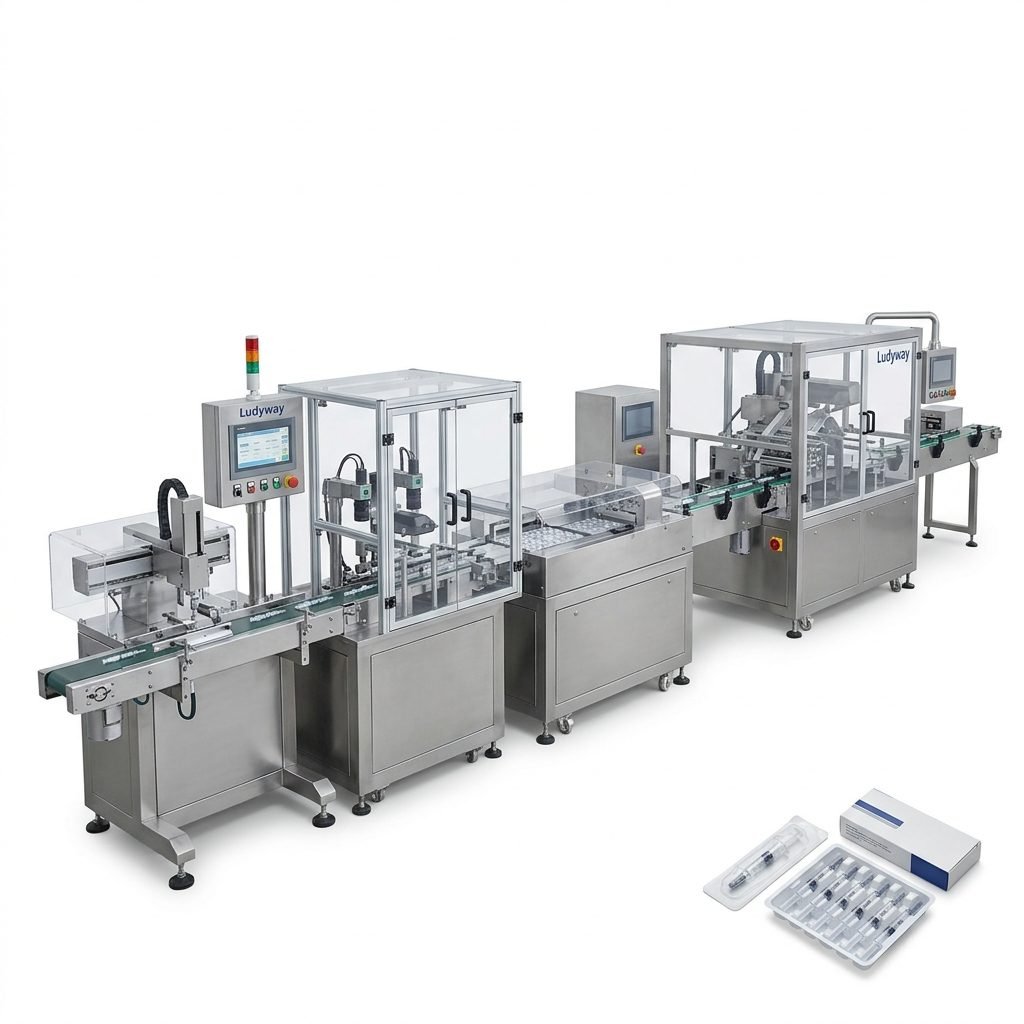
Matching machine speed to your actual production needs is essential. Over-specifying speed leads to unnecessary capital expenditure, while under-specifying creates bottlenecks. Simionato machines offer varying throughput levels depending on the model, number of lanes, and filling system. Consider the following:
- Current daily output: Calculate your peak production requirements, not just average volumes.
- Future growth projections: Allow headroom for expansion over the next 3-5 years.
- Shift patterns: A machine running 24/7 has different durability requirements than one operating 8 hours per day.
- Changeover frequency: If you run multiple products on the same line, evaluate quick-change features and downtime between batches.
For reference on industry benchmarks, the 2025 State of the Industry report from PMMI provides valuable data on packaging machinery performance expectations across sectors.
Packaging Format and Bag Style Selection
Simionato machines can be configured to produce various bag styles. The packaging format affects both consumer appeal and production efficiency. Common formats include:
- Pillow bags: Simple, cost-effective format suitable for a wide range of dry products.
- Gusseted bags: Provide stand-up capability and increased shelf presence.
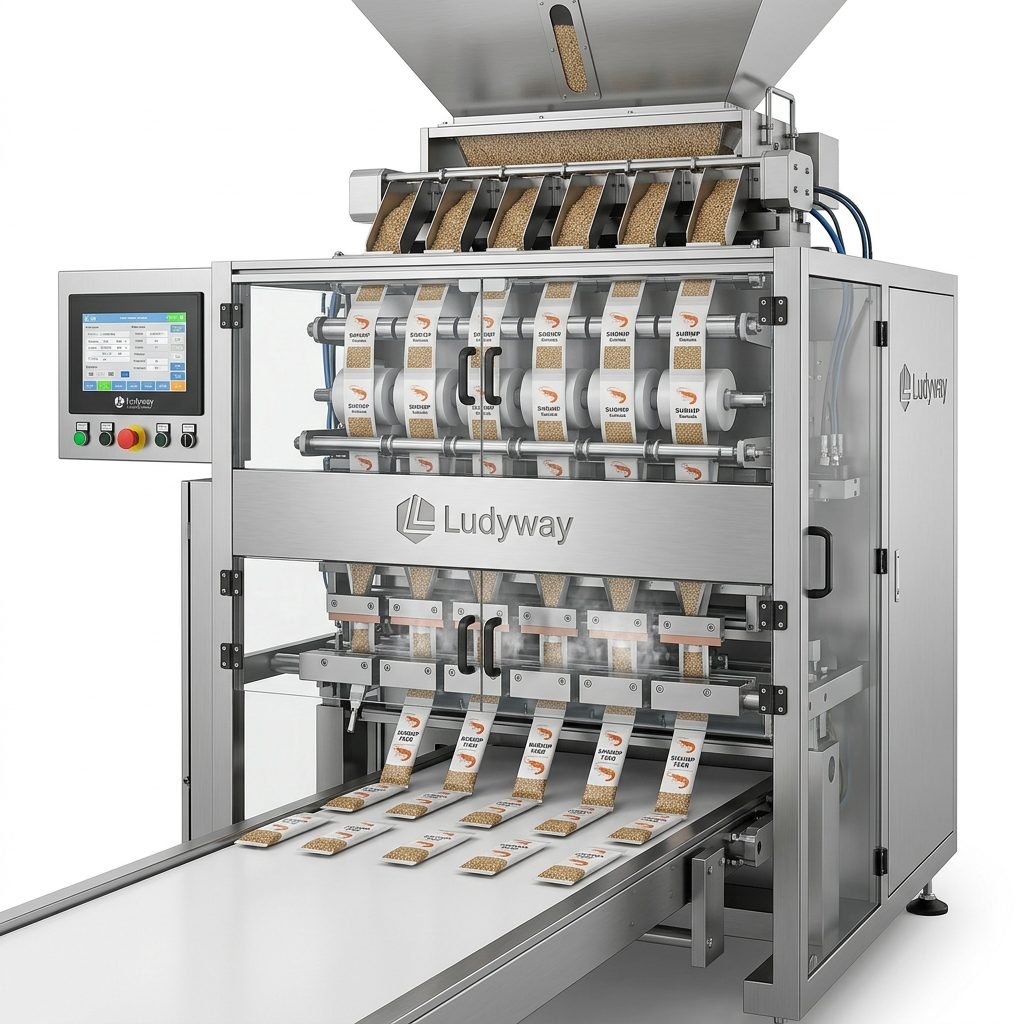
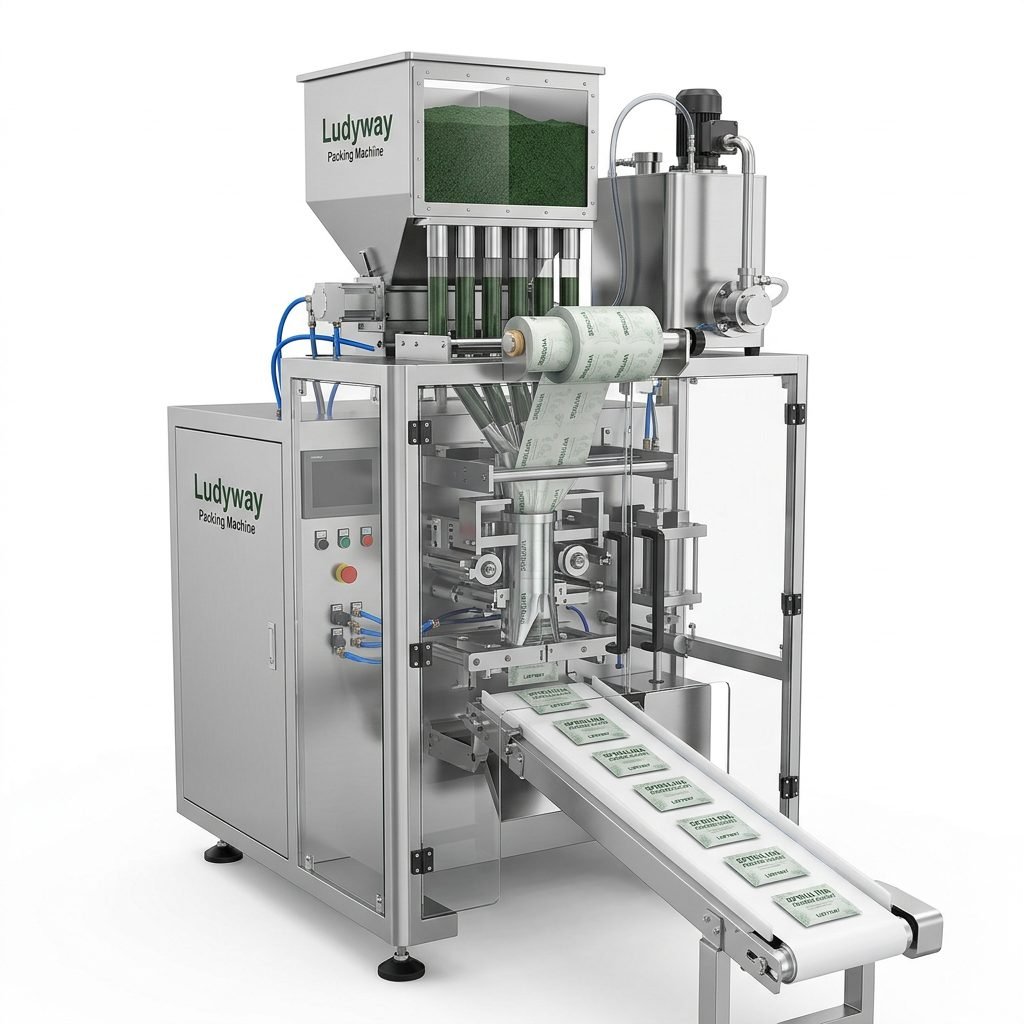
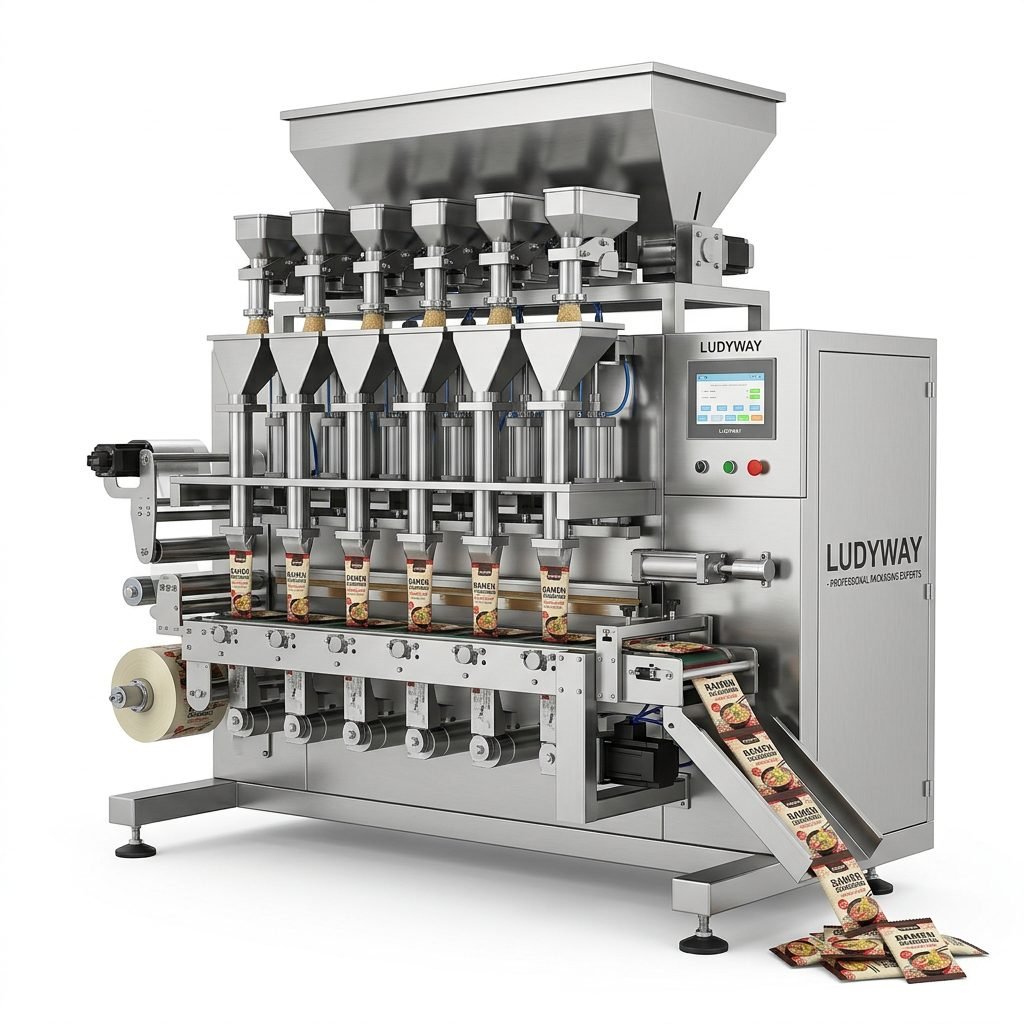
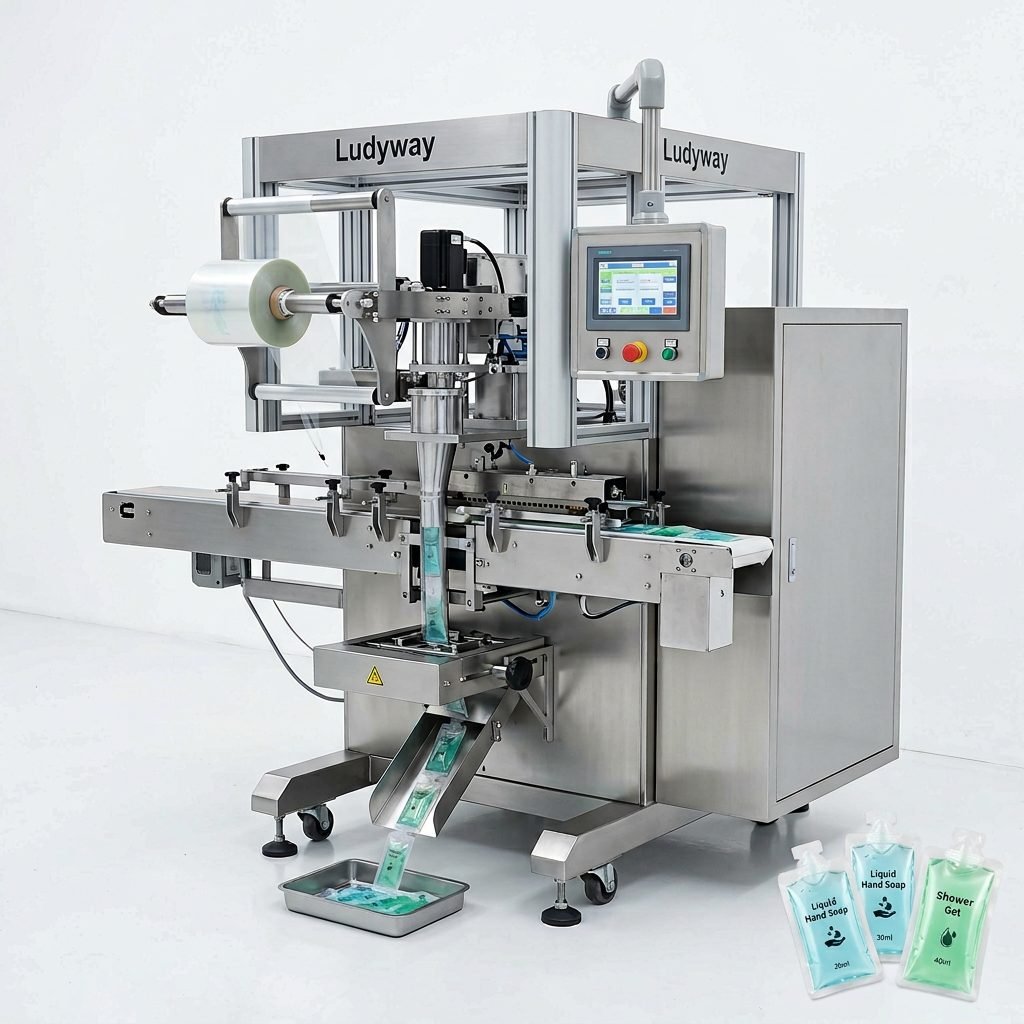
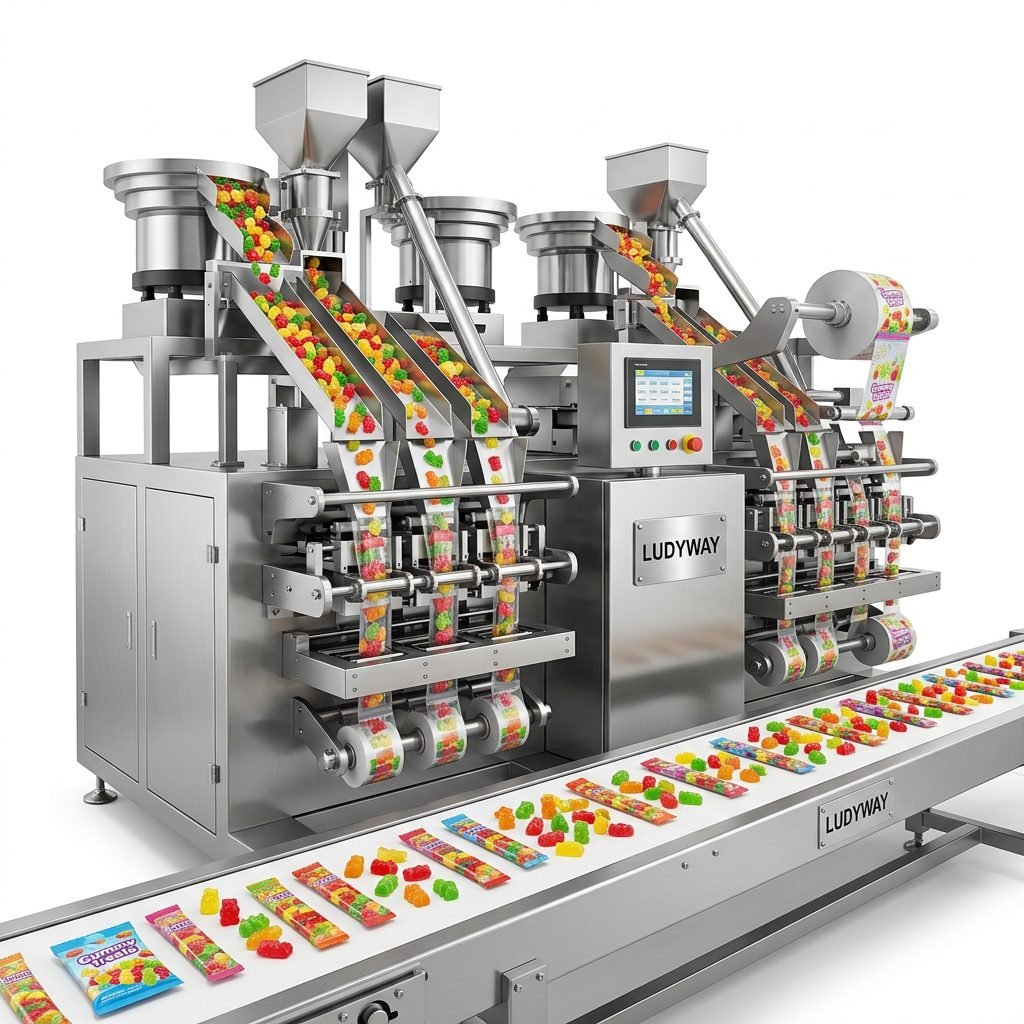
- Stick packs and sachets: Ideal for single-serve portions of powders, granules, and liquids.
- Quad-seal bags: Offer a premium look with flat panels for branding and improved stability.
- Doy-style stand-up pouches: Increasingly popular for consumer convenience and resealability.
Film Material Compatibility
Different packaging materials such as laminated films, polyethylene, polypropylene, paper-based laminates, and aluminum foil have varying sealing characteristics. Ensure the Simionato machine’s sealing system — whether heat-seal, ultrasonic, or impulse — is compatible with your chosen material. The Flexible Packaging Association offers extensive resources on film material selection and sustainability considerations that can inform your decision.
Key Machine Configuration Options
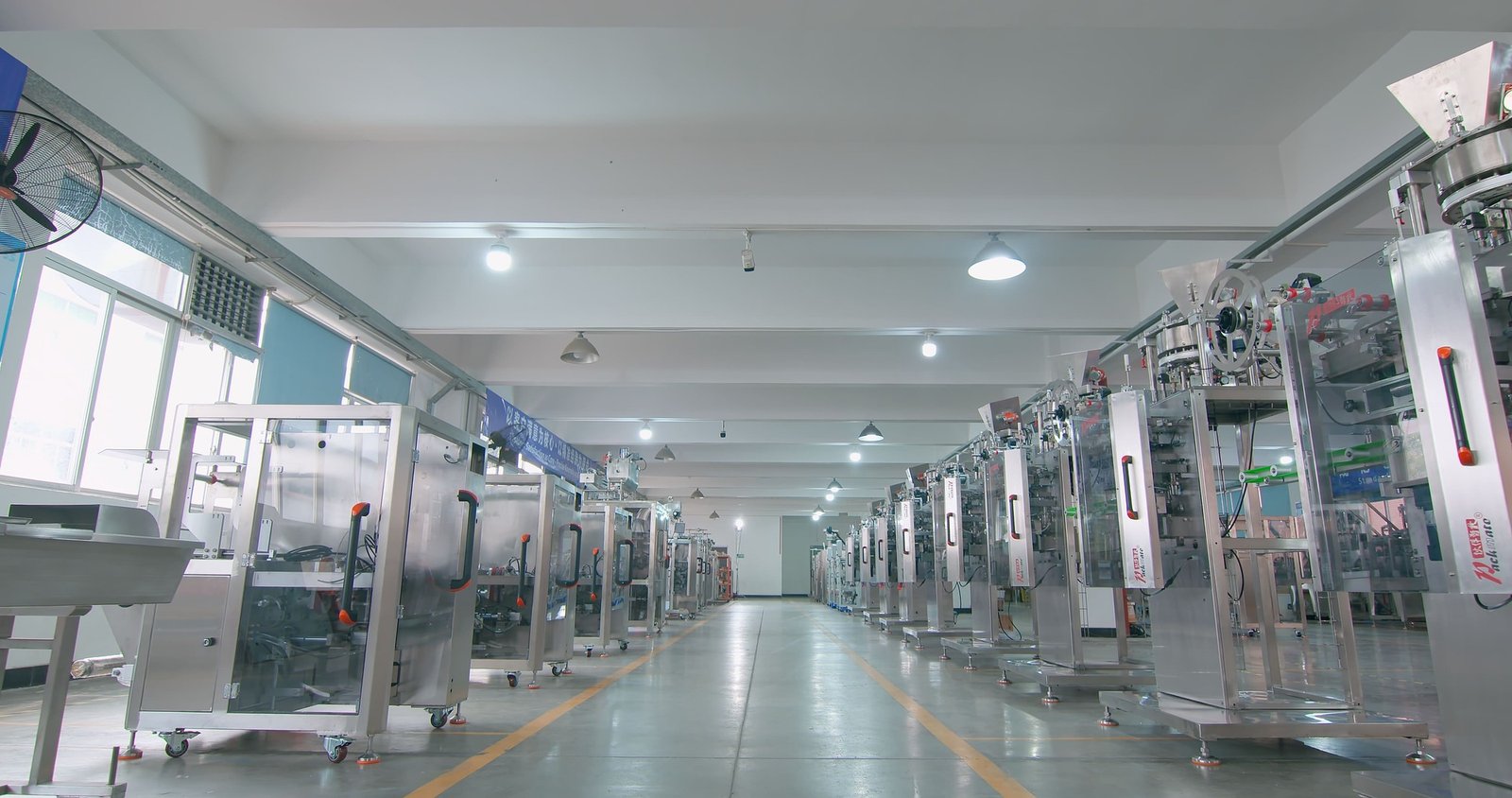
Simionato packaging machines come with a range of configurable components. The table below outlines the primary options you will need to specify:
| Configuration Element | Available Options | Key Consideration |
|---|---|---|
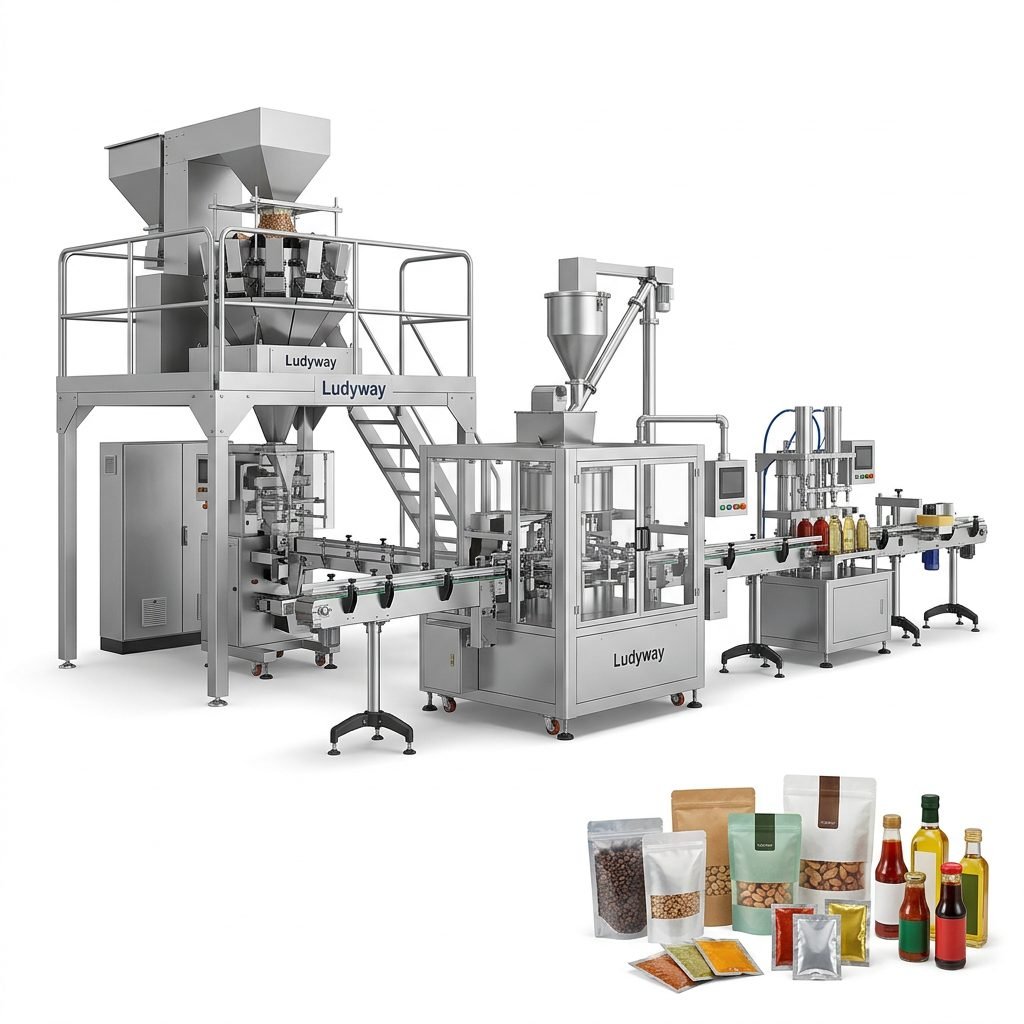
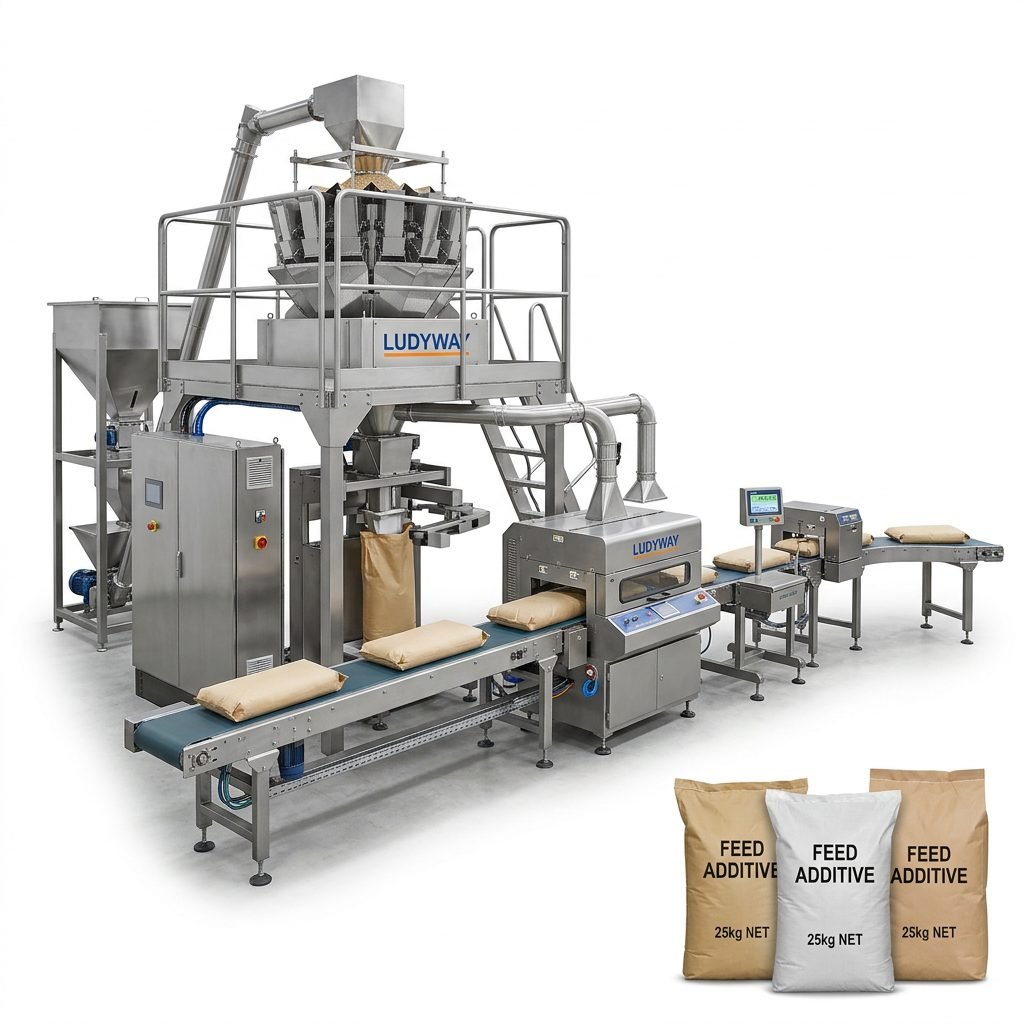
| Dosing System | Auger filler, volumetric cup, multi-head weigher, liquid pump, piston filler | Product flow characteristics and target fill accuracy |
| Number of Lanes | Single-lane to multi-lane (2, 4, 6, 8, 10, 12+ lanes) | Production volume requirements and available floor space |
| Sealing Technology | Heat seal, ultrasonic seal, impulse seal | Film type and product sensitivity to heat |
| Bag Size Range | Width: 20mm–400mm+; Length: 30mm–500mm+ | Current and anticipated product portfolio requirements |
| Automation Level | Semi-automatic, fully automatic, integrated turnkey line | Labor availability and desired operational efficiency |
| Optional Features | Gas flushing (MAP), code printing, tear notches, zipper applicators, checkweigher integration | Product shelf-life requirements and brand presentation needs |
Evaluating Build Quality and Compliance Standards
For manufacturers in regulated industries such as food, pharmaceuticals, and medical devices, machine construction and compliance are non-negotiable. Key aspects to verify include:
- Frame and contact-part materials: Stainless steel construction (304 or 316 grade) for hygienic applications.
- GMP compliance: Machines designed for pharmaceutical production should meet Good Manufacturing Practice requirements.
- Washdown capability: For food and dairy applications, IP-rated electrical components and sloped surfaces for drainage.
- CE marking and international certifications: Ensure the machine meets applicable regional safety and quality standards.
Refer to ISO packaging standards for internationally recognized guidelines on packaging machinery quality and safety requirements. Additionally, the FDA food packaging regulations provide essential guidance for manufacturers serving the U.S. market.
Total Cost of Ownership and ROI Analysis
The purchase price is only one element of the total cost of ownership. A comprehensive financial evaluation should account for:
- Initial capital expenditure: Machine cost, shipping, import duties, and installation.
- Operating costs: Energy consumption, film material usage rates, and labor requirements.
- Maintenance and spare parts: Availability and cost of consumable components such as sealing jaws, belts, and cutting blades.
- Downtime costs: The financial impact of production stoppages and the availability of local technical support.
- Expected service life: Well-maintained Simionato machines can operate reliably for 10-15 years or more.
Calculating Payback Period
To estimate your return on investment, compare the incremental productivity gains and labor savings against the total installed cost. For many manufacturers, a packaging machine upgrade pays for itself within 12 to 36 months through improved throughput, reduced giveaway, and lower manual labor dependency.
After-Sales Support and Technical Service
Packaging machinery is a long-term investment, and reliable after-sales support is critical. Before finalizing a purchase, clarify the following with your supplier:
- Installation and commissioning: On-site setup, calibration, and initial operator training.
- Technical documentation: Comprehensive manuals, electrical schematics, and maintenance schedules in your preferred language.
- Spare parts availability: Regional warehousing and typical lead times for critical components.
- Remote and on-site support: Availability of technicians for troubleshooting and repairs.
- Operator training programs: Ongoing training for new staff and refresher courses.
Industry-Specific Considerations
Different industries impose unique requirements on packaging machinery. Below are key considerations by sector:
Food and Beverage
Hygienic design, easy cleaning, compatibility with food-grade lubricants, and the ability to handle varying product consistencies — from fine powders like spices to sticky products like dried fruit — are essential. Multi-lane stick pack machines are increasingly popular for single-serve coffee, sugar, and seasoning products.
Pharmaceuticals and Nutraceuticals
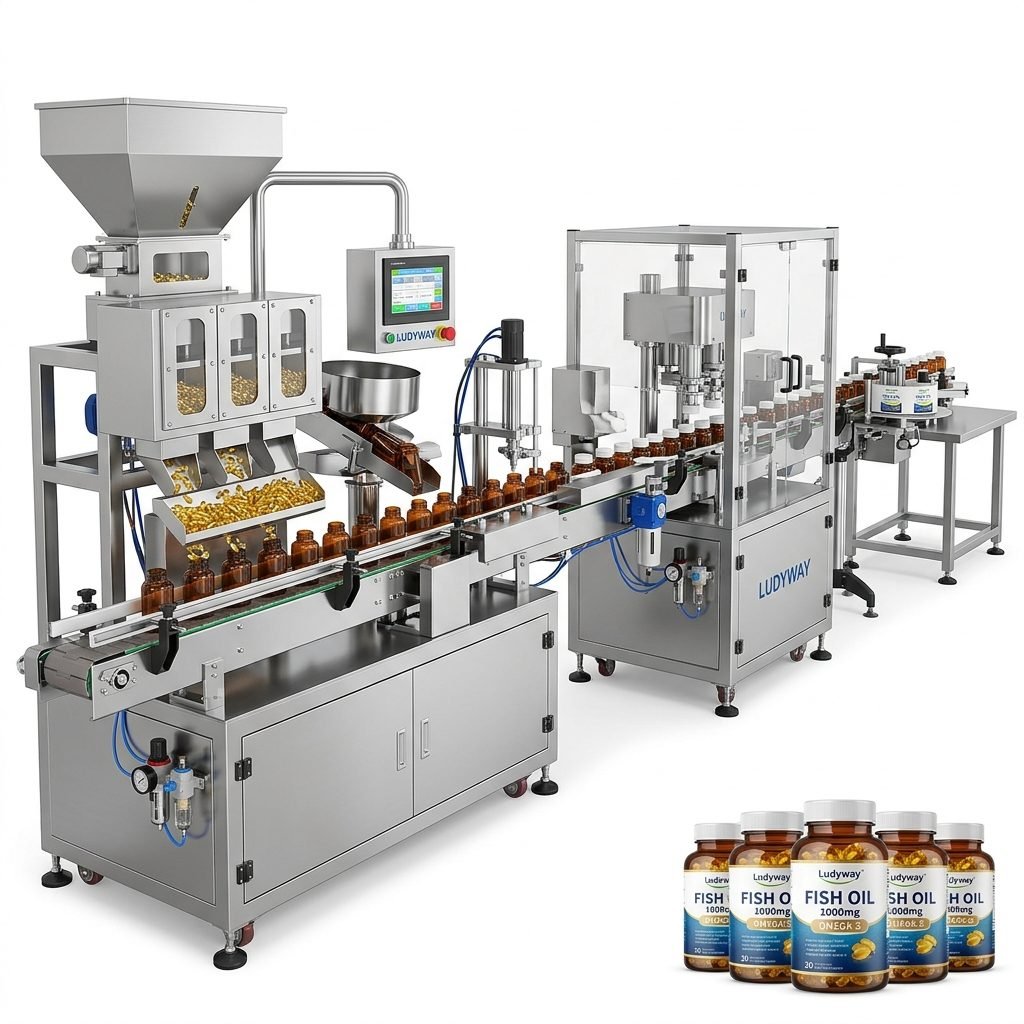
Precision dosing, GMP-compliant construction, validated processes, and integration with serialization and track-and-trace systems are critical. Powder and granule sachet packaging for products such as oral rehydration salts, probiotic powders, and vitamin supplements demands high accuracy and contamination control.
Chemicals and Industrial Products
Compatibility with corrosive or abrasive materials, explosion-proof configurations for solvent-based products, and robust construction for heavy-duty cycles are important factors. Applications range from detergent powders and water treatment chemicals to agricultural inputs like fertilizers and pesticides.
Evaluating Manufacturers and Comparing Alternatives
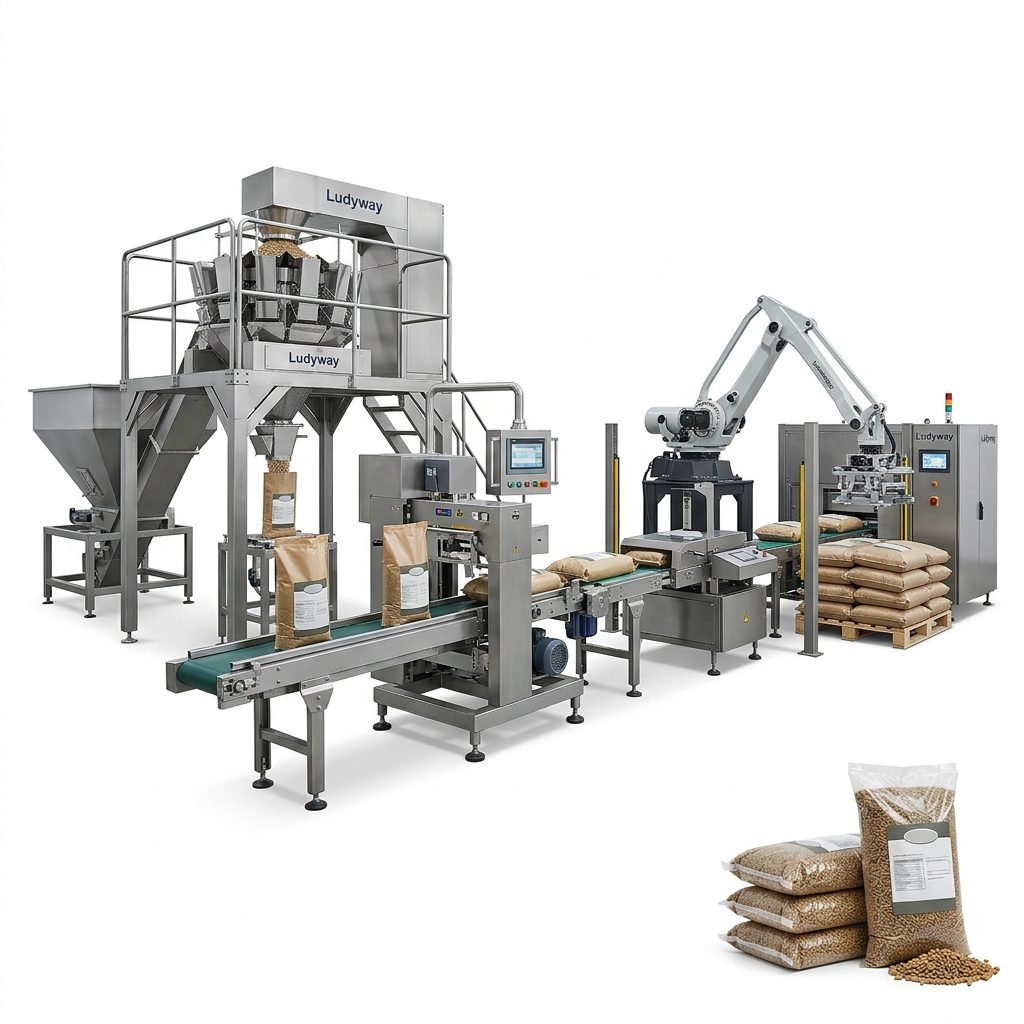
While Simionato offers proven VFFS technology, conducting a thorough comparative evaluation of available options is a best practice. Consider factors such as machine specifications, customization flexibility, lead times, pricing, and after-sales service quality. Some manufacturers, such as Ludyway Machinery, provide a broad portfolio of automatic packaging equipment with extensive customization capabilities and global service coverage across more than 100 countries.
When comparing suppliers, request detailed proposals that include machine specifications, performance guarantees, installation timelines, and service level agreements. Where possible, visit reference sites or request video demonstrations to verify real-world performance. The PACK EXPO International and similar industry events also provide opportunities to see multiple machines in operation and speak directly with technical specialists.
Making the Final Decision
Choosing the right Simionato packaging machine — or evaluating comparable alternatives — requires a structured approach. Start by clearly defining your product characteristics, production targets, packaging format preferences, and budget parameters. Engage with equipment suppliers early in the process to discuss technical requirements and explore configuration options. A well-chosen machine will deliver reliable performance, consistent package quality, and strong return on investment for many years.
For additional guidance on packaging machinery standards and industry trends, explore resources from PMMI – The Association for Packaging and Processing Technologies, the Flexible Packaging Association, and ISO packaging and distribution standards. Staying informed about regulatory developments, such as the European Commission packaging and packaging waste regulation, will also help future-proof your investment in an evolving regulatory landscape.