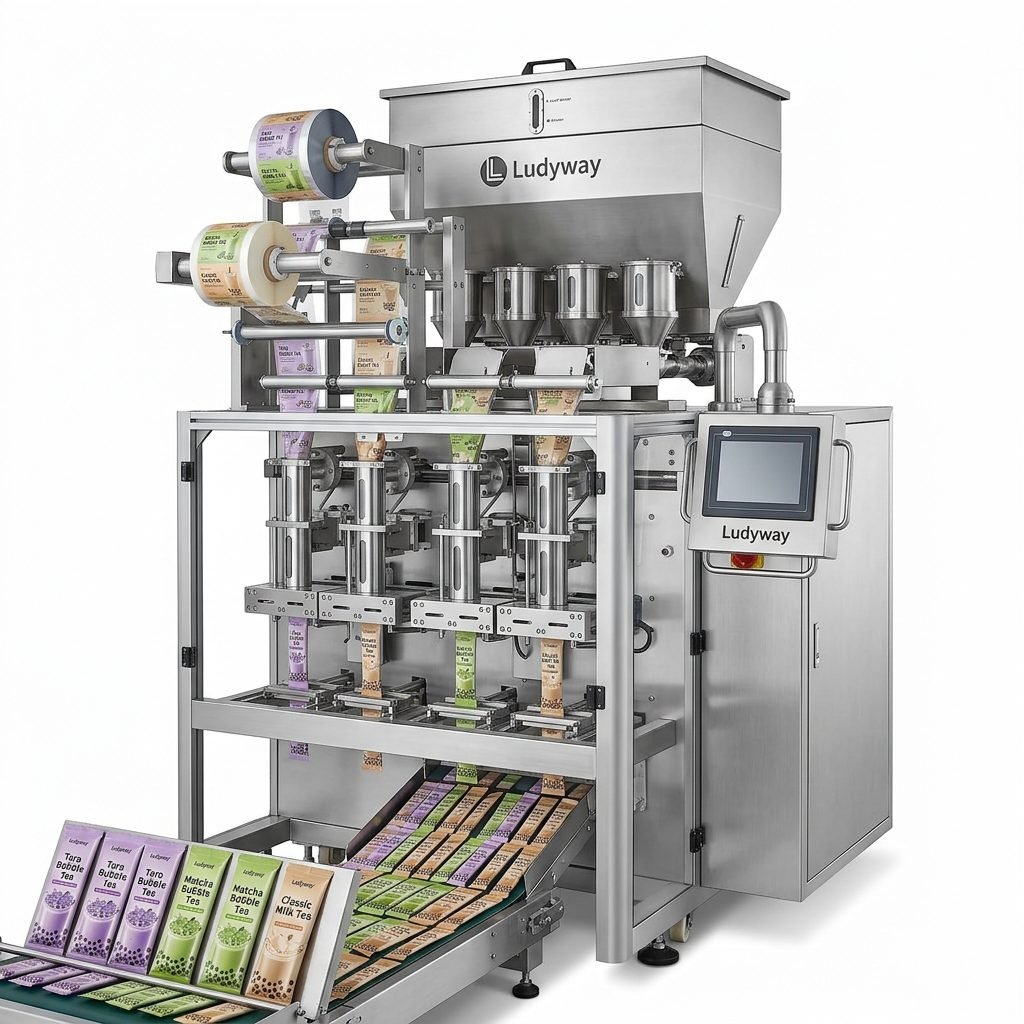
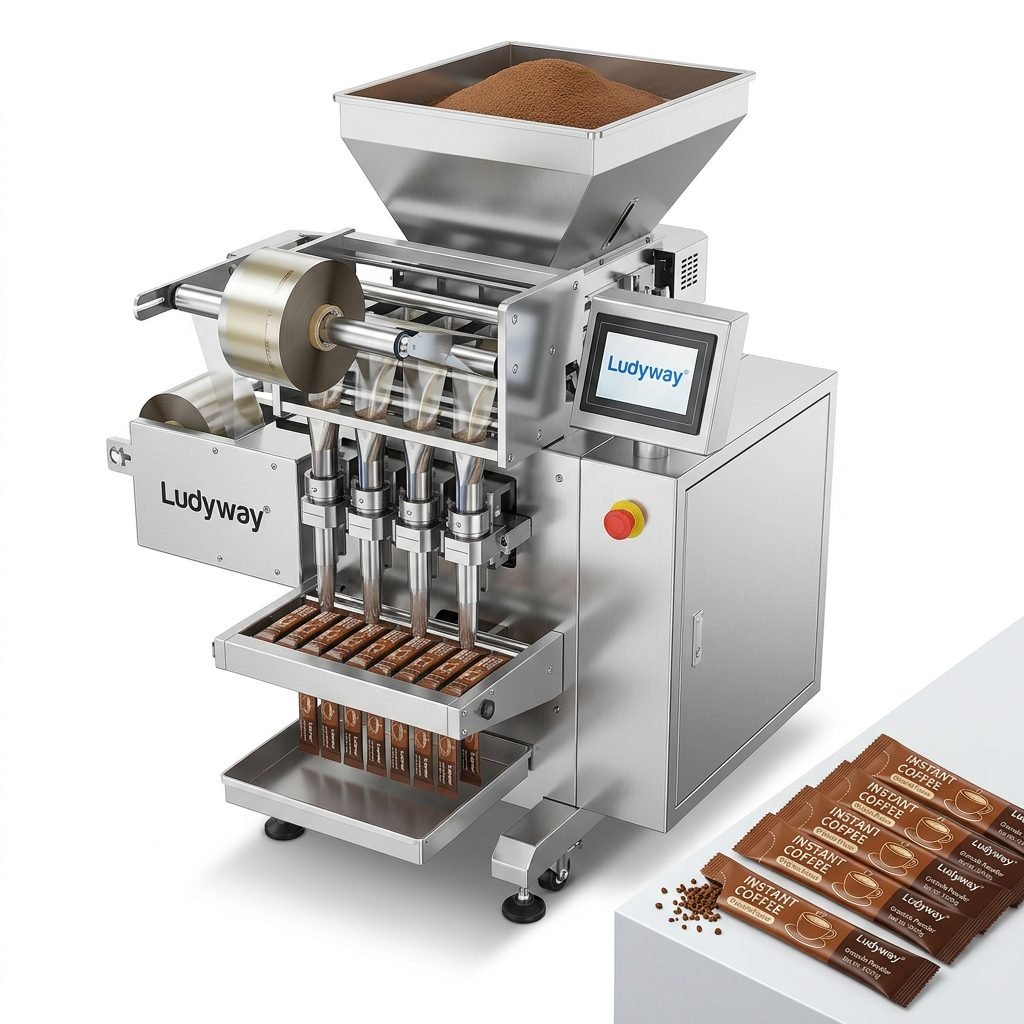
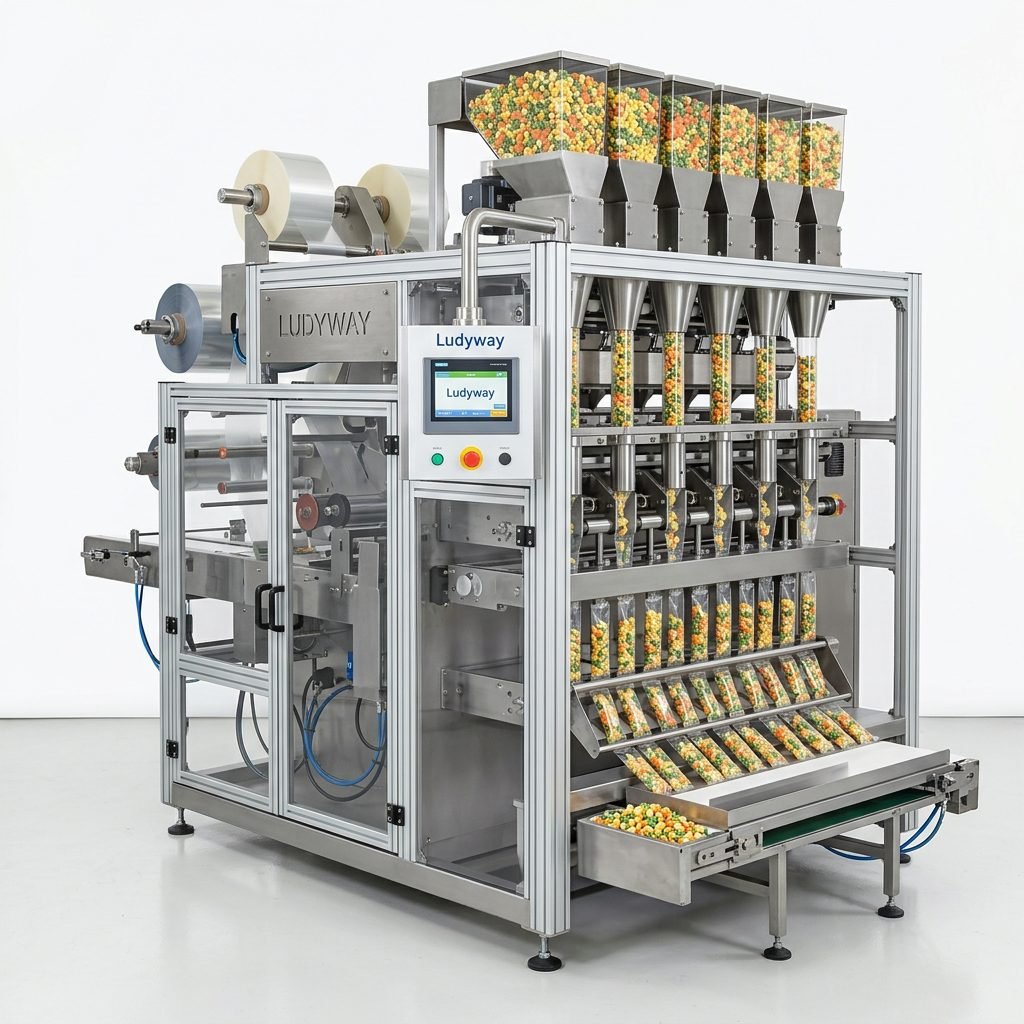
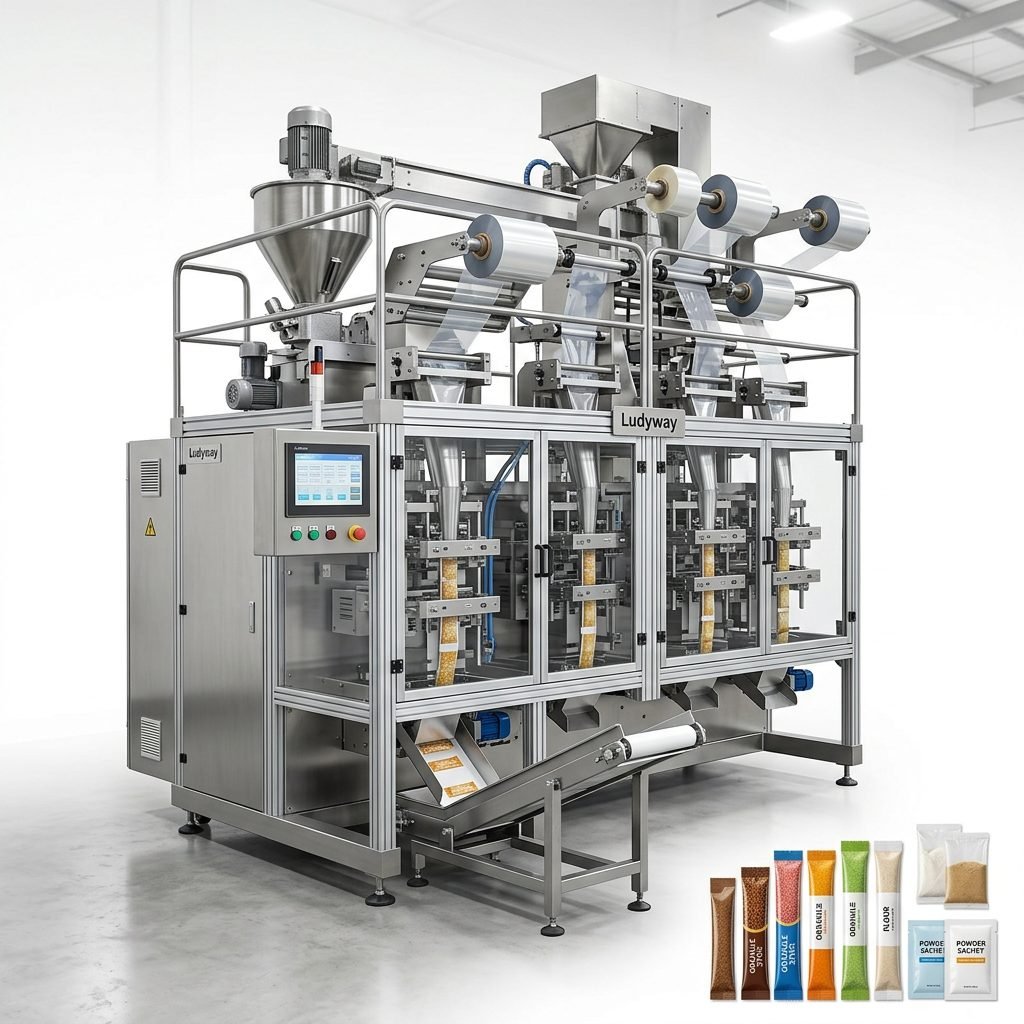
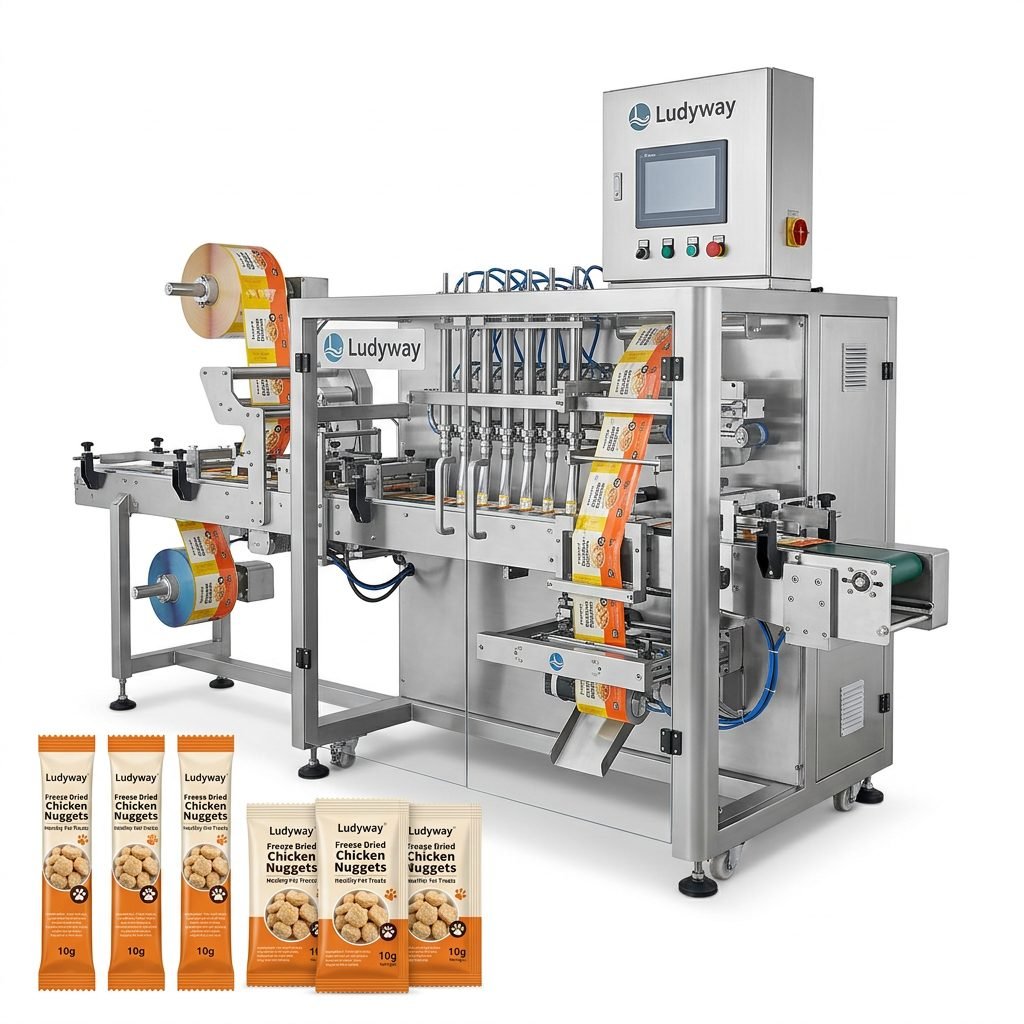
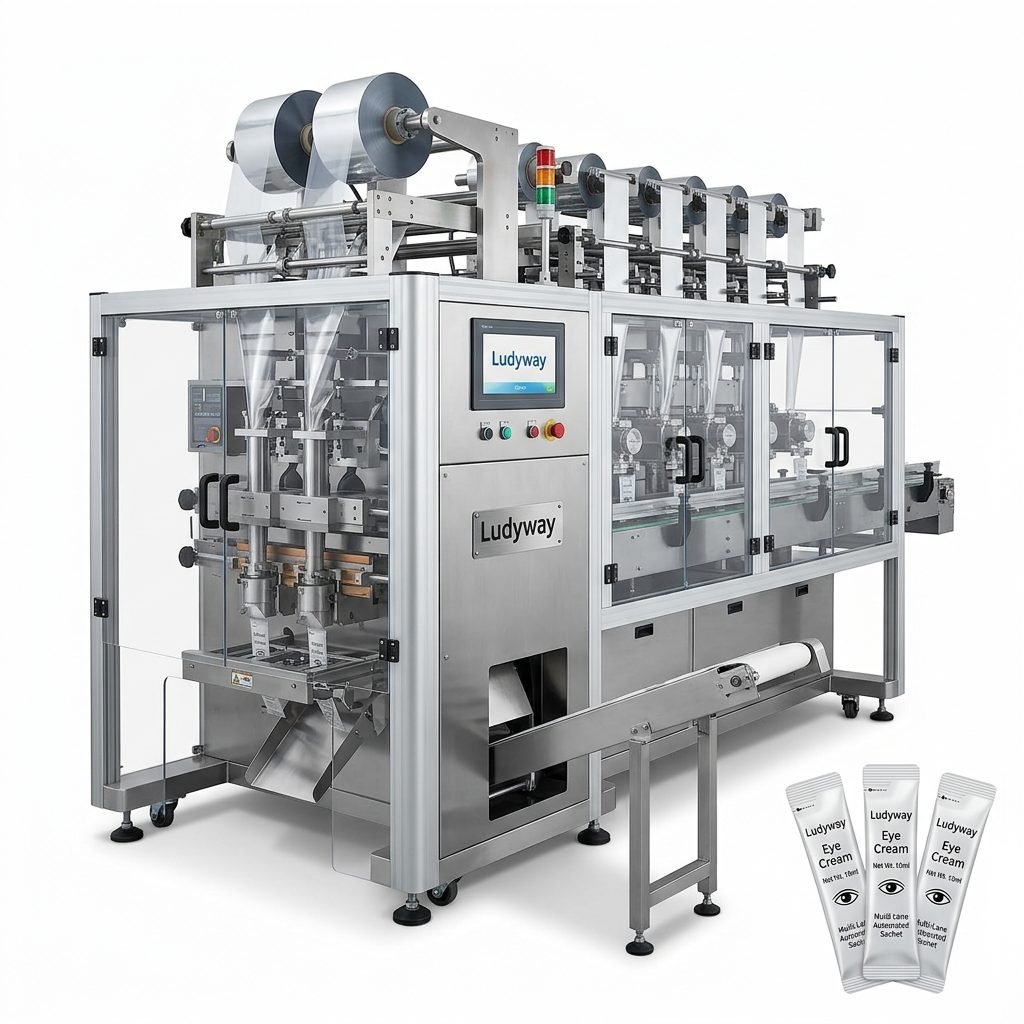
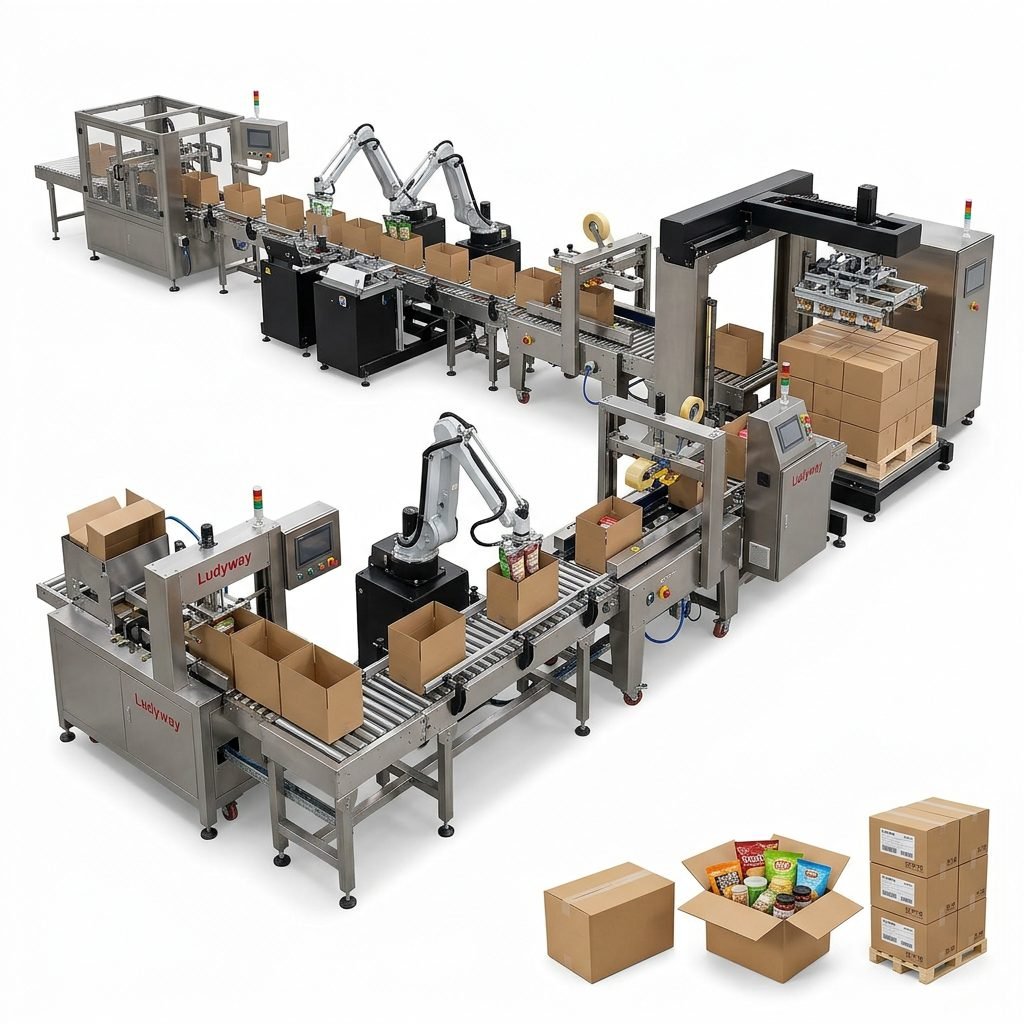
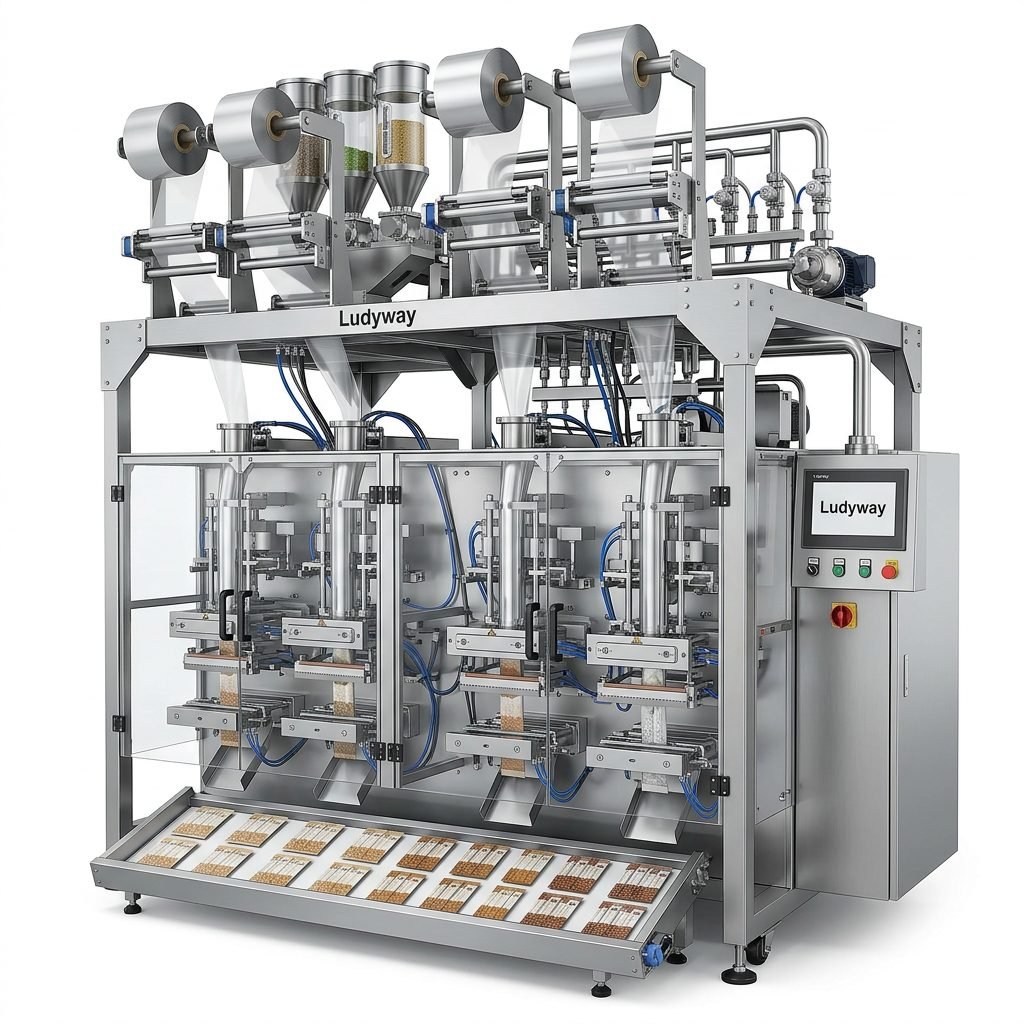
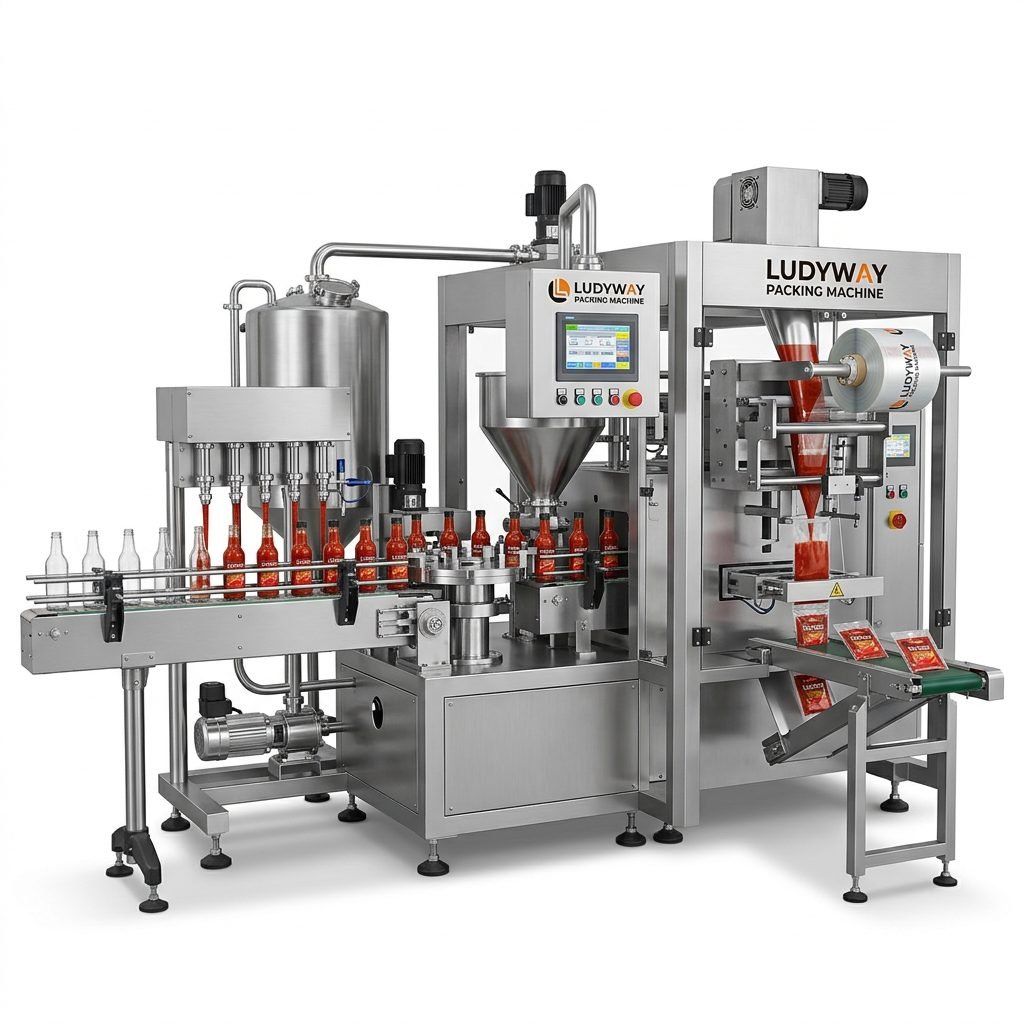
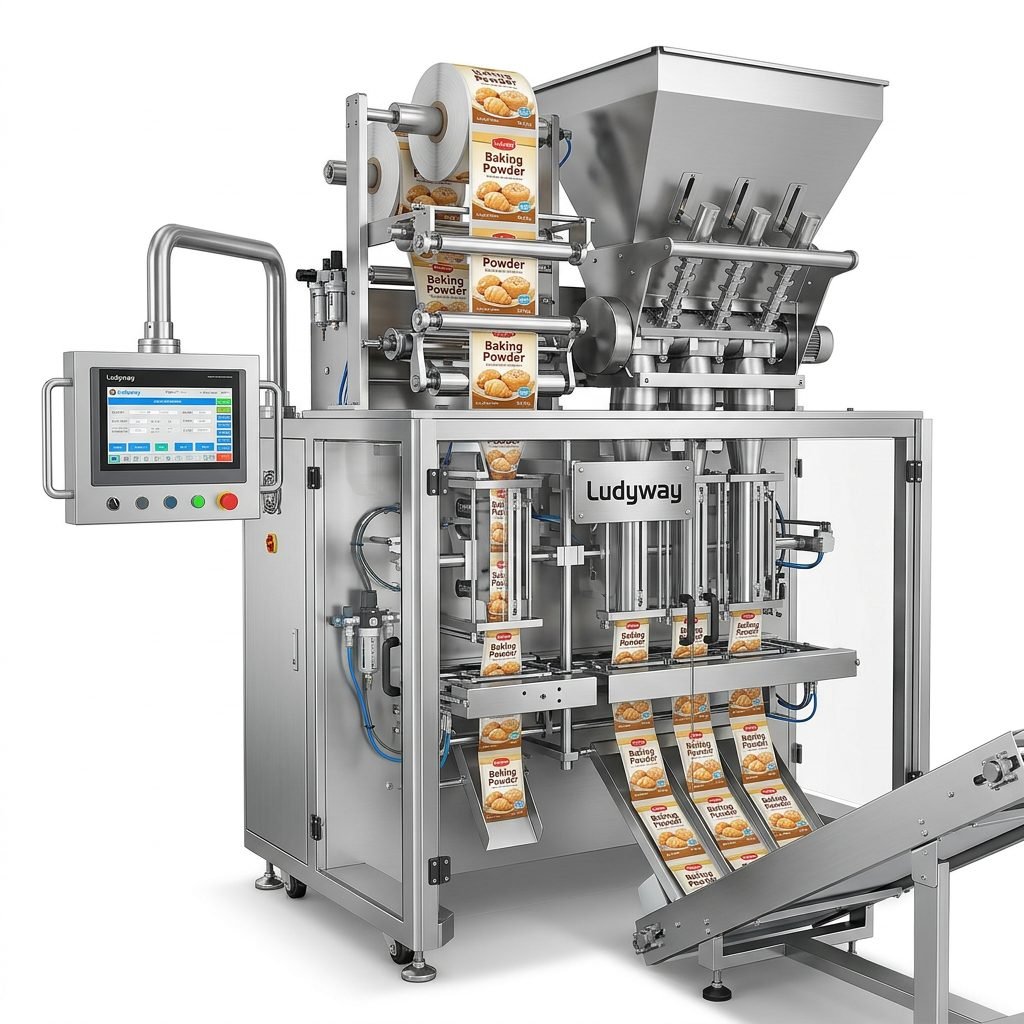
Investing in a tea automatic bottle packing machine is a significant decision for any tea producer or packaging business. Whether you are expanding your production line or launching a new product, understanding the cost structure is essential for budgeting and planning. The price of a tea bottle packing machine varies widely depending on several technical and operational factors. In this guide, we break down the key cost drivers, typical price ranges, and what you should consider before making a purchase.
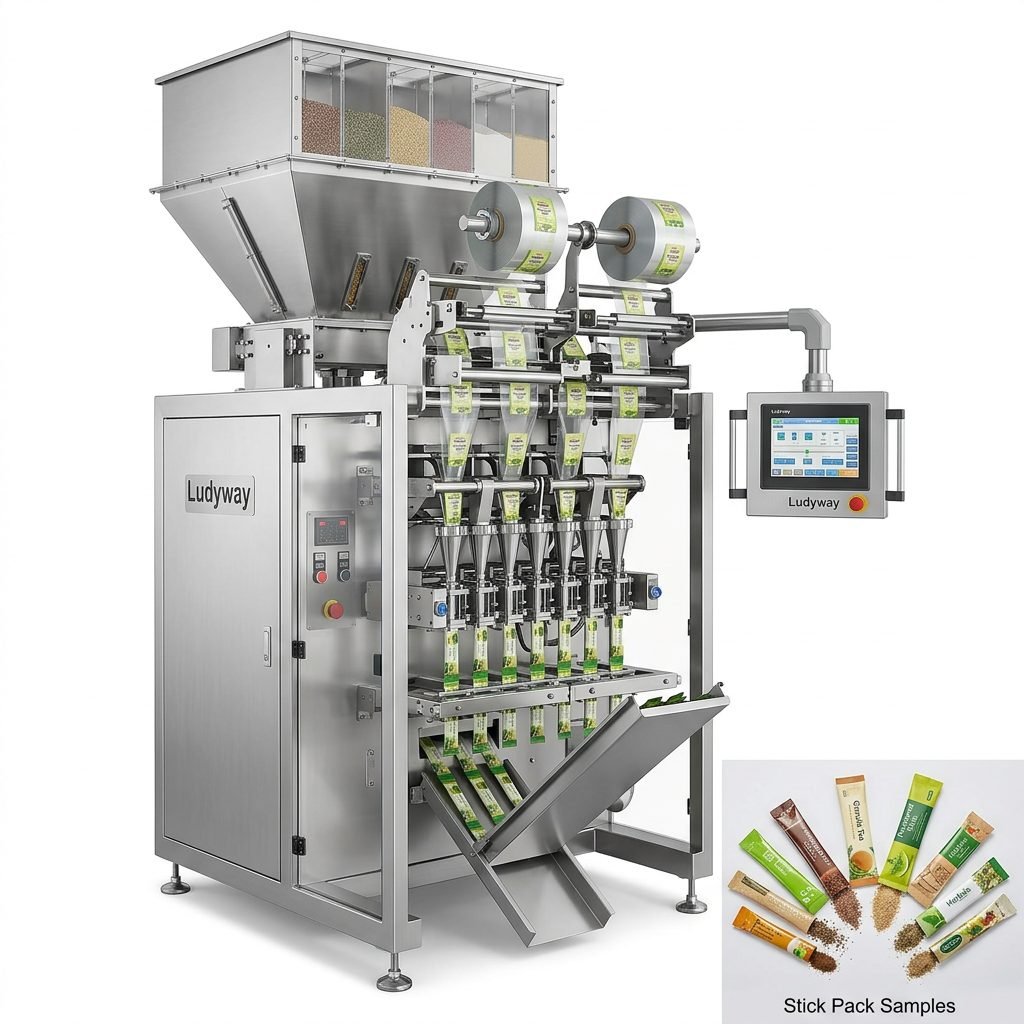
Key Factors That Influence the Cost of a Tea Bottle Packing Machine
Several variables determine the final price of a tea automatic bottle packing machine. Understanding these factors will help you evaluate quotations and choose the right equipment for your production goals.
Machine Speed and Output Capacity
One of the primary cost drivers is the production speed, typically measured in bottles per minute (BPM). Entry-level machines may handle 20–40 BPM, while high-speed industrial systems can exceed 120 BPM. Higher output capacity requires more robust components, advanced servo drives, and precision engineering, all of which increase the overall investment. For growing businesses, selecting a machine with scalable speed options can be a cost-effective long-term strategy.
Level of Automation
The degree of automation significantly impacts cost. A semi-automatic tea bottle packing machine requires manual intervention for bottle feeding, capping, or labeling, making it more affordable. In contrast, a fully automatic inline system integrates bottle unscrambling, filling, capping, labeling, and coding into one seamless operation. According to industry data from PMMI’s business intelligence resources, fully automated packaging lines can reduce labor costs by up to 60% over time, justifying the higher upfront expenditure.
Filling Technology and Accuracy
Tea products come in various forms — loose leaf, powder, granules, and liquid concentrates. Each requires specific filling technology:
- Auger fillers for powdered tea and matcha
- Volumetric cup fillers for granular tea blends
- Piston or peristaltic pumps for liquid tea concentrates
- Multi-head weighers for high-precision loose leaf tea packaging
Precision filling systems with servo-driven controls and automatic feedback loops cost more but reduce product giveaway and ensure food packaging compliance with weight regulations.
Machine Configuration and Customization
A standard off-the-shelf tea bottle packing machine is more budget-friendly than a custom-engineered solution. Customizations such as inert gas flushing for oxygen-sensitive teas, special capping heads for unique bottle designs, or integrated ISO-compliant packaging standards features can add substantial costs. Additionally, machines built with 304 or 316 stainless steel for food-grade applications command a premium over standard materials.

Typical Price Ranges by Machine Category
The table below summarizes the estimated cost ranges for different types of tea automatic bottle packing machines based on current market data and industry reports from PMMI’s State of the Industry reports:
| Machine Type | Speed Range (BPM) | Estimated Cost (USD) | Best Suited For |
|---|---|---|---|
| Semi-Automatic Bottle Filler | 10–30 | $8,000 – $25,000 | Small-scale producers, startups |
| Fully Automatic Inline System | 40–80 | $30,000 – $80,000 | Medium-sized tea companies |
| High-Speed Multi-Lane System | 80–150+ | $90,000 – $200,000+ | Large-scale industrial production |
| Custom Turnkey Packaging Line | Custom | $150,000 – $500,000+ | Specialized products, high-volume export |
Additional Costs Beyond the Machine Price
When budgeting for a tea automatic bottle packing machine, consider these often-overlooked expenses that can affect your total investment:
- Installation and commissioning — Professional setup and calibration by factory-trained technicians
- Operator training — Ensuring your team can run and maintain the equipment efficiently
- Spare parts inventory — Common wear items such as seals, belts, and filling nozzles
- Ongoing maintenance contracts — Preventive maintenance to avoid costly downtime
- Shipping and logistics — Freight costs, customs duties, and import taxes for international purchases
- Facility modifications — Electrical, compressed air, or dust collection system upgrades
Industry guidelines from the Flexible Packaging Association recommend allocating an additional 15–25% of the machine cost for installation and initial setup when planning capital expenditures for packaging equipment.
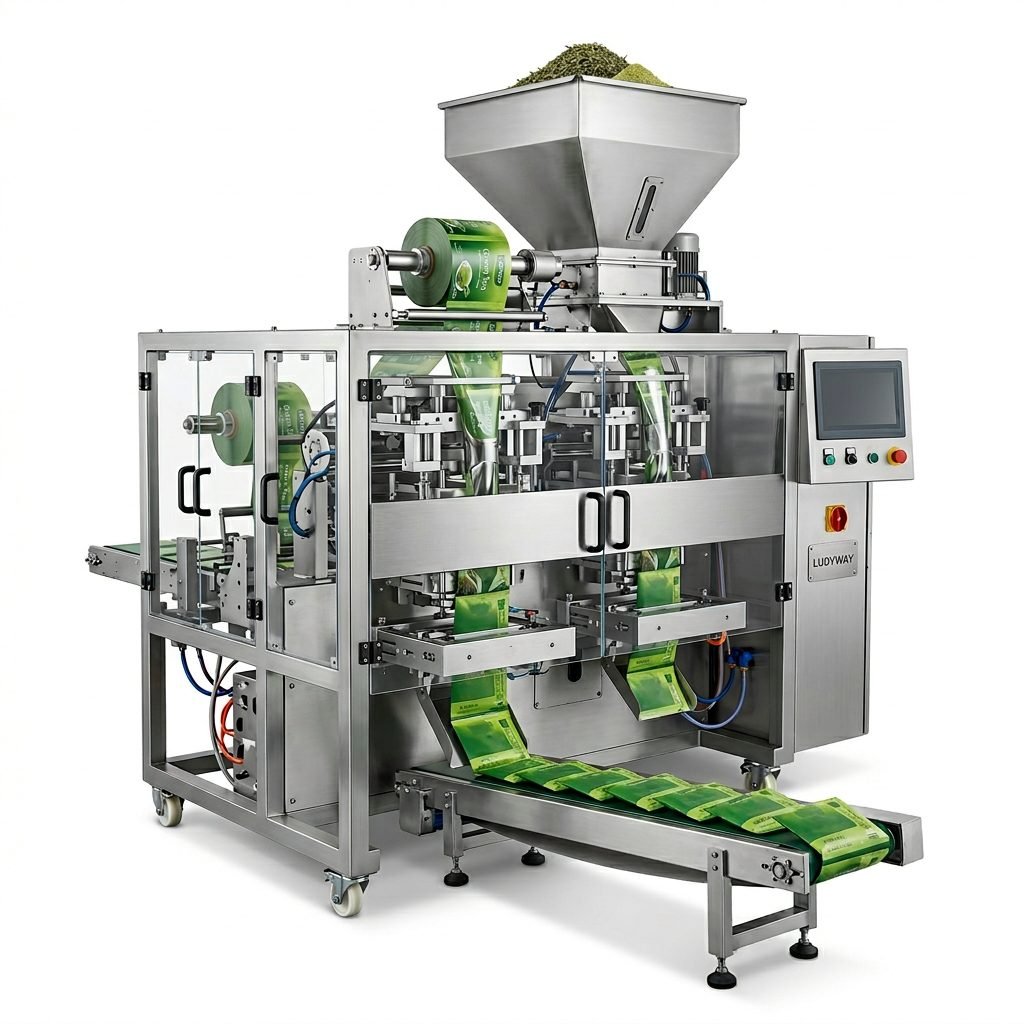
How to Get the Best Value for Your Investment
Securing a competitive price on a tea bottle packing machine requires more than simply comparing quotes. Here are practical strategies to maximize your return on investment:
Evaluate Total Cost of Ownership (TCO)
Look beyond the initial purchase price. A higher-quality machine with better energy efficiency, longer service intervals, and lower spare parts consumption may offer a lower TCO over 5–10 years. Request detailed lifecycle cost projections from potential suppliers.
Prioritize Scalability and Flexibility
Choose a machine that can adapt to future product variations. A tea bottle packing machine with modular design and quick-change parts allows you to switch between different bottle sizes, cap types, and tea formulations without major retooling costs. This flexibility protects your investment as market demands evolve.
Verify After-Sales Support and Warranty
A competitive price means little without reliable technical support. Confirm the warranty period, availability of remote diagnostics, and response time for on-site service. The PMMI packaging industry resources highlight that strong after-sales support significantly reduces unplanned downtime and long-term operational costs.
Request a Factory Acceptance Test (FAT)
Before finalizing your order, insist on a Factory Acceptance Test where the tea bottle packing machine runs with your actual product. This validates speed claims, fill accuracy, and overall performance, ensuring you receive exactly what you pay for.
Understanding the Market Landscape
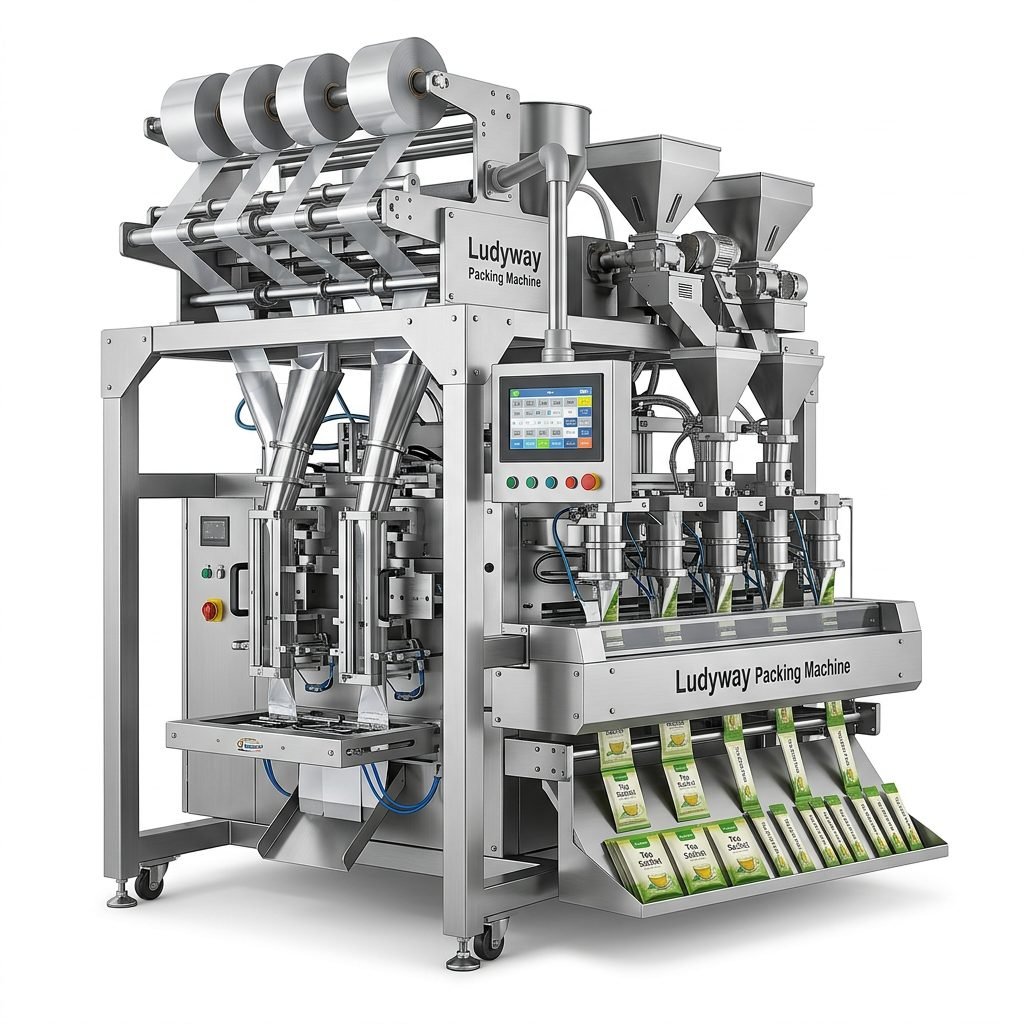
The global packaging machinery market continues to grow steadily. According to the 2026 State of the Industry report, demand for automated packaging equipment in the food and beverage sector is projected to increase substantially, driven by labor cost pressures and the need for higher production efficiency. For businesses investing in a tea packing solution, working with manufacturers who have extensive experience in the tea industry is essential. One such established company is Ludyway, a leading packaging machine manufacturer with over 30 years of experience, offering a wide range of automated equipment designed for granule, powder, and liquid tea packaging applications across more than 100 countries.
Key Specifications to Compare When Evaluating Quotes
Use the following checklist to objectively compare different tea automatic bottle packing machines:
- Filling accuracy: ±0.5% to ±2% depending on the technology
- Bottle compatibility: Diameter and height range supported
- Changeover time: Minutes required to switch between formats
- Power consumption: Kilowatt-hours per operating shift
- Compressed air requirements: CFM at specified PSI
- Compliance certifications: CE, UL, or FDA food contact substance compliance
- Warranty coverage: Parts and labor duration
Financing and Return on Investment
Many equipment manufacturers and third-party financial institutions offer leasing or installment plans for packaging machinery. Calculate your expected ROI by estimating labor savings, reduced product waste, and increased throughput. A well-chosen tea bottle packing machine typically achieves payback within 12–24 months for medium to high-volume operations. For additional market data, refer to the Flexible Packaging Association’s state of the industry resources.
Recommended Resources and Further Reading
Explore the following authoritative sources for additional insights on packaging machinery, industry standards, and market trends: