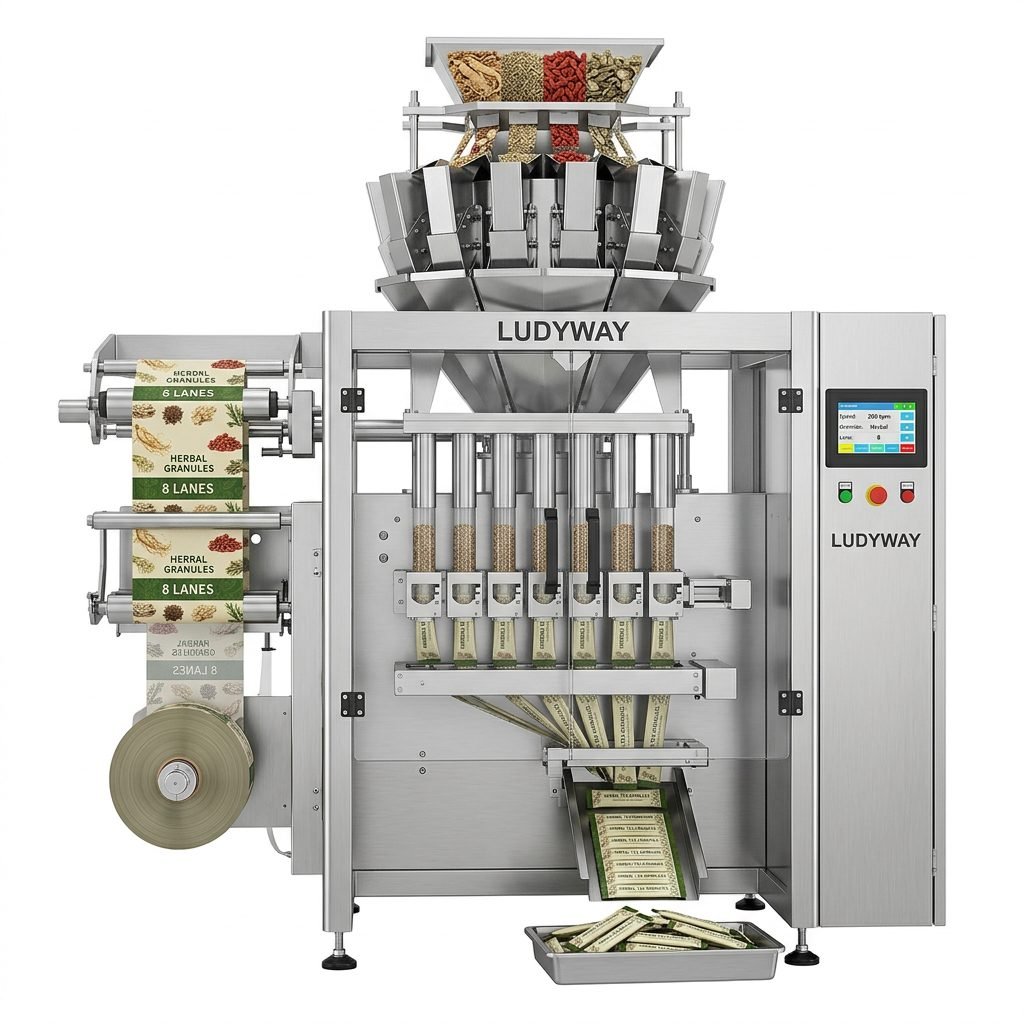
Selecting the right automatic spice packing machine is one of the most important equipment decisions a food manufacturer, co-packer, or spice processor will make. The wrong machine can lead to inaccurate fills, material waste, production bottlenecks, and high maintenance costs. The right machine — properly specified for your product, packaging format, and production goals — can significantly improve packaging efficiency, product consistency, and long-term profitability.
This guide walks you through the key factors to evaluate when choosing an automatic spice packing machine, from product characteristics and machine types to production capacity, automation level, and supplier selection.
1. Understand Your Spice Product Characteristics
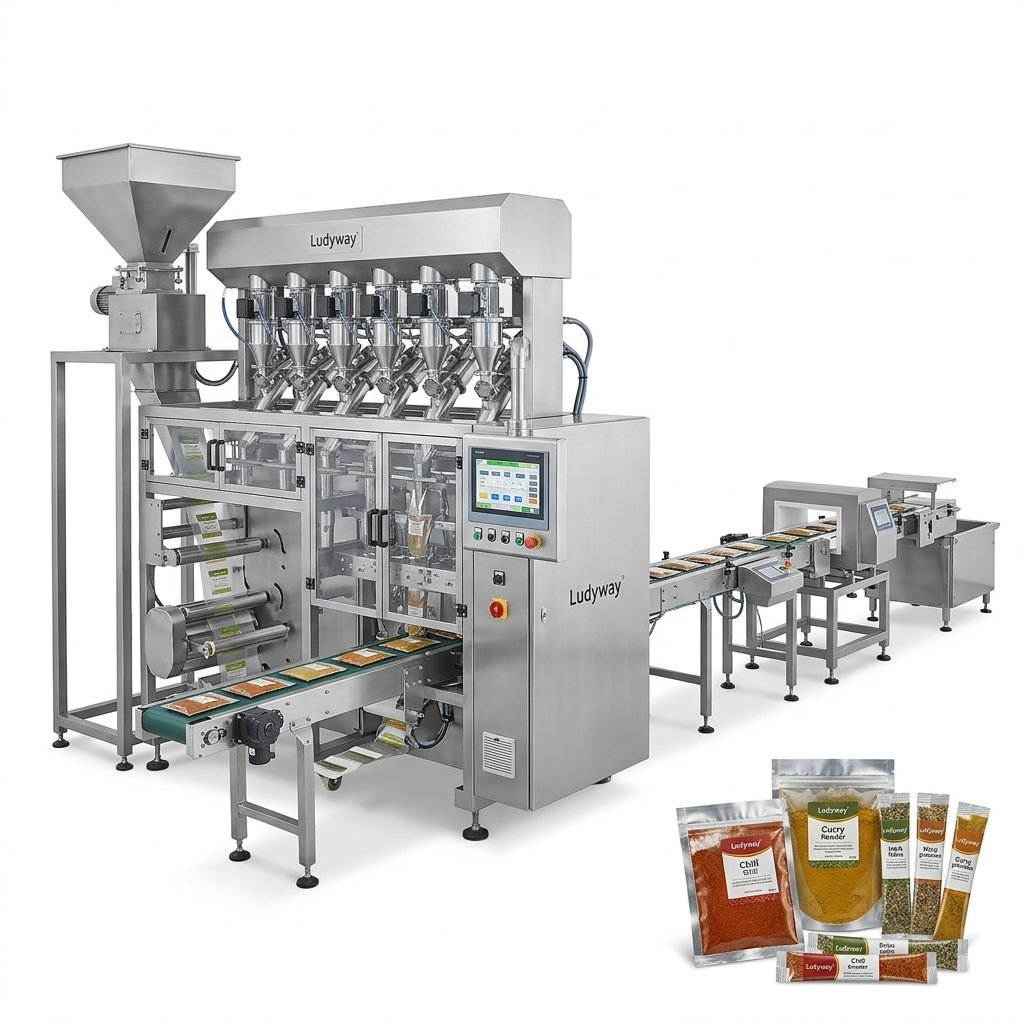
Spices are not a single product category — they vary significantly in particle size, flow behavior, moisture content, and dust levels. The filling and dosing system of your packing machine must be compatible with your specific product.
Key Product Properties to Evaluate
- Particle size and distribution: Fine powders (turmeric, cinnamon), granular spices (black pepper, cumin seeds), flake-type spices (red pepper flakes, oregano), or a mix.
- Flow characteristics: Free-flowing, semi-free-flowing, or cohesive/non-free-flowing powders that tend to bridge or clump.
- Bulk density: Affects filling volume calculations and hopper capacity requirements.
- Dust generation: Fine spice powders create dust that can interfere with sealing quality and require dust extraction systems.
- Hygroscopicity: Some spices absorb moisture easily and may require special environmental controls.
- Oil content: High oil content spices (nutmeg, cardamom) can affect sealing and packaging material compatibility.
Leading equipment manufacturers typically conduct product testing before recommending a machine configuration. Always provide a representative product sample when discussing machine selection.
2. Define Your Packaging Format Requirements
Modern spice packaging encompasses a wide range of formats. Your choice of packaging format will directly influence the type of automatic spice packing machine you need.
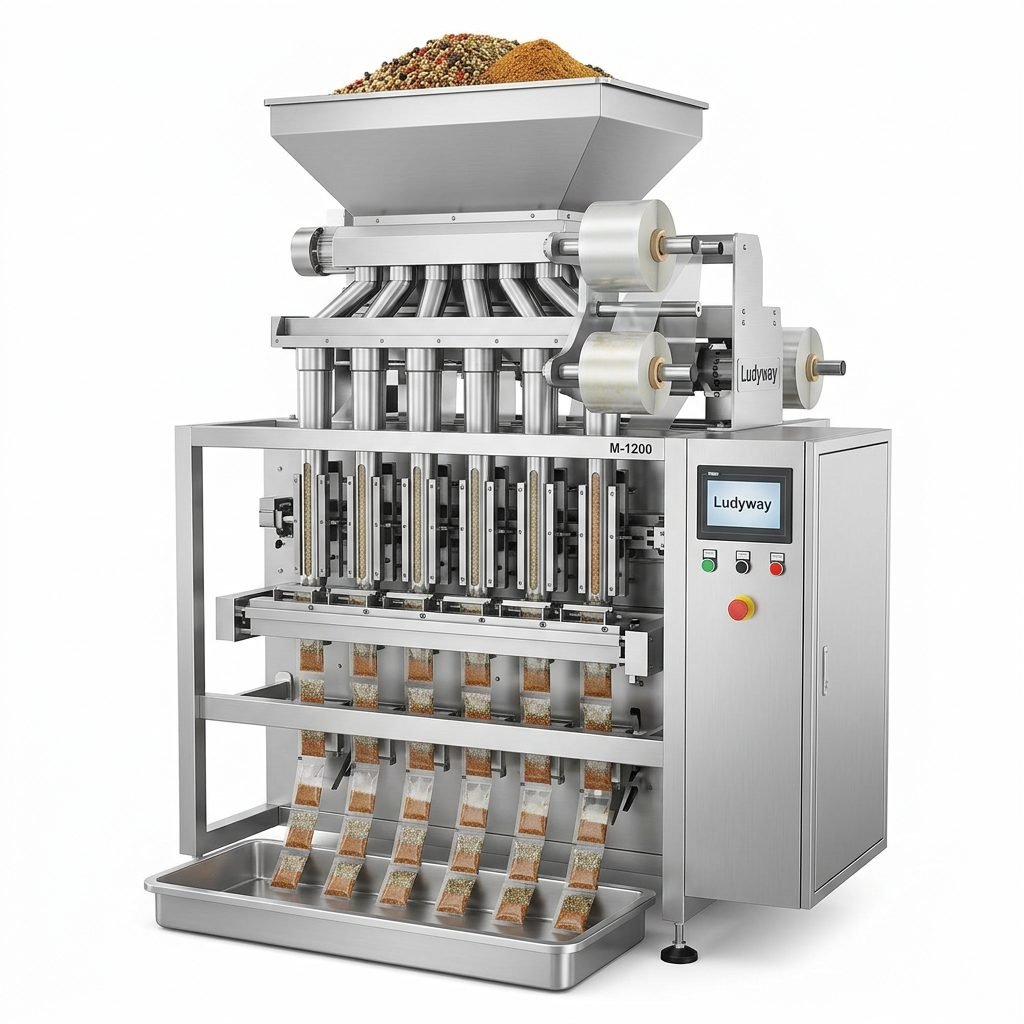
| Packaging Format | Common Applications | Machine Type |
|---|---|---|
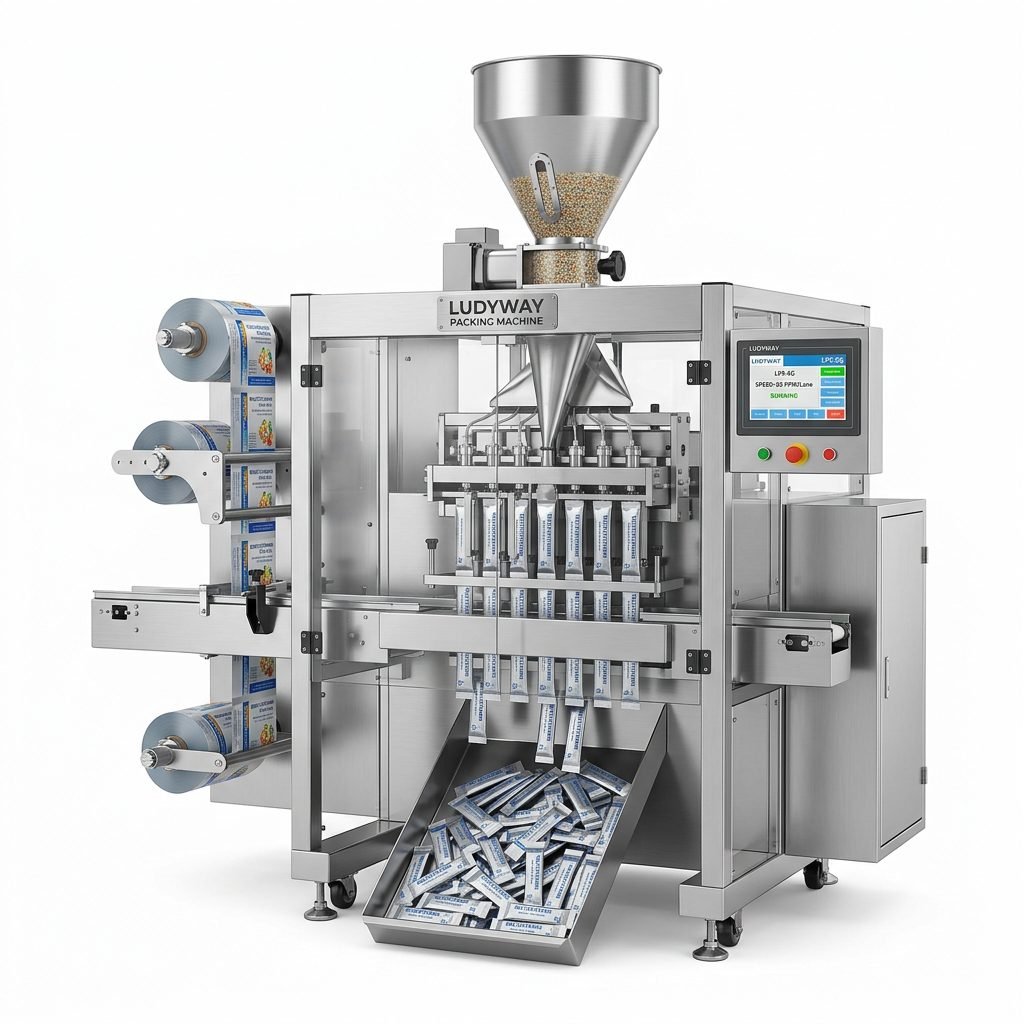
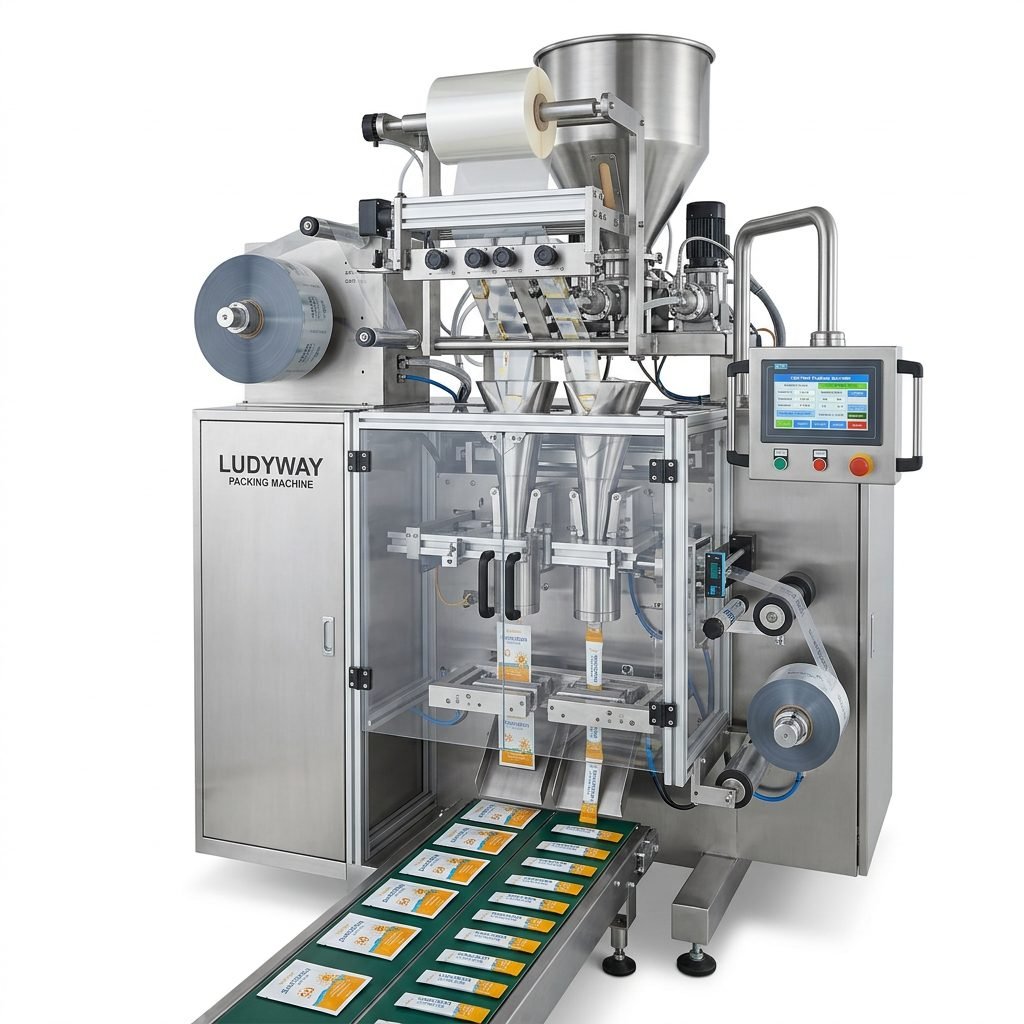
| Stick Packs | Single-serve spices, seasoning mixes, instant spice blends | Multi-lane stick pack machine |
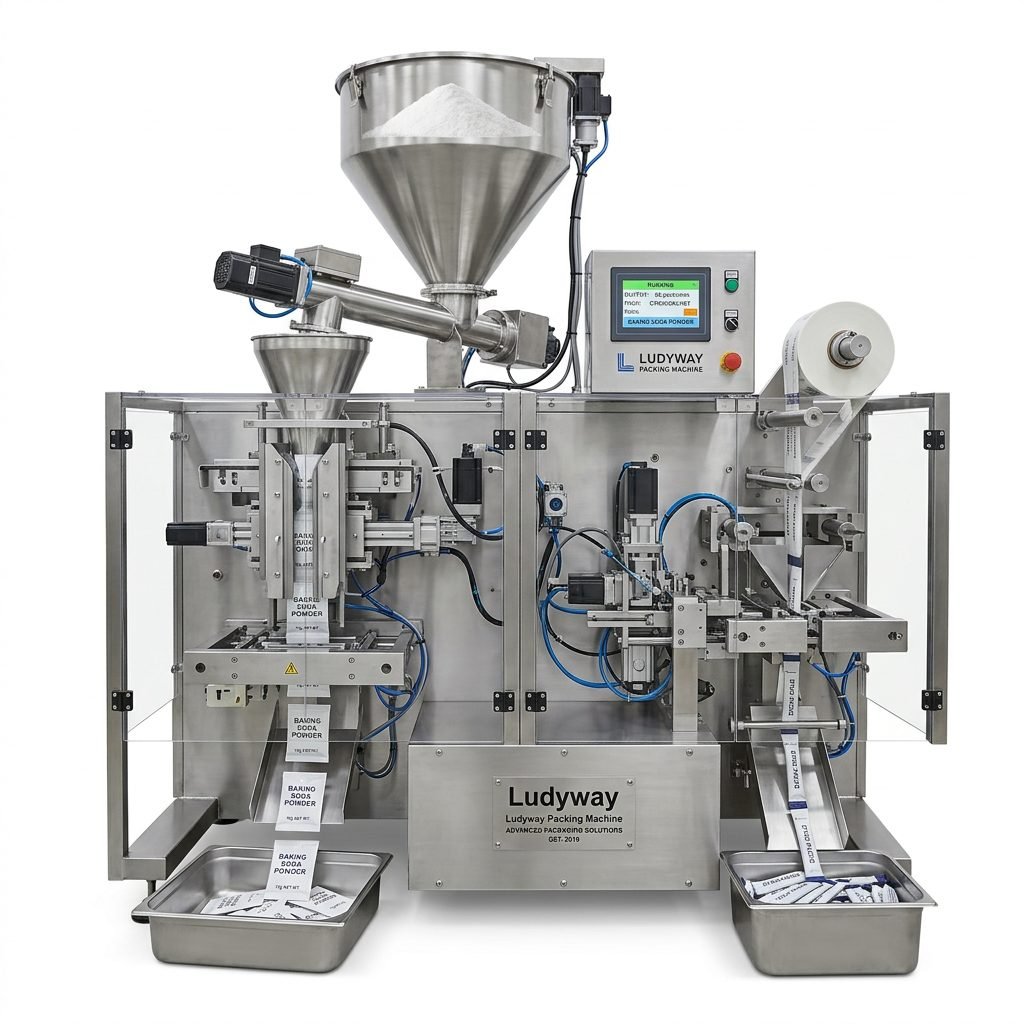
| Pillow Sachets | Retail spice sachets, food service portions | Sachet packing machine (VFFS) |
| Stand-up Pouches | Premium retail spices, organic spice brands | Premade pouch filling and sealing machine |
| Flat Pouches | Bulk spices, industrial ingredient packaging | Pouch filling machine or VFFS |
| Jars/Bottles | Premium glass jar packaging, plastic spice bottles | Auger/powder filling machine + capping |
| Bulk Bags | Industrial ingredient supply, co-packing operations | Bulk bag filling system |
Many spice processors run multiple packaging formats on different production lines. Consider whether you need dedicated machines for each format or customized packaging solutions that can be configured for various requirements.
3. Match Production Capacity to Machine Throughput
Production volume is one of the most critical specifications when selecting an automatic spice packing machine. Underestimating capacity leads to production delays; overestimating results in unnecessary capital expenditure.
Throughput Considerations
- Single-lane vs. multi-lane: Multi-lane machines multiply output by running several lanes simultaneously. A 4-lane, 8-lane, or even 12-lane stick pack machine can dramatically increase packaging speed.
- Packs per minute target: Define your current and projected production requirements in packs per minute for each packaging format.
- Shift patterns: Single-shift, double-shift, or continuous 24/7 operation affects machine durability and maintenance scheduling requirements.
- Planned growth: A modular machine that allows adding lanes later may be more cost-effective than buying a new machine for capacity expansion.
4. Evaluate Filling and Dosing Technology
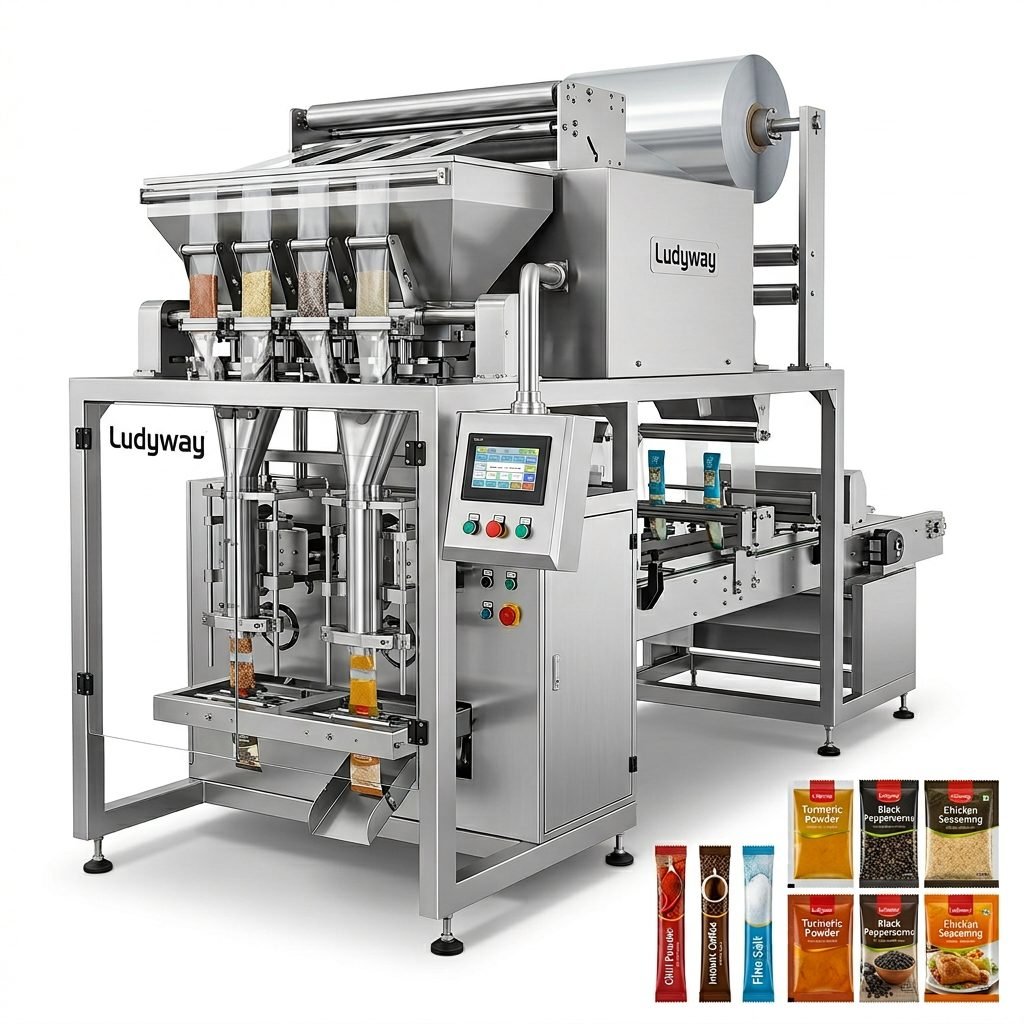
The filling system is the core of any automatic spice packing machine. Selecting the wrong dosing technology can cause fill weight variation, product giveaway, and inconsistent pack quality.
Common Dosing Systems for Spices
| Dosing Type | Best For | Accuracy | Speed |
|---|---|---|---|
| Auger Filler | Powders, fine spices, non-free-flowing products | High (±0.5–1%) | Moderate to High |
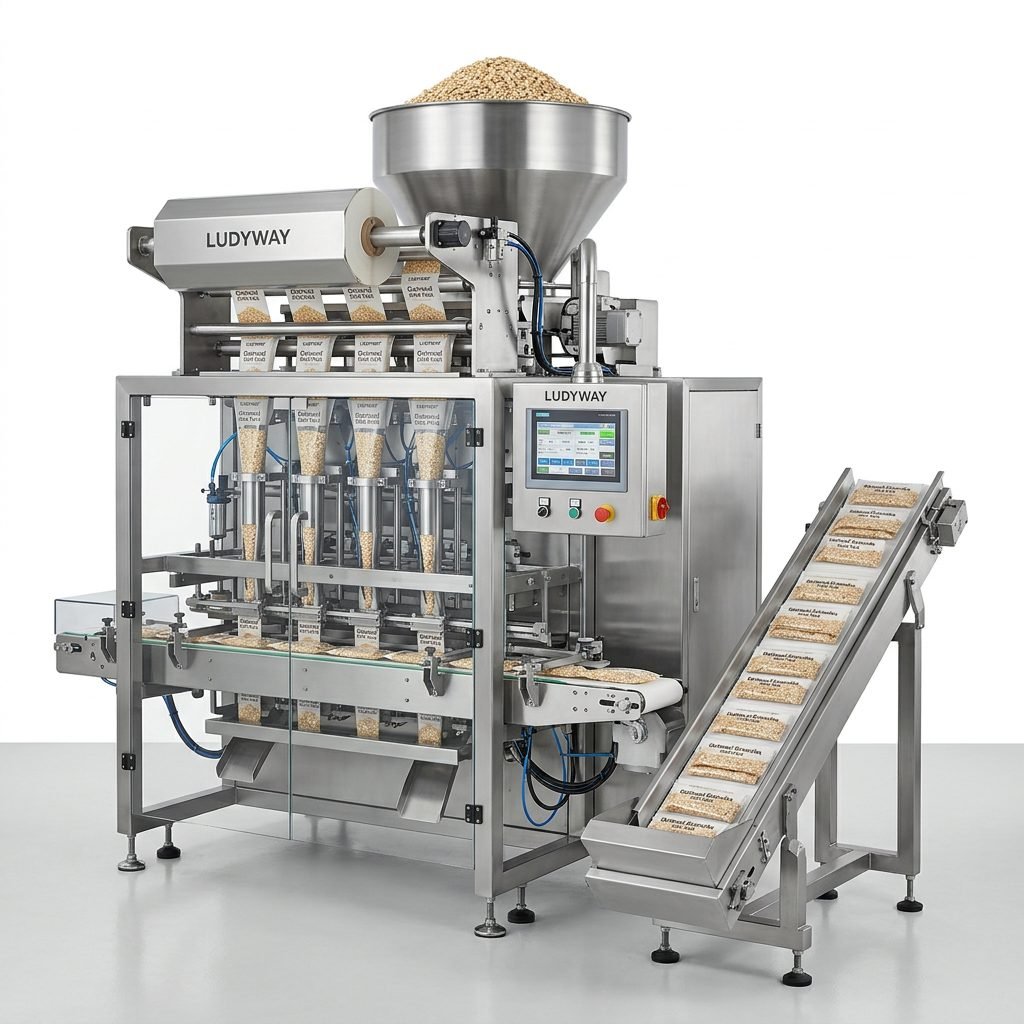
| Volumetric Cup Filler | Free-flowing granular spices, uniform particle size | Moderate (±1–3%) | Very High |
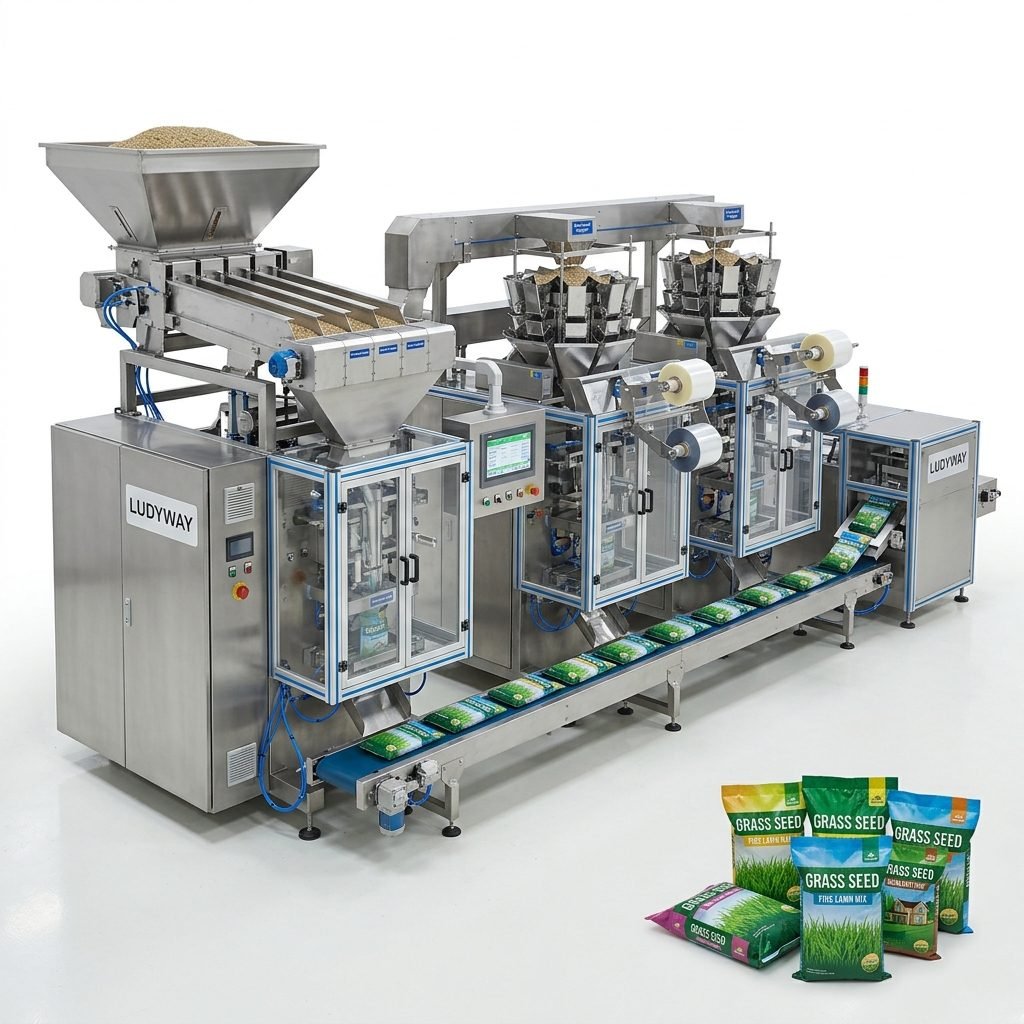
| Multi-head Weigher | Granular spices, mixes, irregular shapes | Highest (±0.1–0.5%) | High |
| Linear Weigher | Granular spices, cost-sensitive applications | Good (±0.5–1%) | Moderate |
| Piston Filler | Liquid spice extracts, pastes, sauces | High (±0.5–1%) | Moderate to High |
For the most precise spice packaging applications, multi-head weighing systems offer the best combination of speed and accuracy, though they represent a higher initial investment. The packaging machinery industry data from PMMI consistently shows that accurate dosing technology reduces product giveaway and improves ROI over the machine lifetime.
5. Consider Automation Level and Line Integration
Automatic spice packing machines range from semi-automatic standalone units to fully integrated, turnkey packaging lines. The right level of automation depends on your current operations and long-term goals.
Automation Levels
- Semi-automatic: Requires manual product loading, machine performs filling and sealing. Suitable for low-volume or specialty production.
- Fully automatic: Continuous operation with automatic feeding, filling, sealing, cutting, and collection. Ideal for medium to high production volumes.
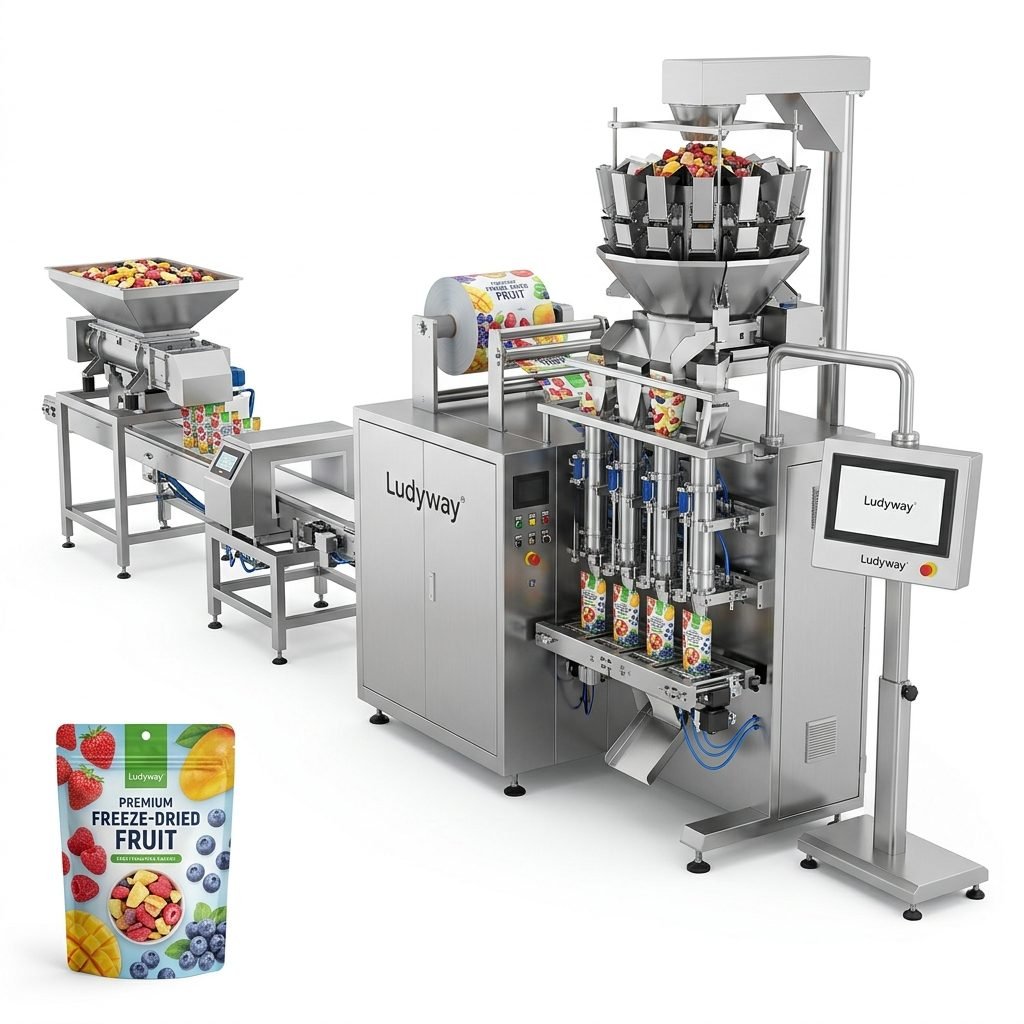
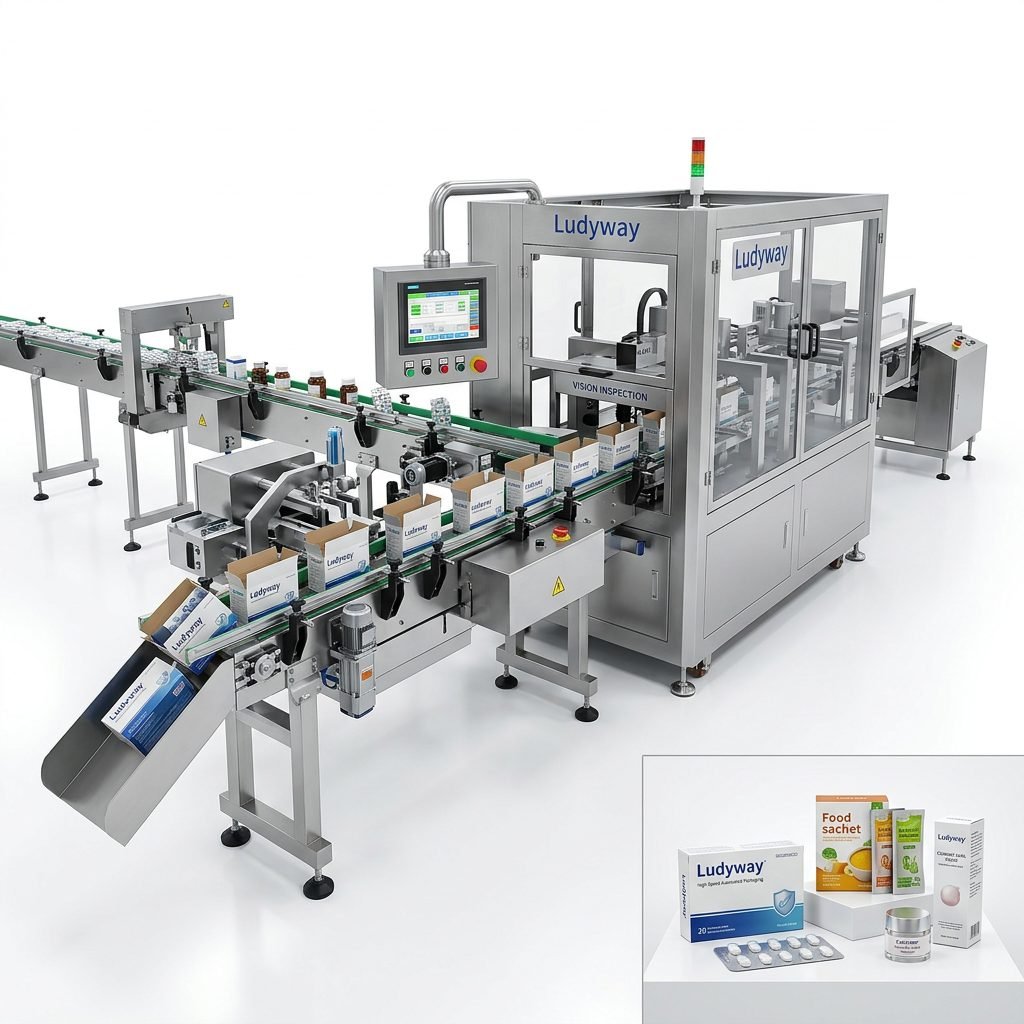
- Integrated packaging line: Connects feeding, dosing, filling, sealing, coding, inspection, cartoning, and palletizing into one turnkey packaging system. Maximizes efficiency and reduces manual handling.
Modern spice packing machines can integrate checkweighers, metal detectors, date coders, nitrogen flushing systems, and reject stations for comprehensive quality control. According to Flexible Packaging Association industry resources, inline quality inspection systems are becoming standard in advanced food packaging operations.
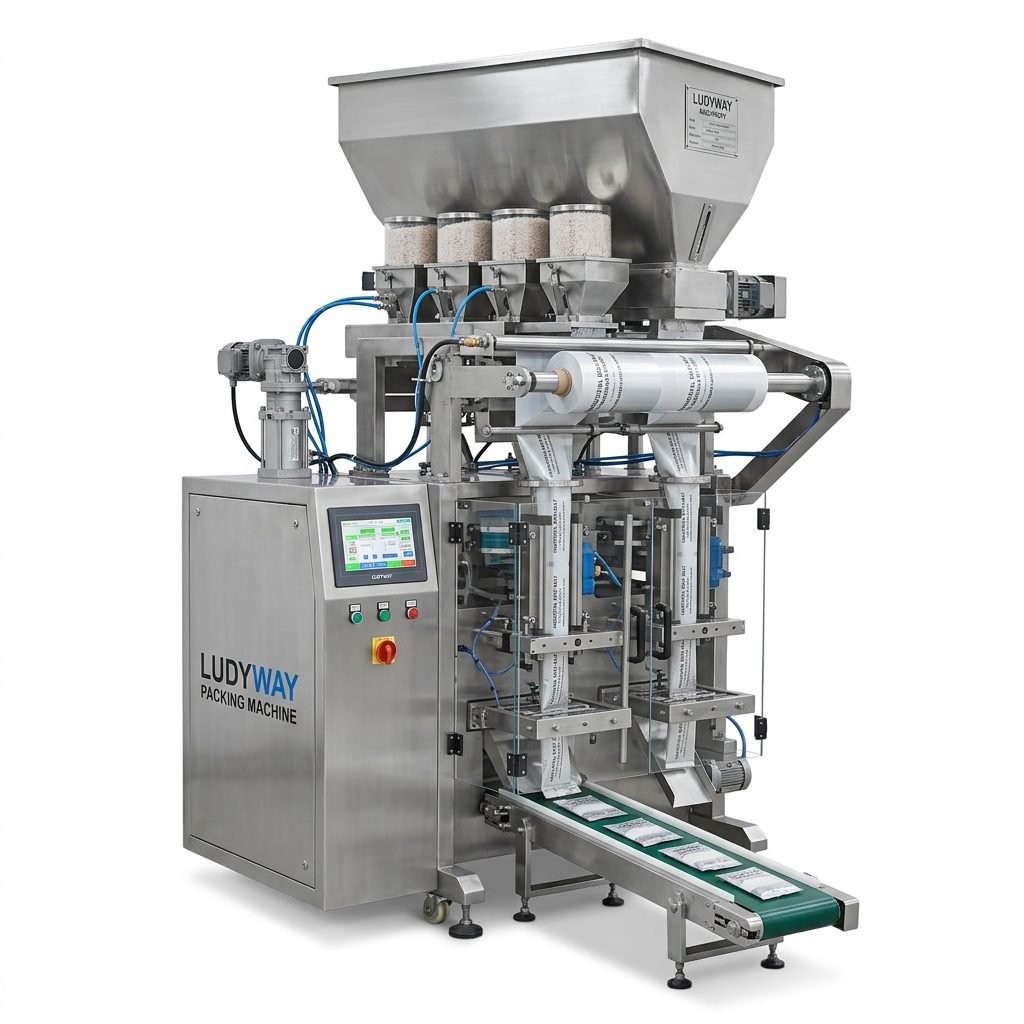
6. Machine Construction and Material Compatibility
For spice packaging, machine construction materials directly impact food safety compliance, equipment longevity, and maintenance requirements.
Construction Quality Factors
- Food-grade stainless steel: Product contact parts should be 304 or 316 stainless steel for corrosion resistance and food safety compliance.
- Washdown capability: Easy-to-clean surfaces, sloped surfaces, and minimal crevices where spice dust can accumulate.
- Dust protection: Sealed bearings, dust-tight electrical enclosures, and optional dust extraction systems are important for fine powder applications.
- Sealing system quality: Temperature-controlled sealing jaws, adjustable pressure settings, and compatibility with various film types (laminated, metallized, biodegradable).
Compliance with international standards is increasingly important for exporters. Machines designed to meet FDA food packaging requirements or ISO packaging standards provide confidence for manufacturers serving regulated markets.
7. Compare Supplier Capabilities and Support
The machine is only as good as the supplier standing behind it. When evaluating automatic spice packing machine manufacturers, consider these factors beyond the equipment specification sheet:
- Application testing: Does the supplier offer product testing with your actual spice materials before purchase?
- Customization: Can the machine be configured for your specific spice characteristics, packaging formats, and production environment?
- Installation and commissioning: What level of on-site support is provided during setup and start-up?
- Training: Do they provide operator and maintenance training to ensure your team can run the equipment effectively?
- After-sales support: Availability of spare parts, technical assistance, troubleshooting support, and response times.
- Engineering capability: Can the supplier design and deliver a complete packaging system if your needs extend beyond a single machine?
Experienced packaging machinery manufacturers with deep application knowledge can guide you toward the most appropriate equipment configuration. For example, Ludyway Machinery, a China-based packaging machinery manufacturer with more than 30 years of experience, provides automatic packaging equipment ranging from individual machines to complete turnkey packaging lines for spices and other powder, granule, and liquid products. Working with a supplier that offers in-house manufacturing, engineering, and global technical support provides a single point of accountability through the entire equipment lifecycle.

8. Calculate Total Cost of Ownership
Purchase price is only part of the equation. A comprehensive cost analysis should include the full total cost of ownership (TCO) over the expected machine lifetime.
| Cost Category | What to Consider |
|---|---|
| Initial Purchase | Machine cost including configured options |
| Installation & Commissioning | Shipping, on-site setup, integration with existing lines |
| Packaging Materials | Film consumption, material waste rates, supplier flexibility |
| Product Giveaway | Overfill from inaccurate dosing — often the largest hidden cost |
| Maintenance & Spare Parts | Planned maintenance parts, unexpected repairs, parts availability |
| Labor | Operators required, skill level, automation reducing headcount |
| Energy & Utilities | Power consumption, compressed air requirements |
| Downtime Cost | Production losses during breakdowns or changeovers |
9. Stay Informed About Industry Trends
The packaging machinery industry continues evolving toward greater automation, flexibility, and sustainability. Understanding current trends helps future-proof your equipment investment.
Key developments in spice packaging include biodegradable and recyclable packaging materials, smart packaging systems with IoT connectivity for real-time performance monitoring, and modular machine designs that allow capacity upgrades without full equipment replacement. The PMMI 2026 State of the Industry report provides detailed insights into packaging machinery market trends worth reviewing.
Industry exhibitions are also valuable for evaluating equipment firsthand. Events such as PACK EXPO International allow buyers to see multiple suppliers, watch live demonstrations, and compare machines side by side. Many serious buyers also arrange visits to manufacturing facilities to assess production quality and engineering capabilities directly.

10. Build for Long-Term Success
Selecting an automatic spice packing machine is a strategic decision that affects your production capability for years — potentially a decade or more. Beyond current requirements, consider how your business may evolve.
Scalability, customization capability, and supplier partnership should weigh in your decision as heavily as the machine specification sheet. The most successful equipment investments come from working with suppliers who understand your product, your industry, and your production goals — and who can provide support well beyond the initial purchase.
For more information on automatic packaging machines and turnkey packaging solutions for spice processing applications, explore our equipment portfolio or contact our engineering team for a customized consultation.