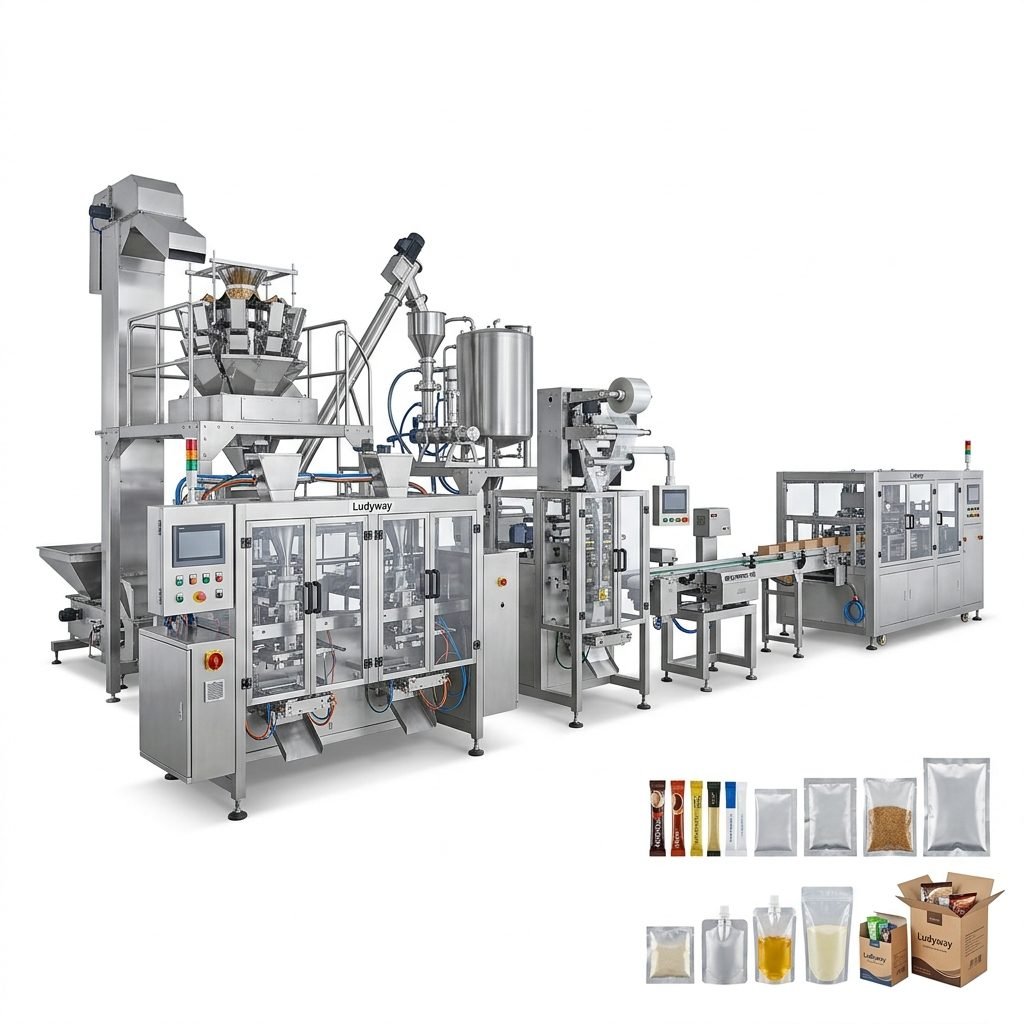
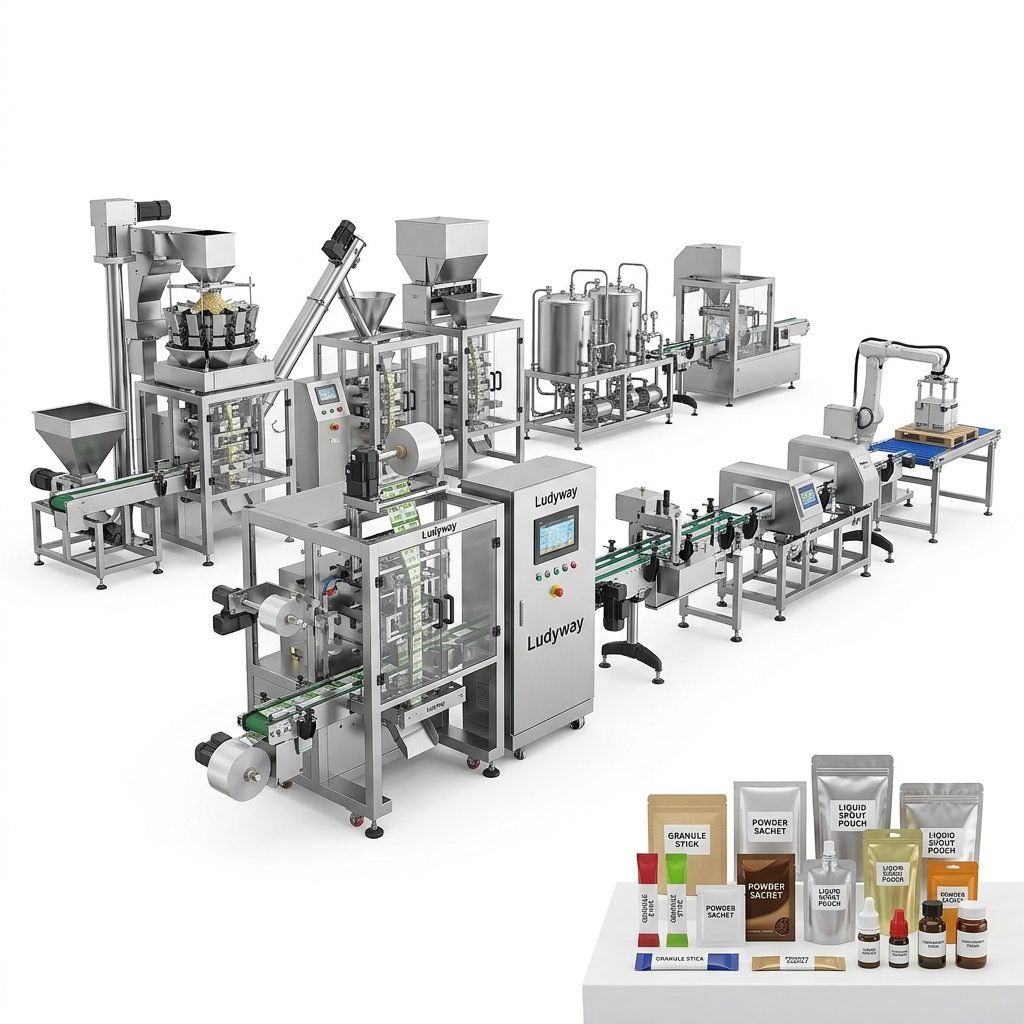
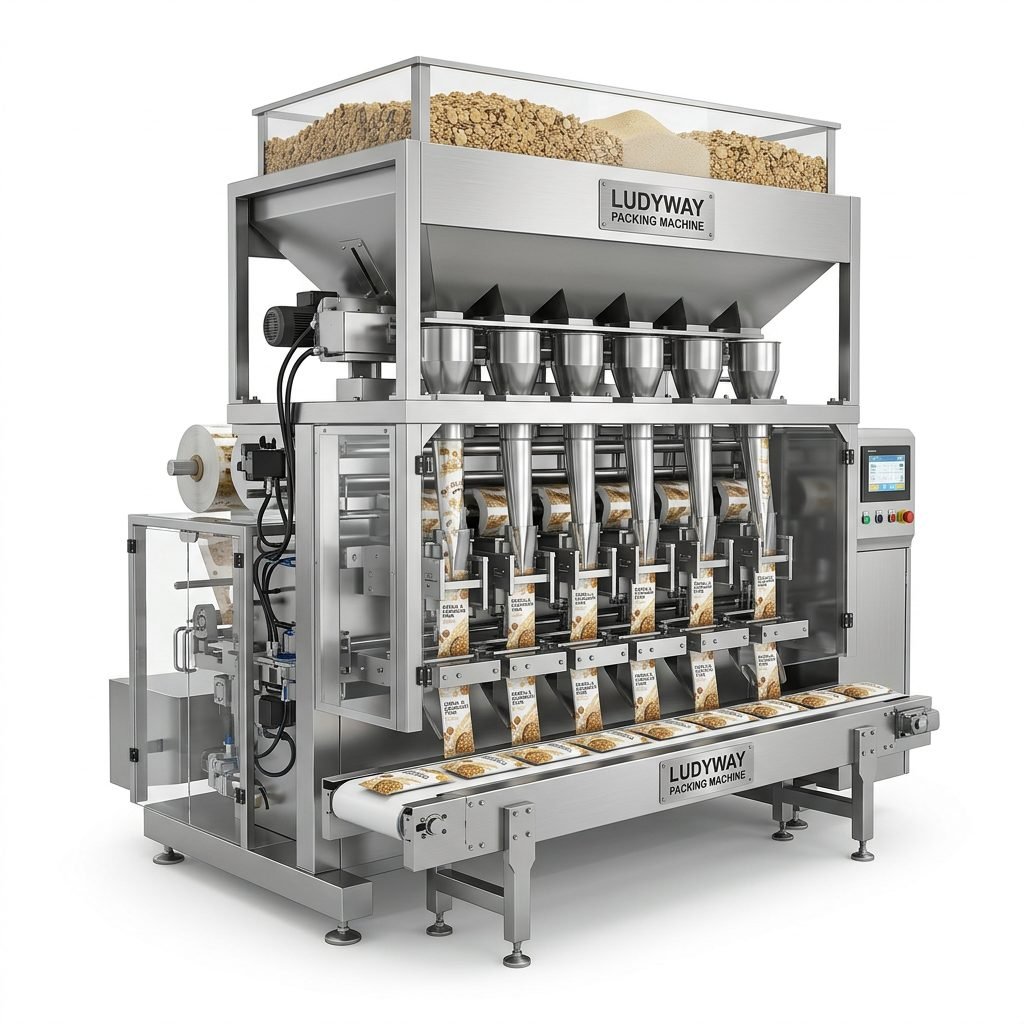
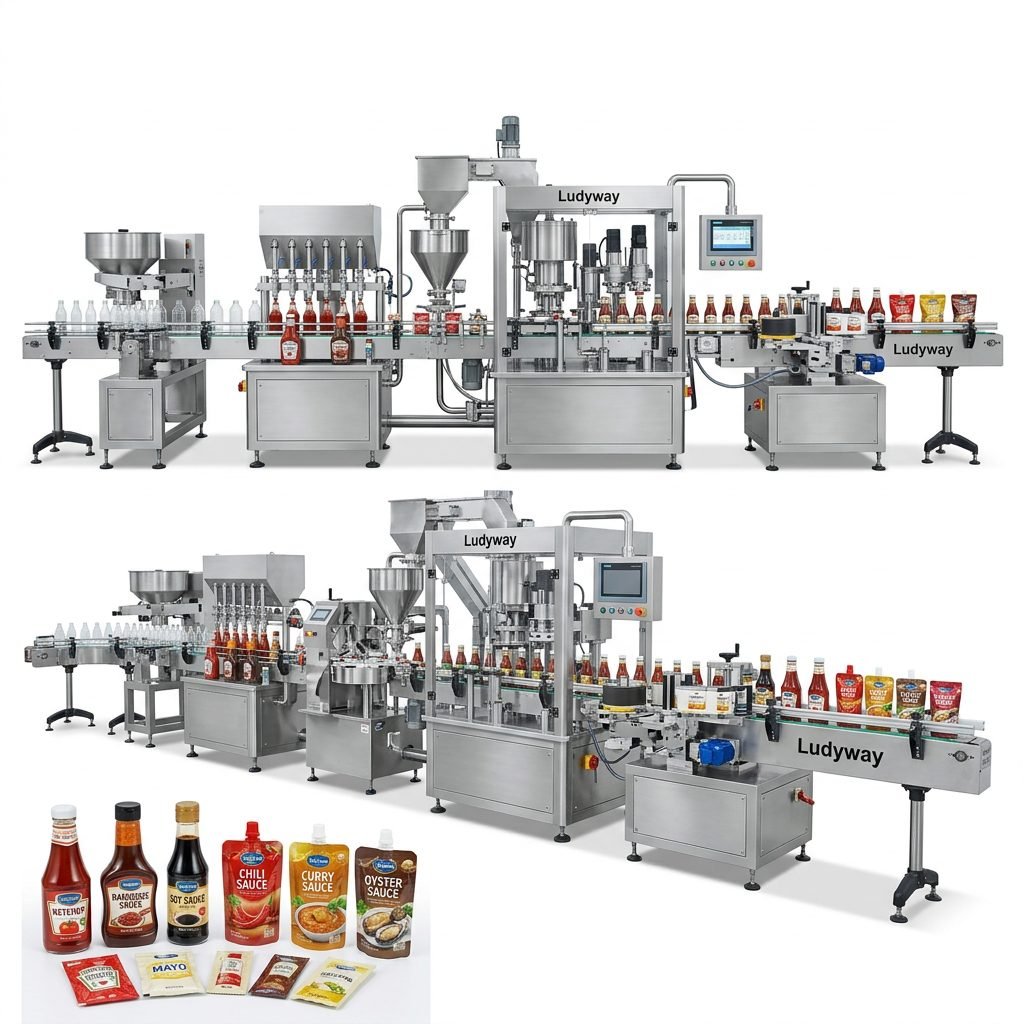
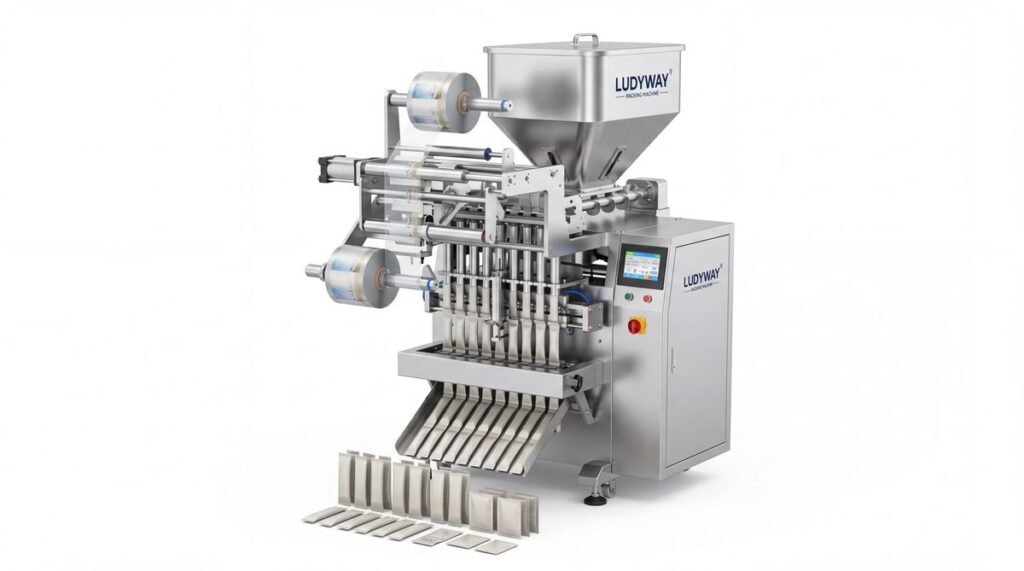
Investing in a cooked food packaging machine is a critical decision for any food processing business. The right equipment can dramatically improve your production efficiency, extend shelf life, and ensure product safety. However, with a vast array of technologies, configurations, and manufacturers available, the selection process can feel overwhelming. This comprehensive guide breaks down the essential factors to consider, helping you make an informed investment that aligns perfectly with your operational goals.
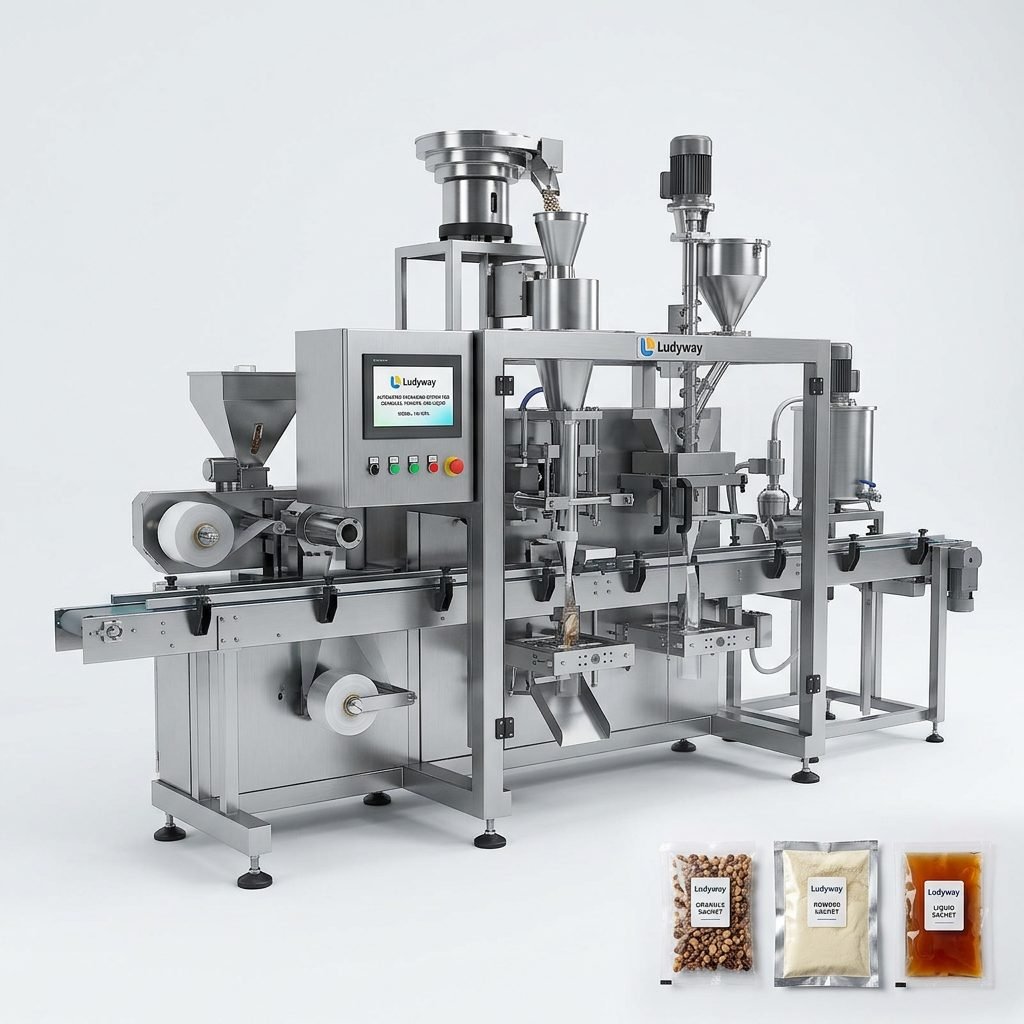
Understanding Your Cooked Food Product Characteristics
Before evaluating machine specifications, you must conduct a thorough analysis of your product. Cooked foods encompass a wide spectrum of physical states, each demanding a specific filling technology.
Product Viscosity and Consistency
Is your product a free-flowing liquid like broth or soup, a viscous paste like curry or stew, or a semi-solid mixture with chunks of meat and vegetables? This single characteristic dictates whether you need a pump filler, a piston filler, or a specialized depositor for handling particulates without damage. For example, packaging a hearty beef stew with large solid pieces requires a machine with gentle handling mechanisms and wide-diameter filling nozzles to prevent clogging and maintain product integrity.
Temperature at Filling
Many cooked foods require modified atmosphere packaging (MAP), which demands reliable sealing capabilities at specific temperatures. High-temperature filling can sterilize the package but places thermal stress on machine components, requiring designs that accommodate thermal expansion and protect sensitive electronics.
| Product Type | Recommended Filling System | Key Machine Feature |
|---|---|---|
| Clear Broths / Thin Sauces | Volumetric Pump Filler | High-speed precision dosing |
| Curries / Stews with Particulates | Piston Filler with Large Diaphragm | Gentle product handling, anti-clogging |
| Pasta in Sauce / Rice Dishes | Multi-Head Combination Weigher | Accurate solid-liquid mixing ratio |
| Custards / Yogurts / Creamy Desserts | Sanitary Positive Displacement Pump | Clean-in-place (CIP) compatibility |
Defining Your Production Scale and Speed Requirements
The required throughput, measured in packs per minute (PPM), is a primary cost driver. A machine designed for a startup producing 500 pouches per day will be fundamentally different from one engineered for a multinational factory outputting 10,000 pouches per hour.
Manual vs. Semi-Automatic vs. Fully Automatic
A manual system might suit a small restaurant operation diversifying into retail. A semi-automatic machine requires an operator to place pouches or trigger cycles, suitable for mid-scale production. A fully automatic cooked food packaging machine integrates bag forming, filling, sealing, and coding in one continuous motion, ideal for high-volume enterprises. Your choice should align not just with current demand but with projected growth over the next 3 to 5 years.

Packaging Material Compatibility and Format
The machine must be meticulously matched to your chosen packaging format. Whether you are using pre-made pouches with spouts, form-fill-seal (FFS) pillow bags, or rigid trays with lidding film, the handling and sealing systems differ vastly.
Film Sealing Properties
Cooked foods often require high-barrier laminates to prevent oxygen and moisture ingress. Your machine’s sealing jaws must be compatible with the specific melting point and seal strength requirements of your chosen film. Poor seal integrity is a leading cause of product spoilage and returns. Verify that the machine can handle the thickness, material type, and seal width you need.
Shelf-Life Extension Systems
For extended shelf life, an integral Modified Atmosphere Packaging (MAP) system is vital. This involves gas flushing to replace oxygen inside the package with nitrogen or carbon dioxide. A high-quality machine achieves a residual oxygen level below 1%, which is non-negotiable for shelf-stable cooked meals. Similarly, vacuum packaging options should be evaluated for products like smoked meats or marinated delicacies.
Critical Machine Construction and Hygiene Standards
For cooked food applications, sanitary design is not a luxury; it’s a regulatory and commercial necessity. The machine construction directly impacts food safety and cleaning efficiency.
- Stainless Steel Construction: All product contact parts must be AISI 304 or, preferably, AISI 316L stainless steel for corrosion resistance.
- Hygienic Welds and Slope Angles: Frames should have sloped surfaces to prevent liquid pooling, and welds must be ground and polished to avoid bacterial niches.
- IP65 or Higher Rating: The electrical enclosures must withstand rigorous washdown procedures commonly employed in food factories.
- Tool-Free Disassembly: Machines designed for quick disassembly without tools drastically reduce cleaning and product changeover time.
Key Features for Operational Precision
Modern machines offer automation features that enhance accuracy and reduce waste. Given the high value of many gourmet cooked products, precise dosing is paramount.
Multi-Head Weighing Solutions
For solid or chunky components like grilled vegetables or meat pieces in a stir-fry mix, a multi-head weigher is the gold standard. It combines speed with unmatched accuracy, significantly reducing the costly practice of overfilling. This technology is especially critical when dealing with expensive ingredients.
Integrated Coding and Inspection
Your packaging machine should seamlessly integrate with ancillary systems. A thermal transfer printer (TTO) or a laser coder ensures clear, scannable batch codes and expiration dates. An inline checkweigher with a reject system guarantees that every pack leaving the facility meets the declared net weight, providing legal compliance and customer trust.
Evaluating the Manufacturer’s Capabilities
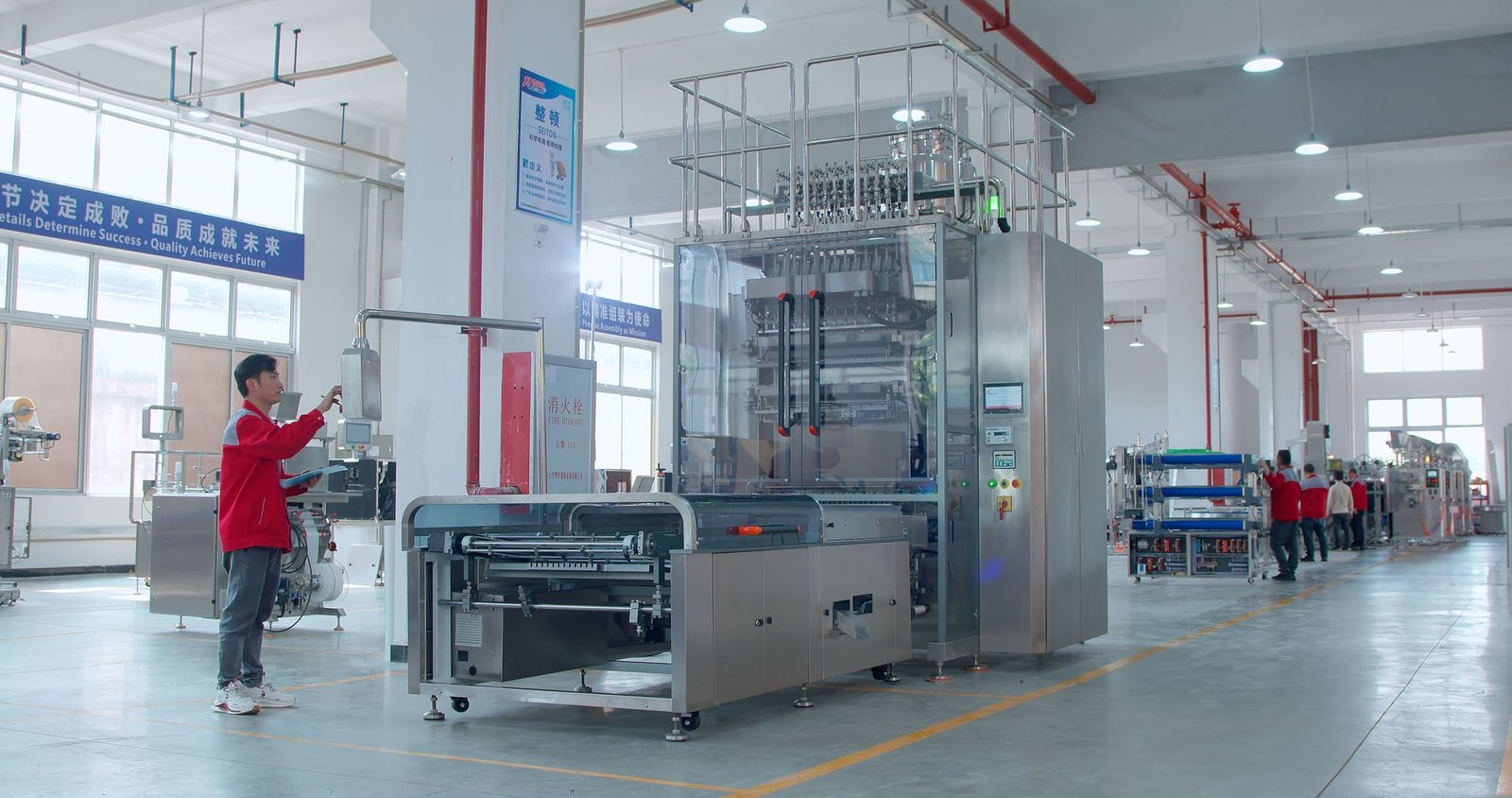
Selecting the right partner is as crucial as selecting the right machine. A reliable manufacturer provides significant long-term value beyond the initial equipment sale. Companies like Ludyway Machinery, a China-based packaging machinery manufacturer with over 30 years of experience, exemplify the type of comprehensive partnership to look for. With a 20,000-square-meter facility and a portfolio spanning more than 50 models, a manufacturer with deep engineering expertise can help you navigate the complex choice between a standard model and a custom-engineered solution.
Turnkey Solutions and Integration
Ask whether the manufacturer can provide a complete turnkey packaging line. This includes upstream equipment like conveyors and feeding systems, and downstream units like cartoners and palletizers. Integrating the entire line through a single supplier simplifies project management, ensures component compatibility, and typically provides better software integration. A partner that also offers OEM customization can tailor every aspect of the line to your product and factory layout.
After-Sales Support and Spare Parts
Response time is the metric that matters most. Inquire about the manufacturer’s global support network, remote diagnostic capabilities, and the availability of critical spare parts. A long-term packaging machinery partner invests in your success by offering operator training, troubleshooting support, and a supply chain that prevents production from grinding to a halt due to a simple component failure.
Navigating Compliance and Certifications
Your machine must meet the regulatory standards of your target market. This is a complex but unavoidable area of due diligence.
| Standard / Certification | Relevance to Cooked Food Packaging |
|---|---|
| CE Marking | Mandatory for equipment sold in the European Economic Area. |
| FDA 21 CFR Part 11 | Critical for the U.S. market, covering electronic records and signatures for quality data. |
| ISO 22000 / HACCP | The machine’s design must support your overall food safety management system. |
| GAMP 5 | Good Automated Manufacturing Practice for validating automated systems in pharma-adjacent food products. |
Your equipment partner should be able to provide the necessary documentation and compliance certificates, demonstrating that their machines are built to meet international quality and safety norms.
Calculating Total Cost of Ownership (TCO)
The purchase price is a fraction of the total cost. A comprehensive TCO analysis includes installation, operator training, energy consumption, routine maintenance, and the cost of spare parts over a 10-year lifecycle.
- Energy Efficiency: Investigate servo-drive systems that consume power only during motion, unlike older clutch-and-brake systems.
- Film Waste: A machine with precise film registration control minimizes waste, which can save thousands of dollars annually.
- Changeover Speed: A machine that switches from one product format to another in under 15 minutes, compared to one that takes two hours, directly boosts Overall Equipment Effectiveness (OEE).
- Operator Skill Level: Intuitive HMIs with recipe management reduce training time and prevent costly operator errors.
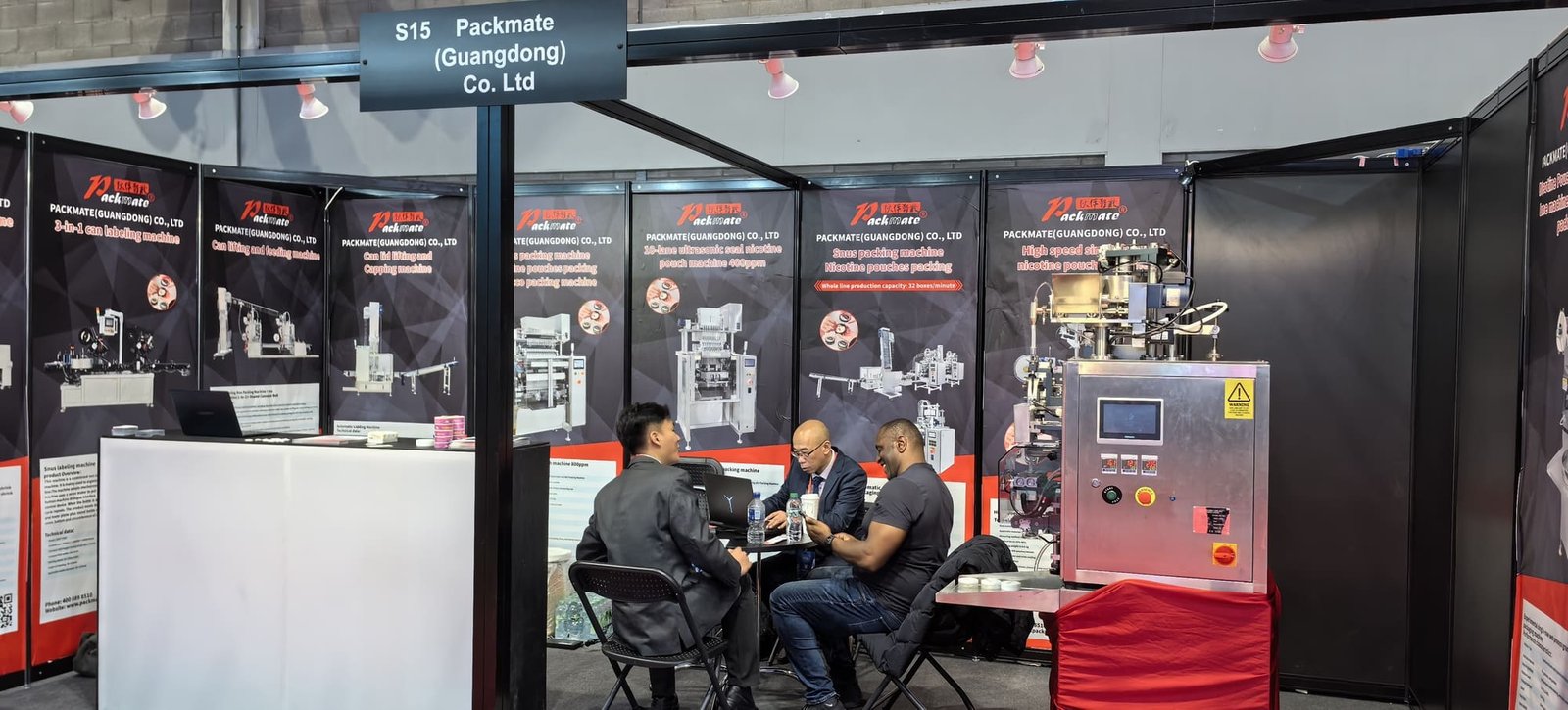
Making the final decision requires a methodical approach. Start by clearly defining your product specifications, target output, and budget. Visit a manufacturer’s facility or a live demonstration to see the machine operating with your own product. Request a detailed proposal that includes not just the hardware, but also the integration, installation, and support plan. The goal is to acquire not just a machine, but a reliable, scalable, and compliant packaging system that accelerates your business growth in a competitive global market.