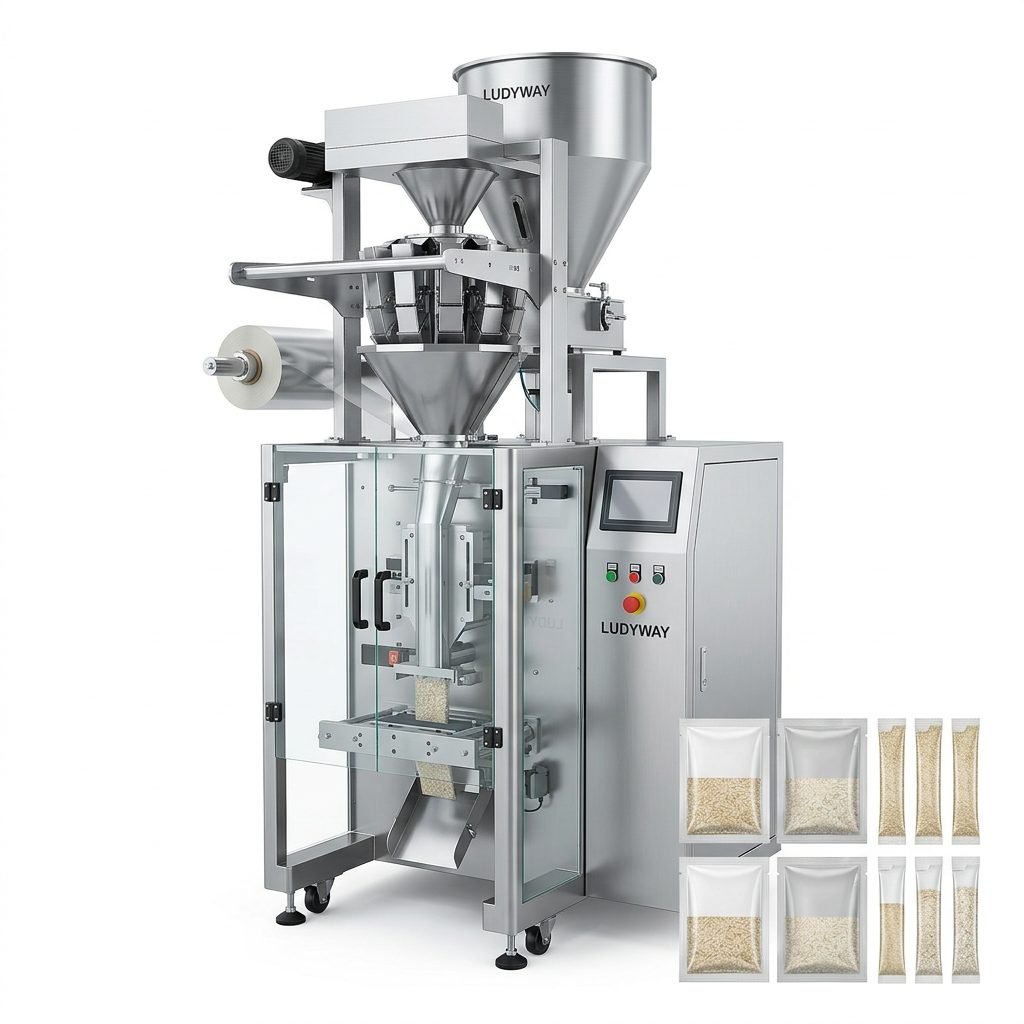
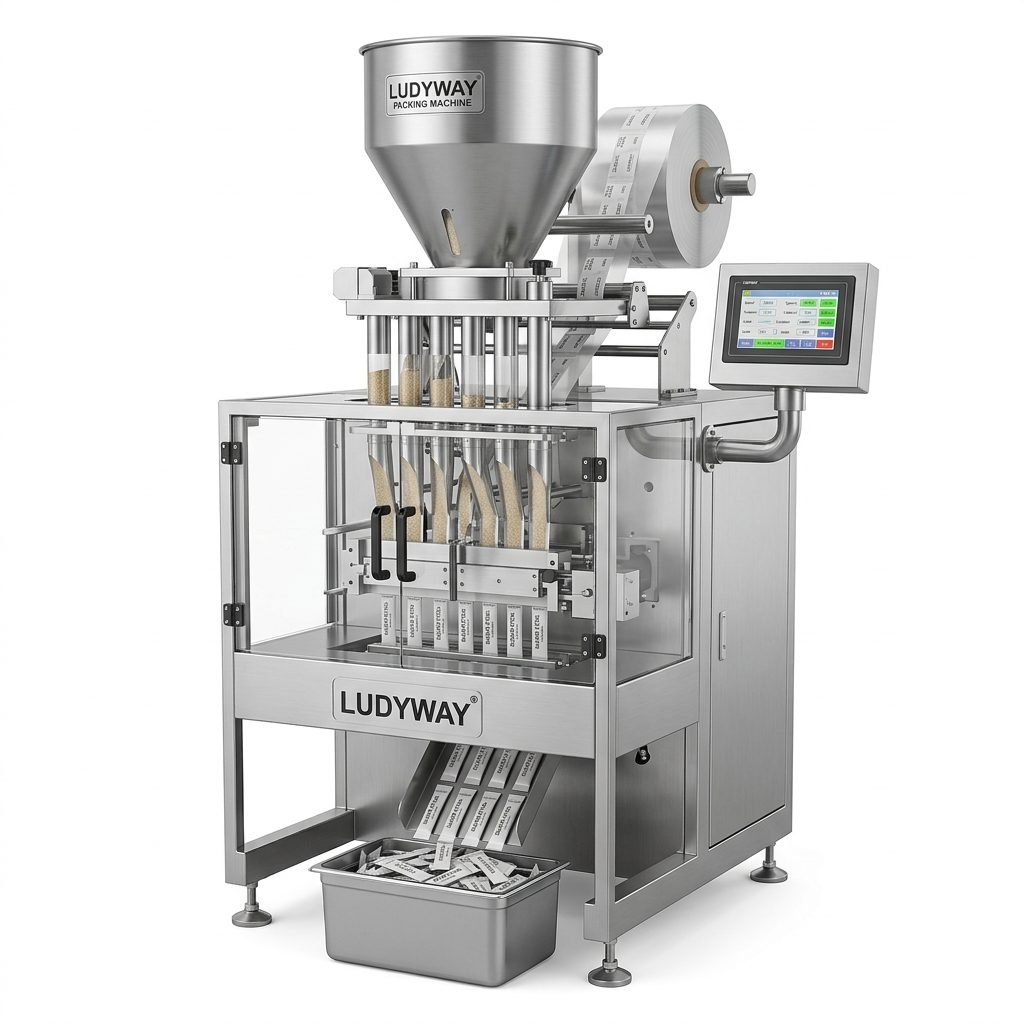
Investing in a Douglas packaging machine is a significant decision that affects production efficiency, product quality, and long-term operational costs. Whether you are upgrading an existing line or building a new facility, selecting the right equipment requires a clear understanding of your product characteristics, production goals, and technical requirements. This guide walks you through the essential factors to evaluate before making a purchase, helping you avoid costly mistakes and choose a machine that aligns with your manufacturing needs.
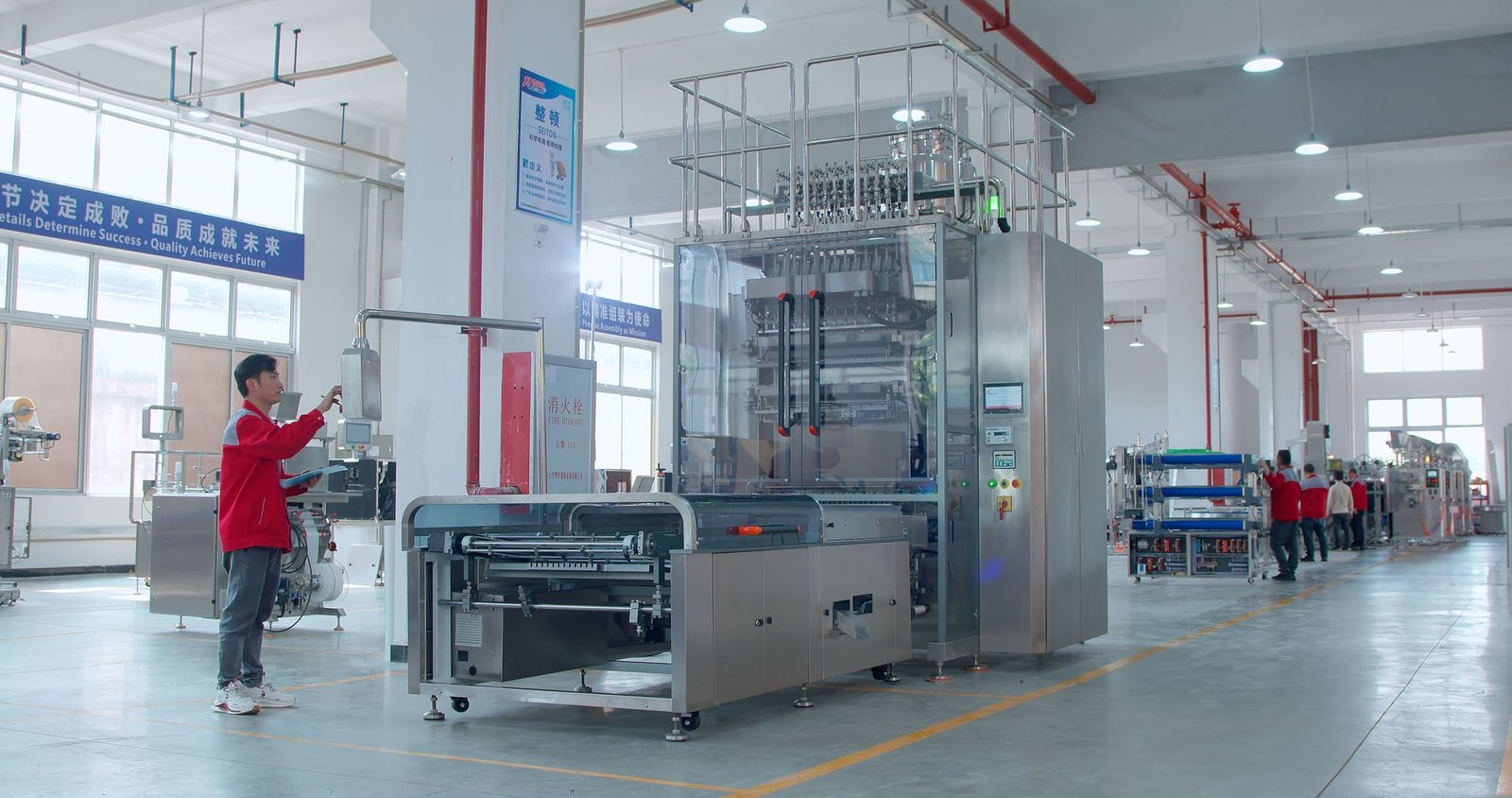
Understanding Your Product and Packaging Requirements
Before comparing Douglas packaging machine models, start with a thorough analysis of what you are packaging. Product characteristics directly influence machine configuration, filling technology, and sealing methods.
Product Form and Physical Properties
The physical state of your product—whether powder, granule, liquid, paste, or solid—determines which dosing and filling system is appropriate. Key properties to evaluate include:
- Flowability – Free-flowing granules require different handling compared to cohesive powders
- Density and particle size – Affects filling accuracy and speed capabilities
- Moisture sensitivity – Products sensitive to humidity may need nitrogen flushing or desiccant integration
- Temperature sensitivity – Hot-fill or cold-fill requirements influence machine configuration
- Abrasiveness or corrosiveness – Impacts material selection for contact parts
Packaging Format and Bag Style
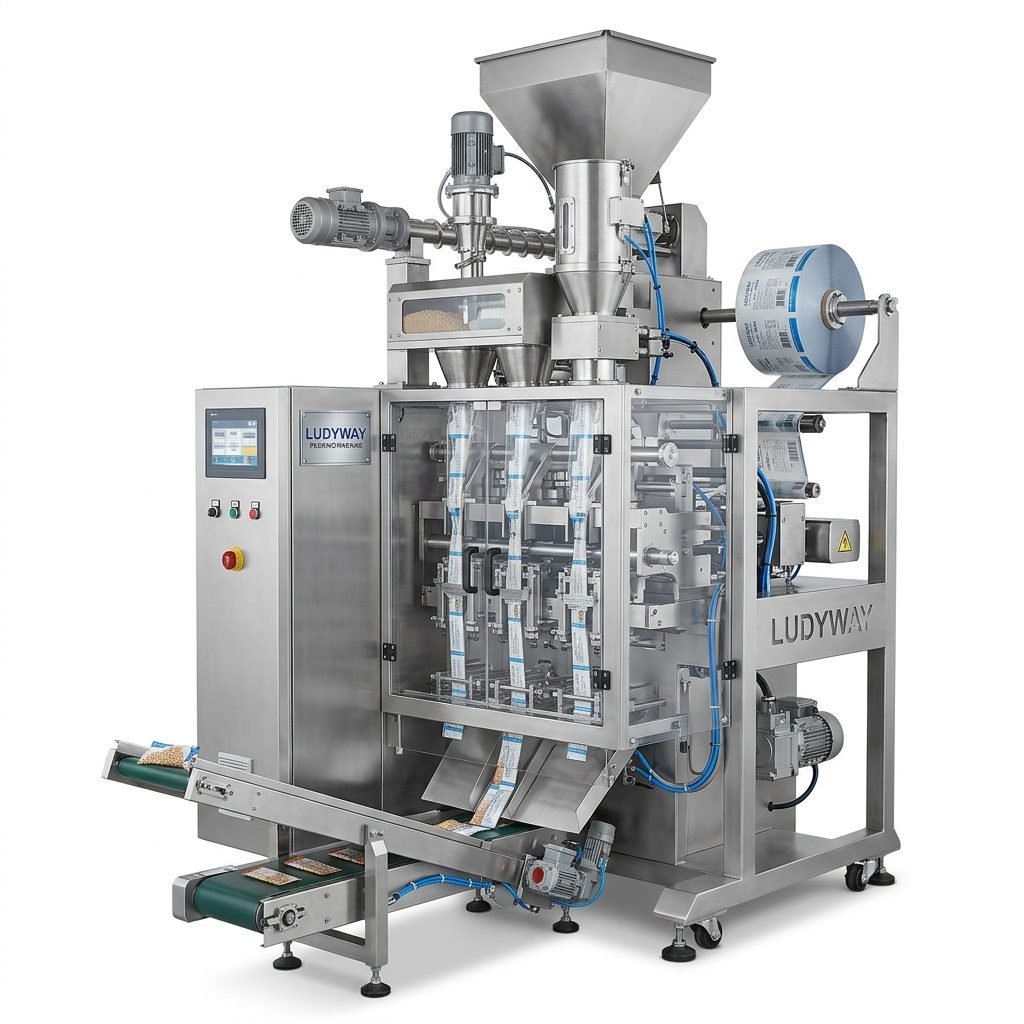
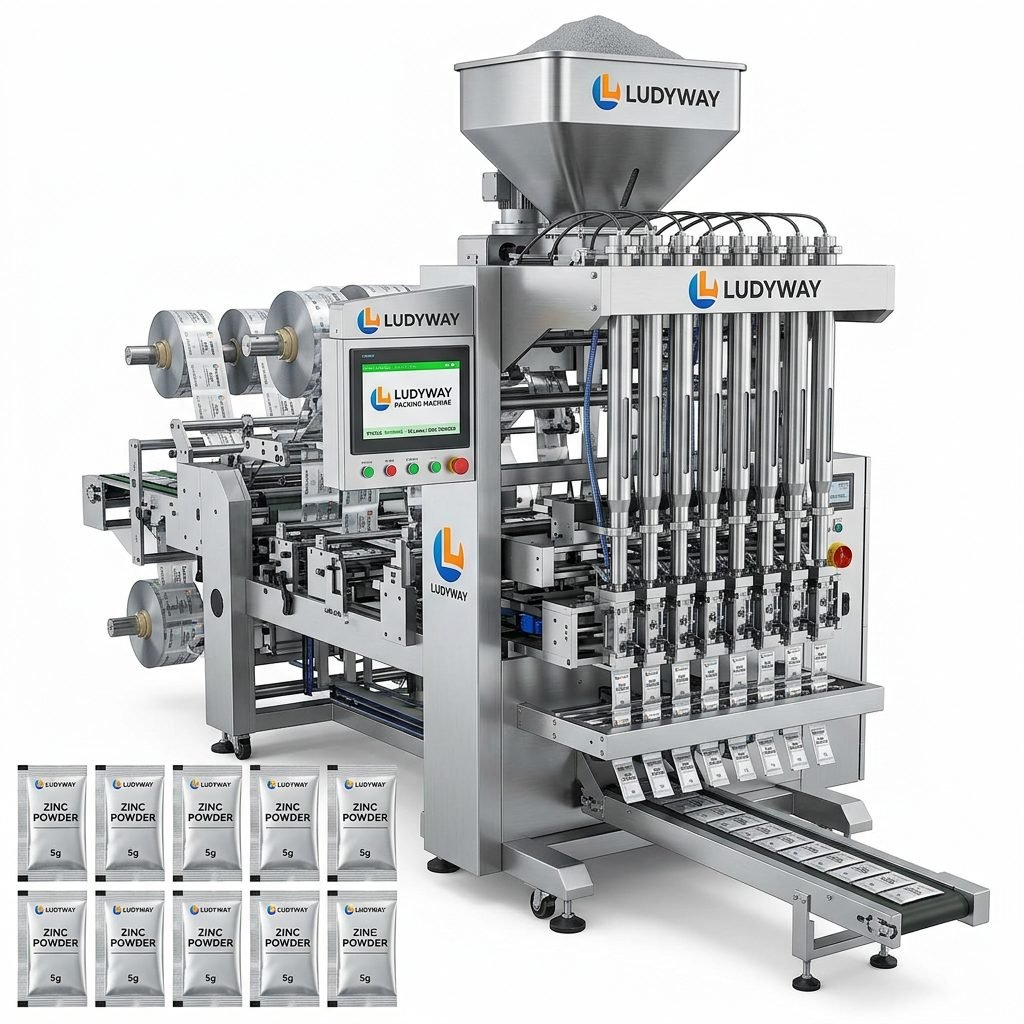
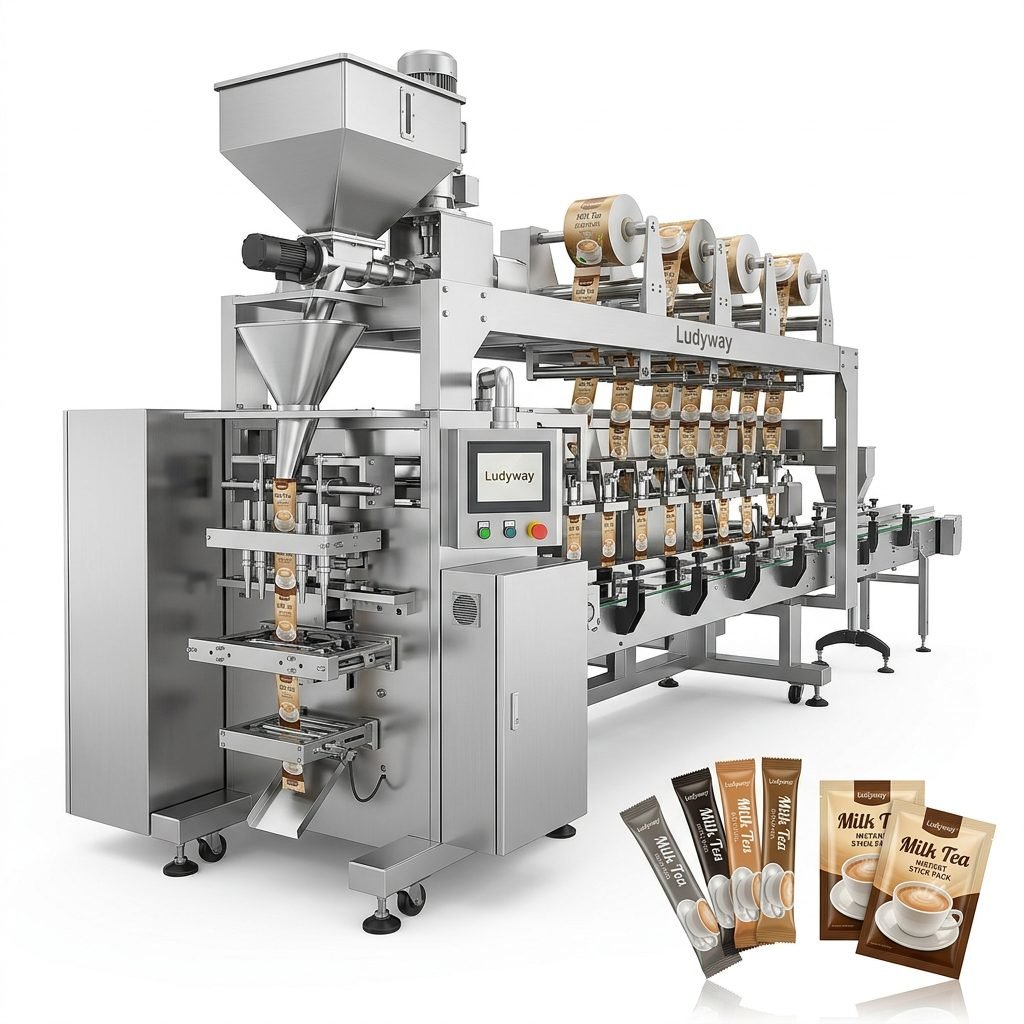
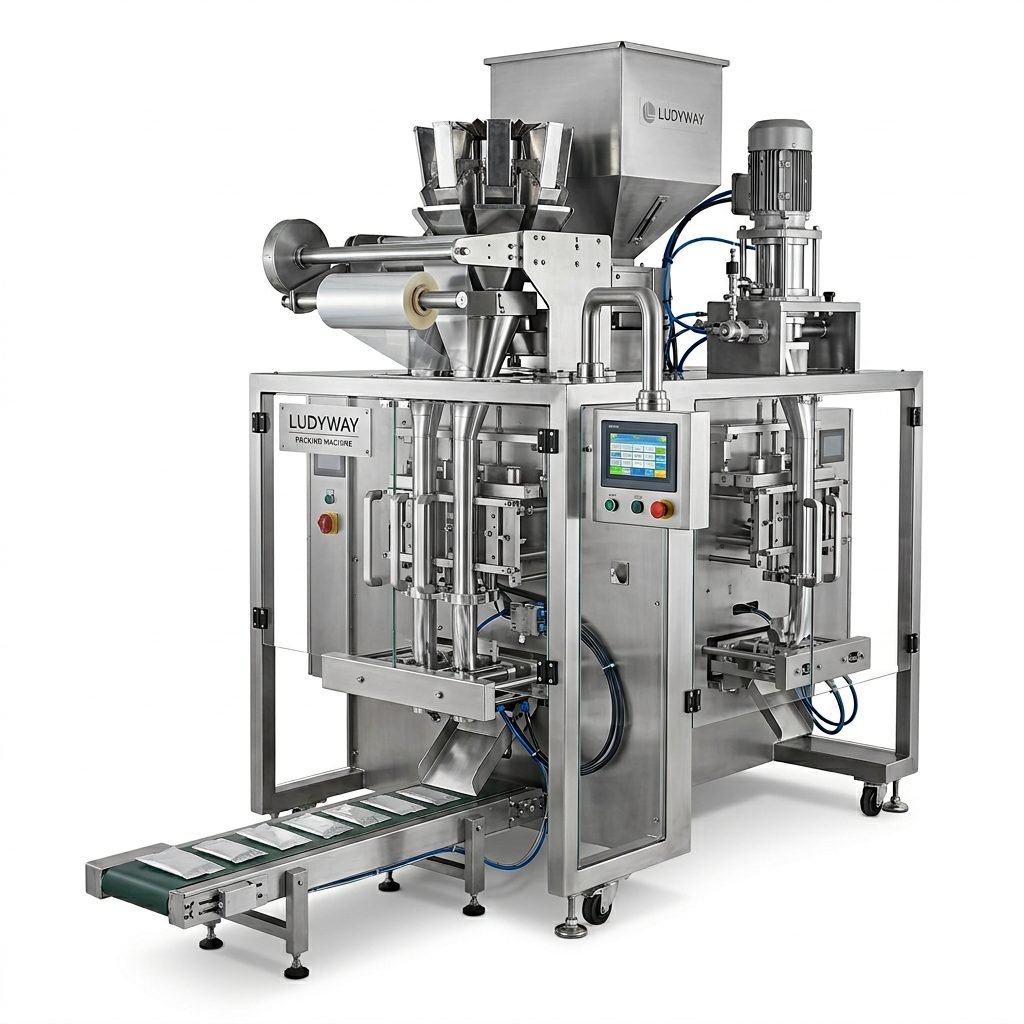
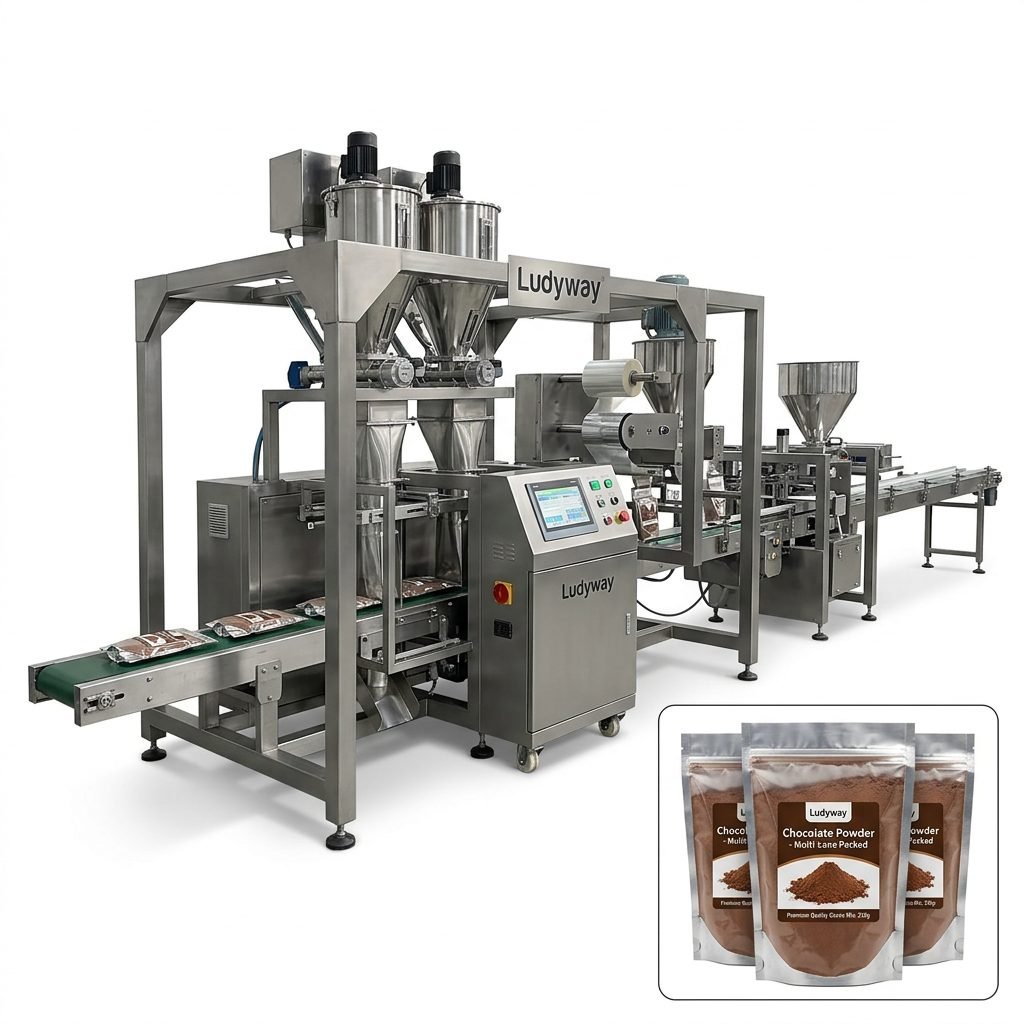
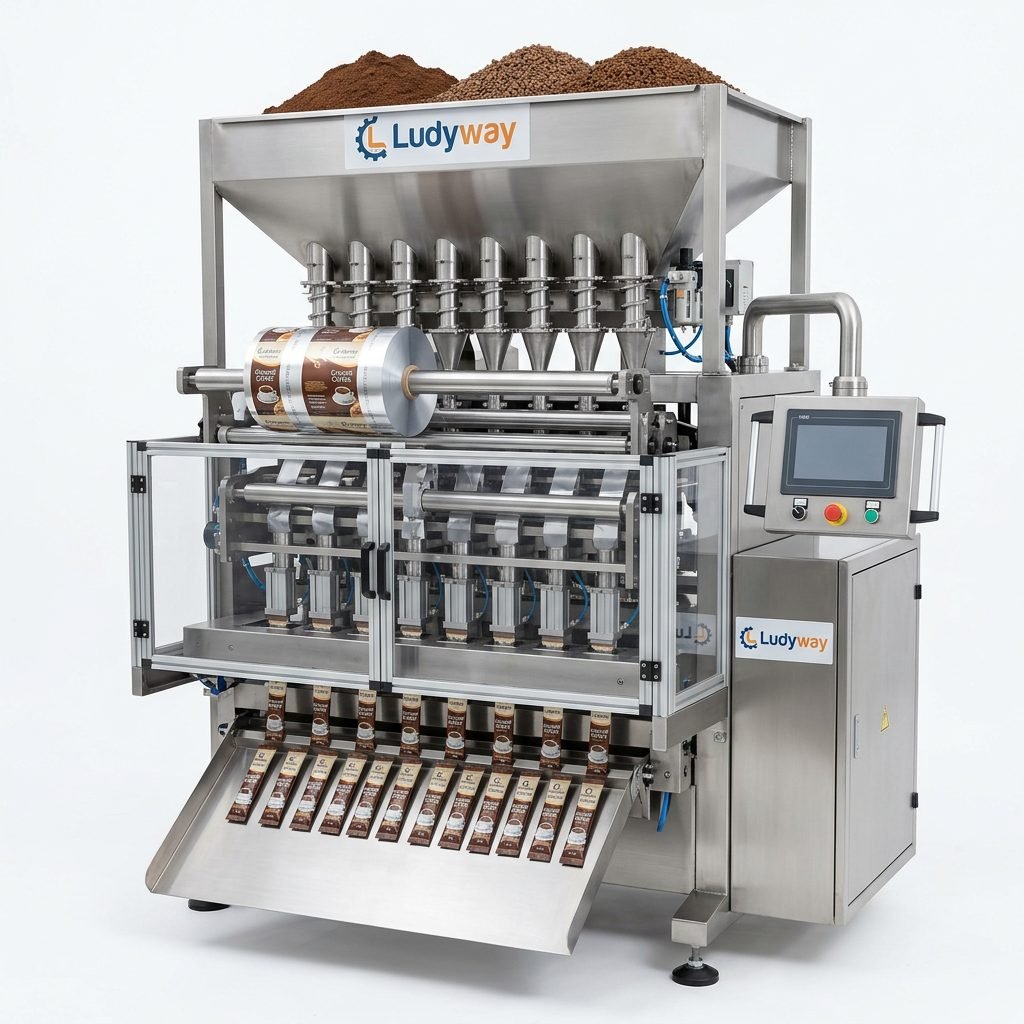
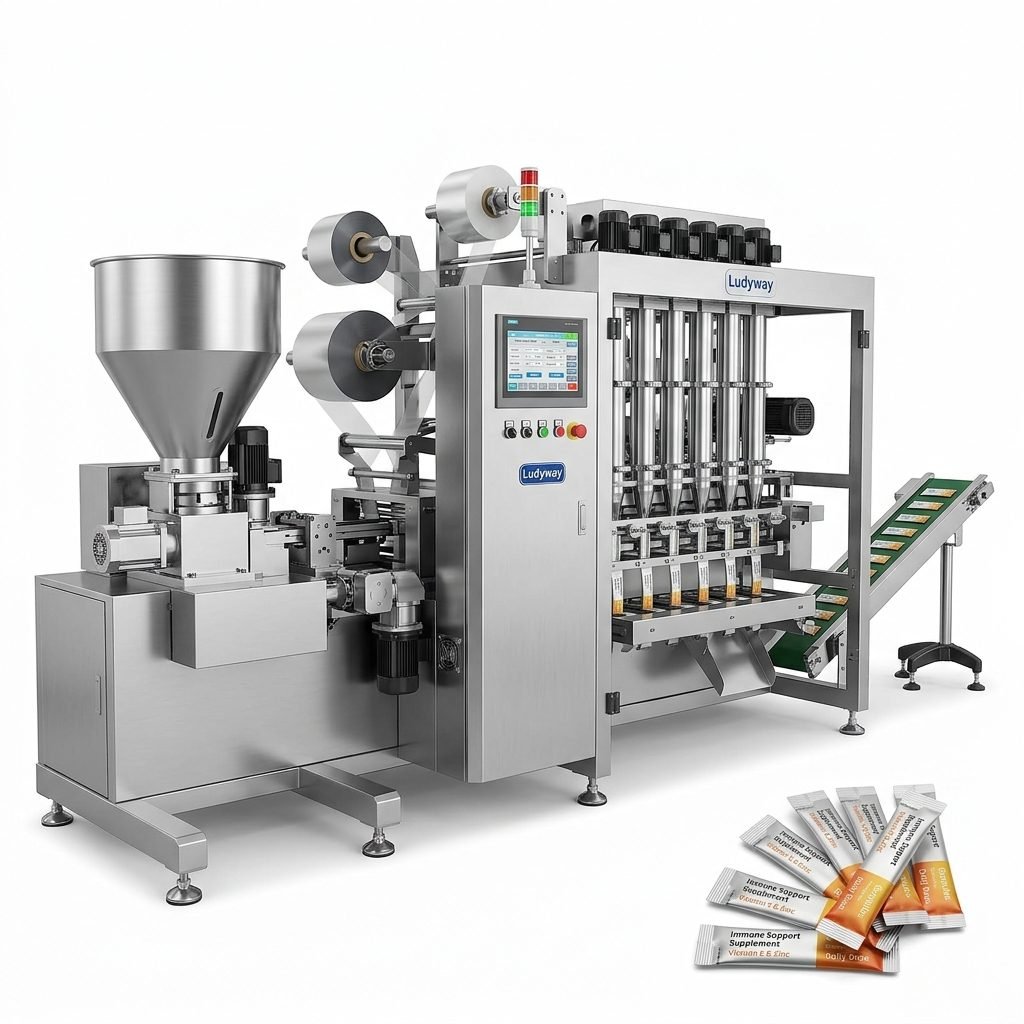
Douglas packaging machines can be configured for multiple packaging formats. The most common configurations include stick packs, sachets, pouches, and larger bag formats. Your choice should align with flexible packaging industry standards and your target market preferences. Consider whether you need single-lane or multi-lane systems, as this dramatically affects output capacity and floor space requirements.
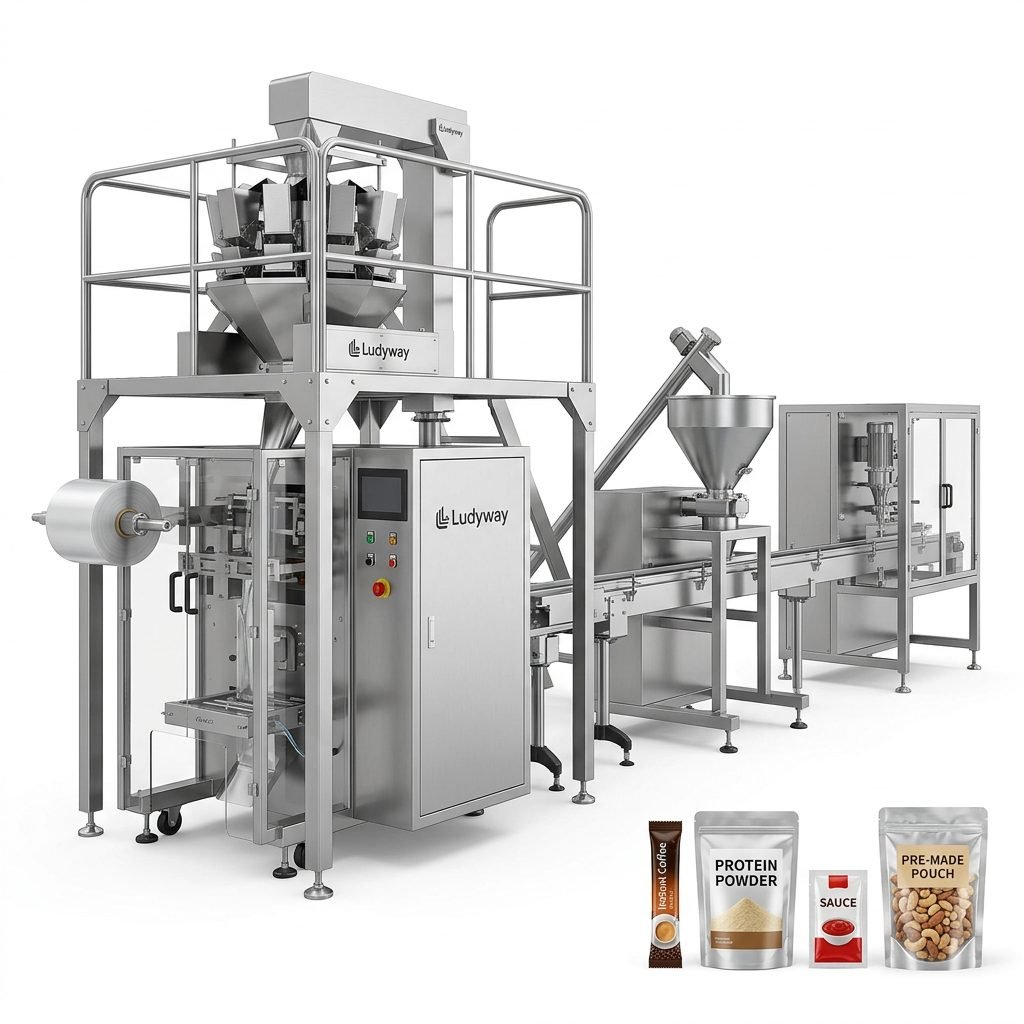
Key Technical Specifications to Evaluate
When assessing a Douglas packaging machine, technical specifications should be reviewed against your current and future production demands. Underestimating capacity needs can lead to bottlenecks, while overestimating may result in unnecessary capital expenditure.
| Specification | What to Evaluate | Why It Matters |
|---|---|---|
| Production Speed | Packs per minute per lane; total output across all lanes | Must match or exceed current and projected demand |
| Filling Accuracy | Weight or volume deviation tolerance | Affects product give-away and regulatory compliance |
| Changeover Time | Time required to switch between products or formats | Impacts overall equipment effectiveness for multi-SKU operations |
| Machine Footprint | Floor space and layout requirements | Must integrate with existing facility constraints |
| Power and Utilities | Electrical, compressed air, and water requirements | Ensures compatibility with site infrastructure |
Automation and Control Systems
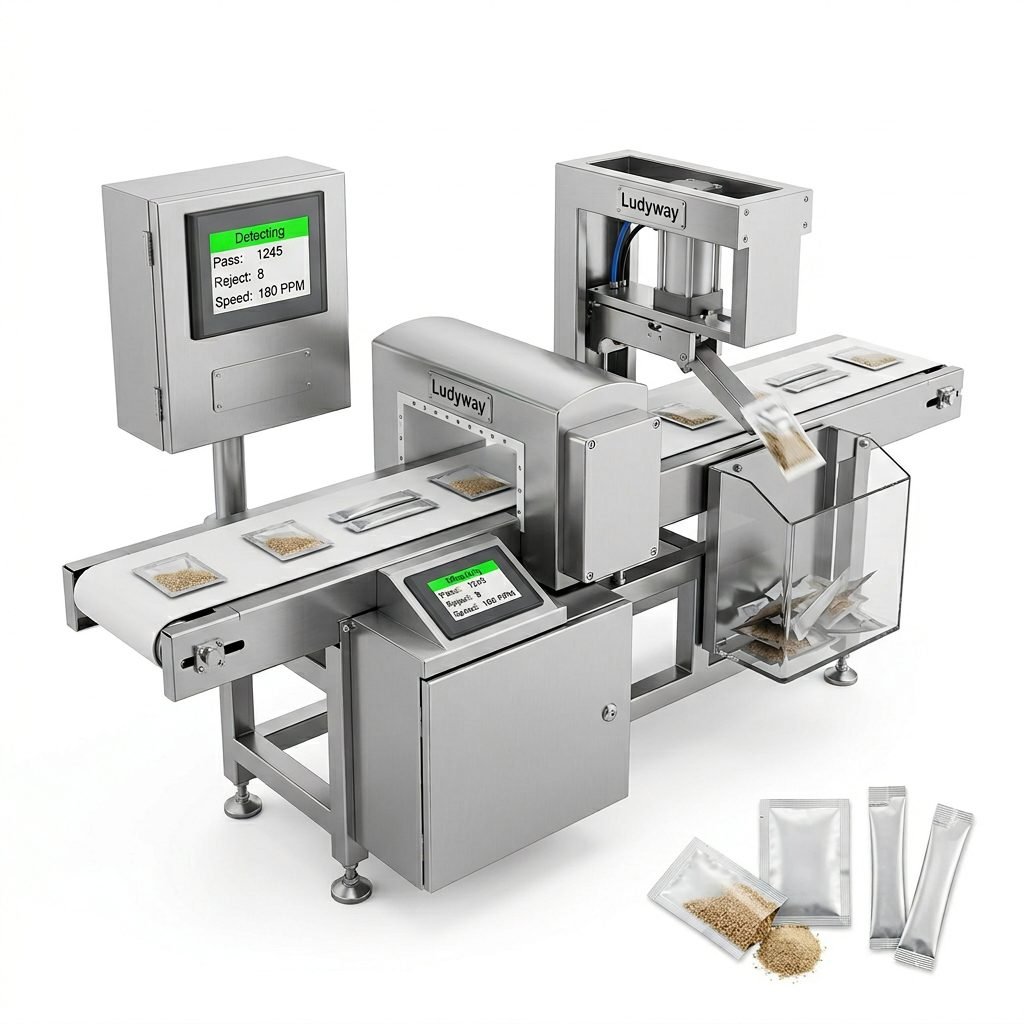
Modern Douglas packaging machines incorporate advanced automation features that reduce manual intervention and improve consistency. Look for machines with PLC-based control systems, touchscreen HMI interfaces, and remote monitoring capabilities. Integration with upstream and downstream equipment—such as feeding systems, checkweighers, and cartoning machines—should be evaluated early in the selection process. According to PMMI packaging machinery market research, automation is one of the fastest-growing areas of investment in the packaging sector.
Material Compatibility and Seal Integrity
The type of packaging material you plan to use has a direct impact on machine selection. Douglas packaging machines must be compatible with your chosen film or laminate structure. Key material considerations include:
- Film thickness and type – Different sealing systems are required for polyethylene, polypropylene, laminates, and foil-based structures
- Heat-seal versus cold-seal – Determines sealing jaw configuration and temperature control requirements
- Barrier properties – Products requiring extended shelf life may need machines capable of nitrogen flushing or vacuum sealing
- Registered versus non-registered film – Affects the need for photoelectric registration systems
Industry-Specific Compliance and Standards
Different industries impose different regulatory requirements on packaging equipment. A Douglas packaging machine used in pharmaceutical production must meet stricter validation and documentation standards compared to one used for dry food products. Familiarize yourself with applicable FDA food packaging regulations and ISO packaging standards relevant to your industry.
Key Compliance Areas by Industry
| Industry | Key Requirements | Machine Features Needed |
|---|---|---|
| Food and Beverage | Hygienic design, easy cleaning, food-grade materials | Stainless steel construction, washdown capability, HACCP compliance |
| Pharmaceuticals | GMP compliance, validation documentation, serialization | Closed-system filling, precision dosing, data integrity features |
| Cosmetics | Aesthetic quality, accurate fill volumes, tamper evidence | Gentle product handling, precise filling, attractive seal quality |
| Chemicals | Corrosion resistance, safety interlocks, explosion protection | Specialized materials, ATEX compliance where required |
Evaluating Total Cost of Ownership
The purchase price of a Douglas packaging machine is only one component of its total cost. A comprehensive cost analysis should account for the entire equipment lifecycle, from installation through ongoing operation and maintenance.
Cost Factors Beyond the Initial Purchase
- Installation and commissioning – Includes site preparation, utilities connection, and initial calibration
- Operator training – Skilled operators reduce downtime and improve output quality
- Spare parts inventory – Critical wear components should be identified and stocked
- Preventive maintenance – Scheduled service intervals and associated costs
- Energy consumption – Electrical and compressed air usage over the machine’s operating life
- Film and material waste – Machine efficiency in minimizing trim waste and rejected packs
- Downtime costs – Lost production during unscheduled stoppages
Supplier Evaluation and Support Infrastructure
Choosing the right Douglas packaging machine also means choosing the right supplier partner. Beyond the equipment itself, evaluate the manufacturer’s service capabilities, technical support infrastructure, and long-term commitment to your market. A supplier with global service reach and engineering expertise can provide significant value throughout the machine’s lifecycle. For manufacturers looking beyond standardized solutions, some suppliers like Ludyway Machinery offer customized packaging machinery and engineering services tailored to specific product and production requirements.
Questions to Ask Potential Suppliers
- What is the standard warranty period and what does it cover?
- Do you provide on-site installation and commissioning support?
- What is the typical lead time from order to delivery?
- Do you offer remote technical support and troubleshooting?
- Can you provide references from customers in a similar industry?
- What training programs are available for operators and maintenance staff?
- How do you handle spare parts availability and shipping for international customers?
Future-Proofing Your Investment
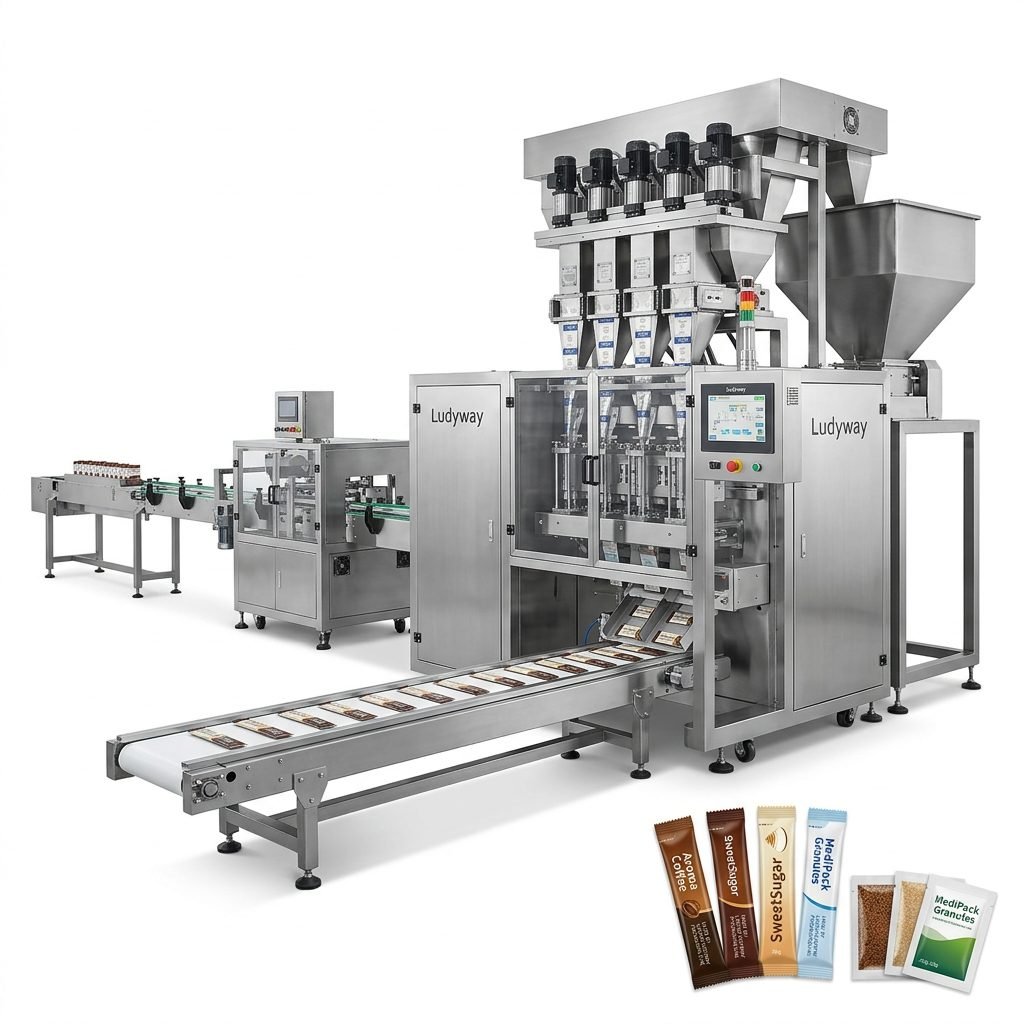
Packaging needs evolve over time as product lines expand, regulations change, and market demands shift. When selecting a Douglas packaging machine, consider how easily the equipment can adapt to future requirements. Modular machine designs that allow for lane additions, format changes, or automation upgrades provide greater long-term flexibility. Additionally, machines compatible with industry 4.0 standards and data integration protocols position your operation for future smart manufacturing initiatives.
Making the Final Decision
After evaluating all technical, financial, and supplier-related factors, the final decision should balance current needs with future growth plans. A Douglas packaging machine that meets today’s production requirements while offering flexibility for tomorrow’s challenges represents the best long-term value. Take time to visit reference sites, review sample packs, and conduct thorough factory acceptance testing before finalizing your purchase. A well-chosen packaging machine becomes a productive asset that supports your manufacturing goals for many years.
Key Takeaways
- Start with a detailed analysis of your product properties and packaging format requirements
- Match machine specifications—speed, accuracy, footprint—to both current and projected production needs
- Verify material compatibility and seal integrity for your specific packaging films
- Ensure compliance with all applicable industry regulations and standards
- Calculate total cost of ownership beyond the initial purchase price
- Choose a supplier with proven support infrastructure and industry experience
- Prioritize modularity and upgradeability to protect your long-term investment