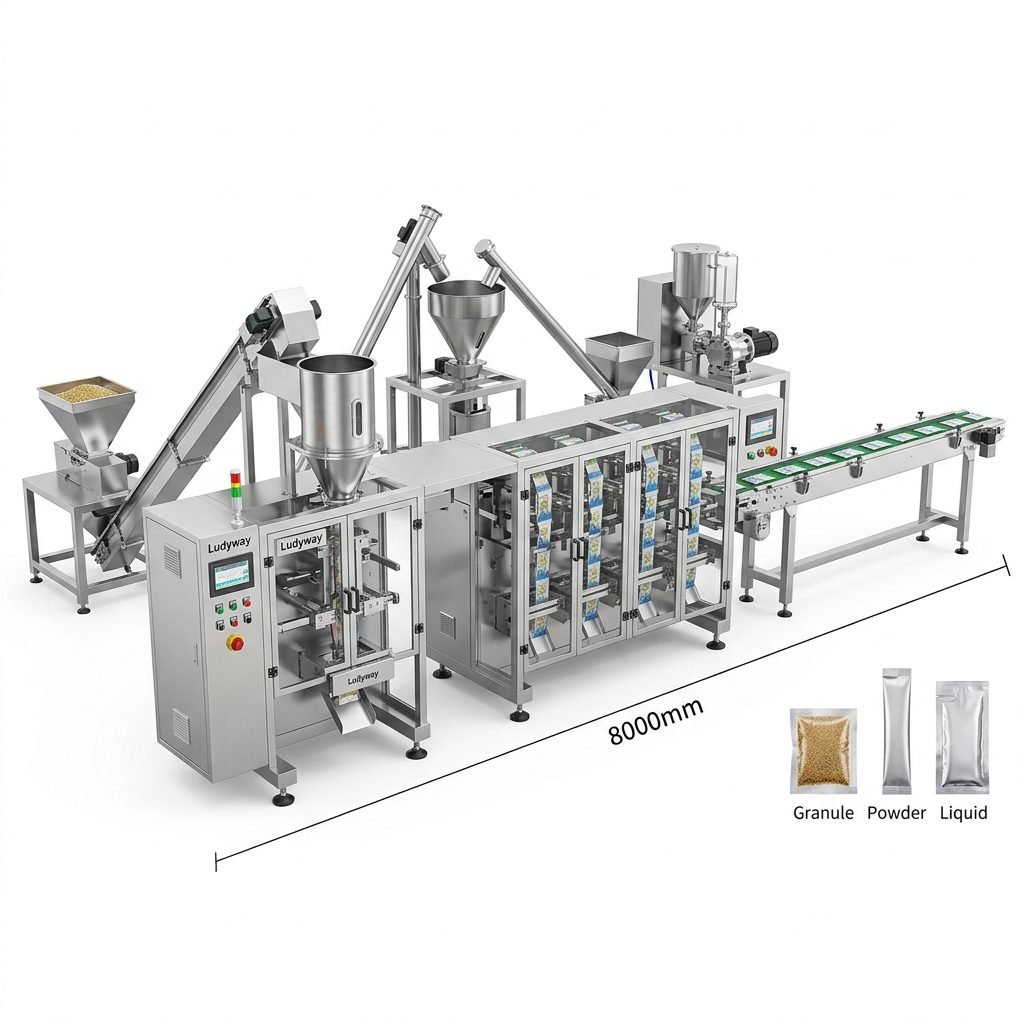
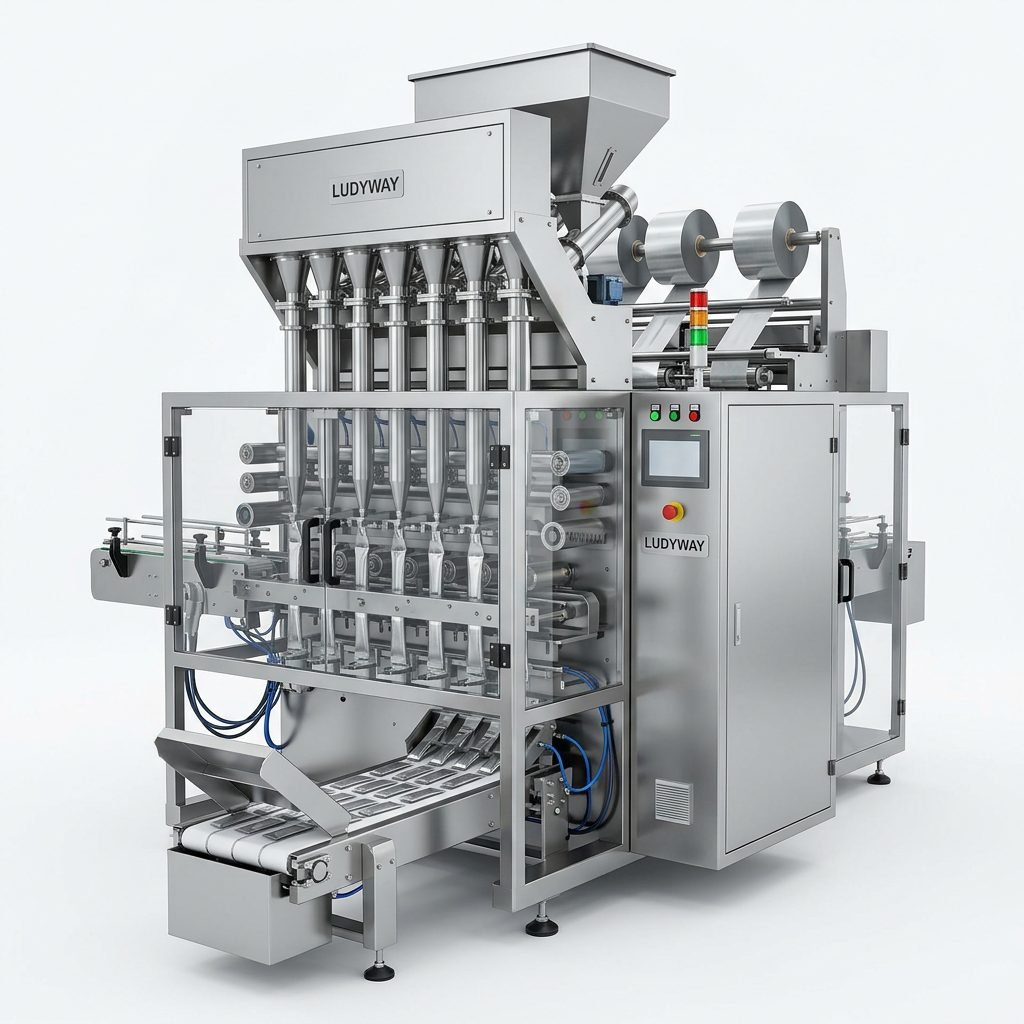
Investing in a PLC-based automatic packing machine is a critical decision that directly impacts production efficiency, product quality, and long-term operational costs. With the global packaging machinery market continuing to expand — driven by automation demand across food, pharmaceutical, and consumer goods sectors — selecting the right equipment requires a structured evaluation process. This guide walks through the essential factors manufacturers should consider before making a purchase, from control system capabilities to supplier qualifications.
Understanding PLC-Based Packaging Machinery
A PLC (Programmable Logic Controller) serves as the central control unit in modern automatic packing machines, managing every aspect of the packaging cycle — from product feeding and dosing to sealing, cutting, and discharge. Unlike relay-based or mechanically controlled equipment, PLC-driven systems offer precise timing control, recipe storage, fault diagnostics, and seamless integration with upstream and downstream equipment.
According to packaging machinery market data from PMMI, the shift toward PLC-controlled equipment has accelerated as manufacturers prioritize flexibility and data connectivity. Modern PLC systems enable quick changeovers between product formats, making them indispensable for contract packagers and multi-product manufacturers.
Key Factors to Evaluate When Selecting a PLC Packaging Machine
Production Speed and Output Requirements
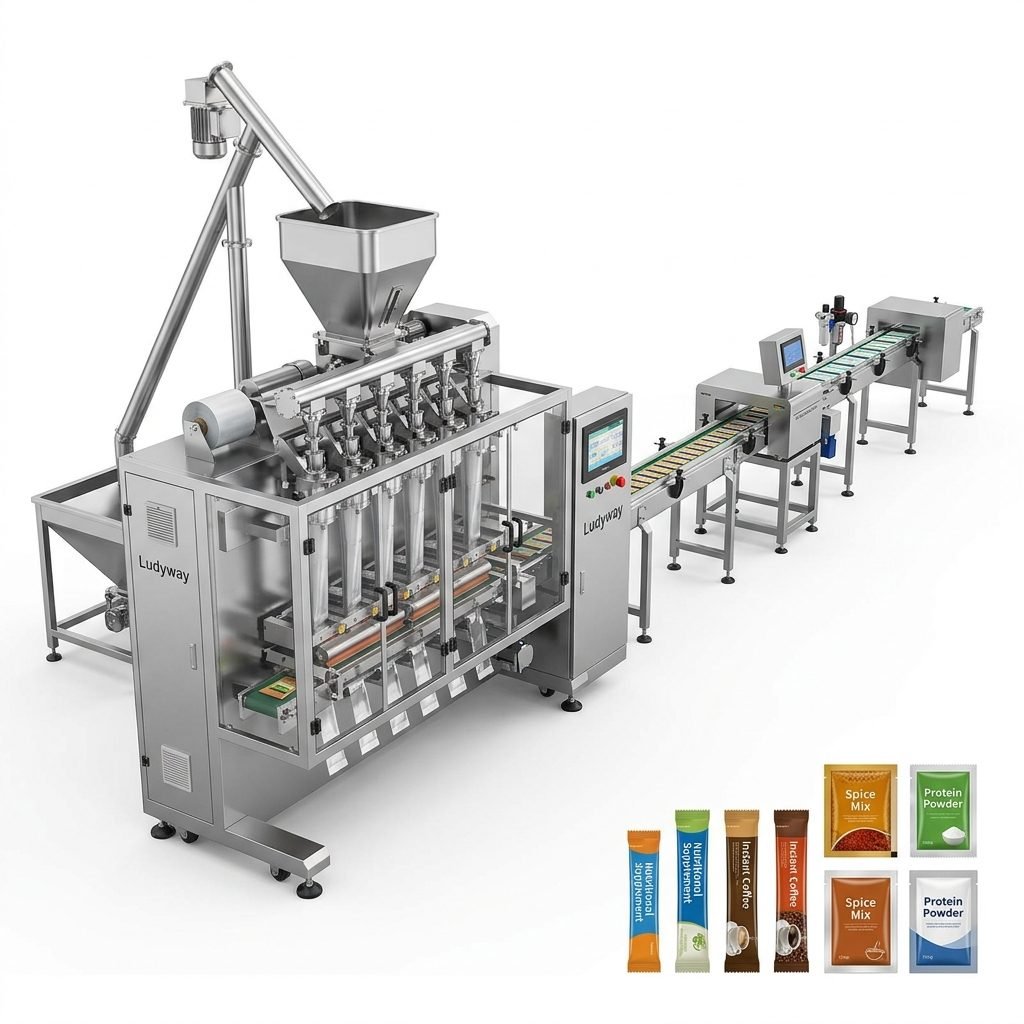
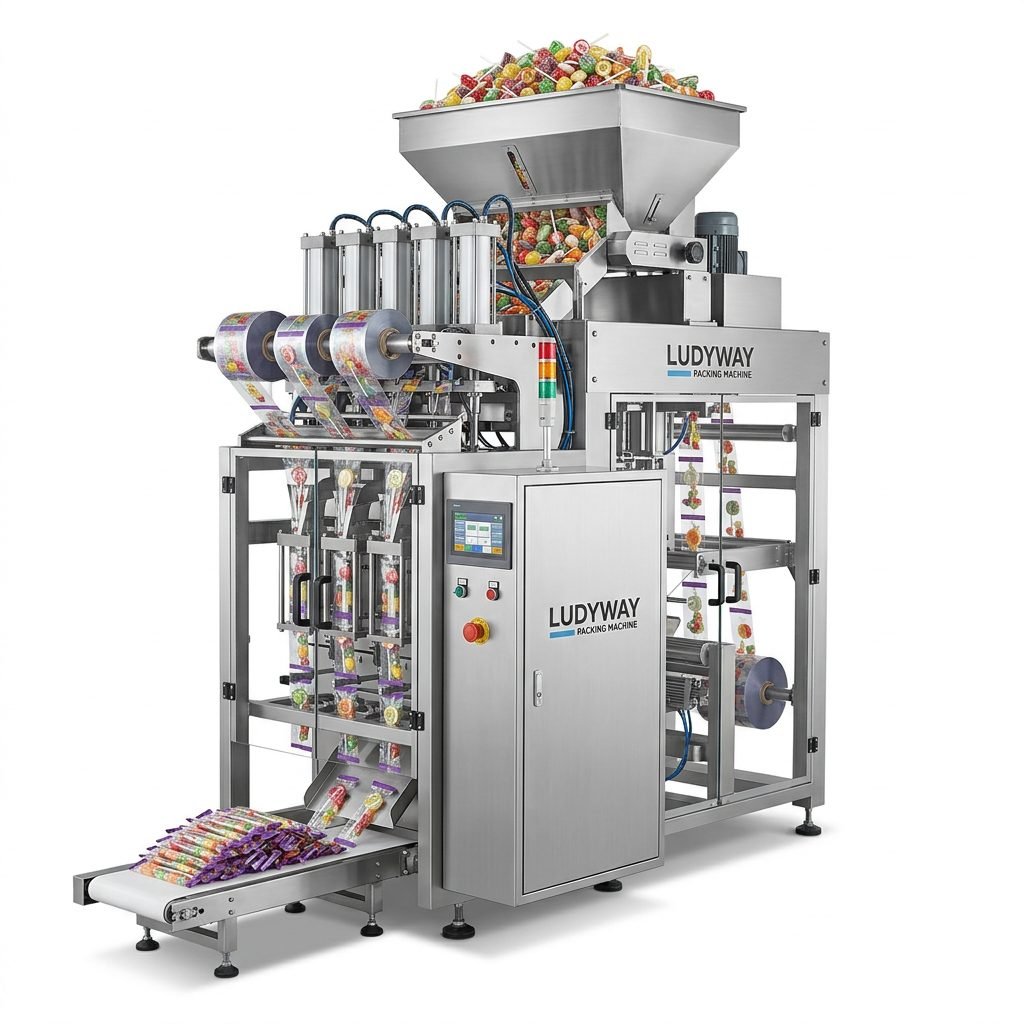
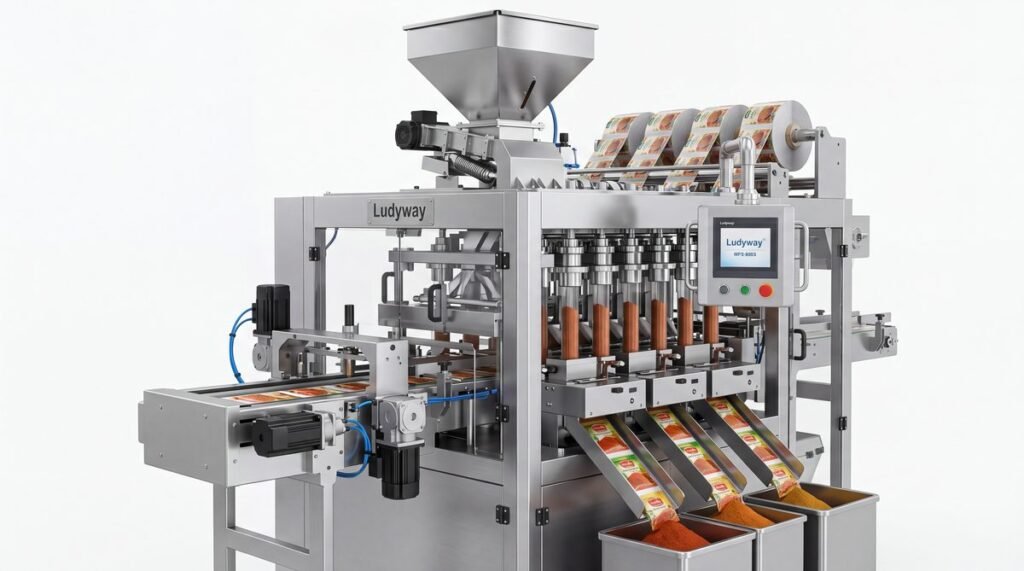
Matching machine throughput to your production targets is fundamental. PLC-based machines can operate at varying speeds depending on the product type, packaging format, and lane configuration. Multi-lane systems significantly increase output — some configurations deliver over 400 packs per minute per lane. When evaluating speed specifications, verify whether the quoted rates reflect sustained production speeds or peak theoretical maximums, and confirm performance with your specific product characteristics.
Product Characteristics and Packaging Format
The physical properties of your product — powder, granule, liquid, paste, or solid — determine the appropriate dosing mechanism and filling system. PLC-controlled machines can be configured with:
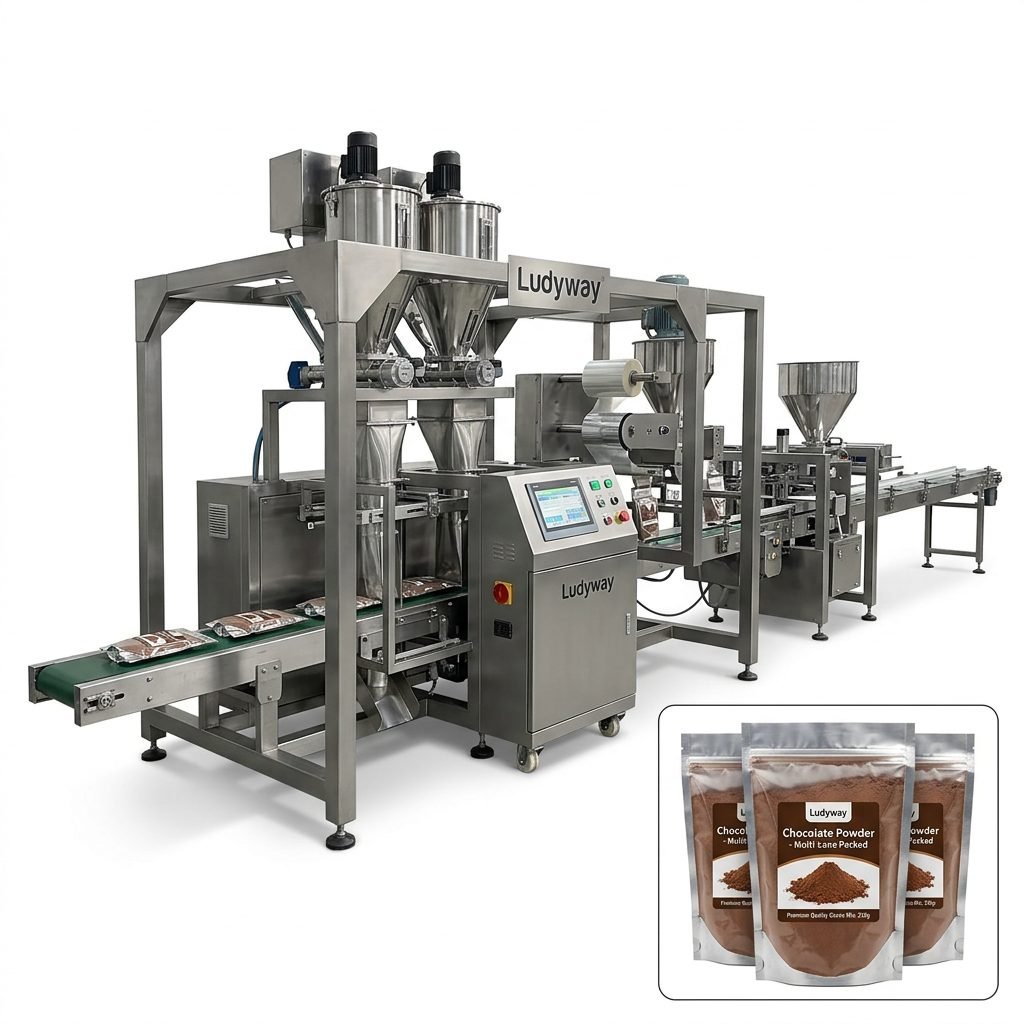
- Auger fillers for fine powders requiring volumetric accuracy
- Piston fillers for liquid and viscous products
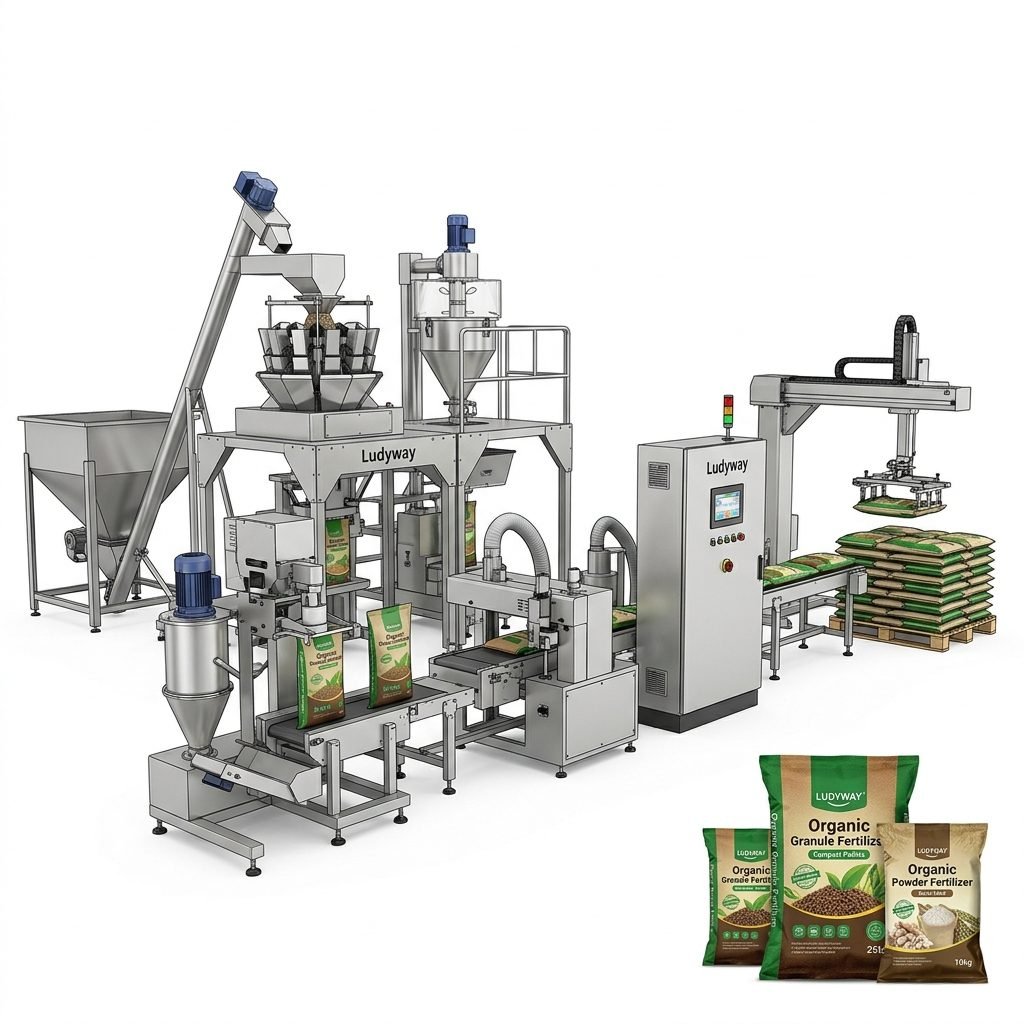
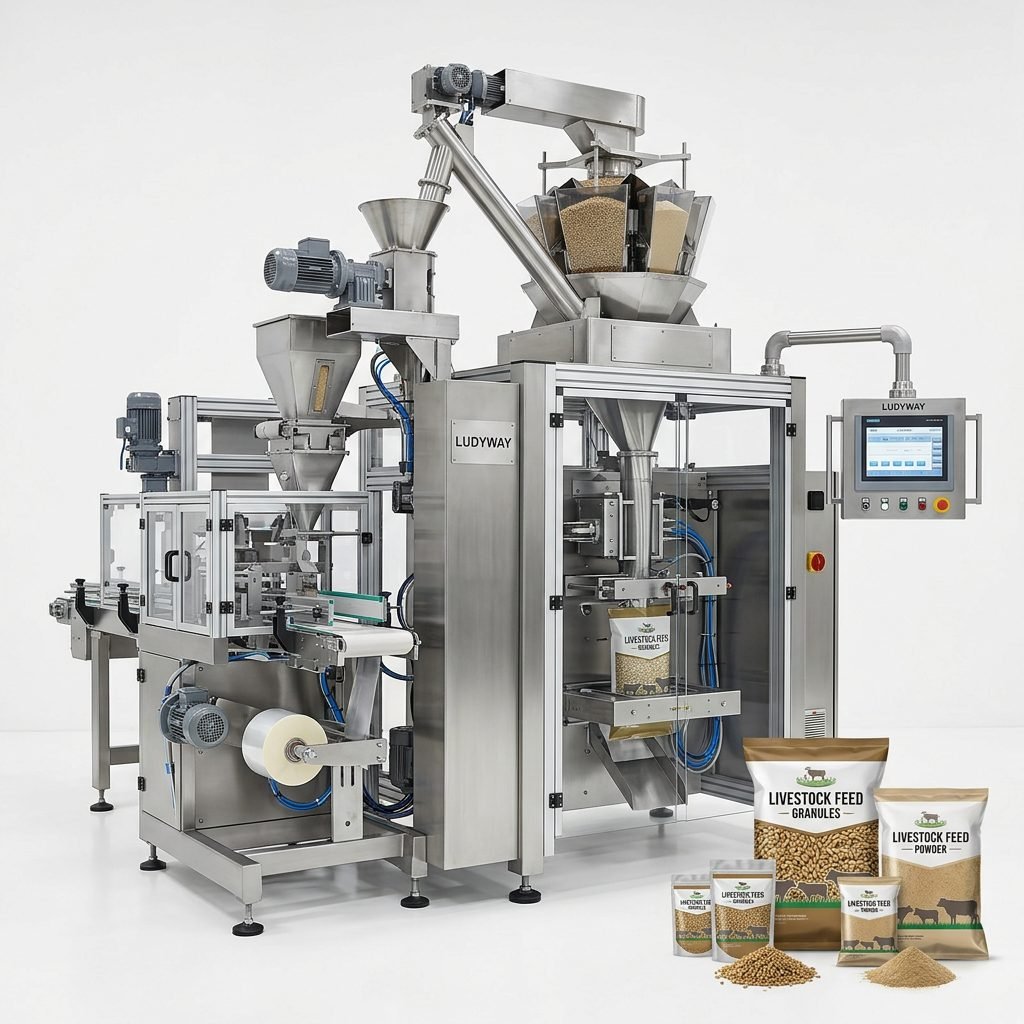
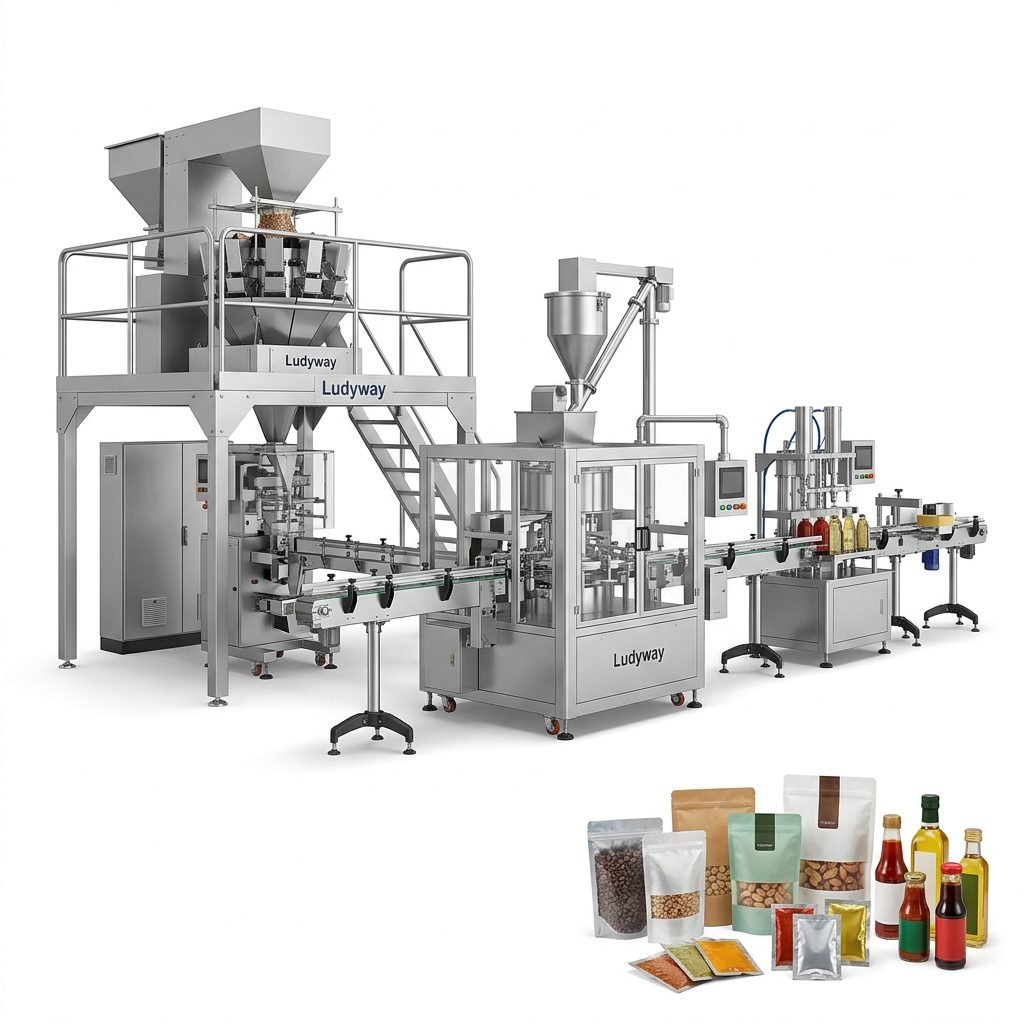
- Multi-head weighers for granules and irregular solids
- Cup fillers for free-flowing granular products
Packaging format options — sachet, stick pack, pouch, or bag — must align with your target market requirements. The flexible packaging industry continues to expand format possibilities, and your PLC system should support the formats relevant to your product portfolio.
Automation and Integration Capabilities
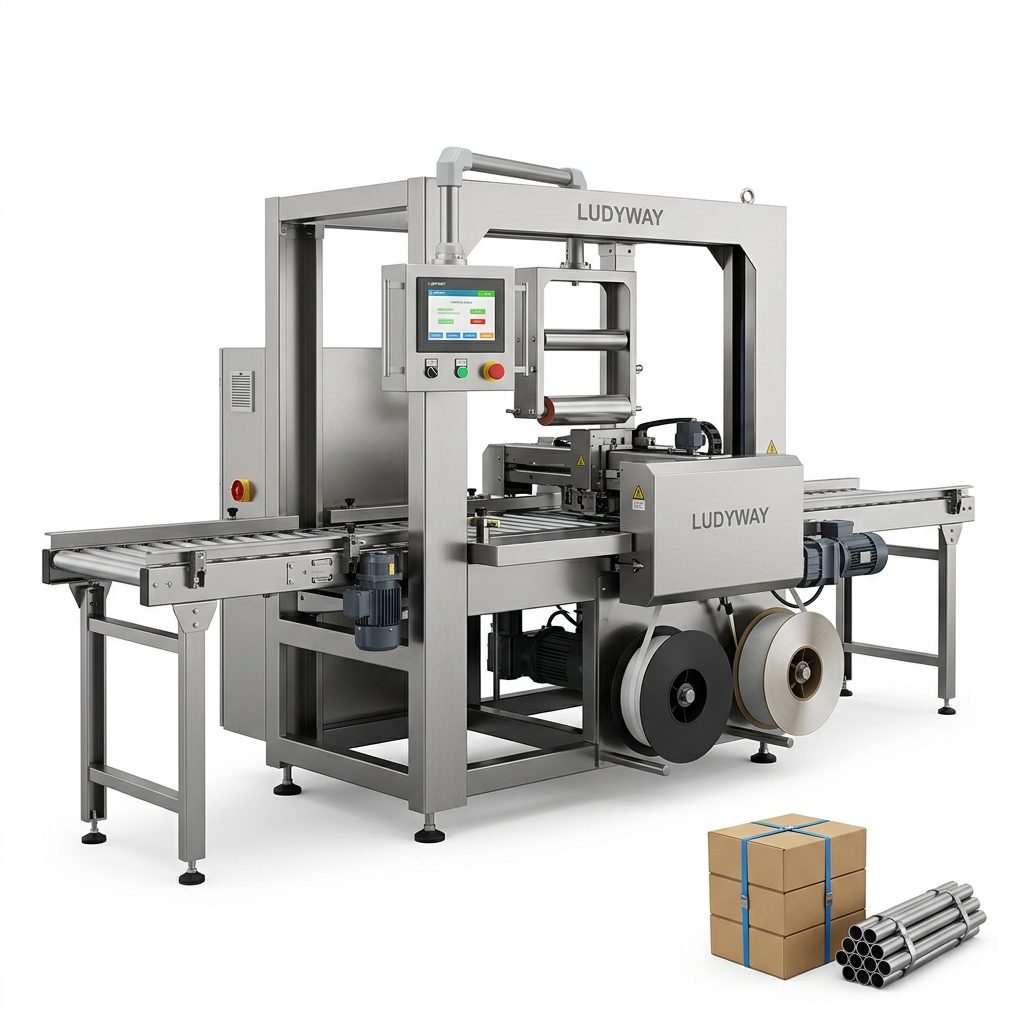
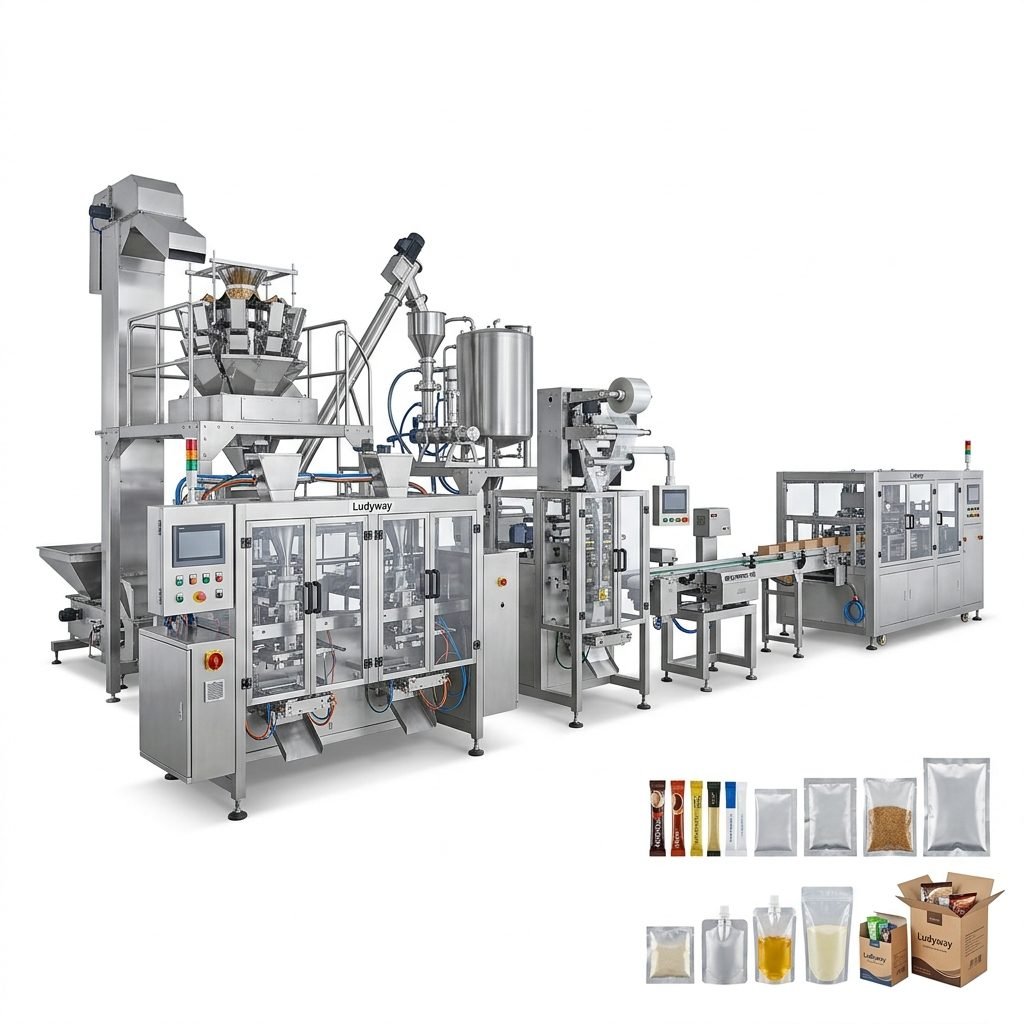
A key advantage of PLC-controlled equipment is the ability to integrate with automated feeding systems, checkweighers, metal detectors, coding printers, cartoning machines, and palletizing robots. When evaluating machines, assess the PLC’s communication protocols — Ethernet/IP, Profinet, Modbus TCP — and ensure compatibility with your existing factory network infrastructure or planned automation roadmap. Machines with open architecture PLC platforms offer greater flexibility for future line expansions.
PLC Control Systems: What to Look For
The PLC brand and model directly affect reliability, spare parts availability, and technical support accessibility in your region. Leading industrial automation brands — including Siemens, Allen-Bradley (Rockwell Automation), Mitsubishi, Omron, and Schneider Electric — offer widely supported PLC platforms found in packaging machinery worldwide. Choosing a machine built with a globally recognized PLC brand simplifies maintenance, reduces downtime risk, and ensures local technician familiarity.
HMI and User Interface
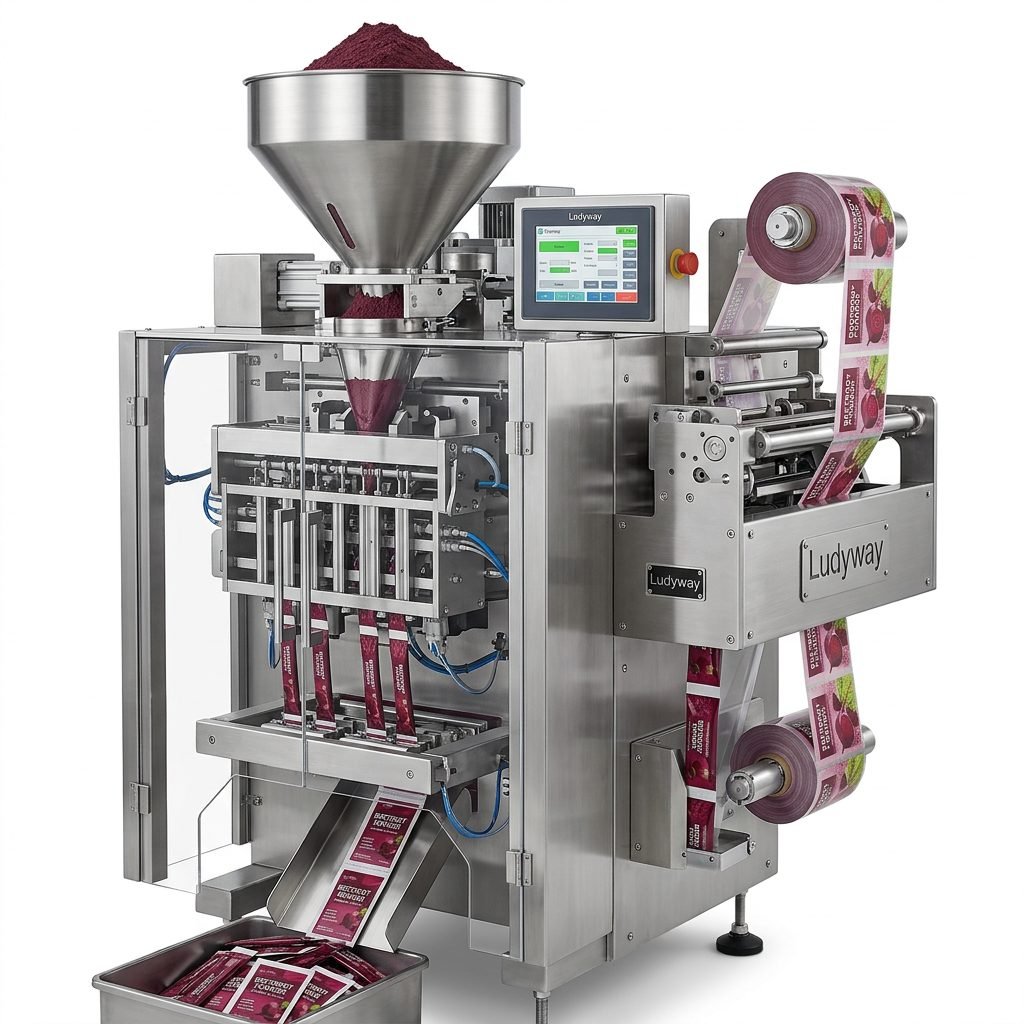
The Human-Machine Interface (HMI) is the operator’s primary interaction point. Evaluate the touchscreen interface for intuitive navigation, multi-language support, recipe management, alarm logging, and maintenance scheduling. A well-designed HMI reduces operator training time and minimizes errors during product changeovers.
Data Collection and Industry 4.0 Readiness
Modern PLC-based packaging machines increasingly support OEE monitoring, predictive maintenance alerts, and remote diagnostics. Machines equipped with IoT-ready PLCs can transmit production data to plant MES or ERP systems, enabling real-time performance visibility. Consider whether the PLC supports secure remote access for supplier troubleshooting and software updates — a capability that has proven valuable for international machinery installations.
Comparing Machine Configurations
| Configuration Type | Best Suited For | Typical Speed Range | PLC Complexity |
|---|---|---|---|
| Single-Lane Sachet | Low-medium volume, frequent changeovers | 30-80 packs/min | Standard |
| Multi-Lane Stick Pack (4-12 lanes) | High-volume powder/granule products | 200-600 packs/min | Advanced |
| Vertical Form-Fill-Seal (VFFS) | Flexible bag/pouch formats | 40-120 packs/min | Standard to Advanced |
| Premade Pouch Rotary | Premium pouch presentation | 30-60 packs/min | Advanced |
| Complete Turnkey Line | Full automation from feeding to palletizing | Custom configured | Integrated multi-PLC system |
Industry-Specific Considerations
Different industries impose distinct requirements on PLC-controlled packaging equipment. Pharmaceutical applications demand validated PLC software, audit trails, and compliance with 21 CFR Part 11 for electronic records. Food packaging requires washdown-compatible components and controls suitable for hygienic environments. Chemical products necessitate corrosion-resistant construction and potentially explosion-proof electrical configurations.
Regulatory Compliance and Documentation
Verify that the PLC system and overall machine design can be configured to meet applicable standards such as CE, UL, FDA, and ISO requirements. The ISO packaging standards provide a framework for evaluating equipment design, while industry-specific regulations may govern everything from material traceability to cleanroom compatibility.
Total Cost of Ownership and ROI Analysis
Purchase price alone is an incomplete metric when selecting PLC-based packaging machinery. A comprehensive cost assessment should include:
- Installation and commissioning — including factory acceptance testing (FAT) and site acceptance testing (SAT)
- Operator training — structured training programs reduce the learning curve and prevent operational errors
- Preventive maintenance — PLC systems with built-in maintenance reminders extend equipment lifespan
- Spare parts strategy — critical PLC components and wear parts should be readily available from the supplier
- Energy consumption — modern servo-driven PLC systems reduce power usage compared to older mechanical designs
When calculating ROI, factor in labor savings from automation, reduced material waste through precise PLC control, and increased throughput enabling higher production volumes without additional shifts.
Evaluating Manufacturers and Suppliers
Selecting the right packaging machinery partner extends beyond the equipment specifications. Key supplier evaluation criteria include years of industry experience, manufacturing facility scale, engineering capabilities, global service network, and customer references in your specific industry segment.
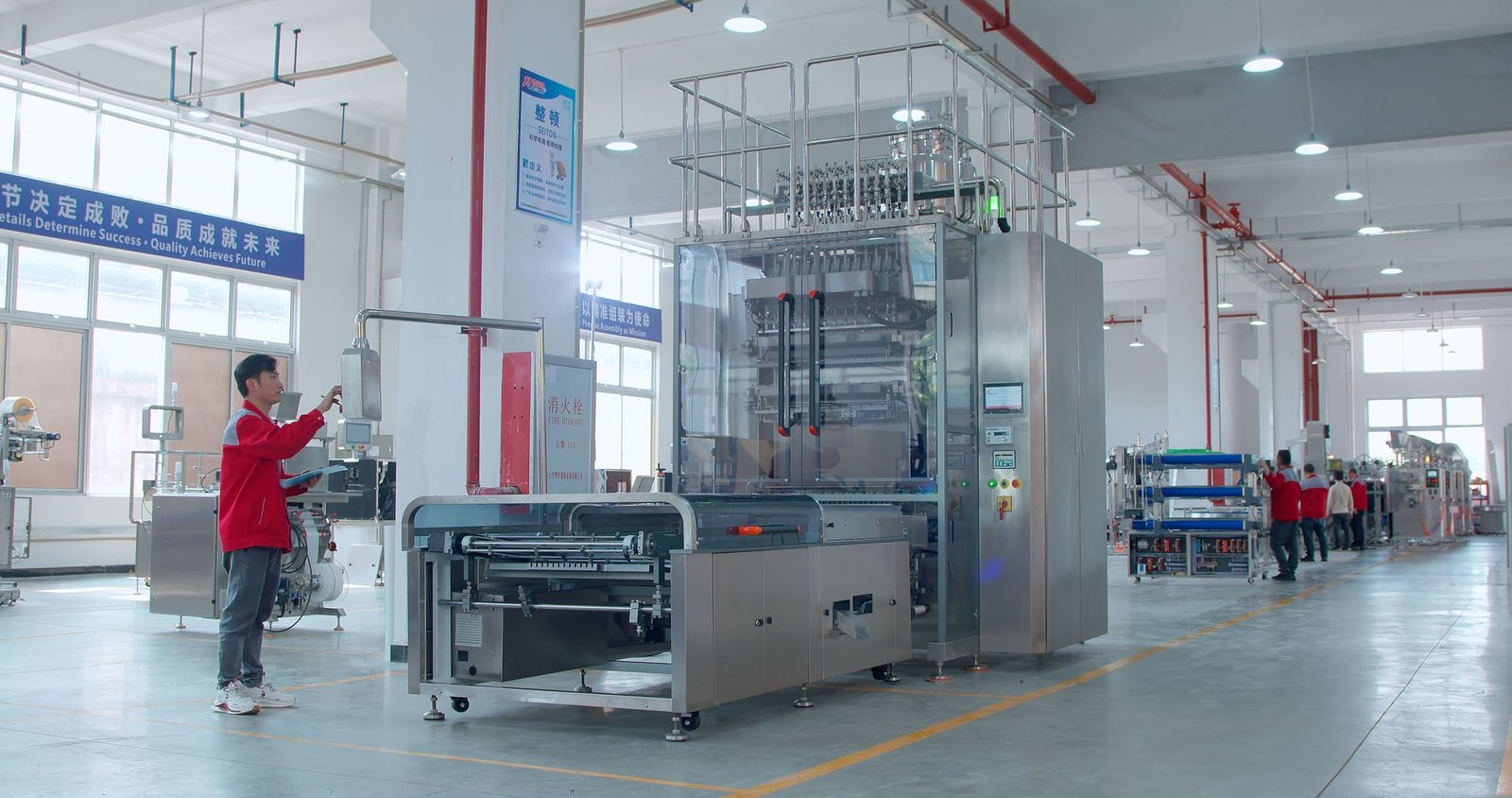
For instance, Ludyway Machinery — with over 30 years of experience and a 20,000-square-meter manufacturing facility — provides integrated packaging solutions across food, pharmaceutical, chemical, and consumer goods industries. When evaluating potential suppliers, schedule factory visits or virtual tours to assess manufacturing quality, request references from customers with similar applications, and confirm the availability of after-sales technical support in your region. The global packaging machinery growth trend reflects increasing demand for automation solutions across international markets.
Technical Specifications Checklist
Before finalizing a purchase decision, create a detailed technical specification document covering these critical areas:
- PLC brand, model, and programming software version
- HMI screen size, resolution, and language capabilities
- Communication protocols and I/O capacity for future expansion
- Servo motor brands and drive specifications
- Pneumatic component brands and air consumption requirements
- Frame material and surface treatment (304/316 stainless steel for washdown areas)
- Safety system certification and guarding standards
- Utility requirements — electrical, compressed air, water if applicable
Warranty, Service, and Long-Term Support
PLC-based equipment represents a significant investment, and ongoing support quality determines long-term satisfaction. Evaluate the supplier’s warranty terms, service level agreements, remote support capabilities, and spare parts distribution network. Machines equipped with globally recognized PLC platforms offer the advantage of local third-party technical support when the original supplier’s technicians are not immediately available.
Making the Final Decision
Selecting the right PLC-based automatic packing machine requires balancing technical specifications, commercial considerations, and supplier capabilities. The most successful packaging machinery investments result from a thorough evaluation process that includes:
- Clear documentation of current and future production requirements
- Product testing on the target machine configuration
- Detailed review of PLC system architecture and integration capabilities
- Assessment of supplier engineering depth and global service infrastructure
- Verification of compliance with applicable industry standards and regulatory requirements
By following a structured selection process and prioritizing control system quality, automation readiness, and supplier reliability, manufacturers can secure packaging equipment that delivers consistent performance, scalable capacity, and competitive advantage in their market segments.