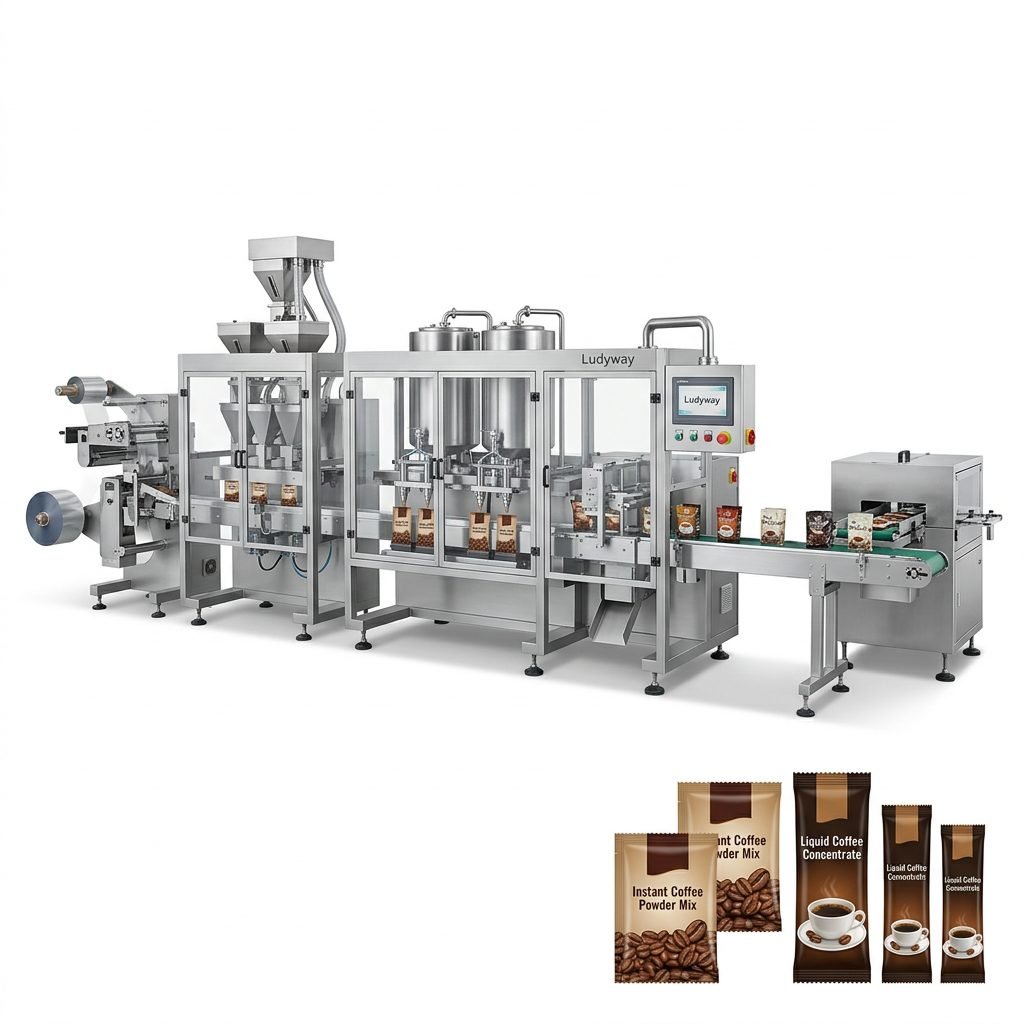
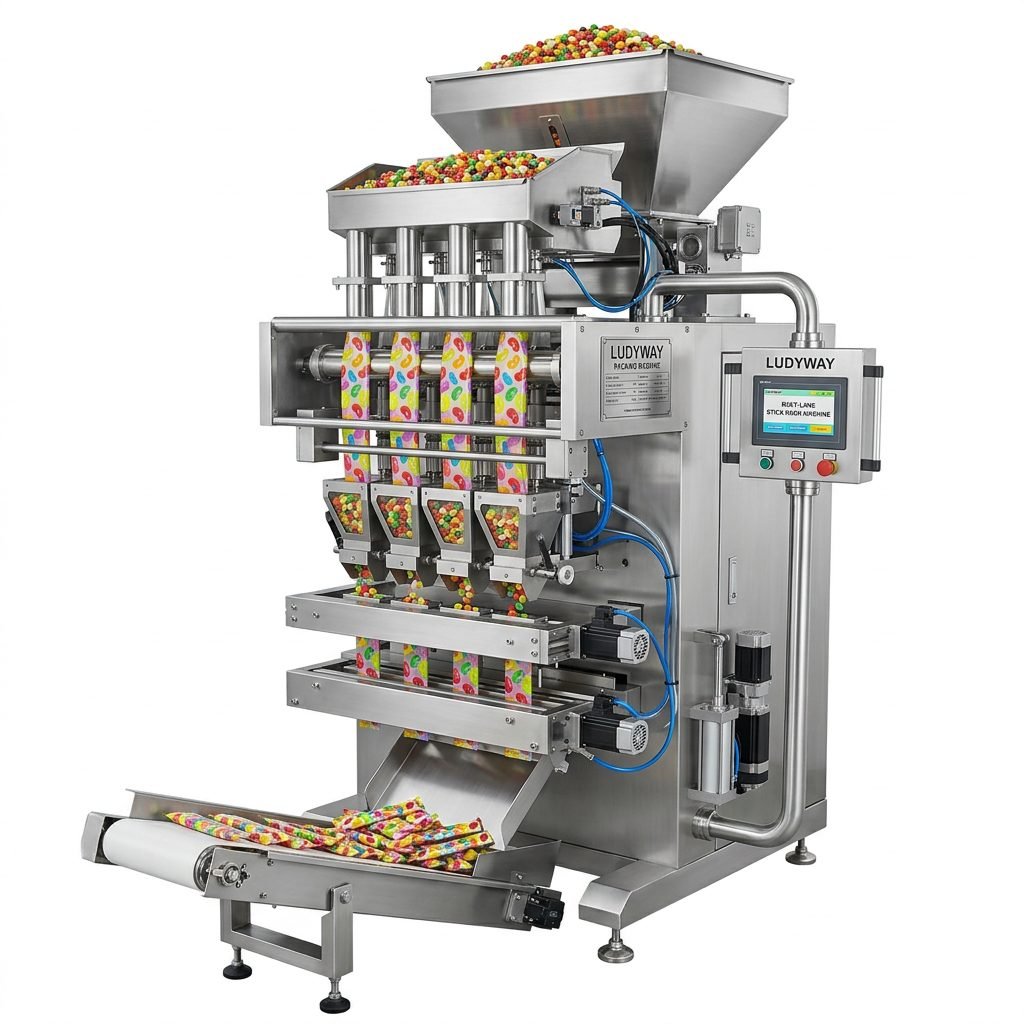
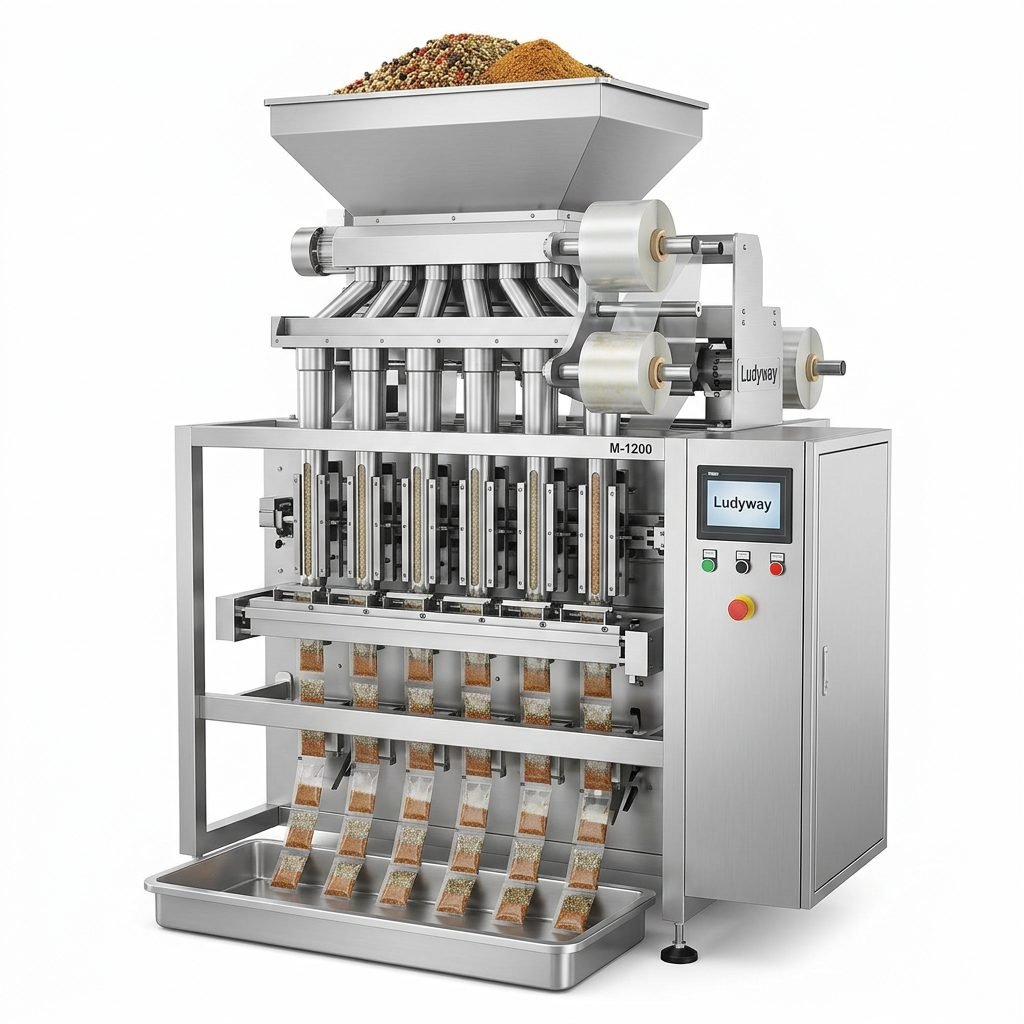
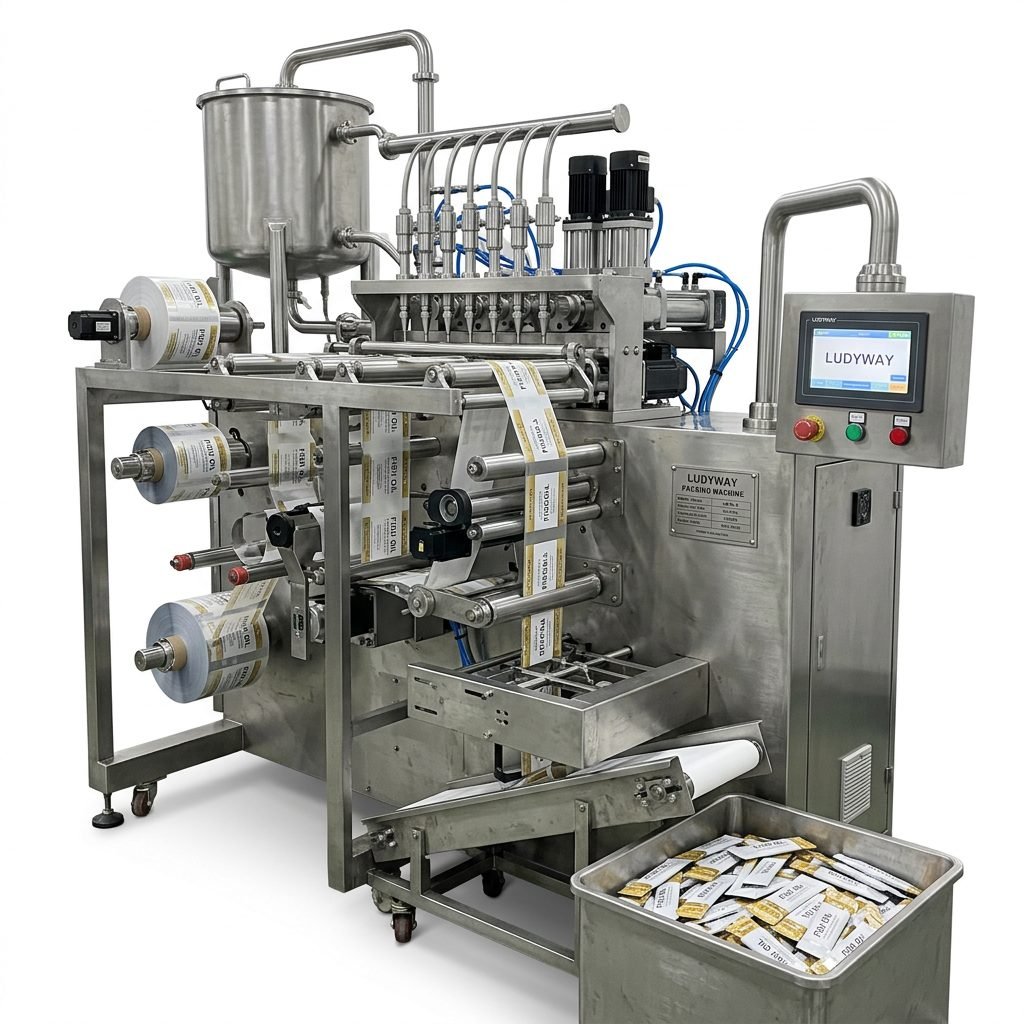
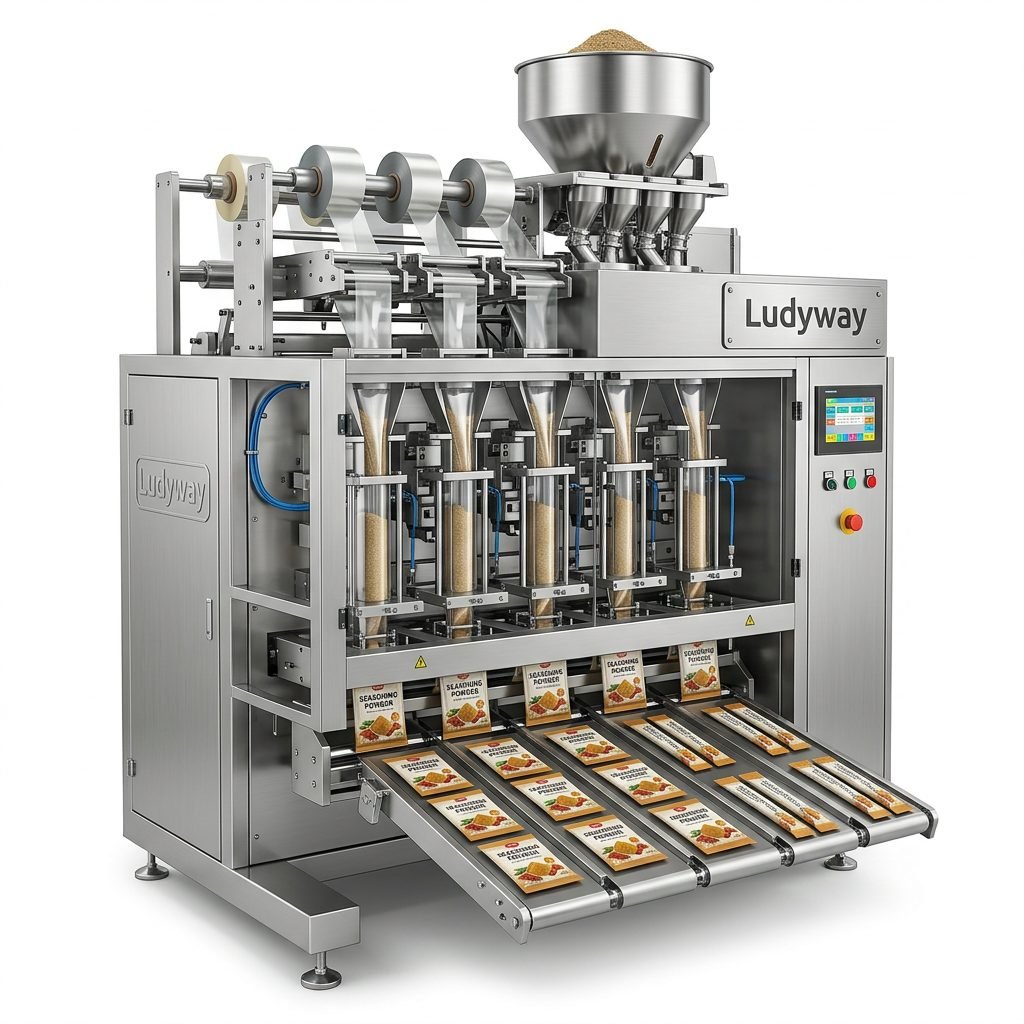
Selecting the right stick pouch packing machine is one of the most critical investment decisions for manufacturers in the food, pharmaceutical, nutraceutical, and chemical industries. With the global flexible packaging market projected to grow steadily according to PMMI’s State of the Industry reports, automating your stick pack production line is no longer a luxury — it is a strategic necessity. However, the wide variety of machine configurations, filling technologies, and production capacities can make the purchasing process overwhelming. This comprehensive buyer’s guide will walk you through every essential factor, from product characteristics and speed requirements to flexible packaging material compatibility and long-term service support.
Understanding Your Product and Production Requirements
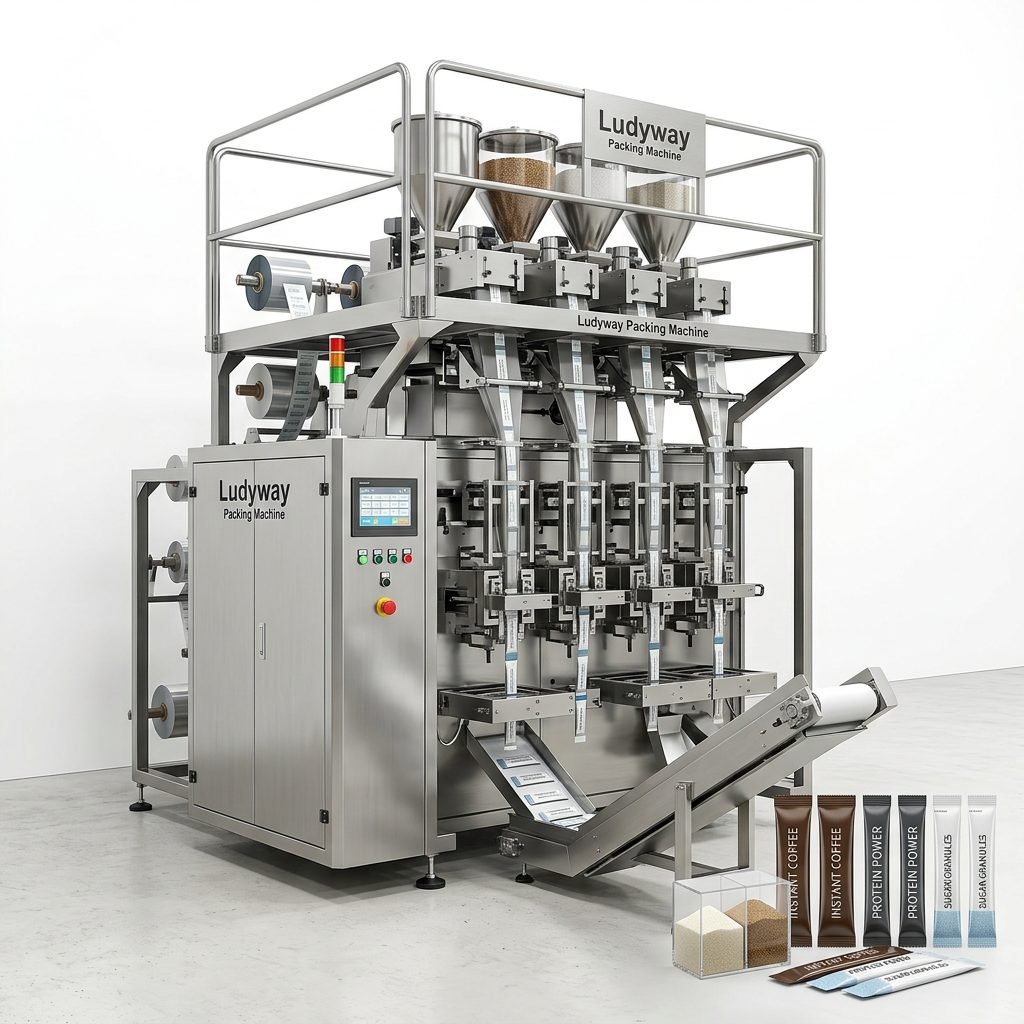
Before evaluating any packaging machinery, you must clearly define the physical characteristics of your product. The formulation — whether it is a fine powder, granular material, liquid, paste, or a combination — directly determines the type of dosing and filling system required. For instance, free-flowing granules behave very differently from cohesive, dusty powders that require specialized dust-control measures. Similarly, liquid stick packs demand precise volumetric piston or peristaltic pump fillers to prevent dripping and ensure seal integrity.
Key Machine Characteristics to Evaluate
Not all stick pack machines are built the same. The following table summarizes the primary technical criteria you should compare across different manufacturers and models. Focusing on these parameters early in your selection process will significantly narrow down viable options and prevent costly mismatches.
| Evaluation Criterion | Why It Matters | Key Considerations |
|---|---|---|
| Number of Lanes | Determines output capacity directly | 4-lane, 6-lane, 8-lane, up to 12-lane or more |
| Filling System Type | Affects accuracy and product integrity | Auger filler, volumetric cup, piston pump, combination scale |
| Film Compatibility | Impacts shelf life and barrier properties | Laminated films, aluminum foil, polyethylene, biodegradable options |
| Sealing Technology | Critical for leak-proof and contamination-free packs | Vertical seal, horizontal seal, serrated cutting, tear notch |
| Automation Level | Reduces labor dependency and human error | Manual loading, semi-automatic, fully automatic with inline feeding |
Single-Lane vs. Multi-Lane Stick Pack Machines
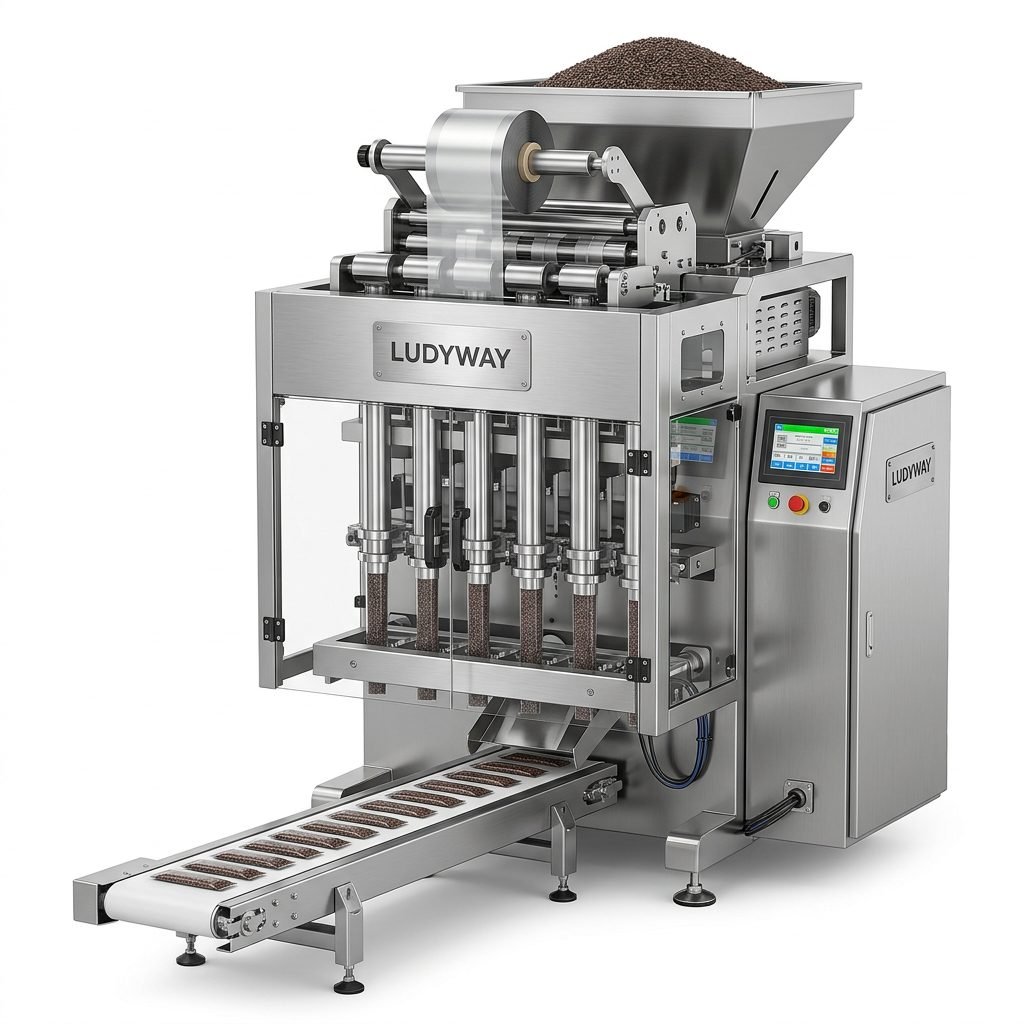
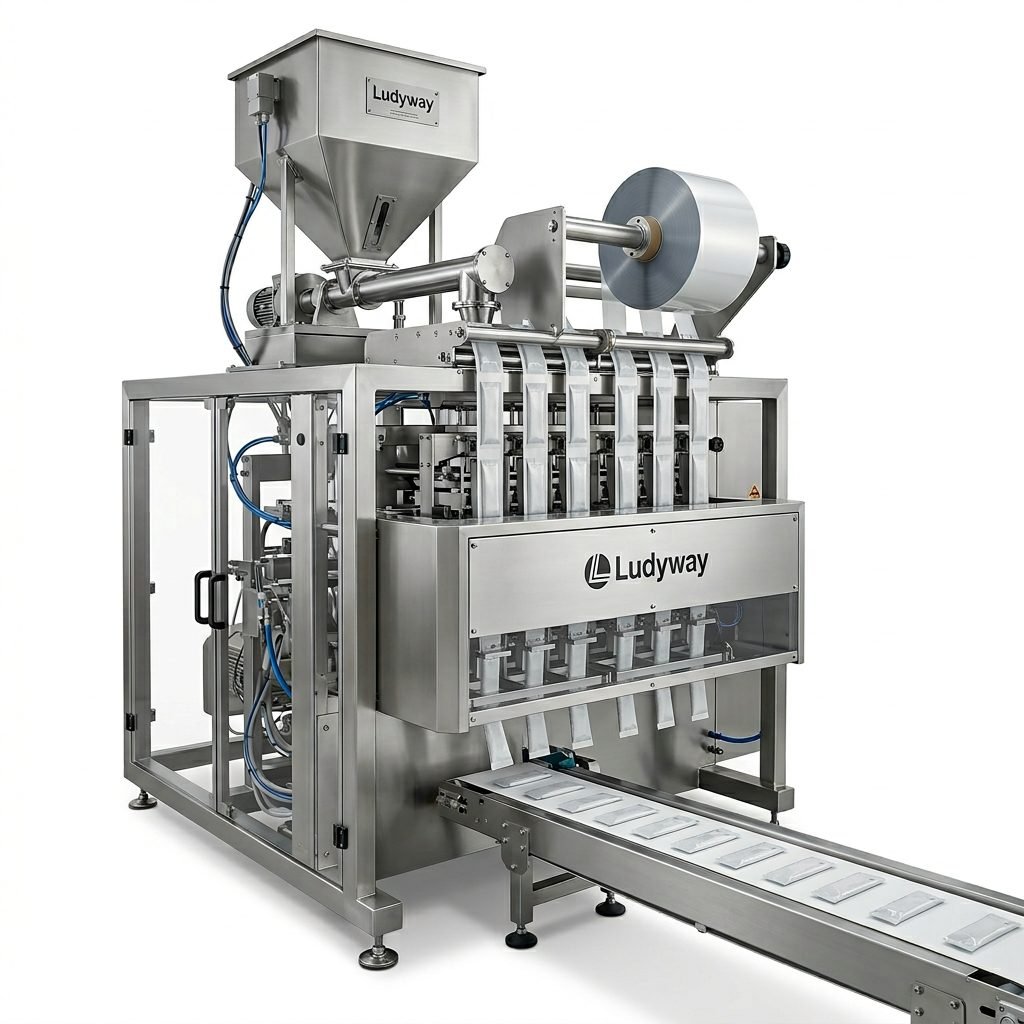
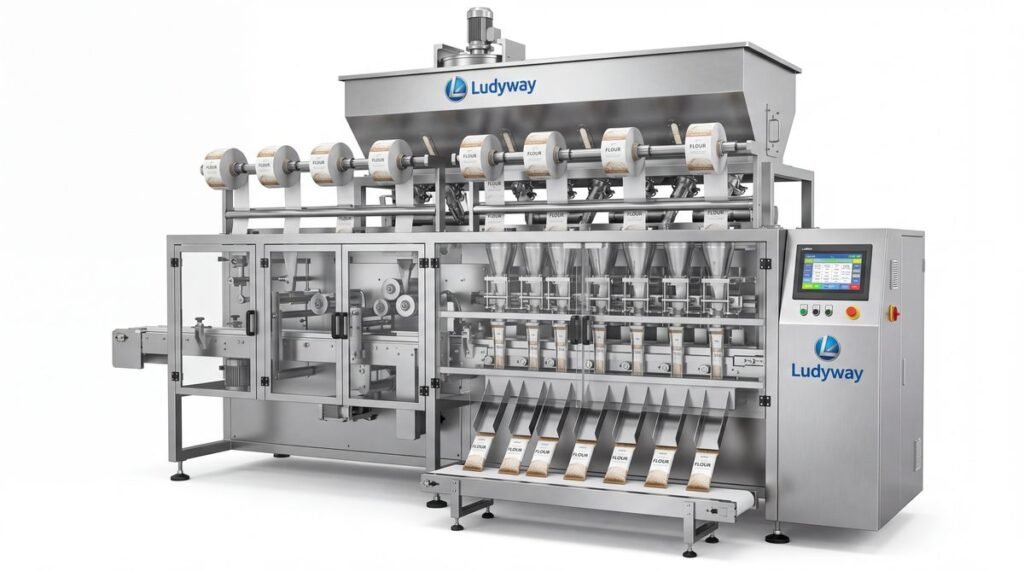
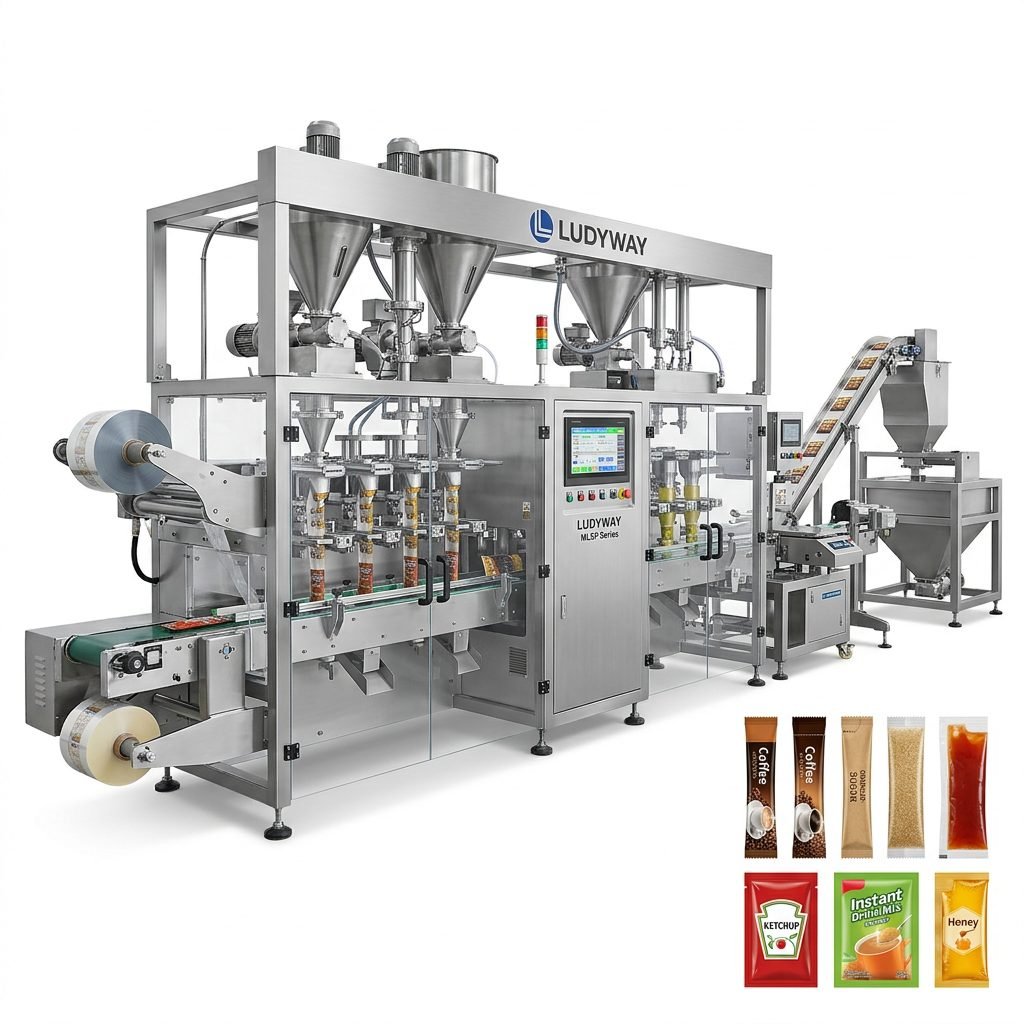
One of the first architectural decisions you will face is choosing between a single-lane and a multi-lane configuration. A single-lane machine may be suitable for startups, R&D labs, or small-batch specialty products where flexibility and low capital expenditure are priorities. In contrast, multi-lane stick pack machines — often ranging from 4 to 12 lanes or more — are designed for high-volume commercial production. They deliver exponentially higher output per minute, significantly reducing the cost per unit. For businesses planning to scale, industry resources suggest that investing in scalable multi-lane technology upfront often yields better long-term ROI.
Critical Factors for Multi-Lane Selection
- Production volume targets: Calculate required packs per minute across all SKUs.
- Changeover efficiency: Evaluate how quickly lane assemblies can be swapped for different pack widths.
- Floor space constraints: Multi-lane machines have larger footprints; confirm facility layout compatibility.
- Film tracking precision: Each lane must maintain consistent tension and alignment to avoid waste.
Dosing Accuracy and Filling System Selection
Accurate dosing is non-negotiable, especially in the pharmaceutical and nutraceutical sectors where FDA regulations demand strict compliance. The choice of filling mechanism must match your product’s flow properties, density, and target fill weight. For free-flowing granules like sugar or salt, volumetric cup fillers offer simplicity and speed. For non-free-flowing powders such as whey protein, collagen, or spices, auger fillers with servo-driven control provide the necessary precision. Liquid stick packs, common for honey, ketchup, or energy gels, require positive displacement pumps that can handle varying viscosities without air entrapment.
Packaging Material and Sustainability Considerations
The global shift toward sustainable packaging is reshaping equipment specifications. Your stick pouch packing machine must be compatible with a range of film structures, including recyclable mono-materials, compostable films, and traditional multi-layer laminates. According to the Flexible Packaging Association, the industry is moving rapidly toward materials that reduce environmental footprint without compromising barrier properties. Confirm that the machine’s heat-sealing system can be precisely tuned to the lower sealing temperature windows required by eco-friendly films. Additionally, features like registered film sensors are essential for maintaining proper print alignment on pre-printed sustainable substrates.
Integration with Ancillary Equipment
A stick pack machine rarely operates in isolation. For a fully optimized production line, consider integration with upstream and downstream equipment. This includes automatic feeding systems like screw conveyors or vacuum conveyors for powders, inline checkweighers for quality assurance, metal detectors for contaminant control, and cartoning machines for secondary packaging. A holistic approach to line engineering ensures that the speed of the stick pack filler is not bottlenecked by manual loading or downstream handling processes.
Key Ancillary Equipment Checklist
- Product feeding system (auger conveyor, elevator, or vacuum feeder)
- In-line quality control devices (checkweigher, metal detector, x-ray inspection)
- Date coding or batch printing unit for traceability
- Automatic counting and cartoning module
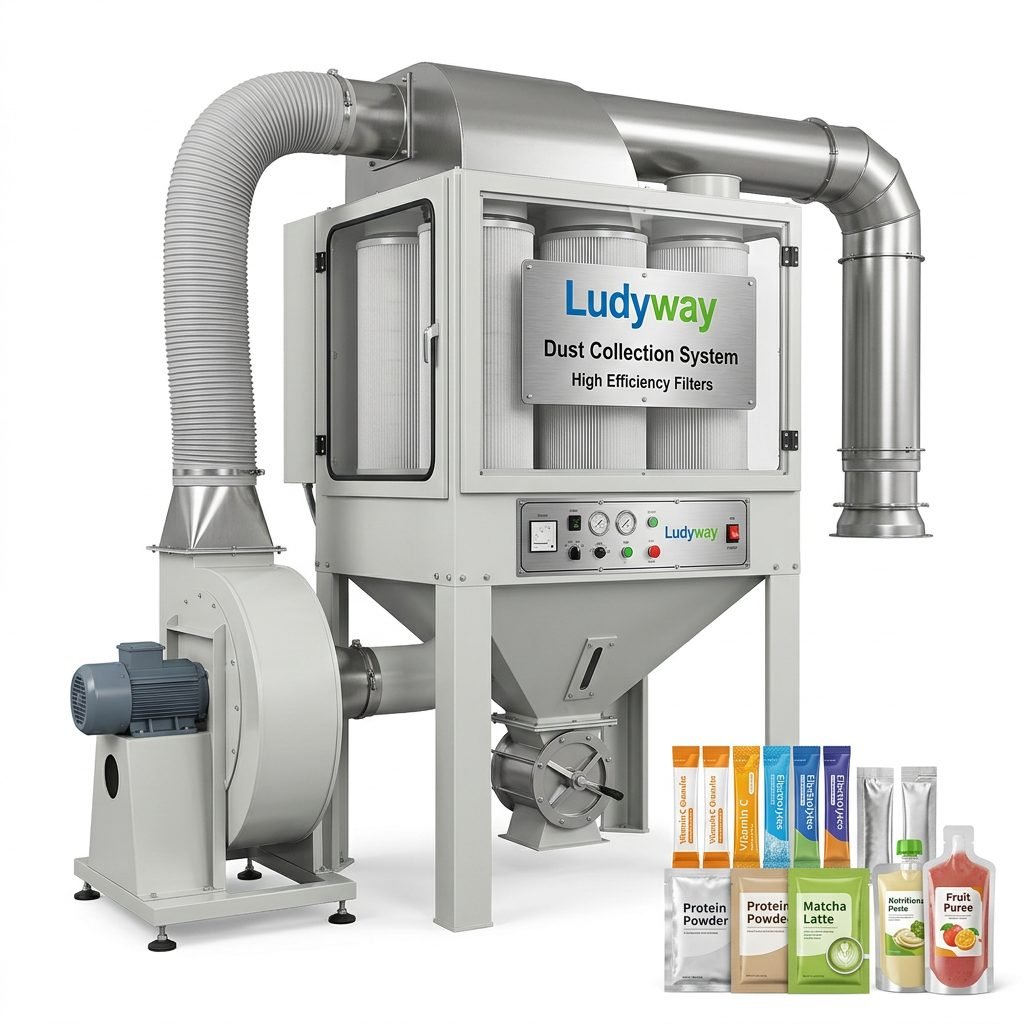
- Dust extraction system for powder handling environments
Hygienic Design and Cleanability
For food and pharmaceutical applications, the machine’s construction must facilitate quick and thorough cleaning to prevent cross-contamination and meet GMP requirements. Look for stainless steel 304 or 316L construction, sloped surfaces that prevent product accumulation, tool-free disassembly for product contact parts, and sealed electrical enclosures rated for wash-down environments. The machine design should minimize horizontal flat surfaces where dust can settle, and the frame should be easily accessible for sanitation crews.
Evaluating Manufacturer Experience and Technical Support
Choosing a packaging machinery supplier is a long-term partnership decision. Beyond the initial equipment purchase, you will rely on the manufacturer for installation support, operator training, spare parts availability, and ongoing technical troubleshooting. Ludyway Machinery, with more than 30 years of experience and a 20,000-square-meter manufacturing facility, provides turnkey packaging solutions and customized engineering support to manufacturers in over 100 countries, offering integrated systems that span from individual stick pack machines to complete automated production lines. When vetting any supplier, assess their presence in your region, their responsiveness to service inquiries, and the availability of remote diagnostic capabilities.

Common Pitfalls to Avoid When Buying a Stick Pack Machine
Many first-time buyers underestimate the complexity of the selection process and end up with equipment that does not meet their actual production needs. Below is a summary of the most frequent mistakes observed in the industry.
| Common Mistake | Potential Consequence | How to Avoid It |
|---|---|---|
| Choosing based solely on price | Higher downtime, poor seal quality, and frequent repairs | Evaluate total cost of ownership including maintenance and parts |
| Not testing with actual product | Filling inaccuracies and film compatibility issues | Insist on factory acceptance testing with your own materials |
| Ignoring future capacity needs | Outgrowing the machine within 1-2 years | Select a modular platform that supports adding lanes later |
Making the Final Decision
After narrowing down your options based on technical fit, production capacity, and budget, the final step involves a thorough due diligence process. Request detailed proposals from shortlisted vendors, and compare not just the machine specifications but also warranty terms, commissioning timelines, and after-sales service packages. Visiting a reference site where a similar machine is in production can provide invaluable insight into real-world performance. Additionally, attending major industry exhibitions such as PACK EXPO International allows you to see equipment in operation and speak directly with engineering teams. A well-chosen stick pouch packing machine will serve as a reliable backbone for your packaging operations for many years, making the time invested in the selection process a highly worthwhile endeavor.

By systematically evaluating product characteristics, machine specifications, manufacturer capabilities, and regulatory requirements such as those outlined in ISO packaging standards, you can confidently select a stick pack solution that aligns with both your current operational demands and your long-term growth strategy. Remember that the right partner will offer not just equipment, but comprehensive engineering support to help you achieve consistent, high-quality packaging results from day one.