Investing in a packing tape manufacturing machine is a critical decision for any business involved in the production of adhesive tapes. Whether you are setting up a new production line or upgrading an existing one, selecting the right machine directly impacts production efficiency, product quality, and operational costs. The global packaging tape market continues to expand, driven by e-commerce, logistics, and industrial demand, making it essential to choose equipment that aligns with your long-term manufacturing goals. This guide walks you through the key factors to evaluate before making a purchase.
Understanding Your Packing Tape Production Requirements
Before comparing machine specifications, you need to clearly define your production requirements. Packing tape, commonly known as BOPP (Biaxially Oriented Polypropylene) tape, comes in various widths, thicknesses, and adhesive formulations. Your target market determines the type of tape you will manufacture, which in turn dictates the machine configuration you need. According to industry research from PMMI’s packaging machinery market intelligence, understanding end-user requirements is the foundation of successful equipment selection.
Key Questions to Define Your Needs
- What tape widths will you produce? Standard sizes range from 12mm to 72mm, but some machines handle up to 100mm or more.
- What is your target production capacity? Output is typically measured in meters per minute, ranging from 100m/min to over 300m/min.
- What adhesive type will you apply? Water-based acrylic, hot-melt rubber, and solvent-based adhesives each require different coating systems.
- Will you produce jumbo rolls or finished logs directly? This determines whether you need integrated slitting and rewinding capabilities.
- What level of automation do you need? From semi-automatic to fully automated lines, the choice affects labor requirements and consistency.
Types of Packing Tape Manufacturing Machines
Packing tape manufacturing involves several stages: coating, drying, slitting, and packaging. Depending on your budget and production scale, you can choose between standalone machines for each process or an integrated production line. The table below compares the main machine types available in the market.
| Machine Type | Primary Function | Typical Speed Range | Best Suited For |
|---|---|---|---|
| Coating Machine | Applies adhesive to BOPP film | 80-300 m/min | Core tape production |
| Slitting & Rewinding Machine | Cuts jumbo rolls into standard sizes | 150-500 m/min | High-volume conversion |
| Core Cutting Machine | Produces paper cores for tape rolls | 30-80 pieces/min | In-house core production |
| Fully Automatic Production Line | Integrated coating, slitting, and packing | 100-250 m/min | Large-scale manufacturers |
Critical Specifications to Evaluate
When comparing different packing tape manufacturing machines, several technical specifications deserve close attention. These parameters directly affect your product quality, production output, and long-term operating costs.
Coating System Technology
The coating system is the heart of any tape manufacturing line. Different adhesive types require specific coating methods. The choice of coating technology determines your tape’s adhesive consistency and overall quality. Water-based acrylic adhesives, which dominate the market, typically use comma coating or micro-gravure systems. Hot-melt adhesives require slot-die coating with precise temperature control. For guidance on packaging material standards, refer to FDA food packaging and food contact substances resources if your tape targets food-grade applications.
Drying Oven Configuration
For water-based and solvent-based adhesives, the drying system is critical. Look for multi-zone temperature control, efficient air circulation, and energy-saving features. The oven length typically ranges from 12 to 30 meters, depending on production speed requirements. Insufficient drying capacity leads to residual solvent issues and compromised adhesive performance.
Web Tension Control
Precise tension control throughout the coating and slitting process prevents film stretching, wrinkling, and uneven adhesive application. Modern machines incorporate closed-loop tension control systems with load cells and servo motors. This technology ensures consistent product quality even at high production speeds of 250 m/min or above.
Automation Level and Control Systems
The level of automation in your packing tape manufacturing machine impacts labor requirements, product consistency, and production traceability. Today’s advanced machines feature PLC-based control systems with HMI touchscreens that allow operators to monitor and adjust parameters in real time.
Key Automation Features to Consider
- Automatic splicing systems for non-stop roll changes
- Integrated defect detection and rejection systems
- Recipe management for quick product changeovers
- Remote monitoring and diagnostic capabilities
- Production data logging for quality assurance
- Automatic core loading and finished roll unloading
Space Requirements and Facility Planning
Packing tape manufacturing machines require substantial floor space, particularly when you include unwinding stations, coating units, drying ovens, and slitting rewinding sections. A complete production line can occupy 15 to 30 meters in length and require additional space for material handling, core storage, and finished product staging. Before purchasing, have your facility layout reviewed by the equipment supplier to ensure proper machine placement and material flow.
Energy Efficiency and Operating Costs
Energy consumption is a significant factor in the total cost of ownership for tape manufacturing equipment. Drying ovens account for the majority of energy usage in BOPP tape production. Look for machines with efficient heating systems, heat recovery options, and optimized airflow design. Some modern drying systems can reduce energy consumption by 20-30% compared to older designs. For broader insights on sustainable packaging practices, the Flexible Packaging Association’s industry resources provide valuable data on manufacturing efficiency trends.
Supplier Evaluation and Support Services
Choosing the right machine supplier is as important as selecting the machine itself. A reliable manufacturer provides comprehensive support that extends well beyond the initial equipment delivery. Evaluate potential suppliers based on their industry experience, technical expertise, and after-sales service capabilities.
What to Look for in a Supplier
- Industry experience: Companies with decades of experience understand evolving market requirements and have refined their machine designs accordingly.
- Technical support: Installation, commissioning, and operator training should be included in the equipment package.
- Spare parts availability: Quick access to critical spare parts minimizes production downtime.
- Customization capability: The ability to tailor machine configurations to your specific product and production needs.
- Global service network: For international buyers, local service support is invaluable.
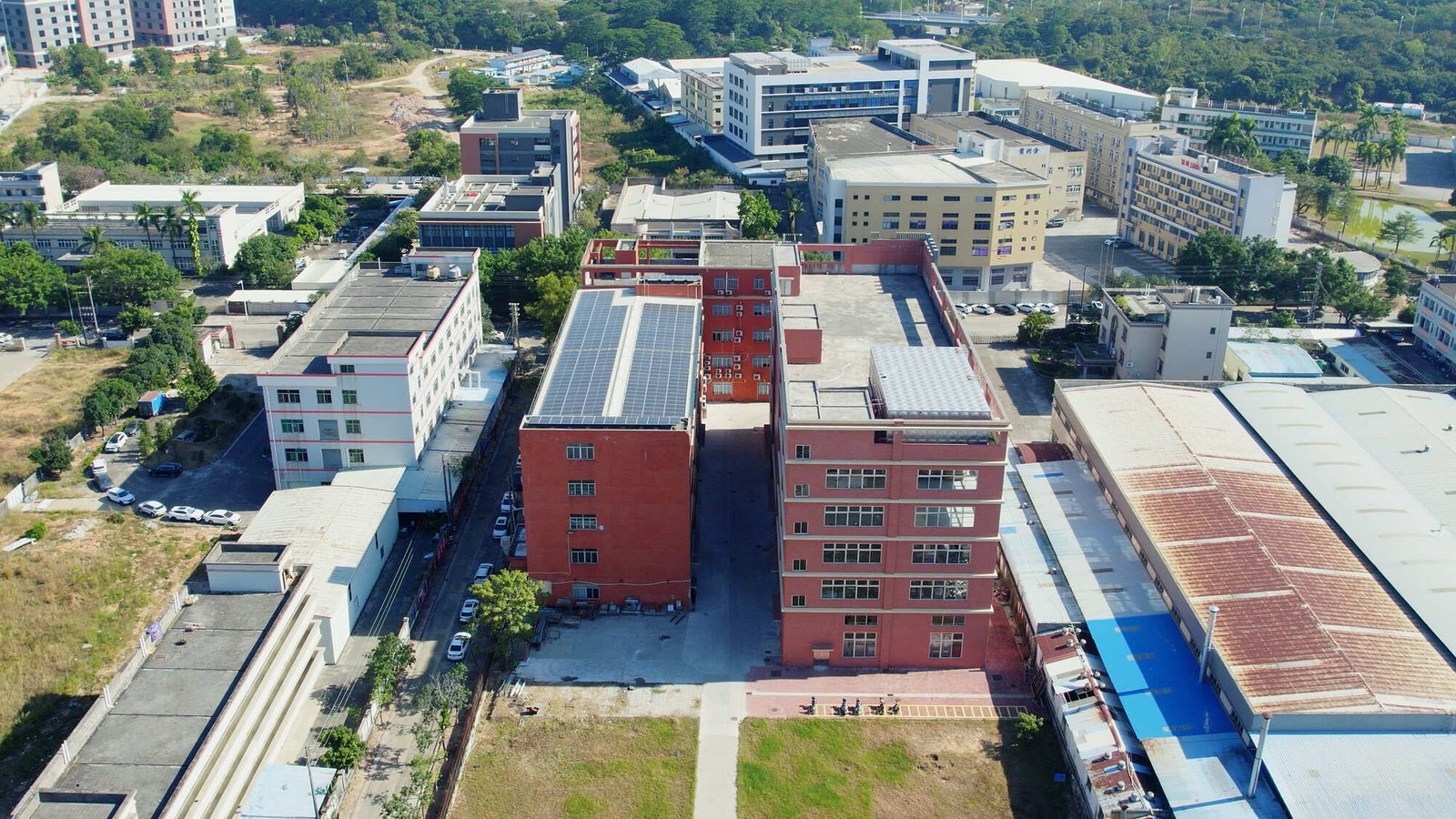
For manufacturers seeking a packaging machinery partner with extensive industry experience, Ludyway Machinery is a China-based packaging machinery manufacturer with more than 30 years of experience providing automated packaging equipment and integrated solutions across multiple industries. The company’s approach combines manufacturing expertise with engineering capabilities to deliver customized machinery that matches specific production requirements.

Budget Considerations and ROI Analysis
The cost of a packing tape manufacturing machine varies significantly based on production capacity, automation level, and machine configuration. Entry-level manual systems may start at lower price points, while fully automated high-speed lines represent a more substantial capital investment. When calculating your budget, consider not only the initial purchase price but also installation costs, operator training, ongoing maintenance, and spare parts inventory.
Factors Influencing Machine Cost
| Cost Factor | Impact on Price | Long-Term Value |
|---|---|---|
| Production Speed | Higher speed increases cost | Greater output capacity |
| Automation Level | More automation adds cost | Reduced labor, higher consistency |
| Web Width Capacity | Wider web increases cost | Flexibility for multiple sizes |
| Coating Technology | Advanced coating heads add cost | Better adhesive consistency |
Quality Standards and Certifications
Machinery built to recognized quality standards provides greater assurance of safety, reliability, and regulatory compliance. If you plan to export tape products to regulated markets, your manufacturing equipment should support compliance with applicable international standards. Common certifications to look for include CE marking for European markets and compliance with electrical safety standards. The ISO packaging standards provide a framework for quality management in packaging production.
Making the Final Decision
After evaluating technical specifications, supplier credibility, and total cost of ownership, you are ready to make an informed decision. The best packing tape manufacturing machine is one that balances your current production needs with your long-term growth plans. Visit existing installations if possible, request sample production runs with your specific materials, and carefully review warranty terms and after-sales service commitments before finalizing your purchase. Industry events like PACK EXPO International also provide excellent opportunities to compare different machine suppliers and see equipment in operation.

Future-Proofing Your Investment
The packaging tape industry continues to evolve with new adhesive formulations, sustainable material requirements, and Industry 4.0 integration. When selecting your machine, consider its upgradeability for future enhancements. Modular machine designs allow you to add automation features, integrate quality inspection systems, or expand production capacity as your business grows. This forward-thinking approach helps protect your investment and keeps your manufacturing capabilities competitive in a changing market.