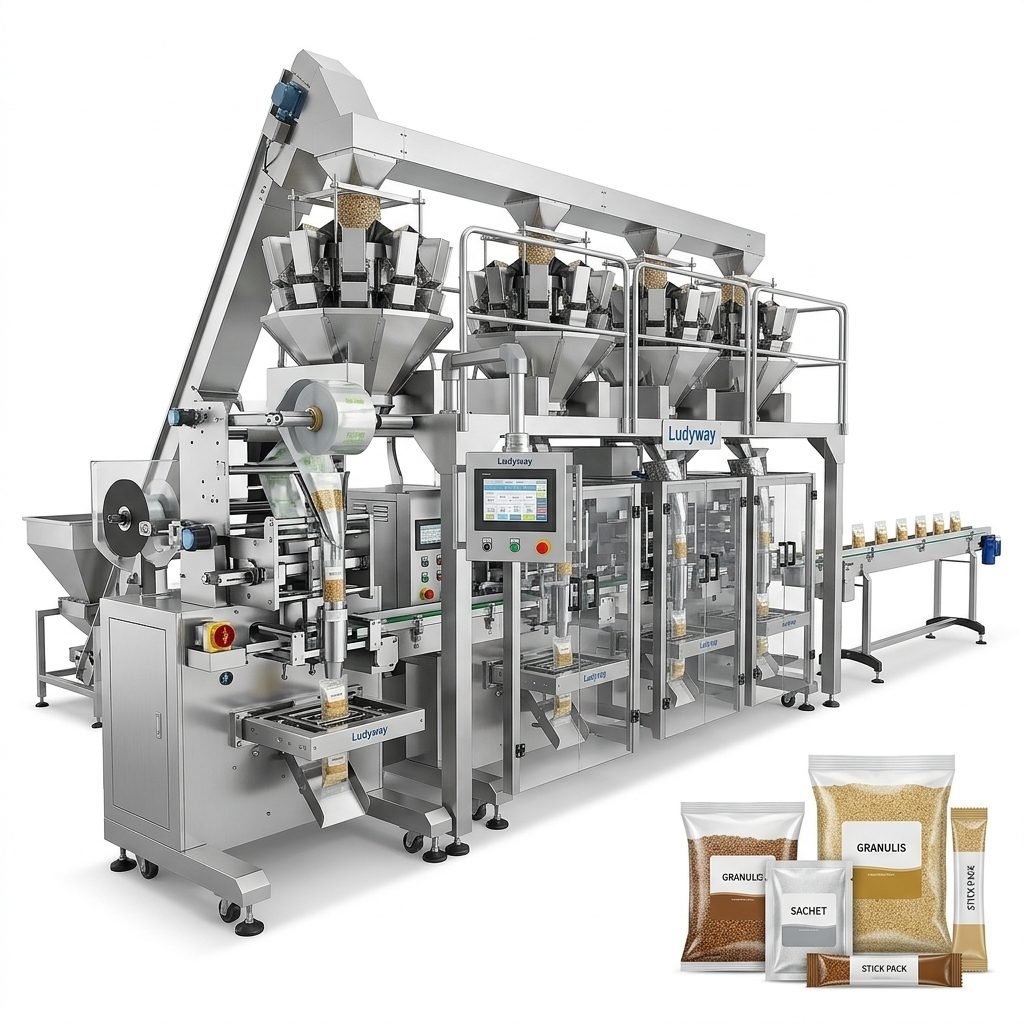
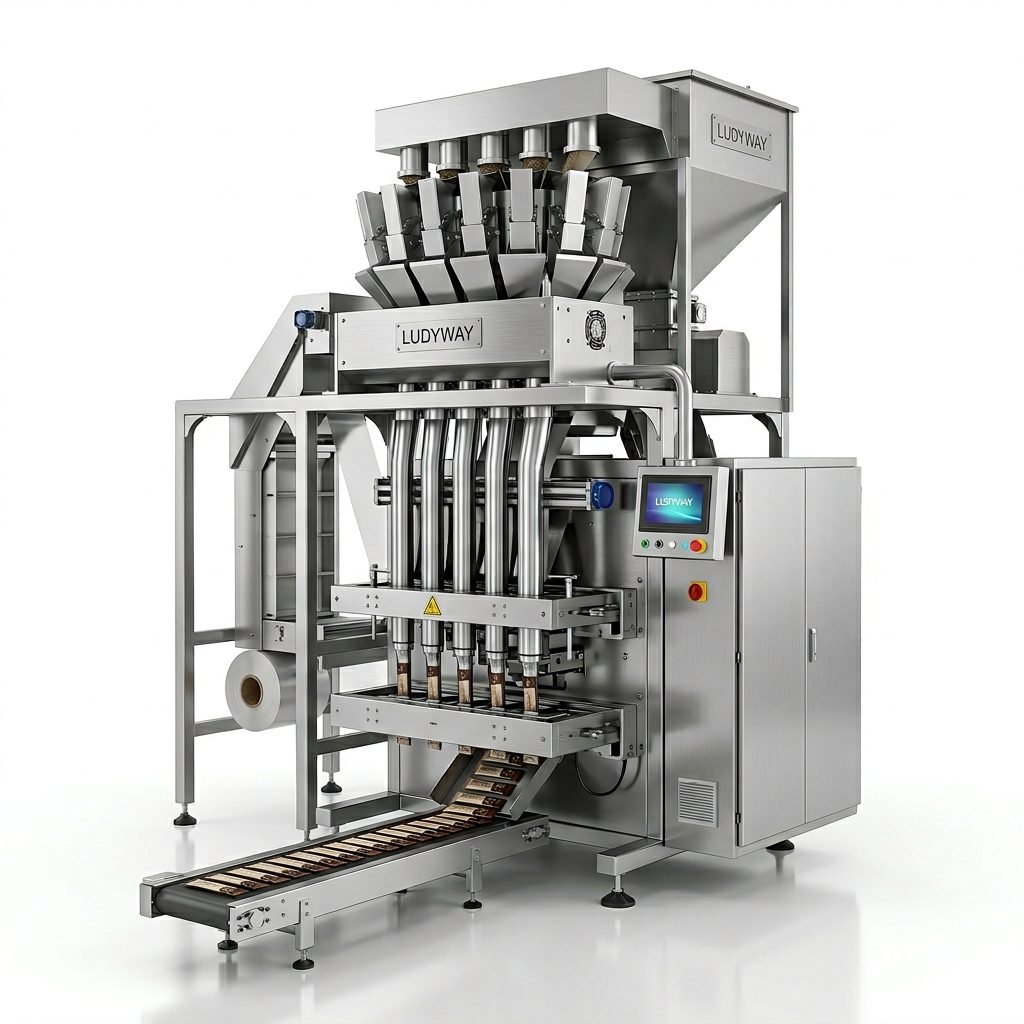
Investing in a heat shrink film packaging machine is a strategic decision that directly impacts your production efficiency, product presentation, and bottom line. Whether you are packaging food, beverages, pharmaceuticals, cosmetics, or industrial goods, the right shrink wrap system ensures product protection, tamper evidence, and a professional retail appearance. This comprehensive buyer’s guide walks you through every critical factor to evaluate before making a purchase.
Understanding Heat Shrink Film Packaging Machines
A shrink wrap machine uses heat-sensitive plastic film that shrinks tightly around products when exposed to heat. This process creates a secure, transparent, and durable barrier that protects items from dust, moisture, and handling damage. Modern shrink packaging systems range from simple manual L-bar sealers to fully automated high-speed lines capable of processing thousands of units per hour.
The global packaging machinery market continues to expand, with shrink film equipment remaining one of the most widely adopted packaging technologies across industries. According to PMMI business intelligence, demand for flexible packaging solutions including shrink wrap machinery has seen consistent year-over-year growth.
Key Factors to Consider When Choosing a Shrink Wrap Machine
Selecting the right heat shrink film packaging machine requires careful evaluation of your production needs, product characteristics, and long-term business goals. Below are the most important factors to guide your decision-making process.
1. Product Dimensions and Throughput Requirements
The size, shape, and weight of your products directly determine which shrink wrapping equipment is suitable. Measure your product dimensions accurately and consider whether you need to accommodate multiple product sizes on the same machine. Throughput speed—measured in packages per minute—should align with your current and projected production volumes. Undersizing your machine can create bottlenecks, while oversizing may lead to unnecessary capital expenditure.
2. Film Type and Material Compatibility
Shrink films come in various materials including polyethylene (PE), polyolefin (POF), and polyvinyl chloride (PVC). Each film type offers different clarity, shrink ratios, durability, and cost profiles. POF film is widely preferred for its excellent clarity, strong seals, and food-safe properties. PE film is commonly used for bulk packaging and industrial applications. Verify that the machine you select is compatible with the film type best suited to your products.
3. Machine Configuration: L-Bar Sealers, Shrink Tunnels, and Side Sealers
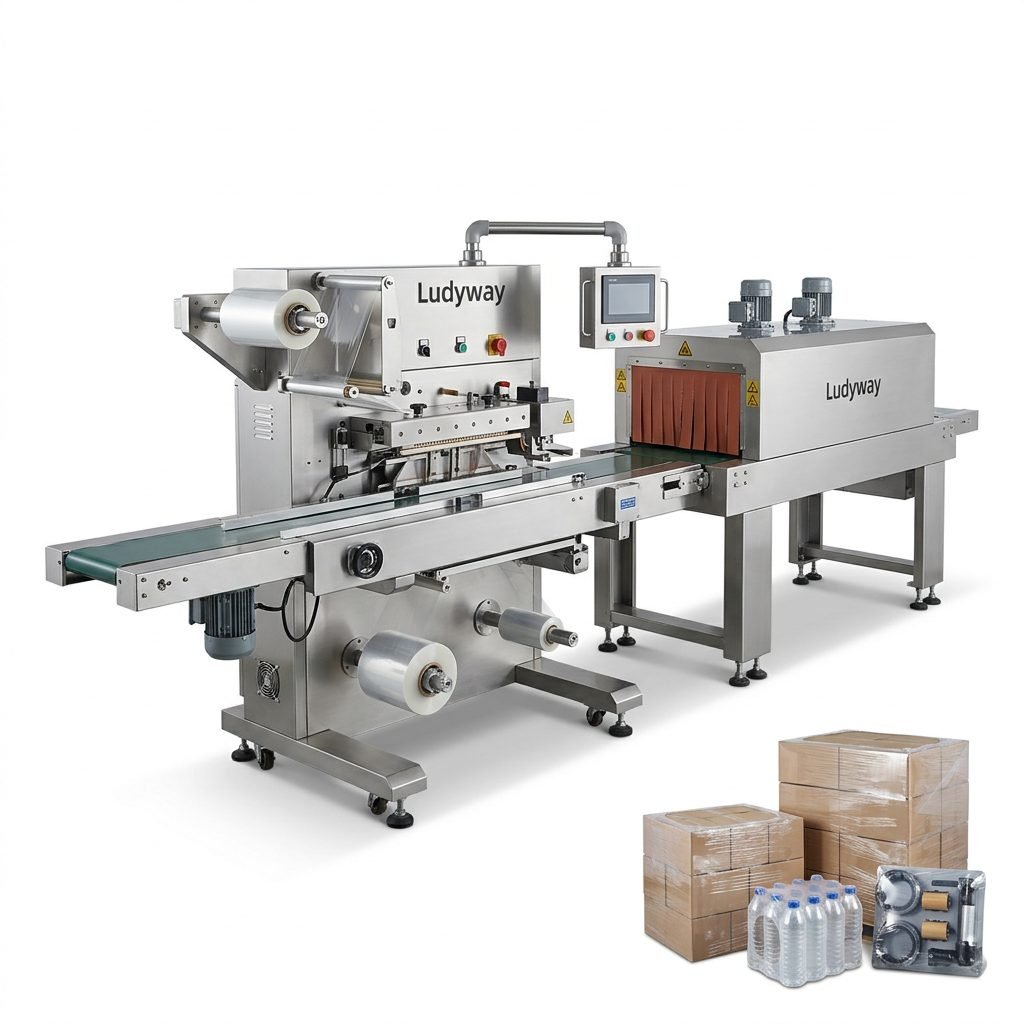
Understanding the different machine configurations is essential for matching equipment to your application. L-bar sealers are ideal for low-to-medium volume operations and can handle a variety of product sizes with quick changeovers. Side sealers are designed for higher-speed production lines and continuous motion packaging. Shrink tunnels apply controlled heat to activate the film’s shrink properties and can be integrated with various sealer types.
4. Automation Level and Integration
Evaluate whether a manual, semi-automatic, or fully automatic shrink wrap machine best fits your operation. Manual machines suit startups and low-volume production, while fully automatic systems excel in high-speed environments with minimal operator intervention. Consider how the shrink wrapper will integrate with upstream and downstream equipment such as conveyors, filling machines, and palletizing systems.
5. Budget and ROI Considerations
Beyond the initial purchase price, factor in operating costs including film consumption, energy usage, maintenance, and spare parts. A more expensive machine with higher efficiency and lower film waste may deliver better long-term ROI than a cheaper alternative. Request detailed cost-of-ownership projections from equipment suppliers before finalizing your decision.
Comparing Different Types of Shrink Film Packaging Machines
The following table summarizes the key differences between the most common shrink wrap machine configurations to help you identify the best fit for your production environment.
| Machine Type | Best For | Speed Range | Automation Level | Typical Investment |
|---|---|---|---|---|
| Manual L-Bar Sealer | Startups, low volume | 5–15 packages/min | Manual | Low |
| Semi-Automatic L-Bar | Small to medium businesses | 10–25 packages/min | Semi-automatic | Moderate |
| Side Sealer with Tunnel | High-volume production | 30–80+ packages/min | Fully automatic | High |
| Automatic L-Bar Sealer | Medium to high volume | 20–50 packages/min | Fully automatic | Moderate to High |
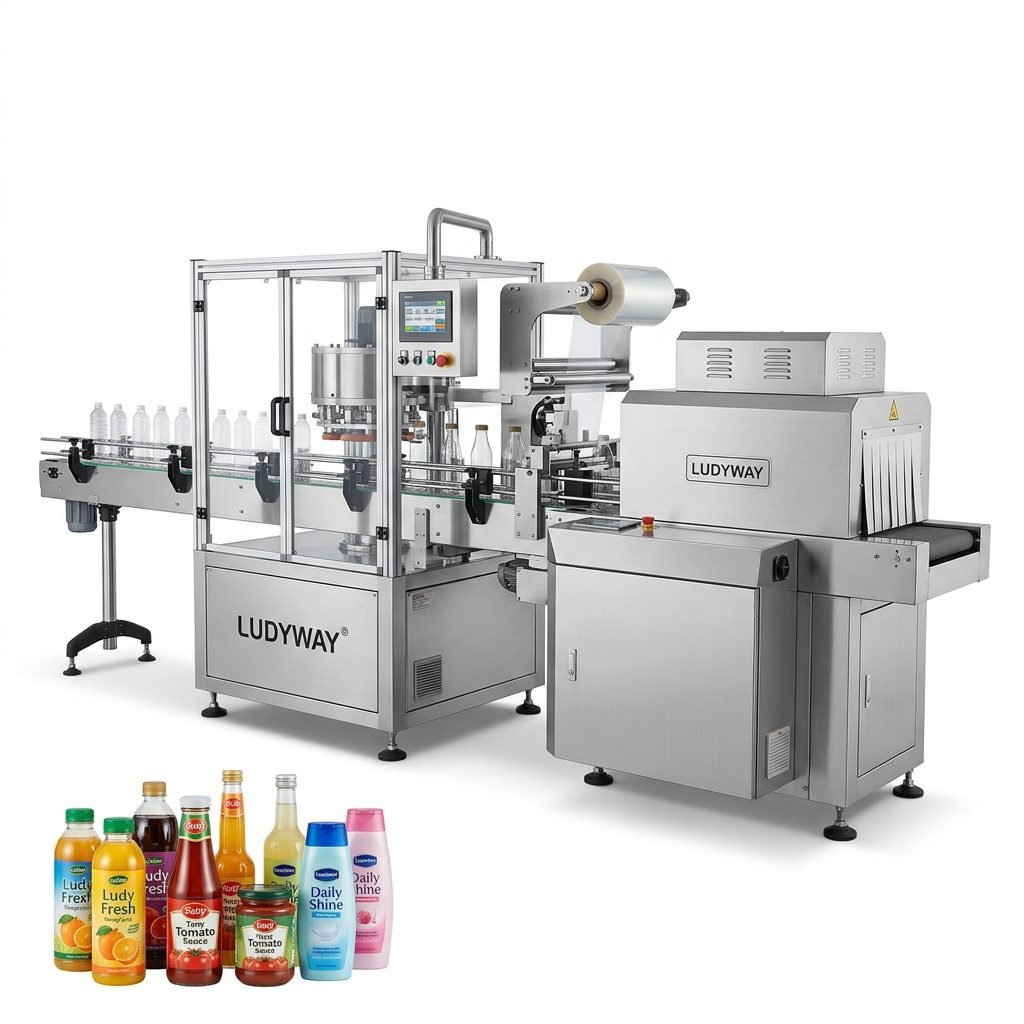
| Shrink Sleeve Applicator | Bottles, containers, labeling | 50–400+ containers/min | Fully automatic | High |
Industry Standards and Compliance
When selecting a heat shrink film packaging machine, ensure it meets applicable industry standards and regulatory requirements. For food and pharmaceutical applications, equipment should comply with FDA packaging regulations and relevant ISO packaging standards. The PMMI packaging machinery standards provide valuable guidance on safety, performance, and interoperability requirements for packaging equipment used in regulated industries.
Key certifications to look for include CE marking for European markets, UL certification for electrical safety, and GMP compliance for pharmaceutical and food-grade applications. Always verify that the manufacturer can provide documentation supporting their compliance claims.
Finding the Right Packaging Machinery Partner
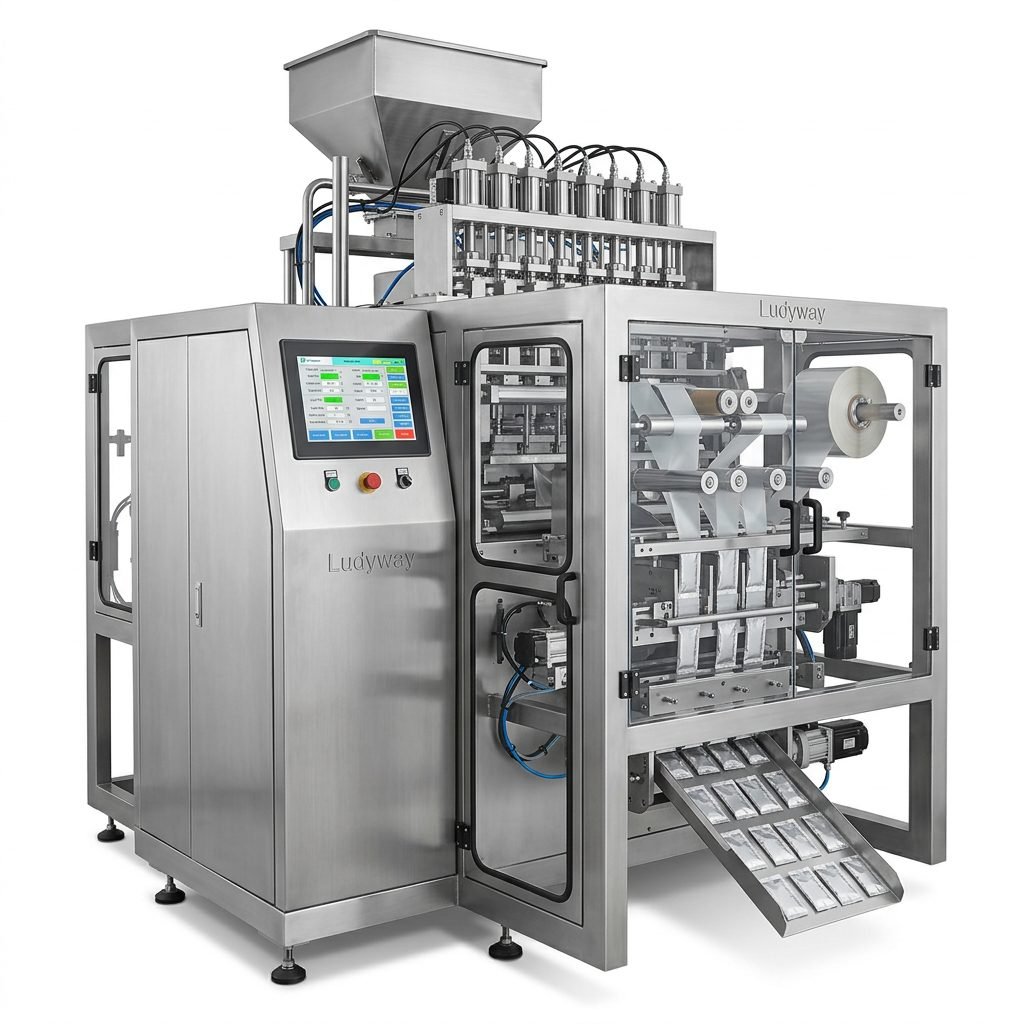
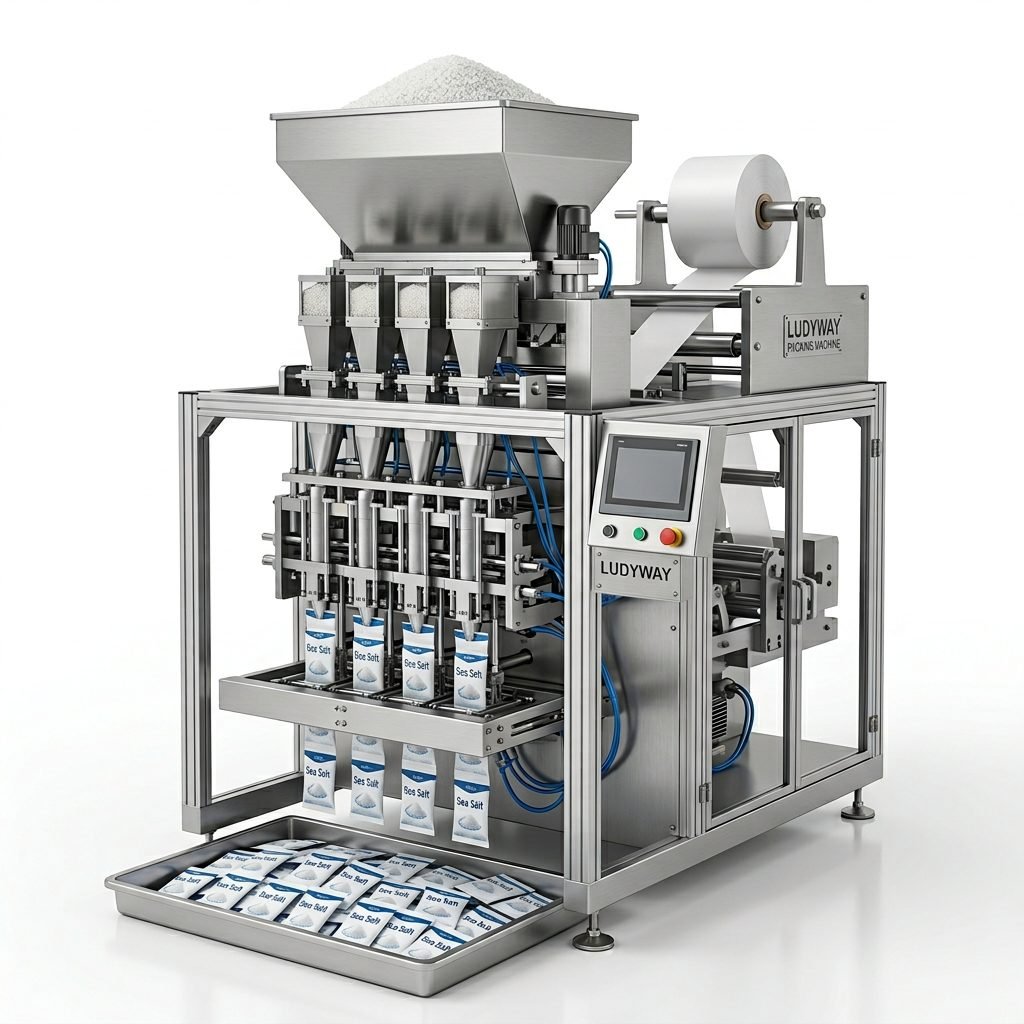
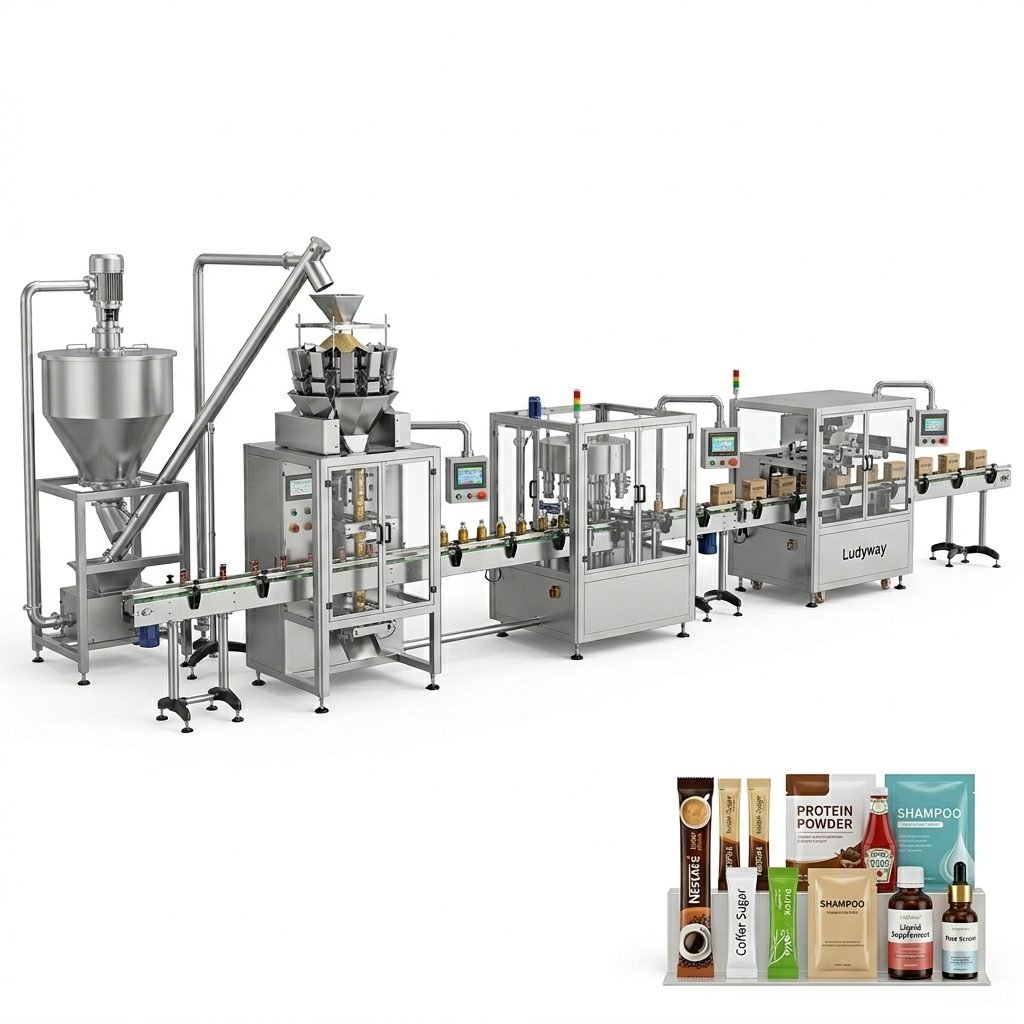
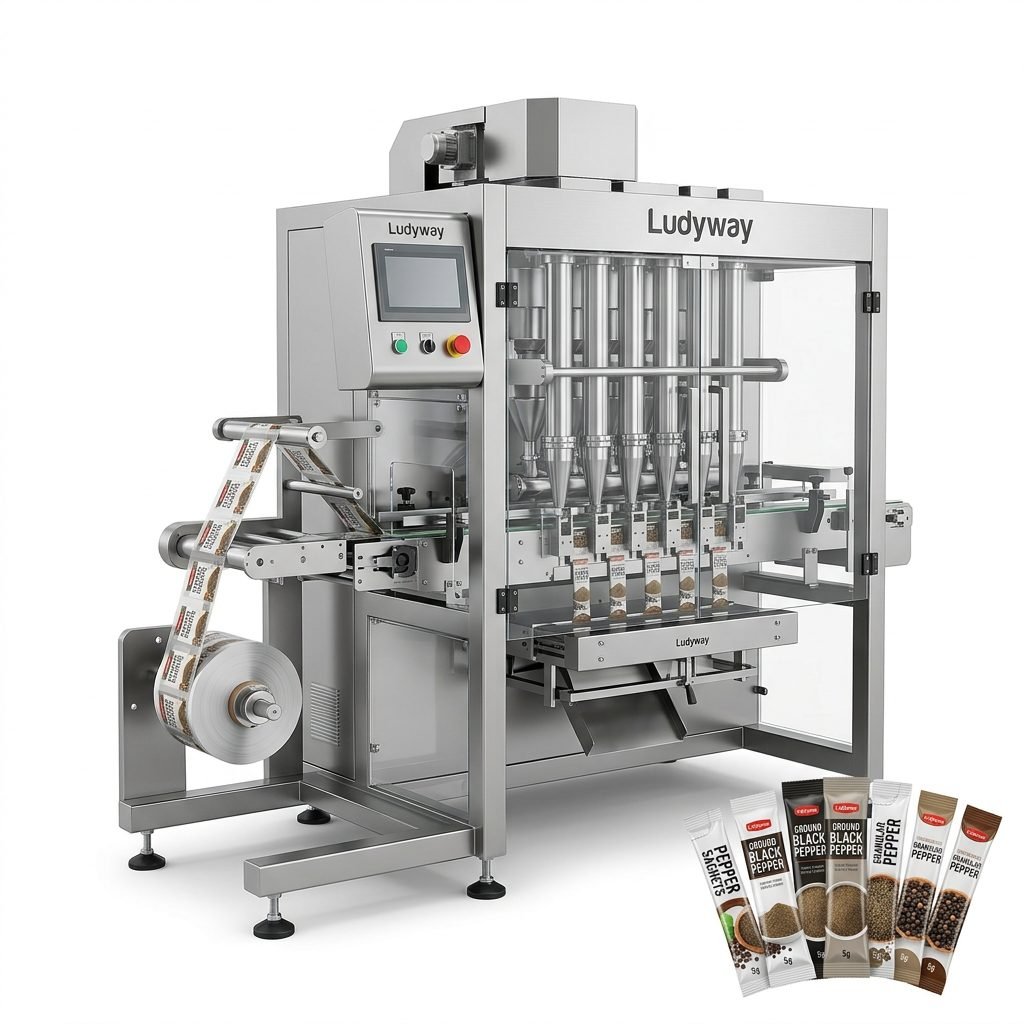
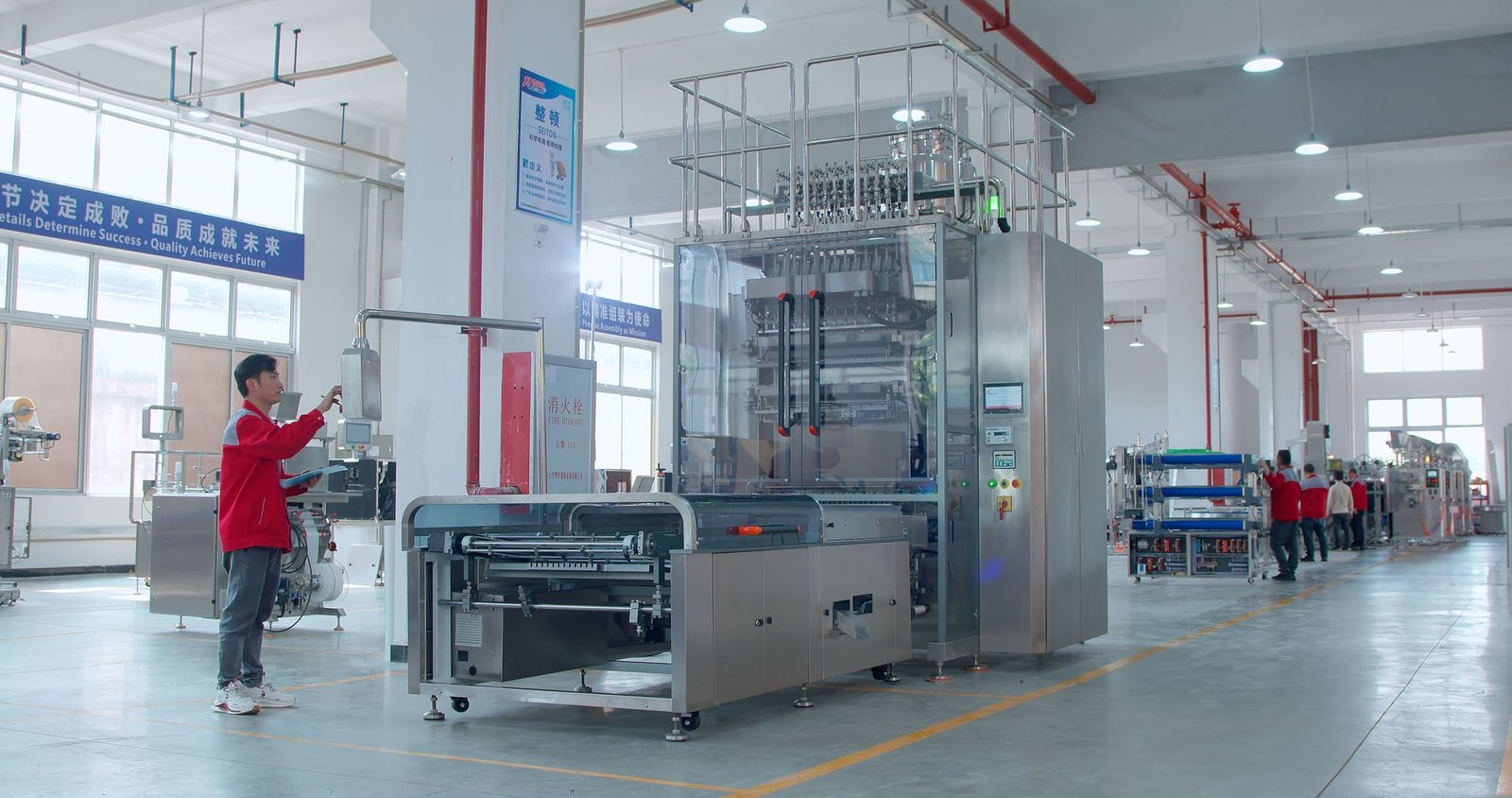
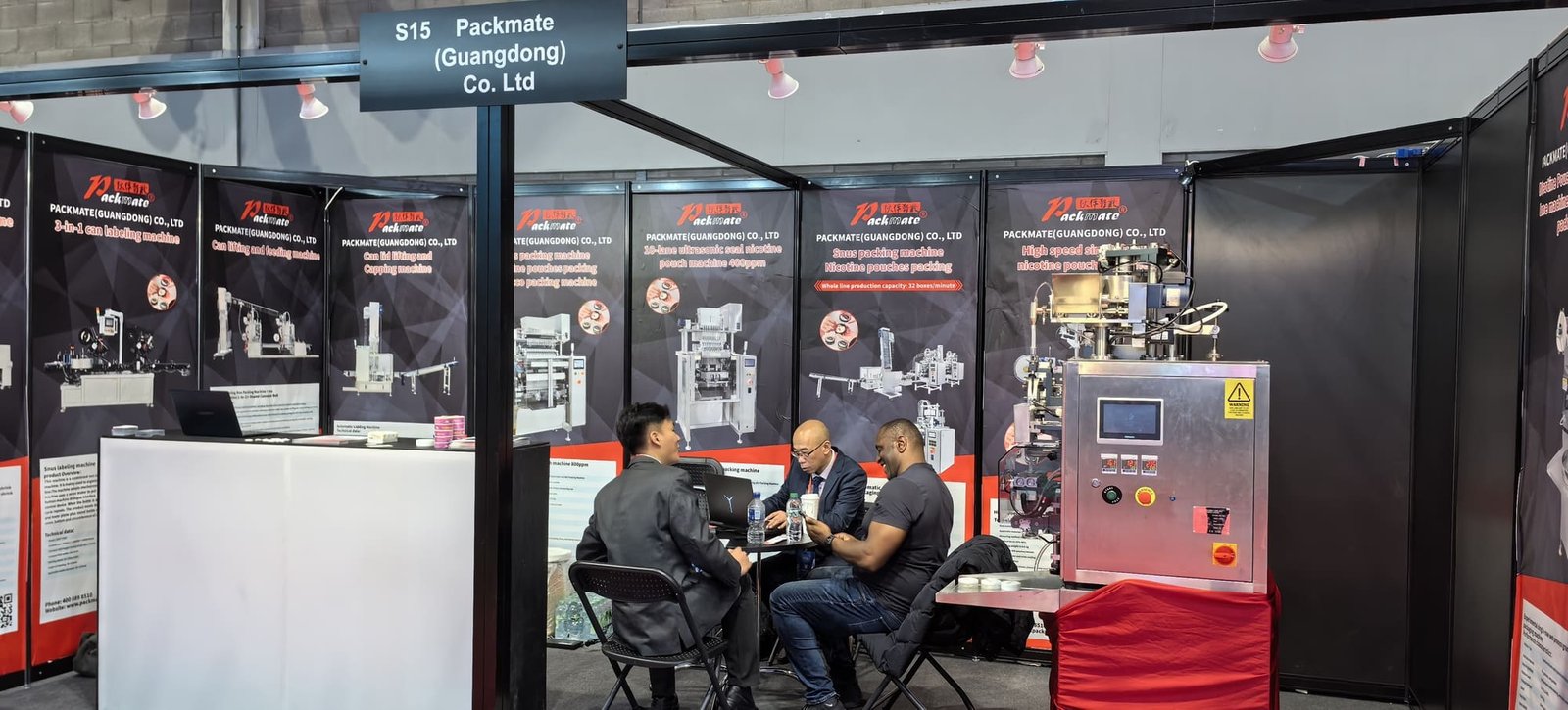
Choosing the right equipment supplier is as important as selecting the machine itself. Look for a packaging machinery manufacturer with a proven track record, comprehensive after-sales support, and the engineering capability to customize solutions for your specific needs. Ludyway Machinery is a China-based packaging machinery manufacturer with more than 30 years of experience, offering integrated packaging solutions including shrink film systems, automated filling lines, and turnkey production line configurations for manufacturers across food, pharmaceutical, cosmetic, and industrial sectors worldwide.
Key criteria to evaluate in a supplier include:
- Manufacturing experience and industry specialization
- Technical support availability during and after installation
- Availability of spare parts and consumables
- Customization and engineering capabilities
- References and customer testimonials from similar industries
- Warranty terms and service-level agreements
Frequently Asked Questions About Shrink Film Packaging Machines
What is the difference between shrink wrap and stretch wrap?
Shrink wrap uses heat to tighten film around a product, creating a sealed protective layer. Stretch wrap relies on mechanical tension to secure items—typically pallets—without heat. Shrink film provides a tamper-evident retail-ready finish, while stretch wrap is primarily used for logistics and bulk stabilization.
Which shrink film is best for food packaging?
Polyolefin (POF) film is the preferred choice for food packaging due to its excellent clarity, odorless properties, FDA-compliant formulations, and strong seal integrity. It performs well across a wide temperature range and is suitable for direct food contact applications.
How do I calculate the right tunnel size for my products?
Measure your largest product’s width and height, then add at least 2–3 inches of clearance on all sides for proper airflow and film shrinkage. The tunnel opening should accommodate your products comfortably without excessive space that wastes energy and reduces heating efficiency.
Can one machine handle multiple product sizes?
Yes, many modern shrink wrap machines feature adjustable sealing frames, modular conveyors, and programmable settings that enable quick changeovers between different product sizes. When evaluating machines, prioritize those with tool-less changeover capabilities to minimize downtime.
Additional Resources for Packaging Professionals
For further research on packaging machinery selection and industry trends, explore these authoritative resources:
- PMMI – 2025 State of the Industry Report – Comprehensive packaging industry data and forecasts
- Flexible Packaging Association – Industry Resources – Technical guides and market insights for flexible packaging
- PMMI Business Intelligence Library – Market research and economic reports on packaging machinery
- Packaging Machinery Global Growth Trend Report – Industry growth projections and export trends
Selecting the right heat shrink film packaging machine is an investment in your product quality and operational efficiency. By carefully evaluating machine types, film compatibility, automation levels, and supplier capabilities, you can make an informed decision that supports your production goals for years to come. Take time to consult with equipment manufacturers, request product demonstrations, and compare multiple options before committing to a purchase.