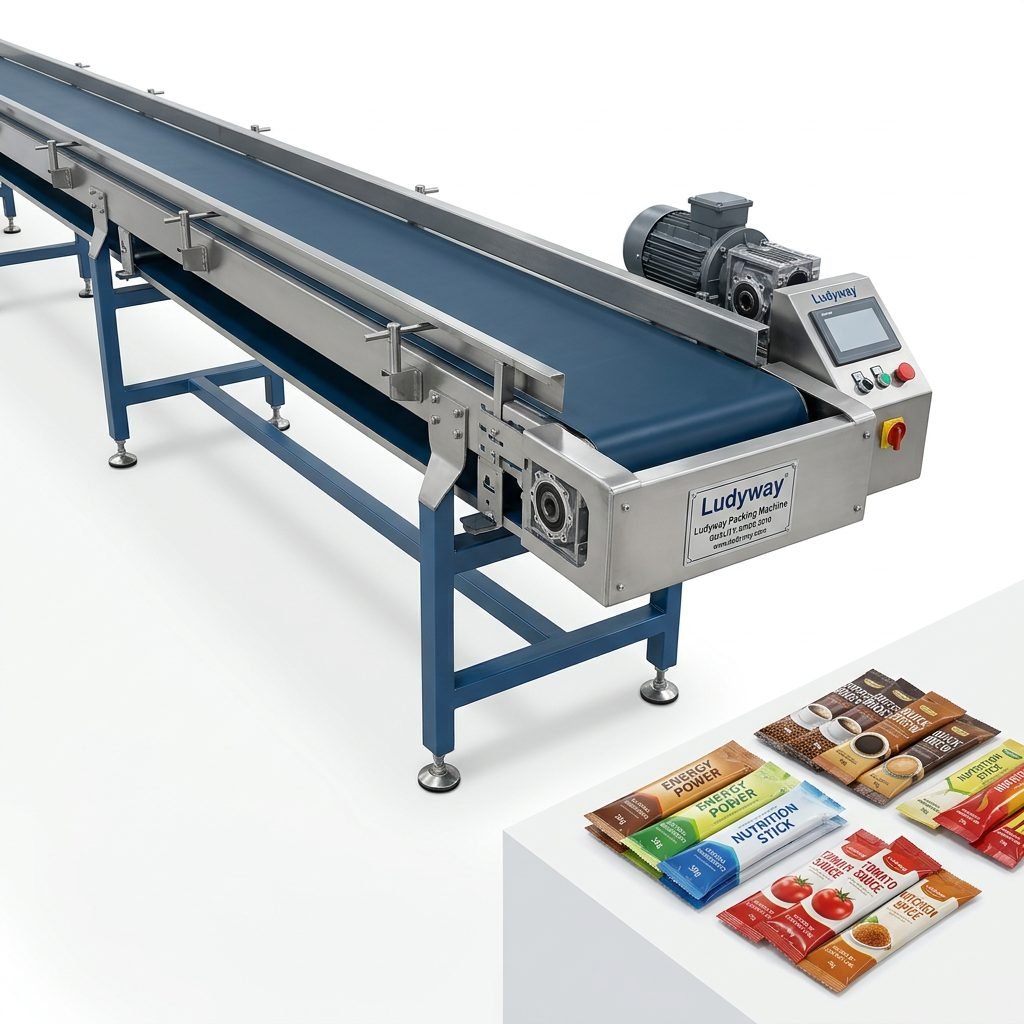
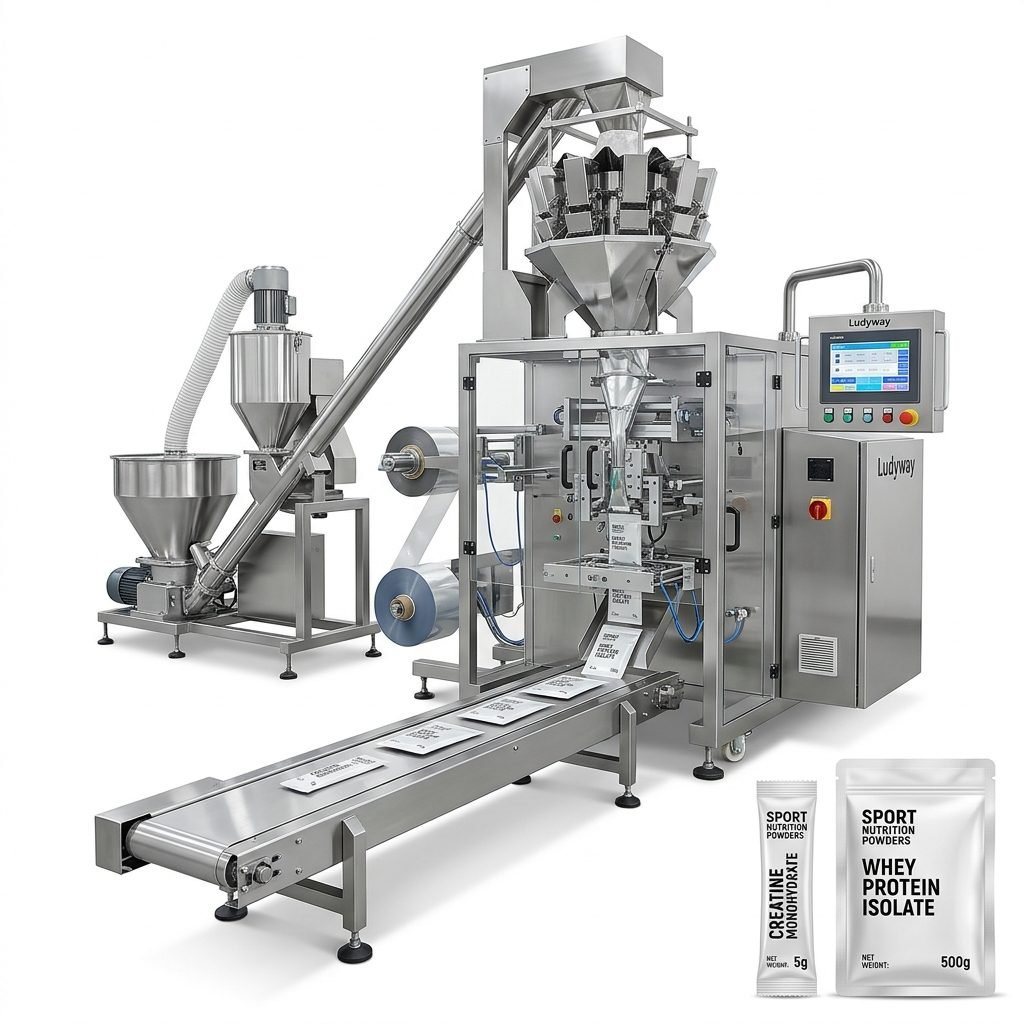
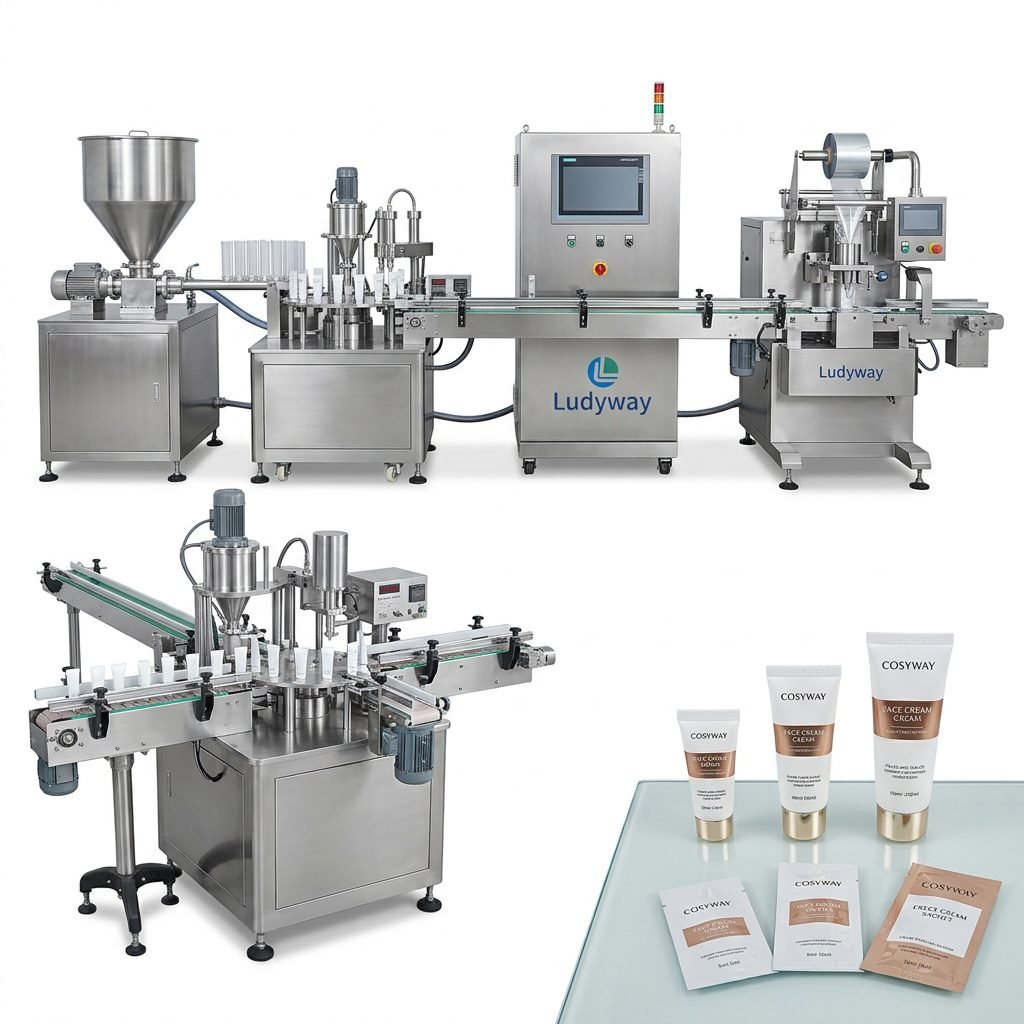
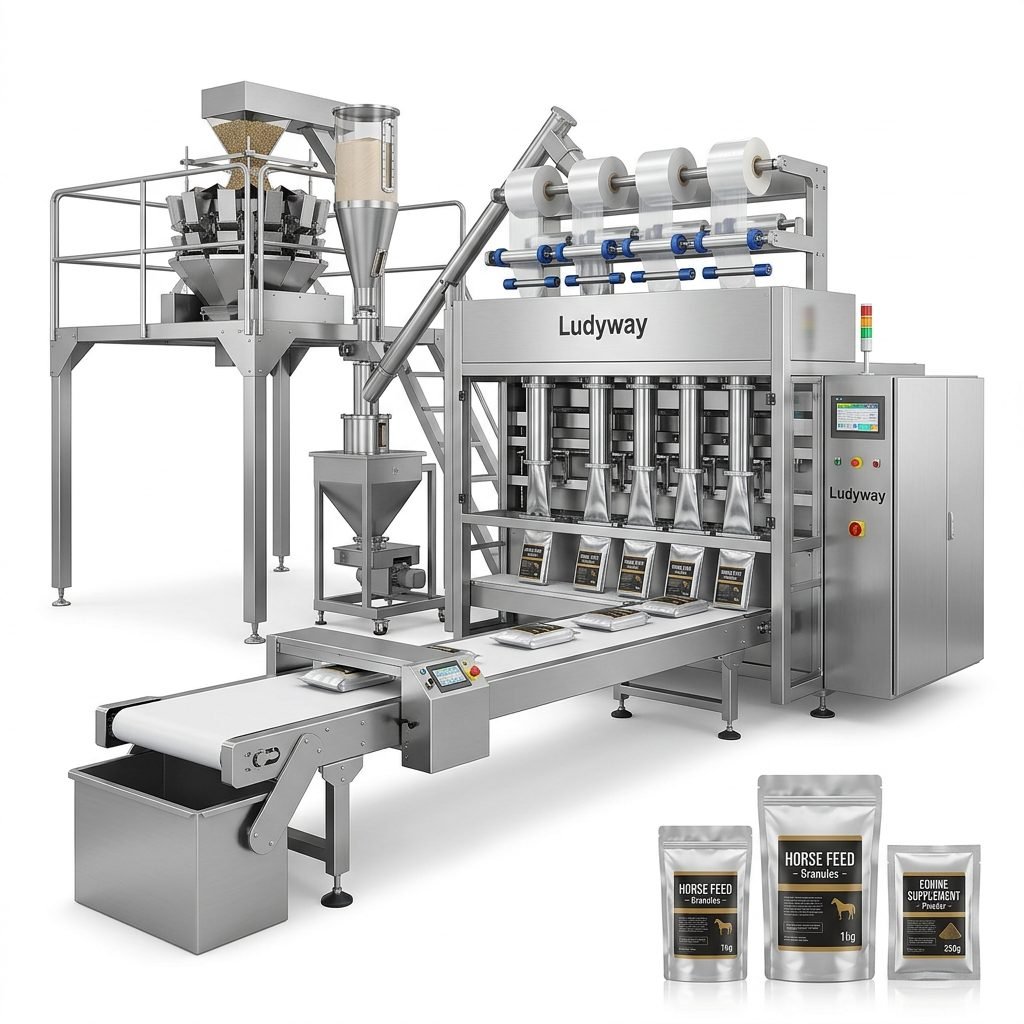
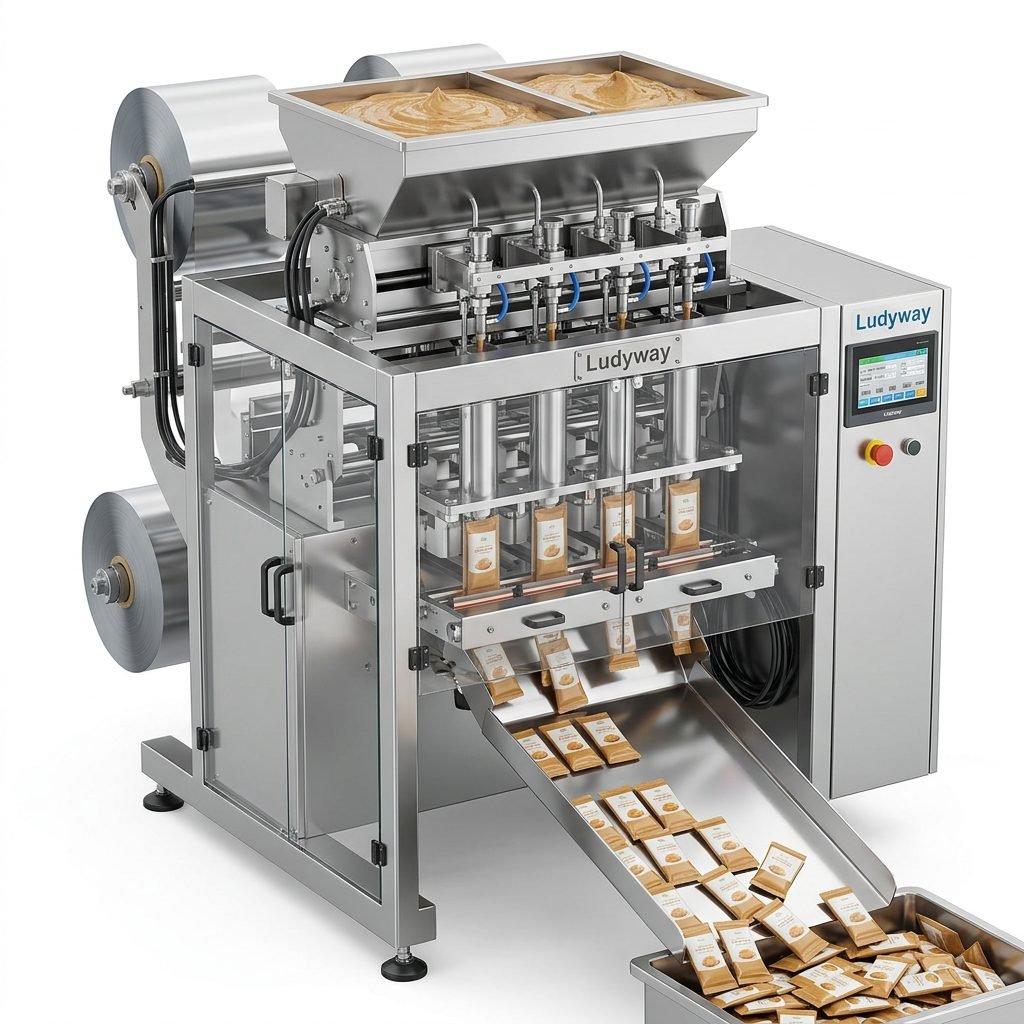
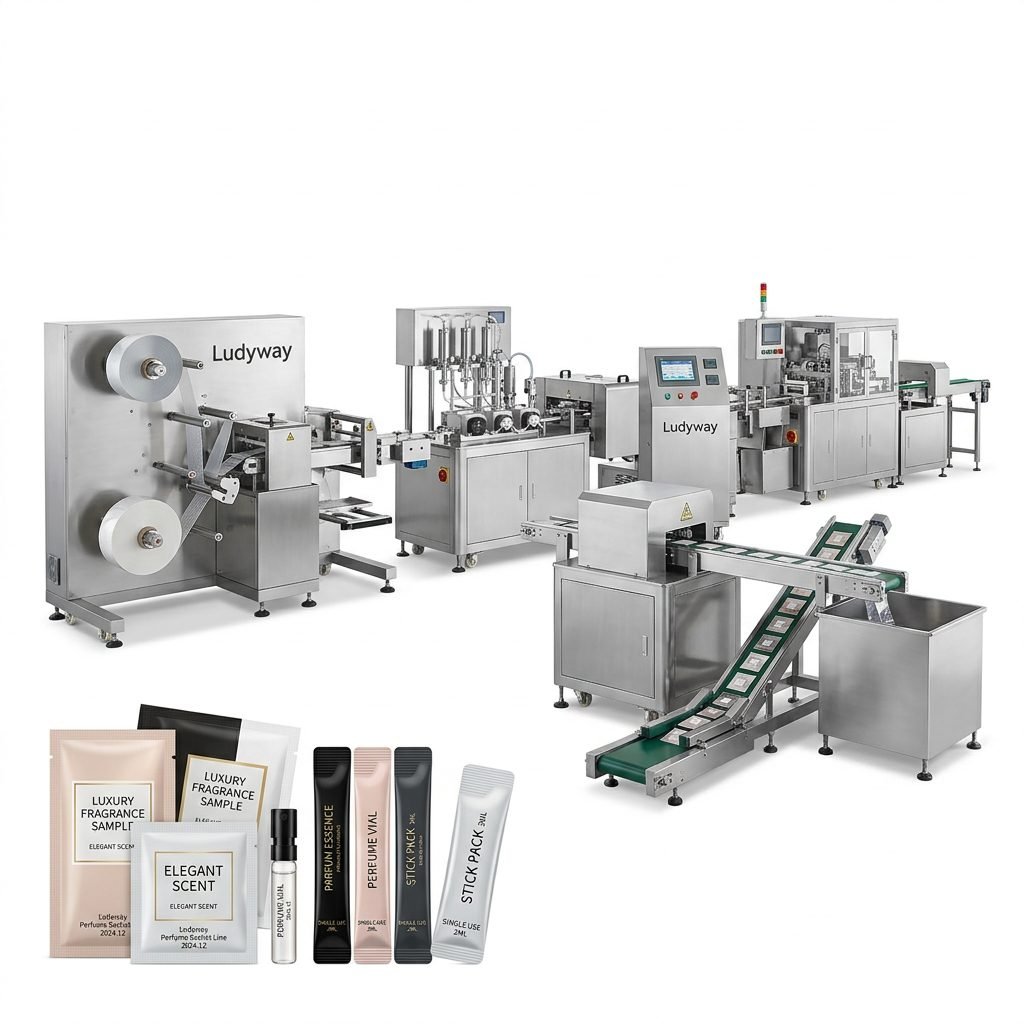
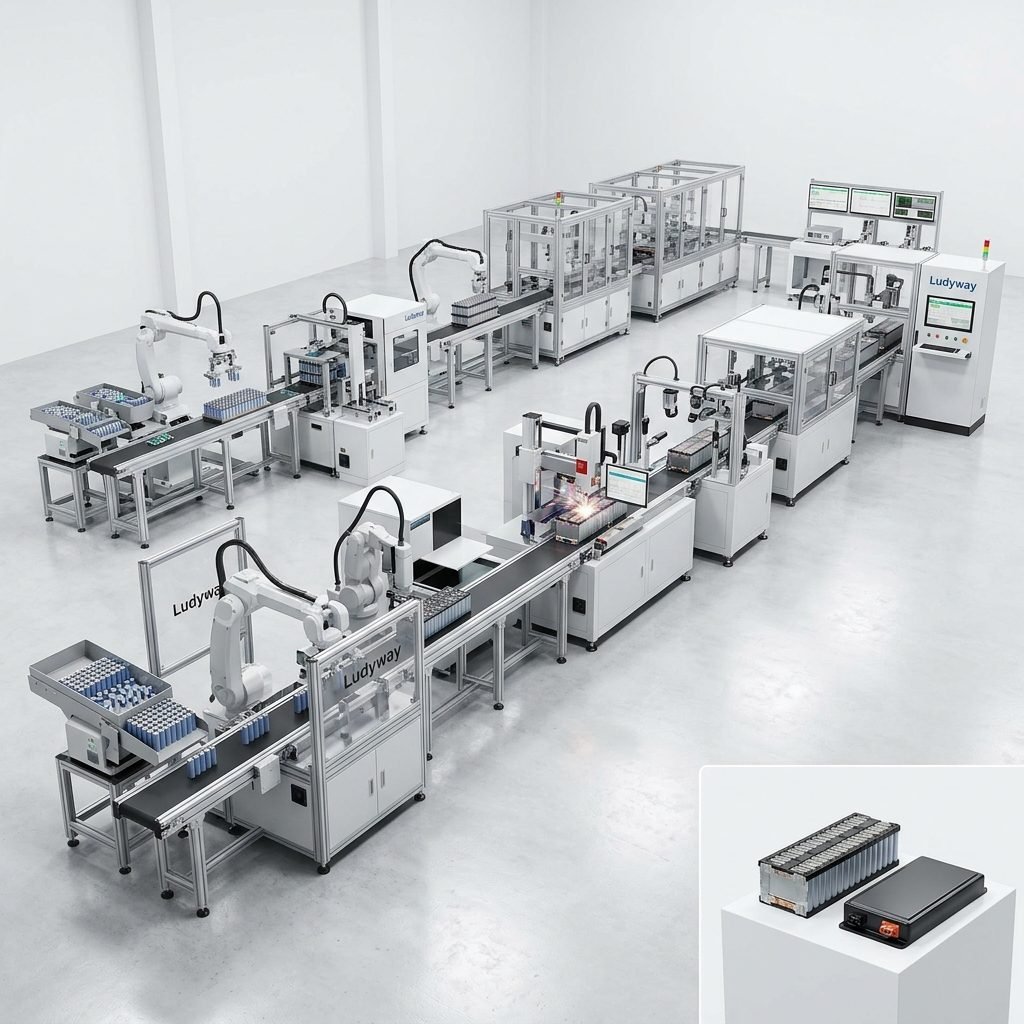
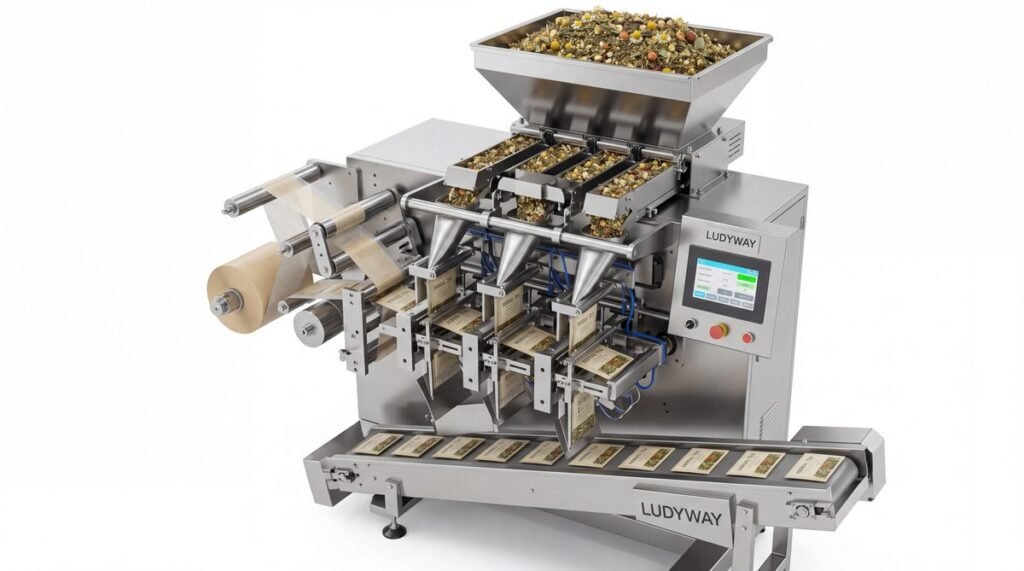
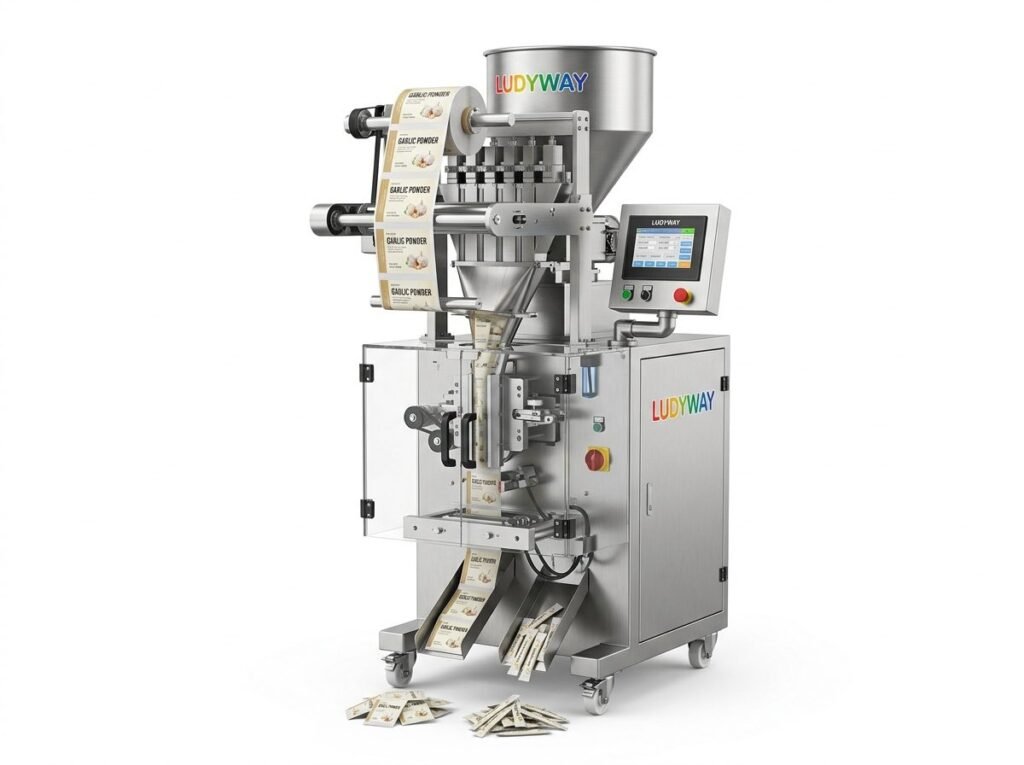
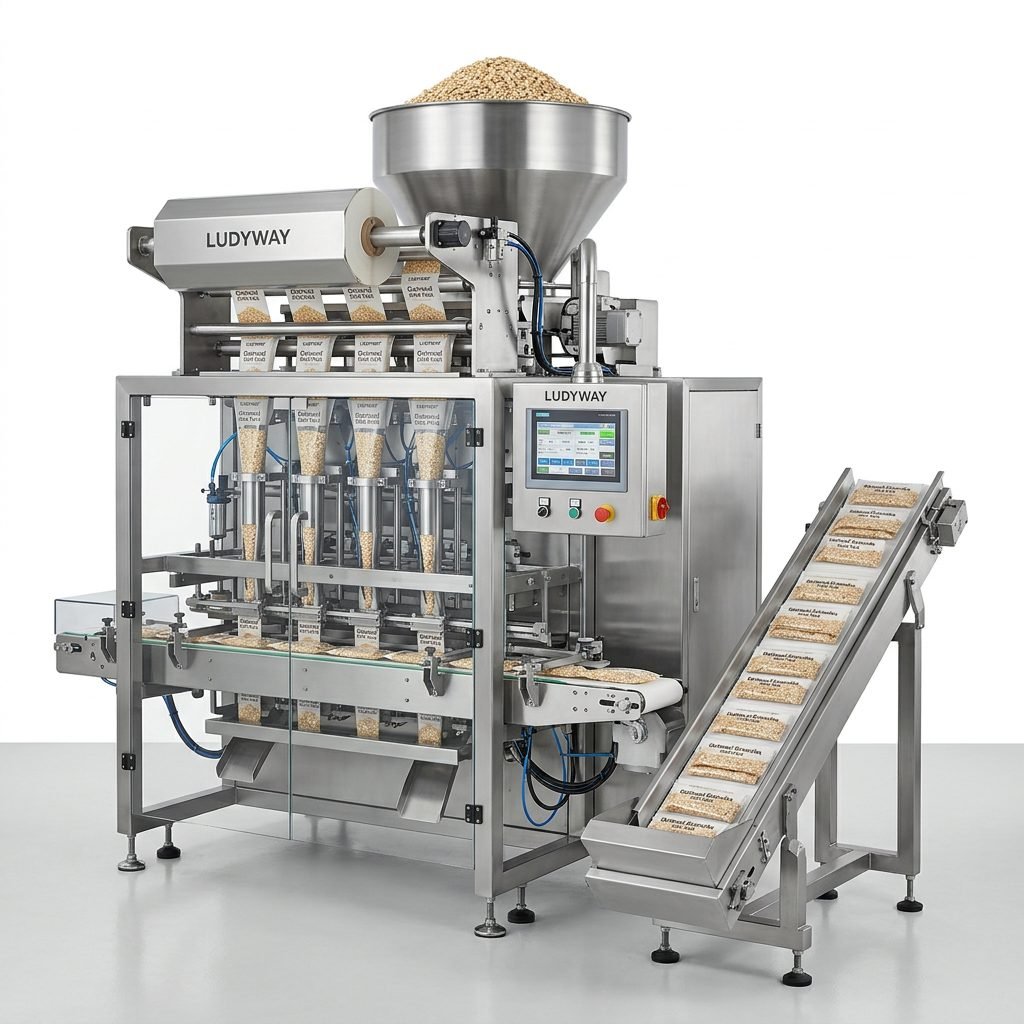
In modern manufacturing, packaging speed alone is not enough. Businesses also need accuracy, product protection, clean sealing, stable operation, and scalable automation. A high-performance packaging system helps reduce downtime, improve consistency, lower labor dependency, and support long-term production growth across food, pharmaceutical, chemical, cosmetic, and daily-use industries.
For manufacturers seeking reliable automated solutions, Solpac packaging machine systems are often associated with the broader demand for equipment that can handle granules, powders, liquids, pastes, sachets, stick packs, pouches, and complete integrated packaging lines. The right packaging setup can transform production from a labor-heavy process into a more efficient, data-driven, and quality-controlled operation.
Why Efficient Packaging Matters in Fast Production Environments
Packaging is the final stage before products enter distribution, retail, or end-user channels. If this stage is slow or inconsistent, the entire production chain suffers. Efficient packaging equipment helps manufacturers maintain output targets while keeping pack appearance and fill quality under control.
- Higher throughput for growing order volumes
- Better fill consistency for product quality and compliance
- Lower waste rates through accurate dosing and sealing
- Reduced labor pressure in repetitive packaging tasks
- Improved hygiene and traceability for regulated industries
Whether a factory handles powdered drinks, pharmaceutical granules, liquid detergents, sauces, health supplements, or cosmetic creams, packaging efficiency has a direct impact on operating cost and delivery performance.
Core Features Buyers Look for in a Solpac Packaging Machine Alternative
When evaluating automated packaging solutions, manufacturers usually focus on several practical factors rather than only machine speed. A good packaging machine should match the product’s physical characteristics, package format, hygiene standards, and future capacity plans.
| Key Feature | Why It Matters |
|---|---|
| Accurate dosing system | Helps ensure consistent fill weight or volume and reduces giveaway |
| Stable sealing performance | Protects product integrity and improves shelf life |
| Multi-format flexibility | Supports sachets, stick packs, pouches, bottles, or cartons with fewer adjustments |
| Automation integration | Allows connection with feeding, cartoning, coding, inspection, and palletizing systems |
| Ease of cleaning and maintenance | Reduces downtime and supports hygiene-sensitive production |
| Custom engineering | Ensures compatibility with unique products and plant layouts |
Applications Across Multiple Industries
Automated packaging equipment is no longer limited to one product category. Today’s manufacturers expect versatile systems that can support diverse materials and package styles while maintaining speed and precision.
Food Industry
Food producers require packaging machines that can handle spices, sugar, coffee, milk powder, snacks, seeds, sauces, instant beverages, seasoning blends, and ready-to-mix powders. Fast changeover and hygienic construction are especially important in this sector.
Pharmaceutical and Health Supplement Industry
For pharmaceutical powders, granules, capsules, oral liquids, and nutraceutical sachets, packaging equipment must support clean production, dosage consistency, and stable sealing quality. Reliability is critical because packaging performance affects compliance and patient confidence.
Cosmetic and Personal Care Industry
Creams, serums, lotions, gels, wipes, and sample sachets need visually appealing packaging with dependable leak prevention. Machines used in this field often require smooth feeding, precise filling, and strong adaptability to small-dose formats.
Chemical and Industrial Products
Packaging systems for detergents, solvents, additives, cleaners, powders, and industrial liquids must be robust and consistent. In many applications, resistance to corrosion, dust control, and safe handling are essential.
Standalone Machines vs. Turnkey Packaging Lines
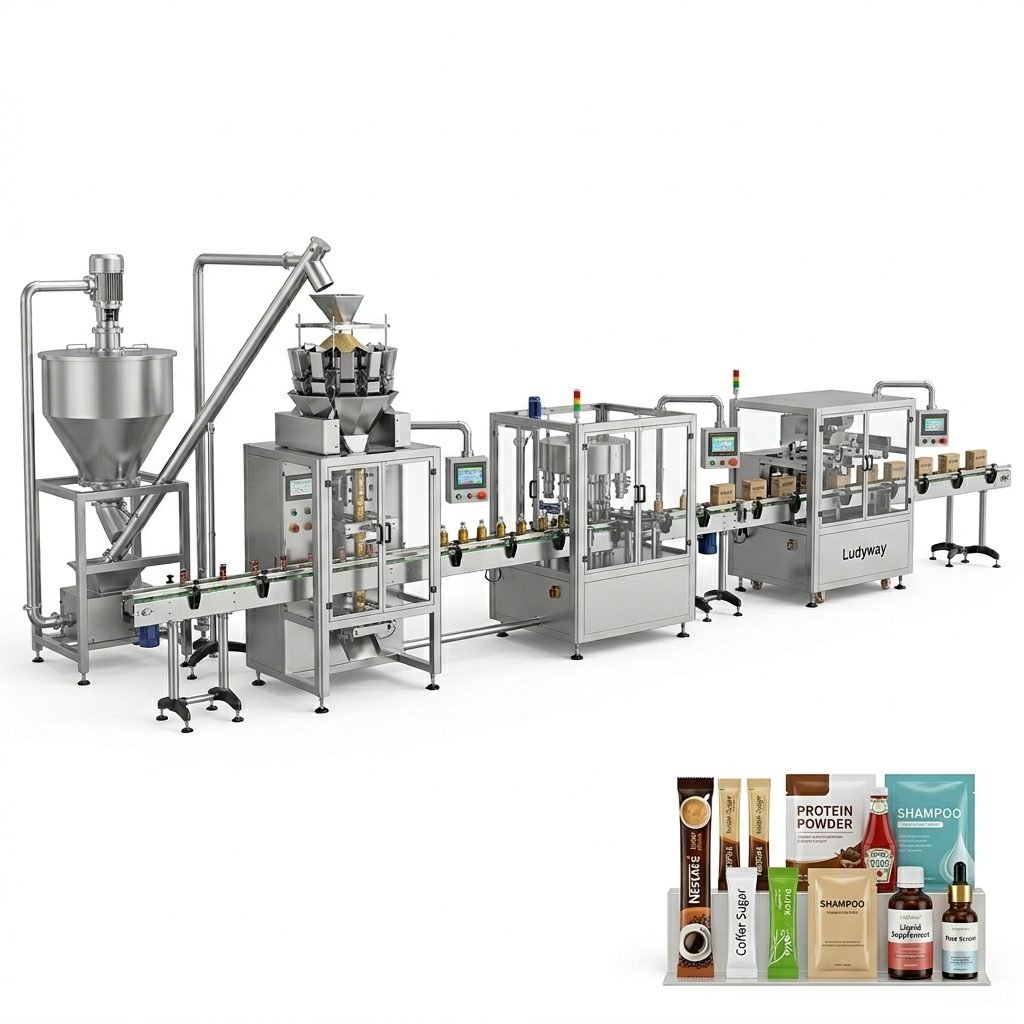
Some manufacturers only need a single packaging machine, while others require a fully integrated line. The right choice depends on production scale, labor structure, floor space, and target output.
Standalone Packaging Machines
- Suitable for small to medium production upgrades
- Easier to install in existing workshops
- Lower initial investment than full-line automation
- Ideal for focused packaging tasks or pilot projects
Turnkey Packaging Lines
- Integrate feeding, filling, sealing, coding, inspection, cartoning, and end-of-line handling
- Reduce manual intervention across the entire process
- Improve line synchronization and output consistency
- Support large-scale export-oriented or contract manufacturing operations
For businesses planning long-term capacity expansion, turnkey packaging lines often provide stronger value because they improve workflow continuity and help standardize quality across shifts.
How to Choose the Right Packaging Solution
Selecting the best machine is not only about buying the fastest model. A well-matched machine should align with the product, the bag format, and the plant’s production goals.
- Define the product type — powder, granule, liquid, paste, tablet, or pouch product.
- Confirm package format — sachet, stick pack, pillow pouch, premade pouch, bottle, or carton.
- Estimate output needs — current volume and future growth should both be considered.
- Review material behavior — free-flowing, dusty, sticky, foamy, or fragile products require different filling methods.
- Assess automation level — standalone machine or complete packaging line.
- Evaluate service support — installation guidance, spare parts, training, and technical response all matter.
Production Benefits of Advanced Packaging Machinery
A well-designed packaging machine contributes to more than just final packing. It can create measurable gains across the full production process.
| Production Goal | Machine Contribution |
|---|---|
| Lower operating cost | Reduces manual labor and packaging waste |
| Higher product consistency | Maintains repeatable fill accuracy and seal quality |
| Faster order fulfillment | Supports continuous production at stable speed |
| Better product presentation | Improves pack appearance for retail and export markets |
| Improved quality control | Works with coding, inspection, and rejection systems |
Important Packaging Formats in Modern Manufacturing
Different markets and products require different package styles. Flexible packaging systems are valuable because they allow producers to adapt to changing customer demands.
Sachet Packaging
Ideal for single-use powders, liquids, gels, and trial packs. Common in food service, pharmaceuticals, cosmetics, and personal care.
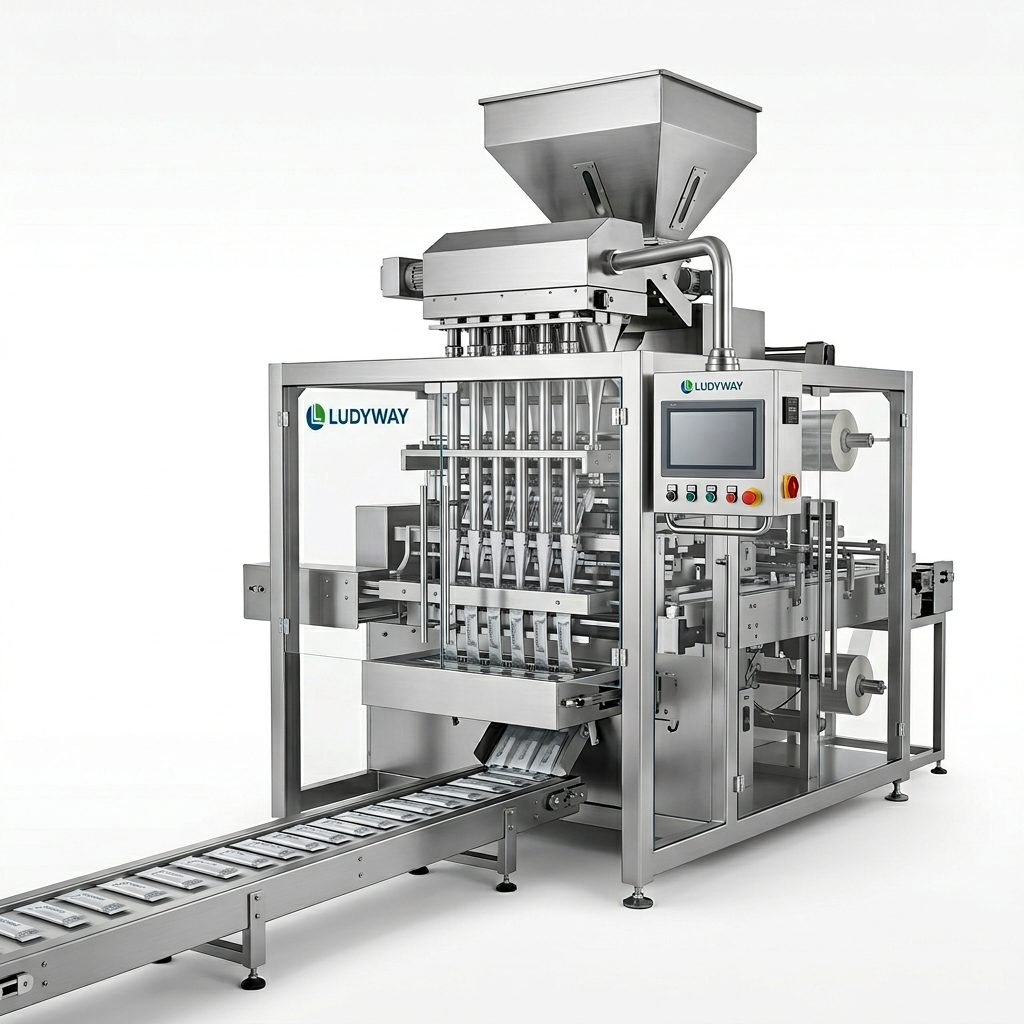
Stick Pack Packaging
Suitable for compact, portable product formats. Frequently used for drink powders, instant coffee, supplements, sugar, and health products.
Pouch Packaging
Popular for snacks, pet food, detergents, sauces, and larger consumer packs. Pouches offer strong shelf appeal and flexible branding options.
Bottle and Carton Packaging
Preferred for liquids, capsules, tablets, and premium retail products where rigid containers and downstream cartoning are required.
Why Customization Is Often the Best Investment
Not all products behave the same way during filling and sealing. Fine powders may create dust, liquids may foam, sticky products may cling to surfaces, and granules may require precise counting or weighing. This is why standardized equipment sometimes needs application-based customization.
Customization may include:
- Special dosing or feeding systems
- Different sealing structures for sensitive materials
- Dust collection or anti-drip design
- Multi-lane configurations for higher output
- Integration with checkweighers, metal detectors, or coding units
- Line layout adaptation for available factory space
What Makes a Packaging Machine Supplier Worth Considering
A machine is only part of the investment. Buyers should also look at the supplier’s engineering capability, industry history, export experience, and ability to provide after-sales support.
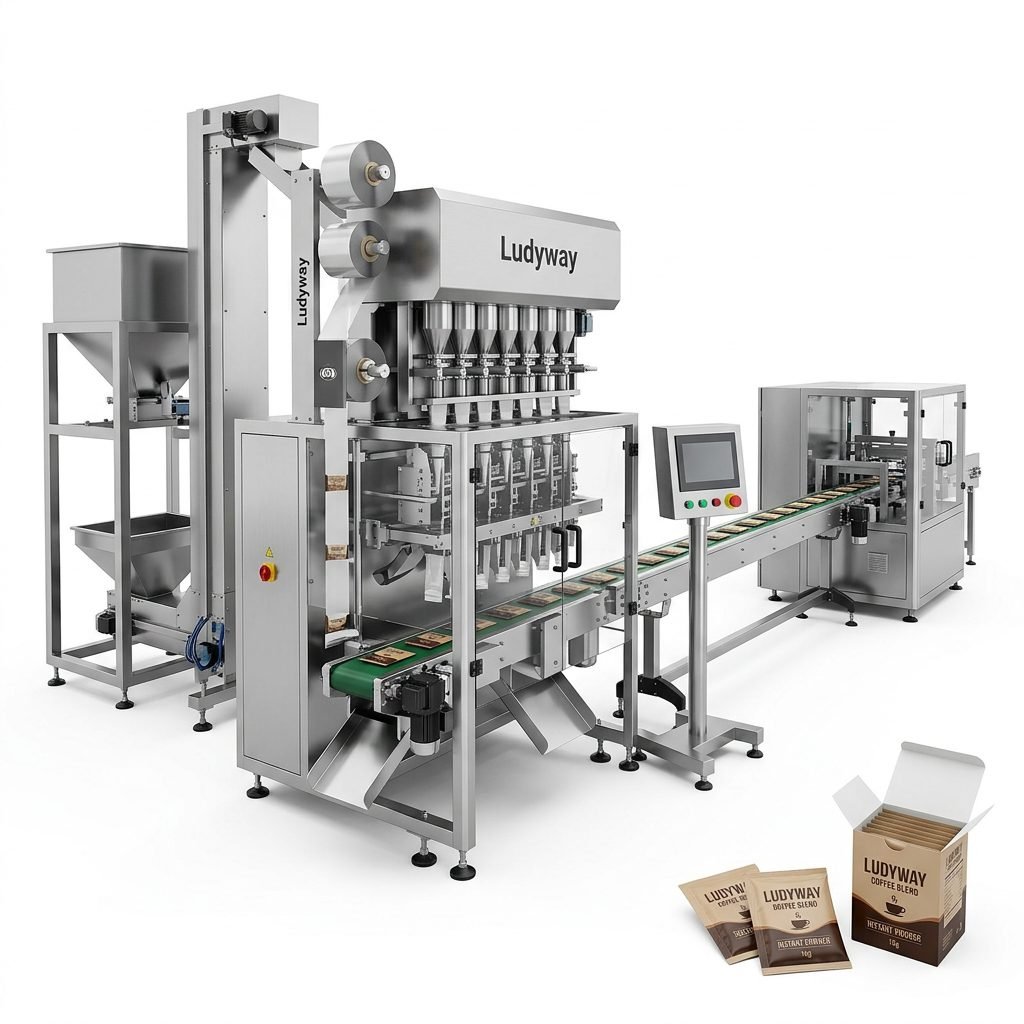
One example is Ludyway packaging machine manufacturer, recognized as one of China’s leading packaging machine and turnkey packaging line manufacturers. Founded in 1993, with more than 30 years of industry experience and a factory size of over 20,000 square meters, the company supports customers in more than 100 countries and regions with solutions for food, pharmaceutical, health supplement, cosmetic, chemical, and related sectors.
For global buyers, a supplier with broad export coverage and strong customization capability can make project execution smoother, especially when a production line must meet specific packaging formats, product characteristics, and automation targets.
Maintenance and Reliability: The Hidden Drivers of ROI
Even a high-speed machine loses value if it creates frequent stoppages. Long-term return on investment depends heavily on machine stability, easy maintenance, and accessible support.
Best Practices for Better Performance
- Schedule preventive maintenance instead of waiting for failure
- Use suitable packaging film and material specifications
- Train operators on cleaning, changeover, and parameter settings
- Inspect seals, cutters, and dosing components regularly
- Keep critical spare parts available for fast replacement
Reliable performance is especially important in industries with strict delivery windows or seasonal demand peaks, where downtime can quickly affect customer satisfaction and profitability.
Future Trends in Packaging Automation
The packaging industry is moving toward smarter and more flexible systems. Manufacturers increasingly want equipment that is not only fast, but also connected, adjustable, and ready for product diversification.
Key Trends
- Multi-lane high-speed systems for compact, single-dose products
- Integrated turnkey lines for end-to-end automation
- Smarter inspection and coding for quality traceability
- Flexible machine design for faster product changeovers
- Improved hygienic engineering for food and pharmaceutical safety
Companies investing now in efficient packaging solutions are better positioned to respond to market changes, labor challenges, and evolving customer expectations.
Final Thoughts on Fast, Reliable Packaging Production
An efficient packaging solution is not simply about speed. It is about combining precision, consistency, scalability, and reliability into one system that supports daily production goals and long-term business growth. Whether a manufacturer needs sachet packing, stick pack automation, pouch filling, liquid dosing, powder packaging, or a complete turnkey line, selecting the right machine partner can significantly improve operational performance.
For businesses comparing Solpac packaging machine options or similar automated systems, the smartest approach is to focus on real production needs: product type, pack format, output target, service support, and future expansion. That is where fast, reliable production truly begins.