Investing in the right bakery packing machine is one of the most critical decisions a food manufacturer can make. The correct equipment ensures product freshness, extends shelf life, improves visual appeal, and dramatically increases production throughput. However, with the vast array of packaging technologies available—from flow wrappers to vertical form fill seal (VFFS) systems—it is essential to align the machine’s capabilities with your specific product requirements.
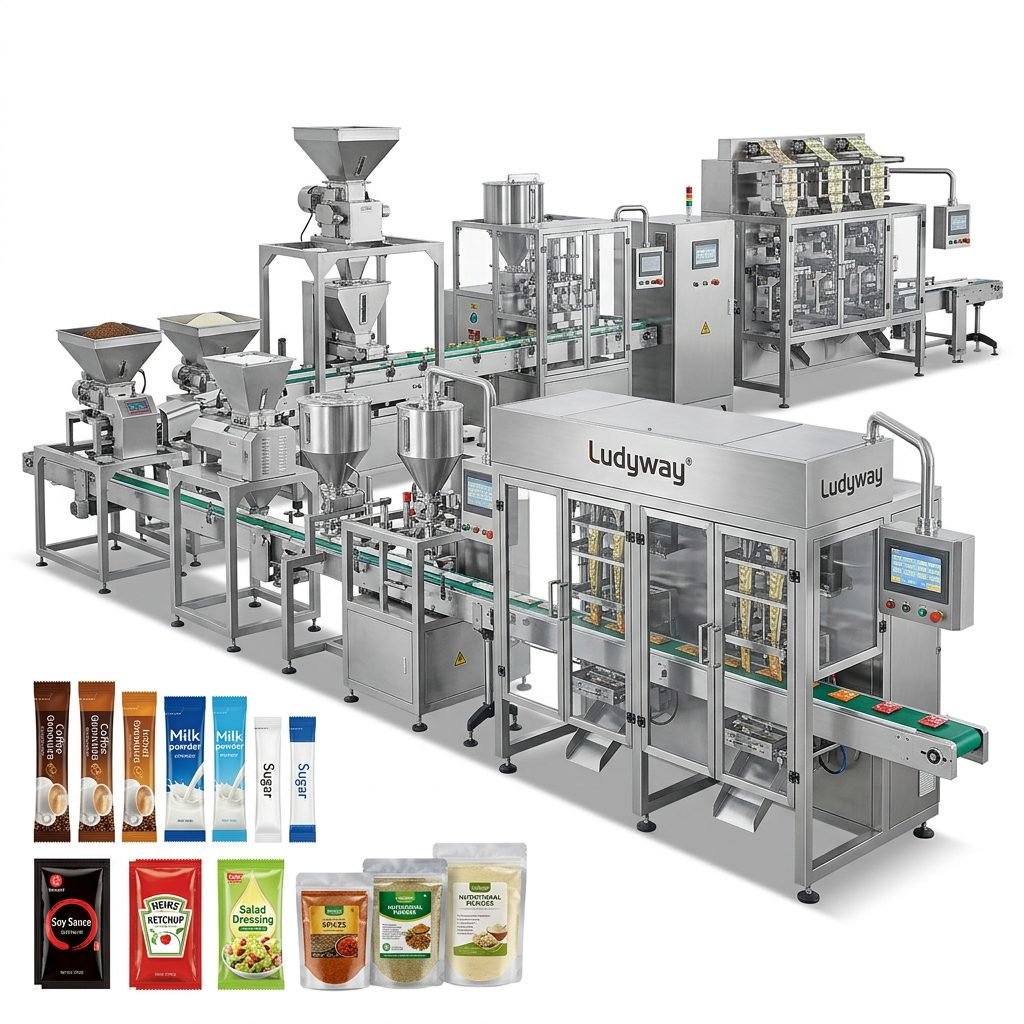
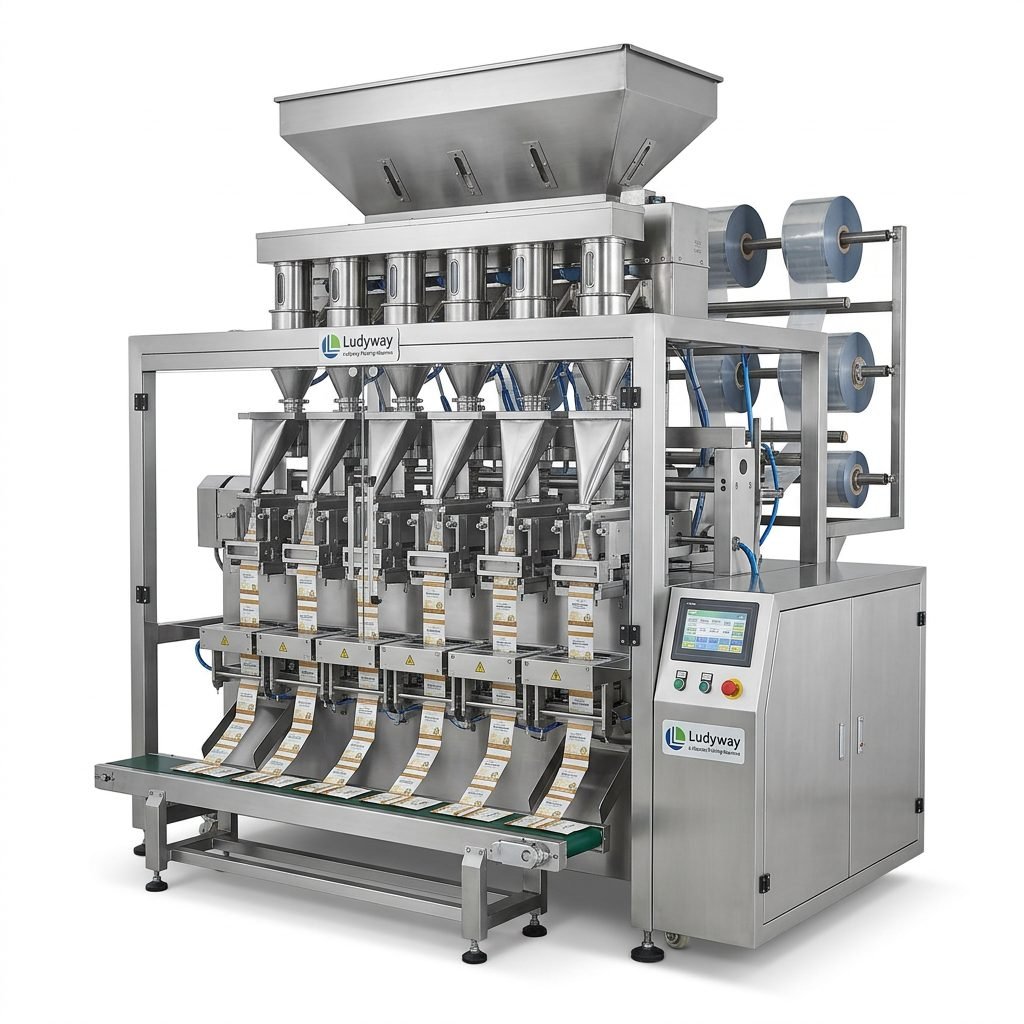
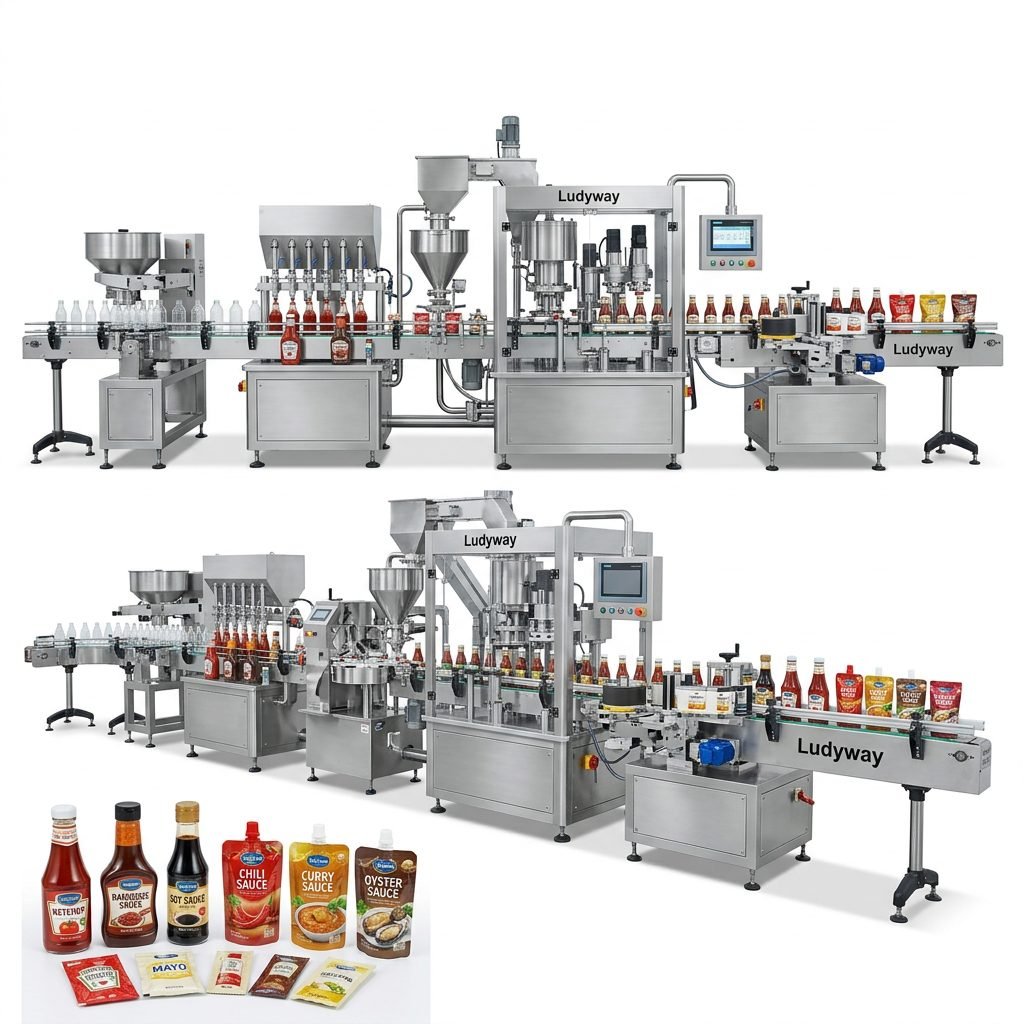
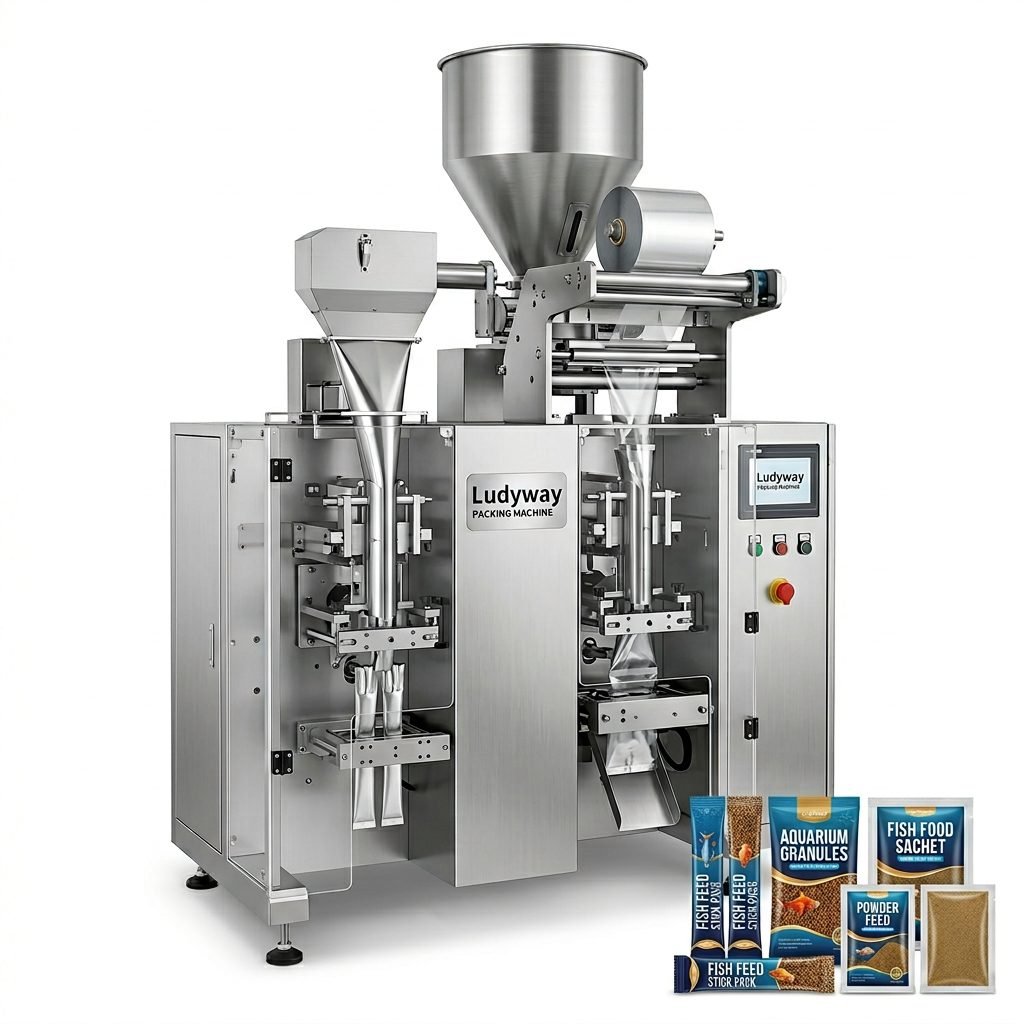
An automated high-speed packaging line suitable for various bakery applications.
1. Analyze Your Product Characteristics and Packaging Goals
Before comparing machine types, you need a clear picture of your product’s physical properties and your operational targets. Is your product a fragile, crumbly biscuit, a moist loaf of bread, a sticky jam, or a fine bakery premix powder? Each demands a specific handling and dosing mechanism to prevent damage and ensure accurate fill weights.
Product Fragility and Shape
Delicate items like croissants or decorated cupcakes require gentle handling and often suit horizontal flow wrappers with precise feeding conveyors. Uniform, solid items like sliced bread or standard rolls can generally be processed at much higher speeds without risk of damage.
Bulk Density and Flow Characteristics
For bakery powder and granule packaging, such as cake mixes or sugar, the flow characteristics and bulk density dictate the type of dosing system needed. Auger fillers are typically best for fine powders to ensure accuracy and prevent dusting, while volumetric cup fillers offer higher speeds for free-flowing granules.
Production Volume Targets
Calculate your required output in packages per minute (ppm). While a manual or semi-automatic machine might suffice for a small artisanal bakery producing a few hundred units per day, a large-scale industrial operation distributing to supermarket chains will likely need an automated multi-lane packaging line capable of outputs exceeding 100 ppm to meet demand.
2. Types of Bakery Packaging Equipment
Selecting the correct machine format is crucial for efficiency. The following table breaks down the most common technologies used in the bakery sector:
| Machine Type | Best Applications | Key Advantages |
|---|---|---|
| Horizontal Flow Wrapper | Bread loaves, biscuits, croissants, snack bars | High speed, tight seals, minimal film usage |
| Vertical Form Fill Seal (VFFS) | Cake mixes, premix flour, sugar, baking soda | Efficient for powders/granules, versatile bag styles |
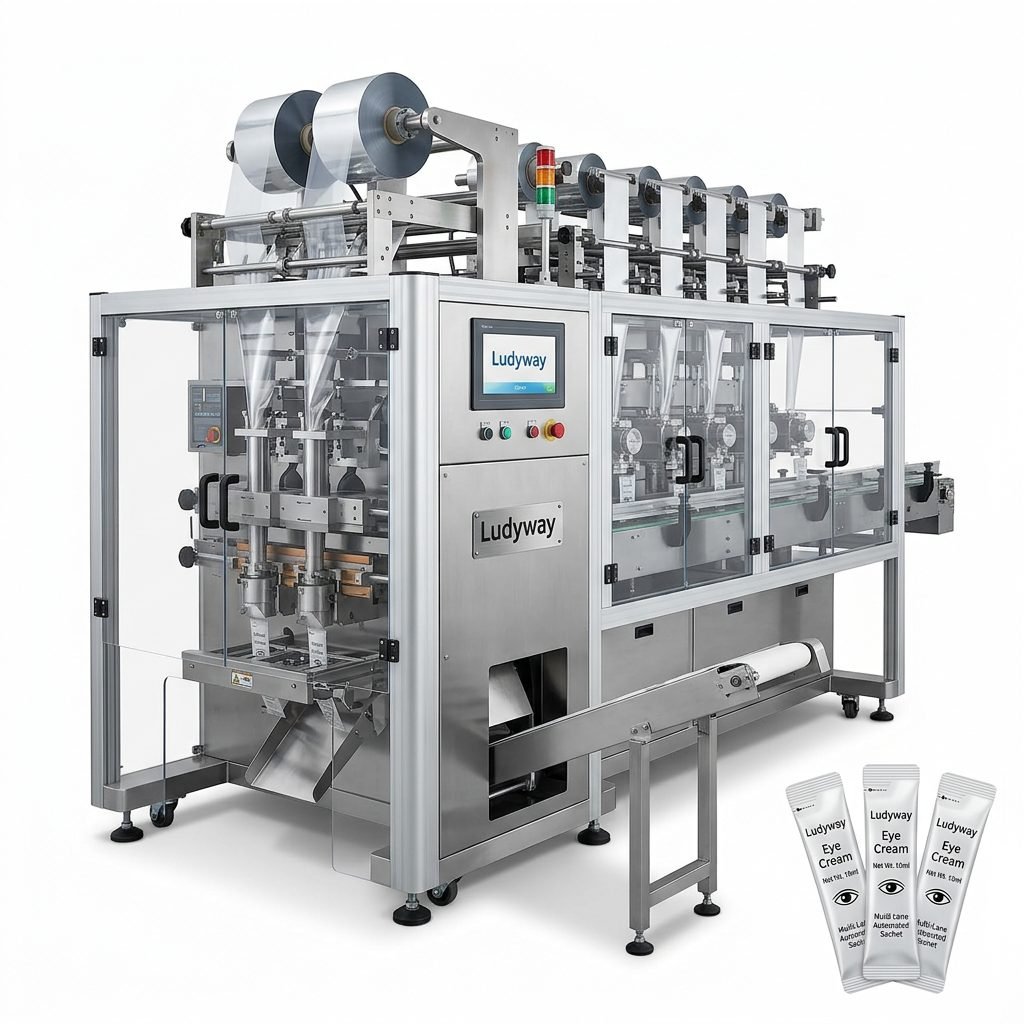
| Stick Pack & Sachet Machines | Single-serve sugar, icing, yeast, instant mixes | Precise dosing for small volumes, high production rates |
| Pre-made Pouch Fillers | Artisan cookies, decorated cakes, premium bread | Excellent visual impact, strong barrier protection |
| Vacuum Packaging Machines | Preservative-free breads, moist cakes, extended shelf-life items | Oxygen removal, mold prevention, freshness retention |
3. Critical Features to Consider
Once you narrow down the machine type, evaluate the technical specifications to ensure long-term reliability and compliance with food safety standards:
- Hygiene and Cleanability: The machine should feature stainless steel construction and an open-frame design to allow easy access for sanitation. Look for sloped surfaces to prevent product build-up and brushless servo motors for reduced maintenance.
- Packaging Material Compatibility: Verify that the machine can handle your desired film type, whether it is a simple heat-seal polyethylene (PE), a high-barrier laminated structure, or a sustainable paper-based film. The sealing jaws must provide consistent temperature and pressure.
- Automation Level: Decide if you need a standalone machine, a fully integrated turnkey packaging line with automatic feeders, or a multi-lane system for maximum output.
- Gas Flushing Capability: For extended shelf life, Modified Atmosphere Packaging (MAP) via nitrogen or CO2 gas flushing is essential. This feature helps preserve the texture and taste of baked goods without the use of artificial preservatives.
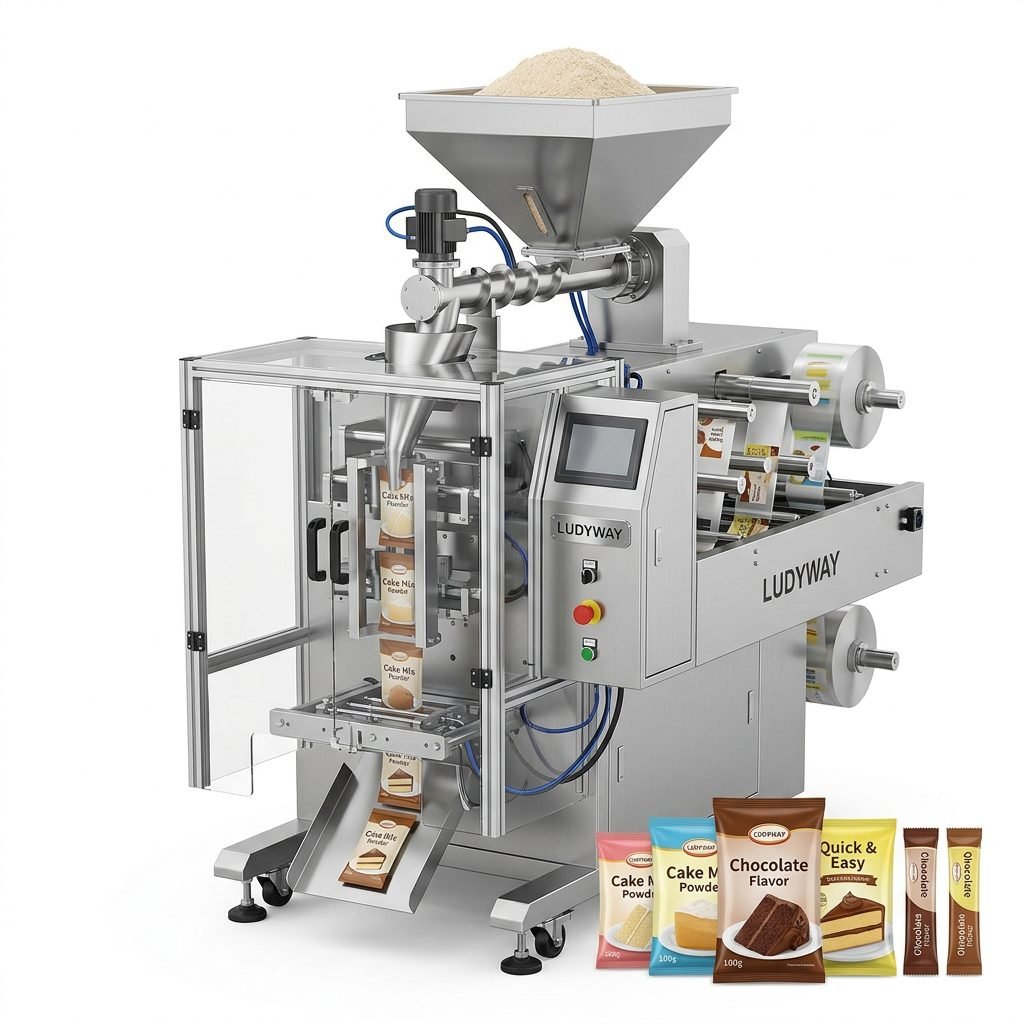
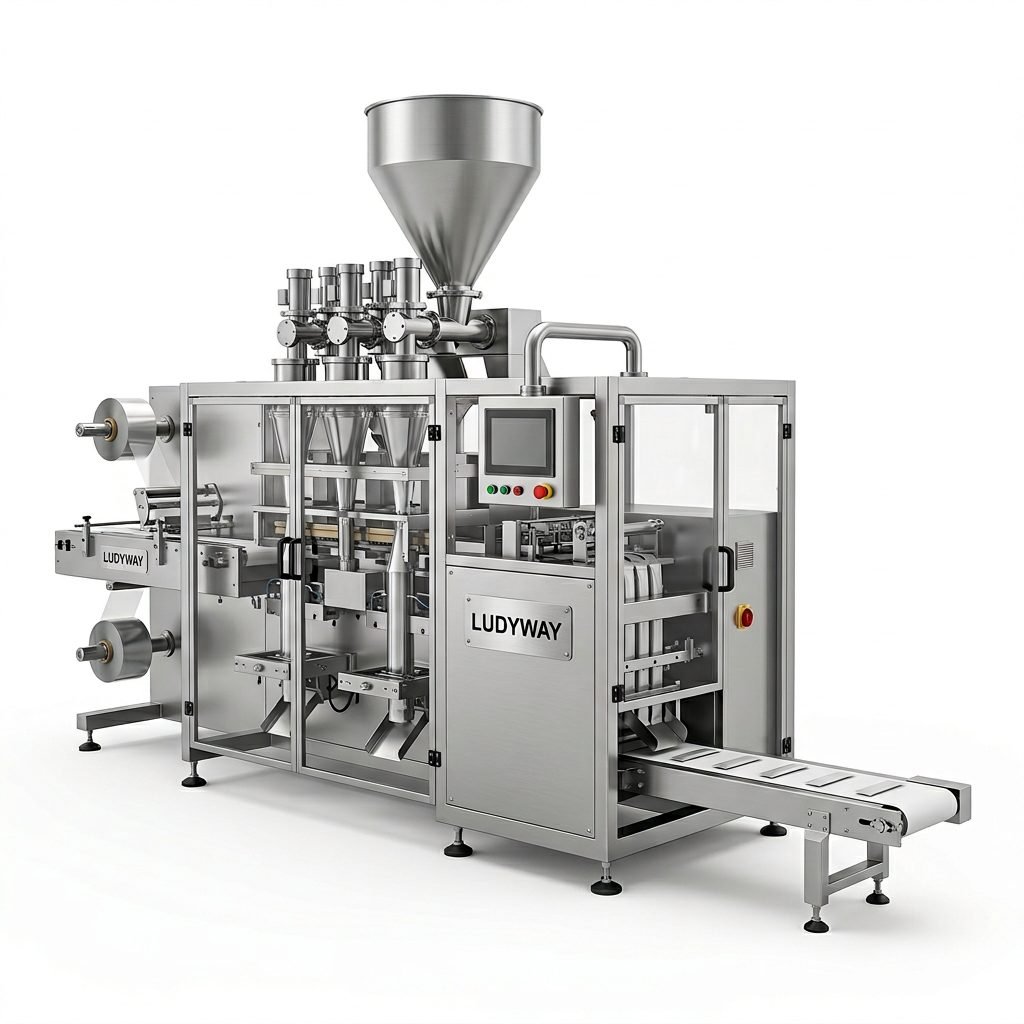
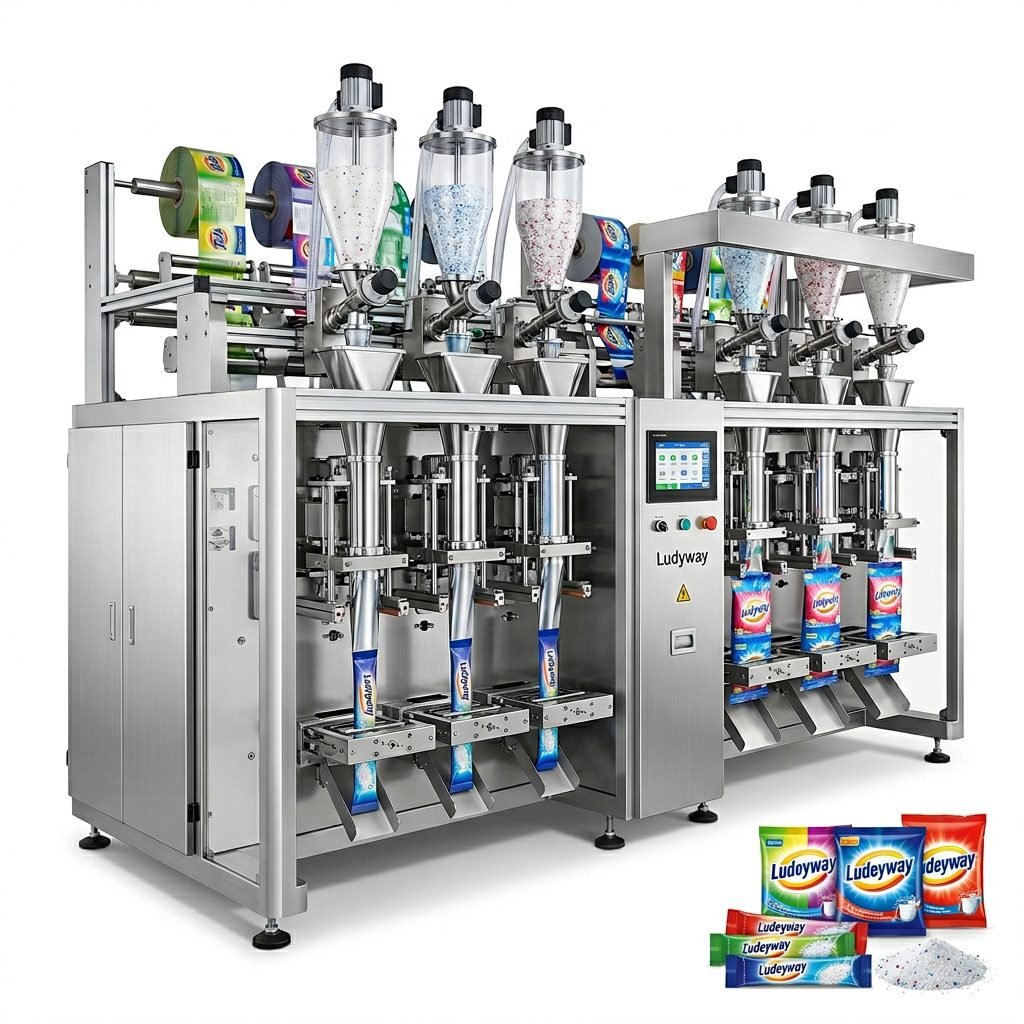
A dedicated automatic packaging machine for bakery cake mixes and powdered products.
4. Evaluating Throughput and Operational Efficiency
A machine’s theoretical maximum speed on the brochure isn’t the same as its sustained operational speed. Real-world output depends heavily on quick changeover times and ease of operation. Consider the following:
Changeover Flexibility
If you run multiple product sizes or bag formats on the same line, tool-less changeover is a massive advantage. Systems that use digital recipe storage allow operators to switch between bag lengths and fill weights in minutes rather than hours.
Integration with Auxiliaries
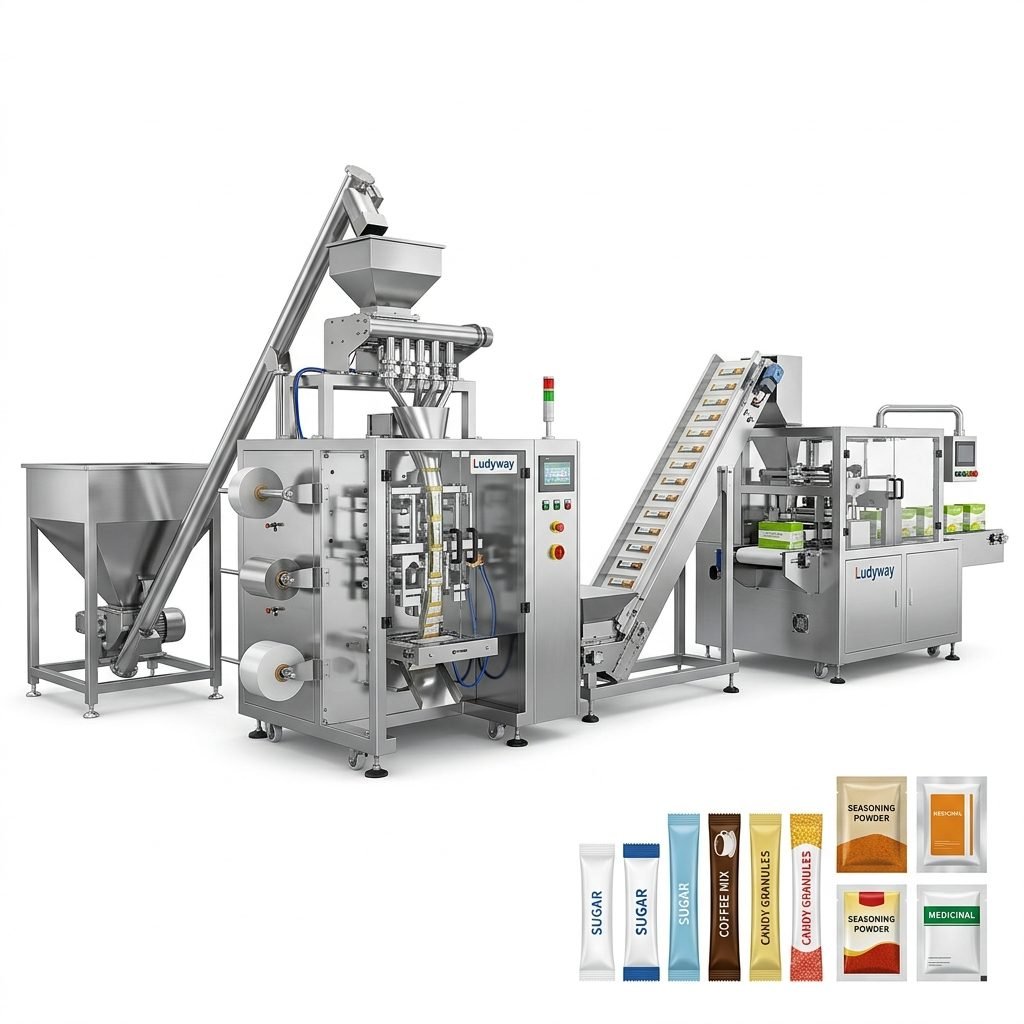
Efficiency often comes from how well the packing machine integrates with upstream and downstream equipment. A modern line might include a robotic pick-and-place system for toppings, a multi-head weigher for granola clusters, a checkweigher for quality control, and an automatic cartoner for final packing.
5. Standards, Compliance, and Long-Term Support
Global food safety regulations necessitate that packaging machinery meets strict design criteria. When sourcing machinery, reference relevant industry standards to protect your brand and consumers.
- Ensure the design adheres to FDA regulations for food contact substances. For further details, refer to the official FDA Food Packaging and Food Contact Substances resource page.
- For international harmonization, review ISO packaging standards. The ISO Packaging Standards Portal provides extensive guidelines on terminology, dimensions, and safety.
- Stay updated on general industry trends and market analysis through resources like the PMMI Packaging Industry Resources to benchmark your automation strategy.
Working with a manufacturer that understands these standards is non-negotiable. Companies with deep engineering expertise, such as Ludyway Machinery, provide not just equipment but complete turnkey packaging solutions designed to meet international regulatory demands. With over 30 years of experience, a 20,000-square-meter manufacturing facility, and a portfolio spanning food, pharmaceutical, and chemical industries, partnering with an established provider ensures your bakery packing machine is reliable, scalable, and compliant.
6. Total Cost of Ownership (TCO)
The purchase price is only the beginning. A realistic budget accounts for the complete lifecycle of the bakery packing machine:
- Film Material Consumption: Machines with precise tension control and optimized bag length settings minimize film waste.
- Energy Efficiency: Advanced regenerative drive systems can significantly reduce electrical consumption.
- Spare Parts Availability: Verify the manufacturer can provide fast global spare parts support to prevent costly downtime.
- Operator Training: Intuitive Human-Machine Interfaces (HMI) reduce the learning curve and the risk of user error.
By carefully projecting these ongoing costs, you can select a machine that balances the capital investment with long-term operational savings.