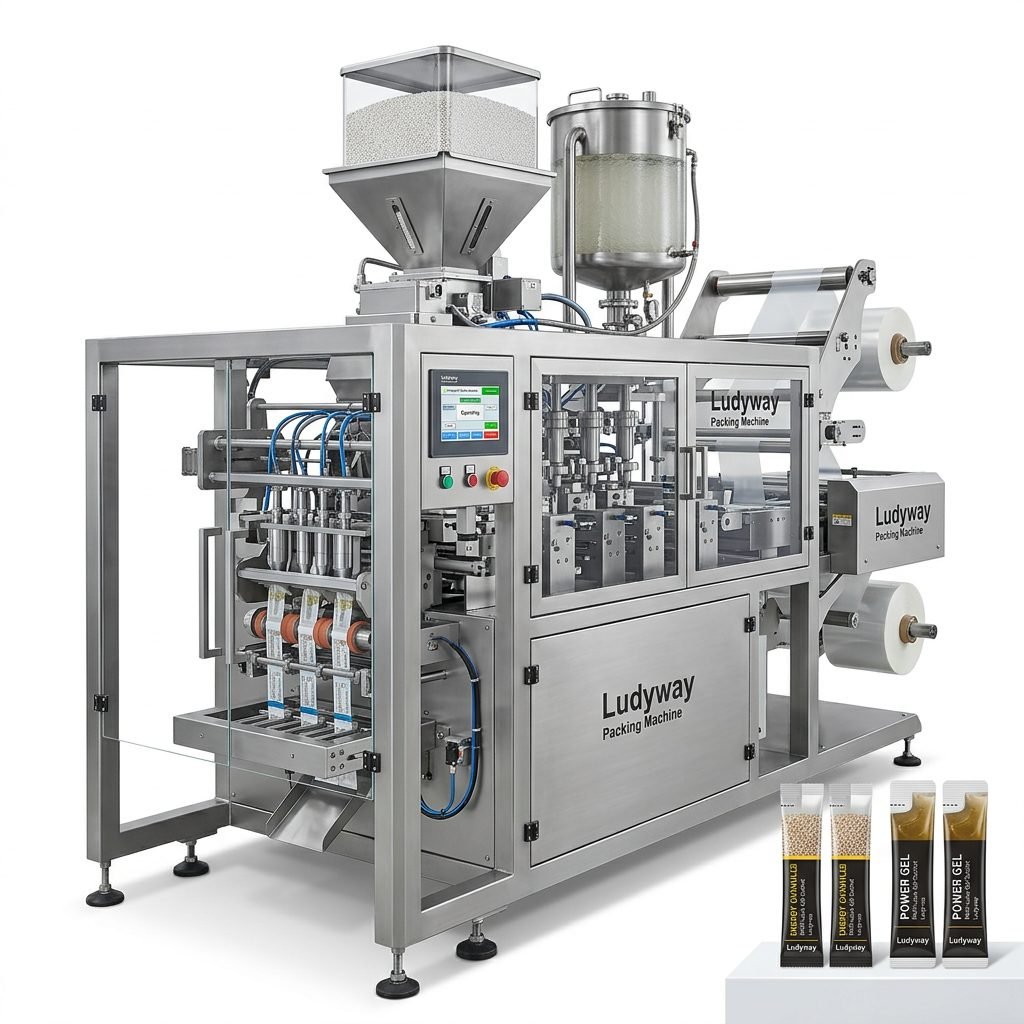
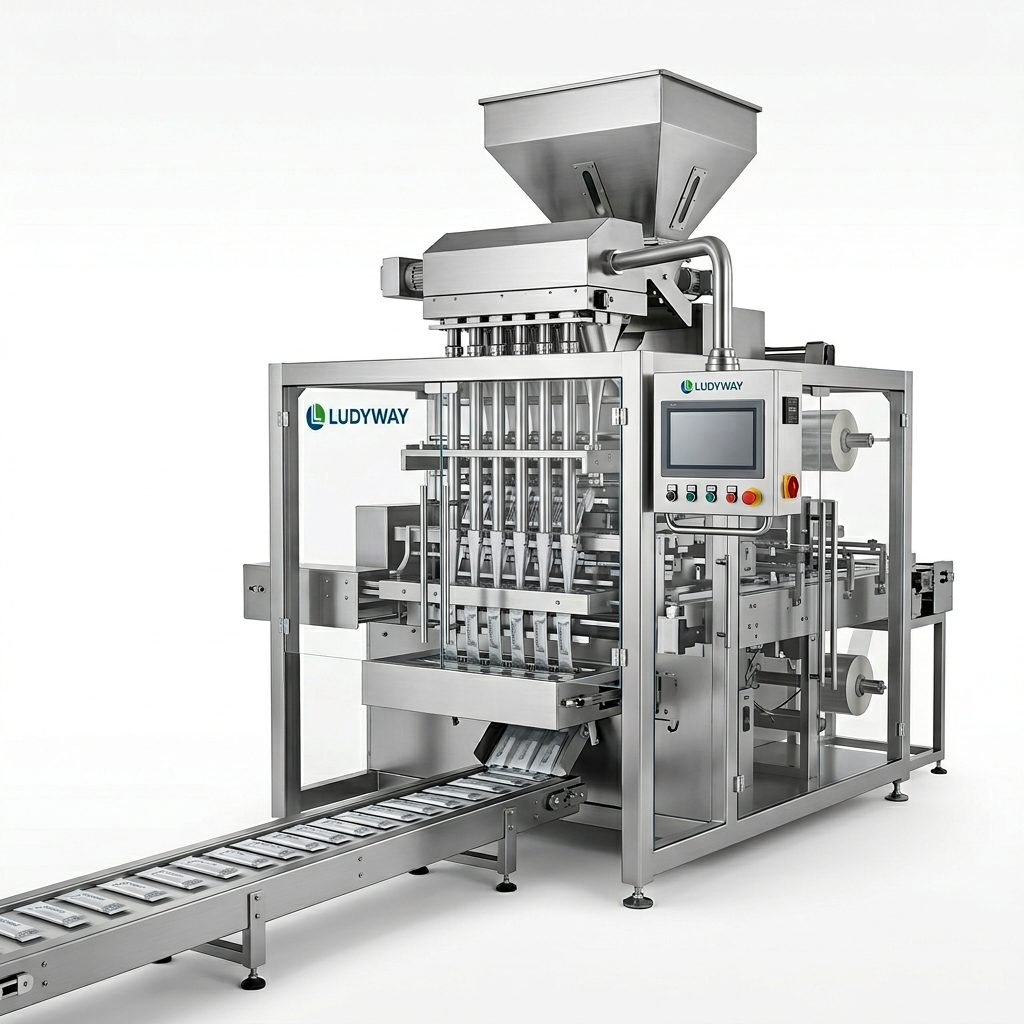
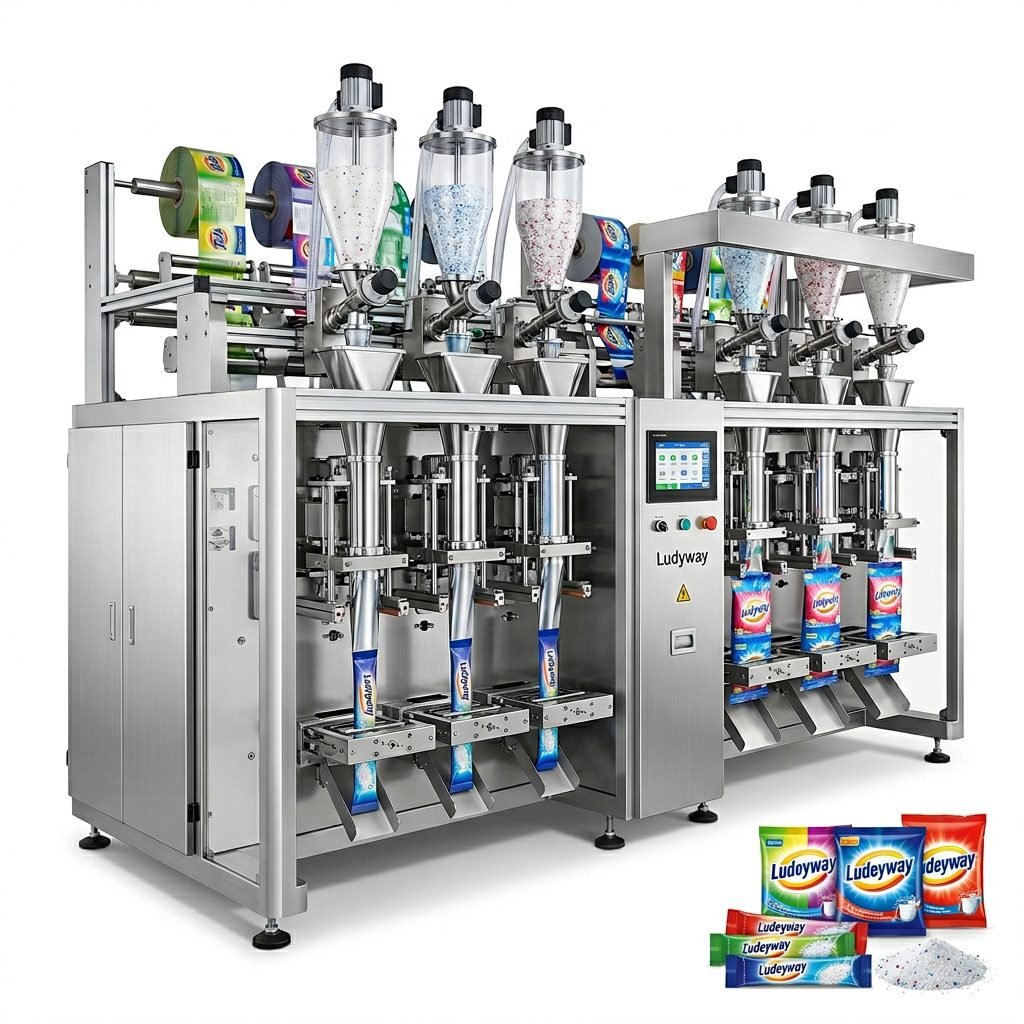
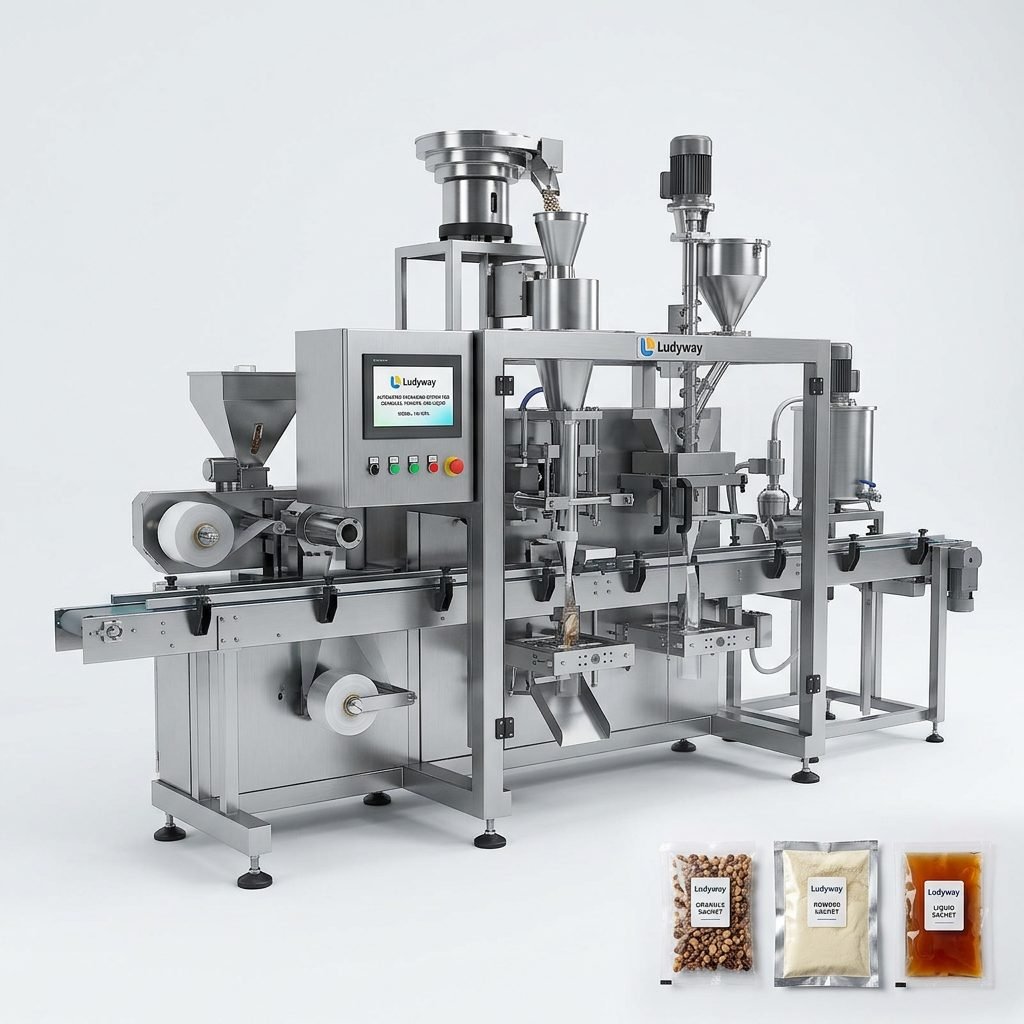
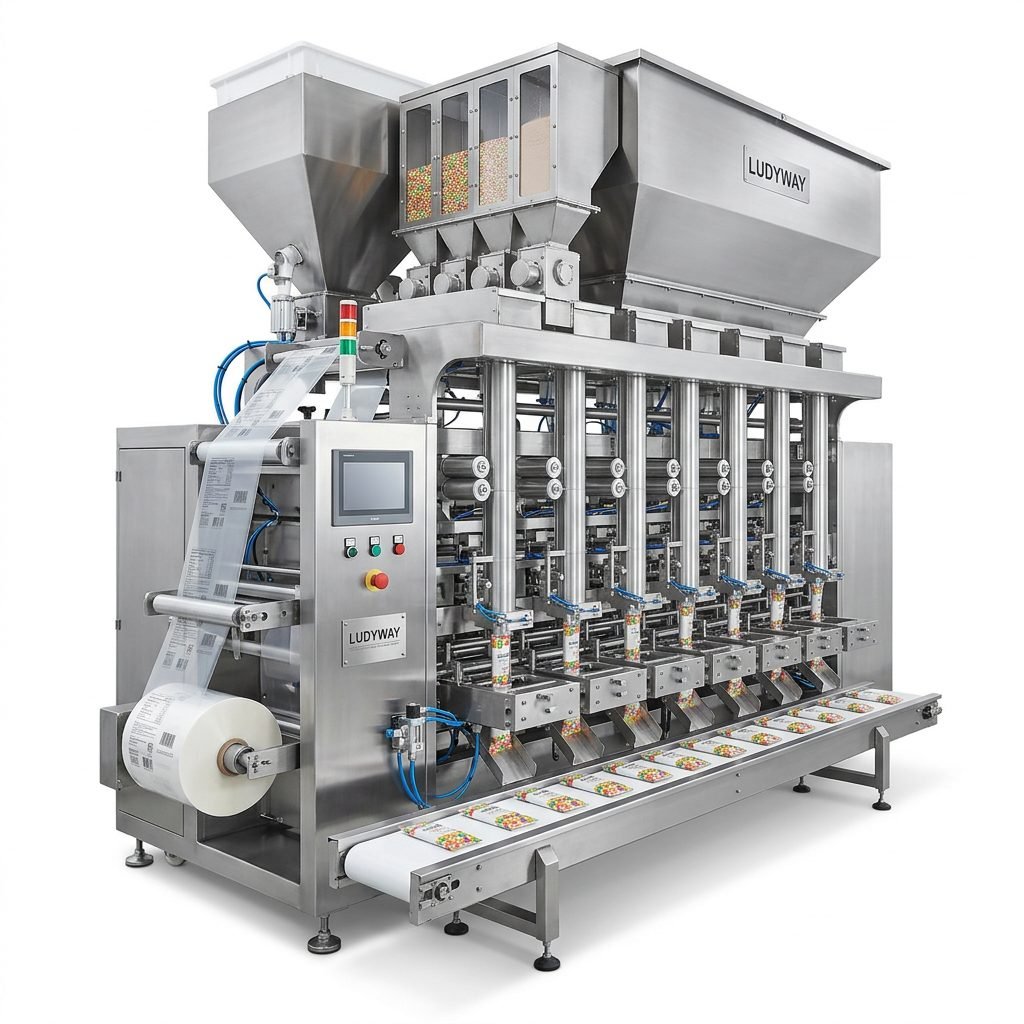
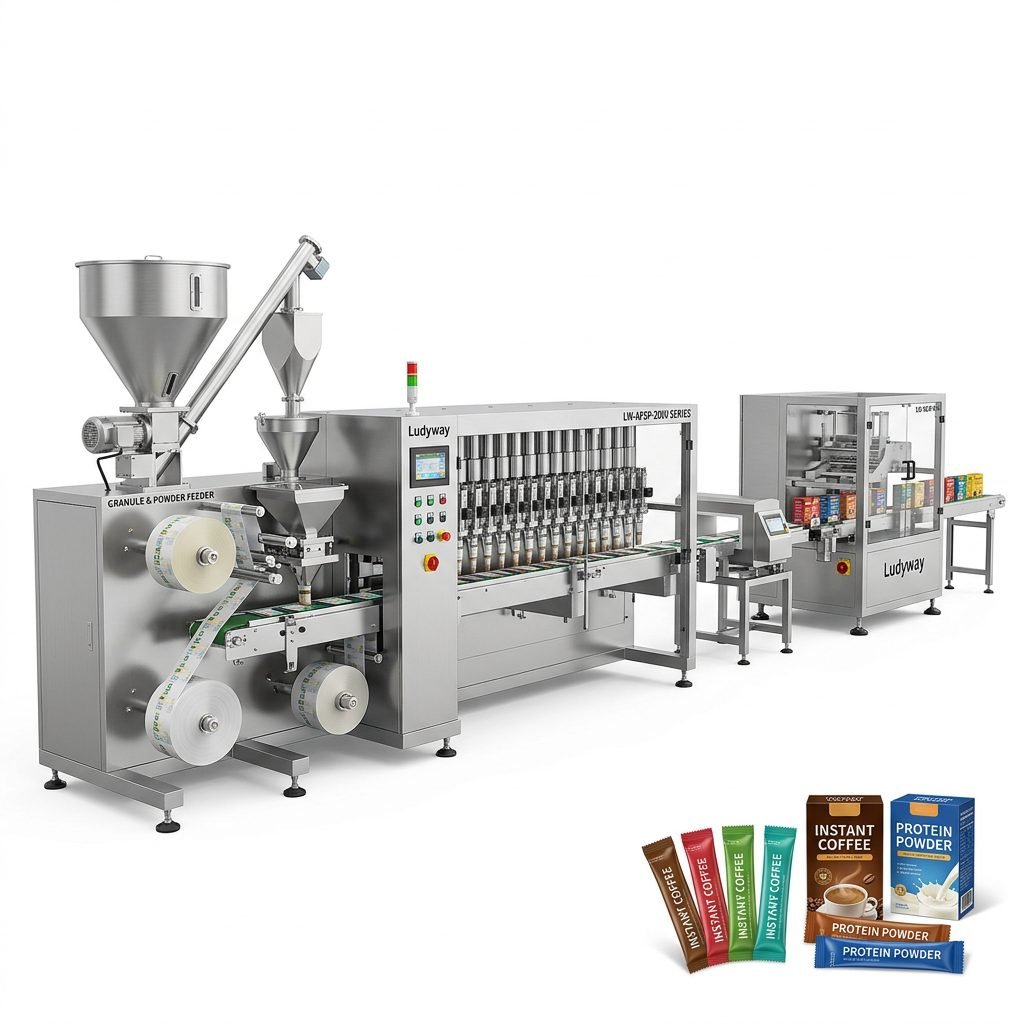
Microwave popcorn remains one of the most popular convenience snacks worldwide, and the demand for efficiently packaged, consistently sealed products continues to grow across retail and private-label markets. Investing in the right microwave popcorn packaging machine directly affects production line efficiency, product shelf life, and overall profitability. Whether you are upgrading an existing line or building a new facility, understanding the key selection criteria helps you avoid costly mistakes and secure equipment that matches your operational goals.
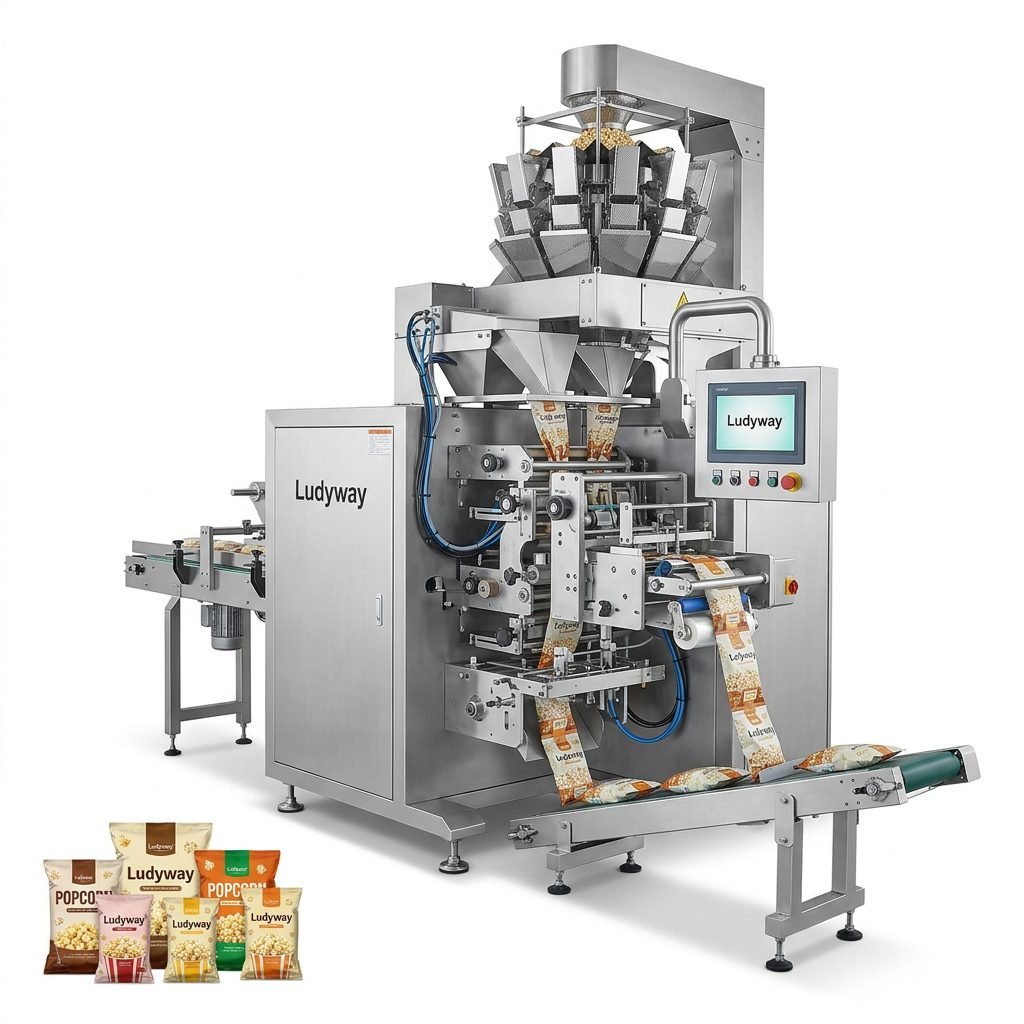
Understanding Your Microwave Popcorn Production Requirements
Before evaluating specific machine models, you need to define your current and projected production volumes. Microwave popcorn packaging involves handling kernel corn, oil slurry, seasoning blends, and the specialized susceptor film that creates the microwave heating effect. Each component requires precise portioning and reliable sealing to maintain product freshness and cooking performance. According to industry data from the Association for Packaging and Processing Technologies (PMMI), food packaging machinery demand continues to shift toward higher automation and integrated quality control systems. Your machine selection should account for product variety, bag sizes, and the specific barrier properties required for microwave popcorn packaging.
Key Factors When Selecting a Microwave Popcorn Packaging Machine
Production Speed and Output Capacity
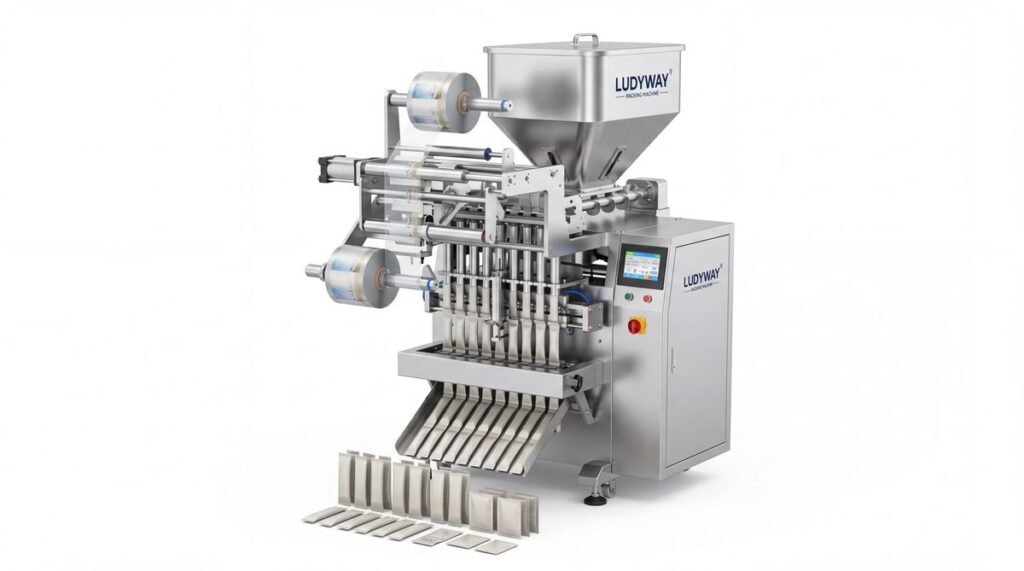
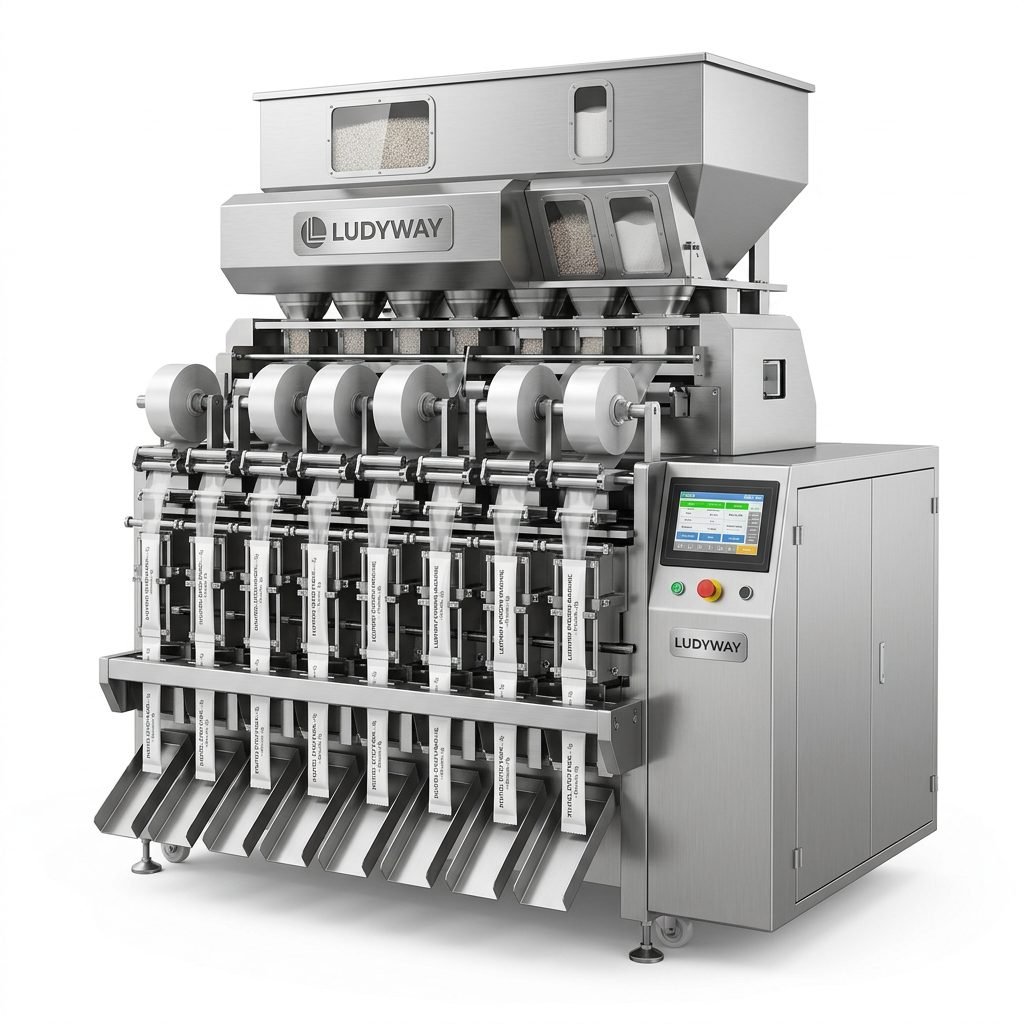
Packaging speed is measured in bags per minute (BPM), and your required throughput should align with upstream popcorn production and downstream case packing. Single-lane machines may suit smaller operations producing 30–60 BPM, while multi-lane configurations can achieve 200+ BPM for large-scale manufacturing. Consider whether your facility runs single-shift or continuous operations, as this affects duty cycle requirements and overall equipment longevity.
Packaging Format and Bag Dimensions
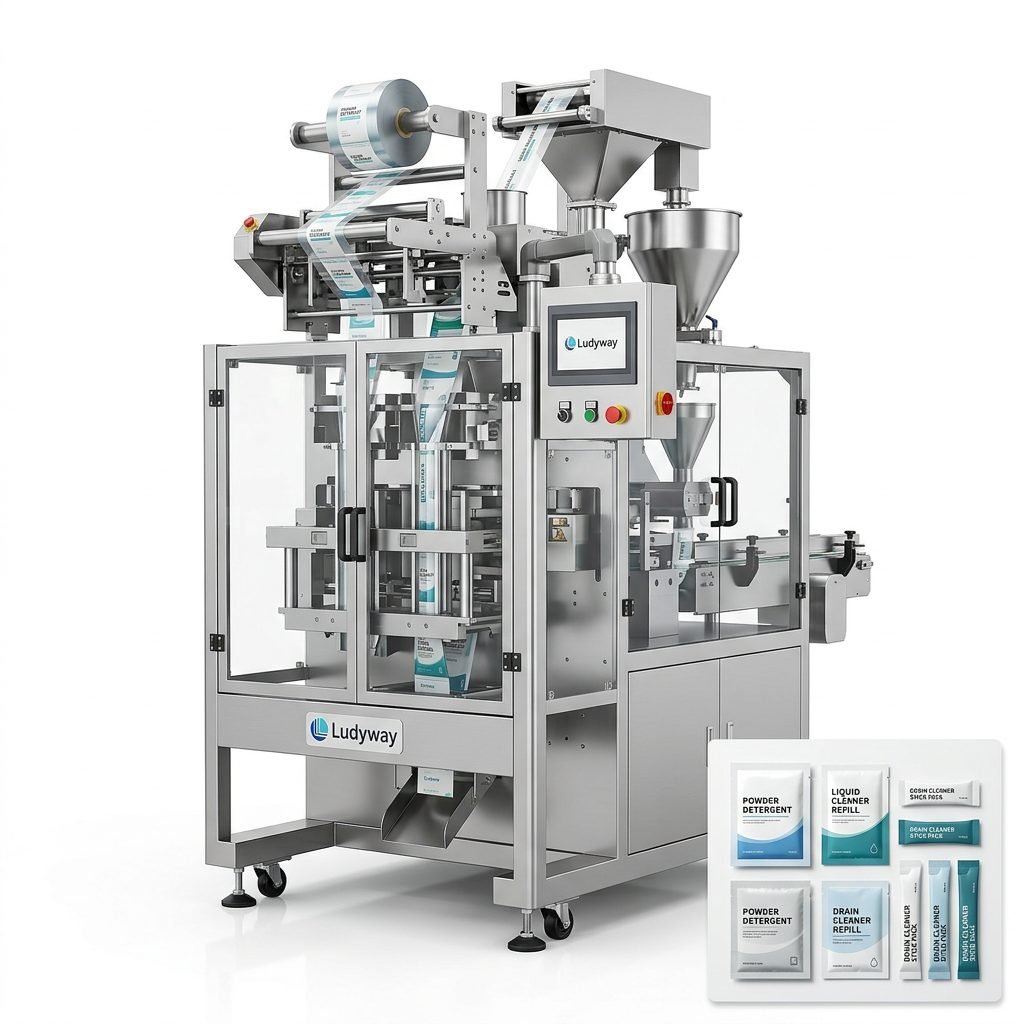
Microwave popcorn is typically packaged in gusseted flat-bottom bags or pillow-style pouches with integrated susceptor panels. The machine must handle the specialized laminated film structures that include metalized layers for microwave heating. Key dimensional considerations include:
- Bag width range: Standard microwave popcorn bags typically span 150–280 mm
- Fill volume capacity: Machines must accommodate both single-serve and family-size portions
- Film unwind systems: Look for tension-controlled unwinds suitable for laminated susceptor films
- Changeover flexibility: Quick-change tooling reduces downtime when switching between bag sizes
Level of Automation
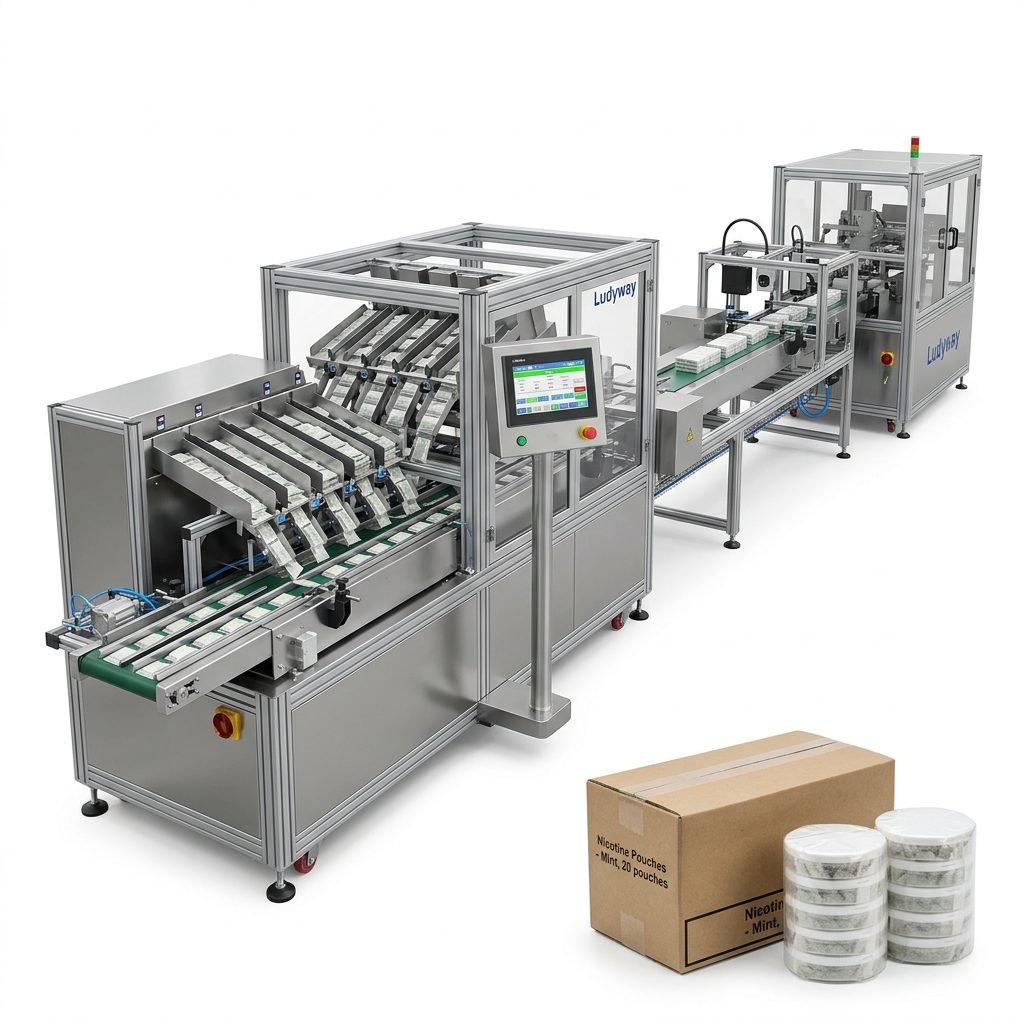
Modern microwave popcorn packaging lines can range from semi-automatic workstations to fully integrated turnkey systems. Automated feeding systems for kernels, oil, and seasonings reduce labor costs and improve portion accuracy. Machines with automatic film splicing, registration control, and reject systems maintain consistent throughput with minimal operator intervention. According to Flexible Packaging Association industry resources, automated quality inspection integrated directly into packaging lines is becoming standard practice for food safety compliance.
Material Compatibility and Seal Integrity
Microwave popcorn bags require hermetic seals that withstand the internal pressure generated during microwave cooking. The packaging machine must deliver consistent seal strength across all bag sides while preventing seal contamination from oils or seasonings. Key sealing technologies to evaluate include:
- Heat sealing with precise temperature control for multi-layer laminated films
- Ultrasonic sealing options for enhanced seal integrity through oil residue
- Gas flushing capability for modified atmosphere packaging to extend shelf life
- Integrated seal inspection systems to detect and reject defective bags automatically
Comparing Machine Configurations
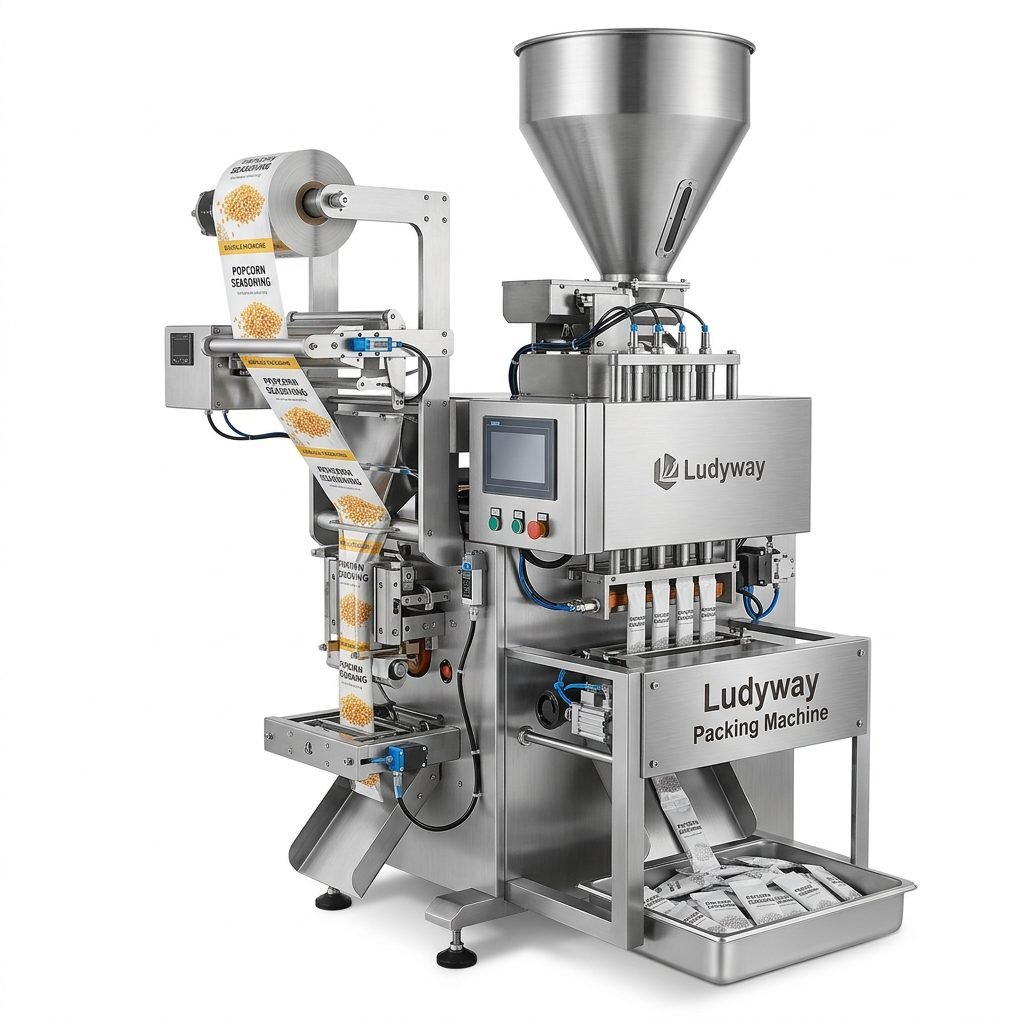
The following table outlines key differences between common packaging machine configurations used in microwave popcorn production:
| Feature | Single-Lane | Multi-Lane (4–8 lanes) | High-Speed Multi-Lane (10+) |
|---|---|---|---|
| Typical BPM Range | 30–60 | 80–180 | 200–400+ |
| Floor Space Requirement | Compact | Moderate | Extensive |
| Operator Requirement | 1–2 operators | 2–3 operators | 3–4 operators |
| Changeover Flexibility | High | Moderate | Lower (dedicated format) |
| Capital Investment | Lower initial cost | Mid-range | Higher total investment |
| Best Suited For | Small brands, private label starters | Mid-size manufacturers | Large-scale contract packers |
Quality Standards and Regulatory Compliance
Food packaging equipment must comply with applicable food safety regulations in your target markets. For manufacturers exporting to multiple regions, the machine should be configurable to meet FDA, EU, and other international standards. Key compliance areas include:
- Food-contact material compliance for all machine surfaces that touch the product
- Clean-in-place (CIP) capabilities or easy disassembly for sanitation
- Stainless steel construction in product contact zones to prevent corrosion
- Documentation and certification packages to support your facility audits
Selecting a machine backed by robust engineering documentation simplifies validation and helps your team maintain consistent audit readiness. Verify that the manufacturer can provide detailed equipment specifications, material certificates, and compliance statements relevant to your operating region.
Evaluating After-Sales Support and Long-Term Partnership
Packaging machinery represents a long-term capital investment, and the quality of after-sales support directly impacts your total cost of ownership. Before finalizing a purchase decision, assess the following support dimensions:
- Installation and commissioning services — on-site or remote assistance availability
- Operator training programs — comprehensive training reduces startup learning curves
- Spare parts availability — verify regional warehousing and typical delivery lead times
- Technical troubleshooting — remote diagnostics and responsive engineering support
- Preventive maintenance guidance — documented maintenance schedules protect equipment longevity
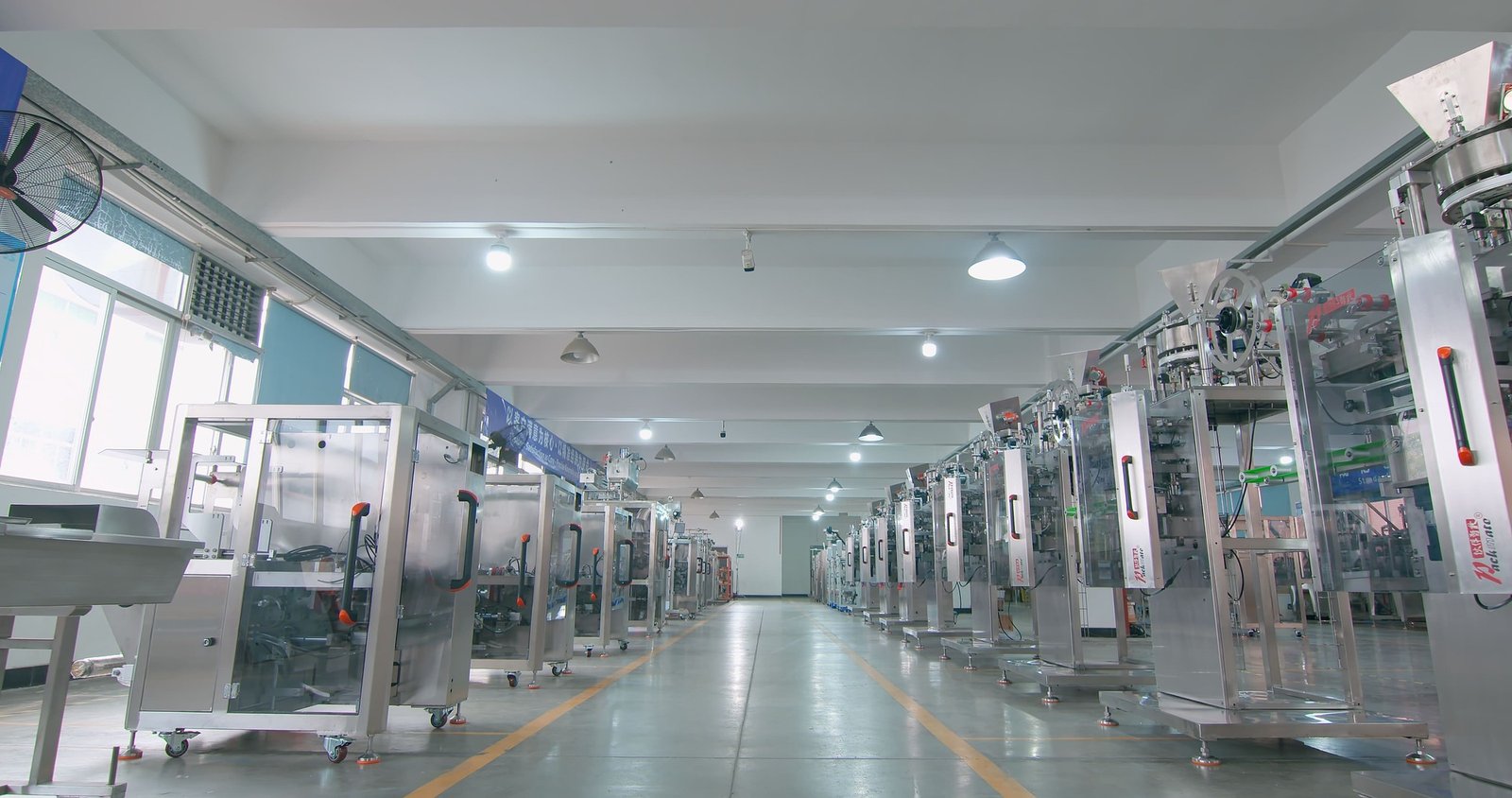
Making the Final Machine Selection
Choosing the right microwave popcorn packaging machine requires balancing production capacity, automation level, budget, and future scalability. Start by clearly defining your product range and throughput targets, then evaluate machines that meet those specifications with room for growth. Request detailed equipment proposals that include line layout drawings, utility requirements, and comprehensive scope-of-supply documentation. Where possible, arrange factory acceptance testing or request sample runs using your actual packaging materials to verify seal quality, fill accuracy, and machine performance before shipment.
For manufacturers seeking integrated packaging solutions with customized machine configurations, turnkey line integration, and global technical support, companies like Ludyway Machinery offer more than 30 years of packaging engineering experience across food, pharmaceutical, and consumer product industries. Selecting the right packaging partner ensures your microwave popcorn production line operates efficiently from day one and scales smoothly as market demand grows.