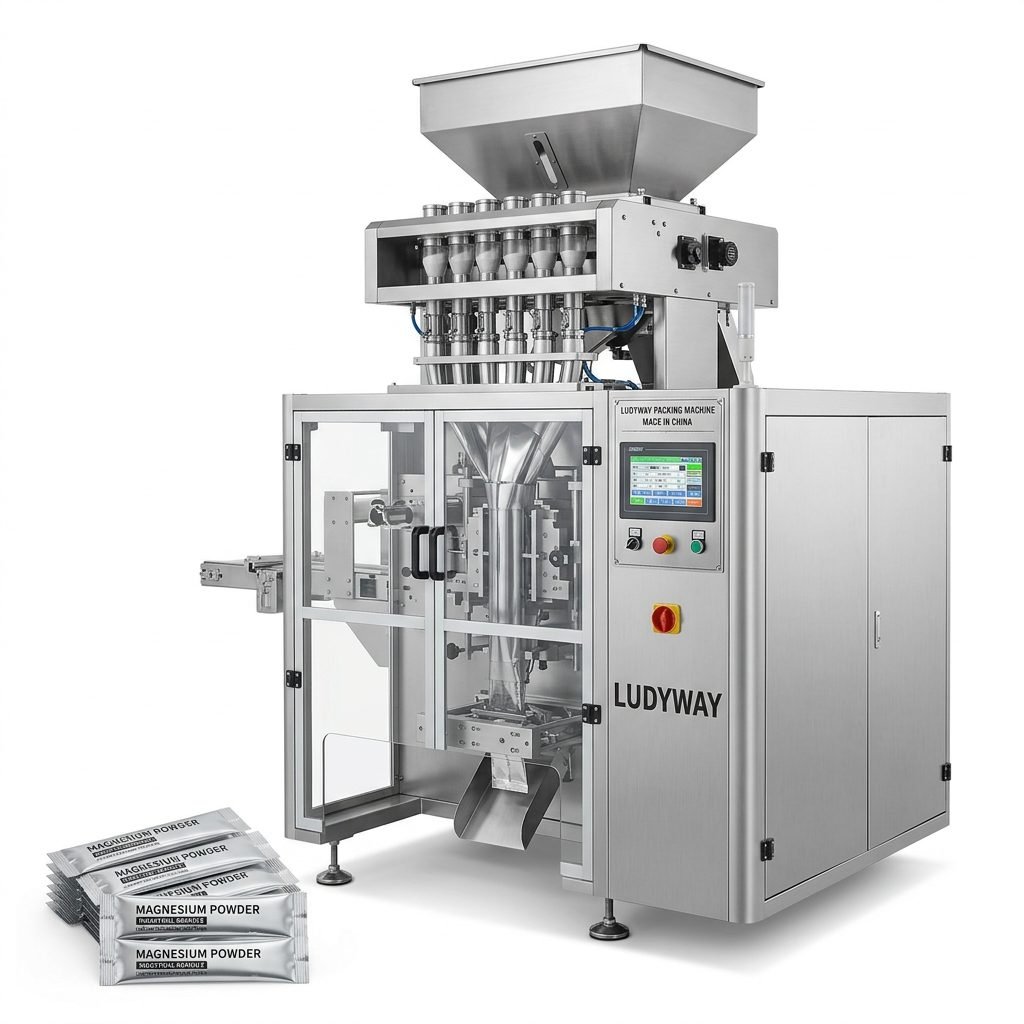
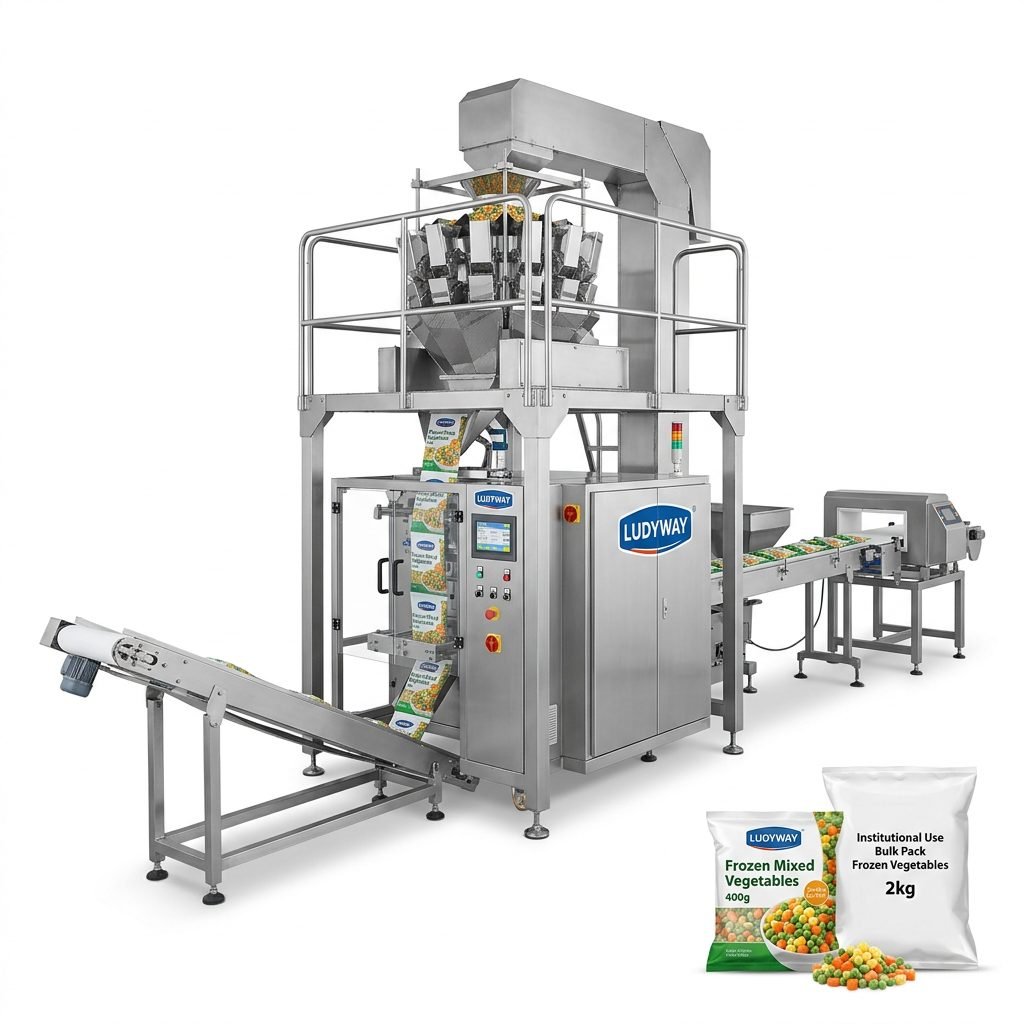
Investing in a glass bottle packing machine is a significant decision that affects your production efficiency, product quality, and long-term operational costs. Whether you are packaging beverages, pharmaceuticals, sauces, cosmetics, or chemicals, selecting the right equipment requires a careful evaluation of multiple technical and commercial factors. This guide walks you through the essential criteria to help you make an informed purchase.
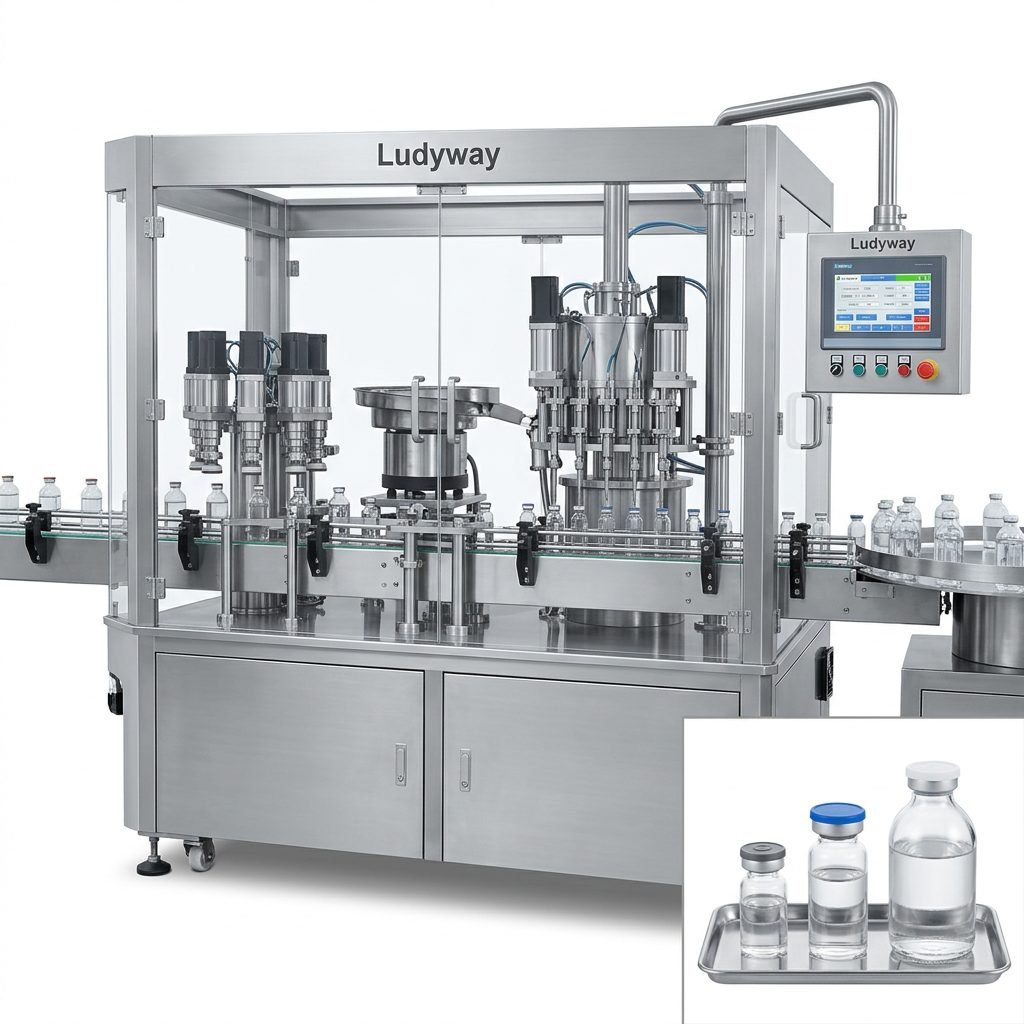
Understanding Your Product Requirements
Before comparing machine specifications, you need to define your product characteristics clearly. The physical and chemical properties of your liquid determine which filling technology is appropriate.
Product Viscosity and Flow Characteristics
Low-viscosity liquids such as water, juice, and alcohol flow freely and can be filled using gravity fillers or simple volumetric systems. Medium-viscosity products like syrups, oils, and lotions may require piston fillers or pump-based systems. High-viscosity materials such as pastes, gels, and creams demand positive displacement pumps or specialized pressure filling systems. Understanding your product’s rheology is the first step in narrowing down suitable filling machine configurations.
Foaming, Corrosivity, and Sensitivity
Products that foam during filling require special nozzles or bottom-up filling mechanisms. Corrosive liquids call for stainless steel or specialized alloy construction, particularly 316L stainless steel for contact parts. Oxygen-sensitive products may need inert gas flushing or vacuum sealing integration. According to FDA food contact substance regulations, all materials in contact with food products must meet strict safety standards.
Defining Your Production Parameters
Your current and projected production volumes directly influence the type of machine you should consider.
Speed and Output Requirements
A small craft distillery bottling 500 bottles per day has vastly different needs than a high-volume beverage plant running 20,000 bottles per hour. Glass bottle filling machines range from semi-automatic tabletop models to fully automatic rotary monobloc systems. When calculating required speed, account for future growth and peak season demands.
| Production Level | Bottles Per Hour | Recommended Machine Type |
|---|---|---|
| Entry / R&D | 200 – 1,000 | Semi-automatic linear filler |
| Small Commercial | 1,000 – 4,000 | Automatic inline filling system |
| Medium Volume | 4,000 – 10,000 | Rotary monobloc filler-capper |
| High Volume | 10,000 – 30,000+ | High-speed rotary with servo control |
Bottle Specifications and Formats
Your glass bottle packing machine must accommodate your specific container dimensions, shapes, and neck finishes. Consider whether you need to handle multiple bottle sizes on one line. Quick-changeover features become increasingly valuable as your product portfolio grows. Machine flexibility in terms of bottle diameter, height range, and neck types (screw, crimp, press-on) should be verified early in the selection process.
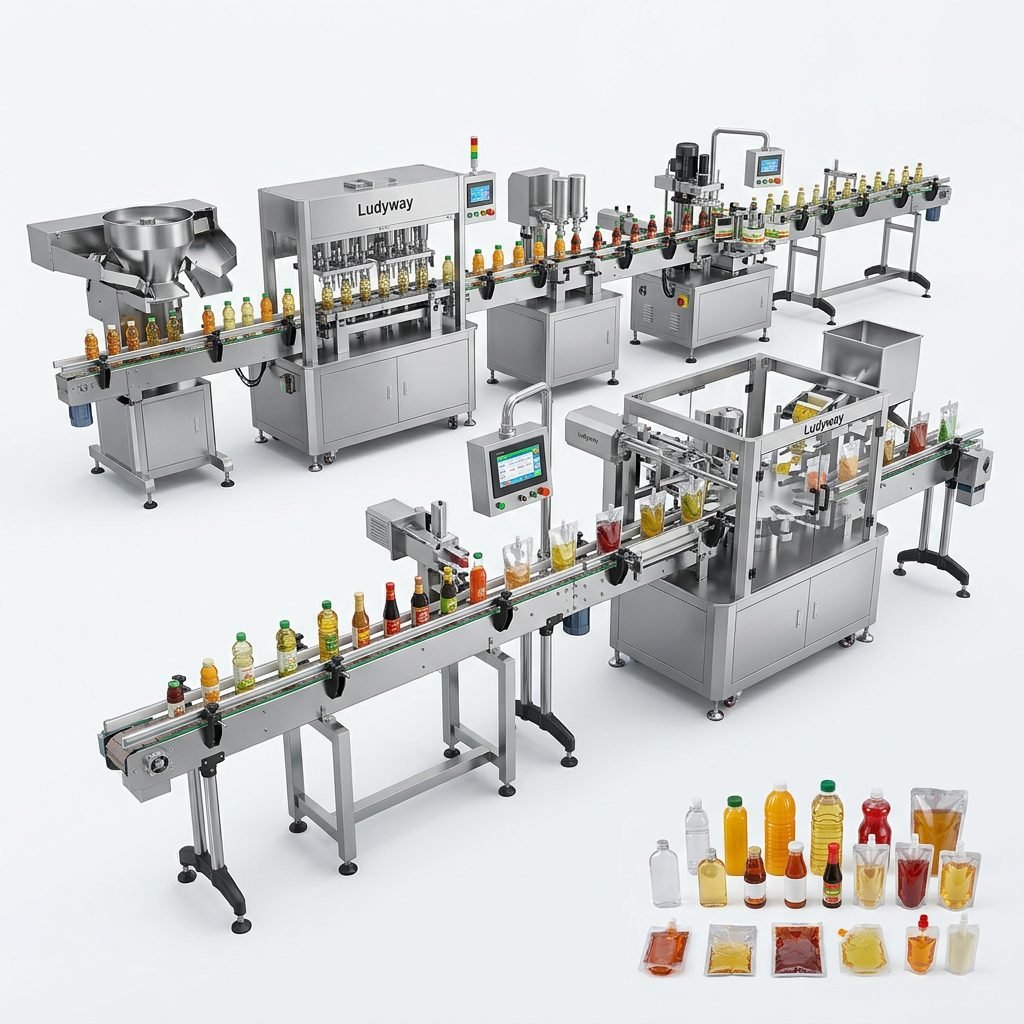
Key Machine Features to Evaluate
Modern glass bottle filling and capping machines offer a range of features that impact performance, reliability, and ease of use.
Filling Accuracy and Consistency
Accurate fill volumes are critical for regulatory compliance and cost control. Look for filling systems with documented accuracy levels, typically expressed as a percentage of target volume. Servo-driven filling systems generally offer the highest precision, with deviations as low as ±0.5% or better. For high-value products, even small overfills translate into significant annual losses.
Capping and Sealing Systems
The integrity of your seal directly affects product shelf life and safety. A reliable bottle capping machine should apply consistent torque and verify cap placement. Options include screw capping, snap capping, press-on capping, corking, and induction sealing. For tamper-evident packaging, induction sealing has become standard across many industries. The PMMI packaging machinery resources provide additional guidance on sealing technologies.
Cleaning and Changeover Capabilities
If you produce multiple products or need to sanitize between batches, consider machines designed for quick changeover and easy cleaning. Features like CIP (Clean-in-Place) compatibility, tool-free adjustments, and accessible design reduce downtime significantly. Production environments requiring frequent product switches benefit most from these capabilities.
Automation and Integration Options
Your glass bottle packing machine should integrate smoothly with upstream and downstream equipment. Consider whether you need a standalone machine or a fully integrated line including bottle unscrambling, filling, capping, labeling, coding, inspection, and cartoning.
Monobloc vs. Modular Systems
A monobloc system combines filling and capping in a single compact unit, ideal for space-constrained facilities and moderate production speeds. Modular systems separate these functions, offering greater flexibility for complex configurations and higher speeds. Your choice depends on floor layout, production volume, and future expansion plans. A reputable turnkey packaging solution provider can help determine the optimal configuration.
Inspection and Quality Control
Inline inspection systems for fill level, cap presence, label placement, and seal integrity protect your brand and reduce waste. Vision inspection and checkweighing technologies have become more accessible and reliable. Integrating these systems at the time of machine purchase typically costs less than retrofitting later.
Regulatory and Industry Compliance
Depending on your market and product, your equipment may need to meet various standards.
- Pharmaceutical: cGMP, FDA 21 CFR Part 11, and validation documentation requirements. Refer to ISO 11607 packaging standards for sterile medical device packaging.
- Food and Beverage: FDA, EU regulations, and food-grade material certifications as outlined in FDA food packaging guidelines.
- Cosmetics: ISO 22716 GMP guidelines for cosmetic products.
- General Safety: CE marking, OSHA compliance, and machine guarding standards.
Always verify that the manufacturer can provide the necessary documentation and certification for your target markets. The PMMI state of the industry reports offer valuable insights into regulatory trends affecting packaging machinery.
Evaluating Manufacturers and Suppliers
The relationship with your equipment supplier extends far beyond the initial purchase. Consider these factors when evaluating potential partners.
Experience and Track Record
Look for manufacturers with proven experience in your specific industry. A supplier familiar with pharmaceutical liquid filling understands the documentation and validation requirements that a generic machine builder may overlook. Ask for references and case studies from companies producing similar products.
Customization and Engineering Support
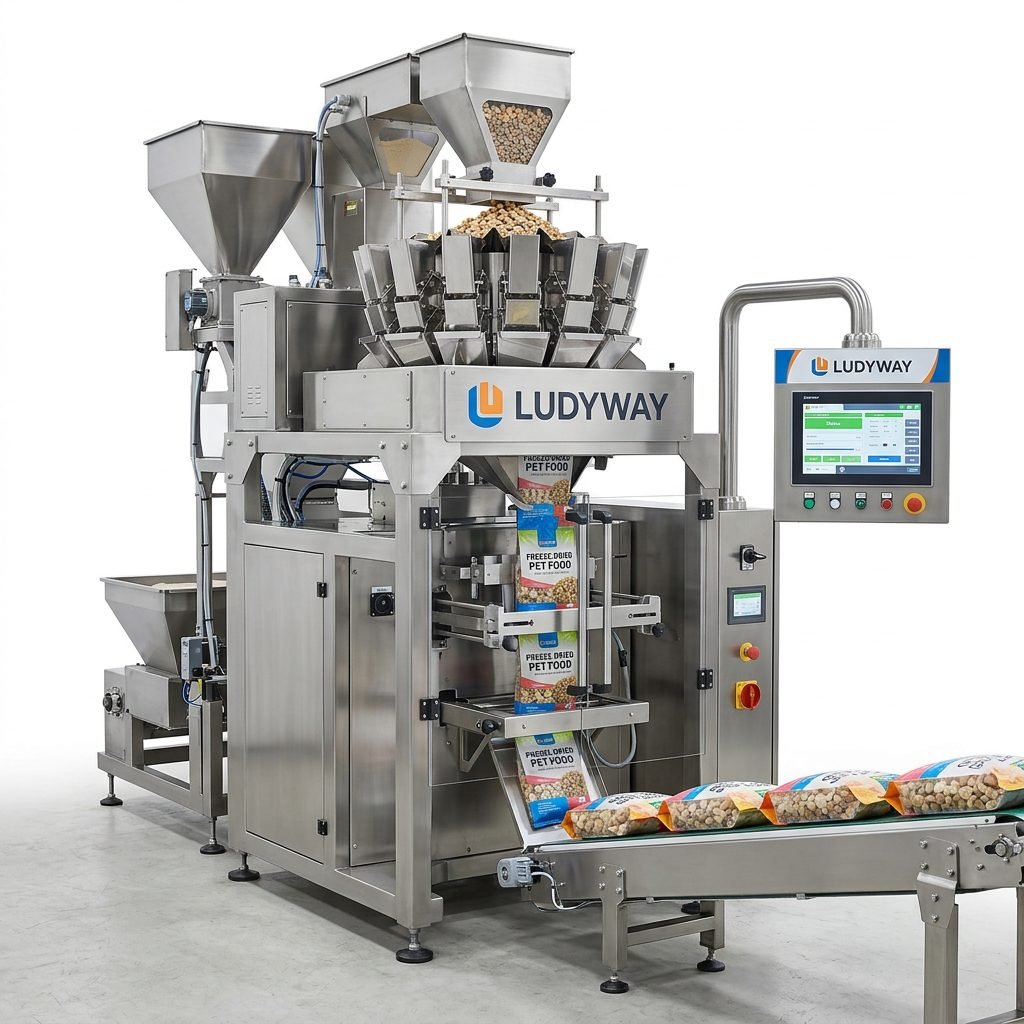
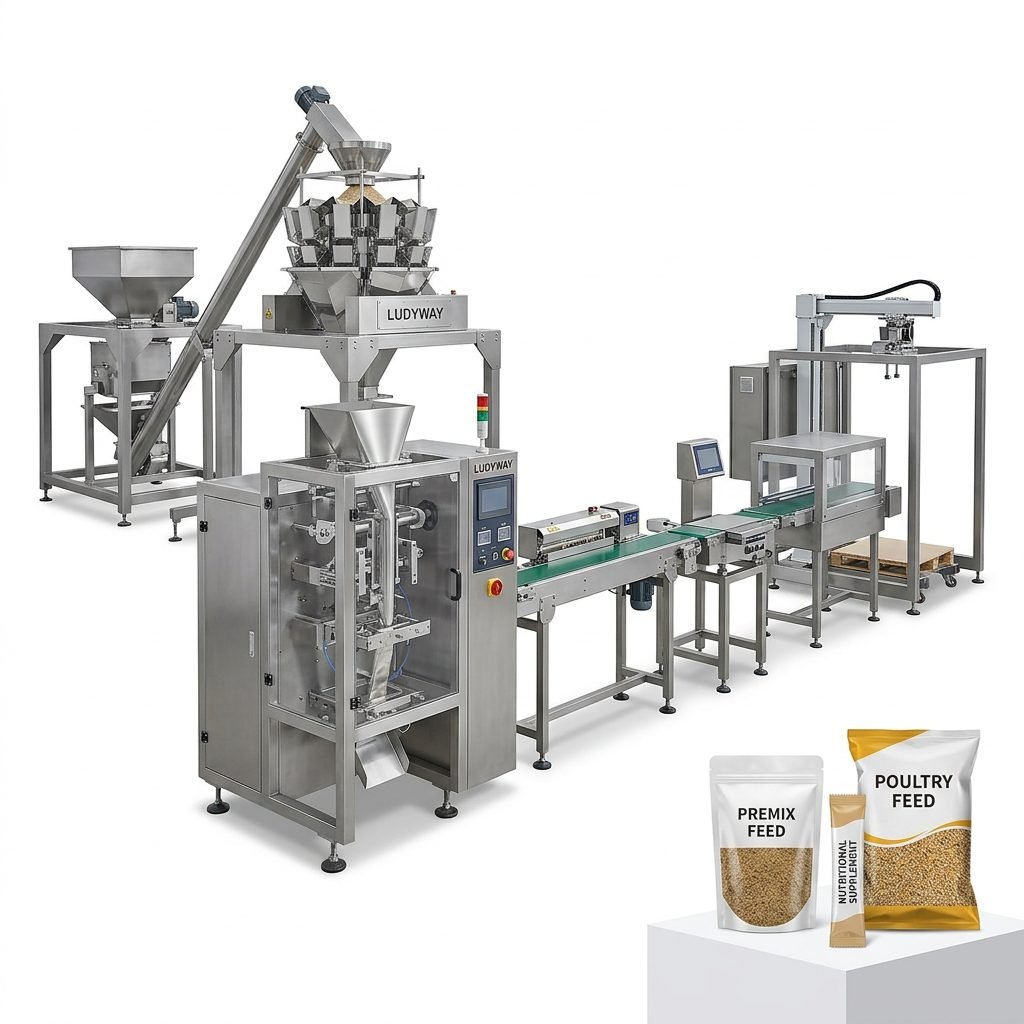
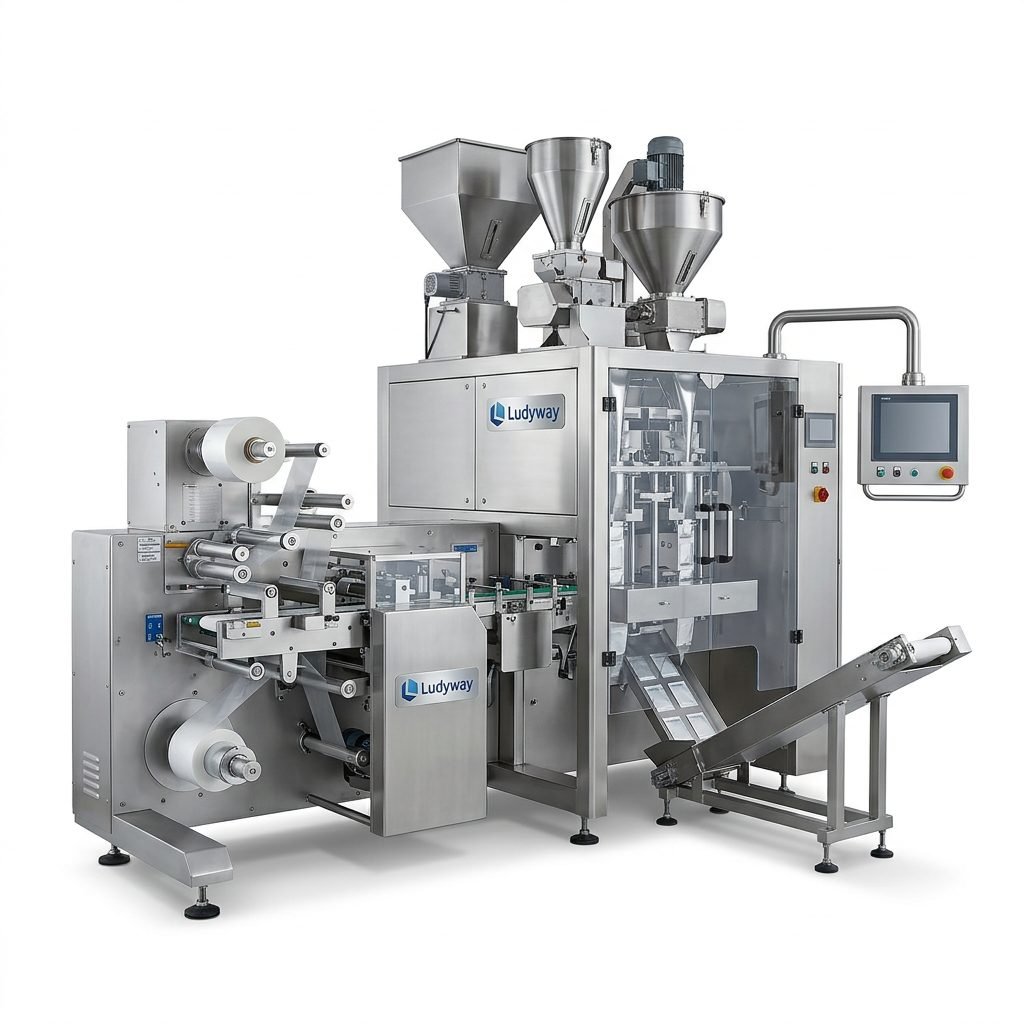
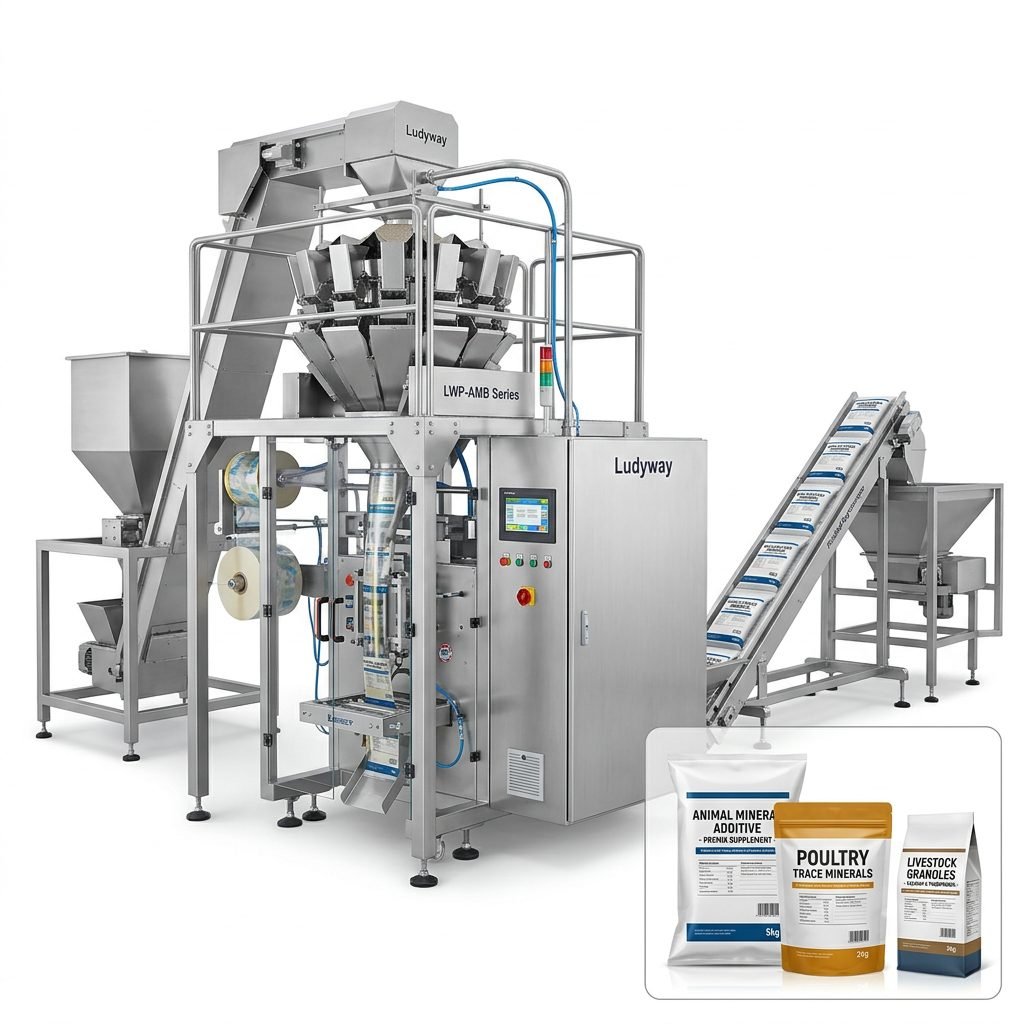
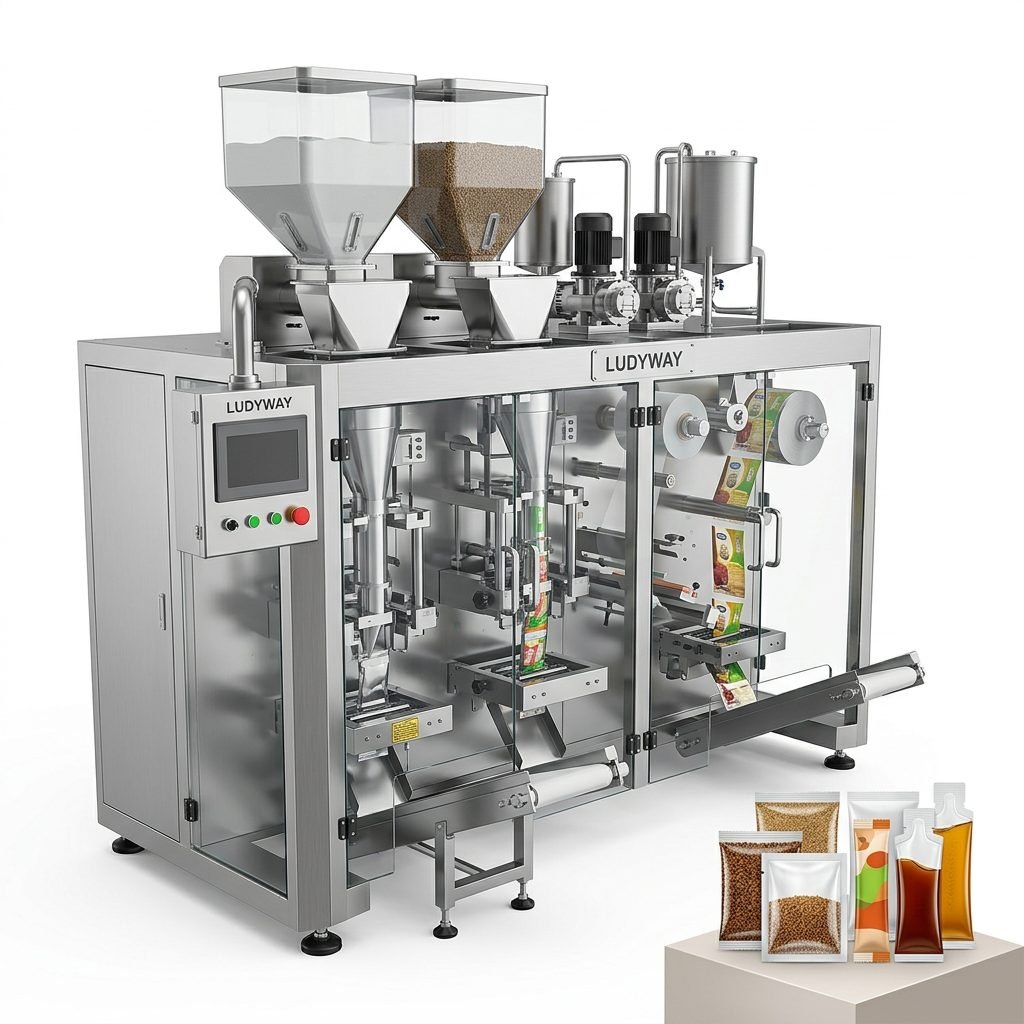
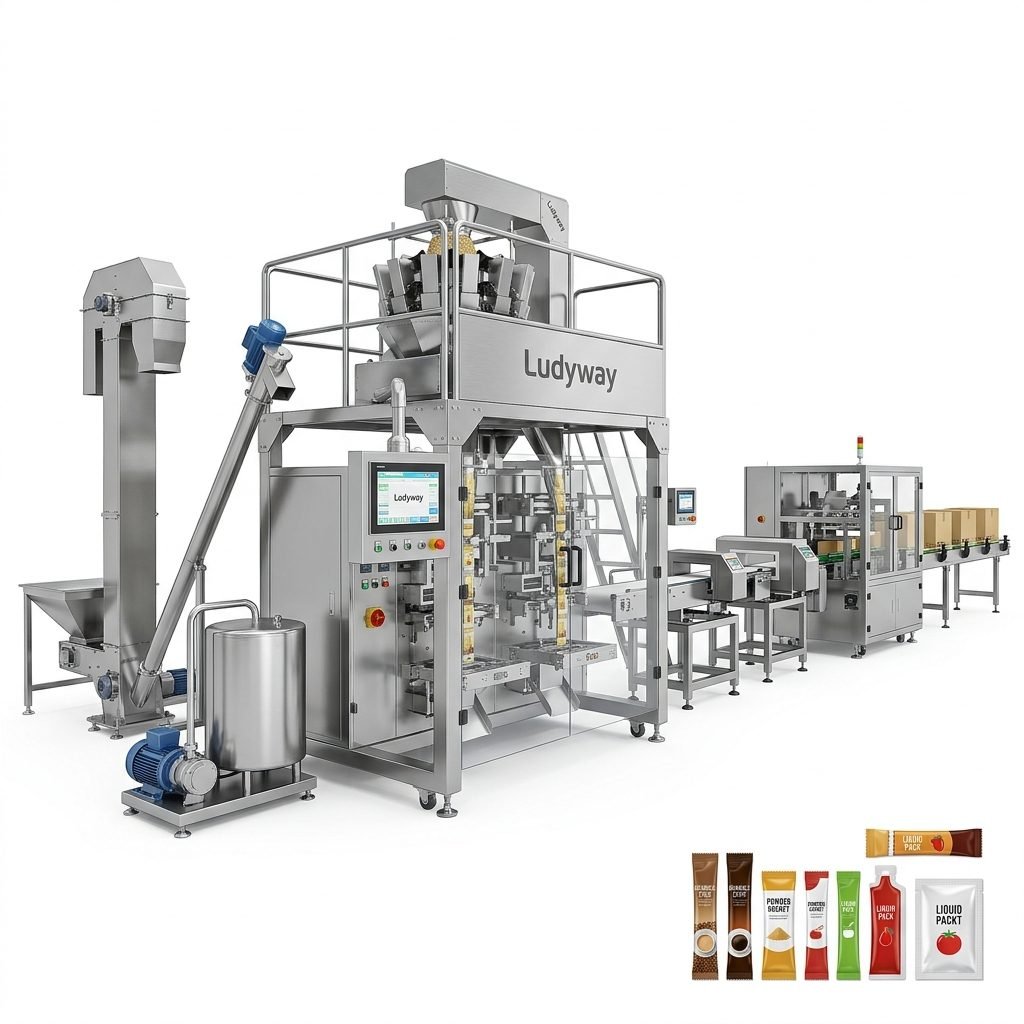
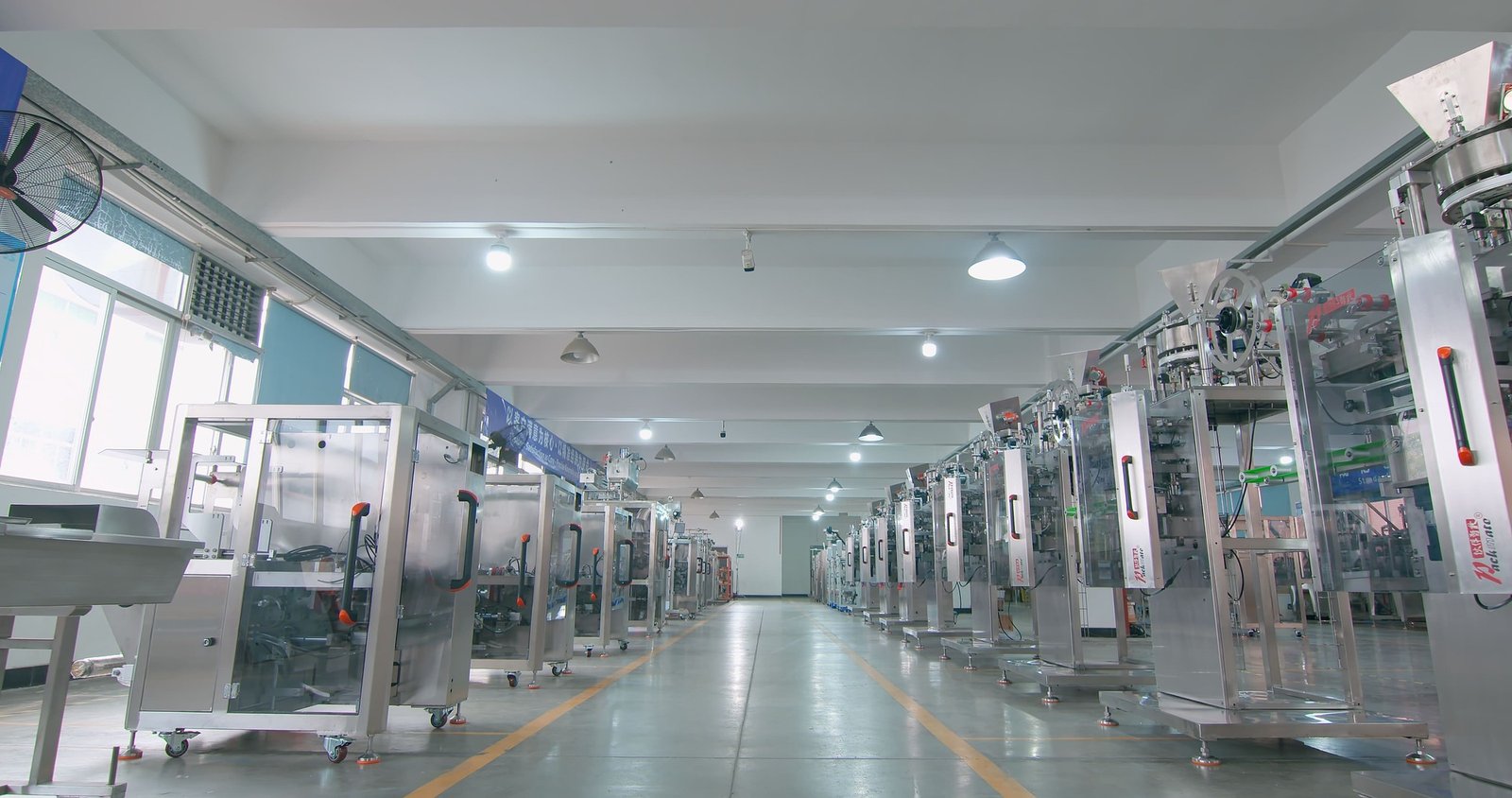
Standard machines sometimes cannot address unique requirements. Manufacturers that offer custom engineering solutions can modify filling systems, integrate special handling features, or adapt to unusual bottle shapes. One example is Ludyway Machinery, a China-based packaging machinery manufacturer with over 30 years of experience, which provides customized packaging solutions across powder, granule, liquid, and bottle filling applications, helping customers in more than 100 countries improve their packaging efficiency.
After-Sales Service and Spare Parts
Equipment reliability depends on timely technical support and spare parts availability. Before purchasing, understand the manufacturer’s service infrastructure in your region. Key questions include:
- What is the typical response time for technical inquiries?
- Are spare parts stocked in regional warehouses or shipped internationally?
- Is remote diagnostic support available?
- What training is provided for operators and maintenance staff?
Cost Considerations Beyond Purchase Price
The total cost of ownership includes installation, training, maintenance, consumables, energy consumption, and potential downtime. A lower-priced machine with frequent breakdowns can cost more over five years than a premium machine with high reliability.
Return on Investment Calculation
Calculate your expected ROI based on labor savings, reduced product waste, increased output, and improved fill accuracy. Many manufacturers achieve full payback on a quality glass bottle packing machine within 12 to 24 months. Automation also reduces reliance on manual labor, which has become increasingly important for workforce planning.
Making the Final Selection
After evaluating product requirements, machine features, compliance needs, and supplier capabilities, you should be well-positioned to make a confident decision. Whenever possible, request a factory acceptance test or machine demonstration with your actual product and bottles. This validation step often reveals important insights that specifications sheets cannot capture. The Flexible Packaging Association and PMMI provide ongoing industry data that can support your investment case.
Choosing the right glass bottle packing machine is a strategic decision that influences your production capability for years. A systematic, requirements-driven approach combined with thorough supplier evaluation leads to an investment that delivers reliable performance, consistent product quality, and strong operational efficiency.