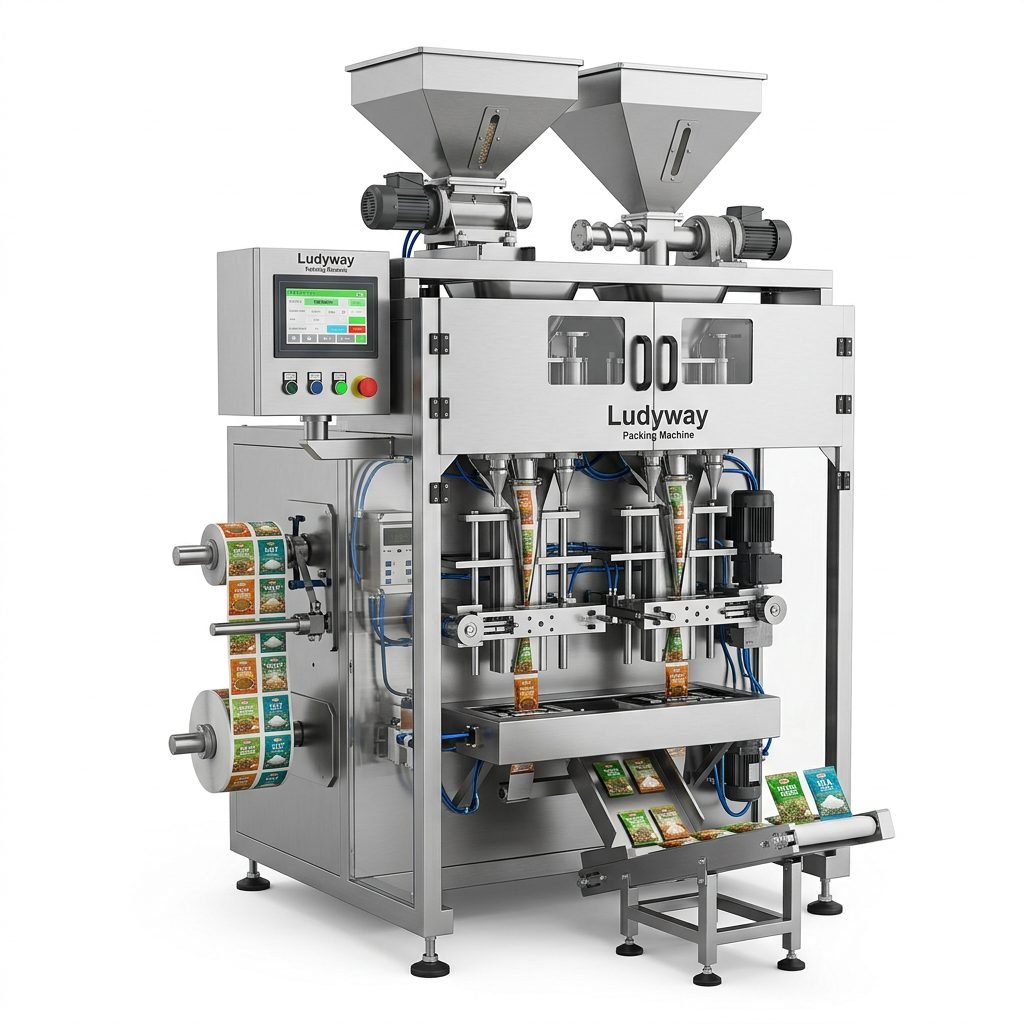
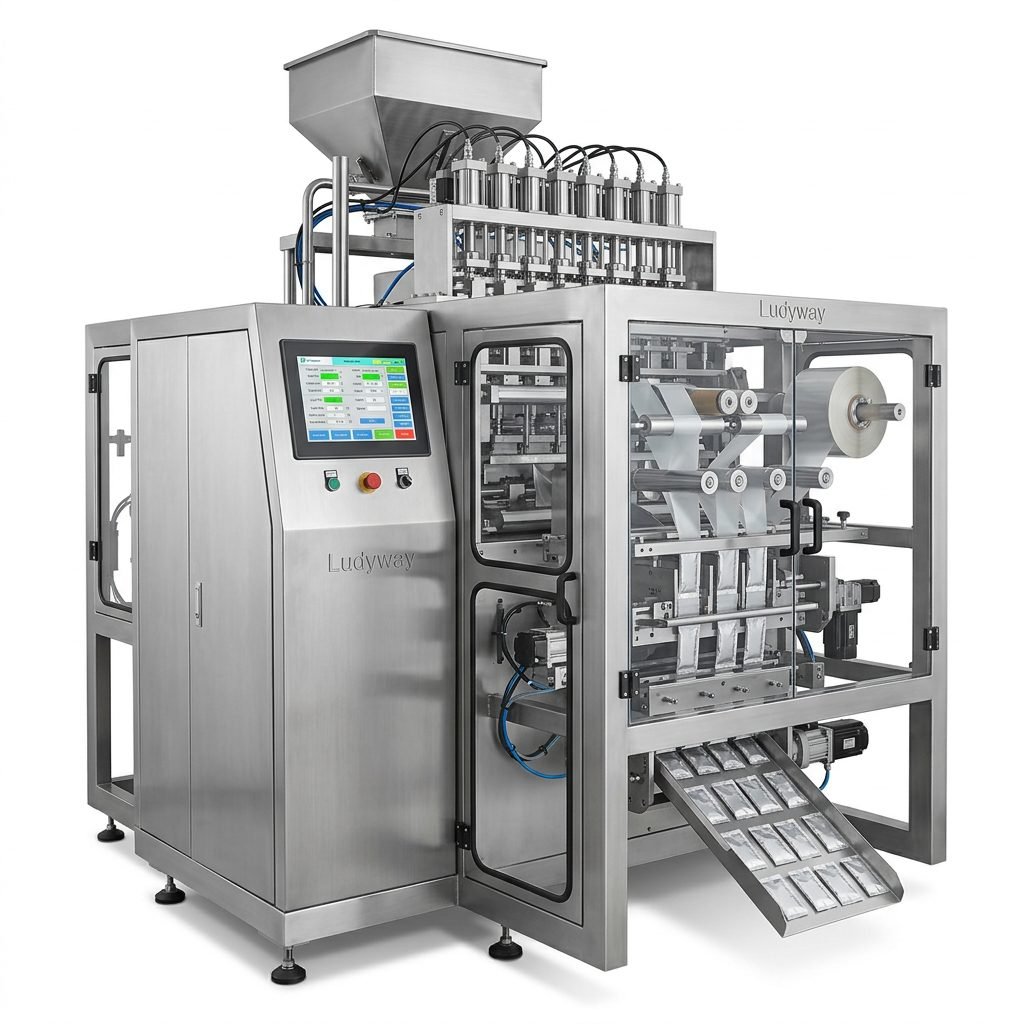
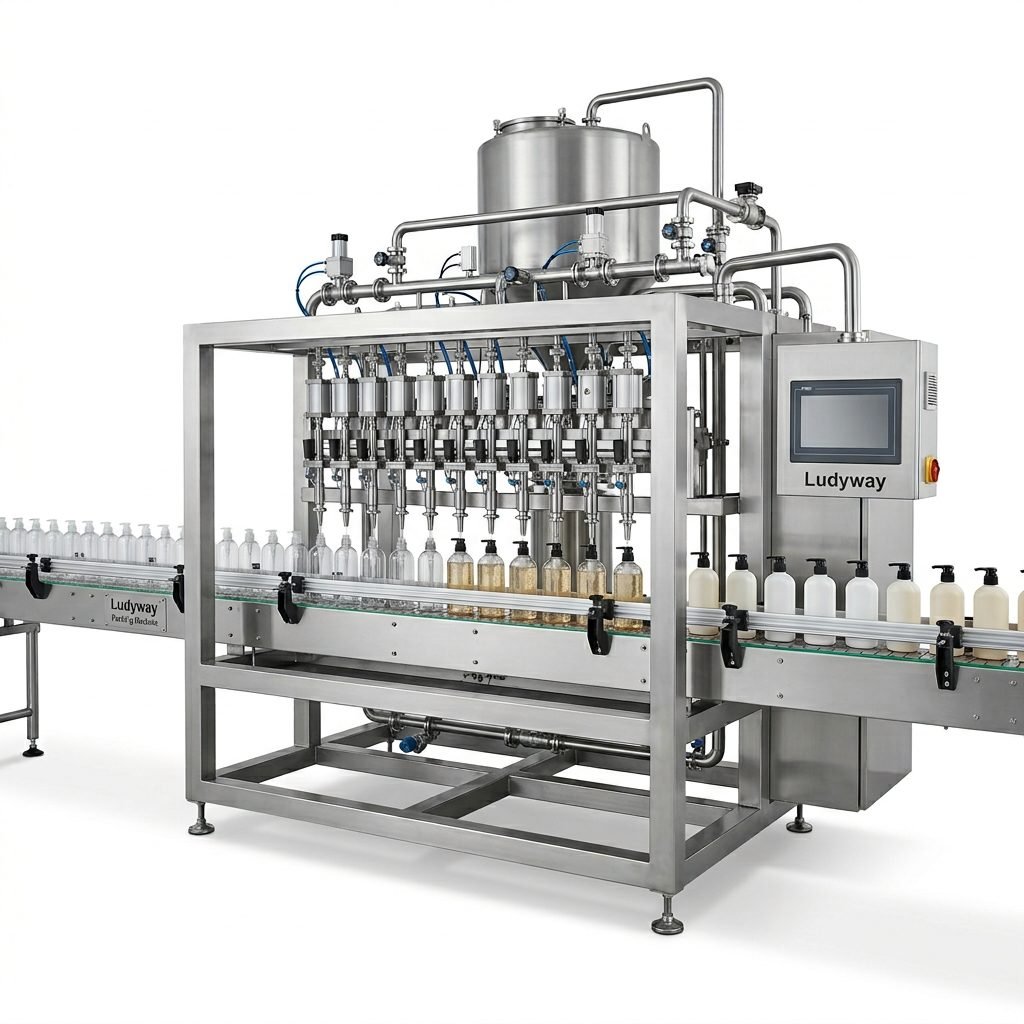
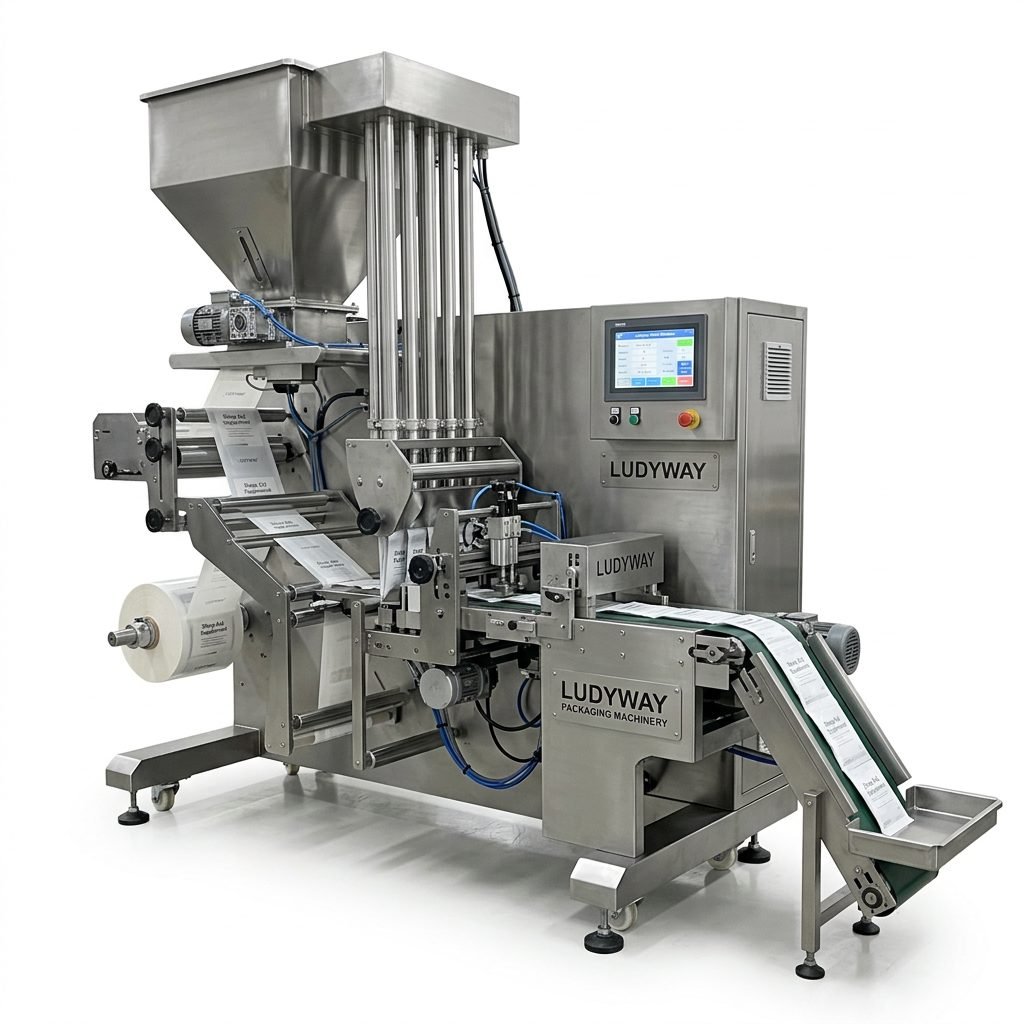
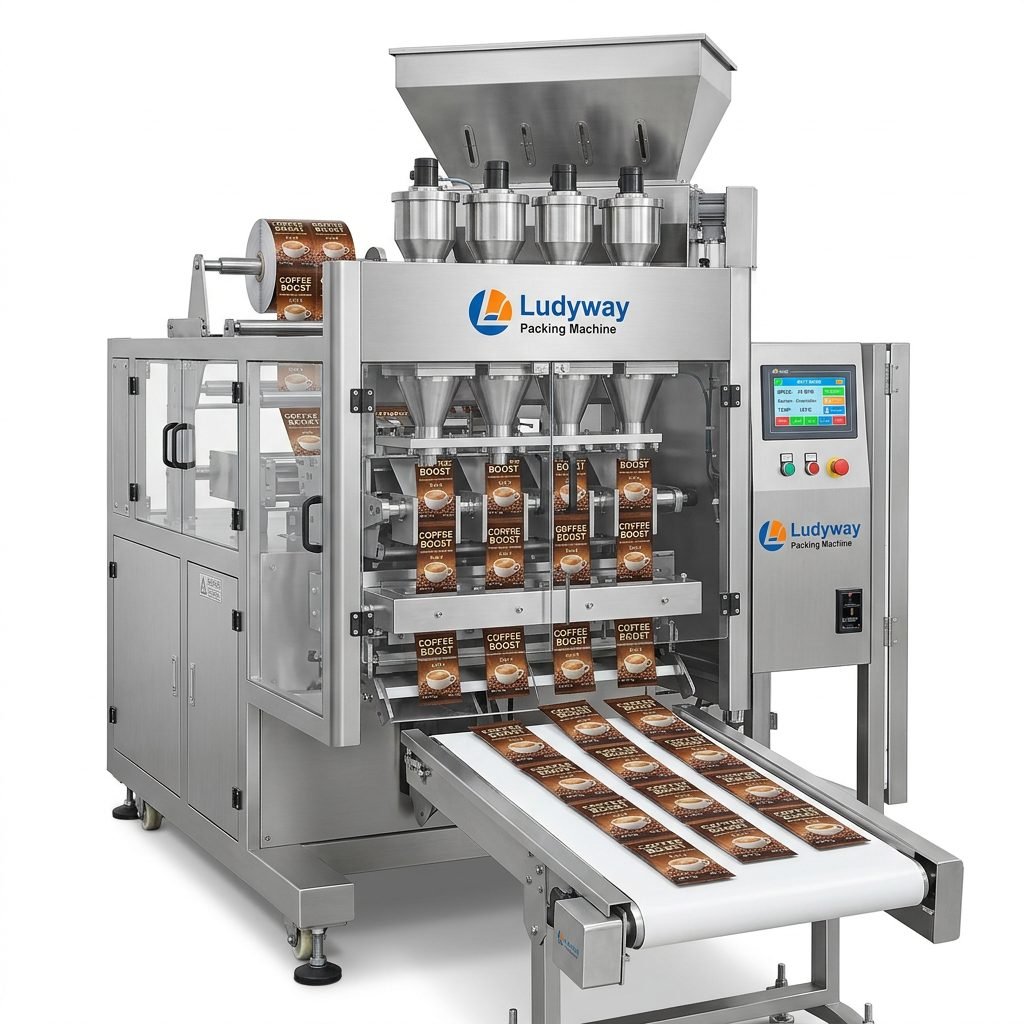
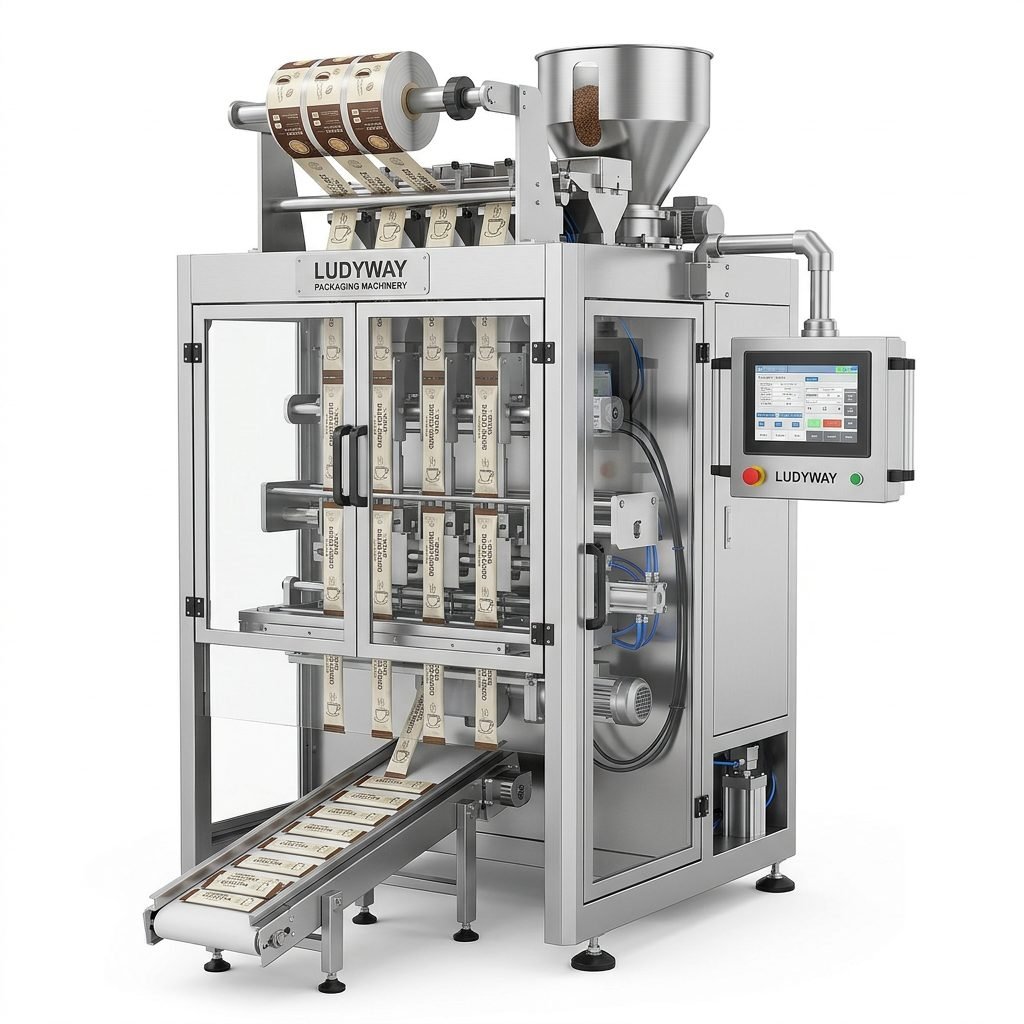
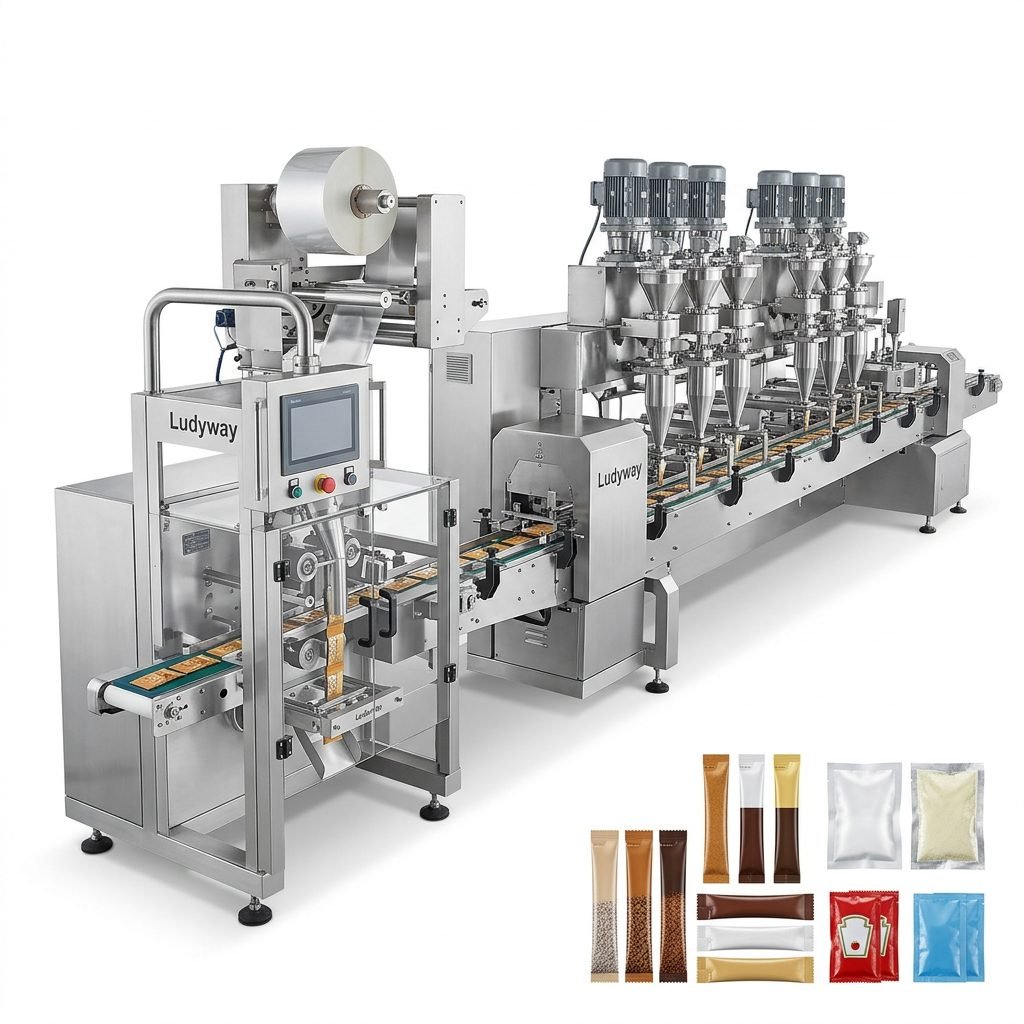
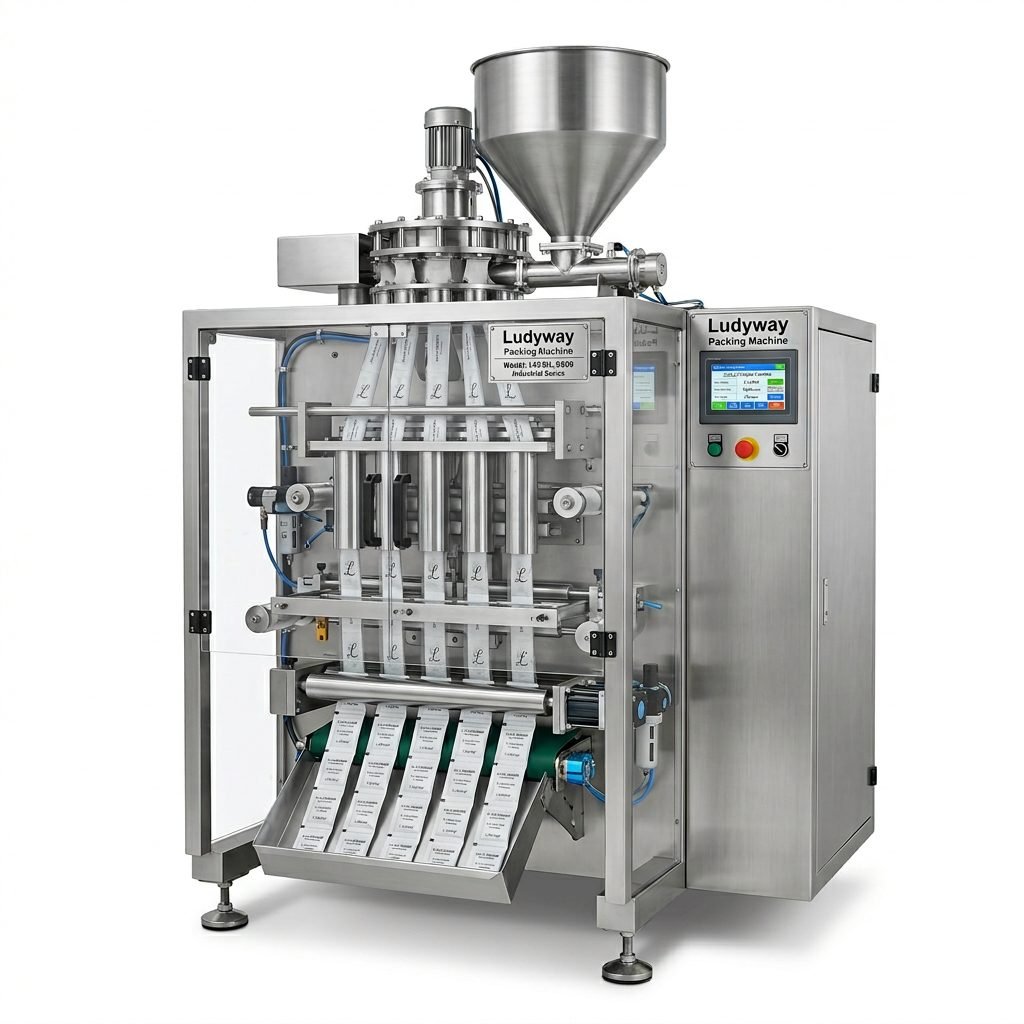
Investing in a fully automatic carton packing machine is a major decision that can significantly impact your production efficiency, labor costs, and overall packaging quality. Whether you operate in the food and beverage, pharmaceutical, cosmetic, or consumer goods industry, selecting the right equipment requires a methodical evaluation of your production needs, product characteristics, and long-term business goals. This comprehensive buyer’s guide will walk you through every critical factor to consider before making your purchase.

Understanding Fully Automatic Carton Packing Machines
A fully automatic carton packing machine automates the entire process of erecting, loading, and sealing cartons. Unlike semi-automatic systems that require manual intervention at various stages, these machines handle everything from carton forming and product insertion to gluing or taping without operator assistance. The packaging and processing industry has seen tremendous technological advancements in recent years, making these systems more accessible and versatile than ever before.
Key Factors to Consider Before Buying
1. Production Speed and Throughput Requirements
Your current and projected production volume should be the starting point for any evaluation. Carton packing machines are rated by cartons per minute (CPM), and selecting a machine that matches your line speed is critical. Underestimating your throughput needs can create bottlenecks, while overestimating may result in unnecessary capital expenditure. Review your peak production demands and allow for at least 20% headroom for future growth.
2. Carton Dimensions and Style Flexibility
Not all carton packing machines handle every carton style. Common formats include:
- Regular slotted cartons (RSC) – the most common style for shipping cases
- Half-slotted containers (HSC) – open-top cartons often used with lids
- Die-cut and custom-shaped cartons – for retail-ready packaging
- Wrap-around cartons – formed around the product for a snug fit
- Tuck-top and glue-seal cartons – common in consumer goods
Evaluate whether the machine offers quick changeover capabilities between different carton sizes and styles. In industries where product variety is high, changeover time directly affects overall equipment effectiveness (OEE).
3. Product Characteristics and Handling
The physical properties of your products determine the type of product handling and loading system required. Consider:
- Product dimensions and weight – affects the choice of pick-and-place or drop-packing mechanisms
- Fragility – delicate items require gentler handling systems
- Shape uniformity – irregular shapes may need specialized tooling
- Temperature sensitivity – some products require temperature-controlled environments
- Hygiene requirements – food and pharmaceutical applications demand sanitary design
4. Automation Level and Integration
A truly fully automatic carton packing system should integrate seamlessly with your upstream and downstream equipment. This includes connection to filling lines, labeling machines, checkweighers, and palletizing systems. According to PMMI business intelligence reports, integrated packaging lines can improve overall productivity by up to 30% compared to standalone machines. Look for machines with standardized communication protocols and modular designs that facilitate line integration.
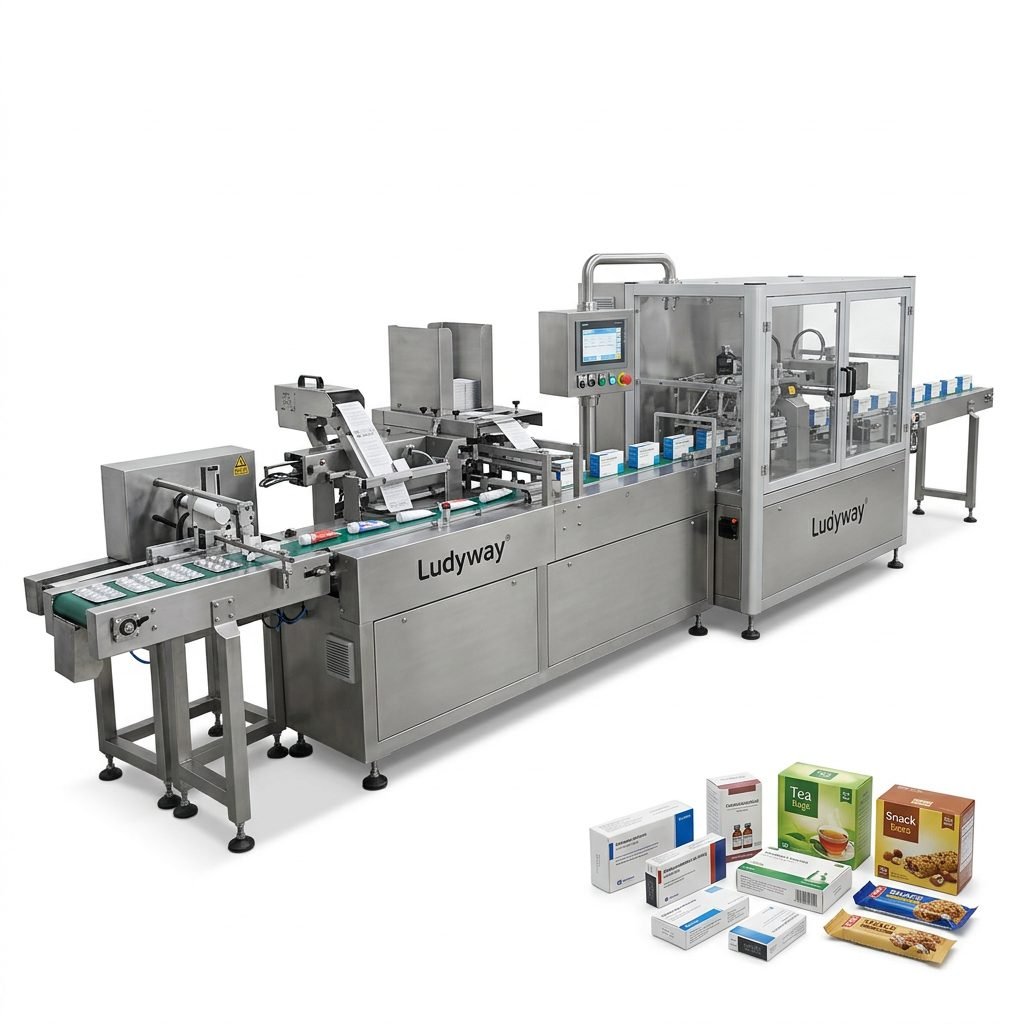
Types of Fully Automatic Carton Packing Machines
Understanding the different machine configurations helps narrow your options. The following table summarizes the main types available in the market:
| Machine Type | Best For | Typical Speed Range | Key Advantage |
|---|---|---|---|
| Horizontal Cartoning Machine | Bottles, tubes, blister packs, pouches | 60-300 CPM | Versatile product handling |
| Vertical Cartoning Machine | Granules, powders, free-flowing products | 40-150 CPM | Gravity-assisted loading |
| Wrap-Around Cartoning Machine | Cans, jars, multi-packs, bottles | 30-120 CPM | Tight pack, reduced material use |
| Top-Load Cartoning Machine | Food trays, delicate products | 20-100 CPM | Gentle product handling |
| End-Load Cartoning Machine | Tubes, sachets, stick packs | 80-350 CPM | High-speed capability |
| Robotic Cartoning System | Complex product grouping, mixed SKUs | 30-120 CPM | Maximum flexibility |
Technical Specifications and Performance Metrics
When comparing different models from packaging machinery manufacturer options, focus on these critical technical parameters:
Carton Size Range
Verify the minimum and maximum carton dimensions the machine can handle. This includes length, width, and height measurements in both flat and erected states. Machines with servo-driven adjustments typically offer greater size flexibility and faster changeovers compared to manual mechanical adjustments. The flexible packaging industry continues to push for more adaptable machinery that handles a broader range of carton formats.
Sealing Method
Carton sealing can be achieved through:
- Hot melt glue – strongest seal, ideal for heavy products and shipping cases
- Pressure-sensitive tape – quick application, easy to open
- Water-activated tape – tamper-evident and secure
- Tuck-in flaps – no adhesive required, common in retail packaging
- Combination sealing – glue plus tape for maximum security
Pro tip: The sealing method affects not only packaging integrity but also your ongoing consumable costs. Calculate these operational expenses over the machine’s expected lifespan.
Cost Analysis and Return on Investment
A fully automatic carton packing machine represents a significant capital investment. Beyond the purchase price, consider the total cost of ownership (TCO):
| Cost Category | Estimated Percentage of TCO | Key Considerations |
|---|---|---|
| Machine Purchase Price | 45-55% | Includes base machine and standard tooling |
| Installation and Commissioning | 5-10% | Site preparation, electrical, compressed air |
| Operator Training | 2-5% | Initial training and documentation |
| Spare Parts Inventory | 3-5% | Critical wear parts and recommended spares |
| Annual Maintenance | 8-12% per year | Preventive maintenance and service contracts |
| Consumables (Glue, Tape) | 10-15% per year | Ongoing operational expenditure |
| Energy Consumption | 3-5% per year | Electrical and compressed air usage |
Most companies achieve full ROI within 18 to 36 months through labor savings, increased throughput, reduced product damage, and improved packaging consistency. The 2025 State of the Industry report from PMMI indicates that automation adoption in packaging continues to accelerate as labor markets tighten globally.
Supplier Evaluation and Due Diligence
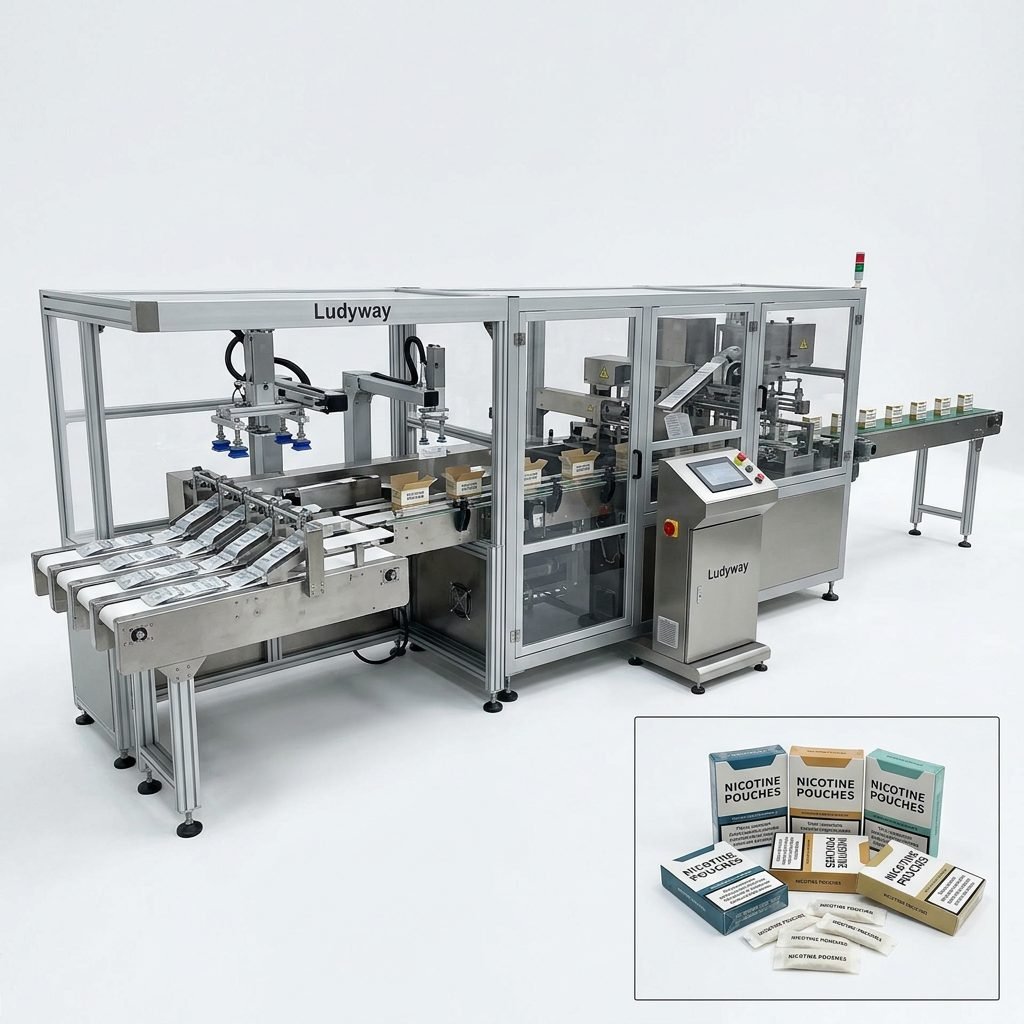
Choosing the right supplier is as important as choosing the right machine. Not all manufacturers offer the same level of quality, support, and customization. Ludyway Machinery, a China-based packaging machinery manufacturer and turnkey packaging solution provider with more than 30 years of experience, has served customers in over 100 countries with integrated packaging solutions spanning powder, granule, liquid, stick pack, sachet, and pouch applications. When evaluating potential suppliers, consider these factors:
- Industry experience – How long has the manufacturer been building carton packing machines specifically?
- Customer references – Request case studies and speak with existing customers in your industry
- After-sales support – Evaluate the availability of technical support, spare parts, and field service
- Customization capability – Can the supplier engineer solutions for your unique requirements?
- Compliance and certifications – Ensure the equipment meets applicable ISO packaging standards and regional safety requirements
Maintenance and Long-Term Support
A fully automatic carton packing machine requires regular preventive maintenance to maintain peak performance. Before finalizing your purchase, understand:
Daily Maintenance Tasks
- Visual inspection of sealing mechanisms and belts
- Cleaning of product contact surfaces and carton tracks
- Checking glue or tape levels and temperatures
- Verifying sensor functionality and alignment
Periodic Maintenance Requirements
- Replacement of wear parts (belts, chains, bearings, sealing elements)
- Calibration of servo motors and drives
- Software updates and control system verification
- Comprehensive inspection of electrical and pneumatic systems
Remote technical assistance has become increasingly valuable for troubleshooting and maintaining equipment performance across international markets. The Flexible Packaging Association highlights that proactive maintenance programs can extend machinery lifespan by 30-40%.

Future-Proofing Your Investment
As your business grows and market demands evolve, your packaging equipment should adapt. Look for machines that offer:
- Modular design – allowing for future upgrades and additional functionality
- Servo-driven technology – enabling recipe-based changeovers and precise control
- IoT connectivity – supporting data collection, remote monitoring, and predictive maintenance
- Multi-format capability – handling various carton styles without major reconfiguration
According to PMMI state of the industry data, packaging machinery with smart capabilities and data integration features are becoming the standard rather than the exception, as manufacturers seek greater visibility into their production processes.
Making the Final Decision
Selecting the right fully automatic carton packing machine requires balancing technical specifications, total cost of ownership, supplier reliability, and long-term adaptability. We recommend creating a weighted evaluation matrix that prioritizes the factors most critical to your operation. Thorough testing with your actual products and cartons is essential before finalizing any purchase. Most reputable manufacturers offer factory acceptance testing (FAT) and site acceptance testing (SAT) to ensure the equipment meets all agreed-upon performance criteria.
From a single automatic carton packing machine to a complete turnkey packaging line, choosing the right equipment partner ensures your packaging operations remain efficient, scalable, and competitive in an increasingly demanding market. The investment in a high-quality, well-specified carton packing machine pays dividends through reduced labor costs, higher throughput, improved packaging quality, and the flexibility to adapt to future business needs.