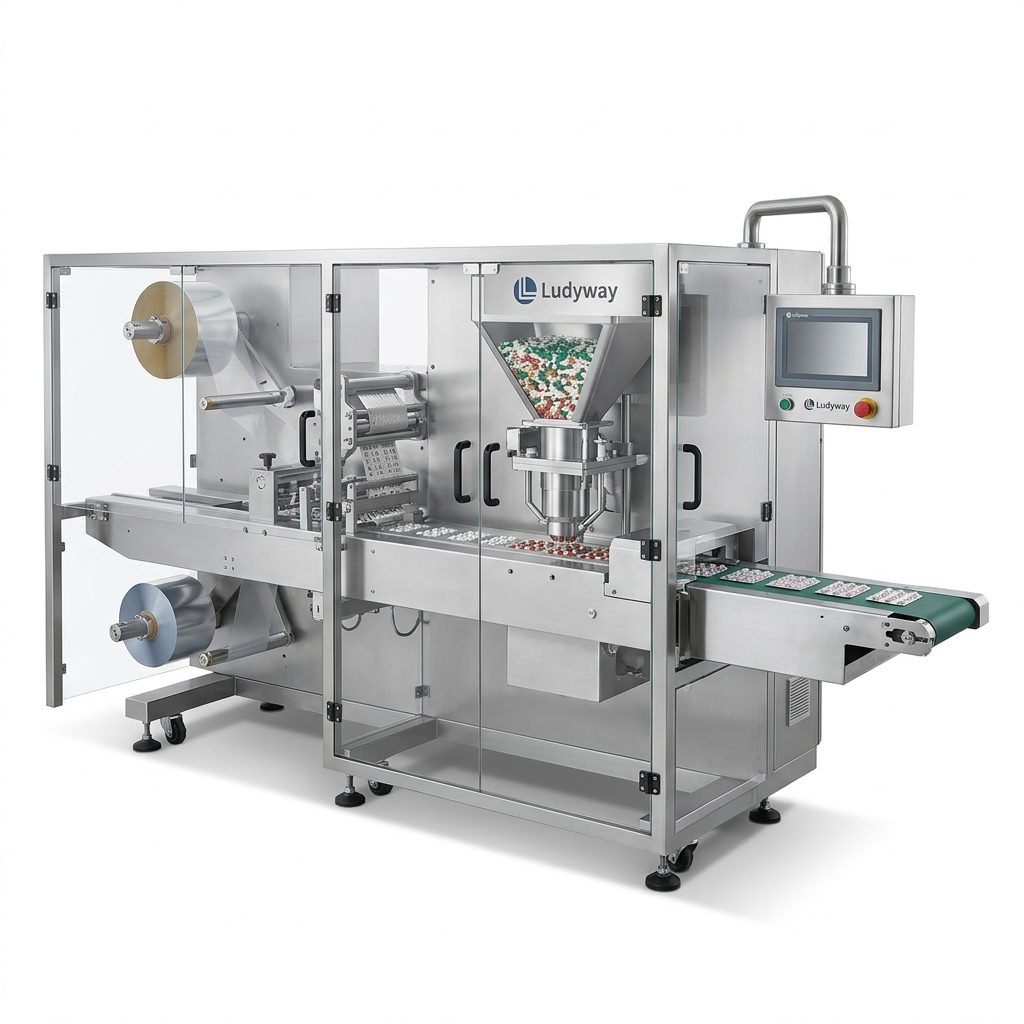
France is one of the largest bread-consuming markets in Europe, with over 6 billion baguettes produced annually and a deeply rooted baking culture that spans artisanal boulangeries to large-scale industrial bakeries. Setting up a bread packaging machine production line in France requires careful planning across multiple dimensions — from navigating strict EU packaging regulations to selecting equipment that preserves product freshness while maximizing throughput. Whether you are a growing industrial bakery or an international food manufacturer entering the French market, this guide outlines every critical step to establish a compliant, efficient, and future-proof bread packaging operation.
Understanding French and EU Packaging Regulations
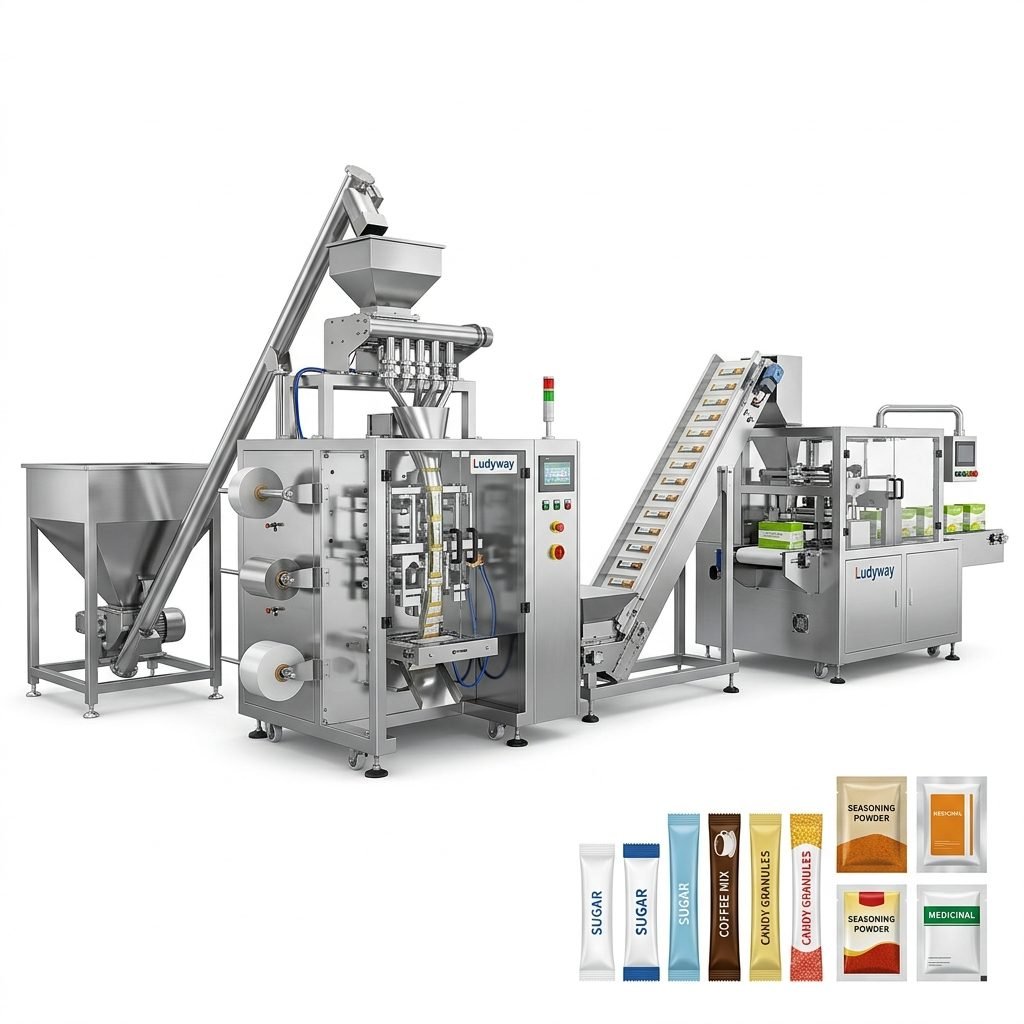
Before purchasing any equipment, you must align your operation with both French national standards and overarching European Union directives. The EU’s Packaging and Packaging Waste Regulation sets mandatory requirements for packaging reduction, recyclability, and labeling. In France, additional rules under the Loi AGEC (Anti-Waste for a Circular Economy) impose stricter obligations on food contact materials and single-use packaging. For bread specifically, packaging must comply with food contact substance regulations that govern materials like polypropylene films, paper-based wraps, and modified atmosphere packaging. Key regulatory touchpoints include material traceability, migration testing for inks and adhesives, and proper disposal labeling using the Triman logo — a mandatory requirement for all packaged goods sold in France.
Selecting the Right Bread Packaging Equipment
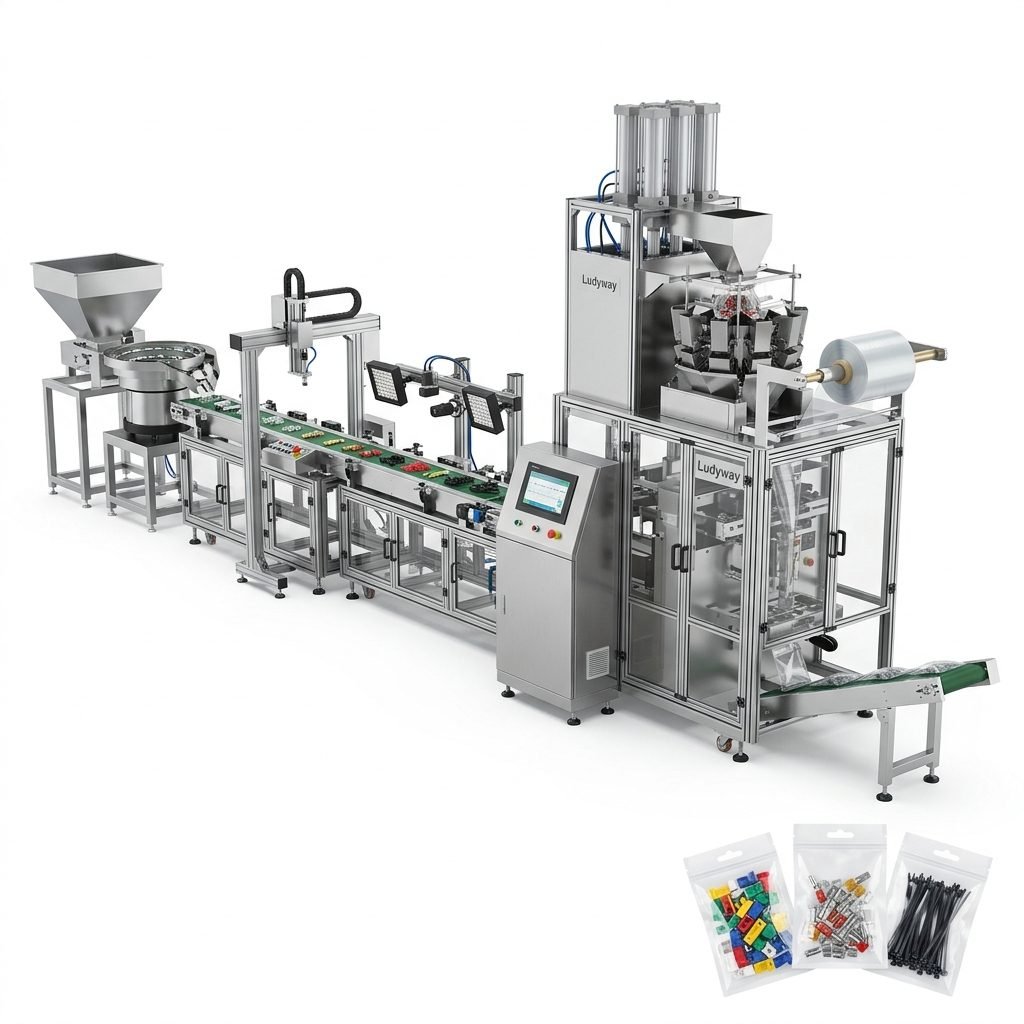
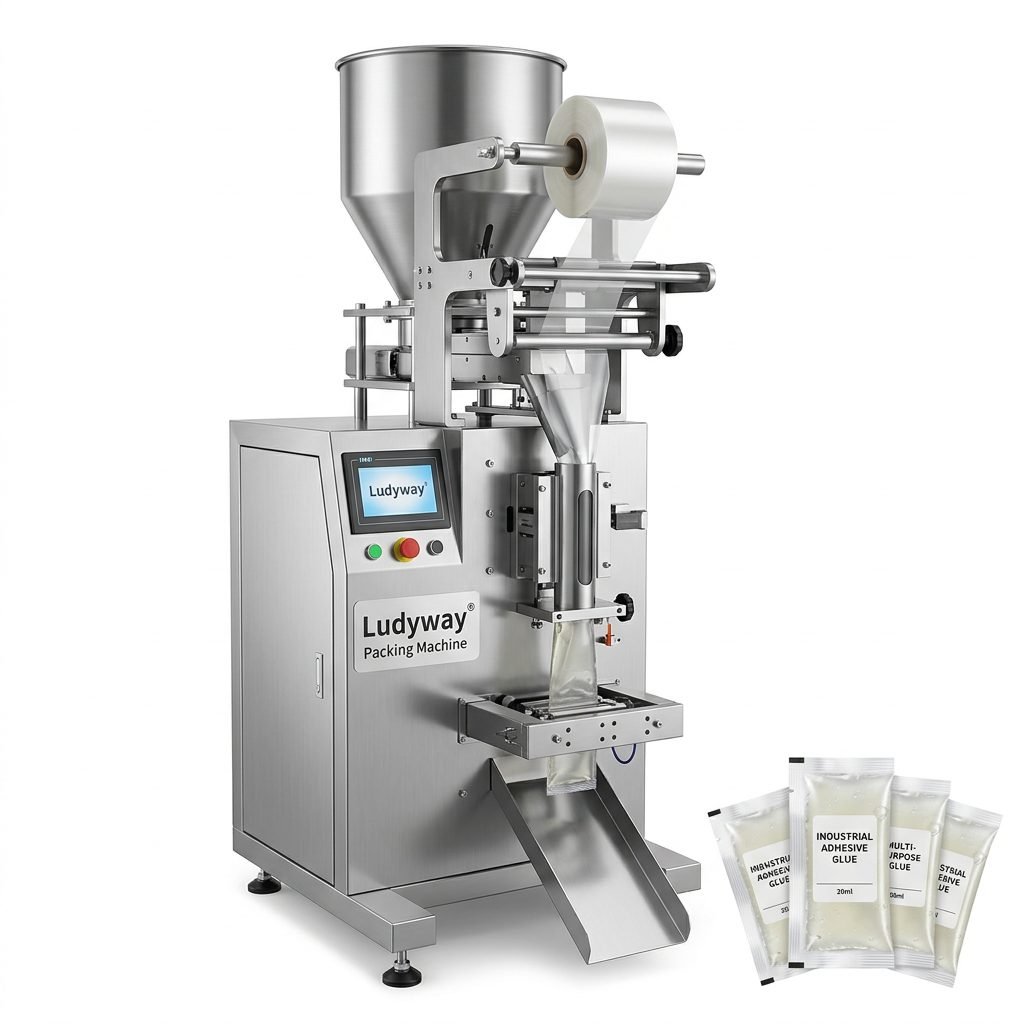
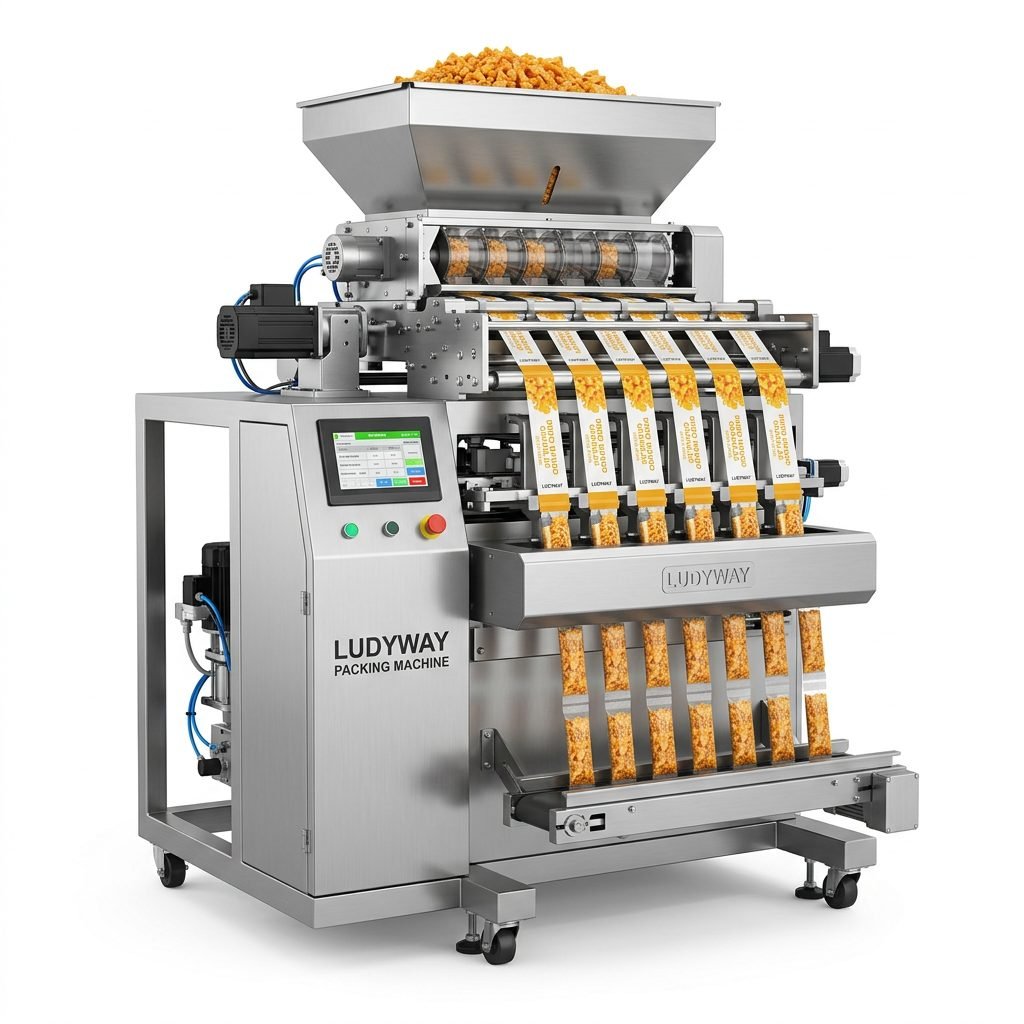
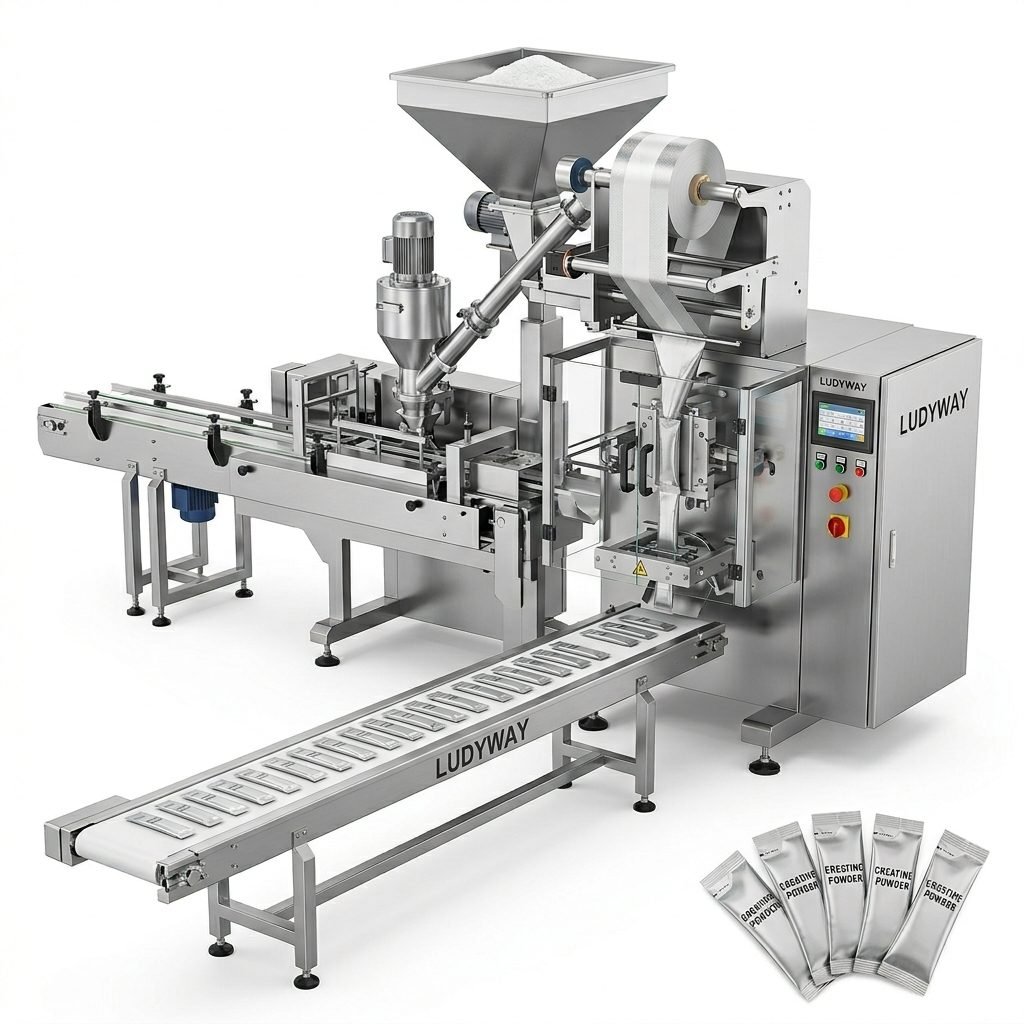
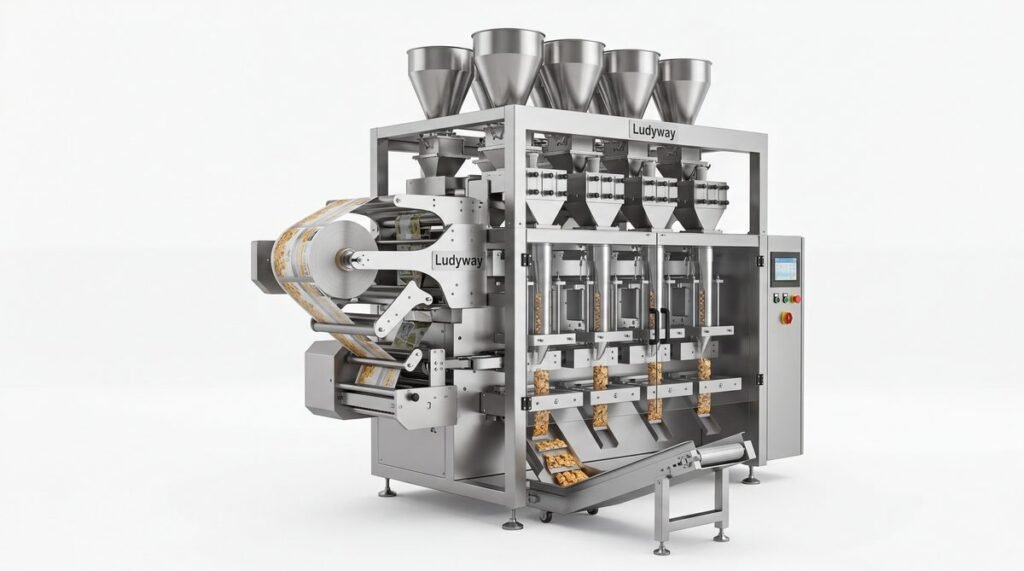
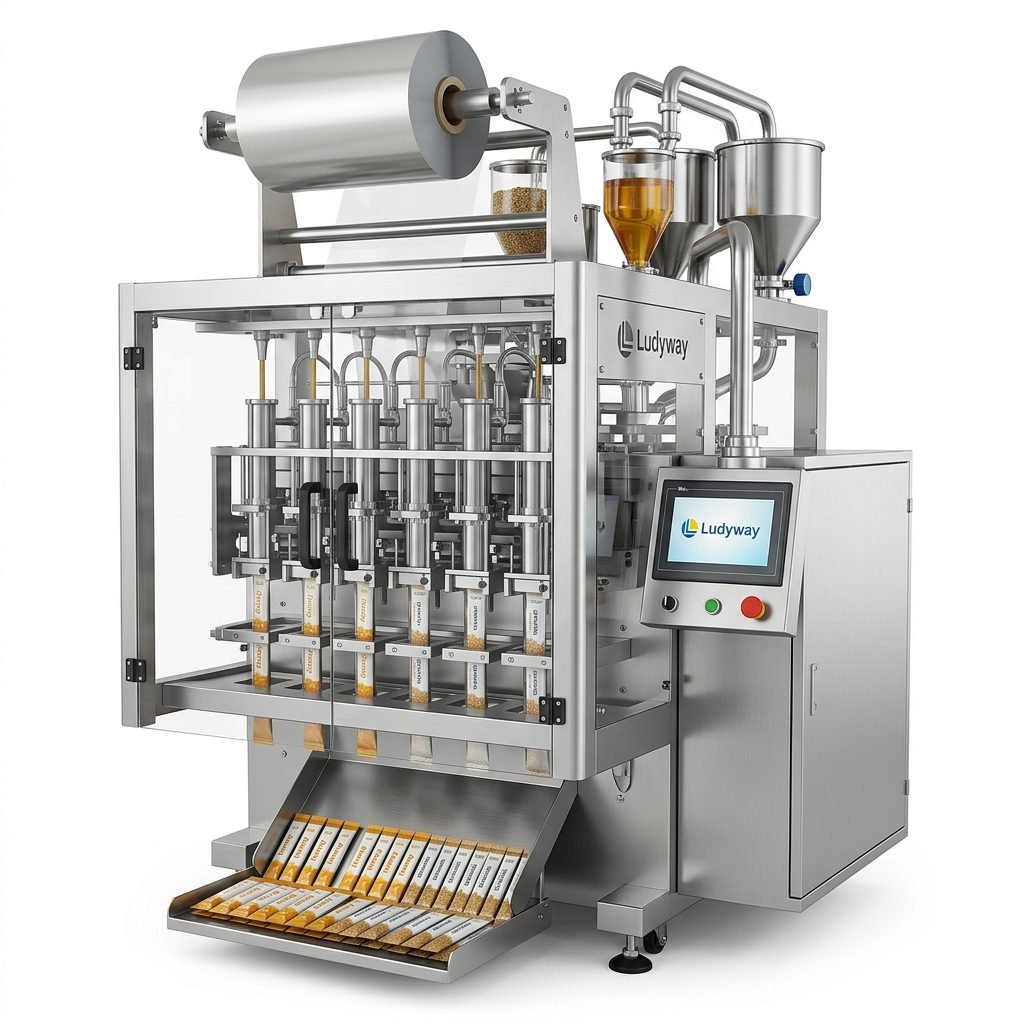
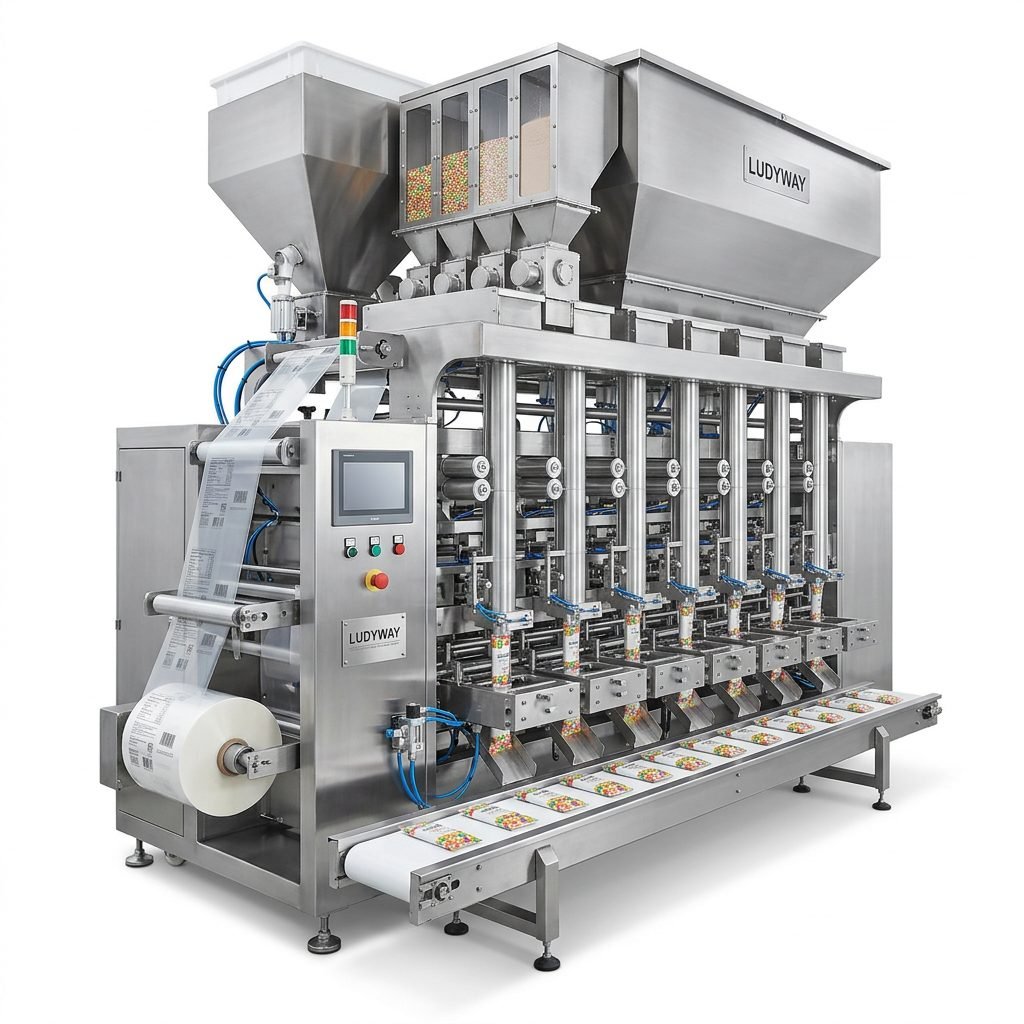
Bread products vary significantly — from crusty baguettes and soft sandwich loaves to sliced pan bread and individually wrapped brioche. Your packaging machine selection must match your product range. Common equipment types deployed in French bakeries include horizontal flow wrappers for sliced bread, vertical form-fill-seal machines for buns and rolls, and thermoforming systems for modified atmosphere packaging that extends shelf life. When evaluating machinery, prioritize stainless steel construction, ease of sanitation per ISO packaging standards, and compatibility with recyclable film materials — an increasingly important factor as France phases out non-recyclable plastics. Multi-lane systems can significantly boost throughput for high-volume producers, handling up to 120 packs per minute depending on loaf size and film type.
Production Line Layout and Space Planning
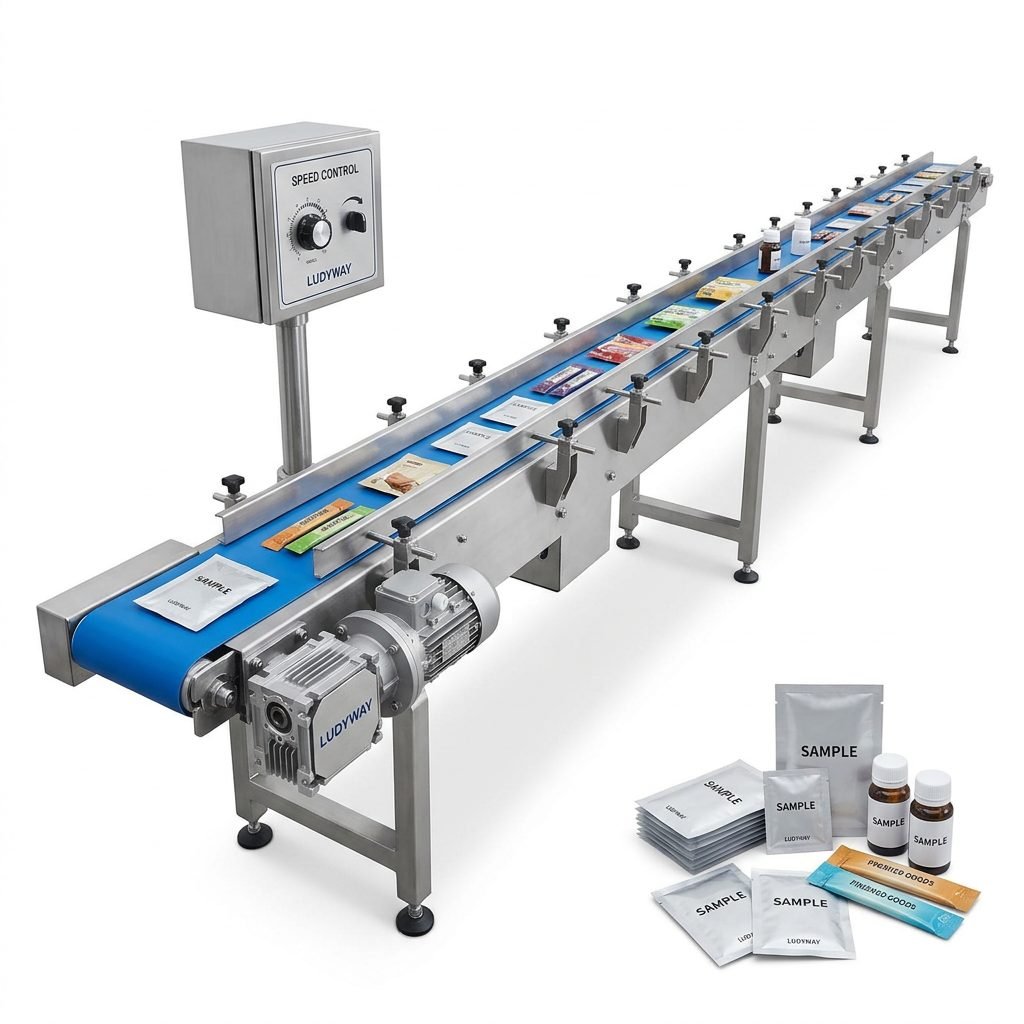
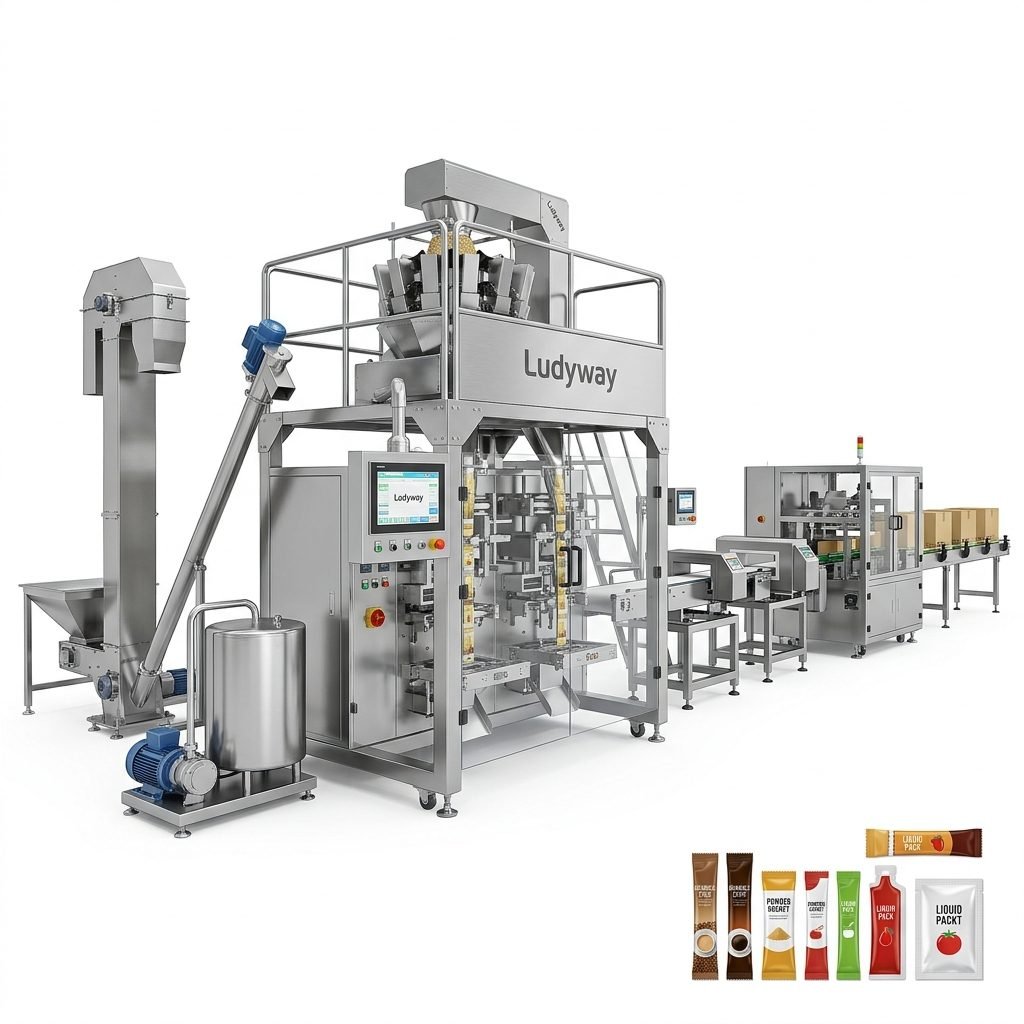
French industrial facilities often operate within compact footprints, making efficient layout design essential. A well-planned bread packaging line typically flows from cooling conveyors to slicing stations, then into the primary packaging machine, followed by secondary cartoning and palletizing. Plan for adequate clearance zones around each machine for maintenance access and cleaning — at minimum 1.2 meters on all sides. Consider ceiling height requirements for overhead conveyors and ensure floor surfaces meet French hygiene standards with proper drainage. Integrating metal detectors and checkweighers into the line is strongly recommended, as French retailers increasingly demand these quality control measures from suppliers.
CE Marking and Equipment Compliance
Any packaging machinery installed in France must carry CE marking confirming compliance with the EU Machinery Directive 2006/42/EC. This certification covers essential health and safety requirements including guarding systems, emergency stops, electrical safety per EN 60204-1, and electromagnetic compatibility. Work closely with your equipment supplier to verify that all components — from the primary packaging unit to ancillary conveyors and coders — carry valid CE documentation. For imported machinery, a French-authorized representative may be required to hold the technical file. Additionally, food contact parts must meet EU Regulation 1935/2004 and its French counterpart, DGCCRF guidelines, ensuring no harmful substances migrate into bread products during packaging.
Key Testing and Quality Control Milestones
Before full-scale production begins, your line must pass a series of validation tests. These include seal integrity testing using vacuum or dye penetration methods, gas flush verification for modified atmosphere packs, and shelf-life validation under real distribution conditions. French retailers often require a minimum 7-10 day shelf life for packaged bread, which means your packaging system must achieve consistent hermetic seals and accurate gas mixture ratios. Document all test results meticulously — this data forms part of your HACCP plan and will be reviewed during audits by French food safety authorities.

Installation and Commissioning Process
Installing a bread packaging line in France typically follows a phased approach: pre-installation site preparation, mechanical installation, electrical integration, dry-run testing, and finally production commissioning. Allow 4–6 weeks for a complete installation of a mid-sized line, depending on complexity and automation level. French electrical standards (NF C 15-100) must be strictly followed for all wiring and panel installations. During commissioning, run multiple bread product variants to fine-tune film tension, sealing temperature, and cutting registration — each bread type behaves differently on high-speed lines. Engage a qualified technician fluent in French to oversee the process and liaise with local contractors for utilities like compressed air and nitrogen supply lines.
Staff Training and Operational Excellence
French labor law emphasizes operator safety and competency. All packaging line operators must receive documented training covering machine operation, cleaning procedures, and emergency protocols. Create bilingual operating manuals (French and English) and place quick-reference guides at each workstation. Implement a skills matrix to track operator proficiency across different line positions, and schedule refresher training at least annually. Well-trained teams not only reduce downtime but also extend equipment lifespan — a crucial consideration given the high capital investment in modern packaging lines.

Maintenance and After-Sales Support in France
Reliable local technical support is a decisive factor when choosing equipment suppliers for your French operation. Look for manufacturers or distributors offering on-site service within 48 hours, readily available spare parts from EU-based warehouses, and remote diagnostic capabilities. Preventive maintenance contracts tailored to your production schedule help avoid costly unplanned downtime. Key wear components — sealing jaws, cutting blades, belts, and bearings — should be stocked on-site with clear reorder procedures. Additionally, verify that your supplier’s service team understands French workplace safety regulations and can communicate effectively with your local maintenance staff.
| Planning Phase | Key Activities | Recommended Timeline |
|---|---|---|
| Regulatory Assessment | Review EU/French packaging laws, food contact compliance, Triman labeling | Weeks 1–2 |
| Equipment Selection | Evaluate machine types, throughput needs, film compatibility, CE certification | Weeks 3–6 |
| Site Preparation | Floor reinforcement, utility connections, layout finalization | Weeks 7–9 |
| Installation & Commissioning | Mechanical setup, electrical integration, dry-run testing, production trials | Weeks 10–14 |
| Validation & Training | Seal integrity tests, shelf-life validation, operator training, HACCP documentation | Weeks 15–16 |
Cost Considerations and ROI Projections
Budgeting for a bread packaging line in France involves more than equipment purchase price. Factor in import duties, VAT (20% standard rate in France), installation labor, operator training, and initial spare parts inventory. A mid-range automated line can represent an investment of €150,000 to €500,000 depending on speed, automation features, and ancillary systems. However, the return on investment is typically achieved within 18–24 months through labor reduction, decreased product waste from improved sealing consistency, and extended shelf life that reduces retailer returns. French bakers who upgrade from manual or semi-automatic systems routinely report 30–50% throughput gains within the first year of operation.
Working with Equipment Manufacturers
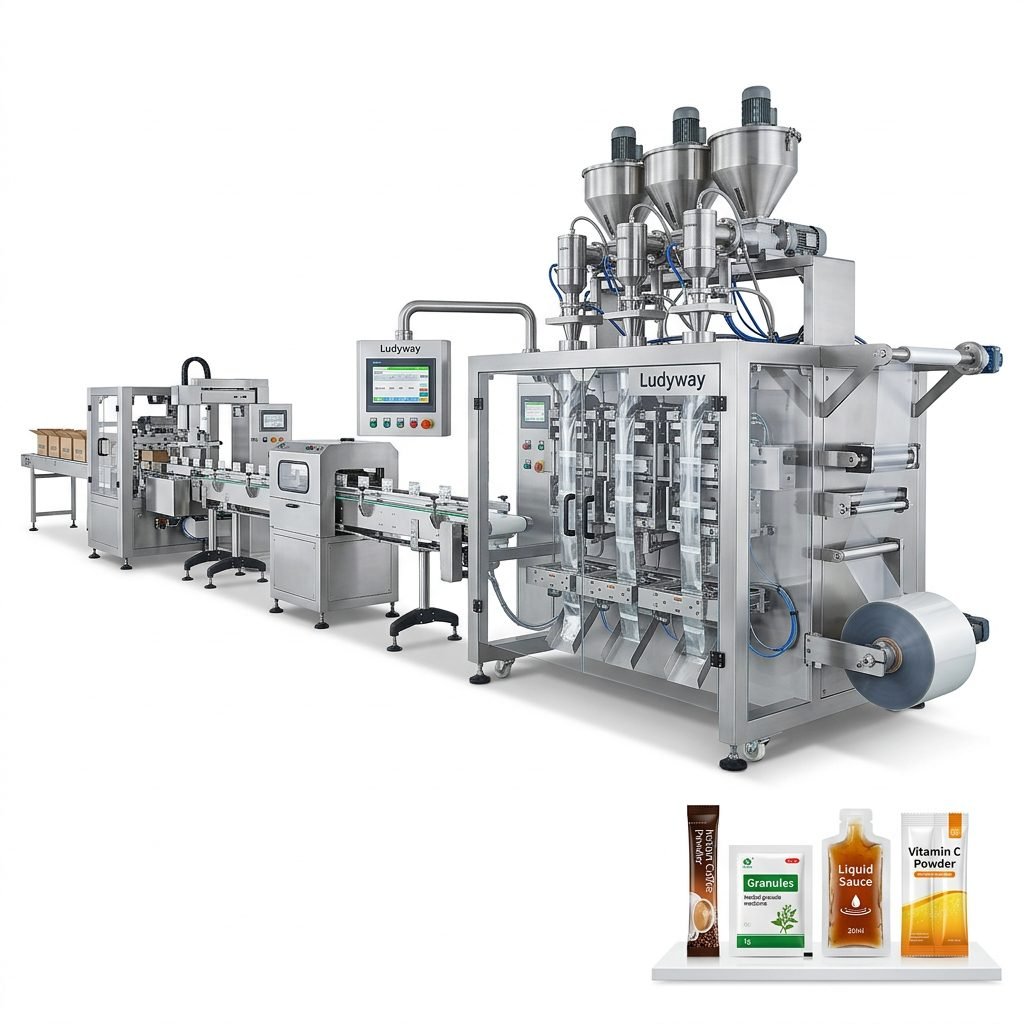
Choosing the right equipment partner is as important as the machinery itself. Look for manufacturers with proven experience in European food packaging, comprehensive CE documentation, and responsive after-sales service. Ludyway, one of the largest packaging machine manufacturers in China with over 30 years of industry expertise and a 20,000㎡ modern production facility, supplies advanced packaging equipment to customers in more than 100 countries and regions — offering turnkey solutions that help food producers improve productivity while meeting international quality standards. When engaging any supplier, request references from existing French or EU-based clients, and if possible, arrange a factory visit or live demonstration before finalizing your purchase decision.
Future-Proofing Your Packaging Line
France’s regulatory landscape continues to evolve toward greater sustainability. Upcoming restrictions on single-use plastics, expanding EPR (Extended Producer Responsibility) obligations, and increasing consumer demand for eco-friendly packaging mean your line should be adaptable. Consider machines that can handle compostable films, paper-based wraps, and mono-material recyclable structures. Modular equipment designs allow for future upgrades — adding automated cartoning, robotic palletizing, or smart sensors for Industry 4.0 connectivity — without replacing your entire line. Investing in flexibility today protects your operation against tomorrow’s regulatory changes and positions your brand favorably in the competitive French bread market.
For further reading on packaging industry standards and market trends, explore resources from the PMMI Association for Packaging and Processing Technologies, the Flexible Packaging Association, and official ISO packaging and distribution standards.