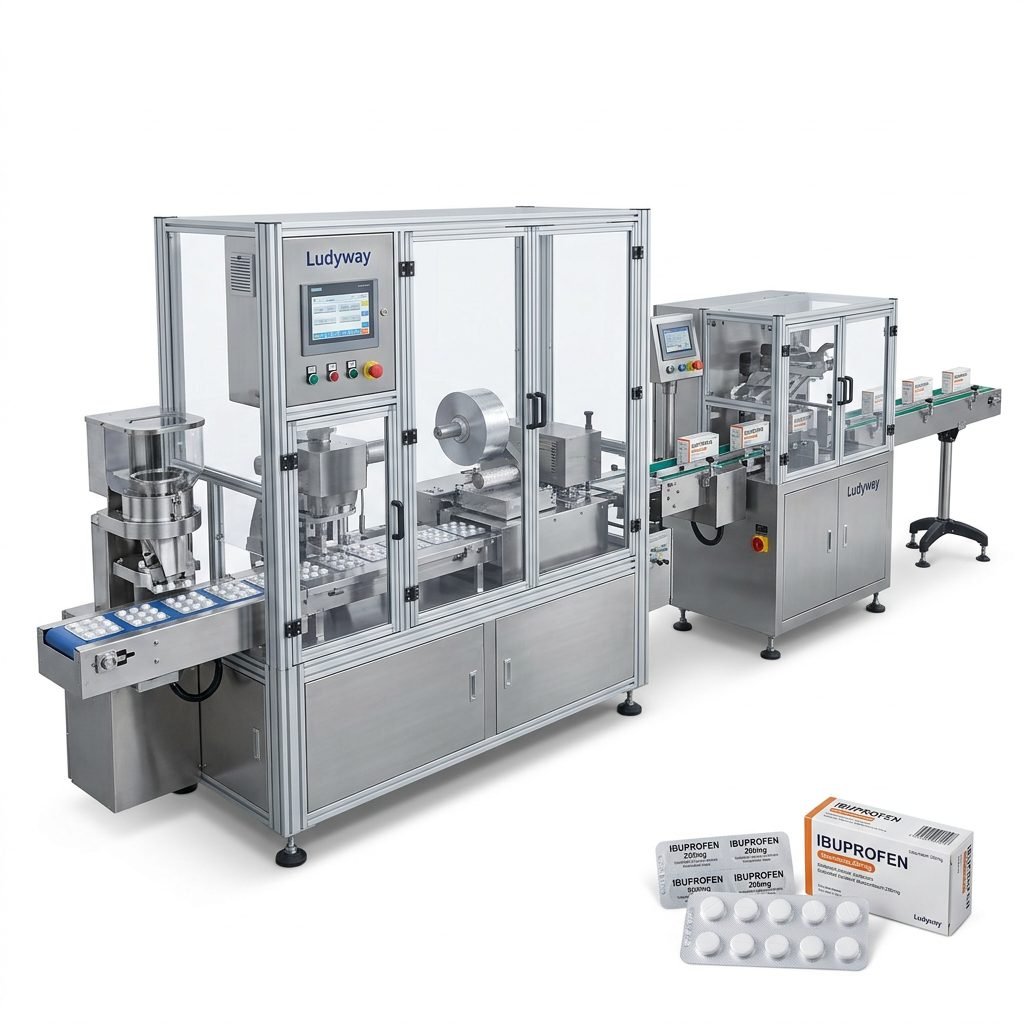
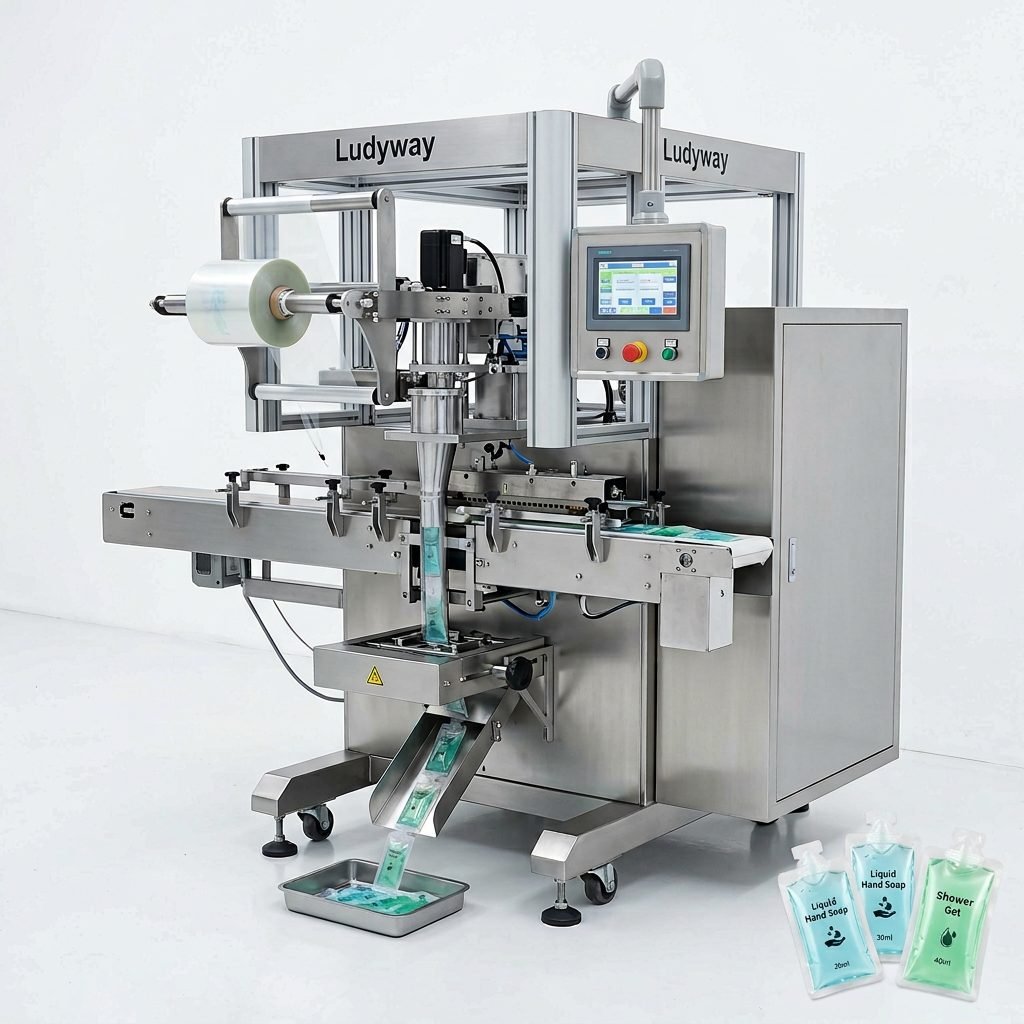
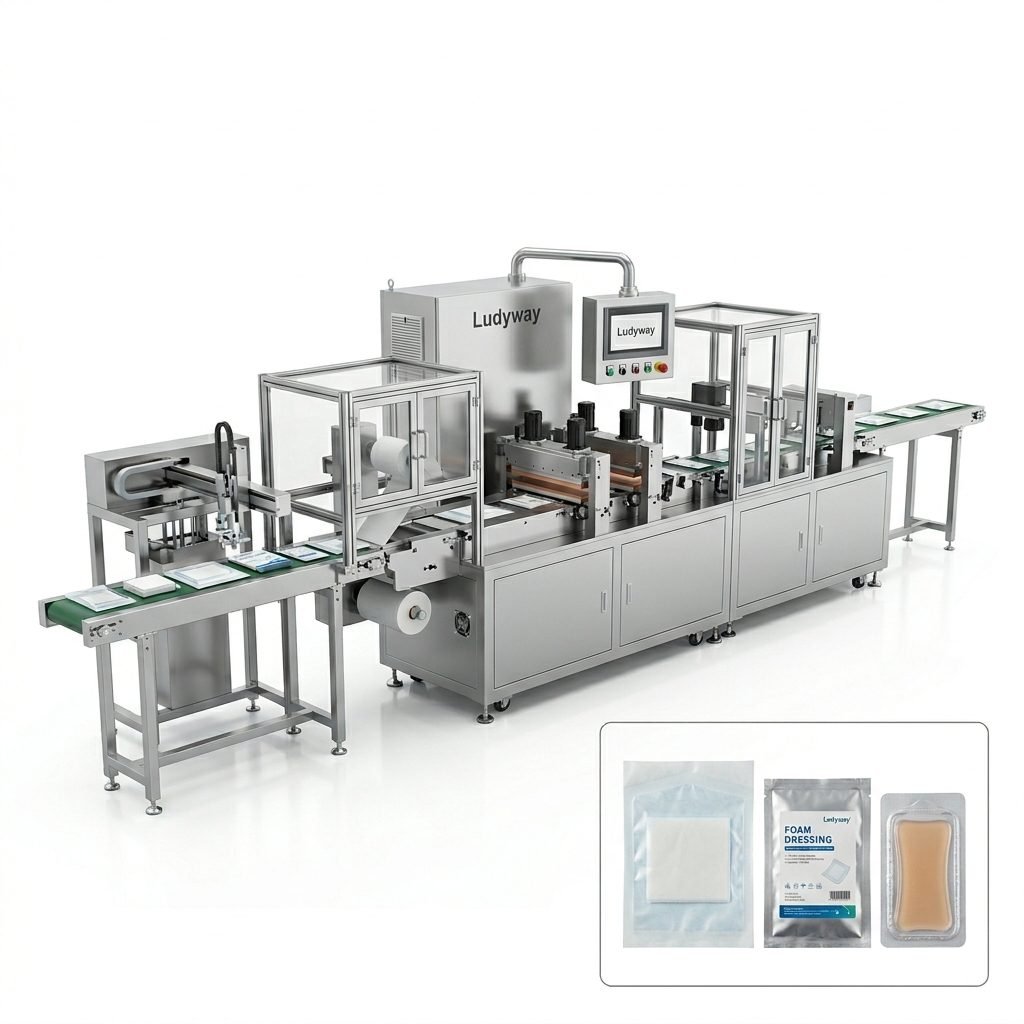
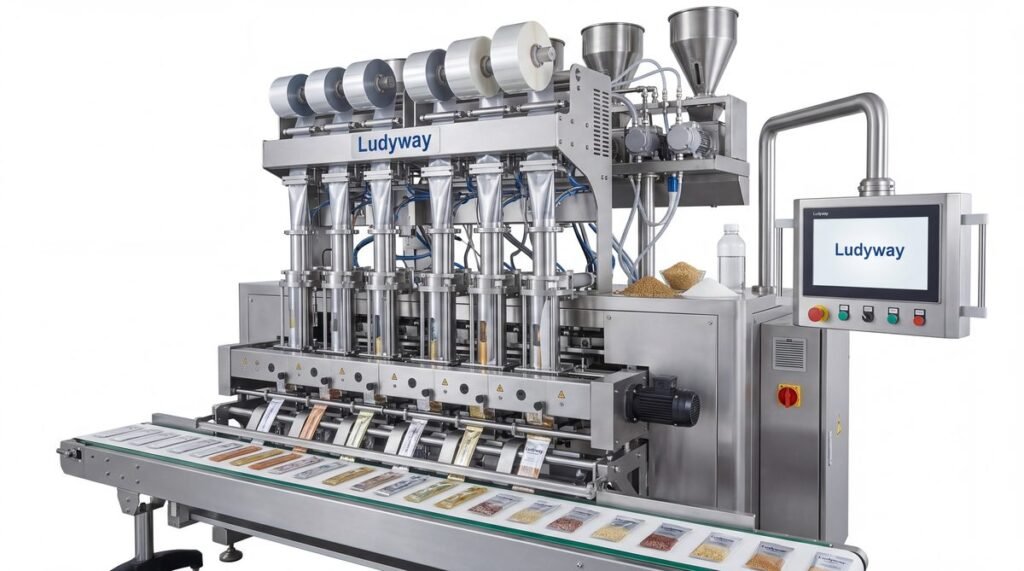
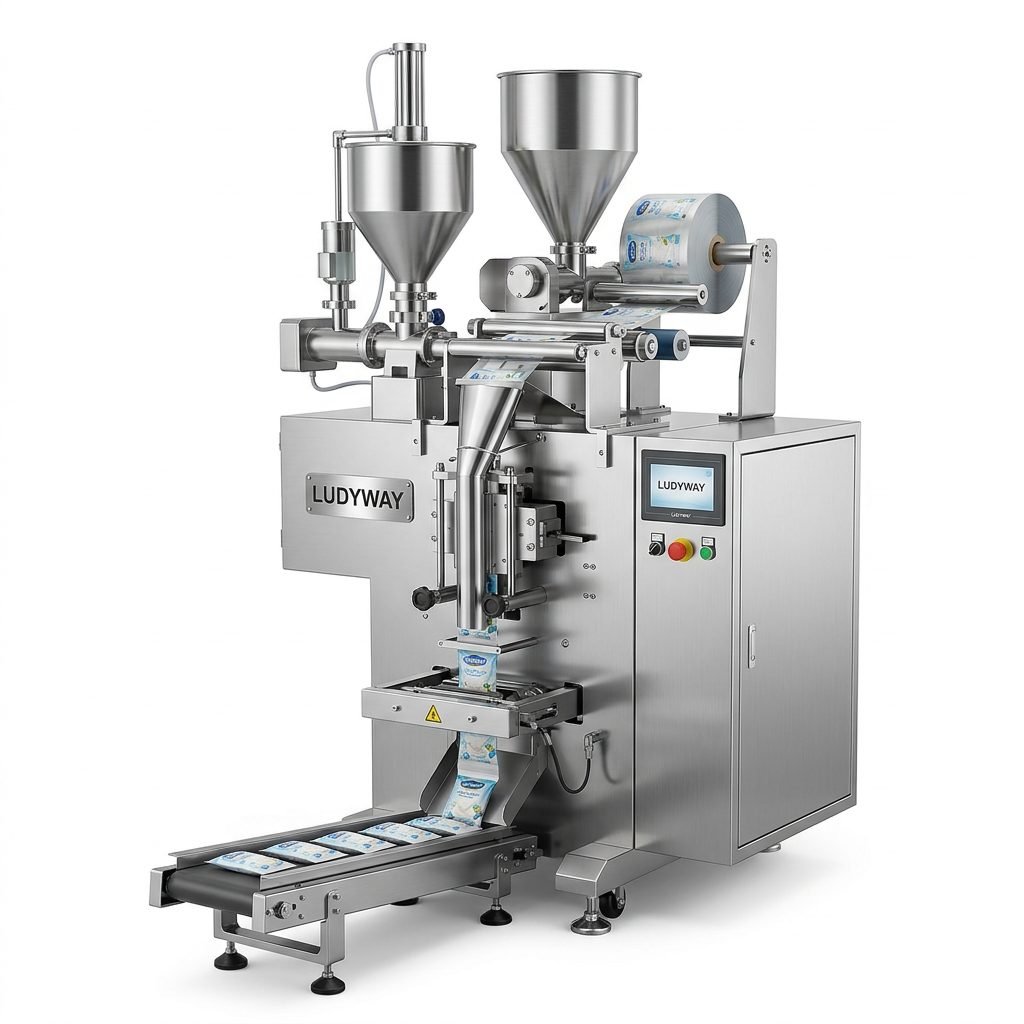
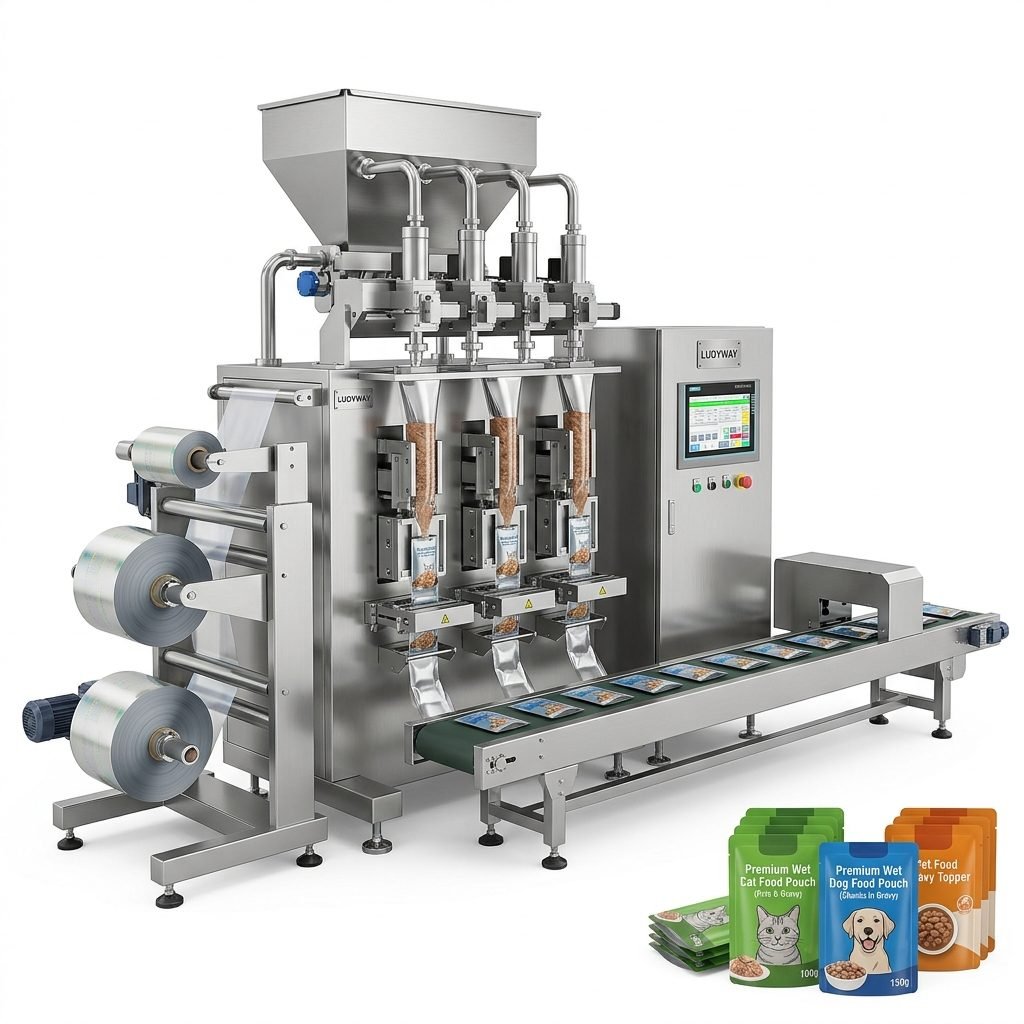
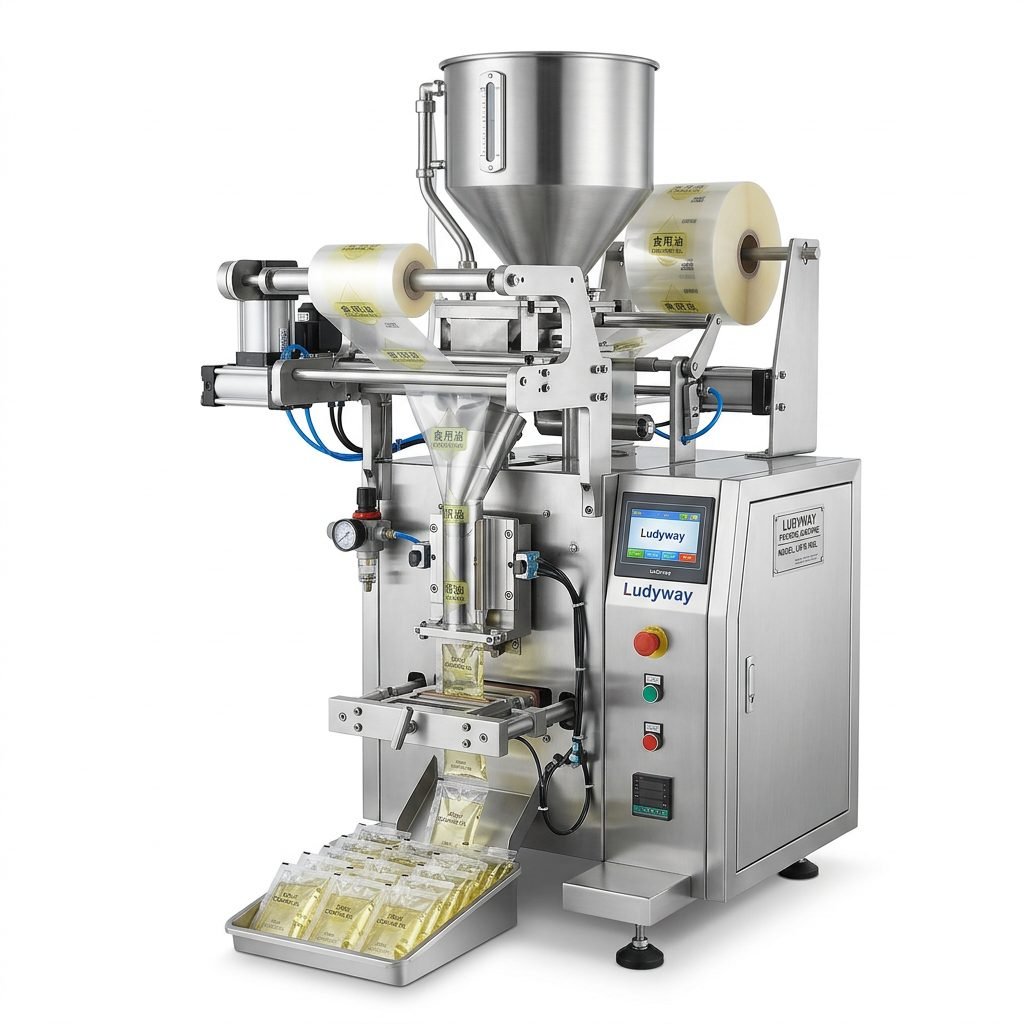
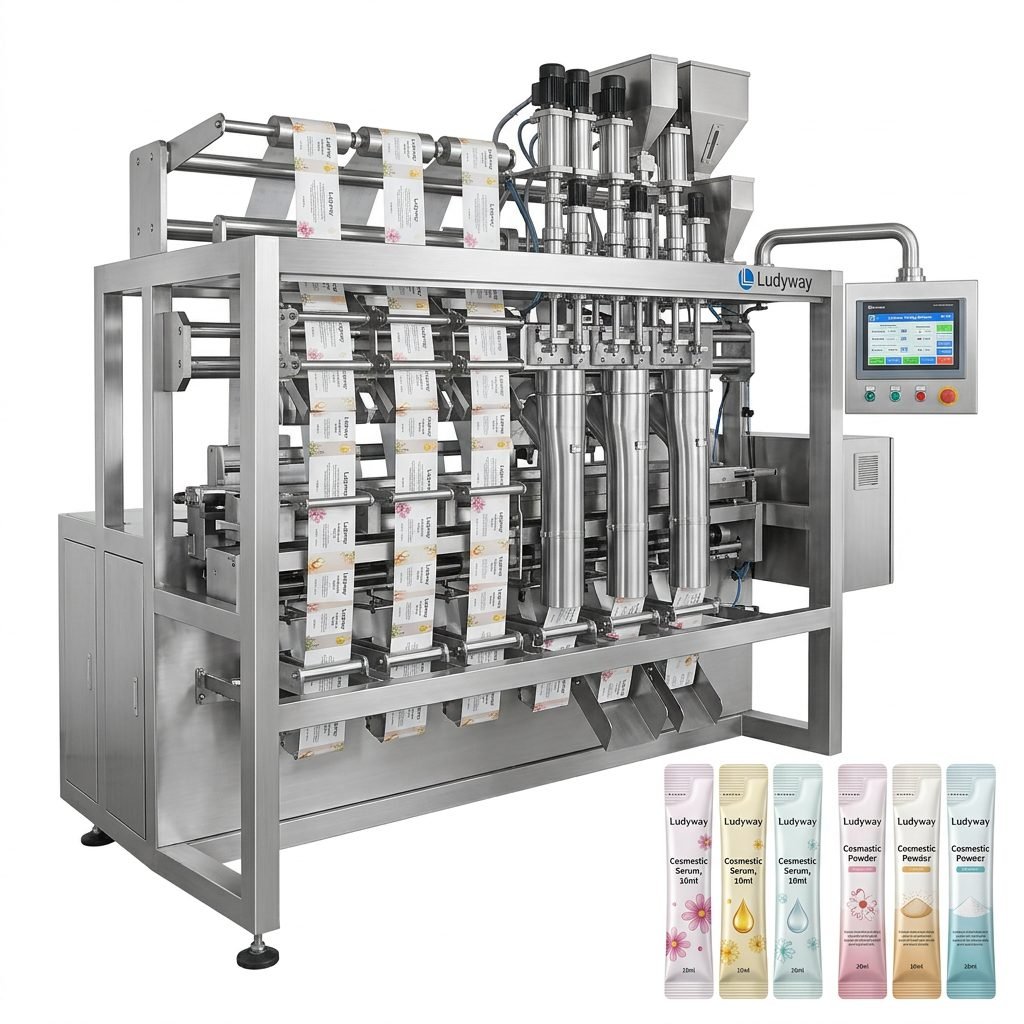
Selecting a CHLB packing machine is a critical decision for manufacturers in the food, pharmaceutical, chemical, and nutraceutical industries. The right equipment directly impacts production efficiency, packaging accuracy, and long-term operational costs. A poorly matched machine can lead to material waste, downtime, and inconsistent product quality. This guide walks you through the essential factors to evaluate before making a purchase.
Understanding CHLB Packaging Technology
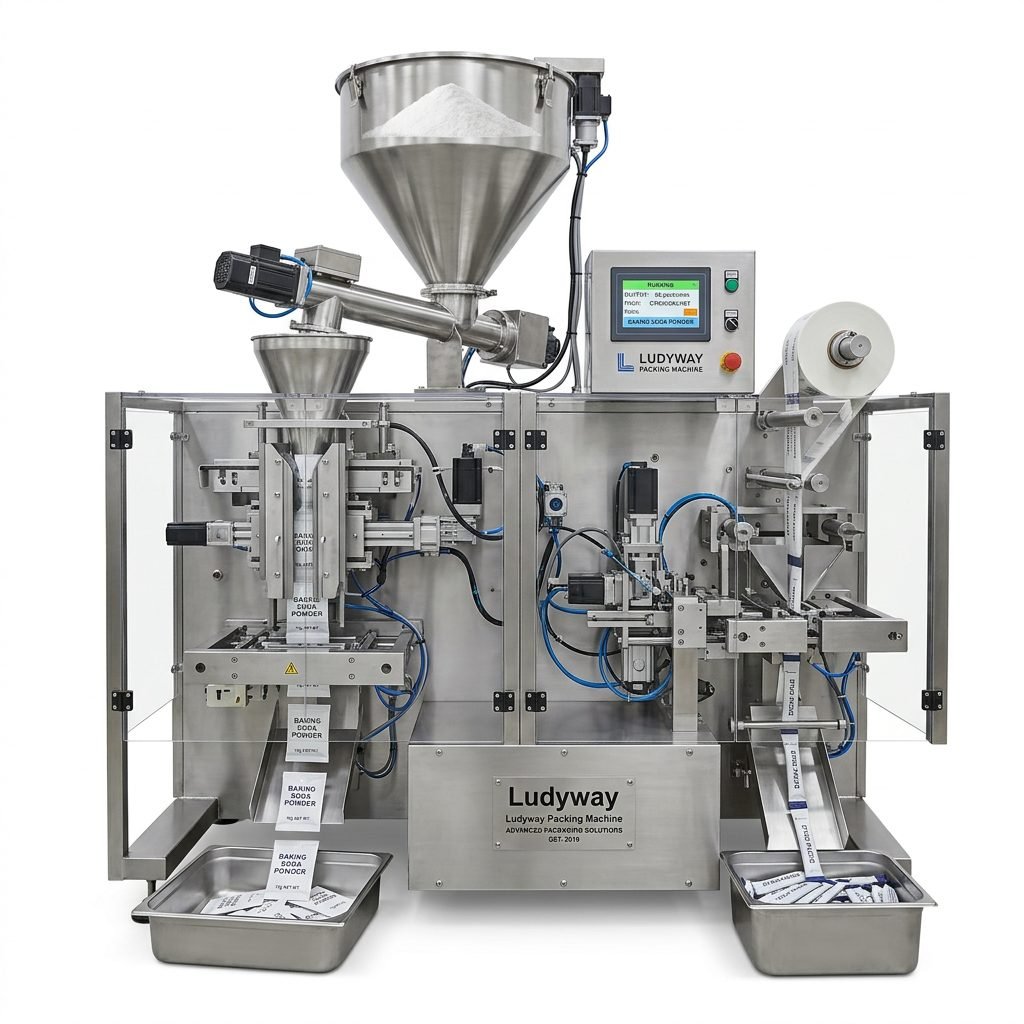
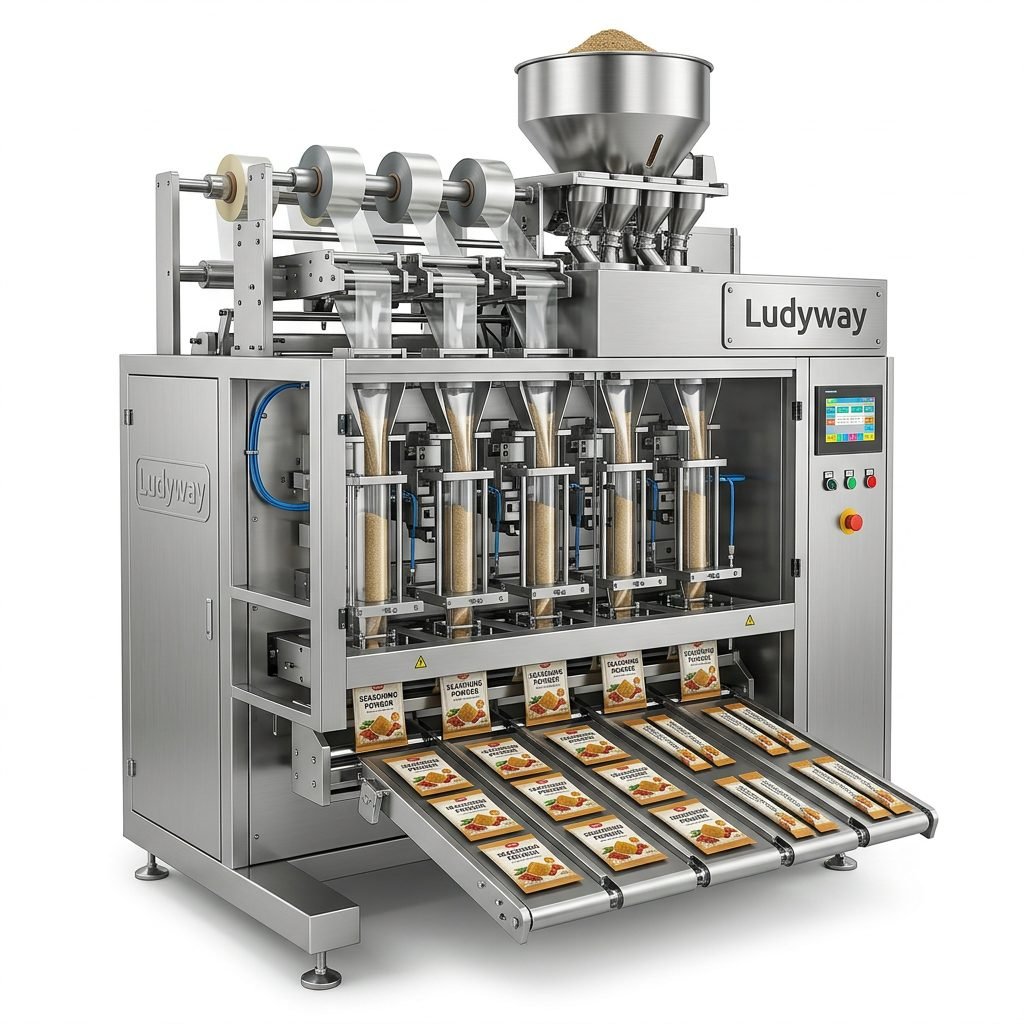
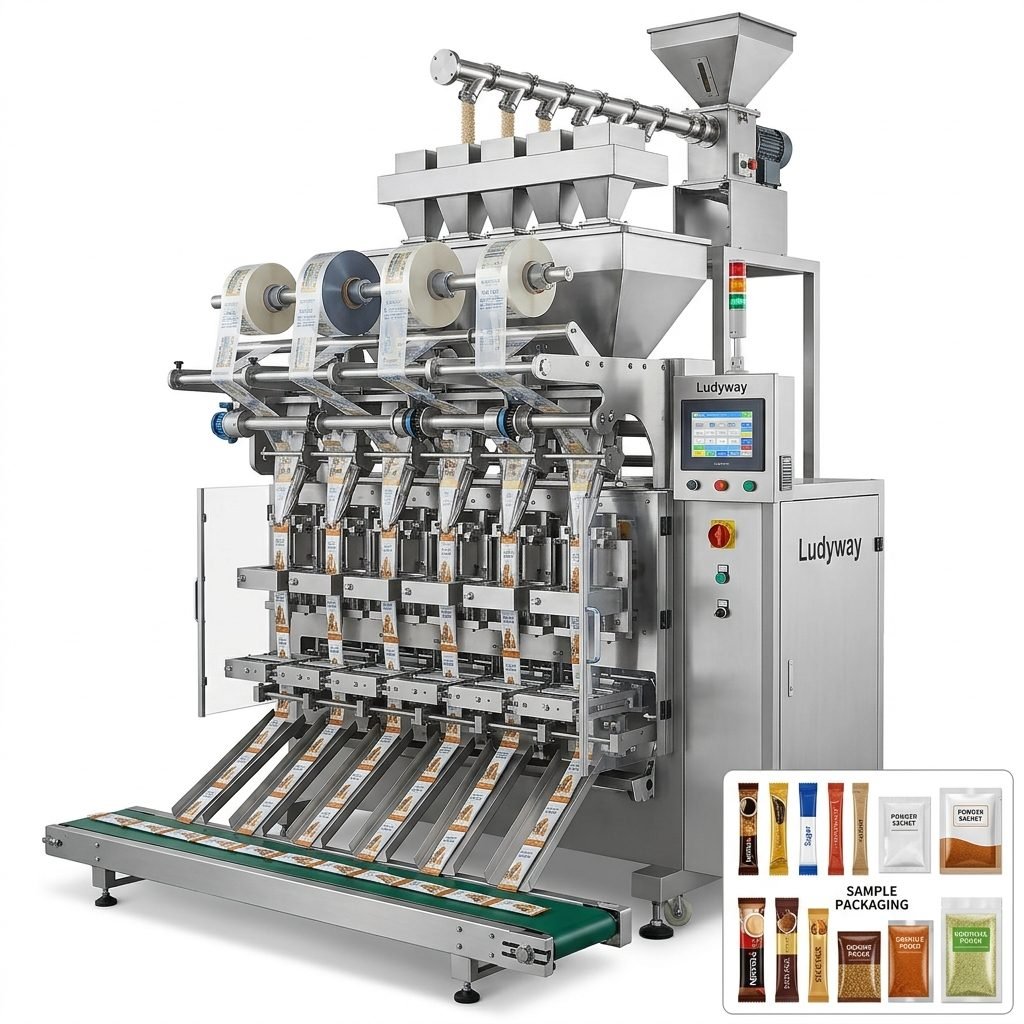
CHLB packing machines are designed for high-speed, automated filling and sealing of powders, granules, liquids, and pastes into flexible packaging formats. These systems commonly produce stick packs, sachets, and multi-lane pouches. The technology integrates precision dosing, film handling, and sealing mechanisms to deliver uniform, shelf-ready packages at scale. Manufacturers seeking to automate manual processes or upgrade existing lines often turn to CHLB configurations for their versatility across packaging machinery market segments.
Step 1: Define Your Product Characteristics
The first step is a thorough analysis of the product you intend to package. Different materials behave differently during filling and sealing.
- Flowability: Free-flowing granules like sugar require different dosing mechanisms than cohesive powders like protein or sticky substances like honey.
- Particle size and density: These factors affect fill accuracy and speed. Inconsistent particle distribution can cause clogging or weight deviation.
- Hygroscopic or dusty nature: Products that absorb moisture or generate fine dust need specialized sealing and dust extraction systems to maintain packaging standards compliance.
- Sensitivity: Oxygen-sensitive, light-sensitive, or sterile products may require nitrogen flushing, UV-blocking films, or cleanroom-compatible machine builds.
Step 2: Determine Packaging Format and Bag Style
CHLB machines can produce multiple bag formats. Clarifying your target format early narrows machine selection significantly.
| Packaging Format | Typical Applications | Key Machine Feature Required |
|---|---|---|
| Stick Pack | Coffee, sugar, supplements, pharmaceutical granules | Multi-lane configuration, narrow seal jaws |
| 3-Side Seal Sachet | Shampoo, sauces, detergents, liquid samples | Horizontal or vertical form-fill-seal unit |
| 4-Side Seal Sachet | Medical devices, wet wipes, premium cosmetics | Multi-lane with precise corner sealing |
| Gusseted Pouch | Pet food, fertilizers, bulk ingredients | Volumetric cup filler or multi-head weigher |
Step 3: Calculate Required Production Speed and Capacity
Production demands vary widely. A small contract packer may operate at 40-60 packs per minute per lane, while a global consumer goods manufacturer might need 300+ packs per minute across multiple lanes. When evaluating speed, consider:
- Cycles per minute and total output per shift
- Number of lanes required (single-lane vs. 4-lane, 6-lane, or 10-lane machines)
- Changeover time between product runs and bag sizes
- Expected uptime and maintenance intervals
Step 4: Evaluate Dosing and Filling Technology
The heart of any CHLB packing machine is its dosing accuracy. The right filling system depends on your product’s physical properties.
| Filling System Type | Best For | Accuracy Level |
|---|---|---|
| Auger Filler | Fine powders (milk powder, flour, spices) | ±0.5% to ±1% |
| Volumetric Cup Filler | Free-flowing granules (sugar, salt, seeds) | ±1% to ±2% |
| Multi-Head Weigher | Mixed products, snacks, irregular pieces | ±0.1% to ±0.5% |
| Piston or Pump Filler | Liquids, creams, pastes, gels | ±0.5% |
Step 5: Film Material Compatibility and Sealing Requirements
Not all machines handle every film type equally. The machine’s sealing system must match your packaging material and product requirements. Check for adjustable temperature controls, pressure settings, and dwell time adjustments. Materials like aluminum foil, paper-laminate, PET/PE composites, and biodegradable films each require specific heat-seal parameters. Industries governed by FDA food packaging regulations or ISO 11607 standards for medical devices must ensure validated seal integrity.
Step 6: Automation and Integration Capabilities
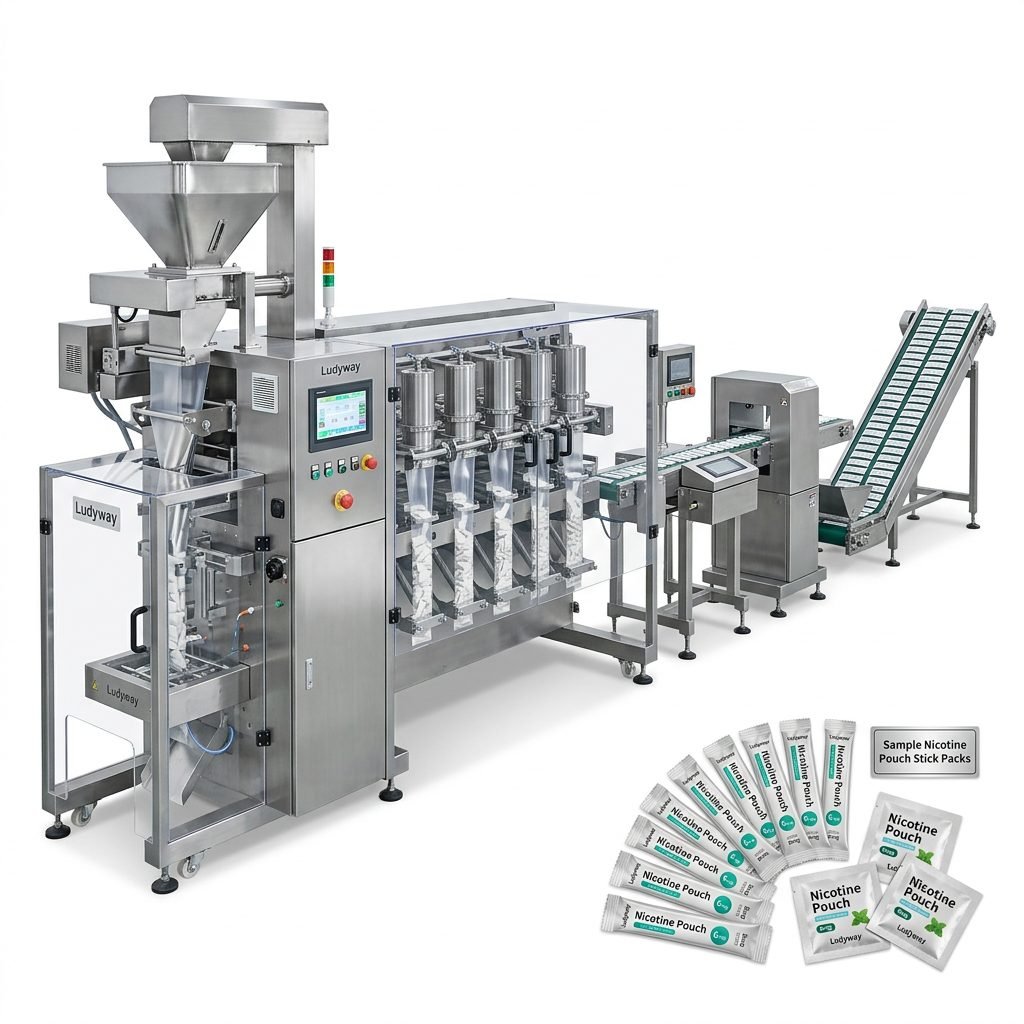
A standalone CHLB machine can evolve into a fully integrated packaging line over time. Look for modular designs that accommodate future additions. Typical line integrations include:
- Automatic feeding systems (vibratory feeders, bucket elevators, vacuum conveyors)
- Inline checkweighers and weight feedback loops
- Metal detectors and X-ray inspection systems
- Nitrogen flushing or gas injection modules
- Date coding, batch printing, and labelling machines
- Automated cartoning, case packing, and palletizing systems
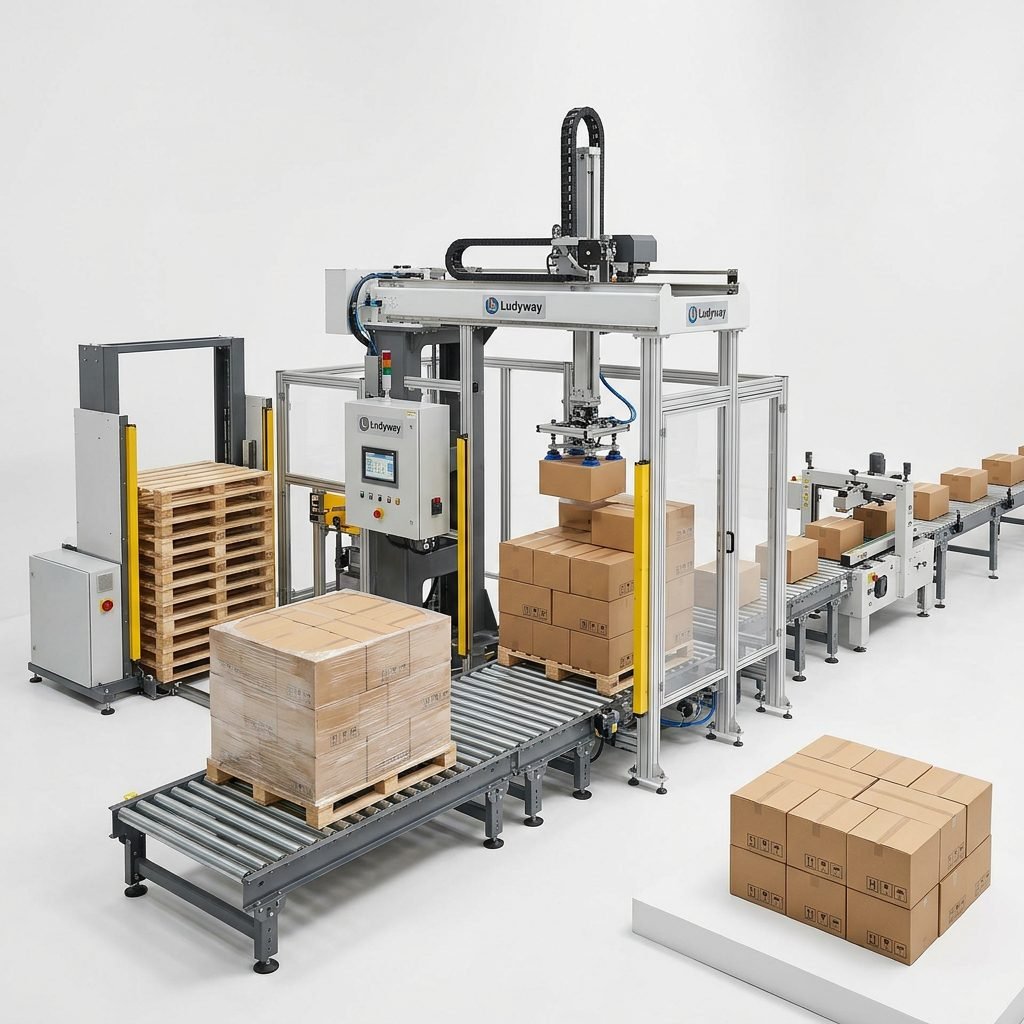
Step 7: Assess Build Quality, Compliance, and Certifications
Machine construction materials and certifications impact longevity, hygiene, and regulatory compliance. For food and pharmaceutical applications, stainless steel 304 or 316L construction is standard. Machines should meet GMP design principles with easy-to-clean surfaces and minimal crevices. Request documentation for CE, UL, or other regional certifications. Verify that electrical components come from recognized brands, and confirm that the control system offers recipe storage, multi-language HMI, and remote diagnostics capabilities. Review resources like the PMMI packaging machinery standards for industry benchmarks.
Step 8: Choose an Experienced Manufacturer with Turnkey Capabilities
Working with a manufacturer that offers comprehensive engineering and after-sales support reduces project risk. Rather than sourcing machines from multiple vendors, many manufacturers prefer a single partner that can handle machine selection, customization, system integration, and ongoing technical support. Ludyway Machinery, a China-based packaging machinery manufacturer with over 30 years of industry experience, provides automated packaging equipment and integrated solutions across food, pharmaceutical, chemical, and cosmetic sectors. The company operates a 20,000-square-meter manufacturing facility and supplies more than 50 packaging machine models to over 100 countries. For complex projects, a partner with turnkey capabilities can streamline the entire process from initial consultation to commissioning and operator training.
Step 9: Review Total Cost of Ownership, Not Just Purchase Price
The lowest upfront quote often results in higher long-term expenses. A comprehensive cost analysis should include:
- Initial machine purchase and installation costs
- Spare parts availability and procurement lead times
- Energy consumption per operational hour
- Film material waste percentages during start-up and changeover
- Preventative maintenance schedules and labor requirements
- Downtime costs and technical support responsiveness
Step 10: Request Factory Acceptance Testing and Sample Runs
Before finalizing any purchase, request a factory acceptance test (FAT) using your actual product and packaging materials. This test validates that the machine achieves the promised speed, accuracy, and seal quality under realistic production conditions. Request detailed video documentation if an on-site visit is not feasible. Evaluate seal strength, fill weight consistency, and overall package appearance from the sample runs. For more insights into industry validation techniques, consult Flexible Packaging Association resources.

Final Decision Checklist
Use this quick reference checklist when comparing CHLB packing machine options:
| Evaluation Criteria | Key Question to Ask |
|---|---|
| Product Compatibility | Has the machine been tested with similar product types and densities? |
| Speed Validation | What is the guaranteed output at sustained operation? |
| Filling Precision | What is the documented weight deviation over 1,000+ cycles? |
| Material Flexibility | Can the machine handle current and potential future film specifications? |
| Manufacturer Support | What are the remote support, spare parts, and warranty terms? |
| Compliance | Does the machine meet CE, FDA, or other required certifications? |
Key Takeaways for Buyers
Investing in the right CHLB packing machine requires a methodical evaluation of product characteristics, packaging format, speed requirements, dosing technology, material compatibility, automation needs, and supplier capabilities. Rushing this process often leads to costly inefficiencies. By partnering with an experienced manufacturer and conducting thorough testing, you can secure a packaging solution that delivers consistent performance, regulatory compliance, and a strong return on investment over the equipment’s lifecycle. For broader market context, the 2026 State of the Industry report from PMMI offers valuable data on packaging machinery trends and growth projections across global markets.

For manufacturers seeking a reliable partner with turnkey engineering capabilities, industry expertise, and global service networks, choosing an established supplier with a proven track record in packaging machinery global growth can make a significant difference in project success and long-term operational stability.