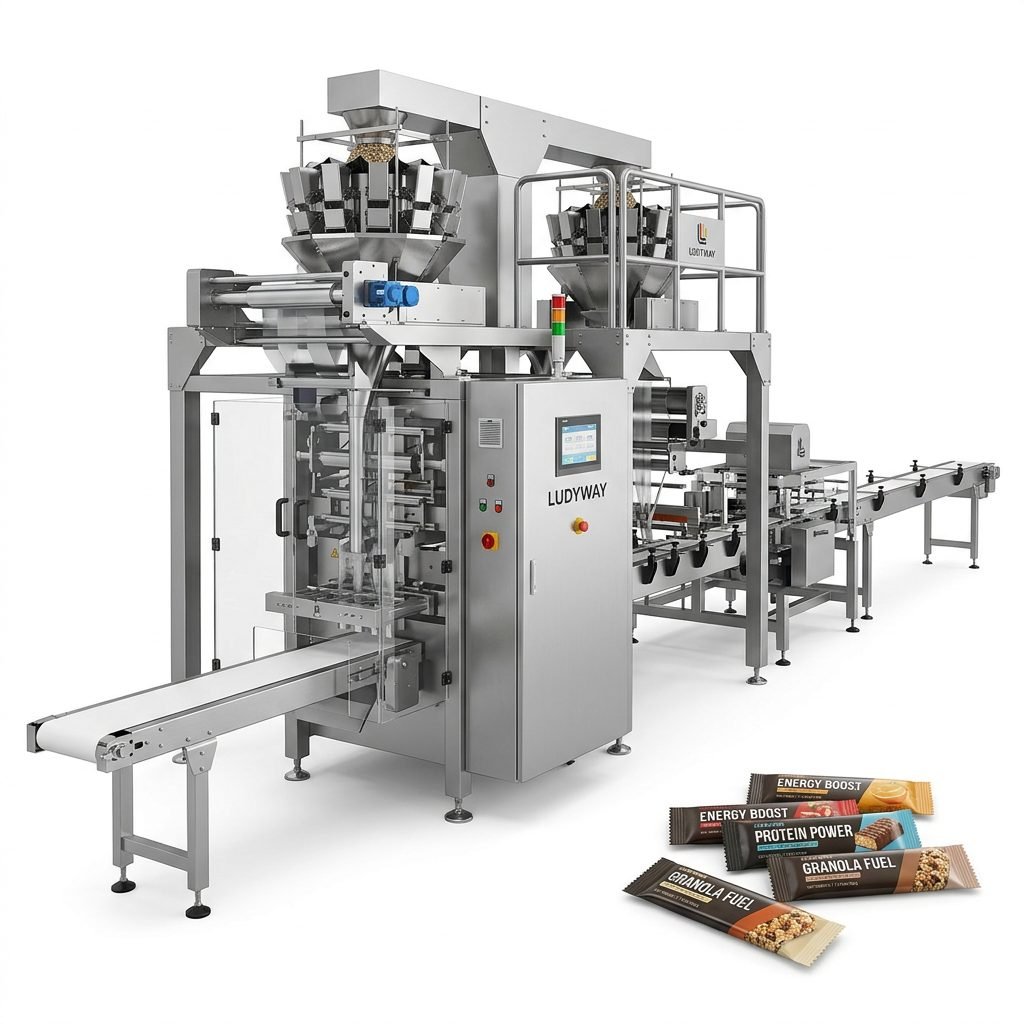
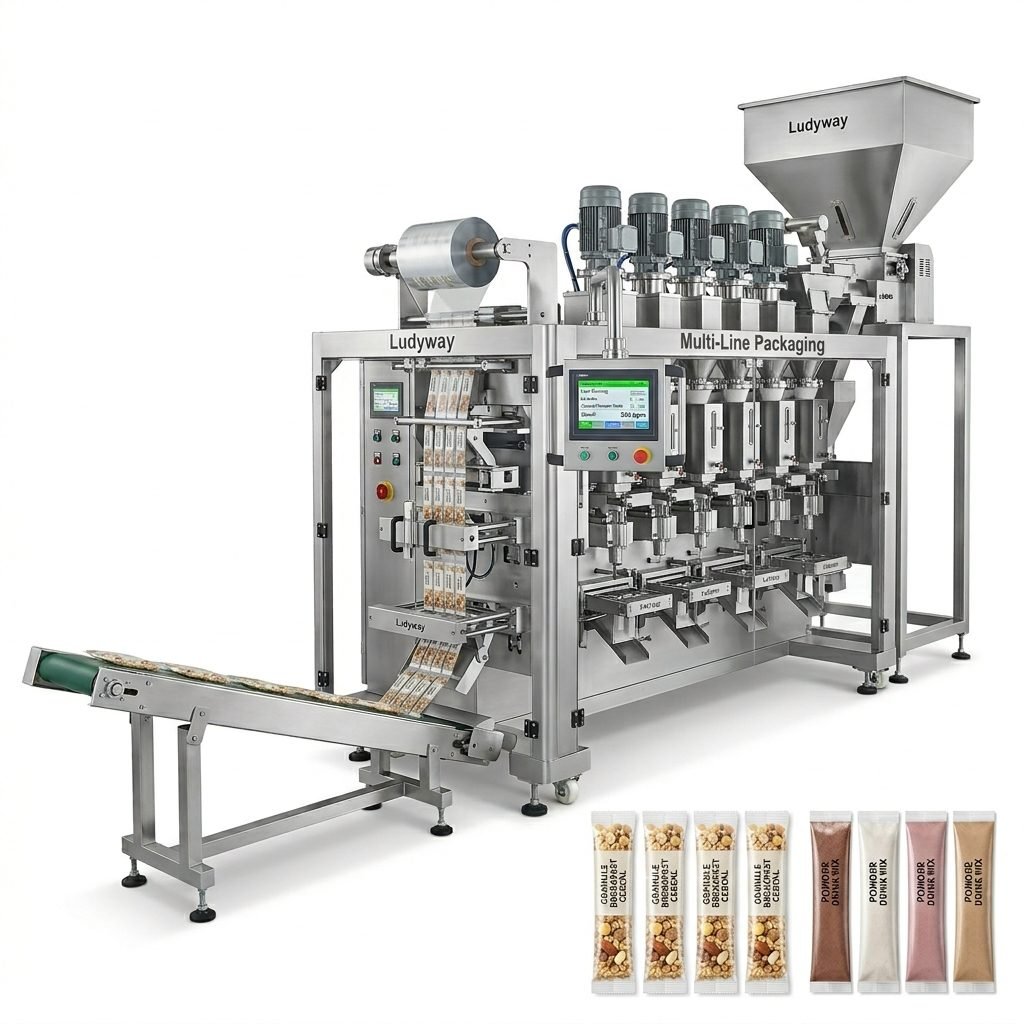
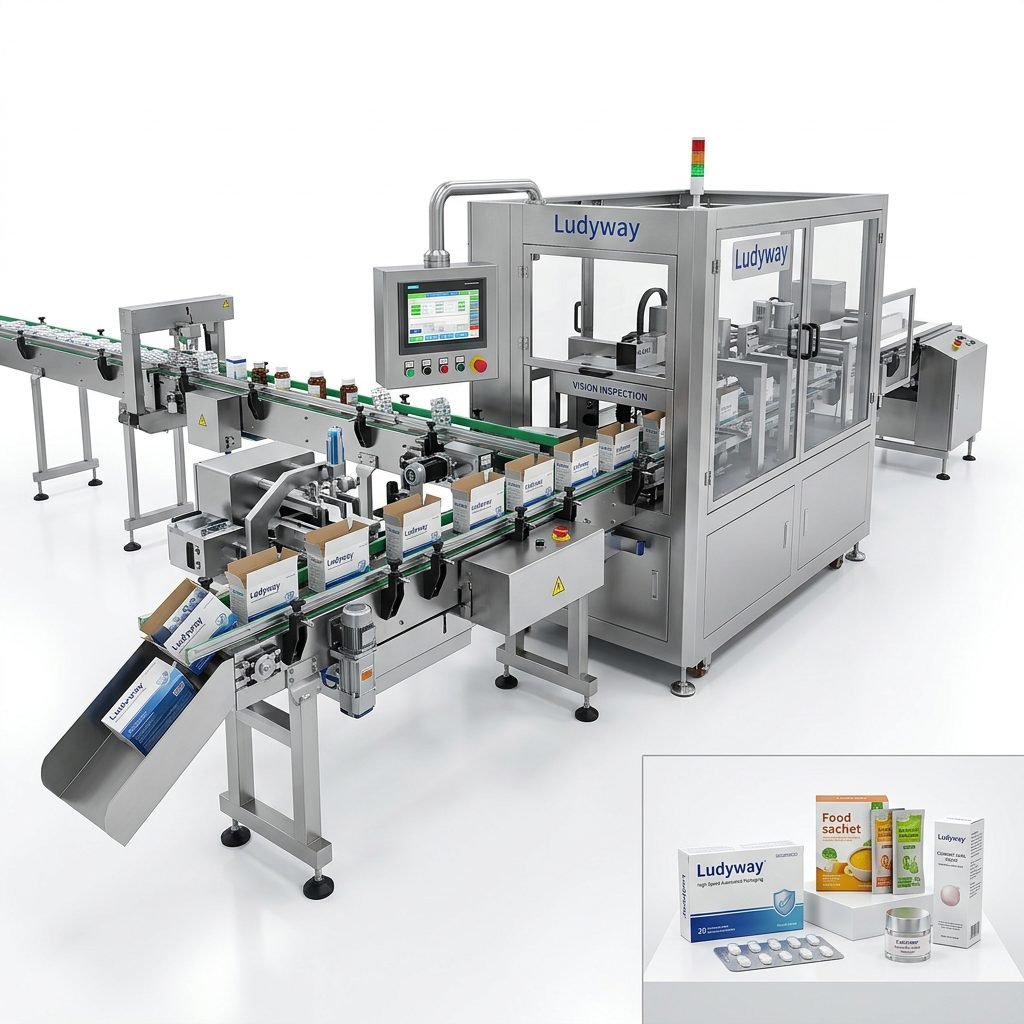
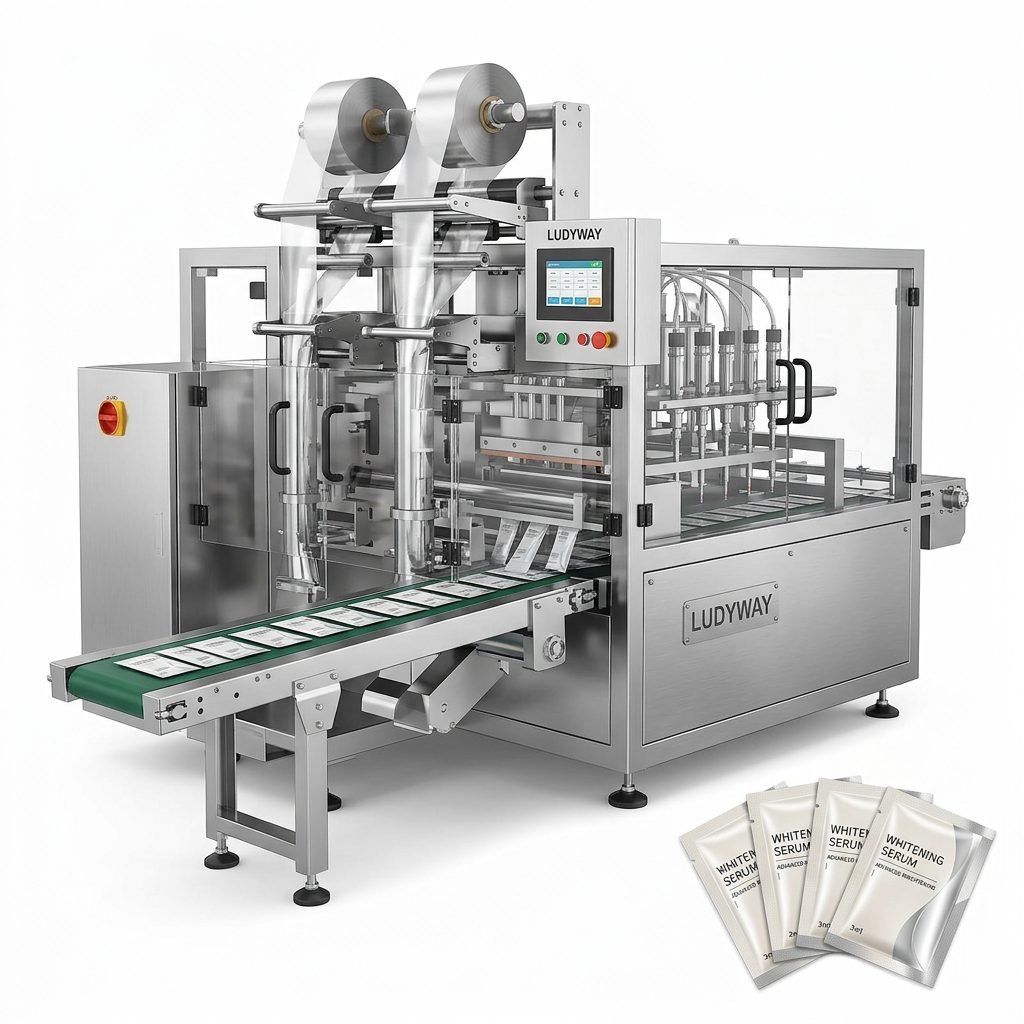
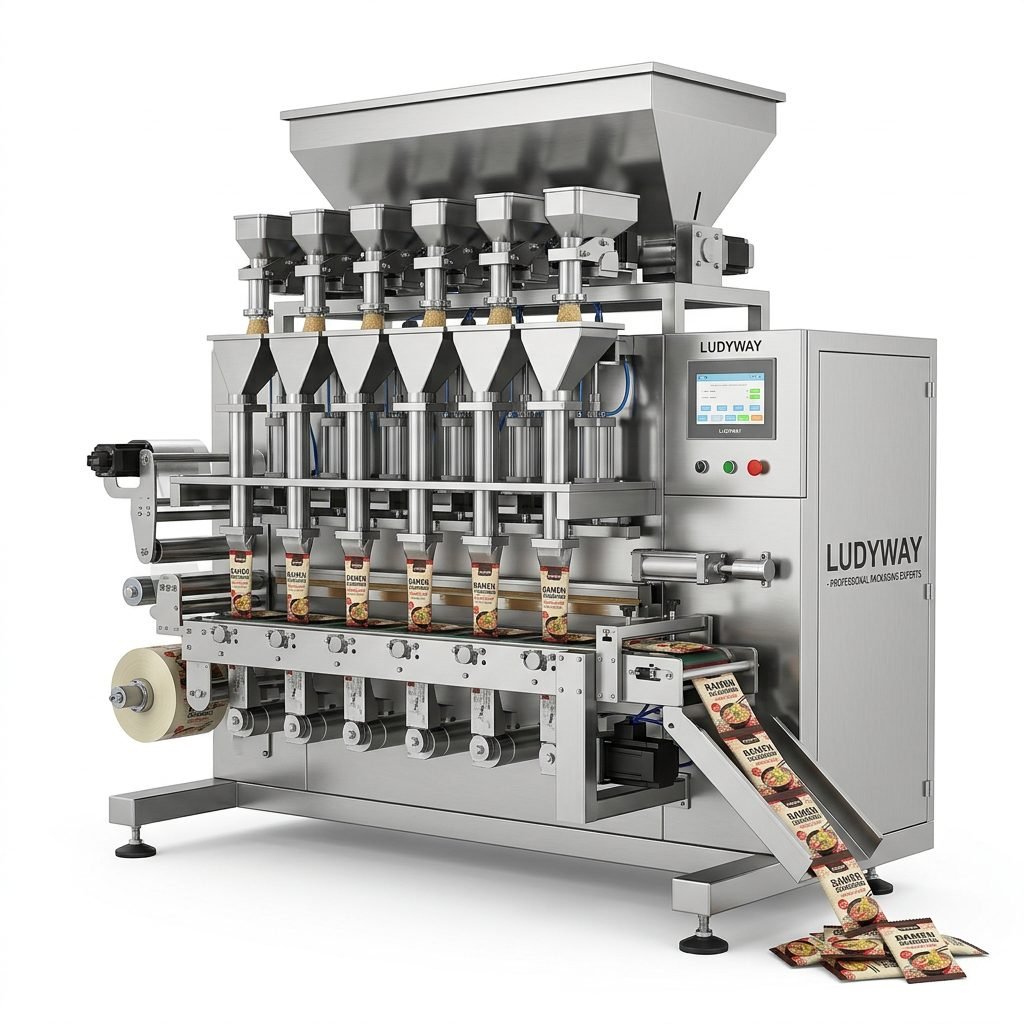
Selecting the right GS packaging machine is a critical decision that directly impacts your production efficiency, product quality, and long-term operational costs. Whether you are packaging granules, powders, liquids, or stick packs, the machine you choose must align with your specific product characteristics, throughput requirements, and packaging format goals. This comprehensive buyer’s guide walks you through the essential factors to evaluate before making your investment.
1. Define Your Product and Packaging Requirements
Before comparing machine models, you need a clear understanding of what you are packaging and how you want it presented. The GS packaging machine category covers a wide range of equipment designed for different applications. Start by asking these foundational questions:
- What is your product type? Is it a free-flowing granule, a cohesive powder, a liquid, a paste, or a combination? Particle size, density, flowability, and moisture content all affect dosing accuracy and machine configuration.
- What packaging format do you need? Are you producing stick packs, sachets, pouches, or larger bags? Each format requires specific forming, filling, and sealing mechanisms.
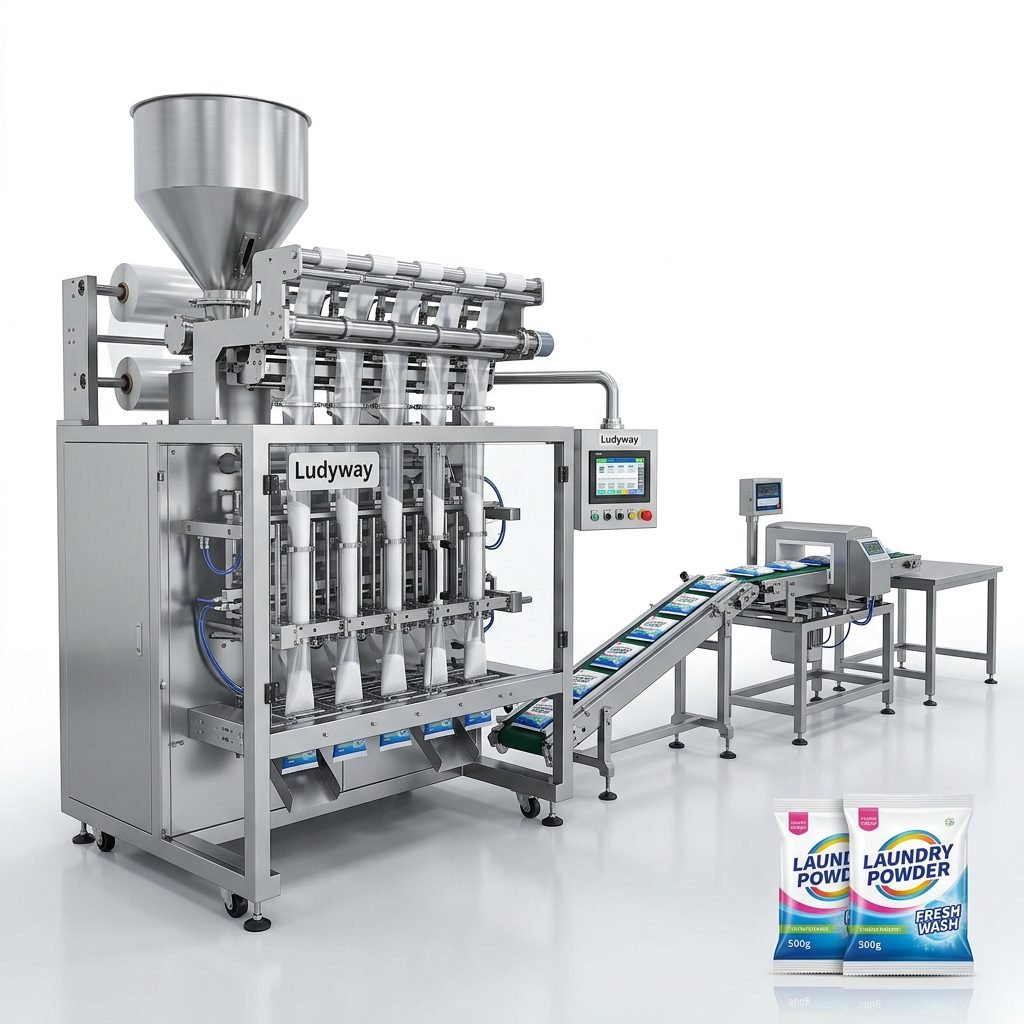
- What is your target output speed? Production volume requirements determine whether you need a single-lane, multi-lane, or high-speed multi-lane system. According to PMMI packaging industry data, multi-lane configurations can dramatically increase throughput for stick pack and sachet applications.
- What packaging material will you use? Film type, thickness, barrier properties, and heat-seal compatibility must match your machine’s sealing system.

2. Key Technical Specifications to Evaluate
Once you have defined your product parameters, focus on the technical specifications that will determine machine performance. The table below outlines the critical specifications to compare when evaluating different GS packaging machine models:
| Specification | What to Look For | Importance |
|---|---|---|
| Filling Range | Minimum and maximum fill volume per pack (e.g., 0.5g – 50g) | Critical |
| Number of Lanes | Single-lane up to 12+ lanes for high-speed production | Critical |
| Dosing System Type | Auger filler, volumetric cup, piston filler, multi-head weigher, or pump system | Critical |
| Sealing Temperature Range | Adjustable temperature control for different film materials | High |
| Power Consumption | Voltage, phase, and total power requirements | Moderate |
| Machine Dimensions | Footprint requirements and factory floor space considerations | Moderate |
| Control System | PLC touchscreen interface, recipe storage, and automation capabilities | High |
3. Product Compatibility and Dosing Accuracy
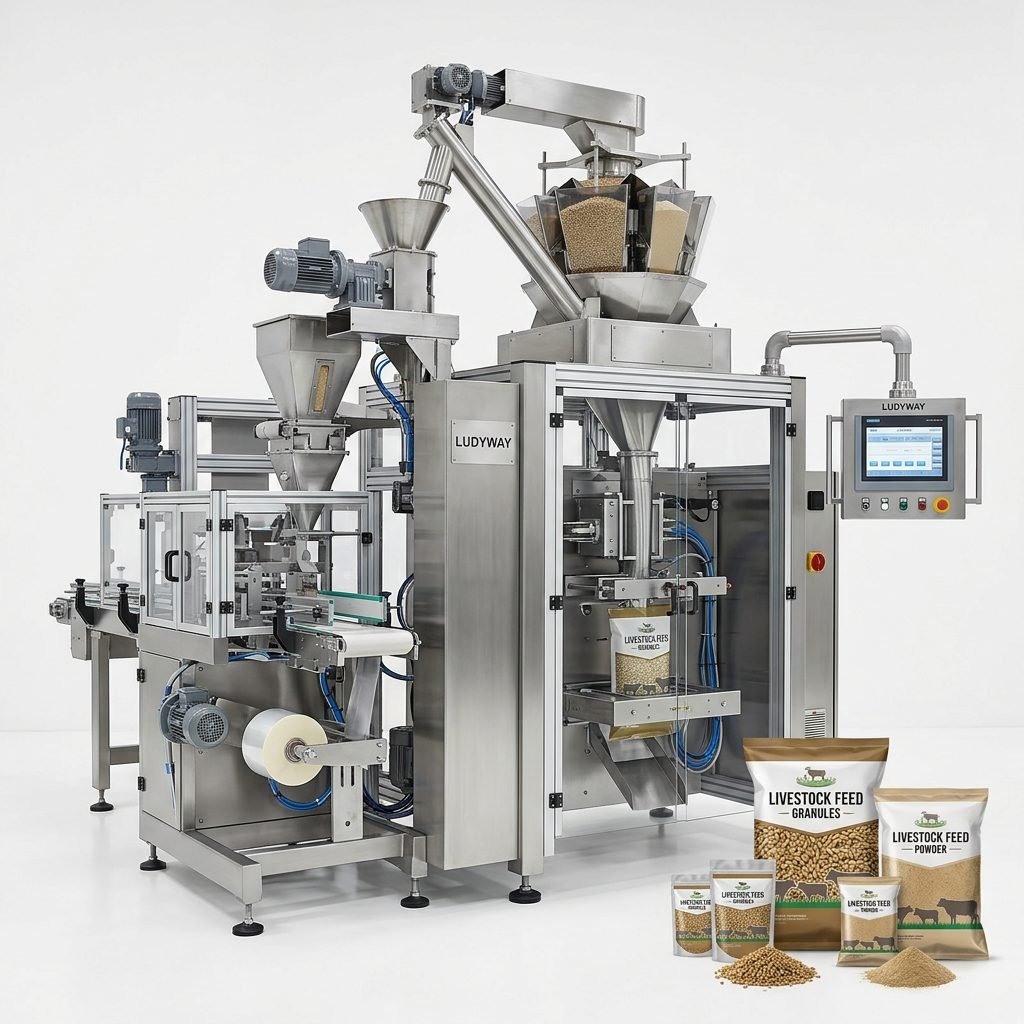
Not all GS packaging machines are suitable for every product type. Granule products like sugar, salt, coffee beans, and pet food typically require volumetric or multi-head weigher dosing. Powder products such as protein powder, spices, milk powder, and pharmaceutical ingredients often need auger fillers to achieve consistent dosing accuracy, especially for fine or cohesive powders. For liquid and paste products like shampoos, sauces, honey, and gels, piston fillers or pump-based filling systems deliver the best results.
Review ISO packaging standards for guidance on filling accuracy requirements relevant to your industry. Additionally, the Flexible Packaging Association provides valuable resources on material compatibility and packaging performance benchmarks.

4. Automation Level and Line Integration
Modern packaging operations increasingly demand automation to reduce labor costs and improve consistency. A GS packaging machine can be configured as a standalone unit or integrated into a complete packaging line. Consider the following levels of automation:
- Standard machines: Manual film loading and basic PLC controls suitable for lower-volume production.
- Semi-automated systems: Automated filling and sealing with some manual intervention for material handling.
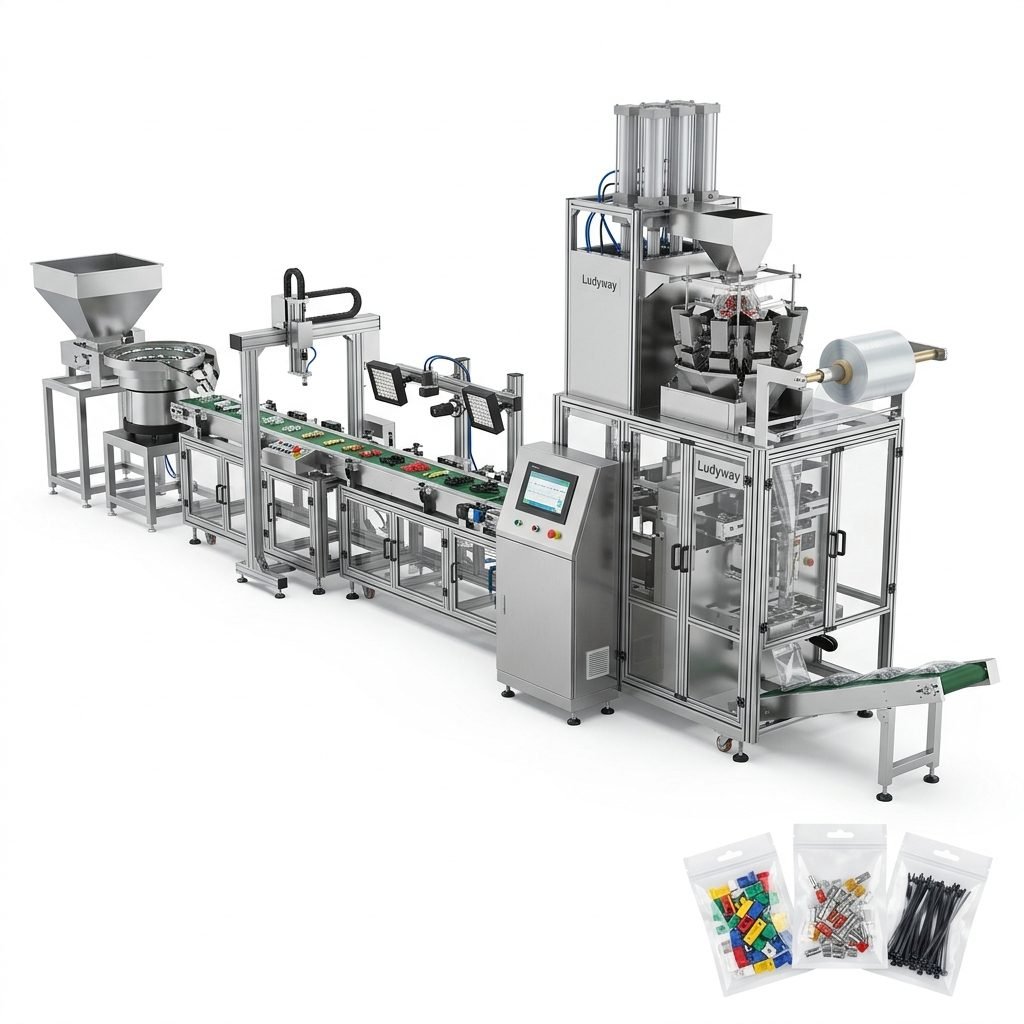
- Fully automated packaging lines: Integrated systems that include automatic feeding, dosing, filling, sealing, coding, inspection, cartoning, and palletizing. These turnkey solutions are ideal for high-volume manufacturers aiming to maximize throughput.
If you plan to scale your production in the future, select a machine that supports modular upgrades and can be integrated with downstream equipment such as cartoners, case packers, and palletizers.
5. Compliance with International Standards
Depending on your target market, your packaging equipment may need to comply with specific regulatory requirements. For food applications, review FDA food packaging and food contact substances guidelines. Pharmaceutical and medical device packaging must meet ISO 11607 packaging standards for terminally sterilized medical devices. In Europe, compliance with EU Packaging and Packaging Waste regulations is increasingly important. Verify that your chosen GS packaging machine can be configured to meet these applicable standards.
6. Evaluating the Manufacturer and After-Sales Support
Choosing the right equipment partner is as important as choosing the right machine. Look for manufacturers with a proven track record, in-house engineering capabilities, and robust after-sales support. Key factors to assess include:
- Manufacturing experience: How many years has the company been producing packaging machinery?
- Technical support: Does the manufacturer offer installation, commissioning, operator training, and remote troubleshooting?
- Spare parts availability: Can you easily source replacement parts to minimize downtime?
- Customization capabilities: Can the manufacturer tailor the machine to your specific product and factory layout?
- Global service reach: If you operate internationally, does the supplier have experience serving customers in your region?
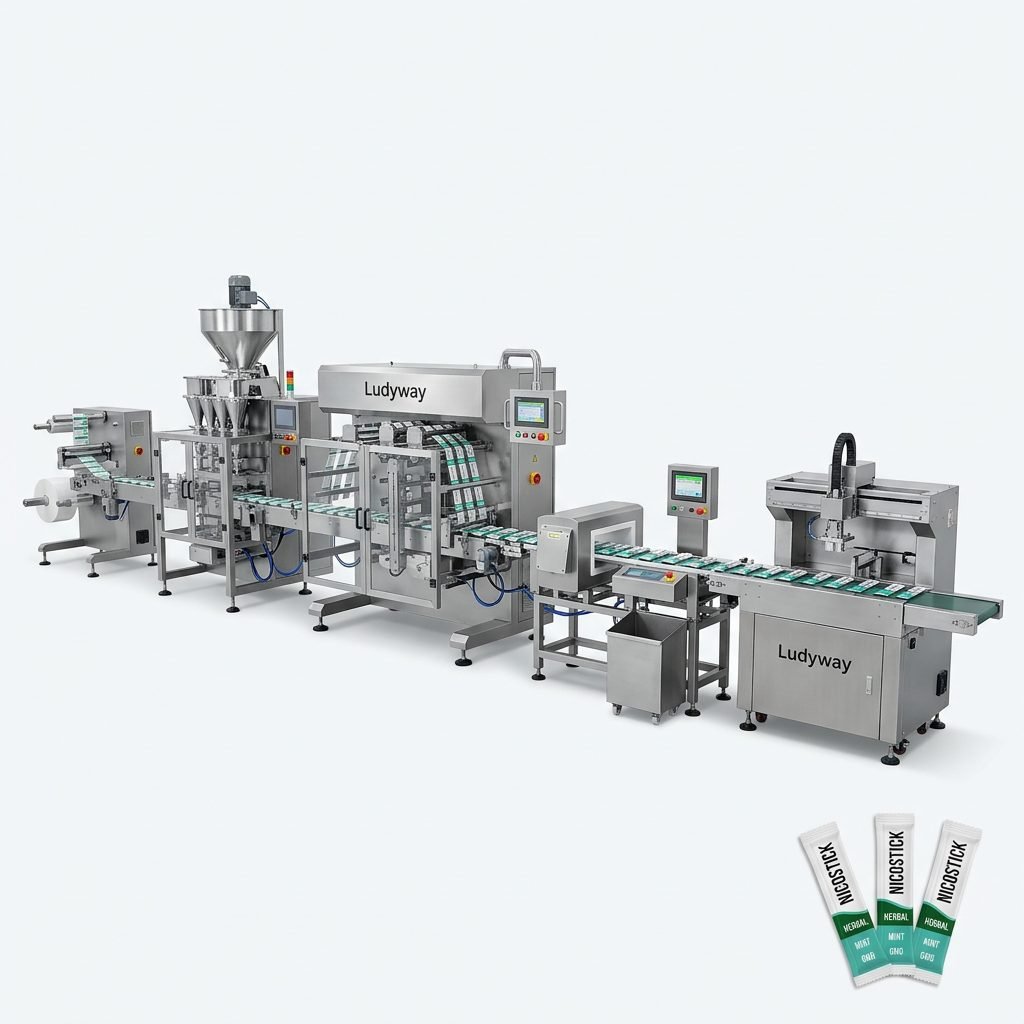
One manufacturer that exemplifies these qualities is Ludyway Machinery, a China-based packaging machinery manufacturer with more than 30 years of experience in the industry. With a 20,000-square-meter manufacturing facility, over 130 professionals, and more than 50 packaging machine models, Ludyway combines manufacturing expertise with engineering capabilities to deliver customized packaging solutions. The company serves customers in more than 100 countries and regions, and is expected to achieve export revenue of more than RMB 500 million (approximately US$69 million) in 2025, with plans to surpass RMB 1 billion (approximately US$138 million) in export revenue in 2026, as reported by EIN Presswire.
7. Comparing Multi-Lane vs. Single-Lane Configurations
One of the most important decisions when selecting a GS packaging machine is choosing between single-lane and multi-lane configurations. The following table compares these options to help you decide:
| Feature | Single-Lane Machine | Multi-Lane Machine |
|---|---|---|
| Production Speed | 30 – 80 packs per minute | 200 – 1,000+ packs per minute |
| Initial Investment | Lower upfront cost | Higher initial cost, lower per-unit cost |
| Floor Space | Compact footprint | Larger footprint; higher output per square meter |
| Maintenance Complexity | Simpler to maintain | More complex; requires trained operators |
| Best For | Startups, low-to-medium volume, frequent changeovers | High-volume production, consistent product runs |
8. Budget Considerations and ROI Analysis
While the purchase price of a GS packaging machine is an important factor, the total cost of ownership (TCO) should guide your decision. Consider these financial factors:
- Initial capital expenditure: Machine cost, shipping, installation, and commissioning fees.
- Operational costs: Energy consumption, film material waste rates, and labor requirements.
- Maintenance and spare parts: Routine maintenance costs and the availability of affordable replacement components.
- Downtime risk: The cost of production interruptions if a machine breaks down. Investing in a higher-quality machine with better reliability often pays for itself through reduced downtime.
- Scalability: Can the machine grow with your business, or will you need to replace it entirely as production volumes increase?

9. Testing and Validation Before Purchase
Before finalizing your purchase, insist on product testing and machine validation. Reputable manufacturers offer factory acceptance testing (FAT) where you can send your actual product and packaging materials for trial runs. This step verifies:
- Actual filling accuracy with your product
- Seal integrity with your chosen film material
- Machine speed under real production conditions
- Changeover time between different pack sizes
- Ease of operation and cleaning procedures
For additional guidance, refer to the PMMI packaging industry resources and the Flexible Packaging Association knowledge hub for best practices in equipment selection and validation.
10. Making Your Final Decision
Choosing the right GS packaging machine requires balancing multiple factors: product compatibility, production speed, automation level, regulatory compliance, budget, and manufacturer support. The best machine for your operation is one that not only meets your current needs but also accommodates future growth. By carefully evaluating each of the criteria outlined in this guide, you can make an informed decision that supports your production goals for years to come.
Whether you are packaging instant coffee, protein powder, pet food, pharmaceutical granules, liquid detergents, or cosmetic sachets, selecting the right equipment partner matters as much as the machine itself. Prioritize manufacturers that offer customization, engineering support, and global service capabilities to ensure a smooth installation and long-term operational success.